
Compound Monograph
Canadaline
Canadaline is a minor secoberbine alkaloid of goldenseal (Hydrastis canadensis) — a ring-opened isoquinoline that sits biosynthetically between the root's protoberberine and phthalideisoquinoline alkaloids, and which, though barely studied, was the most potent airway relaxant of goldenseal's alkaloids in the one assay that compared them.

Sources · 2
Where Does It Come From?
Canadaline is a naturally occurring isoquinoline alkaloid (secoberbine group), found in Goldenseal and 1 other source. It is well tolerated orally (low toxicity).
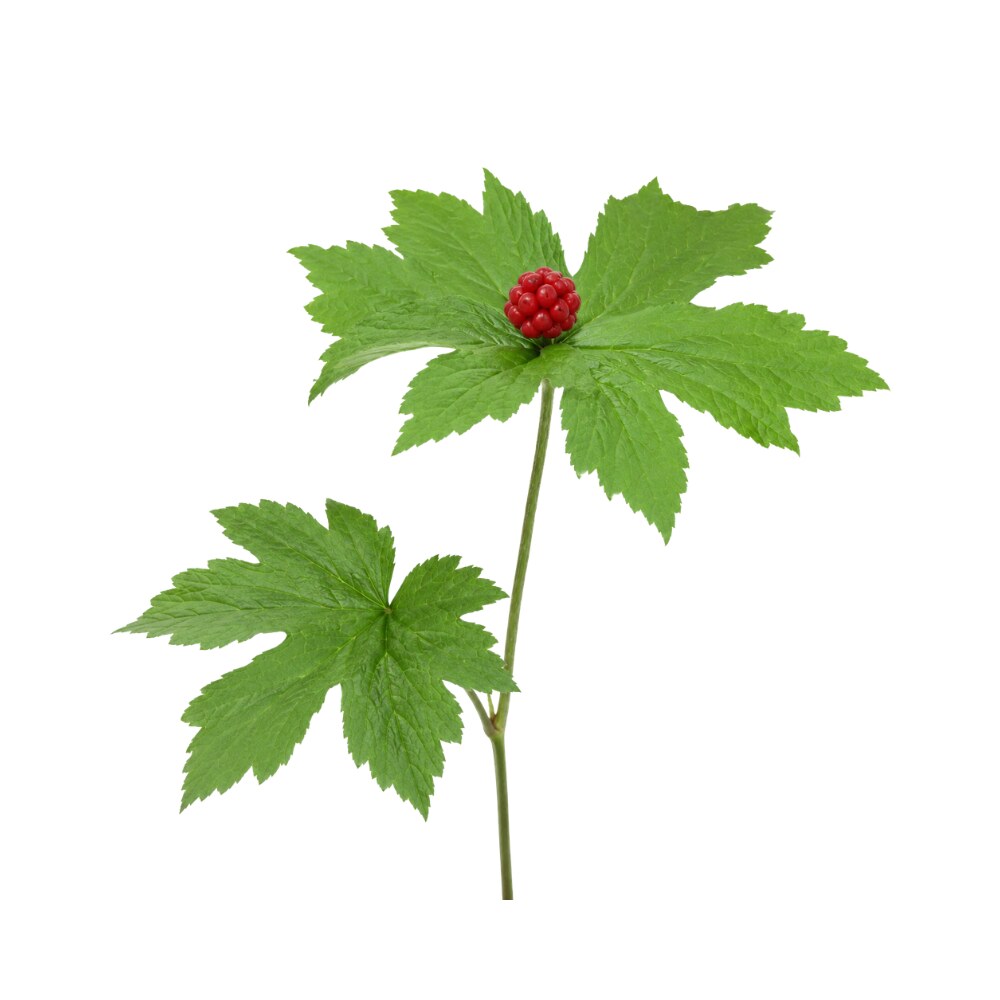
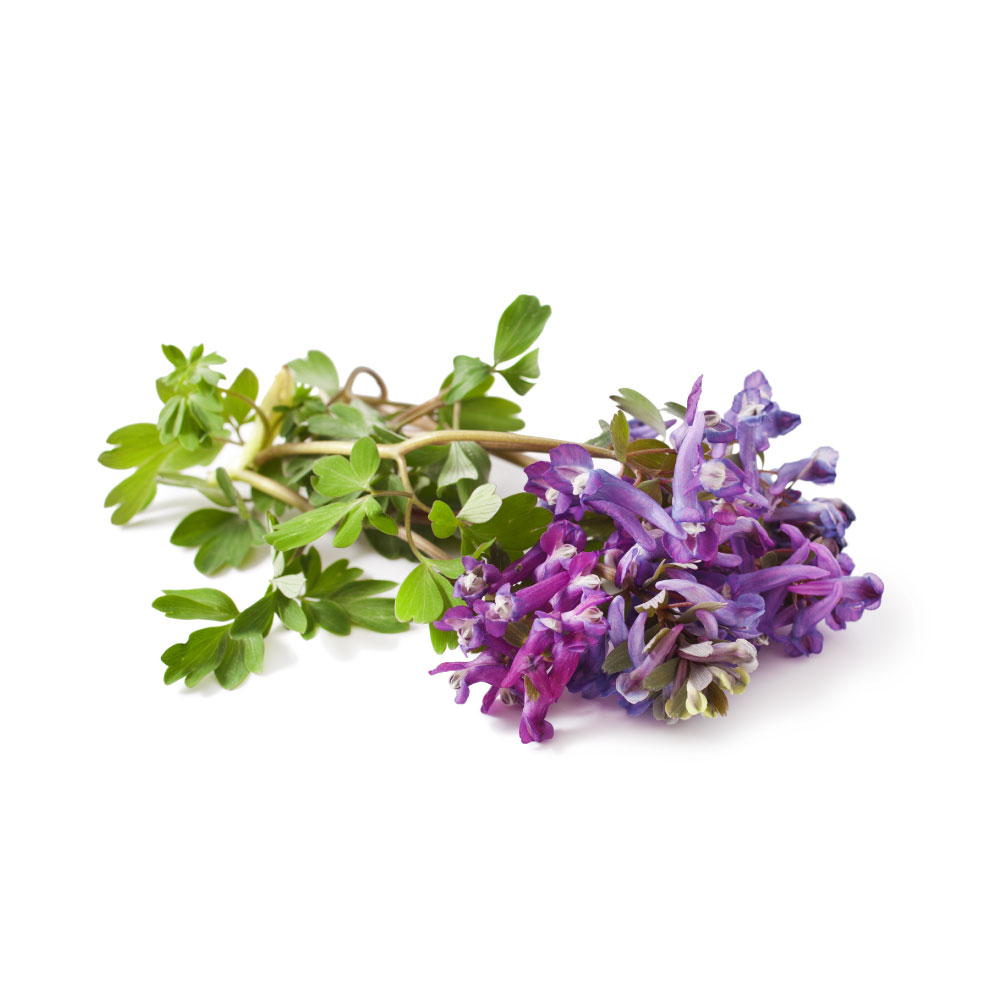
Concentration
Content by Source
Concentrations not reported. No percent-dry-weight or mg/g figures have been published for this compound in its source plants.
Canadaline at a Glance
Canadaline is a minor isoquinoline alkaloid of goldenseal root, and one of the four alkaloids — with berberine, β-hydrastine and canadine — that make up the classic quartet studied in goldenseal’s antibacterial work 1Reference 1In vitroAntibacterial activity of Hydrastis canadensis extract and its major isolated alkaloids — in vitroView study →. Structurally it is unusual: it is a secoberbine, a protoberberine whose ring has been oxidatively opened, which places it between goldenseal’s two alkaloid families rather than squarely in either 5Reference 5R(−)-Canadaline as first secoberbine alkaloid from Corydalis cavaView study →.
The honest evidence posture is that canadaline is very data-thin. There are no human trials, no human pharmacokinetics, and almost no pharmacology dedicated to the molecule on its own. What little direct data exist come from two studies that isolated goldenseal’s alkaloids and tested them side by side — an antibacterial screen 1Reference 1In vitroAntibacterial activity of Hydrastis canadensis extract and its major isolated alkaloids — in vitroView study → and a guinea-pig airway study 2Reference 2Relaxant effects of Hydrastis canadensis L. and its major alkaloids on guinea pig isolated trachea — ex vivoView study → — in which canadaline is otherwise a molecule mentioned mostly in passing.
A Minor Goldenseal Alkaloid
Canadaline’s interest is structural before it is pharmacological. It is a secoberbine — an isoquinoline alkaloid built on the protoberberine skeleton but with one ring oxidatively cleaved (ring-opened) rather than closed 5Reference 5R(−)-Canadaline as first secoberbine alkaloid from Corydalis cavaView study →. That single feature distinguishes it from its closed-ring goldenseal relatives: berberine and canadine are intact protoberberines, while β-hydrastine belongs to the phthalideisoquinoline family. Secoberbines like canadaline are understood to be intermediates on the biosynthetic path from protoberberines toward phthalideisoquinolines, differing chiefly in oxidation state (alcohol, aldehyde or acid) 5Reference 5R(−)-Canadaline as first secoberbine alkaloid from Corydalis cavaView study →. In effect, canadaline sits on the chemical bridge between the two alkaloid groups goldenseal is known for — the berberine-type protoberberines and the hydrastine-type phthalideisoquinoline.
The alkaloid is essentially a Hydrastis signature: the naturally occurring (S)-canadaline was described from goldenseal (and, like canadine, takes its name from the plant and, through it, from Canada), and the mirror-image R(−)-canadaline was only later reported as the first secoberbine found in Corydalis cava 5Reference 5R(−)-Canadaline as first secoberbine alkaloid from Corydalis cavaView study →. In goldenseal root it is one of the alkaloids that reliably shows up in commercial material alongside berberine, hydrastine, canadine, berberastine and tetrahydroberberastine 3Reference 3Chemical comparison of goldenseal (Hydrastis canadensis L.) root powder from three commercial suppliersView study →.
For a molecule this obscure, one result stands out: in the single study that compared goldenseal’s alkaloids head-to-head for airway smooth-muscle relaxation, canadaline was the most potent of the lot — more potent than canadine or the major alkaloids 2Reference 2Relaxant effects of Hydrastis canadensis L. and its major alkaloids on guinea pig isolated trachea — ex vivoView study →. That finding has never been followed up, and there is no human data on canadaline for this or any other effect. It remains a minor alkaloid that briefly out-performed its famous siblings in one assay and was then left largely unstudied.
What It's Used For
The evidence is preclinical throughout, and thin. Only two studies test canadaline as an identified compound, both by isolating goldenseal’s alkaloids and comparing them: an antibacterial screen and an ex-vivo airway-relaxation study.
Support is an experimental score — a composite weighted by study type (human > animal > in vitro > review) and study volume, tempered for isolate-vs-plant match. It’s a beta, not a validated metric. Canadaline scores low across the board: everything here is preclinical and rests on one study each.
In isolated guinea-pig trachea, the major goldenseal alkaloids were tested individually for relaxant activity, and canadaline was the most potent, relaxing the airway smooth muscle with an EC50 of roughly 2.4 ± 0.8 µg/mL — below canadine (~11.9 µg/mL) and the other alkaloids in the same study 2Reference 2Relaxant effects of Hydrastis canadensis L. and its major alkaloids on guinea pig isolated trachea — ex vivoView study →.
The relaxation was antagonised by timolol (a β-adrenergic antagonist) and by a xanthine amine congener (an adenosine-receptor antagonist), so the authors proposed that these alkaloids act via adrenergic and adenosinic receptors — while stating the data were insufficient for a definite mechanism 2Reference 2Relaxant effects of Hydrastis canadensis L. and its major alkaloids on guinea pig isolated trachea — ex vivoView study →.
This is the isolated molecule tested in an ex-vivo tissue bath, not canadaline given to a living animal.
Gap: a single ex-vivo study at a fairly high concentration — no in-vivo bronchodilation, no respiratory-outcome data, and no follow-up in the two decades since. The mechanism is inferred from receptor antagonists, not confirmed.
When goldenseal’s major alkaloids were isolated and tested against six bacterial strains (including Staphylococcus aureus, Streptococcus sanguis, Escherichia coli and Pseudomonas aeruginosa) by killing-time and MIC methods, canadaline was one of the four alkaloids evaluated alongside berberine, β-hydrastine and canadine, and the results were read as a rational basis for the root’s traditional antibacterial use 1Reference 1In vitroAntibacterial activity of Hydrastis canadensis extract and its major isolated alkaloids — in vitroView study →. Canadaline is a contributor within the tested alkaloid set; the whole-extract antibacterial story is dominated by berberine and by non-alkaloid flavonoid efflux-pump synergists, so canadaline reads as a minor voice.
Gap: the published abstract does not rank the individual alkaloids, so canadaline’s relative antibacterial potency versus berberine is not established here; there are no whole-organism or human infection data for it 1Reference 1In vitroAntibacterial activity of Hydrastis canadensis extract and its major isolated alkaloids — in vitroView study →.
Mechanisms
| Target / pathway | Effect | Relevant to |
|---|---|---|
| β-adrenergic receptors (timolol-sensitive) | tracheal smooth-muscle relaxation | airway relaxant |
| Adenosine receptors (xanthine-amine-congener-sensitive) | contributes to tracheal relaxation | airway relaxant |
| Bacterial membranes / goldenseal alkaloid fraction | contributory antibacterial action in vitro | antibacterial |
The receptor targets are inferred from antagonist experiments in a single tissue study 2Reference 2Relaxant effects of Hydrastis canadensis L. and its major alkaloids on guinea pig isolated trachea — ex vivoView study →; treat them as proposed, not confirmed.
Pharmacokinetics
Essentially unstudied for canadaline in humans. No oral bioavailability figure, plasma half-life or metabolite map has been established here, and there is no ADME study on the isolated compound. As a ring-opened (seco) tertiary alkaloid, its physical chemistry differs from the flat, permanently charged quaternary berberine, but any absorption or distribution inference from that would be speculation beyond the available data — so none is offered. Its metabolic fate is uncharacterised.
Clinical Trials
None. No registered or published human clinical trials of canadaline as an isolated agent were identified.
| Completed | Planned | Terminated | Preclinical |
|---|---|---|---|
| — | — | — | Minimal(isolate only) |
Last checked: July 2026.
Isolate vs. Plant Studies
Both of canadaline’s direct findings come from studies that purified goldenseal’s alkaloids and tested them individually 1,
Prevalence in Nature
Canadaline occurs chiefly in the root and rhizome of goldenseal (Hydrastis canadensis), where it is a minor alkaloid — consistently detected in commercial root powder alongside hydrastinine, berberastine, tetrahydroberberastine, berberine, hydrastine and canadine, but reported only qualitatively rather than quantified as a percentage of dry weight 3Reference 3Chemical comparison of goldenseal (Hydrastis canadensis L.) root powder from three commercial suppliersView study →. Modern high-resolution LC-MSⁿ profiling of goldenseal root has catalogued on the order of two dozen alkaloids, of which canadaline is one of the minor constituents 4Reference 4Characterization of the alkaloids in goldenseal (Hydrastis canadensis) root by high resolution Orbitrap LC-MSⁿView study →. Beyond goldenseal, canadaline (as the R(−)-enantiomer) has been reported in Corydalis cava, where it was described as that genus’s first secoberbine alkaloid 5Reference 5R(−)-Canadaline as first secoberbine alkaloid from Corydalis cavaView study →. As with the other goldenseal alkaloids, it concentrates in the underground organs rather than the leaves.
Major Natural Sources
| Source | Botanical | Part | Notes |
|---|---|---|---|
| Goldenseal | Hydrastis canadensis | Root / rhizome | Principal source; minor alkaloid, reported qualitatively 3, |
| Corydalis | Corydalis cava | Tuber / root | R(−)-canadaline; first secoberbine reported from the genus 5Reference 5R(−)-Canadaline as first secoberbine alkaloid from Corydalis cavaView study → |
Discovery & Synthesis
Canadaline takes its name from goldenseal (Hydrastis canadensis), and through the plant from Canada — the same eponymy as its relative canadine. The naturally occurring (S)-canadaline was characterised from goldenseal; its secoberbine structure — a protoberberine skeleton with a cleaved ring — places it among a small family of ring-opened isoquinoline alkaloids regarded as biosynthetic intermediates toward the phthalideisoquinolines 5Reference 5R(−)-Canadaline as first secoberbine alkaloid from Corydalis cavaView study →. The absolute configuration of the enantiomeric R(−)-canadaline was later settled by circular dichroism when it was identified in Corydalis cava, the first secoberbine found in that genus 5Reference 5R(−)-Canadaline as first secoberbine alkaloid from Corydalis cavaView study →. There is no commercial demand for isolated canadaline; it is obtained in small amounts by extraction from goldenseal for research and analytical reference, not manufactured at scale, and no first total synthesis is documented here.
Patents: not yet researched.
Toxicity & Safety
Canadaline’s safety is essentially unstudied as an isolated compound, and that is the honest headline — an absence of data, not evidence of safety. Human dietary exposure is small and indirect, as a minor alkaloid of goldenseal root, which is reassuring at the level of ordinary herbal use. No isolated-compound toxicology, carcinogenicity, reproductive or interaction data for canadaline were located, and its only characterised pharmacology (airway relaxation via adrenergic/adenosine receptors, an antibacterial contribution) gives no specific toxic signal at the trace levels present in goldenseal.
- Minor, indirect dietary exposure. Canadaline is consumed only as a trace goldenseal alkaloid, not as a stand-alone supplement.
- Safety essentially unstudied. No human data, no isolated-compound toxicology, no interaction or pregnancy assessment for canadaline specifically — treat silence as unknown, not safe.
- Receptor activity is not nothing. Its airway effect implicates adrenergic and adenosine receptors 2Reference 2Relaxant effects of Hydrastis canadensis L. and its major alkaloids on guinea pig isolated trachea — ex vivoView study →, so pharmacological doses would not necessarily be inert — but no dose-toxicity relationship has been studied.
Note on scope: drug-interaction and pregnancy/lactation risk were not assessed for canadaline here — those decisions belong to the whole-herb goldenseal monograph, where intake is actually decided, and where goldenseal’s better-characterised alkaloids (berberine’s kernicterus and CYP-inhibition concerns, hydrastine’s CYP3A4 inhibition) drive the verdict.
Dosage
There is no established or studied human dose for canadaline. It has never been used as a stand-alone medicine. The figures in the pharmacology sections above are research concentrations in isolated tissue (an airway EC50 near 2.4 µg/mL 2Reference 2Relaxant effects of Hydrastis canadensis L. and its major alkaloids on guinea pig isolated trachea — ex vivoView study →) and in-vitro antibacterial assays 1Reference 1In vitroAntibacterial activity of Hydrastis canadensis extract and its major isolated alkaloids — in vitroView study →, not doses given to people. Human exposure occurs only as a minor alkaloid within goldenseal preparations, where the amount “of canadaline” is whatever trace the root and preparation happen to contain. Any figure here would be a research concentration and is not a personal recommendation.
References
- Scazzocchio F, Cometa MF, Tomassini L, Palmery M. (2001). Antibacterial activity of Hydrastis canadensis extract and its major isolated alkaloids — in vitro. Planta Medica, 67(6), 561–564. https://pubmed.ncbi.nlm.nih.gov/11509983/
- Abdel-Haq H, Cometa MF, Palmery M, Leone MG, Silvestrini B, Saso L. (2000). Relaxant effects of Hydrastis canadensis L. and its major alkaloids on guinea pig isolated trachea — ex vivo. Pharmacology & Toxicology, 87(5), 218–222. https://pubmed.ncbi.nlm.nih.gov/11129501/
- Weber HA, Zart MK, Hodges AE, Molloy HM, O’Brien BM, Moody LA, et al. (2003). Chemical comparison of goldenseal (Hydrastis canadensis L.) root powder from three commercial suppliers. Journal of Agricultural and Food Chemistry, 51(25), 7352–7358. https://pubmed.ncbi.nlm.nih.gov/14640583/
- Le PM, McCooeye M, Windust A. (2013). Characterization of the alkaloids in goldenseal (Hydrastis canadensis) root by high resolution Orbitrap LC-MSⁿ. Analytical and Bioanalytical Chemistry, 405(13), 4487–4498. https://pubmed.ncbi.nlm.nih.gov/23180081/
- Meyer A, Imming P. (2008). R(−)-Canadaline as first secoberbine alkaloid from Corydalis cava. Phytochemistry Letters, 1(4), 168–170. https://doi.org/10.1016/j.phytol.2008.07.006



