
Compound Monograph
Carnosol
Carnosol is the first oxidation product of carnosic acid and the second of the two diterpene phenols that make rosemary and sage antioxidant herbs. It was discovered in 1942 as an extraction artefact and proved to be one in 1965 — which is exactly the problem: because carnosic acid turns into carnosol in warm, wet or alcoholic conditions, some reported carnosol activity may be laboratory chemistry rather than plant chemistry. It is nonetheless genuinely present in fresh leaf, and it has a real independent pharmacology of its own — NF-kB and Nrf2 signalling, a distinctive dual androgen/oestrogen-receptor antagonism, and anti-adipogenic effects — all of it preclinical.

Sources · 7
Where Does It Come From?
Carnosol is a naturally occurring abietane diterpene phenol (ortho-diphenol with a δ-lactone; oxidation product of carnosic acid), found in Rosemary, Sage and 5 other sources. It is well tolerated orally (low toxicity).
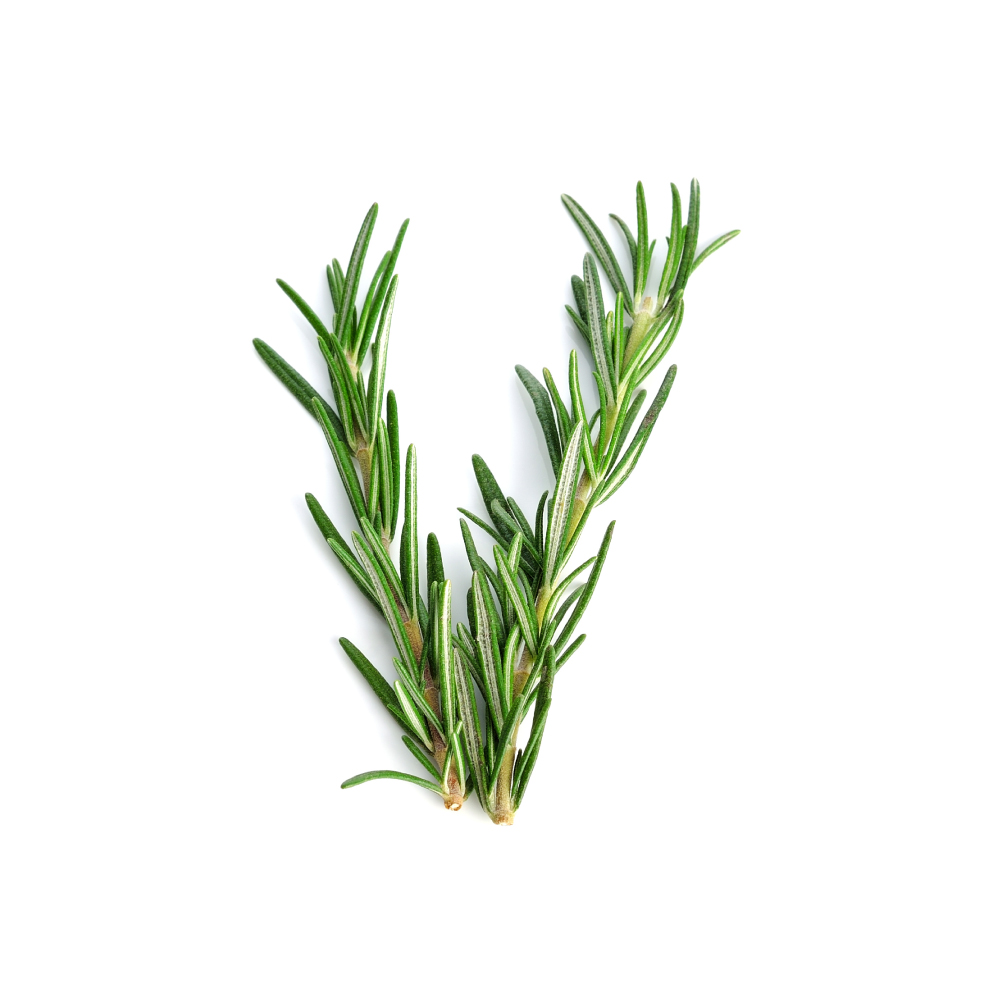 Principal source Rosemary Rosmarinus officinalis Herb monograph →
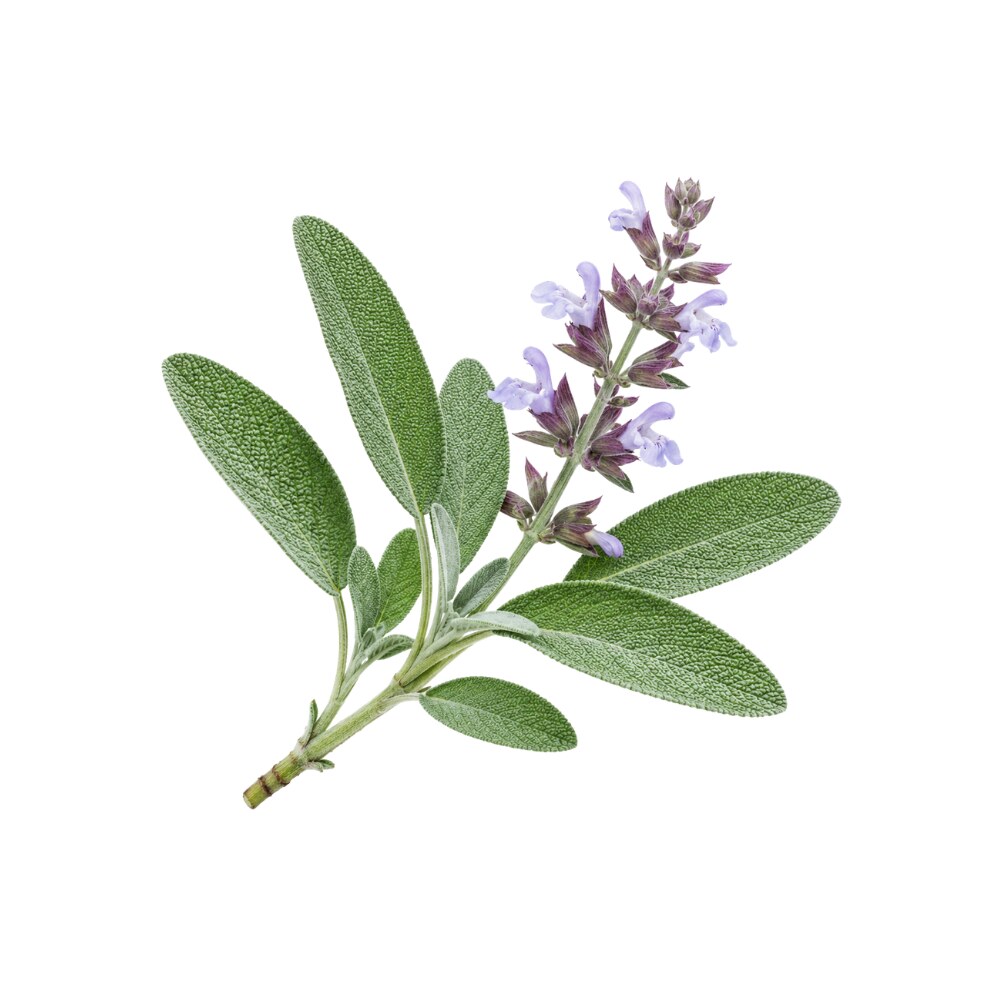 Source Sage Salvia officinalis Herb monograph →
Concentration
Content by Source
Reported concentrations across the plants that contain carnosol — the bar marks the typical level, the line shows the reported range.
Literature figures for varying plant parts and preparations. Read them as a comparative guide, not exact assays.
Carnosol at a Glance
Carnosol is one of the two diterpene phenols that make rosemary and sage antioxidant herbs rather than merely aromatic ones. The other is carnosic acid, and the relationship between them is the single most important fact about this molecule: carnosol is what carnosic acid becomes when it oxidises 7Reference 7Carnosic acidView study →. Carnosic acid loses hydrogen, cyclises to a lactone, and the product is carnosol — a reaction that happens in the living leaf under stress, in the drying shed, in the extraction flask, in the storage bottle, and, awkwardly, sometimes in the assay tube.
That history is not a footnote. Carnosol was first isolated in 1942 because carnosic acid had already degraded into it, and in 1965 Wenkert and colleagues published the finding under the blunt title Chemical Artifacts from the Family Labiatae 3,
The answer, worked through below, is genuinely two-sided. Carnosol is present in fresh, liquid-nitrogen-frozen leaf at 1.0–4.5 mg/g in rosemary and 0.4–1.1 mg/g in sage — it is a real plant constituent, not purely an artefact 1Reference 1A validated method for the determination of carnosic acid and carnosol in the fresh foliage of Salvia rosmarinus and Salvia officinalis from GreeceView study →. And it has a real independent pharmacology: a mechanistically distinct antioxidant action from carnosic acid’s 5Reference 5Carnosic acid and carnosol, two major antioxidants of rosemary, act through different mechanismsView study →, a well-replicated NF-κB and Nrf2 literature, an unusual dual androgen/oestrogen-receptor antagonism in prostate cancer 14Reference 14Disruption of androgen and estrogen receptor activity in prostate cancer by a novel dietary diterpene carnosol — implications for chemopreventionView study →, and anti-adipogenic activity 18Reference 18AnimalCarnosic acid and carnosol inhibit adipocyte differentiation in mouse 3T3-L1 cells through induction of phase 2 enzymes and activation of glutathione metabolismView study →. But none of it has been tested in a human being, several of its most-cited assays were run under conditions that convert carnosic acid into carnosol mid-experiment, and no published study has cleanly apportioned the credit between the two. That last gap is the page’s central finding.
The Artefact Problem
What Happens, and Why It Matters
Carnosic acid is an ortho-diphenolic abietane. Its antioxidant function is to be sacrificed: it quenches reactive oxygen species and is consumed doing so, oxidising in a cascade that runs first to carnosol and onward to rosmanol, epirosmanol, isorosmanol and methyl carnosate 5,
The practical consequence is that a preparation’s carnosol content is partly a record of its processing history, not of the plant it came from. Two rosemary extracts from the same field can carry very different carnosic-acid:carnosol ratios depending on solvent, heat and shelf age. Commercial antioxidant preparations are sometimes deliberately formulated to a 1:1 carnosic acid:carnosol ratio, which is a formulation decision rather than a botanical fact 42Reference 42Optimization of antioxidant efficacy of a deflavored and decolorized rosemary extract — effect of carnosol content on the oxidative stability of paprika coloured beef pattiesView study →.
How Much Is Really in the Plant
This is answerable, and the answer is reassuring. A 2022 Greek study set out specifically to measure the labile diterpenes in fresh foliage — leaves frozen in liquid nitrogen on collection, held at −80 °C, extracted in an aprotic solvent under controlled time and temperature 1Reference 1A validated method for the determination of carnosic acid and carnosol in the fresh foliage of Salvia rosmarinus and Salvia officinalis from GreeceView study →. Across 20 cultivated Salvia rosmarinus accessions it found carnosic acid 5,827–12,173 µg/g and carnosol 1,044–4,470 µg/g fresh weight; across 20 Salvia officinalis accessions, carnosic acid 3,001–7,033 µg/g and carnosol 435–1,085 µg/g 1Reference 1A validated method for the determination of carnosic acid and carnosol in the fresh foliage of Salvia rosmarinus and Salvia officinalis from GreeceView study →.
So in living rosemary leaf carnosol runs at roughly one-third to one-sixth of carnosic acid, and in sage rather less. It is a genuine constituent — the plant makes it, and chronic low-light oxidation of carnosic acid into its derivatives is detectable in unstressed rosemary leaves and increases sharply under stress 5Reference 5Carnosic acid and carnosol, two major antioxidants of rosemary, act through different mechanismsView study →. But it is the minor partner in fresh material, and any preparation in which carnosol approaches or exceeds carnosic acid has been oxidised somewhere between the field and the bottle.
Is the Pharmacology Contaminated?
Here is the part the literature has not resolved, and the page will say so plainly rather than pretend otherwise.
Nobody has run the decisive experiment. There is no published stability-controlled pharmacology study — one that measures carnosic acid and carnosol concentrations at the start and end of a cell or enzyme assay and attributes activity accordingly. What exists is a set of near-misses, and they cut both ways:
- The strongest evidence that the two are genuinely different molecules comes from a plant-physiology study that tracked both compounds through defined oxidative conditions 5Reference 5Carnosic acid and carnosol, two major antioxidants of rosemary, act through different mechanismsView study →. Exposed to reactive oxygen species, carnosic acid was consumed and converted into carnosol, while carnosol resisted — carnosic acid is a chemical quencher of ROS, confirmed by spin-probe EPR. But under oxidative conditions that did not generate ROS, the result reversed: carnosol inhibited lipid peroxidation and carnosic acid did not 5Reference 5Carnosic acid and carnosol, two major antioxidants of rosemary, act through different mechanismsView study →. Two antioxidants, two mechanisms. That is a real dissociation, and it is the best single argument that carnosol’s activity is its own.
- The direction of contamination is asymmetric. Because the reaction runs carnosic acid → carnosol and not back, an assay that generates oxidative stress — which is most cancer-cell, ROS and inflammation assays — will deplete carnosic acid and generate carnosol as it runs. The risk is therefore mainly that “carnosic acid” results are partly carnosol’s, rather than the reverse. Several of carnosol’s own signature findings (ROS-mediated apoptosis, Nrf2 activation) are exactly the settings where this happens.
- Where the two have been compared head-to-head, they usually do the same thing, which is consistent either with shared pharmacology or with mutual contamination: both inhibit adipocyte differentiation and no other rosemary compound tested did 18Reference 18AnimalCarnosic acid and carnosol inhibit adipocyte differentiation in mouse 3T3-L1 cells through induction of phase 2 enzymes and activation of glutathione metabolismView study →; both activate AMPK in hepatoma cells and rosmarinic acid does not 19Reference 19Carnosic acid and carnosol activate AMPK, suppress expressions of gluconeogenic and lipogenic genes, and inhibit proliferation of HepG2 cellsView study →; both inhibit Staphylococcus aureus quorum sensing 22Reference 22Rosmarinus officinalis L. (rosemary) extracts containing carnosic acid and carnosol are potent quorum sensing inhibitors of Staphylococcus aureus virulenceView study →; both are anti-angiogenic 33Reference 33Anti-angiogenic properties of carnosol and carnosic acid, two major dietary compounds from rosemaryView study →; both shift macrophage lipid mediators toward resolution 11Reference 11Carnosic acid and carnosol promote lipid mediator class-switching toward inflammation resolution in human macrophagesView study →. Where a study reports one as the more potent, the margin is usually modest.
- One study did control the variable and found a real difference. A 2025 multimodal investigation of the mPGES-1/PPAR-γ axis attributed carnosol’s superior anti-inflammatory activity over carnosic acid in a zymosan-induced chronic inflammation model to a property carnosic acid does not have: acting as a direct or partial PPAR-γ agonist 10Reference 10AnimalCarnosol modulates mPGES-1/PPAR-γ biological axis — from in silico to in vivo clinical imaging and investigationsView study →. A distinct receptor mechanism is much harder to explain as an artefact.
Verdict. Carnosol is not merely an artefact — it is present in fresh leaf and has at least two demonstrated mechanisms carnosic acid lacks 5,
Carnosol vs. Carnosic Acid
The oxidation product — scarcer, but not merely a decomposition artefact.
- Inhibits lipid peroxidation under oxidative conditions that generate no ROS — carnosic acid does not 5Reference 5Carnosic acid and carnosol, two major antioxidants of rosemary, act through different mechanismsView study →
- More anti-inflammatory in zymosan-induced chronic inflammation, via direct or partial PPAR-γ agonism 10Reference 10AnimalCarnosol modulates mPGES-1/PPAR-γ biological axis — from in silico to in vivo clinical imaging and investigationsView study →
- The one shown to antagonise both the androgen and the oestrogen-α receptor, with a mouse xenograft to match 14Reference 14Disruption of androgen and estrogen receptor activity in prostate cancer by a novel dietary diterpene carnosol — implications for chemopreventionView study →
- Three to six times scarcer than carnosic acid in fresh leaf 1Reference 1A validated method for the determination of carnosic acid and carnosol in the fresh foliage of Salvia rosmarinus and Salvia officinalis from GreeceView study →
- Less stable than carnosic acid in fat, and the weaker food antioxidant on peroxide and acid value 9Reference 9Development and validation of an analytical method for carnosol, carnosic acid and rosmarinic acid in food matrices and evaluation of the antioxidant activity of rosemary extract as a food additiveView study →
- Its measured level partly reflects how the material was dried, extracted and stored 1,
2Reference 1A validated method for the determination of carnosic acid and carnosol in the fresh foliage of Salvia rosmarinus and Salvia officinalis from GreeceView study →Reference 2Storage method, drying processes and extraction procedures strongly affect the phenolic fraction of rosemary leaves — an HPLC/DAD/MS studyView study →
The abundant parent — the compound extracts are standardised for.
- Quenches reactive oxygen species directly, confirmed by EPR spin probes 5Reference 5Carnosic acid and carnosol, two major antioxidants of rosemary, act through different mechanismsView study →
- The more abundant and the more stable of the two in fat and oil 1,
9Reference 1A validated method for the determination of carnosic acid and carnosol in the fresh foliage of Salvia rosmarinus and Salvia officinalis from GreeceView study →Reference 9Development and validation of an analytical method for carnosol, carnosic acid and rosmarinic acid in food matrices and evaluation of the antioxidant activity of rosemary extract as a food additiveView study → - Inhibits S. aureus agr quorum sensing at the lowest concentration tested (5 µM) 22Reference 22Rosmarinus officinalis L. (rosemary) extracts containing carnosic acid and carnosol are potent quorum sensing inhibitors of Staphylococcus aureus virulenceView study →
- Consumed and destroyed by the very oxidative stress it protects against — turning into carnosol 5Reference 5Carnosic acid and carnosol, two major antioxidants of rosemary, act through different mechanismsView study →
- Carries the blood–brain-barrier and neuroprotection literature that carnosol does not
Shared roughly equally between them: inhibition of adipocyte differentiation, AMPK activation, anti-angiogenesis, prion-aggregate disruption and macrophage lipid-mediator class-switching 11,
A frequently repeated claim is that carnosol is “more potent” than carnosic acid. Read carefully, the literature does not support a general version of that statement — it supports specific, assay-bound versions of it, and in the food-antioxidant setting the ranking is the other way round 9Reference 9Development and validation of an analytical method for carnosol, carnosic acid and rosmarinic acid in food matrices and evaluation of the antioxidant activity of rosemary extract as a food additiveView study →.
Rosemary Extract as a Food Antioxidant (E 392)
Carnosol is one of the two compounds that legally define rosemary extract as a food additive. In the EU, E 392 must be standardised to the sum of carnosic acid and carnosol — ≥10% w/w for an ethanolic extract, ≥13% for a supercritical CO₂ extract — and permitted levels in foods are likewise expressed as that sum, not as either compound alone 8Reference 8Refined exposure assessment of extracts of rosemary (E 392) from its use as food additiveView study →. JECFA established a temporary ADI of 0–0.3 mg/kg body weight for rosemary extract on the same combined basis in 2016 8Reference 8Refined exposure assessment of extracts of rosemary (E 392) from its use as food additiveView study →. Rosemary diterpene extracts also hold GRAS status in the United States 43Reference 43ReviewDiterpenes from rosemary (Rosmarinus officinalis) — defining their potential for anti-cancer activityView study →.
This matters for two reasons. First, it is the reason carnosol has a defensible dietary-safety record at all: the exposure data are real, but they are joint data. Second, it explains the odd shape of the literature — carnosol is studied intensively because it is already in the food supply, not because anyone set out to develop it as a drug. The regulatory story properly belongs to carnosic acid, which is the abundant partner and the one extracts are usually optimised for; it is summarised here only because carnosol is named in the specification alongside it.
For scale: EFSA’s refined assessment put the highest 95th-percentile exposure from E 392 as a food additive at 0.20 mg/kg bw/day (in children), while intake of carnosic acid plus carnosol from culinary herbs reached a maximum of 1.66 mg/kg bw/day 8Reference 8Refined exposure assessment of extracts of rosemary (E 392) from its use as food additiveView study →. Ordinary cooking with rosemary and sage is, by some margin, the larger source.
What It's Used For
Carnosol has a large, coherent and entirely preclinical literature. Roughly 500 PubMed records mention it; none is a clinical trial of the isolated compound.
Support is an experimental score I’m building — a composite weighted by study type (human > animal > in vitro > review) and study volume, tempered for isolate-vs-source match and bioavailability. It’s a beta: a fast way to rank strength of evidence at a glance, not a validated metric. Every score here is capped hard, because there is no human trial of carnosol and because the carnosic-acid conversion problem above puts an attribution asterisk on much of the in-vitro work. Each application links to its write-up.
The densest and most internally consistent body of work. Carnosol suppresses NF-κB across unrelated cell types — LPS-stimulated cardiomyoblasts, activated microglia, RANKL-driven osteoclasts, collagen-induced arthritic joints 12,
Two mechanisms have been pinned down rather than inferred: carnosol binds p38 directly and blocks its activation in angiotensin-II-driven cardiac remodelling 39Reference 39Carnosol attenuates angiotensin II-induced cardiac remodeling and inflammation via directly binding to p38 and inhibiting p38 activationView study →, and it acts as a direct or partial PPAR-γ agonist on the mPGES-1/PPAR-γ axis, which is what its authors credit for its superior anti-inflammatory effect over carnosic acid in zymosan-induced chronic inflammation 10Reference 10AnimalCarnosol modulates mPGES-1/PPAR-γ biological axis — from in silico to in vivo clinical imaging and investigationsView study →.
In human monocyte-derived macrophages, carnosol and carnosic acid together suppress leukotriene and prostaglandin formation while activating 15-LOX to raise specialised pro-resolving mediators — a lipid-mediator class switch rather than simple suppression 11Reference 11Carnosic acid and carnosol promote lipid mediator class-switching toward inflammation resolution in human macrophagesView study →.
In collagen-induced arthritis, carnosol at 40 mg/kg/day reduced swelling, arthritis index and serum IL-6, MCP-1 and TNF-α, and combined synergistically with rosmanol at half doses 12Reference 12Rosmanol and carnosol synergistically alleviate rheumatoid arthritis through inhibiting TLR4/NF-κB/MAPK pathwayView study →.
Isolate vs. plant: the mechanism work is all isolated carnosol, which is a strength. The only human data are a randomised, double-blind, placebo-controlled UV-erythema study in 40 volunteers, where a 2% sage extract rich in phenolic diterpenes reduced UV-induced erythema about as much as 1% hydrocortisone 13Reference 13RCTSage extract rich in phenolic diterpenes inhibits ultraviolet-induced erythema in vivo — a randomised double-blind placebo-controlled clinical trialView study → — an extract, not the molecule.
Gap: no human study of carnosol itself; the arthritis, cardiac and EAE models are single-laboratory; and the shared-with-carnosic-acid findings 11Reference 11Carnosic acid and carnosol promote lipid mediator class-switching toward inflammation resolution in human macrophagesView study → carry the attribution caveat above.
Carnosol’s antioxidant behaviour is mechanistically distinct from carnosic acid’s, which is the most important thing about it. Carnosic acid quenches ROS directly and is destroyed doing so; carnosol does not quench ROS, but inhibits lipid peroxidation within the oxidation process itself, and is the one that still works when no ROS are being generated 5Reference 5Carnosic acid and carnosol, two major antioxidants of rosemary, act through different mechanismsView study →.
Separately, carnosol behaves as an electrophilic Nrf2 activator: it interrupts the Nrf2–Keap1 protein–protein interaction, drives ARE-luciferase activity, and induces HO-1, eNOS and VE-cadherin in human microvascular endothelial cells under tert-butyl hydroperoxide stress 17Reference 17Carnosol as a Nrf2 activator improves endothelial barrier function through antioxidative mechanismsView study →.
In rats, intraperitoneal carnosol at 100–400 mg/kg raised liver glutathione-S-transferase 1.6–1.9-fold and quinone reductase 3.1–4.8-fold — but dietary carnosol at 0.01–1.0% did not raise GST at all, a bioavailability result hiding inside a 1996 paper 28Reference 28AnimalRosemary extract and carnosol stimulate rat liver glutathione-S-transferase and quinone reductase activitiesView study →.
Isolate vs. plant: isolated carnosol throughout.
Gap: the oral-vs-injected dissociation in 28Reference 28AnimalRosemary extract and carnosol stimulate rat liver glutathione-S-transferase and quinone reductase activitiesView study → is a serious caveat that most citing reviews omit — the phase-2 induction that carnosol is famous for was not reproducible by feeding. No human antioxidant-biomarker data exist.
Carnosol’s most distinctive pharmacology. Molecular modelling placed it in the ligand-binding domain of both the androgen receptor and ER-α; TR-FRET confirmed binding to both, and follow-up work established it as a pure antagonist with no agonist activity at either — a profile the authors noted was unlike any antiandrogen or antioestrogen then in development 14Reference 14Disruption of androgen and estrogen receptor activity in prostate cancer by a novel dietary diterpene carnosol — implications for chemopreventionView study →.
LNCaP, 22Rv1 and MCF7 cells treated with 20–40 µmol/L carnosol lost AR and ER-α protein. In 22Rv1 xenograft mice, oral carnosol at 30 mg/kg five days a week for 28 days suppressed tumour growth by 36% (P = 0.028) and cut serum PSA by 26% (P = 0.0042) 14Reference 14Disruption of androgen and estrogen receptor activity in prostate cancer by a novel dietary diterpene carnosol — implications for chemopreventionView study →.
An earlier study in androgen-independent PC3 cells found dose- and time-dependent loss of viability across 10–70 µM with G2-phase arrest, and identified AMPK and PI3K/Akt as targets via a 638-protein array 15Reference 15Carnosol, a dietary diterpene, displays growth inhibitory effects in human prostate cancer PC3 cells leading to G2-phase cell cycle arrest and targets the 5’-AMP-activated protein kinase (AMPK) pathwayView study →.
Isolate vs. plant: isolated carnosol, including the in-vivo work — unusually clean for this molecule.
Gap: one animal study, one laboratory, no replication and no human data. The effective concentrations (20–40 µM in cells) are far above the ~1 µM plasma peak achievable orally in mice 26Reference 26AnimalPharmacokinetic characterization of carnosol from rosemary (Salvia rosmarinus) in male C57BL/6 mice and inhibition profile in human cytochrome P450 enzymesView study →, which is the central problem with the whole oncology line.
Carnosol and carnosic acid — and no other rosemary compound tested — inhibited differentiation of mouse 3T3-L1 preadipocytes into adipocytes, an effect traced to ARE activation, phase-2 enzyme induction and a rise in total intracellular glutathione 18Reference 18AnimalCarnosic acid and carnosol inhibit adipocyte differentiation in mouse 3T3-L1 cells through induction of phase 2 enzymes and activation of glutathione metabolismView study →.
Both, but not rosmarinic acid, phosphorylate AMPK and its downstream ACC1 in HepG2 cells, suppress the gluconeogenic genes G6PC and PCK1, and cut lipogenic FAS and SREBP-1c 19Reference 19Carnosic acid and carnosol activate AMPK, suppress expressions of gluconeogenic and lipogenic genes, and inhibit proliferation of HepG2 cellsView study →.
In high-fat-diet mice and palmitate-treated hepatocytes, carnosol reduced steatosis and hepatocyte apoptosis by binding and stabilising the mitochondrial peroxidase PRDX3 — an effect abolished by PRDX3 siRNA 20Reference 20Carnosol alleviates nonalcoholic fatty liver disease by inhibiting mitochondrial dysfunction and apoptosis through targeting of PRDX3View study →.
In a C26 tumour-bearing cachexia model, carnosol prevented body-weight loss without shrinking the tumour, preserved epididymal fat and gastrocnemius fibre area, and cut serum TNF-α by 95% 21Reference 21Carnosol and its analogues attenuate muscle atrophy and fat lipolysis induced by cancer cachexiaView study →.
Isolate vs. plant: isolated carnosol. A related rat study using a rosemary extract standardised to 40% carnosic acid found moderate weight-gain reduction and gastric-lipase inhibition, with intact carnosic acid and carnosol both recovered from the stomach — extract-level, but useful evidence that these molecules survive to act locally in the gut 45Reference 45AnimalInhibition of gastric lipase as a mechanism for body weight and plasma lipids reduction in Zucker rats fed a rosemary extract rich in carnosic acidView study →.
Gap: all rodent and cell work, no human metabolic data, and every finding here is shared with carnosic acid, so the attribution question is live.
The most practically interesting antimicrobial finding is not killing but disarming. Carnosic acid inhibits the Staphylococcus aureus agr quorum-sensing operon at concentrations as low as 5 µM, and carnosol is also a potent agr inhibitor, while rosmarinic acid is not — demonstrated in luciferase reporter strains and in wild-type isolates from atopic-dermatitis patients, and reproduced by whole rosemary extracts 22Reference 22Rosmarinus officinalis L. (rosemary) extracts containing carnosic acid and carnosol are potent quorum sensing inhibitors of Staphylococcus aureus virulenceView study →.
Carnosol also disrupts S. aureus biofilms with detectable metabolic dysregulation, and has been reported to interfere with indole-mediated quorum sensing in Acinetobacter baumannii.
Isolate vs. plant: isolated compounds compared directly against each other and against the extract — a well-designed attribution study, and one of the few that clearly shows rosmarinic acid is not responsible.
Gap: entirely in vitro. No animal infection model of carnosol, and the topical atopic-dermatitis application the authors propose has not been trialled. Note one author was employed by a supplement company 22Reference 22Rosmarinus officinalis L. (rosemary) extracts containing carnosic acid and carnosol are potent quorum sensing inhibitors of Staphylococcus aureus virulenceView study →.
A wide but shallow set of cell-line results, mostly converging on ROS generation as the initiating event. In triple-negative MDA-MB-231 breast cancer, carnosol induced G2 arrest, DNA damage, and simultaneous beclin1-independent autophagy and apoptosis, all abolished by the ROS scavenger tiron 31Reference 31Carnosol induces ROS-mediated beclin1-independent autophagy and apoptosis in triple negative breast cancerView study →; follow-up work traced this to p38-driven ER stress and proteasomal degradation of mTOR, PCAF and STAT3 44Reference 44Carnosol induces p38-mediated ER stress response and autophagy in human breast cancer cellsView study →.
In HCT116 colon cancer it generated ROS, induced p53, suppressed Mdm2 and inactivated STAT3 via Jak2 and Src 30Reference 30Carnosol induces apoptosis through generation of ROS and inactivation of STAT3 signaling in human colon cancer HCT116 cellsView study →.
In pre-B acute lymphoblastic leukaemia lines it induced apoptosis with a 34–53% fall in Bcl-2 38Reference 38Carnosol-induced apoptosis and downregulation of Bcl-2 in B-lineage leukemia cellsView study →.
A 2024 gingiva-carcinoma study is one of the few to test selectivity explicitly, reporting selective anti-carcinoma activity against normal cells with disruption of the c-myc/p53 balance and modulation of STAT5, ERK1/2, p38 and NF-κB 29Reference 29Cellular mechanisms mediating the anti-cancer effects of carnosol on gingiva carcinomaView study →.
Carnosol and carnosic acid are also anti-angiogenic, inhibiting endothelial differentiation, migration and proteolysis and reducing in-vivo angiogenesis in the chick chorioallantoic membrane assay, with greater inhibition of tumour than non-transformed endothelial cells 33Reference 33Anti-angiogenic properties of carnosol and carnosic acid, two major dietary compounds from rosemaryView study →.
Isolate vs. plant: isolated carnosol throughout.
Gap: the selectivity discipline this deserves is mostly absent — most of these studies test cancer lines only, at 20–90 µM, which is 20–90× the achievable plasma level in mice 26Reference 26AnimalPharmacokinetic characterization of carnosol from rosemary (Salvia rosmarinus) in male C57BL/6 mice and inhibition profile in human cytochrome P450 enzymesView study →. There is no in-vivo tumour model outside the prostate xenograft 14Reference 14Disruption of androgen and estrogen receptor activity in prostate cancer by a novel dietary diterpene carnosol — implications for chemopreventionView study →, and the one counter-signal is important: carnosol delayed cytarabine-, methotrexate- and vincristine-induced apoptosis in leukaemia lines, with the authors explicitly warning that increased dietary intake might reduce the effectiveness of standard leukaemia chemotherapy 32Reference 32Carnosol delays chemotherapy-induced DNA fragmentation and morphological changes associated with apoptosis in leukemic cellsView study →.
In MOG-induced experimental autoimmune encephalomyelitis — the standard mouse model of multiple sclerosis — carnosol reduced clinical severity, CNS inflammatory infiltration and demyelination, inhibited Th17 differentiation and STAT3 phosphorylation, blocked NF-κB nuclear translocation, and switched infiltrating macrophage/microglial phenotype; it worked in the chronic phase and in passive transfer 23Reference 23Carnosol modulates Th17 cell differentiation and microglial switch in experimental autoimmune encephalomyelitisView study →.
In microglia, carnosol suppresses inflammation and apoptosis through PI3K/AKT/mTOR [as reviewed in 16]. A 2025 screen identified carnosol as an inhibitor of SARM1 NAD⁺-cleavage activity — the axon-degeneration executioner — and it improved symptoms in a peripheral-neuropathy model 40Reference 40Carnosol, a rosemary ingredient discovered in a screen for inhibitors of SARM1-NAD(+) cleavage activity, ameliorates symptoms of peripheral neuropathyView study →.
Carnosol and carnosic acid also reduce PrP^Sc accumulation and can disrupt already-formed prion aggregates in cell-free assays, independently of their antioxidant effects 41Reference 41In vitroCarnosic acid and carnosol display antioxidant and anti-prion properties in in vitro and cell-free models of prion diseasesView study →.
Isolate vs. plant: isolated carnosol.
Gap: single-laboratory findings across the board, no replication, and no data on whether carnosol crosses the human blood–brain barrier at dietary exposures. Carnosic acid, not carnosol, is the diterpene with the established BBB-penetration literature.
The oldest thread, and the origin of carnosol’s reputation. In the classic 1994 two-stage mouse model, topical carnosol at 1, 3 or 10 µmol applied with TPA twice weekly for 20 weeks to DMBA-initiated mice reduced skin tumours per mouse by 38%, 63% and 78% respectively; it also inhibited TPA-induced ear inflammation and ornithine decarboxylase 25Reference 25Inhibition of skin tumorigenesis by rosemary and its constituents carnosol and ursolic acidView study →.
Ursolic acid, tested alongside, gave 45–61% inhibition at much lower doses 25Reference 25Inhibition of skin tumorigenesis by rosemary and its constituents carnosol and ursolic acidView study →.
More recently, carnosol was shown to reduce UVB-induced ROS and DNA damage in keratinocytes, cut cyclobutane pyrimidine dimer formation — partly by simply absorbing UVB — inhibit UVB-driven NF-κB activation, and reduce keratinocyte transformation 24Reference 24The mechanisms of carnosol in chemoprevention of ultraviolet B-light-induced non-melanoma skin cancer formationView study →.
Isolate vs. plant: isolated carnosol applied topically, which is the route that matches its poor oral profile.
Gap: the 1994 model is a chemical-carcinogenesis paradigm 30 years old and never carried to a human topical trial. The nearest human evidence is again a sage extract, in the UV-erythema study 13Reference 13RCTSage extract rich in phenolic diterpenes inhibits ultraviolet-induced erythema in vivo — a randomised double-blind placebo-controlled clinical trialView study →.
Mechanisms
| Target / pathway | Effect | Relevant to | Evidence |
|---|---|---|---|
| NF-κB (p65 translocation, phosphorylation) | suppressed | inflammationcancerbone | in vitro + mouse 12, |
| p38 MAPK — direct binding | inhibited activation | cardiac remodellingER stress | in vitro + mouse 39, |
| PPAR-γ — direct/partial agonist | activated | chronic inflammation | in silico + in vivo 10Reference 10AnimalCarnosol modulates mPGES-1/PPAR-γ biological axis — from in silico to in vivo clinical imaging and investigationsView study → |
| mPGES-1 | modulated | prostaglandin signalling | in silico + in vivo 10Reference 10AnimalCarnosol modulates mPGES-1/PPAR-γ biological axis — from in silico to in vivo clinical imaging and investigationsView study → |
| Nrf2–Keap1 interaction; ARE, HO-1 | Nrf2 activated | oxidative stressendothelium | in vitro 17, |
| Phase-2 enzymes (GST, quinone reductase) | induced (i.p. only, not oral) | detoxification | rat 28Reference 28AnimalRosemary extract and carnosol stimulate rat liver glutathione-S-transferase and quinone reductase activitiesView study → |
| Androgen receptor & ER-α | antagonised, no agonist activity | prostatebreast | in vitro + xenograft 14Reference 14Disruption of androgen and estrogen receptor activity in prostate cancer by a novel dietary diterpene carnosol — implications for chemopreventionView study → |
| AMPK / ACC1 | activated | metabolicprostate cancer | in vitro 15, |
| STAT3 (Jak2/Src upstream) | inactivated | colonbreastEAE | in vitro 23, |
| PRDX3 (mitochondrial peroxidase) | bound and stabilised | fatty liver | in vitro + mouse 20Reference 20Carnosol alleviates nonalcoholic fatty liver disease by inhibiting mitochondrial dysfunction and apoptosis through targeting of PRDX3View study → |
| S. aureus agr quorum sensing | inhibited | anti-virulence | in vitro 22Reference 22Rosmarinus officinalis L. (rosemary) extracts containing carnosic acid and carnosol are potent quorum sensing inhibitors of Staphylococcus aureus virulenceView study → |
| SARM1 NAD⁺ cleavage | inhibited | axon degeneration | in vitro + mouse 40Reference 40Carnosol, a rosemary ingredient discovered in a screen for inhibitors of SARM1-NAD(+) cleavage activity, ameliorates symptoms of peripheral neuropathyView study → |
| 15-LOX / lipid-mediator class switch | shifted to pro-resolving | inflammation resolution | human macrophages ex vivo 11Reference 11Carnosic acid and carnosol promote lipid mediator class-switching toward inflammation resolution in human macrophagesView study → |
| Lipid peroxidation (non-ROS conditions) | inhibited — carnosic acid does not | antioxidant chemistry | in vitro 5Reference 5Carnosic acid and carnosol, two major antioxidants of rosemary, act through different mechanismsView study → |
Pharmacokinetics
The pharmacokinetic picture is thin, recent, and unflattering to the in-vitro literature. The one dedicated study gave male C57BL/6 mice 100 mg/kg carnosol by oral gavage and followed plasma by LC-MS/MS: the maximum plasma concentration exceeded 1 µM 26Reference 26AnimalPharmacokinetic characterization of carnosol from rosemary (Salvia rosmarinus) in male C57BL/6 mice and inhibition profile in human cytochrome P450 enzymesView study →. That is the number to hold against every cell experiment here, most of which use 20–90 µM. A companion study tracked both diterpenes from a standardised rosemary extract in mice and found the extract effective against DSS-induced colitis at 100 mg/kg/day, with improved intestinal barrier integrity — consistent with a compound that works best where it is most concentrated, which is the gut lumen, not the systemic circulation 27Reference 27Pharmacokinetic analysis of carnosic acid and carnosol in standardized rosemary extract and the effect on the disease activity index of DSS-induced colitisView study →.
Two further findings sharpen the picture. First, a 1996 rat study found that injected carnosol induced liver phase-2 enzymes but dietary carnosol at up to 1% of the diet did not — a direct demonstration that the oral route fails to deliver a systemically active dose 28Reference 28AnimalRosemary extract and carnosol stimulate rat liver glutathione-S-transferase and quinone reductase activitiesView study →. Second, carnosol inhibits several human CYP450 enzymes in vitro and modulates metabolic enzymes and transporters, which is the basis of the drug-interaction caution below 26Reference 26AnimalPharmacokinetic characterization of carnosol from rosemary (Salvia rosmarinus) in male C57BL/6 mice and inhibition profile in human cytochrome P450 enzymesView study →.
As a lipophilic, water-insoluble diterpene, carnosol is delivered only by ethanolic or supercritical-CO₂ extraction — a rosemary or sage tea delivers essentially none of it, and hands over rosmarinic acid instead.
Clinical Trials
There are none of the isolated compound. The nearest human data are a topical sage extract trial 13Reference 13RCTSage extract rich in phenolic diterpenes inhibits ultraviolet-induced erythema in vivo — a randomised double-blind placebo-controlled clinical trialView study → and trials of rosemary extract standardised to the diterpenes, in which carnosol is one named component among several.
| Completed | Planned | Terminated | Preclinical |
|---|---|---|---|
| 0(isolate) | 0 | 0 | Extensive |
Last checked: August 2026.
Isolate vs. Plant Studies
Carnosol is an unusual case: the preclinical work is unusually clean on the isolate side and completely absent on the human side. Almost every mechanism above was established with purified carnosol — receptor binding 14Reference 14Disruption of androgen and estrogen receptor activity in prostate cancer by a novel dietary diterpene carnosol — implications for chemopreventionView study →, xenograft dosing 14Reference 14Disruption of androgen and estrogen receptor activity in prostate cancer by a novel dietary diterpene carnosol — implications for chemopreventionView study →, EAE 23Reference 23Carnosol modulates Th17 cell differentiation and microglial switch in experimental autoimmune encephalomyelitisView study →, PRDX3 20Reference 20Carnosol alleviates nonalcoholic fatty liver disease by inhibiting mitochondrial dysfunction and apoptosis through targeting of PRDX3View study →, the agr reporter 22Reference 22Rosmarinus officinalis L. (rosemary) extracts containing carnosic acid and carnosol are potent quorum sensing inhibitors of Staphylococcus aureus virulenceView study →. Several studies did the harder thing and tested the isolate against its siblings, which is how we know rosmarinic acid does not inhibit adipocyte differentiation 18Reference 18AnimalCarnosic acid and carnosol inhibit adipocyte differentiation in mouse 3T3-L1 cells through induction of phase 2 enzymes and activation of glutathione metabolismView study →, does not activate AMPK 19Reference 19Carnosic acid and carnosol activate AMPK, suppress expressions of gluconeogenic and lipogenic genes, and inhibit proliferation of HepG2 cellsView study →, and does not inhibit S. aureus quorum sensing 22Reference 22Rosmarinus officinalis L. (rosemary) extracts containing carnosic acid and carnosol are potent quorum sensing inhibitors of Staphylococcus aureus virulenceView study →. That is good attribution practice and the credit is given.
What is missing is the other half. No human being has received isolated carnosol. The human evidence adjacent to it is extract evidence: a randomised sage-extract UV-erythema trial 13Reference 13RCTSage extract rich in phenolic diterpenes inhibits ultraviolet-induced erythema in vivo — a randomised double-blind placebo-controlled clinical trialView study →, and the whole regulatory dataset behind E 392, which measures carnosic acid and carnosol together and can never separate them 8Reference 8Refined exposure assessment of extracts of rosemary (E 392) from its use as food additiveView study →. And unlike most compound pages, there is a third problem here that has nothing to do with study design — the carnosic acid conversion means that even a well-run isolate experiment may not have been testing what its methods section says it was.
The practical reading: rosemary and sage are legitimate antioxidant and anti-inflammatory herbs, and carnosol is one real reason why. But “carnosol supplements” have no human evidence base at all, and the concentrations at which the interesting cell results occur are 20–90× what an oral dose achieves in a mouse 26Reference 26AnimalPharmacokinetic characterization of carnosol from rosemary (Salvia rosmarinus) in male C57BL/6 mice and inhibition profile in human cytochrome P450 enzymesView study →.
Its Role in Plants
Carnosol is a product of the abietane diterpene pathway, which in rosemary runs almost entirely in the glandular trichomes of young leaves 35Reference 35Characterization of two genes for the biosynthesis of abietane-type diterpenes in rosemary (Rosmarinus officinalis) glandular trichomesView study →. The route was fully elucidated in 2016 and reconstituted in yeast: geranylgeranyl diphosphate → copalyl diphosphate (RoCPS1) → miltiradiene (RoKSL1/RoKSL2) → ferruginol → 11-hydroxyferruginol (CYP76AH ferruginol synthases) → carnosic acid via three sequential C20 oxidations by CYP76AK6–8 34,
That job appears to be chemical antioxidant defence of the photosynthetic membranes. Both compounds protect linolenic acid and monogalactosyldiacylglycerol from singlet oxygen and hydroxyl radical, and both protect isolated Arabidopsis thylakoid membranes from lipid peroxidation when applied exogenously; rosemary varieties with higher levels are more tolerant of lipid peroxidation 5Reference 5Carnosic acid and carnosol, two major antioxidants of rosemary, act through different mechanismsView study →. Oxidised carnosic acid derivatives are detectable in rosemary leaves even in low light — chronic, baseline turnover — and accumulate sharply under stress as carnosic acid is consumed 5Reference 5Carnosic acid and carnosol, two major antioxidants of rosemary, act through different mechanismsView study →. In other words, carnosol is partly the plant’s own record of oxidative stress, which is a rather elegant reason why its level is so sensitive to everything that happens to the leaf afterwards.
The shared miltiradiene branch point also explains this molecule’s family: the same intermediate leads to the tanshinones in Salvia miltiorrhiza (danshen), which is why rosemary’s diterpenes and danshen’s are structural cousins built by homologous enzymes 34Reference 34Elucidation of the biosynthesis of carnosic acid and its reconstitution in yeastView study →.
Prevalence in Nature
Carnosol is essentially a Lamiaceae compound, and within that mostly a Salvia compound. It is not a general plant metabolite: there is no meaningful carnosol in fruit, vegetables, grains, legumes or non-mint-family herbs, and no non-plant source.
The two sources that matter are rosemary (Salvia rosmarinus, formerly Rosmarinus officinalis) and sage (Salvia officinalis), and rosemary is the richer of the two on both diterpenes 1Reference 1A validated method for the determination of carnosic acid and carnosol in the fresh foliage of Salvia rosmarinus and Salvia officinalis from GreeceView study →. Beyond them it has been isolated from Greek sage (Salvia fruticosa), white sage (Salvia apiana), Salvia abrotanoides, Salvia chamelaeagnea, and from Callicarpa longissima, a Chinese Lamiaceae used as a Yao folk arthritis medicine 12Reference 12Rosmanol and carnosol synergistically alleviate rheumatoid arthritis through inhibiting TLR4/NF-κB/MAPK pathwayView study →. It has been produced in elicited cell suspensions of the Andean mint Lepechinia meyenii, indicating the pathway is present more widely in the family than the harvested-species list suggests.
All published concentration figures come with the caveat established above: unless the material was frozen fresh and extracted in an aprotic solvent, part of the reported carnosol was made during the measurement 1,
Discovery & Synthesis
Carnosol has one of the more instructive discovery stories in phytochemistry, because the compound and its central problem were discovered together.
In 1942 Allen I. White and Glenn L. Jenkins, working at the University of Minnesota, published a two-part phytochemical study of Salvia carnosa and named the bitter principle they isolated carnosol, after the species 4Reference 4Salvia Carnosa (Dougl.)View study →. The same substance was later obtained from common sage and called picrosalvin — “bitter of Salvia” — and the two names were eventually shown to be one compound. Its structure was established by Brieskorn’s group in the 1960s.
Then, in September 1965, Ernest Wenkert, Albrecht Fuchs and James D. McChesney published a paper in the Journal of Organic Chemistry under the title Chemical Artifacts from the Family Labiatae 3Reference 3Chemical artifacts from the family LabiataeView study →. Their finding was that carnosol is an oxidation product of carnosic acid, generated during extraction — which meant that the 1942 isolation had succeeded precisely because the parent compound had already decomposed. Carnosic acid itself was not properly characterised until later, roughly 50 years after the Salvia work began 7Reference 7Carnosic acidView study →. Everything here about attribution flows from that 1965 result.
Carnosol is manufactured today by extraction rather than synthesis, essentially always as a co-product of rosemary antioxidant production: ethanolic or supercritical-CO₂ extraction of rosemary leaf, followed by chromatographic separation — a one-step centrifugal partition chromatography isolating both diterpenes from rosemary has been published. Its supply is therefore tied to the E 392 industry rather than to any pharmaceutical demand. Total chemical synthesis is not the commercial route, though carnosol is a starting point for semi-synthetic analogues: dimethyl-carnosol and dimethyl-carnosol-D6 were made and tested in cancer cachexia 21Reference 21Carnosol and its analogues attenuate muscle atrophy and fat lipolysis induced by cancer cachexiaView study →, and the analogue WK-63 is a separate compound whose activity must not be credited to carnosol itself. Metabolic engineering is a live alternative — the full carnosic-acid pathway has been reconstituted in yeast 34Reference 34Elucidation of the biosynthesis of carnosic acid and its reconstitution in yeastView study →.
Patents: not yet researched (future patent-loop pass).
Toxicity & Safety
Carnosol carries a low flag, and it is worth being precise about what that rests on. It is not an isolated-compound toxicology dataset — none exists. It rests on real, quantified dietary exposure: carnosol is a named active in rosemary extract (E 392), an approved EU food additive with GRAS status in the US, and JECFA set a temporary ADI of 0–0.3 mg/kg bw for it in combination with carnosic acid in 2016 8,
Interactions
The one concrete signal is enzymatic. Carnosol inhibits selected human CYP450 enzymes in vitro and modulates metabolic enzymes and transporters 26Reference 26AnimalPharmacokinetic characterization of carnosol from rosemary (Salvia rosmarinus) in male C57BL/6 mice and inhibition profile in human cytochrome P450 enzymesView study → — the study’s authors framed the work explicitly as a food–drug interaction question. That is a theoretical basis for altered clearance of CYP-metabolised drugs at concentrated intakes, not a documented clinical interaction.
The second, and more specific, is oncological. In pre-B acute lymphoblastic leukaemia lines, carnosol reduced cell death from cytarabine, methotrexate and vincristine and delayed the terminal apoptotic events they induce; the authors concluded that increased dietary carnosol “may potentially decrease the effectiveness of some standard chemotherapy treatments used for leukemia” 32Reference 32Carnosol delays chemotherapy-induced DNA fragmentation and morphological changes associated with apoptosis in leukemic cellsView study →. Anyone on active chemotherapy should treat concentrated rosemary-diterpene supplements as something to raise with their oncology team — which is the opposite of the message the anticancer literature implies.
Herb-Level Findings That Are Not Carnosol’s
A comprehensive review of rosemary toxicity reports liver and kidney changes, raised BUN and AST, reduced spermatogenesis and testosterone, and genotoxic and fetal effects at chronic high doses 36Reference 36ReviewToxicity and safety of rosemary (Rosmarinus officinalis) — a comprehensive reviewView study →. These are whole-herb and whole-extract findings and have not been traced to carnosol. Rosemary contact dermatitis, with cross-reactivity across the mint family, is likewise herb-level. Carnosol’s demonstrated antagonism of the androgen and oestrogen receptors 14Reference 14Disruption of androgen and estrogen receptor activity in prostate cancer by a novel dietary diterpene carnosol — implications for chemopreventionView study → is the one mechanism that makes a hormonal effect plausible at the molecule level, but no reproductive-toxicity study of isolated carnosol has been done — the finding is a reason for caution in people using concentrated preparations, not a documented harm.
- Long dietary history in rosemary and sage; a named active in the approved food antioxidant E 392, with a JECFA temporary ADI of 0–0.3 mg/kg bw (with carnosic acid) 8Reference 8Refined exposure assessment of extracts of rosemary (E 392) from its use as food additiveView study →
- Consistently reported as well tolerated in animal studies and selectively toxic to tumour over normal cells in the studies that tested both 16,
29, 33Reference 16ReviewCarnosol — a promising anti-cancer and anti-inflammatory agentView study →Reference 29Cellular mechanisms mediating the anti-cancer effects of carnosol on gingiva carcinomaView study →Reference 33Anti-angiogenic properties of carnosol and carnosic acid, two major dietary compounds from rosemaryView study → - Inhibits several human CYP450 enzymes in vitro and modulates transporters — a plausible food–drug interaction route at concentrated intakes 26Reference 26AnimalPharmacokinetic characterization of carnosol from rosemary (Salvia rosmarinus) in male C57BL/6 mice and inhibition profile in human cytochrome P450 enzymesView study →
- Delayed chemotherapy-induced apoptosis in leukaemia cells; may blunt some standard treatments 32Reference 32Carnosol delays chemotherapy-induced DNA fragmentation and morphological changes associated with apoptosis in leukemic cellsView study →
- No human study of isolated carnosol exists — no dose, no safety dataset, no efficacy data at the molecule level
- Antagonises androgen and oestrogen receptors in vitro and in mice 14Reference 14Disruption of androgen and estrogen receptor activity in prostate cancer by a novel dietary diterpene carnosol — implications for chemopreventionView study →; hormonal effects of concentrated supplements are unstudied
- Rosemary’s reported reproductive, hepatic and genotoxic findings are whole-herb, at chronic high doses, and not attributed to carnosol 36Reference 36ReviewToxicity and safety of rosemary (Rosmarinus officinalis) — a comprehensive reviewView study →
Dosage
There is no established dose of carnosol, because it has never been given to a human on its own. What is quantified is exposure, and it comes in three non-interchangeable forms.
| Context | Vehicle | Carnosol delivered | Source |
|---|---|---|---|
| Regulatory ceiling (food additive) | Rosemary extract E 392 | ADI 0–0.3 mg/kg bw/day, as carnosic acid + carnosol | 8Reference 8Refined exposure assessment of extracts of rosemary (E 392) from its use as food additiveView study → |
| Highest modelled additive exposure | E 392 in foods | 0.20 mg/kg bw/day (95th percentile, children) | 8Reference 8Refined exposure assessment of extracts of rosemary (E 392) from its use as food additiveView study → |
| Culinary herbs | Rosemary, sage | up to 1.66 mg/kg bw/day (95th percentile, as the pair) | 8Reference 8Refined exposure assessment of extracts of rosemary (E 392) from its use as food additiveView study → |
| Mouse pharmacology | Oral gavage, isolate | 100 mg/kg → plasma C_max >1 µM | 26Reference 26AnimalPharmacokinetic characterization of carnosol from rosemary (Salvia rosmarinus) in male C57BL/6 mice and inhibition profile in human cytochrome P450 enzymesView study → |
| Mouse antitumour | Oral, isolate, 5 days/week × 28 days | 30 mg/kg | 14Reference 14Disruption of androgen and estrogen receptor activity in prostate cancer by a novel dietary diterpene carnosol — implications for chemopreventionView study → |
| Mouse anti-inflammatory | Oral, isolate | 40 mg/kg/day | 12Reference 12Rosmanol and carnosol synergistically alleviate rheumatoid arthritis through inhibiting TLR4/NF-κB/MAPK pathwayView study → |
Two practical points. A rosemary or sage tea contains essentially no carnosol — it is lipophilic and water-insoluble, and an infusion delivers rosmarinic acid instead. And rodent milligram-per-kilogram figures do not convert to human doses; the 30–100 mg/kg used in mouse studies is orders of magnitude above any realistic dietary exposure.
These are figures from research and regulation, not a personal recommendation.
References
- Paloukopoulou C, Karioti A. (2022). A validated method for the determination of carnosic acid and carnosol in the fresh foliage of Salvia rosmarinus and Salvia officinalis from Greece. Plants, 11(22), 3106. https://pubmed.ncbi.nlm.nih.gov/36432835/
- Mulinacci N, Innocenti M, Bellumori M, et al. (2011). Storage method, drying processes and extraction procedures strongly affect the phenolic fraction of rosemary leaves — an HPLC/DAD/MS study. Talanta, 85(1), 167–176. https://pubmed.ncbi.nlm.nih.gov/21645686/
- Wenkert E, Fuchs A, McChesney JD. (1965). Chemical artifacts from the family Labiatae. The Journal of Organic Chemistry, 30(9), 2931–2934. https://doi.org/10.1021/jo01020a012
- White AI, Jenkins GL. (1942). Salvia Carnosa (Dougl.). II—Carnosol. [Abstracted from a part of the thesis presented to the Graduate Faculty of the University of Minnesota by Allen I. White.] Journal of the American Pharmaceutical Association (Scientific ed.), 31(2), 37–43. https://doi.org/10.1002/jps.3030310202
- Loussouarn M, Krieger-Liszkay A, Svilar L, et al. (2017). Carnosic acid and carnosol, two major antioxidants of rosemary, act through different mechanisms. Plant Physiology, 175(3), 1381–1394. https://pubmed.ncbi.nlm.nih.gov/28916593/
- Zhang Y, Smuts JP, Dodbiba E, et al. (2012). Degradation study of carnosic acid, carnosol, rosmarinic acid, and rosemary extract (Rosmarinus officinalis L.) assessed using HPLC. Journal of Agricultural and Food Chemistry, 60(36), 9305–9314. https://pubmed.ncbi.nlm.nih.gov/22881034/
- Birtić S, Dussort P, Pierre FX, Bily AC, Roller M. (2015). Carnosic acid. Phytochemistry, 115, 9–19. https://pubmed.ncbi.nlm.nih.gov/25639596/
- EFSA Panel on Food Additives and Nutrient Sources added to Food. (2018). Refined exposure assessment of extracts of rosemary (E 392) from its use as food additive. EFSA Journal, 16(8), e05373. https://pubmed.ncbi.nlm.nih.gov/32626018/
- Choi SH, Jang GW, Choi SI, et al. (2019). Development and validation of an analytical method for carnosol, carnosic acid and rosmarinic acid in food matrices and evaluation of the antioxidant activity of rosemary extract as a food additive. Antioxidants, 8(3), 76. https://pubmed.ncbi.nlm.nih.gov/30917571/
- Gazzillo E, Saviano A, Raucci F, et al. (2025). Carnosol modulates mPGES-1/PPAR-γ biological axis — from in silico to in vivo clinical imaging and investigations. Biomedicine & Pharmacotherapy, 191, 118407. https://pubmed.ncbi.nlm.nih.gov/40812209/
- Nischang V, Perkowski BJ, Peltner L, et al. (2026). Carnosic acid and carnosol promote lipid mediator class-switching toward inflammation resolution in human macrophages. Biomedicine & Pharmacotherapy, 202, 119764. https://pubmed.ncbi.nlm.nih.gov/42501513/
- Li L, Pan Z, Ning D, Fu Y. (2021). Rosmanol and carnosol synergistically alleviate rheumatoid arthritis through inhibiting TLR4/NF-κB/MAPK pathway. Molecules, 27(1), 78. https://pubmed.ncbi.nlm.nih.gov/35011304/
- Reuter J, Jocher A, Hornstein S, Mönting JS, Schempp CM. (2007). Sage extract rich in phenolic diterpenes inhibits ultraviolet-induced erythema in vivo — a randomised double-blind placebo-controlled clinical trial. Planta Medica, 73(11), 1190–1191. https://pubmed.ncbi.nlm.nih.gov/17713873/
- Johnson JJ, Syed DN, Suh Y, et al. (2010). Disruption of androgen and estrogen receptor activity in prostate cancer by a novel dietary diterpene carnosol — implications for chemoprevention. Cancer Prevention Research, 3(9), 1112–1123. https://pubmed.ncbi.nlm.nih.gov/20736335/
- Johnson JJ, Syed DN, Heren CR, Suh Y, Adhami VM, Mukhtar H. (2008). Carnosol, a dietary diterpene, displays growth inhibitory effects in human prostate cancer PC3 cells leading to G2-phase cell cycle arrest and targets the 5’-AMP-activated protein kinase (AMPK) pathway. Pharmaceutical Research, 25(9), 2125–2134. https://pubmed.ncbi.nlm.nih.gov/18286356/
- Johnson JJ. (2011). Carnosol — a promising anti-cancer and anti-inflammatory agent. Cancer Letters, 305(1), 1–7. [Review.] https://pubmed.ncbi.nlm.nih.gov/21382660/
- Li X, Zhang Q, Hou N, et al. (2019). Carnosol as a Nrf2 activator improves endothelial barrier function through antioxidative mechanisms. International Journal of Molecular Sciences, 20(4), 880. https://pubmed.ncbi.nlm.nih.gov/30781644/
- Takahashi T, Tabuchi T, Tamaki Y, Kosaka K, Takikawa Y, Satoh T. (2009). Carnosic acid and carnosol inhibit adipocyte differentiation in mouse 3T3-L1 cells through induction of phase 2 enzymes and activation of glutathione metabolism. Biochemical and Biophysical Research Communications, 382(3), 549–554. https://pubmed.ncbi.nlm.nih.gov/19289108/
- Hasei S, Yamamotoya T, Nakatsu Y, et al. (2021). Carnosic acid and carnosol activate AMPK, suppress expressions of gluconeogenic and lipogenic genes, and inhibit proliferation of HepG2 cells. International Journal of Molecular Sciences, 22(8), 4040. https://pubmed.ncbi.nlm.nih.gov/33919842/
- Geng Y, Wang Y, Sun R, et al. (2021). Carnosol alleviates nonalcoholic fatty liver disease by inhibiting mitochondrial dysfunction and apoptosis through targeting of PRDX3. Toxicology and Applied Pharmacology, 432, 115758. https://pubmed.ncbi.nlm.nih.gov/34678374/
- Lu S, Li Y, Shen Q, et al. (2021). Carnosol and its analogues attenuate muscle atrophy and fat lipolysis induced by cancer cachexia. Journal of Cachexia, Sarcopenia and Muscle, 12(3), 779–795. https://pubmed.ncbi.nlm.nih.gov/33951335/
- Nakagawa S, Hillebrand GG, Nunez G. (2020). Rosmarinus officinalis L. (rosemary) extracts containing carnosic acid and carnosol are potent quorum sensing inhibitors of Staphylococcus aureus virulence. Antibiotics, 9(4), 149. https://pubmed.ncbi.nlm.nih.gov/32244277/
- Li X, Zhao L, Han JJ, et al. (2018). Carnosol modulates Th17 cell differentiation and microglial switch in experimental autoimmune encephalomyelitis. Frontiers in Immunology, 9, 1807. https://pubmed.ncbi.nlm.nih.gov/30150982/
- Tong L, Wu S. (2018). The mechanisms of carnosol in chemoprevention of ultraviolet B-light-induced non-melanoma skin cancer formation. Scientific Reports, 8(1), 3574. https://pubmed.ncbi.nlm.nih.gov/29476131/
- Huang MT, Ho CT, Wang ZY, et al. (1994). Inhibition of skin tumorigenesis by rosemary and its constituents carnosol and ursolic acid. Cancer Research, 54(3), 701–708. https://pubmed.ncbi.nlm.nih.gov/8306331/
- Vemu B, Tocmo R, Nauman MC, Flowers SA, Veenstra JP, Johnson JJ. (2021). Pharmacokinetic characterization of carnosol from rosemary (Salvia rosmarinus) in male C57BL/6 mice and inhibition profile in human cytochrome P450 enzymes. Toxicology and Applied Pharmacology, 431, 115729. https://pubmed.ncbi.nlm.nih.gov/34592323/
- Veenstra JP, Vemu B, Tocmo R, Nauman MC, Johnson JJ. (2021). Pharmacokinetic analysis of carnosic acid and carnosol in standardized rosemary extract and the effect on the disease activity index of DSS-induced colitis. Nutrients, 13(3), 773. https://pubmed.ncbi.nlm.nih.gov/33673488/
- Singletary KW. (1996). Rosemary extract and carnosol stimulate rat liver glutathione-S-transferase and quinone reductase activities. Cancer Letters, 100(1–2), 139–144. https://pubmed.ncbi.nlm.nih.gov/8620433/
- Gassib N, Issa H, Loubaki L, et al. (2024). Cellular mechanisms mediating the anti-cancer effects of carnosol on gingiva carcinoma. Scientific Reports, 14(1), 12266. https://pubmed.ncbi.nlm.nih.gov/38806527/
- Park KW, Kundu J, Chae IG, et al. (2014). Carnosol induces apoptosis through generation of ROS and inactivation of STAT3 signaling in human colon cancer HCT116 cells. International Journal of Oncology, 44(4), 1309–1315. https://pubmed.ncbi.nlm.nih.gov/24481553/
- Al Dhaheri Y, Attoub S, Ramadan G, et al. (2014). Carnosol induces ROS-mediated beclin1-independent autophagy and apoptosis in triple negative breast cancer. PLoS One, 9(10), e109630. https://pubmed.ncbi.nlm.nih.gov/25299698/
- Zunino SJ, Storms DH. (2009). Carnosol delays chemotherapy-induced DNA fragmentation and morphological changes associated with apoptosis in leukemic cells. Nutrition and Cancer, 61(1), 94–102. https://pubmed.ncbi.nlm.nih.gov/19116879/
- López-Jiménez A, García-Caballero M, Medina MÁ, Quesada AR. (2013). Anti-angiogenic properties of carnosol and carnosic acid, two major dietary compounds from rosemary. European Journal of Nutrition, 52(1), 85–95. https://pubmed.ncbi.nlm.nih.gov/22173778/
- Scheler U, Brandt W, Porzel A, et al. (2016). Elucidation of the biosynthesis of carnosic acid and its reconstitution in yeast. Nature Communications, 7, 12942. https://pubmed.ncbi.nlm.nih.gov/27703160/
- Brückner K, Božić D, Manzano D, et al. (2014). Characterization of two genes for the biosynthesis of abietane-type diterpenes in rosemary (Rosmarinus officinalis) glandular trichomes. Phytochemistry, 101, 52–64. https://pubmed.ncbi.nlm.nih.gov/24569175/
- Ghasemzadeh Rahbardar M, Hosseinzadeh H. (2025). Toxicity and safety of rosemary (Rosmarinus officinalis) — a comprehensive review. Naunyn-Schmiedeberg’s Archives of Pharmacology, 398(1), 9–23. [Review.] https://pubmed.ncbi.nlm.nih.gov/39096378/
- Yanagimichi M, Nishino K, Sakamoto A, et al. (2021). Analyses of putative anti-cancer potential of three STAT3 signaling inhibitory compounds derived from Salvia officinalis. Biochemistry and Biophysics Reports, 25, 100882. https://pubmed.ncbi.nlm.nih.gov/33392396/
- Dörrie J, Sapala K, Zunino SJ. (2001). Carnosol-induced apoptosis and downregulation of Bcl-2 in B-lineage leukemia cells. Cancer Letters, 170(1), 33–39. https://pubmed.ncbi.nlm.nih.gov/11448532/
- Xu D, Ye B, Lin L, et al. (2024). Carnosol attenuates angiotensin II-induced cardiac remodeling and inflammation via directly binding to p38 and inhibiting p38 activation. International Immunopharmacology, 134, 112143. https://pubmed.ncbi.nlm.nih.gov/38692016/
- Murata H, Ogawa K, Yasui Y, et al. (2025). Carnosol, a rosemary ingredient discovered in a screen for inhibitors of SARM1-NAD(+) cleavage activity, ameliorates symptoms of peripheral neuropathy. Antioxidants, 14(7), 808. https://pubmed.ncbi.nlm.nih.gov/40722912/
- Karagianni K, Pettas S, Kanata E, et al. (2022). Carnosic acid and carnosol display antioxidant and anti-prion properties in in vitro and cell-free models of prion diseases. Antioxidants, 11(4), 726. https://pubmed.ncbi.nlm.nih.gov/35453411/
- Rajeev PS, Johannah NM, Gopakumar G, Maliakel B, Krishnakumar IM. (2017). Optimization of antioxidant efficacy of a deflavored and decolorized rosemary extract — effect of carnosol content on the oxidative stability of paprika coloured beef patties. Journal of Food Science and Technology, 54(6), 1665–1677. https://pubmed.ncbi.nlm.nih.gov/28559626/
- Petiwala SM, Johnson JJ. (2015). Diterpenes from rosemary (Rosmarinus officinalis) — defining their potential for anti-cancer activity. Cancer Letters, 367(2), 93–102. [Review.] https://pubmed.ncbi.nlm.nih.gov/26170168/
- Alsamri H, Alneyadi A, Muhammad K, Ayoub MA, Eid A, Iratni R. (2022). Carnosol induces p38-mediated ER stress response and autophagy in human breast cancer cells. Frontiers in Oncology, 12, 911615. https://pubmed.ncbi.nlm.nih.gov/35712465/
- Romo Vaquero M, Yáñez-Gascón MJ, García Villalba R, et al. (2012). Inhibition of gastric lipase as a mechanism for body weight and plasma lipids reduction in Zucker rats fed a rosemary extract rich in carnosic acid. PLoS One, 7(6), e39773. https://pubmed.ncbi.nlm.nih.gov/22745826/



