
Compound Monograph
Epirosmanol
Epirosmanol is a minor abietane diterpene of rosemary and sage — the C-7 epimer of rosmanol, formed two steps downstream of carnosic acid. Eighteen papers mention it, none is about it, and its best-known claim (anti-Helicobacter activity) belongs to a whole extract, not to the molecule.

Sources · 3
Where Does It Come From?
Epirosmanol is a naturally occurring abietane diterpene (phenolic diterpene lactone; carnosic acid oxidation product), found in Rosemary, Sage and 1 other source. Its toxicity is not yet characterized.
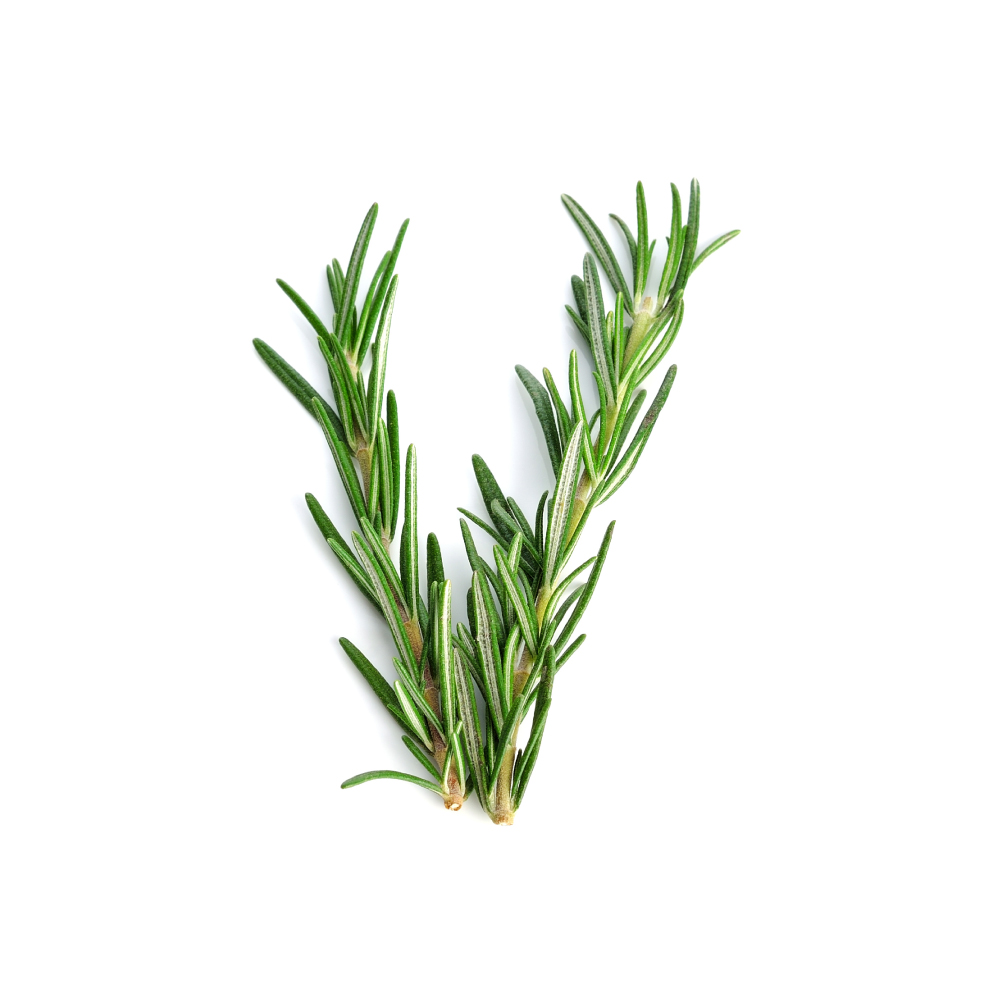 Principal source Rosemary Rosmarinus officinalis Herb monograph →
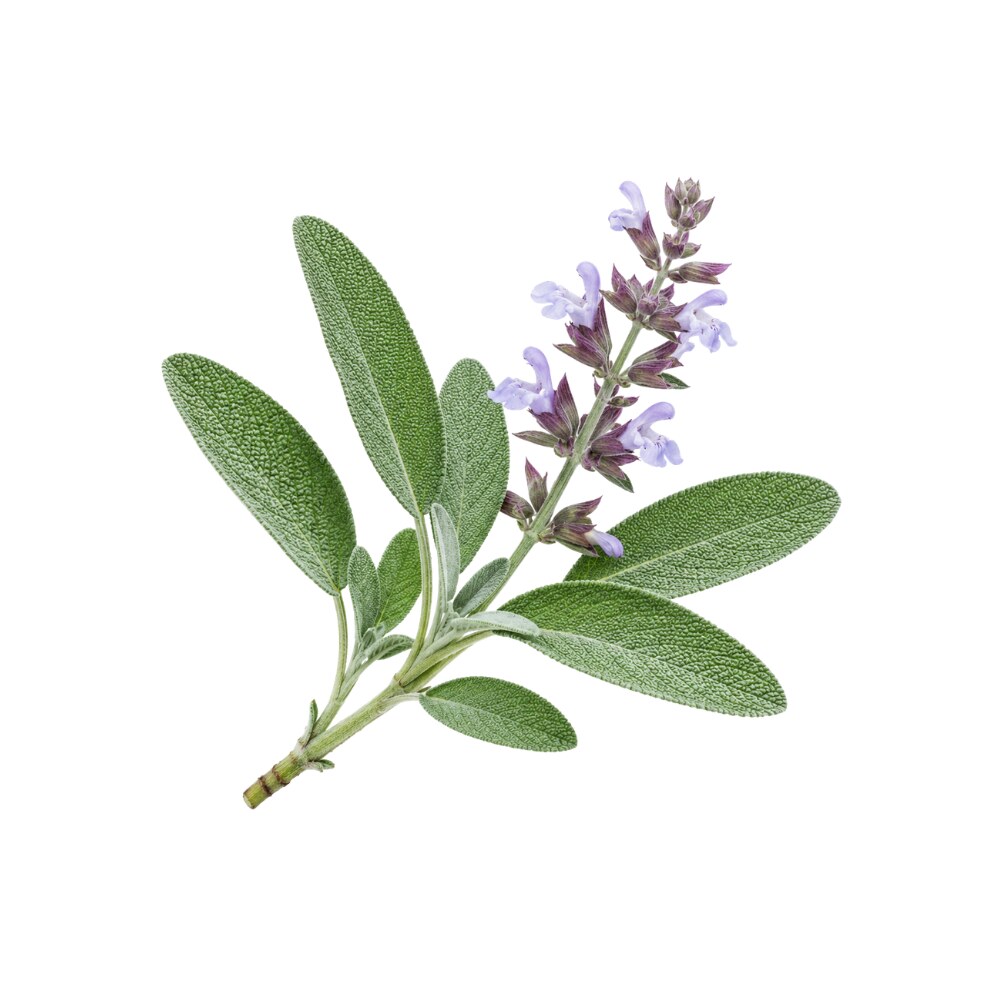 Source Sage Salvia officinalis Herb monograph →
Concentration
Content by Source
Concentrations not reported. No percent-dry-weight or mg/g figures have been published for this compound in its source plants.
Epirosmanol at a Glance
Epirosmanol is a phenolic abietane diterpene — C₂₀H₂₆O₅, MW 346.4, CAS 93380-12-2, PubChem CID 9884612 — found in the leaves of rosemary and sage. It is not a primary plant product. It sits two oxidation steps downstream of carnosic acid: carnosic acid oxidises to carnosol, and carnosol opens onward to rosmanol, epirosmanol, isorosmanol and rosmadial 1,
Two things should frame everything below.
First, this molecule has never been the subject of a study. PubMed indexes 18 records that mention epirosmanol; zero of them carry it in the title. Every one is either a phytochemical inventory, an assay panel in which epirosmanol was one line among six or nine, or a paper about a different compound entirely. There is no review of it, no pharmacokinetic study, no animal experiment and no human data.
Second, its most-repeated claim is not a claim about the molecule. Epirosmanol is widely listed as an anti-Helicobacter pylori constituent of sage. That attribution traces to a single 2023 paper in which the anti-H. pylori activity belonged to a whole ethanolic extract, and the in-silico work singled out carnosic acid, not epirosmanol 10Reference 10In vitroAnti-Helicobacter pylori and anti-inflammatory potential of Salvia officinalis metabolites: in vitro and in silico studiesView study →. The molecule was detected, not tested. That distinction is the point.
The Anti-Helicobacter Claim, Checked
Alomar and colleagues (2023) profiled Salvia officinalis by LC-MS and GC-MS, then tested the total ethanolic extract (TES) and the essential oil against H. pylori and in a COX-2 inhibition assay. Epirosmanol was the second-largest LC-MS peak in the extract at 20.65%, behind carnosic acid at 37.66% and ahead of 12-O-methyl carnosol (6.15%) and carnosol (3.3%) 10Reference 10In vitroAnti-Helicobacter pylori and anti-inflammatory potential of Salvia officinalis metabolites: in vitro and in silico studiesView study →.
What was measured, and on what:
| Entity | Assay | Result |
|---|---|---|
| Total ethanolic extract | Anti-H. pylori micro-well dilution | 3.9 µg/mL (clarithromycin 0.43 µg/mL) |
| Essential oil | Anti-H. pylori micro-well dilution | 15.63 µg/mL |
| Total ethanolic extract | COX-2 inhibition | IC₅₀ 1.7 ± 0.27 µg/mL (celecoxib comparator) |
| Essential oil | COX-2 inhibition | IC₅₀ 5.3 ± 0.62 µg/mL |
| Carnosic acid | Molecular docking, H. pylori target | Best binding energy, −46.6769 kcal/mol |
| Epirosmanol | — | Not isolated. Not assayed. Not the docking winner. |
So the honest statement is: epirosmanol is an abundant LC-MS peak in an ethanolic sage extract that inhibits H. pylori at 3.9 µg/mL, and the paper’s own computational analysis attributes that activity to carnosic acid 10Reference 10In vitroAnti-Helicobacter pylori and anti-inflammatory potential of Salvia officinalis metabolites: in vitro and in silico studiesView study →. Nothing in that study supports “epirosmanol is antibacterial.” It has never been tested against H. pylori as an isolate, at any concentration, by anyone.
One further caution about the 20.65%: it is a relative LC-MS peak area, not a mass fraction. Different diterpenes ionise with wildly different efficiency in negative-mode ESI, so a peak-area percentage is not a concentration and should never be read as one.
The Sage Essential-Oil Figure That Cannot Be Right
A second, larger attribution problem is worth flagging because it is actively propagating.
A 2024 study of essential oils against cheese-derived staphylococci reports that the main component of sage essential oil was epirosmanol at 26.25% 11Reference 11Antibacterial and antibiofilm effect of essential oils on staphylococci isolated from cheese — application of the oil mixture in a cheese modelView study →. A 2025 modelling paper from the same institution reuses that composition and names epirosmanol, carvacrol, limonene and thymol as the compounds driving sage’s antimicrobial effect in cheese, on the basis of docking scores and machine-learning regression 12Reference 12Application of predictive modeling and molecular simulations to elucidate the mechanisms underlying the antimicrobial activity of sage (Salvia officinalis L.) components in fresh cheese productionView study →; its composition data trace back to the group’s own 2023 analysis 13Reference 13Antimicrobial potential of kombucha fresh cheese with the addition of sage (Salvia officinalis L.) and its preparationsView study →.
This is almost certainly a gas-chromatography misassignment, and it should not be cited as an occurrence figure:
- Epirosmanol is a trihydroxy diterpene lactone (MW 346, five oxygens, three free phenolic/alcoholic hydroxyls). It is not volatile and is not steam-distillable — the property that defines an essential-oil component.
- Sage essential oil is one of the best-characterised oils in the materia medica. Across hundreds of published analyses it is dominated by α-thujone, camphor and 1,8-cineole; no independent laboratory has ever reported a diterpene as its major peak.
- The same analyses place carvacrol and thymol among the sage-oil actives — those are the marker phenols of oregano and thyme, not of Salvia officinalis.
The likeliest explanation is a mass-spectral library match to a co-eluting or thermally degraded peak. The practical consequence is that a computational paper’s conclusions 12Reference 12Application of predictive modeling and molecular simulations to elucidate the mechanisms underlying the antimicrobial activity of sage (Salvia officinalis L.) components in fresh cheese productionView study → rest on an input composition that is chemically implausible, and any downstream “epirosmanol is antimicrobial” claim inherits that error. Note also that PubChem’s own synonym list for epirosmanol (CID 9884612) contains the entry “Rosmanol [M+H]+” — a mass-spectral alias for a different molecule, which is the same class of error at the database level 23Reference 23National Library of MedicineView study →.
Epirosmanol, Rosmanol & Isorosmanol
These three names are used interchangeably in secondary sources far more often than the chemistry allows. They are not interchangeable, and one of the three relationships is not the one usually assumed.
| Compound | Structure | Relationship to epirosmanol |
|---|---|---|
| Rosmanol | 7α,11,12-trihydroxy-6,10-(epoxymethano)abieta-8,11,13-trien-20-one | C-7 epimer — same connectivity, opposite configuration at C-7 |
| Epirosmanol | 7β,11,12-trihydroxy-6,10-(epoxymethano)abieta-8,11,13-trien-20-one | — |
| Isorosmanol | 6α,11,12-trihydroxy-7,10-(epoxymethano)abieta-8,11,13-trien-20-one | Constitutional isomer, not an epimer — the lactone bridges C-7→C-20 instead of C-6→C-20 |
All three are C₂₀H₂₆O₅, MW 346.4, and all three were defined in the same 1984 Nakatani and Inatani paper — which named epirosmanol and isorosmanol and simultaneously corrected the published structure of rosmanol itself 1Reference 1Two antioxidative diterpenes from rosemary (Rosmarinus officinalis L.) and a revised structure for rosmanolView study →. The “epi-” prefix was therefore assigned relative to a structure being revised in the same breath, which is part of why the older literature is inconsistent.
Does the distinction matter pharmacologically? Yes, and it has been measured. In the only study to test the epimers side by side under identical conditions, Fischedick and colleagues found epirosmanol a weaker activator of the antioxidant response element than rosmanol and concluded explicitly that “the stereochemistry of the hydroxyl group at C-7 is important” 7Reference 7Structure activity relationship of phenolic diterpenes from Salvia officinalis as activators of the nuclear factor E2-related factor 2 pathwayView study →. Isorosmanol, meanwhile, is the member of the trio with the most independent pharmacology — it, and not epirosmanol, was the compound flagged as a melanin-synthesis and acetylcholinesterase inhibitor in a sage diterpene panel that contained both 8Reference 8Acetylcholine esterase inhibitors and melanin synthesis inhibitors from Salvia officinalisView study →.
Practical rule for reading this literature: where a source says “rosmanol” without a stereodescriptor and without an isolation reference, treat the identity as unresolved.
The Whole Literature, Listed
Eighteen PubMed records is small enough to inventory. Europe PMC’s full-text index returns ~190 mentions, but those are overwhelmingly supplementary-table entries in phytochemical surveys rather than studies of the compound.
| Year | Study | What it did with epirosmanol | Ref |
|---|---|---|---|
| 1984 | Nakatani & Inatani | First isolation from rosemary; structure; antioxidant activity in lard and linoleic acid | 1Reference 1Two antioxidative diterpenes from rosemary (Rosmarinus officinalis L.) and a revised structure for rosmanolView study → |
| 1995 | Haraguchi et al. | Isolated from rosemary by bioassay-guided fractionation; superoxide and lipid-peroxidation inhibition | 2Reference 2Inhibition of lipid peroxidation and superoxide generation by diterpenoids from Rosmarinus officinalisView study → |
| 2001 | Zeng et al. | Isolate; inhibition of human LDL oxidation | 3Reference 3Antioxidant properties of phenolic diterpenes from Rosmarinus officinalisView study → |
| 2001 | Miura et al. | Identified among 15 knowns in a sage apianane-terpenoid paper | 5Reference 5Apianane terpenoids from Salvia officinalisView study → |
| 2002 | Miura et al. | Isolate; oil-stability-index antioxidant assay vs α-tocopherol | 4Reference 4Antioxidant activity of chemical components from sage (Salvia officinalis L.) and thyme (Thymus vulgaris L.) measured by the oil stability index methodView study → |
| 2002 | Marrero et al. | Semisynthesis from carnosol | 6Reference 6Semisynthesis of rosmanol and its derivativesView study → |
| 2003 | Santos-Gomes et al. | Detected in sage callus culture, absent from cell suspensions | 16Reference 16Determination of phenolic antioxidant compounds produced by calli and cell suspensions of sage (Salvia officinalis L.)View study → |
| 2005 | Pukalskas et al. | ”Epirosmanol methyl ether” tentatively identified in commercial rosemary extract | 18Reference 18Development of a triple hyphenated HPLC-radical scavenging detection-DAD-SPE-NMR system for the rapid identification of antioxidants in complex plant extractsView study → |
| 2010 | Christensen et al. | An epirosmanol ester of 12-O-methyl carnosic acid isolated; PPARγ screen | 17Reference 17Activation of the nuclear receptor PPARγ by metabolites isolated from sage (Salvia officinalis L.)View study → |
| 2012 | Tabata et al. | Among five phenolic diterpenes from Hyptis incana vs neuroblastoma cells | 19Reference 19Phenolic diterpenes derived from Hyptis incana induce apoptosis and G2/M arrest of neuroblastoma cellsView study → |
| 2013 | Fischedick et al. | Isolate; Nrf2/ARE structure–activity panel of seven sage diterpenes | 7Reference 7Structure activity relationship of phenolic diterpenes from Salvia officinalis as activators of the nuclear factor E2-related factor 2 pathwayView study → |
| 2014 | Zhang et al. | Isolated as a known compound from Rosmarinus officinalis aerial parts | 15Reference 15New terpenoid glycosides obtained from Rosmarinus officinalis L. aerial partsView study → |
| 2016 | Sallam et al. | Isolate; tested and not among the actives for AChE or melanin inhibition | 8Reference 8Acetylcholine esterase inhibitors and melanin synthesis inhibitors from Salvia officinalisView study → |
| 2019 | Zhang et al. | ”Epirosmanol methyl ether” flagged in a rosemary vasorelaxant screen | 21Reference 21Screening active ingredients of rosemary based on spectrum-effect relationships between UPLC fingerprint and vasorelaxant activity using three chemometricsView study → |
| 2019 | Arriola et al. | Untargeted metabolomics annotation in a stevia encapsulation study — almost certainly a false positive | 22Reference 22Encapsulation of Stevia rebaudiana Bertoni aqueous crude extracts by ionic gelation — effects of alginate blends and gelling solutions on the polyphenolic profileView study → |
| 2021 | Llurba Montesino et al. | Purified; tested against Trypanosoma brucei rhodesiense with cytotoxicity control | 9Reference 9Salvia officinalis L.: antitrypanosomal activity and active constituents against Trypanosoma brucei rhodesienseView study → |
| 2023 | Alomar et al. | LC-MS peak in an anti-H. pylori sage extract; not assayed | 10Reference 10In vitroAnti-Helicobacter pylori and anti-inflammatory potential of Salvia officinalis metabolites: in vitro and in silico studiesView study → |
| 2024 | Nikolić et al. | Reported as 26.25% of sage essential oil — implausible (see above) | 11Reference 11Antibacterial and antibiofilm effect of essential oils on staphylococci isolated from cheese — application of the oil mixture in a cheese modelView study → |
| 2025 | Revuru et al. | Upregulated in SmERF6-overexpressing sage; biosynthesis | 14Reference 14SmERF6 promotes the expression of terpenoid pathway in Salvia officinalis and improves the production of high-value abietane diterpenes, carnosol and carnosic acidView study → |
| 2025 | Vukić et al. | In-silico/machine-learning antimicrobial model built on 11Reference 11Antibacterial and antibiofilm effect of essential oils on staphylococci isolated from cheese — application of the oil mixture in a cheese modelView study →/13Reference 13Antimicrobial potential of kombucha fresh cheese with the addition of sage (Salvia officinalis L.) and its preparationsView study → | 12Reference 12Application of predictive modeling and molecular simulations to elucidate the mechanisms underlying the antimicrobial activity of sage (Salvia officinalis L.) components in fresh cheese productionView study → |
Four of those are the isolate pharmacology it is built on 2,
What It's Used For
Four studies have put purified epirosmanol into a biological assay. The results are consistent and unremarkable: it is a competent lipophilic antioxidant of the same order as its siblings, with no target of its own.
Support is an experimental score — weighted by study type (human > animal > in vitro) and volume. A beta, not a validated metric. With no animal or human study anywhere in this literature, every score is capped low by design. Each application links to its write-up.
The one thread with genuine replication, all on purified compound. Haraguchi et al. isolated epirosmanol from rosemary leaves by bioassay-directed fractionation — meaning the antioxidant activity led them to it — and showed it inhibited superoxide production in the xanthine/xanthine oxidase system and completely blocked NADH- and NADPH-driven mitochondrial and microsomal lipid peroxidation at 3–30 µM, alongside carnosic acid, carnosol and rosmanol 2Reference 2Inhibition of lipid peroxidation and superoxide generation by diterpenoids from Rosmarinus officinalisView study →.
Zeng et al. measured inhibition of copper-mediated human LDL oxidation and apo-B modification, reporting IC₅₀ 7–10 µmol/L for the carnosol / rosmanol / epirosmanol set, with the mechanism traced to lipid-free-radical scavenging by ESR 3Reference 3Antioxidant properties of phenolic diterpenes from Rosmarinus officinalisView study →.
Miura et al. ran the oil stability index on a large sage and thyme compound panel: carnosol, rosmanol, epirosmanol, isorosmanol, galdosol and carnosic acid all showed activity “comparable to that of α-tocopherol”, and the authors attributed it to the ortho-dihydroxy (catechol) group these compounds share 4Reference 4Antioxidant activity of chemical components from sage (Salvia officinalis L.) and thyme (Thymus vulgaris L.) measured by the oil stability index methodView study →.
The original 1984 report already had it at roughly four times the activity of BHA and BHT in a lard substrate 1Reference 1Two antioxidative diterpenes from rosemary (Rosmarinus officinalis L.) and a revised structure for rosmanolView study →.
Read together, these say something specific: the activity is a catechol-group property of the abietane scaffold, shared across the whole cascade, not a distinguishing feature of epirosmanol. That is why the papers always report it as one of a list.
Gap: every measurement is cell-free or ex-vivo — a lard substrate, an isolated mitochondrial preparation, isolated LDL. There is no cellular antioxidant assay, no animal oxidative-stress model, and no human data. And with mammalian-cell cytotoxicity at ~14 µM 9Reference 9Salvia officinalis L.: antitrypanosomal activity and active constituents against Trypanosoma brucei rhodesienseView study →, the 7–10 µM active range is uncomfortably close to the toxic one.
The most informative single study on the molecule, because it tested the epimers head to head. Fischedick and colleagues isolated seven phenolic diterpenes from Salvia officinalis — carnosic acid (1), epirosmanol (3), rosmanol (4), carnosol (2), 12-methoxy-carnosic acid (5), sageone (6) and carnosaldehyde (7) — and screened them in a mouse primary cortical culture carrying an ARE-driven human placental alkaline phosphatase reporter. All except 12-methoxy-carnosic acid activated the ARE. Carnosol and carnosaldehyde were the standouts, reaching roughly 50-fold activation at 25 µM, and they alone were carried forward to the confirmatory experiments — Nrf2-dependent gene expression by qPCR and protection of neurons against H₂O₂ 7Reference 7Structure activity relationship of phenolic diterpenes from Salvia officinalis as activators of the nuclear factor E2-related factor 2 pathwayView study →.
Epirosmanol was neither. The paper’s specific finding about it is that it was weaker than rosmanol in the reporter assay, from which the authors concluded that the C-7 hydroxyl stereochemistry matters 7Reference 7Structure activity relationship of phenolic diterpenes from Salvia officinalis as activators of the nuclear factor E2-related factor 2 pathwayView study →. Epirosmanol showed minimal toxicity across the tested range, unlike carnosol and carnosaldehyde which were cytotoxic at 25–50 µM.
Gap: no EC₅₀ was published for any compound — the paper reports dose–response patterns rather than fitted potencies. Epirosmanol was not taken into the gene-expression or neuroprotection experiments, so “activates Nrf2” is where its evidence stops; there is no demonstration that it induces a single downstream gene or protects a single cell.
A commercial Salvia officinalis tincture had shown high activity against Trypanosoma brucei rhodesiense, and Llurba Montesino and colleagues used PLS regression on UHPLC-MS fingerprints to nominate the constituents responsible, then purified and tested them individually. Epirosmanol came out at IC₅₀ 3.2 ± 0.3 µg/mL against the parasite — genuinely active, and this is a real isolated-molecule result 9Reference 9Salvia officinalis L.: antitrypanosomal activity and active constituents against Trypanosoma brucei rhodesienseView study →.
The comparators matter more than the number. In the same table, the rosmanol/rosmaquinone mixture scored 1.1 ± 0.3 µg/mL, the 7-O-ethylrosmanol/7-O-ethylrosmaquinone pair 1.0 ± 0.43 µg/mL, cirsimaritin 1.7 µg/mL and manool 2.6 µg/mL; melarsoprol, the reference drug, ran at 0.0025 µg/mL — roughly 1,300-fold more potent. And the cytotoxicity control against rat L6 myoblasts put epirosmanol at 5.0 ± 0.9 µg/mL, giving a selectivity index of 1.6, against 17 for the 7-O-ethyl pair 9Reference 9Salvia officinalis L.: antitrypanosomal activity and active constituents against Trypanosoma brucei rhodesienseView study →.
Gap: a selectivity index of 1.6 is not antiparasitic selectivity — it is general cytotoxicity that happens to be measurable in a parasite assay. The authors’ own conclusion attributes the tincture’s activity to the “rosmanol/rosmaquinone group” collectively, not to epirosmanol. No in-vivo work followed.
There is no isolate antimicrobial data for epirosmanol at all. What exists is three linked papers that read as if there were.
The 2023 sage study detected it as the second-largest LC-MS peak in an ethanolic extract with anti-H. pylori activity at 3.9 µg/mL, and its docking analysis nominated carnosic acid as the likely inhibitor 10Reference 10In vitroAnti-Helicobacter pylori and anti-inflammatory potential of Salvia officinalis metabolites: in vitro and in silico studiesView study →.
The 2024 cheese study reported it as the 26.25% major component of sage essential oil — a figure that is not chemically credible for a non-volatile diterpene lactone 11Reference 11Antibacterial and antibiofilm effect of essential oils on staphylococci isolated from cheese — application of the oil mixture in a cheese modelView study →.
The 2025 modelling paper then took that composition as input and, via docking and machine learning, named epirosmanol among the compounds “contributing to the antimicrobial effects”, with the headline binding energy actually belonging to thymol against S. aureus KdpD histidine kinase (−33.93 kcal/mol) 12,
Gap: no minimum inhibitory concentration has ever been measured for purified epirosmanol against any organism. Docking scores are not activity, extract MICs are not molecule MICs, and a model is only as good as the composition table it was fed.
Worth recording because a negative result on a purified compound is real evidence, and it is rarer than a positive one.
Sallam and colleagues isolated seven phenolic diterpenes from Salvia officinalis — sageone, 12-methylcarnosol, carnosol, 7β-methoxyrosmanol, 7α-methoxyrosmanol, isorosmanol and epirosmanol — and tested all seven for acetylcholinesterase inhibition (Ellman’s method) and for melanin-synthesis inhibition in B16 melanoma cells. The reported actives were 7α-methoxyrosmanol (50% AChE inhibition at 500 µM) and isorosmanol (65% at 500 µM, plus melanin inhibition as potent as arbutin). Epirosmanol is not among the compounds credited with either activity 8Reference 8Acetylcholine esterase inhibitors and melanin synthesis inhibitors from Salvia officinalisView study →.
Gap: the paper does not publish a per-compound value for the inactive members, so “inactive” means “not reported as active at 500 µM” rather than a measured null. Even so, it establishes that epirosmanol has been looked at for these targets, in the same experiment as compounds that hit them, and did not clear the bar.
Mechanisms
| Target / pathway | Effect | Relevant to | Compartment |
|---|---|---|---|
| Lipid peroxyl and superoxide radicals | Direct scavenging via the ortho-dihydroxy (catechol) ring; complete inhibition of mitochondrial/microsomal lipid peroxidation at 3–30 µM 2, | Antioxidant | In vitro / cell-free |
| Cu²⁺-mediated LDL oxidation | Inhibition, IC₅₀ 7–10 µM (shared value with carnosol and rosmanol) 3Reference 3Antioxidant properties of phenolic diterpenes from Rosmarinus officinalisView study → | Antioxidant | Ex vivo |
| Nrf2 / antioxidant response element | Reporter activation, weaker than rosmanol; no downstream gene induction shown 7Reference 7Structure activity relationship of phenolic diterpenes from Salvia officinalis as activators of the nuclear factor E2-related factor 2 pathwayView study → | Cytoprotection | Cell culture |
| T. b. rhodesiense viability | IC₅₀ 3.2 µg/mL (~9 µM), selectivity index 1.6 9Reference 9Salvia officinalis L.: antitrypanosomal activity and active constituents against Trypanosoma brucei rhodesienseView study → | Antiprotozoal | Cell culture |
| Mammalian L6 myoblast viability | Cytotoxic, IC₅₀ 5.0 µg/mL (~14 µM) 9Reference 9Salvia officinalis L.: antitrypanosomal activity and active constituents against Trypanosoma brucei rhodesienseView study → | Toxicity ceiling | Cell culture |
| Acetylcholinesterase; melanin synthesis | No activity reported at 500 µM 8Reference 8Acetylcholine esterase inhibitors and melanin synthesis inhibitors from Salvia officinalisView study → | — | Cell-free / B16 cells |
| PPARγ | Not activated by the epirosmanol ester tested; 12-O-methyl carnosic acid was the active one 17Reference 17Activation of the nuclear receptor PPARγ by metabolites isolated from sage (Salvia officinalis L.)View study → | — | Reporter assay |
Pharmacokinetics
There is no pharmacokinetic study of epirosmanol — no absorption figure, no oral bioavailability, no plasma concentration, no half-life, in any species. epirosmanol AND pharmacokinetics returns zero PubMed records.
One indirect measurement exists. A 2025 biorefinery study of Salvia officinalis ran a PAMPA-BBB permeability model on its extracts and tracked individual compounds by HPLC-QTOF-MS peak area across the donor, permeable and non-permeable fractions. Epirosmanol was one of the compounds of which “around 50%” crossed the artificial barrier — better than caffeic acid (~10%) and better than carnosol, carnosic acid and methyl carnosate, which showed minimal permeability 20Reference 20Sequential obtention of blood-brain barrier-permeable non-polar and polar compounds from Salvia officinalis L. and Eucalyptus globulus Labill. with neuroprotective purposesView study →.
That is worth exactly what it is: a peak-area observation in an artificial-membrane model, not a measured permeability coefficient and not an in-vivo result. What it suggests is chemically sensible — epirosmanol is a smaller, lactonised, somewhat more polar molecule than its carnosic acid parent, which is the direction that helps passive membrane transit. It does not establish that any amount of epirosmanol survives ingestion, and no study has looked.
Clinical Trials
None. There are no clinical trials of epirosmanol — a ClinicalTrials.gov search returns 0 studies under that name (checked August 2026). Human exposure is entirely incidental, through culinary rosemary and sage and through rosemary antioxidant extracts.
| Completed | Planned | Terminated | Preclinical |
|---|---|---|---|
| —(none) | — | — | 4in-vitro isolate studies |
Last checked: August 2026.
Isolate vs. Plant
The boundary is unusually easy to draw here, because there is so little on either side.
Genuine isolate evidence: four studies 2,
Plant-level claims that get mis-credited to it: the anti-H. pylori and COX-2 results, which belong to a whole sage ethanolic extract 10Reference 10In vitroAnti-Helicobacter pylori and anti-inflammatory potential of Salvia officinalis metabolites: in vitro and in silico studiesView study →; the antistaphylococcal results, which belong to a sage essential oil whose composition is doubtful 11Reference 11Antibacterial and antibiofilm effect of essential oils on staphylococci isolated from cheese — application of the oil mixture in a cheese modelView study →; and the rosemary vasorelaxant work, in which the compound flagged was epirosmanol methyl ether — a different molecule — and the two compounds actually verified pharmacologically were carnosic acid and carnosol 21Reference 21Screening active ingredients of rosemary based on spectrum-effect relationships between UPLC fingerprint and vasorelaxant activity using three chemometricsView study →.
Derivatives that are not epirosmanol. Three distinct entities in this literature carry the name inside theirs and must not be conflated with the parent: epirosmanol methyl ether 18,
The transfer in the other direction fails too. Nothing here supports a claim about rosemary or sage as herbs. Epirosmanol is a minor member of a diterpene fraction whose recognised actives — the compounds that carry the food-preservative function and most of the pharmacology — are carnosic acid and carnosol.
Prevalence in Nature
Epirosmanol is a Lamiaceae compound, and within the family it is essentially a Salvia compound. Its distribution follows carnosic acid’s, because it is made from it.
| Source | Part | Basis |
|---|---|---|
| Rosemary (Salvia rosmarinus, syn. Rosmarinus officinalis) | Leaves, aerial parts | Type source — first isolation 1984 1Reference 1Two antioxidative diterpenes from rosemary (Rosmarinus officinalis L.) and a revised structure for rosmanolView study →; re-isolated by bioassay-guided fractionation 2Reference 2Inhibition of lipid peroxidation and superoxide generation by diterpenoids from Rosmarinus officinalisView study → and as a known compound in a terpenoid-glycoside study 15Reference 15New terpenoid glycosides obtained from Rosmarinus officinalis L. aerial partsView study → |
| Sage (Salvia officinalis) | Leaves, aerial parts | Isolated repeatedly from methanolic, dichloromethane and ethanolic extracts 5, |
| Hyptis incana | Aerial parts | Single report, among five phenolic diterpenes tested on neuroblastoma cells 19Reference 19Phenolic diterpenes derived from Hyptis incana induce apoptosis and G2/M arrest of neuroblastoma cellsView study → |
No concentration figure exists. Not a mg/g, not a % dry weight, for any source. The two percentages in circulation are a relative LC-MS peak area (20.65% of an ethanolic sage extract 10Reference 10In vitroAnti-Helicobacter pylori and anti-inflammatory potential of Salvia officinalis metabolites: in vitro and in silico studiesView study →) and an implausible GC figure (26.25% of sage essential oil 11Reference 11Antibacterial and antibiofilm effect of essential oils on staphylococci isolated from cheese — application of the oil mixture in a cheese modelView study →); neither is a concentration.
A note on the Hyptis attribution. It is the only occurrence claim outside Salvia, and it deserves a caveat: the compound tested alongside epirosmanol with the highest efficacy in that study was 7-ethoxyrosmanol 19Reference 19Phenolic diterpenes derived from Hyptis incana induce apoptosis and G2/M arrest of neuroblastoma cellsView study →, and 7-alkoxyrosmanols form readily from carnosol on contact with the corresponding alcohol — a semisynthetic route published a decade earlier 6Reference 6Semisynthesis of rosmanol and its derivativesView study →. Whether that panel represents native Hyptis constituents or extraction artefacts is not resolvable from the abstract.
Two further sightings should be discounted. An untargeted-metabolomics annotation in a Stevia rebaudiana encapsulation study 22Reference 22Encapsulation of Stevia rebaudiana Bertoni aqueous crude extracts by ionic gelation — effects of alginate blends and gelling solutions on the polyphenolic profileView study → is almost certainly a database false positive — stevia is an Asteraceae with no abietane-diterpene pathway. And the Salvia fruticosa co-mention that turns up in searches comes from a paper about S. officinalis that names S. fruticosa in passing 14Reference 14SmERF6 promotes the expression of terpenoid pathway in Salvia officinalis and improves the production of high-value abietane diterpenes, carnosol and carnosic acidView study →, not from an occurrence report.
Its Role in Plants
Epirosmanol is a degradation product with a defensive function, and the distinction from a biosynthetic end-product matters for anyone trying to standardise a preparation.
Carnosic acid is the plant’s stored lipophilic antioxidant, concentrated in leaf chloroplasts, and it protects the photosynthetic apparatus by being sacrificially oxidised under light and oxidative stress 24Reference 24Carnosic acidView study →. That oxidation is a cascade, not a single step: carnosic acid → carnosol → rosmanol, epirosmanol, isorosmanol, rosmadial and methyl carnosate 1,
The pathway is transcriptionally tractable. Heterologous expression of the Salvia miltiorrhiza transcription factor SmERF6 in S. officinalis raised carnosol roughly two-fold and carnosic acid five-fold in infiltrated leaves, and significantly upregulated the carnosic acid derivatives — rosmanol, epirosmanol and methyl carnosic acid — along with the shared precursor ferruginol 14Reference 14SmERF6 promotes the expression of terpenoid pathway in Salvia officinalis and improves the production of high-value abietane diterpenes, carnosol and carnosic acidView study →. Stable transgenic lines accumulated four-fold carnosol and three-fold carnosic acid. Tissue culture behaves differently: sage callus produced epirosmanol, while sage cell suspensions grown under the same hormone regimes did not, one of only two compounds in a twelve-phenolic panel to differ that way 16Reference 16Determination of phenolic antioxidant compounds produced by calli and cell suspensions of sage (Salvia officinalis L.)View study →.
Discovery & Synthesis
Epirosmanol was isolated and named in 1984 by Nobuji Nakatani and Reiko Inatani at Osaka City University, from the leaves of rosemary, in a paper that reported two new antioxidative diterpenes — epirosmanol and isorosmanol — and revised the structure of rosmanol itself using NOE experiments and X-ray analysis 1Reference 1Two antioxidative diterpenes from rosemary (Rosmarinus officinalis L.) and a revised structure for rosmanolView study →. Its structure was assigned as 7β,11,12-trihydroxy-6,10-(epoxymethano)abieta-8,11,13-trien-20-one. The name records the relationship: the epimer of rosmanol at C-7. In the same paper both new compounds were shown to be strongly antioxidative, roughly four times BHA and BHT in a lard system.
There is no total synthesis. There is a practical semisynthesis: Marrero, Andrés and Luis (2002) obtained rosmanol, rosmaquinone, 7-methoxyrosmanol, 7-ethoxyrosmanol, galdosol and epirosmanol by partial synthesis from carnosol, an abundant natural product, with physical and spectroscopic data identical to authentic natural samples 6Reference 6Semisynthesis of rosmanol and its derivativesView study →. Their explicit motivation was that these diterpenes occur in Salvia “in low quantities” — which is the clearest statement in the literature about epirosmanol’s natural abundance, even though it puts no number on it.
That route also has an analytical consequence: because these compounds form readily from carnosol under mild conditions in the presence of alcohols, 7-methoxy- and 7-ethoxyrosmanol recovered from methanolic or ethanolic plant extracts are suspect as solvent artefacts, and epirosmanol’s own levels in an extract are partly a function of processing 6Reference 6Semisynthesis of rosmanol and its derivativesView study →.
Commercially, epirosmanol is sold only as an analytical reference standard, in milligram quantities. It is not produced at scale and is not a component of any commercial product. Notably, the EU food additive extracts of rosemary (E 392) is specified and its maximum permitted levels expressed as the sum of carnosol and carnosic acid 25Reference 25Refined exposure assessment of extracts of rosemary (E 392) from its use as food additiveView study → — epirosmanol, though it forms from both, is not part of that specification and is not measured in commerce.
Patents: not yet researched.
Toxicity & Safety
The honest verdict is not characterised, and the unknown grading is deliberate. There has never been a toxicology study of epirosmanol: no acute or repeat-dose study, no LD₅₀, no genotoxicity panel, no reproductive or developmental work, no interaction study, and no observation in an animal of any kind. epirosmanol AND toxicity returns a single PubMed record, and it is a cell-viability control inside an Nrf2 screen 7Reference 7Structure activity relationship of phenolic diterpenes from Salvia officinalis as activators of the nuclear factor E2-related factor 2 pathwayView study →.
What can be said is narrow and comes from two cell assays. Epirosmanol is cytotoxic to a mammalian cell line at ~5 µg/mL (~14 µM) — rat L6 myoblasts, in the selectivity control of the trypanosome study 9Reference 9Salvia officinalis L.: antitrypanosomal activity and active constituents against Trypanosoma brucei rhodesienseView study →. In mouse primary cortical cultures it showed minimal toxicity across the range tested, in an experiment where carnosol was toxic at 50 µM and carnosaldehyde at 25 µM 7Reference 7Structure activity relationship of phenolic diterpenes from Salvia officinalis as activators of the nuclear factor E2-related factor 2 pathwayView study →. Those two results are not contradictory — different cell types, different exposure windows — but the first is the one to hold onto, because it sits at the same concentration as the reported antioxidant activity.
Reproductive and developmental effects have never been investigated for this molecule. Decisions about rosemary or sage in pregnancy belong on those herb pages, where intake is actually decided, and turn on thujone and on whole-preparation data — not on this compound.
- No adverse effect has ever been reported. It has also never been looked for — those are different statements, and the unknown grading reflects the second.
- Dietary exposure is long-standing and incidental. Anyone who cooks with rosemary or sage has been consuming small amounts of it indefinitely, with no signal attached.
- Cytotoxic to mammalian cells at ~14 µM in vitro 9Reference 9Salvia officinalis L.: antitrypanosomal activity and active constituents against Trypanosoma brucei rhodesienseView study →, which is inside the concentration range at which its antioxidant activity is reported 3Reference 3Antioxidant properties of phenolic diterpenes from Rosmarinus officinalisView study →. That is a reason not to treat a concentrated isolate as a benign supplement.
- Selectivity index of 1.6 in the only assay that measured one 9Reference 9Salvia officinalis L.: antitrypanosomal activity and active constituents against Trypanosoma brucei rhodesienseView study → — the compound does not discriminate between a parasite and a host cell.
- No toxicology, no pharmacokinetics, no animal data, no human data. Every statement above is from a dish.
- No reproductive or developmental data exist. Nothing is known about use in pregnancy or breastfeeding.
- Drug interactions have never been assessed — no CYP, no P-glycoprotein, no transporter work of any kind for this molecule.
Dosage
There is no dose. Epirosmanol has never been administered to a person as an isolate, no animal dosing study exists to extrapolate from, and no pharmacokinetic study has established whether an oral dose would reach the bloodstream at all. Every published figure is an in-vitro concentration in the 3–30 µM range — the concentration at a cell or in a cuvette, not an intake.
Real-world exposure comes from rosemary and sage leaf and from rosemary antioxidant extracts, where epirosmanol is one unquantified minor diterpene in a fraction defined and regulated by carnosic acid and carnosol 25Reference 25Refined exposure assessment of extracts of rosemary (E 392) from its use as food additiveView study →. The plant, not the molecule, is what anybody is actually taking. Nothing here is a recommendation.
References
- Nakatani N, Inatani R (1984). Two antioxidative diterpenes from rosemary (Rosmarinus officinalis L.) and a revised structure for rosmanol. Agricultural and Biological Chemistry 48(8):2081–2085. https://doi.org/10.1271/bbb1961.48.2081
- Haraguchi H, Saito T, Okamura N, Yagi A (1995). Inhibition of lipid peroxidation and superoxide generation by diterpenoids from Rosmarinus officinalis. Planta Medica. https://pubmed.ncbi.nlm.nih.gov/7480180/
- Zeng HH, Tu PF, Zhou K, Wang H, Wang BH, Lu JF (2001). Antioxidant properties of phenolic diterpenes from Rosmarinus officinalis. Acta Pharmacologica Sinica. https://pubmed.ncbi.nlm.nih.gov/11749806/
- Miura K, Kikuzaki H, Nakatani N (2002). Antioxidant activity of chemical components from sage (Salvia officinalis L.) and thyme (Thymus vulgaris L.) measured by the oil stability index method. Journal of Agricultural and Food Chemistry. https://pubmed.ncbi.nlm.nih.gov/11902922/
- Miura K, Kikuzaki H, Nakatani N (2001). Apianane terpenoids from Salvia officinalis. Phytochemistry. https://pubmed.ncbi.nlm.nih.gov/11738402/
- Marrero JG, Andrés LS, Luis JG (2002). Semisynthesis of rosmanol and its derivatives. Easy access to abietatriene diterpenes isolated from the genus Salvia with biological activities. Journal of Natural Products. https://pubmed.ncbi.nlm.nih.gov/12141857/
- Fischedick JT, Standiford M, Johnson DA, Johnson JA (2013). Structure activity relationship of phenolic diterpenes from Salvia officinalis as activators of the nuclear factor E2-related factor 2 pathway. Bioorganic & Medicinal Chemistry. https://pubmed.ncbi.nlm.nih.gov/23507152/
- Sallam A, Mira A, Ashour A, Shimizu K (2016). Acetylcholine esterase inhibitors and melanin synthesis inhibitors from Salvia officinalis. Phytomedicine. https://pubmed.ncbi.nlm.nih.gov/27444345/
- Llurba Montesino N, Kaiser M, Mäser P, Schmidt TJ (2021). Salvia officinalis L.: antitrypanosomal activity and active constituents against Trypanosoma brucei rhodesiense. Molecules. https://pubmed.ncbi.nlm.nih.gov/34072147/
- Alomar HA, Elkady WM, Abdel-Aziz MM, Ibrahim TA, Fathallah N (2023). Anti-Helicobacter pylori and anti-inflammatory potential of Salvia officinalis metabolites: in vitro and in silico studies. Metabolites. https://pubmed.ncbi.nlm.nih.gov/36677061/
- Nikolić I, Čabarkapa I, Pavlić B, Kravić S, Đilas M, Iličić M, Bulut S, Kocić-Tanackov S (2024). Antibacterial and antibiofilm effect of essential oils on staphylococci isolated from cheese — application of the oil mixture in a cheese model. International Journal of Food Microbiology. https://pubmed.ncbi.nlm.nih.gov/39182346/
- Vukić D, Lončar B, Pezo L, Vukić V (2025). Application of predictive modeling and molecular simulations to elucidate the mechanisms underlying the antimicrobial activity of sage (Salvia officinalis L.) components in fresh cheese production. Foods. https://pubmed.ncbi.nlm.nih.gov/40646916/
- Vukić V, Vukić D, Pavlić B, Iličić M, Kocić-Tanackov S, Kanurić K, Bjekić M, Zeković Z (2023). Antimicrobial potential of kombucha fresh cheese with the addition of sage (Salvia officinalis L.) and its preparations. Food & Function. https://pubmed.ncbi.nlm.nih.gov/36942549/
- Revuru B, Thashanamoorthi G, Demiwal P, Sircar D, Ramalingam S (2025). SmERF6 promotes the expression of terpenoid pathway in Salvia officinalis and improves the production of high-value abietane diterpenes, carnosol and carnosic acid. Plant and Cell Physiology. https://pubmed.ncbi.nlm.nih.gov/39820705/
- Zhang Y, Adelakun TA, Qu L, Li X, Li J, Han L, Wang T (2014). New terpenoid glycosides obtained from Rosmarinus officinalis L. aerial parts. Fitoterapia. https://pubmed.ncbi.nlm.nih.gov/25200369/
- Santos-Gomes PC, Seabra RM, Andrade PB, Fernandes-Ferreira M (2003). Determination of phenolic antioxidant compounds produced by calli and cell suspensions of sage (Salvia officinalis L.). Journal of Plant Physiology. https://pubmed.ncbi.nlm.nih.gov/14593803/
- Christensen KB, Jørgensen M, Kotowska D, Petersen RK, Kristiansen K, Christensen LP (2010). Activation of the nuclear receptor PPARγ by metabolites isolated from sage (Salvia officinalis L.). Journal of Ethnopharmacology. https://pubmed.ncbi.nlm.nih.gov/20696231/
- Pukalskas A, van Beek TA, de Waard P (2005). Development of a triple hyphenated HPLC-radical scavenging detection-DAD-SPE-NMR system for the rapid identification of antioxidants in complex plant extracts. Journal of Chromatography A. https://pubmed.ncbi.nlm.nih.gov/15941042/
- Tabata K, Kim M, Makino M, Satoh M, Satoh Y, Suzuki T (2012). Phenolic diterpenes derived from Hyptis incana induce apoptosis and G2/M arrest of neuroblastoma cells. Anticancer Research. https://pubmed.ncbi.nlm.nih.gov/23155243/
- Romano E, Domínguez-Rodríguez G, Mannina L, Cifuentes A, Ibáñez E (2025). Sequential obtention of blood-brain barrier-permeable non-polar and polar compounds from Salvia officinalis L. and Eucalyptus globulus Labill. with neuroprotective purposes. International Journal of Molecular Sciences. https://pubmed.ncbi.nlm.nih.gov/39859317/
- Zhang J, Chen T, Li K, Xu H, Liang R, Wang W, Li H, Shao A, Yang B (2019). Screening active ingredients of rosemary based on spectrum-effect relationships between UPLC fingerprint and vasorelaxant activity using three chemometrics. Journal of Chromatography B. https://pubmed.ncbi.nlm.nih.gov/31785534/
- Arriola NDA, Chater PI, Wilcox M, Lucini L, Rocchetti G, Dalmina M, Pearson JP, de Mello Castanho Amboni RD (2019). Encapsulation of Stevia rebaudiana Bertoni aqueous crude extracts by ionic gelation — effects of alginate blends and gelling solutions on the polyphenolic profile. Food Chemistry. https://pubmed.ncbi.nlm.nih.gov/30724178/
- PubChem Compound Summary: Epirosmanol, CID 9884612. National Library of Medicine. https://pubchem.ncbi.nlm.nih.gov/compound/9884612
- Birtić S, Dussort P, Pierre FX, Bily AC, Roller M (2015). Carnosic acid. Phytochemistry 115:9–19. https://pubmed.ncbi.nlm.nih.gov/25639596/
- EFSA Panel on Food Additives and Nutrient Sources added to Food (2018). Refined exposure assessment of extracts of rosemary (E 392) from its use as food additive. EFSA Journal 16(3):5373. https://doi.org/10.2903/j.efsa.2018.5373



