
Compound Monograph
Carnosic acid
Carnosic acid is the principal antioxidant diterpene of rosemary and sage, and the molecule the EU food-additive rosemary extract (E392) is legally specified around. It works by being destroyed: it quenches radicals sacrificially, oxidising through carnosol to the rosmanols. That instability is not a flaw in the molecule — it is the mechanism — but it means the carnosic acid content of any preparation is a function of solvent, heat, light and shelf age, and that most reported activity belongs to a decaying mixture rather than a fixed compound.

Sources · 8
Where Does It Come From?
Carnosic acid is a naturally occurring abietane diterpene phenol (o-diphenol/catechol-type), found in Rosemary, Sage and 6 other sources. It is well tolerated orally (low toxicity).
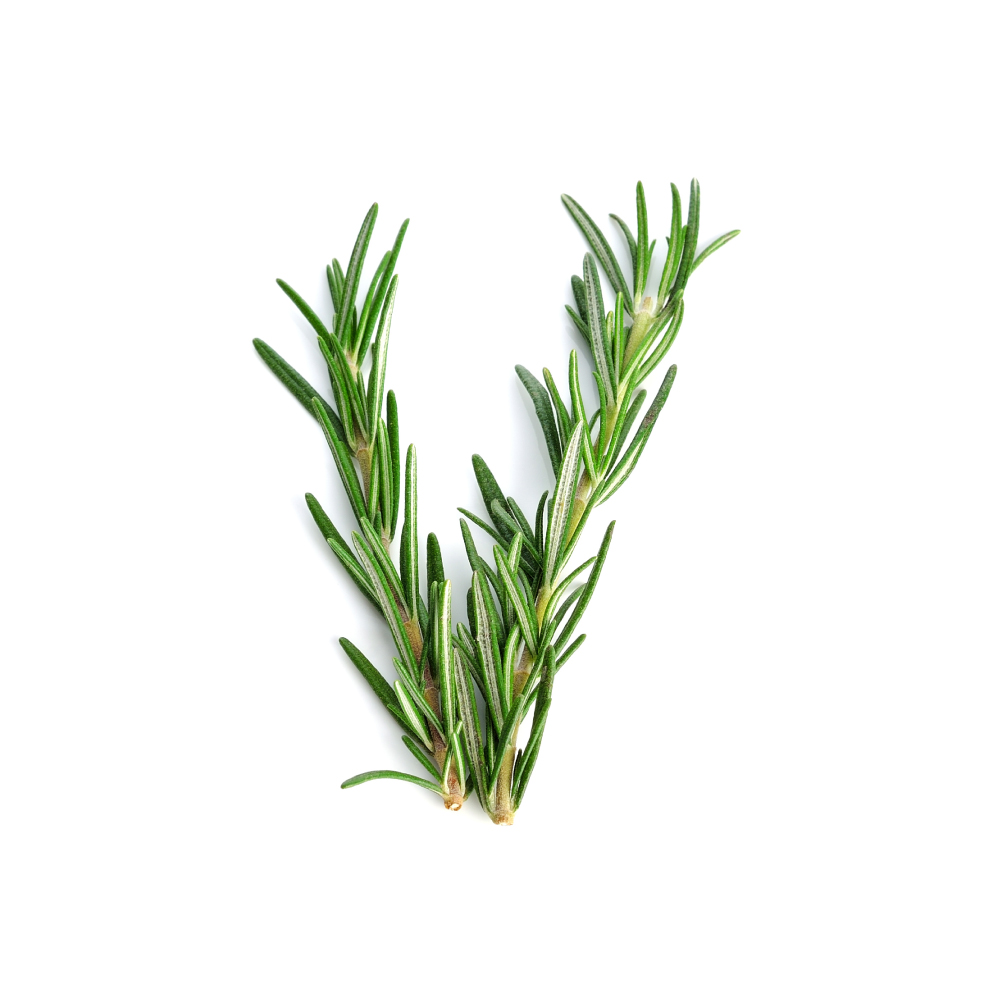 Principal source Rosemary Rosmarinus officinalis Herb monograph →
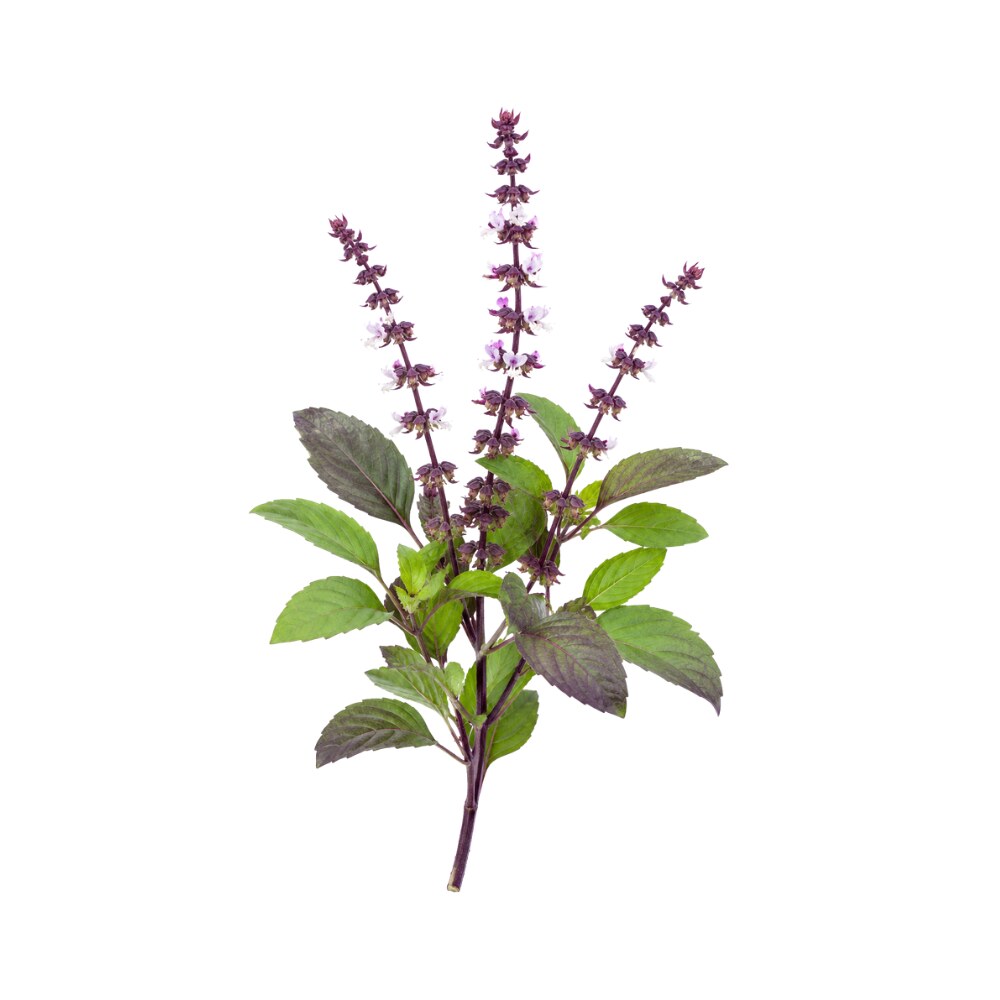 Source Holy Basil Ocimum tenuiflorum Herb monograph →
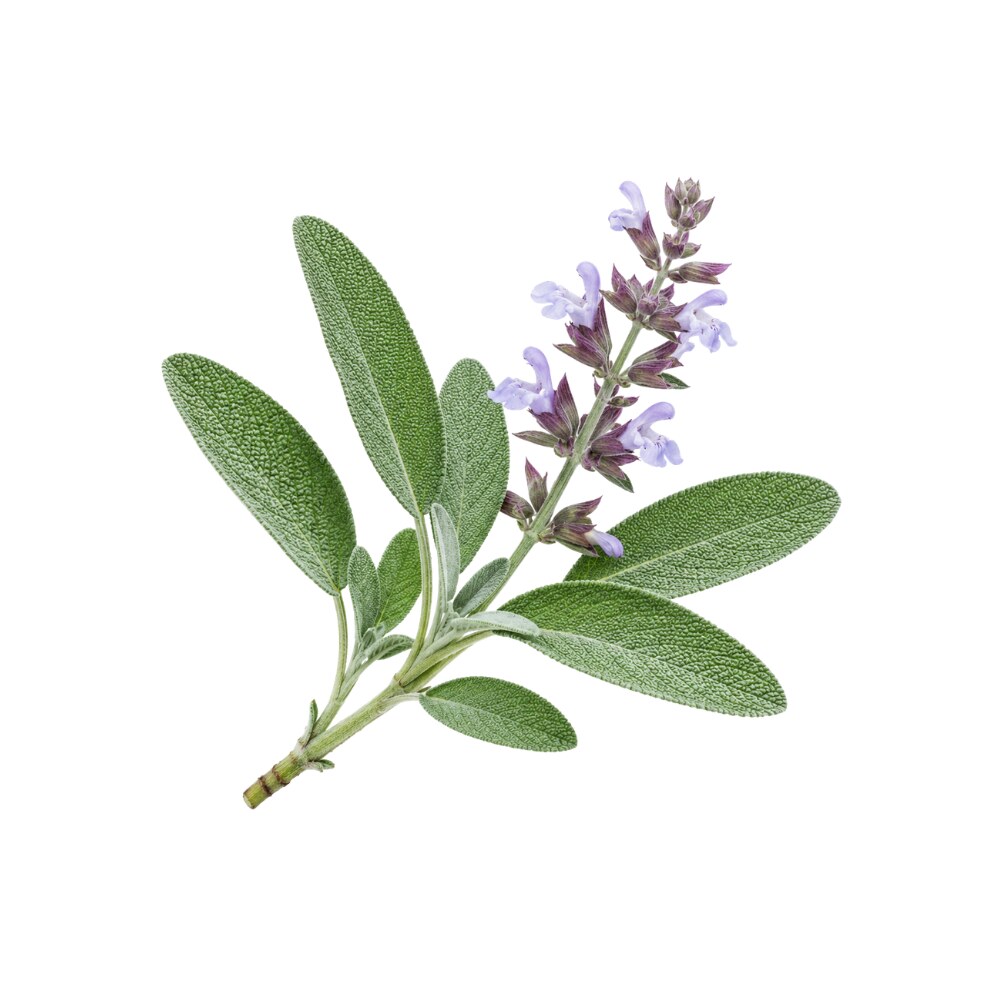 Source Sage Salvia officinalis Herb monograph →
Concentration
Content by Source
Reported concentrations across the plants that contain carnosic acid — the bar marks the typical level, the line shows the reported range.
Literature figures for varying plant parts and preparations. Read them as a comparative guide, not exact assays.
Carnosic acid at a Glance
Carnosic acid is an abietane diterpene phenol — a three-ring terpenoid carrying a catechol (o-diphenol) group and a free carboxylic acid. It is the main non-volatile compound of rosemary leaf and the principal lipid-soluble antioxidant of the whole Rosmarinus/Salvia lineage. Together with its oxidation product carnosol it has been credited with over 90% of the antioxidant activity of rosemary extract 32Reference 32In vitroAntioxidant and pro-oxidant properties of active rosemary constituents: carnosol and carnosic acid — in vitroView study →.
Two facts organise everything else here.
First, it is the molecule a regulation is written around. Rosemary extract is an authorised food antioxidant in the European Union under the number E392, and the legal specification for E392 does not describe a plant — it describes a minimum content of carnosic acid plus carnosol, and a required ratio of that diterpene content to the essential-oil volatiles 6Reference 6ReviewRefined exposure assessment of extracts of rosemary (E 392) from its use as food additive — review, including the Regulation (EU) No 231/2012 and JECFA specificationsView study →. Maximum permitted levels across 33 food categories are likewise expressed as the sum of carnosol and carnosic acid 6Reference 6ReviewRefined exposure assessment of extracts of rosemary (E 392) from its use as food additive — review, including the Regulation (EU) No 231/2012 and JECFA specificationsView study →. This is one of very few plant molecules here with a formal regulatory identity, and preserving food is by a wide margin the way most people actually encounter it.
Second, it works by being destroyed. Carnosic acid is not a stable antioxidant that catalytically neutralises radicals; it is a sacrificial one that is consumed in the act. Under oxidative attack it is converted to carnosol and onward to rosmanol, epirosmanol, isorosmanol and their methyl ethers — and the loss of carnosic acid, matched by the appearance of those derivatives, is the antioxidant event 2Reference 2In vitroCarnosic acid and carnosol, two major antioxidants of rosemary, act through different mechanisms — in vitro and in plantaView study →. That has a large and under-acknowledged consequence: the carnosic acid content of any rosemary or sage preparation is a moving target set by solvent, heat, light and shelf age, and a great deal of published “carnosic acid” pharmacology was run on a decaying mixture. Read the rest with that attached.
Human evidence for the isolated molecule is, essentially, absent. There is no controlled trial of pure carnosic acid in people, and the one published human plasma pharmacokinetic profile is a single volunteer in an analytical-method paper 22Reference 22Determination of carnosic acid by a novel HPLC-UV method in human plasma and application to a prototype pharmacokinetic study — human volunteerView study →.
Established Uses — Food Antioxidant (E392)
This is the one use that is real, regulated, and at scale.
Rosemary extract standardised on its diterpene phenols retards lipid oxidation — rancidity — in fats, oils, meat, snacks and fried products, and it does so well enough to substitute for synthetic antioxidants such as BHA and BHT. In head-to-head radical chemistry, purified carnosic acid and carnosol inhibit lipid peroxidation in microsomal and liposomal systems more effectively than propyl gallate, and carnosic acid scavenges peroxyl radicals with a rate constant of 2.7 × 10⁷ M⁻¹s⁻¹ — roughly ten to twenty times faster than carnosol 32Reference 32In vitroAntioxidant and pro-oxidant properties of active rosemary constituents: carnosol and carnosic acid — in vitroView study →.
It is authorised as E392 in the EU under Annex II to Regulation (EC) No 1333/2008, in 33 food categories at maximum levels of 15–400 mg/kg, some expressed on the fat content of the food rather than the whole product. Every one of those limits is written as the sum of carnosol and carnosic acid 6Reference 6ReviewRefined exposure assessment of extracts of rosemary (E 392) from its use as food additive — review, including the Regulation (EU) No 231/2012 and JECFA specificationsView study →. Further authorisations under Annex III allow up to 1,000 mg/kg in flavourings and in colour preparations, again expressed as that sum 6Reference 6ReviewRefined exposure assessment of extracts of rosemary (E 392) from its use as food additive — review, including the Regulation (EU) No 231/2012 and JECFA specificationsView study →.
The E392 Specification — What “Rosemary Extract” Legally Means
The brief version people repeat is “rosemary extract is an approved natural preservative.” The specification is more interesting than that, because it is explicitly built to separate the antioxidant diterpene fraction from the aromatic essential-oil fraction of the same leaf.
Commission Regulation (EU) No 231/2012 defines E392 by production route, and each route carries its own minimum diterpene content, expressed as the total of carnosic acid and carnosol 8,
| E392 production route | Minimum carnosic acid + carnosol |
|---|---|
| Acetone extraction of dried leaf | ≥ 10% w/w |
| Supercritical CO₂ with ethanol entrainer | ≥ 13% w/w |
| Deodorised ethanolic extract | ≥ 5% w/w |
| Two-step hexane/ethanol, decolourised and deodorised | ≥ 5% w/w |
On top of the minimum content, every route must satisfy an antioxidant-to-volatiles ratio: the total % w/w of carnosic acid and carnosol, divided by the % w/w of five reference key volatiles — borneol, bornyl acetate, camphor, 1,8-cineole and verbenone — must be not less than 15 6Reference 6ReviewRefined exposure assessment of extracts of rosemary (E 392) from its use as food additive — review, including the Regulation (EU) No 231/2012 and JECFA specificationsView study →.
That ratio is the whole point. A rosemary essential oil is chemically almost the opposite of an E392 extract: the oil is the monoterpene fraction, effectively free of diterpene phenols, while E392 is the diterpene fraction with the aroma stripped out. The regulation enforces the separation numerically so that an aromatic oil cannot be sold as an antioxidant additive.
The parallel JECFA specification adds two details worth knowing: carnosic acid and carnosol must comprise not less than 90% of the total phenolic diterpenes present, and commercial product may be standardised up to 33% total carnosic acid plus carnosol 6Reference 6ReviewRefined exposure assessment of extracts of rosemary (E 392) from its use as food additive — review, including the Regulation (EU) No 231/2012 and JECFA specificationsView study →.
Why Carnosic Acid Is a Moving Target
This is the section the rest of the page depends on.
The Oxidation Cascade
Carnosic acid carries a catechol on its aromatic ring. Catechols are not themselves electrophilic, but on oxidation they become electrophilic ortho-quinones 9Reference 9In vitroCarnosic acid, a catechol-type electrophilic compound, protects neurons both in vitro and in vivo through activation of the Keap1/Nrf2 pathway via S-alkylation of targeted cysteines on Keap1 — miceView study →. In carnosic acid, that quinone is intercepted intramolecularly by the C-20 carboxylic acid, which closes onto the ring system to form a γ-lactone — and that lactone is carnosol. Further oxidation opens onto the rosmanol series 1,
carnosic acid
   → carnosol            (lactone C-20→C-7, six-membered)
   → isorosmanol         (carnosol + a 6α-OH — same six-membered ring system)
   → rosmanol / epirosmanol / 7-methyl-epirosmanol
                         (lactone C-20→C-6, five-membered; rosmanol 7α, epirosmanol 7β)
   → galdosol            (the C-7 ketone — where the two epimers converge)
     and further ring-oxidised products
Schwarz and Ternes established in 1992 that carnosic acid is “the main substance for general oxidation leading to artifacts with γ- or δ-lactone structure” in extracts of both rosemary and sage — and, tellingly, that before their HPLC method the only way to obtain carnosic acid in quantity was to make it backwards, by hydrogenolysis of carnosol 4Reference 4In vitroAntioxidative constituents of Rosmarinus officinalis and Salvia officinalisView study →. Epirosmanol and its 7-O-methyl ether sit at the far end of that chain, and are the members most often detected in aqueous and aged preparations. A separate methylated derivative, 12-O-methylcarnosic acid, is genuinely made by the plant rather than formed by oxidation, and it survives conditions that destroy carnosic acid 5Reference 5In vitroExtraction optimization and qualitative/quantitative determination of bioactive abietane-type diterpenes from three Salvia species by ¹H-qNMR — in vitroView study →.
The Cascade Is the Mechanism
The important experiment here is Loussouarn and colleagues’ 2017 work, which took carnosic acid and carnosol apart mechanistically 2Reference 2In vitroCarnosic acid and carnosol, two major antioxidants of rosemary, act through different mechanisms — in vitro and in plantaView study →. Exposed to singlet oxygen and hydroxyl radicals, carnosic acid was consumed and converted into carnosol and other oxidised derivatives, while carnosol itself resisted. Electron paramagnetic resonance with spin probes confirmed that carnosic acid — not carnosol — is the direct reactive-oxygen quencher. Carnosol’s antioxidant contribution runs by a different route, interrupting the lipid peroxidation chain rather than quenching ROS 2Reference 2In vitroCarnosic acid and carnosol, two major antioxidants of rosemary, act through different mechanisms — in vitro and in plantaView study →. Oxidised carnosic acid derivatives were detectable in rosemary leaves even under low light, indicating chronic background turnover, and accumulated under stress in parallel with loss of the parent 2Reference 2In vitroCarnosic acid and carnosol, two major antioxidants of rosemary, act through different mechanisms — in vitro and in plantaView study →.
So the two are not interchangeable antioxidants that happen to co-occur. Carnosic acid is the reagent; carnosol is the spent product that retains a second, weaker activity of its own.
What This Does to the Literature
Because the parent decays into an active daughter, three separate problems propagate through the published record.
Content figures are method-dependent. Zhang and colleagues tracked degradation of carnosic acid, carnosol and rosmarinic acid in ethanolic solution across temperatures and light exposures, identified several degradation products for the first time, and found something pointed: in a mixture, carnosic acid maintains the level of carnosol, and does so at the cost of its own destruction 3Reference 3In vitroDegradation study of carnosic acid, carnosol, rosmarinic acid, and rosemary extract (Rosmarinus officinalis L.) assessed using HPLC — in vitroView study →. Degradation was far slower when the extract sat in fish oil than in ethanol 3Reference 3In vitroDegradation study of carnosic acid, carnosol, rosmarinic acid, and rosemary extract (Rosmarinus officinalis L.) assessed using HPLC — in vitroView study →. Analysts have felt this directly — one validated HPLC assay for fresh rosemary and sage foliage could not report inter-day precision at all, because the diterpenes degraded within 24 hours 24Reference 24In vitroA validated method for the determination of carnosic acid and carnosol in the fresh foliage of Salvia rosmarinus and Salvia officinalis from Greece — in vitroView study →.
Solvent choice can decide whether the molecule is present. In a quantitative NMR study across three Salvia species, a 1:10 rosemary tincture in 70% ethanol contained 11.16 mg carnosic acid per 100 mL — while the same drug in 45% or 20% ethanol contained only traces 5Reference 5In vitroExtraction optimization and qualitative/quantitative determination of bioactive abietane-type diterpenes from three Salvia species by ¹H-qNMR — in vitroView study →. Under matched conditions, methanol extracted 69.93 mg/100 mL, ethanol 46.81 mg/100 mL, and olive oil essentially none, though what the oil did hold was stable for months 5Reference 5In vitroExtraction optimization and qualitative/quantitative determination of bioactive abietane-type diterpenes from three Salvia species by ¹H-qNMR — in vitroView study →.
Shelf age erases it. Dried Greek sage stored as ordinary herbal drug lost carnosic acid steadily — 6.52 mg/g at the start, 5.24 at 12 months, 4.16 at 24 months and 3.68 mg/g at 36 months, a 44% loss, with total abietanes down 41% 5Reference 5In vitroExtraction optimization and qualitative/quantitative determination of bioactive abietane-type diterpenes from three Salvia species by ¹H-qNMR — in vitroView study →. A study of 13 dried sage products on sale in Poland found carnosic acid ranging from 1.25 to 32.42 mg/g — a 26-fold spread within one nominal herb — with carnosol running from undetectable to 9.06 mg/g 25Reference 25In vitroContent of carnosic acid, carnosol, rosmarinic acid, and proximate composition in an assortment of dried sage (Salvia officinalis L.) — in vitroView study →. Neither the plant nor the analyst is at fault; the molecule simply does not keep.
The practical reading: when a paper reports an effect of “rosemary extract standardised to X% carnosic acid,” the X is a specification at manufacture, not necessarily at the bench.
What a Given Preparation Actually Delivers
The same qNMR study measured the abietanes in traditional preparations, and the answer for water is blunt 5Reference 5In vitroExtraction optimization and qualitative/quantitative determination of bioactive abietane-type diterpenes from three Salvia species by ¹H-qNMR — in vitroView study →:
| Rosemary preparation | Carnosic acid delivered |
|---|---|
| Infusion (tea), 2–10 min | Trace only |
| Infusion, 15 min | 0.18 mg/g dry leaf |
| Decoction, 10–15 min | 0.16–0.29 mg/g dry leaf |
| Tincture, 1:10 in 70% ethanol | 11.16 mg/100 mL |
| Tincture, 1:10 in 45% ethanol | Trace only |
| Olive-oil maceration (oleolite), 65 °C | 5.37 mg/100 g, stable over 2 months |
Against a leaf content near 18 mg/g 23Reference 23In vitroBioaccessibility and inhibitory effects on digestive enzymes of carnosic acid in sage and rosemary — in vitroView study →, a rosemary infusion recovers on the order of 1% of the carnosic acid present. What the aqueous extracts do carry is rosmanol — 0.25–0.42 mg/g, more than the parent 5Reference 5In vitroExtraction optimization and qualitative/quantitative determination of bioactive abietane-type diterpenes from three Salvia species by ¹H-qNMR — in vitroView study →. A cup of rosemary tea is therefore not a carnosic acid preparation in any meaningful sense, and evidence generated with a high-strength ethanolic or CO₂ extract should not be transferred to it.
How Carnosic Acid Works
Sacrificial Radical Quenching
The primary antioxidant action is direct chemical quenching. Carnosic acid scavenges peroxyl radicals (2.7 × 10⁷ M⁻¹s⁻¹) and hydroxyl radicals (5.9 × 10¹⁰ M⁻¹s⁻¹), reacts with hypochlorous acid in a way that protects α1-antiproteinase from inactivation, and inhibits lipid peroxidation in microsomal and liposomal systems more strongly than propyl gallate 32Reference 32In vitroAntioxidant and pro-oxidant properties of active rosemary constituents: carnosol and carnosic acid — in vitroView study →. Its lipid solubility puts it where lipid peroxidation happens — inside membranes — which is why it outperforms the water-soluble rosmarinic acid in fat-phase applications and underperforms it in aqueous ones.
The same chemistry has a downside, and it was reported in the same 1992 paper: both carnosic acid and carnosol stimulated DNA damage in the bleomycin assay, the classic signature of an iron-reducing pro-oxidant, even while scavenging hydroxyl radicals in the deoxyribose assay 32Reference 32In vitroAntioxidant and pro-oxidant properties of active rosemary constituents: carnosol and carnosic acid — in vitroView study →. “Antioxidant” is a context, not a property.
The Pro-Electrophilic Nrf2 Switch
The more interesting mechanism is indirect, and it is the reason carnosic acid attracted serious neuropharmacology.
Carnosic acid as it sits in the leaf is not electrophilic. On oxidation its catechol becomes a quinone, and that species alkylates specific cysteine thiols on Keap1, the sensor protein that otherwise marks the transcription factor Nrf2 for degradation. Freed Nrf2 translocates to the nucleus and switches on the antioxidant-response-element battery — glutathione synthesis, haem oxygenase-1, NAD(P)H quinone oxidoreductase. Satoh and colleagues demonstrated exactly this: carnosic acid binds specific Keap1 cysteines by S-alkylation, protects cultured neurons from oxidative stress and excitotoxicity, crosses into brain, raises brain reduced glutathione in vivo, and protects rat brain against middle cerebral artery ischaemia/reperfusion 9Reference 9In vitroCarnosic acid, a catechol-type electrophilic compound, protects neurons both in vitro and in vivo through activation of the Keap1/Nrf2 pathway via S-alkylation of targeted cysteines on Keap1 — miceView study →.
The elegant part is the conditionality. Because activation requires oxidation first, carnosic acid behaves as a pro-electrophilic drug — largely inert in healthy tissue and converted to its active form preferentially where oxidative stress already exists 11Reference 11ReviewNrf2/ARE-mediated antioxidant actions of pro-electrophilic drugs — reviewView study →. That is a genuinely attractive property, because indiscriminate electrophiles (dimethyl fumarate is the clinical comparator) carry systemic side effects from reacting everywhere. It is also the cleanest available explanation for why a molecule this unstable should have any selectivity at all: the instability is the targeting mechanism.
The pro-electrophilic framing has held up in inflammation as well — carnosic acid suppresses LPS-driven microglial activation in the same conditional manner 10Reference 10In vitroCarnosic acid, a pro-electrophilic compound, inhibits LPS-induced activation of microglia — in vitroView study →.
Prostaglandin E₂ Without Touching COX
Carnosic acid’s anti-inflammatory action has an unusually well-specified target. In a cell-free assay it inhibits microsomal prostaglandin E₂ synthase-1 (mPGES-1) with an IC₅₀ of 5.0 µM, and in a human whole-blood model it blocks LPS-stimulated PGE₂ generation with an IC₅₀ of 9.3 µM — while leaving 6-keto-PGF₁α, 12-HHT and thromboxane B₂ untouched and not inhibiting COX-1 or COX-2 at all 12Reference 12Carnosol and carnosic acids from Salvia officinalis inhibit microsomal prostaglandin E2 synthase-1 — human whole-blood assayView study →. Carnosol was active in the cell-free assay but not in whole blood 12Reference 12Carnosol and carnosic acids from Salvia officinalis inhibit microsomal prostaglandin E2 synthase-1 — human whole-blood assayView study →. Selectively blocking the terminal PGE₂ synthase downstream of COX is the pharmacological strategy behind several drug programmes, precisely because it should spare the protective prostanoids that NSAIDs remove.
AMPK, Lipase and the Metabolic Axis
Two independent mechanisms sit here. Carnosic acid inhibits pancreatic lipase with an IC₅₀ of 12 µg/mL (36 µM) and cuts postprandial triglyceride elevation in olive-oil-loaded mice at 5–20 mg/kg orally 14Reference 14AnimalCarnosic acid, a new class of lipid absorption inhibitor from sage — miceView study →. Separately, at concentrations as low as 2.0 µM — within the range measured in rosemary extract itself — it stimulates glucose uptake in L6 myotubes to a degree comparable with maximal insulin or metformin, via AMPK and ACC phosphorylation rather than Akt, and the effect is abolished by the AMPK inhibitor compound C 15Reference 15In vitroCarnosic acid as a component of rosemary extract stimulates skeletal muscle cell glucose uptake via AMPK activation — in vitroView study →. The same AMPK activation appears in liver cells, where carnosic acid and carnosol suppress gluconeogenic and lipogenic gene expression in HepG2 43Reference 43In vitroCarnosic acid and carnosol activate AMPK, suppress expressions of gluconeogenic and lipogenic genes, and inhibit proliferation of HepG2 cells — in vitroView study →.
What It's Used For
Almost all of this is preclinical, and a recurring difficulty is separating the molecule from the extract it usually arrives in.
Support is an experimental score — weighted by study type (human > animal > in vitro) and volume. A beta, not a validated metric. Every biological row shares one ceiling: no controlled human trial has ever administered isolated carnosic acid.
Carnosic acid and carnosol have been credited with over 90% of rosemary extract’s antioxidant capacity, and purified carnosic acid outperforms propyl gallate against lipid peroxidation in membrane systems 32Reference 32In vitroAntioxidant and pro-oxidant properties of active rosemary constituents: carnosol and carnosic acid — in vitroView study →.
This is where the isolate-versus-plant distinction inverts: the plant preparation is the regulated product, and the molecule is the assay. E392 is authorised in 33 EU food categories at 15–400 mg/kg, always expressed as carnosol plus carnosic acid 6Reference 6ReviewRefined exposure assessment of extracts of rosemary (E 392) from its use as food additive — review, including the Regulation (EU) No 231/2012 and JECFA specificationsView study →.
Stability in the food matrix matters — degradation in fish oil is much slower than in ethanolic solution 3Reference 3In vitroDegradation study of carnosic acid, carnosol, rosmarinic acid, and rosemary extract (Rosmarinus officinalis L.) assessed using HPLC — in vitroView study →.
Gap: no published comparison of E392’s real-world shelf-life performance against BHA/BHT under matched conditions in this dataset.
The mechanism is unusually well specified for a plant phenolic: carnosic acid S-alkylates defined Keap1 cysteines, activates Nrf2, raises brain glutathione, and reduces damage after middle cerebral artery occlusion in rodents — with confirmed translocation into brain 9Reference 9In vitroCarnosic acid, a catechol-type electrophilic compound, protects neurons both in vitro and in vivo through activation of the Keap1/Nrf2 pathway via S-alkylation of targeted cysteines on Keap1 — miceView study →.
It protects against 6-hydroxydopamine neurotoxicity in cell and animal Parkinson’s models by inducing antioxidant enzymes 33Reference 33In vitroCarnosic acid protects against 6-hydroxydopamine-induced neurotoxicity in in vivo and in vitro models of Parkinson’s disease — ratsView study →, and a nanocarrier-packaged formulation improved cognition and reduced glial neuroinflammation in an Alzheimer’s model by disrupting a C/EBPβ–NF-κB interaction 34Reference 34AnimalInhibition of the C/EBPβ–NF-κB interaction by nanocarrier-packaged carnosic acid ameliorates glia-mediated neuroinflammation and improves cognitive function in an Alzheimer’s disease model — miceView study →.
Every study is isolate-based, which is a strength; every study is an animal, which is the ceiling. Note that the Alzheimer’s result required a nanocarrier — a signal about delivery rather than about potency. Reviews of rosemary’s nervous-system pharmacology consistently place carnosic acid at the centre of the effect while noting the same evidence ceiling 42,
Gap: no human study of any kind, and no published brain-concentration measurement after an ordinary oral dose of a rosemary preparation.
The strongest single result is selective inhibition of mPGES-1: IC₅₀ 5.0 µM cell-free, 9.3 µM in LPS-stimulated human whole blood, with COX-1, COX-2 and the other prostanoids unaffected 12Reference 12Carnosol and carnosic acids from Salvia officinalis inhibit microsomal prostaglandin E2 synthase-1 — human whole-blood assayView study →.
Downstream, isolated carnosic acid reduced hepatic lipid accumulation, immune-cell infiltration, P2X7R–NLRP3 inflammasome activation and neutrophil extracellular trap formation in a mouse alcoholic liver model 13Reference 13AnimalCarnosic acid suppressed the formation of NETs in alcoholic hepatosteatosis based on the P2X7R–NLRP3 axis — miceView study →.
Carnosic acid also inhibits LPS-driven microglial activation in the pro-electrophilic mode 10Reference 10In vitroCarnosic acid, a pro-electrophilic compound, inhibits LPS-induced activation of microglia — in vitroView study →.
Gap: the whole-blood mPGES-1 finding is ex vivo on donor blood, not oral dosing — nobody has shown that a swallowed dose reaches 9.3 µM in plasma.
Carnosic acid inhibits pancreatic lipase (IC₅₀ 12 µg/mL, 36 µM) and lowers postprandial triglycerides in olive-oil-loaded mice at 5–20 mg/kg orally; at 20 mg/kg/day it reduced weight gain and epididymal fat over 14 days 14Reference 14AnimalCarnosic acid, a new class of lipid absorption inhibitor from sage — miceView study →.
Critically for attribution, carnosol, royleanonic acid and oleanolic acid from the same fraction were inactive in vivo even at 200 mg/kg — this is a molecule-specific effect, not a diterpene-class one 14Reference 14AnimalCarnosic acid, a new class of lipid absorption inhibitor from sage — miceView study →.
In muscle cells, 2.0 µM carnosic acid raised glucose uptake to 226% of control through AMPK, matching maximal insulin 15Reference 15In vitroCarnosic acid as a component of rosemary extract stimulates skeletal muscle cell glucose uptake via AMPK activation — in vitroView study →.
The 16-week mouse obesity study most often cited here used carnosic-acid-enriched rosemary extract, not the isolate, and reported reduced body-weight gain, fat percentage, plasma glucose and insulin, liver triglyceride and ALT/AST 16Reference 16AnimalCarnosic acid as a major bioactive component in rosemary extract ameliorates high-fat-diet-induced obesity and metabolic syndrome in miceView study → — a plant-level result with a molecule-level hypothesis. Gap: carnosic acid has been proposed as a weight-loss supplement for over a decade without a single controlled human trial.
Carnosic acid is a specific inhibitor of the Staphylococcus aureus agr quorum-sensing operon — the master switch for staphylococcal virulence — at concentrations as low as 5 µM, and the effect held in wild-type strains isolated from atopic-dermatitis patients as well as in luciferase reporter strains 17Reference 17In vitroRosmarinus officinalis L. (rosemary) extracts containing carnosic acid and carnosol are potent quorum sensing inhibitors of Staphylococcus aureus virulence — in vitroView study →.
Carnosol was also active; rosmarinic acid was not 17Reference 17In vitroRosmarinus officinalis L. (rosemary) extracts containing carnosic acid and carnosol are potent quorum sensing inhibitors of Staphylococcus aureus virulence — in vitroView study →.
This is virulence attenuation rather than killing, which is a different and arguably more useful antibacterial strategy for a skin commensal. Carnosic acid also scored as the best-fitting in-silico inhibitor among Salvia officinalis metabolites against Helicobacter pylori targets, though that is docking, not activity 36Reference 36In vitroAnti-Helicobacter pylori and anti-inflammatory potential of Salvia officinalis metabolites — in vitro and in silico studiesView study →.
Gap: no clinical trial of a rosemary or carnosic acid topical in atopic dermatitis; note also that one author was employed by a supplement manufacturer.
A 2025 study found that an ethanolic rosemary extract accelerated wound closure and reduced fibrosis in adult mouse wound models, and traced the effect to carnosic acid activating the TRPA1 nociceptor on cutaneous sensory neurons — mice lacking neuronal TRPA1 showed no benefit 18Reference 18AnimalCarnosic acid in topical rosemary extract enhances skin repair via TRPA1 activation — miceView study →.
The genetic knockout is what makes this worth taking seriously; the mechanism is receptor agonism at a sensory ion channel, which is unrelated to the antioxidant story and would not have been predicted from it. It is a single paper, in mice, using extract rather than isolate for the efficacy arm. Gap: unreplicated, and no dose–response or topical pharmacokinetics in human skin.
There is a very large in-vitro literature — apoptosis, autophagy, Wnt/β-catenin, STAT3, anti-angiogenesis — reviewed at length elsewhere 40,
Apply the discipline: the reported active concentrations are typically 10–60 µM, and carnosic acid kills normal human lung fibroblasts with an IC₅₀ of 17.1 µM — in the same study, the A549 lung cancer line was unaffected by the combination that killed the normal cells 30Reference 30In vitroRosmarinic acid potentiates carnosic acid induced apoptosis in lung fibroblasts — in vitro and ratsView study →.
That is the opposite of tumour selectivity. A pharmacogenomic screen across the NCI-60 panel found carnosic acid was not cross-resistant to P-gp, BCRP, ABCB5, mutant EGFR or p53 mechanisms, which is a real and interesting finding about resistance, not about selectivity 31Reference 31In vitroPutative molecular determinants mediating sensitivity or resistance towards carnosic acid tumor cell responses — in vitroView study →.
Anti-angiogenic activity is shared with carnosol 35Reference 35In vitroAnti-angiogenic properties of carnosol and carnosic acid, two major dietary compounds from rosemary — in vitroView study →.
Almost every in-vivo oncology result uses a nanocarrier, liposome or camouflaged delivery system, which concedes the point about the free molecule. Gap: no in-vivo study of unformulated carnosic acid against a tumour model, and no clinical work at all.
Mechanisms
| Target / pathway | Effect | Relevant to |
|---|---|---|
| Peroxyl and hydroxyl radicals | Direct sacrificial quenching; molecule consumed to carnosol and rosmanols | Food preservationmembrane protection |
| Keap1 cysteines → Nrf2/ARE | S-alkylation by the oxidised quinone form; phase-II antioxidant induction | Neuroprotectionhepatoprotection |
| mPGES-1 | Selective inhibition (IC₅₀ 5.0 µM; 9.3 µM human whole blood); COX-1/2 spared | Anti-inflammatory |
| P2X7R–NLRP3 inflammasome | Suppressed IL-1β release and NET formation | Alcoholic liver injury |
| AMPK / ACC | Activation at 2 µM; insulin-independent muscle glucose uptake | Glycaemic control |
| Pancreatic lipase | Inhibition, IC₅₀ 36 µM; reduced fat absorption in vivo | Metabolicweight |
| TRPA1 (sensory neurons) | Agonism; pro-regenerative wound signalling | Skin repair |
| S. aureus agr operon | Quorum-sensing inhibition from 5 µM | Topical antibacterial |
| Fe(III) reduction (bleomycin assay) | Pro-oxidant DNA damage at assay concentrations | Safety caveat |
Pharmacokinetics
The honest summary is that carnosic acid pharmacokinetics in humans are essentially uncharacterised, and what exists in animals points to a molecule that is absorbed poorly and unevenly.
- Solubility. Insoluble in water, soluble in oil — this is stated in the E392 specification itself 6Reference 6ReviewRefined exposure assessment of extracts of rosemary (E 392) from its use as food additive — review, including the Regulation (EU) No 231/2012 and JECFA specificationsView study →. It governs everything downstream.
- Bioaccessibility. After simulated gastrointestinal digestion of the herbs, carnosic acid bioaccessibility was 45.1% from sage and 38.3% from rosemary — i.e. roughly 40% of what is in the leaf is even released into a form available for absorption 23Reference 23In vitroBioaccessibility and inhibitory effects on digestive enzymes of carnosic acid in sage and rosemary — in vitroView study →.
- Absorption route. In mice given a physiologically relevant oral dose, carnosic acid was systemically bioavailable but concentrated locally in the digestive tract, especially caecum and colon. In Caco-2 monolayers it showed only moderate permeability with mild efflux, and permeability changed when both active-transporter and passive-diffusion inhibitors were applied — so absorption is mixed passive and carrier-mediated 20Reference 20AnimalAbsorption and transport characteristics and mechanisms of carnosic acid — mice and Caco-2 modelView study →.
- Formulation dependence. Encapsulating carnosic acid in a lecithin nanoemulsion raised in-vitro bioaccessibility 5.6–12.6-fold and rat oral bioavailability 2.2-fold against a plain suspension 21Reference 21In vitroImproving the bioaccessibility and bioavailability of carnosic acid using a lecithin-based nanoemulsion — complementary in vitro and rat in vivo studiesView study →. A 2.2-fold gain from formulation is a direct measure of how poor the baseline is.
- Human data. One paper reports a plasma concentration–time profile with AUC, Cmax, tmax and t½ after oral rosemary extract — in a single healthy volunteer, as the application example for a new HPLC-UV assay with an LOQ of 0.25 ng/mL 22Reference 22Determination of carnosic acid by a novel HPLC-UV method in human plasma and application to a prototype pharmacokinetic study — human volunteerView study →. It is a method-validation paper, not a pharmacokinetic study, and no population parameters should be quoted from it.
The practical consequence is the one that recurs across this site: in-vitro effects reported at 10–60 µM should not be assumed to occur in a person taking a rosemary preparation. No study has demonstrated those concentrations in human plasma.
Clinical Trials
No completed, registered clinical trial of isolated carnosic acid could be identified. A PubMed search for "carnosic acid"[tiab] returns 892 records, of which the handful tagged as clinical trials are supplement studies in which a rosemary-derived ingredient was one component of a multi-ingredient formula, not trials of the molecule.
| Completed | Planned | Terminated | Preclinical |
|---|---|---|---|
| 0(isolate) | 0identified | 0identified | ~1,250records |
Last checked: August 2026.
Isolate vs. Plant Studies
Carnosic acid is an unusual case: it has more isolate work than most plant molecules, and less human work than almost any.
Isolate-based: the Keap1/Nrf2 binding and stroke protection 9Reference 9In vitroCarnosic acid, a catechol-type electrophilic compound, protects neurons both in vitro and in vivo through activation of the Keap1/Nrf2 pathway via S-alkylation of targeted cysteines on Keap1 — miceView study →, the pancreatic lipase inhibition and the in-vivo triglyceride and body-weight results 14Reference 14AnimalCarnosic acid, a new class of lipid absorption inhibitor from sage — miceView study →, the AMPK muscle work 15Reference 15In vitroCarnosic acid as a component of rosemary extract stimulates skeletal muscle cell glucose uptake via AMPK activation — in vitroView study →, the mPGES-1 inhibition 12Reference 12Carnosol and carnosic acids from Salvia officinalis inhibit microsomal prostaglandin E2 synthase-1 — human whole-blood assayView study →, the alcoholic liver model 13Reference 13AnimalCarnosic acid suppressed the formation of NETs in alcoholic hepatosteatosis based on the P2X7R–NLRP3 axis — miceView study →, the S. aureus agr inhibition 17Reference 17In vitroRosmarinus officinalis L. (rosemary) extracts containing carnosic acid and carnosol are potent quorum sensing inhibitors of Staphylococcus aureus virulence — in vitroView study →, the fibroblast cytotoxicity 30Reference 30In vitroRosmarinic acid potentiates carnosic acid induced apoptosis in lung fibroblasts — in vitro and ratsView study →, and the CYP and hepatocyte toxicology 19Reference 19In vitroIn vitro hepatotoxicity and cytochrome P450 induction and inhibition characteristics of carnosic acid, a dietary supplement with antiadipogenic properties — human hepatocytes and microsomesView study →. This is a real isolate literature and it is what makes the molecule attributable at all.
Extract-based, commonly misattributed: the widely cited 16-week obesity and metabolic-syndrome study used carnosic-acid-enriched rosemary extract at 45–80% CA, not pure carnosic acid, and reported outcomes for the extract 16Reference 16AnimalCarnosic acid as a major bioactive component in rosemary extract ameliorates high-fat-diet-induced obesity and metabolic syndrome in miceView study →. The 2025 wound-healing efficacy arm used ethanolic rosemary extract, with carnosic acid identified as the mediator by TRPA1 knockout rather than by dosing the isolate 18Reference 18AnimalCarnosic acid in topical rosemary extract enhances skin repair via TRPA1 activation — miceView study →. The regulatory safety dataset behind the ADI is entirely extract toxicology 6Reference 6ReviewRefined exposure assessment of extracts of rosemary (E 392) from its use as food additive — review, including the Regulation (EU) No 231/2012 and JECFA specificationsView study →. When you read “carnosic acid ameliorated X,” check which of these two it was.
Sibling contamination. Carnosol is the trap. It is produced from carnosic acid spontaneously, it co-occurs in every preparation, it is co-regulated with it in E392, and it shares several activities — but it is not simply a weaker carnosic acid. It resists oxidation where carnosic acid is consumed 2Reference 2In vitroCarnosic acid and carnosol, two major antioxidants of rosemary, act through different mechanisms — in vitro and in plantaView study →, it works by a different antioxidant mechanism 2Reference 2In vitroCarnosic acid and carnosol, two major antioxidants of rosemary, act through different mechanisms — in vitro and in plantaView study →, it failed in whole blood where carnosic acid succeeded 12Reference 12Carnosol and carnosic acids from Salvia officinalis inhibit microsomal prostaglandin E2 synthase-1 — human whole-blood assayView study →, and it was inactive in vivo at 200 mg/kg in the lipid-absorption model where carnosic acid worked at 5 mg/kg 14Reference 14AnimalCarnosic acid, a new class of lipid absorption inhibitor from sage — miceView study →. Findings should not be transferred in either direction. Attribution to carnosic acid here is stated only where the cited study tested carnosic acid.
Its Role in Plants
Carnosic acid is made in the leaf, and specifically in the chloroplast, where it protects the photosynthetic membrane. Its biosynthesis was solved twice in 2016 by two independent groups using yeast as a reconstitution chassis. The route runs from geranylgeranyl diphosphate through miltiradiene and abietatriene, and the oxidative decoration is carried out by four cytochrome P450s — CYP76AH24, CYP71BE52, CYP76AK6 and CYP76AK8 — whose combined activities account for all the oxidation steps producing the major diterpenes of Salvia pomifera and rosemary 26,
The 2023 chromosome-scale Salvia rosmarinus genome (1.11 Gb, 40,701 genes, with a lineage-specific whole-genome duplication about 15 million years ago) found the pathway genes arranged as a biosynthetic gene cluster — CPSs–KSLs–CYP76AHs on chromosomes 1 and 2, for leaf and root diterpenoids respectively — and identified 842 genes correlated with carnosic acid content across two cultivars of contrasting potency 28Reference 28The chromosome-scale assembly of the Salvia rosmarinus genome provides insight into carnosic acid biosynthesisView study →.
Its ecological function follows directly from the mechanism. Rosemary plants under drought lose carnosic acid while accumulating its oxidised derivatives 29Reference 29Changes in carotenoids, tocopherols and diterpenes during drought and recovery, and the biological significance of chlorophyll loss in Rosmarinus officinalis plantsView study →, and the same signature appears under general oxidative stress 2Reference 2In vitroCarnosic acid and carnosol, two major antioxidants of rosemary, act through different mechanisms — in vitro and in plantaView study →. In other words the plant spends carnosic acid to keep its thylakoid lipids intact under stress — which explains why content is so strongly patterned by season, water status, light exposure and cultivar, and why the same bush sampled twice can give different numbers.
Prevalence in Nature
Carnosic acid is essentially a Lamiaceae molecule, and within that family it is concentrated in the Salvia clade — which since the 2017 reclassification includes rosemary, now Salvia rosmarinus (formerly Rosmarinus officinalis). It is a leaf compound; the volatile oil, by contrast, is what the plant emits.
Rosemary is the richest common source. A single-laboratory comparison found 18.72 mg/g in dried rosemary leaf against 3.76 mg/g in dried sage — a fivefold gap on a like-for-like method 23Reference 23In vitroBioaccessibility and inhibitory effects on digestive enzymes of carnosic acid in sage and rosemary — in vitroView study →. Historically, Wenkert’s 1965 report put carnosic acid at roughly 3% of air-dried rosemary leaf 1Reference 1ReviewCarnosic acid — review of distribution, biosynthesis, accumulation and role in plantaView study →, the figure usually quoted for the upper end.
Fresh-leaf work on 20 rosemary and 20 sage accessions from Greece found carnosic acid at 5,638–12,173 µg/g fresh weight in S. rosmarinus and 3,002–7,033 µg/g in S. officinalis, with carnosol at 1,045–4,470 and 435–1,085 µg/g respectively — so the species ranking holds on a fresh basis too, at roughly a two- to threefold gap, and within-species variation of about twofold sits underneath it 24Reference 24In vitroA validated method for the determination of carnosic acid and carnosol in the fresh foliage of Salvia rosmarinus and Salvia officinalis from Greece — in vitroView study →. Retail dried sage spans far wider still, 1.25–32.42 mg/g across 13 products, which is a supply-chain and storage effect rather than a botanical one 25Reference 25In vitroContent of carnosic acid, carnosol, rosmarinic acid, and proximate composition in an assortment of dried sage (Salvia officinalis L.) — in vitroView study →.
Major Natural Sources
| Source | Part | Carnosic acid | Basis | Reference |
|---|---|---|---|---|
| Rosemary (Salvia rosmarinus) | Dried leaf | 18.72 mg/g | Single-lab HPLC | 23Reference 23In vitroBioaccessibility and inhibitory effects on digestive enzymes of carnosic acid in sage and rosemary — in vitroView study → |
| Rosemary (S. rosmarinus) | Fresh leaf, 20 accessions | 5.6–12.2 mg/g | Validated HPLC-PDA | 24Reference 24In vitroA validated method for the determination of carnosic acid and carnosol in the fresh foliage of Salvia rosmarinus and Salvia officinalis from Greece — in vitroView study → |
| Rosemary (S. rosmarinus) | Air-dried leaf | ~3% (30 mg/g) | Historical (Wenkert 1965) | 1Reference 1ReviewCarnosic acid — review of distribution, biosynthesis, accumulation and role in plantaView study → |
| Greek sage (Salvia fruticosa) | Dried leaf, fresh stock | 6.52 mg/g | ¹H-qNMR | 5Reference 5In vitroExtraction optimization and qualitative/quantitative determination of bioactive abietane-type diterpenes from three Salvia species by ¹H-qNMR — in vitroView study → |
| Sage (Salvia officinalis) | Dried leaf | 3.76 mg/g | Single-lab HPLC | 23Reference 23In vitroBioaccessibility and inhibitory effects on digestive enzymes of carnosic acid in sage and rosemary — in vitroView study → |
| Sage (S. officinalis) | Fresh leaf, 20 accessions | 3.0–7.0 mg/g | Validated HPLC-PDA | 24Reference 24In vitroA validated method for the determination of carnosic acid and carnosol in the fresh foliage of Salvia rosmarinus and Salvia officinalis from Greece — in vitroView study → |
| Sage (S. officinalis) | Retail dried, 13 products | 1.25–32.42 mg/g | HPLC survey | 25Reference 25In vitroContent of carnosic acid, carnosol, rosmarinic acid, and proximate composition in an assortment of dried sage (Salvia officinalis L.) — in vitroView study → |
Other reported sources are minor and mostly of research interest: Salvia pomifera and S. lavandulifolia, several Lepechinia species, and trace amounts in other Lamiaceae culinary herbs.
Attribution note. Occurrence in both named source herbs is solidly documented — PubMed returns 210 records for "carnosic acid"[tiab] AND "Rosmarinus officinalis"[tiab] and 44 for "carnosic acid"[tiab] AND "Salvia officinalis"[tiab]. Be aware that the Rosmarinus → Salvia rosmarinus reclassification split the literature: only 26 records use the accepted binomial, so a search on the current name misses roughly 90% of the field. PubMed also maps “carnosic acid” onto the supplementary concept salvin, a Soviet-era name for the same molecule, which pulls in false hits on the surname Salvin — several papers that appear under a “clinical trial” filter for carnosic acid are nothing of the kind.
Discovery & Synthesis
The naming is confusing because the daughter was found first. Carnosol was described in the 1940s from Salvia carnosa — the species that gives both compounds their name — and was independently isolated from sage and called picrosalvin. Carnosic acid itself was isolated by Linde in 1964 from Salvia officinalis, and in 1965 Wenkert and colleagues found it at about 3% of air-dried rosemary leaf and established that carnosol is largely an oxidative artefact of carnosic acid, formed after harvest and during drying 1Reference 1ReviewCarnosic acid — review of distribution, biosynthesis, accumulation and role in plantaView study →. Independently, Soviet researchers had characterised an antibacterial principle of sage under the name salvin, which proved to be the same molecule and survives as its PubMed index term.
Carnosic acid was in that sense discovered backwards: for decades the practical route to it was chemical reduction of carnosol by hydrogenolysis, and it was not until Schwarz and Ternes’ 1992 semi-preparative HPLC method that it could be isolated directly from plant material in usable purity 4Reference 4In vitroAntioxidative constituents of Rosmarinus officinalis and Salvia officinalisView study →.
Total synthesis is not the commercial route and is not well documented for this molecule. The biosynthetic pathway, by contrast, is fully solved, and has been reconstituted in engineered Saccharomyces cerevisiae by two groups 26,
Patents: not yet researched.
Commercial Production
All commercial carnosic acid is extracted from leaf, not synthesised. The E392 specification effectively lists the industrial processes: acetone extraction, supercritical CO₂ with an ethanol entrainer, deodorised ethanolic extraction, and a two-step hexane/ethanol route with decolourisation 6Reference 6ReviewRefined exposure assessment of extracts of rosemary (E 392) from its use as food additive — review, including the Regulation (EU) No 231/2012 and JECFA specificationsView study →. Which one is used decides both the diterpene content (5–13% minimum, up to 33% standardised) and the residual-solvent profile, and the required antioxidant/volatiles ratio of ≥ 15 forces deodorisation as part of the process rather than an optional finishing step 6Reference 6ReviewRefined exposure assessment of extracts of rosemary (E 392) from its use as food additive — review, including the Regulation (EU) No 231/2012 and JECFA specificationsView study →.
Yeast-based production is the active research frontier. With the four Salvia P450s identified 26,
Toxicity & Safety
Carnosic acid is one of the better-characterised plant molecules here from a regulatory standpoint — but the dataset behind that characterisation is on rosemary extract, not on the isolated compound at pharmacological doses.
The Regulatory Position
- EFSA (2008) concluded that the toxicological data on rosemary extracts were insufficient to establish an ADI, because the dataset lacked reproductive/developmental and long-term studies — while noting that the absence of effects in 90-day studies, including on reproductive organs, and negative genotoxicity results gave no reason for concern 7,
6Reference 7ReviewUse of rosemary extracts as a food additive — reviewView study →Reference 6ReviewRefined exposure assessment of extracts of rosemary (E 392) from its use as food additive — review, including the Regulation (EU) No 231/2012 and JECFA specificationsView study → . - JECFA (2016) established a temporary ADI of 0–0.3 mg/kg body weight per day, expressed as carnosic acid plus carnosol, from a NOAEL of 64 mg/kg bw/day — itself the highest dose tested in a short-term rat study — with a 200-fold uncertainty factor. It was made temporary pending developmental and reproductive toxicity data 6Reference 6ReviewRefined exposure assessment of extracts of rosemary (E 392) from its use as food additive — review, including the Regulation (EU) No 231/2012 and JECFA specificationsView study →.
- EFSA (2018) refined additive exposure to a mean of 0.09 mg/kg bw/day and a 95th percentile of 0.20 mg/kg bw/day in children, with margins of safety of 100–2,000 in children and 200–3,000 in adults 6Reference 6ReviewRefined exposure assessment of extracts of rosemary (E 392) from its use as food additive — review, including the Regulation (EU) No 231/2012 and JECFA specificationsView study →.
One number in that assessment deserves highlighting: EFSA estimated intake of carnosic acid and carnosol from the natural diet — culinary herbs — at up to 1.66 mg/kg bw/day (95th percentile, toddlers) 6Reference 6ReviewRefined exposure assessment of extracts of rosemary (E 392) from its use as food additive — review, including the Regulation (EU) No 231/2012 and JECFA specificationsView study →. That is roughly eight times the additive exposure and well above the temporary ADI itself. The molecule’s dietary history is genuinely long, and it is the basis of the low toxicity flag here.
Drug Interactions
This is the most decision-relevant safety finding, and it is on the isolated molecule. In human liver microsomes and primary hepatocytes, carnosic acid 19Reference 19In vitroIn vitro hepatotoxicity and cytochrome P450 induction and inhibition characteristics of carnosic acid, a dietary supplement with antiadipogenic properties — human hepatocytes and microsomesView study →:
- inhibited CYP3A4 with a Ki of 4.3 µM and CYP2C9 with a Ki of 9.2 µM, without time-dependent inhibition of any CYP tested;
- induced CYP2B6 and CYP3A4 mRNA and enzyme activity dose-dependently — at 10 µM, raising CYP3A activity to 83% and 142% of the rifampicin response in two donors;
- showed dose-dependent hepatotoxicity with an EC₅₀ of 94.8 µM by cellular ATP, without caspase-3/7 activation.
Separately, rosemary phytochemicals including carnosic acid inhibit the P-glycoprotein efflux transporter in vitro 38Reference 38In vitroInhibition of anticancer drug efflux transporter P-glycoprotein by rosemary phytochemicals — in vitroView study →.
Culinary rosemary and E392-level food exposure are nowhere near these concentrations. A concentrated rosemary-extract supplement taken alongside a narrow-therapeutic-index CYP3A4 substrate is a different proposition, and has never been studied clinically. The authors of that work explicitly flagged the need for a safety assessment before carnosic acid is used as a weight-loss supplement 19Reference 19In vitroIn vitro hepatotoxicity and cytochrome P450 induction and inhibition characteristics of carnosic acid, a dietary supplement with antiadipogenic properties — human hepatocytes and microsomesView study →.
Pro-oxidant Behaviour & Normal-Cell Cytotoxicity
Two findings sit uncomfortably beside the antioxidant reputation. Carnosic acid stimulated DNA damage in the iron-dependent bleomycin assay while scavenging hydroxyl radicals in the deoxyribose assay 32Reference 32In vitroAntioxidant and pro-oxidant properties of active rosemary constituents: carnosol and carnosic acid — in vitroView study → — the classic dual behaviour of a redox-active polyphenol. And it reduced viability of normal human lung fibroblasts with an IC₅₀ of 17.1 µM, in the same concentration band as its reported anticancer effects 30Reference 30In vitroRosmarinic acid potentiates carnosic acid induced apoptosis in lung fibroblasts — in vitro and ratsView study →. The behaviour is biphasic rather than monotonic: at low concentrations carnosic acid protects normal mouse hepatocytes against H₂O₂ cytotoxicity through SIRT1 signalling 44Reference 44In vitroCarnosic acid protects normal mouse hepatocytes against H₂O₂-induced cytotoxicity via sirtuin 1-mediated signaling — in vitroView study →, while at 94.8 µM it is itself toxic to primary human hepatocytes 19Reference 19In vitroIn vitro hepatotoxicity and cytochrome P450 induction and inhibition characteristics of carnosic acid, a dietary supplement with antiadipogenic properties — human hepatocytes and microsomesView study →. Neither observation is a reason to avoid rosemary in food; both are reasons to be sceptical of extrapolating micromolar in-vitro results to supplemental dosing.
Reproductive & Developmental Data
The gap is explicit and was the reason JECFA’s ADI is temporary: no reproductive or developmental toxicity study of rosemary extract or of carnosic acid was available to either body, though 90-day rat studies showed no effect on reproductive organs 6,
- Long, quantified dietary exposure. Carnosic acid and carnosol from culinary herbs are estimated at up to 1.66 mg/kg bw/day at the 95th percentile in toddlers, with no associated safety signal 6Reference 6ReviewRefined exposure assessment of extracts of rosemary (E 392) from its use as food additive — review, including the Regulation (EU) No 231/2012 and JECFA specificationsView study →.
- A real, if temporary, regulatory tolerability figure exists — JECFA ADI 0–0.3 mg/kg bw/day as carnosic acid plus carnosol, from a rat NOAEL of 64 mg/kg bw/day 6Reference 6ReviewRefined exposure assessment of extracts of rosemary (E 392) from its use as food additive — review, including the Regulation (EU) No 231/2012 and JECFA specificationsView study →.
- Negative genotoxicity and no reproductive-organ effects in 90-day rat studies of the extract 6,
7Reference 6ReviewRefined exposure assessment of extracts of rosemary (E 392) from its use as food additive — review, including the Regulation (EU) No 231/2012 and JECFA specificationsView study →Reference 7ReviewUse of rosemary extracts as a food additive — reviewView study → . - Real CYP interaction potential at supplement concentrations. CYP3A4 Ki 4.3 µM and CYP2C9 Ki 9.2 µM, plus induction of CYP3A4 and CYP2B6 — never tested clinically 19Reference 19In vitroIn vitro hepatotoxicity and cytochrome P450 induction and inhibition characteristics of carnosic acid, a dietary supplement with antiadipogenic properties — human hepatocytes and microsomesView study →.
- Pro-oxidant and normal-cell cytotoxic in the same range as its “active” concentrations. Iron-dependent DNA damage in vitro; 17 µM IC₅₀ against normal human lung fibroblasts 32,
30Reference 32In vitroAntioxidant and pro-oxidant properties of active rosemary constituents: carnosol and carnosic acid — in vitroView study →Reference 30In vitroRosmarinic acid potentiates carnosic acid induced apoptosis in lung fibroblasts — in vitro and ratsView study → . - No reproductive or developmental toxicity dataset, which is why the ADI remains temporary 6Reference 6ReviewRefined exposure assessment of extracts of rosemary (E 392) from its use as food additive — review, including the Regulation (EU) No 231/2012 and JECFA specificationsView study →.
- No human trial of the isolate, and no established human dose. Everything above the food-additive level is extrapolation.
- Label content is not shelf content. Standardisation figures are set at manufacture; carnosic acid falls with heat, light, polar solvents and time 3,
5, .25Reference 3In vitroDegradation study of carnosic acid, carnosol, rosmarinic acid, and rosemary extract (Rosmarinus officinalis L.) assessed using HPLC — in vitroView study →Reference 5In vitroExtraction optimization and qualitative/quantitative determination of bioactive abietane-type diterpenes from three Salvia species by ¹H-qNMR — in vitroView study →Reference 25In vitroContent of carnosic acid, carnosol, rosmarinic acid, and proximate composition in an assortment of dried sage (Salvia officinalis L.) — in vitroView study →
Dosage
There is no established human dose. What follows is what has actually been given, and to what.
| Context | Form | Amount |
|---|---|---|
| EU food additive (E392) | Standardised rosemary extract | 15–400 mg/kg of food, as carnosol + carnosic acid 6Reference 6ReviewRefined exposure assessment of extracts of rosemary (E 392) from its use as food additive — review, including the Regulation (EU) No 231/2012 and JECFA specificationsView study → |
| JECFA temporary ADI | Rosemary extract | 0–0.3 mg/kg bw/day as carnosic acid + carnosol 6Reference 6ReviewRefined exposure assessment of extracts of rosemary (E 392) from its use as food additive — review, including the Regulation (EU) No 231/2012 and JECFA specificationsView study → |
| Estimated culinary intake | Rosemary/sage as herbs | up to ~1.66 mg/kg bw/day (p95, toddlers) 6Reference 6ReviewRefined exposure assessment of extracts of rosemary (E 392) from its use as food additive — review, including the Regulation (EU) No 231/2012 and JECFA specificationsView study → |
| Rodent metabolic studies | Isolated carnosic acid, oral | 5–20 mg/kg/day 14Reference 14AnimalCarnosic acid, a new class of lipid absorption inhibitor from sage — miceView study → |
| Rodent obesity study | CA-enriched rosemary extract in diet | 0.14–0.5% w/w of diet, 16 weeks 16Reference 16AnimalCarnosic acid as a major bioactive component in rosemary extract ameliorates high-fat-diet-induced obesity and metabolic syndrome in miceView study → |
| In-vitro active range | Isolated carnosic acid | 2 µM (AMPK) to 5–60 µM (most other endpoints) 15, |
A practical note that follows from the instability section rather than from any dosing study: if the aim is carnosic acid specifically, the preparation matters more than the amount. A water infusion delivers on the order of 1% of what is in the leaf, and a low-alcohol tincture delivers traces; a high-ethanol or CO₂ extract, or an oil maceration, delivers the rest 5Reference 5In vitroExtraction optimization and qualitative/quantitative determination of bioactive abietane-type diterpenes from three Salvia species by ¹H-qNMR — in vitroView study →.
These are doses studied in research and are not a personal recommendation.
References
- Birtić S, Dussort P, Pierre FX, Bily AC, Roller M. (2015). Carnosic acid — review of distribution, biosynthesis, accumulation and role in planta. Phytochemistry. https://pubmed.ncbi.nlm.nih.gov/25639596/
- Loussouarn M, Krieger-Liszkay A, Svilar L, Bily A, Birtić S, Havaux M. (2017). Carnosic acid and carnosol, two major antioxidants of rosemary, act through different mechanisms — in vitro and in planta. Plant Physiology. https://pubmed.ncbi.nlm.nih.gov/28916593/
- Zhang Y, Smuts JP, Dodbiba E, Rangarajan R, Lang JC, Armstrong DW. (2012). Degradation study of carnosic acid, carnosol, rosmarinic acid, and rosemary extract (Rosmarinus officinalis L.) assessed using HPLC — in vitro. Journal of Agricultural and Food Chemistry. https://pubmed.ncbi.nlm.nih.gov/22881034/
- Schwarz K, Ternes W. (1992). Antioxidative constituents of Rosmarinus officinalis and Salvia officinalis. II. Isolation of carnosic acid and formation of other phenolic diterpenes — in vitro. Zeitschrift für Lebensmittel-Untersuchung und -Forschung. https://pubmed.ncbi.nlm.nih.gov/1529648/
- Kallimanis P, Magiatis P, Panagiotopoulou A, Ioannidis K, Chinou I. (2024). Extraction optimization and qualitative/quantitative determination of bioactive abietane-type diterpenes from three Salvia species by ¹H-qNMR — in vitro. Molecules. https://pubmed.ncbi.nlm.nih.gov/38338370/
- EFSA Panel on Food Additives and Nutrient Sources added to Food (ANS). (2018). Refined exposure assessment of extracts of rosemary (E 392) from its use as food additive — review, including the Regulation (EU) No 231/2012 and JECFA specifications. EFSA Journal. https://doi.org/10.2903/j.efsa.2018.5373
- EFSA Panel on Food Additives, Flavourings, Processing Aids and Materials in Contact with Food (AFC). (2008). Use of rosemary extracts as a food additive — review. EFSA Journal. https://doi.org/10.2903/j.efsa.2008.721
- European Commission. (2012). Commission Regulation (EU) No 231/2012 laying down specifications for food additives listed in Annexes II and III to Regulation (EC) No 1333/2008 — monograph. Official Journal of the European Union. https://eur-lex.europa.eu/eli/reg/2012/231/oj
- Satoh T, Kosaka K, Itoh K, Kobayashi A, Yamamoto M, Shimojo Y, et al. (2008). Carnosic acid, a catechol-type electrophilic compound, protects neurons both in vitro and in vivo through activation of the Keap1/Nrf2 pathway via S-alkylation of targeted cysteines on Keap1 — mice. Journal of Neurochemistry. https://pubmed.ncbi.nlm.nih.gov/17995931/
- Yanagitai M, Itoh S, Kitagawa T, Takenouchi T, Kitani H, Satoh T (2012). Carnosic acid, a pro-electrophilic compound, inhibits LPS-induced activation of microglia — in vitro. Biochemical and Biophysical Research Communications. https://pubmed.ncbi.nlm.nih.gov/22214931/
- Satoh T, McKercher SR, Lipton SA. (2013). Nrf2/ARE-mediated antioxidant actions of pro-electrophilic drugs — review. Free Radical Biology and Medicine. https://pubmed.ncbi.nlm.nih.gov/23892355/
- Bauer J, Kuehnl S, Rollinger JM, Scherer O, Northoff H, Stuppner H, et al. (2012). Carnosol and carnosic acids from Salvia officinalis inhibit microsomal prostaglandin E2 synthase-1 — human whole-blood assay. Journal of Pharmacology and Experimental Therapeutics. https://pubmed.ncbi.nlm.nih.gov/22511203/
- Zuo RM, Jiao JY, Chen N, Jiang XL, Wu YL, Nan JX, Lian LH. (2023). Carnosic acid suppressed the formation of NETs in alcoholic hepatosteatosis based on the P2X7R–NLRP3 axis — mice. Phytomedicine. https://pubmed.ncbi.nlm.nih.gov/36577209/
- Ninomiya K, Matsuda H, Shimoda H, Nishida N, Kasajima N, Yoshino T, et al. (2004). Carnosic acid, a new class of lipid absorption inhibitor from sage — mice. Bioorganic & Medicinal Chemistry Letters. https://pubmed.ncbi.nlm.nih.gov/15050633/
- Naimi M, Vlavcheski F, Murphy B, Hudlicky T, Tsiani E. (2017). Carnosic acid as a component of rosemary extract stimulates skeletal muscle cell glucose uptake via AMPK activation — in vitro. Clinical and Experimental Pharmacology and Physiology. https://pubmed.ncbi.nlm.nih.gov/27716981/
- Zhao Y, Sedighi R, Wang P, Chen H, Zhu Y, Sang S. (2015). Carnosic acid as a major bioactive component in rosemary extract ameliorates high-fat-diet-induced obesity and metabolic syndrome in mice. Journal of Agricultural and Food Chemistry. https://pubmed.ncbi.nlm.nih.gov/25929334/
- Nakagawa S, Hillebrand GG, Nunez G. (2020). Rosmarinus officinalis L. (rosemary) extracts containing carnosic acid and carnosol are potent quorum sensing inhibitors of Staphylococcus aureus virulence — in vitro. Antibiotics. https://pubmed.ncbi.nlm.nih.gov/32244277/
- Rapp E, Pang J, Saeednia B, Prouty SM, Reilly CA, Leung TH. (2025). Carnosic acid in topical rosemary extract enhances skin repair via TRPA1 activation — mice. JCI Insight. https://pubmed.ncbi.nlm.nih.gov/41129748/
- Dickmann LJ, VandenBrink BM, Lin YS. (2012). In vitro hepatotoxicity and cytochrome P450 induction and inhibition characteristics of carnosic acid, a dietary supplement with antiadipogenic properties — human hepatocytes and microsomes. Drug Metabolism and Disposition. https://pubmed.ncbi.nlm.nih.gov/22531045/
- Chen X, Huang M, Liu D, Li Y, Luo Q, Pham K, et al. (2021). Absorption and transport characteristics and mechanisms of carnosic acid — mice and Caco-2 model. Biology. https://pubmed.ncbi.nlm.nih.gov/34943193/
- Zheng H, Wijaya W, Zhang H, Feng K, Liu Q, Zheng T, et al. (2020). Improving the bioaccessibility and bioavailability of carnosic acid using a lecithin-based nanoemulsion — complementary in vitro and rat in vivo studies. Food & Function. https://pubmed.ncbi.nlm.nih.gov/32870226/
- Ceylan B, Tırıs G, Tekkeli EK. (2023). Determination of carnosic acid by a novel HPLC-UV method in human plasma and application to a prototype pharmacokinetic study — human volunteer. Journal of Chromatographic Science. https://pubmed.ncbi.nlm.nih.gov/36828782/
- Ercan P, El SN. (2018). Bioaccessibility and inhibitory effects on digestive enzymes of carnosic acid in sage and rosemary — in vitro. International Journal of Biological Macromolecules. https://pubmed.ncbi.nlm.nih.gov/29709538/
- Paloukopoulou C, Karioti A. (2022). A validated method for the determination of carnosic acid and carnosol in the fresh foliage of Salvia rosmarinus and Salvia officinalis from Greece — in vitro. Plants. https://pubmed.ncbi.nlm.nih.gov/36432835/
- Hrebień-Filisińska AM, Felisiak K, Tokarczyk G, Czachura Z, Kiliański K. (2025). Content of carnosic acid, carnosol, rosmarinic acid, and proximate composition in an assortment of dried sage (Salvia officinalis L.) — in vitro. Molecules. https://pubmed.ncbi.nlm.nih.gov/41375164/
- Ignea C, Athanasakoglou A, Ioannou E, Georgantea P, Trikka FA, Loupassaki S, et al. (2016). Carnosic acid biosynthesis elucidated by a synthetic biology platform — in vitro. Proceedings of the National Academy of Sciences. https://pubmed.ncbi.nlm.nih.gov/26976595/
- Scheler U, Brandt W, Porzel A, Rothe K, Manzano D, Božić D, et al. (2016). Elucidation of the biosynthesis of carnosic acid and its reconstitution in yeast — in vitro. Nature Communications. https://pubmed.ncbi.nlm.nih.gov/27703160/
- Han D, Li W, Hou Z, Lin C, Xie Y, Zhou X, et al. (2023). The chromosome-scale assembly of the Salvia rosmarinus genome provides insight into carnosic acid biosynthesis. The Plant Journal. https://pubmed.ncbi.nlm.nih.gov/36579923/
- Munné-Bosch S, Alegre L. (2000). Changes in carotenoids, tocopherols and diterpenes during drought and recovery, and the biological significance of chlorophyll loss in Rosmarinus officinalis plants. Planta. https://pubmed.ncbi.nlm.nih.gov/10872224/
- Bahri S, Mies F, Ben Ali R, Mlika M, Jameleddine S, Mc Entee K, Shlyonsky V. (2017). Rosmarinic acid potentiates carnosic acid induced apoptosis in lung fibroblasts — in vitro and rats. PLoS One. https://pubmed.ncbi.nlm.nih.gov/28877257/
- Mahmoud N, Saeed MEM, Sugimoto Y, Klinger A, Fleischer E, Efferth T. (2020). Putative molecular determinants mediating sensitivity or resistance towards carnosic acid tumor cell responses — in vitro. Phytomedicine. https://pubmed.ncbi.nlm.nih.gov/32659679/
- Aruoma OI, Halliwell B, Aeschbach R, Löligers J. (1992). Antioxidant and pro-oxidant properties of active rosemary constituents: carnosol and carnosic acid — in vitro. Xenobiotica. https://pubmed.ncbi.nlm.nih.gov/1378672/
- Wu CR, Tsai CW, Chang SW, Lin CY, Huang LC, Tsai CW. (2015). Carnosic acid protects against 6-hydroxydopamine-induced neurotoxicity in in vivo and in vitro models of Parkinson’s disease — rats. Chemico-Biological Interactions. https://pubmed.ncbi.nlm.nih.gov/25446857/
- Yi-Bin W, Xiang L, Bing Y, et al. (2022). Inhibition of the C/EBPβ–NF-κB interaction by nanocarrier-packaged carnosic acid ameliorates glia-mediated neuroinflammation and improves cognitive function in an Alzheimer’s disease model — mice. Cell Death & Disease. https://pubmed.ncbi.nlm.nih.gov/35393391/
- López-Jiménez A, García-Caballero M, Medina MÁ, Quesada AR. (2013). Anti-angiogenic properties of carnosol and carnosic acid, two major dietary compounds from rosemary — in vitro. European Journal of Nutrition. https://pubmed.ncbi.nlm.nih.gov/22173778/
- Alomar HA, Fathallah N, Abdel-Aziz MM, Ibrahim TA, Elkady WM. (2023). Anti-Helicobacter pylori and anti-inflammatory potential of Salvia officinalis metabolites — in vitro and in silico studies. Metabolites. https://pubmed.ncbi.nlm.nih.gov/36677061/
- Ngo SNT, Williams DB, Head RJ. (2011). Rosemary and cancer prevention: preclinical perspectives — review. Critical Reviews in Food Science and Nutrition. https://pubmed.ncbi.nlm.nih.gov/21955093/
- Nabekura T, Yamaki T, Ueno K, Kitagawa S. (2010). Inhibition of anticancer drug efflux transporter P-glycoprotein by rosemary phytochemicals — in vitro. Pharmacological Research. https://pubmed.ncbi.nlm.nih.gov/19944162/
- Mirza FJ, Zahid S, Holsinger RMD. (2023). Neuroprotective effects of carnosic acid: insight into its mechanisms of action — review. Molecules. https://pubmed.ncbi.nlm.nih.gov/36903551/
- Chen X, Wei C, Zhao J, et al. (2024). Carnosic acid: an effective phenolic diterpenoid for prevention and management of cancers via targeting multiple signaling pathways — review. Pharmacological Research. https://pubmed.ncbi.nlm.nih.gov/38977208/
- Wei P, Zhang C, Bian X, et al. (2022). Metabolic engineering of Saccharomyces cerevisiae for heterologous carnosic acid production — in vitro. Frontiers in Bioengineering and Biotechnology. https://pubmed.ncbi.nlm.nih.gov/35721856/
- Ghasemzadeh Rahbardar M, Hosseinzadeh H. (2020). Therapeutic effects of rosemary (Rosmarinus officinalis L.) and its active constituents on nervous system disorders — review. Iranian Journal of Basic Medical Sciences. https://pubmed.ncbi.nlm.nih.gov/32963731/
- Hasei S, Yamamotoya T, Nakatsu Y, Ohata Y, Itoga S, Nonaka Y, et al. (2021). Carnosic acid and carnosol activate AMPK, suppress expressions of gluconeogenic and lipogenic genes, and inhibit proliferation of HepG2 cells — in vitro. International Journal of Molecular Sciences. https://pubmed.ncbi.nlm.nih.gov/33919842/
- Wang T, Takikawa Y (2016). Carnosic acid protects normal mouse hepatocytes against H₂O₂-induced cytotoxicity via sirtuin 1-mediated signaling — in vitro. Hepatology Research. https://pubmed.ncbi.nlm.nih.gov/26223904/



