
Compound Monograph
Diosgenin
Diosgenin is the steroidal sapogenin at the core of wild yam, fenugreek and the whole dioscin/protodioscin family — the molecule from which progesterone and cortisone were industrially semi-synthesised in the 1940s, launching the modern steroid-drug industry and the oral contraceptive. That was factory chemistry. The human body has no enzyme that performs it, and the belief that wild yam converts to progesterone is the most durable false claim in herbal medicine. What diosgenin does do — cholesterol absorption, oestrogen-receptor binding, NF-κB suppression — is real, separately evidenced, and unrelated to that history.

Sources · 8
Where Does It Come From?
Diosgenin is a naturally occurring steroidal sapogenin (spirostanol aglycone; (25r)-spirost-5-en-3β-ol), found in Wild yam, Fenugreek and 6 other sources. It is well tolerated orally (low toxicity).
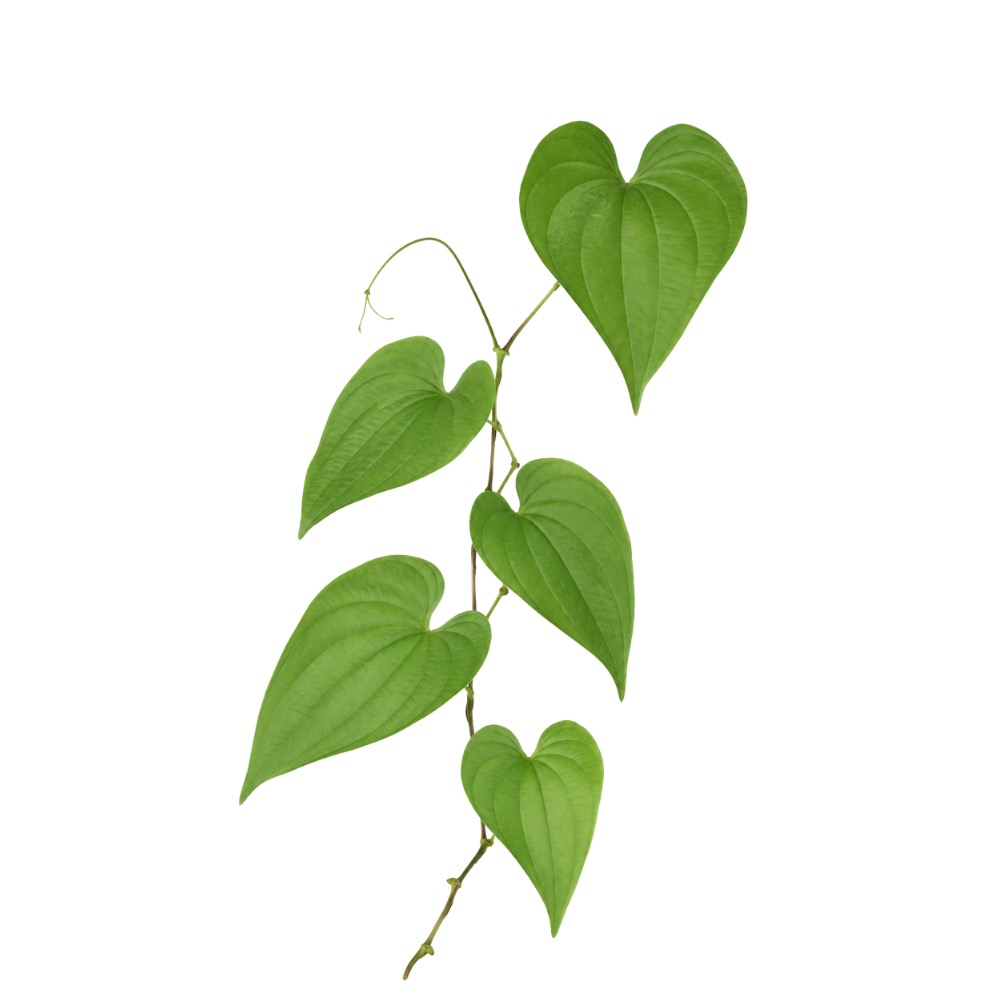 Principal source Wild Yam Dioscorea villosa Herb monograph →
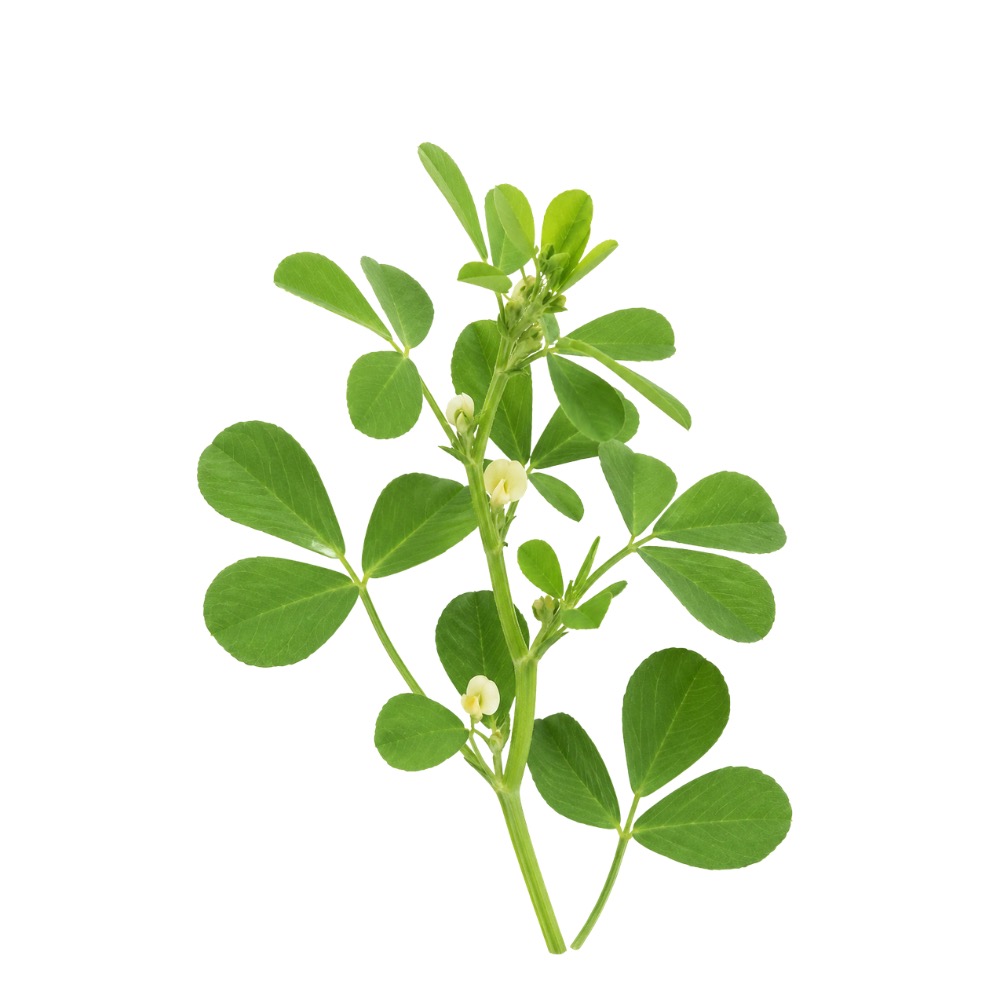 Source Fenugreek Trigonella foenum-graecum Herb monograph →
Concentration
Content by Source
Reported concentrations across the plants that contain diosgenin — the bar marks the typical level, the line shows the reported range.
Literature figures for varying plant parts and preparations. Read them as a comparative guide, not exact assays.
Diosgenin at a Glance
Diosgenin is a steroidal sapogenin — the sugar-free steroid core, or aglycone, that sits at the end of the dioscin and protodioscin chain. Structurally it is a cholesterol skeleton with a spiroketal cap welded onto the side chain, and that resemblance to cholesterol is the single most useful thing to know about it: much of its genuine pharmacology is about competing with cholesterol, not about hormones.
Its fame comes from somewhere else. In the early 1940s Russell Marker showed that diosgenin from Mexican yams could be chemically converted to progesterone in a handful of steps, at a cost that collapsed the price of steroid hormones and made the oral contraceptive possible 3,
Underneath the myth is a real molecule with a real, mostly preclinical literature. Diosgenin lowers cholesterol by a well-mapped intestinal mechanism, suppresses NF-κB-driven inflammation, binds the oestrogen receptor with surprisingly high affinity in vitro, and improves bone and glucose endpoints in rodents 14,
The Marker Degradation — And the Myth It Spawned
This is the section the rest of the page exists to support, so it is worth getting exactly right in both directions: the history is genuinely enormous, and the modern claim built on it is false.
What Marker Actually Did
Russell Earl Marker (1902–1995) was a chemist who left the University of Maryland rather than complete a PhD course requirement, invented the octane rating at Ethyl Gasoline, moved to the Rockefeller Institute and then to Penn State, and in the 1930s became fixated on steroids 3Reference 3ReviewRussell Earl Marker and the beginning of the steroidal pharmaceutical industry — historical reviewView study →. He collected plants across the American southwest and Mexico looking for steroidal sapogenins, worked out their structures, and then solved the problem everyone else had declared impossible: cleaving the spiroketal side chain off a sapogenin without wrecking the steroid nucleus.
The Marker degradation — published in JACS in December 1940 across two consecutive papers — is a short sequence run under kinetic control 4,
Then came the industrial part. In 1942 Marker identified two inedible Mexican wild yams — cabeza de negro and later barbasco (Dioscorea composita and relatives, tubers reaching tens of kilograms) — as extraordinarily rich diosgenin sources. In 1943 he processed roughly ten tons of yam root into 3 kg of progesterone, at the time the largest single quantity ever made, worth on the order of a quarter of a million dollars. In January 1944 he co-founded Syntex in Mexico City with Emeric Somlo and Federico Lehmann to manufacture steroids from yams. Within a few years the price of progesterone had fallen by orders of magnitude, cortisone became manufacturable, and the raw material for the first oral contraceptives existed 3Reference 3ReviewRussell Earl Marker and the beginning of the steroidal pharmaceutical industry — historical reviewView study →. The route was designated an International Historic Chemical Landmark by the American Chemical Society and the Sociedad Química de México in 1999 3,
Why the Body Cannot Do It
Every step of that sequence is something a chemist does to a molecule in a vessel. Acetic anhydride at 200 °C. Chromium(VI) oxidation. Strongly alkaline hydrolysis with elimination. There is no mammalian enzyme, and no gut bacterium, known to perform the oxidative opening of a spiroketal to a pregnane. Steroidogenesis in humans runs the other way: it starts from cholesterol, and the first committed step is side-chain cleavage by CYP11A1 to pregnenolone. Diosgenin is not cholesterol, is not a substrate for CYP11A1, and does not enter that pathway.
The confusion is easy to trace. Progesterone genuinely is the precursor from which the body makes testosterone and, downstream, the oestrogens — so a sentence like “diosgenin is converted into progesterone, and progesterone is converted into other hormones” is half true, and the false half is the half that matters. The conversion the body performs is everything after progesterone. The conversion it cannot perform is the one to progesterone.
That distinction gets lost even inside the peer-reviewed literature. A 2003 rat paper on diosgenin and kidney structure opens by asserting flatly that “diosgenin.. is converted to human progesterone, aldosterone, cortisol and estrogen through a series of enzymatic steps,” and closes by attributing its own findings to that conversion — with no measurement of any of those hormones 7Reference 7AnimalStructural changes in the kidney associated with ovariectomy and diosgenin replacement therapy in adult female rats — rat in vivo study; cited here as a published example of the erroneous conversion claimView study →. That sentence is wrong, and it is the kind of sentence supplement copy is built from.
The Wild Yam Cream Claim
The commercial expression of the myth is topical “natural progesterone” cream made from Dioscorea villosa. It has been tested once properly, and it failed.
Komesaroff and colleagues ran a double-blind, placebo-controlled crossover trial of a wild yam cream in 23 symptomatic menopausal women, three months per arm, with blood and saliva sampled at baseline, 3 and 6 months 6Reference 6RCTEffects of wild yam extract on menopausal symptoms, lipids and sex hormones in healthy menopausal women — double-blind, placebo-controlled crossover studyView study →. There was no change in serum or salivary progesterone, none in oestradiol, FSH, glucose, weight, blood pressure, total cholesterol, triglycerides or HDL, and no separation from placebo on flushing or any other symptom score. The cream was well tolerated; it simply did nothing hormonal 6Reference 6RCTEffects of wild yam extract on menopausal symptoms, lipids and sex hormones in healthy menopausal women — double-blind, placebo-controlled crossover studyView study →.
Two further points close the loop:
- Creams that do work contain added progesterone. Where a “wild yam” cream produces a measurable progestogenic effect, USP progesterone — manufactured, incidentally, from diosgenin, in a factory — has been added to the base. The plant is the marketing, not the mechanism.
- There is no transdermal absorption study of diosgenin at all. A PubMed search for
diosgenin AND topical AND skin AND absorptionreturns zero records, anddiosgenin AND percutaneousreturns two, neither relevant. Even if diosgenin were convertible, nobody has shown it crosses human skin.
A regulatory test points the same way. The Cosmetic Ingredient Review panel’s assessment of D. villosa root extract reports that an extract standardised to up to 3.5% diosgenin showed no oestrogenic activity in the juvenile rat uterotrophic assay at doses up to 500 mg/kg/day 13Reference 13ReviewFinal report of the amended safety assessment of Dioscorea villosa (wild yam) root extract — monographView study →. That is a whole-animal in-vivo negative on the herb’s own headline claim.
The One Live Question: Does Diosgenin Raise DHEA?
Intellectual honesty requires flagging the one thread that is not simply dead. A small Japanese literature reports that diosgenin and Dioscorea raise circulating DHEA — not by the Marker route, which nobody proposes, but by some unspecified stimulation of endogenous steroidogenesis.
Sato and colleagues found that acute injection of diosgenin or Dioscorea at 3 mg/kg into streptozotocin-diabetic rats raised serum DHEA at 120 minutes, lowered blood glucose, and increased muscle GLUT4 translocation — with the effect abolished by a 5α-reductase inhibitor 9Reference 9AnimalAcute administration of diosgenin or dioscorea improves hyperglycemia with increases muscular steroidogenesis in STZ-induced type 1 diabetic rats — rat in vivo studyView study →. The same group later gave 2,000 mg/day of Dioscorea esculenta tuber powder plus resistance training to seven sprint athletes for eight weeks and reported higher DHEA, free testosterone and DHT than placebo 10Reference 10Effects of Dioscorea esculenta intake with resistance training on muscle hypertrophy and strength in sprint athletes — human intervention studyView study →.
Against that stands the clean negative. Araghiniknam and colleagues gave Dioscorea supplementation to older adults for three weeks and found no effect whatsoever on serum DHEAS, while an 85 mg/day dose of actual DHEA raised serum DHEA by 100% in the same study 8Reference 8Clinical trialAntioxidant activity of dioscorea and dehydroepiandrosterone (DHEA) in older humans — human studyView study →. A 30-day yam-feeding study in postmenopausal women likewise found DHEAS, androstenedione and testosterone unchanged (oestrone did rise 26%, of which more below) 11Reference 11Clinical trialEstrogenic effect of yam ingestion in healthy postmenopausal women — human studyView study →.
Read together: the positive results are small, single-group, mostly on whole tuber rather than the molecule, with a co-intervention (exercise) in the human case and an acute injection in the rat case; the negatives are on the endpoint that matters and used oral dosing. And none of it is the Marker chemistry. The correct position is that no reliable evidence shows diosgenin raises human androgens, the mechanism for how it could remains unstated, and the claim should not be made. The 2025 phytosteroid trial below makes the practical point rather brutally.
What “Diosgenin Content” Actually Means
Two published numbers for the same plant can differ tenfold without either being wrong, and this trips up almost every discussion of yam and fenugreek potency.
In the living plant, diosgenin is mostly not present as diosgenin. It exists as glycosides — dioscin, protodioscin, gracillin, trillin and dozens more — with sugar chains attached at C-3. So there are two different assays:
- Free diosgenin, measured directly by HPLC on a solvent extract. This is what the plant actually contains as the aglycone.
- Total diosgenin, measured after acid hydrolysis strips the sugars off every saponin in the sample. This is what the plant would yield to an industrial process.
The famous figure — Dioscorea zingiberensis reaching 16.15% of dry weight, the highest of any Dioscorea 33Reference 33An HD-ZIP I transcription factor DZHDZ32 upregulates diosgenin biosynthesis in Dioscorea zingiberensisView study → — is a total-after-hydrolysis number. The free-diosgenin figure for the same species is around 0.9–2.0% 34Reference 34Comparative analysis of diosgenin in Dioscorea species and related medicinal plants by UPLC-DAD-MSView study →. Both are cited as “diosgenin content.” The bar chart above deliberately uses free diosgenin only, so the rows compare like with like.
The Standardisation Problem
Even holding the assay constant, the spread is enormous. Avula and colleagues at the University of Mississippi ran UHPLC-ELSD on 16 authenticated and commercial D. villosa samples and found diosgenin ranging from below the limit of quantification to 9.44% (w/w) — a several-hundred-fold spread within one nominal botanical 35Reference 35Chemical fingerprint analysis and quantitative determination of steroidal compounds from Dioscorea villosa, Dioscorea species and dietary supplements using UHPLC-ELSDView study →. Thirteen commercial “wild yam” dietary supplements ranged from below quantification to 6.13% 35Reference 35Chemical fingerprint analysis and quantitative determination of steroidal compounds from Dioscorea villosa, Dioscorea species and dietary supplements using UHPLC-ELSDView study →. Related species used as substitutes (D. opposita, D. japonica, D. quaternata) carried 0.01–0.07%, and food yams essentially none 34,
The most direct demonstration is a 2025 German trial that set out to test a commercial phytosteroid supplement and ended up testing the supplement industry. Twenty-eight resistance-trained men took a labelled 20-hydroxyecdysone + diosgenin product or placebo alongside twelve weeks of supervised training. Both groups gained strength and lean mass identically — no group effect on anything. The researchers then assayed the capsules: they contained less than 1% of the claimed 20-hydroxyecdysone and 10.4% of the claimed diosgenin, and produced no biological activity in C2C12 muscle cells 44Reference 44RCTHow reliable is the labeling of a commercial phytosteroid product? A 12-week randomized double-blind training studyView study →. The product did nothing because there was almost nothing in it.
This is why whole-extract results are not molecule results here, and why a “standardised to X% diosgenin” label deserves to be treated as a claim rather than a measurement.
The Aglycone at the End of the Chain
Diosgenin sits at the terminus of a metabolic funnel, and its relationship to its own glycosides is the reason it matters at all pharmacologically.
Upstream are the saponins: dioscin (diosgenin plus a branched three-sugar chacotriose), gracillin, trillin, and the furostanol forms protodioscin and prototribestin, which carry an extra glucose at C-26 and an open F-ring. Furostanol and spirostanol saponins are not interchangeable — the furostanols convert to their spirostanol counterparts when the C-26 glucose is cleaved during drying and processing, so a plant’s saponin profile depends on how it was handled after harvest as much as on what it grew.
Sitting alongside it is a molecule one hydroxyl away. Pennogenin is 17α-hydroxydiosgenin — the same spirostanol scaffold with an extra OH at C-17 — and the two occur together in Trillium and Paris, are routinely written about as interchangeable, and are not. Pennogenin’s glycosides are direct platelet agonists, which diosgenin’s are not, and the aglycone difference is part of the structural requirement for that activity. Where a source says “Trillium sapogenins” without specifying, it is usually describing both.
Downstream is diosgenin, and that is where the funnel ends. These glycosides are large (dioscin is ~869 Da, protodioscin ~1,049 Da) and poorly absorbed intact. Dioscin degrades measurably in simulated gastric and intestinal fluid, converting to diosgenin — 24.2% conversion in gastric fluid, 2.4% in intestinal fluid over the test window 15Reference 15In vitroCharacterization of in vitro ADME properties of diosgenin and dioscin from Dioscorea villosa — in vitro studyView study → — and gut microbial glycosidases complete the job further down. In fenugreek-fed mice, protodioscin, dioscin and diosgenin can all be quantified in plasma, so the picture is a mixture rather than a clean switch 48Reference 48AnimalAn efficient purification method for quantitative determinations of protodioscin, dioscin and diosgenin in plasma of fenugreek-fed mice — mouse studyView study →. But the general rule for this class holds: the species that reaches tissue is largely the deglycosylated sapogenin.
There is one important consequence that runs backwards through the batch. A great deal of the in-vitro cytotoxicity attributed to Dioscorea is a detergent artefact of the glycosides, not an effect of diosgenin. Wild yam extract kills diverse cancer lines at low IC50 because its saponins lower interfacial tension and lyse lipid membranes 40Reference 40In vitroEffects of wild yam root (Dioscorea villosa) extract on the gene expression profile of triple-negative breast cancer cells — in vitro studyView study →; molecular-dynamics work shows dioscin inserting into the bilayer, concentrating in cholesterol-rich lipid rafts and binding cholesterol until the membrane curves and ruptures 41Reference 41Hemolytic mechanism of dioscin proposed by molecular dynamics simulations — in silico studyView study →. Haemolysis is a sugar-chain property — remove the glycosidic chain and it largely goes away, which is why 90-day dosing of dioscin produces haemolytic anaemia in rats at 300 mg/kg/day 42Reference 42AnimalA 90-day subchronic toxicological assessment of dioscin, a natural steroid saponin, in Sprague-Dawley rats — rat in vivo studyView study → while diosgenin at comparable doses does not. So the aglycone escapes the worst of the class’s cytotoxicity confound, but inherits none of its potency either.
Fenugreek vs. Wild Yam
The two herbs here that carry diosgenin use it completely differently, and a study on one does not transfer to the other.
Wild yam (Dioscorea villosa) is a diosgenin plant almost by definition. The rhizome’s saponins are its defining chemistry, diosgenin is the marker used to characterise extracts, and the herb’s entire modern reputation — the progesterone claim — is downstream of the molecule’s industrial history. Yet the herb’s actual traditional use is antispasmodic (“colic root”) and anti-rheumatic, and there is essentially no human evidence for wild yam for anything: the one controlled trial was the negative cream study 6Reference 6RCTEffects of wild yam extract on menopausal symptoms, lipids and sex hormones in healthy menopausal women — double-blind, placebo-controlled crossover studyView study →. Nearly all the “wild yam” pharmacology here is purified diosgenin, and much of that diosgenin was sourced from fenugreek or from Chinese Dioscorea, not from D. villosa. Only 21 PubMed records exist for diosgenin AND "Dioscorea villosa".
Fenugreek (Trigonella foenum-graecum) is the better-attributed source — 84 PubMed records for diosgenin AND "Trigonella foenum-graecum" — and, unusually, the plant in which diosgenin biosynthesis has actually been solved 32Reference 32Repeated evolution of cytochrome P450-mediated spiroketal steroid biosynthesis in plantsView study →. But fenugreek is a genuinely multi-active seed, and diosgenin is one of at least three bioactives sharing credit with trigonelline, 4-hydroxyisoleucine and a large galactomannan fibre fraction 2Reference 2ReviewDiosgenin, 4-hydroxyisoleucine, and fiber from fenugreek: mechanisms of actions and potential effects on metabolic syndrome — reviewView study →. Fenugreek’s best human evidence — modest reductions in fasting glucose, HbA1c and LDL — is most plausibly the fibre, not the sapogenin. Its testosterone and libido evidence comes from standardised saponin-enriched extracts (Testofen, Fenu-FG), where the proposed androgenic mechanism is inferred rather than demonstrated; notably, diosgenin AND aromatase returns only three PubMed records, all in-silico docking or unrelated, so the widely quoted “aromatase/5α-reductase modulation” has no direct enzymological evidence behind it for this molecule.
One more attribution caveat governs the whole literature: most published Dioscorea diosgenin research is not about either of these plants. It is about D. zingiberensis (77 records) and D. nipponica (41 records), the Chinese industrial and medicinal species — different chemotypes, different saponin profiles, different preparations.
What It's Used For
Diosgenin has a large, coherent preclinical literature — comfortably over two thousand PubMed records, collated in several broad pharmacological reviews 1,
Support is an experimental score — weighted by study type (human > animal > in vitro) and volume. A beta, not a validated metric. Every row shares one ceiling: this molecule has never been given to a person as an isolate, and its oral bioavailability is poor.
The strongest and most mechanistically satisfying application, and it turns on diosgenin’s resemblance to cholesterol rather than to any hormone. In hypercholesterolaemic rats, diosgenin lowered serum and hepatic cholesterol by inhibiting the intestinal absorption transporter NPC1L1 while upregulating the efflux transporters ABCG5 and ABCG8 16Reference 16AnimalDiosgenin regulates cholesterol metabolism in hypercholesterolemic rats by inhibiting NPC1L1 and enhancing ABCG5 and ABCG8 — rat in vivo studyView study →.
Dietary diosgenin transcriptionally downregulates intestinal NPC1L1 strongly enough to prevent lithogenic-diet gallstone formation in mice 17Reference 17AnimalDietary diosgenin transcriptionally down-regulated intestinal NPC1L1 expression to prevent cholesterol gallstone formation in mice — mouse in vivo studyView study →, and acting as a cholesterol substitute it attenuates non-alcoholic fatty liver disease through CYP7A1/NPC1L1-related pathways 18Reference 18AnimalDiosgenin as a substitute for cholesterol alleviates NAFLD by affecting CYP7A1 and NPC1L1-related pathways — mouse in vivo studyView study →.
Older rat work established the other half of the story: diosgenin feeding drives a several-fold rise in biliary cholesterol secretion without changing total hepatic cholesterol or any identifiable membrane fraction, so the export mechanism remains partly unexplained 20,
In human colorectal cells, diosgenin upregulated the LDL receptor and PPARγ while suppressing ACC and fatty-acid synthase 22Reference 22In vitroDiosgenin and 4-hydroxyisoleucine from fenugreek are regulators of genes involved in lipid metabolism in the human colorectal cancer cell line SW480 — in vitro studyView study →.
A 2021 review collates the hypolipidaemic mechanism as consistent across models 19Reference 19ReviewThe effects of diosgenin on hypolipidemia and its underlying mechanism — reviewView study →.
Isolate vs. plant: all of the above used purified diosgenin. Fenugreek’s human lipid evidence is pooled RCT data on whole seed, where soluble galactomannan fibre is at least as plausible a driver 2Reference 2ReviewDiosgenin, 4-hydroxyisoleucine, and fiber from fenugreek: mechanisms of actions and potential effects on metabolic syndrome — reviewView study →; and the one wild-yam human trial found no change in total cholesterol, triglycerides or HDL 6Reference 6RCTEffects of wild yam extract on menopausal symptoms, lipids and sex hormones in healthy menopausal women — double-blind, placebo-controlled crossover studyView study →.
Gap: no human study of diosgenin on any lipid endpoint. The rodent doses are far above what a rhizome or seed preparation delivers, and the mechanism — luminal NPC1L1 inhibition — is at least one that poor systemic absorption does not disqualify.
Coherent and replicated at the pathway level. Across rodent and cell models diosgenin consistently downregulates NF-κB and its downstream mediators COX-2 and iNOS, with parallel suppression of TGF-β 23Reference 23ReviewDiosgenin: mechanistic insights on its anti-inflammatory effects — reviewView study →.
In a rat cerebral ischaemia–reperfusion model it reduced inflammatory injury through a HIKESHI/HSP70/NF-κB axis 24Reference 24AnimalDiosgenin revealed potential effect against cerebral ischemia reperfusion through the HIKESHI/HSP70/NF-κB anti-inflammatory axis — rat in vivo studyView study →.
The fenugreek saponin glycosides that carry diosgenin as their aglycone suppress TNF-α and other inflammatory cytokines in cultured cells 25Reference 25In vitroAnti-inflammatory and anti-melanogenic steroidal saponin glycosides from fenugreek (Trigonella foenum-graecum L.) seeds — in vitro studyView study →.
The only human data are on the plant. A randomised, double-blind, placebo-controlled crossover trial gave ten young women 300 mg/day of whole Dioscorea esculenta powder for four weeks and found significantly reduced plasma PGE2 and COX-2 versus placebo, with improvement in menstrual pain scores 45Reference 45RCTThe effect of Dioscorea esculenta powder on prostaglandin E2 and cytochrome c oxidase subunit 2 levels, menstrual pain, and premenstrual syndrome in young women: a randomized double-blind controlled trialView study →.
Ten participants, a food yam rather than a medicinal one, and an unstated diosgenin content — suggestive rather than conclusive, but pointing the same direction as the mechanism.
Isolate vs. plant: mechanism work is isolate; the only human trial is whole tuber powder.
Gap: no trial of isolated diosgenin for any inflammatory condition, and no dose-ranging in humans. The rodent doses are well above what a wild yam tincture supplies.
A real rodent signal with more than one proposed route. In db/+ mice, diosgenin ameliorated gestational diabetes by inhibiting SREBP-1, lowering fasting glucose and insulin and improving lipid profiles 31Reference 31AnimalDiosgenin ameliorates gestational diabetes through inhibition of sterol regulatory element-binding protein-1 — mouse in vivo studyView study →.
In human SW480 cells it downregulated acetyl-CoA carboxylase and fatty-acid synthase while upregulating PPARγ and the LDL receptor — a coherent lipogenesis-suppressing signature 22Reference 22In vitroDiosgenin and 4-hydroxyisoleucine from fenugreek are regulators of genes involved in lipid metabolism in the human colorectal cancer cell line SW480 — in vitro studyView study →.
The acute rat work discussed above reports GLUT4 translocation with Akt and PKCζ/λ phosphorylation in skeletal muscle after diosgenin injection, though the authors route that effect through a rise in DHEA rather than a direct action, and the DHEA step is the contested one 9Reference 9AnimalAcute administration of diosgenin or dioscorea improves hyperglycemia with increases muscular steroidogenesis in STZ-induced type 1 diabetic rats — rat in vivo studyView study →.
Isolate vs. plant: isolate throughout, but much of the diosgenin used in the antidiabetic literature is fenugreek-derived — and fenugreek’s own human glycaemic evidence rests on whole seed, where fibre and 4-hydroxyisoleucine are competing explanations 2Reference 2ReviewDiosgenin, 4-hydroxyisoleucine, and fiber from fenugreek: mechanisms of actions and potential effects on metabolic syndrome — reviewView study →.
Gap: no human glycaemic trial of the molecule. Bioavailability is a hard constraint here in a way it is not for the luminal cholesterol effect 15Reference 15In vitroCharacterization of in vitro ADME properties of diosgenin and dioscin from Dioscorea villosa — in vitro studyView study →.
Three independent rodent studies point the same way. Oral diosgenin reduced bone loss in a D-galactose-induced aging rat model, decreasing porosity and preserving femoral volume and density 27Reference 27AnimalEffects of chronic treatment with diosgenin on bone loss in a D-galactose-induced aging rat model — rat in vivo studyView study →, and improved bone microarchitecture in senescence-accelerated OXYS rats at 10–50 mg/kg/day 28Reference 28AnimalImproving bone microarchitecture in aging with diosgenin treatment: a study in senescence-accelerated OXYS rats — rat in vivo studyView study →.
A plausible mechanism exists at the cell level: in preosteoblasts, diosgenin upregulated VEGF-A and promoted angiogenesis through HIF-1α, PI3K/Akt and p38 MAPK — and the whole cascade was blocked by the oestrogen-receptor antagonists ICI 182,780 and tamoxifen, implicating ER signalling 14Reference 14In vitroDiosgenin induces hypoxia-inducible factor-1 activation and angiogenesis through estrogen receptor-related PI3K/Akt and p38 MAPK pathways in osteoblasts — in vitro studyView study →.
Isolate vs. plant: purified diosgenin at defined doses in every study; no whole-herb model.
Gap: no human data of any kind. The ER-mediated mechanism is interesting precisely because it is a direct receptor interaction, not a hormone-conversion story — but it has only been shown in one cell system.
Scattered but consistently positive across dissimilar models. In an amyloid-β(1-42) rat model of Alzheimer’s disease, diosgenin improved spatial memory and acted as a nerve-growth-factor stimulator 30Reference 30AnimalNeuroprotective role of diosgenin, an NGF stimulator, against Aβ(1-42)-induced neurotoxicity in an animal model of Alzheimer’s disease — rat in vivo studyView study →.
In diabetic peripheral neuropathy in mice it protected nerve function through the Nrf2/HO-1 antioxidant-response pathway 29Reference 29AnimalNeuroprotective effect of diosgenin in a mouse model of diabetic peripheral neuropathy involves the Nrf2/HO-1 pathway — mouse in vivo studyView study →.
In cerebral ischaemia–reperfusion it worked through HSP70-mediated NF-κB suppression 24Reference 24AnimalDiosgenin revealed potential effect against cerebral ischemia reperfusion through the HIKESHI/HSP70/NF-κB anti-inflammatory axis — rat in vivo studyView study →.
The antioxidant thread running through all of these — raised SOD, catalase and glutathione, lowered lipid peroxidation — is better described as a mechanism inside other disease models than as a standalone finding.
Isolate vs. plant: isolate in every case.
Gap: the models are heterogeneous enough (Alzheimer’s, ischaemia, neuropathy) that they read as a diffuse signal rather than a focused programme, and brain exposure after oral dosing has not been characterised. No human work.
Large, repetitive, and weaker than its volume suggests. Diosgenin induces apoptosis across many cancer cell lines and a comprehensive review catalogues the pro-apoptotic and cell-cycle mechanisms in detail 26Reference 26ReviewPro-apoptotic and anti-cancer properties of diosgenin: a comprehensive and critical reviewView study →.
Semisynthetic diosgenyl and tigogenyl derivatives are consistently more potent than the parent — one tigogenin–serine ester reached IC50 1.5 µM against MCF-7 while diosgenin itself did not 51Reference 51In vitroSynthesis and anti-tumour, immunomodulating activity of diosgenin and tigogenin conjugates — in vitro studyView study → — which is a fair indication that diosgenin is a scaffold rather than a lead.
Two caveats govern the whole application. First, selectivity is largely unreported: a PubMed search for diosgenin AND "selectivity index" returns zero records, so the standard check — does it spare normal cells? — has generally not been run or not been indexed. Second, the whole-extract half of this literature is confounded at the root. Wild yam extract is lethal to diverse cancer lines at low IC50 because it contains detergent saponins that lyse membranes non-specifically 40,
Isolate vs. plant: both exist; the plant half is the confounded half.
Gap: no in-vivo tumour study of isolated diosgenin, no selectivity data, and no clinical trial. Given that plasma concentrations after oral dosing are low, the micromolar IC50 values here are not reachable systemically.
The application diosgenin is famous for is the one the evidence least supports — but the picture is not uniformly blank, and the distinction matters.
Not supported: conversion to hormones. No enzymatic route exists; the placebo-controlled wild yam cream trial found no change in progesterone, oestradiol or FSH 6Reference 6RCTEffects of wild yam extract on menopausal symptoms, lipids and sex hormones in healthy menopausal women — double-blind, placebo-controlled crossover studyView study →; a diosgenin-standardised extract was inert in the rat uterotrophic assay to 500 mg/kg/day 13Reference 13ReviewFinal report of the amended safety assessment of Dioscorea villosa (wild yam) root extract — monographView study →; and oral Dioscorea did not move serum DHEAS in older adults 8Reference 8Clinical trialAntioxidant activity of dioscorea and dehydroepiandrosterone (DHEA) in older humans — human studyView study →.
Genuinely reported: direct receptor interaction. Diosgenin displaces [³H]oestradiol from the oestrogen receptor with IC50 ≈ 10 nM, and its downstream effects in osteoblasts are abolished by ICI 182,780 and tamoxifen 14Reference 14In vitroDiosgenin induces hypoxia-inducible factor-1 activation and angiogenesis through estrogen receptor-related PI3K/Akt and p38 MAPK pathways in osteoblasts — in vitro studyView study →. That is a real, direct, cited mechanism — and it is the opposite kind of claim from the conversion myth. Whether that binding produces any systemic oestrogenic effect after oral dosing is unresolved; the uterotrophic negative suggests not, at least for the extract 13Reference 13ReviewFinal report of the amended safety assessment of Dioscorea villosa (wild yam) root extract — monographView study →.
Whole-plant human data, uninterpretable at the molecule level. Replacing two-thirds of the staple diet with 390 g/day of D. alata yam for 30 days raised serum oestrone 26% and SHBG 9.5% in postmenopausal women, with DHEAS and testosterone unchanged — but D. alata is a food yam with minimal diosgenin, and the study was single-arm 11Reference 11Clinical trialEstrogenic effect of yam ingestion in healthy postmenopausal women — human studyView study →. A 12-month randomised placebo-controlled trial of D. alata extract improved Greene Climacteric Scale scores, especially the psychological items 12Reference 12RCTThe assessment of efficacy of Dioscorea alata for menopausal symptom treatment in Taiwanese women — randomized, double-blind, placebo-controlled trialView study →. Neither tells you anything about diosgenin.
Gap: nobody has given a person isolated diosgenin and measured a hormone. Until someone does, the honest reading is: no conversion, a real in-vitro receptor interaction of unknown in-vivo significance, and no established endocrine effect.
Mechanisms
| Target / pathway | Effect | Relevant to |
|---|---|---|
| Intestinal NPC1L1 | transcriptional downregulation → reduced cholesterol absorption | cholesterol loweringgallstone prevention |
| ABCG5 / ABCG8 | upregulated → increased sterol efflux back into the gut lumen | cholesterol lowering |
| Biliary cholesterol secretion | several-fold increase; mechanism at the canalicular membrane unresolved | cholesterol lowering |
| CYP7A1 | modulated as part of bile-acid/cholesterol rebalancing | NAFLDlipid handling |
| LDL receptor, PPARγ ↑ / ACC, FAS ↓ | lipogenic gene suppression in human cells | lipidmetabolic |
| NF-κB → COX-2, iNOS, TGF-β | suppressed across rodent and cell models | anti-inflammatory |
| HIKESHI / HSP70 → NF-κB | chaperone-mediated inflammatory suppression in cerebral ischaemia | neuroprotection |
| Nrf2 / HO-1 | antioxidant-response induction; SOD, CAT, GSH ↑ | antioxidantneuroprotection |
| Oestrogen receptor | direct binding, IC50 ≈ 10 nM in a displacement assay; downstream PI3K/Akt + p38 blocked by ICI 182,780 | boneoestrogen-receptor claims |
| SREBP-1 | inhibited → improved glucose and lipid handling in rodents | glycaemicmetabolic |
| NGF signalling | stimulation reported in an amyloid-β model | neuroprotection |
| CYP3A4 | inhibited in vitro, IC50 ≈ 17 µM (other CYPs unaffected) | drug interactions |
| P-glycoprotein | substrate — actively effluxed from enterocytes | poor oral bioavailability |
| CYP11A1 / steroidogenic enzymes | no substrate activity; no described route to progesterone, DHEA or testosterone | the conversion myth |
The last row is the one most often assumed and never demonstrated. Everything above it is a direct action of the molecule as a molecule.
Pharmacokinetics
Diosgenin’s absorption is the constraint that bounds nearly everything else. It is a highly lipophilic, essentially water-insoluble steroid, and its ADME profile has been characterised directly 15Reference 15In vitroCharacterization of in vitro ADME properties of diosgenin and dioscin from Dioscorea villosa — in vitro studyView study →:
- Stable in the gut but poorly transported. Diosgenin degraded less than 10% in simulated gastric and intestinal fluid, but in the Caco-2 monolayer model it was subject to P-glycoprotein-mediated efflux — actively pumped back into the lumen — whereas its own glycoside dioscin showed higher permeability with no significant efflux 15Reference 15In vitroCharacterization of in vitro ADME properties of diosgenin and dioscin from Dioscorea villosa — in vitro studyView study →.
- No phase I metabolism, phase II only. Diosgenin was stable in human liver microsomes but disappeared in the S9 fraction with a half-life of 11.3 minutes, indicating rapid conjugative (phase II) metabolism rather than oxidative metabolism 15Reference 15In vitroCharacterization of in vitro ADME properties of diosgenin and dioscin from Dioscorea villosa — in vitro studyView study →.
- Solubility is the rate-limiting step. Formulation work confirms this from the other direction: milling diosgenin into 229 nm nanocrystals raised AUC₀₋₇₂ₕ by 2.55-fold and Cmax by 2.01-fold in rats relative to a coarse suspension, purely by improving dissolution 43Reference 43AnimalPreparation and evaluation of diosgenin nanocrystals to improve oral bioavailability — rat pharmacokinetic studyView study →.
- It does reach plasma from food. Protodioscin, dioscin and diosgenin have all been quantified in the plasma of fenugreek-fed mice by LC-MS/MS, so exposure is real — but no absolute human oral bioavailability figure has been published 48Reference 48AnimalAn efficient purification method for quantitative determinations of protodioscin, dioscin and diosgenin in plasma of fenugreek-fed mice — mouse studyView study →.
Practically: treat any in-vitro result at ≥10 µM as unreachable in human plasma; treat luminal actions (NPC1L1 inhibition, bile-acid handling) as the mechanisms most likely to survive translation; and treat the CYP3A4 inhibition and P-gp substrate status as a real, if untested, interaction signal 15Reference 15In vitroCharacterization of in vitro ADME properties of diosgenin and dioscin from Dioscorea villosa — in vitro studyView study →.
Clinical Trials
No trial has administered isolated diosgenin to humans. ClinicalTrials.gov returns one registered study mentioning it — NCT06639698, a completed 24-participant study in polycystic ovary syndrome, phenotype D — and even that is not a single-molecule diosgenin study. The published human literature that touches diosgenin uses whole plants (D. villosa cream 6Reference 6RCTEffects of wild yam extract on menopausal symptoms, lipids and sex hormones in healthy menopausal women — double-blind, placebo-controlled crossover studyView study →, D. alata food and extract 11,
| Completed | Planned | Terminated | Preclinical |
|---|---|---|---|
| Whole-plant and combination products only (NCT06639698; refs 6, 10, 11, 12, 44, 45, 46) | — | — | Cholesterol/NPC1L1, anti-inflammatory, bone, neuroprotection, glycaemic, oncology cell work |
Last checked: August 2026.
Isolate vs. Plant Studies
Diosgenin has an unusually clean split, and it runs the opposite way to most molecules here.
The mechanistic literature is almost entirely isolate. NPC1L1 and ABCG5/8 regulation 16,
The human literature is entirely plant. Every human study cited here gave people a Dioscorea preparation, a fenugreek extract, or a multi-ingredient supplement 6,
And the two halves point in different directions. The isolate work is uniformly positive; the two best-controlled human studies are negative (the wild yam cream on every hormonal and lipid endpoint 6Reference 6RCTEffects of wild yam extract on menopausal symptoms, lipids and sex hormones in healthy menopausal women — double-blind, placebo-controlled crossover studyView study →, the phytosteroid product on every strength and body-composition endpoint 44Reference 44RCTHow reliable is the labeling of a commercial phytosteroid product? A 12-week randomized double-blind training studyView study →). The gap between them is filled by three things worth returning to: dose (rodent studies run at 10–200 mg/kg/day, orders above herbal exposure), absorption (P-gp efflux, insolubility, rapid conjugation 15Reference 15In vitroCharacterization of in vitro ADME properties of diosgenin and dioscin from Dioscorea villosa — in vitro studyView study →), and content (the molecule may simply not be in the product 35,
One further attribution point: much diosgenin research described as “wild yam pharmacology” used material extracted from fenugreek or from Chinese Dioscorea species. Attribute findings to the molecule, not to D. villosa, unless the study actually used the plant.
Its Role in Plants
Diosgenin’s biosynthesis was worked out in 2019, and the answer is more interesting than the molecule’s reputation.
Christ and colleagues at the Whitehead Institute traced the pathway in two unrelated plants — himalayan paris (Paris polyphylla), a monocot, and fenugreek (Trigonella foenum-graecum), a eudicot — and found that each had independently recruited a pair of cytochrome P450 enzymes that perform oxidative 5,6-spiroketalisation of cholesterol to give diosgenin 32Reference 32Repeated evolution of cytochrome P450-mediated spiroketal steroid biosynthesis in plantsView study →. The progenitors of those P450s trace back to conserved phytohormone metabolism. In other words the spiroketal steroid is a case of convergent evolution, which explains the otherwise puzzling scatter of diosgenin across distantly related families — Dioscoreaceae, Fabaceae, Melanthiaceae, Costaceae, Smilacaceae.
The starting material is the point. Plants make diosgenin from cholesterol, which is why the molecule keeps behaving like a cholesterol analogue in animals: it competes at NPC1L1, it substitutes for cholesterol in bile-acid handling, and it partitions into cholesterol-rich membrane domains 16,
Functionally, diosgenin is a defence chemistry precursor. The plant stores it not as the free aglycone but as saponins, whose surfactant sugar chains are what make the tissue toxic to fungi, insects and grazers. That is why free diosgenin is a small fraction of total diosgenin in a living rhizome, and why the aglycone itself is comparatively inert as a membrane poison — the plant’s weapon is the glycoside, and diosgenin is the warhead without the delivery system.
Prevalence in Nature
Diosgenin’s distribution is patchy in exactly the way convergent evolution predicts: it appears in a handful of unrelated families and is absent from most of their close relatives. The genus that matters commercially is Dioscorea, and even there most species have little or none.
Major Natural Sources
| Source | Part | Diosgenin | Note |
|---|---|---|---|
| Zingiber yam (Dioscorea zingiberensis) | rhizome | up to 16.15% total (after hydrolysis) 33Reference 33An HD-ZIP I transcription factor DZHDZ32 upregulates diosgenin biosynthesis in Dioscorea zingiberensisView study →; 0.87–1.95% free 34Reference 34Comparative analysis of diosgenin in Dioscorea species and related medicinal plants by UPLC-DAD-MSView study → | The Chinese industrial source; highest of any Dioscorea |
| Wild yam (D. villosa) | rhizome | BLOQ–9.44% across 16 samples 35Reference 35Chemical fingerprint analysis and quantitative determination of steroidal compounds from Dioscorea villosa, Dioscorea species and dietary supplements using UHPLC-ELSDView study → | Enormous batch-to-batch spread; ≤3.5% in a process-standardised extract 13Reference 13ReviewFinal report of the amended safety assessment of Dioscorea villosa (wild yam) root extract — monographView study → |
| Dioscorea collettii | rhizome | ~1.32% 34Reference 34Comparative analysis of diosgenin in Dioscorea species and related medicinal plants by UPLC-DAD-MSView study → | Chinese medicinal species |
| Fenugreek (Trigonella foenum-graecum) | seed | 0.2–0.9% 36Reference 36ReviewExtraction of diosgenin using different techniques from fenugreek seeds — reviewView study → | 0.28–0.92% in mature seed and young leaf; MeJA elicitation raises seedlings to 1.1–1.8% 37Reference 37Elicitation of diosgenin production in Trigonella foenum-graecum (fenugreek) seedlings by methyl jasmonateView study → |
| Dioscorea septemloba | rhizome | 0.08–0.12% 34Reference 34Comparative analysis of diosgenin in Dioscorea species and related medicinal plants by UPLC-DAD-MSView study → | |
| Japanese yam (D. japonica) | tuber | ~0.07% 35Reference 35Chemical fingerprint analysis and quantitative determination of steroidal compounds from Dioscorea villosa, Dioscorea species and dietary supplements using UHPLC-ELSDView study → | |
| Chinese yam (D. opposita) | tuber | 0–0.02% 34, | The edible yam — effectively none |
| Crepe ginger (Hellenia speciosa, syn. Costus speciosus) | rhizome | not reliably quantified | Long-standing secondary industrial source; the modern metabolomic profile reports methyl protogracillin and dioscin at high mg/g but no diosgenin figure 49Reference 49Comparative metabolic profiling of Costus speciosus leaves and rhizomes using NMR, GC-MS and UPLC/ESI-MS/MS — analytical studyView study → |
Note that D. nipponica and D. deltoidea, both routinely described as diosgenin sources, were below the limit of quantification in the Avula survey 35Reference 35Chemical fingerprint analysis and quantitative determination of steroidal compounds from Dioscorea villosa, Dioscorea species and dietary supplements using UHPLC-ELSDView study → while other work reports 1.5–2.6% for D. nipponica — a discrepancy that is almost certainly free-versus-total assay rather than botany.
Other Reported Sources
- Tribulus (Tribulus terrestris) — not as free diosgenin but as the aglycone of protodioscin, prototribestin and tribulosin, the saponins that define the herb
- Paris polyphylla — rhizome; the monocot in which the biosynthetic pathway was solved 32Reference 32Repeated evolution of cytochrome P450-mediated spiroketal steroid biosynthesis in plantsView study →
- Smilax and Heterosmilax species — sarsaparilla relatives; mostly below detection, H. yunnanensis at 0.05 mg/g 34Reference 34Comparative analysis of diosgenin in Dioscorea species and related medicinal plants by UPLC-DAD-MSView study →
- Dioscorea composita and D. mexicana (cabeza de negro, barbasco) — the Mexican tubers that fed the twentieth-century steroid industry 3Reference 3ReviewRussell Earl Marker and the beginning of the steroidal pharmaceutical industry — historical reviewView study →
- Solanaceae and Agavaceae — related spirostanol sapogenins (solasodine, hecogenin) served as alternative steroid feedstocks, but these are different molecules
Discovery & Synthesis
Diosgenin was first isolated in 1936 by Kyosuke Fujii and Toshio Matsukawa in Tokyo, from the rhizome of Dioscorea tokoro Makino — the eighth paper in their series on saponins and sterols 38Reference 38Untersuchungen über Saponine und Sterine (VIIIView study →. The name is straightforward: Dioscorea plus -genin, the standard suffix for the aglycone released when a saponin is hydrolysed. In the same year and from the same plant, Tsukamoto and Ueno isolated and named its glycoside dioscin; the two names entered the literature together.
The first synthesis is not the interesting event here — the first degradation is. Marker’s 1940 conversion of sapogenins to the pregnenolones 4,
Manufacture today is entirely extractive, and the industrial process is the reverse of a purification: rhizome of D. zingiberensis is subjected to acid hydrolysis, which strips the sugars from dioscin and its relatives and precipitates diosgenin. That process is dirty — it generates large volumes of acidic, saponin-laden wastewater and has been a documented pollution problem in the Chinese producing regions. The alternative under development is enzymatic biotransformation: a Penicillium strain selected for glycosidase activity converts dioscin to diosgenin in solid-state fermentation of the raw rhizome at over 90% yield, with no acid 39Reference 39Direct biotransformation of dioscin into diosgenin in rhizome of Dioscorea zingiberensis by Penicillium dioscinView study →. Whether it displaces acid hydrolysis is an economics question, not a chemistry one.
Patents: not yet researched.
Commercial Production
Diosgenin is one of the few plant molecules whose production statistics are a matter of industrial rather than herbal interest. It has been described as the single most important precursor for the world steroid hormone industry 32Reference 32Repeated evolution of cytochrome P450-mediated spiroketal steroid biosynthesis in plantsView study →, and it remains a feedstock for the semi-synthesis of progesterone, corticosteroids and their derivatives — the same route Marker opened, industrialised.
Two consequences follow for anyone reading a supplement label:
The molecule you can buy as a supplement and the molecule the pharmaceutical industry buys are the same, but the specification is not. Industrial diosgenin is a bulk chemical assayed to a purity standard. Herbal “wild yam standardised to X% diosgenin” is a botanical extract whose diosgenin content has been shown to vary from undetectable to several percent across nominally identical products 35Reference 35Chemical fingerprint analysis and quantitative determination of steroidal compounds from Dioscorea villosa, Dioscorea species and dietary supplements using UHPLC-ELSDView study →, with one tested product containing a tenth of its labelled amount 44Reference 44RCTHow reliable is the labeling of a commercial phytosteroid product? A 12-week randomized double-blind training studyView study →.
The industry’s own existence is the strongest possible argument against the conversion myth. If bodies could convert diosgenin to progesterone, there would have been no reason to build factories to do it, no reason for Marker’s chemistry to have been worth a fortune, and no reason for progesterone to have cost $80 a gram before Syntex.
Toxicity & Safety
Diosgenin carries a low flag, with the caveats that matter stated rather than implied. It is consumed as a normal constituent of fenugreek seed — a culinary spice used in gram quantities across South Asia and the Middle East — and rodent studies routinely dose it at 10–200 mg/kg/day for weeks without reported organ toxicity 27,
What does not exist is a dedicated toxicology package for the isolated molecule — no human safety study, no repeat-dose NOAEL for diosgenin specifically, no genotoxicity battery on the pure compound, no reproductive-toxicity dataset. The plant-level data that do exist are for extracts: the CIR assessment of D. villosa root extract found one death in ten rats at an acute oral dose of 2 g/kg of extract (none at 0.5 g/kg), negative genotoxicity apart from a single equivocal Ames result, and no oestrogenic activity in the uterotrophic assay 13Reference 13ReviewFinal report of the amended safety assessment of Dioscorea villosa (wild yam) root extract — monographView study →; chronic high-dose D. villosa extract feeding has produced kidney fibrosis and liver inflammation in rats via TGF-β/NF-κB pathways, which is a caution attached to the whole extract rather than to diosgenin.
Interactions
The one mechanism-based interaction signal is well characterised in vitro and untested in people. Diosgenin inhibits CYP3A4 with an IC50 of about 17 µM while leaving CYP2D6, 2C9 and 1A2 unaffected, and is itself a P-glycoprotein substrate 15Reference 15In vitroCharacterization of in vitro ADME properties of diosgenin and dioscin from Dioscorea villosa — in vitro studyView study →. CYP3A4 and P-gp between them handle a very large share of orally administered drugs, so concurrent use of a diosgenin-rich preparation with a narrow-therapeutic-index CYP3A4 substrate is a theoretical concern. No clinical interaction study has been performed.
Reproductive & Hormonal
Diosgenin’s structural resemblance to steroid hormones has generated more caution than data. The direct findings are: a diosgenin-standardised D. villosa extract was not oestrogenic in the juvenile rat uterotrophic assay to 500 mg/kg/day 13Reference 13ReviewFinal report of the amended safety assessment of Dioscorea villosa (wild yam) root extract — monographView study →; diosgenin does bind the oestrogen receptor in a displacement assay at nanomolar concentrations 14Reference 14In vitroDiosgenin induces hypoxia-inducible factor-1 activation and angiogenesis through estrogen receptor-related PI3K/Akt and p38 MAPK pathways in osteoblasts — in vitro studyView study →; and the one controlled human trial of a wild yam preparation found no change in any sex hormone measured 6Reference 6RCTEffects of wild yam extract on menopausal symptoms, lipids and sex hormones in healthy menopausal women — double-blind, placebo-controlled crossover studyView study →. No reproductive or developmental toxicity study of isolated diosgenin has been published. Decisions about intake during pregnancy or lactation belong on the wild yam and fenugreek monographs, where the preparation and dose are actually decided.
- Long dietary history. Fenugreek seed is eaten in gram quantities as a culinary spice worldwide; rodent studies tolerate 10–200 mg/kg/day without reported organ toxicity.
- Not the haemolytic member of its own family. Membrane lysis is a saponin sugar-chain property — dioscin and the polyphyllins, not the aglycone.
- It is not a hormone and does not become one. No enzymatic route to progesterone, DHEA or testosterone exists. Any product promising “natural progesterone” from wild yam is either mistaken or has added progesterone to the base.
- Theoretical CYP3A4 and P-glycoprotein interactions. Diosgenin inhibits CYP3A4 in vitro (IC50 ≈ 17 µM) and is a P-gp substrate; never tested clinically.
- No isolate toxicology and no human trial. No repeat-dose, genotoxicity, or reproductive dataset for pure diosgenin, and nobody has taken it as an isolate under study conditions. Silence is not safety.
- Product content is unreliable. Commercial preparations have been measured from undetectable to several percent, and one labelled product contained 10% of its claimed diosgenin.
Dosage
No human dose of isolated diosgenin exists. Nothing below is a recommendation; the figures are what research has actually used, given for orientation.
| Setting | Form | Dose |
|---|---|---|
| Bone loss (rat) | isolated diosgenin, oral | 10–50 mg/kg/day 27, |
| Cholesterol, inflammation, glycaemic (rodent) | isolated diosgenin, oral | ~10–200 mg/kg/day across models 16, |
| Acute glucose/DHEA (rat) | isolated diosgenin, injected | 3 mg/kg, single dose 9Reference 9AnimalAcute administration of diosgenin or dioscorea improves hyperglycemia with increases muscular steroidogenesis in STZ-induced type 1 diabetic rats — rat in vivo studyView study → |
| Menstrual pain (human) | whole D. esculenta tuber powder | 300 mg/day, 4 weeks 45Reference 45RCTThe effect of Dioscorea esculenta powder on prostaglandin E2 and cytochrome c oxidase subunit 2 levels, menstrual pain, and premenstrual syndrome in young women: a randomized double-blind controlled trialView study → |
| Androgen/training (human) | whole D. esculenta tuber powder | 2,000 mg/day, 8 weeks 10Reference 10Effects of Dioscorea esculenta intake with resistance training on muscle hypertrophy and strength in sprint athletes — human intervention studyView study → |
| Menopausal symptoms (human) | D. alata extract | 12 mg/sachet, two sachets daily, 12 months 12Reference 12RCTThe assessment of efficacy of Dioscorea alata for menopausal symptom treatment in Taiwanese women — randomized, double-blind, placebo-controlled trialView study → |
| Wild yam cream (human) | topical D. villosa extract | as marketed — produced no hormonal change 6Reference 6RCTEffects of wild yam extract on menopausal symptoms, lipids and sex hormones in healthy menopausal women — double-blind, placebo-controlled crossover studyView study → |
| Cosmetic extract standard | D. villosa root extract | ≤3.5% diosgenin by specification 13Reference 13ReviewFinal report of the amended safety assessment of Dioscorea villosa (wild yam) root extract — monographView study → |
Rodent-to-human scaling is not meaningful here. A 50 mg/kg/day rat dose is roughly 500 mg/kg/day of plant-equivalent exposure that no herbal preparation delivers, and the constraint on translation is absorption rather than tolerability 15Reference 15In vitroCharacterization of in vitro ADME properties of diosgenin and dioscin from Dioscorea villosa — in vitro studyView study →. These are doses studied in research and are not a personal recommendation.
References
- Semwal P, Painuli S, Abu-Izneid T, et al. (2022). Diosgenin: an updated pharmacological review and therapeutic perspectives — review. Oxidative Medicine and Cellular Longevity. https://pubmed.ncbi.nlm.nih.gov/35677108/
- Fuller S, Stephens JM (2015). Diosgenin, 4-hydroxyisoleucine, and fiber from fenugreek: mechanisms of actions and potential effects on metabolic syndrome — review. Advances in Nutrition. https://pubmed.ncbi.nlm.nih.gov/25770257/
- Seeman JI (2023). Russell Earl Marker and the beginning of the steroidal pharmaceutical industry — historical review. The Chemical Record. https://pubmed.ncbi.nlm.nih.gov/36995067/
- Marker RE, Krueger J (1940). Sterols. CXII. Sapogenins. XLI. The preparation of trillin and its conversion to progesterone. Journal of the American Chemical Society 62:3349–3350. https://doi.org/10.1021/ja01869a023
- Marker RE (1940). Sterols. CXIII. Sapogenins. XLII. The conversion of the sapogenins to the pregnenolones. Journal of the American Chemical Society 62:3350–3352. https://doi.org/10.1021/ja01869a024
- Komesaroff PA, Black CV, Cable V, Sudhir K (2001). Effects of wild yam extract on menopausal symptoms, lipids and sex hormones in healthy menopausal women — double-blind, placebo-controlled crossover study. Climacteric. https://pubmed.ncbi.nlm.nih.gov/11428178/
- Tucci M, Benghuzzi H (2003). Structural changes in the kidney associated with ovariectomy and diosgenin replacement therapy in adult female rats — rat in vivo study; cited here as a published example of the erroneous conversion claim. Biomedical Sciences Instrumentation. https://pubmed.ncbi.nlm.nih.gov/12724917/
- Araghiniknam M, Chung S, Nelson-White T, Eskelson C, Watson RR (1996). Antioxidant activity of dioscorea and dehydroepiandrosterone (DHEA) in older humans — human study. Life Sciences. https://pubmed.ncbi.nlm.nih.gov/8795709/
- Sato K, Fujita S, Iemitsu M (2014). Acute administration of diosgenin or dioscorea improves hyperglycemia with increases muscular steroidogenesis in STZ-induced type 1 diabetic rats — rat in vivo study. Journal of Steroid Biochemistry and Molecular Biology. https://pubmed.ncbi.nlm.nih.gov/24607838/
- Horii N, Hasegawa N, Fujie S, et al. (2020). Effects of Dioscorea esculenta intake with resistance training on muscle hypertrophy and strength in sprint athletes — human intervention study. Journal of Clinical Biochemistry and Nutrition. https://pubmed.ncbi.nlm.nih.gov/33293777/
- Wu WH, Liu LY, Chung CJ, Jou HJ, Wang TA (2005). Estrogenic effect of yam ingestion in healthy postmenopausal women — human study. Journal of the American College of Nutrition. https://pubmed.ncbi.nlm.nih.gov/16093400/
- Hsu CC, Kuo HC, Chang SY, Wu TC, Huang KE (2011). The assessment of efficacy of Dioscorea alata for menopausal symptom treatment in Taiwanese women — randomized, double-blind, placebo-controlled trial. Climacteric. https://pubmed.ncbi.nlm.nih.gov/20653397/
- Cosmetic Ingredient Review Expert Panel (2004). Final report of the amended safety assessment of Dioscorea villosa (wild yam) root extract — monograph. International Journal of Toxicology. https://pubmed.ncbi.nlm.nih.gov/15513824/
- Yen ML, Su JL, Chien CL, et al. (2005). Diosgenin induces hypoxia-inducible factor-1 activation and angiogenesis through estrogen receptor-related PI3K/Akt and p38 MAPK pathways in osteoblasts — in vitro study. Molecular Pharmacology. https://pubmed.ncbi.nlm.nih.gov/15998873/
- Manda VK, Avula B, Ali Z, et al. (2013). Characterization of in vitro ADME properties of diosgenin and dioscin from Dioscorea villosa — in vitro study. Planta Medica. https://pubmed.ncbi.nlm.nih.gov/23970424/
- Li R, Liu Y, Shi J, et al. (2019). Diosgenin regulates cholesterol metabolism in hypercholesterolemic rats by inhibiting NPC1L1 and enhancing ABCG5 and ABCG8 — rat in vivo study. Biochimica et Biophysica Acta — Molecular and Cell Biology of Lipids. https://pubmed.ncbi.nlm.nih.gov/31054325/
- Shen H, et al. (2023). Dietary diosgenin transcriptionally down-regulated intestinal NPC1L1 expression to prevent cholesterol gallstone formation in mice — mouse in vivo study. Journal of Biomedical Science. https://pubmed.ncbi.nlm.nih.gov/37370162/
- Yan H, et al. (2024). Diosgenin as a substitute for cholesterol alleviates NAFLD by affecting CYP7A1 and NPC1L1-related pathways — mouse in vivo study. Phytomedicine. https://pubmed.ncbi.nlm.nih.gov/38301301/
- Sun F, et al. (2021). The effects of diosgenin on hypolipidemia and its underlying mechanism — review. Diabetes, Metabolic Syndrome and Obesity. https://pubmed.ncbi.nlm.nih.gov/34552341/
- Nibbering CP, et al. (2001). Regulation of biliary cholesterol secretion is independent of hepatocyte canalicular membrane lipid composition: a study in the diosgenin-fed rat model — rat in vivo study. Journal of Hepatology. https://pubmed.ncbi.nlm.nih.gov/11580137/
- Roman ID, Thewles A, Coleman R (1995). Fractionation of livers following diosgenin treatment to elevate biliary cholesterol — rat in vivo study. Biochimica et Biophysica Acta. https://pubmed.ncbi.nlm.nih.gov/7893741/
- Mohammad-Sadeghipour M, Mahmoodi M, Noroozi Karimabad M, Mirzaei MR, Hajizadeh MR (2021). Diosgenin and 4-hydroxyisoleucine from fenugreek are regulators of genes involved in lipid metabolism in the human colorectal cancer cell line SW480 — in vitro study. Cell Journal. https://pubmed.ncbi.nlm.nih.gov/32347045/
- Karami-Mohajeri S, et al. (2022). Diosgenin: mechanistic insights on its anti-inflammatory effects — review. Anti-Inflammatory & Anti-Allergy Agents in Medicinal Chemistry. https://pubmed.ncbi.nlm.nih.gov/35346012/
- Zhang X, et al. (2022). Diosgenin revealed potential effect against cerebral ischemia reperfusion through the HIKESHI/HSP70/NF-κB anti-inflammatory axis — rat in vivo study. Phytomedicine. https://pubmed.ncbi.nlm.nih.gov/35217435/
- Kawabata T, et al. (2011). Anti-inflammatory and anti-melanogenic steroidal saponin glycosides from fenugreek (Trigonella foenum-graecum L.) seeds — in vitro study. Planta Medica. https://pubmed.ncbi.nlm.nih.gov/20979021/
- Sethi G, Shanmugam MK, Warrier S, et al. (2018). Pro-apoptotic and anti-cancer properties of diosgenin: a comprehensive and critical review. Nutrients. https://pubmed.ncbi.nlm.nih.gov/29783752/
- Hung YT, et al. (2014). Effects of chronic treatment with diosgenin on bone loss in a D-galactose-induced aging rat model — rat in vivo study. Chinese Journal of Physiology. https://pubmed.ncbi.nlm.nih.gov/24826780/
- Tikhonova MA, et al. (2015). Improving bone microarchitecture in aging with diosgenin treatment: a study in senescence-accelerated OXYS rats — rat in vivo study. Chinese Journal of Physiology. https://pubmed.ncbi.nlm.nih.gov/26387656/
- Leng J, et al. (2020). Neuroprotective effect of diosgenin in a mouse model of diabetic peripheral neuropathy involves the Nrf2/HO-1 pathway — mouse in vivo study. BMC Complementary Medicine and Therapies. https://pubmed.ncbi.nlm.nih.gov/32336289/
- Som S, et al. (2022). Neuroprotective role of diosgenin, an NGF stimulator, against Aβ(1-42)-induced neurotoxicity in an animal model of Alzheimer’s disease — rat in vivo study. Metabolic Brain Disease. https://pubmed.ncbi.nlm.nih.gov/35023028/
- Hua S, et al. (2016). Diosgenin ameliorates gestational diabetes through inhibition of sterol regulatory element-binding protein-1 — mouse in vivo study. Biomedicine & Pharmacotherapy. https://pubmed.ncbi.nlm.nih.gov/27810341/
- Christ B, Xu C, Xu M, et al. (2019). Repeated evolution of cytochrome P450-mediated spiroketal steroid biosynthesis in plants. Nature Communications. https://pubmed.ncbi.nlm.nih.gov/31324795/
- Yang H, Li Y, Hu Z, Li J (2025). An HD-ZIP I transcription factor DZHDZ32 upregulates diosgenin biosynthesis in Dioscorea zingiberensis. International Journal of Molecular Sciences. https://pubmed.ncbi.nlm.nih.gov/40362422/
- Yi T, Fan LL, Chen HL, et al. (2014). Comparative analysis of diosgenin in Dioscorea species and related medicinal plants by UPLC-DAD-MS. BMC Biochemistry. https://pubmed.ncbi.nlm.nih.gov/25107333/
- Avula B, Wang YH, Ali Z, Smillie TJ, Khan IA (2014). Chemical fingerprint analysis and quantitative determination of steroidal compounds from Dioscorea villosa, Dioscorea species and dietary supplements using UHPLC-ELSD. Biomedical Chromatography. https://pubmed.ncbi.nlm.nih.gov/24019066/
- Kumar S, Praveen BM, Sudhakara A, Sherugar P, Puttaiahgowda YM (2025). Extraction of diosgenin using different techniques from fenugreek seeds — review. Steroids. https://pubmed.ncbi.nlm.nih.gov/39647804/
- Chaudhary S, Chikara SK, Sharma MC, et al. (2015). Elicitation of diosgenin production in Trigonella foenum-graecum (fenugreek) seedlings by methyl jasmonate. International Journal of Molecular Sciences. https://pubmed.ncbi.nlm.nih.gov/26694357/
- Fujii K, Matsukawa T (1936). Untersuchungen über Saponine und Sterine (VIII. Mitteilung) — the first isolation of diosgenin, from Dioscorea tokoro. Yakugaku Zasshi 56:408–414. https://doi.org/10.1248/yakushi1881.56.5_408
- Dong J, Lei C, Lu D, Wang Y (2015). Direct biotransformation of dioscin into diosgenin in rhizome of Dioscorea zingiberensis by Penicillium dioscin. Indian Journal of Microbiology. https://pubmed.ncbi.nlm.nih.gov/25805907/
- Mazzio E, Almalki A, Darling-Reed SF, Soliman KFA (2021). Effects of wild yam root (Dioscorea villosa) extract on the gene expression profile of triple-negative breast cancer cells — in vitro study. Cancer Genomics & Proteomics. https://pubmed.ncbi.nlm.nih.gov/34697066/
- Lin F, Wang R (2010). Hemolytic mechanism of dioscin proposed by molecular dynamics simulations — in silico study. Journal of Molecular Modeling. https://pubmed.ncbi.nlm.nih.gov/19513766/
- Xu T, Zhang S, Zheng L, Yin L, Xu L, Peng J (2012). A 90-day subchronic toxicological assessment of dioscin, a natural steroid saponin, in Sprague-Dawley rats — rat in vivo study. Food and Chemical Toxicology. https://pubmed.ncbi.nlm.nih.gov/22386816/
- Liu CZ, Chang JH, Zhang L, et al. (2017). Preparation and evaluation of diosgenin nanocrystals to improve oral bioavailability — rat pharmacokinetic study. AAPS PharmSciTech. https://pubmed.ncbi.nlm.nih.gov/27995466/
- Dissemond J, Havers T, Held S, et al. (2025). How reliable is the labeling of a commercial phytosteroid product? A 12-week randomized double-blind training study. Journal of the International Society of Sports Nutrition. https://pubmed.ncbi.nlm.nih.gov/40781783/
- Sato K, Seto K (2024). The effect of Dioscorea esculenta powder on prostaglandin E2 and cytochrome c oxidase subunit 2 levels, menstrual pain, and premenstrual syndrome in young women: a randomized double-blind controlled trial. Nutrition and Health. https://pubmed.ncbi.nlm.nih.gov/36217795/
- Cai T, Cocci A, Cito G, et al. (2018). The role of diallyl thiosulfinate associated with nuciferine and diosgenin in the treatment of premature ejaculation: a pilot study — clinical study. Archivio Italiano di Urologia e Andrologia. https://pubmed.ncbi.nlm.nih.gov/29633800/
- Avula B, Wang YH, Wang M, et al. (2014). Characterization of steroidal saponins from Dioscorea villosa and D. cayenensis using UHPLC/ESI-QTOF-MS — analytical study. Planta Medica. https://pubmed.ncbi.nlm.nih.gov/24510365/
- Taketani K, Hoshino S, Uemura T, et al. (2015). An efficient purification method for quantitative determinations of protodioscin, dioscin and diosgenin in plasma of fenugreek-fed mice — mouse study. Journal of Nutritional Science and Vitaminology. https://pubmed.ncbi.nlm.nih.gov/26875488/
- Kumar A, Maurya AK, Chand G, Agnihotri VK (2018). Comparative metabolic profiling of Costus speciosus leaves and rhizomes using NMR, GC-MS and UPLC/ESI-MS/MS — analytical study. Natural Product Research. https://pubmed.ncbi.nlm.nih.gov/28814124/
- Hernández Linares MG, Bernès S, Flores-Alamo M, Guerrero-Luna G, Martínez-Gallegos AA (2012). Diosgenin hemihydrate — crystal structure report noting the Marker degradation’s designation as an International Historic Chemical Landmark. Acta Crystallographica Section E. https://pubmed.ncbi.nlm.nih.gov/22904823/
- Michalak O, Krzeczyński P, Cieślak M, et al. (2020). Synthesis and anti-tumour, immunomodulating activity of diosgenin and tigogenin conjugates — in vitro study. Journal of Steroid Biochemistry and Molecular Biology. https://pubmed.ncbi.nlm.nih.gov/32017993/



