
Compound Monograph
Epigallocatechin
(−)-Epigallocatechin (EGC) is green tea's non-gallated, pyrogallol-B-ring flavan-3-ol — the second most abundant tea catechin and the des-galloyl parent of EGCG. It is better absorbed than the gallated catechins but circulates mostly as conjugates, and its own isolate evidence is thin: green tea's headline effects belong largely to EGCG, not EGC.

Sources · 5
Where Does It Come From?
Epigallocatechin is a naturally occurring flavan-3-ol (flavonoid catechin), found in Green tea, White & oolong tea, Witch hazel bark and 2 other sources. It is well tolerated orally (low toxicity).
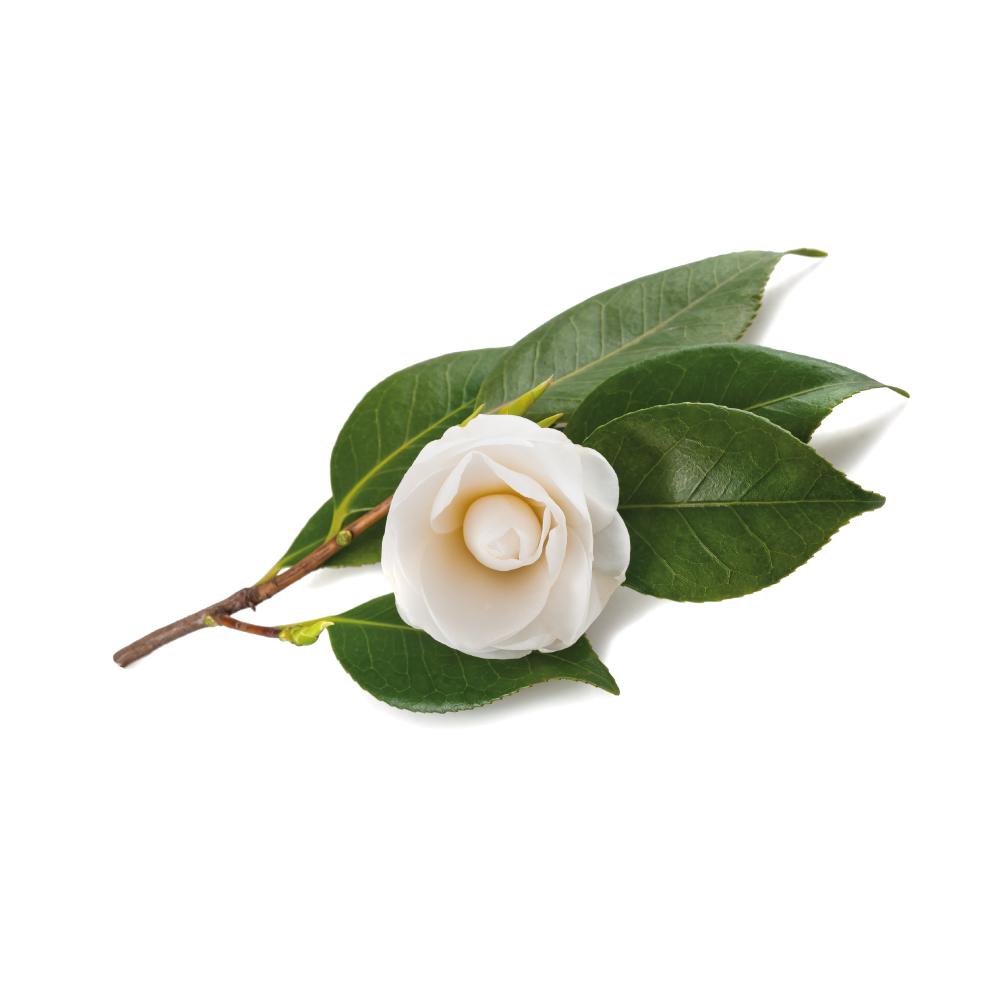 Principal source Tea Camellia sinensis Herb monograph →
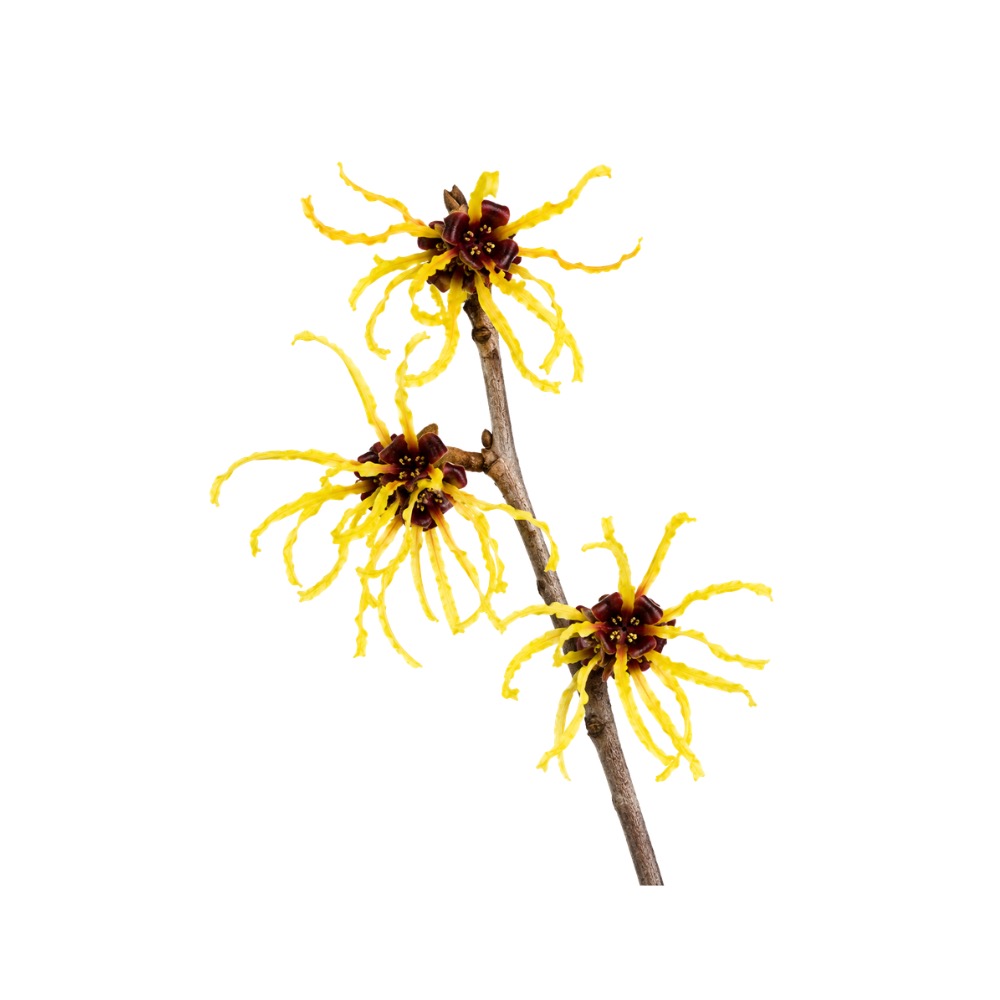 Source Witch Hazel Hamamelis virginiana Herb monograph →
Concentration
Content by Source
Reported concentrations across the plants that contain epigallocatechin — the bar marks the typical level, the line shows the reported range.
Literature figures for varying plant parts and preparations. Read them as a comparative guide, not exact assays.
Epigallocatechin at a Glance
(−)-Epigallocatechin, or EGC, is one of the principal flavan-3-ol catechins of green tea. Structurally it is the non-gallated relative of the far more famous EGCG (epigallocatechin-3-gallate): same flavan-3-ol skeleton and same trihydroxylated (pyrogallol) B-ring, but without the galloyl ester hung on the C-ring. That single difference shapes almost everything about it — how it is absorbed, how it is metabolised, and how much of green tea’s reputation it can honestly claim.
The honest headline is that most of green tea’s marquee literature is EGCG’s, not EGC’s. When researchers study “green tea catechins” they are usually studying a mixture dominated by EGCG, or the EGCG isolate itself. EGC rides along as a co-constituent. Its own isolated-molecule evidence is thin and largely in-vitro — a strong antioxidant profile in the test tube, and a supporting role in the whole-catechin cardiometabolic data — so its claims should be kept modest and distinct from EGCG’s.
Where EGC does stand out on its own is pharmacokinetics: because it lacks the galloyl group, it is absorbed more readily than the gallated catechins and reaches higher plasma concentrations than EGCG after the same green tea 1Reference 1ObservationalPharmacokinetics of tea catechins after ingestion of green tea and (−)-epigallocatechin-3-gallate by humans: formation of different metabolites and individual variabilityView study →. As a normal component of a cup of tea it carries a low intrinsic-toxicity profile.
Epigallocatechin vs. EGCG
EGC and EGCG are constantly conflated, and the distinction is the single most important thing to hold onto about this molecule.
EGCG is epigallocatechin-3-gallate — EGC with a galloyl ester attached at the 3-position of the C-ring. That extra gallate group makes EGCG the most abundant green-tea catechin (roughly half of the catechin fraction), a more potent radical scavenger and enzyme binder in vitro, and the constituent that carries essentially all of green tea’s headline research — and its headline safety concern, the high-dose-extract hepatotoxicity signal (see Toxicity).
EGC is the des-galloyl parent — the free flavan-3-ol. It is the second-to-third most abundant green-tea catechin, a weaker binder than EGCG in most assays, but — precisely because it lacks the bulky, polar gallate group — it is better absorbed 1Reference 1ObservationalPharmacokinetics of tea catechins after ingestion of green tea and (−)-epigallocatechin-3-gallate by humans: formation of different metabolites and individual variabilityView study →. So the two molecules trade places depending on what you measure: EGCG wins on in-vitro potency and on the weight of published evidence; EGC wins on oral absorption.
The practical rule: do not lend EGC the evidence that belongs to EGCG. The green-tea trials on weight, blood pressure, cancer chemoprevention and liver enzymes were run on EGCG or on whole extract — not on isolated EGC. EGC’s honest record is a supporting one.
A Green-Tea Flavan-3-ol
EGC belongs to the catechin subgroup of the flavan-3-ols — the same family as (+)-catechin, (−)-epicatechin, and the gallated tea catechins ECG and EGCG. Two structural features define it:
- A pyrogallol B-ring. EGC carries three adjacent hydroxyls (3′,4′,5′) on its B-ring — a pyrogallol group — where plain catechin and epicatechin carry only two (a catechol). That third hydroxyl makes EGC a markedly stronger direct radical scavenger than the dihydroxy catechins: in electron-spin-resonance DPPH assays, the ortho-trihydroxyl B-ring (together with the galloyl moiety in the gallated catechins) is what drives the scavenging, with tea catechins reaching 50% radical quenching at low-micromolar concentrations 3Reference 3Scavenging effects of tea catechins and their derivatives on 1,1-diphenyl-2-picrylhydrazyl radicalView study →.
- 2,3-cis geometry. EGC is the 2,3-cis diastereomer; its 2,3-trans counterpart is gallocatechin (GC). The two are epimers, and heat (as in tea processing) interconverts them.
In green tea, EGC is one of the four catechins that together make up the bulk of the polyphenol fraction (EGCG > EGC > ECG > EC), the whole set running to roughly 5–8% of dry green-tea leaf as catechins 6Reference 6Total phenol, catechin, and caffeine contents of teas commonly consumed in the United KingdomView study →. Oxidative “fermentation” during black-tea processing polymerises these monomers into theaflavins and thearubigins, so black tea carries much less free EGC than green tea.
What It's Used For
EGC’s pharmacology splits cleanly into two honest halves: a genuinely distinctive pharmacokinetic story (its own, and worth telling), and a borrowed efficacy story (green tea’s, and largely EGCG’s). Its isolated-molecule bioactivity data are mostly in-vitro.
Support is an experimental score — weighted by study type (human > animal > in vitro) and volume, and tempered for isolate-vs-mixture match. A beta, not a validated metric. Both rows below are weak for the isolated molecule: one is in-vitro chemistry, the other is a whole-catechin-mixture human effect in which EGC is a minor contributor. Each application links to its write-up.
EGC’s best-characterised property is direct free-radical scavenging, and it is a structural, not a clinical, story. Its pyrogallol (3′,4′,5′-trihydroxy) B-ring donates hydrogen readily: in electron-spin-resonance work on DPPH radical, the ortho-trihydroxyl B-ring was one of the two structural features (with the galloyl moiety) responsible for tea catechins scavenging radicals at 1–3 µM for 50% quench, holding up across acidic-to-alkaline conditions 3Reference 3Scavenging effects of tea catechins and their derivatives on 1,1-diphenyl-2-picrylhydrazyl radicalView study →.
This is the isolated molecule — EGC itself — but tested in a cuvette.
Gap: cell-free radical-scavenging potency does not translate to a human antioxidant benefit, especially given how little free EGC circulates (it is heavily conjugated in plasma) 1Reference 1ObservationalPharmacokinetics of tea catechins after ingestion of green tea and (−)-epigallocatechin-3-gallate by humans: formation of different metabolites and individual variabilityView study →. No clinical outcome rests on EGC’s antioxidant activity specifically.
EGC is one of the catechins in the green-tea preparations that show a small cardiometabolic signal in humans. A systematic review and meta-analysis of randomised trials found green-tea catechins significantly lowered total and LDL cholesterol (LDL by roughly 2 mg/dL) 4Reference 4Meta-analysisGreen tea catechins decrease total and low-density lipoprotein cholesterol: a systematic review and meta-analysisView study →, and green-tea catechin mixtures are studied for modest effects on weight and glycaemia.
Gap: the tested agent is a whole-catechin mixture (or whole green tea), dominated by EGCG — not isolated EGC. The effect sizes are small, the trials heterogeneous, and EGC’s individual contribution has not been isolated. This is green tea’s evidence, in which EGC is a co-constituent, not the driver 4Reference 4Meta-analysisGreen tea catechins decrease total and low-density lipoprotein cholesterol: a systematic review and meta-analysisView study →.
Mechanisms
| Target / pathway | Effect | Relevant to | Evidence |
|---|---|---|---|
| Pyrogallol (3′,4′,5′-trihydroxy) B-ring | direct radical/ROS scavenging, hydrogen donation, metal chelation | antioxidant | cell-free DPPH/ESR 3Reference 3Scavenging effects of tea catechins and their derivatives on 1,1-diphenyl-2-picrylhydrazyl radicalView study → |
| Catechol-O-methyltransferase (COMT) | methylated to 4′-O-methyl-EGC (a major phase-II route) | metabolism / PK | human & rodent liver cytosol 2Reference 2Enzymology of methylation of tea catechins and inhibition of catechol-O-methyltransferase by (−)-epigallocatechin gallateView study → |
| Colonic microbiota (ring fission) | cleaved to 5-(3′,4′,5′-trihydroxyphenyl)-γ-valerolactone + phenolic acids | colonic metabolism | human PK 5Reference 5Catechin bioavailability following consumption of a green tea extract confection is reduced in obese persons without affecting gut microbial-derived valerolactonesView study → |
| Non-heme iron (catechol/pyrogallol chelation) | binds dietary iron → ↓ absorption (flavan-3-ol class effect) | interaction | class property of tea catechins |
| Green-tea catechin fraction (lipid handling) | small ↓ LDL/total cholesterol | cardiometabolic (mixture) | green-tea catechin meta-analysis 4Reference 4Meta-analysisGreen tea catechins decrease total and low-density lipoprotein cholesterol: a systematic review and meta-analysisView study → |
The load-bearing point is the contrast with EGCG: remove the galloyl group and you lose in-vitro binding potency but gain oral absorption. EGC’s mechanisms are those of a competent flavan-3-ol antioxidant and a well-absorbed catechin — not the potent enzyme-binder profile that carries EGCG’s literature.
Pharmacokinetics
This is EGC’s genuine value-add. Because it lacks the galloyl ester, EGC is absorbed more efficiently than the gallated catechins: after green tea, its peak plasma concentration exceeds EGCG’s — around 223 ng/mL for EGC versus 78 ng/mL for EGCG in one controlled human study — and non-gallated catechins reach peak concentration sooner 1Reference 1ObservationalPharmacokinetics of tea catechins after ingestion of green tea and (−)-epigallocatechin-3-gallate by humans: formation of different metabolites and individual variabilityView study →. But “better absorbed” does not mean “free in blood”: EGC circulates overwhelmingly as glucuronide and sulfate conjugates, whereas EGCG is unusual in appearing largely unconjugated 1Reference 1ObservationalPharmacokinetics of tea catechins after ingestion of green tea and (−)-epigallocatechin-3-gallate by humans: formation of different metabolites and individual variabilityView study →. A major additional route is methylation by COMT to 4′-O-methyl-EGC — and, in fact, EGC is a better COMT substrate than EGCG 2Reference 2Enzymology of methylation of tea catechins and inhibition of catechol-O-methyltransferase by (−)-epigallocatechin gallateView study →.
The fraction reaching the colon is ring-fissioned by gut microbiota to hydroxyphenyl-γ-valerolactones (for EGC, the trihydroxyphenyl-valerolactone) and smaller phenolic acids, which appear later and persist longer than the parent 5Reference 5Catechin bioavailability following consumption of a green tea extract confection is reduced in obese persons without affecting gut microbial-derived valerolactonesView study →. Non-gallated catechins like EGC are cleared mainly in urine as parent and conjugates, while the gallated catechins lean on biliary excretion 1Reference 1ObservationalPharmacokinetics of tea catechins after ingestion of green tea and (−)-epigallocatechin-3-gallate by humans: formation of different metabolites and individual variabilityView study →. A practical modifier: obesity reduces catechin plasma exposure (AUC down ~24–27%) without changing valerolactone formation, pointing to a gut-level absorption limit 5Reference 5Catechin bioavailability following consumption of a green tea extract confection is reduced in obese persons without affecting gut microbial-derived valerolactonesView study →. Net: EGC is the better-absorbed green-tea catechin, but overall systemic exposure to any free catechin remains low.
Clinical Trials
There are no efficacy trials of isolated epigallocatechin. EGC appears in human research only as a component of green tea or of standardised green-tea polyphenol extracts (e.g. Polyphenon E), where dosing and endpoints track total catechins/EGCG — for instance the multi-dose Polyphenon E safety and pharmacokinetic studies, and the green-tea catechin cardiometabolic trials 4,
| Completed | Planned | Terminated | Preclinical |
|---|---|---|---|
| Green tea / Polyphenon E (mixture) PK & safety 1, | — | — | EGC-specific antioxidant / mechanistic (in vitro) 3Reference 3Scavenging effects of tea catechins and their derivatives on 1,1-diphenyl-2-picrylhydrazyl radicalView study → |
Last checked: July 2026.
Isolate vs. Plant Studies
EGC is a textbook case of a molecule whose reputation is borrowed. The human green-tea evidence is a mixture, not EGC. Trials on green tea’s cardiometabolic, weight and chemopreventive effects dose whole green tea or standardised polyphenol extracts in which EGCG dominates and EGC is a minor partner 4,
Prevalence in Nature
EGC is, above all, a tea molecule. It is the second-to-third most abundant catechin in green tea, behind EGCG (order EGCG > EGC > ECG > EC), and part of a catechin fraction that runs to roughly 5–8% of the dry green-tea leaf 6Reference 6Total phenol, catechin, and caffeine contents of teas commonly consumed in the United KingdomView study →. In one characterised green-tea extract the composition was about 58% EGCG and 17% EGC 5Reference 5Catechin bioavailability following consumption of a green tea extract confection is reduced in obese persons without affecting gut microbial-derived valerolactonesView study →, and green teas carry substantially more free EGC than black teas, where oxidative processing polymerises the monomers into theaflavins and thearubigins.
Beyond free EGC in tea, the molecule occurs bound into condensed tannins. As a pyrogallol-B-ring flavan-3-ol, EGC is one of the extension units of prodelphinidins — the epigallocatechin-based subclass of proanthocyanidins. It is, for example, one of the chain-extension units (with epicatechin) of the polymeric proanthocyanidins of witch hazel (Hamamelis virginiana) bark, alongside its epimer gallocatechin as a terminal unit 8Reference 8Polymeric proanthocyanidins from the bark of Hamamelis virginianaView study →. This is the same building-block role that connects EGC to the broader proanthocyanidin chemistry of many barks, fruit skins and legume seed coats.
Biosynthetically, EGC comes from the flavonoid pathway via the pyrogallol (delphinidin-type) branch — the trihydroxy-B-ring lineage — parallel to the dihydroxy route that yields catechin and epicatechin. There is no meaningful non-plant source.
Discovery & Synthesis
The tea catechins were characterised by Japanese chemists in the early twentieth century, and Michiyo Tsujimura is commonly credited with isolating epigallocatechin from green tea around 1929 — several years before the isolation of its galloyl ester, EGCG. The name is descriptive of the structure: epi- for the 2,3-cis configuration, gallo- for the trihydroxy (pyrogallol) B-ring that distinguishes it from plain catechin, sharing the catechin/catechu naming lineage of the whole flavan-3-ol family.
A dedicated total synthesis of free EGC is not the practical route to the molecule and is not well documented as a landmark; enantioselective syntheses of the flavan-3-ols exist and are used chiefly for reference standards. Manufacture today is by extraction — EGC is obtained (usually as one fraction among the tea catechins) from green-tea leaf and green-tea polyphenol preparations, then chromatographically separated when a purified catechin is needed. It is not typically produced or sold as a stand-alone isolate the way EGCG is.
Patents: not yet researched.
Toxicity & Safety
As a normal constituent of everyday green tea, EGC carries a low intrinsic-toxicity flag. The salient safety point is a distinction: the well-publicised concern about liver injury from high-dose green-tea extracts is attributed to EGCG, not to EGC. The European Food Safety Authority linked doses of ≥800 mg EGCG/day from supplements to a signal of raised liver transaminases, while intake from brewed green tea and lower supplement doses showed no such signal 9Reference 9Scientific opinion on the safety of green tea catechinsView study →. EGC is not the molecule implicated, and dietary EGC from tea is not a hepatotoxic concern.
- A normal green-tea catechin. Consumed safely for centuries as part of tea; low intrinsic toxicity at dietary intakes.
- The extract hepatotoxicity signal is EGCG’s, not EGC’s. High-dose (≥800 mg/day) green-tea-extract EGCG has been linked to raised liver enzymes; keep this concern attached to EGCG, and treat concentrated green-tea extracts (which carry both) accordingly 9Reference 9Scientific opinion on the safety of green tea catechinsView study →.
- Flavan-3-ol iron interaction. Like other tea catechins, EGC chelates non-heme iron and can reduce its absorption — a reason to separate strong tea or catechin supplements from iron-rich meals or iron supplements, especially in iron deficiency.
No dedicated reproductive-toxicity, genotoxicity or repeat-dose dataset is characterised here for isolated EGC; the meaningful safety literature is at the level of green-tea extract and its dominant catechin, EGCG. Pregnancy and lactation decisions belong to the tea or product page where intake is decided, not to this molecule page — stated here only as scope, not as a safety verdict.
Dosage
There is no established dose of isolated epigallocatechin. EGC is not dosed on its own; it is consumed as one catechin within green tea and within standardised green-tea polyphenol extracts, where the dose is set by total catechins or EGCG, not by EGC. For orientation:
| Context | Form | Amount |
|---|---|---|
| Dietary | Brewed green tea | EGC is the 2nd–3rd most abundant catechin per cup; a typical cup delivers on the order of tens of mg 6Reference 6Total phenol, catechin, and caffeine contents of teas commonly consumed in the United KingdomView study → |
| Research | Green-tea catechin mixture / Polyphenon E | Hundreds of mg/day total catechins; EGC is a fraction of that 4, |
| Isolate | Purified EGC | Not a standard commercial or clinical dose form |
These are descriptive figures from tea composition and mixed-catechin research, not a personal recommendation — and the human evidence is for green tea and its whole-catechin extracts, not for isolated EGC.
References
- Lee MJ, Maliakal P, Chen L, et al. (2002). Pharmacokinetics of tea catechins after ingestion of green tea and (−)-epigallocatechin-3-gallate by humans: formation of different metabolites and individual variability. Cancer Epidemiology, Biomarkers & Prevention, 11(10 Pt 1), 1025–1032. https://pubmed.ncbi.nlm.nih.gov/12376503/
- Lu H, Meng X, Yang CS (2003). Enzymology of methylation of tea catechins and inhibition of catechol-O-methyltransferase by (−)-epigallocatechin gallate. Drug Metabolism and Disposition, 31(5), 572–579. https://pubmed.ncbi.nlm.nih.gov/12695345/
- Nanjo F, Goto K, Seto R, et al. (1996). Scavenging effects of tea catechins and their derivatives on 1,1-diphenyl-2-picrylhydrazyl radical. Free Radical Biology & Medicine, 21(6), 895–902. https://pubmed.ncbi.nlm.nih.gov/8902534/
- Kim A, Chiu A, Barone MK, et al. (2011). Green tea catechins decrease total and low-density lipoprotein cholesterol: a systematic review and meta-analysis. Journal of the American Dietetic Association, 111(11), 1720–1729. https://pubmed.ncbi.nlm.nih.gov/22027055/
- Sasaki GY, Vodovotz Y, Yu Z, et al. (2022). Catechin bioavailability following consumption of a green tea extract confection is reduced in obese persons without affecting gut microbial-derived valerolactones. Antioxidants, 11(12), 2490. https://pubmed.ncbi.nlm.nih.gov/36552698/
- Khokhar S, Magnusdottir SGM (2002). Total phenol, catechin, and caffeine contents of teas commonly consumed in the United Kingdom. Journal of Agricultural and Food Chemistry, 50(3), 565–570. https://pubmed.ncbi.nlm.nih.gov/11804530/
- Chow HH, Cai Y, Hakim IA, et al. (2003). Pharmacokinetics and safety of green tea polyphenols after multiple-dose administration of epigallocatechin gallate and Polyphenon E in healthy individuals. Clinical Cancer Research, 9(9), 3312–3319. https://pubmed.ncbi.nlm.nih.gov/12960117/
- Dauer A, Rimpler H, Hensel A (2003). Polymeric proanthocyanidins from the bark of Hamamelis virginiana. Planta Medica, 69(1), 89–91. https://pubmed.ncbi.nlm.nih.gov/12567291/
- EFSA ANS Panel (2018). Scientific opinion on the safety of green tea catechins. EFSA Journal, 16(4), 5239. https://doi.org/10.2903/j.efsa.2018.5239



