
Subclass of Phenolics
Flavanols
Flavan-3-ols — catechin, epicatechin and EGCG, the single units that tea, cocoa and grape are rich in.
Overview
About Flavanols
Flavan-3-ols — usually shortened to flavanols — are the flavonoid subclass in which the central ring is fully reduced and carries a hydroxyl at position 3. Catechin and epicatechin are the parent molecules, and their gallate esters, of which EGCG is the best known, are the potent members.
Their defining habit is linking up. Two, three or many flavanol units join into chains, the proanthocyanidins or condensed tannins, which have their own page. This page covers the single units.
Where Flavanols Occur
They are among the most abundant polyphenols in the ordinary diet:
Green tea
EGCG, EGC, ECG and epicatechin
Cocoa and dark chocolate
epicatechin and procyanidins
Grape seed and skin
catechin and epicatechin
Apples, berries and broad beans
catechin and epicatechin
Hawthorn
epicatechin, alongside the procyanidins built from it
Pharmacological Importance
Cocoa flavanols carry some of the strongest evidence for any dietary polyphenol: repeated randomized trials show improved flow-mediated dilation and modest blood-pressure reduction, mediated through nitric-oxide-dependent endothelial function.
EGCG, the main catechin of green tea, is the most studied single member, for metabolic, cardiovascular and anticancer effects. Most of that evidence comes from cell and animal work, and the human results are modest.
Toxicity & Safety
As dietary constituents these are safe and consumed in gram quantities by tea and cocoa drinkers.
The genuine concern is concentrated green-tea extract taken on an empty stomach, which has an established association with idiosyncratic hepatotoxicity — enough that several regulators have issued warnings and product-level dose limits. Brewed tea does not carry the same signal. Strong tea taken with meals also reduces the absorption of iron from plant foods, which matters for anyone managing iron-deficiency anaemia.
Constituents
All Flavanols
21 totalC
Catechin Catechin gallate (CG) CinchonainE
EGCG Epicatechin Epicatechin gallate Epicatechin-3-gallate Epigallocatechin Epigallocatechin Gallate (EGCG)F
Fisetinidol Flavan-3-olsG
Gallocatechin Gallocatechin gallate (GCG)L
Leucoanthocyanidins Leucocyanidin LeucopelargonidinM
MelacacidinN
Neoastilbin NeoisoastilbinR
RobinetinidolT
TaxifolinNo flavanols match.
Source Plants
Herbs Containing Flavanols
30 herbsPlants in the materia medica documented to carry flavanols, with the compounds each one is listed for. The bar counts how many DISTINCT flavanols are on record for a plant, relative to the best-documented — it measures breadth of record, not potency, so a plant with one well-studied compound can outrank a richer source that has simply been analysed less. Where a measured concentration is on record it is quoted inline; most entries have none yet.
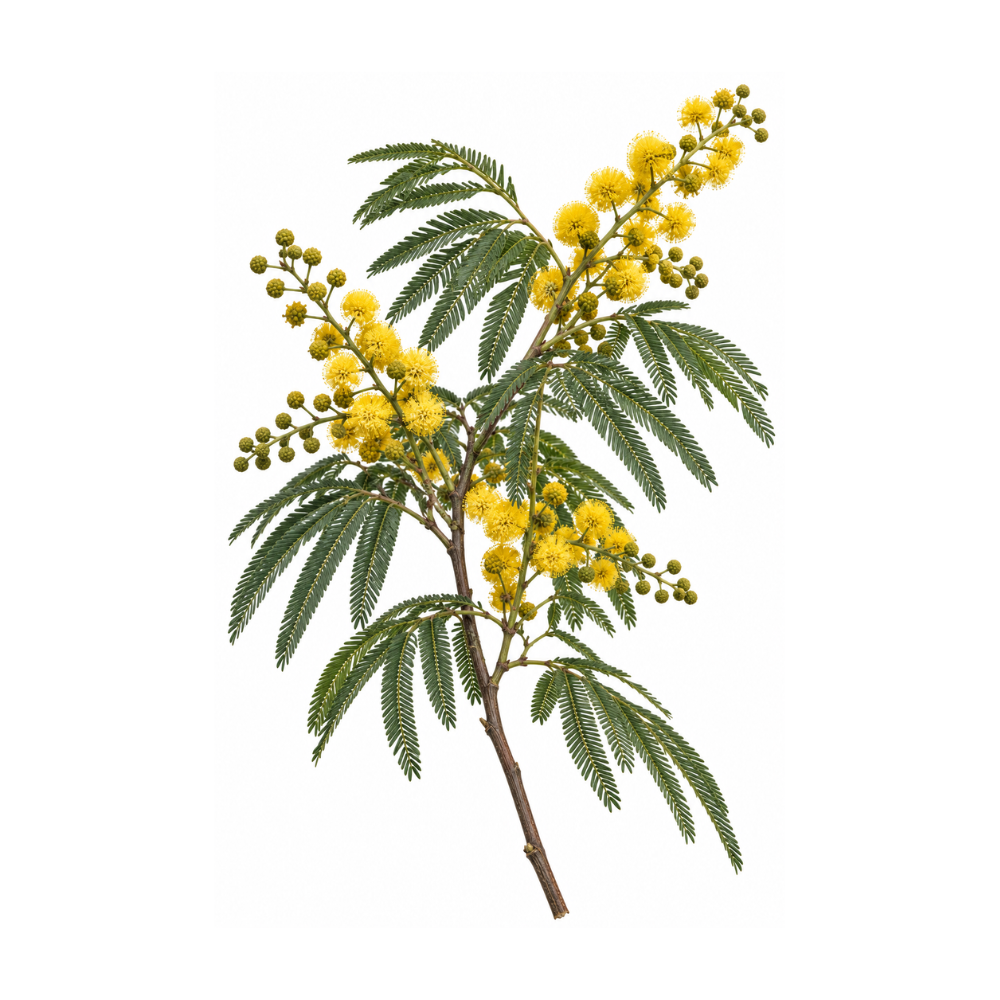 Black Wattle Acacia mearnsii Documented for catechin, fisetinidol, gallocatechin and 1 more.
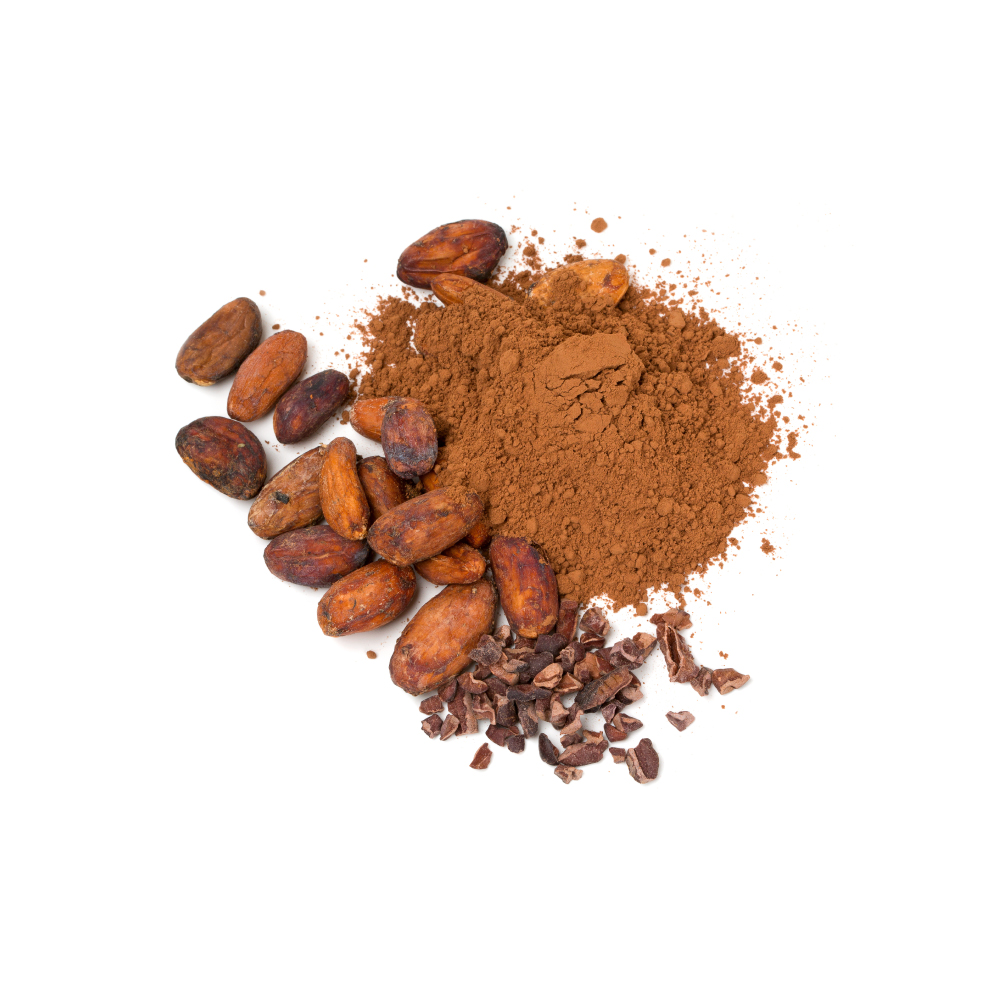 Cacao Theobroma cacao Documented for catechin, epicatechin, flavan-3-ols and 1 more.
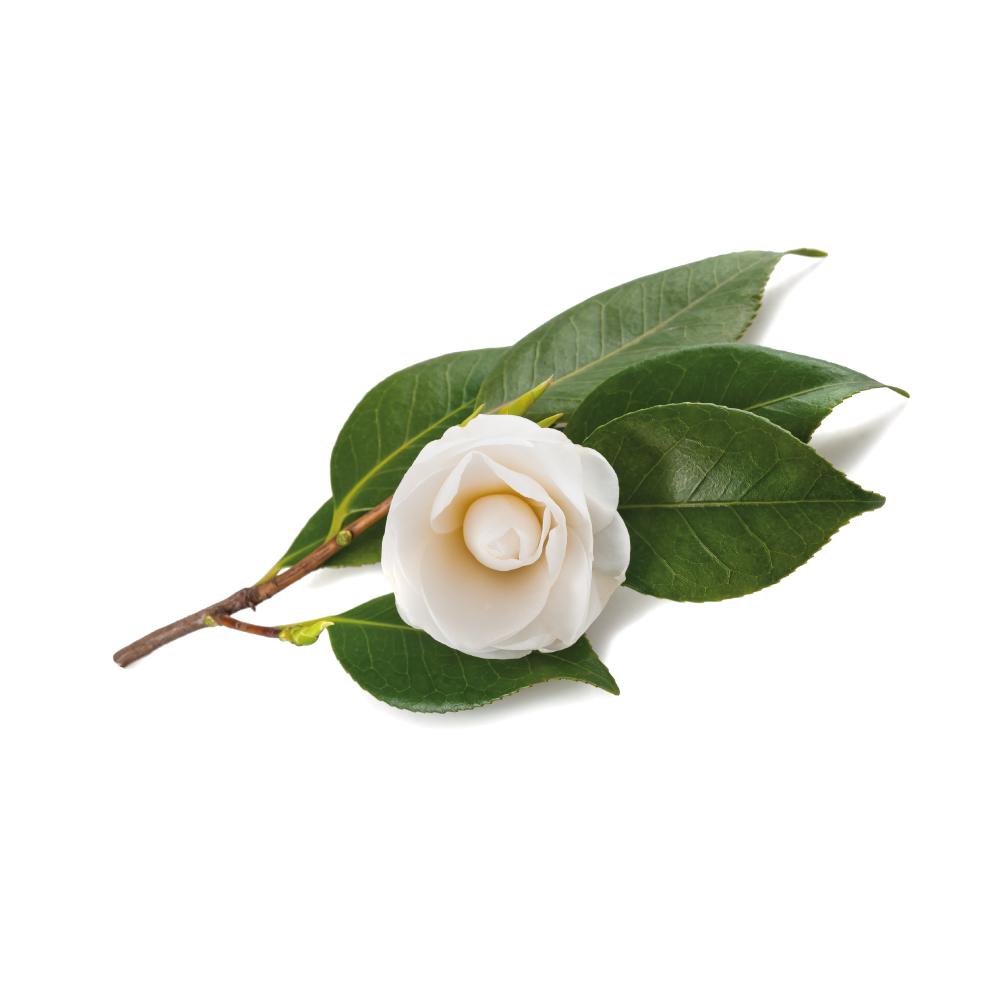 Tea Camellia sinensis Documented for epigallocatechin (17 % of catechins), EGCG, epicatechin and 1 more.
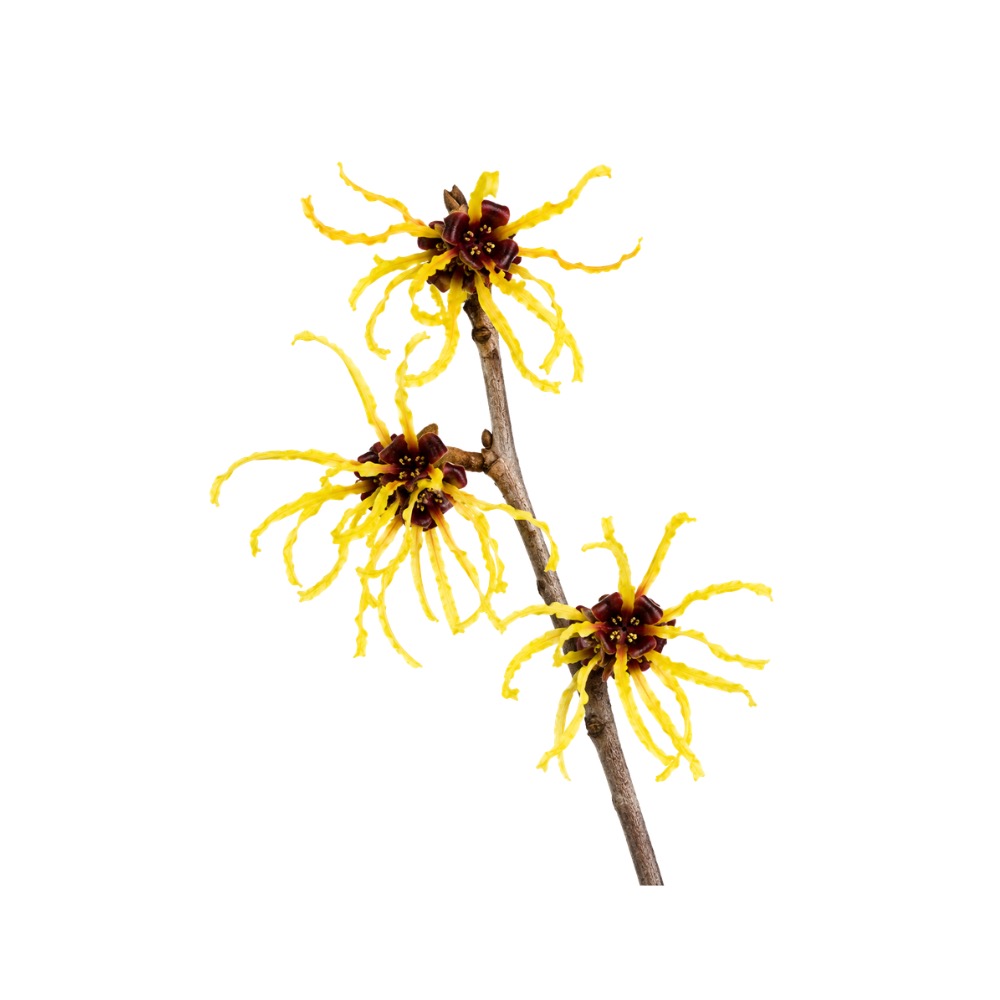 Witch Hazel Hamamelis virginiana Documented for catechin, epicatechin, epigallocatechin and 1 more.
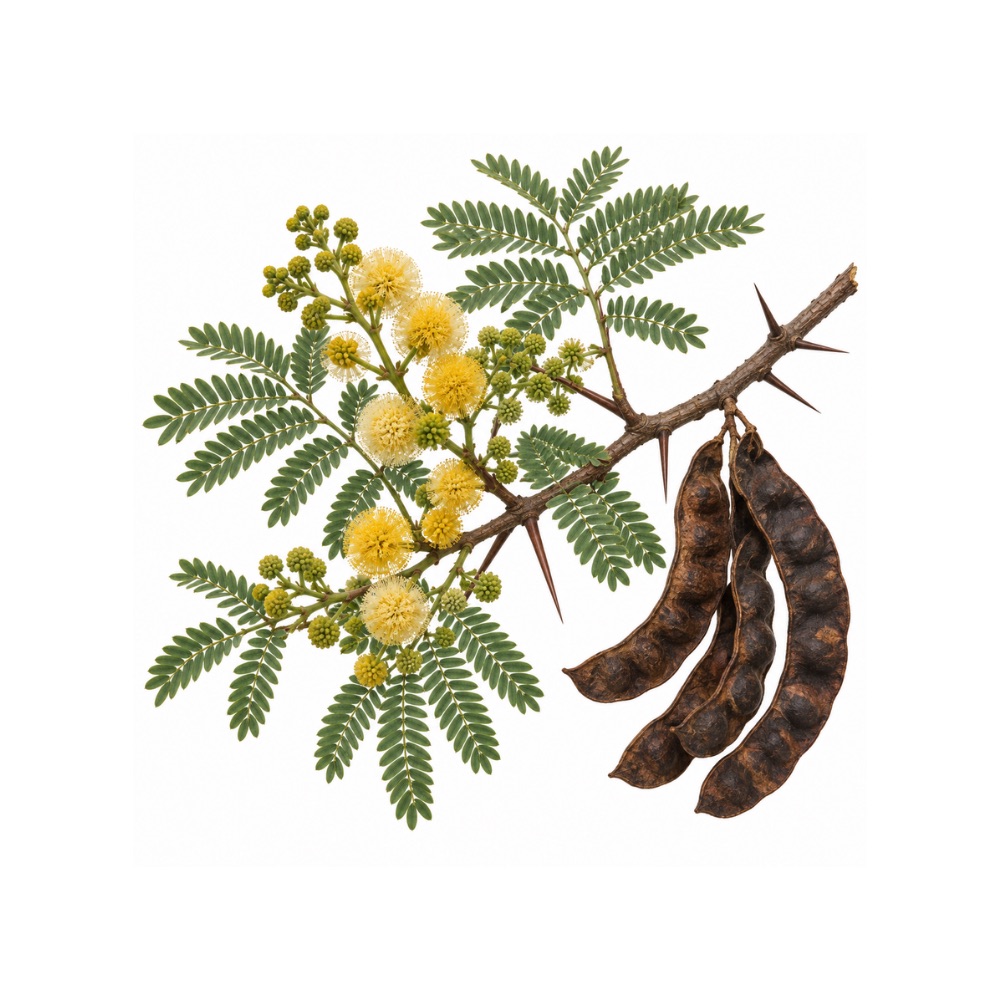 Babul Vachellia nilotica Documented for catechin, epicatechin, leucocyanidin.
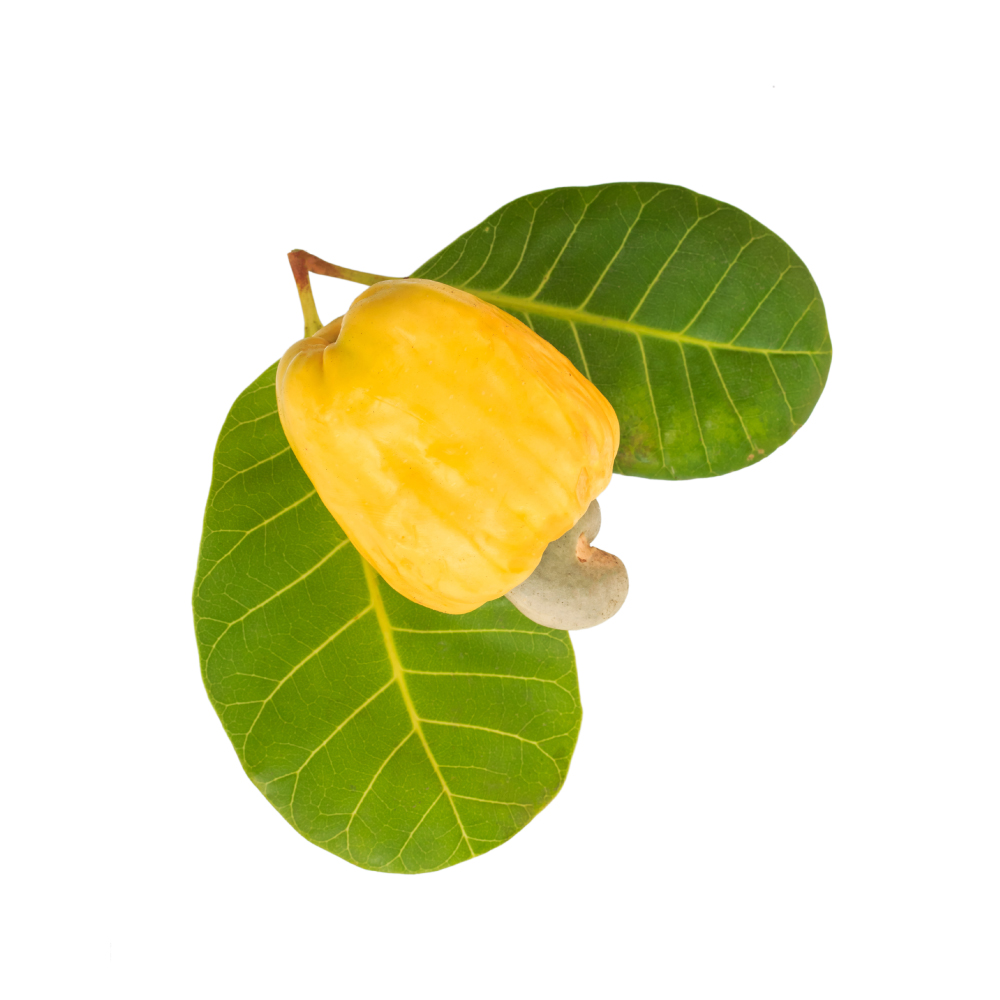 Cashew Anacardium occidentale Documented for epicatechin, leucocyanidin, leucopelargonidin.
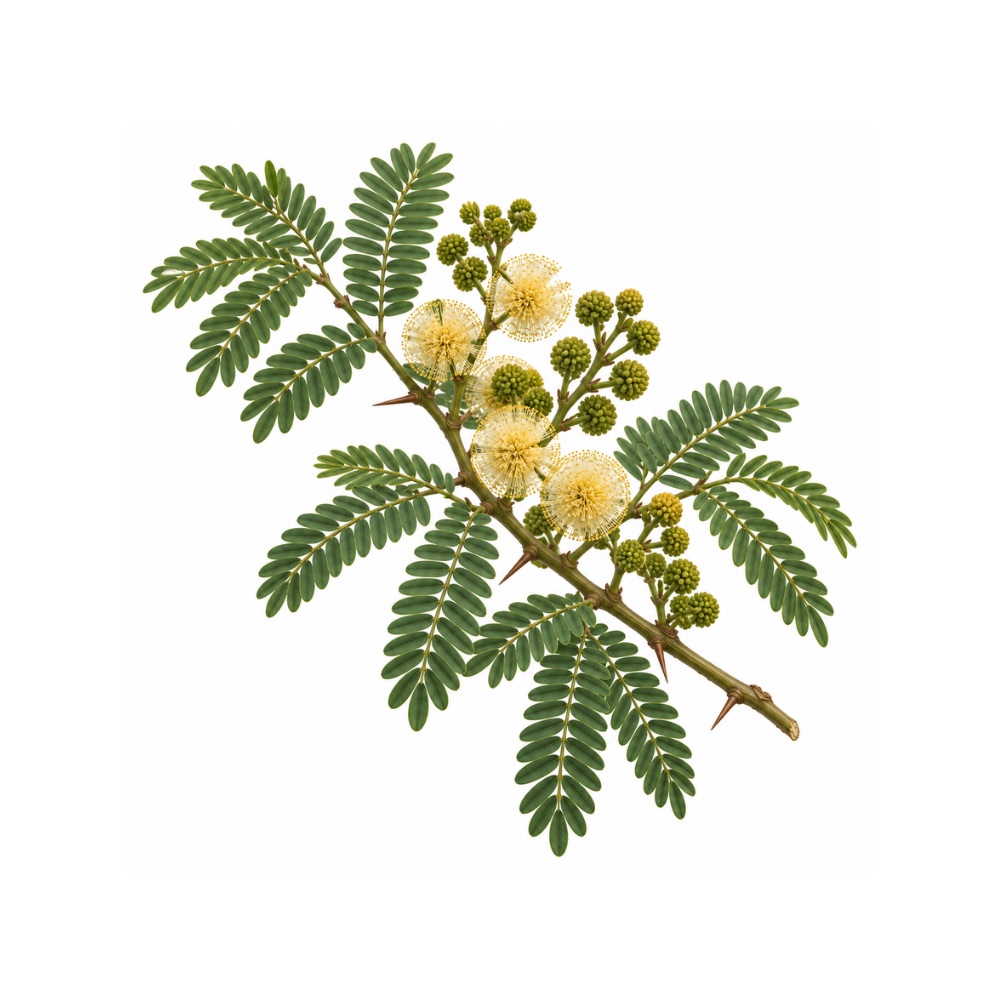 Catechu Senegalia catechu Documented for catechin, epicatechin, taxifolin.
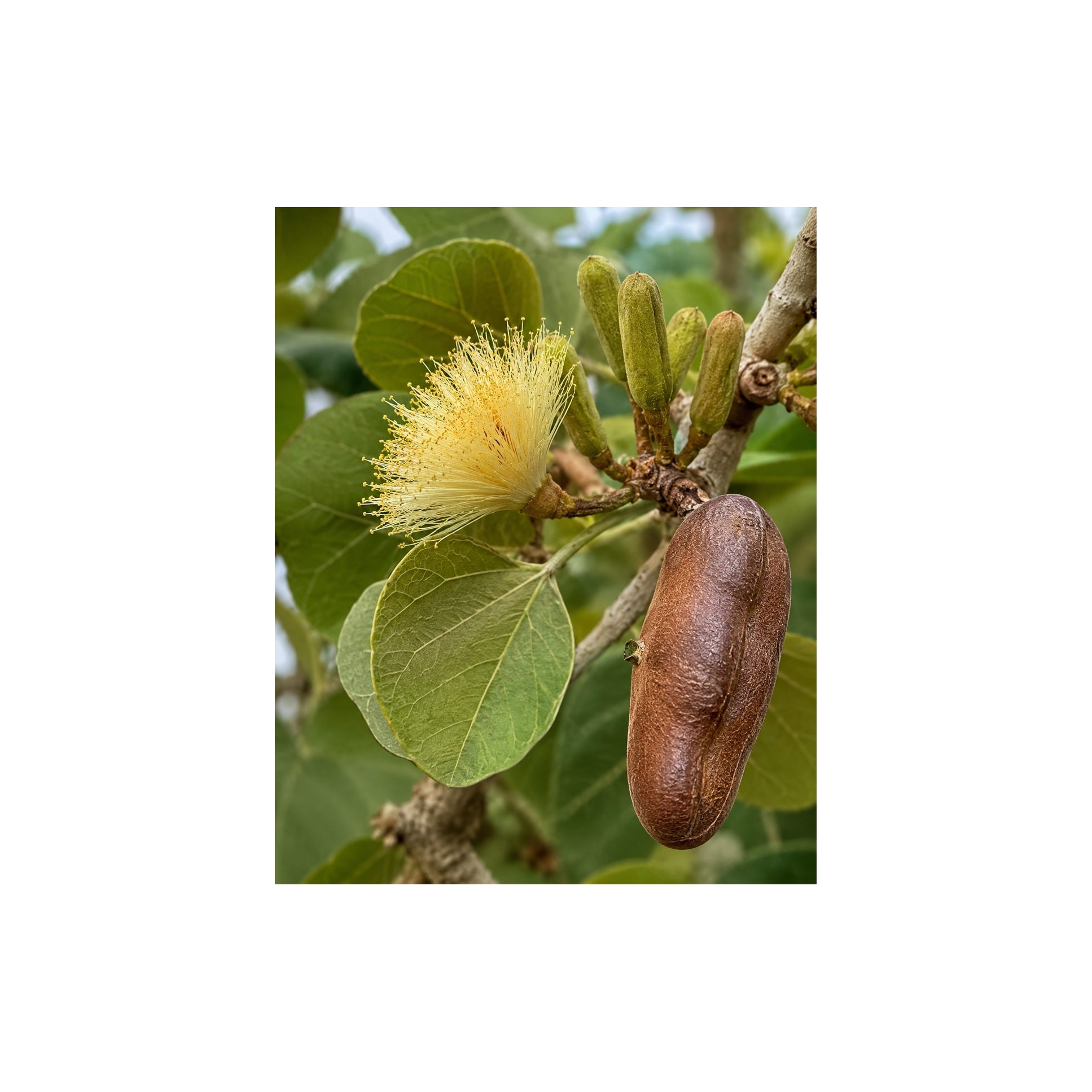 Jatobá Hymenaea courbaril Documented for catechin, epicatechin, taxifolin. Maritime Pine Pinus pinaster Documented for catechin, epicatechin, taxifolin.
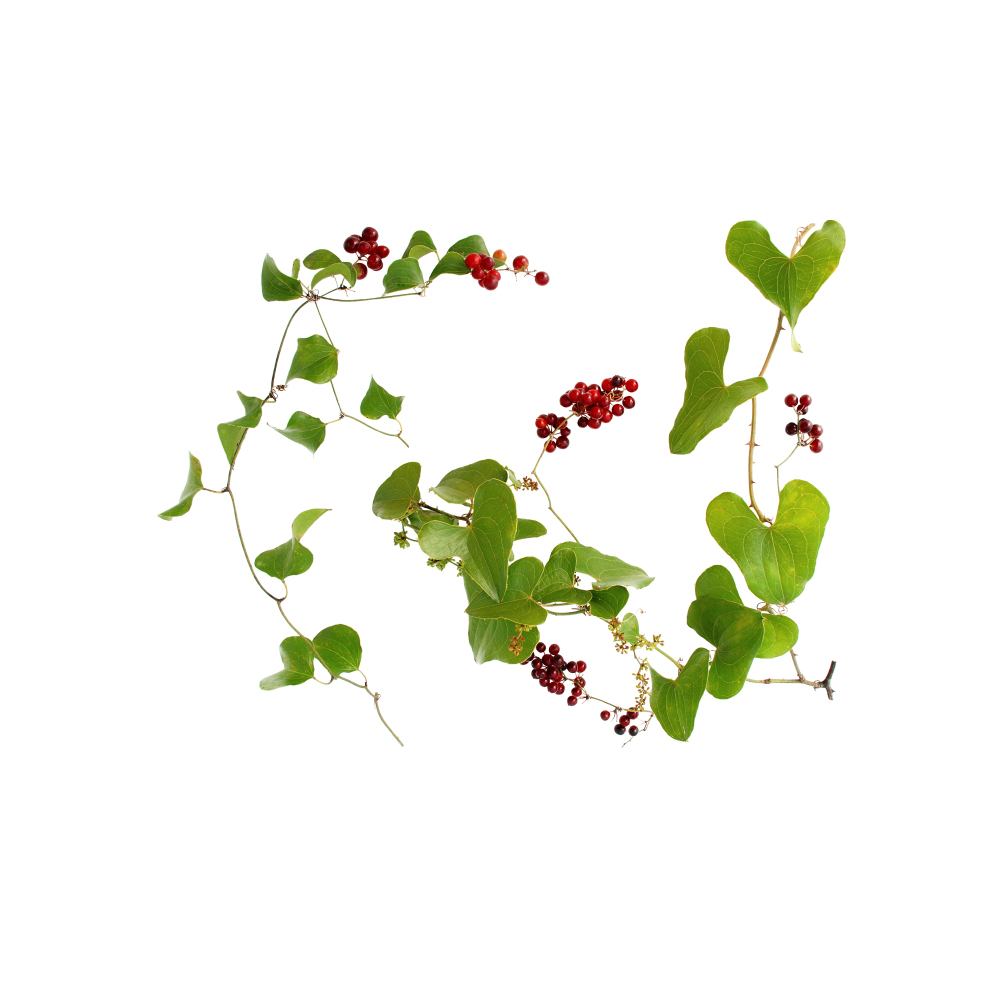 Sarsaparilla Smilax spp. Documented for epicatechin, neoastilbin, neoisoastilbin.
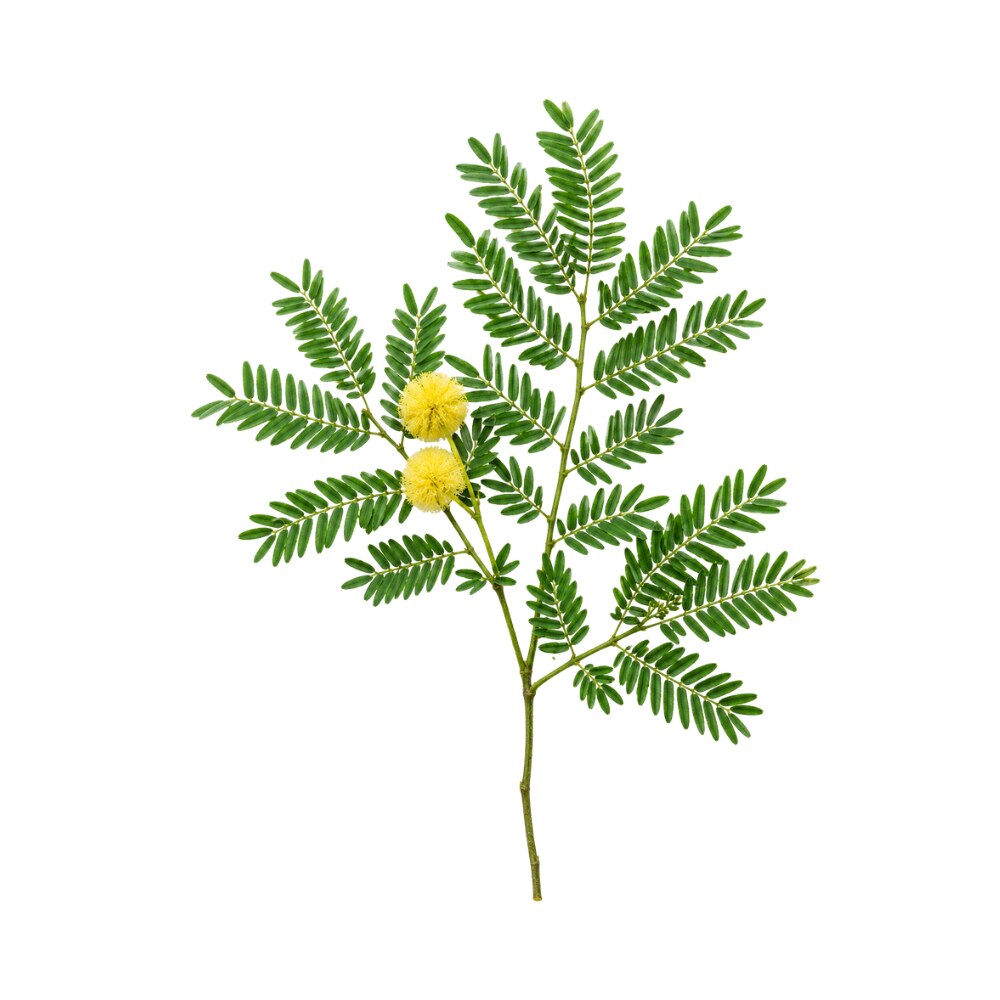 Acacia Acacia, Vachellia & Senegalia spp. Documented for catechin, epicatechin.
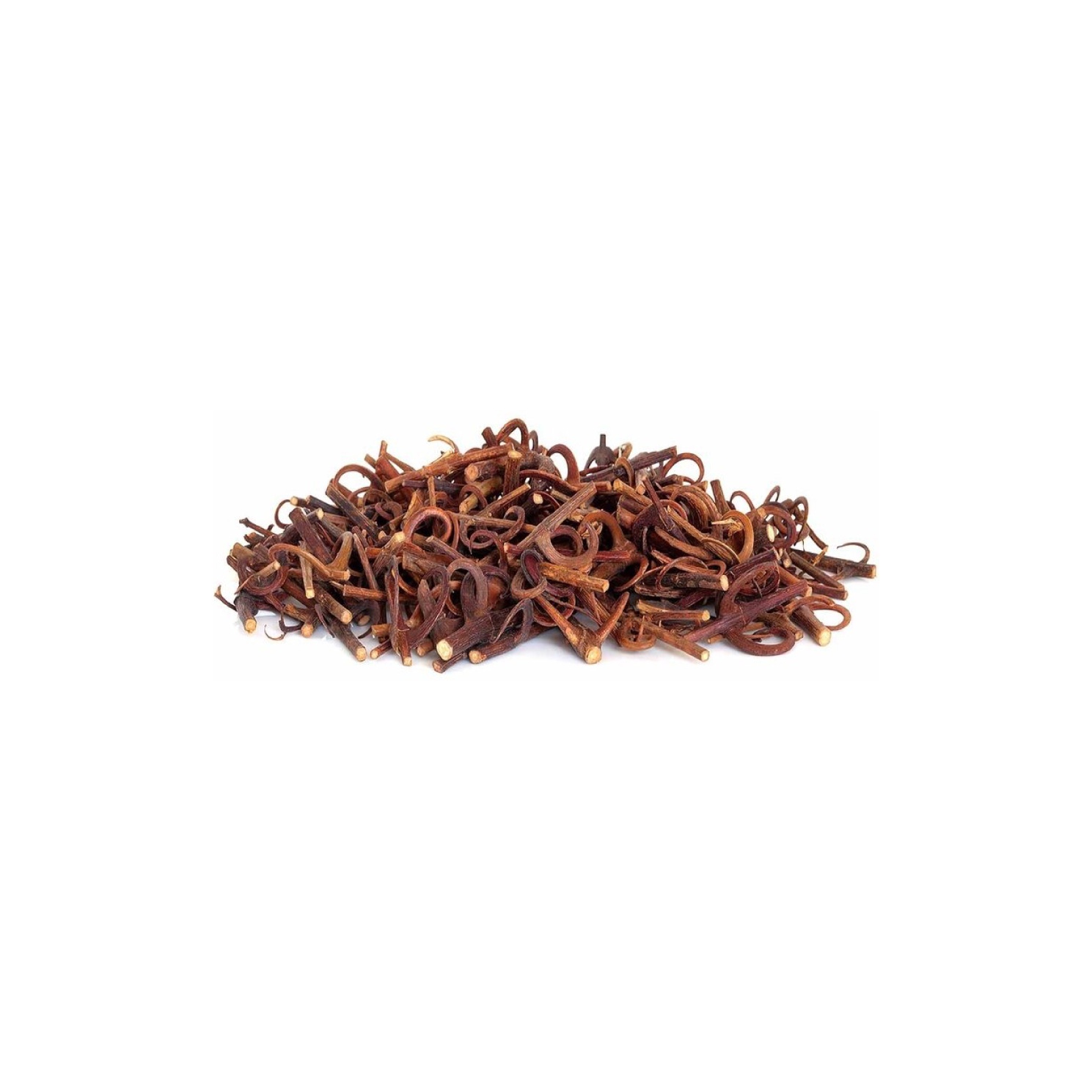 Cat's Claw Uncaria tomentosa Documented for cinchonain, epicatechin.
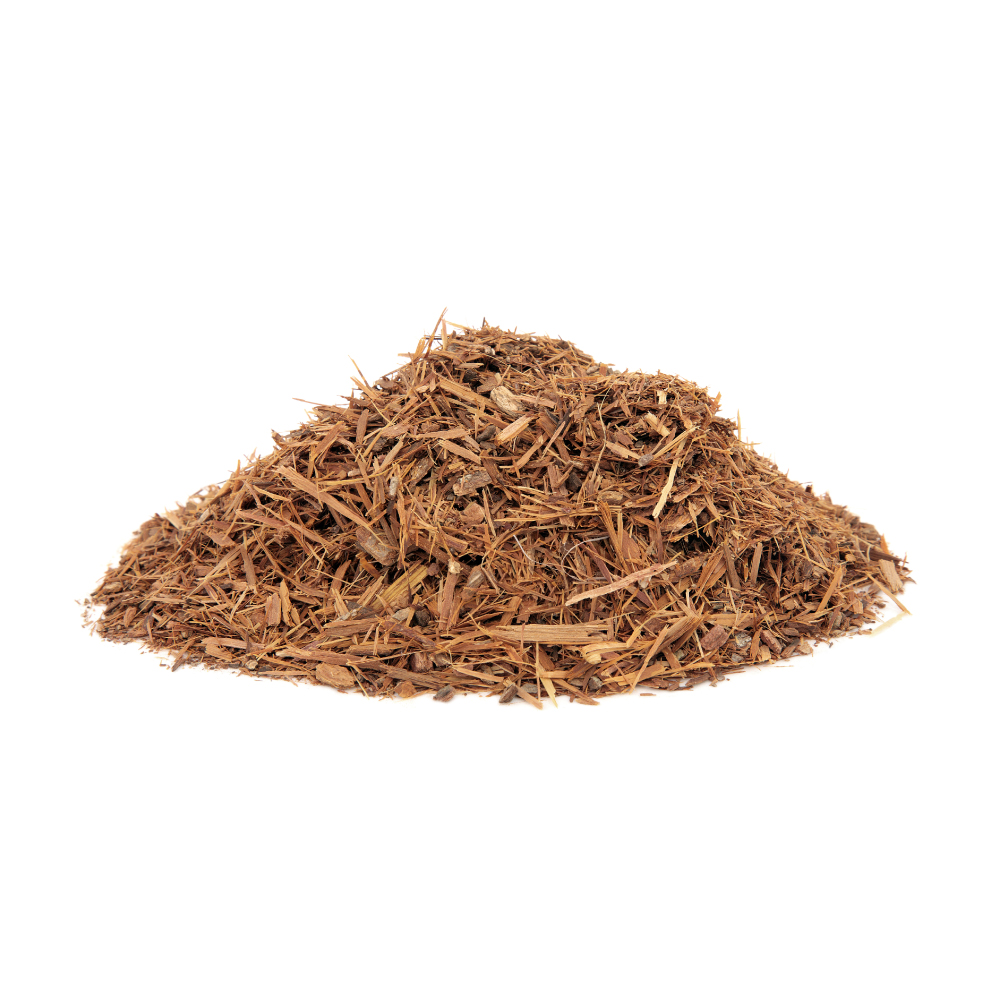 Catuaba Trichilia catigua Documented for catechin, epicatechin.
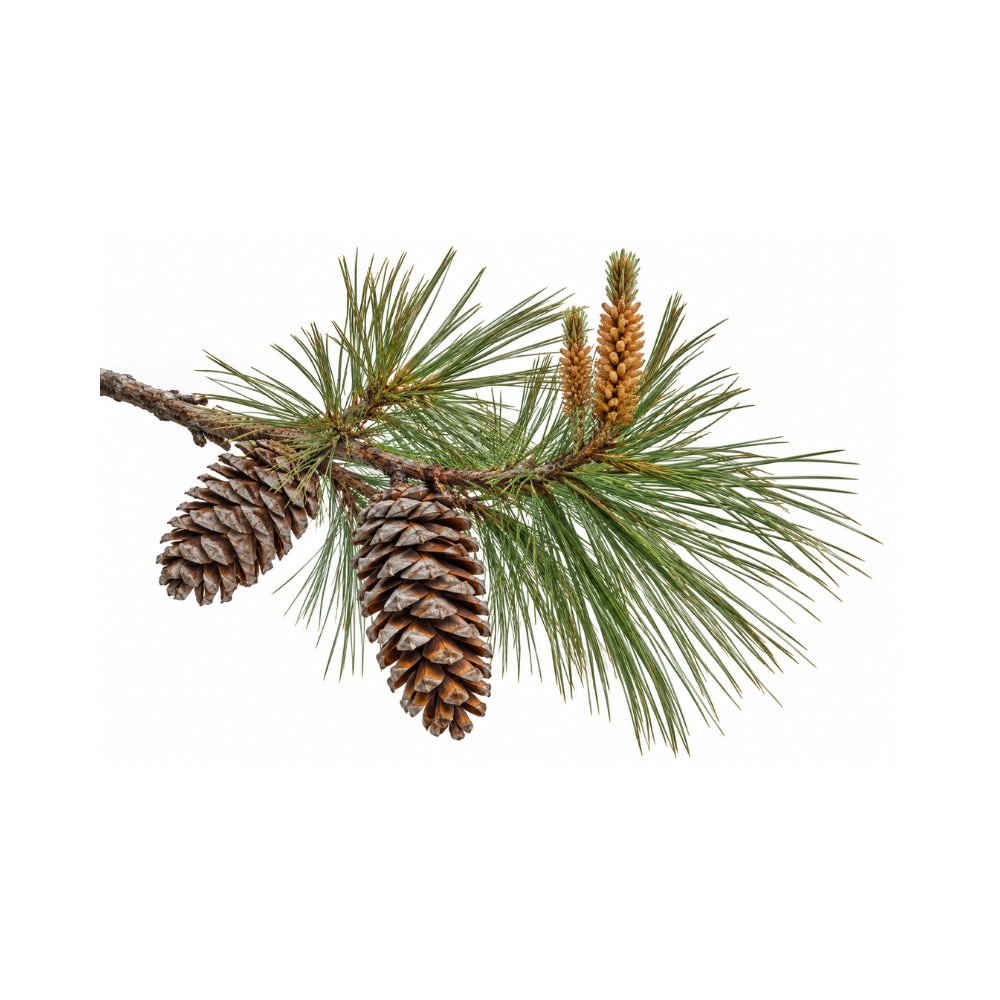 Chir Pine Pinus roxburghii Documented for catechin, taxifolin.
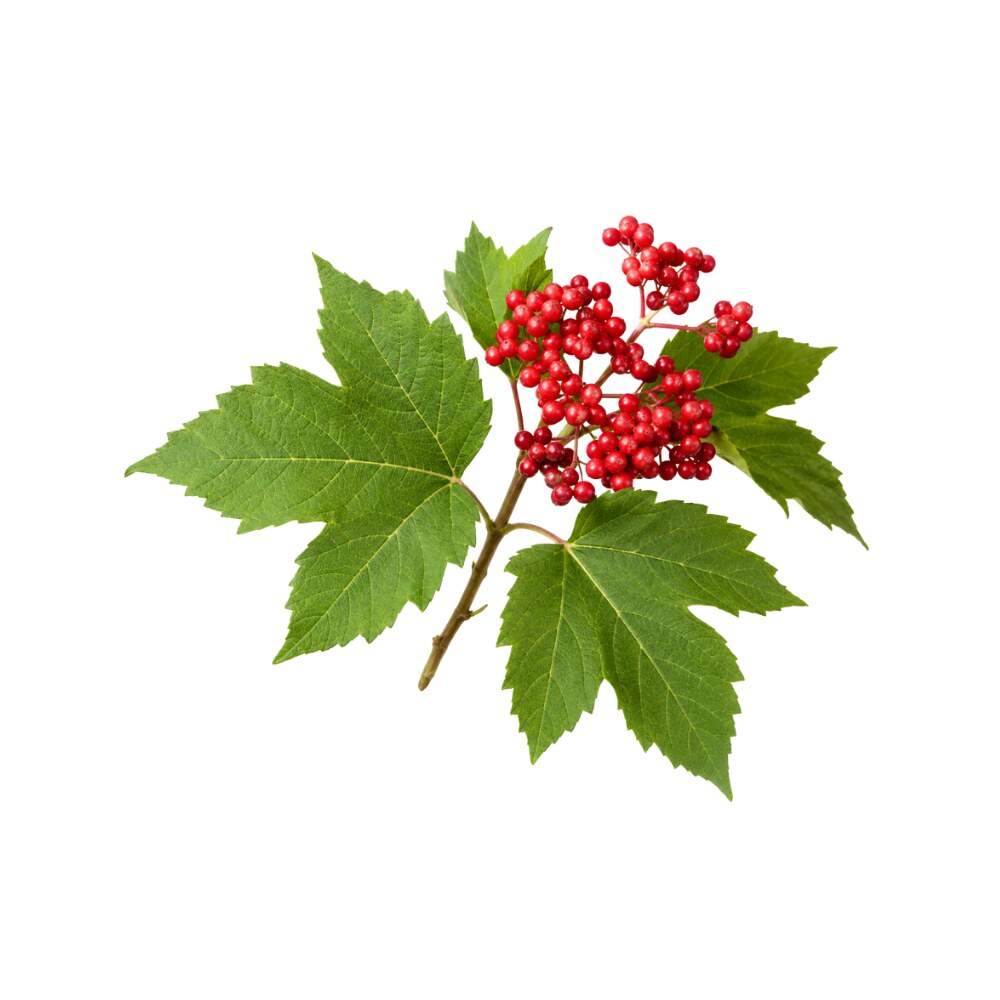 Cramp Bark Viburnum opulus Documented for catechin, epicatechin.
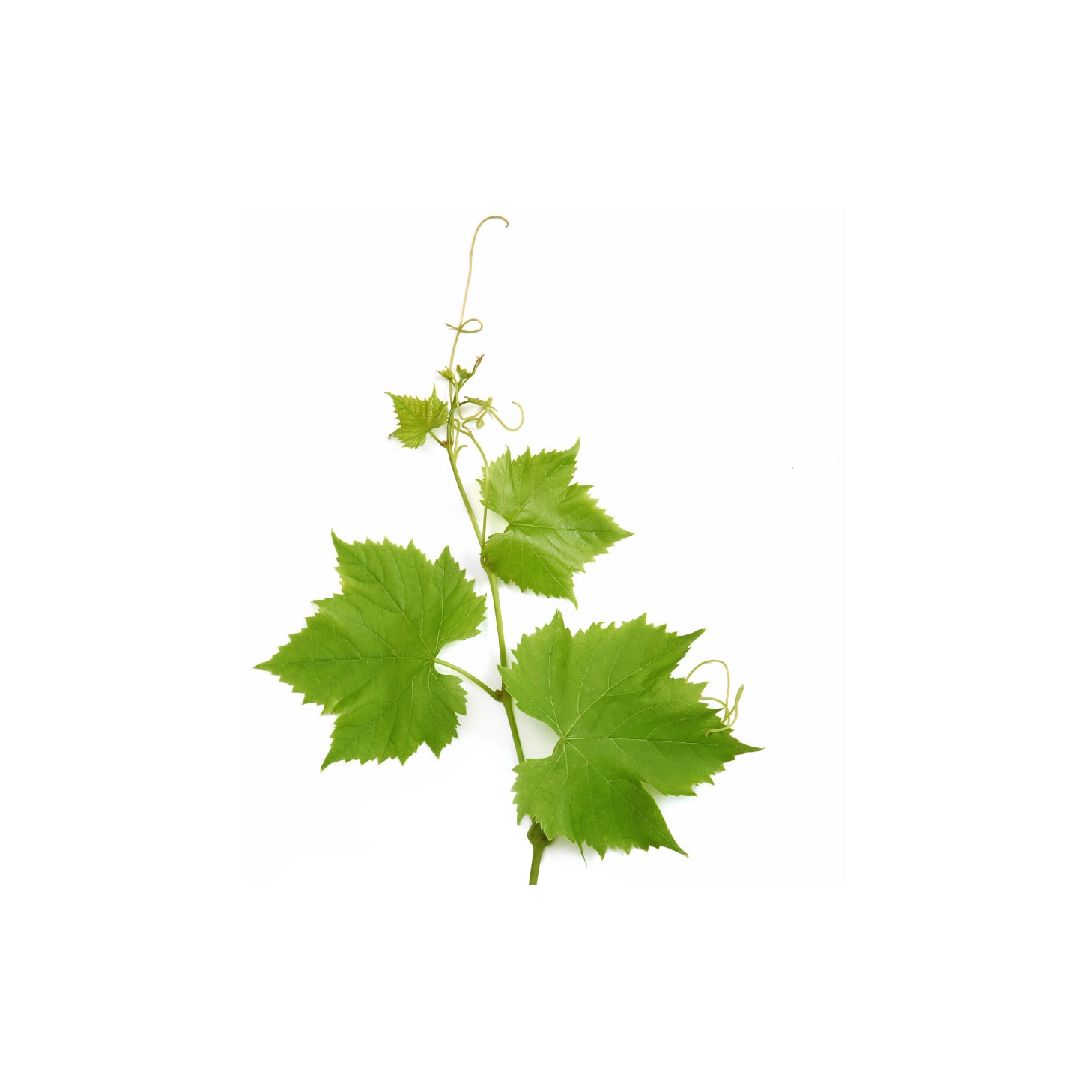 Grape Seed Extract Vitis vinifera Documented for catechin, epicatechin. Korean Red Pine Pinus densiflora Documented for catechin, taxifolin.
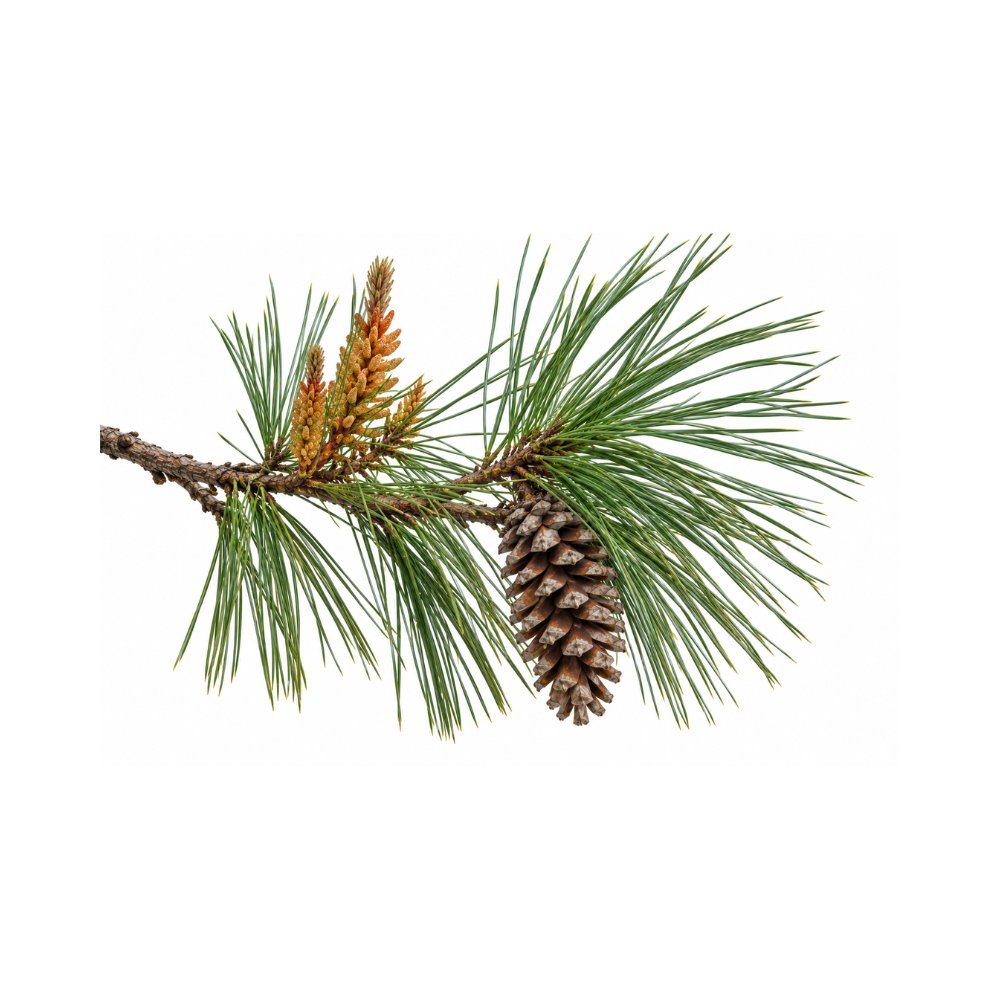 Masson Pine Pinus massoniana Documented for catechin, taxifolin.
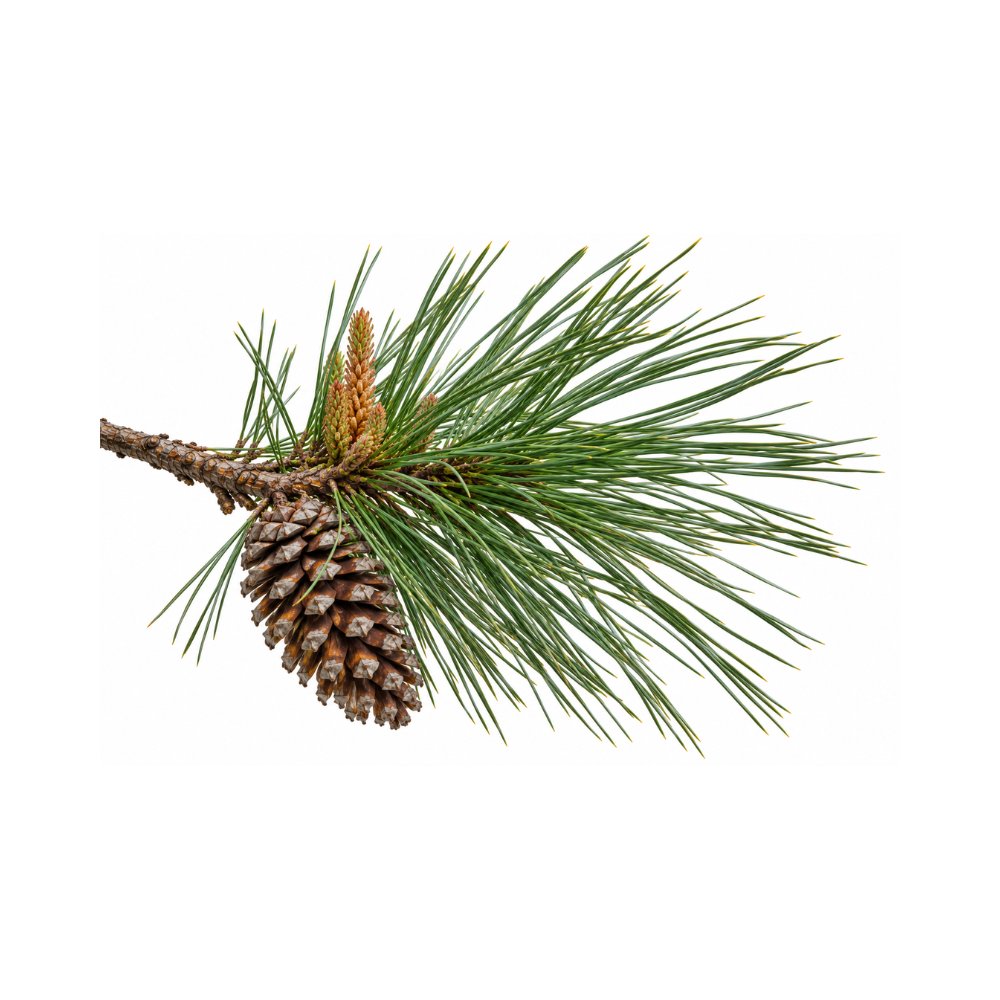 Monterey Pine Pinus radiata Documented for catechin, taxifolin.
 Pine Pinus sylvestris Documented for catechin, taxifolin.
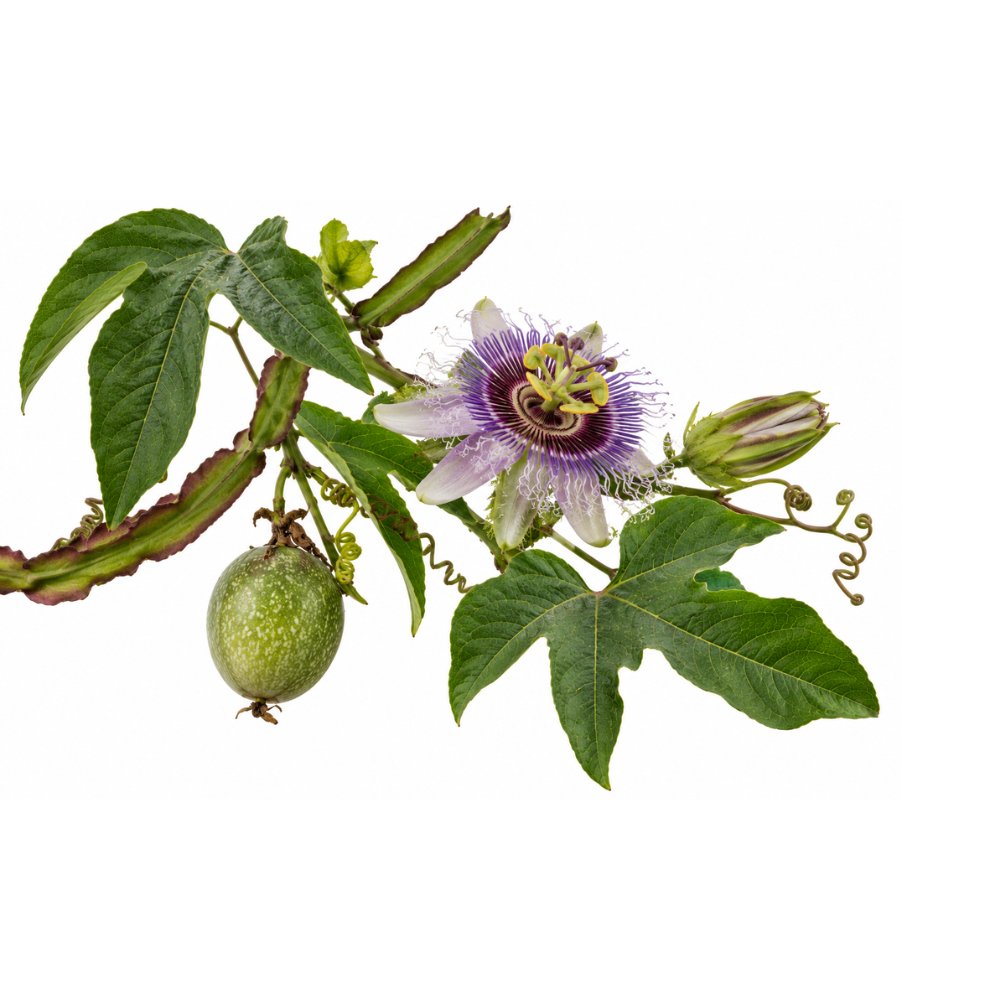 Winged-Stem Passionflower Passiflora alata Documented for catechin, epicatechin.
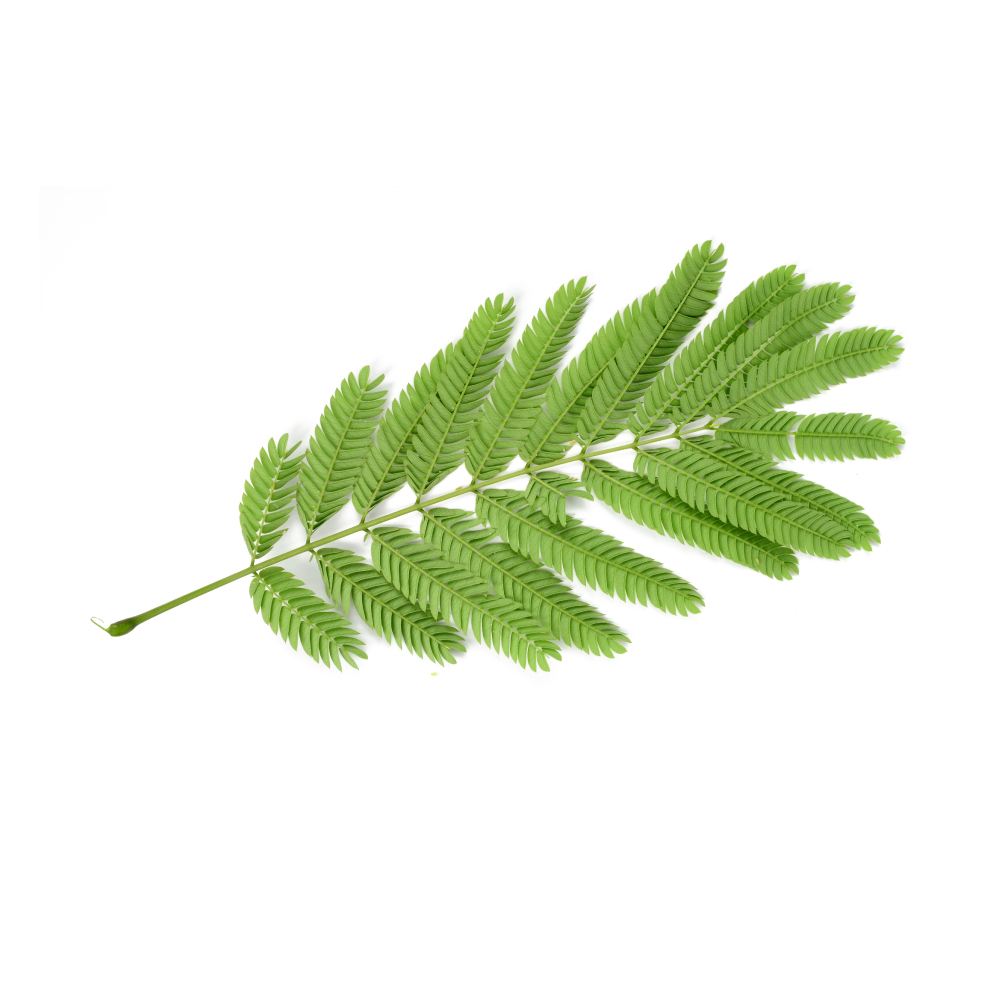 Albizzia Albizzia lebbeck Documented for melacacidin.
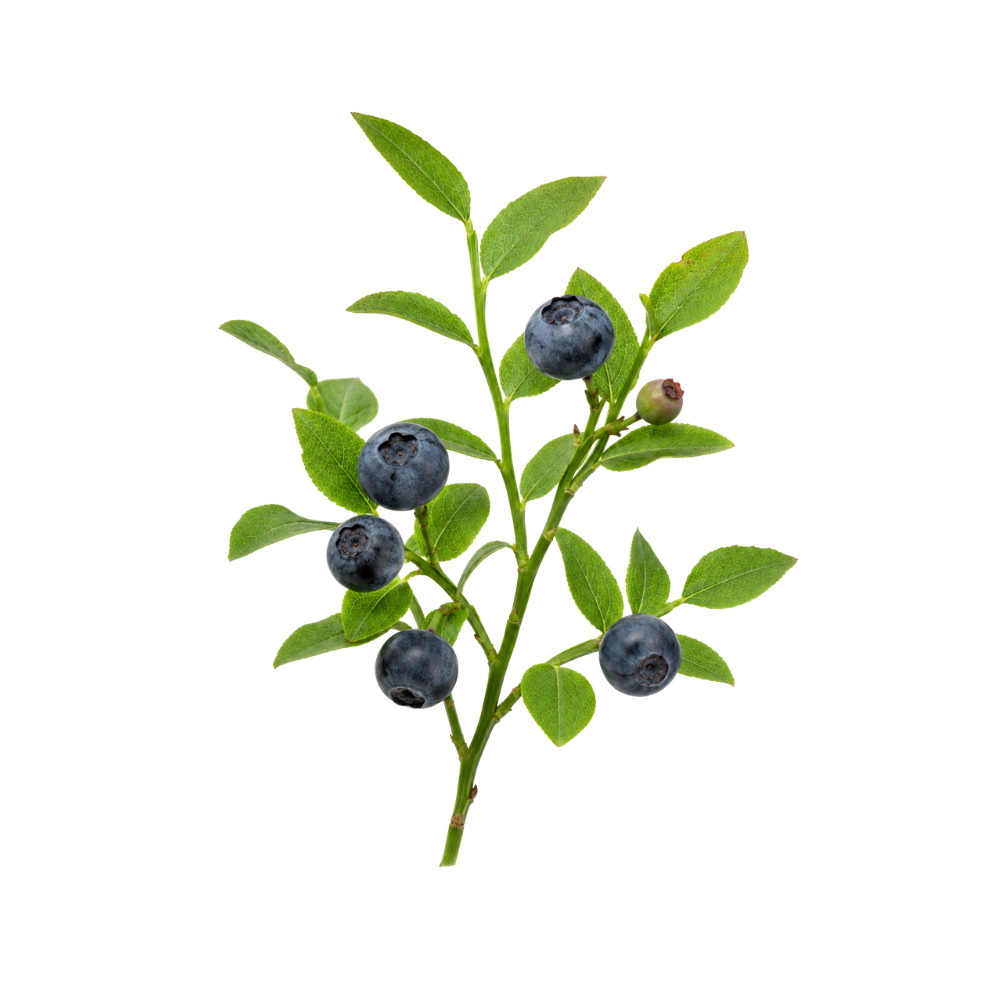 Bilberry Vaccinium myrtillus Documented for catechin.
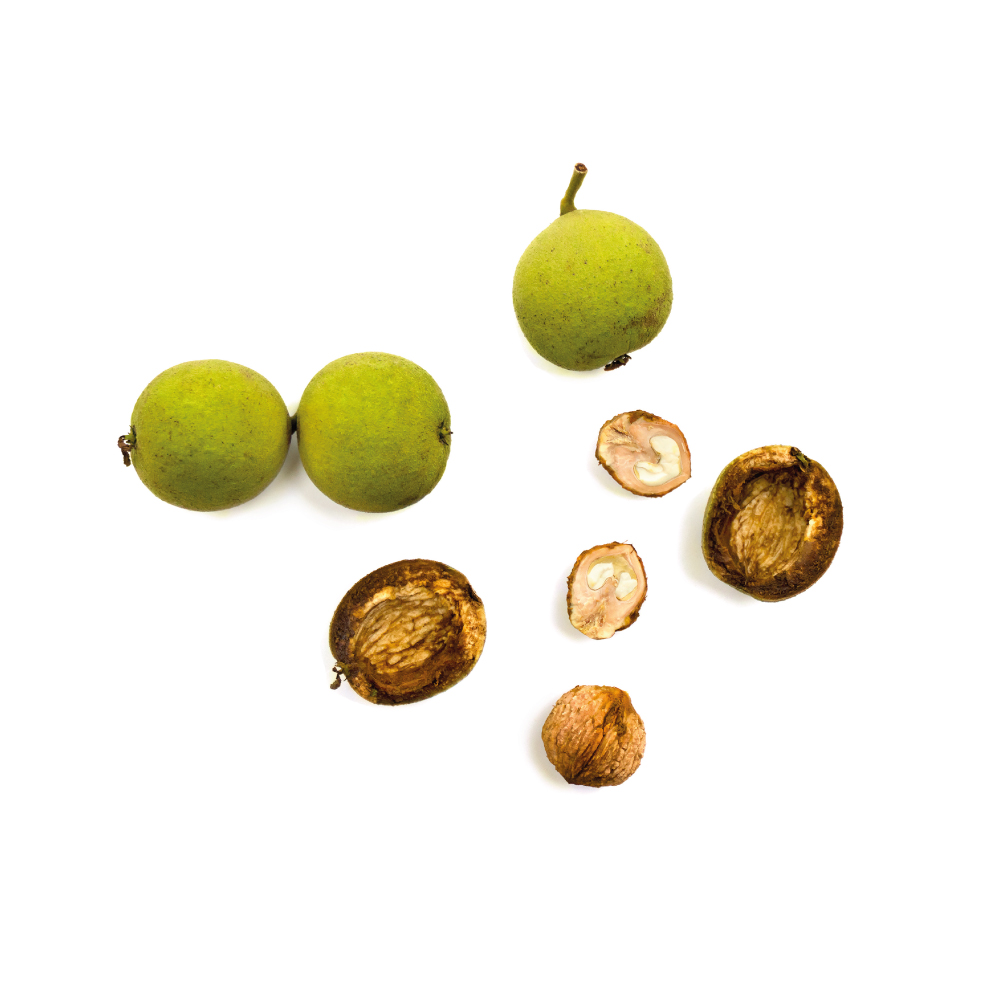 Black Walnut Juglans nigra Documented for epicatechin gallate.
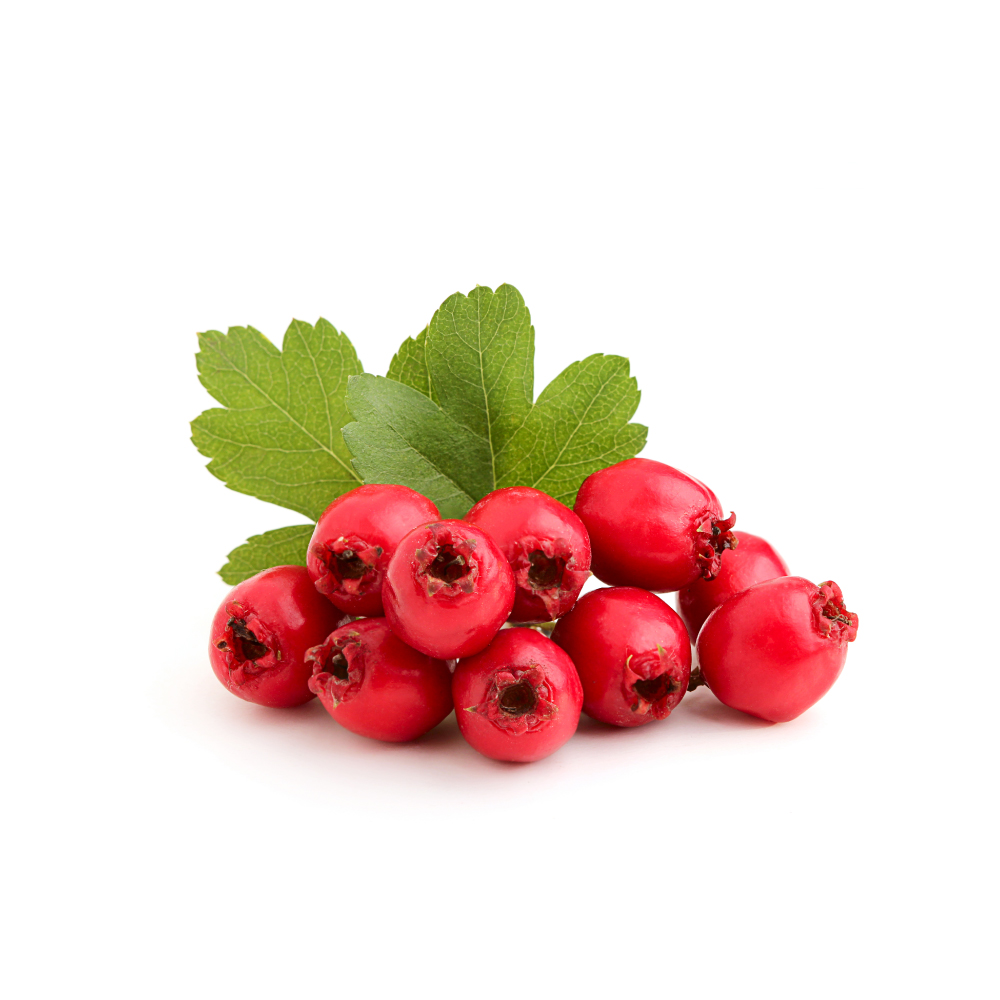 Hawthorn Crataegus oxyacantha Documented for epicatechin.
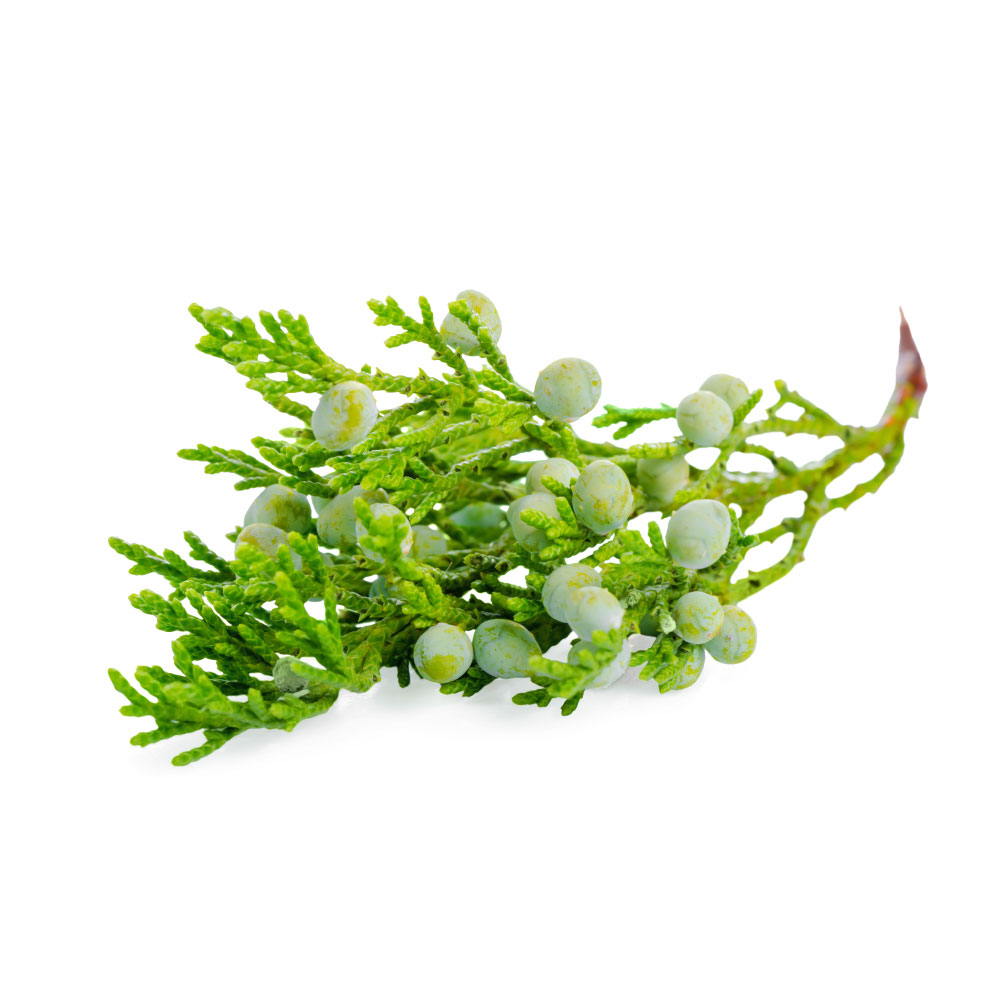 Juniper Juniperus communis Documented for taxifolin.
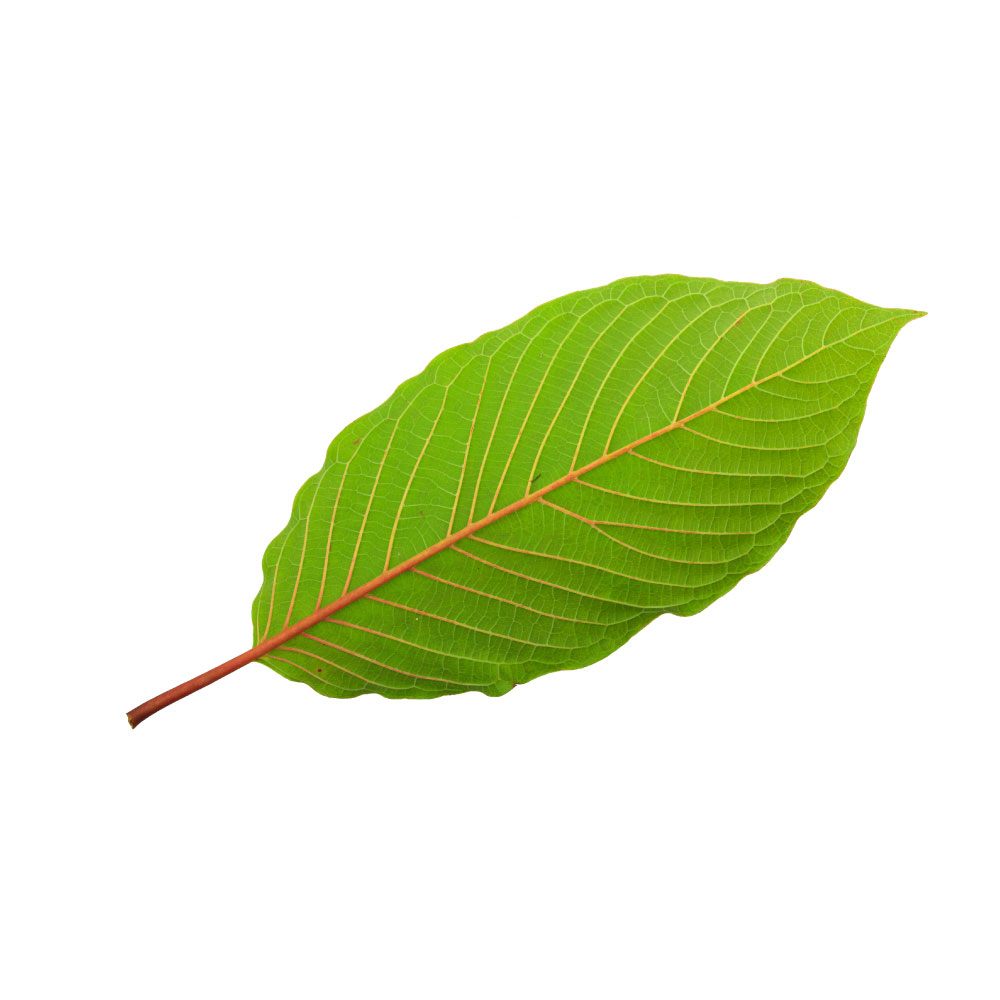 Kratom Mitragyna speciosa Documented for epicatechin.
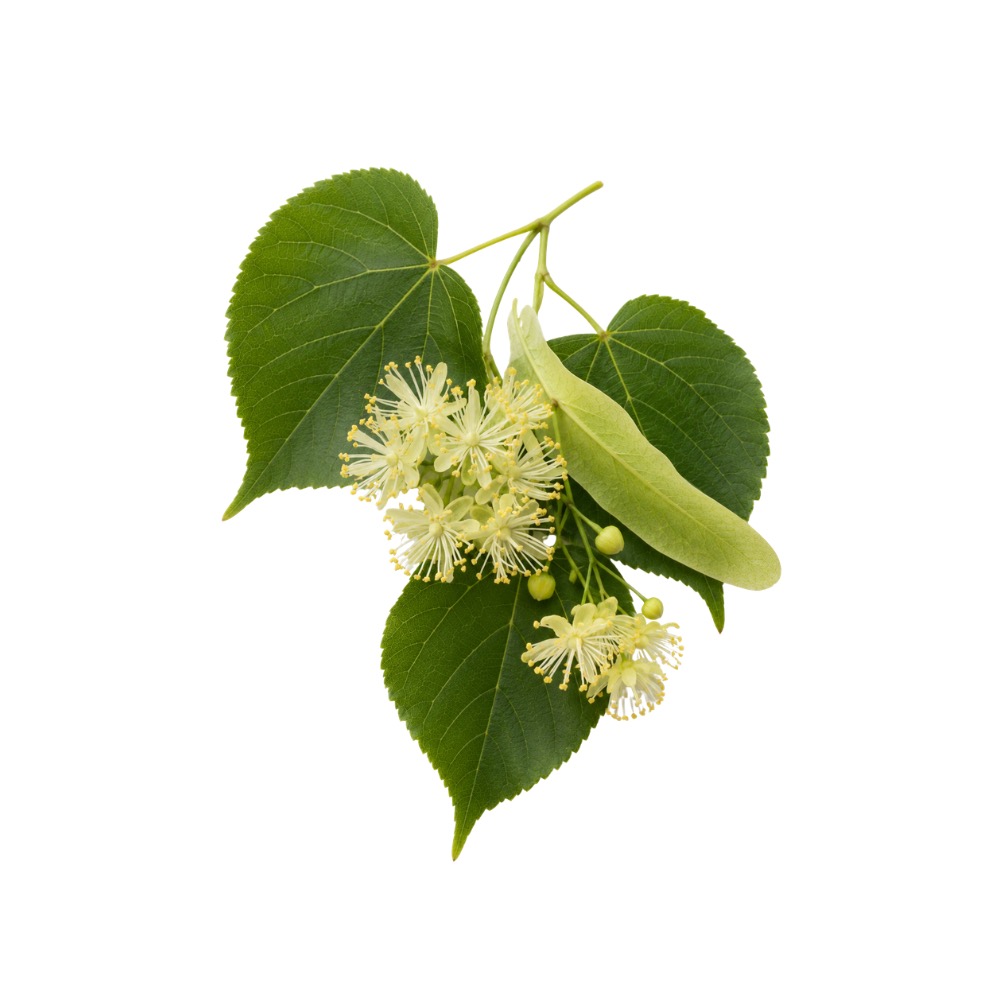 Linden Flower Tilia spp. Documented for epicatechin.
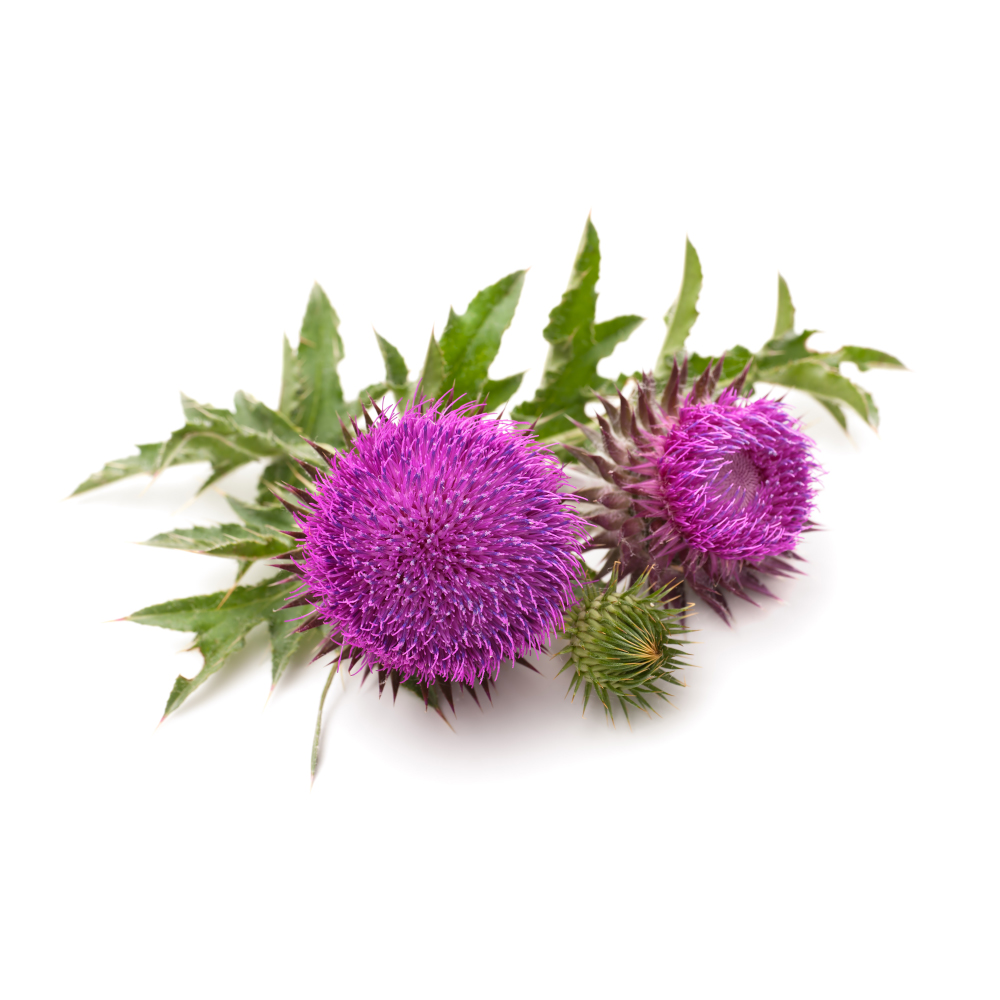 Milk Thistle Silybum marianum Documented for taxifolin.
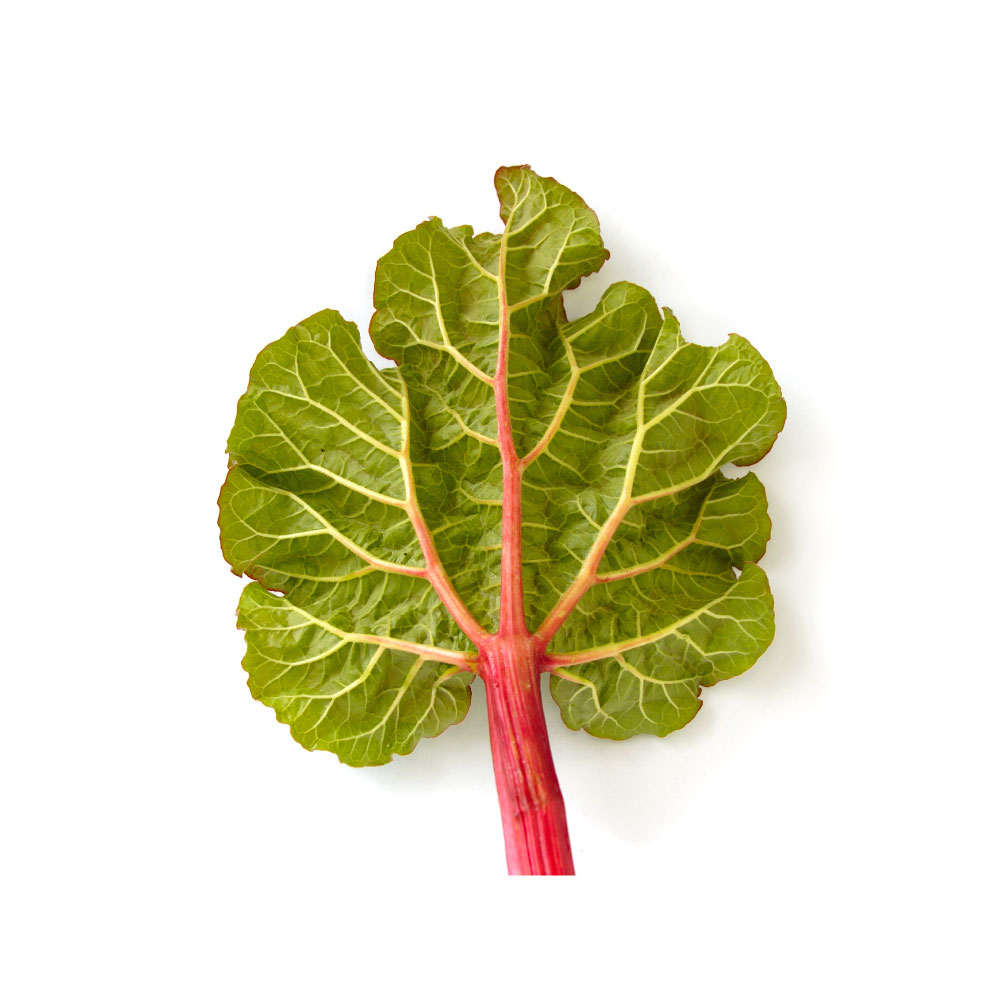 Rhubarb Rheum palmatum Documented for catechin.
Keep Exploring
Other Compound Classes
Keep Reading
 GuidesThe Best Kava: A Buyer's GuideHow to buy good kava: noble vs two-day cultivars, which part of the root, chemotype codes, origin, form, and the batch tests a seller should show you.
Read more
 GuidesThe Amazon's Endangered Medicinal PlantsThe Amazon gives us some of our most important medicines — but which healing plants are actually endangered?
Read more
 NutritionThe Best Yerba Maté Brands [Reviewed]A drinker's guide to buying yerba maté — what actually changes the taste, and ten brands worth your money.
Read more
 GuidesHow to Prepare Yerba Maté — The Five Best MethodsHow to brew yerba maté properly — the traditional gourd method, plus tereré, french press and cold brew.
Read more