
Subclass of Phenolics
Proanthocyanidins
Chains of flavanol units, also called condensed tannins — the astringent fraction of grape seed, pine bark and cranberry.
Proanthocyanidins at a Glance
Proanthocyanidins are a class, not a compound. They are the condensed tannins: chains of flavan-3-ol units — catechin, epicatechin and their gallocatechin relatives — joined into oligomers and polymers, and they are what makes bark, seed and unripe fruit taste astringent. The name comes from a laboratory reaction: heat them in acid and the chains break to release coloured anthocyanidins, cyanidin from the catechin-derived procyanidins and delphinidin from the gallocatechin-derived prodelphinidins.
Two structural facts carry almost all the practical weight, and both are about how the units are joined rather than what they are.
The first is the A-type linkage. Most proanthocyanidins are B-type, joined by a single carbon-carbon bond. Cranberry’s carry an extra ether bridge, and that difference appears to be what makes them work: isolated A-type cranberry proanthocyanidins blocked E. coli adhesion at 60 µg/mL, while B-type proanthocyanidins from grape managed only minor activity at twenty times the concentration and those from apple, green tea and dark chocolate did nothing at all 1Reference 1Clinical trialA-type cranberry proanthocyanidins and uropathogenic bacterial anti-adhesion activity — in vitro and clinical trialView study →.
The second is chain length. Monomers and small oligomers are absorbed to a limited extent; larger polymers essentially are not, and pass to the colon. In a controlled human trial, monomeric flavanols were converted to absorbable microbial metabolites about tenfold more efficiently than oligomeric procyanidins delivering an equivalent dose 6Reference 6RCTMonomeric flavanols are more efficient substrates for gut microbiota conversion to hydroxyphenyl-γ-valerolactone metabolites than oligomeric procyanidins: a randomized, placebo-controlled human intervention trial — randomised controlled trialView study →. That single fact explains why proanthocyanidin research so often reports effects in the gut and the urinary tract rather than in the tissues an antioxidant story would predict.
A-Type and B-Type
The interflavan bond is the class’s most consequential variable.
B-type proanthocyanidins — the ordinary kind, and the great majority — are joined by a single carbon-carbon bond between the units, C4 to C8 or C4 to C6. Grape seed, cocoa, apple, tea and most fruit proanthocyanidins are B-type, and the familiar dimers procyanidin B1 and procyanidin B2 are their reference structures.
A-type proanthocyanidins carry an additional ether bond, C2 to O7, locking the two units into a rigid doubly-linked arrangement. They are much less common, and cranberry is the notable source.
The comparison that establishes why this matters was done directly. A-type proanthocyanidins isolated from cranberry juice cocktail, B-type from commercial grape and apple juice, green tea and dark chocolate, all structurally confirmed by mass spectrometry, were tested for their ability to prevent P-fimbriated uropathogenic E. coli adhering to uroepithelial cells. The A-type cranberry fraction was active at 60 µg/mL; the grape B-type showed only minor activity at 1,200 µg/mL; the rest were inactive. Anti-adhesion activity was then detectable in human urine after drinking cranberry juice cocktail, and not after any of the other products 1Reference 1Clinical trialA-type cranberry proanthocyanidins and uropathogenic bacterial anti-adhesion activity — in vitro and clinical trialView study →.
That is as clean a structure-activity result as this class offers, and it is the reason cranberry cannot be substituted with another proanthocyanidin source.
What the Human Trials Do and Do Not Show
Proanthocyanidins have more human data than most plant polyphenols, and it is worth being precise about what the trials tested.
Urinary tract infection — the strongest evidence, and population-dependent. The Cochrane review of cranberry products for preventing urinary tract infection now covers 50 studies and 8,857 participants. Cranberry products reduced the risk of symptomatic, culture-verified infection overall (relative risk 0.70, 95% CI 0.58–0.84, moderate certainty), and the benefit held in three specific groups: women with recurrent infections (RR 0.74), children (RR 0.46) and people made susceptible by an intervention (RR 0.47). It did not hold in elderly institutionalised people (RR 0.93), pregnant women (RR 1.06) or adults with neuromuscular bladder dysfunction (RR 0.97) 2Reference 2Systematic reviewCranberries for preventing urinary tract infections — systematic reviewView study →. Dose matters and has been measured: anti-adhesion activity in urine following cranberry powder standardised for proanthocyanidin content was dose-dependent in a multicentre randomised trial 3Reference 3RCTDosage effect on uropathogenic Escherichia coli anti-adhesion activity in urine following consumption of cranberry powder standardized for proanthocyanidin content: a multicentric randomized double blind study — randomised controlled trialView study →.
Vascular — real but small, and from one preparation. In a randomised, double-blind, placebo-controlled trial in 30 middle-aged Japanese adults with prehypertension, 400 mg/day of grape seed proanthocyanidin extract lowered mean systolic pressure by 13 mmHg over 12 weeks (P = 0.028), while flow-mediated dilation did not change; a 200 mg/day arm did not reach significance, and measures of arterial stiffness improved in a post-hoc analysis restricted to non-smokers 5Reference 5RCTEffects of grape seed proanthocyanidin extract on vascular endothelial function in participants with prehypertension: a randomized, double-blind, placebo-controlled study — randomised controlled trialView study →. The grape-seed preparation with the longest research history, developed from Masquelier’s 1947 work, has an 8-week supplementation study reporting favourable vascular changes in healthy volunteers 4Reference 4ReviewMasquelier’s grape seed extract: from basic flavonoid research to a well-characterized food supplement with health benefits — reviewView study →.
Cancer — preclinical. Grape seed proanthocyanidins are widely described as chemopreventive on the strength of cell and animal work: suppression of tumour-induced angiogenesis through VEGF and Ang1 in colon cancer models 8Reference 8In vitroGrape seed proanthocyanidins inhibit colon cancer-induced angiogenesis through suppressing the expression of VEGF and Ang1 — in vitroView study →, and a large free-radical-scavenging and cancer-prevention literature 9Reference 9ReviewFree radical scavenging, antioxidant and cancer chemoprevention by grape seed proanthocyanidin: an overview — reviewView study →. There is no human cancer outcome.
What none of it shows is an effect of “proanthocyanidins” as such. Every positive human result belongs to a specific standardised preparation — a cranberry product with a stated proanthocyanidin content, a particular grape seed extract at a particular dose — and the class name is a description of what those products contain, not a claim that any proanthocyanidin-bearing plant does the same thing.
What It's Used For
The evidence sorts by where the compounds get to. Effects in the gut lumen and the urinary tract are the best supported; systemic antioxidant claims run into the absorption problem.
The class’s best evidence, and the clearest example of why structure matters. Isolated A-type proanthocyanidins from cranberry prevented P-fimbriated uropathogenic E. coli adhering to uroepithelial cells at 60 µg/mL; B-type proanthocyanidins from grape juice were only minorly active at 1,200 µg/mL and those from apple juice, green tea and dark chocolate were inactive. Anti-adhesion activity appeared in human urine after cranberry juice cocktail and after none of the others 1Reference 1Clinical trialA-type cranberry proanthocyanidins and uropathogenic bacterial anti-adhesion activity — in vitro and clinical trialView study →.
A multicentre randomised double-blind study then showed the urinary anti-adhesion effect is dose-dependent on the proanthocyanidin content of cranberry powder 3Reference 3RCTDosage effect on uropathogenic Escherichia coli anti-adhesion activity in urine following consumption of cranberry powder standardized for proanthocyanidin content: a multicentric randomized double blind study — randomised controlled trialView study →.
Clinically, the fifth update of the Cochrane review pooled 50 studies in 8,857 participants: cranberry products reduced symptomatic culture-verified infection with a relative risk of 0.70 (95% CI 0.58–0.84, moderate certainty). Benefit was found in women with recurrent infections (RR 0.74), children (RR 0.46) and people susceptible following an intervention (RR 0.47), and not in elderly institutionalised men and women (RR 0.93), pregnant women (RR 1.06) or adults with neuromuscular bladder dysfunction (RR 0.97) 2Reference 2Systematic reviewCranberries for preventing urinary tract infections — systematic reviewView study →.
Gap: the trials test cranberry products rather than isolated proanthocyanidins, heterogeneity is substantial, and the negative subgroups are as informative as the positive ones — this is not a general anti-infective effect.
The oldest and most reliable property. Condensed tannins bind and precipitate proteins, which is what astringency is, and what tanning is — conifer barks rich in them were commercial tanning materials, and bark and knotwood extracts remain of industrial interest as antioxidants recovered from wood-processing waste 11Reference 11Knotwood and bark extracts: strong antioxidants from waste materialsView study →.
In medicine this is the basis of traditional astringent use: tightening mucous membranes, reducing exudate and easing diarrhoea. The dried bilberry fruit is the standard example, with a European pharmacopoeial minimum of 1.0% tannins, and this astringent fraction is explicitly separate from the anthocyanin pharmacology of the fresh berry and its extracts — the anthocyanins have their own literature, including animal work on experimental colitis 10Reference 10AnimalBilberries and their anthocyanins ameliorate experimental colitis — animal in vivoView study → — so it is a different constituent, preparation and indication 12Reference 12ReviewAssessment report on Vaccinium myrtillus L., fructus recens and fructus siccus — monograph.
Witch hazel bark’s polymeric proanthocyanidins underlie its astringency in the same way.
Gap: astringency is a well-understood physical chemistry with very little modern clinical trial evidence attached to it; the traditional indications rest on long use and mechanism rather than on randomised data.
A modest, single-preparation human signal. In a randomised, double-blind, placebo-controlled trial, 30 middle-aged Japanese adults with prehypertension took 200 mg/day or 400 mg/day of grape seed proanthocyanidin extract or placebo for 12 weeks. Mean systolic pressure in the high-dose group fell by 13 mmHg (P = 0.028); flow-mediated dilation did not change, and in a post-hoc analysis of non-smokers, arterial stiffness measures including pulse-wave velocity improved significantly against placebo 5Reference 5RCTEffects of grape seed proanthocyanidin extract on vascular endothelial function in participants with prehypertension: a randomized, double-blind, placebo-controlled study — randomised controlled trialView study →.
The grape seed extract with the longest research lineage — Masquelier’s, developed from 1947 and characterised in detail since — has separately reported favourable vascular changes and shifts in leukocyte inflammatory gene expression after eight weeks in healthy volunteers 4Reference 4ReviewMasquelier’s grape seed extract: from basic flavonoid research to a well-characterized food supplement with health benefits — reviewView study →.
Gap: 30 participants, one preparation, an endpoint that improved while its mechanistic correlate (flow-mediated dilation) did not, and post-hoc subgroup analysis for the stiffness findings. Not a class effect.
The largest literature and the weakest link to people. Grape seed proanthocyanidins are extensively documented as free-radical scavengers and as chemopreventive agents in cell and rodent models 9Reference 9ReviewFree radical scavenging, antioxidant and cancer chemoprevention by grape seed proanthocyanidin: an overview — reviewView study →, including suppression of tumour-induced angiogenesis through VEGF and Ang1 in colon cancer models 8Reference 8In vitroGrape seed proanthocyanidins inhibit colon cancer-induced angiogenesis through suppressing the expression of VEGF and Ang1 — in vitroView study →.
The colorectal focus has a rationale rather than being arbitrary: since the larger oligomers are poorly absorbed and reach the colon largely intact, the colon is where luminal concentrations are highest.
Against that sits the absorption evidence. In a randomised placebo-controlled crossover trial, participants took apple extract delivering either monomeric flavanols or an equivalent dose of oligomeric procyanidins; urinary excretion of the absorbable microbial metabolites was tenfold higher from the monomers, about 22% of catechins being converted against limited conversion of the procyanidins 6Reference 6RCTMonomeric flavanols are more efficient substrates for gut microbiota conversion to hydroxyphenyl-γ-valerolactone metabolites than oligomeric procyanidins: a randomized, placebo-controlled human intervention trial — randomised controlled trialView study →.
Gap: no human cancer or antioxidant clinical outcome, and the in-vitro concentrations that produce these effects are not reached in tissue after an oral dose of oligomers.
Mechanisms
| Target / pathway | Effect | Relevant to |
|---|---|---|
| Bacterial P-fimbriae / uroepithelial adhesion | Blocked by A-type proanthocyanidins at 60 µg/mL; B-type largely inactive | Urinary tract infection prevention |
| Proteins generally | Binding and precipitation — the definition of astringency and of tanning | Traditional astringent use; tanning industry |
| Gut lumen | Large oligomers reach the colon intact at high concentration | Where the effects that do exist are seen |
| Gut microbiota | Conversion of flavanols to hydroxyphenyl-γ-valerolactones — efficient for monomers, limited for oligomers | Why systemic claims are weak |
| Free radicals | Direct scavenging, well demonstrated in vitro | The antioxidant literatureat concentrations not reached in tissue |
| Vascular smooth muscle and arterial stiffness | Improved in one standardised-extract trial | Blood pressure |
| CYP3A4 | Mild and brand-variable inhibition by grape seed extracts in vitro (0–27%) | Theoretical interactions; see Toxicity |
The pattern across the table is that proanthocyanidins act where they are concentrated — on surfaces, in the gut lumen and in the urinary tract — rather than systemically.
Pharmacokinetics
Absorption is the defining constraint, and it depends on chain length. Monomeric flavanols are absorbed to a modest degree and extensively metabolised; oligomers and polymers are largely not absorbed and pass into the colon, where the microbiota degrade some of them to smaller phenolic acids and hydroxyphenyl-γ-valerolactones. The comparison has been made directly in people: over 28 days, an apple extract delivering monomeric flavanols produced tenfold higher urinary excretion of these metabolites than one delivering an equivalent dose as oligomeric procyanidins, with roughly 22% of catechins converted against limited conversion of the oligomers 6Reference 6RCTMonomeric flavanols are more efficient substrates for gut microbiota conversion to hydroxyphenyl-γ-valerolactone metabolites than oligomeric procyanidins: a randomized, placebo-controlled human intervention trial — randomised controlled trialView study →.
Two consequences follow, and they point in opposite directions. Systemic claims for the oligomeric fraction are poorly supported, because very little of it reaches the circulation. But poor absorption is itself a mechanism where the target is luminal — the unabsorbed polymers arrive in the colon at high concentration, which is a plausible reason the preclinical anticancer signal is strongest for the colon 8Reference 8In vitroGrape seed proanthocyanidins inhibit colon cancer-induced angiogenesis through suppressing the expression of VEGF and Ang1 — in vitroView study →, and the anti-adhesion story works because the active material is excreted into urine rather than retained 1,
Clinical Trials
Human trials exist in quantity but always test products, not the class: cranberry preparations for urinary tract infection, 50 trials pooled in Cochrane 2,
| Completed | Planned | Terminated | Preclinical |
|---|---|---|---|
| Cranberry UTI prevention (50 trials); grape seed extract vascular (small); flavanol bioavailability | — | — | Extensive antioxidant, anticancer and antimicrobial work |
Last checked: September 2026.
Isolate vs. Plant Studies
This class cannot really be isolated in the ordinary sense, because there is no single molecule to purify. What exists instead is a spectrum of preparations, and the position on that spectrum decides how much a result can be trusted:
- Structurally defined fractions — the A-type and B-type proanthocyanidins compared by mass spectrometry in the anti-adhesion study 1Reference 1Clinical trialA-type cranberry proanthocyanidins and uropathogenic bacterial anti-adhesion activity — in vitro and clinical trialView study → — support real structure-activity conclusions.
- Standardised extracts — grape seed extract at a defined proanthocyanidin content, cranberry powder standardised for proanthocyanidins — support product-level conclusions, and the trials above are all of this kind 3,
4, .5Reference 3RCTDosage effect on uropathogenic Escherichia coli anti-adhesion activity in urine following consumption of cranberry powder standardized for proanthocyanidin content: a multicentric randomized double blind study — randomised controlled trialView study →Reference 4ReviewMasquelier’s grape seed extract: from basic flavonoid research to a well-characterized food supplement with health benefits — reviewView study →Reference 5RCTEffects of grape seed proanthocyanidin extract on vascular endothelial function in participants with prehypertension: a randomized, double-blind, placebo-controlled study — randomised controlled trialView study → - Whole plant material — bark, dried fruit, seed — supports very little quantitatively, because chain-length distribution and content vary with species, part, season and processing.
The standardisation problem is not incidental. Commercial extracts differ substantially in oligomer size and proanthocyanidin content between manufacturers, which changes both absorption and effect 4Reference 4ReviewMasquelier’s grape seed extract: from basic flavonoid research to a well-characterized food supplement with health benefits — reviewView study →, and different brands of the same nominal supplement have produced measurably different results in the same assay 7Reference 7In vitroVariable inhibitory effect of different brands of commercial herbal supplements on human cytochrome P-450 CYP3A4 — in vitroView study →. A milligram figure from one product is not a dose of another.
Its Role in Plants
Condensed tannins are defence chemistry, and their distribution follows the job. They accumulate in bark, seed coats and unripe fruit — the tissues a plant most needs to protect from herbivores, insects and fungal attack — and their protein-binding astringency is the deterrent, making tissue unpalatable and reducing the digestibility of what is eaten anyway. The same chemistry preserves dead tissue, which is why tannin-rich bark resists decay and why tanning works on leather at all.
The ripening of fruit is the clearest demonstration. Unripe fruit is astringent and well defended; as it ripens and the seed becomes viable, proanthocyanidins are polymerised or bound and the astringency falls away, which is precisely when the plant wants the fruit eaten. Seeds keep theirs — grape seed remains astringent in a ripe grape.
Prevalence in Nature
Proanthocyanidins are among the most widely distributed plant polyphenols, concentrated wherever a plant invests in defence.
Barks are the richest sources. Western hemlock (Tsuga heterophylla) bark carries enough condensed tannin to have been used industrially, and its bark and knotwood extracts are studied as antioxidants recovered from wood-processing waste 11Reference 11Knotwood and bark extracts: strong antioxidants from waste materialsView study →; pine bark is the source of the standardised extracts sold for the oligomeric fraction; and witch hazel bark’s polymeric proanthocyanidins carry its astringency. Seeds are next: grape seed is the defining source of the oligomeric proanthocyanidin trade, standardised to a stated proanthocyanidin content 4Reference 4ReviewMasquelier’s grape seed extract: from basic flavonoid research to a well-characterized food supplement with health benefits — reviewView study →.
Among fruits, cranberry is unique for its A-type structures 1Reference 1Clinical trialA-type cranberry proanthocyanidins and uropathogenic bacterial anti-adhesion activity — in vitro and clinical trialView study →; bilberry dried fruit carries a pharmacopoeial minimum of 1.0% tannins, distinct from its anthocyanins 12Reference 12ReviewAssessment report on Vaccinium myrtillus L., fructus recens and fructus siccus — monograph; and cocoa, apple, hawthorn, chokecherry and most rose-family fruits carry B-type procyanidins. In ginkgo leaf they are a minor condensed-flavanol fraction contributing to antioxidant capacity but not to the extract’s characteristic pharmacology.
The building blocks are the ordinary flavan-3-ols — catechin, epicatechin and their gallocatechin relatives — and the dimers procyanidin B1 and procyanidin B2 are the standard reference structures.
Discovery & Commercial Production
The condensed tannins were distinguished from the hydrolysable tannins in the nineteenth century by exactly the reaction that named them: heated with acid, they condense into coloured anthocyanidins rather than hydrolysing into sugars and simple phenolic acids.
Their modern commercial history begins in 1947, when Jack Masquelier isolated the oligomeric flavan-3-ol fraction and developed it, first from pine bark and later from grape seed, into a standardised botanical preparation — the origin of the “OPC” supplement category. That preparation’s analysis has tracked the improvement of the methods available, moving from unspecific colorimetric assays to liquid chromatography–mass spectrometry and nuclear magnetic resonance fingerprinting 4Reference 4ReviewMasquelier’s grape seed extract: from basic flavonoid research to a well-characterized food supplement with health benefits — reviewView study →.
Production remains extraction rather than synthesis. Grape seed and pine bark are the main feedstocks, and the commercial variables — grape variety, extraction solvent, degree of polymerisation, and which assay defines the label figure — are exactly the ones that make products non-equivalent 4Reference 4ReviewMasquelier’s grape seed extract: from basic flavonoid research to a well-characterized food supplement with health benefits — reviewView study →.
Toxicity & Safety
Proanthocyanidins carry a low flag. They are ordinary dietary polyphenols eaten daily in fruit, cocoa, tea and wine, and the standardised extracts have a good tolerability record in trials 2,
The characteristic issue is the one that follows from being a tannin: they bind proteins and minerals in the gut. High intakes can modestly reduce the absorption of dietary non-haem iron and of protein, which matters mainly for people with marginal iron status, and taking tannin-rich preparations away from iron-containing meals is the usual practical answer. Concentrated tannin preparations can also irritate the stomach on an empty stomach, the same property that makes strong astringent teas unpleasant.
On interactions, the picture is milder than often implied. Testing nine brands of grape seed extract against human CYP3A4 in vitro, four had no effect and five produced mild-to-moderate inhibition ranging from 6.4% to 26.8% — while green tea extract, tested alongside, ranged from 5.6% to 89.9% inhibition depending on brand 7Reference 7In vitroVariable inhibitory effect of different brands of commercial herbal supplements on human cytochrome P-450 CYP3A4 — in vitroView study →. So the notable finding in that study is brand-to-brand variability, and the pronounced inhibitor was green tea rather than grape seed. Grape seed extracts have a theoretical antiplatelet consideration on their vascular pharmacology, though the trials report good tolerability 4,
Cranberry preparations are well tolerated in the Cochrane trials, with adherence rather than adverse effects being the usual limitation 2Reference 2Systematic reviewCranberries for preventing urinary tract infections — systematic reviewView study →. Pregnancy and lactation decisions belong on the herb or product page; the cranberry review found no benefit in pregnancy but did not identify harm 2Reference 2Systematic reviewCranberries for preventing urinary tract infections — systematic reviewView study →.
- Ordinary dietary polyphenols. Eaten daily in fruit, cocoa and tea, with good tolerability in trials of standardised extracts.
- Poorly absorbed, which limits systemic exposure — a constraint on the claims more than a safety concern.
- They are tannins. High intakes bind dietary protein and non-haem iron; separate tannin-rich preparations from iron-containing meals if iron status is marginal.
- Products are not equivalent. Oligomer size and proanthocyanidin content vary between manufacturers, and different brands gave different results in the same CYP3A4 assay.
- A-type and B-type are not interchangeable. A grape or apple proanthocyanidin does not substitute for cranberry’s anti-adhesion activity.
Dosage
There is no dose for a class. The figures below are the preparations and doses used in research. These are doses studied in research and are not a personal recommendation.
| Context | Form | Dose |
|---|---|---|
| Blood pressure (prehypertension) | Grape seed proanthocyanidin extract | 400 mg/day for 12 weeks (200 mg/day not significant) 5Reference 5RCTEffects of grape seed proanthocyanidin extract on vascular endothelial function in participants with prehypertension: a randomized, double-blind, placebo-controlled study — randomised controlled trialView study → |
| Vascular function (healthy adults) | Masquelier-type grape seed extract | 8-week supplementation 4Reference 4ReviewMasquelier’s grape seed extract: from basic flavonoid research to a well-characterized food supplement with health benefits — reviewView study → |
| Urinary tract infection prevention | Cranberry products standardised for proanthocyanidin content | Varied across 50 trials; urinary anti-adhesion is dose-dependent 2, |
| Anti-adhesion (in vitro) | Isolated A-type cranberry proanthocyanidins | Active at 60 µg/mL; B-type grape minorly active at 1,200 µg/mL 1Reference 1Clinical trialA-type cranberry proanthocyanidins and uropathogenic bacterial anti-adhesion activity — in vitro and clinical trialView study → |
| Traditional astringent use | Bark decoction, dried fruit | Not standardised; bilberry dried fruit ≥1.0% tannins 12Reference 12ReviewAssessment report on Vaccinium myrtillus L., fructus recens and fructus siccus — monograph |
References
- Howell AB, Reed JD, Krueger CG, et al. (2005). A-type cranberry proanthocyanidins and uropathogenic bacterial anti-adhesion activity — in vitro and clinical trial. Phytochemistry. https://pubmed.ncbi.nlm.nih.gov/16055161/
- Williams G, Stothart CI, Hahn D, et al. (2023). Cranberries for preventing urinary tract infections — systematic review. Cochrane Database Syst Rev. https://pubmed.ncbi.nlm.nih.gov/37947276/
- Howell AB, Botto H, Combescure C, et al. (2010). Dosage effect on uropathogenic Escherichia coli anti-adhesion activity in urine following consumption of cranberry powder standardized for proanthocyanidin content: a multicentric randomized double blind study — randomised controlled trial. BMC Infect Dis. https://pubmed.ncbi.nlm.nih.gov/20398248/
- Weseler AR, Bast A (2017). Masquelier’s grape seed extract: from basic flavonoid research to a well-characterized food supplement with health benefits — review. Nutr J. https://pubmed.ncbi.nlm.nih.gov/28103873/
- Odai T, Terauchi M, Kato K, et al. (2019). Effects of grape seed proanthocyanidin extract on vascular endothelial function in participants with prehypertension: a randomized, double-blind, placebo-controlled study — randomised controlled trial. Nutrients. https://pubmed.ncbi.nlm.nih.gov/31757033/
- Hollands WJ, Philo M, Perez-Moral N, et al. (2020). Monomeric flavanols are more efficient substrates for gut microbiota conversion to hydroxyphenyl-γ-valerolactone metabolites than oligomeric procyanidins: a randomized, placebo-controlled human intervention trial — randomised controlled trial. Mol Nutr Food Res. https://pubmed.ncbi.nlm.nih.gov/32223044/
- Wanwimolruk S, Wong K, Wanwimolruk P (2009). Variable inhibitory effect of different brands of commercial herbal supplements on human cytochrome P-450 CYP3A4 — in vitro. Drug Metabol Drug Interact. https://pubmed.ncbi.nlm.nih.gov/19353999/
- Huang S, Yang N, Liu Y, et al. (2012). Grape seed proanthocyanidins inhibit colon cancer-induced angiogenesis through suppressing the expression of VEGF and Ang1 — in vitro. Int J Mol Med. https://pubmed.ncbi.nlm.nih.gov/23026853/
- Bagchi D, Swaroop A, Preuss HG, et al. (2014). Free radical scavenging, antioxidant and cancer chemoprevention by grape seed proanthocyanidin: an overview — review. Mutat Res. https://pubmed.ncbi.nlm.nih.gov/24751946/
- Piberger H, Oehme A, Hofmann C, et al. (2011). Bilberries and their anthocyanins ameliorate experimental colitis — animal in vivo. Mol Nutr Food Res. https://pubmed.ncbi.nlm.nih.gov/21957076/
- Pietarinen SP, Willför SM, Ahotupa MO, Hemming JE, Holmbom BR (2006). Knotwood and bark extracts: strong antioxidants from waste materials. Journal of Wood Science. https://doi.org/10.1007/s10086-005-0780-1
- European Medicines Agency, Committee on Herbal Medicinal Products (2015). Assessment report on Vaccinium myrtillus L., fructus recens and fructus siccus — monograph. EMA/HMPC/375808/2014.
Constituents
All Proanthocyanidins
3 totalNo proanthocyanidins match.
Not yet in the database: Procyanidin A1, Procyanidin A2, Procyanidin B3, Procyanidin B4, Procyanidin C1, Cinnamtannin B1, Propelargonidins.
Source Plants
Herbs Containing Proanthocyanidins
23 herbsPlants in the materia medica documented to carry proanthocyanidins, with the compounds each one is listed for. The bar counts how many DISTINCT proanthocyanidins are on record for a plant, relative to the best-documented — it measures breadth of record, not potency, so a plant with one well-studied compound can outrank a richer source that has simply been analysed less. No concentration figures are on record for this class yet, so nothing here distinguishes a major source from a trace.
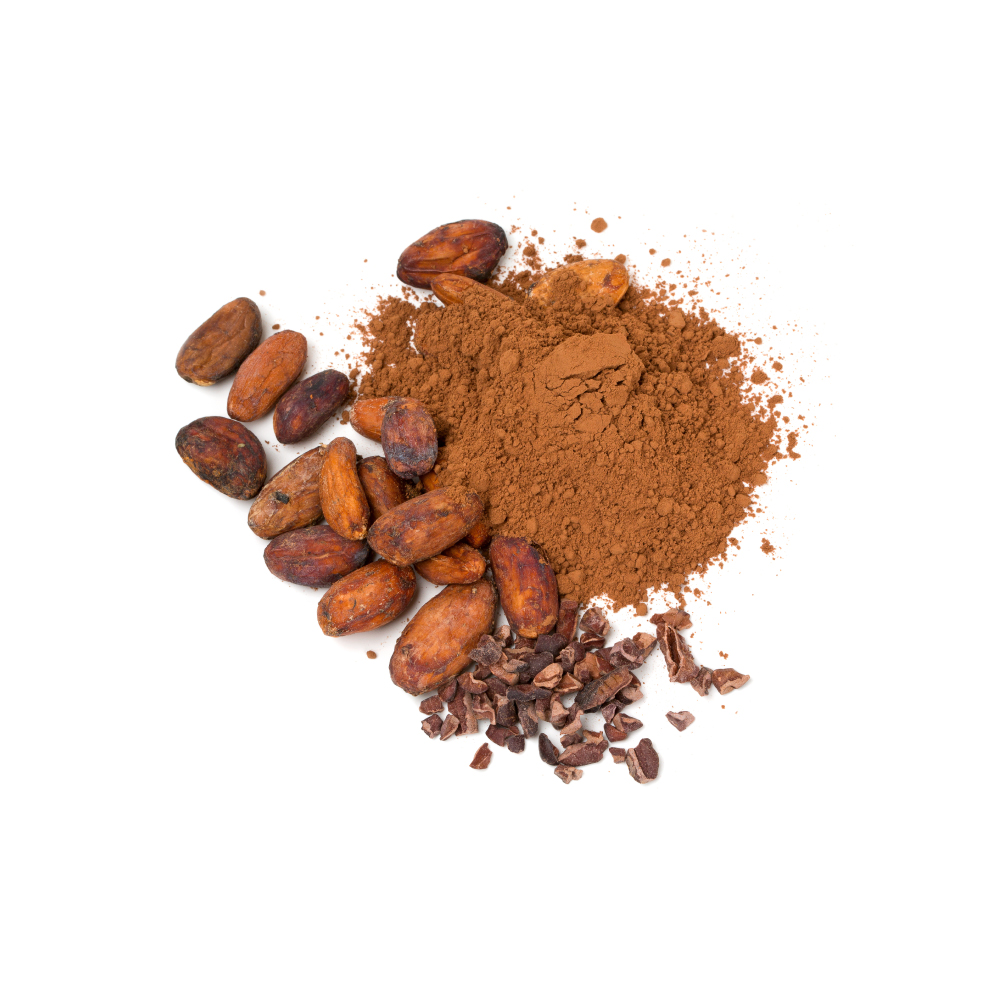 Cacao Theobroma cacao Documented for proanthocyanidins, procyanidin B2, procyanidins.
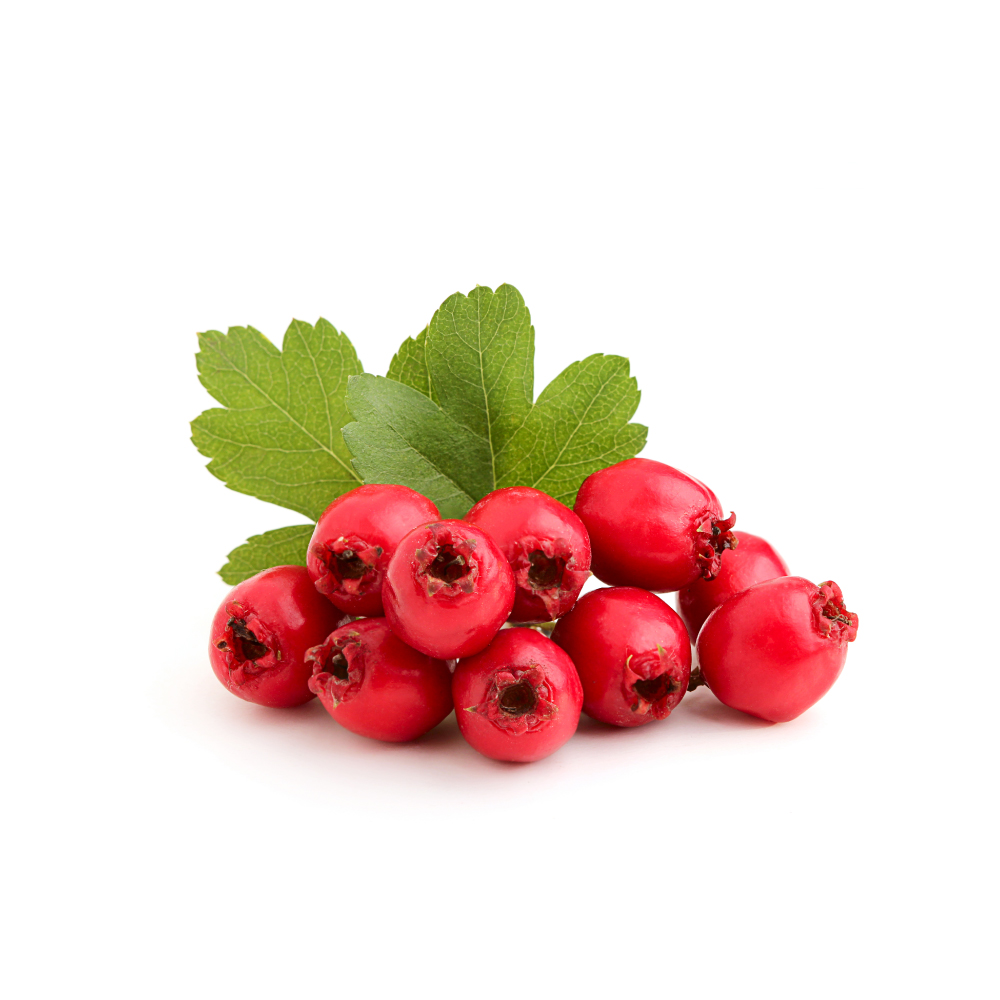 Hawthorn Crataegus oxyacantha Documented for oligomeric procyanidins, procyanidin B1, procyanidin B2.
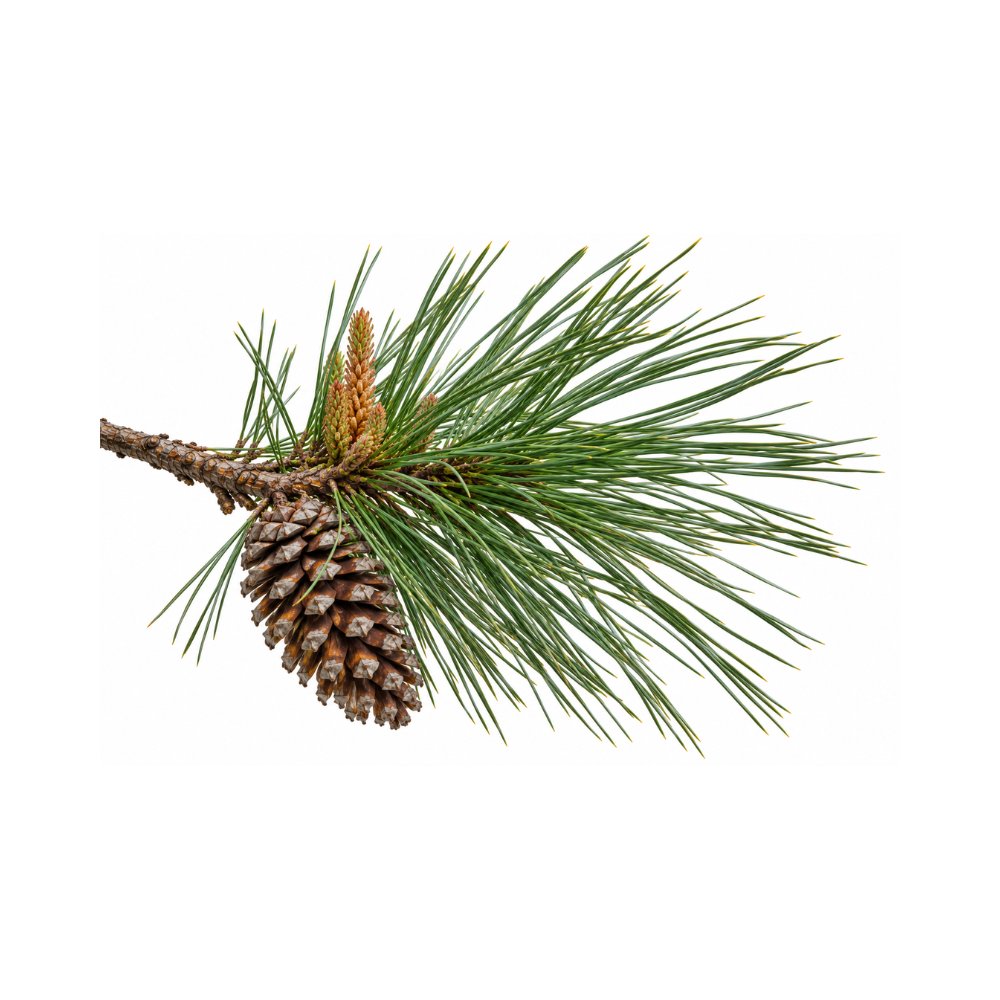 Monterey Pine Pinus radiata Documented for proanthocyanidins, procyanidins, prodelphinidins.
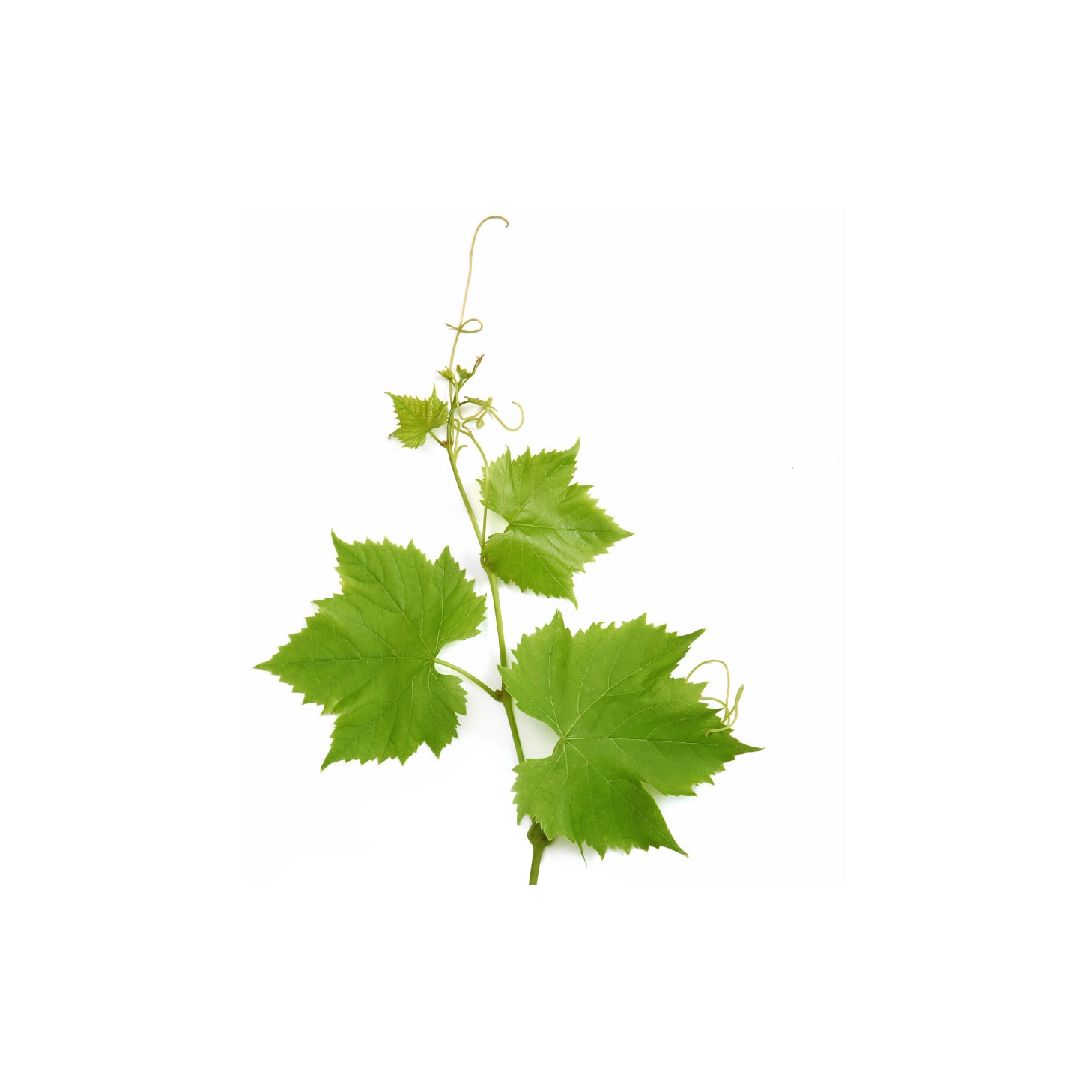 Grape Seed Extract Vitis vinifera Documented for oligomeric proanthocyanidins, procyanidin B2.
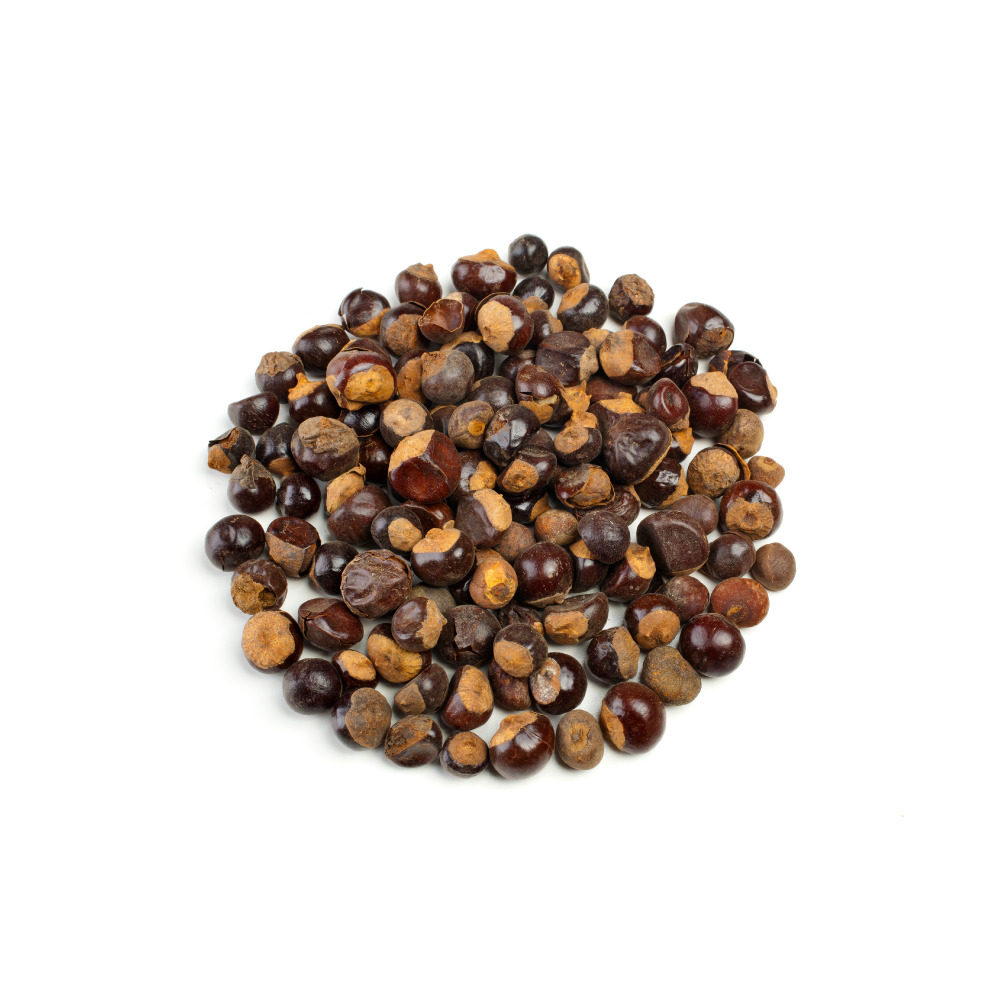 Guarana Paullinia cupana Documented for proanthocyanidins, procyanidin. Korean Red Pine Pinus densiflora Documented for proanthocyanidins, procyanidin B1. Maritime Pine Pinus pinaster Documented for proanthocyanidins, procyanidins.
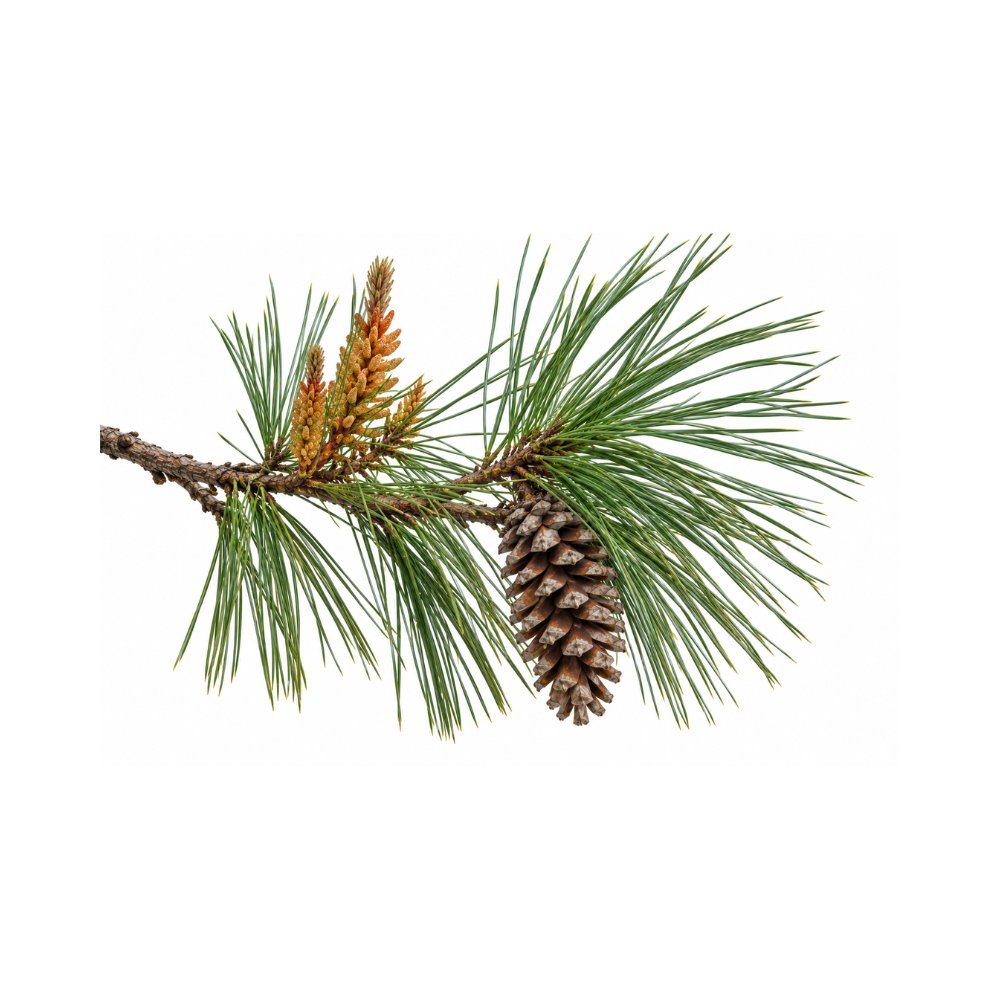 Masson Pine Pinus massoniana Documented for proanthocyanidins, procyanidins.
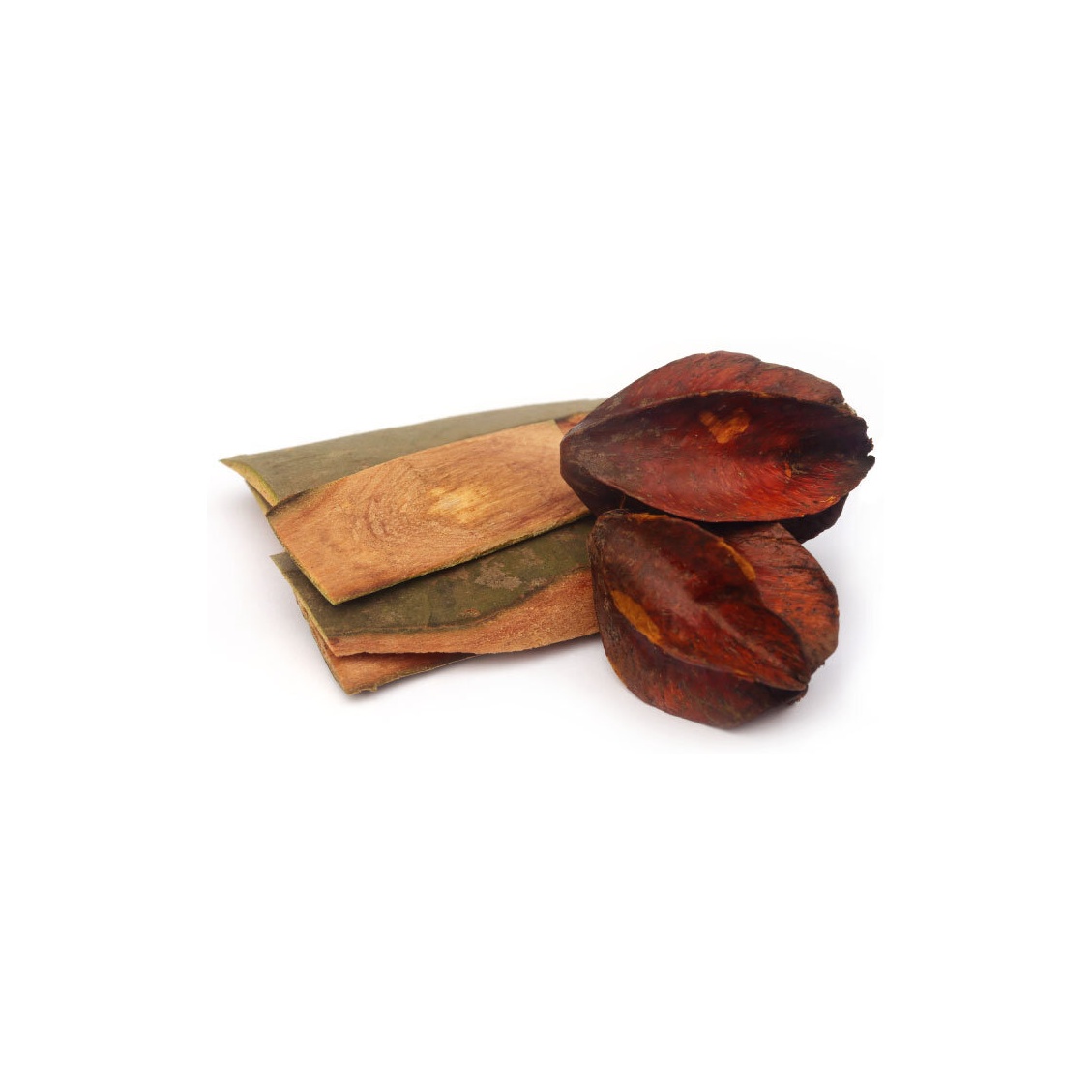 Arjuna Terminalia arjuna Documented for proanthocyanidins.
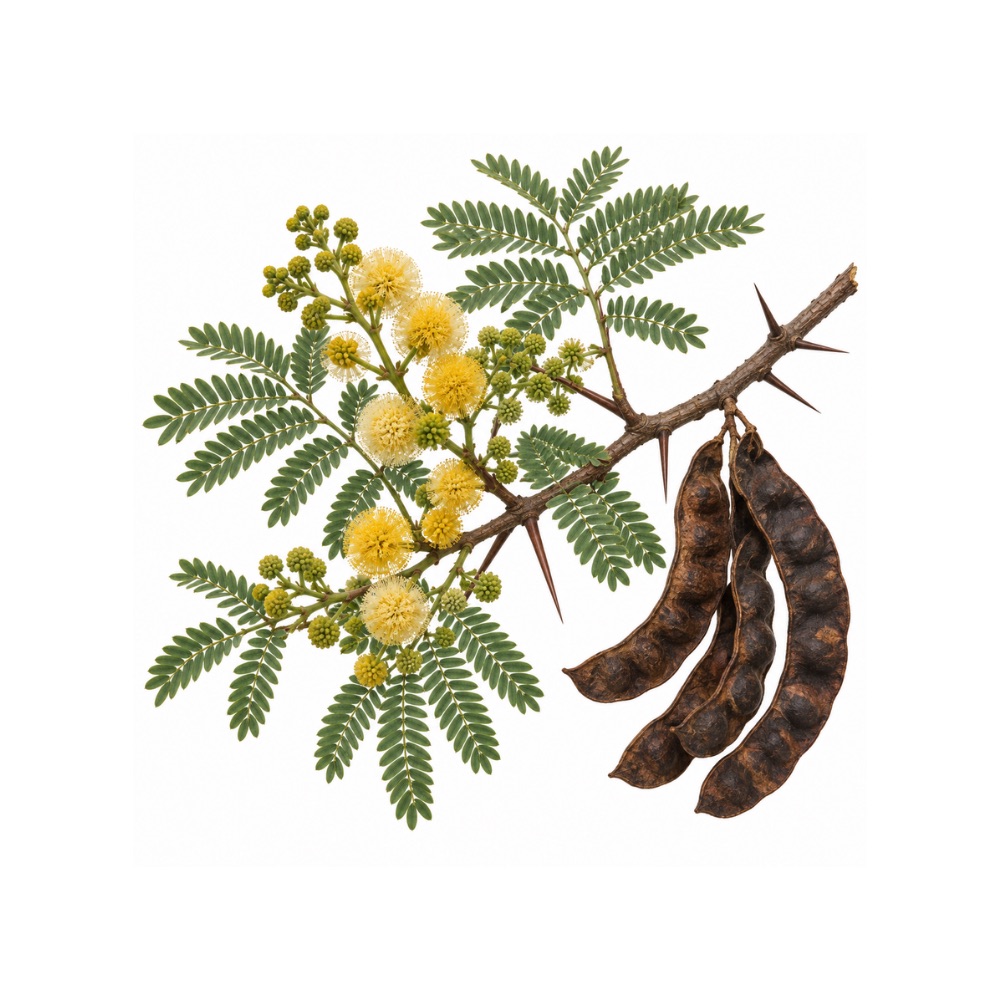 Babul Vachellia nilotica Documented for proanthocyanidins.
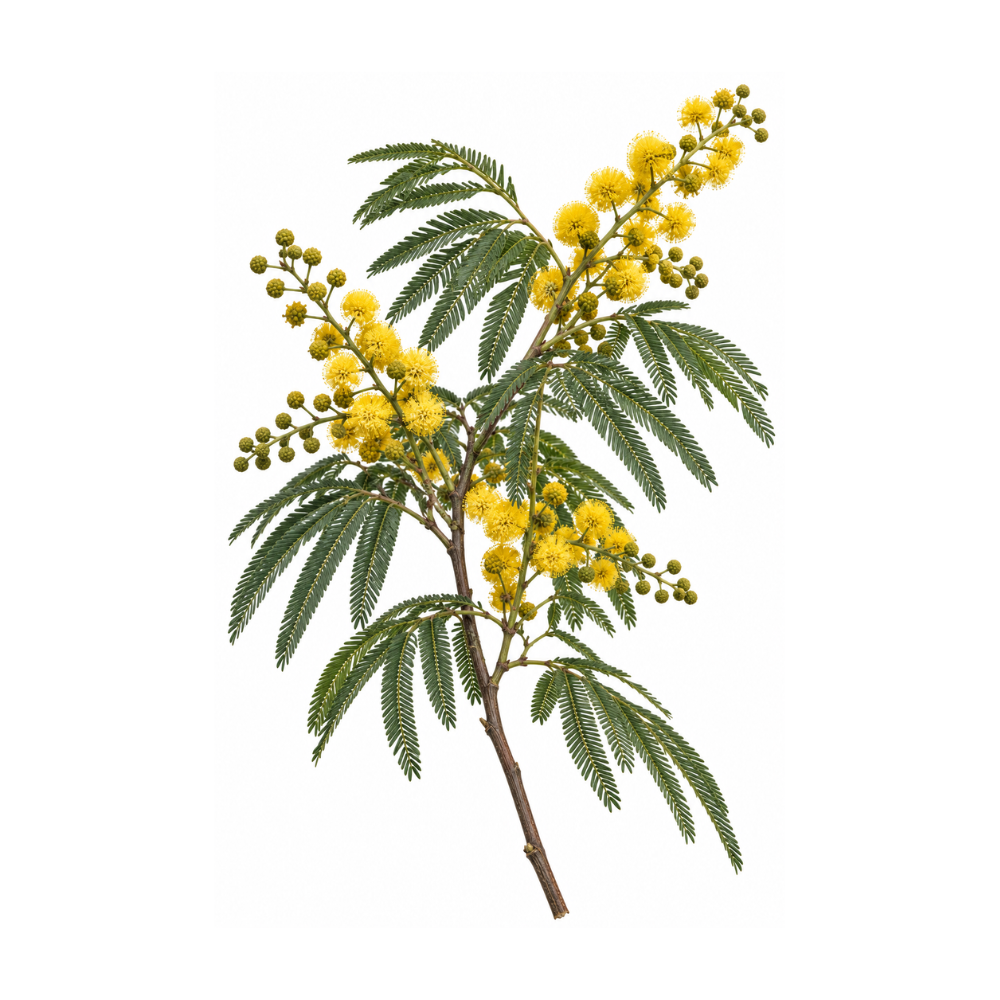 Black Wattle Acacia mearnsii Documented for proanthocyanidins.
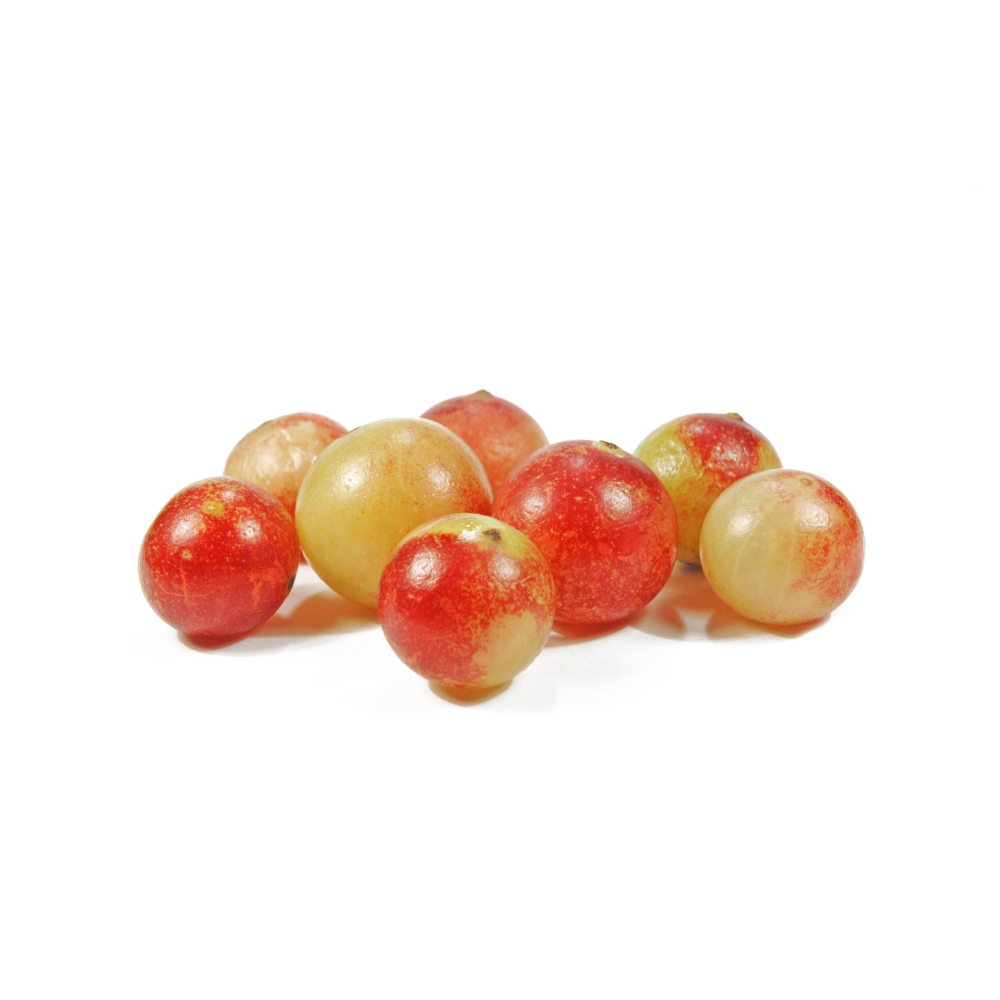 Camu-camu Myrciaria dubia Documented for proanthocyanidins. Cassia Cinnamon Cinnamomum cassia Documented for procyanidins.
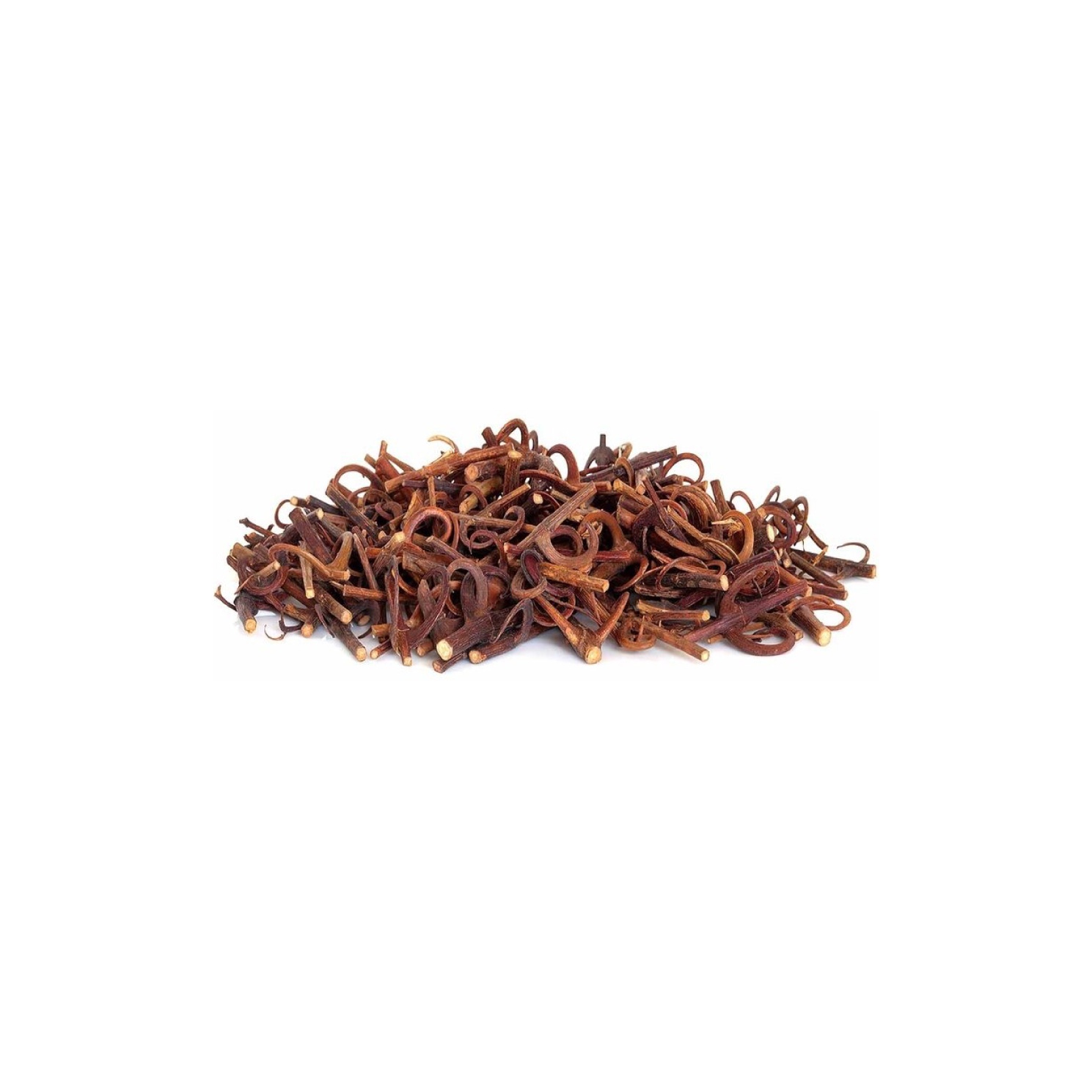 Cat's Claw Uncaria tomentosa Documented for procyanidins.
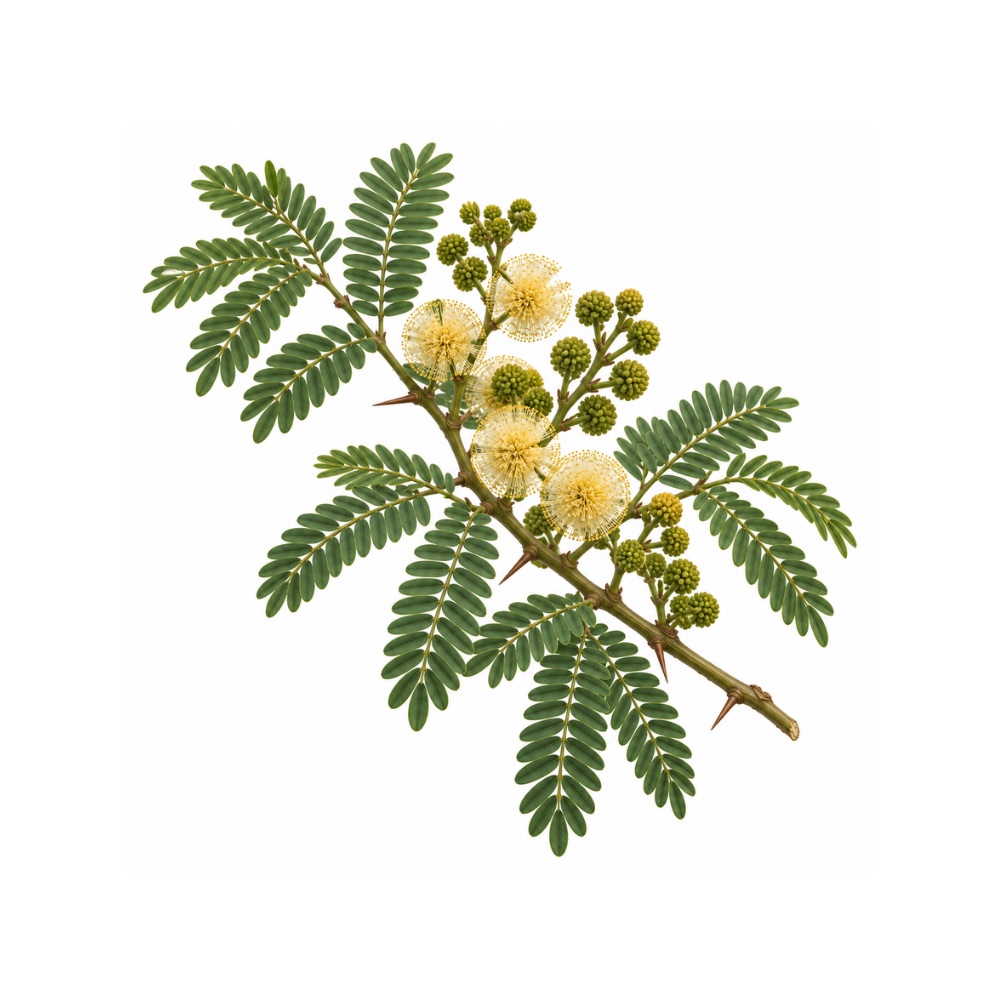 Catechu Senegalia catechu Documented for proanthocyanidins.
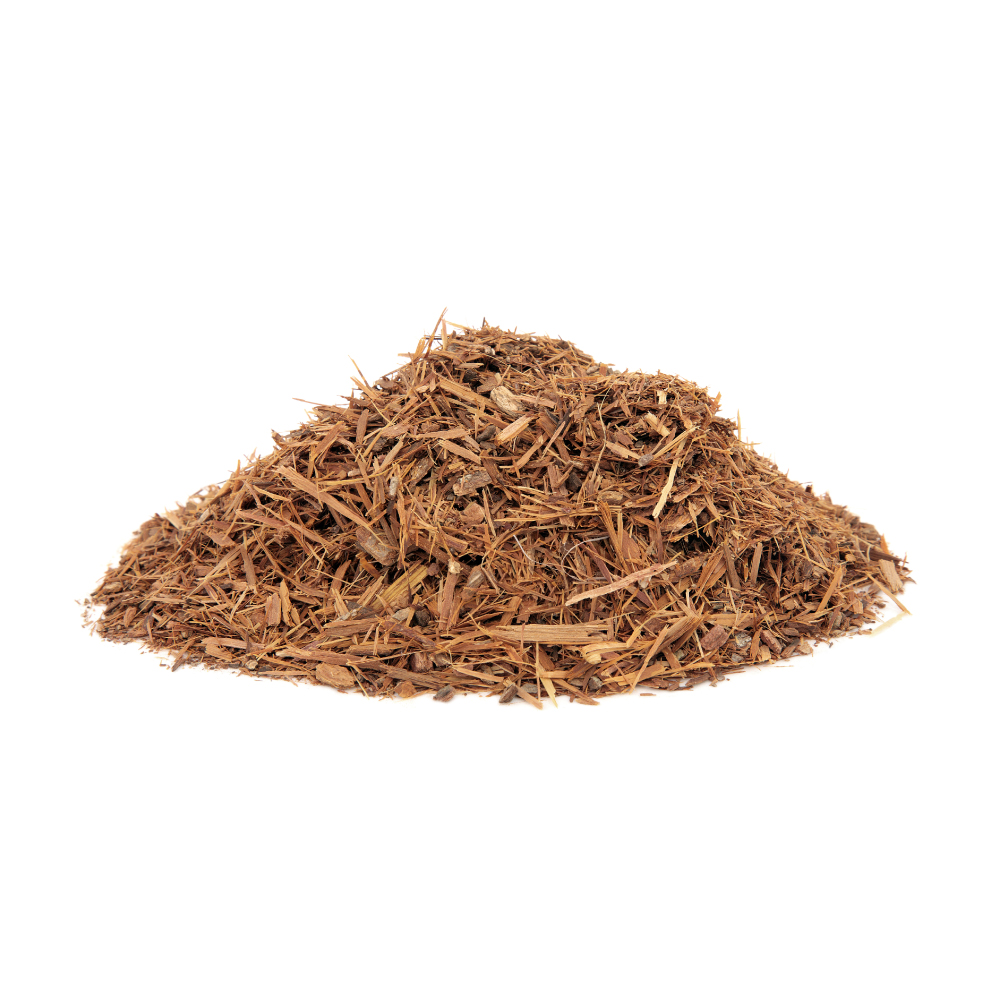 Catuaba Trichilia catigua Documented for procyanidin B2.
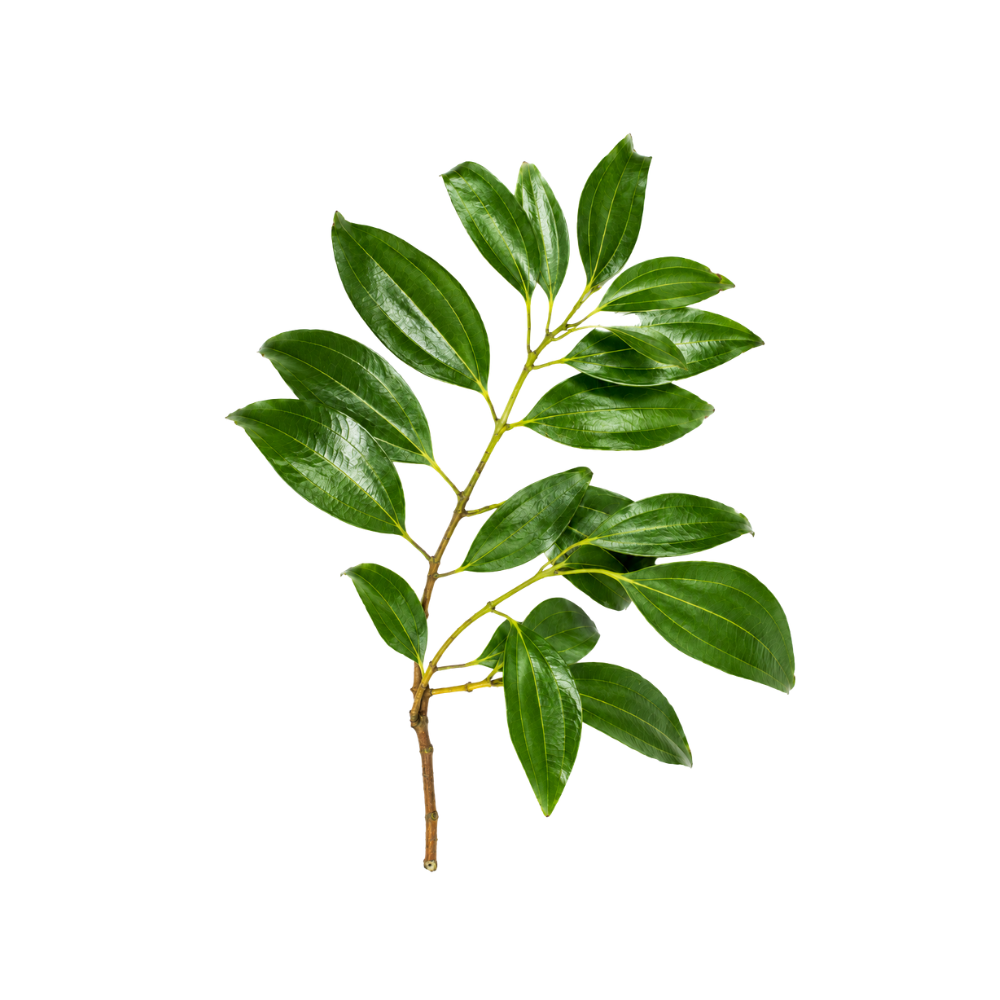 Ceylon Cinnamon Cinnamomum verum Documented for procyanidins.
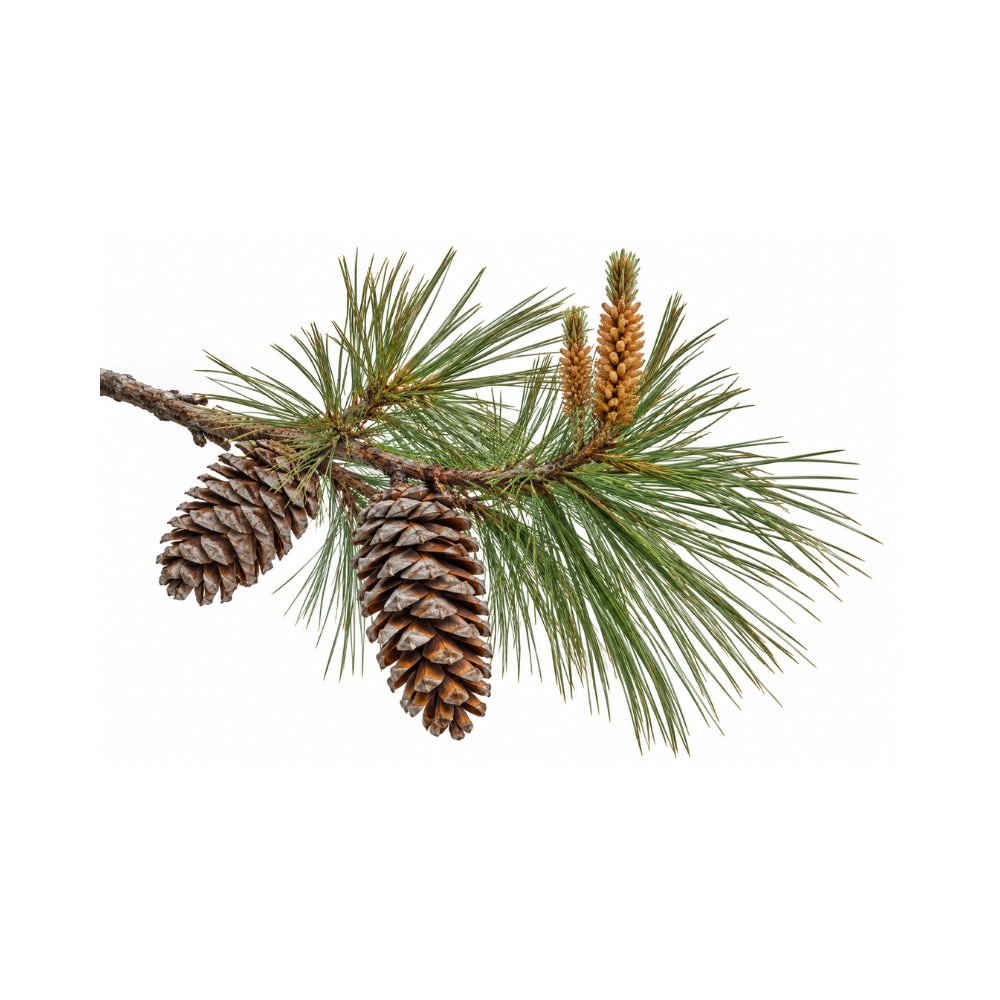 Chir Pine Pinus roxburghii Documented for proanthocyanidins.
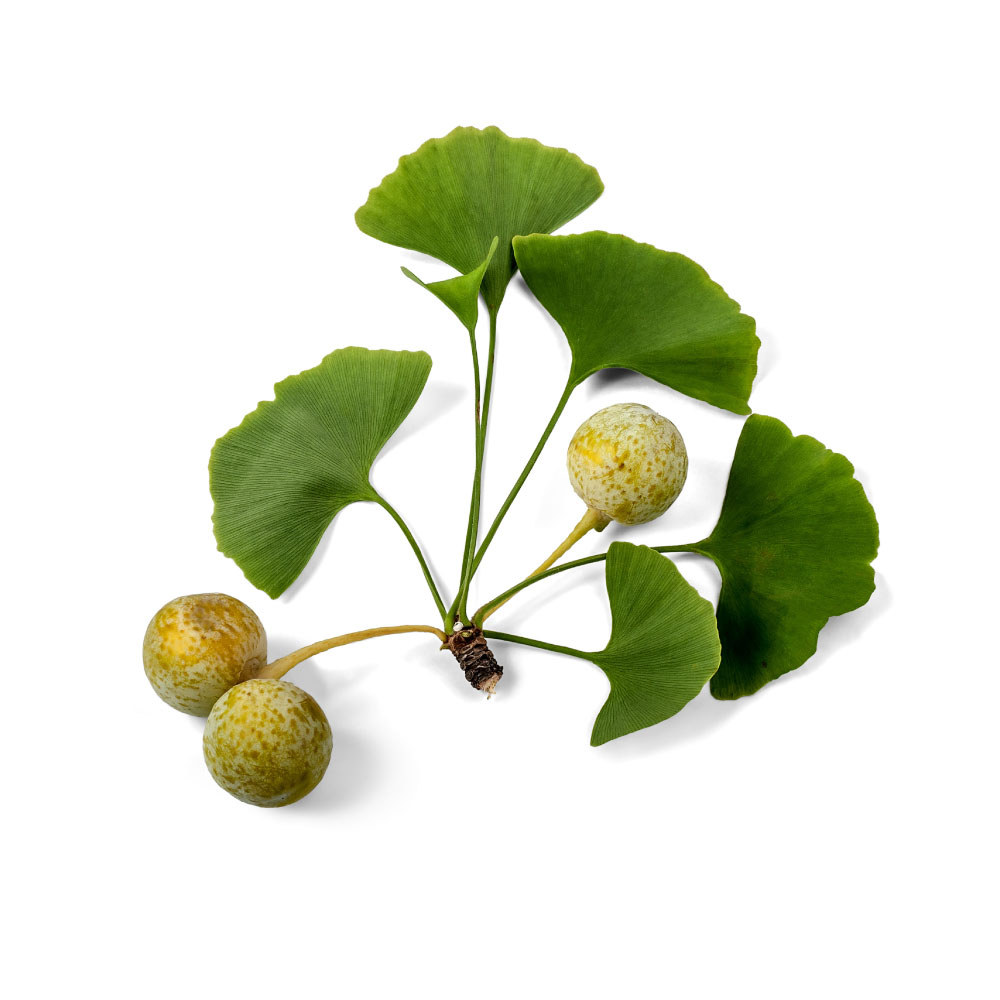 Ginkgo Ginkgo biloba Documented for proanthocyanidins.
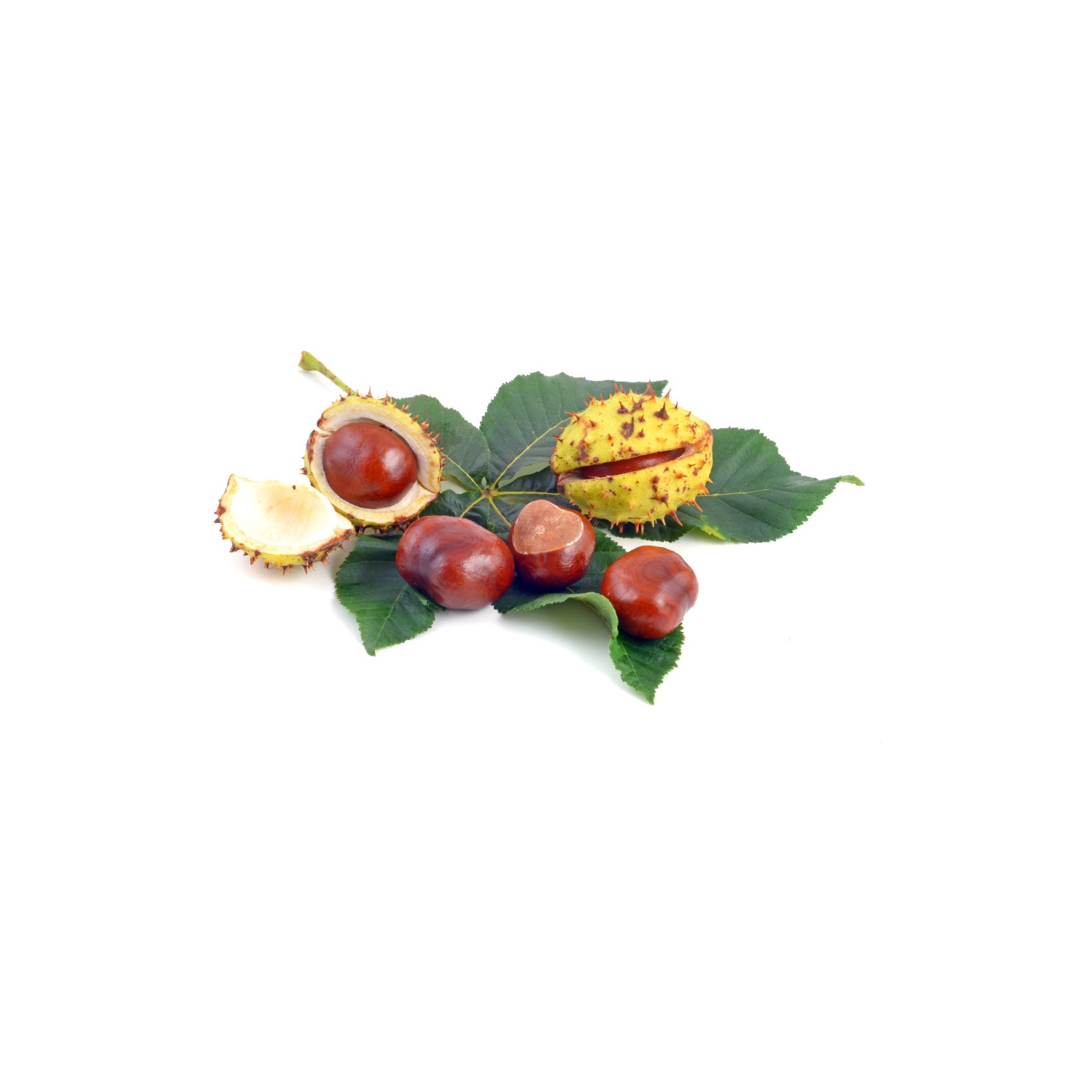 Horse Chestnut Aesculus hippocastanum Documented for proanthocyanidins.
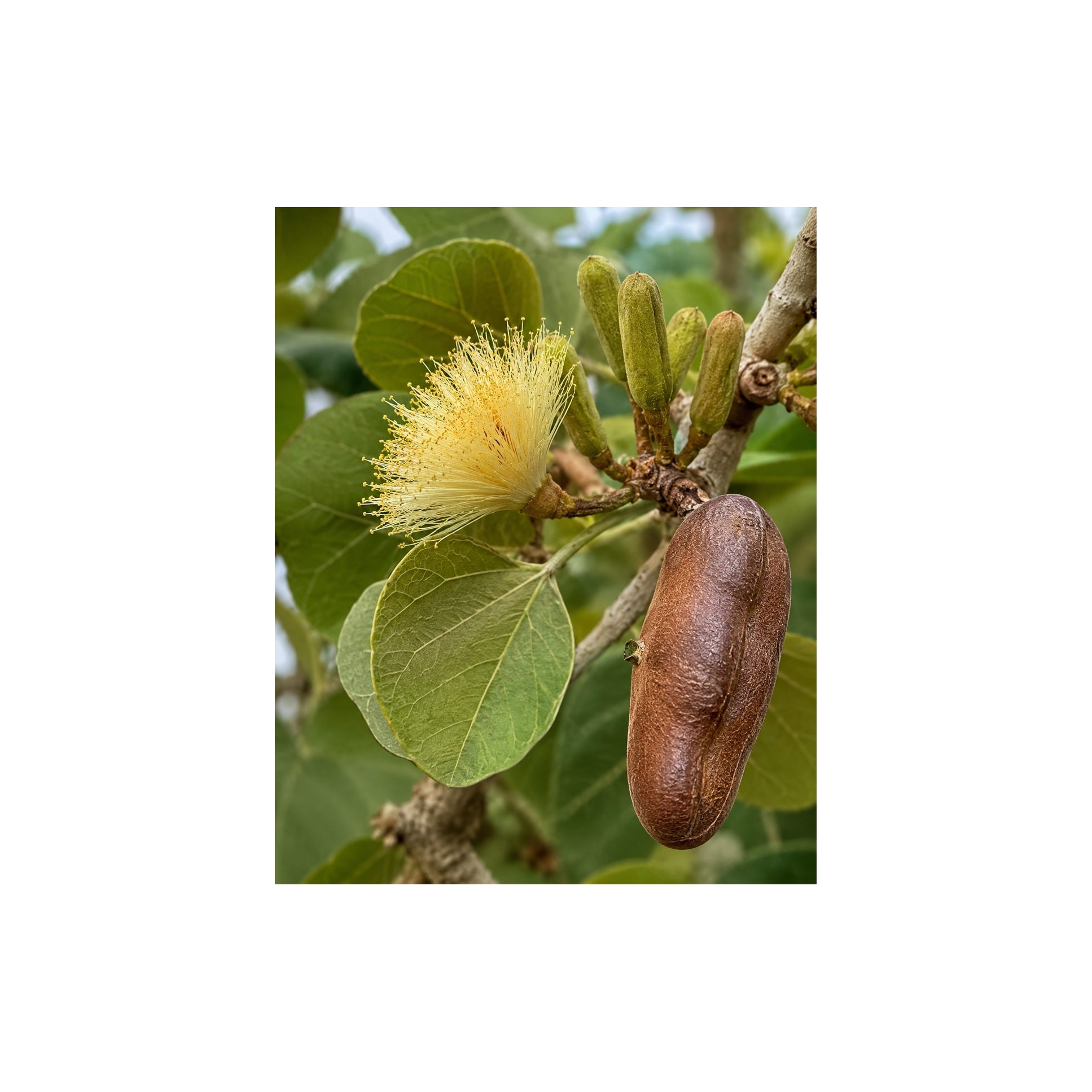 Jatobá Hymenaea courbaril Documented for procyanidins.
 Pine Pinus sylvestris Documented for proanthocyanidins.
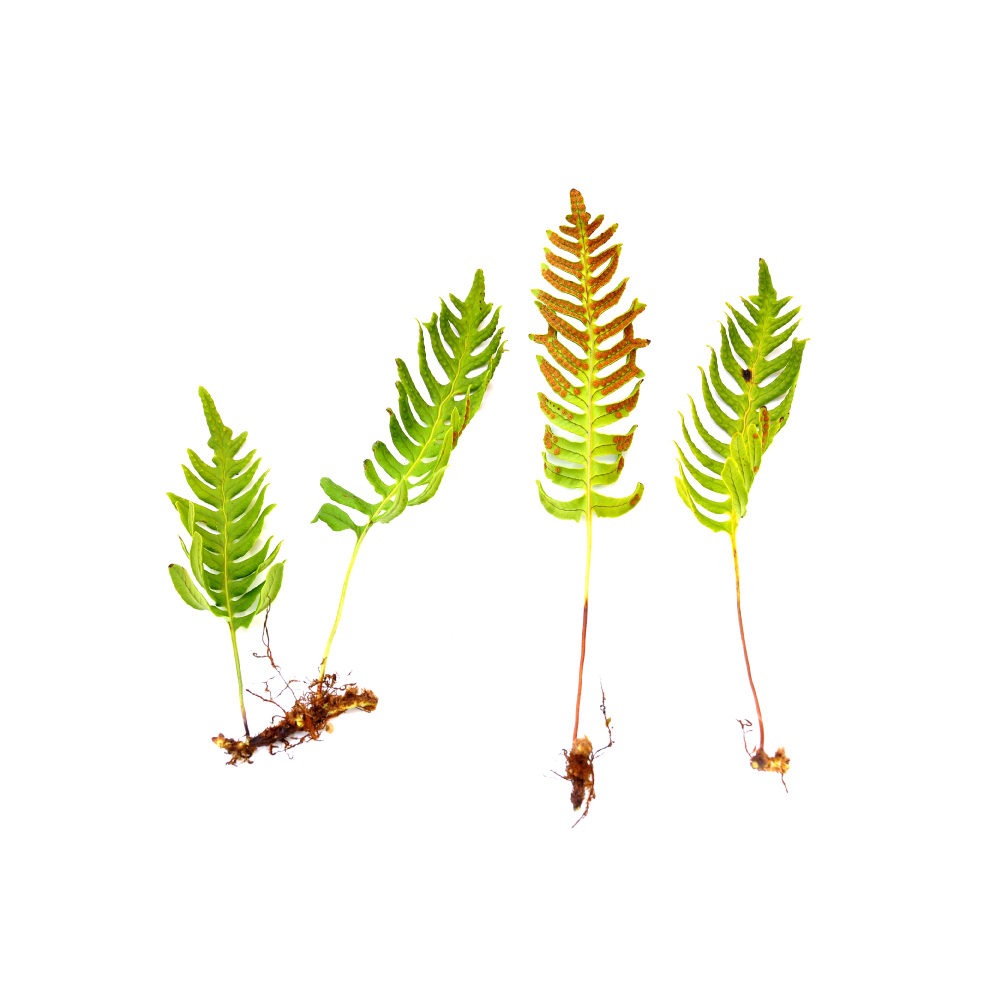 Samambaia Polypodium leucotomos Documented for selligueain.
Keep Exploring
Other Compound Classes
Keep Reading
 GuidesThe Best Kava: A Buyer's GuideHow to buy good kava: noble vs two-day cultivars, which part of the root, chemotype codes, origin, form, and the batch tests a seller should show you.
Read more
 GuidesThe Amazon's Endangered Medicinal PlantsThe Amazon gives us some of our most important medicines — but which healing plants are actually endangered?
Read more
 NutritionThe Best Yerba Maté Brands [Reviewed]A drinker's guide to buying yerba maté — what actually changes the taste, and ten brands worth your money.
Read more
 GuidesHow to Prepare Yerba Maté — The Five Best MethodsHow to brew yerba maté properly — the traditional gourd method, plus tereré, french press and cold brew.
Read more