
Compound Monograph
Galuteolin
Galuteolin (cynaroside, luteoloside) is luteolin 7-O-β-D-glucoside — the sugar-bound storage form of the flavone luteolin, and a quality marker of honeysuckle. It carries a wide but almost entirely preclinical profile (antiviral, anti-inflammatory, hepatoprotective), and in the gut it is largely hydrolysed back to luteolin before absorption.

Sources · 9
Where Does It Come From?
Galuteolin is a naturally occurring flavone glycoside, found in Honeysuckle, Chrysanthemum, Globe artichoke and 6 other sources. It is well tolerated orally (low toxicity).
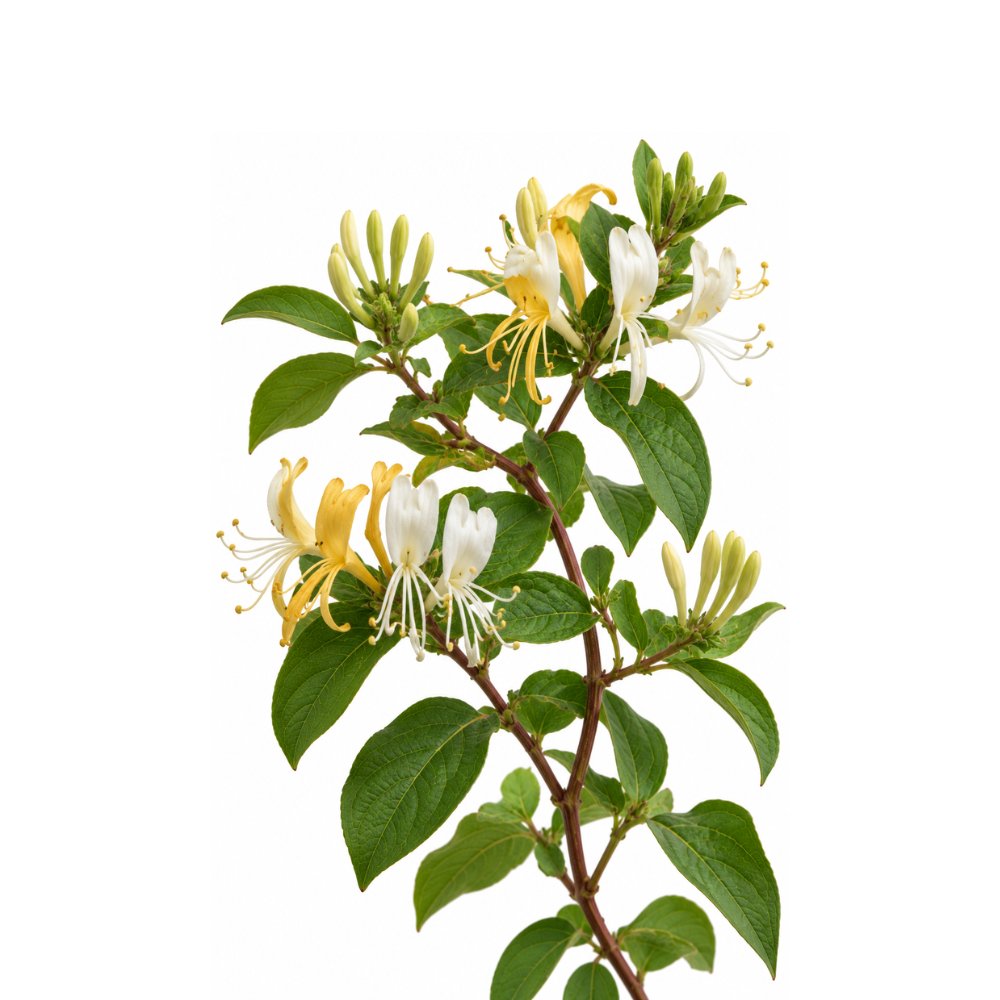 Principal source Honeysuckle Lonicera japonica Herb monograph →
 Source Chrysanthemum Chrysanthemum morifolium Herb monograph →
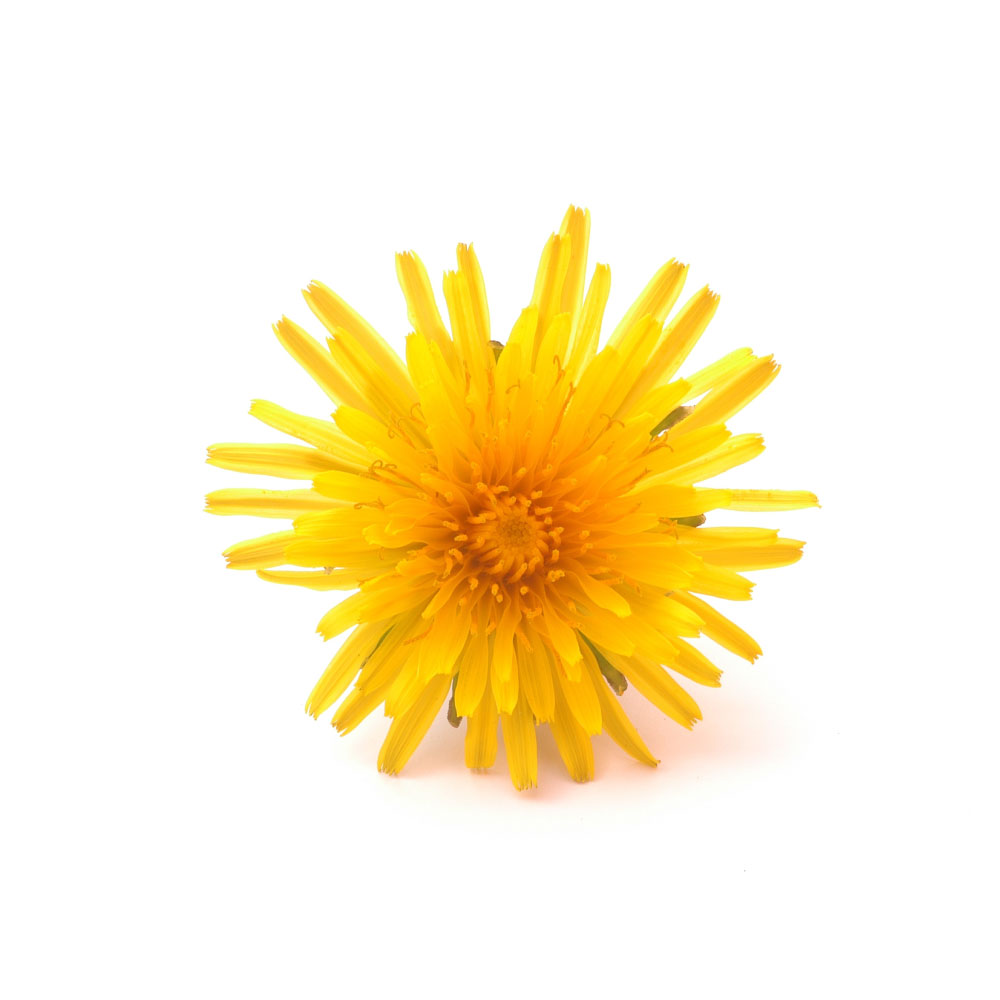 Source Dandelion Taraxacum officinale Herb monograph →
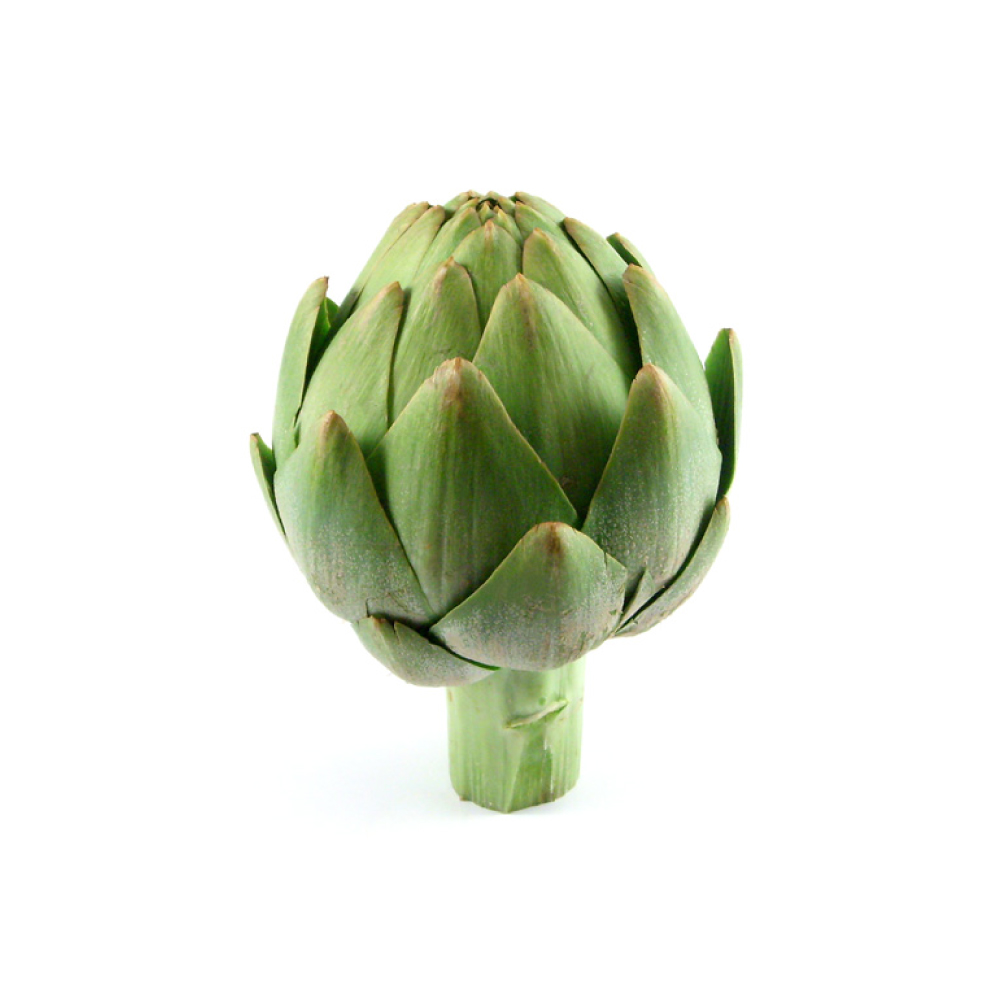 Source Globe Artichoke Cynara scolymus Herb monograph →
Photo coming soon
Source Goat's Rue Galega officinalis Herb monograph →
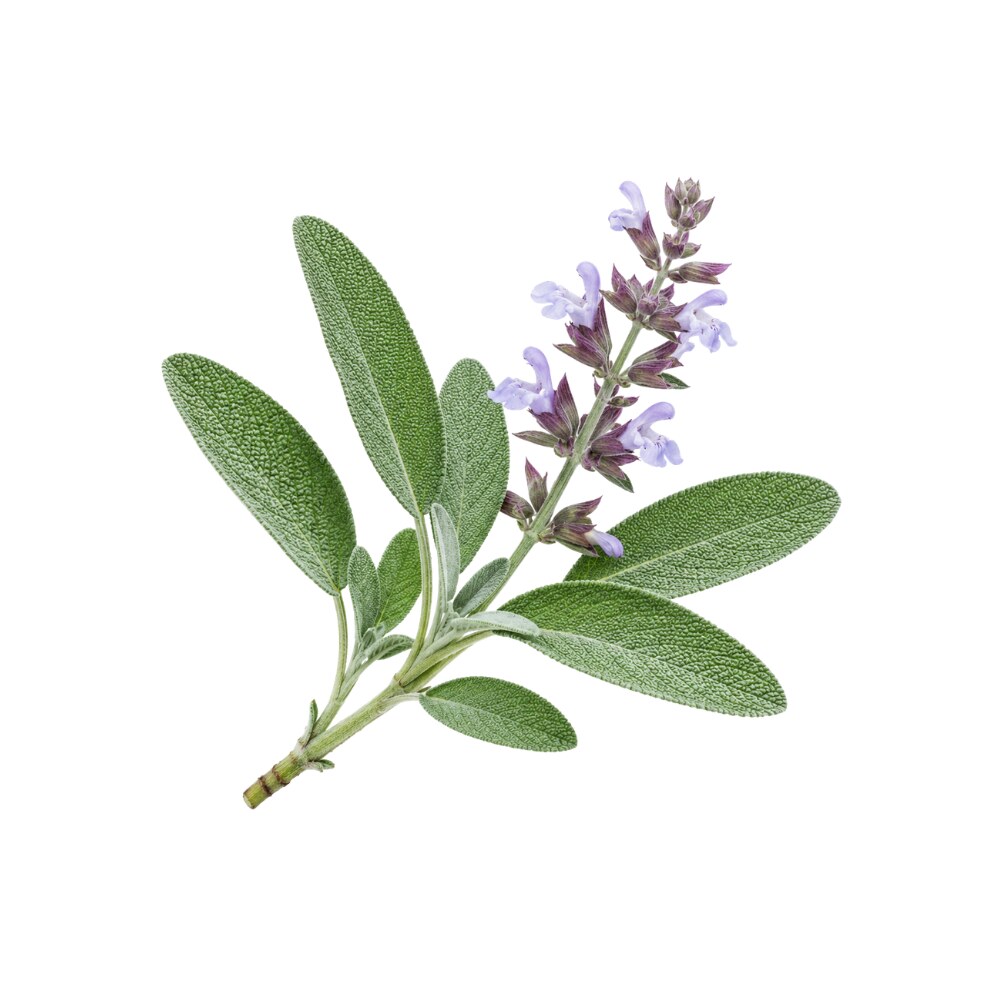 Source Sage Salvia officinalis Herb monograph →
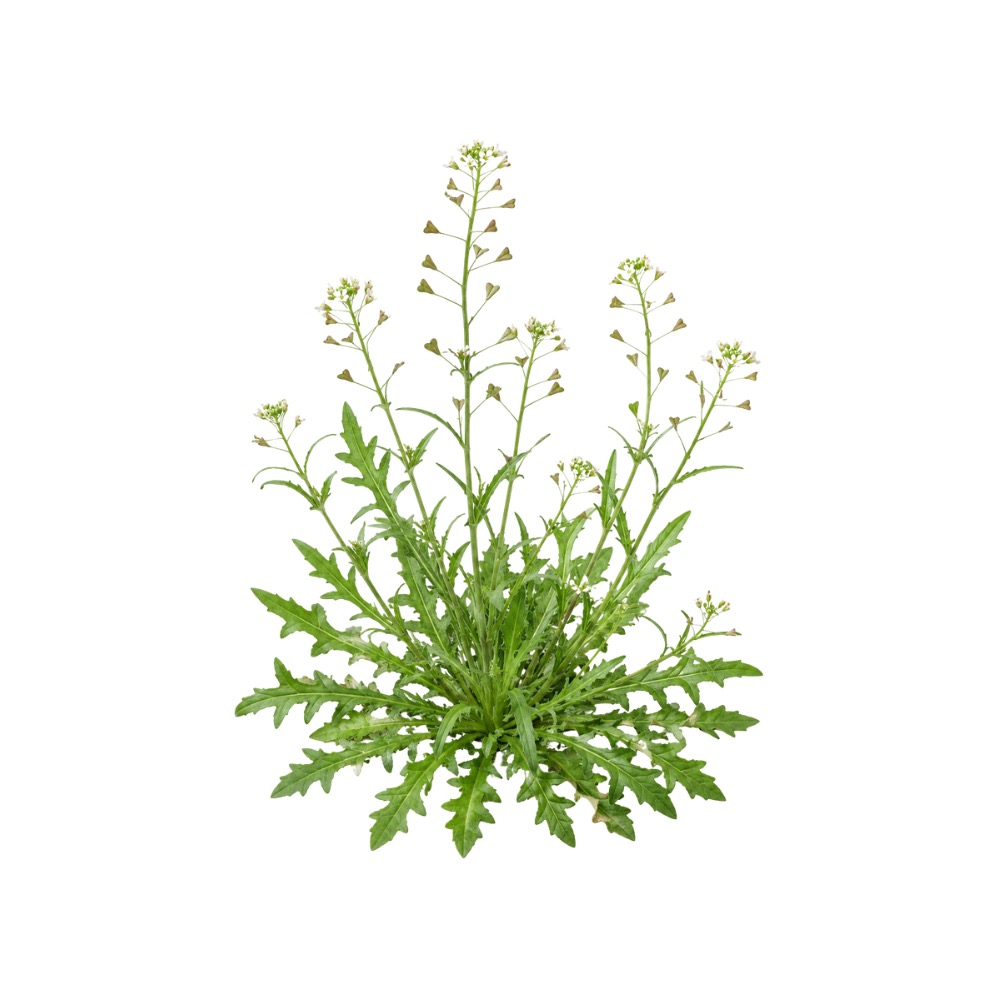 Source Shepherd's Purse Capsella bursa-pastoris Herb monograph →
Concentration
Content by Source
Concentrations not reported. No percent-dry-weight or mg/g figures have been published for this compound in its source plants.
Galuteolin at a Glance
Galuteolin is luteolin 7-O-β-D-glucoside — the flavone luteolin with a glucose sugar attached at its 7-position. It is far better known by two other names: cynaroside (from Cynara, the artichoke genus it was first isolated from) and luteoloside (the name that dominates the Chinese honeysuckle literature). All three refer to the same molecule.
In most plants luteolin is stored as this glycoside rather than as the free aglycone, so galuteolin is one of the most widely distributed flavone glucosides in nature — a characteristic constituent of honeysuckle, chrysanthemum, artichoke, plantain and many culinary herbs, and a recognised quality marker of honeysuckle flower 11,
Its documented pharmacology is broad on paper — antiviral, anti-inflammatory, antioxidant, hepatoprotective, anticancer and antidiabetic signals all appear — but it is almost entirely preclinical (cell and rodent studies of the isolated compound). There are no clinical trials. Two facts frame everything below: the glucoside is generally less potent than luteolin itself in side-by-side assays, and in the gut it is largely hydrolysed back to luteolin before absorption, so much of what galuteolin “does” in the body is really luteolin’s doing.
Galuteolin vs. Luteolin: The Glycoside Question
The single most important thing to understand about galuteolin is that it is a pro-form of luteolin, not an independent drug. The 7-O-glucose group changes the molecule’s behaviour in two ways that matter.
Solubility and storage. The sugar makes galuteolin more water-soluble than luteolin, which is why plants accumulate the glycoside in cell vacuoles as the storage/transport form and release the aglycone on demand.
Absorption. When galuteolin is eaten, it is not absorbed intact to any great degree. Dietary flavonoid glucosides are deglycosylated in the small intestine — cleaved by lactase-phlorizin hydrolase at the brush border and by cytosolic β-glucosidase inside enterocytes (with gut microbiota hydrolysing whatever reaches the colon) — and it is the freed luteolin aglycone that is then absorbed and conjugated 10Reference 10Deglycosylation by small intestinal epithelial cell beta-glucosidases is a critical step in the absorption and metabolism of dietary flavonoid glycosides in humansView study →. The practical consequence: an oral dose of galuteolin behaves pharmacokinetically much like a dose of luteolin, which is itself poorly bioavailable. This is the honest caveat under every in-vitro result below — high potency in a dish where the intact glucoside is applied directly does not survive the trip through the gut.
The corollary is that in cell-free and cell-based assays where the glucoside is delivered directly, galuteolin is usually a weaker ligand than luteolin. In the influenza-endonuclease work, for instance, the aglycone luteolin was among the most potent inhibitors while glycosylation reduced activity 2Reference 2Unraveling the anti-influenza effect of flavonoids: experimental validation of luteolin and its congeners as potent influenza endonuclease inhibitorsView study →. Galuteolin’s interest is therefore less as a standalone therapeutic and more as (a) a major dietary and herbal delivery form of luteolin and (b) an analytical marker of the plants that contain it.
What It's Used For
Galuteolin’s evidence is wide but shallow: multiple mechanisms are reported, almost all from isolated-compound cell work or small rodent studies, with no human data. Read every row through the bioavailability caveat above.
Support is an experimental score — weighted by study type (human > animal > in vitro) and volume. A beta, not a validated metric. Every score here is capped low because the data are entirely preclinical and the compound is a poorly-absorbed pro-form of luteolin.
Galuteolin’s clearest compound-specific signal. As luteoloside, it acts as a 3C protease inhibitor of enterovirus 71 — blocking the viral protease that processes the polyprotein in a dose-dependent manner (IC₅₀ ≈ 0.36 mM) and suppressing EV71 replication in cell culture 1Reference 1In vitroLuteoloside acts as 3C protease inhibitor of enterovirus 71 in vitroView study →; EV71 and its relative coxsackievirus A16 are the main causes of hand-foot-and-mouth disease, which anchors the frequently-cited “anti-coxsackie/anti-enterovirus” line for this molecule. Separately, the luteolin flavone family are potent inhibitors of the influenza polyprotein PA endonuclease (the cap-snatching enzyme), with luteolin among the strongest congeners tested 2Reference 2Unraveling the anti-influenza effect of flavonoids: experimental validation of luteolin and its congeners as potent influenza endonuclease inhibitorsView study →.
Gap: all of this is isolated-compound in-vitro work; there is no animal or human antiviral outcome, and glycosylation reduces endonuclease potency relative to luteolin 2Reference 2Unraveling the anti-influenza effect of flavonoids: experimental validation of luteolin and its congeners as potent influenza endonuclease inhibitorsView study →, so the intact glucoside is not the most active species even in the dish.
The most-repeated theme. In human keratinocytes and macrophage-type models, luteolin-7-O-glucoside suppresses pro-inflammatory transcription — reducing IL-1β, IL-6 and TNF-α and interfering with NF-κB and STAT3 signalling 3Reference 3Anti-inflammatory and proliferative properties of luteolin-7-O-glucosideView study →, and inhibiting the IL-22/STAT3 axis in a keratinocyte and mouse psoriasis model 4Reference 4AnimalLuteolin-7-glucoside inhibits IL-22/STAT3 pathway, reducing proliferation, acanthosis, and inflammation in keratinocytes and in mouse psoriatic modelView study →.
On the antioxidant side it activates the Nrf2/HO-1 pathway, raising cytoprotective enzymes and buffering oxidative stress in liver and neuronal models 12,
Gap: these are cell and short-term rodent studies of the isolate; the anti-inflammatory potency is shared with — and usually exceeded by — luteolin, and no clinical anti-inflammatory endpoint has been tested for galuteolin.
The application with the most in-vivo (still animal) support. Isolated luteolin-7-glucoside protected rat liver against carbon-tetrachloride injury, lowering markers of lipid peroxidation and preserving antioxidant defences 8Reference 8AnimalProtective effects of luteolin-7-glucoside against liver injury caused by carbon tetrachloride in ratsView study →.
Luteoloside also reduced Toxoplasma gondii-induced liver injury in mice by inhibiting TLR4/NF-κB and P2X7R/NLRP3 inflammasome signalling 9Reference 9Protective effect of luteoloside against Toxoplasma gondii-induced liver injury through inhibiting TLR4/NF-κB and P2X7R/NLRP3View study →.
The Nrf2/HO-1 antioxidant activation described above is the likely shared mechanism 12Reference 12Hawk tea flavonoids as natural hepatoprotective agents alleviate acute liver damage by reshaping the intestinal microbiota and modulating the Nrf2 and NF-κB signaling pathwaysView study →.
Gap: rodent-only, at injected or high oral doses that bypass the bioavailability problem; there is no human hepatoprotection data, and in whole-plant hepatoprotective extracts (e.g. sage, hawk tea) galuteolin is one flavonoid among many 12Reference 12Hawk tea flavonoids as natural hepatoprotective agents alleviate acute liver damage by reshaping the intestinal microbiota and modulating the Nrf2 and NF-κB signaling pathwaysView study →.
Entirely cell-line work. Cynaroside inhibited proliferation, migration and invasion and promoted apoptosis in gastric cancer cells by dampening the MET/AKT/mTOR/p70S6K axis 5Reference 5Effects of cynaroside on cell proliferation, apoptosis, migration and invasion through the MET/AKT/mTOR axis in gastric cancerView study →, and reduced viability of glioblastoma (U87) and colon-carcinoma (Caco-2) lines, with in-silico docking pointing to DYRK2 as a target 6Reference 6In vitroAnti-proliferative potential of cynaroside and orientin — in silico (DYRK2) and in vitro (U87 and Caco-2) studiesView study →.
Gap: in-vitro only, no in-vivo tumour models or clinical data; the concentrations used are not achievable from oral intake given deglycosylation and poor luteolin bioavailability 10Reference 10Deglycosylation by small intestinal epithelial cell beta-glucosidases is a critical step in the absorption and metabolism of dietary flavonoid glycosides in humansView study →.
Mechanistic enzyme assays. Luteolin-7-O-glucoside inhibits aldose reductase (the polyol-pathway enzyme implicated in diabetic complications) and contributes to α-glucosidase / protein-glycation inhibition among chamomile flavonoids, suggesting a route to blunting postprandial glucose and sorbitol accumulation 7Reference 7Evaluation of aldose reductase, protein glycation, and antioxidant inhibitory activities of bioactive flavonoids in Matricaria recutita L. and their structure-activity relationshipView study →.
Gap: isolated-enzyme and cell assays only; the glycoside is generally weaker than luteolin, and no glycaemic outcome has been measured in an animal or human.
Mechanisms
| Target / pathway | Effect | Relevant to |
|---|---|---|
| Enterovirus 71 3C protease | dose-dependent inhibition (IC₅₀ ≈ 0.36 mM) → blocks polyprotein processing, suppresses replication | antiviral |
| Influenza PA endonuclease (cap-snatching) | luteolin-family flavones inhibit; glycosylation lowers potency vs. the aglycone | antiviral |
| NF-κB / STAT3 and IL-1β/IL-6/TNF-α | suppression of pro-inflammatory transcription | anti-inflammatory |
| Nrf2 / HO-1 antioxidant response | activation → raised cytoprotective enzymes, less oxidative stress | antioxidant / hepatoprotective |
| TLR4/NF-κB, P2X7R/NLRP3 inflammasome | inhibition → reduced hepatic inflammation | hepatoprotective |
| MET / AKT / mTOR / p70S6K | reduced phosphorylation → anti-proliferative, pro-apoptotic | anticancer (in vitro) |
| DYRK2 (in-silico) | predicted binding; anti-proliferative in U87 / Caco-2 | anticancer (in vitro) |
| Aldose reductase / α-glucosidase | inhibition → polyol-pathway & postprandial-glucose relevance | antidiabetic |
| Intestinal LPH / cytosolic β-glucosidase | deglycosylation to luteolin before absorption | pharmacokinetics |
The load-bearing point: most of these targets are also hit by luteolin, usually more strongly — galuteolin’s differentiator is the antiviral protease/endonuclease activity and its role as the absorbable-after-hydrolysis storage form.
Pharmacokinetics
Galuteolin is a flavone 7-O-glucoside, and its pharmacokinetics are governed by the sugar. Intact absorption across the gut wall is limited; instead the molecule is deglycosylated in the small intestine — by lactase-phlorizin hydrolase at the brush border and cytosolic β-glucosidase within enterocytes, with colonic microbiota hydrolysing the remainder — and the liberated luteolin aglycone is what enters the circulation, where it is rapidly conjugated to glucuronides and sulfates 10Reference 10Deglycosylation by small intestinal epithelial cell beta-glucosidases is a critical step in the absorption and metabolism of dietary flavonoid glycosides in humansView study →. Because luteolin itself has low oral bioavailability, oral galuteolin delivers only modest systemic luteolin exposure. No dedicated human pharmacokinetic dataset exists for galuteolin, and its plasma half-life, absolute bioavailability and tissue distribution as the intact glucoside are uncharacterised — the practical model is “a slower-release, water-soluble source of a poorly-bioavailable aglycone.”
Clinical Trials
There are no clinical trials of galuteolin. All evidence is preclinical (in-vitro and rodent). Human exposure is entirely dietary and herbal — as a constituent of honeysuckle, chrysanthemum, artichoke and culinary herbs — not as an isolated intervention.
| Completed | Planned | Terminated | Preclinical |
|---|---|---|---|
| — | — | — | Antiviral, anti-inflammatory, hepatoprotective, anticancer, antidiabetic (all cell/rodent) |
Last checked: July 2026.
Isolate vs. Plant Studies
The evidence sits at both extremes and skips the middle. On one hand, the mechanistic work — 3C-protease inhibition 1Reference 1In vitroLuteoloside acts as 3C protease inhibitor of enterovirus 71 in vitroView study →, MET/AKT/mTOR suppression 5Reference 5Effects of cynaroside on cell proliferation, apoptosis, migration and invasion through the MET/AKT/mTOR axis in gastric cancerView study →, DYRK2 docking 6Reference 6In vitroAnti-proliferative potential of cynaroside and orientin — in silico (DYRK2) and in vitro (U87 and Caco-2) studiesView study →, enzyme-inhibition assays 7Reference 7Evaluation of aldose reductase, protein glycation, and antioxidant inhibitory activities of bioactive flavonoids in Matricaria recutita L. and their structure-activity relationshipView study → — uses the purified isolate at defined concentrations, which is a strength for attributing mechanism. On the other, the more physiological hepatoprotective and antioxidant results often come from whole-plant extracts (sage, hawk tea, chrysanthemum) in which galuteolin is one flavonoid among many and cannot be credited alone 12,
Prevalence in Nature
Galuteolin is one of the most widely distributed flavone glucosides in the plant kingdom, because 7-O-glucosylation is the default way plants store luteolin. It is a characteristic constituent of honeysuckle flower (Lonicera japonica, and related Lonicera species), where — as luteoloside — it serves as a quality marker: it is one of the compounds tracked for authenticating and grading Lonicerae Japonicae Flos, with a pharmacopoeial content floor around ~0.05% of dry weight 11,
Beyond honeysuckle it occurs in chrysanthemum (Chrysanthemum morifolium) 13Reference 13Chrysanthemum morifolium extract protects HT22 cells from oxidative stress and enhances sleep via GABAergic modulation: contribution of luteolin-7-glucosideView study →, globe artichoke (Cynara scolymus — the source of its “cynaroside” name), plantain (Plantago lanceolata and P. major), shepherd’s purse (Capsella bursa-pastoris, where it is a major aerial-part flavonoid), sage (Salvia officinalis) 12Reference 12Hawk tea flavonoids as natural hepatoprotective agents alleviate acute liver damage by reshaping the intestinal microbiota and modulating the Nrf2 and NF-κB signaling pathwaysView study →, and many culinary and medicinal herbs including celery, dandelion and goat’s rue. Reported concentrations are patchy and method-dependent; outside the honeysuckle pharmacopoeial figure, most sources are described qualitatively rather than quantified.
Discovery & Synthesis
Galuteolin’s best-known name, cynaroside, records its origin: it was isolated from artichoke (Cynara), reportedly in the mid-1950s, and characterised as a luteolin glucoside toward the end of that decade — an attribution that is commonly cited but whose primary source is not well documented. The alternative name luteoloside entered the literature through Chinese pharmacognosy of honeysuckle, and galuteolin is the older systematic-style synonym; all denote luteolin 7-O-β-D-glucoside.
There is no landmark “first total synthesis” story of note — the compound is obtained by extraction from luteoloside-rich plants (honeysuckle, chrysanthemum, artichoke) or made by enzymatic or chemical glucosylation of luteolin at the 7-position, and it is sold mainly as an analytical reference standard and research chemical rather than manufactured at drug scale. Because it is a simple glucoside of an abundant flavone, supply is not a bottleneck.
Patents: not yet researched.
Toxicity & Safety
Galuteolin carries a low toxicity flag. It is a common dietary flavone glucoside — eaten routinely in honeysuckle tea, chrysanthemum, artichoke and leafy herbs — and is metabolised to luteolin, itself a low-toxicity dietary flavone. No signal of acute toxicity, genotoxicity or organ damage from the isolated compound appears in the preclinical record; on the contrary, most isolate studies report protective (hepatoprotective, antioxidant) effects 8,
- Dietary flavone glucoside. Routinely consumed in honeysuckle, chrysanthemum, artichoke and culinary herbs; hydrolysed to luteolin, a well-tolerated dietary flavone.
- No isolate toxicity signal. Preclinical studies report protective rather than harmful effects at the doses used.
- Safety data are thin. No dedicated repeat-dose, genotoxicity or human safety studies exist for the isolated compound; absence of harm reports is not proof of safety.
- Interactions & special populations not characterised. Drug-metabolising-enzyme/transporter interactions and pregnancy/lactation effects have not been assessed for galuteolin specifically; those decisions belong to the herb or product being used, not to this molecule page.
Dosage
There is no established human dose for galuteolin. It has no clinical trials, no approved use, and no dosing guidance. Preclinical work uses isolated-compound concentrations — micromolar to low-millimolar in vitro, or a few mg/kg in rodents — that do not translate to a human dose, and because oral galuteolin is largely hydrolysed to luteolin before absorption 10Reference 10Deglycosylation by small intestinal epithelial cell beta-glucosidases is a critical step in the absorption and metabolism of dietary flavonoid glycosides in humansView study →, any real-world intake is better thought of as a source of luteolin than as a defined dose of the glucoside. In practice, human exposure comes from foods and herbs that contain it (honeysuckle tea, chrysanthemum, artichoke, leafy herbs) rather than from an isolated supplement. These are research figures, not a personal recommendation.
References
- Cao Z, et al. (2016). Luteoloside acts as 3C protease inhibitor of enterovirus 71 in vitro. PLoS One. https://pubmed.ncbi.nlm.nih.gov/26870944/
- Zima V, et al. (2020). Unraveling the anti-influenza effect of flavonoids: experimental validation of luteolin and its congeners as potent influenza endonuclease inhibitors. European Journal of Medicinal Chemistry. https://pubmed.ncbi.nlm.nih.gov/32883638/
- De Stefano A, et al. (2021). Anti-inflammatory and proliferative properties of luteolin-7-O-glucoside. International Journal of Molecular Sciences. https://pubmed.ncbi.nlm.nih.gov/33525692/
- Palombo R, et al. (2016). Luteolin-7-glucoside inhibits IL-22/STAT3 pathway, reducing proliferation, acanthosis, and inflammation in keratinocytes and in mouse psoriatic model. Cell Death & Disease. https://pubmed.ncbi.nlm.nih.gov/27537526/
- Ji Q, et al. (2021). Effects of cynaroside on cell proliferation, apoptosis, migration and invasion through the MET/AKT/mTOR axis in gastric cancer. International Journal of Molecular Sciences. https://pubmed.ncbi.nlm.nih.gov/34830011/
- Pirvu L, et al. (2023). Anti-proliferative potential of cynaroside and orientin — in silico (DYRK2) and in vitro (U87 and Caco-2) studies. International Journal of Molecular Sciences. https://pubmed.ncbi.nlm.nih.gov/38068880/
- Hwang SH, et al. (2018). Evaluation of aldose reductase, protein glycation, and antioxidant inhibitory activities of bioactive flavonoids in Matricaria recutita L. and their structure-activity relationship. Journal of Diabetes Research. https://pubmed.ncbi.nlm.nih.gov/29850602/
- Qiusheng Z, et al. (2004). Protective effects of luteolin-7-glucoside against liver injury caused by carbon tetrachloride in rats. Pharmazie. https://pubmed.ncbi.nlm.nih.gov/15125574/
- Han C, et al. (2023). Protective effect of luteoloside against Toxoplasma gondii-induced liver injury through inhibiting TLR4/NF-κB and P2X7R/NLRP3. Parasitology Research. https://pubmed.ncbi.nlm.nih.gov/37046028/
- Németh K, et al. (2003). Deglycosylation by small intestinal epithelial cell beta-glucosidases is a critical step in the absorption and metabolism of dietary flavonoid glycosides in humans. European Journal of Nutrition. https://pubmed.ncbi.nlm.nih.gov/12594539/
- Yuan Y, et al. (2022). [Analysis and prediction of quality markers of Lonicerae Japonicae Flos]. Zhongguo Zhong Yao Za Zhi (China Journal of Chinese Materia Medica). https://pubmed.ncbi.nlm.nih.gov/35534244/
- Xu T, et al. (2022). Hawk tea flavonoids as natural hepatoprotective agents alleviate acute liver damage by reshaping the intestinal microbiota and modulating the Nrf2 and NF-κB signaling pathways. Nutrients. https://pubmed.ncbi.nlm.nih.gov/36079919/
- Kim H, et al. (2026). Chrysanthemum morifolium extract protects HT22 cells from oxidative stress and enhances sleep via GABAergic modulation: contribution of luteolin-7-glucoside. Journal of the Science of Food and Agriculture. https://pubmed.ncbi.nlm.nih.gov/41276885/
- Ma P, et al. (2024). Lonicerae Japonicae Flos with the homology of medicine and food: a review of active ingredients, anticancer mechanisms, pharmacokinetics, quality control, toxicity and applications. Frontiers in Oncology. https://pubmed.ncbi.nlm.nih.gov/39314630/



