
Compound Monograph
Germacrene D
Germacrene D is one of the most widespread sesquiterpene hydrocarbons in plant essential oils — the dominant leaf/flower-oil volatile of dagga, ylang-ylang and goldenrod. Its real, isolate-level data are ecological: it is an aphid semiochemistic (a repellent and alarm-pheromone modulator) and a central biosynthetic branch-point to other sesquiterpenes. Its antimicrobial and anti-inflammatory reputation is whole-oil, not isolate.

Sources · 11
Where Does It Come From?
Germacrene D is a naturally occurring sesquiterpene (germacrane hydrocarbon), found in Dagga, Ylang-ylang, Goldenrod and 8 other sources. It is well tolerated orally (low toxicity).
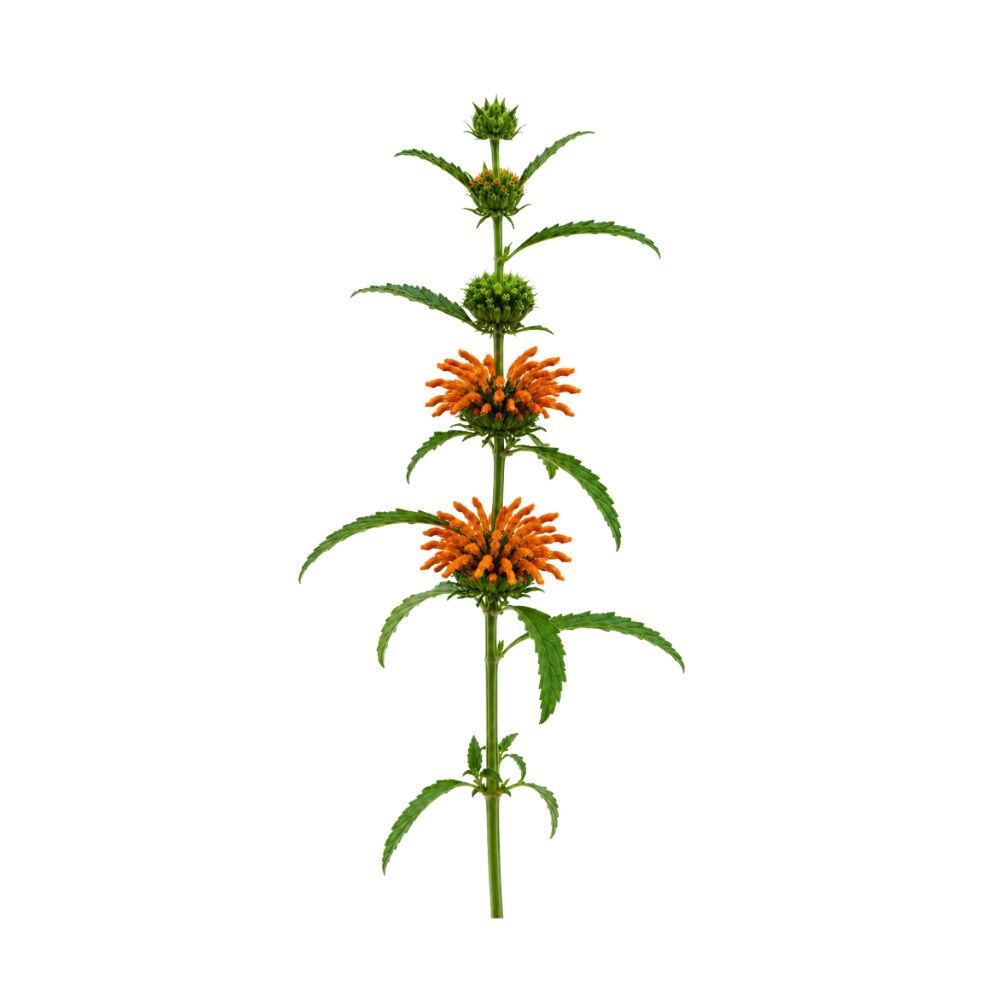 Principal source Dagga Leonotis nepetifolia Herb monograph →
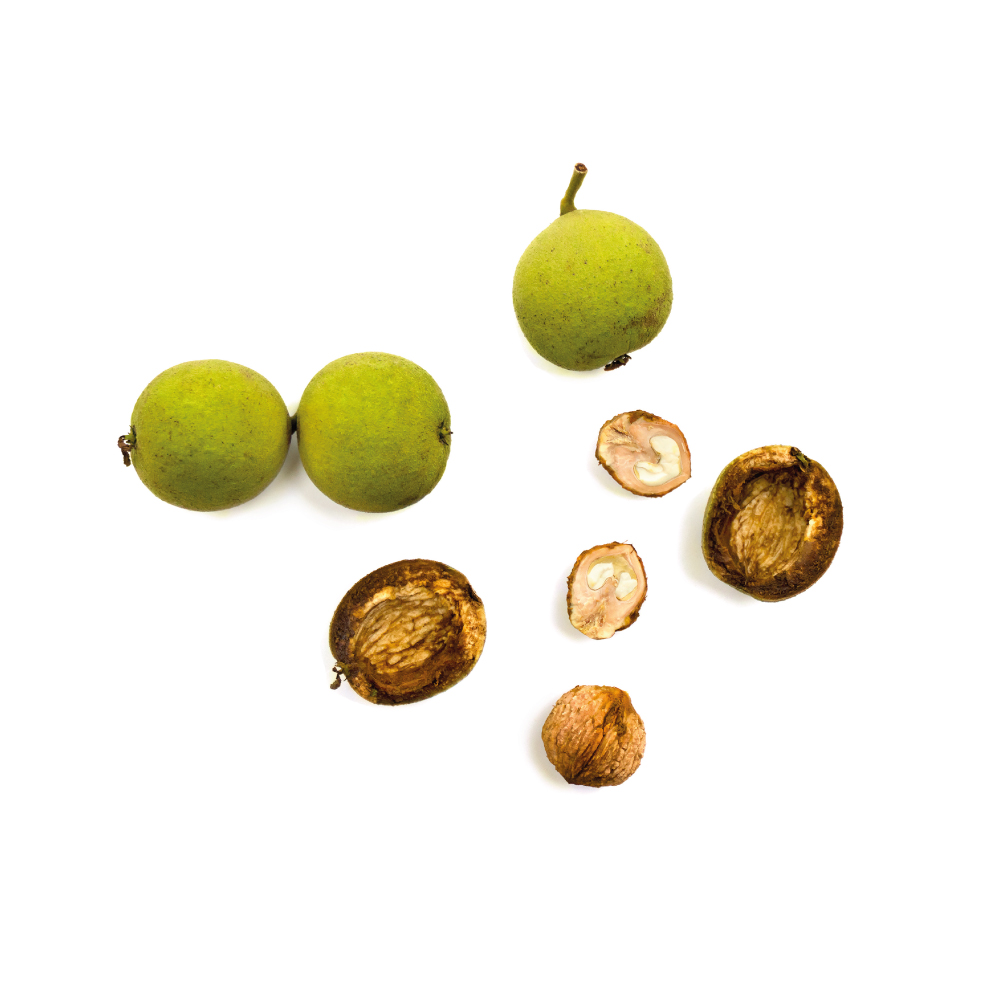 Source Black Walnut Juglans nigra Herb monograph →
 Source Cannabis Cannabis sativa Herb monograph →
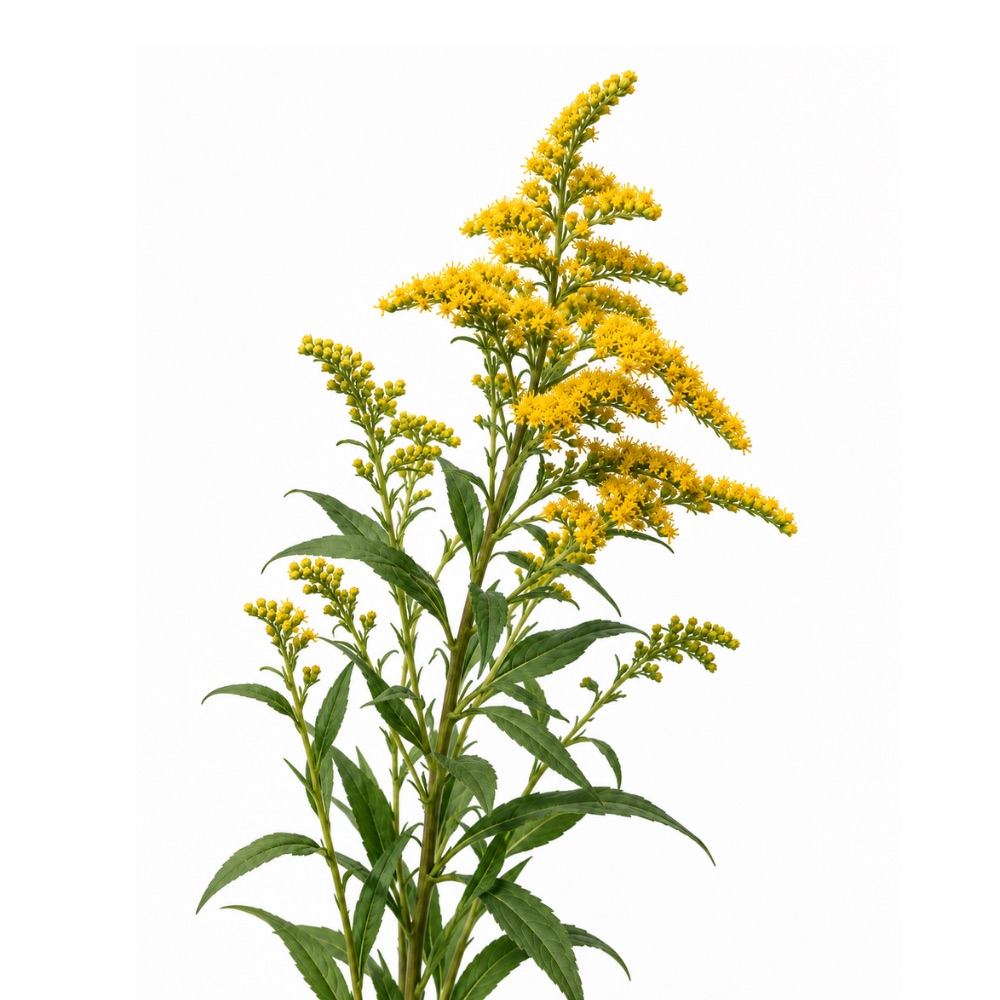 Source Goldenrod Solidago virgaurea Herb monograph →
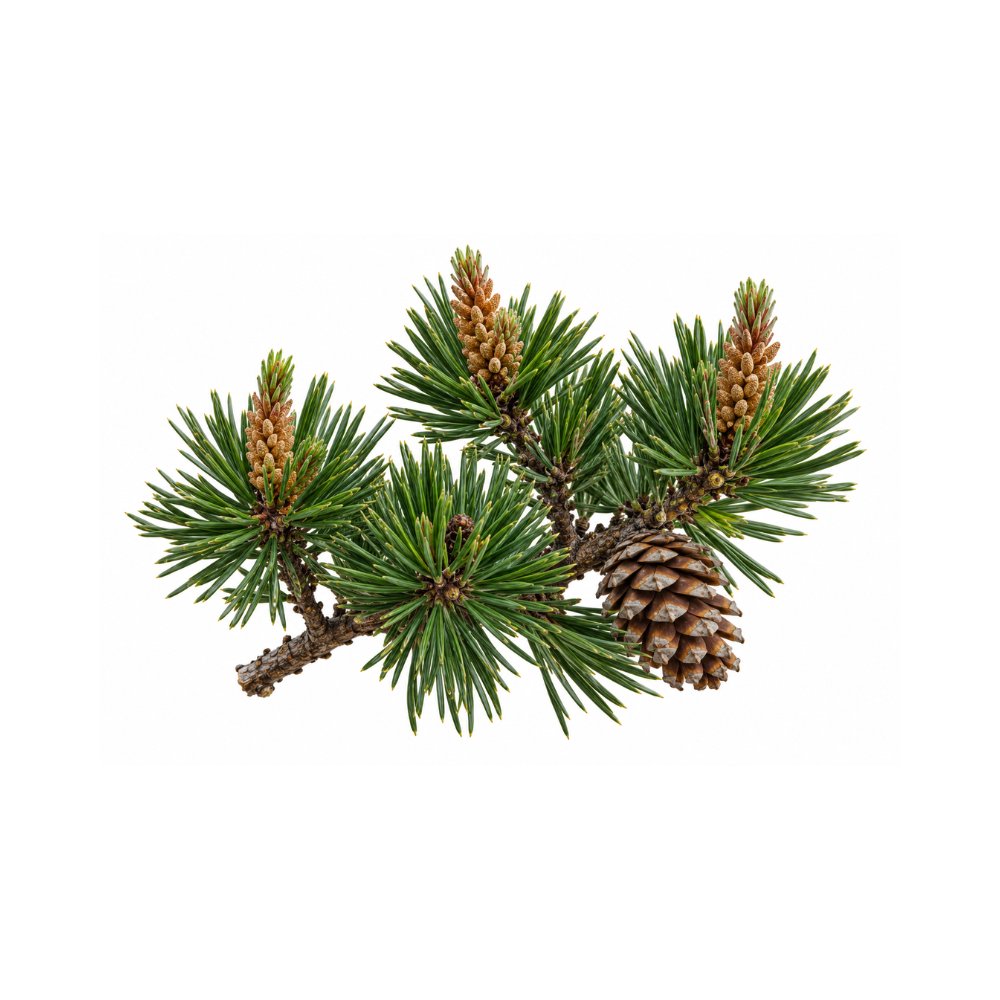 Source Mugo Pine Pinus mugo Herb monograph →
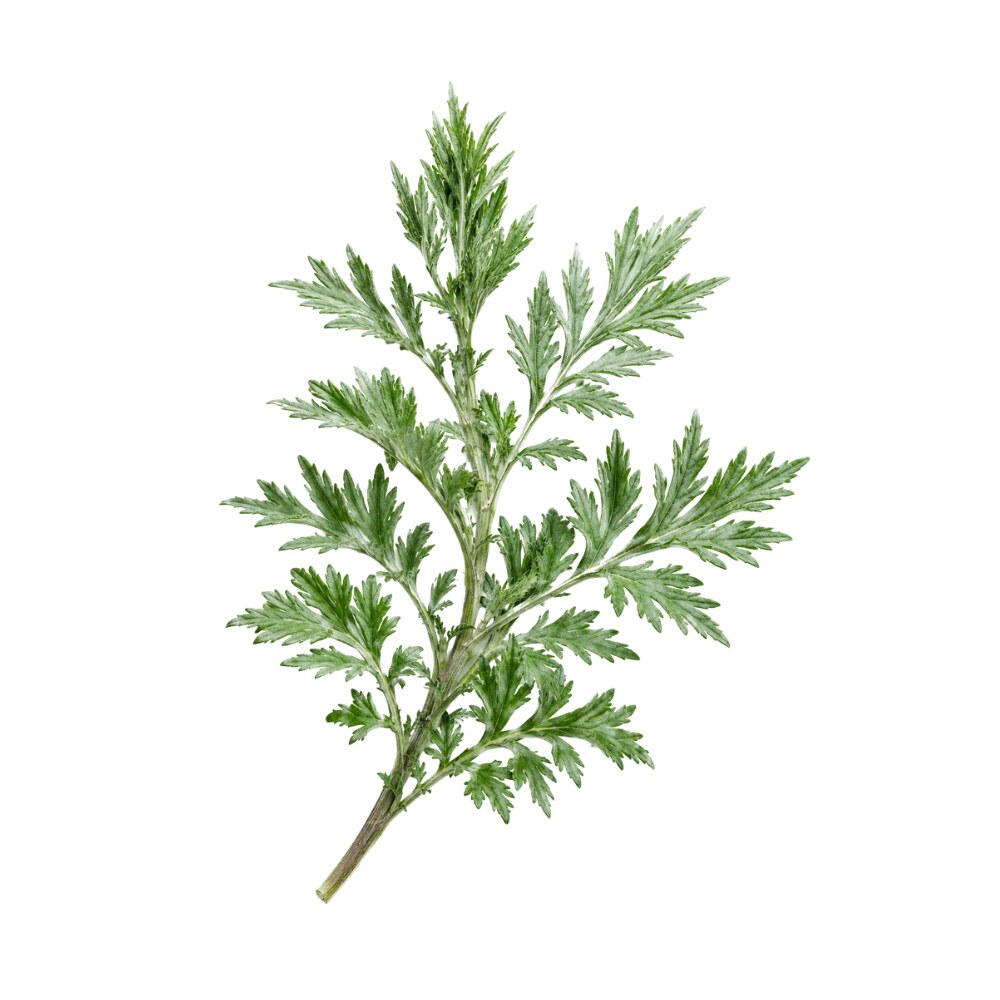 Source Mugwort Artemisia vulgaris Herb monograph →
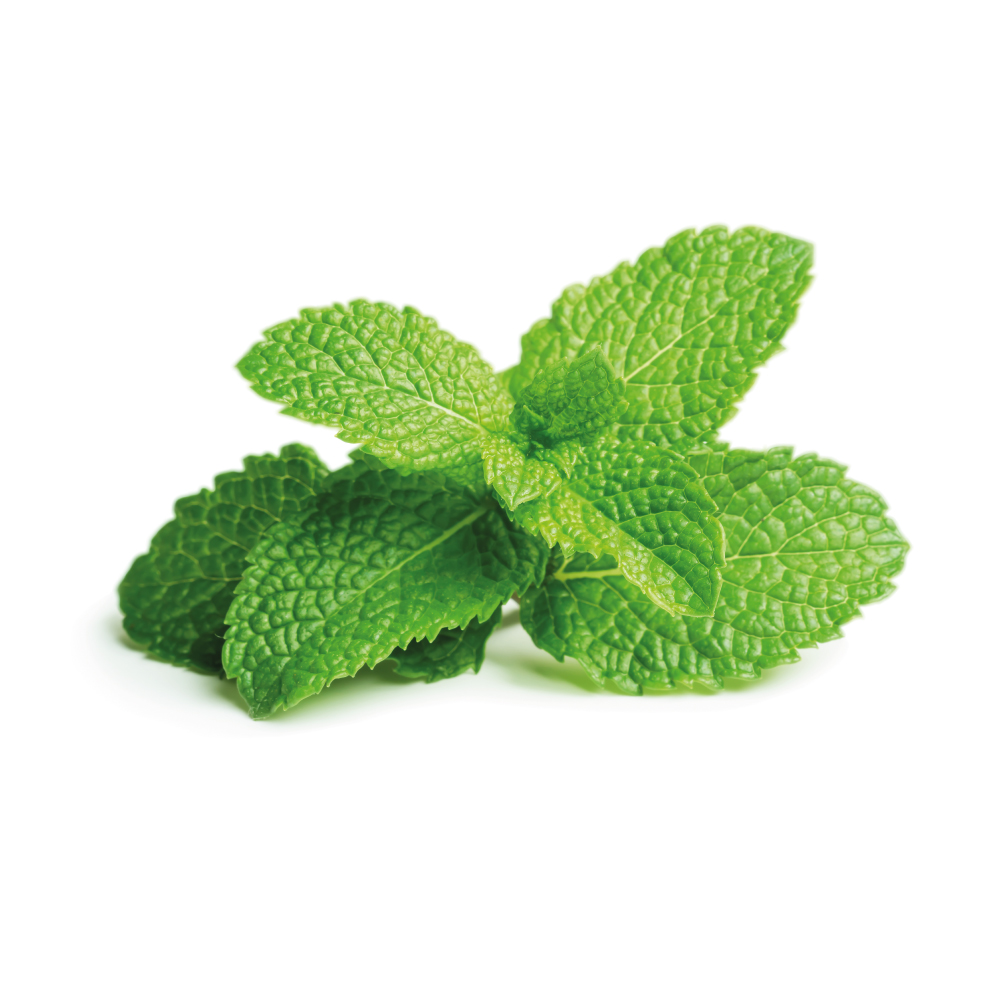 Source Peppermint Mentha × piperita Herb monograph →
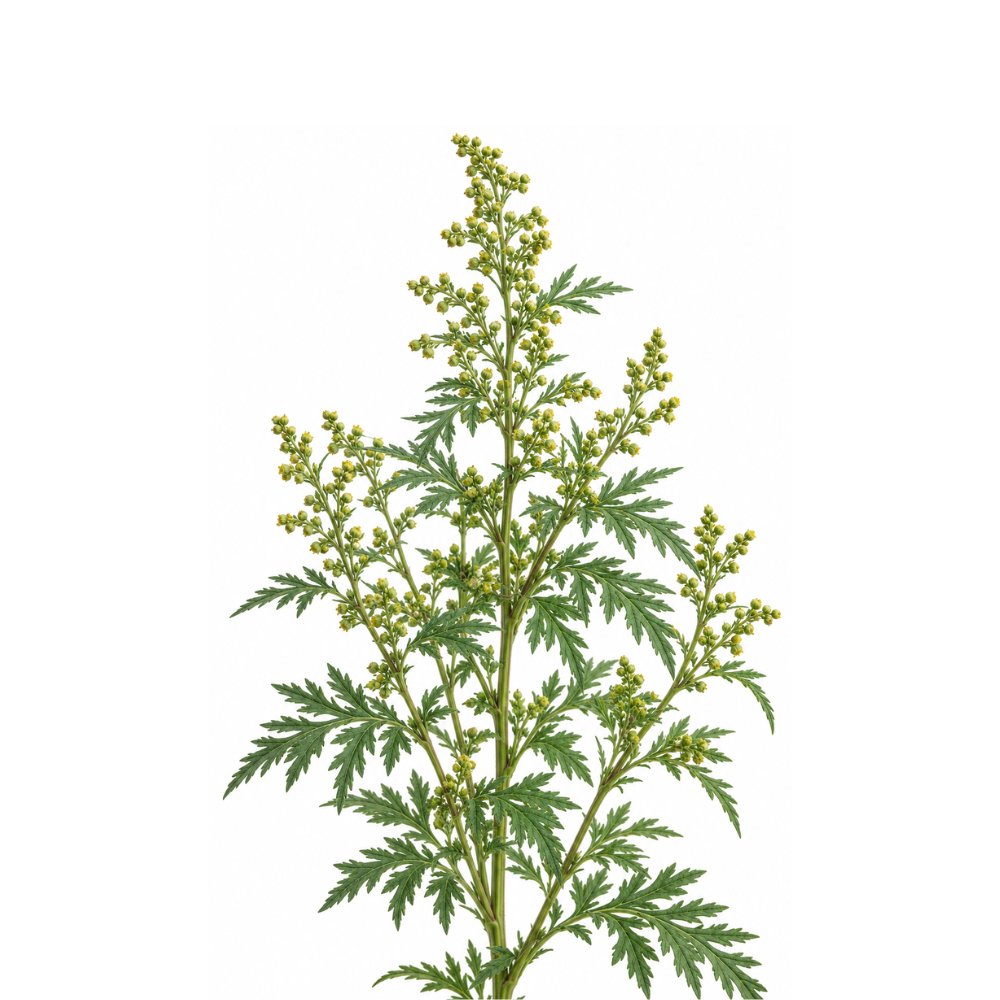 Source Sweet Wormwood Artemisia annua Herb monograph →
Photo coming soon
Source Ylang Ylang Cananga odorata Herb monograph →
Concentration
Content by Source
Reported concentrations across the plants that contain germacrene D — the bar marks the typical level, the line shows the reported range.
Literature figures for varying plant parts and preparations. Read them as a comparative guide, not exact assays.
Germacrene D at a Glance
Germacrene D is a sesquiterpene hydrocarbon (germacra-1(10),4,11(13)-triene) and one of the most widespread volatiles in the plant kingdom — a dominant note in the leaf and flower essential oils of dagga, ylang-ylang, goldenrod, cannabis and hundreds of other species 1,
Its best and almost only isolate-level data are ecological. Enantiomerically defined germacrene D repels the grain aphid and blunts the alarm response of other aphids 5Reference 5Response of economically important aphids to components of Hemizygia petiolata essential oilView study → — behavioural effects strong enough that its synthase genes are studied as tools for pest control 6Reference 6Enantiospecific (+)- and (−)-germacrene D synthases, cloned from goldenrod, reveal a functionally active variant of the aspartate-rich motifView study →. Its more medicinal-sounding reputation — antimicrobial, anti-inflammatory, antiproliferative — comes almost entirely from whole essential oils in which germacrene D is a major component, not from the purified molecule 1,
The molecule itself is thermally and chemically unstable: the ten-membered germacrane ring readily rearranges and cyclises, which is exactly why it sits upstream of so many other sesquiterpene skeletons and why it is hard to isolate, store or study on its own 7,
A Biosynthetic Hub
Germacrene D is made in one step from the universal sesquiterpene precursor farnesyl diphosphate (FPP) by germacrene D synthase, a terpene synthase that cyclises FPP into the ten-membered germacrane ring 6,
Two features make germacrene D a hub rather than an end-product:
- It is a common first-formed cyclisation product, one branch off the FPP → germacradienyl-cation network that also feeds the caryophyllene, humulene, elemene and cadinane families — so germacrene D co-occurs with β-caryophyllene, humulene and other sesquiterpenes because they share upstream chemistry.
- The germacrane ring is conformationally flexible and labile. Under heat, light or acid it undergoes transannular (Cope-type) rearrangement and cyclisation to bicyclic sesquiterpenes — the same reactivity that lets it serve, in plants and in the lab, as a precursor scaffold to other skeletons 8Reference 8ReviewGermacrenes A–E and related compounds: thermal, photochemical and acid induced transannular cyclizations (review)View study →. A practical corollary: some reported “germacrene D” chemistry is really an artefact of it rearranging during hot gas-chromatography analysis.
This instability is also why a sustainable supply of enantiopure germacrene D is not yet established; metabolic-engineering work has recently produced (+)- and (−)-germacrene D at high titre in engineered yeast by boosting FPP flux to plant germacrene D synthases 7Reference 7High-level biosynthesis of enantiopure germacrene D in yeastView study →.
Insect Semiochemistry
This is where the isolated molecule genuinely earns its keep, and where most real germacrene D data live. In a Rothamsted study of Hemizygia petiolata oil — an oil rich in the aphid alarm pheromone (E)-β-farnesene — the minor sesquiterpene components did the behavioural work: (−)-germacrene D inhibited the alarm response of the pea aphid (Acyrthosiphon pisum), and in olfactometer assays (−)-germacrene D directly repelled the grain aphid (Sitobion avenae) 5Reference 5Response of economically important aphids to components of Hemizygia petiolata essential oilView study →. The whole oil was repellent to two pest aphids and, in field plots, significantly reduced pea-aphid numbers 5Reference 5Response of economically important aphids to components of Hemizygia petiolata essential oilView study →.
Two points make this the load-bearing section:
- The activity is enantiomer-specific. It is the (−)-enantiomer that carries the aphid effects in this work 5Reference 5Response of economically important aphids to components of Hemizygia petiolata essential oilView study →, and plants such as goldenrod tune the (+)/(−) ratio with dedicated synthases 6Reference 6Enantiospecific (+)- and (−)-germacrene D synthases, cloned from goldenrod, reveal a functionally active variant of the aspartate-rich motifView study → — a rare case where a plant molecule’s chirality is functionally decoded by the receiving organism.
- It is why the genes are studied for pest control. Prosser and colleagues frame germacrene D synthase cloning explicitly around germacrene D’s “strong effects on insect behaviour” and its interest for plant–insect interaction and pest-control biotechnology 6Reference 6Enantiospecific (+)- and (−)-germacrene D synthases, cloned from goldenrod, reveal a functionally active variant of the aspartate-rich motifView study →.
Beyond aphids, germacrene D recurs across floral scents and herbivore-associated volatile blends, consistent with a broad role as a plant-to-insect signalling volatile — but the cleanest, enantiomer-resolved evidence is the aphid work above 5,
What It's Used For
Germacrene D’s pharmacology, as opposed to its ecology, is thin and almost entirely whole-oil: it is repeatedly named as a major component of bioactive essential oils, but rarely tested as the purified, stable isolate.
Support is an experimental score — weighted by study type (human > animal > in vitro) and volume. A beta, not a validated metric. Note the ceiling here: there are no human data, the top-ranked use is ecological (pest behaviour), and the rest rest on whole oils, not the isolate — so scores stay modest by design.
The one application tested on the defined isolate. In olfactometer and field assays, (−)-germacrene D repelled the grain aphid Sitobion avenae and inhibited the alarm-pheromone response of the pea aphid Acyrthosiphon pisum; the parent Hemizygia petiolata oil repelled pest aphids and cut pea-aphid numbers in field plots 5Reference 5Response of economically important aphids to components of Hemizygia petiolata essential oilView study →.
The effect is enantiomer-specific, and germacrene D synthase genes are actively studied as pest-control tools precisely because of these “strong effects on insect behaviour” 6Reference 6Enantiospecific (+)- and (−)-germacrene D synthases, cloned from goldenrod, reveal a functionally active variant of the aspartate-rich motifView study →.
Gap: this is ecological/agronomic chemistry, not a therapeutic use — and even here the effect is modulatory (alarm inhibition, repellency) and format-dependent, evaluated in one plant system’s oil plus purified enantiomers 5Reference 5Response of economically important aphids to components of Hemizygia petiolata essential oilView study →.
Germacrene D is the major constituent of dagga leaf essential oil (31.5%) and a significant fraction of its flower oil (12.1%); those oils showed broad antibacterial and notably strong antifungal activity (MIC50 ≈ 4–250 µg/mL) 1Reference 1Chemical profile and antimicrobial activity of Leonotis nepetifolia (L.) RView study →. It is likewise among the components tied to the radical-scavenging and antimicrobial character of ylang-ylang oil across distillation grades 4Reference 4Radical scavenging activity and metabolomic profiling of ylang-ylang essential oils by HPTLC and multivariate analysisView study →.
Gap: every one of these results is a whole essential oil in which germacrene D co-occurs with β-caryophyllene, β-elemene and others — the activity is not attributed to isolated, purified germacrene D, and sesquiterpene hydrocarbons are often weaker antimicrobials than the oxygenated components they travel with 1,
Dagga leaf essential oil — with germacrene D, β-caryophyllene, α-humulene and phytol as its predominant terpenoids — suppressed LPS-driven inflammation in RAW 264.7 macrophages, lowering TNF-α, IL-1β, IL-6, iNOS and COX-2, downregulating TLR4/MyD88 and NF-κB p65, and upregulating the Nrf2/HO-1 antioxidant axis 2Reference 2In vitroAnti-inflammatory activity of Leonotis nepetifolia leaf essential oil in LPS-stimulated RAW 264.7 cells and its molecular mechanism of action (in vitro)View study →.
Gap: this is a single in-vitro whole-oil study; the effect cannot be assigned to germacrene D specifically, and β-caryophyllene (a CB2 agonist) is an obvious co-driver 2Reference 2In vitroAnti-inflammatory activity of Leonotis nepetifolia leaf essential oil in LPS-stimulated RAW 264.7 cells and its molecular mechanism of action (in vitro)View study →.
Essential oils of four Solidago (goldenrod) species — germacrene D 3.89–19.51% — were antiproliferative against breast (MDA-MB-231), melanoma (A375) and colon (HCT116) cell lines (IC50 ≈ 6–29 µg/mL), with leaf oils more active than flower oils 3Reference 3In vitroChemical composition and antiproliferative effect of essential oils of four Solidago species (in vitro)View study →.
Gap: whole-oil, in-vitro only, and the goldenrod extraction notes flag it explicitly — this essential-oil cytotoxicity does not transfer to the tea/tincture the herb is traditionally taken as, and germacrene D is only one of several cytotoxic sesquiterpenes present 3Reference 3In vitroChemical composition and antiproliferative effect of essential oils of four Solidago species (in vitro)View study →.
Mechanisms
| Target / pathway | Effect | Relevant to |
|---|---|---|
| Aphid olfaction (alarm-pheromone system) | (−)-germacrene D inhibits the (E)-β-farnesene alarm response and repels some aphids | insect semiochemistry |
| Farnesyl diphosphate → germacrane ring | product of germacrene D synthase; branch-point toward other sesquiterpenes | biosynthesis / prevalence |
| Microbial membranes (whole oil) | lipophilic sesquiterpene fraction disrupts microbial/fungal membranes | antimicrobial (EO-level) |
| TLR4 / MyD88 / NF-κB; Nrf2 / HO-1 (whole oil) | dagga leaf oil ↓ pro-inflammatory cytokines and ↑ antioxidant enzymes | anti-inflammatory (EO-level) |
| Tumour-cell viability (whole oil) | Solidago oils reduce cancer-cell viability in vitro | antiproliferative (EO-level) |
The load-bearing row is the first one: it is the only mechanism demonstrated for the defined isolate 5,
Pharmacokinetics
No pharmacokinetic data exist for germacrene D as an isolate — no absorption, bioavailability, metabolism or half-life figures. This is not an oversight of research so much as a property of the molecule: it is a volatile, lipophilic, thermally labile hydrocarbon that rearranges under heat and acid 8Reference 8ReviewGermacrenes A–E and related compounds: thermal, photochemical and acid induced transannular cyclizations (review)View study →, so it is neither dosed nor tracked as a systemic agent. Whatever human exposure occurs is inhaled or dietary, as a minor component of aromatic plants and their oils.
Clinical Trials
None. There are no human trials of germacrene D, as an isolate or as a named intervention; the human-adjacent evidence is limited to whole essential oils used for other primary constituents.
| Completed | Planned | Terminated | Preclinical |
|---|---|---|---|
| — | — | — | Insect-behaviour (aphid) + whole-oil antimicrobial / anti-inflammatory / antiproliferative in vitro |
Last checked: July 2026.
Isolate vs. Plant Studies
Germacrene D inverts the usual split in an unusual way. The evidence that is on the isolated, enantiomerically defined molecule is the insect-behaviour work — (−)-germacrene D repelling and alarm-inhibiting aphids 5Reference 5Response of economically important aphids to components of Hemizygia petiolata essential oilView study →, and the goldenrod synthases that make each enantiomer 6Reference 6Enantiospecific (+)- and (−)-germacrene D synthases, cloned from goldenrod, reveal a functionally active variant of the aspartate-rich motifView study →. That is a genuine isolate strength, but it is ecological chemistry, not pharmacology.
Everything that sounds therapeutic is whole-oil: the antimicrobial dagga oils 1Reference 1Chemical profile and antimicrobial activity of Leonotis nepetifolia (L.) RView study →, the anti-inflammatory dagga leaf oil 2Reference 2In vitroAnti-inflammatory activity of Leonotis nepetifolia leaf essential oil in LPS-stimulated RAW 264.7 cells and its molecular mechanism of action (in vitro)View study →, the antiproliferative Solidago oils 3Reference 3In vitroChemical composition and antiproliferative effect of essential oils of four Solidago species (in vitro)View study →, and the antioxidant ylang-ylang grades 4Reference 4Radical scavenging activity and metabolomic profiling of ylang-ylang essential oils by HPTLC and multivariate analysisView study →. In each, germacrene D is one major sesquiterpene among several — commonly alongside β-caryophyllene and humulene — so its individual contribution is unresolved. The molecule’s instability compounds this: purifying and holding stable germacrene D for a clean isolate assay is hard 7,
Its Role in Plants
Germacrene D is a volatile signalling and defence compound. As a major floral- and leaf-oil constituent it forms part of the scent blends that mediate plant–insect interactions — attracting or deterring insects depending on context and enantiomer 5,
Its position as an early, reactive cyclisation product also gives it a metabolic role: the labile germacrane ring is a scaffold that plant enzymes (and spontaneous chemistry) elaborate into downstream bicyclic sesquiterpenes 8Reference 8ReviewGermacrenes A–E and related compounds: thermal, photochemical and acid induced transannular cyclizations (review)View study →. In that sense germacrene D is both a finished signalling volatile and an intermediate on the way to a wider sesquiterpene repertoire.
Prevalence in Nature
Germacrene D is one of the most frequently reported sesquiterpene hydrocarbons in plant essential oils — noted across Lamiaceae, Asteraceae, Annonaceae, conifers, Geranium and many others 5,
- Dagga (Leonotis nepetifolia): the dominant leaf-oil constituent at ~31.5%, and ~12.1% of the flower oil 1Reference 1Chemical profile and antimicrobial activity of Leonotis nepetifolia (L.) RView study →.
- Goldenrod (Solidago spp.): 3.89–19.51% of the leaf/flower oils, varying by species and part 3Reference 3In vitroChemical composition and antiproliferative effect of essential oils of four Solidago species (in vitro)View study →; Solidago canadensis famously makes both enantiomers 6Reference 6Enantiospecific (+)- and (−)-germacrene D synthases, cloned from goldenrod, reveal a functionally active variant of the aspartate-rich motifView study →.
- Ylang-ylang (Cananga odorata): roughly 3–15%, enriched in the later (II/III) distillation fractions that concentrate sesquiterpene hydrocarbons 4Reference 4Radical scavenging activity and metabolomic profiling of ylang-ylang essential oils by HPTLC and multivariate analysisView study →.
- Cannabis (Cannabis sativa): a recurrent sesquiterpene of the flower/leaf volatile profile.
Because the isolate is unstable, reported figures also carry a methodological caveat — hot GC analysis can rearrange germacrene D, so quantitation varies with method 8Reference 8ReviewGermacrenes A–E and related compounds: thermal, photochemical and acid induced transannular cyclizations (review)View study →.
Major Natural Sources
| Source | Plant part | Reported germacrene D content |
|---|---|---|
| Dagga (Leonotis nepetifolia) | leaf oil | ~31.5% |
| Goldenrod (Solidago spp.) | leaf/flower oil | ~3.9–19.5% |
| Ylang-ylang (Cananga odorata) | flower oil | ~3–15% |
| Dagga (Leonotis nepetifolia) | flower oil | ~12.1% |
These are percentages of the essential oil, not of the whole plant, and shift with chemotype, plant part and distillation grade 1,
Discovery & Synthesis
Germacrene D belongs to the germacrane group of sesquiterpenes first characterised in mid-twentieth-century essential-oil chemistry (the germacrenes are named for Geranium oil), with germacrene D described from conifer and geranium oils in the 1960s. The molecular biology arrived much later: in 2004, Prosser and colleagues cloned the enantiospecific (+)- and (−)-germacrene D synthases from goldenrod (Solidago canadensis), showing that two closely related enzymes generate the two enantiomers 6Reference 6Enantiospecific (+)- and (−)-germacrene D synthases, cloned from goldenrod, reveal a functionally active variant of the aspartate-rich motifView study →.
Total synthesis and manufacture are dominated by the molecule’s instability. Rather than store the isolate, recent work makes it biosynthetically: metabolic engineering of Saccharomyces cerevisiae — boosting FPP flux and expressing plant germacrene D synthases — produced enantiopure (+)- or (−)-germacrene D at high titre, offering a route to a compound that “a process for the sustainable supply of… is not yet established” 7Reference 7High-level biosynthesis of enantiopure germacrene D in yeastView study →. Its thermal, photochemical and acid-induced transannular rearrangements are documented as a defining feature of germacrane chemistry 8Reference 8ReviewGermacrenes A–E and related compounds: thermal, photochemical and acid induced transannular cyclizations (review)View study →.
Patents: not yet researched.
Toxicity & Safety
Germacrene D carries a low toxicity flag. It is a food- and fragrance-associated sesquiterpene hydrocarbon with a long history of incidental dietary and aromatic exposure and no isolate-specific toxicity signal — it is not consumed as a supplement, and there is no human or systemic toxicity dataset for the pure compound. The realistic concern is the general one for essential-oil constituents: skin sensitisation / contact allergy from the oils it occurs in rather than from the molecule as usually encountered.
- No isolate toxicity signal. A widespread food/fragrance essential-oil volatile with no reported systemic toxicity for the pure compound, and it is not taken as a supplement.
- Essential-oil contact allergy. Concentrated oils rich in sesquiterpenes can sensitise skin; essential-oil contact allergy is a documented class effect, so undiluted aromatic oils warrant the usual caution 9Reference 9ReviewEssential Oils, Part IV: Contact Allergy (review)View study →.
- Exposure is whole-oil, not isolate. Any real-world effect (benefit or risk) is from the essential oil as a mixture — germacrene D travels with β-caryophyllene, humulene and others — so read safety at the oil level, not the molecule level.
- Data are thin by nature. The molecule’s instability means little isolate-level toxicology exists; absence of a signal is not proof of safety at high or novel exposures.
Pregnancy and lactation are decided on the herb or product page where intake happens, not on this molecule page; no isolate-specific reproductive data exist for germacrene D, and no verdict is issued here.
Dosage
There is no human dose for germacrene D. It is not sold or used as a supplement — it is an essential-oil component and a fragrance/research chemical, and human exposure is incidental (via aromatic plants and their oils). The only meaningful “amounts” are concentrations in essential oils:
| Context | Typical germacrene D level |
|---|---|
| Dagga leaf essential oil | ~31.5% of oil 1Reference 1Chemical profile and antimicrobial activity of Leonotis nepetifolia (L.) RView study → |
| Goldenrod essential oil | ~3.9–19.5% of oil 3Reference 3In vitroChemical composition and antiproliferative effect of essential oils of four Solidago species (in vitro)View study → |
| Ylang-ylang essential oil | ~3–15% of oil 4Reference 4Radical scavenging activity and metabolomic profiling of ylang-ylang essential oils by HPTLC and multivariate analysisView study → |
These are compositional figures for essential oils, not intakes or recommendations. Where germacrene D matters to a person, it does so as one constituent of a whole oil dosed for other reasons.
References
- Adolpho LO, et al. (2024). Chemical profile and antimicrobial activity of Leonotis nepetifolia (L.) R. Br. essential oils. Natural Product Research. https://pubmed.ncbi.nlm.nih.gov/37583125/
- Mohanta O, et al. (2025). Anti-inflammatory activity of Leonotis nepetifolia leaf essential oil in LPS-stimulated RAW 264.7 cells and its molecular mechanism of action (in vitro). Scientific Reports. https://pubmed.ncbi.nlm.nih.gov/41006625/
- Nkuimi Wandjou JG, et al. (2020). Chemical composition and antiproliferative effect of essential oils of four Solidago species (in vitro). Chemistry & Biodiversity. https://pubmed.ncbi.nlm.nih.gov/32930493/
- Lebanov L, et al. (2021). Radical scavenging activity and metabolomic profiling of ylang-ylang essential oils by HPTLC and multivariate analysis. Journal of Chromatography B. https://pubmed.ncbi.nlm.nih.gov/34339956/
- Bruce TJ, et al. (2005). Response of economically important aphids to components of Hemizygia petiolata essential oil. Pest Management Science. https://pubmed.ncbi.nlm.nih.gov/16059962/
- Prosser I, et al. (2004). Enantiospecific (+)- and (−)-germacrene D synthases, cloned from goldenrod, reveal a functionally active variant of the aspartate-rich motif. Archives of Biochemistry and Biophysics. https://pubmed.ncbi.nlm.nih.gov/15542052/
- Sharma S, et al. (2024). High-level biosynthesis of enantiopure germacrene D in yeast. Applied Microbiology and Biotechnology. https://pubmed.ncbi.nlm.nih.gov/38183482/
- Adio AM (2009). Germacrenes A–E and related compounds: thermal, photochemical and acid induced transannular cyclizations (review). Tetrahedron. https://doi.org/10.1016/j.tet.2008.11.050
- de Groot AC, Schmidt E (2016). Essential Oils, Part IV: Contact Allergy (review). Dermatitis. https://pubmed.ncbi.nlm.nih.gov/27427818/



