
Compound Monograph
Ligstroside
Ligstroside is the tyrosol-bearing secoiridoid glucoside of olive — the structural twin of oleuropein and the precursor whose aglycone becomes oleocanthal, the ibuprofen-like sting of fresh extra-virgin olive oil. Its own isolate data are thin; most 'ligstroside' activity belongs to its aglycone, to oleocanthal, or to whole olive oil.

Sources · 6
Where Does It Come From?
Ligstroside is a naturally occurring secoiridoid glycoside, found in Olive fruit and olive oil, Olive leaf, Privet and 3 other sources. It is well tolerated orally (low toxicity).
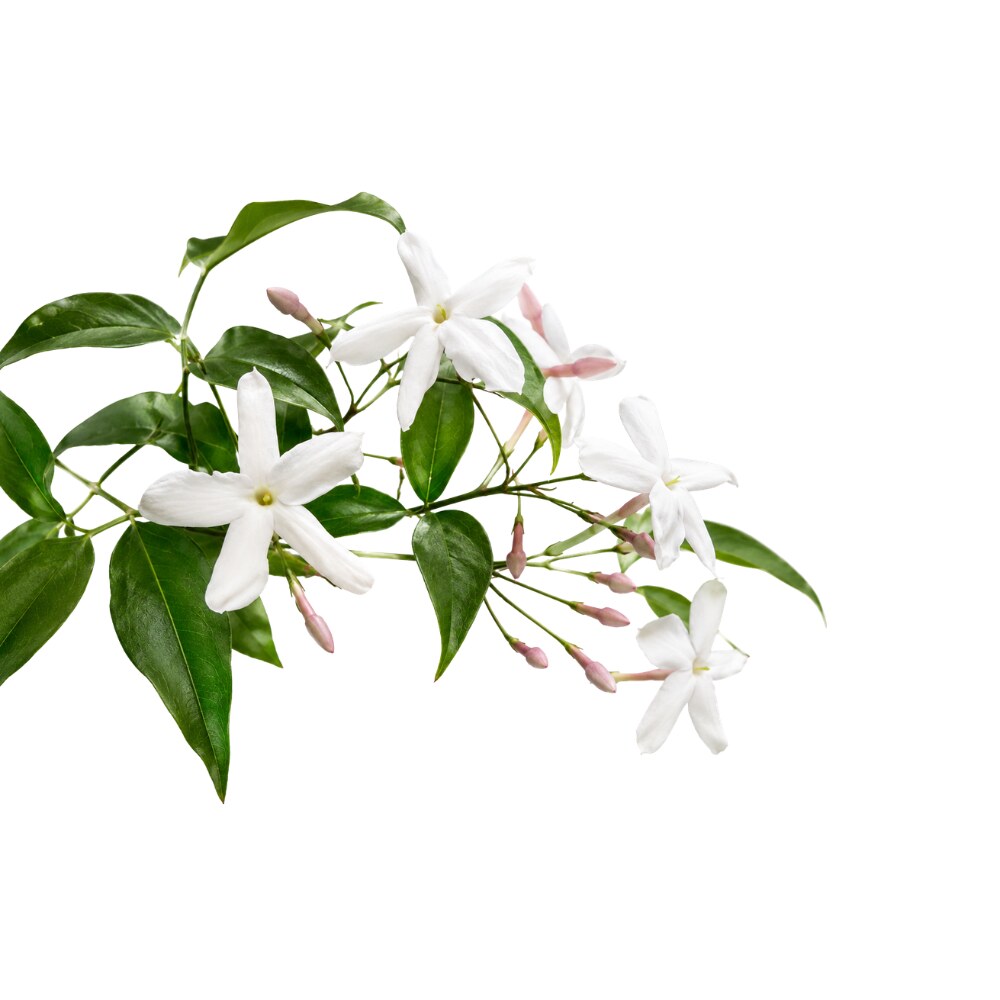 Source Jasmine Jasminum officinale Herb monograph →
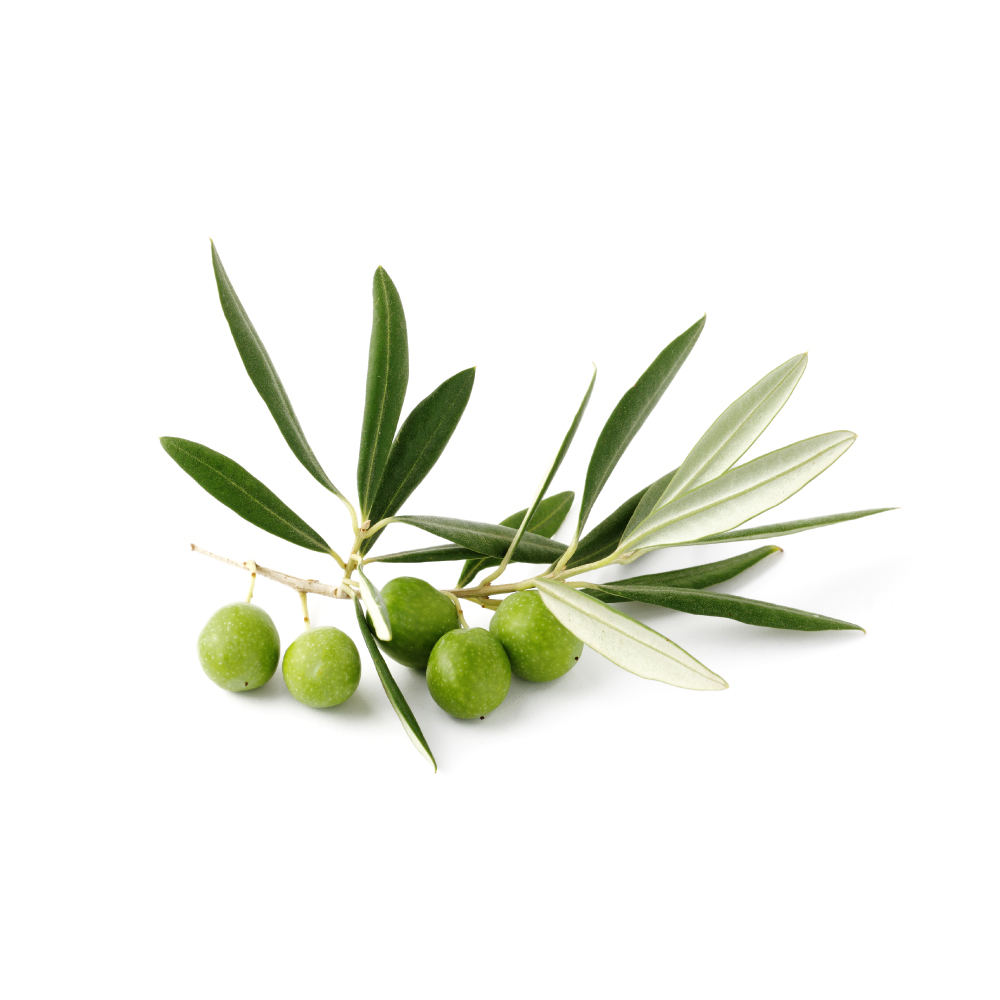 Source Olive Leaf Olea europaea Herb monograph →
Concentration
Content by Source
Concentrations not reported. No percent-dry-weight or mg/g figures have been published for this compound in its source plants.
Ligstroside at a Glance
Ligstroside is a secoiridoid glucoside of the olive (Olea europaea) and the close structural twin of the plant’s marquee polyphenol, oleuropein. The two differ by a single hydroxyl group: oleuropein is an ester of the catechol hydroxytyrosol, while ligstroside is the corresponding ester of the simpler phenol tyrosol — the same elenolic-acid glucoside carrying the mono-phenol instead of the catechol.
Its importance is mostly as a precursor. When an olive is crushed, the fruit’s own enzymes convert ligstroside into its aglycone and then into oleocanthal — the dialdehyde behind the peppery throat-sting and ibuprofen-like activity of fresh extra-virgin olive oil — exactly as oleuropein feeds the parallel route to oleacein. Ligstroside is oleocanthal’s tyrosol-bearing parent.
The honest posture for this molecule is that ligstroside itself is thinly studied. Most of the biology attributed to it in the literature actually belongs to its aglycone, to oleocanthal, or to whole olive oil, in which ligstroside is one phenol among many. There is a genuine ligstroside-specific in-vivo signal — a mouse mitochondrial/longevity study dosed the glucoside itself 6Reference 6Purified oleocanthal and ligstroside protect against mitochondrial dysfunction in models of early Alzheimer’s disease and brain ageingView study → — but no human data on the isolate. As a constituent of a food eaten for millennia, it carries a low-toxicity profile.
Ligstroside, Oleuropein & the Olive Secoiridoids
The single most useful orientation for this molecule is where it sits on the olive secoiridoid map. Olive’s secoiridoids are all built on elenolic acid; they differ in which phenol is esterified to it and whether the glucose and methyl-ester groups are still attached:
- Oleuropein — elenolic-acid glucoside esterified to hydroxytyrosol (a catechol, two adjacent ring hydroxyls). The dominant secoiridoid of olive leaf and the bitter principle of the fruit.
- Ligstroside — the same elenolic-acid glucoside esterified to tyrosol (a mono-phenol, one ring hydroxyl). The tyrosol analogue of oleuropein, and generally the less abundant of the pair.
That one missing hydroxyl runs all the way down each family’s chemistry: the hydroxytyrosol (catechol) branch — oleuropein and its downstream oleacein — carries the stronger direct antioxidant capacity and olive’s potent ACE inhibition, while the tyrosol (mono-phenol) branch — ligstroside and its downstream oleocanthal — carries the COX/anti-inflammatory pungency story 7,
One consequence for reading the literature: an effect credited to “olive polyphenols” or to “the olive secoiridoids” is usually shared across this whole family — oleuropein, ligstroside, their aglycones, hydroxytyrosol and tyrosol — and is rarely attributable to ligstroside alone 7,
From Ligstroside to Oleocanthal
Ligstroside’s headline role is as the reservoir that generates oleocanthal. Oleocanthal is not stored ready-made in the intact olive; it is created when the fruit is milled. During crushing and malaxation the olive’s endogenous β-glucosidase cleaves the glucose from ligstroside to give ligstroside aglycone, and an elenolic-acid methylesterase then removes the methyl-ester group, opening the structure to the reactive dialdehyde that is oleocanthal (p-HPEA-EDA) 11Reference 11Health-promoting properties of oleocanthal and oleacein: two secoiridoids from extra-virgin olive oilView study →. The exactly parallel enzymatic cascade on oleuropein yields oleacein on the catechol branch 7,
This is why oleocanthal is a marker of fresh, robustly-milled extra-virgin olive oil rather than a fixed property of the olive: how much ligstroside is present, and how completely the enzymes convert it during processing, sets the oil’s oleocanthal level. Historically the two ends of this pathway were connected before either had a common name — the pungency principle of virgin olive oil was first identified as the “deacetoxy-ligstroside aglycon” 2Reference 2Sensory properties of virgin olive oil polyphenols: identification of deacetoxy-ligstroside aglycon as a key contributor to pungencyView study →, later christened oleocanthal and shown to inhibit COX like ibuprofen 3Reference 3Phytochemistry: ibuprofen-like activity in extra-virgin olive oilView study →.
The ligstroside aglycone is itself a bioactive intermediate, not merely a way-station: it is the specific form tested in most of the “ligstroside” anti-inflammatory and anticancer work below 5,
What It's Used For
Ligstroside’s evidence base is thin and uniformly preclinical, and it is split across three chemical species — the glucoside, its aglycone, and (upstream of) oleocanthal. Only one strand tested the intact glucoside; the rest are the aglycone or the whole oil.
Support is an experimental score — weighted by study type (human > animal > in vitro) and volume. A beta, not a validated metric. Every row here is preclinical, and most test the aglycone or whole oil rather than the intact glucoside — read the per-row basis.
The strongest ligstroside-specific signal, and the one strand that dosed the intact glucoside. In a cellular model of early Alzheimer’s disease (SH-SY5Y-APP695), purified ligstroside and oleocanthal were the two compounds that most raised ATP levels and were the only ones to enhance the capacity of the mitochondrial respiratory-chain complexes; ligstroside also increased expression of SIRT1, CREB1, complex I and GPx1 6Reference 6Purified oleocanthal and ligstroside protect against mitochondrial dysfunction in models of early Alzheimer’s disease and brain ageingView study →.
In vivo, 12-month-old female mice fed a diet supplemented with 50 mg/kg ligstroside for 6 months showed improved spatial working memory, restored brain ATP, and a significant extension of lifespan versus aged controls 6Reference 6Purified oleocanthal and ligstroside protect against mitochondrial dysfunction in models of early Alzheimer’s disease and brain ageingView study →.
Isolate vs. plant: this is purified ligstroside in a cell model and a whole-animal study — genuinely the molecule itself.
Gap: a single research group’s cell-and-mouse programme; there is no human data, and mouse dietary mg/kg does not translate directly to a human dose or to dietary olive-oil exposure 6Reference 6Purified oleocanthal and ligstroside protect against mitochondrial dysfunction in models of early Alzheimer’s disease and brain ageingView study →.
An eye-catching but strictly preclinical signal, and it is the aglycone, not the glucoside. An extra-virgin-olive-oil extract enriched in ligstroside aglycone (~67%) and oleocanthal (~32%) reduced proliferation and promoted death of three human liver-cancer cell lines, likely via autophagy modulation, with the effect amplified by TNF-α — the first study to probe ligstroside aglycone’s contribution to such activity 5Reference 5Anti-Proliferative Effects of an Extra-Virgin Olive Oil Extract Enriched in Ligstroside Aglycone and Oleocanthal on Human Liver Cancer Cell LinesView study →.
Separately, purified ligstroside aglycone given orally at 10 mg/kg/day suppressed BRAF-V600E melanoma (Malme-3M) xenografts in mice, downregulating the mutated BRAF-MAPK axis and producing focal tumour necrosis 12Reference 12The Olive Oil Monophenolic Secoiridoid Ligstroside Aglycone Suppresses Melanoma Progression by Targeting the BRAF Signaling PathwayView study →.
Isolate vs. plant: isolate/enriched-extract in cell lines and one xenograft model — no clinical oncology data.
Gap: entirely in vitro / in vivo, largely on the aglycone (and, in the liver study, co-delivered with oleocanthal); the concentrations and delivery used are far from anything reached by eating olives, and no human cancer study exists 5,
The mechanistic core of ligstroside’s anti-inflammatory reputation — again the aglycone. In LPS-stimulated murine peritoneal macrophages, ligstroside aglycon lowered pro-inflammatory cytokines and enzymes and modulated a broad set of pathways: MAPKs, JAK/STAT, NF-κB, the Nrf2/HO-1 antioxidant axis, and the NLRP3 inflammasome 8Reference 8AnimalLigstroside aglycon, an extra virgin olive oil secoiridoid, prevents inflammation by regulation of MAPKs, JAK/STAT, NF-κB, Nrf2/HO-1, and NLRP3 inflammasome signaling pathways in LPS-stimulated murine peritoneal macrophagesView study →.
This mirrors the profile documented for its catechol-branch counterparts (oleacein, oleocanthal), consistent with a shared secoiridoid mechanism 7,
Isolate vs. plant: isolated aglycone in cultured cells at defined concentrations.
Gap: a single in-vitro macrophage study of the aglycone; no human trial, no isolate-glucoside data, and the concentrations used may exceed what a dietary intake could reach 8Reference 8AnimalLigstroside aglycon, an extra virgin olive oil secoiridoid, prevents inflammation by regulation of MAPKs, JAK/STAT, NF-κB, Nrf2/HO-1, and NLRP3 inflammasome signaling pathways in LPS-stimulated murine peritoneal macrophagesView study →.
The thinnest tier, and a reminder of ligstroside’s non-olive occurrence. Ligstroside (reported under the “ligustroside” spelling), isolated from the fruits of privet (Ligustrum lucidum), was one of six secoiridoid glucosides screened in vitro against a panel of respiratory viruses; it showed potent-to-moderate activity against parainfluenza type 3 (IC50 in the ~16–21 µg/mL range) alongside lucidumoside C and oleoside dimethylester 10Reference 10In vitroIn vitro evaluation of secoiridoid glucosides from the fruits of Ligustrum lucidum as antiviral agentsView study →.
Isolate vs. plant: purified glucoside in a cell-based antiviral assay.
Gap: a single in-vitro screen against one virus panel, from a privet (not olive) source; no animal or human antiviral data, and no follow-up mechanism 10Reference 10In vitroIn vitro evaluation of secoiridoid glucosides from the fruits of Ligustrum lucidum as antiviral agentsView study →.
Mechanisms
| Target / pathway | Effect | Relevant to |
|---|---|---|
| β-glucosidase + elenolic-acid methylesterase (on crushing) | convert ligstroside → aglycone → oleocanthal (the tyrosol-branch cascade) | precursor chemistry / pungency |
| Mitochondrial respiratory-chain complexes / ATP | ligstroside raises ATP and complex capacity; ↑ SIRT1, CREB1, complex I, GPx1 | neuroprotective / ageing |
| MAPKs, JAK/STAT, NF-κB, NLRP3 inflammasome | aglycone suppresses inflammatory signalling | anti-inflammatory |
| Nrf2 / heme-oxygenase-1 (HO-1) | aglycone activates the antioxidant/cytoprotective axis | anti-inflammatory / antioxidant |
| BRAF-V600E / MAPK axis | aglycone downregulates the mutated oncogenic pathway | anticancer (preclinical) |
| Autophagy | enriched aglycone/oleocanthal extract modulates autophagy in liver-cancer cells | anticancer (preclinical) |
| Cyclo-oxygenase (via oleocanthal) | ligstroside supplies the precursor for oleocanthal’s ibuprofen-like COX inhibition | anti-inflammatory (downstream) |
The load-bearing row is the first one: ligstroside’s most consequential “action” is a transformation — it is the enzymatic substrate that becomes oleocanthal — so much of its health interest is really the interest in what it turns into 2,
Pharmacokinetics
Ligstroside is a large, polar secoiridoid glucoside, and it shares the pharmacokinetic limits of its family. Like oleuropein it is poorly absorbed intact and is extensively hydrolysed presystemically — by the plant’s own enzymes during processing, and by gut microbiota and mucosal esterases/glucosidases after ingestion — so what actually circulates is largely the small phenol tyrosol (ligstroside’s hydrolysis analogue of hydroxytyrosol) and downstream conjugates, not the intact glucoside 9,
Clinical Trials
There are no controlled clinical trials of isolated ligstroside — nor of its aglycone. The only human layer is whole olive oil / olive-leaf extract, in which ligstroside is one secoiridoid among several and is not the isolated variable; those trials are reported on the oleuropein and oleocanthal pages. All ligstroside-attributed disease data are preclinical.
| Completed | Planned | Terminated | Preclinical |
|---|---|---|---|
| None of the isolate (only whole olive-oil / olive-leaf data, reported under related compounds) | — | — | Neuro/mitochondrial & ageing (glucoside) 6Reference 6Purified oleocanthal and ligstroside protect against mitochondrial dysfunction in models of early Alzheimer’s disease and brain ageingView study →; anti-inflammatory + anticancer (aglycone) 5, |
Last checked: July 2026.
Isolate vs. Plant Studies
Ligstroside is an unusually clear case of evidence scattered across three chemical species. The intact glucoside has essentially one dedicated line of isolate work — the mitochondrial/longevity programme in cells and mice 6Reference 6Purified oleocanthal and ligstroside protect against mitochondrial dysfunction in models of early Alzheimer’s disease and brain ageingView study → — which is genuinely compound-specific and is the best reason to treat ligstroside as more than a precursor. The aglycone carries the anti-inflammatory and anticancer isolate data 5,
The correct framing is therefore: a single, real preclinical signal for the isolate glucoside, a modest preclinical profile for its aglycone, and no human evidence for either — all connected to olive oil’s broader reputation through the shared secoiridoid chemistry, but not proven by it 7,
Its Formation & Role in the Plant
Ligstroside is a product of the secoiridoid branch of the terpenoid pathway in Oleaceae — the same route that builds oleuropein. Geraniol-derived monoterpene precursors are elaborated through the oleoside/secologanin route to the elenolic-acid glucoside, which is then esterified to a phenol: to tyrosol it gives ligstroside, to hydroxytyrosol it gives oleuropein 7,
Functionally, ligstroside belongs to the olive’s chemical-defence repertoire. Its real defensive punch is delivered on tissue damage: when herbivory or milling ruptures the fruit, endogenous β-glucosidase acts on ligstroside to release the reactive aglycone and, ultimately, the pungent dialdehyde oleocanthal — a wound-activated deterrent, exactly paralleling how oleuropein feeds oleacein on the catechol branch 11Reference 11Health-promoting properties of oleocanthal and oleacein: two secoiridoids from extra-virgin olive oilView study →. So the intact glucoside is best read as a stored, stable precursor that the plant weaponises into a reactive aldehyde only when attacked.
Prevalence in Nature
Ligstroside is, for practical purposes, an Oleaceae secoiridoid — most familiar from the olive (Olea europaea), where it occurs in the fruit, the oil and the leaf as the tyrosol-bearing twin of oleuropein, and generally at lower levels than oleuropein 7,
A practical wrinkle for quantitation: ligstroside is poorly represented in olive leaf and is partly consumed during oil processing as it converts toward oleocanthal, so measured “ligstroside content” is strongly influenced by cultivar, plant part and how the material was handled 11Reference 11Health-promoting properties of oleocanthal and oleacein: two secoiridoids from extra-virgin olive oilView study →. Because of that low and processing-dependent abundance, well-anchored dry-weight figures for the intact glucoside are scarce — a hole tracked in this compound’s gaps note rather than asserted here.
Discovery & Synthesis
Ligstroside was characterised as a secoiridoid glucoside of the olive family, and its name derives from the privet genus Ligustrum (hence the widely-used alternate spelling “ligustroside”) — a pre-PubMed identification reported consistently across the modern olive-phenol literature but not independently verified here to an original digitised copy 7,
Manufacture today is by extraction — from olive fruit, oil and leaf — or, increasingly, by semisynthesis from oleuropein, precisely because ligstroside, its aglycone and oleocanthal are poorly represented in olive leaves and hard to obtain in quantity by extraction or total synthesis. A green, gram-scale chemocatalytic cascade converting oleuropein to ligstroside, ligstroside aglycone and oleocanthal in a single sequence has been reported as a practical supply route for research material 13Reference 13Green Semisynthetic Cascade to Ligstroside, Ligstroside Aglycone, and OleocanthalView study →. Pure ligstroside remains a limited-availability research chemical, which is itself one reason its isolate pharmacokinetics are so poorly studied.
Patents: not yet researched.
Toxicity & Safety
Ligstroside carries a low toxicity flag. It is a natural secoiridoid of a food humans have eaten for millennia — olives and extra-virgin olive oil — and belongs to the same family (with oleuropein, tyrosol and hydroxytyrosol) that anchors olive oil’s recognised health interest; there is no signal of meaningful toxicity at dietary or supplemental phenolic levels 9,
- Dietary olive secoiridoid. A natural constituent of olives and extra-virgin olive oil with a long dietary history and no toxicity signal at food-level intake 9,
11Reference 9In vitroMetabolism and Bioavailability of Olive Bioactive Constituents Based on In Vitro, In Vivo and Human StudiesView study →Reference 11Health-promoting properties of oleocanthal and oleacein: two secoiridoids from extra-virgin olive oilView study → . - Theoretical additive blood-pressure/anti-inflammatory effects. As an olive secoiridoid and the precursor of oleocanthal, concentrated supplemental intake could in principle add to antihypertensive or antiplatelet effects seen for the olive-phenol family — relevant to anyone on cardiovascular medication (ordinary dietary olive oil is not a concern) 7,
11Reference 7Olea europaea L-derived secoiridoids: Beneficial health effects and potential therapeutic approachesView study →Reference 11Health-promoting properties of oleocanthal and oleacein: two secoiridoids from extra-virgin olive oilView study → . - Isolate ≠ olive oil, and glucoside ≠ aglycone. Human data are for whole olive oil; most isolate data are for the aglycone, not the glucoside — do not read either as evidence for pure ligstroside.
- Poorly characterised. As a low-abundance, poorly-absorbed glucoside with no isolate toxicology package, ligstroside’s behaviour as a purified supplement is not established 9,
11Reference 9In vitroMetabolism and Bioavailability of Olive Bioactive Constituents Based on In Vitro, In Vivo and Human StudiesView study →Reference 11Health-promoting properties of oleocanthal and oleacein: two secoiridoids from extra-virgin olive oilView study → .
Pregnancy and lactation are per-herb / per-supplement decisions and are not adjudicated on this molecule page; no dedicated human reproductive data exist for isolated ligstroside, and no isolate-specific verdict is issued here.
Dosage
There is no established human dose for isolated ligstroside. It has never been given to people as a defined drug, and pure material is scarce. Real-world exposure is dietary, through the secoiridoid fraction of olives and extra-virgin olive oil — where ligstroside also matters as the reservoir that becomes oleocanthal on crushing. The only quantified doses are from animal research:
| Context | Typical figure |
|---|---|
| Dietary exposure | via olives / extra-virgin olive oil (as one secoiridoid among several) 9, |
| Ligstroside (mouse longevity study) | 50 mg/kg of diet for 6 months 6Reference 6Purified oleocanthal and ligstroside protect against mitochondrial dysfunction in models of early Alzheimer’s disease and brain ageingView study → |
| Ligstroside aglycone (mouse melanoma study) | 10 mg/kg/day orally 12Reference 12The Olive Oil Monophenolic Secoiridoid Ligstroside Aglycone Suppresses Melanoma Progression by Targeting the BRAF Signaling PathwayView study → |
| Isolated ligstroside (human) | no established dose |
These are animal research and dietary-exposure figures, not a personal recommendation. There is no human dosing evidence for ligstroside or its aglycone.
References
- Hansen K, Adsersen A, Christensen SB, Jensen SR, Nyman U, Smitt UW (1996). Isolation of an angiotensin converting enzyme (ACE) inhibitor from Olea europaea and Olea lancea. Phytomedicine. https://pubmed.ncbi.nlm.nih.gov/23194770/
- Andrewes P, Busch JL, de Joode T, Groenewegen A, Alexandre H (2003). Sensory properties of virgin olive oil polyphenols: identification of deacetoxy-ligstroside aglycon as a key contributor to pungency. Journal of Agricultural and Food Chemistry. https://pubmed.ncbi.nlm.nih.gov/12590491/
- Beauchamp GK, Keast RS, Morel D, Lin J, Pika J, Han Q, et al. (2005). Phytochemistry: ibuprofen-like activity in extra-virgin olive oil. Nature. https://pubmed.ncbi.nlm.nih.gov/16136122/
- Karkoula E, Skantzari A, Melliou E, Magiatis P (2012). Direct measurement of oleocanthal and oleacein levels in olive oil by quantitative ¹H NMR. Establishment of a new index for the characterization of extra virgin olive oils. Journal of Agricultural and Food Chemistry. https://pubmed.ncbi.nlm.nih.gov/23116297/
- De Stefanis D, Scimè S, Accomazzo S, Catti A, Occhipinti A, Bertea CM, Costelli P (2019). Anti-Proliferative Effects of an Extra-Virgin Olive Oil Extract Enriched in Ligstroside Aglycone and Oleocanthal on Human Liver Cancer Cell Lines. Cancers (Basel). https://pubmed.ncbi.nlm.nih.gov/31653043/
- Grewal R, Reutzel M, Dilberger B, Hein H, Zotzel J, Marx S, et al. (2020). Purified oleocanthal and ligstroside protect against mitochondrial dysfunction in models of early Alzheimer’s disease and brain ageing. Experimental Neurology. https://pubmed.ncbi.nlm.nih.gov/32084452/
- Filardo S, Roberto M, Di Risola D, Mosca L, Di Pietro M, Sessa R (2024). Olea europaea L-derived secoiridoids: Beneficial health effects and potential therapeutic approaches. Pharmacology & Therapeutics. https://pubmed.ncbi.nlm.nih.gov/38301769/
- Castejón ML, Montoya T, Ortega-Vidal J, Altarejos J, Alarcón-de-la-Lastra C (2022). Ligstroside aglycon, an extra virgin olive oil secoiridoid, prevents inflammation by regulation of MAPKs, JAK/STAT, NF-κB, Nrf2/HO-1, and NLRP3 inflammasome signaling pathways in LPS-stimulated murine peritoneal macrophages. Food & Function. https://pubmed.ncbi.nlm.nih.gov/36111584/
- Nikou T, Sakavitsi ME, Kalampokis E, Halabalaki M (2022). Metabolism and Bioavailability of Olive Bioactive Constituents Based on In Vitro, In Vivo and Human Studies. Nutrients. https://pubmed.ncbi.nlm.nih.gov/36145149/
- Ma SC, He ZD, Deng XL, But PP, Ooi VE, Xu HX, Lee SH, Lee SF (2001). In vitro evaluation of secoiridoid glucosides from the fruits of Ligustrum lucidum as antiviral agents. Chemical & Pharmaceutical Bulletin (Tokyo). https://pubmed.ncbi.nlm.nih.gov/11724241/
- Lozano-Castellón J, López-Yerena A, Rinaldi de Alvarenga JF, Romero Del Castillo-Alba J, Vallverdú-Queralt A, Escribano-Ferrer E, et al. (2020). Health-promoting properties of oleocanthal and oleacein: two secoiridoids from extra-virgin olive oil. Critical Reviews in Food Science and Nutrition. https://pubmed.ncbi.nlm.nih.gov/31423808/
- Mahmud MA, Siddique AB, Tajmim A, King JA, El Sayed KA (2025). The Olive Oil Monophenolic Secoiridoid Ligstroside Aglycone Suppresses Melanoma Progression by Targeting the BRAF Signaling Pathway. Molecules. https://pubmed.ncbi.nlm.nih.gov/39795195/
- Mancuso S, Costanzo P, Bonacci S, Nardi M, Oliverio M, Procopio A (2021). Green Semisynthetic Cascade to Ligstroside, Ligstroside Aglycone, and Oleocanthal. ACS Sustainable Chemistry & Engineering. https://doi.org/10.1021/acssuschemeng.1c04030



