
Compound Monograph
Menthone
Menthone is the monoterpene ketone that sits between pulegone and menthol on the mint biosynthetic pathway — the intermediate the plant reduces to make its own cooling compound. It is 14–32% of peppermint oil, the dominant fraction of buchu oil, and has far less pharmacology of its own than its abundance suggests.

Sources · 5
Where Does It Come From?
Menthone is a naturally occurring monoterpene ketone (p-menthane type), found in Peppermint, Buchu, Field mint / cornmint and 2 other sources. It is well tolerated orally (low toxicity).
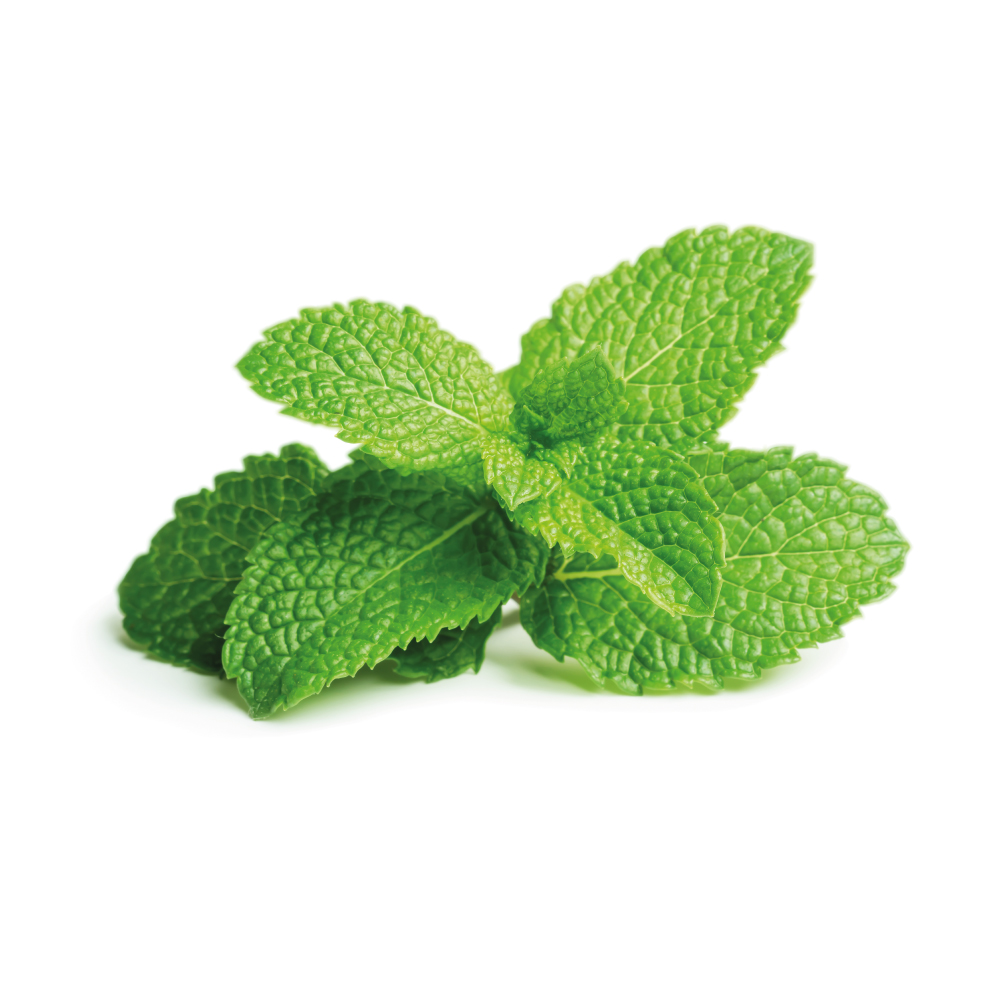 Principal source Peppermint Mentha × piperita Herb monograph →
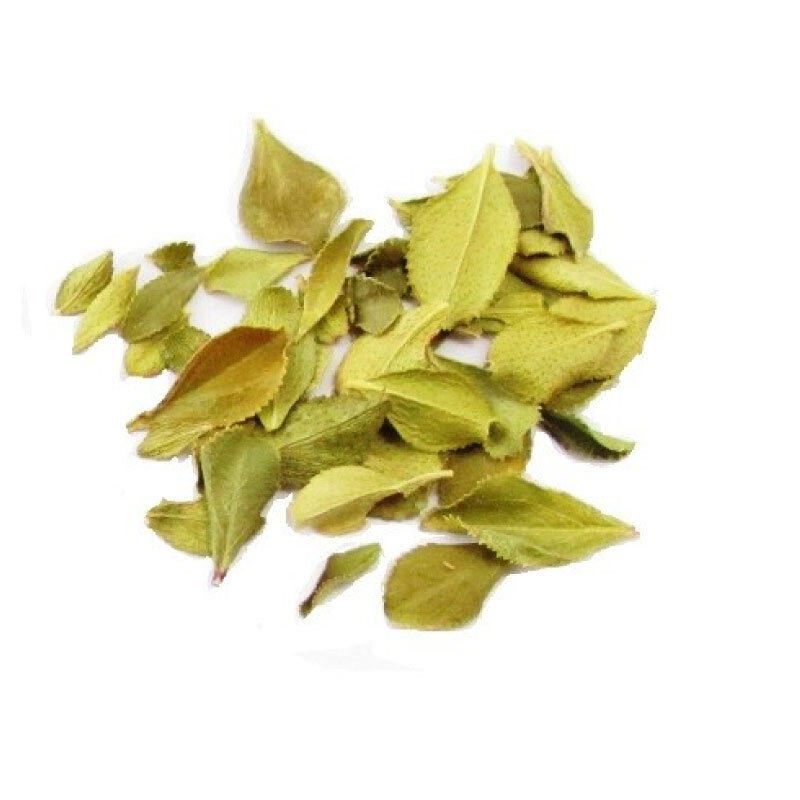 Source Buchu Agathosma betulina Herb monograph →
Concentration
Content by Source
Concentrations not reported. No percent-dry-weight or mg/g figures have been published for this compound in its source plants.
Menthone at a Glance
Menthone is a monoterpene ketone and the compound the mint plant makes on the way to making menthol. It is the oxidised, ketone form of the same p-menthane skeleton: reduce its C3 carbonyl to an alcohol and you have menthol.
That relationship is the most interesting thing about it, and it is visible in the plant. Peppermint oil harvested before the glands mature is comparatively menthone-rich; oil from mature leaves is menthol-rich, because a second wave of enzyme expression has reduced the ketone 1Reference 1Monoterpene metabolismView study →. Pharmacopoeial composition limits for peppermint oil put menthone at 14–32% and menthol at 30–55% 6,
Its own pharmacology is thin. Menthone has no cold receptor, no clinical trials and no established dose. Where it has been tested as an isolate it is a weak, membrane-active antimicrobial — the MRSA minimum inhibitory concentration is 3,540 µg/mL, more than three milligrams per millilitre 3Reference 3In vitroMenthone exerts its antimicrobial activity against methicillin resistant Staphylococcus aureus by affecting cell membrane properties and lipid profile — in vitroView study → — and against plant-pathogenic fungi it was less active than the menthol it turns into 4Reference 4In vitroEvaluation of Mentha arvensis essential oil and its major constituents for fungitoxicity — in vitroView study →. It is best understood as a biosynthetic intermediate and a flavour constituent rather than an active in its own right.
The Hinge of the Menthol Pathway
Menthol biosynthesis in mint runs through menthone, and the enzymes on either side of it have both been cloned, which makes this one of the better-characterised terpene pathways in plants.
Upstream: pulegone reductase stereoselectively reduces the Δ2,8 double bond of pulegone to give menthone. Because the reduction sets the stereochemistry, this enzyme is what determines which menthol the plant ends up with — a Nepeta tenuifolia enzyme characterised in 2021 converts (−)-pulegone to (+)-menthone, the mirror-image outcome of the peppermint route 2Reference 2Functional characterization and structural insights into stereoselectivity of pulegone reductase in menthol biosynthesisView study →.
Downstream: two short-chain dehydrogenase/reductase enzymes act on menthone, and peppermint expresses them at different times. Menthone:(−)-(3R)-menthol reductase makes menthol; menthone:(+)-(3S)-neomenthol reductase makes neomenthol. They share 73% sequence identity but differ enormously in affinity — Km for menthone is 3.0 µM for the menthol-forming enzyme and 674 µM for the neomenthol-forming one — and between them they account for all the menthol isomers found in peppermint oil 1Reference 1Monoterpene metabolismView study →. The menthol-forming enzyme belongs to a later oil-maturation programme that begins around flower initiation, which is why harvest timing changes the oil’s menthol:menthone ratio.
Both menthone reductases also accept isomenthone, menthone’s C1 epimer, at lower affinity — which is how the minor menthol isomers arise 1Reference 1Monoterpene metabolismView study →.
The practical consequence for anyone reading an oil analysis: a high menthone figure is usually a statement about the harvest, not about the chemotype.
What It's Used For
Very little has been tested on menthone alone. What exists is in vitro, and the honest summary is that the isolate is weaker than the oils it comes from are usually credited with being.
The one study of isolated menthone as an antimicrobial found activity against methicillin-resistant Staphylococcus aureus with an MIC of 3,540 µg/mL and an MBC of 7,080 µg/mL — concentrations of roughly 3.5 and 7 mg/mL. Fluorescence and electron microscopy showed marked changes in membrane potential and membrane integrity, and lipidomic profiling at a sub-inhibitory 0.1× MIC identified 136 significantly altered lipid species across glycerophospholipids, glycolipids and sphingolipids, implicating membrane remodelling as the mechanism 3Reference 3In vitroMenthone exerts its antimicrobial activity against methicillin resistant Staphylococcus aureus by affecting cell membrane properties and lipid profile — in vitroView study →. Menthone is also named in the FEMA re-evaluation of mint and buchu flavour complexes as the alicyclic ketone that dominates their constituent profiles 8Reference 8ReviewFEMA GRAS assessment of natural flavor complexes: mint, buchu, dill and caraway derived flavoring ingredients — reviewView study →.
Gap: the mechanism is well demonstrated and the potency is not. An MIC in the milligrams-per-millilitre range is a concentration no dietary or topical use approaches, and there is no in-vivo or human follow-up.
In a direct comparison, essential oil from Mentha arvensis (77.9% menthol, 5.2% isomenthone) was tested against Rhizoctonia solani and Fusarium moniliforme alongside its two isolated major constituents. Menthol was the most active, menthone less so, and all three were less active than the synthetic standard bavistin at every concentration tested 4Reference 4In vitroEvaluation of Mentha arvensis essential oil and its major constituents for fungitoxicity — in vitroView study →.
Whole peppermint oil in a separate study inhibited a range of fungi at 0.12–8.0 µL/mL and blocked Candida albicans biofilm formation, but that oil’s profile was menthol 53.3%, menthyl acetate 15.1% and menthofuran 11.2% — menthone was not among its leading components 5Reference 5In vitroChemical composition, antifungal and antibiofilm activities of the essential oil of Mentha piperita L. — in vitroView study →.
Gap: menthone is consistently the lesser partner in these comparisons. Antifungal claims for mint oil should not be transferred to it.
Buchu oil — an oil in which menthone and isomenthone are the dominant fraction — produced initial spasmogenic activity followed by spasmolysis on guinea-pig ileum. The spasmolytic action was post-synaptic, not atropine-like, and did not involve adrenoceptors or guanylyl cyclase; potentiation by a phosphodiesterase inhibitor implicated cyclic AMP, and Agathosma betulina oil additionally appeared to block calcium channels 7Reference 7Buchu (Agathosma betulina and A. crenulata, Rutaceae) essential oils: their pharmacological action on guinea-pig ileum and antimicrobial activity on microorganismsView study →.
Neither buchu oil showed useful antimicrobial activity in the same paper.
Gap: every one of those findings is for a whole oil, and the authors attributed nothing to menthone specifically. The isolate-level calcium-channel evidence in mint belongs to menthol and to peppermint oil 12Reference 12The actions of peppermint oil and menthol on calcium channel dependent processes in intestinal, neuronal and cardiac preparationsView study →, not to menthone.
Mechanisms
| Target / pathway | Effect | Relevant to |
|---|---|---|
| Bacterial cell membrane | loss of membrane potential and integrity; 136 lipid species altered at sub-inhibitory concentration | antibacterial (in vitro) |
| Fungal growth | inhibition, weaker than menthol from the same oil | antifungal (in vitro) |
| Pulegone reductase (in planta) | menthone is the product — the stereochemistry-setting step of menthol biosynthesis | plant biochemistry |
| Menthone reductases MMR / MNMR (in planta) | menthone is the substrate — reduced to menthol (Km 3.0 µM) or neomenthol (Km 674 µM) | plant biochemistry |
Menthone’s two best-characterised interactions are both with plant enzymes. That is an accurate picture of the molecule: it is a well-understood intermediate and a poorly-characterised drug.
Pharmacokinetics
Nothing specific is established for isolated menthone in humans — no absorption fraction, no bioavailability figure, no half-life. What is known is generic to the mint ketones: they are lipophilic, readily absorbed, and cleared by hepatic oxidation and conjugation. Menthone has been assessed as a fragrance ingredient under the RIFM programme 9Reference 9ReviewRIFM fragrance ingredient safety assessment, menthone, CAS Registry Number 10458-14-7 — reviewView study → and, together with carvone, is one of the alicyclic ketones on which the FEMA GRAS re-evaluation of mint, buchu, dill and caraway flavour complexes was built 8Reference 8ReviewFEMA GRAS assessment of natural flavor complexes: mint, buchu, dill and caraway derived flavoring ingredients — reviewView study →; those assessments are exposure-based and do not substitute for clinical pharmacokinetics.
Clinical Trials
| Completed | Planned | Terminated | Preclinical |
|---|---|---|---|
| None for isolated menthone | — | — | Antibacterial and antifungal in vitro; plant-enzyme biochemistry |
Last checked: September 2026.
Isolate vs. Plant Studies
The split here is unusually lopsided. Menthone’s plant biochemistry has been studied as the isolate, precisely and repeatedly — recombinant enzymes, Km values, stereochemical outcomes 1,
Because menthone is abundant in oils that do have effects, it inherits credit easily. The IBS, headache and antispasmodic literature that mint is known for was generated with enteric-coated peppermint oil and with menthol, and both the calcium-channel mechanism and the clinical outcomes are attributed there 6,
Prevalence in Nature
Menthone is a Lamiaceae molecule with one notable outlier in an unrelated family.
Peppermint (Mentha × piperita) carries it at 14–32% of the leaf oil under pharmacopoeial composition limits, second only to menthol 6,
Cornmint / field mint (Mentha canadensis, published as M. arvensis) is bred for menthol, and menthone falls accordingly — one cultivar analysis found isomenthone at 5.2% with menthol at 77.9% 4Reference 4In vitroEvaluation of Mentha arvensis essential oil and its major constituents for fungitoxicity — in vitroView study →.
Buchu (Agathosma betulina, Rutaceae) is the outlier: a South African shrub, unrelated to the mints, whose oil is dominated by menthone together with its epimer isomenthone 7,
Smaller amounts occur across the mint family, including in Clinopodium douglasii, where menthone is one of several chemotype-defining ketones.
Discovery & Synthesis
Menthone has been known as a peppermint-oil constituent since the nineteenth-century work that characterised the mint terpenes, and its chemistry has never been mysterious: it is menthol’s oxidation product and is prepared straightforwardly by oxidising menthol, which is the industrial route to it today. Commercially it is a flavour and fragrance material rather than a pharmaceutical, produced in far smaller volume than menthol.
The part of its story that was genuinely settled recently is biological rather than chemical. The two peppermint menthone reductases were cloned, expressed in E. coli and kinetically characterised in 2005, resolving how a single ketone gives rise to all four menthol stereoisomers found in the oil 1Reference 1Monoterpene metabolismView study →; the structural basis of the pulegone reductase step upstream was worked out in 2021 2Reference 2Functional characterization and structural insights into stereoselectivity of pulegone reductase in menthol biosynthesisView study →.
Patents: not yet researched.
Toxicity & Safety
Menthone carries a low flag. It is consumed daily in mint-flavoured products, has a published fragrance-ingredient safety assessment 9Reference 9ReviewRIFM fragrance ingredient safety assessment, menthone, CAS Registry Number 10458-14-7 — reviewView study →, and is one of the constituents on which the FEMA expert panel based its affirmation of GRAS status for peppermint, spearmint, buchu, dill and caraway oils 8Reference 8ReviewFEMA GRAS assessment of natural flavor complexes: mint, buchu, dill and caraway derived flavoring ingredients — reviewView study →.
- A long-standing food and fragrance constituent. Assessed under both the FEMA GRAS and RIFM programmes at flavour and fragrance exposure levels.
- Concentrated oils are irritant. Buchu leaf oil is classified as irritant to skin and eyes and as a skin and respiratory sensitiser; the caution belongs to the oil, and menthone is a major part of it.
- Menthone is not the safety problem in a mint oil. The hepatotoxicity and the regulatory intake limits attached to mint oils belong to pulegone and its metabolite menthofuran.
Full Safety & Interactions Detail
What is established. Menthone’s safety record is an exposure record rather than a toxicology package: it is evaluated as a flavouring and fragrance constituent at the levels people actually encounter 8,
What belongs to the oil rather than the molecule. Buchu oil, in which menthone is a dominant component, is classified as an irritant and a skin and respiratory sensitiser. Concentrated mint and buchu oils should be diluted for topical use and are not interchangeable with the herb.
What belongs to a different molecule entirely. The hepatic toxicity, the abortifacient reputation and the EU intake limits attached to mints run through pulegone and its bioactivated metabolite menthofuran. Menthone is chemically adjacent to pulegone — it is pulegone’s reduction product — but the reactive-metabolite chemistry that makes pulegone hepatotoxic requires pulegone’s α,β-unsaturated ketone, which menthone does not have. Reading pulegone’s risk onto menthone overstates it.
Reproductive note. No reproductive-toxicity dataset for isolated menthone is characterised here. Pregnancy and lactation decisions belong to the herb or product page.
Interactions. None documented for the isolated molecule; no clinical pharmacokinetic study exists against which an interaction could be assessed.
Dosage
No therapeutic dose has been established for isolated menthone, and there are no human trials from which one could be derived. Human exposure is dietary and cosmetic, as a constituent of the oils below.
| Source | Form | Menthone content |
|---|---|---|
| Peppermint oil | Steam-distilled leaf oil | 14–32% (pharmacopoeial composition limits) 6, |
| Cornmint oil | Steam-distilled leaf oil | Low — the crop is bred for menthol; one cultivar gave 5.2% isomenthone and 77.9% menthol 4Reference 4In vitroEvaluation of Mentha arvensis essential oil and its major constituents for fungitoxicity — in vitroView study → |
| Buchu oil | Steam-distilled leaf oil | The dominant ketone fraction, with isomenthone 7, |
These are composition figures, not doses, and are not a personal recommendation.
References
- Davis EM, Ringer KL, McConkey ME, et al. (2005). Monoterpene metabolism. Cloning, expression, and characterization of menthone reductases from peppermint. Plant Physiol. https://pubmed.ncbi.nlm.nih.gov/15728344/
- Liu C, Gao Q, Shang Z, et al. (2021). Functional characterization and structural insights into stereoselectivity of pulegone reductase in menthol biosynthesis. Front Plant Sci. https://pubmed.ncbi.nlm.nih.gov/34917113/
- Zhao W, Yang C, Zhang N, et al. (2023). Menthone exerts its antimicrobial activity against methicillin resistant Staphylococcus aureus by affecting cell membrane properties and lipid profile — in vitro. Drug Des Devel Ther. https://pubmed.ncbi.nlm.nih.gov/36721663/
- Makkar MK, Sharma S, Kaur H (2018). Evaluation of Mentha arvensis essential oil and its major constituents for fungitoxicity — in vitro. J Food Sci Technol. https://pubmed.ncbi.nlm.nih.gov/30150845/
- Saharkhiz MJ, Motamedi M, Zomorodian K, et al. (2012). Chemical composition, antifungal and antibiofilm activities of the essential oil of Mentha piperita L. — in vitro. ISRN Pharm. https://pubmed.ncbi.nlm.nih.gov/23304561/
- Chumpitazi BP, Kearns GL, Shulman RJ (2018). Review article: the physiological effects and safety of peppermint oil and its efficacy in irritable bowel syndrome and other functional disorders — review. Aliment Pharmacol Ther. https://pubmed.ncbi.nlm.nih.gov/29372567/
- Lis-Balchin M, Hart S, Simpson E (2001). Buchu (Agathosma betulina and A. crenulata, Rutaceae) essential oils: their pharmacological action on guinea-pig ileum and antimicrobial activity on microorganisms. J Pharm Pharmacol. https://pubmed.ncbi.nlm.nih.gov/11341377/
- Cohen SM, Eisenbrand G, Fukushima S, et al. (2020). FEMA GRAS assessment of natural flavor complexes: mint, buchu, dill and caraway derived flavoring ingredients — review. Food Chem Toxicol. https://pubmed.ncbi.nlm.nih.gov/31604112/
- Api AM, Belsito D, Botelho D, et al. (2023). RIFM fragrance ingredient safety assessment, menthone, CAS Registry Number 10458-14-7 — review. Food Chem Toxicol. https://pubmed.ncbi.nlm.nih.gov/37758049/
- Zhao H, Ren S, Yang H, et al. (2022). Peppermint essential oil: its phytochemistry, biological activity, pharmacological effect and application — review. Biomed Pharmacother. https://pubmed.ncbi.nlm.nih.gov/35994817/
- Grigoleit HG, Grigoleit P (2005). Pharmacology and preclinical pharmacokinetics of peppermint oil — review. Phytomedicine. https://pubmed.ncbi.nlm.nih.gov/16121523/
- Hawthorn M, Ferrante J, Luchowski E, et al. (1988). The actions of peppermint oil and menthol on calcium channel dependent processes in intestinal, neuronal and cardiac preparations. Aliment Pharmacol Ther. https://pubmed.ncbi.nlm.nih.gov/2856502/



