
Compound Monograph
Pulegone
Pulegone is the monoterpene ketone that makes pennyroyal oil dangerous — a dose-dependent hepatotoxicant bioactivated by liver enzymes to the reactive metabolite menthofuran, responsible for fatal abortifacient poisonings and classed by the US NTP as an animal carcinogen. It occurs at low, regulated levels in peppermint and spearmint.

Sources · 7
Where Does It Come From?
Pulegone is a naturally occurring monoterpene ketone (p-menthane, cyclohexanone), found in Pennyroyal, Buchu, Peppermint and 4 other sources. It is flagged as a known carcinogen and moderately toxic.
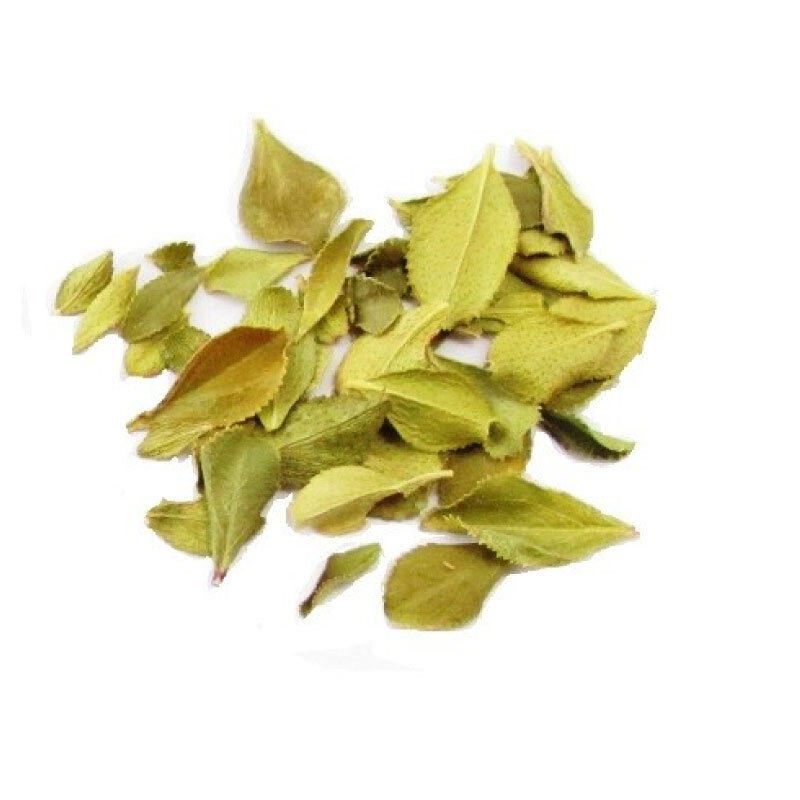 Source Buchu Agathosma betulina Herb monograph →
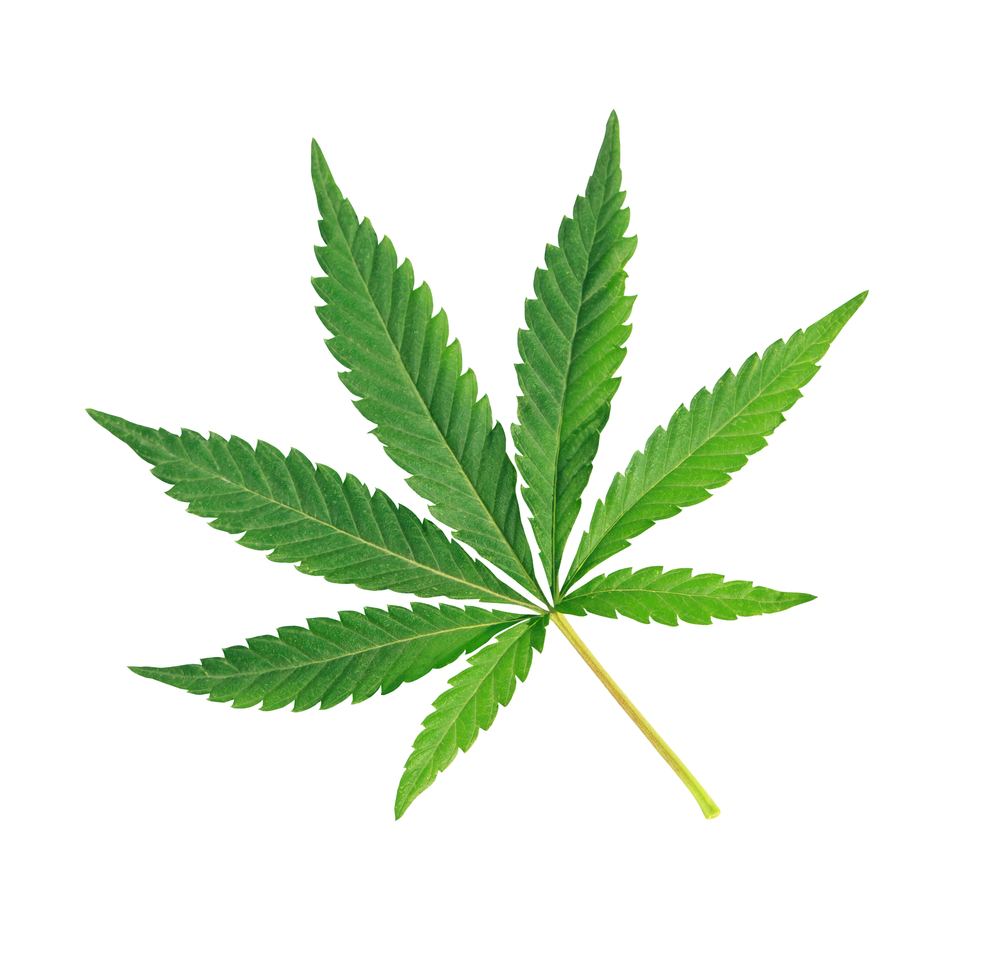 Source Cannabis Cannabis sativa Herb monograph →
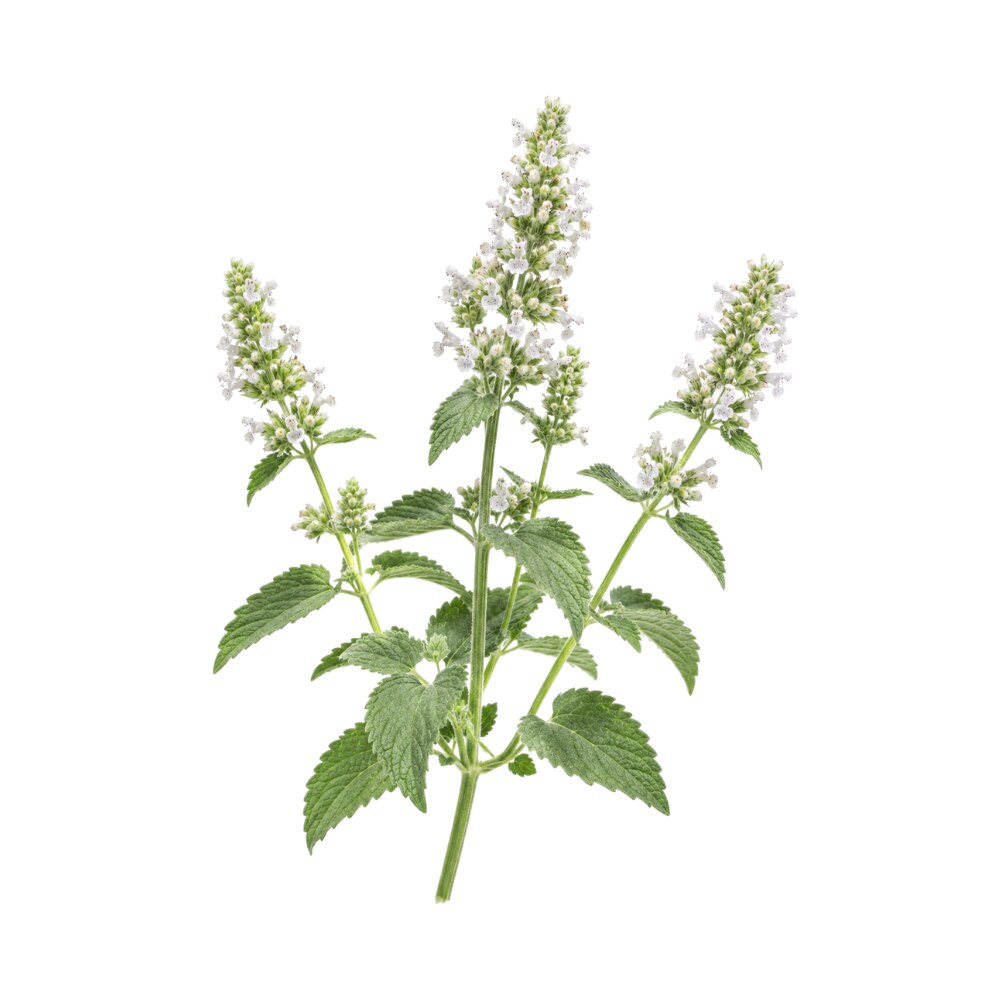 Source Catnip Nepeta cataria Herb monograph →
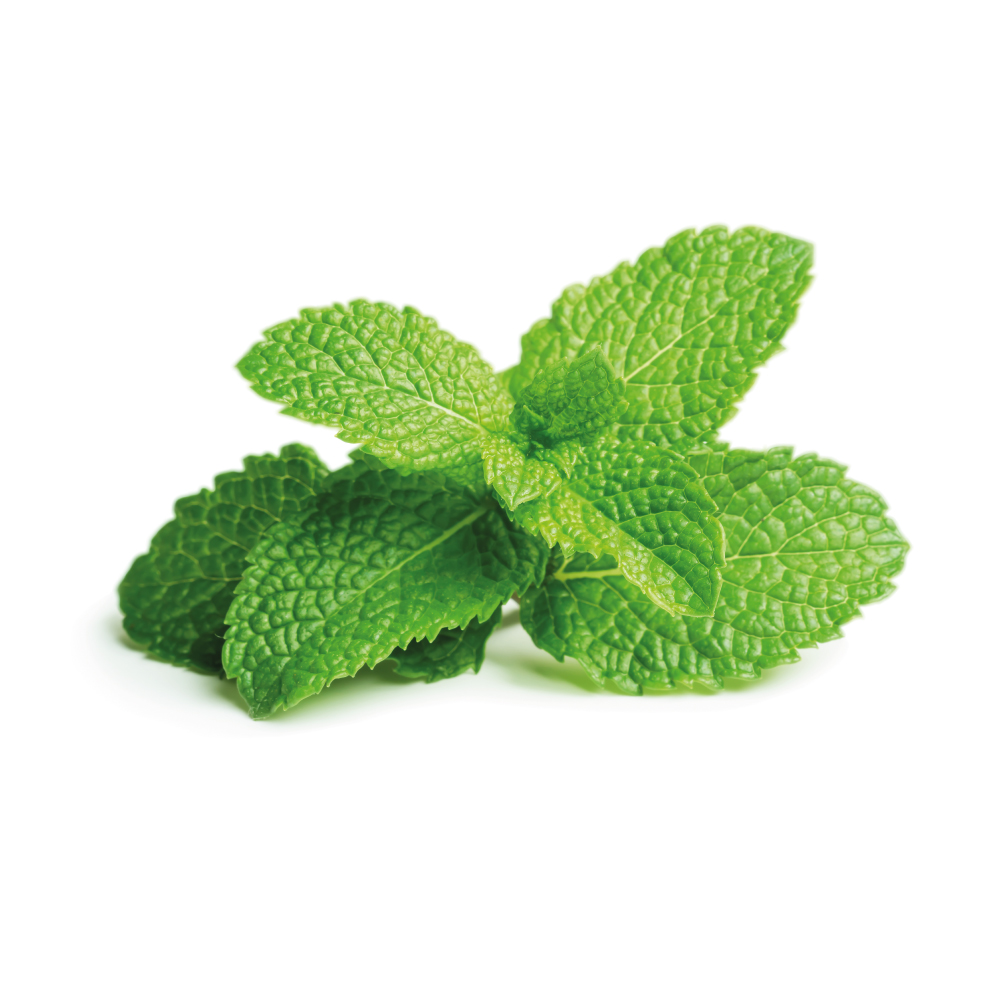 Source Peppermint Mentha × piperita Herb monograph →
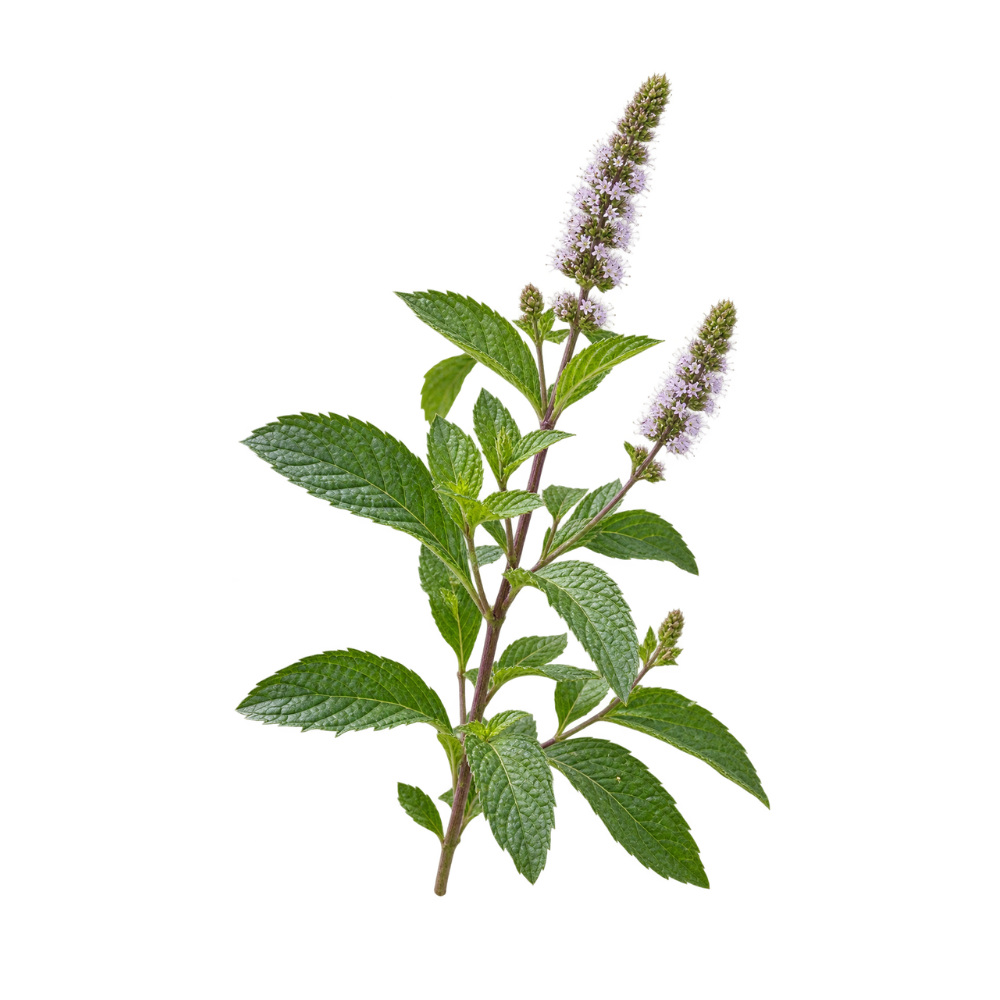 Source Spearmint Mentha spicata Herb monograph →
Concentration
Content by Source
Reported concentrations across the plants that contain pulegone — the bar marks the typical level, the line shows the reported range.
Literature figures for varying plant parts and preparations. Read them as a comparative guide, not exact assays.
Pulegone at a Glance
Pulegone is a monoterpene ketone — a small, minty-smelling molecule best known not for any benefit but as the toxic principle of pennyroyal oil. It is the dominant constituent of the essential oil of pennyroyal (Mentha pulegium’s namesake relative), a large and variable fraction of buchu oil, and a minor, tightly regulated component of the peppermint and spearmint oils used to flavour food.
Its load-bearing story is toxicity through metabolism. Pulegone is not especially dangerous as the parent molecule; the harm comes from the liver, where cytochrome-P450 enzymes convert it to reactive products — most notoriously the metabolite menthofuran — that deplete glutathione and attack hepatocytes, causing dose-dependent hepatic necrosis 2,
Beyond the acute hazard, pulegone carries a carcinogenicity signal: a two-year US National Toxicology Program bioassay found clear evidence of tumours in rodents 6Reference 6AnimalToxicology and carcinogenesis studies of pulegone (CAS NoView study →, and regulators on both sides of the Atlantic now cap or ban it in food. Handle this molecule as a genuine safety story, not a wellness compound.
The Pennyroyal Toxicity Story
Pulegone is the reason pennyroyal oil is one of the more dangerous herbal products in circulation, and its toxicology is unusually well worked out — the product of decades of investigation prompted by human deaths 2Reference 2A decades-long investigation of acute metabolism-based hepatotoxicity by herbal constituents: a case study of pennyroyal oilView study →.
The mechanism is metabolic bioactivation. Pulegone itself is relatively benign until the liver processes it. Hepatic cytochrome-P450 enzymes (notably CYP2E1 and CYP1A2) oxidise pulegone along more than one pathway. One route generates the furan metabolite menthofuran, which is itself further bioactivated to a reactive γ-ketoenal; another route produces reactive intermediates directly from pulegone 2,
The human cost is documented and fatal. A San Francisco poison-centre case series measured pulegone and menthofuran in the blood of people who had ingested pennyroyal, including a young woman who took the oil as an abortifacient and died of hepatorenal failure with massive hepatic necrosis; the review it accompanied catalogued further poisonings, several fatal 1Reference 1ReviewPennyroyal toxicity: measurement of toxic metabolite levels in two cases and review of the literatureView study →. Because the injury is glutathione-driven, N-acetylcysteine (the antidote for paracetamol/acetaminophen overdose, which works the same way) is used in treatment 1Reference 1ReviewPennyroyal toxicity: measurement of toxic metabolite levels in two cases and review of the literatureView study →. Human liver-slice studies confirm (R)-pulegone is toxic across all donors tested and reveal wide inter-individual variability in susceptibility 4Reference 4Inter-individual variability in acute toxicity of R-pulegone and R-menthofuran in human liver slices and their influence on miRNA expression changes in comparison to acetaminophenView study →.
There is a carcinogenicity signal on top of the acute hazard. The US National Toxicology Program’s two-year gavage bioassay (Technical Report 563) concluded clear evidence of carcinogenic activity: liver tumours (hepatocellular adenomas, and hepatoblastomas in males) in mice of both sexes, and urinary-bladder tumours in female rats 6Reference 6AnimalToxicology and carcinogenesis studies of pulegone (CAS NoView study →. Because no no-effect level emerged, later risk assessment used a benchmark-dose approach, deriving a point of departure (BMDL) of ~4.8 mg/kg/day and an acceptable daily intake of ~48 µg/kg/day 7Reference 7Risk assessment of pulegone in foods based on benchmark dose–response modelingView study →. This is the toxicology that drove pulegone off approved-flavouring lists (see next section).
The honest summary: pulegone is a CYP-bioactivated hepatotoxicant and animal carcinogen whose danger scales with dose — trivial at the trace levels regulators allow in mint sweets, but potentially lethal in the concentrated essential oil.
Pulegone in Mints & Regulation
Pulegone occurs across the mint family (Lamiaceae), but its concentration — and therefore its risk — swings enormously with the plant and chemotype. Pennyroyal (Mentha pulegium) oil is the extreme, frequently 60–90% pulegone 1Reference 1ReviewPennyroyal toxicity: measurement of toxic metabolite levels in two cases and review of the literatureView study →; a single M. pulegium study measured a pulegone-dominant chemotype at ~61% of the oil alongside a sibling chemotype carrying just 0.29% 12Reference 12In vitroChemical composition of Mentha pulegium and its contributions to antimicrobial, antioxidant, and insecticidal activities: insights from in vitro and molecular docking studiesView study →, and the pennyroyal oil used in insecticide assays ran ~74% 11Reference 11Insecticidal effect of wild-grown Mentha pulegium and Rosmarinus officinalis essential oils and their main monoterpenes against Culex pipiens (Diptera: Culicidae)View study →. Buchu oil carries a smaller but still substantial and chemotype-variable share (~5–34%) 10Reference 10FEMA GRAS assessment of natural flavor complexes: mint, buchu, dill and caraway derived flavoring ingredientsView study →. By contrast, the peppermint and spearmint oils that flavour toothpaste, gum and confectionery contain only low percentages — the European Pharmacopoeia caps pulegone in peppermint oil at ≤4% precisely because of its toxicity.
That gap between the concentrated oil and the flavour trace is exactly what regulation targets:
- European Union. Under Regulation (EC) No 1334/2008, pulegone may not be added to food as a pure substance, and its carry-over from mint flavourings is capped by food category — for example 20 mg/kg in mint/peppermint non-alcoholic beverages, 100 mg/kg in the alcoholic equivalents, 250 mg/kg in mint confectionery and 350 mg/kg in chewing gum 9Reference 9Regulation (EC) No 1334/2008 on flavourings — Annex III, Part B: maximum levels of pulegone in mint/peppermint foods and beveragesView study →.
- United States. In 2018 the FDA revoked its approval of synthetic pulegone as a food flavouring (alongside five other substances) under the Delaney Clause, which bars any additive shown to induce cancer in animals — a direct consequence of the NTP bladder- and liver-tumour findings 8Reference 8Food additive regulations; synthetic flavoring agents and adjuvants (final rule delisting pulegone and five other flavourings under the Delaney Clause)View study →. The agency stated the delisting reflected the legal carcinogenicity bar, not an acute risk at ordinary dietary exposure 8Reference 8Food additive regulations; synthetic flavoring agents and adjuvants (final rule delisting pulegone and five other flavourings under the Delaney Clause)View study →.
The practical message for a mint user: the flavour is regulated and low-risk; the neat pennyroyal essential oil is not, and the two must never be conflated.
What It's Used For
Pulegone is primarily studied as a toxicant, so its “applications” are thin and none is an established human use. The genuine bioactivity that exists is pesticidal and antimicrobial, largely in whole-oil or in-vitro settings — and the historical folk uses (abortifacient, emmenagogue, “digestive”) are toxic misuses, covered in the toxicity sections above and below, not endorsed applications.
Support is an experimental score — weighted by study type (human > animal > in vitro) and volume. A beta, not a validated metric. There is no human-benefit application here; the scores below cover only pulegone’s pesticidal/antimicrobial bioactivity and stay low by design.
Pulegone’s clearest functional activity, and a plausible reason the plant makes it. As the dominant monoterpene of pennyroyal oil, (R)-(+)-pulegone is toxic to mosquitoes — a fumigant/contact toxicant against adult Culex pipiens with concentration- and time-dependent mortality 11Reference 11Insecticidal effect of wild-grown Mentha pulegium and Rosmarinus officinalis essential oils and their main monoterpenes against Culex pipiens (Diptera: Culicidae)View study → — and pennyroyal-oil work shows dose-dependent larvicidal and anti-aphid activity, with molecular docking implicating acetylcholinesterase inhibition as a mechanism 11,
This is genuine pest-control chemistry with low target-vector selectivity relative to its mammalian hazard, so it belongs to botanical pesticide research, not human therapeutics.
Gap: most assays test the whole pennyroyal oil (pulegone-dominant) rather than the pure isolate, and efficacy is reported as lethal concentrations in insects — there is no read-across to any human use, and the same bioactivity that kills insects tracks the molecule’s mammalian toxicity 11,
A modest in-vitro signal. Pulegone-rich Mentha pulegium oil shows dose-dependent inhibition of bacteria and fungi — for example strong antifungal zones against Candida albicans — but the activity is attributed to the whole oil, in which pulegone is one of several actives (with piperitenone, limonene and others), and docking flags co-constituents as multi-target binders 12Reference 12In vitroChemical composition of Mentha pulegium and its contributions to antimicrobial, antioxidant, and insecticidal activities: insights from in vitro and molecular docking studiesView study →.
Gap: in-vitro, whole-oil, with pulegone rarely isolated or quantified as the sole active; the inhibitory concentrations far exceed anything achievable — or safe — systemically, so this is at best a preservative/topical curiosity, not an anti-infective use 12Reference 12In vitroChemical composition of Mentha pulegium and its contributions to antimicrobial, antioxidant, and insecticidal activities: insights from in vitro and molecular docking studiesView study →.
Mechanisms
| Target / pathway | Effect | Relevant to |
|---|---|---|
| Hepatic CYP2E1 / CYP1A2 | oxidise pulegone → menthofuran and other reactive intermediates (incl. a γ-ketoenal) — the bioactivation step | hepatotoxicity (the central event) |
| Glutathione (GSH) | pulegone and its reactive metabolites deplete hepatic and plasma GSH; toxicity rises when GSH is pre-depleted and falls when P450 is inhibited | hepatotoxicity |
| Hepatocyte proteins | electrophilic adduction by reactive metabolites → centrilobular hepatic necrosis | hepatotoxicity |
| Genotoxic / proliferative (rodent) | liver (mouse) and urinary-bladder (female-rat) tumour formation in the 2-year NTP bioassay | carcinogenicity |
| Insect acetylcholinesterase | inhibition (molecular docking) → insecticidal/larvicidal toxicity | pesticidal activity |
| Microbial membranes | disruption of bacterial/fungal membranes in vitro | antimicrobial activity |
| Uterine / reproductive tissue | historical irritant emmenagogue/abortifacient action — inseparable from systemic hepatotoxicity at the doses used | reproductive toxicity |
The load-bearing row is the first: pulegone’s harm is a metabolism story. Nothing much happens until P450 turns it into electrophiles that consume glutathione — which is why the injury is dose-dependent, why glutathione status governs severity, and why N-acetylcysteine is the rational antidote 2,
Pharmacokinetics
Pulegone is a small, lipophilic monoterpene ketone, well absorbed after oral/ingested exposure and extensively metabolised in the liver by cytochrome P450. The toxicologically decisive routes are oxidation to menthofuran (then to a reactive γ-ketoenal) and formation of other reactive intermediates, detoxified — until they aren’t — by conjugation with glutathione 2,
Clinical Trials
There are no therapeutic clinical trials of pulegone — it is not a candidate medicine. The human evidence base is entirely toxicological: poison-centre case series and metabolite measurements 1Reference 1ReviewPennyroyal toxicity: measurement of toxic metabolite levels in two cases and review of the literatureView study →, and ex-vivo human liver-tissue toxicity studies 4Reference 4Inter-individual variability in acute toxicity of R-pulegone and R-menthofuran in human liver slices and their influence on miRNA expression changes in comparison to acetaminophenView study →.
| Completed | Planned | Terminated | Preclinical |
|---|---|---|---|
| None(no therapeutic trials; human data are poisoning case series) | — | — | Hepatotoxicity/carcinogenicity (NTP 2-year bioassay), insecticidal, antimicrobial |
Last checked: July 2026.
Isolate vs. Plant Studies
The isolate-vs-plant line here is unusually clean, and it runs the opposite way from a typical benefit narrative. The toxicology is largely the isolate: the glutathione-depletion mechanism 3Reference 3Menthofuran-dependent and independent aspects of pulegone hepatotoxicity: roles of glutathioneView study →, the human liver-slice toxicity 4Reference 4Inter-individual variability in acute toxicity of R-pulegone and R-menthofuran in human liver slices and their influence on miRNA expression changes in comparison to acetaminophenView study → and the NTP carcinogenicity bioassay 6Reference 6AnimalToxicology and carcinogenesis studies of pulegone (CAS NoView study → all test purified pulegone (or menthofuran), so the hazard is a property of the molecule, not an artefact of some complex extract. The exposure that harms people, though, is the plant oil — concentrated pennyroyal essential oil, 60–90% pulegone, swallowed in abortifacient doses 1Reference 1ReviewPennyroyal toxicity: measurement of toxic metabolite levels in two cases and review of the literatureView study →. The two are consistent: the isolate defines the danger, and the pennyroyal-oil poisonings are that danger delivered at scale. Conversely, the meagre bioactivity data (insecticidal, antimicrobial) are mostly whole-oil assays in which pulegone is the major but not sole actor 11,
Its Role in Plants
In the mint family, pulegone is a monoterpene made for defence. It is biosynthesised in the essential-oil pathway from the menthone/isomenthone branch of p-menthane monoterpene metabolism — the same pathway that, in cultivated peppermint, is steered away from pulegone toward menthol and menthone; in pennyroyal the pathway instead accumulates pulegone as the terminal product. Its ecological function fits its chemistry: pulegone is insecticidal and repellent 11,
Prevalence in Nature
Pulegone is distributed across the Lamiaceae (mint family), but its abundance is dictated by species and chemotype. The richest source by far is pennyroyal (Mentha pulegium), whose oil is routinely 60–90% pulegone 1Reference 1ReviewPennyroyal toxicity: measurement of toxic metabolite levels in two cases and review of the literatureView study →, with measured chemotypes spanning ~61–74% in individual studies 11,
Discovery & Synthesis
Pulegone was characterised in 19th-century terpene chemistry as the principal odorant of pennyroyal (Mentha pulegium) oil, from which it takes its name (pulegium, the Roman name for the plant, ultimately from pulex, flea). The natural product is essentially the single enantiomer (R)-(+)-pulegone. It is a p-menthane monoterpene ketone, structurally an α,β-unsaturated cyclohexanone — a conjugated enone whose reactivity underlies both its ready oxidation to menthofuran in the liver and its use as a chiral building block in synthetic chemistry, where (R)-(+)-pulegone is a classic starting material for terpenoid synthesis. Commercial supply is chiefly by isolation from pulegone-rich mint oils rather than industrial total synthesis, since the molecule is a low-value (indeed largely unwanted, because regulated) flavour constituent rather than a manufacturing target; where mint oils carry too much of it, processes exist to strip pulegone (and menthofuran) down to permitted levels.
Patents: not yet researched.
Toxicity & Safety
Pulegone carries a [moderate, carcinogen] flag — the carcinogen sub-flag reflecting the NTP animal tumour findings, and the moderate acute rating reflecting genuine, occasionally fatal, human hepatotoxicity from concentrated pennyroyal oil. The rating is dose-driven: trace mint-flavour exposure is regulated and low-risk, but the neat essential oil is dangerous.
- Concentrated pennyroyal oil can be lethal. It is 60–90% pulegone; ingesting it (classically as a folk abortifacient) has caused fatal hepatic necrosis and hepatorenal failure — do not use pennyroyal essential oil internally 1Reference 1ReviewPennyroyal toxicity: measurement of toxic metabolite levels in two cases and review of the literatureView study →.
- Metabolism-driven hepatotoxicity. Liver P450 (CYP2E1/1A2) converts pulegone to reactive metabolites — including menthofuran — that deplete glutathione and kill hepatocytes; the injury scales with dose 2,
3Reference 2A decades-long investigation of acute metabolism-based hepatotoxicity by herbal constituents: a case study of pennyroyal oilView study →Reference 3Menthofuran-dependent and independent aspects of pulegone hepatotoxicity: roles of glutathioneView study → . - Animal carcinogen; food use is restricted. The US NTP found clear evidence of rodent liver and bladder tumours; the FDA delisted synthetic pulegone as a flavouring (2018) and the EU caps it in mint foods and bans it as a pure additive 6,
8, .9Reference 6AnimalToxicology and carcinogenesis studies of pulegone (CAS NoView study →Reference 8Food additive regulations; synthetic flavoring agents and adjuvants (final rule delisting pulegone and five other flavourings under the Delaney Clause)View study →Reference 9Regulation (EC) No 1334/2008 on flavourings — Annex III, Part B: maximum levels of pulegone in mint/peppermint foods and beveragesView study → - Abortifacient / reproductive toxicity is real. Pennyroyal’s historical use to induce abortion is inseparable from its lethal maternal toxicity — this is a poisoning, not a safe method; avoid all pennyroyal-oil exposure in pregnancy 1Reference 1ReviewPennyroyal toxicity: measurement of toxic metabolite levels in two cases and review of the literatureView study →.
- Dietary mint exposure is regulated and low-risk. The pulegone in properly formulated peppermint/spearmint foods sits within EU/pharmacopoeial limits and is not the hazard the concentrated oil is 9Reference 9Regulation (EC) No 1334/2008 on flavourings — Annex III, Part B: maximum levels of pulegone in mint/peppermint foods and beveragesView study →.
Full Safety & Interactions Detail
Acute hepatotoxicity and poisoning. The defining hazard is ingestion of pennyroyal essential oil. Reported poisonings — many in women attempting to induce abortion or menstruation — range from nausea, abdominal pain and dizziness to fulminant hepatic necrosis, hepatorenal failure, disseminated intravascular coagulation and death; a poison-centre series measured toxic blood levels of pulegone and menthofuran and documented a fatal abortifacient case 1Reference 1ReviewPennyroyal toxicity: measurement of toxic metabolite levels in two cases and review of the literatureView study →. The mechanism is CYP-mediated bioactivation with glutathione depletion 2,
Carcinogenicity and food regulation. The NTP 2-year gavage bioassay reported clear evidence of carcinogenic activity — hepatocellular tumours in mice of both sexes and urinary-bladder tumours in female rats — with no identifiable no-effect level 6Reference 6AnimalToxicology and carcinogenesis studies of pulegone (CAS NoView study →. Benchmark-dose modelling set a point of departure (BMDL ≈ 4.8 mg/kg/day) and a derived acceptable daily intake near 48 µg/kg/day 7Reference 7Risk assessment of pulegone in foods based on benchmark dose–response modelingView study →. On this basis the FDA revoked synthetic pulegone’s food-flavouring approval in 2018 under the Delaney Clause 8Reference 8Food additive regulations; synthetic flavoring agents and adjuvants (final rule delisting pulegone and five other flavourings under the Delaney Clause)View study →, and the EU prohibits adding it as such and caps its carry-over in mint foods and beverages 9Reference 9Regulation (EC) No 1334/2008 on flavourings — Annex III, Part B: maximum levels of pulegone in mint/peppermint foods and beveragesView study →.
Reproductive / developmental. Pulegone is a recognised abortifacient and emmenagogue in folk practice — but the effect is entangled with, and dominated by, severe maternal hepatotoxicity; the historical “abortion” cases are frequently maternal poisonings 1Reference 1ReviewPennyroyal toxicity: measurement of toxic metabolite levels in two cases and review of the literatureView study →. There is no safe reproductive use; concentrated pennyroyal exposure should be avoided entirely in pregnancy. (Per site policy, the pregnancy/lactation verdict for any product belongs on the relevant herb or supplement page, where intake is decided; here the finding is stated as the cited risk it is.)
Interactions (mechanistic, not a human dataset). Because toxicity is gated by CYP2E1/CYP1A2 activity and glutathione reserve 2,
Pulegone’s toxicology is characterised below, and silence is not an assertion of safety. The dilute-mint reassurance is specifically for regulated food levels, not for essential oils.
Dosage
There is no therapeutic dose of pulegone. It is a toxicant with no established human benefit, so no intake is recommended at any level. The only figures that exist are toxicology reference points and regulatory ceilings:
| Context | Figure | Meaning |
|---|---|---|
| NTP bioassay point of departure | BMDL ≈ 4.8 mg/kg/day 7Reference 7Risk assessment of pulegone in foods based on benchmark dose–response modelingView study → | dose anchoring the cancer risk assessment |
| Derived acceptable daily intake | ≈ 48 µg/kg/day 7Reference 7Risk assessment of pulegone in foods based on benchmark dose–response modelingView study → | risk-assessment ceiling, not a target |
| EU limit — mint non-alcoholic beverages | 20 mg/kg 9Reference 9Regulation (EC) No 1334/2008 on flavourings — Annex III, Part B: maximum levels of pulegone in mint/peppermint foods and beveragesView study → | maximum permitted carry-over |
| EU limit — mint confectionery | 250 mg/kg 9Reference 9Regulation (EC) No 1334/2008 on flavourings — Annex III, Part B: maximum levels of pulegone in mint/peppermint foods and beveragesView study → | maximum permitted carry-over |
| EU limit — chewing gum | 350 mg/kg 9Reference 9Regulation (EC) No 1334/2008 on flavourings — Annex III, Part B: maximum levels of pulegone in mint/peppermint foods and beveragesView study → | maximum permitted carry-over |
| Pennyroyal essential oil | ~60–90% pulegone 1Reference 1ReviewPennyroyal toxicity: measurement of toxic metabolite levels in two cases and review of the literatureView study → | the dangerous exposure — never ingest |
The single most important practical figure is qualitative: concentrated pennyroyal oil should not be taken internally at all. These are toxicology and regulatory figures, not a personal recommendation.
References
- Anderson IB, Mullen WH, Meeker JE, et al. (1996). Pennyroyal toxicity: measurement of toxic metabolite levels in two cases and review of the literature. Annals of Internal Medicine. https://pubmed.ncbi.nlm.nih.gov/8633832/
- Gordon P, Khojasteh SC (2015). A decades-long investigation of acute metabolism-based hepatotoxicity by herbal constituents: a case study of pennyroyal oil. Drug Metabolism Reviews. https://pubmed.ncbi.nlm.nih.gov/25512112/
- Thomassen D, Slattery JT, Nelson SD (1990). Menthofuran-dependent and independent aspects of pulegone hepatotoxicity: roles of glutathione. Journal of Pharmacology and Experimental Therapeutics. https://pubmed.ncbi.nlm.nih.gov/2338648/
- Zárybnický T, Matoušková P, Lancošová B, et al. (2018). Inter-individual variability in acute toxicity of R-pulegone and R-menthofuran in human liver slices and their influence on miRNA expression changes in comparison to acetaminophen. International Journal of Molecular Sciences. https://pubmed.ncbi.nlm.nih.gov/29921785/
- Zárybnický T, Boušová I, Ambrož M, Skálová L (2018). Hepatotoxicity of monoterpenes and sesquiterpenes. Archives of Toxicology. https://pubmed.ncbi.nlm.nih.gov/28905185/
- National Toxicology Program (2011). Toxicology and carcinogenesis studies of pulegone (CAS No. 89-82-7) in F344/N rats and B6C3F1 mice (gavage studies). National Toxicology Program Technical Report Series (TR-563). https://pubmed.ncbi.nlm.nih.gov/21921962/
- Voigt V, Franke H, Lachenmeier DW (2024). Risk assessment of pulegone in foods based on benchmark dose–response modeling. Foods. https://pubmed.ncbi.nlm.nih.gov/39335834/
- U.S. Food and Drug Administration (2018). Food additive regulations; synthetic flavoring agents and adjuvants (final rule delisting pulegone and five other flavourings under the Delaney Clause). Federal Register 83:50490. https://www.federalregister.gov/documents/2018/10/09/2018-21807/food-additive-regulations-synthetic-flavoring-agents-and-adjuvants
- European Parliament and Council (2008). Regulation (EC) No 1334/2008 on flavourings — Annex III, Part B: maximum levels of pulegone in mint/peppermint foods and beverages. Official Journal of the European Union L354:34. https://eur-lex.europa.eu/legal-content/EN/TXT/?uri=CELEX:32008R1334
- Cohen SM, Eisenbrand G, Fukushima S, et al. (2020). FEMA GRAS assessment of natural flavor complexes: mint, buchu, dill and caraway derived flavoring ingredients. Food and Chemical Toxicology. https://pubmed.ncbi.nlm.nih.gov/31604112/
- Ramzi A, El Ouali Lalami A, Ez zoubi Y, et al. (2022). Insecticidal effect of wild-grown Mentha pulegium and Rosmarinus officinalis essential oils and their main monoterpenes against Culex pipiens (Diptera: Culicidae). Plants (Basel). https://pubmed.ncbi.nlm.nih.gov/35567194/
- Amara N, Amar MK, Touzout N, et al. (2025). Chemical composition of Mentha pulegium and its contributions to antimicrobial, antioxidant, and insecticidal activities: insights from in vitro and molecular docking studies. ACS Omega. https://pubmed.ncbi.nlm.nih.gov/41114158/



