
Compound Monograph
Myristic Acid
Myristic acid (tetradecanoic acid, C14:0) is a common 14-carbon saturated fatty acid — the dietary fat named for nutmeg and abundant in coconut, palm-kernel oil and butterfat. Its two defining stories are biochemical, not therapeutic: it is the fatty acid used in protein N-myristoylation, and it is one of the more potent LDL-cholesterol-raising saturated fats.

Sources · 11
Where Does It Come From?
Myristic Acid is a naturally occurring (and made in the body) fatty acid (saturated, c14:0), found in Coconut oil, Palm kernel oil, Nutmeg butter and 8 other sources. It is well tolerated orally (low toxicity).
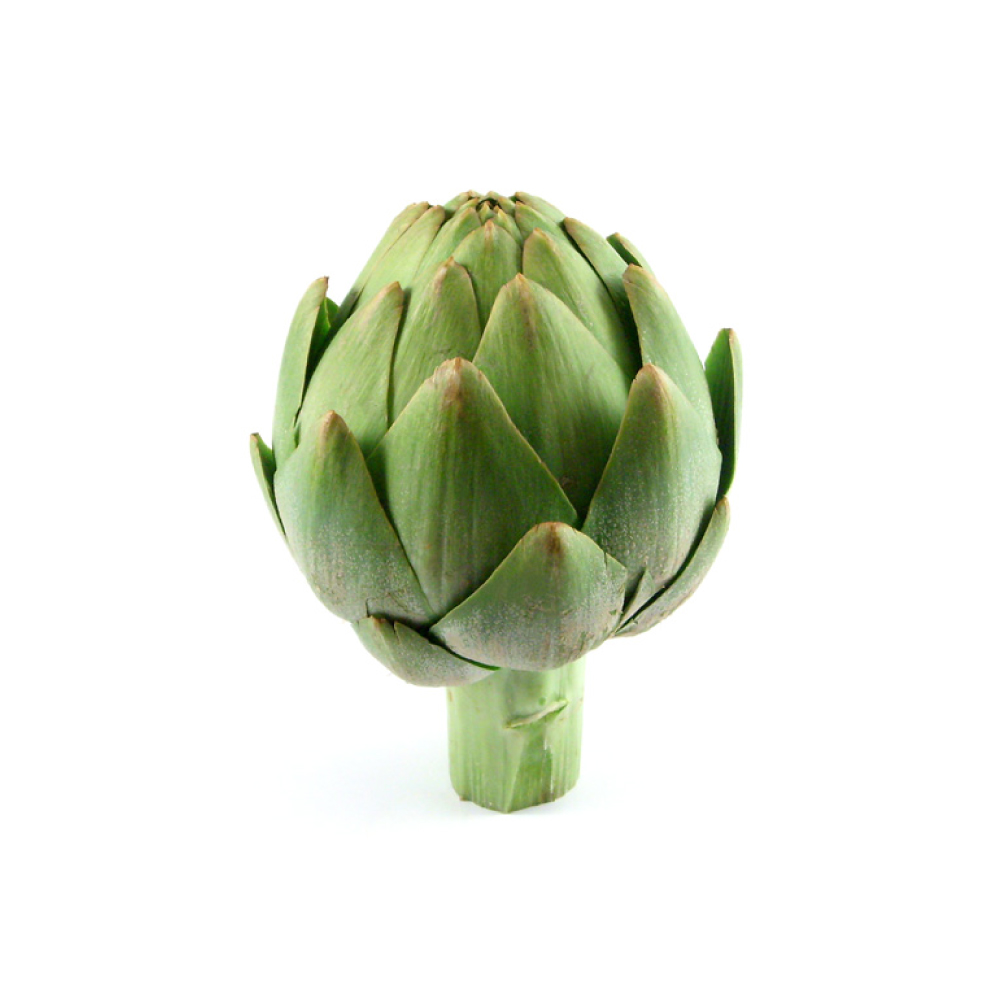 Source Globe Artichoke Cynara scolymus Herb monograph →
 Source Passionflower Passiflora incarnata Herb monograph →
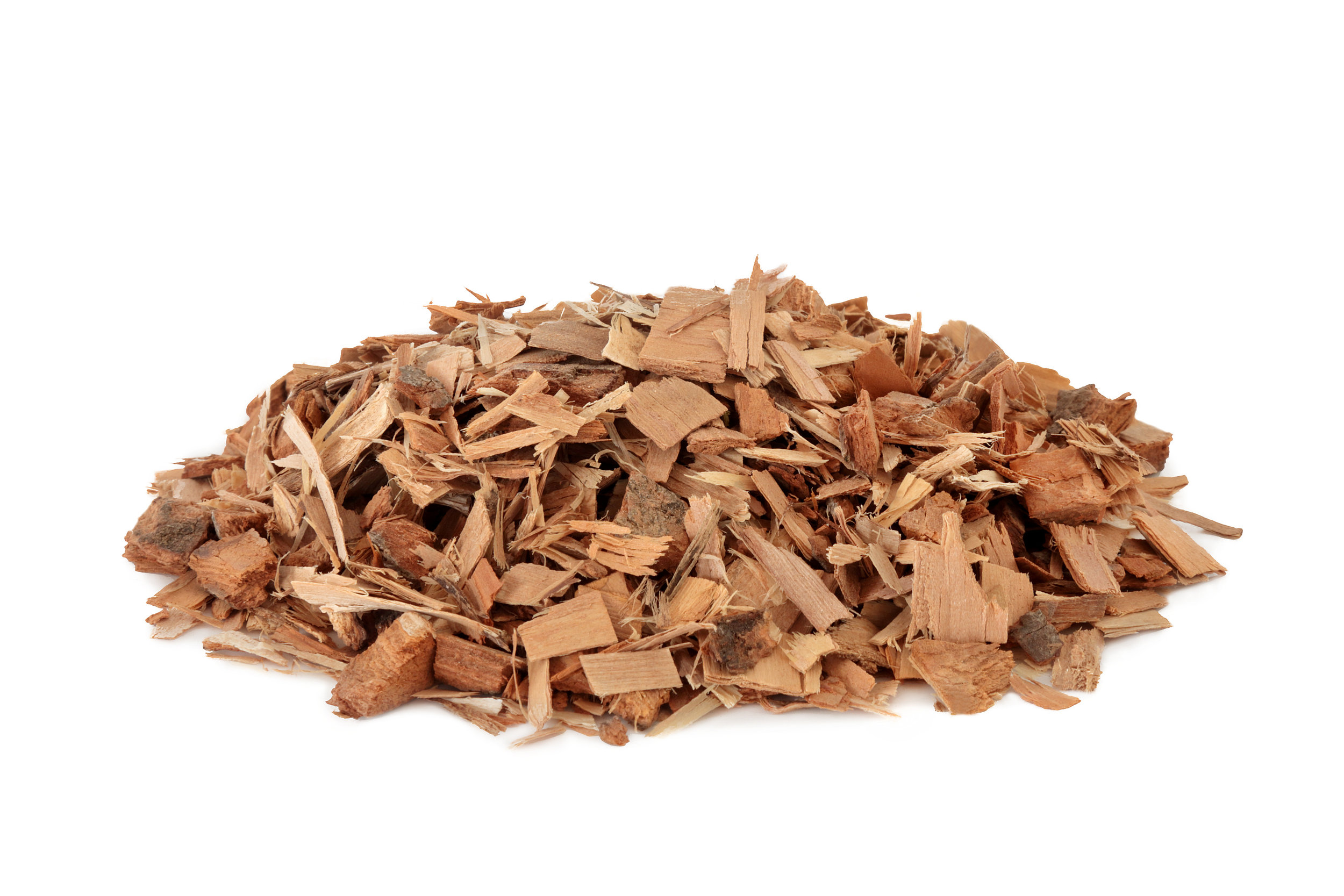 Source Saw Palmetto Serenoa repens Herb monograph →
Concentration
Content by Source
Reported concentrations across the plants that contain myristic acid — the bar marks the typical level, the line shows the reported range.
Literature figures for varying plant parts and preparations. Read them as a comparative guide, not exact assays.
Myristic Acid at a Glance
Myristic acid, or tetradecanoic acid, is a straight-chain saturated fatty acid with fourteen carbons and no double bonds (C14:0). It takes its name from nutmeg (Myristica fragrans), whose seed butter is rich in trimyristin, the triglyceride of myristic acid. In the wider food supply it is most abundant in coconut oil, palm-kernel oil and butterfat 8Reference 8The fatty acid composition of vegetable oils and their potential use in wound careView study →.
It is emphatically a dietary fat, not a therapeutic isolate. Two things make it worth its own page, and both are structural rather than medicinal. First, myristic acid is the fatty acid used in protein N-myristoylation — a fundamental post-translational lipid modification that anchors and targets a few hundred human proteins 1Reference 1N-myristoylation: from cell biology to translational medicineView study →. Second, in nutritional science it is one of the more potent LDL-cholesterol-raising saturated fatty acids, per gram raising serum cholesterol more than palmitic acid 3,
Its scattered “activities” as an isolated molecule — a minor 5α-reductase-inhibiting fatty acid in saw palmetto, an anti-adhesion correlate in Iris extracts — are real but narrow in-vitro findings, not established human uses 6,
Protein N-Myristoylation
The single most important biochemical fact about this molecule is that it is the acyl group used in N-myristoylation — the covalent attachment of a myristoyl (C14:0) chain to proteins. It is the reason a common dietary fat has a dedicated cellular machinery built around it.
The modification is co-translational and highly specific. After the initiator methionine is removed by methionine aminopeptidase, the enzyme N-myristoyltransferase (NMT) transfers myristate from myristoyl-CoA onto the exposed N-terminal glycine of the growing protein, forming a stable amide bond 1Reference 1N-myristoylation: from cell biology to translational medicineView study →. Roughly 2% of the eukaryotic proteome — on the order of a few hundred human proteins — is myristoylated 1Reference 1N-myristoylation: from cell biology to translational medicineView study →. The lipid tail promotes membrane association and correct subcellular targeting, and it is functionally important for proteins in signal transduction (e.g. Src-family kinases, G-protein α-subunits) and in the assembly of several viruses 1Reference 1N-myristoylation: from cell biology to translational medicineView study →.
This biochemistry has a translational edge that is distinctly myristic acid’s: because many pathogens and cancers depend on NMT, N-myristoyltransferase is an actively pursued drug target — NMT inhibitors are being developed against parasitic diseases (e.g. trypanosomatids) and some cancers 1Reference 1N-myristoylation: from cell biology to translational medicineView study →. Note the direction of that story: the therapeutic interest is in blocking the transfer of myristate, not in supplementing the fatty acid.
Myristic Acid & Blood Cholesterol
The best-characterised effect of dietary myristic acid in humans is on serum cholesterol, and it is not a favourable one. Among the common saturated fatty acids, myristic acid is one of the most potent at raising LDL (“bad”) cholesterol 3,
In a controlled-feeding trial that swapped one fat for another in healthy men and women, the myristic-acid diet raised serum total cholesterol more than either a palmitic-acid or a high-oleic-acid diet — mean total cholesterol ran highest on myristic acid, and relative to palmitic acid it further increased both LDL and HDL cholesterol 3Reference 3Impact of myristic acid versus palmitic acid on serum lipid and lipoprotein levels in healthy women and menView study →. A meta-analysis of 60 controlled trials placed the same finding on a broad footing: replacing dietary carbohydrate with myristic acid raises LDL cholesterol, and an earlier review judged it “probably more hypercholesterolaemic than palmitic acid” gram for gram 2,
Two honest qualifications keep this in proportion. First, myristic acid raises HDL cholesterol as well as LDL, so its effect on the total-to-HDL cholesterol ratio — a better cardiovascular marker than LDL alone — is comparatively modest 2Reference 2Meta-analysisEffects of dietary fatty acids and carbohydrates on the ratio of serum total to HDL cholesterol and on serum lipids and apolipoproteins: a meta-analysis of 60 controlled trialsView study →. Second, most foods deliver myristic acid mixed with other fatty acids, so it is rarely varied in isolation outside controlled trials. Even so, dietary guidance consistently counts myristic acid among the saturated fats to limit, and this cholesterol-raising effect is the practical reason its toxicity footnote is nutritional rather than acute.
What It's Used For
Away from its biochemical and nutritional roles, isolated myristic acid’s pharmacology is thin and mechanistic. The evidence splits by whether the thing tested was dietary fat, a whole plant extract/fraction, or the isolated molecule in vitro — and there are no trials of the pure compound as a therapeutic.
Support is an experimental score — weighted by study type (human > animal > in vitro) and volume. A beta, not a validated metric. Scores mix a well-documented dietary lipid effect with thin isolate data, so read the per-row basis. Note the dietary-lipid row scores a documented effect, not a benefit.
The best human data on this molecule, and the least flattering. In controlled-feeding studies myristic acid is one of the most cholesterol-raising saturated fatty acids. A diet enriched in it raised serum total cholesterol more than palmitic- or oleic-acid diets, increasing both LDL and HDL relative to palmitic acid 3Reference 3Impact of myristic acid versus palmitic acid on serum lipid and lipoprotein levels in healthy women and menView study →.
A meta-analysis of 60 trials confirmed that substituting it for carbohydrate raises LDL cholesterol 2Reference 2Meta-analysisEffects of dietary fatty acids and carbohydrates on the ratio of serum total to HDL cholesterol and on serum lipids and apolipoproteins: a meta-analysis of 60 controlled trialsView study →, and it is judged “probably more hypercholesterolaemic than palmitic acid” per gram 4Reference 4Effects of the individual saturated fatty acids on serum lipids and lipoprotein concentrationsView study →.
This is dietary fat, tested by swapping fats in whole diets, not an isolate given as a drug.
Gap: because it also raises HDL, the effect on the total:HDL cholesterol ratio is modest 2Reference 2Meta-analysisEffects of dietary fatty acids and carbohydrates on the ratio of serum total to HDL cholesterol and on serum lipids and apolipoproteins: a meta-analysis of 60 controlled trialsView study →; and myristic acid is almost never eaten in isolation, so real-world impact depends on the whole dietary fat mix.
A genuine but narrow isolate mechanism. Myristic acid is a component (~10–12%) of the saw palmetto free-fatty-acid fraction 5Reference 5A phytochemical comparison of saw palmetto products using gas chromatography and 1H nuclear magnetic resonance spectroscopy metabolomic profilingView study →, and in a cell-free assay isolated free fatty acids from saw palmetto — myristic, lauric and oleic acids, but not palmitic — inhibited 5α-reductase 6Reference 6Pharmacologically relevant receptor binding characteristics and 5alpha-reductase inhibitory activity of free fatty acids contained in saw palmetto extractView study →.
This is part of the mechanistic rationale for saw palmetto in benign prostatic hyperplasia.
Gap: in-vitro only, and myristic acid is a marker and one component of a multi-fatty-acid fraction, not a stand-alone agent; saw palmetto’s own clinical trials are mixed-to-negative, so this should not be inflated into a therapeutic claim 6Reference 6Pharmacologically relevant receptor binding characteristics and 5alpha-reductase inhibitory activity of free fatty acids contained in saw palmetto extractView study →.
A single correlational signal. Screening Iris species (Iridaceae) against oral bacterial biofilms, the inhibition of bacterial adhesion significantly correlated with the myristic-acid content of the extracts, including Iris versicolor 7Reference 7In vitroPhytochemical composition and in vitro biological activity of Iris spp. (Iridaceae): a new source of bioactive constituents for the inhibition of oral bacterial biofilmsView study →. It flags myristic acid as a plausible contributor to an anti-adhesion effect.
Gap: this is a correlation within whole-extract screening, not a test of the purified molecule at defined concentration; myristic acid is one of many constituents, and no isolate dose-response or in-vivo confirmation is reported 7Reference 7In vitroPhytochemical composition and in vitro biological activity of Iris spp. (Iridaceae): a new source of bioactive constituents for the inhibition of oral bacterial biofilmsView study →.
Mechanisms
| Target / pathway | Effect | Relevant to |
|---|---|---|
| N-myristoyltransferase (NMT) / myristoyl-CoA | acyl donor for co-translational N-myristoylation of N-terminal glycine → membrane targeting of ~2% of the proteome | protein modification (the load-bearing role) |
| Serum lipoproteins (LDL/HDL) | dietary myristic acid raises LDL cholesterol (and HDL) — a cholesterol-raising saturated fat | nutrition / cardiovascular caveat |
| 5α-reductase (type I/II) | weak inhibition by the free fatty acid in vitro | saw palmetto / BPH mechanism |
| Bacterial adhesion / biofilm | extract myristic-acid content correlated with anti-adhesion activity | antibiofilm (Irisin vitro) |
| β-oxidation / membrane & storage lipids | catabolised for energy and incorporated into membrane phospholipids and triglycerides | structural biology / prevalence |
The load-bearing point is that this molecule’s two defining roles are non-therapeutic: it is the fatty acid a dedicated enzyme (NMT) uses to modify proteins 1Reference 1N-myristoylation: from cell biology to translational medicineView study →, and a saturated fat that raises LDL cholesterol 2,
Pharmacokinetics
Myristic acid is handled as dietary fat, not as a drug, so it has no meaningful “oral bioavailability” figure. Eaten as triglycerides, it is released by pancreatic lipase, taken up across the enterocyte, re-esterified and exported in chylomicrons, then distributed to tissues where it is β-oxidised for energy or incorporated into membrane and storage lipids. Distinctively for this molecule, a fraction is activated to myristoyl-CoA, the substrate the cell uses for N-myristoylation — an endogenous pool the body maintains independent of diet 1Reference 1N-myristoylation: from cell biology to translational medicineView study →. There is no evidence it accumulates or behaves pharmacologically at dietary intakes; the relevant “kinetics” are those of ordinary long-chain saturated-fat metabolism.
Clinical Trials
There are no clinical trials of isolated myristic acid as a therapeutic drug. The human evidence is dietary — controlled-feeding studies and a meta-analysis of its effect on serum lipids, where it is fed as part of whole-diet fat substitutions 2,
| Completed | Planned | Terminated | Preclinical |
|---|---|---|---|
| Dietary controlled-feeding lipid trials (fat-substitution) | — | — | 5α-reductase in vitro; Iris antibiofilm; N-myristoylation biochemistry |
Last checked: July 2026.
Isolate vs. Plant Studies
Myristic acid is a clean example of the isolate-vs-plant divide. The strongest human data are not about a plant or an isolate given as medicine — they are dietary controlled-feeding trials where myristic acid was fed as part of a whole-diet fat and shown to raise LDL cholesterol 2,
Prevalence in Nature
Myristic acid occurs widely but usually as a minor fatty acid across plant and animal fats. Its notable concentrations are in the lauric (“tropical”) oils: coconut oil carries roughly 16–21% myristic acid (behind lauric acid, its dominant fatty acid), and palm-kernel oil a similar ~16–18% 8Reference 8The fatty acid composition of vegetable oils and their potential use in wound careView study →. It is also a characteristic fatty acid of butterfat and dairy (~8–12%), which is why milk fat is a leading dietary source in many diets.
Its namesake source is nutmeg (Myristica fragrans): the pressed “nutmeg butter” or fixed oil is largely trimyristin, the triglyceride from which myristic acid is obtained. Among the herbs here it also appears as a free fatty acid of saw palmetto berries (~10–12% of the free-fatty-acid fraction) 5Reference 5A phytochemical comparison of saw palmetto products using gas chromatography and 1H nuclear magnetic resonance spectroscopy metabolomic profilingView study → and as a constituent of Iris species 7Reference 7In vitroPhytochemical composition and in vitro biological activity of Iris spp. (Iridaceae): a new source of bioactive constituents for the inhibition of oral bacterial biofilmsView study →. It is not confined to plants: it is present in most animal fats and, biochemically, in every eukaryotic cell as myristoyl-CoA 1Reference 1N-myristoylation: from cell biology to translational medicineView study →.
Major Natural Sources
| Source | Plant part | Reported myristic acid content |
|---|---|---|
| Coconut (Cocos nucifera) | oil | ~16–21% of oil 8Reference 8The fatty acid composition of vegetable oils and their potential use in wound careView study → |
| Palm kernel (Elaeis guineensis) | oil | ~16–18% of oil 8Reference 8The fatty acid composition of vegetable oils and their potential use in wound careView study → |
| Butterfat / dairy | milk fat | ~8–12% of fat |
| Saw palmetto (Serenoa repens) | berry FA fraction | ~10–12% of the free-fatty-acid fraction 5Reference 5A phytochemical comparison of saw palmetto products using gas chromatography and 1H nuclear magnetic resonance spectroscopy metabolomic profilingView study → |
| Nutmeg (Myristica fragrans) | seed butter | bound as trimyristin (major triglyceride) |
These figures are percentages of the oil or fatty-acid fraction, not of the whole plant, and shift with cultivar, ripeness and extraction method.
Discovery & Synthesis
Myristic acid is a founding molecule of fat chemistry, named in the mid-nineteenth century for the nutmeg genus Myristica — its seed butter (trimyristin) was the source from which the fatty acid was obtained and characterised. Unlike a designed drug, it has no single documented “first total synthesis”: as a simple straight-chain saturated fatty acid it was isolated from natural fats and its structure established within classic nineteenth-century fatty-acid chemistry.
Manufacture today is by extraction and separation, not total synthesis: commercial myristic acid is obtained by hydrolysis and fractional distillation of the fatty-acid mixtures of coconut and palm-kernel oils, which are among the richest natural sources 8Reference 8The fatty acid composition of vegetable oils and their potential use in wound careView study →. It is used industrially in soaps, cosmetics and surfactants (as sodium/potassium myristate) and as a chemical feedstock, so commercial myristic acid is a purified natural product rather than a synthetic one.
Patents: not yet researched.
Toxicity & Safety
Myristic acid carries a low toxicity flag, and the justification is straightforward: it is a staple dietary fatty acid eaten in quantity in coconut/palm-kernel oil, dairy fat and many foods, it is generally recognised as safe in food, and the body carries an endogenous myristoyl-CoA pool — there is no acute toxicity concern at ordinary dietary or endogenous exposure 8Reference 8The fatty acid composition of vegetable oils and their potential use in wound careView study →. The caveat is nutritional, not acute: as a cholesterol-raising saturated fat it is a fat to limit, not one to supplement.
- A safe dietary fatty acid at food-level exposure. A common fat of coconut, palm-kernel oil and dairy, GRAS in food, and handled by normal saturated-fat metabolism — no acute concern at dietary/endogenous levels 8Reference 8The fatty acid composition of vegetable oils and their potential use in wound careView study →.
- A cholesterol-raising saturated fat. In controlled-feeding trials myristic acid is one of the more potent LDL-raising saturated fatty acids (also raising HDL), so dietary guidance is to limit it — the practical reason its safety story is nutritional 2,
3, .4Reference 2Meta-analysisEffects of dietary fatty acids and carbohydrates on the ratio of serum total to HDL cholesterol and on serum lipids and apolipoproteins: a meta-analysis of 60 controlled trialsView study →Reference 3Impact of myristic acid versus palmitic acid on serum lipid and lipoprotein levels in healthy women and menView study →Reference 4Effects of the individual saturated fatty acids on serum lipids and lipoprotein concentrationsView study → - Not a supplement or a treatment. Its notable roles (protein N-myristoylation; a minor fraction fatty acid in saw palmetto/Iris) are biochemical and in-vitro; there is no established therapeutic use of the isolate, and the drug interest in NMT is in blocking myristoylation 1Reference 1N-myristoylation: from cell biology to translational medicineView study →.
Pregnancy/lactation is a per-herb / per-supplement decision and is not adjudicated on this molecule page; as an ordinary dietary and endogenous fatty acid, myristic acid has no isolate-specific reproductive-toxicity signal at food-level exposure, and no isolate verdict is issued here.
Dosage
There is no established or recommended supplemental dose of isolated myristic acid — it is a dietary saturated fatty acid, not a drug, and the nutritional advice runs the other way (limit rather than add cholesterol-raising saturated fat) 2,
| Context | Form | Figure |
|---|---|---|
| Controlled-feeding lipid trials | myristic-acid-enriched whole-diet fat | myristic acid supplied as ~10% of energy to test its lipid effect 3Reference 3Impact of myristic acid versus palmitic acid on serum lipid and lipoprotein levels in healthy women and menView study → |
| Dietary sources | coconut / palm-kernel oil, butterfat | ~16–21% (coconut oil), ~8–12% (butterfat) of the fat 8Reference 8The fatty acid composition of vegetable oils and their potential use in wound careView study → |
| Saw palmetto extract | liposterolic (FFA) fraction | myristic acid ~10–12% of the fatty-acid fraction, not dosed alone 5Reference 5A phytochemical comparison of saw palmetto products using gas chromatography and 1H nuclear magnetic resonance spectroscopy metabolomic profilingView study → |
These are dietary and research figures, not a personal recommendation, and they describe whole-diet or whole-fraction exposure rather than a dose of the pure compound.
References
- Yuan M, Song ZH, Ying MD, Zhu H, He QJ, Yang B, Cao J (2020). N-myristoylation: from cell biology to translational medicine. Acta Pharmacologica Sinica. https://pubmed.ncbi.nlm.nih.gov/32203082/
- Mensink RP, Zock PL, Kester AD, Katan MB (2003). Effects of dietary fatty acids and carbohydrates on the ratio of serum total to HDL cholesterol and on serum lipids and apolipoproteins: a meta-analysis of 60 controlled trials. The American Journal of Clinical Nutrition. https://pubmed.ncbi.nlm.nih.gov/12716665/
- Zock PL, de Vries JH, Katan MB (1994). Impact of myristic acid versus palmitic acid on serum lipid and lipoprotein levels in healthy women and men. Arteriosclerosis and Thrombosis. https://pubmed.ncbi.nlm.nih.gov/8148355/
- Mensink RP (1993). Effects of the individual saturated fatty acids on serum lipids and lipoprotein concentrations. The American Journal of Clinical Nutrition. https://pubmed.ncbi.nlm.nih.gov/8475888/
- Booker A, Suter A, Krnjic A, Strassel B, Zloh M, Said M, Heinrich M (2014). A phytochemical comparison of saw palmetto products using gas chromatography and 1H nuclear magnetic resonance spectroscopy metabolomic profiling. Journal of Pharmacy and Pharmacology. https://pubmed.ncbi.nlm.nih.gov/24417505/
- Abe M, Ito Y, Oyunzul L, Oki-Fujino T, Yamada S (2009). Pharmacologically relevant receptor binding characteristics and 5alpha-reductase inhibitory activity of free fatty acids contained in saw palmetto extract. Biological & Pharmaceutical Bulletin. https://pubmed.ncbi.nlm.nih.gov/19336899/
- Hoang L, Benes F, Fenclova M, Kronusova O, Svarcova V, Rehorova K, Svecova EB, Vosatka M, Hajslova J, Kastanek P, Viktorova J, Ruml T (2020). Phytochemical composition and in vitro biological activity of Iris spp. (Iridaceae): a new source of bioactive constituents for the inhibition of oral bacterial biofilms. Antibiotics (Basel). https://pubmed.ncbi.nlm.nih.gov/32664528/
- Alves AQ, da Silva VA Jr, Góes AJS, Silva MS, de Oliveira GG, Bastos IVGA, de Castro Neto AG, Alves AJ (2019). The fatty acid composition of vegetable oils and their potential use in wound care. Advances in Skin & Wound Care. https://pubmed.ncbi.nlm.nih.gov/31339869/



