
Compound Monograph
Palmitic Acid
Palmitic acid (hexadecanoic acid, C16:0) is the most common saturated fatty acid in the human body and diet — the main fat of palm oil, a major fat of meat, dairy and human milk, and the end-product of the body's own fat synthesis. It is best understood as dietary and structural biochemistry, not a therapeutic isolate: a genuine cell-signalling lipid through protein palmitoylation, but nutritionally an LDL-raising saturated fat whose excess drives lipotoxicity.

Sources · 19
Where Does It Come From?
Palmitic Acid is a naturally occurring (and made in the body) fatty acid (saturated, c16:0), found in Oil palm — palm oil, Saw palmetto berries, Meat and dairy fat and 16 other sources. It is well tolerated orally (low toxicity).
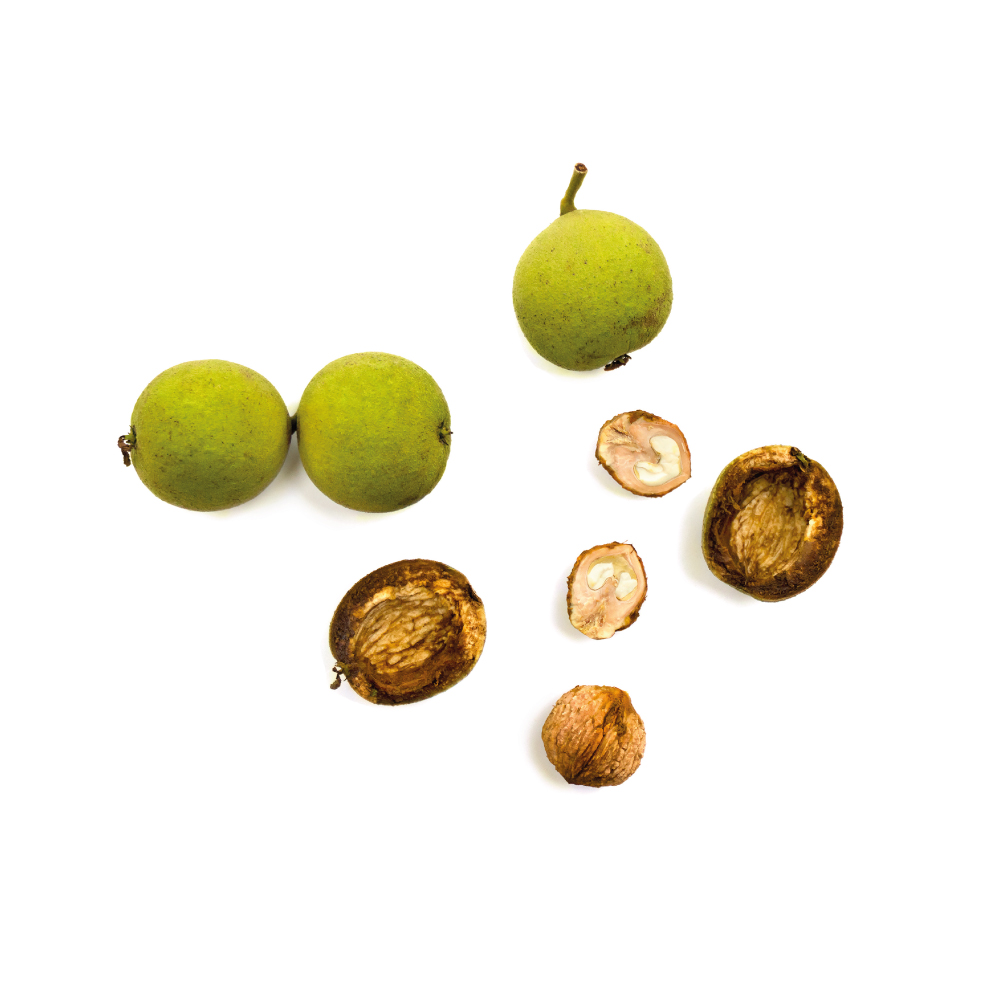 Source Black Walnut Juglans nigra Herb monograph →
 Source Chir Pine Pinus roxburghii Herb monograph →
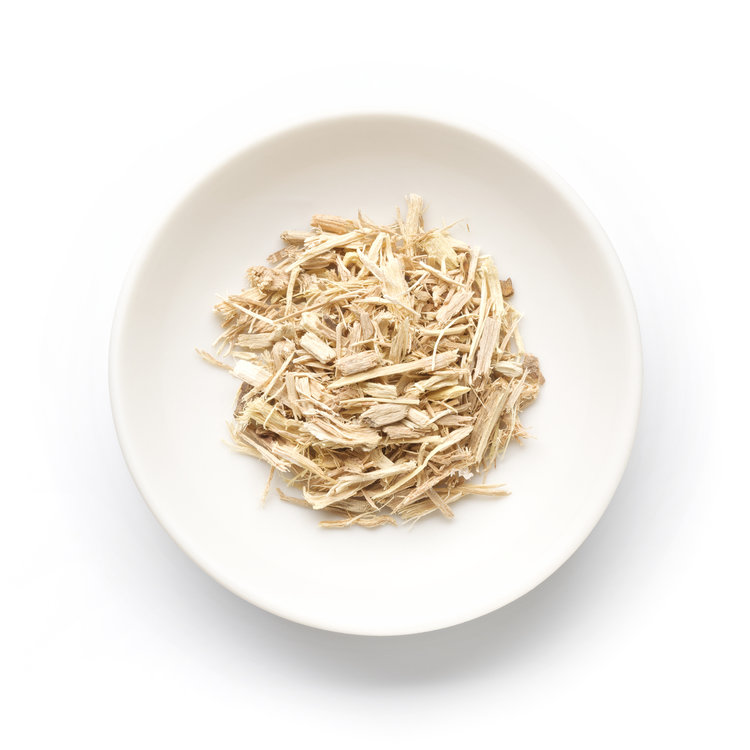 Source Eleuthero Root Eleutherococcus senticosus Herb monograph →
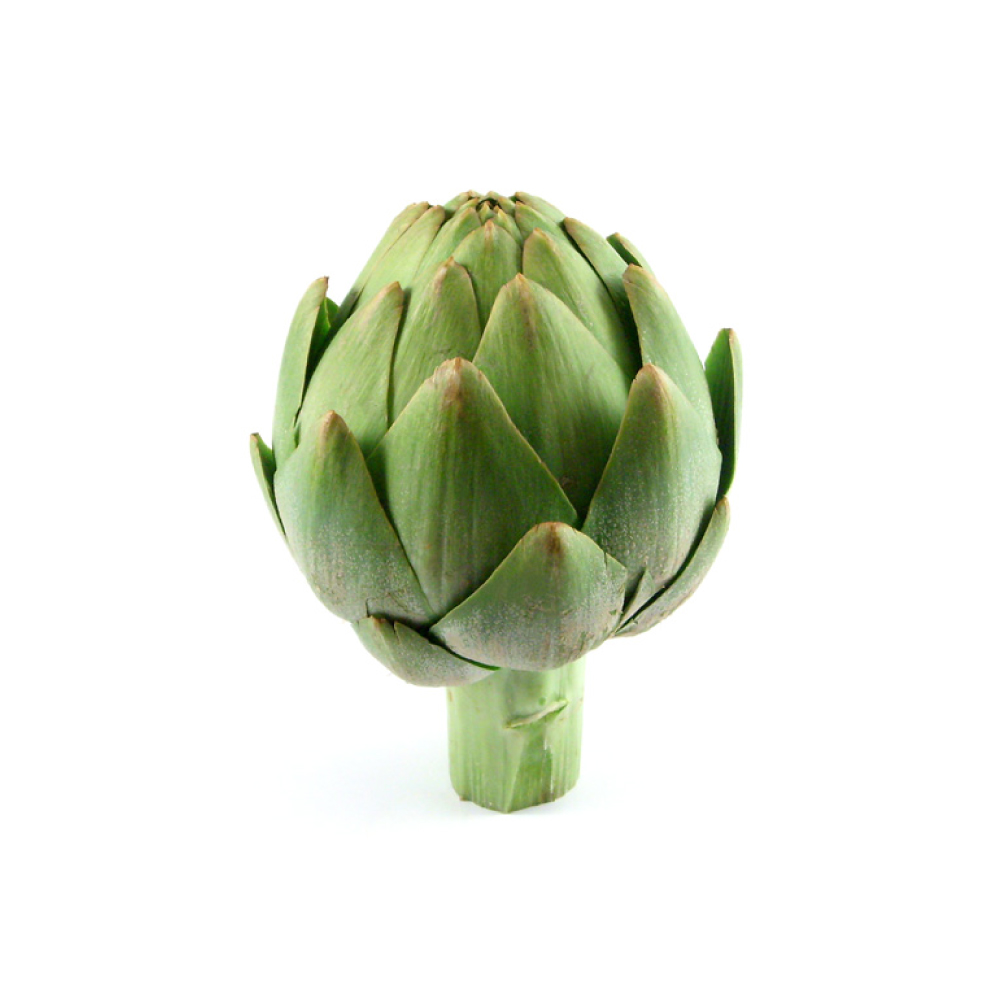 Source Globe Artichoke Cynara scolymus Herb monograph →
 Source Juniper Juniperus communis Herb monograph →
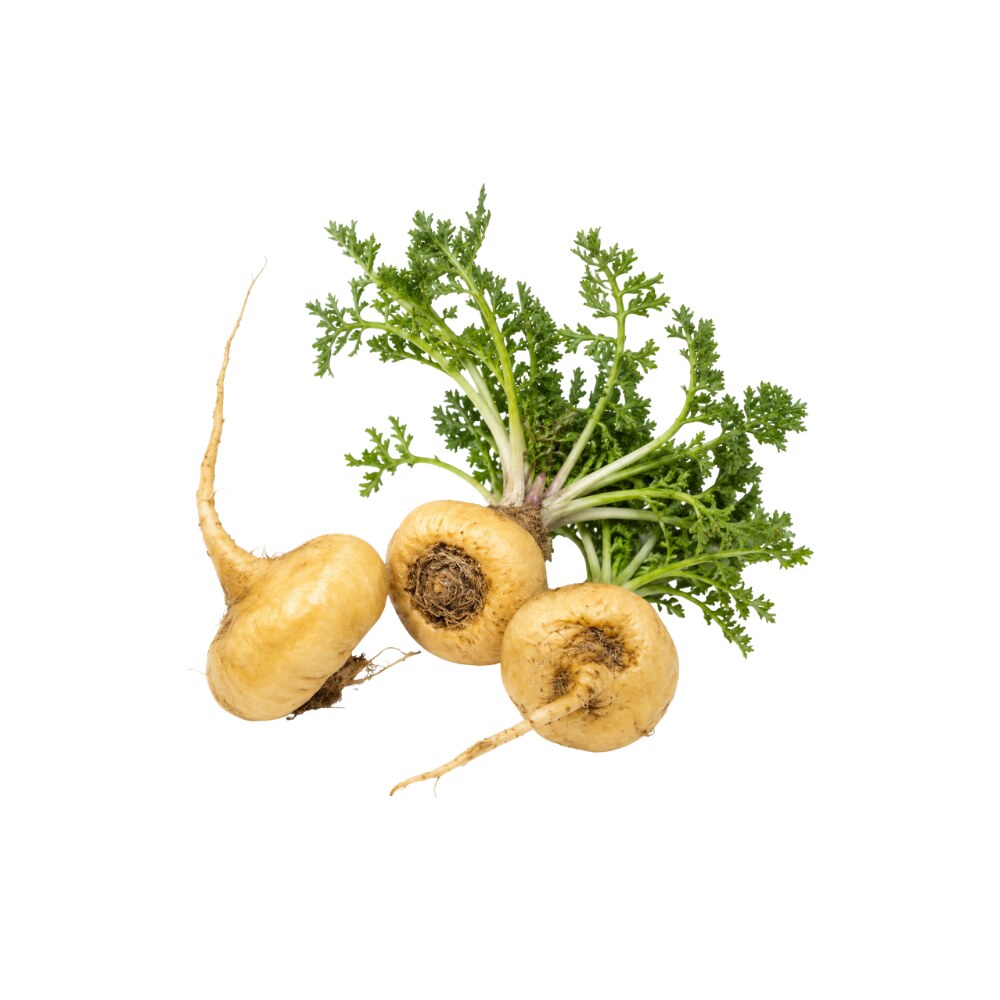 Source Maca Lepidium meyenii Herb monograph →
 Source Milk Thistle Silybum marianum Herb monograph →
 Source Passionflower Passiflora incarnata Herb monograph →
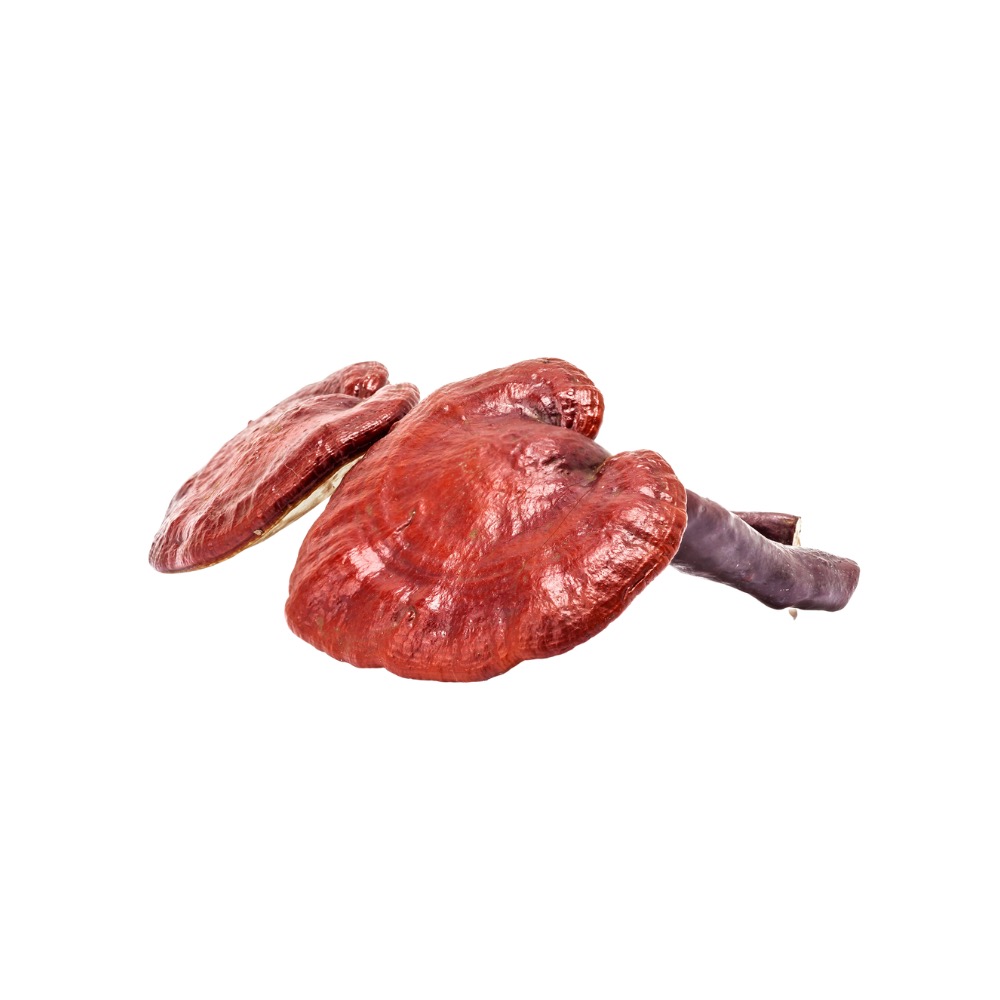 Source Reishi Ganoderma lucidum Herb monograph →
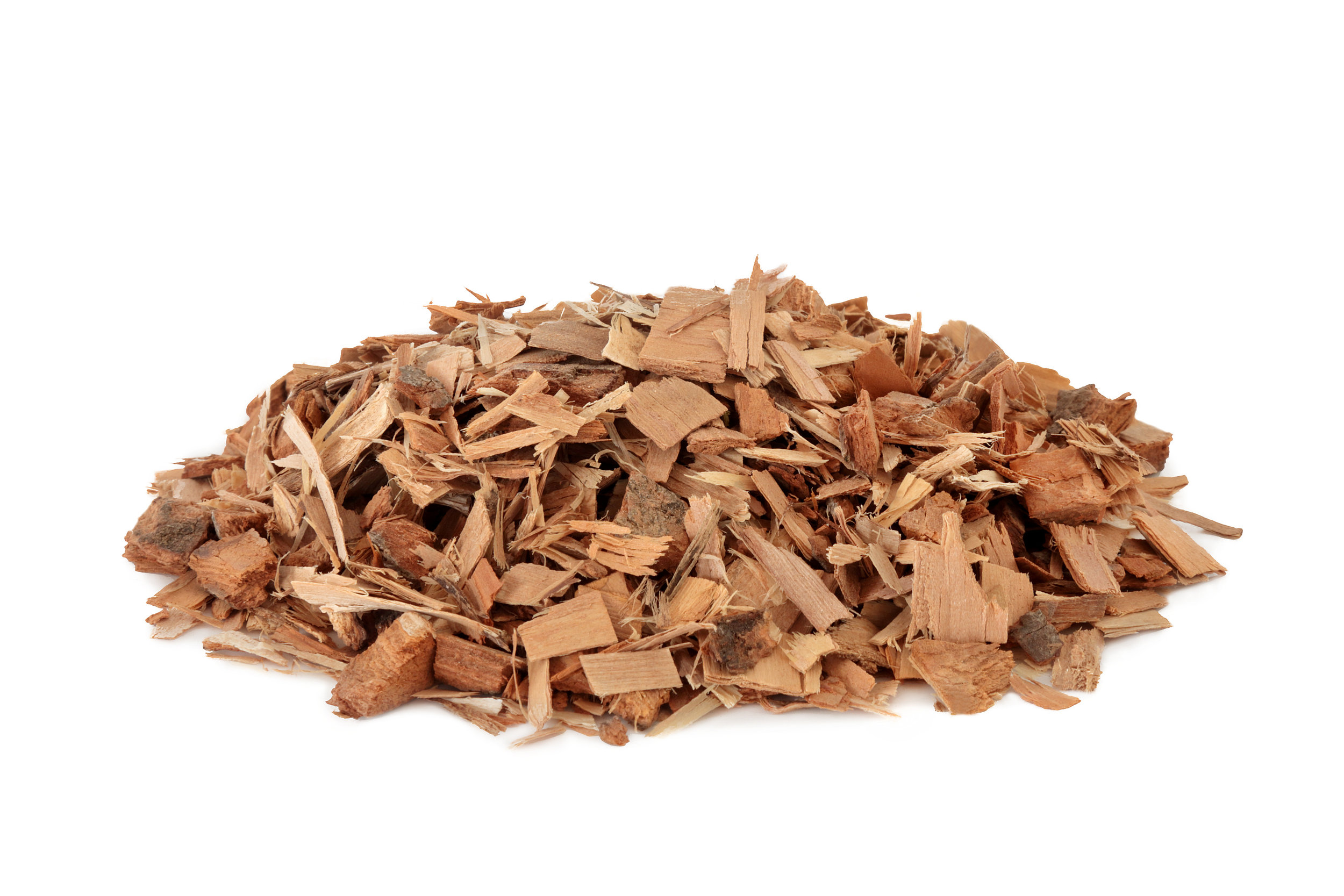 Source Saw Palmetto Serenoa repens Herb monograph →
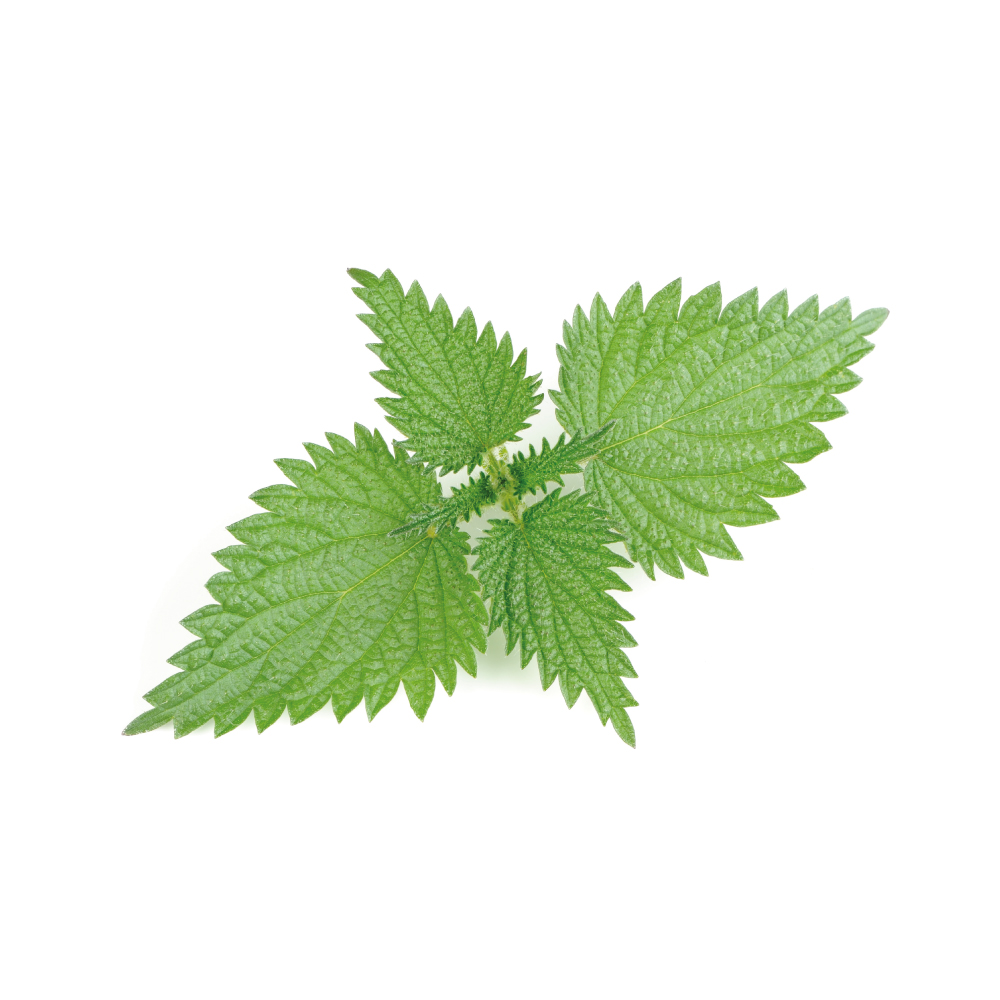 Source Stinging Nettle Urtica dioica Herb monograph →
Concentration
Content by Source
Reported concentrations across the plants that contain palmitic acid — the bar marks the typical level, the line shows the reported range.
Literature figures for varying plant parts and preparations. Read them as a comparative guide, not exact assays.
Palmitic Acid at a Glance
Palmitic acid, or hexadecanoic acid (C16:0), is the most common saturated fatty acid in the human body and in the human diet — a straight 16-carbon chain with no double bonds. It is the principal fat of palm oil (about 44%), a major fatty acid of meat, dairy, cocoa butter and human milk, and, uniquely among common fats, the direct end-product of the body’s own fat synthesis: fatty acid synthase builds palmitate from acetyl-CoA before any further elongation or desaturation 1,
That makes it primarily a subject of dietary and structural biochemistry, not therapeutics. It is not a supplement, not a plant “active”, and not a drug — it is eaten in gram quantities every day and manufactured continuously inside cells. Its two genuinely interesting biological stories are opposite in sign: on one hand it is a real cell-signalling lipid, the fatty acid that cells attach to hundreds of proteins (S-palmitoylation) to control where those proteins go and how long they last 6Reference 6Palmitoylation: policing protein stability and trafficView study →; on the other, nutritionally it is the archetypal LDL-cholesterol-raising saturated fat 3Reference 3Meta-analysisEffects of dietary fatty acids and carbohydrates on the ratio of serum total to HDL cholesterol and on serum lipids and apolipoproteins: a meta-analysis of 60 controlled trialsView study →, and in excess the classic lipotoxic fatty acid that drives insulin resistance, ER stress and cell death in laboratory models 5Reference 5Palmitic and Oleic Acid: The Yin and Yang of Fatty Acids in Type 2 Diabetes MellitusView study →.
It carries a low toxicity flag as a ubiquitous food fat — but that badge comes with a real nutritional caveat, spelled out below: the harm from palmitic acid is not acute poisoning but the cardiovascular and metabolic cost of dietary excess. And a warning for reading the literature: GC-MS surveys of plant extracts routinely list palmitic acid among “antimicrobial” or “anticancer” volatiles, but those attributions are usually weak and non-specific — palmitic acid turns up in almost every extract precisely because it is everywhere 10Reference 10The Volatile Phytochemistry of Seven Native American Aromatic Medicinal PlantsView study →.
The Most Common Saturated Fat
The single most important fact about palmitic acid is its ubiquity. It is the most abundant saturated fatty acid in essentially all living tissue — roughly 20-30% of total fatty acids in the human body — and the dominant saturated fat of the diet 1Reference 1Palmitic Acid: Physiological Role, Metabolism and Nutritional ImplicationsView study →. It is richest in palm oil (~44%), but a major component of animal fat, dairy, cocoa butter, and human milk fat (~20-25%, where it is distinctively concentrated at the sn-2 position of the triglyceride) 1,
What sets it apart from dietary fats like oleic acid or linoleic acid is that the body does not depend on food for it at all. Palmitic acid is the committed end-product of de-novo lipogenesis: the multi-enzyme complex fatty acid synthase (FAS) assembles it from malonyl-CoA and acetyl-CoA and releases it as C16:0, the starting point for the elongases and desaturases that make longer and unsaturated fatty acids 1Reference 1Palmitic Acid: Physiological Role, Metabolism and Nutritional ImplicationsView study →. So palmitic acid is simultaneously the most-eaten saturated fat and the one the body makes for itself — which is exactly why “cutting palmitic acid” is not simple, and why its tissue levels reflect metabolic state as much as diet.
Because it is everywhere, palmitic acid appears in the phytochemical profile of a great many herbs here — as a seed-oil or fixed-oil component (milk thistle, maca), a resin/lipid-fraction constituent (juniper), or a major essential-oil component (blue vervain). In almost every case it is structural background, not the active fraction.
Protein S-Palmitoylation
The one place palmitic acid is a bona-fide signalling molecule rather than a fuel or building block is protein S-palmitoylation — the reversible attachment of the C16 chain (as palmitoyl-CoA) to cysteine residues on proteins, catalysed by a family of DHHC palmitoyl-acyltransferases and removed by thioesterases 6Reference 6Palmitoylation: policing protein stability and trafficView study →.
Because the thioester bond is reversible, palmitoylation works as a dynamic switch — the fatty-acid equivalent of phosphorylation. It anchors otherwise-soluble proteins to membranes, sorts them into specific membrane domains, and regulates their trafficking, stability and turnover 6Reference 6Palmitoylation: policing protein stability and trafficView study →. Classic substrates include Ras GTPases, many G-protein subunits and ion channels; the modification is central to how these proteins localise and signal. It is a genuine, mechanistically well-characterised role for the molecule — but note the framing: this is palmitoyl-CoA acting as an intracellular substrate, driven by the cell’s own metabolism, not a pharmacological effect of eaten or supplemented palmitic acid.
What It's Used For
Palmitic acid has essentially no therapeutic pharmacology as an isolate. Its evidence base is a mix of (1) well-established nutritional findings where the direction of effect is adverse, (2) mechanistic cell biology, and (3) weak, non-specific in-vitro reports from plant-extract surveys. The honest reading is that the strongest, best-evidenced “applications” here describe a cardiovascular risk and a lipotoxic hazard, not a benefit.
Support is an experimental score — weighted by study type (human > animal > in vitro) and volume. A beta, not a validated metric. Read the direction of each row: the two highest-scoring here are a cardiovascular risk and a metabolic hazard, not benefits, and the lowest reflect an isolate that failed to act.
The application with the best human data — and it is a risk, not a benefit. In a meta-analysis of 60 controlled feeding trials, replacing dietary carbohydrate with saturated fatty acids like palmitic acid raised LDL cholesterol, and exchanging saturated for unsaturated fat lowered the total-to-HDL cholesterol ratio 3Reference 3Meta-analysisEffects of dietary fatty acids and carbohydrates on the ratio of serum total to HDL cholesterol and on serum lipids and apolipoproteins: a meta-analysis of 60 controlled trialsView study →.
At the population level, a Cochrane review found that reducing saturated-fat intake modestly reduces cardiovascular events 4Reference 4Systematic reviewReduction in saturated fat intake for cardiovascular diseaseView study →.
Palmitic acid is the single most abundant saturated fat in most diets, so it carries much of this class effect 1,
Gap: the exposure tested is dietary saturated fat as a class (of which palmitic acid is the largest but not the only member), and the effect is on a biomarker/risk endpoint — the takeaway is to limit it, which is the opposite of a therapeutic use. Whole-food matrix (dairy vs. palm oil vs. meat) modifies the effect and is not captured by the isolate 4Reference 4Systematic reviewReduction in saturated fat intake for cardiovascular diseaseView study →.
Palmitic acid is the archetypal lipotoxic fatty acid in metabolic research. In hepatocytes, myocytes, pancreatic β-cells and other cell types, palmitate induces endoplasmic-reticulum stress, inflammation (via pathways such as NF-κB/JNK and ceramide accumulation), insulin resistance and apoptosis — and its monounsaturated counterpart oleic acid is typically protective, channelling palmitate into inert triglyceride stores. This contrast is summarised as the “yin and yang” of fatty acids in type-2 diabetes 5Reference 5Palmitic and Oleic Acid: The Yin and Yang of Fatty Acids in Type 2 Diabetes MellitusView study →.
A striking dietary-isolate finding extends the harm story: in mouse models of oral carcinoma and melanoma, dietary palmitic acid — but not oleic or linoleic acid — primed a long-lasting pro-metastatic state via a Schwann-cell/neural signature 7Reference 7Dietary palmitic acid promotes a prometastatic memory via Schwann cellsView study →.
Gap: most of this is in-vitro at supraphysiological palmitate concentrations or in animal models; it demonstrates a mechanism of harm from excess, not a therapeutic action. The metastasis finding is a single high-profile mouse/dietary study awaiting broader confirmation 5,
The one bona-fide molecular role. Cells covalently attach the C16 palmitoyl group to cysteine residues on target proteins (S-palmitoylation), a reversible thioester modification installed by DHHC acyltransferases and reversed by thioesterases. It controls membrane attachment, sub-membrane localisation, trafficking and protein stability for substrates including Ras GTPases, G-protein subunits and ion channels — functioning as a dynamic on/off switch analogous to phosphorylation 6Reference 6Palmitoylation: policing protein stability and trafficView study →.
Gap: this is intracellular biochemistry driven by palmitoyl-CoA from the cell’s own metabolism, not an effect achievable by taking palmitic acid. It belongs here as “what the molecule does biologically”, not as a health application 6Reference 6Palmitoylation: policing protein stability and trafficView study →.
A cautionary category. Gas-chromatography surveys of plant extracts and essential oils routinely list hexadecanoic acid (palmitic acid) among the constituents of samples showing antimicrobial or cytotoxic activity, and secondary literature sometimes credits the fatty acid with that activity. Palmitic acid can be a major essential-oil component — for example up to ~22% of blue vervain (Verbena hastata) oil 10Reference 10The Volatile Phytochemistry of Seven Native American Aromatic Medicinal PlantsView study → — yet in careful work the antimicrobial activity tracks other constituents, not the fatty acid.
Gap: these attributions are weak and non-specific. Palmitic acid appears in almost every plant extract because it is a ubiquitous structural lipid, so its co-occurrence with an active extract is expected and says little; it is rarely isolated, dose-ranged, or shown to be the active agent 10Reference 10The Volatile Phytochemistry of Seven Native American Aromatic Medicinal PlantsView study →. Treat “palmitic acid is antimicrobial/anticancer” claims from GC-MS papers with skepticism.
An informative negative result. In saw palmetto, palmitic acid is a real component of the fatty-acid fraction (~8.5-9.2%) 8Reference 8A phytochemical comparison of saw palmetto products using gas chromatography and 1H nuclear magnetic resonance spectroscopy metabolomic profilingView study →, and that liposterolic fraction weakly inhibits 5α-reductase. But when the individual free fatty acids were tested, palmitic acid did not inhibit 5α-reductase, whereas oleic, lauric, myristic and linoleic acids did 9Reference 9Pharmacologically relevant receptor binding characteristics and 5alpha-reductase inhibitory activity of free fatty acids contained in saw palmetto extractView study →.
Gap: this is a mechanistic in-vitro assay, and the point is the opposite of an application — palmitic acid is present in the active fraction but is not one of the contributing inhibitors, so it should not be credited with saw palmetto’s 5α-reductase activity 9Reference 9Pharmacologically relevant receptor binding characteristics and 5alpha-reductase inhibitory activity of free fatty acids contained in saw palmetto extractView study →.
Mechanisms
| Target / pathway | Effect | Relevant to |
|---|---|---|
| Fatty acid synthase (FAS) | end-product of de-novo lipogenesis — C16:0 released, then elongated/desaturated | structural biology / metabolism |
| DHHC palmitoyl-acyltransferases (as palmitoyl-CoA) | reversible S-palmitoylation of protein cysteines → membrane targeting, trafficking, stability | cell signalling |
| Plasma LDL cholesterol | dietary palmitic acid raises LDL vs. unsaturated fat substitution | cardiovascular (risk) |
| ER stress / NF-κB / JNK / ceramide | palmitate induces lipotoxic inflammation, insulin resistance, apoptosis (oleate protective) | lipotoxicity / insulin resistance |
| Membrane & storage lipids (phospholipids, triglycerides) | major saturated acyl chain tuning membrane order and energy storage | structural biology |
The load-bearing point is that palmitic acid’s well-evidenced effects are metabolic/structural (and, dietarily, adverse) — not therapeutic. Its only true “signalling” role, palmitoylation, is intracellular biochemistry, not a property of eaten palmitic acid.
Pharmacokinetics
Palmitic acid is handled as ordinary dietary fat, so it has no meaningful “oral bioavailability” figure in the pharmacological sense. Eaten as triglycerides, it is released by pancreatic lipase, absorbed as free fatty acid and 2-monoacylglycerol into bile-salt mixed micelles, taken up by enterocytes, re-esterified and exported in chylomicrons — long-chain fatty-acid absorption is highly efficient. Distinctively, the sn-2 position of the triglyceride matters for palmitic acid: palmitate esterified at sn-2 (as in human milk fat) is absorbed better than sn-1/3 palmitate, which can form poorly-absorbed calcium soaps 1Reference 1Palmitic Acid: Physiological Role, Metabolism and Nutritional ImplicationsView study →. Once absorbed it is distributed to tissues and either incorporated into membrane phospholipids and storage triglycerides, β-oxidised for energy, elongated/desaturated (e.g. to stearic and then oleic acid via SCD1), or used as palmitoyl-CoA for protein palmitoylation 1,
Clinical Trials
There are no clinical trials of isolated palmitic acid as a therapeutic drug — it is a dietary and endogenous fatty acid, not a candidate medicine. The relevant human evidence is nutritional: controlled-feeding studies of saturated-fat effects on blood lipids 3Reference 3Meta-analysisEffects of dietary fatty acids and carbohydrates on the ratio of serum total to HDL cholesterol and on serum lipids and apolipoproteins: a meta-analysis of 60 controlled trialsView study → and dietary-intervention/epidemiological work on saturated-fat reduction and cardiovascular outcomes 4Reference 4Systematic reviewReduction in saturated fat intake for cardiovascular diseaseView study →, within which palmitic acid is the dominant saturated fatty acid rather than an isolated intervention. Isolate work (palmitoylation biology, lipotoxicity, pro-metastatic priming) is mechanistic/preclinical 5,
| Completed | Planned | Terminated | Preclinical |
|---|---|---|---|
| Dietary only (saturated-fat controlled-feeding & reduction trials) | — | — | Lipotoxicity, palmitoylation biology, pro-metastatic priming |
Last checked: July 2026.
Isolate vs. Plant Studies
Palmitic acid inverts the usual “isolate vs. plant” question, because there is essentially no therapeutic claim on either side to adjudicate. The best human evidence is dietary and points to harm — saturated-fat feeding raising LDL 3Reference 3Meta-analysisEffects of dietary fatty acids and carbohydrates on the ratio of serum total to HDL cholesterol and on serum lipids and apolipoproteins: a meta-analysis of 60 controlled trialsView study → and saturated-fat reduction lowering cardiovascular risk 4Reference 4Systematic reviewReduction in saturated fat intake for cardiovascular diseaseView study → — where palmitic acid is the largest saturated fatty acid but never isolated as an intervention. The isolate-level data are mechanistic: lipotoxicity assays 5Reference 5Palmitic and Oleic Acid: The Yin and Yang of Fatty Acids in Type 2 Diabetes MellitusView study →, palmitoylation biochemistry 6Reference 6Palmitoylation: policing protein stability and trafficView study →, and the pro-metastatic dietary-priming study 7Reference 7Dietary palmitic acid promotes a prometastatic memory via Schwann cellsView study →, all describing biology or harm rather than benefit. As a plant-extract constituent (saw palmetto, milk thistle, maca, juniper, blue vervain) palmitic acid is consistently structural background: present, often abundant, but not the active fraction — and in saw palmetto’s case explicitly not among the fatty acids driving the extract’s 5α-reductase activity 8,
Its Role in Plants
In plants — as in animals — palmitic acid is a core structural lipid, not a defence compound. It is a major saturated component of membrane phospholipids and of the storage triglycerides in oil-rich seeds and fruit, and it is the point of entry into fatty-acid biosynthesis: plant fatty acid synthase produces palmitoyl-ACP (C16:0), which is then elongated to stearate and desaturated to unsaturated fatty acids, or exported for membrane and oil assembly 1Reference 1Palmitic Acid: Physiological Role, Metabolism and Nutritional ImplicationsView study →. It also contributes to surface cuticular waxes and cutin in some tissues. Its prominence in fruit oils like palm reflects storage biology, not a signalling or ecological role — which is why its abundance in a plant extract carries no pharmacological implication.
Prevalence in Nature
Palmitic acid is the most widespread saturated fatty acid in nature, present in virtually all plant and animal lipids. Its richest common source is palm oil (from Elaeis guineensis), at roughly 40-48% of total fatty acids — the reason it bears the name 2Reference 2Biological and Nutritional Properties of Palm Oil and Palmitic Acid: Effects on HealthView study →. It is a major fatty acid of animal fats, dairy, cocoa butter and lard (typically ~20-30%), and is distinctively abundant in human and mammalian milk fat (~20-25%), where it is concentrated at the sn-2 triglyceride position for efficient infant absorption 1Reference 1Palmitic Acid: Physiological Role, Metabolism and Nutritional ImplicationsView study →.
Among the herbs here it appears as a seed-oil / fixed-oil component of milk thistle and maca, a resin/lipid-fraction constituent of juniper, a fatty-acid-fraction component (~8.5-9.2%) of saw palmetto berries 8Reference 8A phytochemical comparison of saw palmetto products using gas chromatography and 1H nuclear magnetic resonance spectroscopy metabolomic profilingView study →, and a major essential-oil component of blue vervain (Verbena hastata), where it can reach ~22% of the oil 10Reference 10The Volatile Phytochemistry of Seven Native American Aromatic Medicinal PlantsView study →. It is not confined to the diet or plants: animals and humans synthesise it endogenously via fatty acid synthase, so it is present in every tissue regardless of intake 1Reference 1Palmitic Acid: Physiological Role, Metabolism and Nutritional ImplicationsView study →.
Major Natural Sources
| Source | Part | Reported palmitic acid content |
|---|---|---|
| Oil palm (Elaeis guineensis) | palm oil | ~40-48% of total fatty acids 2Reference 2Biological and Nutritional Properties of Palm Oil and Palmitic Acid: Effects on HealthView study → |
| Human/mammalian milk | milk fat | ~20-25% of total fatty acids 1Reference 1Palmitic Acid: Physiological Role, Metabolism and Nutritional ImplicationsView study → |
| Cocoa butter / animal fats | fat | ~20-30% of total fatty acids 1Reference 1Palmitic Acid: Physiological Role, Metabolism and Nutritional ImplicationsView study → |
| Saw palmetto (Serenoa repens) | berry FA fraction | ~8.5-9.2% of the fatty-acid fraction 8Reference 8A phytochemical comparison of saw palmetto products using gas chromatography and 1H nuclear magnetic resonance spectroscopy metabolomic profilingView study → |
| Blue vervain (Verbena hastata) | essential oil | up to ~22% of the oil 10Reference 10The Volatile Phytochemistry of Seven Native American Aromatic Medicinal PlantsView study → |
These are percentages of the oil or fatty-acid fraction, not of the whole plant, and vary with species, part and processing 1,
Discovery & Synthesis
Palmitic acid was among the saturated fatty acids characterised in the classical era of fat chemistry. It was isolated in the 1840s from palm oil by the French chemist Edmond Frémy, part of the nineteenth-century work (following Chevreul) that separated natural fats into their component fatty acids; its name comes from the Latin palma, after its principal source. Because it is a simple, unbranched saturated C16 acid, its structure was settled early and it became a reference compound across lipid science.
Manufacture today is by extraction and fractionation of natural fats, not total synthesis: commercial palmitic acid is obtained industrially from palm oil, palm-kernel oil, tallow and other triglyceride sources by hydrolysis (splitting) of the fat into free fatty acids followed by fractional distillation. It is a large-volume oleochemical feedstock — used in soaps, surfactants, cosmetics (as a component and as its salts/esters), lubricants and food processing — so most commercial palmitic acid is a purified natural product, not a made molecule. Its metabolic “synthesis” of interest is biological: the fatty acid synthase reaction that builds it de novo inside cells 1Reference 1Palmitic Acid: Physiological Role, Metabolism and Nutritional ImplicationsView study →.
Patents: not yet researched.
Toxicity & Safety
Palmitic acid carries a low toxicity flag, and the justification is straightforward: it is a staple dietary and endogenous fatty acid eaten in gram quantities daily and synthesised continuously by the body, generally recognised as safe in food, with no concern of acute poisoning at ordinary exposure 1,
- A safe, ubiquitous dietary fat. Eaten in quantity for all of human history, GRAS in food, and synthesised by the body itself — no acute-toxicity concern at dietary/endogenous levels 1,
2Reference 1Palmitic Acid: Physiological Role, Metabolism and Nutritional ImplicationsView study →Reference 2Biological and Nutritional Properties of Palm Oil and Palmitic Acid: Effects on HealthView study → . - It raises LDL cholesterol. As the dominant dietary saturated fat, palmitic acid increases LDL relative to unsaturated fats; dietary guidance is to limit saturated fat, and reducing it modestly lowers cardiovascular events 3,
4Reference 3Meta-analysisEffects of dietary fatty acids and carbohydrates on the ratio of serum total to HDL cholesterol and on serum lipids and apolipoproteins: a meta-analysis of 60 controlled trialsView study →Reference 4Systematic reviewReduction in saturated fat intake for cardiovascular diseaseView study → . - The lipotoxic fatty acid of metabolic disease. In excess (and in lab models) palmitate drives ER stress, inflammation, insulin resistance and cell death — with oleic acid typically protective 5Reference 5Palmitic and Oleic Acid: The Yin and Yang of Fatty Acids in Type 2 Diabetes MellitusView study →.
- Ignore GC-MS “bioactivity” claims. Reports crediting palmitic acid with antimicrobial or anticancer effects from whole-extract screens are weak and non-specific; it is present because it is ubiquitous, not because it is active 10Reference 10The Volatile Phytochemistry of Seven Native American Aromatic Medicinal PlantsView study →.
Pregnancy/lactation is a per-herb / per-supplement decision and is not adjudicated on this molecule page; as an ordinary dietary and endogenous fatty acid — indeed a major component of human milk fat — palmitic acid has no isolate-specific reproductive-toxicity signal at food-level exposure, and no isolate verdict is issued here.
Dosage
There is no established or recommended supplemental dose of isolated palmitic acid — it is a dietary and endogenous saturated fatty acid, and the relevant public-health message is to limit saturated fat rather than to supplement it 3,
| Context | Form | Figure |
|---|---|---|
| Typical Western saturated-fat intake | mixed dietary fat | ~20-30 g/day total SFA (palmitic acid the largest fraction) 1Reference 1Palmitic Acid: Physiological Role, Metabolism and Nutritional ImplicationsView study → |
| Palm oil | dietary oil | ~44% palmitic acid by weight 2Reference 2Biological and Nutritional Properties of Palm Oil and Palmitic Acid: Effects on HealthView study → |
| Saw palmetto extract | liposterolic (FA) fraction | palmitic acid ~8.5-9.2% of the fatty-acid fraction, not dosed alone 8Reference 8A phytochemical comparison of saw palmetto products using gas chromatography and 1H nuclear magnetic resonance spectroscopy metabolomic profilingView study → |
These are dietary and compositional figures, not a personal recommendation, and they describe whole foods or extract fractions rather than a dose of the pure compound.
References
- Carta G, Murru E, Banni S, Manca C (2017). Palmitic Acid: Physiological Role, Metabolism and Nutritional Implications. Frontiers in Physiology. https://pubmed.ncbi.nlm.nih.gov/29167646/
- Mancini A, Imperlini E, Nigro E, Montagnese C, Daniele A, Orrù S, Buono P (2015). Biological and Nutritional Properties of Palm Oil and Palmitic Acid: Effects on Health. Molecules. https://pubmed.ncbi.nlm.nih.gov/26393565/
- Mensink RP, Zock PL, Kester AD, Katan MB (2003). Effects of dietary fatty acids and carbohydrates on the ratio of serum total to HDL cholesterol and on serum lipids and apolipoproteins: a meta-analysis of 60 controlled trials. American Journal of Clinical Nutrition. https://pubmed.ncbi.nlm.nih.gov/12716665/
- Hooper L, Martin N, Jimoh OF, Kirk C, Foster E, Abdelhamid AS (2020). Reduction in saturated fat intake for cardiovascular disease. Cochrane Database of Systematic Reviews. https://pubmed.ncbi.nlm.nih.gov/32428300/
- Palomer X, Pizarro-Delgado J, Barroso E, Vázquez-Carrera M (2018). Palmitic and Oleic Acid: The Yin and Yang of Fatty Acids in Type 2 Diabetes Mellitus. Trends in Endocrinology and Metabolism. https://pubmed.ncbi.nlm.nih.gov/29290500/
- Linder ME, Deschenes RJ (2007). Palmitoylation: policing protein stability and traffic. Nature Reviews Molecular Cell Biology. https://pubmed.ncbi.nlm.nih.gov/17183362/
- Pascual G, Domínguez D, Elosúa-Bayes M, et al. (2021). Dietary palmitic acid promotes a prometastatic memory via Schwann cells. Nature. https://pubmed.ncbi.nlm.nih.gov/34759321/
- Booker A, Suter A, Krnjic A, Strassel B, Zloh M, Said M, Heinrich M (2014). A phytochemical comparison of saw palmetto products using gas chromatography and 1H nuclear magnetic resonance spectroscopy metabolomic profiling. Journal of Pharmacy and Pharmacology. https://pubmed.ncbi.nlm.nih.gov/24417505/
- Abe M, Ito Y, Oyunzul L, Oki-Fujino T, Yamada S (2009). Pharmacologically relevant receptor binding characteristics and 5alpha-reductase inhibitory activity of free fatty acids contained in saw palmetto extract. Biological & Pharmaceutical Bulletin. https://pubmed.ncbi.nlm.nih.gov/19336899/
- Lawson SK, Satyal P, Setzer WN (2021). The Volatile Phytochemistry of Seven Native American Aromatic Medicinal Plants. Plants (Basel). https://pubmed.ncbi.nlm.nih.gov/34070663/



