
Compound Monograph
Procyanidin B1
Procyanidin B1 is a B-type proanthocyanidin dimer — epicatechin-(4β→8)-catechin — and one of the principal flavan-3-ol dimers of grape-seed extract and French maritime pine bark (Pycnogenol). Its pharmacology is real but almost entirely preclinical, and the human evidence belongs to the whole extracts, not the isolated molecule, which is poorly absorbed and largely reworked by gut bacteria.

Sources · 9
Where Does It Come From?
Procyanidin B1 is a naturally occurring flavan-3-ol dimer (b-type proanthocyanidin / procyanidin), found in Grape seed, French maritime pine bark, Cinnamon and 6 other sources. It is well tolerated orally (low toxicity).
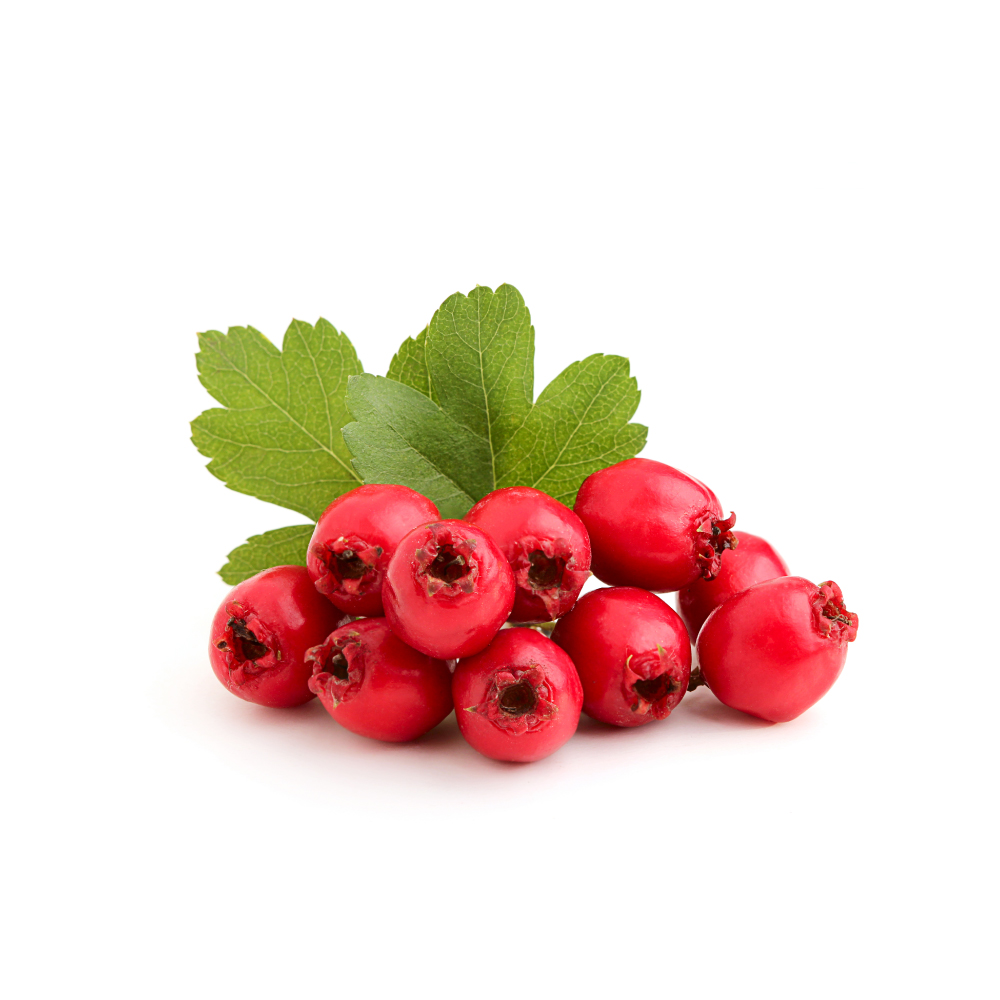 Source Hawthorn Crataegus oxyacantha Herb monograph →
Photo coming soon
Source Korean Red Pine Pinus densiflora Herb monograph →
Concentration
Content by Source
Concentrations not reported. No percent-dry-weight or mg/g figures have been published for this compound in its source plants.
Procyanidin B1 at a Glance
Procyanidin B1 is a B-type proanthocyanidin dimer — two flavan-3-ol units, an epicatechin joined to a catechin through a single 4β→8 carbon–carbon bond. It is one of the four classic procyanidin dimers (B1–B4) and a characteristic constituent of grape seed, French maritime pine bark, cinnamon and many other tannin-rich plants, where it sits among the proanthocyanidins (condensed tannins) that give those materials their astringency.
Its measured activities are genuinely broad — antioxidant, neuroprotective, metabolic, anti-fibrotic and anticancer signals all appear in the literature — but the evidence sits almost entirely at the cell and rodent level, and much of the human record that gets attached to “procyanidin B1” actually belongs to the whole extracts (grape-seed extract, Pycnogenol) in which it is only one component 11Reference 11ReviewReview of the pharmacokinetics of French maritime pine bark extract (Pycnogenol) in humansView study →.
Two facts frame everything below. First, as a dimer it is poorly absorbed intact: most of an oral dose is reworked by gut bacteria into small phenolic metabolites, so the micromolar potencies seen in vitro are hard to reach in the body 10Reference 10Procyanidin dimers are metabolized by human microbiota with 2-(3,4-dihydroxyphenyl)acetic acid and 5-(3,4-dihydroxyphenyl)-γ-valerolactone as the major metabolitesView study →. Second, there are no controlled human trials of the isolated molecule — a caveat that recurs through every application.
B1 vs. B2 — The Procyanidin Dimers
The procyanidin dimers look almost identical on paper and are routinely reported together, but they are distinct molecules that differ in their monomer composition and stereochemistry — a distinction worth holding onto, because studies often test one and generalise to “procyanidins.”
All four B-type dimers are built from the same two flavan-3-ol building blocks, catechin and epicatechin, linked by a single 4→8 interflavan bond. What changes is which monomers, in which order and stereochemistry:
| Dimer | Composition | Interflavan bond |
|---|---|---|
| Procyanidin B1 | epicatechin → catechin | 4β→8 |
| Procyanidin B2 | epicatechin → epicatechin | 4β→8 |
| Procyanidin B3 | catechin → catechin | 4α→8 |
| Procyanidin B4 | catechin → epicatechin | 4α→8 |
So B1 and procyanidin B2 are regiochemical siblings that differ only in the lower (“terminal”) unit — a catechin in B1, an epicatechin in B2. That single swap is enough to change how the molecules pack, scavenge radicals and dock into protein targets, and the two are frequently the most abundant dimers in a given plant. These are all B-type dimers (one interflavan bond); A-type procyanidins carry an additional ether bond (a second C–O linkage), are more resistant to breakdown, and behave differently — the A-type dimers famous from cranberry are a separate structural class from B1.
In Grape Seed & Pine Bark Extracts
Procyanidin B1’s real-world importance is as a marker and component of two of the most-studied botanical extracts — but this is exactly where the isolate-versus-plant honesty matters most.
Grape-seed extract (GSE) and French maritime pine-bark extract, sold as Pycnogenol, are both standardised to their oligomeric procyanidin (OPC) content — Pycnogenol to roughly 65–75% procyanidins built from catechin and epicatechin units, within which B-type dimers including B1 are identified constituents 11Reference 11ReviewReview of the pharmacokinetics of French maritime pine bark extract (Pycnogenol) in humansView study →. B1 is genuinely one of the flavan-3-ol dimers in these products, and pine-bark studies have singled it out as a “major component” whose isolated activity mirrors part of the whole extract’s effect 4Reference 4Flavangenol (pine bark extract) and its major component procyanidin B1 enhance fatty acid oxidation in fat-loaded modelsView study →.
But the human evidence that gets cited for “grape-seed procyanidins” or “pine-bark procyanidins” is whole-extract evidence. Pycnogenol and GSE trials dose a complex mixture of monomers, dimers, oligomers, phenolic acids and other polyphenols — not purified B1 11,
What It's Used For
The isolated-B1 literature is a spread of mechanistic cell and rodent studies with no single dominant use, held together by an antioxidant/redox thread. The load-bearing caveat is constant: preclinical, mostly the isolate in vitro, no human isolate data.
Support is an experimental score — weighted by study type (human > animal > in vitro) and volume. A beta, not a validated metric. Every row here is preclinical isolate (or extract) data with no human isolate trials, so scores stay modest by design.
B1’s best-characterised property, and where the isolated molecule is directly tested. In a structure–activity screen of grape-seed procyanidins, isolated B1 increased survival of hydrogen-peroxide-challenged PC12 neuronal cells and protected zebrafish larvae, cutting ROS and malondialdehyde, restoring SOD/CAT/GSH-Px, and up-regulating the Nrf2/ARE antioxidant pathway (HO-1, NQO1) — with the same team showing protection in a Parkinson’s-disease cell model 1,
A computational (DFT/docking) study confirmed intrinsic radical-scavenging by hydrogen-atom and sequential-proton-loss electron transfer at the phenolic hydroxyls, plus Cu²⁺ chelation 3Reference 3The antioxidative potential of procyanidin B1: theoretical (DFT) and docking approachesView study →.
Isolated B1 also reduced oxidative damage in pig oocytes at 100 µM, raising glutathione and mitochondrial membrane potential 9Reference 9In vitroProcyanidin B1 promotes in vitro maturation of pig oocytes by reducing oxidative stressView study →.
Gap: all in-vitro/embryo work on the isolate, and B1 was consistently mid-tier — monomers weaker, the trimer C1 stronger — so potency rises with polymer size; no mammalian CNS or human antioxidant outcome rests on B1 specifically 1Reference 1Relationship between Neuroprotective Effects and Structure of ProcyanidinsView study →.
A tissue-level metabolic signal, partly attributable to B1 as a named pine-bark component. In Western-diet-fed obese (TSOD) mice and fat-loaded HepG2 cells, the pine-bark extract Flavangenol and its major component procyanidin B1 suppressed intrahepatic fat and raised fatty-acid-oxidation genes — PPARα, acyl-CoA oxidase and carnitine palmitoyltransferase 4Reference 4Flavangenol (pine bark extract) and its major component procyanidin B1 enhance fatty acid oxidation in fat-loaded modelsView study →.
Separately, procyanidin B1 combined with p-coumaric acid (as in whole highland barley) improved glucose uptake and hepatic glycogen synthesis in impaired-glucose-tolerance mice via GLUT4/GSK-3β and IRS-1/PI3K/Akt signalling 6Reference 6Procyanidin B1 and p-Coumaric Acid from Highland Barley Grain Showed Synergistic Effect on Modulating Glucose MetabolismView study →.
Whole grape-seed procyanidin extract shows related insulin-mimetic, antihyperglycemic effects in diabetic rats 12Reference 12AnimalGrape seed-derived procyanidins have an antihyperglycemic effect in streptozotocin-induced diabetic rats and insulinomimetic activity in insulin-sensitive cell linesView study →.
Gap: mouse/cell only; the strongest metabolic effects are the pine-bark extract or a B1 + p-coumaric combination, not purified B1, so the isolate’s independent contribution is not cleanly quantified 4,
A focused, mechanistically detailed rodent result. In thioacetamide-induced liver fibrosis in mice, dietary procyanidin B1 reduced fibrogenesis markers (α-SMA, collagen I, the TIMP-1/MMP13 ratio) and reversed hepatic-stellate-cell activation, while lowering inflammatory caspase-1 and IL-1β. The proposed route is a THRSP-mediated P2X7r/NLRP3-inflammasome axis — B1 activated THRSP and damped P2X7r-driven NLRP3 activation, and silencing THRSP abolished the benefit 5Reference 5Dietary procyanidin B1 attenuates fibrogenesis and inflammation in hepatic fibrosisView study →.
Gap: a single mouse model with a novel mechanism that needs replication; no human liver-disease data on the isolate, and the dose–exposure relationship is unclear given B1’s poor oral absorption 5,
The most target-specific isolate work — and the most preliminary clinically. Isolated B1 is a potent, selective inhibitor of the Kv10.1 (Eag1) potassium channel (IC50 ≈ 10 µM), binding a defined C-linker site and suppressing hepatoma cell proliferation/migration, with ~60% tumour-growth inhibition in a HepG2 xenograft at 15 mg/kg 7Reference 7Procyanidin B1, a novel and specific inhibitor of Kv10.1 channel, suppresses the evolution of hepatomaView study →.
In glioblastoma models, B1 promoted PSMC3–NRF2 ubiquitination, degrading NRF2 to trigger ferroptosis and extend survival in tumour-bearing mice 8Reference 8Procyanidin B1 Promotes PSMC3-NRF2 Ubiquitination to Induce Ferroptosis in GlioblastomaView study →.
Gap: distinct, well-defined mechanisms but entirely cell/xenograft; note the apparent paradox — B1 activates Nrf2 protectively in neurons yet degrades NRF2 to kill glioblastoma, a context-dependence that is unresolved and human-untested 1,
Mechanisms
| Target / pathway | Effect | Relevant to |
|---|---|---|
| Nrf2 / ARE (HO-1, NQO1) | up-regulated antioxidant response; ↓ ROS/MDA, ↑ SOD/CAT/GSH-Px | antioxidant / neuroprotective |
| Phenolic-OH radical scavenging (HAT / SPL-ET) + Cu²⁺ chelation | intrinsic antioxidant capacity | antioxidant |
| PPARα / acyl-CoA oxidase / carnitine palmitoyltransferase | ↑ hepatic fatty-acid oxidation, ↓ intrahepatic fat | metabolic (lipid) |
| IRS-1 / PI3K / Akt, GLUT4, GSK-3β | ↑ glucose uptake & glycogen synthesis (with p-coumaric acid) | metabolic (glucose) |
| THRSP → P2X7r / NLRP3 inflammasome | ↓ caspase-1 / IL-1β, ↓ stellate-cell activation, ↓ α-SMA / collagen I | hepatic fibrosis |
| Kv10.1 (Eag1) channel | selective inhibition (IC50 ≈ 10 µM) → ↓ proliferation / migration | anticancer (hepatoma) |
| PSMC3–NRF2 ubiquitination | NRF2 degradation → ferroptosis | anticancer (glioblastoma) |
The redox thread runs through everything, but note the context-dependence: NRF2/Nrf2 is protectively activated in neurons and degraded to kill tumour cells — the same transcription factor pulled in opposite directions by cell context. Most targets were mapped at micromolar concentrations that the intact dimer is unlikely to reach systemically.
Pharmacokinetics
The single most important pharmacokinetic fact is that procyanidin B1 is a dimer, and dimers are poorly absorbed intact. Unlike its catechin/epicatechin monomers, B-type procyanidin dimers cross the gut wall only to a limited extent; the bulk reaches the colon, where gut microbiota degrade them into small absorbable phenolics — chiefly 2-(3,4-dihydroxyphenyl)acetic acid and 5-(3,4-dihydroxyphenyl)-γ-valerolactone 10Reference 10Procyanidin dimers are metabolized by human microbiota with 2-(3,4-dihydroxyphenyl)acetic acid and 5-(3,4-dihydroxyphenyl)-γ-valerolactone as the major metabolitesView study →. The pharmacokinetic review of Pycnogenol reaches the same conclusion for pine-bark procyanidins: parent dimers show low bioavailability, and much of the biological signal in humans is carried by microbial metabolites and conjugates rather than the intact molecule 11Reference 11ReviewReview of the pharmacokinetics of French maritime pine bark extract (Pycnogenol) in humansView study →. the practical consequence is direct: the micromolar potencies in the in-vitro sections above are unlikely to be achieved by circulating intact B1, so cell-based findings should not be read as predictions of a human oral effect. Robust human ADME for isolated B1 — Cmax, half-life, oral bioavailability — is not established; the isolate has not been dosed in people.
Clinical Trials
There are no controlled human trials of isolated procyanidin B1. The human evidence in this space belongs to the whole extracts — grape-seed extract and the standardised pine-bark extract Pycnogenol — in which B1 is one procyanidin among many 11,
| Completed | Planned | Terminated | Preclinical |
|---|---|---|---|
| None(isolate); human data are whole GSE / Pycnogenol extracts | — | — | Antioxidant/neuroprotective, metabolic, anti-fibrotic, anticancer (all cell/rodent) |
Last checked: July 2026.
Isolate vs. Plant Studies
This molecule sits firmly on the plant/extract side of the ledger for anything human. The mechanistic work is genuinely on the isolate — the PC12/zebrafish antioxidant screen 1Reference 1Relationship between Neuroprotective Effects and Structure of ProcyanidinsView study →, the Parkinson’s-model study 2Reference 2The Relationship between Procyanidin Structure and Their Protective Effect in a Parkinson’s Disease ModelView study →, the Kv10.1 and ferroptosis anticancer work 7,
Prevalence in Nature
Procyanidin B1 is one of the most widely distributed procyanidin dimers in the plant kingdom, occurring wherever catechin and epicatechin condense into oligomeric tannins. It is a characteristic dimer of grape (Vitis vinifera) seed and skin, French maritime pine (Pinus pinaster) bark, cinnamon (cassia and Ceylon), sorghum grain, apple, and it co-occurs with related dimers in hawthorn, cocoa and whole grains such as highland barley 4,
Reported absolute concentrations of B1 specifically are inconsistent across sources — figures are usually given for total procyanidins or total OPCs rather than the individual dimer, and they vary widely with cultivar, plant part, ripeness and extraction method. Grape seed, pine bark and red wine are conventionally cited as the richest OPC sources, but a clean, comparably-measured per-plant figure for isolated B1 is not well documented (see the gaps tracker).
Discovery & Synthesis
The B-type procyanidin dimers were structurally characterised in the 1960s through the condensed-tannin chemistry of Karl Freudenberg, Klaus Weinges and co-workers, who resolved the flavan-3-ol dimers and assigned the “procyanidin B” series by the configuration and linkage of their catechin/epicatechin units; procyanidin B1 is the epicatechin-(4β→8)-catechin member. The name reflects the class: on acid treatment these condensed tannins release cyanidin (a red anthocyanidin), which is why the whole family is called pro-anthocyanidins / procyanidins.
Manufacture today is overwhelmingly by extraction and chromatographic purification from plant material — grape seed and pomace, pine bark, or other polyphenol-rich by-products — rather than total synthesis; regiospecific chemical synthesis of a defined dimer with the correct 4β→8 bond and stereochemistry is difficult, so research-grade B1 is an isolated natural product. At commercial scale the molecule is essentially never sold as a pure isolate; it reaches people inside standardised whole extracts (grape-seed extract, Pycnogenol) defined by total procyanidin content, not by B1.
Patents: not yet researched.
Toxicity & Safety
Procyanidin B1 carries a low toxicity flag. It is a normal dietary flavan-3-ol dimer, consumed for as long as people have eaten grapes, apples, cocoa, cinnamon and whole grains, and its parent extracts (grape-seed extract, Pycnogenol) have long safety records at supplemental doses. The isolated dimer itself has not been through a dedicated human safety programme, so the notes below are class-level and derived from the extracts and from its chemistry.
- A normal dietary dimer. Procyanidin B1 is a routine flavan-3-ol constituent of common foods and of well-tolerated whole extracts (GSE, Pycnogenol); no isolate-specific toxicity signal has emerged in the preclinical work 4,
5Reference 4Flavangenol (pine bark extract) and its major component procyanidin B1 enhance fatty acid oxidation in fat-loaded modelsView study →Reference 5Dietary procyanidin B1 attenuates fibrogenesis and inflammation in hepatic fibrosisView study → . - Astringency and possible mineral binding. As a condensed tannin, high procyanidin intake is astringent and can bind dietary iron and other minerals in the gut — a general tannin caution more relevant to concentrated extracts than to food.
- Poor absorption ≠ inert. Most of an oral dose is transformed by gut bacteria; effects (and any interactions) may track the microbial metabolites, which are not well characterised for the isolate 10Reference 10Procyanidin dimers are metabolized by human microbiota with 2-(3,4-dihydroxyphenyl)acetic acid and 5-(3,4-dihydroxyphenyl)-γ-valerolactone as the major metabolitesView study →.
- Interaction data are thin. No CYP/transporter interaction profile exists for isolated B1; grape-seed/pine-bark extracts have theoretical additive effects with antihypertensive and antiplatelet agents, but this is an extract-level, not an isolate-level, caution.
Reproductive note (prose only). There is no dedicated reproductive-toxicity dataset for isolated procyanidin B1. The only reproductive-context data are in vitro and point the other way — B1 reduced oxidative stress and improved maturation of pig oocytes at 100 µM 9Reference 9In vitroProcyanidin B1 promotes in vitro maturation of pig oocytes by reducing oxidative stressView study → — which is a laboratory antioxidant finding, not a safety clearance. Pregnancy and lactation decisions belong to the herb or product page where intake is actually decided, not to this molecule page; no isolate-level verdict is issued here.
Dosage
There is no established or recommended human dose for isolated procyanidin B1, and it is not sold as a stand-alone isolate. The figures in the research above are preclinical: cell-model concentrations (e.g. ~10–100 µM) and rodent doses (e.g. 15 mg/kg in a mouse xenograft) that do not convert to human self-dosing 7,
Real human exposure comes two ways:
- Dietary — as a minor dimer within the mixed procyanidins of grapes, red wine, apples, cocoa, cinnamon and whole grains.
- Whole-plant extracts — grape-seed extract and the standardised pine-bark extract Pycnogenol, dosed in trials as the extract (standardised to total procyanidins/OPCs), not to B1 11,
12Reference 11ReviewReview of the pharmacokinetics of French maritime pine bark extract (Pycnogenol) in humansView study →Reference 12AnimalGrape seed-derived procyanidins have an antihyperglycemic effect in streptozotocin-induced diabetic rats and insulinomimetic activity in insulin-sensitive cell linesView study → .
These are research and whole-extract figures, not a personal recommendation, and none of them is a dose of purified procyanidin B1.
References
- Chen J, Chen Y, Zheng Y, Zhao J, Yu H, Zhu J (2022). Relationship between Neuroprotective Effects and Structure of Procyanidins. Molecules. https://pubmed.ncbi.nlm.nih.gov/35408708/
- Chen J, Chen Y, Zheng Y, Zhao J, Yu H, Zhu J (2022). The Relationship between Procyanidin Structure and Their Protective Effect in a Parkinson’s Disease Model. Molecules. https://pubmed.ncbi.nlm.nih.gov/35956957/
- Thuy PT, Quan PM, Duc DX, Son NT (2022). The antioxidative potential of procyanidin B1: theoretical (DFT) and docking approaches. Journal of Molecular Modeling. https://pubmed.ncbi.nlm.nih.gov/36222929/
- Shimada T, Tokuhara D, Tsubata M, et al. (2012). Flavangenol (pine bark extract) and its major component procyanidin B1 enhance fatty acid oxidation in fat-loaded models. European Journal of Pharmacology. https://pubmed.ncbi.nlm.nih.gov/22227333/
- Feng QY, et al. (2025). Dietary procyanidin B1 attenuates fibrogenesis and inflammation in hepatic fibrosis. Food & Function. https://pubmed.ncbi.nlm.nih.gov/40493038/
- Liu ZH, Li B (2021). Procyanidin B1 and p-Coumaric Acid from Highland Barley Grain Showed Synergistic Effect on Modulating Glucose Metabolism. Molecular Nutrition & Food Research. https://pubmed.ncbi.nlm.nih.gov/34342938/
- Na W, Ma B, Shi S, et al. (2020). Procyanidin B1, a novel and specific inhibitor of Kv10.1 channel, suppresses the evolution of hepatoma. Biochemical Pharmacology. https://pubmed.ncbi.nlm.nih.gov/32533968/
- Gao W, Li Y, Lin X, Deng K, et al. (2024). Procyanidin B1 Promotes PSMC3-NRF2 Ubiquitination to Induce Ferroptosis in Glioblastoma. Phytotherapy Research. https://pubmed.ncbi.nlm.nih.gov/39293861/
- Gao W, Jin Y, Hao J, et al. (2021). Procyanidin B1 promotes in vitro maturation of pig oocytes by reducing oxidative stress. Molecular Reproduction and Development. https://pubmed.ncbi.nlm.nih.gov/33241626/
- Appeldoorn MM, Vincken JP, Aura AM, Hollman PCH, Gruppen H (2009). Procyanidin dimers are metabolized by human microbiota with 2-(3,4-dihydroxyphenyl)acetic acid and 5-(3,4-dihydroxyphenyl)-γ-valerolactone as the major metabolites. Journal of Agricultural and Food Chemistry. https://pubmed.ncbi.nlm.nih.gov/19191673/
- Bayer J, Högger P (2024). Review of the pharmacokinetics of French maritime pine bark extract (Pycnogenol) in humans. Frontiers in Nutrition. https://pubmed.ncbi.nlm.nih.gov/38757126/
- Pinent M, Blay M, Bladé MC, Salvadó MJ, Arola L, Ardévol A (2004). Grape seed-derived procyanidins have an antihyperglycemic effect in streptozotocin-induced diabetic rats and insulinomimetic activity in insulin-sensitive cell lines. Endocrinology. https://pubmed.ncbi.nlm.nih.gov/15271880/



