
Compound Monograph
Procyanidin B2
Procyanidin B2 is the principal B-type proanthocyanidin dimer of cocoa and apple — epicatechin-(4β→8)-epicatechin, two epicatechin units joined by a single carbon–carbon bond. It is a strongly antioxidant dietary flavanol, but like other proanthocyanidin dimers it is very poorly absorbed intact and is largely handled by the gut microbiota; the human cardiovascular flavanol story belongs to whole cocoa/apple extracts, not to isolated B2.

Sources · 10
Where Does It Come From?
Procyanidin B2 is a naturally occurring proanthocyanidin (b-type procyanidin dimer; flavan-3-ol oligomer), found in Cocoa, Apple, Grape seed and 7 other sources. It is well tolerated orally (low toxicity).
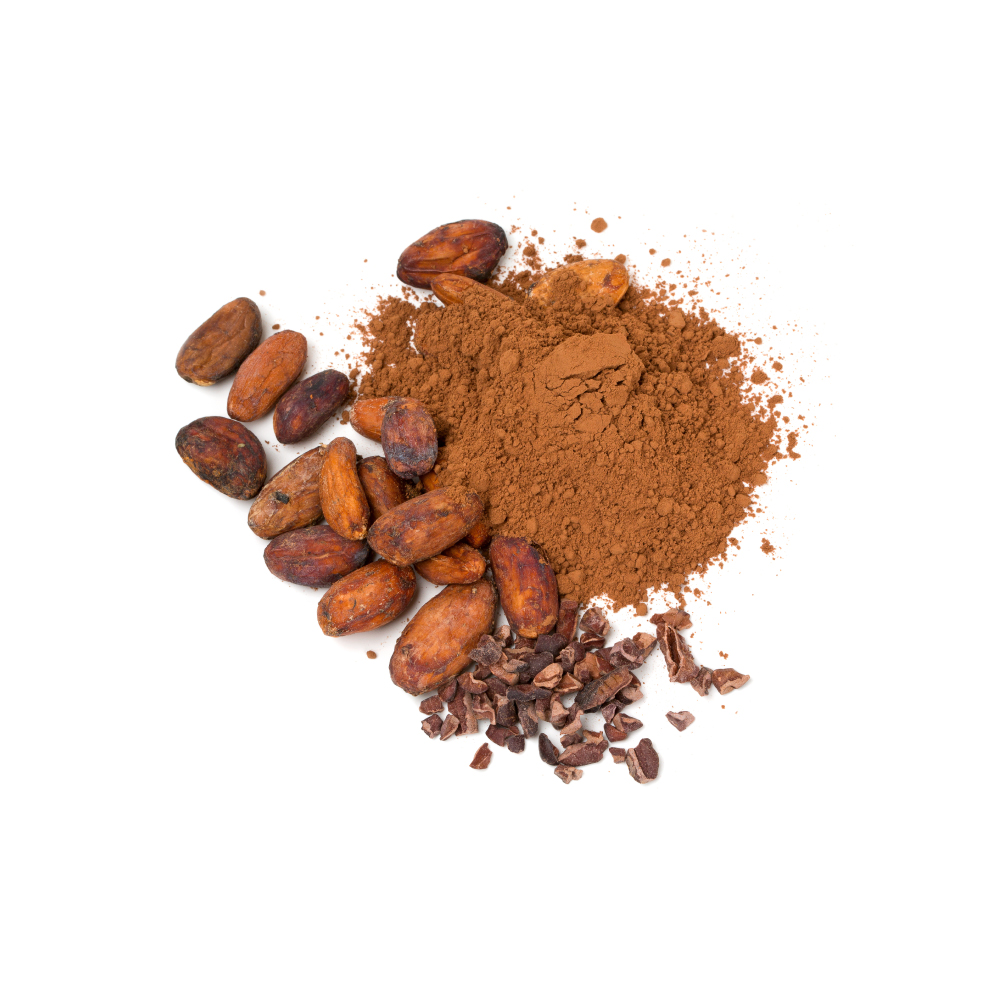 Source Cacao Theobroma cacao Herb monograph →
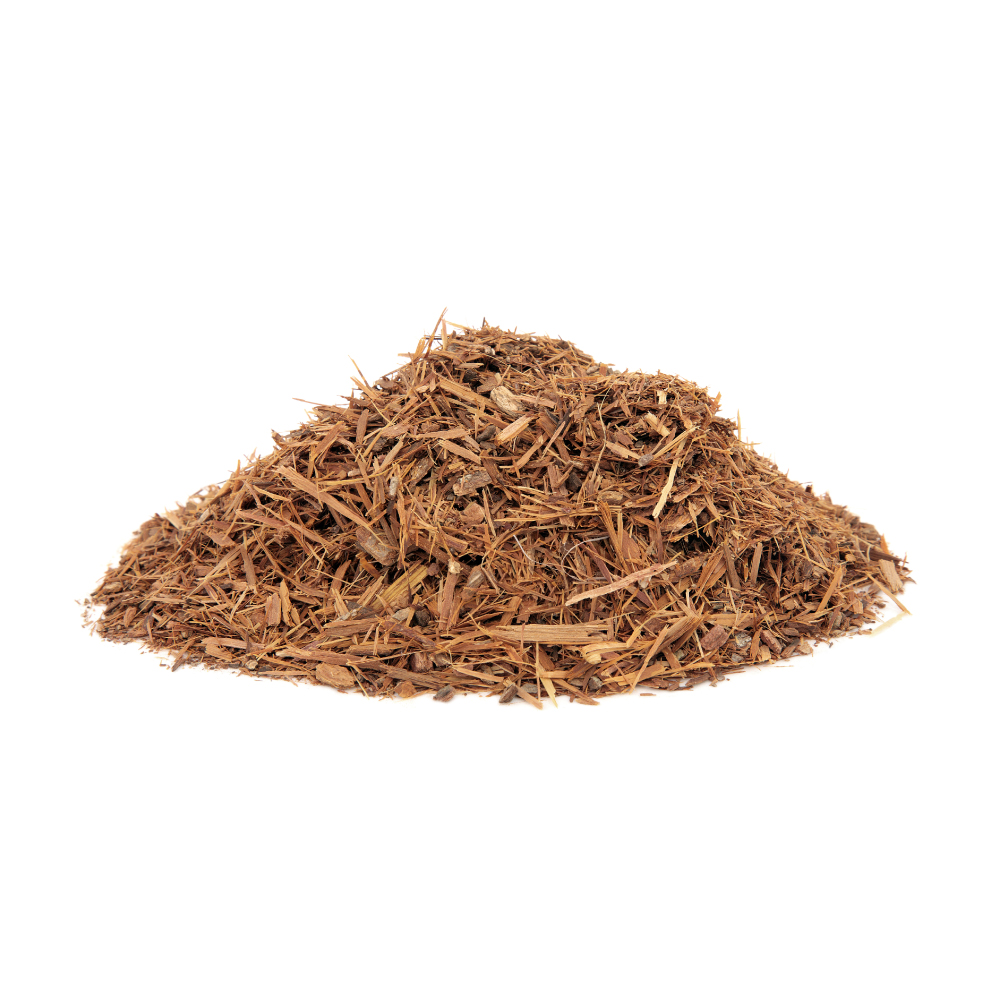 Source Catuaba Trichilia catigua Herb monograph →
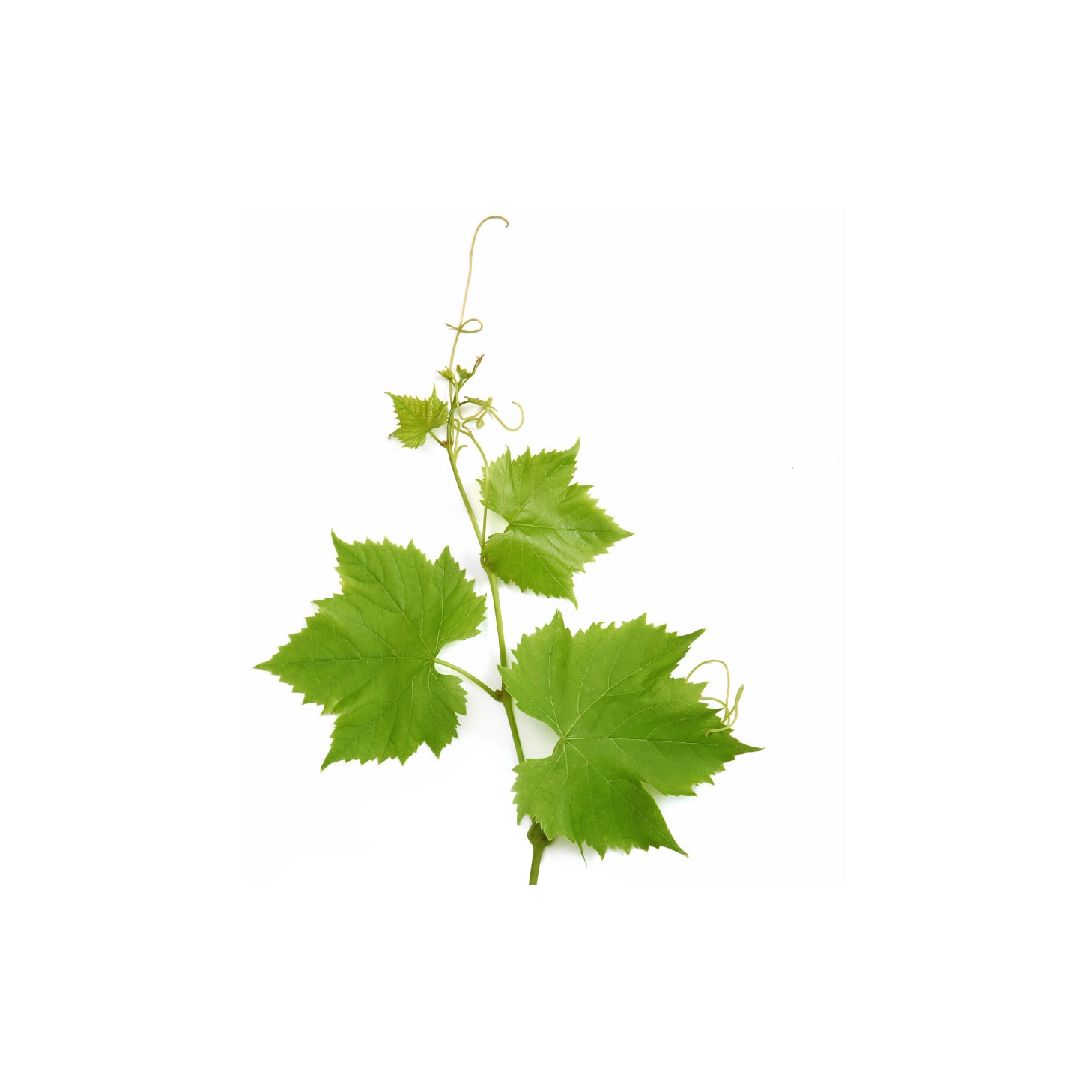 Source Grape Seed Extract Vitis vinifera Herb monograph →
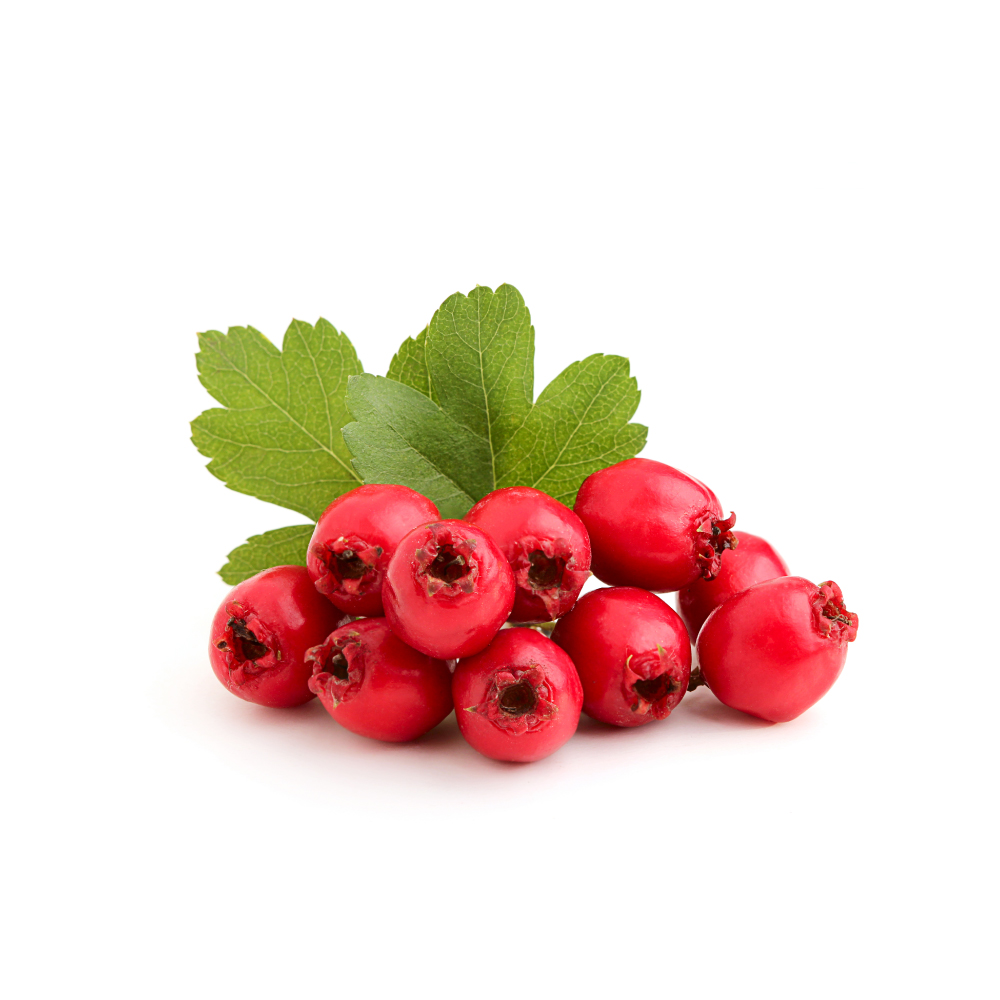 Source Hawthorn Crataegus oxyacantha Herb monograph →
Concentration
Content by Source
Concentrations not reported. No percent-dry-weight or mg/g figures have been published for this compound in its source plants.
Procyanidin B2 at a Glance
Procyanidin B2 is a B-type proanthocyanidin dimer — two epicatechin units joined head-to-tail by a single carbon–carbon (4β→8) bond, written epicatechin-(4β→8)-epicatechin. Proanthocyanidins (condensed tannins) are the oligomers and polymers built from flavan-3-ol building blocks such as catechin and epicatechin; B2 is the simplest and one of the most common of them, the point where a single flavanol monomer becomes a chain. It sits one rung up from the monomers on the proanthocyanidins family tree.
It is above all a dietary molecule: procyanidin B2 is typically the dominant flavan-3-ol dimer in cocoa and chocolate and in apples, and a meaningful fraction of grape seed, hawthorn and catuaba 1,
The Principal Cocoa & Apple Flavanol Dimer
If a single molecule represents “the flavanol dimer of chocolate and apples,” it is procyanidin B2. In quantitative surveys of flavan-3-ols across foods, procyanidin B2 is repeatedly the most abundant dimer, frequently exceeding the free monomers in cocoa products and apples 1Reference 1Quantitative analysis of flavan-3-ols in Spanish foodstuffs and beveragesView study →. Its structure — two epicatechin units linked 4β→8 — is exactly what one would predict from those foods, whose dominant monomer is epicatechin rather than catechin.
This is why B2 rides along with the well-known “cocoa flavanol” story. Cocoa flavanols improve endothelial function: a dose-response meta-analysis of randomised trials found flow-mediated dilation improved by about 1.17%, with an inverted-U optimum near 710 mg total flavanols / ~95 mg epicatechin per day 5Reference 5Meta-analysisDose-response relationship between cocoa flavanols and human endothelial function: a systematic review and meta-analysis of randomized trialsView study →, and cocoa/chocolate intake is associated with modest reductions in blood pressure and cardiovascular risk 6Reference 6Blood pressure and cardiovascular risk: what about cocoa and chocolate? Archives of Biochemistry and Biophysics. https://pubmed.ncbi.nlm.nih.gov/20494650/View study →. But two caveats are load-bearing on a molecule page:
- The intervention is the whole flavanol fraction. Those trials dose cocoa extracts standardised to total flavanols (monomers + oligomers), and the compound most often credited with the vascular effect is the monomer epicatechin, not the B2 dimer 5Reference 5Meta-analysisDose-response relationship between cocoa flavanols and human endothelial function: a systematic review and meta-analysis of randomized trialsView study →. The specific active compounds are, in the authors’ own framing, “largely unknown.”
- B2 is barely absorbed intact (see Pharmacokinetics). Any systemic contribution it makes is more plausibly through its gut-microbial breakdown products, or by co-occurring with epicatechin, than through the circulating dimer itself 3,
4Reference 3Procyanidin dimer B2 [epicatechin-(4β-8)-epicatechin] in human plasma after the consumption of a flavanol-rich cocoaView study →Reference 4Microbial catabolism of procyanidins by human gut microbiotaView study → .
So procyanidin B2 is a genuine, quantitatively important marker and constituent of the cardioprotective flavanol foods — but it should not be sold as the isolated cause of their benefits.
B2 vs. B1 & The Procyanidin Dimers
Proanthocyanidin nomenclature is worth pinning down, because “procyanidin B2” is one specific isomer in a family of very similar dimers.
Procyanidin vs. prodelphinidin. Proanthocyanidins are named for the anthocyanidin released when the chain is cleaved under acid. Procyanidins are built from catechin/epicatechin units (they yield cyanidin) — B2 is a procyanidin. Prodelphinidins are built from gallocatechin/epigallocatechin units (an extra ring hydroxyl; they yield delphinidin), and propelargonidins from afzelechin units.
B-type vs. A-type. The B-type dimers have a single interflavan carbon–carbon bond — C4→C8 (as in B2) or the less common C4→C6. The A-type dimers carry an additional ether bond (a C2→O→C7 linkage) locking the two units together with a second bridge; A-type procyanidins are characteristic of cranberry and are the form tied to anti-adhesion activity in the urinary tract 7Reference 7Oligomeric proanthocyanidins: naturally occurring O-heterocyclesView study →. B2 is a straightforward B-type, C4→C8 dimer.
The four common procyanidin B dimers differ only in which monomers are joined and their stereochemistry at C4:
| Dimer | Units (upper→lower) | Interflavan bond | Typical source |
|---|---|---|---|
| Procyanidin B1 | epicatechin → catechin | 4β→8 | Grape seed, pine bark |
| Procyanidin B2 | epicatechin → epicatechin | 4β→8 | Cocoa, apple |
| Procyanidin B3 | catechin → catechin | 4α→8 | Grape, barley, hops |
| Procyanidin B4 | catechin → epicatechin | 4α→8 | Raspberry, grape |
So B1 = catechin + epicatechin, B2 = two epicatechins — the practical difference that puts B2 at the top in cocoa and apple (epicatechin-rich) and B1 higher in grape seed. B5–B8 are the corresponding C4→C6-linked isomers. All are dietary polyphenols with broadly similar chemistry; the class distinction that matters most functionally is A-type vs. B-type, not one B-isomer versus another.
What It's Used For
Procyanidin B2 has a large and fast-growing preclinical literature — but it is almost entirely cell-culture and rodent work on the isolated molecule, and it runs headlong into the compound’s poor bioavailability. The most human-relevant evidence in its orbit belongs to whole cocoa/apple flavanols, not to B2 in isolation.
Support is an experimental score — weighted by study type (human > animal > in vitro) and volume. A beta, not a validated metric. The scores mix a large isolate, preclinical antioxidant literature with human data that belong to the whole flavanol fraction, so read the per-row basis.
The bulk of B2’s own literature. As an ortho-dihydroxy (catechol) polyphenol it is a direct radical scavenger, but the recurring cellular theme is induction of the Nrf2/ARE antioxidant response and suppression of NF-κB-driven inflammation. Isolated B2 upregulated Nrf2 via PI3K–Akt to rescue nucleus-pulposus cells from oxidative apoptosis (a disc-degeneration model) 9Reference 9Procyanidin B2 alleviates oxidative stress-induced nucleus pulposus cells apoptosis through upregulating Nrf2 via PI3K-Akt pathwayView study →, attenuated sepsis-induced acute lung injury through Hippo/Rho/PI3K/NF-κB signalling 10Reference 10Procyanidin B2 attenuates sepsis-induced acute lung injury via regulating Hippo/Rho/PI3K/NF-κB signaling pathwayView study →, protected hepatocytes from nicotine-induced pyroptosis via PPARγ 11Reference 11Procyanidin B2 attenuates nicotine-induced hepatocyte pyroptosis through a PPARγ-dependent mechanismView study →, improved skin-flap survival through Sirt1/Nrf2 12Reference 12Procyanidin B2 regulates the Sirt1/Nrf2 signaling pathway to improve random-pattern skin flap survivalView study →, and protected oocytes against oxidative cryo-injury 8Reference 8Antioxidant procyanidin B2 protects oocytes against cryoinjuries via mitochondria regulated cortical tensionView study →.
The mechanistic story is coherent and reproducible.
Gap: every one of these is in-vitro or rodent work on the isolated molecule, usually at concentrations the poorly-absorbed dimer is unlikely to reach in human tissue (see Pharmacokinetics). None is a human trial. 8,
The application with real human data — but the evidence is for the flavanol fraction, not the isolated dimer. Cocoa flavanols improve flow-mediated dilation (≈+1.17%) in a dose-response meta-analysis of randomised trials, optimal near ~710 mg total flavanols/day, and cocoa/chocolate intake associates with modestly lower blood pressure and cardiovascular risk 5,
Procyanidin B2 is a quantitatively major constituent of these cocoa/apple flavanol matrices, and it is one of the compounds detected in plasma after cocoa 3Reference 3Procyanidin dimer B2 [epicatechin-(4β-8)-epicatechin] in human plasma after the consumption of a flavanol-rich cocoaView study → — so it is plausibly part of the exposure.
Gap: the vascular effect is attributed chiefly to the monomer epicatechin, the trials dose whole flavanol extracts, and there are no controlled human trials of isolated B2 for a cardiovascular endpoint. B2 rides with the flavanol story; it is not shown to be its cause 5Reference 5Meta-analysisDose-response relationship between cocoa flavanols and human endothelial function: a systematic review and meta-analysis of randomized trialsView study →. Isolate vs. plant honesty applies at full strength here.
A smaller in-vitro line. Among compounds isolated from catuaba (Trichilia catigua) bark, procyanidin B2 showed antifungal activity against clinically relevant Candida species, causing fungal membrane damage; notably it acted synergistically — cinchonain Ib combined with epicatechin or B2 potentiated amphotericin B against Candida glabrata 2Reference 2Activity of extracts and isolated compounds of Trichilia catigua against clinically relevant Candida speciesView study →. B2 also contributes to the antioxidant and antimicrobial character of catuaba’s phenylpropanoid-flavan-3-ol fraction 13Reference 13Development and validation studies for determination of phenylpropanoid-substituted flavan-3-ols in semipurified extract of Trichilia catigua by HPLC with photodiode array detectionView study →.
Gap: in-vitro only, as an extract constituent and in combination assays; no in-vivo or human antimicrobial data for isolated B2, and its poor absorption limits systemic relevance. 2,
Mechanisms
| Target / pathway | Effect | Relevant to |
|---|---|---|
| Nrf2 / ARE antioxidant program | induction (often via PI3K–Akt) → ↑ endogenous antioxidant enzymes | antioxidant / cytoprotective |
| NF-κB inflammatory signalling | suppression → ↓ inflammatory cytokines | antioxidant / anti-inflammatory |
| Catechol (o-dihydroxy) B-ring | direct radical scavenging; metal chelation | antioxidant (chemical) |
| Sirt1 | activation → cytoprotection (skin-flap ischaemia model) | cytoprotective |
| PPARγ | activation → ↓ hepatocyte pyroptosis | hepatoprotective (preclinical) |
| Protein / mineral binding (tannin) | astringency; binds dietary iron and digestive enzymes in the gut lumen | dietary / prevalence / safety |
| Gut microbiota | catabolism of the dimer → γ-valerolactones + phenolic acids | pharmacokinetics (the real in-vivo exposure) |
The through-line is a redox-and-inflammation axis (Nrf2 up, NF-κB down). The persistent caveat is that these are mechanisms observed at the cell/tissue level with the isolate; the molecule that actually circulates in a person eating chocolate is mostly the microbial metabolites, not intact B2 3,
Pharmacokinetics
Bioavailability is the defining fact of this molecule. In the landmark study, procyanidin dimer B2 was detectable in human plasma after flavanol-rich cocoa — the first demonstration that a dietary procyanidin dimer is absorbed intact at all — but only just: it peaked at about 41 nmol/L at 2 h, against ~5.9 µmol/L for epicatechin from the same drink, i.e. the monomer circulated roughly 140-fold higher than the dimer 3Reference 3Procyanidin dimer B2 [epicatechin-(4β-8)-epicatechin] in human plasma after the consumption of a flavanol-rich cocoaView study →. Larger oligomers are essentially not absorbed as such. The dominant fate of ingested procyanidin B2 is therefore colonic microbial catabolism: human gut microbiota degrade B2 (and epicatechin) to 5-(3′,4′-dihydroxyphenyl)-γ-valerolactones, related valerolactones, and small phenolic acids (phenylacetic, phenylpropionic and benzoic acids), with measurable but incomplete (~20–57%) recovery over 24 h of fermentation 4Reference 4Microbial catabolism of procyanidins by human gut microbiotaView study →. These microbial metabolites — not the intact dimer — are the species most likely to reach the systemic circulation and tissues. Robust human ADME for the isolate (a clean Cmax/half-life/oral-bioavailability figure) is not established; the practical read is low intact bioavailability, high inter-individual variation driven by the microbiome.
Clinical Trials
There are no controlled clinical trials of isolated procyanidin B2. The human evidence in its vicinity is for whole cocoa/apple flavanol preparations (endothelial function, blood pressure), where B2 is one constituent among many and is not the attributed active 5,
| Completed | Planned | Terminated | Preclinical |
|---|---|---|---|
| None of the isolate (whole cocoa/apple flavanol RCTs cover the class) | — | — | Extensive cell + rodent isolate work (Nrf2/NF-κB antioxidant, antifungal) |
Last checked: July 2026.
Isolate vs. Plant Studies
Procyanidin B2 shows the classic constituent-page split, tilted heavily toward the isolate on mechanism and toward the plant on human outcomes. The mechanistic literature is almost all isolated B2 in cell and rodent models — the Nrf2/NF-κB antioxidant and cytoprotection studies 8,
Prevalence in Nature
Procyanidin B2 is a widespread dietary proanthocyanidin, concentrated in the epicatechin-rich foods. It is characteristically the most abundant flavan-3-ol dimer of cocoa and chocolate and of apples, and a quantitatively important flavanol across a survey of common foods and beverages 1Reference 1Quantitative analysis of flavan-3-ols in Spanish foodstuffs and beveragesView study →. It is also a notable constituent of grape seed and grape products, hawthorn leaf and flower (part of the oligomeric-procyanidin fraction of standardised cardiac extracts) 14Reference 14Systematic reviewAdverse-event profile of Crataegus spp.: a systematic reviewView study →, catuaba (Trichilia catigua) bark 2,
Its concentration varies enormously with cultivar, ripeness, plant part, and — critically — processing: fermentation, roasting and alkalisation (“Dutching”) of cocoa degrade flavanols and lower B2, so a highly processed chocolate can carry a small fraction of the B2 of the raw bean. Because B2 co-occurs with its monomers (catechin, epicatechin), higher oligomers, and — in different plants — with sibling dimers such as procyanidin B1 (in grape seed) and prodelphinidins (from gallocatechin/epigallocatechin units), the flavanol profile is as characteristic of a food as the absolute B2 number. Precise, comparable per-food B2 figures are patchy in the literature and are tracked in this compound’s gaps note.
Its Role in Plants
In the plant, procyanidin B2 is part of the condensed-tannin (proanthocyanidin) defence chemistry. Proanthocyanidins are synthesised from flavan-3-ol units downstream of the flavonoid pathway (the same route that makes catechin and epicatechin), and accumulate in seeds, skins, bark and unripe fruit. Their function is largely defensive and astringent: by binding proteins they deter herbivores and inhibit microbial and insect enzymes, and their antioxidant capacity helps protect seed and fruit tissue. The astringency of unripe apples, grape seed and cocoa nibs — the dry, puckering mouthfeel — is precisely this protein-binding tannin activity, of which B2 is a representative small oligomer. As fruit ripens, oligomer/polymer profiles shift and astringency typically falls. These are plant-biology and food-chemistry roles and should not be read as human pharmacology.
Discovery & Synthesis
Procyanidin B2 emerged from the twentieth-century chemistry of condensed tannins and flavan-3-ols, as the structures of the “procyanidin B” dimers were resolved and assigned — B2 as epicatechin-(4β→8)-epicatechin — within the broader mapping of A-type and B-type proanthocyanidins reviewed by Ferreira and Slade 7Reference 7Oligomeric proanthocyanidins: naturally occurring O-heterocyclesView study →. A milestone specific to its human relevance came in 2002, when Holt and colleagues first detected intact procyanidin B2 in human plasma after subjects drank flavanol-rich cocoa — the first evidence that a dietary procyanidin dimer is absorbed at all 3Reference 3Procyanidin dimer B2 [epicatechin-(4β-8)-epicatechin] in human plasma after the consumption of a flavanol-rich cocoaView study →.
Manufacture today is essentially extractive: research- and supplement-grade procyanidin B2 is isolated and purified from natural flavanol sources — grape seed, cocoa, apple pomace and pine bark — by chromatographic fractionation of the proanthocyanidin mixture, rather than made by total synthesis (the stereochemistry of the interflavan bond makes directed synthesis demanding, so extraction dominates). It is sold mainly as an analytical reference standard and a research chemical; there is no isolated-B2 drug product.
Patents: not yet researched.
Toxicity & Safety
Procyanidin B2 carries a low toxicity flag. It is a common dietary flavanol eaten in gram-scale quantities as part of cocoa, apple, grape and berry proanthocyanidins, with a long history of safe food exposure and no signal of meaningful toxicity from the isolate. Its cautions are the mild, generic ones of the tannin/proanthocyanidin class, not compound-specific hazards.
- A well-tolerated dietary flavanol. Ordinary intake from cocoa, apples, grapes and berries is safe and long-established; no notable toxicity is attributed to the isolated dimer.
- Antioxidant, not pro-oxidant, at dietary levels. The cell/animal literature is uniformly cytoprotective (Nrf2 up, NF-κB down) rather than harmful 8,
9, .10, 11, 12Reference 8Antioxidant procyanidin B2 protects oocytes against cryoinjuries via mitochondria regulated cortical tensionView study →Reference 9Procyanidin B2 alleviates oxidative stress-induced nucleus pulposus cells apoptosis through upregulating Nrf2 via PI3K-Akt pathwayView study →Reference 10Procyanidin B2 attenuates sepsis-induced acute lung injury via regulating Hippo/Rho/PI3K/NF-κB signaling pathwayView study →Reference 11Procyanidin B2 attenuates nicotine-induced hepatocyte pyroptosis through a PPARγ-dependent mechanismView study →Reference 12Procyanidin B2 regulates the Sirt1/Nrf2 signaling pathway to improve random-pattern skin flap survivalView study → - Tannin astringency & mineral binding. As a condensed tannin it binds proteins and dietary minerals (notably non-haem iron) in the gut, so very high proanthocyanidin intakes may modestly reduce absorption of some nutrients — a whole-tannin effect, most relevant to concentrated extracts taken with meals.
- Concentrated extracts ≠ food. Safety experience is for dietary and standardised-extract exposure; isolated high-dose B2 has no human safety dataset, and reproductive/developmental data for the pure compound are not characterised.
Pregnancy/lactation is a per-herb / per-supplement decision and is not adjudicated on this molecule page. Procyanidin B2 is a normal constituent of common foods (cocoa, apples, grapes); no isolate-specific reproductive-toxicity dataset exists, and any intake decision belongs to the relevant herb or product page.
Dosage
There is no established or recommended human dose for isolated procyanidin B2, and it is not sold as a stand-alone therapeutic. The figures in its literature are laboratory (micromolar, in-vitro) and rodent research doses, which do not convert to human self-dosing — especially given how little of the intact dimer is absorbed 3Reference 3Procyanidin dimer B2 [epicatechin-(4β-8)-epicatechin] in human plasma after the consumption of a flavanol-rich cocoaView study →.
The only human-relevant “dose” is dietary and at the flavanol-fraction level: the cocoa cardiovascular trials used cocoa standardised to roughly 700 mg total flavanols per day (of which B2 is one constituent), with an inverted-U optimum around that range 5Reference 5Meta-analysisDose-response relationship between cocoa flavanols and human endothelial function: a systematic review and meta-analysis of randomized trialsView study →. Everyday exposure comes from dark chocolate/cocoa, apples, grapes and grape products, and berries, where the amount of B2 swings widely with cultivar, ripeness and processing (fermentation, roasting and alkalisation all lower it). These are research and dietary figures, not a personal recommendation.
References
- de Pascual-Teresa S, Santos-Buelga C, Rivas-Gonzalo JC (2000). Quantitative analysis of flavan-3-ols in Spanish foodstuffs and beverages. Journal of Agricultural and Food Chemistry. https://pubmed.ncbi.nlm.nih.gov/11087482/
- Ritter MR, Faria DR, Rodrigues FAV, et al. (2025). Activity of extracts and isolated compounds of Trichilia catigua against clinically relevant Candida species. Future Microbiology. https://pubmed.ncbi.nlm.nih.gov/39711139/
- Holt RR, Lazarus SA, Sullards MC, et al. (2002). Procyanidin dimer B2 [epicatechin-(4β-8)-epicatechin] in human plasma after the consumption of a flavanol-rich cocoa. The American Journal of Clinical Nutrition. https://pubmed.ncbi.nlm.nih.gov/12324293/
- Ou K, Sarnoski P, Schneider KR, et al. (2014). Microbial catabolism of procyanidins by human gut microbiota. Molecular Nutrition & Food Research. https://pubmed.ncbi.nlm.nih.gov/25045165/
- Sun Y, Zimmermann D, De Castro CA, Actis-Goretta L (2019). Dose-response relationship between cocoa flavanols and human endothelial function: a systematic review and meta-analysis of randomized trials. Food & Function. https://pubmed.ncbi.nlm.nih.gov/31524216/
- Grassi D, Desideri G, Ferri C (2010). Blood pressure and cardiovascular risk: what about cocoa and chocolate? Archives of Biochemistry and Biophysics. https://pubmed.ncbi.nlm.nih.gov/20494650/
- Ferreira D, Slade D (2002). Oligomeric proanthocyanidins: naturally occurring O-heterocycles. Natural Product Reports. https://pubmed.ncbi.nlm.nih.gov/12430722/
- Zhuan Q, Li J, Du X, et al. (2022). Antioxidant procyanidin B2 protects oocytes against cryoinjuries via mitochondria regulated cortical tension. Journal of Animal Science and Biotechnology. https://pubmed.ncbi.nlm.nih.gov/35971139/
- Zou YP, Zhang QC, Zhang QY, et al. (2023). Procyanidin B2 alleviates oxidative stress-induced nucleus pulposus cells apoptosis through upregulating Nrf2 via PI3K-Akt pathway. Journal of Orthopaedic Research. https://pubmed.ncbi.nlm.nih.gov/36448180/
- Kim GO, Park DH, Bae JS (2023). Procyanidin B2 attenuates sepsis-induced acute lung injury via regulating Hippo/Rho/PI3K/NF-κB signaling pathway. International Journal of Molecular Sciences. https://pubmed.ncbi.nlm.nih.gov/37175637/
- Liu J, Yao Q, Xie X, et al. (2022). Procyanidin B2 attenuates nicotine-induced hepatocyte pyroptosis through a PPARγ-dependent mechanism. Nutrients. https://pubmed.ncbi.nlm.nih.gov/35565726/
- Li Y, et al. (2023). Procyanidin B2 regulates the Sirt1/Nrf2 signaling pathway to improve random-pattern skin flap survival. Phytotherapy Research. https://pubmed.ncbi.nlm.nih.gov/37128130/
- Longhini R, Klein T, Bruschi ML, et al. (2013). Development and validation studies for determination of phenylpropanoid-substituted flavan-3-ols in semipurified extract of Trichilia catigua by HPLC with photodiode array detection. Journal of Separation Science. https://pubmed.ncbi.nlm.nih.gov/23576366/
- Daniele C, Mazzanti G, Pittler MH, Ernst E (2006). Adverse-event profile of Crataegus spp.: a systematic review. Drug Safety. https://pubmed.ncbi.nlm.nih.gov/16752934/



