
Materia Medica
Grape Seed Extract
Vitis vinifera
Grape seed extract is a concentrated extract of the seeds of the wine grape, Vitis vinifera, left over from winemaking. It is standardised to its oligomeric proanthocyanidins (OPCs) and taken mainly for blood pressure, circulation and vein health, and as an antioxidant.
What Is Grape Seed Extract?
Grape seed extract is a concentrated extract made from the seeds of the wine grape, Vitis vinifera, left over from winemaking and juice production. It is standardised to its oligomeric proanthocyanidins (OPCs) and taken mainly for the blood vessels: blood pressure, circulation and vein health 35Reference 35Masquelier’s grape seed extract: from basic flavonoid research to a well-characterized food supplement with health benefitsView study →.
The grapevine is native to southwest Asia and southeast Europe and is grown in vineyards across the world’s temperate regions 40,
The OPCs are short chains built from catechin and epicatechin, and grape seed is one of the most concentrated sources of them 31,
How Is Grape Seed Extract Used?
Grape seed extract is taken as a standardised capsule or tablet, usually once a day. Products are labelled by their proanthocyanidin content rather than by the weight of seed.
Traditional Uses
European Phytotherapy
Grape seed extract was first prepared by Jack Masquelier in 1947. Its early reputation was for its effect on the permeability of small blood vessels, and it was used to strengthen fragile capillaries 35Reference 35Masquelier’s grape seed extract: from basic flavonoid research to a well-characterized food supplement with health benefitsView study →.
Indications
- High blood pressure [standardised seed extract] Caution: Meta-analyses disagree on which pressure falls. One found a fall in systolic but not diastolic pressure, and a later one found the reverse 3,
4 . - Oxidised LDL and atherosclerosis risk [standardised seed extract]
- High blood fats (dyslipidaemia) [standardised seed extract] Caution: A meta-analysis of 50 trials found small falls in cholesterol and triglycerides, but an earlier meta-analysis found no effect on blood fats 3,
5 . - Non-alcoholic fatty liver [standardised seed extract]
- Chronic venous insufficiency and varicose veins [standardised seed extract] Caution: Only one of the 56 trials in the Cochrane review of vein-strengthening medicines tested grape seed extract 21.
- Fragile capillaries [standardised seed extract; European phytotherapy]
- Raised fasting blood sugar [standardised seed extract] Caution: A meta-analysis found a small fall in fasting glucose and no change in HbA1c 5.
- Dementia [seed polyphenol extract] Caution: The evidence comes from mouse studies. The one human trial was stopped early and reported no efficacy results.
- Cancer prevention [seed proanthocyanidins] Caution: Studied only in cells and rodents 29,
30, .31
Botany
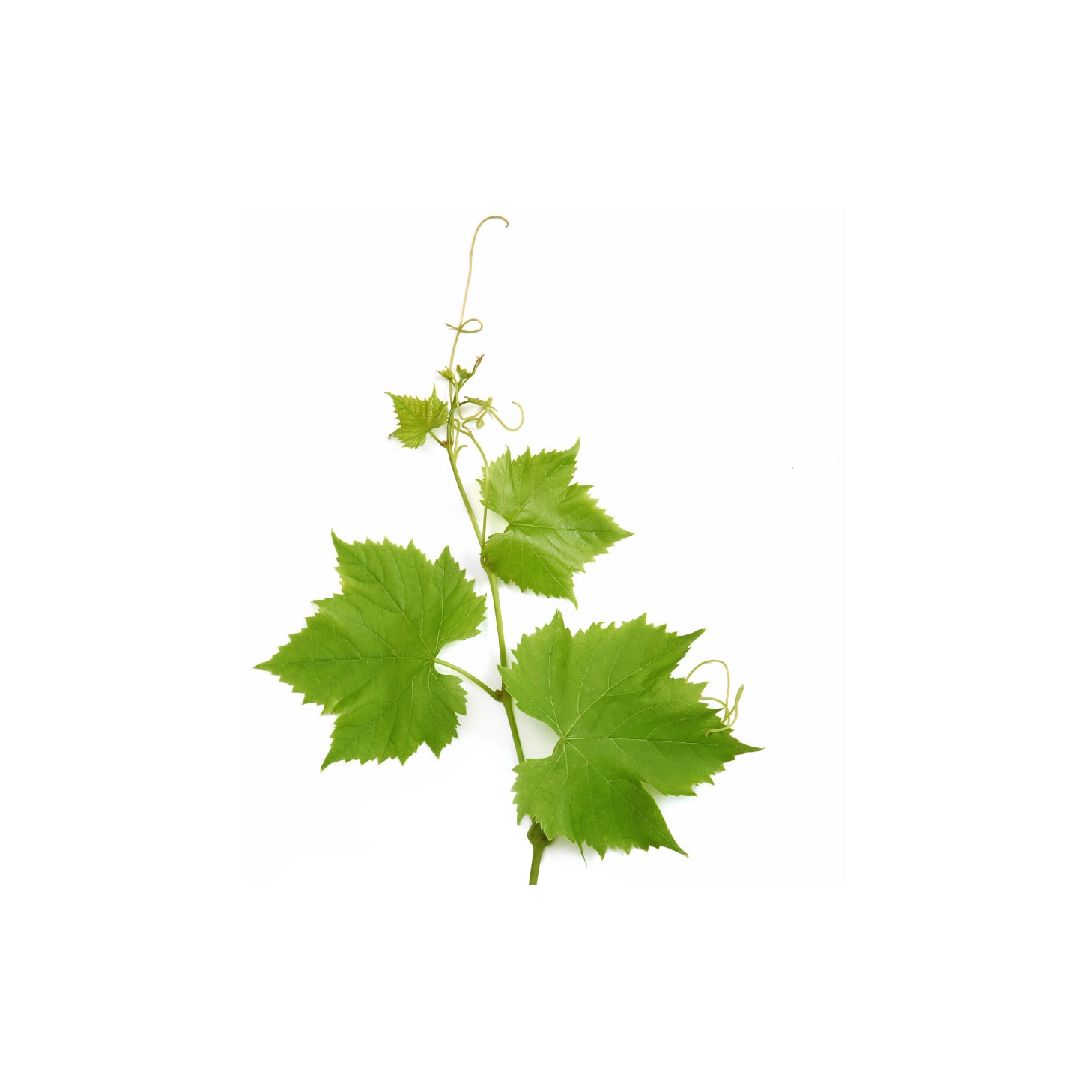
The grapevine is a woody, climbing vine in the grape family (Vitaceae) 40,
The leaves are heart-shaped at the base and usually three- to five-lobed, 7–20 cm long, with large, irregular, sharp teeth 40,
The small flowers are borne in branching clusters 10–20 cm long, opposite the leaves 40,
Distribution
The grapevine is native to southwest Asia and southeast Europe 40Reference 40Vitis vinifera Linnaeus — species description and distribution — floraView study →. It is cultivated throughout Europe, much of the United States and southern Canada, and in parts of Central and South America, Africa, Asia and Australia, and it sometimes escapes from cultivation 41Reference 41Vitis vinifera Linnaeus — species description, habitat and distribution — floraView study →.
The seed for extract comes from vineyard waste rather than from wild plants.
Growing Conditions
Cultivation snapshot for Grape Seed Extract
- Thrives in full sun with deep, well-drained loamy soil; dislikes wet feet.
- Hardy roughly in USDA zones 6–9; wants a spot sheltered from harsh winter winds.
- Needs sturdy support (trellis, arbor or wire) for its climbing tendrils.
- Cropped for fruit, it is kept to 3–9 ft by hard annual pruning; left alone it can climb 40–60 ft.
Grow it yourself
Farm Wiki is our cultivation-focused sister site, also run by Justin Cooke.
Pharmacology & Research
Grape seed extract has been tested in many randomised trials and several meta-analyses, mostly at 100–600 mg/day of standardised extract. The most consistent findings are a modest fall in blood pressure, lower oxidative-stress markers and small improvements in blood fats 1,
Liver, brain and anticancer effects have been studied mainly in animals, with two small human trials in fatty liver 15,
More than 20 registered trials have been completed, mostly on cardiovascular, metabolic and antioxidant endpoints. A Phase 2 Alzheimer’s trial (NCT02033941) was terminated.
-
Best-supported: modest blood-pressure lowering in meta-analyses of human RCTs 2,
4Reference 2Meta-analysisThe impact of grape seed extract treatment on blood pressure changes: a meta-analysis of 16 randomized controlled trialsView study →Reference 4Meta-analysisThe effect of grape (Vitis vinifera) seed extract supplementation on flow-mediated dilation, blood pressure and heart rate: a systematic review and meta-analysis with duration- and dose-response analysisView study → , reduced oxidative-stress and oxidised-LDL markers 1,12Reference 1Meta-analysisThe effect of grape seed extract supplementation on oxidative stress and inflammation: a systematic review and meta-analysis of controlled trialsView study →Reference 12Effect of a standardized grape seed extract on low-density lipoprotein susceptibility to oxidation in heavy smokersView study → , and small improvements in fasting glucose and lipids 5Reference 5Meta-analysisThe effects of grape seed extract on glycemic control, serum lipoproteins, inflammation and body weight: a systematic review and meta-analysis of randomized controlled trialsView study →. -
Emerging, worth watching: inhibition of amyloid-β and tau aggregation in Alzheimer models 25,
26, , and hepatoprotection supported by two small human NAFLD trials on top of animal data 15,28Reference 25AnimalConsumption of grape seed extract prevents amyloid-beta deposition and attenuates inflammation in brain of an Alzheimer’s disease mouseView study →Reference 26AnimalGrape seed polyphenolic extract specifically decreases Aβ*56 in the brains of Tg2576 miceView study →Reference 28Development of a grape seed polyphenolic extract with anti-oligomeric activity as a novel treatment in progressive supranuclear palsy and other tauopathiesView study → 16Reference 15Grape seed extract supplementation in non-alcoholic fatty liver diseaseView study →Reference 16Clinical trialThe effects of grape seed extract supplementation on cardiovascular risk factors, liver enzymes and hepatic steatosis in patients with non-alcoholic fatty liver diseaseView study → . -
Mechanistically thin: anticancer and skin-photoprotection claims rest almost entirely on cell-line and rodent work 29,
30, ; venous and lymphatic use rests on one Cochrane-included RCT plus a small pilot and an animal model 21,31, 32, 33Reference 29Chemoprevention of colorectal cancer by grape seed proanthocyanidin is accompanied by a decrease in proliferation and increase in apoptosisView study →Reference 30Grape seed proanthocyanidins inhibit colon cancer-induced angiogenesis through suppressing the expression of VEGF and Ang1View study →Reference 31Free radical scavenging, antioxidant and cancer chemoprevention by grape seed proanthocyanidin: an overviewView study →Reference 32Grape seed proanthocyanidines and skin cancer prevention: inhibition of oxidative stress and protection of immune systemView study →Reference 33Skin photoprotection by natural polyphenols: anti-inflammatory, antioxidant and DNA repair mechanismsView study → 22, .23Reference 21Systematic reviewPhlebotonics for venous insufficiencyView study →Reference 22Clinical trialPilot study on the effect of grape seed proanthocyanidin extract on inferior vena cava blood flow in patients with chronic venous insufficiency using 4D flow MRIView study →Reference 23Grape seed proanthocyanidins improve lymphatic drainage and blood perfusion in secondary lymphedema modelsView study → - The caveat: effects are extract-specific and dose-standardised — whole seed, juice, or wine cannot be assumed equivalent, and between-product OPC variability is large.
Results belong to the specific standardised extracts tested, such as Leucoselect, Enovita, MegaNatural and IH636. They do not carry over to grape juice, wine or whole seed, or from one product to another, because OPC content and chain length vary between products 35Reference 35Masquelier’s grape seed extract: from basic flavonoid research to a well-characterized food supplement with health benefitsView study →.
1. Blood Pressure
Blood pressure is the most replicated human finding. A meta-analysis of 16 RCTs (810 subjects) found GSE reduced systolic blood pressure by ~6.1 mmHg and diastolic by ~2.8 mmHg, with larger effects in younger, obese, and metabolic-syndrome subjects 2Reference 2Meta-analysisThe impact of grape seed extract treatment on blood pressure changes: a meta-analysis of 16 randomized controlled trialsView study →.
An earlier meta-analysis of 9 trials (390 subjects) found a smaller fall in systolic pressure (~1.5 mmHg) and in heart rate, with no effect on diastolic pressure 3Reference 3Meta-analysisThe effect of grape seed extract on cardiovascular risk markers: a meta-analysis of randomized controlled trialsView study →.
A more recent dose- and duration-stratified meta-analysis of 19 trials found a significant diastolic reduction (~2.2 mmHg) and heart-rate reduction, but systolic effects were non-significant and highly heterogeneous, with a non-linear dose-response 4Reference 4Meta-analysisThe effect of grape (Vitis vinifera) seed extract supplementation on flow-mediated dilation, blood pressure and heart rate: a systematic review and meta-analysis with duration- and dose-response analysisView study →.
Individual RCTs are consistent with modest benefit. 300 mg/day improved blood pressure and perceived stress in healthy volunteers 6Reference 6RCTGrape seed extract positively modulates blood pressure and perceived stress: a randomized, double-blind, placebo-controlled study in healthy volunteersView study → and ambulatory BP in pre-/stage-I hypertension 7Reference 7Effect of polyphenol-rich grape seed extract on ambulatory blood pressure in subjects with pre- and stage I hypertensionView study →. In prehypertensive Japanese adults, 400 mg/day of a grape seed proanthocyanidin extract lowered systolic BP by ~13 mmHg over 12 weeks 8Reference 8RCTEffects of grape seed proanthocyanidin extract on vascular endothelial function in participants with prehypertension: a randomized, double-blind, placebo-controlled studyView study →.
A 300 mg/day beverage was tested in pre-hypertension 9Reference 9Effects of grape seed extract beverage on blood pressure and metabolic indices in individuals with pre-hypertensionView study → and an acute 300 mg dose blunted the exercise pressor response in prehypertensive men 10Reference 10Grape seed extract supplementation attenuates the blood pressure response to exercise in prehypertensive menView study →.
A controlled trial in athletes also reported improved brachial flow-mediated dilation with chronic GSE supplementation 17Reference 17Effects of grape seed extract supplementation on endothelial function and endurance performance in basketball playersView study →.
Gap: systolic effects are inconsistent across trials (I² > 90%), populations and extracts differ widely, and most trials run only 4–12 weeks — long-term and hard-outcome data are absent.
2. Antioxidant
A systematic review and meta-analysis of controlled trials found GSE supplementation significantly reduced malondialdehyde (a lipid-peroxidation marker) and oxidised LDL, with a marginal rise in total antioxidant capacity 1Reference 1Meta-analysisThe effect of grape seed extract supplementation on oxidative stress and inflammation: a systematic review and meta-analysis of controlled trialsView study →.
In a crossover RCT in heavy smokers, a standardised procyanidin extract (catechin and epicatechin monomers plus dimers) reduced LDL susceptibility to oxidation 12Reference 12Effect of a standardized grape seed extract on low-density lipoprotein susceptibility to oxidation in heavy smokersView study →, and a red grape seed extract lowered oxidised LDL in mild hyperlipidemia 11Reference 11Clinical trialRed grape seed extract improves lipid profiles and decreases oxidized low-density lipoprotein in patients with mild hyperlipidemiaView study →.
In cardiac surgery, GSE given before coronary bypass reduced oxidative-stress and reperfusion-injury markers comparably to vitamin C 14Reference 14Comparative effect of grape seed extract (Vitis vinifera) and ascorbic acid in oxidative stress induced by on-pump coronary artery bypass surgeryView study →.
Free gallic acid and galloylated flavanols contribute to the radical-scavenging profile 31Reference 31Free radical scavenging, antioxidant and cancer chemoprevention by grape seed proanthocyanidin: an overviewView study →.
Gap: the biomarker improvements are consistent, but no trial has shown that lowering oxidation markers translates into fewer events or slower disease progression.
3. Hypolipidemic
A large meta-analysis (50 trials) reported significant reductions in total cholesterol (~6 mg/dL), LDL cholesterol (~5 mg/dL), and triglycerides (~6.6 mg/dL) with GSE, but no change in HDL 5Reference 5Meta-analysisThe effects of grape seed extract on glycemic control, serum lipoproteins, inflammation and body weight: a systematic review and meta-analysis of randomized controlled trialsView study →.
The earlier cardiovascular-risk meta-analysis found no significant lipid effect 3Reference 3Meta-analysisThe effect of grape seed extract on cardiovascular risk markers: a meta-analysis of randomized controlled trialsView study →. Small RCTs in mild-to-moderate hyperlipidemia reported improved lipid profiles and raised serum paraoxonase (an HDL-associated antioxidant enzyme) activity with 200 mg/day red grape seed extract 11,
The effect sizes are small, and the trials are short.
4. Anti-Inflammatory
The oxidative-stress/inflammation meta-analysis found a significant reduction in high-sensitivity C-reactive protein (hsCRP) 1Reference 1Meta-analysisThe effect of grape seed extract supplementation on oxidative stress and inflammation: a systematic review and meta-analysis of controlled trialsView study →, and the glycemic/lipid meta-analysis likewise reported lower CRP with GSE 5Reference 5Meta-analysisThe effects of grape seed extract on glycemic control, serum lipoproteins, inflammation and body weight: a systematic review and meta-analysis of randomized controlled trialsView study →.
In a human NAFLD RCT, GSE (250 mg proanthocyanidins) reduced interleukin-6 (IL-6) and malondialdehyde versus placebo 15Reference 15Grape seed extract supplementation in non-alcoholic fatty liver diseaseView study →.
The effect is attributed to suppression of NF-κB signalling by the flavanol fraction 31Reference 31Free radical scavenging, antioxidant and cancer chemoprevention by grape seed proanthocyanidin: an overviewView study →.
The human readout is limited to a few circulating markers, mixed across them; broader cytokine and tissue-level effects are inferred from preclinical work.
5. Hepatoprotective
In animals, grape seed proanthocyanidins reduced dimethylnitrosamine-induced liver damage 18Reference 18AnimalThe proanthocyanidins inhibit dimethylnitrosamine-induced liver damage in ratsView study →, attenuated hepatic injury in streptozotocin-diabetic rats 19Reference 19AnimalAntioxidant effects of proanthocyanidin from grape seed on hepatic tissue injury in diabetic ratsView study →, and reversed high-fat/fructose-diet steatosis comparably to metformin 20Reference 20AnimalGrape seed proanthocyanidin rescues rats from steatosis: a comparative and combination study with metforminView study →.
In humans, two 2-month randomised placebo-controlled trials in NAFLD patients reported improved oxidative-stress markers and quality of life 15Reference 15Grape seed extract supplementation in non-alcoholic fatty liver diseaseView study → and improvements in metabolic factors and steatosis severity 16Reference 16Clinical trialThe effects of grape seed extract supplementation on cardiovascular risk factors, liver enzymes and hepatic steatosis in patients with non-alcoholic fatty liver diseaseView study → — both small (n≈50), single-centre and from overlapping research groups, with no histological or long-term hepatic outcomes.
6. Glycemic Control
The 50-trial meta-analysis found GSE reduced fasting plasma glucose (~2 mg/dL) but did not change HbA1c 5Reference 5Meta-analysisThe effects of grape seed extract on glycemic control, serum lipoproteins, inflammation and body weight: a systematic review and meta-analysis of randomized controlled trialsView study →. An acute pilot showed GSE with a high-carbohydrate meal blunted postprandial glycemia in healthy participants, consistent with in-vitro inhibition of intestinal α-glucosidase and pancreatic α-amylase by the proanthocyanidins 24Reference 24Postprandial blood glucose response to grape seed extract in healthy participants: a pilot studyView study →.
Gap: the fasting-glucose effect is small and the absence of any HbA1c change argues against meaningful long-term glycemic benefit; dedicated diabetic-outcome trials are absent.
7. Venous & Lymphatic
Grape seed extract is used as a phlebotonic for chronic venous insufficiency, but GSE-specific human data are sparse. The 2020 Cochrane review of phlebotonics found the class probably reduces oedema slightly, but only one of its 56 quantified trials used grape seed extract — most of the moderate-certainty evidence comes from rutosides and other agents, not GSE 21Reference 21Systematic reviewPhlebotonics for venous insufficiencyView study →.
A small pilot using 4D-flow MRI suggested GSPE plus compression stockings improved venous blood-flow velocity in CVI more than stockings alone 22Reference 22Clinical trialPilot study on the effect of grape seed proanthocyanidin extract on inferior vena cava blood flow in patients with chronic venous insufficiency using 4D flow MRIView study →, and a rat model showed GSPE improved lymphatic drainage and perfusion in secondary lymphedema 23Reference 23Grape seed proanthocyanidins improve lymphatic drainage and blood perfusion in secondary lymphedema modelsView study →.
Gap: direct human evidence for grape seed specifically (as opposed to the phlebotonic class) is thin — one small pilot and a fraction of a Cochrane review; the lymphedema signal is animal-only.
8. Neuroprotective
Grape seed polyphenols inhibit amyloid-β aggregation and oligomerisation in vitro and, in transgenic mouse models of Alzheimer’s disease, reduce cerebral amyloid deposition and attenuate inflammation 25Reference 25AnimalConsumption of grape seed extract prevents amyloid-beta deposition and attenuates inflammation in brain of an Alzheimer’s disease mouseView study →.
A five-month study in Tg2576 mice specifically lowered the memory-impairing Aβ*56 oligomer 26Reference 26AnimalGrape seed polyphenolic extract specifically decreases Aβ*56 in the brains of Tg2576 miceView study →.
Fractionation work shows catechin- and epicatechin-derived species drive the anti-aggregation activity 27Reference 27Inhibiting amyloid β-protein assembly: size-activity relationships among grape seed-derived polyphenolsView study →, and the same extract class inhibits tau fibrillisation, relevant to tauopathies 28Reference 28Development of a grape seed polyphenolic extract with anti-oligomeric activity as a novel treatment in progressive supranuclear palsy and other tauopathiesView study →.
A registered Phase 2 trial of a grape-seed anti-oligomeric extract was terminated (NCT02033941), so no human efficacy readout exists.
Gap: all efficacy data are preclinical; the one human trial was terminated, and brain bioavailability of orally dosed OPCs in humans is uncertain.
9. Anticancer
Grape seed proanthocyanidins show chemopreventive activity in cell and animal models, but no completed human efficacy trial. In rats, dietary proanthocyanidin reduced azoxymethane-induced colonic preneoplastic lesions with decreased proliferation and increased apoptosis 29Reference 29Chemoprevention of colorectal cancer by grape seed proanthocyanidin is accompanied by a decrease in proliferation and increase in apoptosisView study →.
In colon-cancer models GSPs suppressed tumour angiogenesis by downregulating VEGF and angiopoietin-1 30Reference 30Grape seed proanthocyanidins inhibit colon cancer-induced angiogenesis through suppressing the expression of VEGF and Ang1View study →.
A broad review catalogues antioxidant-linked chemoprevention across multiple tumour models 31Reference 31Free radical scavenging, antioxidant and cancer chemoprevention by grape seed proanthocyanidin: an overviewView study →.
Poor absorption means intact OPCs reach the colon at high concentration, which may explain the relatively stronger colorectal signal 30Reference 30Grape seed proanthocyanidins inhibit colon cancer-induced angiogenesis through suppressing the expression of VEGF and Ang1View study →.
Gap: evidence is entirely preclinical (cell lines, rodent chemoprevention); human cancer-prevention or treatment efficacy has not been shown.
10. Skin Photoprotection
Topical and dietary grape seed proanthocyanidins reduce UV-induced oxidative stress, DNA damage, and immunosuppression in mouse skin and inhibit photocarcinogenesis 32Reference 32Grape seed proanthocyanidines and skin cancer prevention: inhibition of oxidative stress and protection of immune systemView study →, and they feature in reviews of polyphenol photoprotection via anti-inflammatory, antioxidant, and DNA-repair mechanisms 33Reference 33Skin photoprotection by natural polyphenols: anti-inflammatory, antioxidant and DNA repair mechanismsView study →.
The redox-active fraction also promotes VEGF-driven angiogenesis in experimental dermal wound healing 34Reference 34Dermal wound healing properties of redox-active grape seed proanthocyanidinsView study →.
All of it is mouse and cell-culture work; controlled human skin trials are minimal.
Mechanisms
The flavan-3-ol oligomers in grape seed extract are radical scavengers. They have been studied for raising antioxidant enzymes, lowering malondialdehyde and oxidised LDL, and damping NF-κB signalling 1,
The blood-pressure effect has been linked to nitric-oxide-driven widening of blood vessels. Two further actions, slowed platelet clumping and CYP3A4 inhibition in the laboratory, are the basis of its interaction cautions 36,
| Mechanism | Drives | Key compounds |
|---|---|---|
| Free-radical scavenging; ↑SOD/GPx/total antioxidant capacity, ↓malondialdehyde & oxidised LDL | antioxidanthepatoprotectiveanti-inflammatory | catechin, epicatechin, procyanidin B2 |
| Endothelial NO / vasodilation; blood-pressure lowering | blood pressure | procyanidin B2, proanthocyanidins |
| NF-κB ↓ → ↓CRP, ↓IL-6 | anti-inflammatoryhepatoprotective | gallic acid, proanthocyanidins |
| Intestinal α-glucosidase & α-amylase inhibition; LDL oxidation resistance | glycemic controlhypolipidemic | proanthocyanidins |
| Aβ oligomerisation & tau fibrillisation inhibition | neuroprotective | catechin, epicatechin |
| Pro-apoptotic, anti-angiogenic (VEGF ↓, MMP ↓) | anticancer | proanthocyanidins |
| Antiplatelet (protein-tyrosine-phosphatase inhibition) 36Reference 36Grape seed extracts inhibit platelet aggregation by inhibiting protein tyrosine phosphataseView study → | vascular effect / bleeding-interaction caution | proanthocyanidins |
| CYP3A4 inhibition (in vitro, product-dependent) 37, | potential drug-interaction caution | proanthocyanidins |
Clinical Trials
More than 20 registered trials have been completed, mostly on cardiovascular, metabolic and antioxidant endpoints; a separate group uses the extract as a dental collagen cross-linker. A few are recruiting or planned, and a Phase 2 Alzheimer’s trial of an anti-oligomeric extract (NCT02033941) was terminated.
| Completed | Planned | Terminated | Preclinical |
|---|---|---|---|
| 20+ | 3 | 1 | Hundreds |
Last checked: August 2026.
Phytochemistry
Grape seed extract consists mostly of flavanols. The main constituents are the oligomeric proanthocyanidins (OPCs), chains of flavan-3-ol units that make up most of the extract’s polyphenol content.
The OPCs are built from the monomers catechin and epicatechin. Dimers such as procyanidin B2 are the most studied part of the dimer fraction.
Free gallic acid and galloylated flavanols complete the phenolic profile 31Reference 31Free radical scavenging, antioxidant and cancer chemoprevention by grape seed proanthocyanidin: an overviewView study →.
Constituent Summary
Figures describe a typical commercial extract, not raw seed. They are standardisation targets and vary by manufacturer and assay method. † marks procyanidin B2, a marker of the dimer fraction.
Flavanol4 compounds3 with data
Phenolic Acid1 compoundno data
Dosage
Grape seed extract is dosed by its standardised proanthocyanidin content, not by the weight of extract. Products vary in what they are standardised to, so two capsules of the same weight can deliver different amounts. The common commercial range is 100–300 mg/day of proanthocyanidins, and most trials used 300–600 mg/day of standardised extract for 4–12 weeks.
| Indication | Preparation | Dose | Est. dried-herb equivalent | Source |
|---|---|---|---|---|
| Blood pressure | Standardised extract (proprietary) | 300–400 mg/day, 8–12 wk | — | 6, |
| Blood pressure (acute) | Standardised extract | 300 mg single dose | — | 10Reference 10Grape seed extract supplementation attenuates the blood pressure response to exercise in prehypertensive menView study → |
| Antioxidant / oxidised LDL | Procyanidin extract (Leucoselect-Phytosome) | 150 mg twice daily, 4 wk | — | 12Reference 12Effect of a standardized grape seed extract on low-density lipoprotein susceptibility to oxidation in heavy smokersView study → |
| Hyperlipidemia | Red grape seed extract | 200 mg/day, 8 wk | — | 11, |
| NAFLD (oxidative stress) | GSE, 250 mg proanthocyanidins | ~500 mg/day, 8 wk | — | 15Reference 15Grape seed extract supplementation in non-alcoholic fatty liver diseaseView study → |
| NAFLD (metabolic / steatosis) | GSE | 520 mg/day, 8 wk | — | 16Reference 16Clinical trialThe effects of grape seed extract supplementation on cardiovascular risk factors, liver enzymes and hepatic steatosis in patients with non-alcoholic fatty liver diseaseView study → |
| Postprandial glucose | GSE with a meal | 100–300 mg acute | — | 24Reference 24Postprandial blood glucose response to grape seed extract in healthy participants: a pilot studyView study → |
Traditional Dosage
| System | Preparation | Dose |
|---|---|---|
| Western herbal (modern) | Standardised OPC extract | 100–300 mg/day of proanthocyanidins |
Safety & Pregnancy
Grape seed extract is well tolerated at usual doses. Animal studies show a wide safety margin, and short human trials report no significant side effects 39Reference 39Acute and long-term safety evaluation of a novel IH636 grape seed proanthocyanidin extractView study →. It slows platelet clumping, so it needs care alongside blood-thinning drugs.
- Slows blood clotting. Grape seed extract reduced platelet clumping in laboratory tests and in mice 36Reference 36Grape seed extracts inhibit platelet aggregation by inhibiting protein tyrosine phosphataseView study →. Take care with anticoagulant and antiplatelet drugs, and stop about a week before surgery.
- CYP3A4 inhibition (in vitro, product-dependent). Products differ in how much they inhibit this drug-metabolising enzyme in the laboratory 37,
38Reference 37Variable inhibitory effect of different brands of commercial herbal supplements on human cytochrome P-450 CYP3A4View study →Reference 38The effect of complementary and alternative medicines on CYP3A4-mediated metabolism of three different substratesView study → . In heavy and former smokers, three months of a grape seed extract did not change CYP3A4 activity 42Reference 42The effects of a grape seed procyanidin extract on cytochrome P450 3A4 activity and inflammatory mediators in the lungs of heavy active and former smokersView study →. - Cancer treatment. Check with the treating team before use during chemotherapy or radiotherapy.
- Pregnancy. Not studied — avoid the concentrated extract.
- Grape allergy. Avoid with a known grape or grapevine allergy.
- Wide safety margin. Animal toxicology shows a very high margin of safety, and short human trials report no significant side effects at usual doses 39Reference 39Acute and long-term safety evaluation of a novel IH636 grape seed proanthocyanidin extractView study →.
Full Safety & Interactions Detail
Bleeding. Grape seed extract inhibits platelet aggregation by blocking protein tyrosine phosphatases. In mice it reduced platelet aggregation without lengthening bleeding time 36Reference 36Grape seed extracts inhibit platelet aggregation by inhibiting protein tyrosine phosphataseView study →. It is still sensible to take care with anticoagulant and antiplatelet drugs and to stop it about a week before surgery.
Drug metabolism. Grape seed products inhibit the liver enzymes CYP3A4 and CYP2C9 in laboratory tests, and different brands of the same supplement vary widely in how strongly they do so 37,
In heavy active and former smokers, three months of a grape seed procyanidin extract did not change CYP3A4 activity, measured by how the body processes cortisol 42Reference 42The effects of a grape seed procyanidin extract on cytochrome P450 3A4 activity and inflammatory mediators in the lungs of heavy active and former smokersView study →. No study has yet given a test drug alongside grape seed extract.
Tolerability. In rats the extract’s lethal oral dose was above 5,000 mg/kg, and mice fed it for six to twelve months showed no harmful effects 39Reference 39Acute and long-term safety evaluation of a novel IH636 grape seed proanthocyanidin extractView study →. Human trials across blood pressure, blood fats, fatty liver and blood sugar report no significant side effects over 4–12 weeks. Long-term human data are lacking.
Avoid the concentrated extract. Grape seed extract has not been studied in pregnancy or breastfeeding, and no trial enrolled pregnant or breastfeeding women. Grapes eaten as food are not a concern.
References
- Foshati, S., et al. (2021). The effect of grape seed extract supplementation on oxidative stress and inflammation: a systematic review and meta-analysis of controlled trials. International Journal of Clinical Practice. https://pubmed.ncbi.nlm.nih.gov/34107109/
- Zhang, H., et al. (2016). The impact of grape seed extract treatment on blood pressure changes: a meta-analysis of 16 randomized controlled trials. Medicine (Baltimore). https://pubmed.ncbi.nlm.nih.gov/27537554/
- Feringa, H. H., et al. (2011). The effect of grape seed extract on cardiovascular risk markers: a meta-analysis of randomized controlled trials. Journal of the American Dietetic Association. https://pubmed.ncbi.nlm.nih.gov/21802563/
- Foshati, S., et al. (2022). The effect of grape (Vitis vinifera) seed extract supplementation on flow-mediated dilation, blood pressure and heart rate: a systematic review and meta-analysis with duration- and dose-response analysis. Pharmacological Research. https://pubmed.ncbi.nlm.nih.gov/34798267/
- Asbaghi, O., et al. (2020). The effects of grape seed extract on glycemic control, serum lipoproteins, inflammation and body weight: a systematic review and meta-analysis of randomized controlled trials. Phytotherapy Research. https://pubmed.ncbi.nlm.nih.gov/31880030/
- Schön, C., et al. (2021). Grape seed extract positively modulates blood pressure and perceived stress: a randomized, double-blind, placebo-controlled study in healthy volunteers. Nutrients. https://pubmed.ncbi.nlm.nih.gov/33671310/
- Ras, R. T., et al. (2013). Effect of polyphenol-rich grape seed extract on ambulatory blood pressure in subjects with pre- and stage I hypertension. British Journal of Nutrition. https://pubmed.ncbi.nlm.nih.gov/23702253/
- Odai, T., et al. (2019). Effects of grape seed proanthocyanidin extract on vascular endothelial function in participants with prehypertension: a randomized, double-blind, placebo-controlled study. Nutrients. https://pubmed.ncbi.nlm.nih.gov/31757033/
- Park, E., et al. (2016). Effects of grape seed extract beverage on blood pressure and metabolic indices in individuals with pre-hypertension. British Journal of Nutrition. https://pubmed.ncbi.nlm.nih.gov/26568249/
- Kim, J. K., et al. (2018). Grape seed extract supplementation attenuates the blood pressure response to exercise in prehypertensive men. Journal of Medicinal Food. https://pubmed.ncbi.nlm.nih.gov/29683391/
- Razavi, S. M., et al. (2013). Red grape seed extract improves lipid profiles and decreases oxidized low-density lipoprotein in patients with mild hyperlipidemia. Journal of Medicinal Food. https://pubmed.ncbi.nlm.nih.gov/23437789/
- Vigna, G. B., et al. (2003). Effect of a standardized grape seed extract on low-density lipoprotein susceptibility to oxidation in heavy smokers. Metabolism. https://pubmed.ncbi.nlm.nih.gov/14564675/
- Argani, H., et al. (2016). The effect of red grape seed extract on serum paraoxonase activity in patients with mild to moderate hyperlipidemia. Sao Paulo Medical Journal. https://pubmed.ncbi.nlm.nih.gov/27191247/
- Safaei, N., et al. (2017). Comparative effect of grape seed extract (Vitis vinifera) and ascorbic acid in oxidative stress induced by on-pump coronary artery bypass surgery. Annals of Cardiac Anaesthesia. https://pubmed.ncbi.nlm.nih.gov/28074795/
- Ghanbari, P., et al. (2024). Grape seed extract supplementation in non-alcoholic fatty liver disease. International Journal for Vitamin and Nutrition Research. https://pubmed.ncbi.nlm.nih.gov/38419408/
- Ghanbari, P., et al. (2024). The effects of grape seed extract supplementation on cardiovascular risk factors, liver enzymes and hepatic steatosis in patients with non-alcoholic fatty liver disease. BMC Complementary Medicine and Therapies. https://pubmed.ncbi.nlm.nih.gov/38755622/
- Nho, H., et al. (2022). Effects of grape seed extract supplementation on endothelial function and endurance performance in basketball players. International Journal of Environmental Research and Public Health. https://pubmed.ncbi.nlm.nih.gov/36361103/
- Shin, M. O., et al. (2010). The proanthocyanidins inhibit dimethylnitrosamine-induced liver damage in rats. Archives of Pharmacal Research. https://pubmed.ncbi.nlm.nih.gov/20191358/
- Mansouri, E., et al. (2014). Antioxidant effects of proanthocyanidin from grape seed on hepatic tissue injury in diabetic rats. Iranian Journal of Basic Medical Sciences. https://pubmed.ncbi.nlm.nih.gov/25140209/
- Yogalakshmi, B., et al. (2013). Grape seed proanthocyanidin rescues rats from steatosis: a comparative and combination study with metformin. Journal of Lipids. https://pubmed.ncbi.nlm.nih.gov/24307947/
- Martinez-Zapata, M. J., et al. (2020). Phlebotonics for venous insufficiency. Cochrane Database of Systematic Reviews. https://pubmed.ncbi.nlm.nih.gov/33141449/
- Jung, H. J., et al. (2022). Pilot study on the effect of grape seed proanthocyanidin extract on inferior vena cava blood flow in patients with chronic venous insufficiency using 4D flow MRI. Medicine (Baltimore). https://pubmed.ncbi.nlm.nih.gov/36401399/
- Cheon, H., et al. (2025). Grape seed proanthocyanidins improve lymphatic drainage and blood perfusion in secondary lymphedema models. Frontiers in Oncology. https://pubmed.ncbi.nlm.nih.gov/40548114/
- Sapwarobol, S., et al. (2012). Postprandial blood glucose response to grape seed extract in healthy participants: a pilot study. Pharmacognosy Magazine. https://pubmed.ncbi.nlm.nih.gov/23060692/
- Wang, Y. J., et al. (2009). Consumption of grape seed extract prevents amyloid-beta deposition and attenuates inflammation in brain of an Alzheimer’s disease mouse. Neurotoxicity Research. https://pubmed.ncbi.nlm.nih.gov/19384583/
- Liu, P., et al. (2011). Grape seed polyphenolic extract specifically decreases Aβ*56 in the brains of Tg2576 mice. Journal of Alzheimer’s Disease. https://pubmed.ncbi.nlm.nih.gov/21743132/
- Hayden, E. Y., et al. (2015). Inhibiting amyloid β-protein assembly: size-activity relationships among grape seed-derived polyphenols. Journal of Neurochemistry. https://pubmed.ncbi.nlm.nih.gov/26228682/
- Pasinetti, G. M., et al. (2010). Development of a grape seed polyphenolic extract with anti-oligomeric activity as a novel treatment in progressive supranuclear palsy and other tauopathies. Journal of Neurochemistry. https://pubmed.ncbi.nlm.nih.gov/20569300/
- Nomoto, H., et al. (2004). Chemoprevention of colorectal cancer by grape seed proanthocyanidin is accompanied by a decrease in proliferation and increase in apoptosis. Nutrition and Cancer. https://pubmed.ncbi.nlm.nih.gov/15456639/
- Huang, S., et al. (2012). Grape seed proanthocyanidins inhibit colon cancer-induced angiogenesis through suppressing the expression of VEGF and Ang1. International Journal of Molecular Medicine. https://pubmed.ncbi.nlm.nih.gov/23026853/
- Bagchi, D., et al. (2014). Free radical scavenging, antioxidant and cancer chemoprevention by grape seed proanthocyanidin: an overview. Mutation Research. https://pubmed.ncbi.nlm.nih.gov/24751946/
- Katiyar, S. K. (2008). Grape seed proanthocyanidines and skin cancer prevention: inhibition of oxidative stress and protection of immune system. Molecular Nutrition & Food Research. https://pubmed.ncbi.nlm.nih.gov/18384090/
- Nichols, J. A., et al. (2010). Skin photoprotection by natural polyphenols: anti-inflammatory, antioxidant and DNA repair mechanisms. Archives of Dermatological Research. https://pubmed.ncbi.nlm.nih.gov/19898857/
- Khanna, S., et al. (2002). Dermal wound healing properties of redox-active grape seed proanthocyanidins. Free Radical Biology and Medicine. https://pubmed.ncbi.nlm.nih.gov/12374620/
- Weseler, A. R., et al. (2017). Masquelier’s grape seed extract: from basic flavonoid research to a well-characterized food supplement with health benefits. Nutrition Journal. https://pubmed.ncbi.nlm.nih.gov/28103873/
- Jin, J. W., et al. (2014). Grape seed extracts inhibit platelet aggregation by inhibiting protein tyrosine phosphatase. Clinical and Applied Thrombosis/Hemostasis. https://pubmed.ncbi.nlm.nih.gov/23478570/
- Wanwimolruk, S., et al. (2009). Variable inhibitory effect of different brands of commercial herbal supplements on human cytochrome P-450 CYP3A4. Drug Metabolism and Drug Interactions. https://pubmed.ncbi.nlm.nih.gov/19353999/
- Mooiman, K. D., et al. (2014). The effect of complementary and alternative medicines on CYP3A4-mediated metabolism of three different substrates. Journal of Pharmacy and Pharmacology. https://pubmed.ncbi.nlm.nih.gov/24392691/
- Ray, S., et al. (2001). Acute and long-term safety evaluation of a novel IH636 grape seed proanthocyanidin extract. Research Communications in Molecular Pathology and Pharmacology. https://pubmed.ncbi.nlm.nih.gov/11758648/
- Chen, Z., Ren, H., & Wen, J. (2007). Vitis vinifera Linnaeus — species description and distribution — flora. In Wu, Z. Y., Raven, P. H., & Hong, D. Y. (eds.), Flora of China, Vol. 12. http://www.efloras.org/florataxon.aspx?flora_id=2&taxon_id=200013507
- Moore, M. O., & Wen, J. (2016). Vitis vinifera Linnaeus — species description, habitat and distribution — flora. In Flora of North America Editorial Committee (eds.), Flora of North America North of Mexico, Vol. 12. http://www.efloras.org/florataxon.aspx?flora_id=1&taxon_id=200013507
- Xue, B., Qualls, C., Lanthiez, A., et al. (2024). The effects of a grape seed procyanidin extract on cytochrome P450 3A4 activity and inflammatory mediators in the lungs of heavy active and former smokers. International Journal of Molecular Sciences. https://pubmed.ncbi.nlm.nih.gov/39684816/
- Etheridge, A. S., Black, S. R., Patel, P. R., et al. (2007). An in vitro evaluation of cytochrome P450 inhibition and P-glycoprotein interaction with goldenseal, Ginkgo biloba, grape seed, milk thistle, and ginseng extracts and their constituents. Planta Medica. https://pubmed.ncbi.nlm.nih.gov/17611934/



