
Compound Monograph
Salvianolic Acids
Salvianolic acid is a family name, not one molecule: a set of caffeic-acid oligomers built up from rosmarinic acid, of which salvianolic acid B is by far the most abundant. They are the hydrophilic half of danshen — the fraction a water decoction actually delivers, and the basis of China's salvianolate injections. Oral bioavailability is dismal (2.3% for salvianolic acid B in rats), which is why almost all the clinical data is intravenous.

Sources · 7
Where Does It Come From?
Salvianolic Acids are naturally occurring phenolic acid family (caffeic-acid oligomers / rosmarinic-acid-derived depsides), found in Dan shen / Chinese red sage, Sage, Comfrey and 4 other sources. They are well tolerated orally (low toxicity).
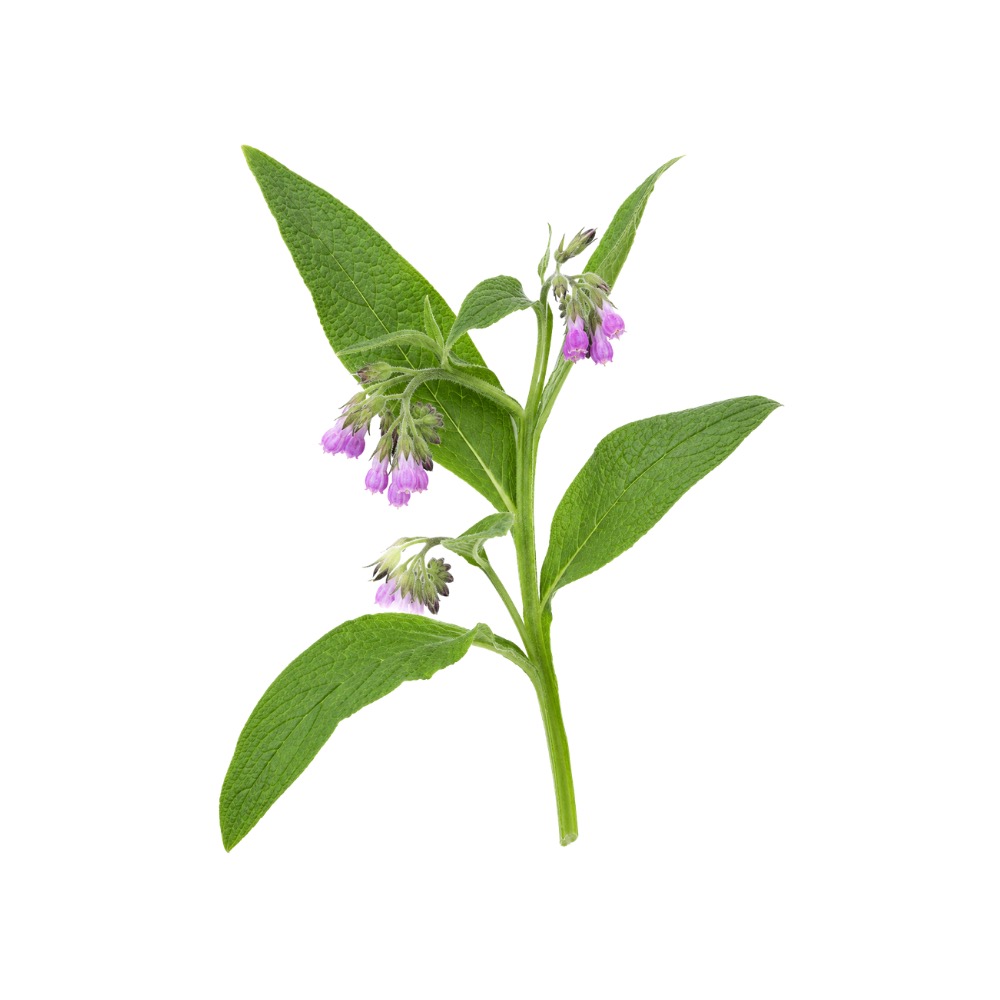 Source Comfrey Symphytum officinale Herb monograph →
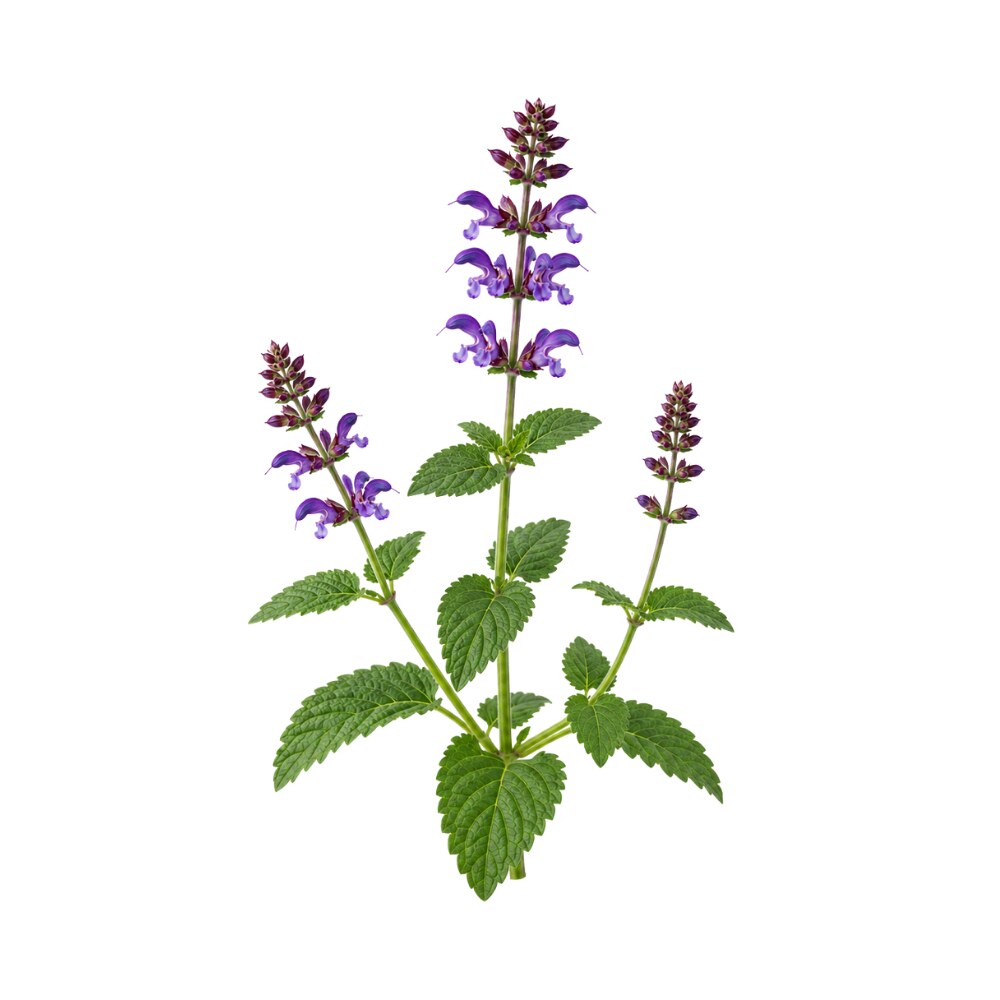 Source Dan Shen Salvia miltiorrhiza Herb monograph →
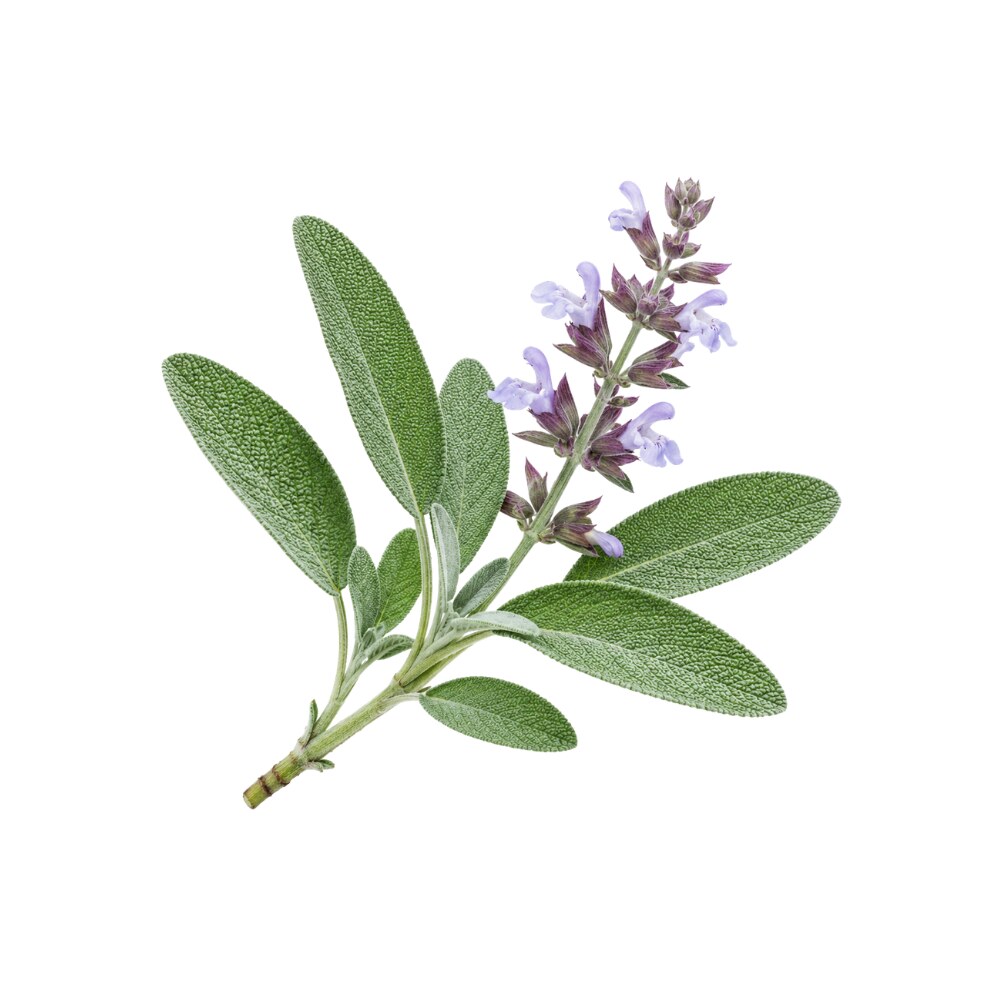 Source Sage Salvia officinalis Herb monograph →
Concentration
Content by Source
Concentrations not reported. No percent-dry-weight or mg/g figures have been published for this compound in its source plants.
Salvianolic Acids at a Glance
“Salvianolic acid” is a family name, not a molecule. Salvianolic acids A, B, C, D and K are distinct compounds with distinct formulas, distinct potencies and — in two cases — their own research literatures. Almost everything written about “salvianolic acid” in the singular is really about salvianolic acid B, which is the most abundant of them by a wide margin and the one the Chinese Pharmacopoeia uses as danshen’s water-soluble marker compound 2,
This page is the family hub. It covers what the members have in common — a shared caffeic-acid-oligomer chemistry, a shared water solubility that determines which preparations deliver them, a shared antioxidant/antithrombotic profile, and a shared, dismal oral bioavailability — and points to salvianolic acid A and salvianolic acid B for congener-specific detail. Every potency figure below is attributed to a named congener wherever the source names one; where a paper says only “salvianolic acids”, only that is said here.
Two facts govern the rest:
First, these are the hydrophilic half of danshen. Salvia miltiorrhiza is chemically two herbs in one root — lipophilic tanshinones (abietane diterpene quinones, extracted by ethanol) and hydrophilic salvianolic acids (extracted by water) 5,
Second, they barely absorb. Salvianolic acid B’s oral bioavailability in conscious rats was 2.3% 15Reference 15AnimalBioavailability of salvianolic acid B in conscious and freely moving ratsView study →. Nearly all the human evidence below is intravenous, which is a fact about the evidence, not about supplements.
The Salvianolic Acids
The whole family is built out of two C₆–C₃ (phenylpropanoid) building blocks: caffeic acid and danshensu (3,4-dihydroxyphenyllactic acid, the tyrosine-derived half). Rosmarinic acid is the ester of one of each — the dimer. The salvianolic acids are what you get when the plant keeps going.
| Member | Formula (MW) | Oligomer level | Where it comes from | Notes |
|---|---|---|---|---|
| Rosmarinic acid | C₁₈H₁₆O₈ (360.3) | Dimer — 1 caffeic + 1 danshensu | Lamiaceae and Boraginaceae generally | The precursor, not itself a salvianolic acid. Has its own page. |
| Salvianolic acid A | C₂₆H₂₂O₁₀ (494.4) | Trimer-level — three phenylpropanoid units, one decarboxylated to a dihydroxystyryl group | Danshen root | With Sal B, the most potent of the group on anti-lipid-peroxidation and antithrombotic assays 2Reference 2ReviewChemical and pharmacological research on the polyphenol acids isolated from Danshen — a review of salvianolic acidsView study → |
| Salvianolic acid B | C₃₆H₃₀O₁₆ (718.6) | Tetramer — 3 danshensu + 1 caffeic acid, cyclised to a 2,3-dihydrobenzofuran | Danshen root — the most abundant constituent | Identical to lithospermic acid B and monardic acid B 28Reference 28Compound records for salvianolic acid A (CID 5281793), salvianolic acid B (CID 6451084, synonyms lithospermic acid B and monardic acid B), salvianolic acid C (CID 13991590), salvianolic acid D (CID 75412558), rosmarinic acid (CID 5281792) and danshensu (CID 11600642) — molecular formulas, masses, CAS numbers and synonymyView study → |
| Salvianolic acid C | C₂₆H₂₀O₁₀ (492.4) | Trimer-level, aromatised to a full benzofuran | Danshen; also reported in Salvia officinalis | The Sal A analogue with the ring closed 26Reference 26AnimalInsights into the neuroprotective effects of Salvia officinalis L. and Salvia microphylla Kunth in the memory impairment rat modelView study → |
| Salvianolic acid D | C₂₀H₁₈O₁₀ (418.3) | Smaller — danshensu plus a carboxymethyl-caffeoyl unit | Danshen | Minor |
| Salvianolic acid K | — | Trimer-level | Salvia officinalis, S. microphylla | Named in sage metabolite profiling 26Reference 26AnimalInsights into the neuroprotective effects of Salvia officinalis L. and Salvia microphylla Kunth in the memory impairment rat modelView study → |
| Danshensu | C₉H₁₀O₅ (198.2) | Monomer | Danshen | The C₉ building block, not a salvianolic acid; a metabolite of the whole family 16Reference 16AnimalPharmacokinetics of salvianolic acid B, rosmarinic acid and Danshensu in rat after pulmonary administration of Salvia miltiorrhiza polyphenolic acid solutionView study → |
Formulas and masses are PubChem values 28Reference 28Compound records for salvianolic acid A (CID 5281793), salvianolic acid B (CID 6451084, synonyms lithospermic acid B and monardic acid B), salvianolic acid C (CID 13991590), salvianolic acid D (CID 75412558), rosmarinic acid (CID 5281792) and danshensu (CID 11600642) — molecular formulas, masses, CAS numbers and synonymyView study →; the oligomer descriptions follow from those structures. The phrase “trimer/tetramer of caffeic acid” is the analytical literature’s own shorthand for these — it is exactly how they were reported when found in comfrey 21Reference 21Is comfrey root more than toxic pyrrolizidine alkaloids? Salvianolic acids among antioxidant polyphenols in comfrey (Symphytum officinale L.) rootsView study →.
The naming is a mess and it matters. Salvianolic acid B was characterised as lithospermic acid B from Lithospermum (Boraginaceae) and as monardic acid B from Monarda before “salvianolic acid B” became the dominant name 28Reference 28Compound records for salvianolic acid A (CID 5281793), salvianolic acid B (CID 6451084, synonyms lithospermic acid B and monardic acid B), salvianolic acid C (CID 13991590), salvianolic acid D (CID 75412558), rosmarinic acid (CID 5281792) and danshensu (CID 11600642) — molecular formulas, masses, CAS numbers and synonymyView study →. If you search only for the Salvia name you will miss part of the literature — and you will also miss why finding these compounds outside Salvia is unsurprising.
Built From Rosmarinic Acid
This is the cleanest structural story in the phenolic acids, and it is worth getting right because it explains both the chemistry and the plant distribution.
Rosmarinic acid is an unusual ester: the caffeic acid half comes from phenylalanine via the phenylpropanoid pathway, the 3,4-dihydroxyphenyllactic acid (danshensu) half comes from tyrosine, and the two are joined and then hydroxylated to a catechol-rich diester 24Reference 24Rosmarinic acidView study →. It is the chemotaxonomic signature of the mint family (Lamiaceae) and the Boraginaceae 24Reference 24Rosmarinic acidView study →.
In danshen the plant does not stop there. It oligomerises rosmarinic acid — adding further caffeoyl and danshensu units, and in several members closing a benzofuran ring — to produce the salvianolic acids 1,
Three consequences follow, and they are the reason this section exists:
- Where you find rosmarinic acid, salvianolic acids are chemically plausible. That is the Lamiaceae and the Boraginaceae — which is why comfrey turns out to matter (below).
- The “salvianolic” name is parochial. These are rosmarinic acid oligomers that happen to have been characterised in Salvia, then found in Lithospermum and Monarda under other names 28Reference 28Compound records for salvianolic acid A (CID 5281793), salvianolic acid B (CID 6451084, synonyms lithospermic acid B and monardic acid B), salvianolic acid C (CID 13991590), salvianolic acid D (CID 75412558), rosmarinic acid (CID 5281792) and danshensu (CID 11600642) — molecular formulas, masses, CAS numbers and synonymyView study →.
- Potency tends to track oligomer size in antioxidant assays, because each added unit brings more free catechol hydroxyls — which is also why antioxidant rank-orders in this family are close to a class property rather than a distinguishing pharmacology 1,
3Reference 1Salvianolic acids — small compounds with multiple mechanisms for cardiovascular protectionView study →Reference 3The effect of salvianolic acid on vascular protection and possible mechanismsView study → .
The Hydrophilic Half of Danshen
Danshen is the textbook case of an herb whose extraction solvent decides what drug you are taking.
Hydrophilic. The half described here.
- Caffeic-acid oligomers — salvianolic acids A and B, rosmarinic acid, danshensu 1,
2Reference 1Salvianolic acids — small compounds with multiple mechanisms for cardiovascular protectionView study →Reference 2ReviewChemical and pharmacological research on the polyphenol acids isolated from Danshen — a review of salvianolic acidsView study → - Extracted by water; this is what a decoction is mostly made of 7Reference 7Establish quality evaluation method based on standard decoction of Danshen extractView study →
- Salvianolic acid B is the single most abundant constituent of the dried root 11Reference 11Meta-analysisProtective effect of salvianolic acid B against myocardial ischemia/reperfusion injury — preclinical systematic evaluation and meta-analysisView study →
- Carries the antioxidant, antiplatelet and endothelial-protective literature 1,
3, 14Reference 1Salvianolic acids — small compounds with multiple mechanisms for cardiovascular protectionView study →Reference 3The effect of salvianolic acid on vascular protection and possible mechanismsView study →Reference 14AnimalInhibition of shear-induced platelet aggregation in rat by tetramethylpyrazine and salvianolic acid BView study → - Oral bioavailability of salvianolic acid B was 2.3% in rats 15Reference 15AnimalBioavailability of salvianolic acid B in conscious and freely moving ratsView study →
Lipophilic. The other herb inside the same root.
- Abietane diterpene quinones — tanshinone IIA, tanshinone I, cryptotanshinone, dihydrotanshinone I; orange-red 5,
6Reference 5Salvia miltiorrhiza Burge (Danshen) — a golden herbal medicine in cardiovascular therapeuticsView study →Reference 6Salvia miltiorrhiza — traditional medicinal uses, chemistry, and pharmacologyView study → - Extracted by ethanol or supercritical CO₂; essentially insoluble in water 5Reference 5Salvia miltiorrhiza Burge (Danshen) — a golden herbal medicine in cardiovascular therapeuticsView study →
- Carries the antibacterial and much of the antitumour and cardioprotective preclinical literature 5,
6Reference 5Salvia miltiorrhiza Burge (Danshen) — a golden herbal medicine in cardiovascular therapeuticsView study →Reference 6Salvia miltiorrhiza — traditional medicinal uses, chemistry, and pharmacologyView study → - A water decoction delivers little of it 7Reference 7Establish quality evaluation method based on standard decoction of Danshen extractView study →
- Nothing here applies to it, and nothing about it applies here
A quality-control study that built a “standard decoction” of danshen and profiled it by UPLC-QTOF/MS found that the main components of the decoction were phenolic acids, with salvianolic acid B used as the index compound for transfer rate and batch consistency 7Reference 7Establish quality evaluation method based on standard decoction of Danshen extractView study →. That is the practical answer to the question to settle: yes, a traditional water decoction of danshen delivers salvianolic acids, and it is the salvianolic fraction — not the tanshinones — that a decoction is mostly made of.
The modern Chinese pharmaceutical landscape follows the same split:
| Preparation | Fraction | Route | What it delivers |
|---|---|---|---|
| Traditional danshen decoction | Hydrophilic | Oral | Phenolic acids, salvianolic acid B as index marker 7Reference 7Establish quality evaluation method based on standard decoction of Danshen extractView study → |
| Salvianolate injection (丹参多酚酸盐) | Hydrophilic | Intravenous | Purified danshen polyphenolic acids 8Reference 8Meta-analysisSalvianolate injection in the treatment of unstable angina pectoris — a systematic review and meta-analysisView study → |
| Salvianolic acids for injection (SAFI) | Hydrophilic | Intravenous | Salvianolic acid mixture, 100–130 mg per dose 9Reference 9Meta-analysisSalvianolic acids for injection combined with conventional treatment for patients with acute cerebral infarction — a systematic review and meta-analysis of randomized controlled trialsView study → |
| Compound danshen dripping pill | Danshen + notoginseng + borneol | Oral | A compound formula — its danshen component is an extract, and the salvianolic contribution to its effect has not been isolated |
| Tanshinone IIA sodium sulfonate injection | Lipophilic, semi-synthetic | Intravenous | Not a salvianolic acid, and not tanshinone IIA either — a sulfonated water-soluble derivative |
That last row is the trap. Tanshinone IIA sodium sulfonate is a semi-synthetic derivative made specifically to get a lipophilic molecule into a vein. Its clinical data belongs neither to tanshinone IIA nor here. Likewise, the compound danshen dripping pill’s large trial base (see the dan shen monograph) tests a three-herb formula, so it cannot be read as evidence for salvianolic acids specifically.
What It's Used For
Support is an experimental score I’m building — a composite weighted by study type (human > animal > in vitro > review) and study volume, tempered for isolate-vs-source match and bioavailability. It’s a beta, not a validated metric. Scores here are capped by two things that recur in every row: the trials are intravenous, and several test a mixture rather than a named congener. The “Rests on” column names which congener each result actually belongs to.
Danshen’s flagship indication, and the one place salvianolic acids have a large human dataset in their own right rather than as part of a whole-herb formula. Salvianolate injection — a purified danshen polyphenolic-acid preparation given intravenously — was assessed in a meta-analysis of 22 RCTs with 2,050 participants in unstable angina. Added to conventional Western therapy it improved the angina total-effective rate (RR 1.22, 95% CI 1.17–1.27) and the ECG total-effective rate (RR 1.26, 95% CI 1.19–1.34), improved nitroglycerin withdrawal and serum NO, and lowered high-sensitivity CRP. Adverse events were reported in only 6 of 22 trials (15 cases), none serious 8Reference 8Meta-analysisSalvianolate injection in the treatment of unstable angina pectoris — a systematic review and meta-analysisView study →.
Gap: the route is intravenous, so none of this transfers to an oral preparation. Trial quality was low by the authors’ own Cochrane risk-of-bias assessment, the literature is entirely Chinese with the publication-bias risk that implies, and the injection is a mixture — the meta-analysis cannot say which congener did the work. Adverse-event reporting was too sparse for the authors to draw a safety conclusion 8Reference 8Meta-analysisSalvianolate injection in the treatment of unstable angina pectoris — a systematic review and meta-analysisView study →.
Salvianolic acids for injection (SAFI) plus conventional treatment was assessed in 14 RCTs with 1,309 patients with acute cerebral infarction. It improved the total effective rate (RR 1.35, 95% CI 1.25–1.44) and reduced NIHSS scores in a dose-separated way (130 mg: WMD −3.31; 100 mg: WMD −1.91), with improvements in activities of daily living, cognitive function, blood viscosity and CRP, and no serious adverse reactions reported. The authors graded the evidence quality as low 9Reference 9Meta-analysisSalvianolic acids for injection combined with conventional treatment for patients with acute cerebral infarction — a systematic review and meta-analysis of randomized controlled trialsView study →. A 2024 review places SAFI within a coherent preclinical mechanism — reduced neuroinflammation, preserved blood–brain barrier integrity, protected endothelium, promoted angiogenesis 4Reference 4The therapeutic effects of salvianolic acids on ischemic stroke — from molecular mechanisms to clinical applicationsView study →, and salvianolic acid A specifically has a large post-stroke neuroinflammation literature with evidence of enhanced cerebral penetration after ischemia 13Reference 13Targeting post-stroke neuroinflammation with salvianolic acid A — molecular mechanisms and preclinical evidenceView study →.
Gap: intravenous, Chinese-only, low GRADE quality, mixture rather than molecule. The Sal A mechanistic work is entirely preclinical — no trial has tested salvianolic acid A alone in stroke patients 13Reference 13Targeting post-stroke neuroinflammation with salvianolic acid A — molecular mechanisms and preclinical evidenceView study →.
The most interesting result in the family, because it is the one oral human trial of a named single congener. Sixty patients with biopsy-confirmed liver fibrosis from chronic hepatitis B were randomised, double-blind, to oral salvianolic acid B tablets or intramuscular interferon-γ for six months, with repeat liver biopsy as the primary endpoint. Fibrotic stage reversed in 36.7% on Sal B vs 30.0% on IFN-γ; inflammation improved in 40.0% vs 36.7%. Serum hyaluronic acid and type-IV collagen fell significantly, and the overall four-marker fibrosis panel improved more on Sal B than on IFN-γ. IFN-γ produced fever in 50% of its arm; Sal B produced no observed side effects 10Reference 10Clinical observation of salvianolic acid B in treatment of liver fibrosis in chronic hepatitis BView study →.
Salvianolic acid A gives the mechanism a rodent counterpart: it attenuated CCl₄-induced liver fibrosis in rats by suppressing hepatic stellate-cell activation via PI3K/AKT/mTOR and Bcl-2/Bax signalling 12Reference 12Salvianolic acid A attenuates CCl₄-induced liver fibrosis by regulating the PI3K/AKT/mTOR, Bcl-2/Bax and caspase-3/cleaved caspase-3 signaling pathwaysView study →.
Gap: n=60, single-centre, published 2002 in a Chinese-led journal, active comparator rather than placebo, and never replicated in 24 years. A histology endpoint in a trial this small is fragile. Note also that the paper’s English abstract does not state the milligram dose — so this trial establishes that oral Sal B was tried, not what an oral dose should be 10Reference 10Clinical observation of salvianolic acid B in treatment of liver fibrosis in chronic hepatitis BView study →.
Salvianolic acid B inhibited shear-induced platelet aggregation dose-dependently in rat platelet-rich plasma under 15 Pa constant shear, and did so additively with tetramethylpyrazine from Ligusticum — aggregation fell from 48.6 ± 4.6% to 12.5 ± 2.1% with the combination 14Reference 14AnimalInhibition of shear-induced platelet aggregation in rat by tetramethylpyrazine and salvianolic acid BView study →. Reviews of the family attribute the antithrombotic effect to reduced leukocyte–endothelial adhesion, inhibition of inflammatory signalling and matrix metalloproteinase expression, and direct competitive binding to target proteins, on top of radical scavenging 1,
The strongest human corroboration is inadvertent and belongs to the whole herb: danshen potentiates warfarin, with published cases of gross over-anticoagulation and bleeding 17Reference 17Interaction between warfarin and danshen (Salvia miltiorrhiza)View study →. That is discussed properly in the safety section below, including why it must not be pinned on this molecule family.
Gap: in vitro. There is no human platelet-function study of an isolated salvianolic acid, and the mechanistic reviews are narrative rather than systematic 1,
A preclinical systematic review and meta-analysis pooled 32 studies covering 732 animals and found that salvianolic acid B significantly reduced myocardial infarct size in ischemia/reperfusion models, acting through multiple pathways 11Reference 11Meta-analysisProtective effect of salvianolic acid B against myocardial ischemia/reperfusion injury — preclinical systematic evaluation and meta-analysisView study →. This is the best-replicated finding in the family — but it is animal data, and preclinical meta-analyses inherit the publication bias of the underlying literature rather than correcting it.
Gap: no human ischemia/reperfusion trial of salvianolic acid B exists. Dosing in these models is typically parenteral, which sidesteps the absorption problem that a patient would not 11,
The foundational mechanism, and the one that explains the rest. Salvianolic acids A and B are potent radical scavengers by virtue of their multiple catechol groups, and the family’s vascular protection has been mapped in endothelial cells, aortic smooth muscle and cardiomyocytes: reduced ROS, reduced leukocyte–endothelial adherence, suppressed inflammatory signalling and metalloproteinase expression, and — less commonly discussed — competitive binding to target proteins that interrupts protein–protein interactions, which is a genuinely distinct mode of action for a polyphenol 1,
Salvianolic acid B also improved insulin sensitivity and attenuated weight gain in high-fat-diet mice while shifting gut microbiota composition and suppressing LPS/TLR4 signalling — a route that does not require systemic absorption 27Reference 27AnimalSalvianolic acid B prevents body weight gain and regulates gut microbiota and LPS/TLR4 signaling pathway in high-fat diet-induced obese miceView study →.
Gap: no standalone human antioxidant outcome. Radical-scavenging rank orders in polyphenols largely track the number of free phenolic hydroxyls, so much of this is a class property of large catechol oligomers rather than something specific to salvianolic acids 1,
Mechanisms
| Target / pathway | Effect | Relevant to | Which congener | Evidence |
|---|---|---|---|---|
| ROS / free-radical scavenging (catechol groups) | antioxidant | everything downstream | Sal A and Sal B | in vitro, review 1, |
| Shear-induced platelet aggregation | dose-dependent inhibition | antithrombotic | Sal B | rat PRP in vitro 14Reference 14AnimalInhibition of shear-induced platelet aggregation in rat by tetramethylpyrazine and salvianolic acid BView study → |
| Leukocyte–endothelial adhesion, MMP expression | reduced | vascular protection | group | review 1, |
| Protein–protein interaction interruption by competitive binding | target-specific | vascular protection | group | review 1Reference 1Salvianolic acids — small compounds with multiple mechanisms for cardiovascular protectionView study → |
| Hepatic stellate-cell activation, PI3K/AKT/mTOR | suppressed | antifibrotic | Sal A | rat 12Reference 12Salvianolic acid A attenuates CCl₄-induced liver fibrosis by regulating the PI3K/AKT/mTOR, Bcl-2/Bax and caspase-3/cleaved caspase-3 signaling pathwaysView study → |
| Neuroinflammatory cytokines, blood–brain barrier integrity | preserved | neuroprotection | Sal A | preclinical review 13Reference 13Targeting post-stroke neuroinflammation with salvianolic acid A — molecular mechanisms and preclinical evidenceView study → |
| Myocardial infarct size after ischemia/reperfusion | reduced | cardioprotection | Sal B | 32-study animal meta-analysis 11Reference 11Meta-analysisProtective effect of salvianolic acid B against myocardial ischemia/reperfusion injury — preclinical systematic evaluation and meta-analysisView study → |
| LPS/TLR4, gut microbiota composition | modulated | metabolic | Sal B | mouse 27Reference 27AnimalSalvianolic acid B prevents body weight gain and regulates gut microbiota and LPS/TLR4 signaling pathway in high-fat diet-induced obese miceView study → |
Pharmacokinetics
This is the section that should change how you read every number above.
Oral bioavailability of salvianolic acid B in conscious, freely moving rats was 2.3% — AUC 5,030 ± 565 min·µg/mL after 100 mg/kg intravenously versus 582 ± 222 min·µg/mL after 500 mg/kg orally 15Reference 15AnimalBioavailability of salvianolic acid B in conscious and freely moving ratsView study →. At 718.6 Da with ten free phenolic hydroxyls and four carboxyl/ester functions, salvianolic acid B is exactly the sort of large polyanionic molecule that does not cross a gut wall.
A comparison across routes makes the point sharper. After pulmonary administration of a Salvia miltiorrhiza polyphenolic-acid solution in rats, absolute bioavailability was 50.4% for salvianolic acid B and 89.6% for rosmarinic acid — a ≥10-fold increase for Sal B over the oral route by the authors’ own comparison 16Reference 16AnimalPharmacokinetics of salvianolic acid B, rosmarinic acid and Danshensu in rat after pulmonary administration of Salvia miltiorrhiza polyphenolic acid solutionView study →. The same study tracked danshensu, the C₉ monomer, in plasma, which is consistent with the general polyphenol pattern: what circulates after an oral oligomeric phenolic is substantially its smaller cleavage products, not the intact parent 16Reference 16AnimalPharmacokinetics of salvianolic acid B, rosmarinic acid and Danshensu in rat after pulmonary administration of Salvia miltiorrhiza polyphenolic acid solutionView study →.
Three practical consequences:
- The intravenous clinical literature is not transferable to oral dosing. A 100–200 mg infusion of salvianolate is not reproducible by swallowing anything.
- A traditional danshen decoction does deliver salvianolic acids to the gut 7Reference 7Establish quality evaluation method based on standard decoction of Danshen extractView study → — but how much intact salvianolic acid B reaches plasma from that decoction has not been established in humans.
- Some plausible actions do not need absorption. The gut-microbiota and LPS/TLR4 work 27Reference 27AnimalSalvianolic acid B prevents body weight gain and regulates gut microbiota and LPS/TLR4 signaling pathway in high-fat diet-induced obese miceView study → and any luminal antioxidant effect operate exactly where an unabsorbed polyphenol actually is.
Clinical Trials
| Preparation | Route | Indication | Scale | Ref |
|---|---|---|---|---|
| Salvianolate injection | IV | Unstable angina | 22 RCTs, 2,050 patients (meta-analysis) | 8Reference 8Meta-analysisSalvianolate injection in the treatment of unstable angina pectoris — a systematic review and meta-analysisView study → |
| Salvianolic acids for injection | IV | Acute cerebral infarction | 14 RCTs, 1,309 patients (meta-analysis) | 9Reference 9Meta-analysisSalvianolic acids for injection combined with conventional treatment for patients with acute cerebral infarction — a systematic review and meta-analysis of randomized controlled trialsView study → |
| Salvianolic acid B tablets | Oral | Hepatitis-B liver fibrosis | 1 RCT, 60 patients, biopsy endpoint | 10Reference 10Clinical observation of salvianolic acid B in treatment of liver fibrosis in chronic hepatitis BView study → |
| Isolated salvianolic acid A | — | — | None | — |
Everything in the top two rows is a mixture given by vein, in China, at low GRADE quality. The third row is the only oral single-congener human trial in the family. There is no trial of an oral salvianolic-acid supplement in the Western sense, and no Western regulatory approval for any of these preparations.
Last checked: August 2026.
Salvianolic Acids in Comfrey
This is an unusual claim and it deserves its own section, because it is both real and much thinner than the phrasing “salvianolic acids in comfrey” suggests.
The attribution check: a PubMed search for salvianolic AND Symphytum returns two records. Against salvianolic AND "Salvia miltiorrhiza", which returns 1,036, that is the entire non-Salvia comfrey literature.
What the primary paper actually found. Trifan and colleagues (2018) characterised a 65% ethanol comfrey root extract by HPLC-DAD-QTOF-MS/MS. Rosmarinic acid was the main phenolic at 7.55 mg/g of extract. And — the finding that matters here — trimers and tetramers of caffeic acid, described as isomers of salvianolic acids A, B and C, were identified and quantified for the first time in comfrey root. The extract showed significant antioxidant activity across DPPH, ABTS, reducing power and 15-lipoxygenase inhibition 21Reference 21Is comfrey root more than toxic pyrrolizidine alkaloids? Salvianolic acids among antioxidant polyphenols in comfrey (Symphytum officinale L.) rootsView study →.
Note the exact wording: isomers of salvianolic acids A, B and C. On MS/MS evidence these are caffeic-acid oligomers of the right molecular formulas and the right class — but the paper stops short of claiming they are the identical Salvia molecules, and nothing here should go further than the paper did.
The second record is weaker. A 2024 rat wound-healing study of comfrey creams lists “allantoin, salvianolic acid, and rosmarinic acid” among the extract’s bioactives and attributes the antioxidant activity to them — but it is a pharmacology paper reporting a composition, not an independent analytical characterisation 22Reference 22AnimalHealing of skin wounds in rats using creams based on Symphytum officinale extractView study →.
And one paper that is often miscited here found no salvianolic acids at all. Sowa and colleagues quantified the main phenolics of a S. officinale root extract by HPLC-DAD and reported exactly five compounds: rosmarinic, p-hydroxybenzoic, caffeic, chlorogenic and p-coumaric acids 23Reference 23Proliferative and antioxidant activity of Symphytum officinale root extractView study →. That study is a legitimate source for comfrey’s simple phenolic acids and for its antioxidant and fibroblast-proliferative activity — but it is not a source for salvianolic acids, and should not be cited as one.
Why it is chemically unsurprising anyway. Rosmarinic acid is a marker of the Boraginaceae as well as the Lamiaceae 24Reference 24Rosmarinic acidView study →, and comfrey is a Boraginaceae with rosmarinic acid as its principal root phenolic 21Reference 21Is comfrey root more than toxic pyrrolizidine alkaloids? Salvianolic acids among antioxidant polyphenols in comfrey (Symphytum officinale L.) rootsView study →. Since the salvianolic acids are rosmarinic-acid oligomers, a Boraginaceae with high rosmarinic acid is precisely where you would expect to find them. Salvianolic acid B was in fact named lithospermic acid B from Lithospermum — another Boraginaceae — before the Salvia name won out 28Reference 28Compound records for salvianolic acid A (CID 5281793), salvianolic acid B (CID 6451084, synonyms lithospermic acid B and monardic acid B), salvianolic acid C (CID 13991590), salvianolic acid D (CID 75412558), rosmarinic acid (CID 5281792) and danshensu (CID 11600642) — molecular formulas, masses, CAS numbers and synonymyView study →.
The honest verdict. Caffeic-acid trimers and tetramers of the salvianolic type are genuinely present in comfrey root, on one careful analytical study; they plausibly contribute to the antioxidant and anti-inflammatory activity of comfrey root preparations alongside rosmarinic acid and allantoin. That is a real and underreported fact. What it is not is a second evidence base — none of danshen’s cardiovascular pharmacology transfers to comfrey, which remains a topical-only herb because of its hepatotoxic pyrrolizidine alkaloids.
Which Findings Belong to Which Molecule
The single easiest error to make with this family is to let a group name absorb a congener’s evidence, or a congener absorb the group’s. A summary of who owns what:
| Claim | Belongs to | Not to |
|---|---|---|
| 2.3% oral bioavailability | Salvianolic acid B 15Reference 15AnimalBioavailability of salvianolic acid B in conscious and freely moving ratsView study → | The family — no other congener has been measured orally |
| Angina and stroke trial data | Mixtures given intravenously 8, | Any single congener; and not to oral dosing |
| Liver-fibrosis histology reversal in humans | Salvianolic acid B, oral tablets 10Reference 10Clinical observation of salvianolic acid B in treatment of liver fibrosis in chronic hepatitis BView study → | Danshen the herb; the trial used the isolate |
| Rodent antifibrotic PI3K/AKT/mTOR mechanism | Salvianolic acid A 12Reference 12Salvianolic acid A attenuates CCl₄-induced liver fibrosis by regulating the PI3K/AKT/mTOR, Bcl-2/Bax and caspase-3/cleaved caspase-3 signaling pathwaysView study → | Salvianolic acid B |
| Post-stroke neuroinflammation pharmacology | Salvianolic acid A 13Reference 13Targeting post-stroke neuroinflammation with salvianolic acid A — molecular mechanisms and preclinical evidenceView study → | The group, and not humans |
| Myocardial ischemia/reperfusion protection | Salvianolic acid B, animals 11Reference 11Meta-analysisProtective effect of salvianolic acid B against myocardial ischemia/reperfusion injury — preclinical systematic evaluation and meta-analysisView study → | Humans |
| Warfarin potentiation | Danshen the whole herb 17, | Any salvianolic acid — see below |
| Antibacterial and antitumour danshen data | The tanshinone fraction | This page entirely |
| Tanshinone IIA sodium sulfonate injection results | A semi-synthetic sulfonate | Tanshinone IIA, and certainly not the salvianolic acids |
Salvianolic acids C, D and K have no independent pharmacology worth reporting. They are analytical findings — real molecules, correctly identified, with no dedicated study behind them.
Natural Sources
| Source | Part | Status |
|---|---|---|
| Dan shen (Salvia miltiorrhiza) | Dried root | The type source and the only one with a pharmacological literature. Salvianolic acid B is the single most abundant water-soluble constituent and one of the herb’s two Chinese Pharmacopoeia marker compounds, with tanshinone IIA 6, |
| Sage (Salvia officinalis) | Leaf | Salvianolic acids — including salvianolic acids C and K — identified by UPLC-ESI-MS/MS in ethanol extracts, alongside carnosic acid, carnosol, rosmanol and methyl carnosate 26Reference 26AnimalInsights into the neuroprotective effects of Salvia officinalis L. and Salvia microphylla Kunth in the memory impairment rat modelView study →. salvianolic AND "Salvia officinalis" returns 10 records — occurrence is established, pharmacology is not |
| Comfrey (Symphytum officinale) | Root | Caffeic-acid trimers and tetramers, reported as isomers of salvianolic acids A, B and C, quantified for the first time in 2018 21Reference 21Is comfrey root more than toxic pyrrolizidine alkaloids? Salvianolic acids among antioxidant polyphenols in comfrey (Symphytum officinale L.) rootsView study →. Two PubMed records total |
| Lithospermum species | Root | Salvianolic acid B occurs here under the name lithospermic acid B 28Reference 28Compound records for salvianolic acid A (CID 5281793), salvianolic acid B (CID 6451084, synonyms lithospermic acid B and monardic acid B), salvianolic acid C (CID 13991590), salvianolic acid D (CID 75412558), rosmarinic acid (CID 5281792) and danshensu (CID 11600642) — molecular formulas, masses, CAS numbers and synonymyView study → |
| Monarda species | — | Salvianolic acid B occurs here under the name monardic acid B 28Reference 28Compound records for salvianolic acid A (CID 5281793), salvianolic acid B (CID 6451084, synonyms lithospermic acid B and monardic acid B), salvianolic acid C (CID 13991590), salvianolic acid D (CID 75412558), rosmarinic acid (CID 5281792) and danshensu (CID 11600642) — molecular formulas, masses, CAS numbers and synonymyView study → |
No per-gram figure is reproduced here. Published quantifications exist for salvianolic acid B in danshen root, but they vary widely with cultivar, provenance and extraction, and the standard-decoction study found the salvianolic acid B level “in a large range” driven mainly by raw-material quality 7Reference 7Establish quality evaluation method based on standard decoction of Danshen extractView study →. Reporting a single number would imply a precision the literature does not have.
Practically: these are water-soluble, so decoctions, teas and aqueous extracts favour them, while ethanolic tinctures and CO₂ extracts of the same danshen root shift toward the tanshinones instead.
Discovery & Synthesis
There is no single discovery story, which is itself a symptom of the naming problem. The molecule now called salvianolic acid B was characterised independently as lithospermic acid B from Lithospermum and as monardic acid B from Monarda; the Salvia-derived name became dominant as Chinese cardiovascular research on danshen expanded through the 1980s, and the salvianolic A–D series was described from Salvia miltiorrhiza over that period 2,
Chemically the family are depsides — polyphenolic esters — built from caffeic acid and danshensu units on the rosmarinic-acid scaffold. Salvianolic acid B (C₃₆H₃₀O₁₆, 718.6 Da, CAS 121521-90-2, PubChem CID 6451084) carries three danshensu units and one caffeic-acid unit with an internal 2,3-dihydrobenzofuran ring; salvianolic acid A (C₂₆H₂₂O₁₀, 494.4 Da, CAS 96574-01-5, PubChem CID 5281793) is the trimer-level congener with a dihydroxystyryl arm; salvianolic acid C (C₂₆H₂₀O₁₀, PubChem CID 13991590) is the aromatised benzofuran analogue of A 28Reference 28Compound records for salvianolic acid A (CID 5281793), salvianolic acid B (CID 6451084, synonyms lithospermic acid B and monardic acid B), salvianolic acid C (CID 13991590), salvianolic acid D (CID 75412558), rosmarinic acid (CID 5281792) and danshensu (CID 11600642) — molecular formulas, masses, CAS numbers and synonymyView study →.
Production is by extraction from danshen root, not synthesis. The commercial pharmaceutical preparations — salvianolate injection and salvianolic acids for injection — are purified aqueous danshen fractions 8,
Patents: not yet researched.
Toxicity & Safety
The family has a better-than-usual safety record for a phytochemical, and it is worth saying why the low grading is earned here rather than assumed. There is a six-month human trial of oral salvianolic acid B reporting no side effects 10Reference 10Clinical observation of salvianolic acid B in treatment of liver fibrosis in chronic hepatitis BView study →; two meta-analyses covering roughly 3,400 patients on intravenous preparations reporting no serious adverse reactions 8,
That said, the intravenous trials were explicit that adverse-event reporting was too sparse to support a firm safety conclusion 8Reference 8Meta-analysisSalvianolate injection in the treatment of unstable angina pectoris — a systematic review and meta-analysisView study →, and the dominant real-world concern is not toxicity but bleeding risk.
- Well tolerated in the trials that exist. No side effects in a six-month oral salvianolic acid B trial 10Reference 10Clinical observation of salvianolic acid B in treatment of liver fibrosis in chronic hepatitis BView study →; no serious adverse reactions across 36 injection RCTs 8,
9Reference 8Meta-analysisSalvianolate injection in the treatment of unstable angina pectoris — a systematic review and meta-analysisView study →Reference 9Meta-analysisSalvianolic acids for injection combined with conventional treatment for patients with acute cerebral infarction — a systematic review and meta-analysis of randomized controlled trialsView study → . - Wide margin in animal toxicology. IV LD₅₀ 1,747 mg/kg in mice for a salvianolic acid B combination, >100× the effective dose, with no organ damage 20Reference 20AnimalThe safety evaluation of salvianolic acid B and ginsenoside Rg1 combination on miceView study →.
- Poor oral absorption caps systemic exposure. 2.3% bioavailability in rats means an oral dose does not produce the plasma levels an infusion does 15Reference 15AnimalBioavailability of salvianolic acid B in conscious and freely moving ratsView study →.
- Danshen potentiates warfarin — this is one of the best-documented herb–drug interactions there is. Published cases of gross over-anticoagulation and bleeding, plus rat data showing danshen changes both warfarin pharmacokinetics and prothrombin time. The interaction is documented for the whole herb, not for any isolated salvianolic acid 17,
18, .19Reference 17Interaction between warfarin and danshen (Salvia miltiorrhiza)View study →Reference 18AnimalThe effects of Danshen (Salvia miltiorrhiza) on pharmacokinetics and pharmacodynamics of warfarin in ratsView study →Reference 19Systematic overview of warfarin and its drug and food interactionsView study → - Additive antiplatelet effect is plausible. Salvianolic acid B inhibits platelet aggregation in vitro 14Reference 14AnimalInhibition of shear-induced platelet aggregation in rat by tetramethylpyrazine and salvianolic acid BView study →; combining danshen preparations with aspirin, clopidogrel, DOACs or heparin warrants medical supervision.
- Stop before surgery. Standard practice with any antiplatelet herb — discontinue danshen preparations well ahead of planned procedures and tell your surgical team.
- No reproductive or developmental data. Nothing is known about salvianolic acids in pregnancy or lactation; danshen itself is traditionally avoided in pregnancy.
- Injection safety is not oral safety. The Chinese intravenous preparations are hospital-administered products with their own adverse-event profile; none of that record applies to a supplement, and none of it is a Western-approved product.
The Danshen–warfarin Interaction, and Who Owns It
This must not be soft-pedalled, and it must not be misattributed. Both failures are common.
The evidence is strong. A 2001 review in Annals of Pharmacotherapy collated three published cases of gross over-anticoagulation and bleeding in patients on chronic warfarin who also took danshen, and set out the mechanistic basis: danshen inhibits platelet aggregation, interferes with the extrinsic coagulation pathway, shows antithrombin III-like activity, and promotes fibrinolysis 17Reference 17Interaction between warfarin and danshen (Salvia miltiorrhiza)View study →. The rat work is unambiguous on both arms of the interaction — single-dose and steady-state studies found danshen increased warfarin’s absorption rate, AUC, Cmax and elimination half-life while decreasing clearance and volume of distribution for both R- and S-warfarin, and prothrombin time was significantly prolonged after warfarin dosing in danshen-treated animals 17,
The attribution is herb-level. Every one of those studies used danshen the herb — root, extract or preparation — not an isolated salvianolic acid. The mechanistic story is consistent with the salvianolic fraction contributing, since salvianolic acid B demonstrably inhibits platelet aggregation in vitro 14Reference 14AnimalInhibition of shear-induced platelet aggregation in rat by tetramethylpyrazine and salvianolic acid BView study → and the fraction is what a decoction mostly contains 7Reference 7Establish quality evaluation method based on standard decoction of Danshen extractView study →. But there is no study establishing that salvianolic acids alone reproduce the warfarin interaction, and the tanshinones have antithrombotic activity of their own. The pharmacokinetic half of the interaction — changed warfarin absorption and clearance — points at metabolic and transporter effects that have not been traced to any single molecule.
What follows practically. The warning attaches to danshen preparations, which is where the exposure actually is: decoctions, dripping pills, injections, tinctures. Anyone on warfarin, another anticoagulant, or dual antiplatelet therapy should not add a danshen product without their prescriber’s involvement and INR monitoring. That advice does not change if a product is labelled “salvianolic acid” — but the honest reason is precaution and shared mechanism, not a demonstrated molecule-level interaction.
Dosage
There is no established dose of any salvianolic acid, and the Chinese clinical figures should not be converted into one.
| Context | Preparation | Dose as studied | Route | Source |
|---|---|---|---|---|
| Unstable angina | Salvianolate injection | As trialled — hospital infusion | Intravenous | 8Reference 8Meta-analysisSalvianolate injection in the treatment of unstable angina pectoris — a systematic review and meta-analysisView study → |
| Acute cerebral infarction | Salvianolic acids for injection | 100 mg or 130 mg per dose | Intravenous | 9Reference 9Meta-analysisSalvianolic acids for injection combined with conventional treatment for patients with acute cerebral infarction — a systematic review and meta-analysis of randomized controlled trialsView study → |
| Hepatitis-B liver fibrosis | Salvianolic acid B tablets, 6 months | Milligram dose not stated in the English abstract | Oral | 10Reference 10Clinical observation of salvianolic acid B in treatment of liver fibrosis in chronic hepatitis BView study → |
Three reasons those numbers are not a supplement dose. The angina and stroke figures are intravenous, and salvianolic acid B’s 2.3% rat oral bioavailability means there is no sensible oral equivalent 15Reference 15AnimalBioavailability of salvianolic acid B in conscious and freely moving ratsView study →. The injections are mixtures, so a per-congener figure does not exist. And the one oral trial did not publish its dose in a form can be verified 10Reference 10Clinical observation of salvianolic acid B in treatment of liver fibrosis in chronic hepatitis BView study →.
If salvianolic acids are what you want from danshen, the preparation matters more than any milligram figure: a water decoction of the root is the traditional delivery of this fraction 7Reference 7Establish quality evaluation method based on standard decoction of Danshen extractView study →, while an ethanolic tincture shifts toward the tanshinones. Doses for the herb itself are on the dan shen monograph. Nothing here is a recommendation, and the antiplatelet caution above applies to any of it.
References
- Ho JH, Hong CY (2011). Salvianolic acids — small compounds with multiple mechanisms for cardiovascular protection. Journal of Biomedical Science, 18(1), 30. https://pubmed.ncbi.nlm.nih.gov/21569331/
- Du G, Song J, Du L, Zhang L, Qiang G, Wang S, Yang X, Fang L (2020). Chemical and pharmacological research on the polyphenol acids isolated from Danshen — a review of salvianolic acids. Advances in Pharmacology, 87, 1–41. https://pubmed.ncbi.nlm.nih.gov/32089230/
- Wu Y, Xu S, Tian XY (2020). The effect of salvianolic acid on vascular protection and possible mechanisms. Oxidative Medicine and Cellular Longevity, 2020, 5472096. https://pubmed.ncbi.nlm.nih.gov/33062143/
- Zhao C, Bai X, Wen A, Wang J, Ding Y (2024). The therapeutic effects of salvianolic acids on ischemic stroke — from molecular mechanisms to clinical applications. Pharmacological Research, 210, 107527. https://pubmed.ncbi.nlm.nih.gov/39615615/
- Li ZM, Xu SW, Liu PQ (2018). Salvia miltiorrhiza Burge (Danshen) — a golden herbal medicine in cardiovascular therapeutics. Acta Pharmacologica Sinica, 39(5), 802–824. https://pubmed.ncbi.nlm.nih.gov/29698387/
- Su CY, Ming QL, Rahman K, Han T, Qin LP (2015). Salvia miltiorrhiza — traditional medicinal uses, chemistry, and pharmacology. Chinese Journal of Natural Medicines, 13(3), 163–182. https://pubmed.ncbi.nlm.nih.gov/25835361/
- Dong Q, Yu HT, Dai YT, Chao J, Fan ZQ, Wang DD, Zhu C, Chen SL (2017). Establish quality evaluation method based on standard decoction of Danshen extract. Zhongguo Zhong Yao Za Zhi, 42(5), 817–822. https://pubmed.ncbi.nlm.nih.gov/28994519/
- Zhang D, Wu J, Liu S, Zhang X, Zhang B (2016). Salvianolate injection in the treatment of unstable angina pectoris — a systematic review and meta-analysis. Medicine (Baltimore), 95(51), e5692. https://pubmed.ncbi.nlm.nih.gov/28002341/
- Lyu J, Xie Y, Wang Z, Wang L (2019). Salvianolic acids for injection combined with conventional treatment for patients with acute cerebral infarction — a systematic review and meta-analysis of randomized controlled trials. Medical Science Monitor, 25, 7914–7927. https://pubmed.ncbi.nlm.nih.gov/31639122/
- Liu P, Hu YY, Liu C, Zhu DY, Xue HM, Xu ZQ, Xu LM, Liu CH, Gu HT, Zhang ZQ (2002). Clinical observation of salvianolic acid B in treatment of liver fibrosis in chronic hepatitis B. World Journal of Gastroenterology, 8(4), 679–685. https://pubmed.ncbi.nlm.nih.gov/12174378/
- Yang Y, Sun Z, Sun X, Zhang J, Tong T, Zhang X, Yao K (2024). Protective effect of salvianolic acid B against myocardial ischemia/reperfusion injury — preclinical systematic evaluation and meta-analysis. Frontiers in Pharmacology, 15, 1452545. https://pubmed.ncbi.nlm.nih.gov/39323645/
- Wang R, Song F, Li S, Wu B, Gu Y, Yuan Y (2019). Salvianolic acid A attenuates CCl₄-induced liver fibrosis by regulating the PI3K/AKT/mTOR, Bcl-2/Bax and caspase-3/cleaved caspase-3 signaling pathways. Drug Design, Development and Therapy, 13, 1889–1900. https://pubmed.ncbi.nlm.nih.gov/31213776/
- Yang H, Ibrahim MM, Zhang S, Sun Y, Chang J, Qi H, Yang S (2024). Targeting post-stroke neuroinflammation with salvianolic acid A — molecular mechanisms and preclinical evidence. Frontiers in Immunology, 15, 1433590. https://pubmed.ncbi.nlm.nih.gov/39139557/
- Li M, Zhao C, Wong RN, Goto S, Wang Z, Liao F (2004). Inhibition of shear-induced platelet aggregation in rat by tetramethylpyrazine and salvianolic acid B. Clinical Hemorheology and Microcirculation, 31(2), 97–103. https://pubmed.ncbi.nlm.nih.gov/15310944/
- Wu YT, Chen YF, Hsieh YJ, Jaw I, Shiao MS, Tsai TH (2006). Bioavailability of salvianolic acid B in conscious and freely moving rats. International Journal of Pharmaceutics, 326(1–2), 25–31. https://pubmed.ncbi.nlm.nih.gov/16905282/
- Lu P, Xing Y, Xue Z, Ma Z, Zhang B, Peng H, Zhou QT, Liu H, Liu Z, Li J (2019). Pharmacokinetics of salvianolic acid B, rosmarinic acid and Danshensu in rat after pulmonary administration of Salvia miltiorrhiza polyphenolic acid solution. Biomedical Chromatography, 33(8), e4561. https://pubmed.ncbi.nlm.nih.gov/31017297/
- Chan TY (2001). Interaction between warfarin and danshen (Salvia miltiorrhiza). Annals of Pharmacotherapy, 35(4), 501–504. https://pubmed.ncbi.nlm.nih.gov/11302416/
- Lo AC, Chan K, Yeung JH, Woo KS (1992). The effects of Danshen (Salvia miltiorrhiza) on pharmacokinetics and pharmacodynamics of warfarin in rats. European Journal of Drug Metabolism and Pharmacokinetics, 17(4), 257–262. https://pubmed.ncbi.nlm.nih.gov/1301354/
- Holbrook AM, Pereira JA, Labiris R, McDonald H, Douketis JD, Crowther M, Wells PS (2005). Systematic overview of warfarin and its drug and food interactions. Archives of Internal Medicine, 165(10), 1095–1106. https://pubmed.ncbi.nlm.nih.gov/15911722/
- Zhao Q, Yang M, Deng Y, Yu H, Wang L, Teng F, Cho K, Ma H, Wu P, Li X, Wu W, Liu X, Xu F, Jiang B, Guo DA (2015). The safety evaluation of salvianolic acid B and ginsenoside Rg1 combination on mice. International Journal of Molecular Sciences, 16(12), 29345–29356. https://pubmed.ncbi.nlm.nih.gov/26690140/
- Trifan A, Opitz SEW, Josuran R, Grubelnik A, Esslinger N, Peter S, Bräm S, Meier N, Wolfram E (2018). Is comfrey root more than toxic pyrrolizidine alkaloids? Salvianolic acids among antioxidant polyphenols in comfrey (Symphytum officinale L.) roots. Food and Chemical Toxicology, 112, 178–187. https://pubmed.ncbi.nlm.nih.gov/29288756/
- Mârza SM, Dăescu AM, Purdoiu RC, Dragomir M, Tătaru M, Melega I, Nagy AL, Gal A, Tăbăran F, Bogdan S, Moldovan M, Pall E, Munteanu C, Magyari K, Papuc I (2024). Healing of skin wounds in rats using creams based on Symphytum officinale extract. International Journal of Molecular Sciences, 25(6), 3099. https://pubmed.ncbi.nlm.nih.gov/38542069/
- Sowa I, Paduch R, Strzemski M, Zielińska S, Rydzik-Strzemska E, Sawicki J, Kocjan R, Polkowski J, Matkowski A, Latalski M, Wójciak-Kosior M (2018). Proliferative and antioxidant activity of Symphytum officinale root extract. Natural Product Research, 32(5), 605–609. https://pubmed.ncbi.nlm.nih.gov/28490191/
- Petersen M, Simmonds MSJ (2003). Rosmarinic acid. Phytochemistry, 62(2), 121–125. https://pubmed.ncbi.nlm.nih.gov/12482446/
- Deng C, Wang Y, Huang F, Lu S, Zhao L, Ma X, Kai G (2020). SmMYB2 promotes salvianolic acid biosynthesis in the medicinal herb Salvia miltiorrhiza. Journal of Integrative Plant Biology, 62(11), 1688–1702. https://pubmed.ncbi.nlm.nih.gov/32343491/
- Ayoub IM, George MY, Menze ET, Mahmoud M, Botros M, Essam M, Ashmawy I, Shendi P, Hany A, Galal M, Ayman M, Labib RM (2022). Insights into the neuroprotective effects of Salvia officinalis L. and Salvia microphylla Kunth in the memory impairment rat model. Food & Function, 13(4), 2253–2268. https://pubmed.ncbi.nlm.nih.gov/35137748/
- Li L, Li R, Zhu R, Chen B, Tian Y, Zhang H, Xia B, Jia Q, Wang L, Zhao D, Mo F, Li Y, Zhang S, Gao S, Zhang D, Guo S (2020). Salvianolic acid B prevents body weight gain and regulates gut microbiota and LPS/TLR4 signaling pathway in high-fat diet-induced obese mice. Food & Function, 11(10), 8743–8756. https://pubmed.ncbi.nlm.nih.gov/32955050/
- PubChem, National Library of Medicine. Compound records for salvianolic acid A (CID 5281793), salvianolic acid B (CID 6451084, synonyms lithospermic acid B and monardic acid B), salvianolic acid C (CID 13991590), salvianolic acid D (CID 75412558), rosmarinic acid (CID 5281792) and danshensu (CID 11600642) — molecular formulas, masses, CAS numbers and synonymy. [Database — no per-record PMID.] https://pubchem.ncbi.nlm.nih.gov/



