
Compound Monograph
Secologanin
Secologanin is the single most pivotal intermediate in plant alkaloid chemistry — the ring-opened secoiridoid, made from loganin, that condenses with tryptamine to launch strictosidine and, from it, essentially every monoterpene indole alkaloid (vinblastine, vincristine, quinine, strychnine, ajmalicine, camptothecin). It is also the branch point to the secoiridoids. Reactive and rarely accumulated, it is studied as a biosynthetic hub, not as a therapeutic isolate — there are no isolate trials and essentially no direct pharmacology of its own.

Sources · 7
Where Does It Come From?
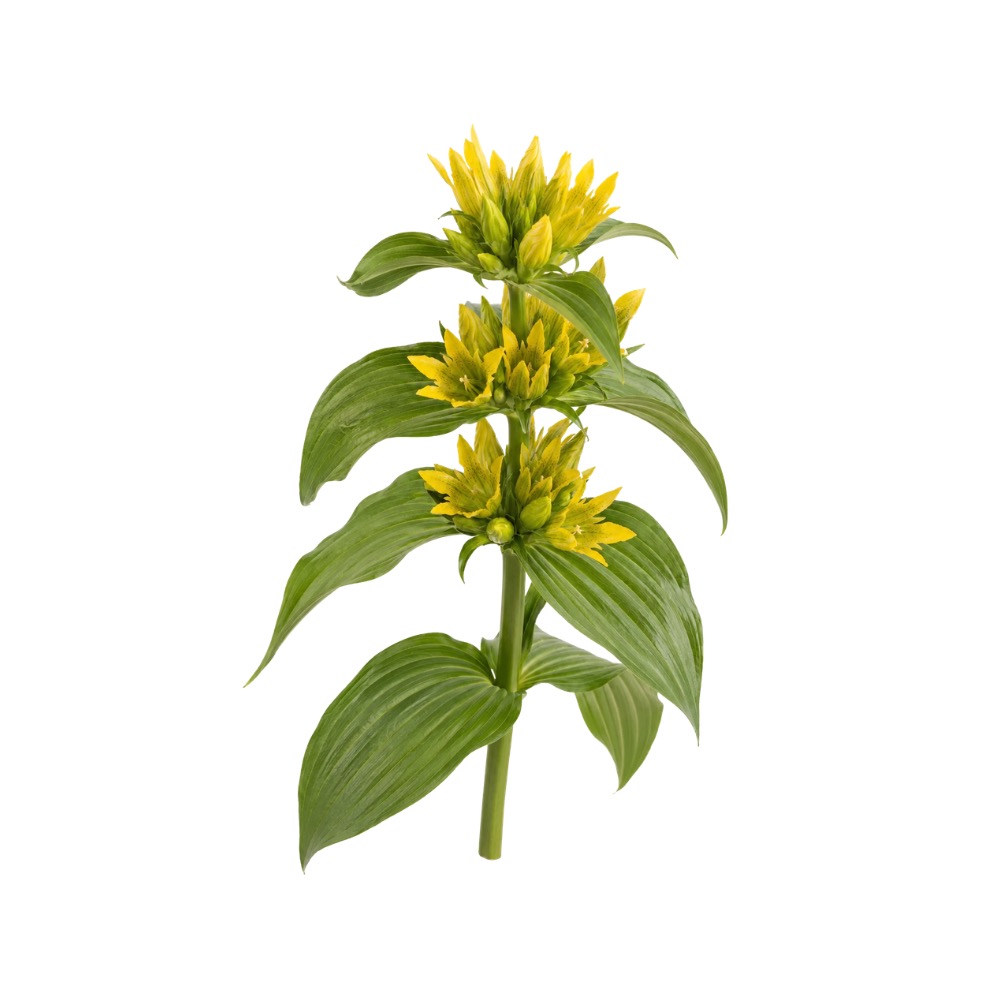
Secologanin is a naturally occurring secoiridoid glucoside (monoterpene-indole-alkaloid & secoiridoid precursor), found in Honeysuckle flower buds, Madagascar periwinkle, Cornelian cherry and 4 other sources. It is well tolerated orally (low toxicity).
Concentration
Content by Source
Concentrations not reported. No percent-dry-weight or mg/g figures have been published for this compound in its source plants.
Secologanin at a Glance
Secologanin is a secoiridoid glucoside and one of the most important small molecules in all of plant chemistry — not because of anything it does in people, but because of what it becomes. It is the ring-opened (“seco”) form of loganin, produced when the cytochrome P450 secologanin synthase (CYP72A1) cleaves loganin’s cyclopentane ring 1Reference 1Indole alkaloid biosynthesis in Catharanthus roseus: new enzyme activities and identification of cytochrome P450 CYP72A1 as secologanin synthaseView study →. That single cleavage turns a stable iridoid into a reactive, aldehyde-bearing hinge that stands at the head of two of the largest families of plant natural products.
Down one branch, secologanin condenses with tryptamine to form strictosidine, the universal precursor of the monoterpene indole alkaloids (MIAs) — a class of several thousand compounds that includes vinblastine and vincristine, quinine, strychnine, ajmalicine, reserpine and camptothecin 2Reference 2Chemistry and biology of monoterpene indole alkaloid biosynthesisView study →. Down the other, it feeds the secoiridoids — gentiopicroside, sweroside, swertiamarin and the oleoside-type constituents such as oleuropein.
The honest frame is unusual and worth stating up front: secologanin has essentially no therapeutic profile as an isolate. There are no clinical trials, no meaningful isolate pharmacology, and no whole-plant health claim that rests on secologanin itself. It is reactive, rarely accumulates, and is consumed almost as fast as it is made — so it is studied as a biosynthetic hub and a synthetic-biology target, not as a medicine. Its importance is entirely upstream of the molecules that matter.
The Gateway to the Indole Alkaloids
This is the reason secologanin is on the map at all. The monoterpene indole alkaloids are arguably the most pharmacologically consequential class of plant natural products, and every one of them traces back through a single reaction that secologanin makes possible 2Reference 2Chemistry and biology of monoterpene indole alkaloid biosynthesisView study →.
The committed step is the condensation of secologanin with tryptamine (from the amino acid tryptophan), catalysed by strictosidine synthase, to form strictosidine — a Pictet–Spengler reaction that fuses the indole (from tryptamine) and the secoiridoid (from secologanin) halves into one scaffold 3,
- The Catharanthus anticancer dimers — vinblastine and vincristine, whose full biosynthetic route from strictosidine was only completed in 2018 with the discovery of the last missing enzymes 5Reference 5Missing enzymes in the biosynthesis of the anticancer drug vinblastine in Madagascar periwinkleView study →.
- Antimalarial quinine and quinidine — the Cinchona alkaloids.
- Strychnine and brucine — the Strychnos convulsant alkaloids.
- Ajmalicine, ajmaline, reserpine and yohimbine — the Rauvolfia / yohimbe alkaloids.
- Camptothecin — the topoisomerase-I-inhibitor scaffold behind irinotecan and topotecan.
Two molecules therefore gate this entire empire of chemistry: tryptamine supplies the nitrogen half, and secologanin supplies the terpenoid half 2,
From Loganin to the Secoiridoids
Secologanin’s second branch is quieter but just as real. The same ring-opening that primes it for alkaloid assembly also makes it the entry point to the secoiridoids — the intensely bitter glucosides of the Gentianales and their relatives.
Its place in the pathway is precise. The route runs geraniol → … → loganin → secologanin, with loganin cleaved by secologanin synthase (CYP72A1) 1Reference 1Indole alkaloid biosynthesis in Catharanthus roseus: new enzyme activities and identification of cytochrome P450 CYP72A1 as secologanin synthaseView study →. From secologanin, the secoiridoid branch produces:
- Gentiopicroside, sweroside and swertiamarin — the bitter principles of gentian, Swertia and other Gentianaceae.
- Oleoside-type secoiridoids, most notably oleuropein, the defining secoiridoid of olive. The oleoside route in Oleaceae runs in parallel and shares the secologanin-type logic of a ring-opened, glucosylated monoterpene worked up by dedicated enzymes and a β-glucosidase 8Reference 8Silencing of oleuropein β-glucosidase abolishes the biosynthetic capacity of secoiridoids in olivesView study →.
So secologanin sits at a genuine fork: the same reactive intermediate is the last common point before the pathway diverges toward the great alkaloid lineage on one side and the bitter secoiridoid lineage on the other. Its upstream neighbour loganin is the stable, storable iridoid; secologanin is the activated form that commits carbon to one branch or the other. Everything interesting about secologanin — pharmacologically and commercially — is expressed after it has already become something else.
What It's Used For
There is very little to report here, and saying so plainly is the point. Secologanin is a reactive biosynthetic intermediate, not a drug: it is not stored at high levels, not administered to humans or animals, and has essentially no dedicated isolate pharmacology. What “activity” the secologanin skeleton has in medicine is expressed only after conversion into an alkaloid or a secoiridoid.
Support is an experimental score — weighted by study type (human > animal > in vitro) and volume. A beta, not a validated metric. Secologanin is the rare case where the score is near-zero by nature of the molecule: it is a transient intermediate with no therapeutic isolate data. The real story is the biosynthetic-hub sections above (indole alkaloids, secoiridoids), not this table.
Not a therapeutic use — but it is the only thing secologanin is genuinely for. Secologanin is the terpenoid half of strictosidine, and hence the committed entry to both the monoterpene indole alkaloids and the secoiridoids 1,
This makes it a central research reagent and metabolic-engineering target: reconstituting the seco-iridoid pathway to secologanin (and on to strictosidine) in heterologous hosts such as Nicotiana benthamiana and yeast is a major thrust of efforts to produce scarce alkaloids like vinblastine sustainably 5,
Secologanin appears in these programmes as an intermediate to be made and consumed, not as a product with activity of its own.
Gap: this is biosynthesis and bioproduction, not pharmacology — it says nothing about any health effect of secologanin, because it has none in this role 5,
Iridoids and secoiridoids as a class attract interest for anti-inflammatory, antioxidant and antimicrobial properties, and secologanin’s structural siblings — gentiopicroside, sweroside, swertiamarin — each carry their own preclinical dossiers. But that interest does not transfer to secologanin as evidence. Secologanin itself is a reactive intermediate that is rarely isolated for bioassay, and no isolate-specific human or animal efficacy data for it were found.
Gap: any activity here is class-analogy, not measurement of secologanin; the molecule has essentially no direct efficacy record, and its reactivity and low accumulation make it an unlikely stand-alone therapeutic.
Mechanisms
Because secologanin has no pharmacological mechanism of its own, the meaningful “mechanisms” are enzymatic and biosynthetic — how it is made and consumed in the plant. This table is plant biochemistry, not human pharmacology.
| Target / pathway | Effect | Relevant to |
|---|---|---|
| Iridoid synthase (reductive cyclisation) | builds the bicyclic iridoid ring upstream of loganin 6Reference 6An alternative route to cyclic terpenes by reductive cyclization in iridoid biosynthesisView study → | biosynthesis (context) |
| Secologanin synthase (CYP72A1) | oxidative cleavage of loganin’s cyclopentane ring → secologanin | the committed step that makes secologanin |
| Strictosidine synthase | condenses secologanin + tryptamine → strictosidine (Pictet–Spengler) | gateway to the indole alkaloids |
| Downstream MIA enzymes | strictosidine → vinblastine, quinine, strychnine, etc. | why the molecule matters |
| Secoiridoid / oleoside enzymes + β-glucosidase | secologanin → gentiopicroside, sweroside, oleuropein | the secoiridoid branch |
The load-bearing rows are secologanin synthase (which makes it) and strictosidine synthase (which consumes it). Everything else is upstream context or downstream payoff — none of it is a mechanism of action in a person.
Pharmacokinetics
There is no human or animal pharmacokinetic profile for secologanin, because it is not administered as a drug. As a hydrophilic glucoside bearing a reactive aldehyde, it is a short-lived metabolic intermediate that plants convert immediately rather than store, so it does not behave like a stable ingestible compound. Human exposure is limited to trace amounts as a minor iridoid constituent of honeysuckle, cornelian cherry and related herbs — and even there it is frequently present (or measured) as the corresponding acid, secologanic acid, rather than the parent 10Reference 10A simple, rapid, and practical method for distinguishing Lonicerae Japonicae Flos from Lonicerae FlosView study →. No absorption, bioavailability, metabolism or half-life figures for isolated secologanin exist to report.
Clinical Trials
There are no clinical trials of secologanin — as expected for a reactive biosynthetic intermediate with no therapeutic use. The human-relevant clinical record belongs entirely to its downstream products (vinca alkaloids, quinine, and so on), each on its own page.
| Completed | Planned | Terminated | Preclinical |
|---|---|---|---|
| —(none) | — | — | Biosynthesis / bioproduction only (not efficacy) |
Last checked: July 2026.
Isolate vs. Plant Studies
For most compounds this section weighs isolate evidence against whole-plant evidence. For secologanin there is essentially neither in a therapeutic sense — and that is the honest finding. No health claim rests on isolated secologanin, and no whole-plant remedy is attributed to its secologanin content specifically; where honeysuckle, gentian or cornelian cherry have traditional or preclinical uses, those are credited to other constituents and to the secologanin descendants, not to the transient intermediate. The molecule’s entire documented role is as a biosynthetic and synthetic-biology intermediate 5,
Its Role in Plants
In the plant, secologanin plays a purely biosynthetic role — it is an activated intermediate, not an end-product. It is made from loganin by the ring-opening action of secologanin synthase (CYP72A1) 1Reference 1Indole alkaloid biosynthesis in Catharanthus roseus: new enzyme activities and identification of cytochrome P450 CYP72A1 as secologanin synthaseView study →, and it is consumed almost immediately: either condensed with tryptamine to begin alkaloid assembly 2,
Like other iridoid glucosides, the underlying skeleton also belongs to a class whose ecological function is chemical defence — bitter, deterrent glucosides mobilised on tissue damage. But secologanin’s distinctive role is the committed-intermediate one: it is the plant’s activated hinge between two great metabolic destinies. As always, a molecule’s role in plant metabolism is plant biology, not human pharmacology, and does not predict what it does as a medicine.
Prevalence in Nature
Secologanin occurs across the Gentianales and neighbouring iridoid-bearing lineages, but because it is a reactive intermediate that rarely accumulates, it is usually present transiently and at modest levels rather than as a bulk storage constituent. It is characteristic of the alkaloid-producing plants that consume it — Catharanthus roseus (Madagascar periwinkle), Strychnos, Rauvolfia and the Cinchona relatives — where it is an obligatory intermediate on the way to their indole alkaloids 2Reference 2Chemistry and biology of monoterpene indole alkaloid biosynthesisView study →.
Its most quantifiable botanical home is honeysuckle (Lonicera). Lonicera japonica cell cultures demonstrably convert loganin to secologanin 9Reference 9Katano N, et al. (2001). 7-Deoxyloganin 7-hydroxylase in Lonicera japonica cell cultures. Phytochemistry. https://pubmed.ncbi.nlm.nih.gov/11524113/View study →, and honeysuckle flower buds are a recognised source of secologanin-type iridoids — although in the widely used drug Lonicerae Japonicae Flos the dominant, chromatographically measured species is the corresponding acid, secologanic acid (reported at roughly 18 mg/g on average, and used as a marker to distinguish authentic Japanese honeysuckle from related Lonicera species) rather than secologanin itself 10Reference 10A simple, rapid, and practical method for distinguishing Lonicerae Japonicae Flos from Lonicerae FlosView study →. It is also reported from cornelian cherry (Cornus officinalis) and gentian (Gentiana spp.) among other Gentianales.
Clean, comparable per-source % dry-weight figures for secologanin specifically are seldom published — its transient nature and the frequent reporting of the acid instead make a reliable cross-source concentration ranking impossible to assert here; it is tracked as a gap rather than fabricated.
Discovery & Synthesis
Secologanin entered the literature in the late 1960s, as the biosynthetic logic of the indole alkaloids was being worked out. It was obtained as its tetra-acetate from Catharanthus (Vinca) roseus and isolated in free form from Lonicera morrowii, and its structure — a ring-opened (“seco”) relative of loganin — gave it its name (from Latin secare, to cut, reflecting the cleaved cyclopentane ring). Its pivotal position was cemented by the classic radiotracer and enzyme studies of the following decades, which traced the geraniol → loganin → secologanin → strictosidine route to the monoterpene indole alkaloids and identified strictosidine synthase as the enzyme that condenses it with tryptamine 3,
Manufacture today is not by isolation or classical synthesis in any bulk sense. Total syntheses of secologanin and the iridoid skeleton have been reported, but the molecule is far too reactive and low-accumulating to be a practical extraction target, and it has no market as a drug. Where secologanin is needed, it is increasingly made biosynthetically — the seco-iridoid pathway has been reconstituted in heterologous hosts (Nicotiana benthamiana, yeast), allowing secologanin and strictosidine to be generated enzymatically as part of programmes to produce the valuable downstream alkaloids sustainably 5,
Patents: not yet researched.
Toxicity & Safety
Secologanin reads as a low-toxicity iridoid glucoside — but the rating rests on its nature and low real-world exposure rather than on a toxicology dataset. It is a trace, transient constituent of edible and medicinal plants (honeysuckle, cornelian cherry, gentian) that people do not ingest in isolated form, and there is no report of harm attributable to it.
- A trace intermediate of long-used plants. Secologanin occurs at low, transient levels in honeysuckle, cornelian cherry and gentian — herbs with long dietary/medicinal histories — and is not consumed as an isolate.
- Real-world exposure is minimal and indirect. As a reactive intermediate the plant converts rapidly, secologanin does not accumulate, so human exposure is trace; the relevant molecules are its downstream products.
- No isolate toxicology. There is no LD50, genotoxicity or repeat-dose dataset for pure secologanin; its safety is inferred from context, not established for the molecule.
- Not a therapeutic isolate. Secologanin has no established use, dose or safety-in-use record as a supplement or drug; any risk assessment belongs to its named downstream compounds and their source herbs.
Full Safety & Interactions Detail
Secologanin carries a low flag on evidentiary and exposure grounds. It is a minor, reactive iridoid intermediate of plants with long histories of dietary and medicinal use, present transiently and in small amounts, and not taken as an isolated compound — so there is no meaningful human exposure to assess and no report of toxicity. The caveats are the standard ones for an unstudied intermediate rather than observed harms. First, there is no isolate toxicology package — no LD50, genotoxicity or repeat-dose organ-toxicity data for pure secologanin — so its safety is inferred from its context and low exposure, not demonstrated for the molecule. Second, drug-interaction data are absent: no CYP-inhibition or transporter profile is established, so interaction potential is simply uncharacterised. Neither point should be read as a positive safety claim.
Reproductive note (prose only). No dedicated reproductive- or developmental-toxicity dataset exists for isolated secologanin. Any pregnancy or lactation caution belongs to the source herbs and their principal actives — and especially to the potent alkaloids downstream of secologanin (the Strychnos, Catharanthus and Rauvolfia alkaloids), which carry their own serious toxicity — not to this transient precursor. Those decisions are made on the herb or product page where intake is decided, not on this molecule page.
Dosage
There is no established or recommended dose for secologanin, and there never has been — it has never been used as an isolated supplement or drug, and it has no therapeutic profile of its own. It is a reactive biosynthetic intermediate that plants make and consume internally; human exposure is limited to trace, indirect amounts as a minor iridoid constituent of honeysuckle, cornelian cherry and related herbs. The molecules worth dosing are secologanin’s downstream products — the vinca alkaloids, quinine, the gentian bitters and the oleuropein-type secoiridoids — each addressed on its own page. Nothing here is a personal recommendation.
References
- Irmler S, et al. (2000). Indole alkaloid biosynthesis in Catharanthus roseus: new enzyme activities and identification of cytochrome P450 CYP72A1 as secologanin synthase. The Plant Journal. https://pubmed.ncbi.nlm.nih.gov/11135113/
- O’Connor SE, Maresh JJ (2006). Chemistry and biology of monoterpene indole alkaloid biosynthesis. Natural Product Reports. https://pubmed.ncbi.nlm.nih.gov/16874388/
- McKnight TD, et al. (1990). Nucleotide sequence of a cDNA encoding the vacuolar protein strictosidine synthase from Catharanthus roseus. Nucleic Acids Research. https://pubmed.ncbi.nlm.nih.gov/2395663/
- Kutchan TM (1993). Strictosidine: from alkaloid to enzyme to gene. Phytochemistry. https://pubmed.ncbi.nlm.nih.gov/7763429/
- Caputi L, et al. (2018). Missing enzymes in the biosynthesis of the anticancer drug vinblastine in Madagascar periwinkle. Science. https://pubmed.ncbi.nlm.nih.gov/29724909/
- Geu-Flores F, et al. (2012). An alternative route to cyclic terpenes by reductive cyclization in iridoid biosynthesis. Nature. https://pubmed.ncbi.nlm.nih.gov/23172143/
- Miettinen K, et al. (2014). The seco-iridoid pathway from Catharanthus roseus. Nature Communications. https://pubmed.ncbi.nlm.nih.gov/24710322/
- Koudounas K, et al. (2021). Silencing of oleuropein β-glucosidase abolishes the biosynthetic capacity of secoiridoids in olives. Frontiers in Plant Science. https://pubmed.ncbi.nlm.nih.gov/34539687/
- Katano N, et al. (2001). 7-Deoxyloganin 7-hydroxylase in Lonicera japonica cell cultures. Phytochemistry. https://pubmed.ncbi.nlm.nih.gov/11524113/
- Zhang F, et al. (2019). A simple, rapid, and practical method for distinguishing Lonicerae Japonicae Flos from Lonicerae Flos. Molecules. https://pubmed.ncbi.nlm.nih.gov/31547636/



