
Compound Monograph
Stylopine
Stylopine (tetrahydrocoptisine) is the fully reduced, tertiary-amine form of coptisine — a tetrahydroprotoberberine alkaloid of greater celandine, California poppy and corydalis whose one documented isolate signal is anti-inflammatory: it suppresses nitric oxide, iNOS and COX-2 in activated macrophages. Its evidence base is thin and entirely preclinical.

Sources · 5
Where Does It Come From?
Stylopine is a naturally occurring isoquinoline alkaloid (tetrahydroprotoberberine group), found in Greater celandine, California poppy, Corydalis and 2 other sources. It is well tolerated orally (low toxicity).
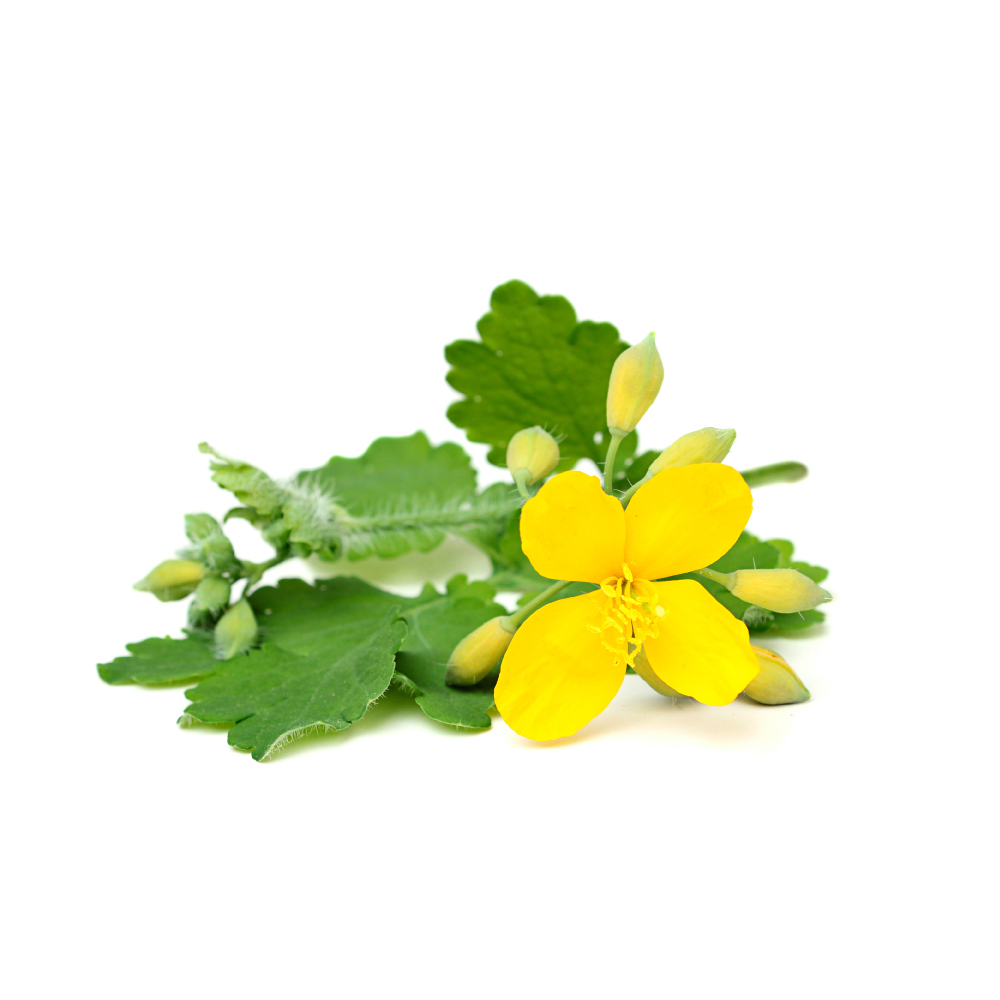 Principal source Greater Celandine Chelidonium majus Herb monograph →
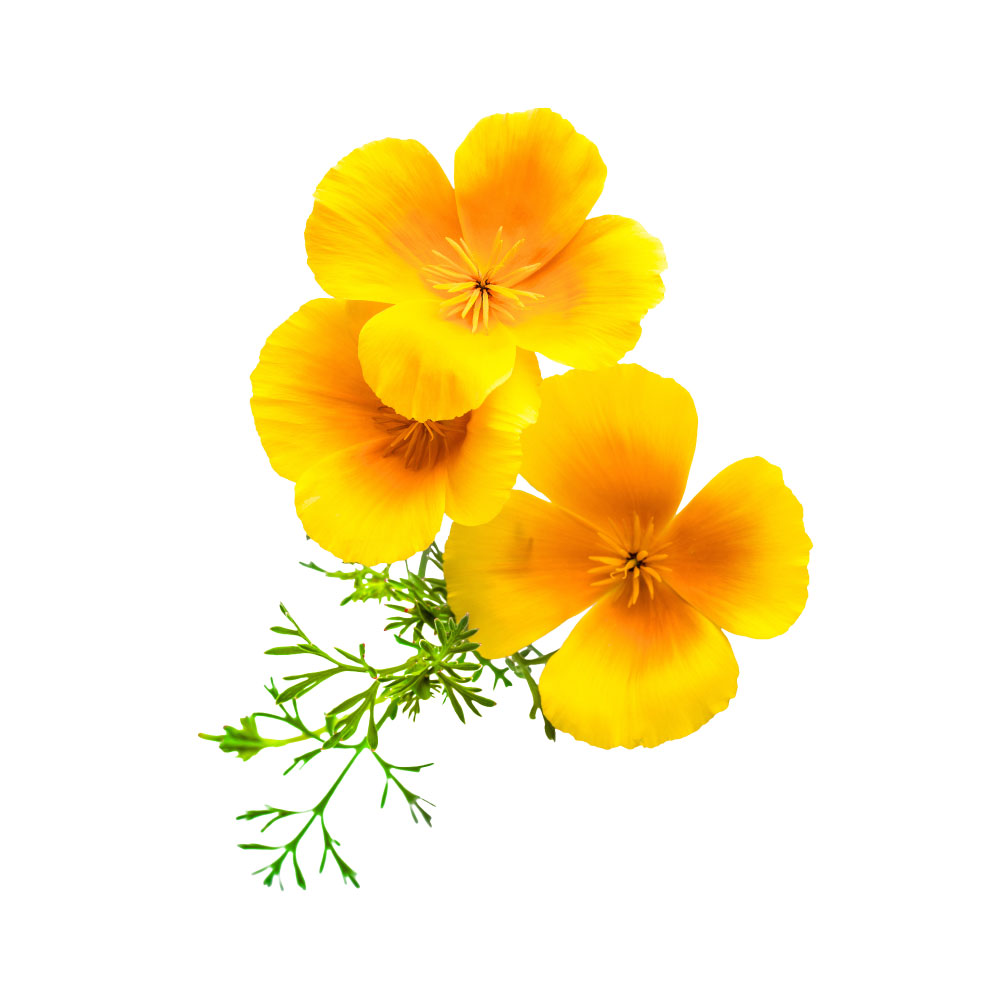 Source California Poppy Eschscholzia californica Herb monograph →
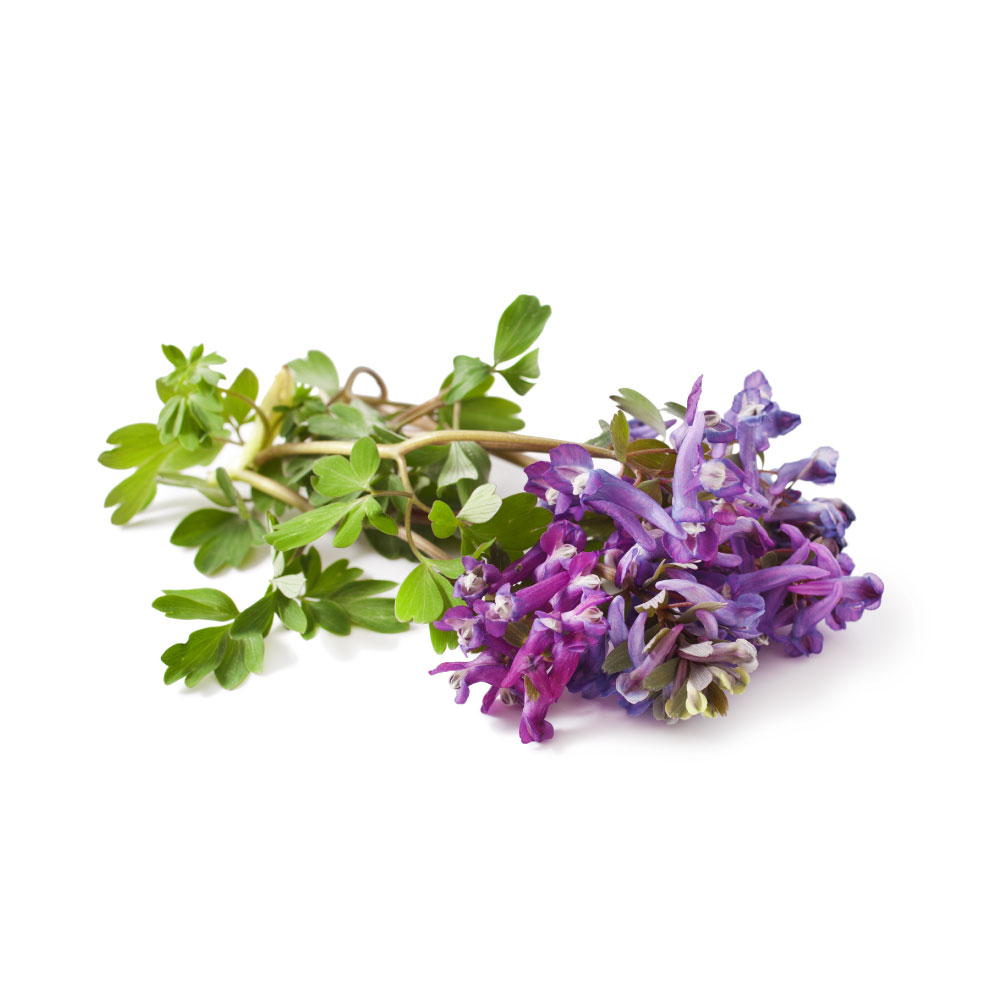 Source Corydalis Corydalis yanhusuo Herb monograph →
Concentration
Content by Source
Concentrations not reported. No percent-dry-weight or mg/g figures have been published for this compound in its source plants.
Stylopine at a Glance
Stylopine, better known chemically as tetrahydrocoptisine, is an isoquinoline alkaloid of the tetrahydroprotoberberine (THPB) class. It is the fully reduced form of coptisine and carries the same two methylenedioxy bridges, and it occurs as a minor alkaloid of greater celandine, California poppy and corydalis — plants whose alkaloid chemistry is dominated by better-known relatives 1,
The honest evidence posture is that stylopine is data-thin. There are no human trials and essentially no pharmacokinetic data. What exists is a single, clean in-vitro study of the isolated molecule — where stylopine damped several inflammatory mediators in activated macrophages — plus a well-worked-out plant-biosynthesis story and the general pharmacology of its chemical class 1,
That one documented isolate signal is anti-inflammatory: stylopine concentration-dependently lowered nitric oxide, prostaglandin E2 and pro-inflammatory cytokines in lipopolysaccharide-stimulated macrophages by suppressing iNOS and COX-2 1Reference 1In vitroStylopine from Chelidonium majus inhibits LPS-induced inflammatory mediators in RAW 264.7 cells — in vitroView study →. Everything beyond that should be read as class-level inference, not established use.
Stylopine as Tetrahydrocoptisine
The single most useful thing to know about stylopine is its relationship to coptisine: the two are the reduced and oxidised forms of the same skeleton, and the difference reorganises the pharmacology — exactly as canadine does for berberine.
Coptisine is a quaternary protoberberine — a flat, permanently positively-charged cation, brightly yellow, poorly absorbed, with activity dominated by the gut and by targets like monoamine oxidase 2Reference 2ReviewCoptisine from Coptis chinensis exerts diverse beneficial properties: a concise reviewView study →. Stylopine is that same molecule with its central ring saturated — a tetrahydroprotoberberine, hence the name tetrahydrocoptisine. Ring reduction removes the permanent charge and yields a more lipophilic tertiary amine, the structural feature that defines the THPB family and gives its members (l-tetrahydropalmatine, l-stepholidine, canadine) their brain-penetrant, dopamine-receptor-active profile 3,
The two are also linked biochemically in the plant, but the arrow runs the other way from berberine’s: stylopine is the precursor of coptisine. A single flavin-dependent oxidase (CcTHBO in Coptis chinensis) dehydrogenates (S)-stylopine to coptisine, closing the aromatic ring and installing the quaternary charge 5Reference 5A biosynthetic network for protoberberine production in Coptis chinensisView study →. Stylopine is, quite literally, one oxidase step short of coptisine.
Its one demonstrated pharmacological signal fits the anti-inflammatory reputation of this alkaloid family. In LPS-stimulated RAW 264.7 macrophages, isolated stylopine reduced nitric oxide (NO), prostaglandin E2 (PGE2), TNF-α, IL-1β and IL-6 production and COX-2 activity in a concentration-dependent way, and Western blots showed the effect was driven by suppressed iNOS and COX-2 protein expression 1Reference 1In vitroStylopine from Chelidonium majus inhibits LPS-induced inflammatory mediators in RAW 264.7 cells — in vitroView study →. That is a genuine, compound-specific result — but it is a single in-vitro study, and it is the whole of stylopine’s direct pharmacology.
The practical reading mirrors the canadine/berberine pair: do not transfer coptisine’s gut-antimicrobial and MAO-A data to stylopine, and do not assume stylopine shares coptisine’s targets. They are different molecules that happen to sit next to each other on a biosynthetic pathway.
What It's Used For
The evidence is preclinical throughout, and thin. The one direct finding is the macrophage anti-inflammatory study; the CNS entry below is class-level pharmacology of the tetrahydroprotoberberine scaffold, not data on stylopine itself.
Support is an experimental score I’m building — a composite weighted by study type (human > animal > in vitro > review) and study volume, tempered for isolate-vs-plant match. It’s a beta: a fast way to rank strength of evidence at a glance, not a validated metric. Both rows score low — stylopine’s only direct data are a single in-vitro study, and the CNS row is class-level inference. Each application links down to its write-up.
Stylopine’s only direct pharmacology — and a clean result. In lipopolysaccharide-stimulated RAW 264.7 macrophages, isolated stylopine (a purified leaf alkaloid of Chelidonium majus) concentration-dependently reduced nitric oxide, prostaglandin E2, TNF-α, IL-1β and IL-6 production and COX-2 activity; Western blotting showed the mechanism was marked, concentration-dependent suppression of iNOS and COX-2 protein expression 1Reference 1In vitroStylopine from Chelidonium majus inhibits LPS-induced inflammatory mediators in RAW 264.7 cells — in vitroView study →.
This is the isolated molecule tested directly, which is a strength — the effect describes stylopine, not an extract standing in for it. A later phytochemistry/pharmacology review of C. majus cites this work as stylopine’s contribution to the plant’s anti-inflammatory reputation 6Reference 6ReviewAlkaloids in Chelidonium majus L: a review of its phytochemistry, pharmacology and toxicologyView study →.
Gap: it is a single in-vitro study at cell-culture concentrations, with no in-vivo inflammation model, no dose-response in an animal, and no human data — mechanistically clean, therapeutically unproven 1Reference 1In vitroStylopine from Chelidonium majus inhibits LPS-induced inflammatory mediators in RAW 264.7 cells — in vitroView study →.
Not a stylopine result — an inference from its chemical class, included for honest context. The tetrahydroprotoberberine scaffold is a recognised chemical type of dopamine-receptor ligand: in classic work, tetrahydroberberine (canadine) and l-tetrahydropalmatine produced dopamine-antagonist behaviour in animals 3Reference 3Tetrahydroprotoberberine — a new chemical type of antagonist of dopamine receptors — animal studyView study →, and structure–activity studies confirm the scaffold’s affinity for dopamine (including D3) and sigma receptors 4Reference 4Tetrahydroprotoberberine alkaloids with dopamine and σ receptor affinity — medicinal chemistry / SARView study →.
As a tertiary-amine THPB, stylopine plausibly shares some of this profile.
Gap: there is no published study of stylopine at dopamine receptors — the behavioural and binding data are on its relatives (l-THP, canadine, stepholidine), not stylopine dosed or assayed directly. Read this as a class expectation, not evidence 3,
Mechanisms
| Target / pathway | Effect | Relevant to |
|---|---|---|
| Inducible nitric oxide synthase (iNOS) | ↓ protein expression → ↓ NO | anti-inflammatory |
| Cyclo-oxygenase-2 (COX-2) | ↓ protein expression & activity → ↓ PGE2 | anti-inflammatory |
| Pro-inflammatory cytokines (TNF-α, IL-1β, IL-6) | ↓ production in LPS-activated macrophages | anti-inflammatory |
| Dopamine receptors (THPB scaffold) | class-level ligand affinity (inferred, not measured for stylopine) | CNS (class) |
| Stylopine synthase (CYP719A) / CcTHBO oxidase | made by methylenedioxy-bridge P450s; oxidised onward to coptisine | plant biosynthesis |
The load-bearing row is the top block: a single in-vitro study, but a coherent one — the drop in NO and PGE2 is explained by suppressed iNOS and COX-2 protein, not by non-specific toxicity 1Reference 1In vitroStylopine from Chelidonium majus inhibits LPS-induced inflammatory mediators in RAW 264.7 cells — in vitroView study →. The dopamine row is the scaffold’s pharmacology, off stylopine’s own measured axis 3,
Pharmacokinetics
Essentially unstudied for stylopine. No oral bioavailability figure, plasma half-life or metabolite map has been established here. Two structural inferences are worth stating and no more: unlike its quaternary oxidation product coptisine (poorly absorbed, gut-confined), stylopine is a lipophilic tertiary amine, which is consistent with better membrane penetration and the CNS activity its class shows — but that is inference from structure, not measured data. Its metabolic fate, including any in-vivo re-oxidation toward coptisine-type products, has not been characterised here.
Clinical Trials
None. No registered or published human clinical trials of stylopine (tetrahydrocoptisine) as an isolated agent were identified. The human-facing evidence is limited to whole greater-celandine, California-poppy and corydalis preparations, in which stylopine is one of many alkaloids.
| Completed | Planned | Terminated | Preclinical |
|---|---|---|---|
| — | — | — | Minimal(single isolate in-vitro study + class) |
Last checked: July 2026.
Isolate vs. Plant Studies
Stylopine’s one substantive finding is on the isolated molecule — purified stylopine tested directly in a macrophage assay 1Reference 1In vitroStylopine from Chelidonium majus inhibits LPS-induced inflammatory mediators in RAW 264.7 cells — in vitroView study → — which is the right design and means the anti-inflammatory result genuinely describes the compound rather than an extract. But it is a lone in-vitro study, and there is no whole-plant trial that isolates a stylopine effect. In its source plants stylopine is always a minor voice: in greater celandine it sits among the far more abundant coptisine, chelidonine, sanguinarine and protopine 2,
Its Role in Plants
Stylopine is a benzylisoquinoline alkaloid, built — like the rest of its family — from the amino acid tyrosine by way of (S)-reticuline, the branch-point of this whole alkaloid group. Its defining feature is a pair of methylenedioxy bridges, and its position on the pathway is well characterised: (S)-reticuline is converted by the berberine bridge enzyme to (S)-scoulerine, which cheilanthifoline synthase and then stylopine synthase — both CYP719A cytochrome-P450 enzymes that close methylenedioxy rings — carry on to (S)-cheilanthifoline and finally (S)-stylopine 4,
From (S)-stylopine the pathway forks. In Coptis and related plants a flavin-dependent oxidase (CcTHBO) dehydrogenates it to coptisine 5Reference 5A biosynthetic network for protoberberine production in Coptis chinensisView study →; in the benzophenanthridine-producing Papaveraceae (celandine, poppy) stylopine is instead N-methylated and oxidised onward toward sanguinarine and its relatives. Stylopine is thus a central biosynthetic hub rather than an end-product, which is part of why it usually accumulates only in modest amounts. As a defence-type alkaloid concentrated in roots, rhizomes and latex, it plays the usual protoberberine ecological role rather than a signalling one — these are plant-biology functions and should not be read as human pharmacology.
Prevalence in Nature
Stylopine occurs across the protoberberine-producing Papaveraceae and related families, concentrating in roots, rhizomes and latex rather than leaves 2,
Discovery & Synthesis
Stylopine has long been recognised as a minor protoberberine of Chelidonium and related Papaveraceae, but its exact first-isolation date is not well documented in the accessible literature. Its chemical identity is unambiguous — it is tetrahydrocoptisine, the fully methylenedioxy-bridged tetrahydroprotoberberine that is the reduced congener of coptisine 2,
There is no commercial demand for isolated stylopine; it circulates as a research chemical and analytical reference standard. Rather than by bulk plant extraction or classical total synthesis, a notable modern route is microbial biosynthesis: an engineered Pichia pastoris (yeast) system expressing the berberine bridge enzyme, cheilanthifoline synthase (CYP719A5) and stylopine synthase (CYP719A2) produced stylopine from (S)-reticuline, reaching roughly 40% conversion in an optimised three-strain co-culture 8Reference 8Efficient microbial production of stylopine using a Pichia pastoris expression systemView study →. This reflects stylopine’s real value today — a pathway node useful for reconstructing benzylisoquinoline biosynthesis in cells — more than any standalone product status.
Patents: not yet researched (future patent-loop pass).
Toxicity & Safety
Stylopine carries a low flag: it is a tetrahydroprotoberberine closely related to well-tolerated canadine and berberine, human dietary exposure is small and indirect (a minor alkaloid of three herbs), and no serious toxicity of the isolated compound is established. The honest headline, though, is an absence of data rather than positive evidence of safety — no isolate toxicology, carcinogenicity, reproductive or interaction dataset was located.
- Minor, indirect dietary exposure. Stylopine is consumed only as a trace alkaloid of greater celandine, California poppy and corydalis, not as a stand-alone supplement.
- Greater celandine — the whole herb — carries a liver-injury risk. Idiosyncratic herb-induced liver injury is attributed to Chelidonium majus preparations and their principal alkaloids, not specifically to isolated stylopine; do not read celandine’s hepatotoxicity onto the pure molecule (or vice-versa) 6Reference 6ReviewAlkaloids in Chelidonium majus L: a review of its phytochemistry, pharmacology and toxicologyView study →.
- Brain-penetrant class (inferred). The tetrahydroprotoberberine family is dopamine-active and sedative in animals; pharmacological doses of a THPB would not be expected to be inert, though this has not been tested for stylopine 3,
4Reference 3Tetrahydroprotoberberine — a new chemical type of antagonist of dopamine receptors — animal studyView study →Reference 4Tetrahydroprotoberberine alkaloids with dopamine and σ receptor affinity — medicinal chemistry / SARView study → . - Safety essentially unstudied. No human data, no isolated-compound toxicology, no defined interactions or contraindications for stylopine specifically — treat silence as unknown, not safe.
Note on scope: drug-interaction and pregnancy/lactation risk were not assessed for stylopine here — those decisions belong to the whole-herb greater celandine, California poppy and corydalis monographs, where intake is actually decided and where the better-characterised alkaloids drive the verdict.
Dosage
There is no established or studied human dose for stylopine. It has never been used as a stand-alone medicine or tested in human trials. The figures in the pharmacology sections above are research concentrations in cultured cells 1Reference 1In vitroStylopine from Chelidonium majus inhibits LPS-induced inflammatory mediators in RAW 264.7 cells — in vitroView study →, not doses given to people. Human exposure occurs only as a minor alkaloid within greater-celandine, California-poppy and corydalis preparations, where the “dose of stylopine” is whatever trace amount the plant and preparation happen to contain. Any figure here would be a research concentration and is not a personal recommendation.
References
- Jang SI, Kim BH, Lee WY, An SJ, Choi HG, Jeon BH, Chung HT, Rho JR, Kim YJ, Chai KY. (2004). Stylopine from Chelidonium majus inhibits LPS-induced inflammatory mediators in RAW 264.7 cells — in vitro. Archives of Pharmacal Research, 27(9), 923–929. https://pubmed.ncbi.nlm.nih.gov/15473662/
- Wu J, Luo Y, Deng D, Su S, Li S, Xiang L, Hu Y, Wang P, Meng X. (2019). Coptisine from Coptis chinensis exerts diverse beneficial properties: a concise review. Journal of Cellular and Molecular Medicine, 23(12), 7946–7960. https://pubmed.ncbi.nlm.nih.gov/31622015/
- Jin GZ, Wang XL, Shi WX. (1986). Tetrahydroprotoberberine — a new chemical type of antagonist of dopamine receptors — animal study. Scientia Sinica (Series B), 29(5), 527–534. https://pubmed.ncbi.nlm.nih.gov/2880397/
- Gadhiya S, Madapa S, Kurtzman T, Alberts IL, Ramsey S, Pillarsetty NK, et al. (2016). Tetrahydroprotoberberine alkaloids with dopamine and σ receptor affinity — medicinal chemistry / SAR. Bioorganic & Medicinal Chemistry, 24(9), 2060–2071. https://pubmed.ncbi.nlm.nih.gov/27032890/
- Wu L, Zhao B, Deng Z, Wang B, Yu Y. (2024). A biosynthetic network for protoberberine production in Coptis chinensis. Horticulture Research, 11(1), uhad259. https://pubmed.ncbi.nlm.nih.gov/38282690/
- Li XL, Sun YP, Wang M, et al. (2024). Alkaloids in Chelidonium majus L: a review of its phytochemistry, pharmacology and toxicology. Frontiers in Pharmacology, 15, 1440979. https://pubmed.ncbi.nlm.nih.gov/39239653/
- Ikezawa N, Iwasa K, Sato F. (2007). Molecular cloning and characterization of methylenedioxy bridge-forming enzymes involved in stylopine biosynthesis in Eschscholzia californica — plant enzymology. The FEBS Journal, 274(4), 1019–1035. https://pubmed.ncbi.nlm.nih.gov/17250743/
- Hori K, Okano S, Sato F. (2016). Efficient microbial production of stylopine using a Pichia pastoris expression system. Scientific Reports, 6, 22201. https://pubmed.ncbi.nlm.nih.gov/26923560/



