
Compound Monograph
Protopine
Protopine is a protopine-type isoquinoline alkaloid of California poppy, greater celandine, corydalis and other poppy/fumitory plants — a ring-expanded bridge between the protoberberines and the benzophenanthridines. Its interest is polypharmacology: a reversible CYP2D6 and acetylcholinesterase inhibitor with antiplatelet, cation-channel, analgesic and monoamine-reuptake actions, almost all of it preclinical.

Sources · 9
Where Does It Come From?
Protopine is a naturally occurring isoquinoline alkaloid (protopine-type group), found in California poppy, Greater celandine, Corydalis and 6 other sources. It is flagged as moderately toxic.
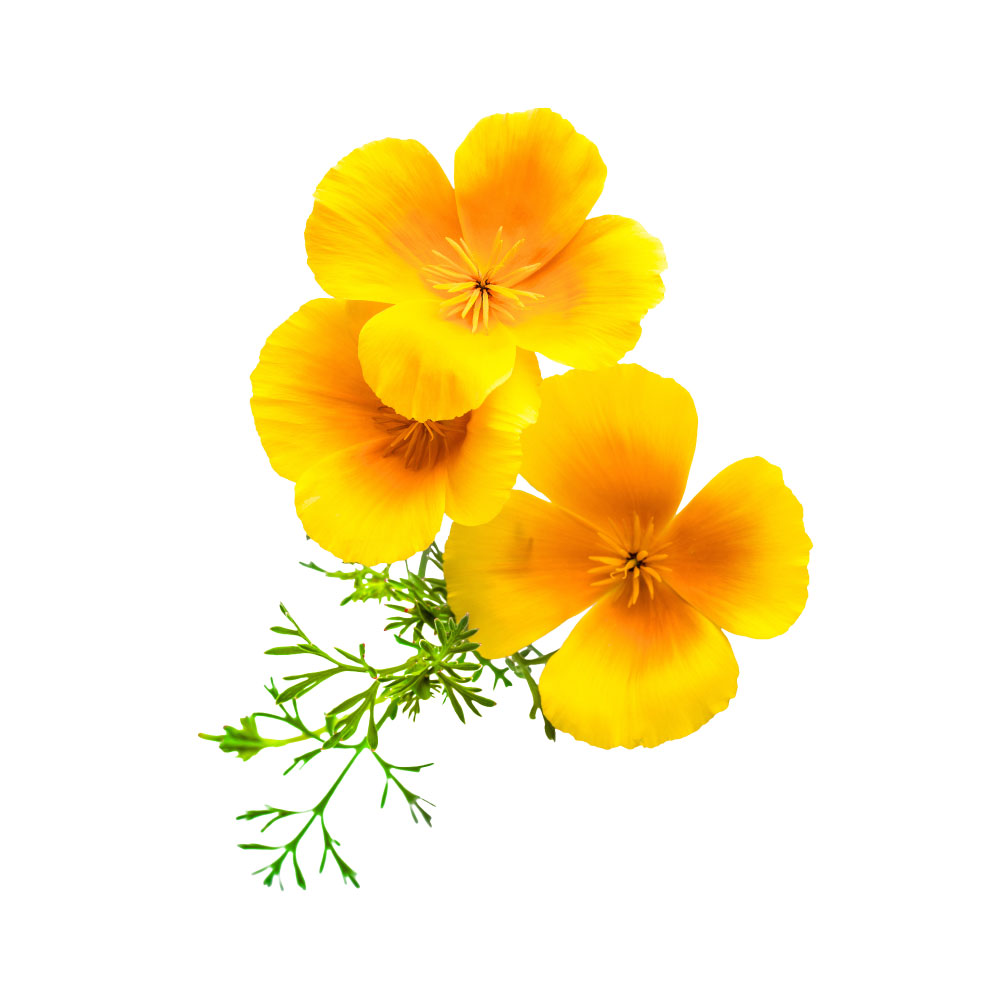 Principal source California Poppy Eschscholzia californica Herb monograph →
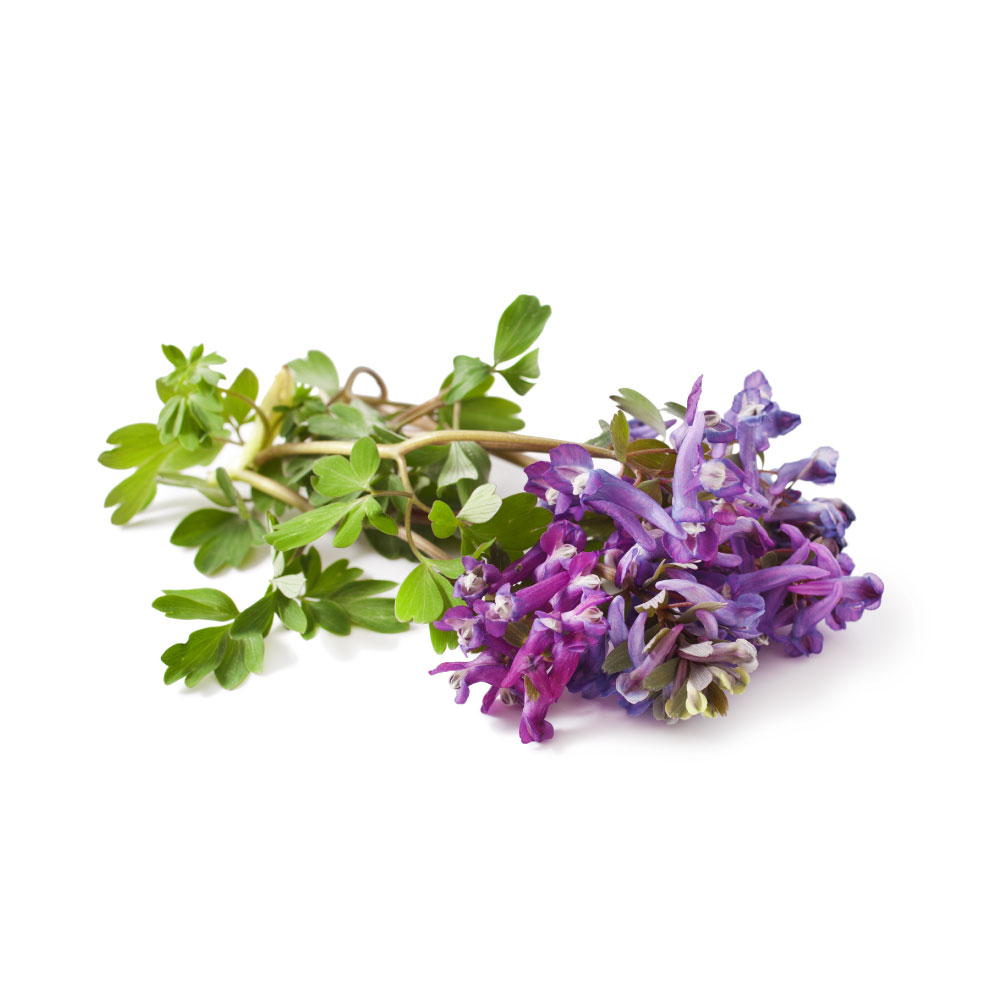 Source Corydalis Corydalis yanhusuo Herb monograph →
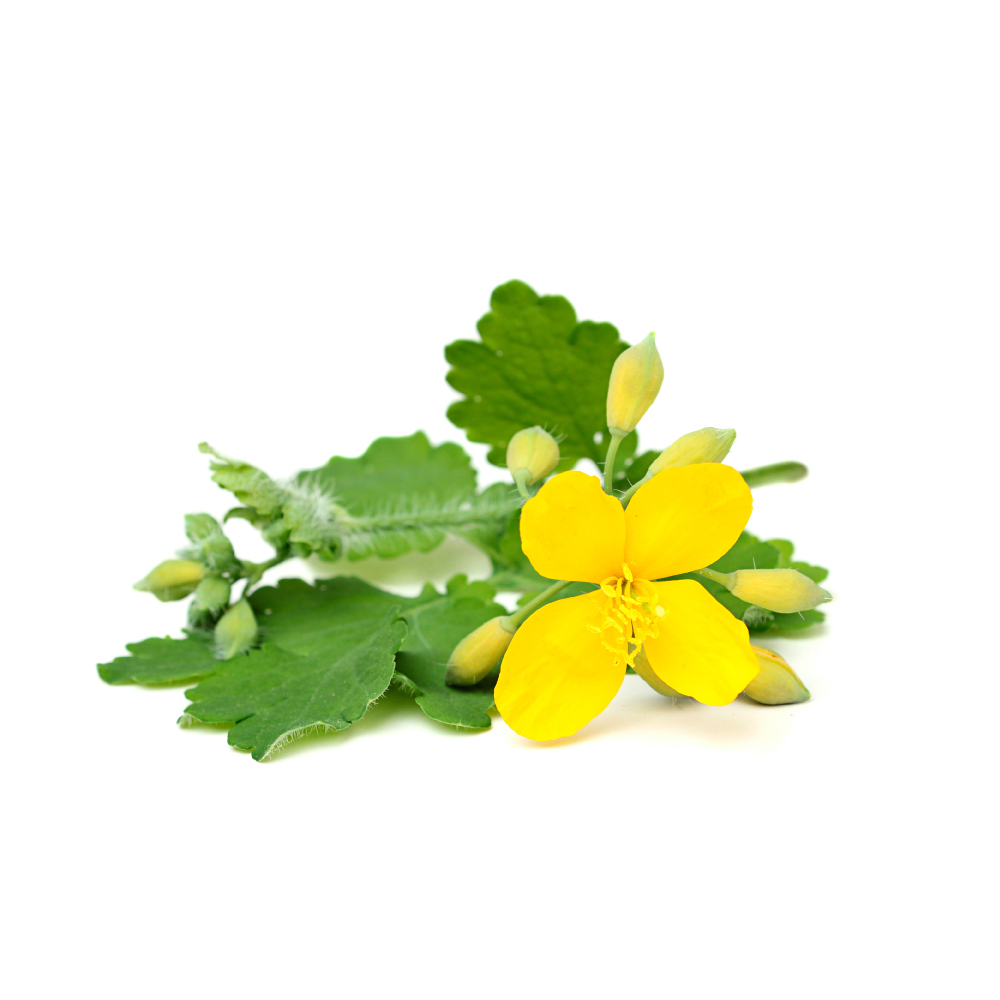 Source Greater Celandine Chelidonium majus Herb monograph →
Concentration
Content by Source
Reported concentrations across the plants that contain protopine — the bar marks the typical level, the line shows the reported range.
Literature figures for varying plant parts and preparations. Read them as a comparative guide, not exact assays.
Protopine at a Glance
Protopine is a minor isoquinoline alkaloid that turns up across the poppy and fumitory families — California poppy, greater celandine, corydalis, fumitory, bloodroot and others — many of them herbs with a long traditional reputation as calming, sleep-supporting or pain-relieving remedies.
It is the namesake of the protopine-type alkaloids, and its interest is polypharmacology rather than one headline effect. Across preclinical work protopine reads as a broad, moderate, reversible modulator: it inhibits acetylcholinesterase and the drug-metabolising enzyme CYP2D6, damps platelet aggregation, blocks cardiac and neuronal cation channels, produces analgesia through voltage-gated sodium channels and opioid receptors, and inhibits the serotonin and noradrenaline transporters 1,
The honest posture is the usual compound-page discipline: almost all of this is in-vitro or rodent work on the isolated molecule, and there are no human efficacy trials. Protopine is also frequently grouped with the “MAO-inhibiting” poppy alkaloids — but its documented monoaminergic action is transporter (reuptake) inhibition, not monoamine-oxidase inhibition (see the scope note below).
Protopine’s Place: A Ring-Expanded Bridge Between Protoberberines & Benzophenanthridines
Protopine’s structure explains why it behaves the way it does. Where the tetrahydroprotoberberines (THPBs such as canadine and tetrahydropalmatine) have a compact four-ring, nitrogen-bridged core, protopine’s central ring has been oxidatively opened and re-formed into a larger ten-membered ring carrying a ketone — the defining trait of the protopine-type class.
In benzylisoquinoline biosynthesis this is a way-station, not an endpoint. The pathway runs (S)-scoulerine → cheilanthifoline → stylopine → cis-N-methylstylopine → protopine → dihydrosanguinarine → sanguinarine. Protopine therefore sits biochemically between the protoberberines it is made from (the berberine / palmatine / coptisine family) and the benzophenanthridines it is made into (sanguinarine, chelerythrine). That is exactly why one plant — California poppy, greater celandine, bloodroot or corydalis — routinely carries all three classes at once, protopine alongside its close protopine-type relative allocryptopine.
The in-between-ness is pharmacological as well as structural. Protopine keeps some of the smooth-muscle and enzyme-modulating character of the protoberberines, but lacks the flat, quaternary, cytotoxic cation chemistry of the benzophenanthridines — so it is far less cytotoxic than sanguinarine or chelerythrine, and its profile is one of broad, moderate, reversible modulation rather than a single potent hit 1Reference 1ReviewIdentification and Quantification, Metabolism and Pharmacokinetics, Pharmacological Activities, and Botanical Preparations of Protopine: A ReviewView study →.
Protopine’s Multi-Target Pharmacology
The point of protopine is that it does several small things at once, and no one of them dominates. Five reasonably well-characterised actions recur across the literature:
- Reversible enzyme inhibition. Protopine is a reversible, competitive acetylcholinesterase inhibitor 5Reference 5Protopine from Corydalis ternata has anticholinesterase and antiamnesic activitiesView study → and a reversible inhibitor of CYP2D6 2Reference 2Modulation of CYPs, P-gp, and PXR by Eschscholzia californica (California Poppy) and Its AlkaloidsView study → — a recurring “reversible modulator” theme rather than irreversible, covalent chemistry.
- Cation-channel modulation. In isolated cardiac myocytes it is a promiscuous blocker of sodium, L-type calcium and potassium currents 8Reference 8Electrophysiological effects of protopine in cardiac myocytes: inhibition of multiple cation channel currentsView study →; in sensory neurons it inhibits the pain-signalling Nav1.7 sodium channel 4Reference 4Analgesic effect of the main components of Corydalis yanhusuo (yanhusuo) is caused by inhibition of voltage gated sodium channelsView study →; and in platelets and vascular tissue it lowers intracellular calcium 6,
7Reference 6Antiplatelet effects of protopine isolated from Corydalis tubersView study →Reference 7Effect of protopine on cytosolic Ca2+ in rabbit plateletsView study → . - Antiplatelet activity. It suppresses thromboxane A₂ formation and phosphoinositide breakdown, reducing platelet calcium and aggregation across multiple agonists 6,
7Reference 6Antiplatelet effects of protopine isolated from Corydalis tubersView study →Reference 7Effect of protopine on cytosolic Ca2+ in rabbit plateletsView study → . - Analgesia. Central protopine is antinociceptive through opioid-receptor and sodium-channel routes 1,
4Reference 1ReviewIdentification and Quantification, Metabolism and Pharmacokinetics, Pharmacological Activities, and Botanical Preparations of Protopine: A ReviewView study →Reference 4Analgesic effect of the main components of Corydalis yanhusuo (yanhusuo) is caused by inhibition of voltage gated sodium channelsView study → . - Monoaminergic action. It inhibits the serotonin and noradrenaline transporters (SERT/NET), giving an antidepressant-like effect in mice 3Reference 3AnimalProtopine inhibits serotonin transporter and noradrenaline transporter and has the antidepressant-like effect in mice modelsView study →.
That same breadth is a double-edged property: the cardiac Nav1.5 / cation-channel activity that could look antiarrhythmic is also the molecule’s main safety flag (see Toxicity).
On the “MAO” claim. Protopine is often lumped with the monoamine-oxidase-inhibiting poppy alkaloids, and the framing does not survive checking. The documented mechanism behind its monoaminergic/antidepressant-like effect is reuptake-transporter (SERT/NET) inhibition 3Reference 3AnimalProtopine inhibits serotonin transporter and noradrenaline transporter and has the antidepressant-like effect in mice modelsView study →, and the comprehensive 2022 pharmacology review reports no MAO-A/MAO-B inhibition data for protopine 1Reference 1ReviewIdentification and Quantification, Metabolism and Pharmacokinetics, Pharmacological Activities, and Botanical Preparations of Protopine: A ReviewView study →. No verified reversible-MAO claim is made here; the reversible-enzyme story that is supported is CYP2D6 and acetylcholinesterase 2,
5Reference 2Modulation of CYPs, P-gp, and PXR by Eschscholzia californica (California Poppy) and Its AlkaloidsView study →Reference 5Protopine from Corydalis ternata has anticholinesterase and antiamnesic activitiesView study → .
What It's Used For
The evidence is preclinical throughout, and splits by system rather than by a single indication. Read each row for what kind of study it rests on — most are in-vitro or rodent, on the isolated alkaloid.
Support is an experimental score — weighted by study type (human > animal > in vitro) and volume. A beta, not a validated metric. Every row here is preclinical isolate work, so scores stay modest by design; each application links to its write-up.
The signal with the clearest mechanism. Central (intracerebroventricular) protopine is antinociceptive in mice, an effect blocked by naloxone, implicating opioid-receptor involvement alongside calcium-ion inhibition 1Reference 1ReviewIdentification and Quantification, Metabolism and Pharmacokinetics, Pharmacological Activities, and Botanical Preparations of Protopine: A ReviewView study →.
More recently, protopine was identified as one of the analgesic principals of Corydalis yanhusuo, acting by inhibiting the voltage-gated sodium channel Nav1.7 (the peripheral pain channel) and producing analgesia in a formalin-induced pain model at 10–40 mg/kg 4Reference 4Analgesic effect of the main components of Corydalis yanhusuo (yanhusuo) is caused by inhibition of voltage gated sodium channelsView study →.
This is the isolated molecule, tested in rodents.
Gap: all animal/in-vitro; the same Nav work shows protopine also blocks the cardiac channel Nav1.5 and raised the cardiac marker CK-MB, so its analgesia comes bundled with a heart-safety concern, and there are no human pain trials 4Reference 4Analgesic effect of the main components of Corydalis yanhusuo (yanhusuo) is caused by inhibition of voltage gated sodium channelsView study →.
The best-characterised in-vitro action. Protopine isolated from corydalis tubers inhibited aggregation and ATP release of rabbit platelets triggered by ADP, arachidonic acid, PAF, collagen and the ionophore A23187; it suppressed thromboxane B₂ formation and, mechanistically, works as a combined phospholipase / thromboxane-synthase inhibitor that blocks phosphoinositide breakdown and lowers intracellular calcium 6Reference 6Antiplatelet effects of protopine isolated from Corydalis tubersView study →.
A follow-up specifically showed protopine reduces cytosolic Ca²⁺ (both release and influx) in rabbit platelets 7Reference 7Effect of protopine on cytosolic Ca2+ in rabbit plateletsView study →.
Gap: isolated washed-platelet assays only; no in-vivo bleeding-time or human antithrombotic data — and clinically this reads as an interaction caution (additive antiplatelet effect) rather than a therapeutic claim 6,
A coherent in-vitro-plus-model signal. In LPS-stimulated microglia (BV2) protopine (5–20 µM) suppressed nitric oxide and PGE₂ by down-regulating iNOS and COX-2, cut TNF-α, IL-1β and IL-6 while raising anti-inflammatory IL-10, and did so by blocking NF-κB nuclear translocation (stabilising IκB) and MAPK (p38/ERK/JNK) phosphorylation; the same study confirmed anti-inflammatory activity in a carrageenan-induced mouse model 9Reference 9Protopine attenuates inflammation stimulated by carrageenan and LPS via the MAPK/NF-κB pathwayView study →.
Gap: cell and acute-inflammation rodent models of the isolate; the anti-inflammatory reputation of the parent herbs (greater celandine, corydalis) is a whole-extract, multi-alkaloid property, not attributable to protopine alone 9,
Protopine isolated from Corydalis ternata inhibited acetylcholinesterase in a dose-dependent manner (IC₅₀ ≈ 50 µM), and — distinctively — the inhibition was specific, reversible and competitive, with a potency the authors compared to the tacrine-derivative velnacrine at matched concentration; pre-treatment reduced scopolamine-induced memory impairment in mice 5Reference 5Protopine from Corydalis ternata has anticholinesterase and antiamnesic activitiesView study →. In-silico and enzyme-assay work on California-poppy extracts likewise flags protopine as an anti-AChE and dopaminergic/serotonergic (DRD, SERT) binder 15Reference 15Comprehensive Metabolomic Profiling and Biological Activity Analysis of Eschscholzia californica Extracts Using LC-ESI-QTOF-MSView study →.
Gap: isolated-enzyme and single behavioural-model data; no clinical cognition trials, and AChE inhibition at ~50 µM is modest 5,
Protopine from Dactylicapnos scandens inhibited both the serotonin transporter and the noradrenaline transporter in vitro, dose-dependently increased 5-HTP-induced head-twitch responses, and reduced immobility in the tail-suspension test in mice — an antidepressant-like profile driven by reuptake inhibition 3Reference 3AnimalProtopine inhibits serotonin transporter and noradrenaline transporter and has the antidepressant-like effect in mice modelsView study →. This, not MAO inhibition, is the verified basis for protopine’s monoaminergic reputation.
Gap: rodent behavioural screens of the isolate; no human antidepressant data, and the effect is one alkaloid’s contribution within herbs that contain many 3Reference 3AnimalProtopine inhibits serotonin transporter and noradrenaline transporter and has the antidepressant-like effect in mice modelsView study →.
In isolated cardiac myocytes protopine is a promiscuous cation-channel blocker: it most potently suppressed the sodium current (I_Na, ~53% at 25 µM), dose-dependently inhibited L-type calcium current (I_Ca,L, to 46% of control at 100 µM) and variably reduced potassium currents, shortening action-potential duration and slowing upstroke velocity 8Reference 8Electrophysiological effects of protopine in cardiac myocytes: inhibition of multiple cation channel currentsView study →. The authors proposed an antiarrhythmic rationale — resting-membrane hyperpolarisation suppressing ectopic automaticity, I_Na block slowing conduction, I_Ca,L reduction relieving calcium-dependent arrhythmia 8Reference 8Electrophysiological effects of protopine in cardiac myocytes: inhibition of multiple cation channel currentsView study →.
Gap: isolated-myocyte electrophysiology only; the very same non-selective channel block is why protopine carries a cardiac-liability flag (Nav1.5, CK-MB rise) rather than a validated antiarrhythmic use 4,
Part of the mechanistic case for California poppy’s traditional calming use. Among Eschscholzia californica alkaloids tested on recombinant GABAA receptors, several modulate receptor function 10Reference 10Modulatory Effects of Eschscholzia californica Alkaloids on Recombinant GABAA ReceptorsView study →, and metabolomic/in-silico work identifies protopine among poppy alkaloids with predicted binding to insomnia-relevant DRD4/DRD5 and SERT targets plus measured anti-AChE activity 15Reference 15Comprehensive Metabolomic Profiling and Biological Activity Analysis of Eschscholzia californica Extracts Using LC-ESI-QTOF-MSView study →.
Gap: protopine is a minor poppy alkaloid and, in the GABAA panel, not the strongest modulator; the anxiolytic/sedative reputation belongs to the whole-plant alkaloid mixture, not to protopine as an isolate 10,
Mechanisms
| Target / pathway | Effect | Relevant to |
|---|---|---|
| Acetylcholinesterase | reversible, competitive inhibition (IC₅₀ ≈ 50 µM) | anticholinesterase / cognition |
| CYP2D6 | reversible inhibition (interaction-relevant) | pharmacokinetics / drug interactions |
| Voltage-gated Na⁺ channel Nav1.7 | inhibition → peripheral analgesia | analgesia |
| Voltage-gated Na⁺ channel Nav1.5 (cardiac) | inhibition → conduction slowing (cardiac liability) | analgesia / toxicity |
| L-type Ca²⁺ & K⁺ currents (myocytes) | promiscuous block; shortened action potential | cardiac / antiarrhythmic |
| Platelet thromboxane synthase / phospholipase | ↓ TXA₂, ↓ phosphoinositide breakdown, ↓ [Ca²⁺]ᵢ | antiplatelet |
| Opioid receptors (central) | naloxone-reversible antinociception | analgesia |
| SERT / NET | reuptake inhibition → antidepressant-like | monoaminergic |
| NF-κB (IκB) / MAPK (p38, ERK, JNK) | ↓ iNOS, COX-2, TNF-α, IL-1β, IL-6 | anti-inflammatory |
| GABAA receptor | allosteric modulation (as a poppy-alkaloid constituent) | anxiolytic / sedative |
The unifying read is a broad, reversible, mostly ion-channel-and-enzyme modulator. Its non-selectivity is both the appeal (many small effects) and the hazard (the analgesic sodium-channel block does not spare the heart).
Pharmacokinetics
Human pharmacokinetics for protopine are poorly characterised — the comprehensive review flags this as a major gap 1Reference 1ReviewIdentification and Quantification, Metabolism and Pharmacokinetics, Pharmacological Activities, and Botanical Preparations of Protopine: A ReviewView study →. What is known is mostly rodent and in-vitro. Protopine is highly permeable across intestinal (Caco-2) monolayers, consistent with good absorptive potential 13Reference 13Alkaloids in commercial preparations of California poppy — quantification, intestinal permeability and microbiota interactionsView study →, but no reliable oral-bioavailability figure or plasma half-life is established here. Its metabolism proceeds by ring cleavage, demethylation and glucuronidation, with around twelve metabolites identified in rats and reported sex differences in urinary/faecal excretion 1Reference 1ReviewIdentification and Quantification, Metabolism and Pharmacokinetics, Pharmacological Activities, and Botanical Preparations of Protopine: A ReviewView study →. On the interaction side, protopine is a reversible CYP2D6 inhibitor 2Reference 2Modulation of CYPs, P-gp, and PXR by Eschscholzia californica (California Poppy) and Its AlkaloidsView study → and has been studied for CYP1A induction in human hepatocytes/HepG2 cells, where the effect was judged unlikely to be a practical safety problem 1Reference 1ReviewIdentification and Quantification, Metabolism and Pharmacokinetics, Pharmacological Activities, and Botanical Preparations of Protopine: A ReviewView study →. Robust human ADME — Cmax, half-life, isolate bioavailability — is not available.
Clinical Trials
None for isolated protopine. No registered or published human efficacy trials of protopine as a stand-alone agent were identified; the entire evidence base is preclinical (isolated molecule) plus whole-herb traditional use of the source plants.
| Completed | Planned | Terminated | Preclinical |
|---|---|---|---|
| — | — | — | Extensive(isolate: analgesic, antiplatelet, anti-inflammatory, enzyme/channel) |
Last checked: July 2026.
Isolate vs. Plant Studies
Protopine’s evidence is almost entirely the isolated molecule — purified from corydalis, celandine or Dactylicapnos and tested in cells, isolated tissue or rodents 3,
Prevalence in Nature
Protopine is widespread but minor across several alkaloid-rich families — chiefly the Papaveraceae (California poppy, greater celandine, bloodroot, Macleaya), Fumariaceae/Fumaria (fumitory, Dactylicapnos, corydalis), and scattered Berberidaceae and Ranunculaceae 1Reference 1ReviewIdentification and Quantification, Metabolism and Pharmacokinetics, Pharmacological Activities, and Botanical Preparations of Protopine: A ReviewView study →. It co-occurs with its protopine-type sibling allocryptopine, with the protoberberines (berberine, coptisine, palmatine) it is biosynthesised from, and with the benzophenanthridines (sanguinarine, chelerythrine) it is a precursor to.
Concrete abundance figures are scarce, which is the honest state of the data. The best-quantified source is commercial California-poppy preparations, where protopine was measured at 0.008–0.200 mg per gram of product by UHPLC-MS/MS — well below the plant’s dominant alkaloids californidine and escholtzine 13Reference 13Alkaloids in commercial preparations of California poppy — quantification, intestinal permeability and microbiota interactionsView study →. In these aerial-part products protopine is one of the minor, ethanol-extractable alkaloids; it tends to concentrate more in roots than aerial parts, and content varies with species, plant part and preparation 1,
Discovery & Synthesis
Protopine is one of the classical Papaveraceae alkaloids, long known under the older name fumarine (from its occurrence in Fumaria) and also as macleyine; its precise first-isolation date and discoverer are not established here. In the plant it is not synthesised from scratch as an endpoint but formed on the benzylisoquinoline pathway — the tetrahydroprotoberberine cis-N-methylstylopine is oxidatively rearranged (ring expansion to the ten-membered keto-bridged system) to give protopine, which is then carried on toward the benzophenanthridines. For research, protopine is obtained by extraction from alkaloid-rich plants (corydalis, greater celandine, Macleaya cordata, which is a commercial source of protopine-type “total alkaloids”); there is no large-scale total-synthetic manufacture, and no stand-alone drug product, driving demand.
Patents: not yet researched.
Toxicity & Safety
Protopine carries a moderate flag. The reason is not general cytotoxicity — as a protopine-type alkaloid it is markedly less cytotoxic than the benzophenanthridines it is related to, and a placental-cell safety panel found it “inconspicuous” for genotoxicity at low-micromolar concentrations (with viability falling only at the top 30 µM dose) 14Reference 14In vitroAdvanced in Vitro Safety Assessment of Herbal Medicines for the Treatment of Non-Psychotic Mental Disorders in PregnancyView study →. The flag is driven instead by its non-selective cardiac ion-channel activity: the same block of Nav1.5 and L-type calcium/potassium currents that looks antiarrhythmic in isolated myocytes also means protopine can perturb cardiac electrophysiology, and the Corydalis yanhusuo analgesia study reported raised CK-MB (a cardiac-injury marker) with protopine, singling it out as the more cardiotoxic of the herb’s analgesic alkaloids 4,
For the isolated alkaloid, acute toxicity is only well-documented for mixed protopine-type “total alkaloids” (from Macleaya cordata), which gave an oral LD₅₀ of ~482 mg/kg in mice, with negative mutagenicity and no teratogenicity in the tested range — but that is a fraction, not pure protopine, so it bounds rather than defines the isolate’s safety 16Reference 16AnimalAcute, chronic, and genotoxic studies on the protopine total alkaloids of the Macleaya cordata (Willd.) RView study →.
Drug-interaction note (enzyme-named): protopine is a reversible CYP2D6 inhibitor 2Reference 2Modulation of CYPs, P-gp, and PXR by Eschscholzia californica (California Poppy) and Its AlkaloidsView study →, so a theoretical interaction exists with CYP2D6 substrates; and its antiplatelet action 6,
- Low intrinsic cytotoxicity / genotoxicity. Far less cytotoxic than its benzophenanthridine relatives; genotoxicity-inconspicuous at low-micromolar levels in a placental-cell panel 14Reference 14In vitroAdvanced in Vitro Safety Assessment of Herbal Medicines for the Treatment of Non-Psychotic Mental Disorders in PregnancyView study →.
- Cardiac ion-channel liability. Non-selective block of cardiac Na⁺ (Nav1.5), Ca²⁺ and K⁺ currents; protopine raised the cardiac marker CK-MB in the corydalis analgesia study 4,
8Reference 4Analgesic effect of the main components of Corydalis yanhusuo (yanhusuo) is caused by inhibition of voltage gated sodium channelsView study →Reference 8Electrophysiological effects of protopine in cardiac myocytes: inhibition of multiple cation channel currentsView study → . - Reversible CYP2D6 inhibition. A theoretical interaction with CYP2D6-metabolised drugs; not clinically quantified 2Reference 2Modulation of CYPs, P-gp, and PXR by Eschscholzia californica (California Poppy) and Its AlkaloidsView study →.
- Additive antiplatelet effect. In-vitro platelet inhibition means a plausible bleeding-risk caution with anticoagulant/antiplatelet medication 6,
7Reference 6Antiplatelet effects of protopine isolated from Corydalis tubersView study →Reference 7Effect of protopine on cytosolic Ca2+ in rabbit plateletsView study → . - Human safety largely uncharacterised. No human toxicology; pure-isolate acute data are inferred from mixed-alkaloid fractions 16Reference 16AnimalAcute, chronic, and genotoxic studies on the protopine total alkaloids of the Macleaya cordata (Willd.) RView study →.
Dosage
There is no established or recommended human dose for isolated protopine. It has never been used as a stand-alone medicine, and human exposure is only ever indirect — as a minor alkaloid within a California-poppy, corydalis, greater-celandine or fumitory preparation, where the “dose of protopine” is whatever trace amount the plant and preparation happen to contain (on the order of hundredths to tenths of a milligram per gram of product) 13Reference 13Alkaloids in commercial preparations of California poppy — quantification, intestinal permeability and microbiota interactionsView study →. Every figure in the sections above is a research value — micromolar concentrations in cells and isolated tissue (e.g. AChE IC₅₀ ≈ 50 µM 5Reference 5Protopine from Corydalis ternata has anticholinesterase and antiamnesic activitiesView study →; platelet and myocyte effects at tens of µM 6,
References
- Huang W, Kong L, Cao Y, Yan L. (2021). Identification and Quantification, Metabolism and Pharmacokinetics, Pharmacological Activities, and Botanical Preparations of Protopine: A Review. Molecules. https://pubmed.ncbi.nlm.nih.gov/35011447/
- Manda VK, Ibrahim MA, Dale OR, Kumarihamy M, Cutler SJ, Khan IA, et al. (2016). Modulation of CYPs, P-gp, and PXR by Eschscholzia californica (California Poppy) and Its Alkaloids. Planta Medica. https://pubmed.ncbi.nlm.nih.gov/27054913/
- Xu LF, Chu WJ, Qing XY, Li S, Wang XS, Qing GW, et al. (2006). Protopine inhibits serotonin transporter and noradrenaline transporter and has the antidepressant-like effect in mice models. Neuropharmacology. https://pubmed.ncbi.nlm.nih.gov/16530230/
- Xu Y, et al. (2021). Analgesic effect of the main components of Corydalis yanhusuo (yanhusuo) is caused by inhibition of voltage gated sodium channels. Journal of Ethnopharmacology. https://pubmed.ncbi.nlm.nih.gov/34329712/
- Kim SR, Hwang SY, Jang YP, Park MJ, Markelonis GJ, Oh TH, Kim YC. (1999). Protopine from Corydalis ternata has anticholinesterase and antiamnesic activities. Planta Medica. https://pubmed.ncbi.nlm.nih.gov/10232064/
- Ko FN, Wu TS, Lu ST, Wu YC, Huang TF, Teng CM. (1989). Antiplatelet effects of protopine isolated from Corydalis tubers. Thrombosis Research. https://pubmed.ncbi.nlm.nih.gov/2559491/
- Shen ZQ, Chen ZH, Duan L. (1999). Effect of protopine on cytosolic Ca2+ in rabbit platelets. Zhongguo Yao Li Xue Bao (Acta Pharmacologica Sinica). https://pubmed.ncbi.nlm.nih.gov/10452120/
- Song LS, Ren GJ, Chen ZL, Chen ZH, Zhou ZN, Cheng H. (2000). Electrophysiological effects of protopine in cardiac myocytes: inhibition of multiple cation channel currents. British Journal of Pharmacology. https://pubmed.ncbi.nlm.nih.gov/10696087/
- Alam MB, Ju MK, Kwon YG, Lee SH. (2019). Protopine attenuates inflammation stimulated by carrageenan and LPS via the MAPK/NF-κB pathway. Food and Chemical Toxicology. https://pubmed.ncbi.nlm.nih.gov/31220533/
- Fedurco M, Gregorová J, Šebrlová K, Kantorová J, Peš O, Baur R, et al. (2015). Modulatory Effects of Eschscholzia californica Alkaloids on Recombinant GABAA Receptors. Biochemistry Research International. https://pubmed.ncbi.nlm.nih.gov/26509084/
- Colombo ML, Bosisio E. (1996). Pharmacological activities of Chelidonium majus L. (Papaveraceae). Pharmacological Research. https://pubmed.ncbi.nlm.nih.gov/8870028/
- Gilca M, Gaman L, Panait E, Stoian I, Atanasiu V. (2010). Chelidonium majus — an integrative review: traditional knowledge versus modern findings. Forschende Komplementärmedizin. https://pubmed.ncbi.nlm.nih.gov/20980763/
- Chauveau A, Geirnaert A, Babst A, Treyer A, Lacroix C, Hamburger M, Potterat O. (2023). Alkaloids in commercial preparations of California poppy — quantification, intestinal permeability and microbiota interactions. Biomedicine & Pharmacotherapy. https://pubmed.ncbi.nlm.nih.gov/37673017/
- Spiess D, Winker M, Dolder Behna A, Gründemann C, Simões-Wüst AP. (2022). Advanced in Vitro Safety Assessment of Herbal Medicines for the Treatment of Non-Psychotic Mental Disorders in Pregnancy. Frontiers in Pharmacology. https://pubmed.ncbi.nlm.nih.gov/35814220/
- Kalyniukova A, et al. (2025). Comprehensive Metabolomic Profiling and Biological Activity Analysis of Eschscholzia californica Extracts Using LC-ESI-QTOF-MS. Food Science & Nutrition. https://pubmed.ncbi.nlm.nih.gov/40909255/
- Dong Z, Tang SS, Ma XL, Tan B, Tang ZS, Li CH, et al. (2022). Acute, chronic, and genotoxic studies on the protopine total alkaloids of the Macleaya cordata (Willd.) R. Br. in rodents. Frontiers in Pharmacology. https://pubmed.ncbi.nlm.nih.gov/36249819/



