
Compound Monograph
Coptisine
A bright-yellow protoberberine alkaloid from goldthread and greater celandine — berberine's fully-bridged structural twin, best studied as a potent anti-Helicobacter and anti-inflammatory gut agent, and (unlike berberine) a selective MAO-A inhibitor. Its data are essentially all preclinical.

Sources · 6
Where Does It Come From?
Coptisine is a naturally occurring isoquinoline alkaloid (protoberberine group), found in Chinese goldthread, Greater celandine and 4 other sources. It is well tolerated orally (low toxicity).
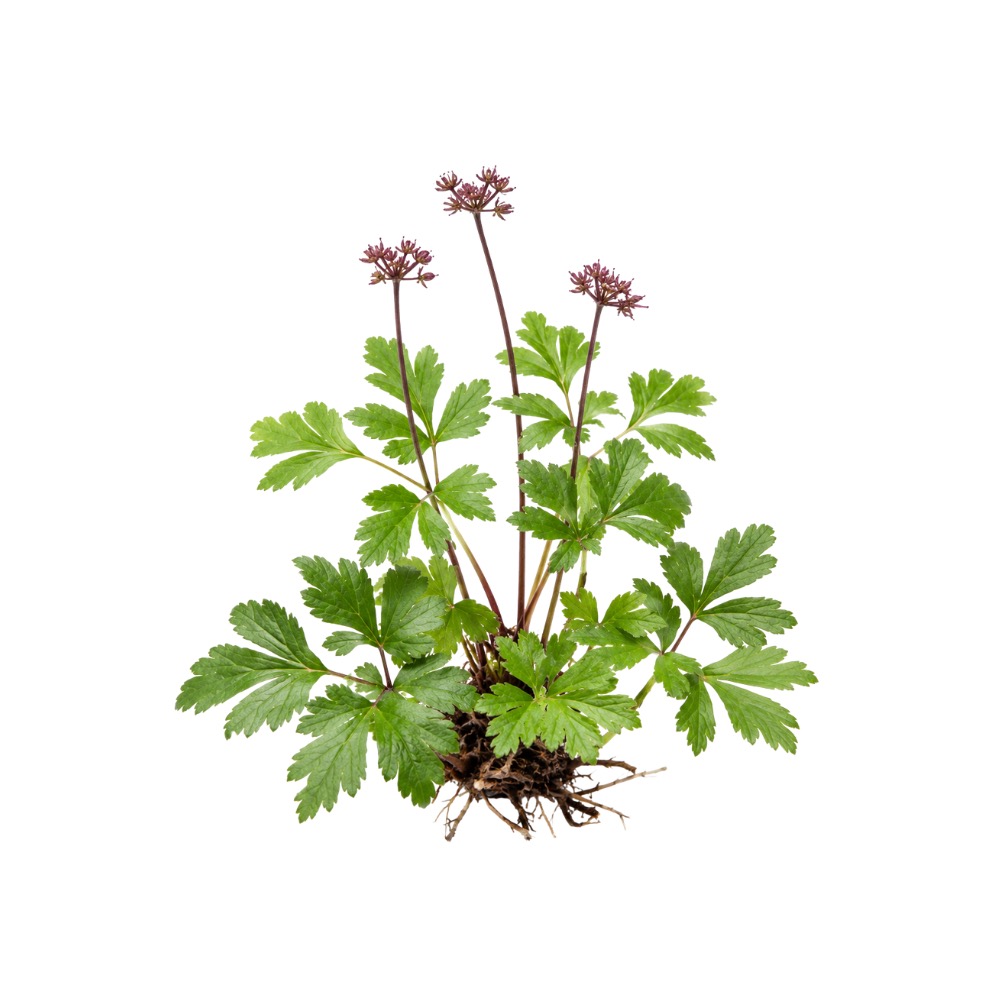 Principal source Coptis Coptis chinensis Herb monograph →
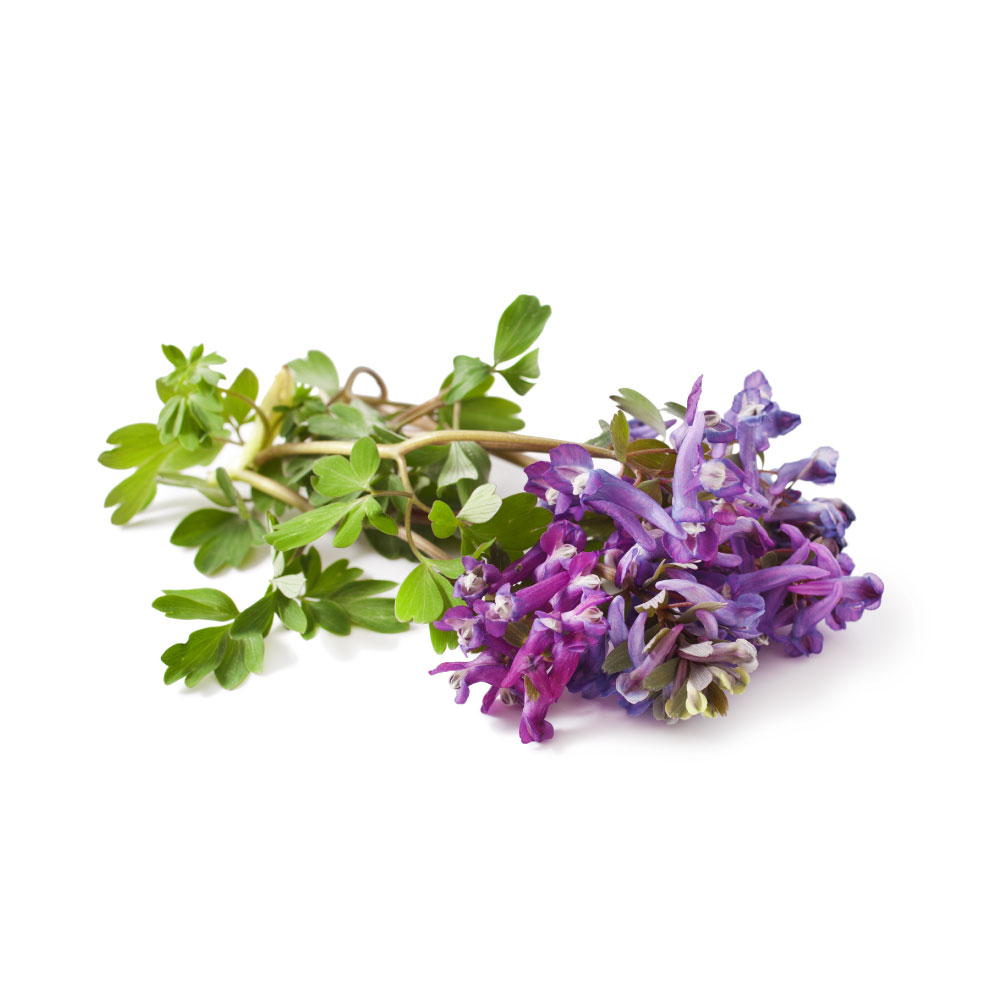 Source Corydalis Corydalis yanhusuo Herb monograph →
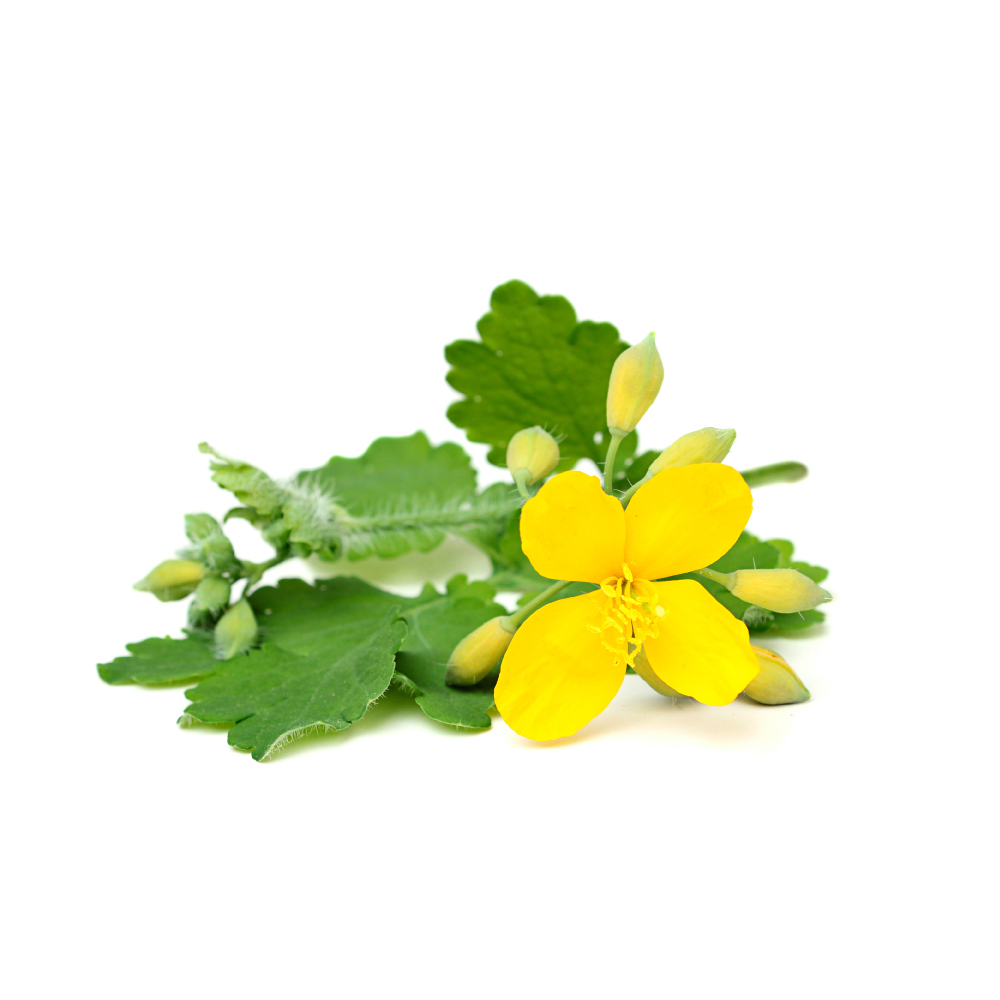 Source Greater Celandine Chelidonium majus Herb monograph →
Concentration
Content by Source
Reported concentrations across the plants that contain coptisine — the bar marks the typical level, the line shows the reported range.
Literature figures for varying plant parts and preparations. Read them as a comparative guide, not exact assays.
Coptisine at a Glance
Coptisine is a bright-yellow protoberberine alkaloid — the characteristic pigment of Coptis (goldthread) rhizome and one of the principal alkaloids of greater celandine. Structurally it is berberine with both of its ring substituents closed into methylenedioxy bridges, which makes it a close chemical relative of the much better-known berberine but not identical to it in behaviour 1,
Its evidence base is almost entirely preclinical — in-vitro assays and rodent studies, with no human trials of the isolated molecule. Within that preclinical literature its strongest, most compound-specific signals are in the gut: it is reported the most effective Coptis alkaloid against Helicobacter pylori, and it eases experimental colitis by damping the NLRP3 inflammasome 4,
One feature sets it apart from berberine pharmacologically: coptisine is a potent, selective inhibitor of monoamine oxidase A — a genuinely different profile from its famous cousin 6Reference 6AnimalInhibition of type A monoamine oxidase by coptisine in mouse brain — reversible competitive MAO-A inhibitor (Ki ≈ 3.3 µM)View study →.
Coptisine vs. Berberine
Coptisine and berberine share the same flat, positively-charged (quaternary) protoberberine skeleton and the same vivid yellow colour, and they occur together in the same roots — so they are often lumped. The difference is in two rings.
Berberine carries a single methylenedioxy bridge on one ring (ring A) and a pair of methoxy groups on the other (ring D). Coptisine replaces that methoxy pair with a second methylenedioxy bridge — hence its chemical nickname, bis(methylenedioxy)protoberberine 1,
That structural difference shows up most clearly at monoamine oxidase. Coptisine is a potent, reversible, competitive inhibitor of MAO-A (Ki ≈ 3.3 µM in mouse brain) and does not inhibit MAO-B 6Reference 6AnimalInhibition of type A monoamine oxidase by coptisine in mouse brain — reversible competitive MAO-A inhibitor (Ki ≈ 3.3 µM)View study → — whereas berberine is only a weak, non-selective MAO inhibitor (IC50 around 126 µM) 1Reference 1ReviewCoptisine from Coptis chinensis exerts diverse beneficial properties: a concise reviewView study →. On this axis coptisine is the far stronger compound. (Note: this is MAO-A selectivity, not the MAO-B activity sometimes loosely attributed to the protoberberines.)
The two also diverge in where the evidence sits. Berberine has an unusually large human clinical literature (blood sugar, cholesterol, fatty liver); coptisine has essentially none — its story is preclinical. And their relative abundance flips by plant: berberine dominates goldthread, while coptisine is the most abundant alkaloid measured in some greater-celandine extracts 12Reference 12Effects of Chelidonium majus extracts and major alkaloids on hERG potassium channels and on dog cardiac action potential — a safety approachView study →. Where they converge is poor oral bioavailability and a shared reputation for gut-level antimicrobial and anti-inflammatory activity 10,
What It's Used For
Coptisine’s pharmacology is broad on paper — reviews list anticancer, anti-inflammatory, cardiovascular, antimicrobial, neuroprotective and antidiabetic activity — but nearly all of it is in vitro or in rodents, and much of the “cardiovascular/metabolic” claim actually belongs to Coptis total alkaloids or to berberine rather than to isolated coptisine 1,
Support is an experimental score I’m building — a composite weighted by study type (human > animal > in vitro > review) and study volume, tempered for isolate-vs-plant match and bioavailability. It’s a beta: a fast way to rank strength of evidence at a glance, not a validated metric. Every row here is capped low because no human trials of isolated coptisine exist — the scores rank preclinical strength. Each application links down to its write-up.
Coptisine’s most compound-specific signal. Tested against standard and clinical Helicobacter pylori isolates — including drug-resistant strains — coptisine was the most effective alkaloid in Coptis (MIC roughly 25–50 µg/mL), damaged bacterial DNA and membranes, and showed little tendency to induce resistance 5Reference 5In vitroCoptisine inhibits Helicobacter pylori and reduces the expression of CagA to alleviate host inflammation in vitro and in vivoView study →.
Its stand-out mechanism is urease inhibition: coptisine slow-binds the urease active-site thiol and nickel metallocentre and also blocks urease maturation (the UreG nickel-delivery step), stripping the bacterium of the acid-survival enzyme it needs in the stomach 4Reference 4In vitroCoptisine-induced inhibition of Helicobacter pylori: elucidation of specific mechanisms by probing urease active site and its maturation process — in vitroView study →.
In infected mice, oral coptisine (~150 mg/kg/day) eradicated the bacterium and lowered gastric IL-2/IL-6 partly by reducing the CagA virulence factor and its translocation into host cells 5Reference 5In vitroCoptisine inhibits Helicobacter pylori and reduces the expression of CagA to alleviate host inflammation in vitro and in vivoView study →.
All isolate data.
Gap: no human anti-H. pylori trials exist, and the effective concentrations are reached locally in the gut lumen, not systemically — this is a preclinical, gut-level result 4,
The other gut-centred strength. In dextran-sulfate-sodium (DSS) colitis mice, oral coptisine reduced weight loss and colon damage, suppressed the TXNIP/NLRP3 inflammasome (lowering IL-1β/IL-18), and reshaped the gut microbiota — raising beneficial Akkermansia muciniphila 3Reference 3AnimalCoptisine alleviates colitis through modulating gut microbiota and inhibiting TXNIP/NLRP3 inflammasome — DSS-colitis mouse studyView study →.
Mechanistic reviews add NF-κB and MAPK suppression as recurring anti-inflammatory routes 1,
Intriguingly, the gut microbiota oxidise coptisine into 8-oxocoptisine, a metabolite that eased colitis more potently than the parent and rivalled mesalazine at lower doses — a hint that some of coptisine’s oral effect is delivered by a microbial metabolite 11Reference 11Gut microbiota–mediated transformation of coptisine into a novel metabolite 8-oxocoptisine: insight into its superior anti-colitis effectView study →.
Gap: all rodent/in-vitro; the microbiota-metabolite finding is important for interpretation but untested in humans 3,
Coptisine’s compound-unique neuro-enzyme profile. It is a potent, reversible, competitive inhibitor of MAO-A (Ki ≈ 3.3 µM in mouse brain; ~54% inhibition at 2 µM) with no MAO-B activity — far stronger and more selective than berberine 6Reference 6AnimalInhibition of type A monoamine oxidase by coptisine in mouse brain — reversible competitive MAO-A inhibitor (Ki ≈ 3.3 µM)View study →.
It also inhibits acetylcholinesterase (IC50 ≈ 13.5 µM) and acts synergistically with other Coptis/Stephania alkaloids on AChE, an Alzheimer’s-relevant target 7Reference 7Synergistic inhibition of acetylcholinesterase by alkaloids derived from Stephaniae Tetrandrae Radix, Coptidis Rhizoma and Phellodendri Chinensis CortexView study →.
In cellular and animal oxidative-stress models coptisine was identified as the single component driving Coptis’s neuroprotective effect, downregulating TXNIP to strengthen the thioredoxin antioxidant defence 9Reference 9Neuroprotective activity of coptisine from Coptis chinensis (Franch)View study →.
Gap: MAO-A/AChE inhibition is measured in vitro/ex vivo at micromolar concentrations that poor oral bioavailability may never reach in the brain — mechanistically clean, therapeutically unproven 6,
Against gastric-cancer cell lines (ACC-201, NCI-N87) coptisine was cytotoxic at low micromolar IC50 (~1.3–2.1 µg/mL; ~4–7 µM), induced apoptosis via caspase-3/7 activation, and was synergistic with cisplatin 8Reference 8Isoquinoline alkaloids from Coptis chinensis Franch: focus on coptisine as a potential therapeutic candidate against gastric cancer cellsView study →. Broader reviews report anti-proliferative and pro-apoptotic activity across colon, liver and lung lines through PI3K/Akt and mitochondrial pathways 1Reference 1ReviewCoptisine from Coptis chinensis exerts diverse beneficial properties: a concise reviewView study →.
Gap: in-vitro only; no animal tumour-model efficacy or human data for isolated coptisine, and the concentrations far exceed achievable plasma levels 1,
The weakest-attributed claim. Coptis total alkaloids lower cholesterol, triglycerides and LDL and improve hepatic steatosis via AMPK/SREBP-1c and PPARα/LXRα modulation — but that effect is a whole-alkaloid result dominated by berberine, not demonstrated for isolated coptisine 1Reference 1ReviewCoptisine from Coptis chinensis exerts diverse beneficial properties: a concise reviewView study →. Coptisine specifically shows α-glucosidase inhibition and AMPK activation in preclinical assays 2Reference 2ReviewCoptisine, the characteristic constituent from Coptis chinensis, exhibits significant therapeutic potential in treating cancers, metabolic and inflammatory diseases — reviewView study →.
Gap: most “metabolic coptisine” data are really Coptis-alkaloid or berberine data; the isolate’s own contribution is under-characterised and unquantified in humans 1,
Mechanisms
| Target / pathway | Effect | Relevant to |
|---|---|---|
| H. pylori urease (active-site thiol + Ni metallocentre; UreG maturation) | slow-binding inhibition → blocks acid survival | anti-H. pylori |
| CagA virulence factor | ↓ expression & translocation → less gastric inflammation | anti-H. pylori / gastric |
| TXNIP / NLRP3 inflammasome | suppression → ↓ IL-1β, IL-18 | colitisanti-inflammatory |
| NF-κB / MAPK signalling | ↓ pro-inflammatory transcription | anti-inflammatory |
| Gut microbiota | ↑ Akkermansia; converts coptisine → 8-oxocoptisine (more active) | colitis |
| Monoamine oxidase A (MAO-A) | reversible competitive inhibition (Ki ≈ 3.3 µM); MAO-B not inhibited | neuro / catecholamine tone |
| Acetylcholinesterase (AChE) | inhibition (IC50 ≈ 13.5 µM), synergistic with related alkaloids | neuro (cognition) |
| Caspase-3/7, PI3K/Akt, mitochondrial pathways | pro-apoptotic in tumour cells | anticancer (in vitro) |
| AMPK / α-glucosidase | metabolic modulation | lipid & glucose |
Pharmacokinetics
Coptisine is a quaternary protoberberine, and — like berberine — it is poorly absorbed by mouth: oral bioavailability was ~8.9% in rats with a short plasma half-life (~0.71 h), and bioavailability fell further as the dose rose (saturable, non-linear absorption) 10Reference 10AnimalPharmacokinetics and brain distribution and metabolite identification of coptisine, a protoberberine alkaloid with therapeutic potential for CNS disorders, in ratsView study →. After intravenous dosing it crosses the blood–brain barrier and distributes broadly, but tissue levels stay low except in the intestine, where concentrations are an order of magnitude higher — consistent with a compound that acts mainly in the gut 10Reference 10AnimalPharmacokinetics and brain distribution and metabolite identification of coptisine, a protoberberine alkaloid with therapeutic potential for CNS disorders, in ratsView study →. The gut microbiota further transform it into metabolites such as 8-oxocoptisine, which can be more pharmacologically active than the parent 11Reference 11Gut microbiota–mediated transformation of coptisine into a novel metabolite 8-oxocoptisine: insight into its superior anti-colitis effectView study →. The practical read is the same as for berberine: plasma exposure is low, formulation (cyclodextrin complexes, nanocarriers) is the main lever discussed for raising it, and much of the observed benefit is plausibly enteric or metabolite-driven rather than systemic 1,
Clinical Trials
There are no registered clinical trials of isolated coptisine. The human-facing evidence is limited to whole Coptis/goldthread and greater-celandine preparations, where coptisine is only one of several alkaloids; everything specific to the molecule is in vitro or in rodents.
| Completed | Planned | Terminated | Preclinical |
|---|---|---|---|
| — | — | — | Extensive(in vitro + rodent) |
Last checked: July 2026.
Isolate vs. Plant Studies
Coptisine sits at the isolate-heavy end for mechanism and the plant-only end for human evidence. The anti-H. pylori, anti-colitis, MAO-A, AChE and anticancer findings above were all generated with purified coptisine (usually the chloride salt), which is a strength — they genuinely describe the molecule, not an extract standing in for it 4,
Its Role in Plants
Coptisine is a benzylisoquinoline (protoberberine) alkaloid, built — like berberine — from two molecules of the amino acid tyrosine by way of (S)-reticuline, the branch-point of this whole alkaloid family. The committed step to the protoberberine skeleton is the formation of (S)-scoulerine by the flavin-dependent berberine bridge enzyme; the pathway then runs on toward (S)-stylopine, which a Coptis flavin oxidase (CcTHBO) oxidises to coptisine 13Reference 13A biosynthetic network for protoberberine production in Coptis chinensisView study →. Coptisine’s defining feature — its two methylenedioxy bridges — is installed by CYP719-clan cytochrome-P450 enzymes that close a methylenedioxy ring on ring A and, via specialised CYP719A variants, on ring D, directing biosynthetic flux toward coptisine rather than the methoxylated berberine 13Reference 13A biosynthetic network for protoberberine production in Coptis chinensisView study →.
As a quaternary, brightly pigmented alkaloid concentrated in roots and rhizomes, coptisine plays the usual protoberberine ecological role — a chemical defence compound with antimicrobial activity against would-be pathogens — rather than a signalling one. These are plant-biology functions and should not be read as human pharmacology.
Prevalence in Nature
Coptisine is largely restricted to the protoberberine-producing plant families — chiefly Ranunculaceae (Coptis) and Papaveraceae (Chelidonium, Corydalis) — and concentrates in roots, rhizomes and latex rather than leaves 12,
Major Natural Sources
| Source | Botanical | Part | Coptisine level | Note |
|---|---|---|---|---|
| Chinese goldthread | Coptis chinensis | Rhizome | ~1–2% dry wt (major protoberberine) | Richest & best-characterised source 14Reference 14Determination of alkaloid contents in various tissues of Coptis chinensis Franch by RP-HPLC and UV spectrophotometryView study → |
| Greater celandine | Chelidonium majus | Aerial / latex | Most abundant alkaloid in some extracts (~6.4 mg/g extract) | Extract-based figure; varies with part/season 12Reference 12Effects of Chelidonium majus extracts and major alkaloids on hERG potassium channels and on dog cardiac action potential — a safety approachView study → |
| Other Coptis spp. | C. deltoidea, C. teeta | Rhizome | Present (protoberberine mix) | Co-occurs with berberine/palmatine 12Reference 12Effects of Chelidonium majus extracts and major alkaloids on hERG potassium channels and on dog cardiac action potential — a safety approachView study → |
| Corydalis spp. | Corydalis spp. | Tuber | Minor protoberberine | One of many alkaloids |
Discovery & Synthesis
Coptisine takes its name directly from the genus Coptis (goldthread), of which it is a characteristic alkaloid; it has long been recognised as one of the principal protoberberines of Coptidis rhizoma, though its exact first-isolation date is not well documented in the accessible literature. Chemically it is defined as bis(methylenedioxy)protoberberine — the fully methylenedioxy-bridged congener of berberine 1,
Commercially, coptisine is not manufactured by total synthesis; it is isolated from Coptis rhizome (and related protoberberine-rich plants) by solvent extraction and chromatographic separation from the accompanying alkaloids, the same practical logic that makes berberine a plant-extracted rather than synthesised commodity 12Reference 12Effects of Chelidonium majus extracts and major alkaloids on hERG potassium channels and on dog cardiac action potential — a safety approachView study →. Most coptisine in circulation is a reference standard / research chemical rather than a bulk supplement ingredient.
Patents: not yet researched (future patent-loop pass).
Toxicity & Safety
Coptisine carries a low flag: it is a protoberberine closely related to well-tolerated berberine, systemic exposure after oral dosing is very low, and no serious toxicity of the isolated compound is established. Two honest caveats keep it from being “clean”: reviews flag possible hepatotoxicity and poor solubility as development hurdles, and coptisine (with the other celandine alkaloids) has measurable cardiac ion-channel (hERG) activity in vitro 2,
- No established serious toxicity of the isolate. A protoberberine relative of berberine, poorly absorbed orally, well tolerated in the rodent studies performed to date.
- Greater celandine — the whole herb — is hepatotoxic. Documented idiosyncratic liver injury is attributed to Chelidonium majus preparations, not specifically to isolated coptisine; don’t read celandine’s liver risk onto the pure molecule (or vice-versa).
- Cardiac (hERG) signal in vitro. Coptisine and other celandine alkaloids affect hERG potassium channels / cardiac action potential in preclinical safety assays — relevance to real exposures is unknown.
- No human safety data for the isolate. No trials, no defined interactions or contraindications; absence of data is not evidence of safety.
Full Safety & Interactions Detail
The isolated molecule has a thin but reassuring preclinical safety record — it is a protoberberine cousin of berberine with very low oral bioavailability, and the rodent efficacy studies above did not report serious toxicity 3,
The two flags to hold in mind are, first, that mechanistic reviews list possible hepatotoxicity and poor solubility among the barriers to developing coptisine as a drug 2Reference 2ReviewCoptisine, the characteristic constituent from Coptis chinensis, exhibits significant therapeutic potential in treating cancers, metabolic and inflammatory diseases — reviewView study →.
Second, that in a cardiac-safety screen coptisine and the other major Chelidonium alkaloids interacted with hERG potassium channels and the dog cardiac action potential in vitro 12Reference 12Effects of Chelidonium majus extracts and major alkaloids on hERG potassium channels and on dog cardiac action potential — a safety approachView study → — a preclinical signal whose significance at realistic (low) systemic exposures is unclear.
Crucially, the well-known hepatotoxicity of greater celandine is a whole-herb phenomenon: cases of idiosyncratic, cholestatic liver injury are attributed to Chelidonium majus preparations as a whole, and cannot be pinned on coptisine specifically — the herb is a complex mixture of benzophenanthridine and protoberberine alkaloids. Equally, coptisine’s own safety cannot be inferred from berberine’s. By class analogy, berberine-type protoberberines can inhibit drug-metabolising CYP enzymes, so a drug-interaction potential is plausible for coptisine but has not been characterised. No isolate reproductive/developmental-toxicity dataset exists; pregnancy and lactation decisions belong to the herb or product page where intake is decided, not to this molecule page.
Dosage
There is no established human dose for coptisine. It has not been tested in human trials as an isolated compound and is not sold as a stand-alone supplement — it circulates mainly as a research chemical and analytical reference standard. The figures below are the doses used in preclinical research, given for context only:
| Setting | Model | Dose (studied) | Source |
|---|---|---|---|
| H. pylori eradication | Infected mice, oral | ~150 mg/kg/day | 5Reference 5In vitroCoptisine inhibits Helicobacter pylori and reduces the expression of CagA to alleviate host inflammation in vitro and in vivoView study → |
| Colitis | DSS mice, oral | Rodent oral dosing | 3Reference 3AnimalCoptisine alleviates colitis through modulating gut microbiota and inhibiting TXNIP/NLRP3 inflammasome — DSS-colitis mouse studyView study → |
| Pharmacokinetics | Rats | 50 mg/kg oral / 10 mg/kg IV | 10Reference 10AnimalPharmacokinetics and brain distribution and metabolite identification of coptisine, a protoberberine alkaloid with therapeutic potential for CNS disorders, in ratsView study → |
Human exposure is entirely indirect — as one of several alkaloids in goldthread (Coptidis rhizoma) and greater-celandine preparations, standardised (if at all) to total alkaloids or to berberine rather than to coptisine 12Reference 12Effects of Chelidonium majus extracts and major alkaloids on hERG potassium channels and on dog cardiac action potential — a safety approachView study →. These are research doses in animals and are not a personal recommendation.
References
- Wu J, Luo Y, Deng D, Su S, Li S, Xiang L, Hu Y, Wang P, Meng X. (2019). Coptisine from Coptis chinensis exerts diverse beneficial properties: a concise review. Journal of Cellular and Molecular Medicine, 23(12), 7946–7960. https://pubmed.ncbi.nlm.nih.gov/31622015/
- Lu Q, Tang Y, Luo S, Gong Q, Li C. (2023). Coptisine, the characteristic constituent from Coptis chinensis, exhibits significant therapeutic potential in treating cancers, metabolic and inflammatory diseases — review. The American Journal of Chinese Medicine, 51(8), 2121–2156. https://pubmed.ncbi.nlm.nih.gov/37930333/
- Li C, Deng L, Pu M, Ye X, Lu Q. (2024). Coptisine alleviates colitis through modulating gut microbiota and inhibiting TXNIP/NLRP3 inflammasome — DSS-colitis mouse study. Journal of Ethnopharmacology, 335, 118680. https://pubmed.ncbi.nlm.nih.gov/39117021/
- Li C, Huang P, Wong K, Xu Y, Tan L, Chen H, Lu Q, Luo C, Tam C, Zhu L, Su Z, Xie J. (2018). Coptisine-induced inhibition of Helicobacter pylori: elucidation of specific mechanisms by probing urease active site and its maturation process — in vitro. Journal of Enzyme Inhibition and Medicinal Chemistry, 33(1), 1362–1375. https://pubmed.ncbi.nlm.nih.gov/30191728/
- Tang Q, et al. (2023). Coptisine inhibits Helicobacter pylori and reduces the expression of CagA to alleviate host inflammation in vitro and in vivo. Journal of Ethnopharmacology, 315, 116663. https://pubmed.ncbi.nlm.nih.gov/37164257/
- Ro JS, Lee SS, Lee KS, Lee MK. (2001). Inhibition of type A monoamine oxidase by coptisine in mouse brain — reversible competitive MAO-A inhibitor (Ki ≈ 3.3 µM). Life Sciences, 70(6), 639–645. https://pubmed.ncbi.nlm.nih.gov/11833714/
- Kong XP, Liu EYL, Chen ZC, Xu ML, Yu AXD, Wu QY, Xia YJ, Duan R, Dong TTX, Tsim KWK. (2019). Synergistic inhibition of acetylcholinesterase by alkaloids derived from Stephaniae Tetrandrae Radix, Coptidis Rhizoma and Phellodendri Chinensis Cortex. Molecules, 24(24), 4567. https://pubmed.ncbi.nlm.nih.gov/31847089/
- Nakonieczna S, Grabarska A, Gaweł K, Wróblewska-Łuczka P, Czerwonka A, Stepulak A, Kukula-Koch W. (2022). Isoquinoline alkaloids from Coptis chinensis Franch: focus on coptisine as a potential therapeutic candidate against gastric cancer cells. International Journal of Molecular Sciences, 23(18), 10330. https://pubmed.ncbi.nlm.nih.gov/36142236/
- Friedemann T, Schumacher U, Tao Y, Leung AKM, Schröder S. (2015). Neuroprotective activity of coptisine from Coptis chinensis (Franch). Evidence-Based Complementary and Alternative Medicine, 2015, 827308. https://pubmed.ncbi.nlm.nih.gov/26229546/
- Su J, Miao Q, Miao P, Zhao Y, Zhang Y, Chen N, Zhang Y, Ma S. (2015). Pharmacokinetics and brain distribution and metabolite identification of coptisine, a protoberberine alkaloid with therapeutic potential for CNS disorders, in rats. Biological & Pharmaceutical Bulletin, 38(10), 1518–1528. https://pubmed.ncbi.nlm.nih.gov/26228628/
- Ai G, Huang Z, Cheng J, Xie J, Zeng H, Liu Y, Li Y, Huang X, Chen J, Su Z. (2021). Gut microbiota–mediated transformation of coptisine into a novel metabolite 8-oxocoptisine: insight into its superior anti-colitis effect. Frontiers in Pharmacology, 12, 639020. https://pubmed.ncbi.nlm.nih.gov/33859564/
- Orvos P, Virág L, Tálosi L, Hajdú Z, Csupor D, Jedlinszki N, Szél T, Varró A, Hohmann J. (2015). Effects of Chelidonium majus extracts and major alkaloids on hERG potassium channels and on dog cardiac action potential — a safety approach. Fitoterapia, 100, 156–165. https://pubmed.ncbi.nlm.nih.gov/25481375/
- Wu L, Zhao B, Deng Z, Wang B, Yu Y. (2024). A biosynthetic network for protoberberine production in Coptis chinensis. Horticulture Research, 11(1), uhad259. https://pubmed.ncbi.nlm.nih.gov/38282690/
- Yang Y, Peng J, Li F, Liu X, Deng M, Wu H. (2017). Determination of alkaloid contents in various tissues of Coptis chinensis Franch by RP-HPLC and UV spectrophotometry. Journal of Chromatographic Science, 55(5), 556–563. https://pubmed.ncbi.nlm.nih.gov/28203760/
- Meng FC, Wu ZF, Yin ZQ, Lin LG, Wang R, Zhang QW. (2018). Coptidis rhizoma and its main bioactive components: recent advances in chemical investigation, quality evaluation and pharmacological activity — review. Chinese Medicine, 13, 13. https://pubmed.ncbi.nlm.nih.gov/29541156/



