
Compound Monograph
Tanshinone IIA
Tanshinone IIA is the most abundant lipophilic diterpene quinone in danshen root and one of the two compounds the Chinese Pharmacopoeia uses to grade the herb. It also carries one of the most confused evidence bases in phytochemistry: the large body of Chinese clinical trials filed under its name almost all tested sodium tanshinone IIA sulfonate, a semi-synthetic water-soluble derivative given intravenously. That is a different molecule. The parent compound has an absolute oral bioavailability below 3.5% and no controlled human trial of its own.

Sources · 4
Where Does It Come From?
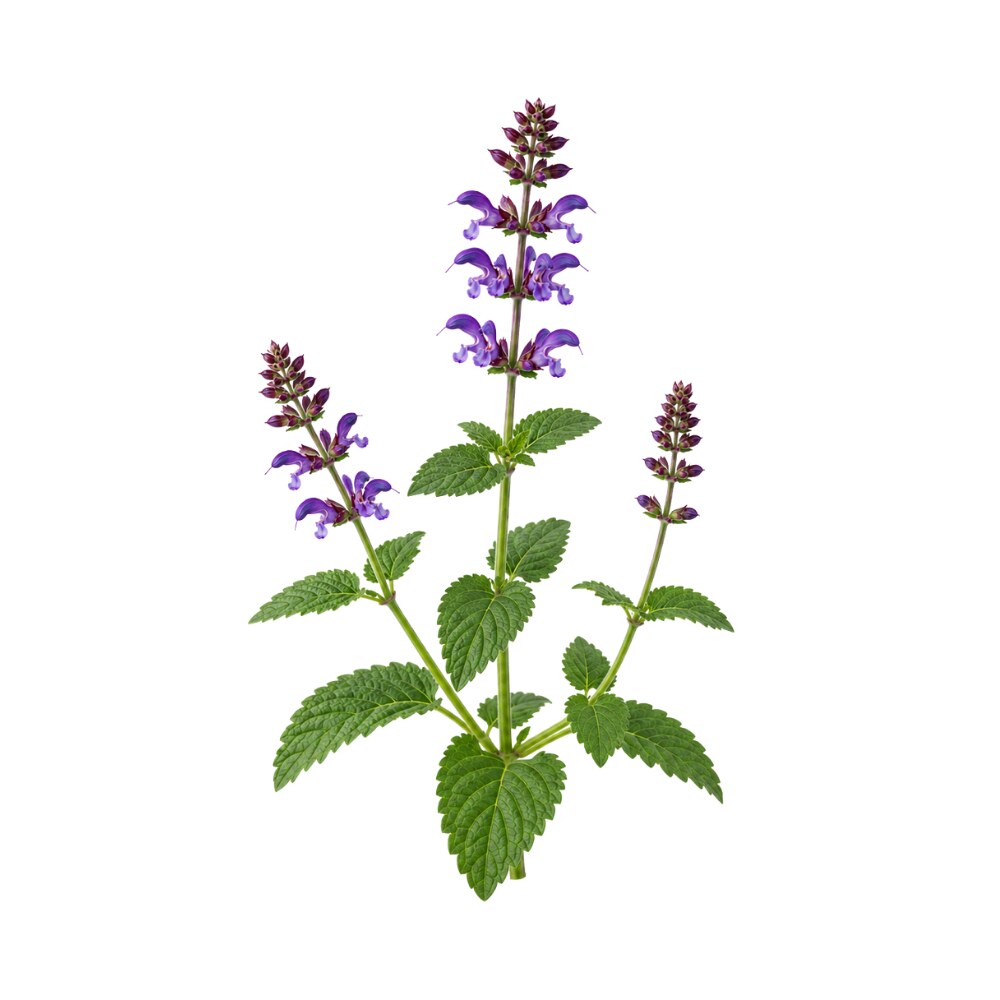
Tanshinone IIA is a naturally occurring abietane-type nor-diterpenoid quinone (tanshinone group), found in Danshen / Chinese red sage and 3 other sources. It is flagged as moderately toxic.
Concentration
Content by Source
Reported concentrations across the plants that contain tanshinone IIA — the bar marks the typical level, the line shows the reported range.
Literature figures for varying plant parts and preparations. Read them as a comparative guide, not exact assays.
Tanshinone IIA at a Glance
Tanshinone IIA is the signature molecule of the lipophilic half of danshen — the orange-red diterpene quinone fraction that gives Salvia miltiorrhiza root its colour. It is the most abundant of the forty-odd tanshinones, the most studied, and one of the two compounds by which the Chinese Pharmacopoeia grades the herb 4,
It also has a bioavailability problem that governs everything else here. Absolute oral bioavailability in the rat is below 3.5%, the molecule is 99.2% plasma-protein bound, and it is destroyed on first pass through the gut wall by an unusual quinone-reduction pathway 3,
And there is a third problem, which is why it matters in the form it does. A very large share of what circulates as “tanshinone IIA clinical evidence” is not about tanshinone IIA. It is about sodium tanshinone IIA sulfonate — a semi-synthetic, water-soluble sulfonated derivative given by intravenous injection in Chinese hospitals, with its own approvals, its own trials and, in at least one head-to-head instance, the opposite pharmacological direction from the parent. Sorting the two apart is the single most useful thing a reference page on this molecule can do.
Tanshinone IIA Is Not Sodium Tanshinone IIA Sulfonate
This is not a pedantic distinction. It is the difference between a poorly absorbed plant constituent with no human trial of its own and a hospital injectable with dozens of randomised trials behind it.
Sodium tanshinone IIA sulfonate (STS) — also written sulfotanshinone sodium, and coded DS-201 in the vasodilation literature — is made by sulfonating tanshinone IIA. Adding a sulfonate group converts a compound that is essentially insoluble in water into one that dissolves freely and can be infused. It was developed in China in the 1970s and is approved by the Chinese drug regulator for cardiovascular indications; it is given intravenously, not by mouth 2Reference 2ReviewSodium tanshinone IIA sulfonate: a review of pharmacological activity and pharmacokinetics — reviewView study →. Its own reviewers state the problem plainly: STS and tanshinone IIA are “used interchangeably in many previous studies” despite being pharmacologically distinct molecules 2Reference 2ReviewSodium tanshinone IIA sulfonate: a review of pharmacological activity and pharmacokinetics — reviewView study →.
The conflation is not confined to secondary sources. A 2024 preclinical meta-analysis of tanshinone IIA in pulmonary fibrosis is titled as a study of “the lipophilic diterpene, sodium tanshinone IIA sulfonate” — naming the water-soluble derivative and describing it as lipophilic, in the title of a paper whose analysis is of the parent compound throughout 17Reference 17Meta-analysisPulmonary fibrosis insights and therapy targets from disease models and administration of tanshinone IIA — review and meta-analysis of 22 experiments in 248 animalsView study →. If a peer-reviewed meta-analysis can blur it, a supplement label certainly can.
What Belongs to STS, Not to Tanshinone IIA
Nearly the whole human evidence base does. Every one of the following tested STS by injection, as an add-on to conventional care, in Chinese hospitals:
| Indication | Evidence | Attribution |
|---|---|---|
| Unstable angina | 37 RCTs, 3,926 patients: fewer and shorter angina episodes, better ECG response, lower CRP and blood viscosity 6Reference 6Meta-analysisThe efficacy and safety of sodium tanshinone IIA sulfonate injection in the treatment of unstable angina pectoris — systematic review and meta-analysis of 37 randomised controlled trialsView study →; earlier meta-analysis of 17 RCTs agrees 7Reference 7Meta-analysisSodium tanshinone II A sulfonate injection as adjuvant treatment for unstable angina pectoris — meta-analysis of 17 randomised controlled trialsView study → | STS injection |
| Heart failure | 14 RCTs, 1,368 patients: higher LVEF, smaller ventricular dimensions, lower BNP 8Reference 8Meta-analysisSodium tanshinone IIA sulfonate injection as adjunctive therapy for the treatment of heart failure — systematic review and meta-analysisView study → | STS injection |
| Ischaemic stroke (adjunct) | Meta-analysis of RCTs of STS injection added to standard care 9Reference 9Meta-analysisEfficacy and safety of tanshinone IIA sodium sulfonate injection as adjunctive therapy for stroke — systematic review and meta-analysis of randomised controlled trialsView study → | STS injection |
| Hypertensive nephropathy | 16 trials, 1,696 patients: improved eGFR, lower creatinine and proteinuria, added blood-pressure control 10Reference 10Meta-analysisEfficacy and safety of sodium tanshinone IIA sulfonate injection on hypertensive nephropathy — systematic review and meta-analysis of 16 trialsView study → | STS injection |
| Atherosclerosis / ASCVD inflammation | 42 trials, 4,654 patients: lower IL-6, TNF-α, IL-1β, ICAM-1, MCP-1, fractalkine 11Reference 11Meta-analysisEffects of sodium tanshinone IIA sulfonate injection on pro-inflammatory cytokines, adhesion molecules and chemokines in Chinese patients with atherosclerosis and atherosclerotic cardiovascular disease — meta-analysis of 42 randomised controlled trialsView study → | STS injection |
| Vasorelaxation mechanism | Relaxes rat mesenteric artery rings; opens BKCa channels and blocks L-type Ca²⁺ current (EC50 59.5 µM) 12Reference 12AnimalSodium tanshinone II-A sulfonate (DS-201) induces vasorelaxation of rat mesenteric arteries via inhibition of L-type Ca²⁺ channel — ex vivo and patch-clamp studyView study → | STS (DS-201) |
Two things should be said about that table rather than swept past. First, it is real evidence — mostly low-to-moderate quality, almost entirely Chinese-language, unblinded and adjunctive, but real. Second, none of it transfers to a capsule of tanshinone IIA, and none of it transfers to danshen root. An intravenous sulfonate bypasses the exact barrier — absorption — that limits the parent molecule.
Where the Two Diverge Pharmacologically
The clearest demonstration comes from the warfarin literature, where parent and derivative have been compared directly and behave differently. In rats given warfarin with either compound, tanshinone IIA accelerated warfarin’s metabolism, while STS displaced warfarin from human serum albumin, raising the free drug concentration — two opposite mechanisms converging on the same clinical worry 31Reference 31Effect of tanshinone IIA on the noncovalent interaction between warfarin and human serum albumin — mass spectrometry studyView study →. A separate rat study of STS injection found it shortened warfarin’s half-life and weakened anticoagulation 32Reference 32AnimalEffects of sulfotanshinone sodium injection on the pharmacokinetics and pharmacodynamics of warfarin in rats in vivo — rat pharmacokinetic/pharmacodynamic studyView study → — the reverse of what the human danshen case reports describe. Two molecules, one name, and results that do not reconcile.
The rule followed here: an STS finding is reported as an STS finding. It is not credited to tanshinone IIA, and it is never credited to danshen root.
The Lipophilic Half of Danshen
Danshen is chemically two herbs sharing one root, and tanshinone IIA sits squarely in one of them.
- The tanshinone fraction — tanshinone IIA, cryptotanshinone, tanshinone I, dihydrotanshinone I — is lipophilic abietane diterpene quinones, extracted by ethanol, ethyl acetate or supercritical CO₂, and effectively insoluble in water 20,
26Reference 20ReviewSalvia miltiorrhiza: traditional medicinal uses, chemistry, and pharmacology — reviewView study →Reference 26In vitroSimultaneous purification of dihydrotanshinone, tanshinone I, cryptotanshinone and tanshinone IIA from Salvia miltiorrhiza and their anti-inflammatory activities — in vitro and animal modelView study → . - The salvianolic fraction — salvianolic acid B, salvianolic acid A and their precursor rosmarinic acid — is hydrophilic caffeic-acid oligomers, and it is what a water decoction extracts 20Reference 20ReviewSalvia miltiorrhiza: traditional medicinal uses, chemistry, and pharmacology — reviewView study →.
The practical consequence is blunt: a traditional danshen decoction is largely a salvianolic-acid preparation. It is not a delivery vehicle for this molecule. That is measurable rather than theoretical. In healthy volunteers given either a traditional decoction or a micronised granular powder of the same root, plasma AUC for tanshinone IIA was 5 to 130 times higher from the micronised powder, with cryptotanshinone and tanshinone I showing the same pattern 14Reference 14RCTBioavailability and pharmacokinetic comparison of tanshinones between two formulations of Salvia miltiorrhiza in healthy volunteers — randomised human pharmacokinetic studyView study →. The decoction arm was the low arm by two orders of magnitude — which is the honest measure of how much tanshinone IIA a classical preparation delivers.
This also explains why the CYP and transporter interaction signals below attach to ethanolic danshen extracts and not to aqueous ones (see Toxicity & Safety).
The Chinese Pharmacopoeia Marker
Tanshinone IIA’s status as a quality marker is one of the few facts about it that is fully settled — and comparing the standards is instructive, because they disagree.
| Standard | Minimum tanshinone IIA | Minimum salvianolic acid B |
|---|---|---|
| Chinese Pharmacopoeia (2015) | 0.20% | 3% |
| US Pharmacopeia (40th) | 0.10% | 3% |
| Japanese Pharmacopoeia (17th) | 0.12% | 3% |
| European Pharmacopoeia (9th) | 0.12% | 3% |
| British Pharmacopoeia (2015) | 0.12% | 4% |
| Hong Kong Chinese Materia Medica Standards | 0.12% | 3% |
After 4Reference 4Danshen (Salvia miltiorrhiza) on the global market: what are the implications for products’ quality? — market survey and analytical studyView study →. The Chinese specification is roughly twice the international one for the same herb.
Two caveats belong with the table. First, a marker is a proxy for identity and grade, not a statement that this molecule carries the herb’s activity — salvianolic acid B is specified at fifteen times the concentration and is the more abundant constituent by far 26Reference 26In vitroSimultaneous purification of dihydrotanshinone, tanshinone I, cryptotanshinone and tanshinone IIA from Salvia miltiorrhiza and their anti-inflammatory activities — in vitro and animal modelView study →. Second, real material varies enormously. A survey of sixty commercial danshen samples found chemical composition tracking processing and storage method more than geographical origin, with online-market samples markedly inferior to authenticated reference material and six samples exceeding pharmacopoeial cadmium limits 4Reference 4Danshen (Salvia miltiorrhiza) on the global market: what are the implications for products’ quality? — market survey and analytical studyView study →. A single authenticated root assayed by a European group came in at 895 mg/kg tanshinone IIA — about 0.09%, below every specification in the table 25Reference 25Cytotoxic diterpenoids from Salvia glutinosa and comparison with the tanshinone profile of danshen (Salvia miltiorrhiza) — quantitative UHPLC-DAD-MS and cytotoxicity studyView study →. Treat “standardised to X% tanshinone IIA” as a claim rather than a measurement.
Pharmacokinetics
This is the section that constrains every other one, and it is unusually well characterised for a plant constituent.
Absorption is very poor. In rats, the absolute oral bioavailability of tanshinone IIA is below 3.5% 3Reference 3AnimalPharmacokinetics, absorption and tissue distribution of tanshinone IIA solid dispersion — rat pharmacokinetic studyView study →. Absorption saturates — AUC and Cmax rise less than proportionally with dose while Tmax lengthens — which is the signature of a solubility ceiling rather than a transporter limit. Caco-2 monolayers show equal apical-to-basolateral and reverse permeability, indicating passive transport with no efflux pump involved: the barrier is the molecule’s own insolubility and limited membrane permeability, not P-glycoprotein pumping it back out 3Reference 3AnimalPharmacokinetics, absorption and tissue distribution of tanshinone IIA solid dispersion — rat pharmacokinetic studyView study →.
First-pass metabolism happens in the gut wall, by an unusual route. Tanshinone IIA is a quinone, and the enzyme that clears it is not a cytochrome P450. In rat intestine it is reduced by NQO1 (NAD(P)H quinone oxidoreductase 1) to an unstable catechol, which is then glucuronidated; the same catechol also autoxidises back to tanshinone IIA, generating hydrogen peroxide in the process 15Reference 15In vitroIdentification of a novel intestinal first pass metabolic pathway: NQO1 mediated quinone reduction and subsequent glucuronidation — in vivo and in vitro metabolism studyView study →. Blocking NQO1 with dicoumarol significantly raised oral bioavailability, confirming the pathway 15Reference 15In vitroIdentification of a novel intestinal first pass metabolic pathway: NQO1 mediated quinone reduction and subsequent glucuronidation — in vivo and in vitro metabolism studyView study →. Under classical phase-I conditions with NADPH alone, the molecule was barely metabolised at all 15Reference 15In vitroIdentification of a novel intestinal first pass metabolic pathway: NQO1 mediated quinone reduction and subsequent glucuronidation — in vivo and in vitro metabolism studyView study → — so the standard “which CYP clears it” question has the wrong shape for this compound.
Distribution and elimination. After intravenous dosing the plasma profile is triexponential — distribution t½ 0.024 h, redistribution 0.34 h, terminal elimination 7.5 h. It concentrates in the reticuloendothelial system, especially liver and lung, and is 99.2% bound to plasma proteins, with lipoproteins carrying 77.5% of that binding 3Reference 3AnimalPharmacokinetics, absorption and tissue distribution of tanshinone IIA solid dispersion — rat pharmacokinetic studyView study →.
Formulation is the whole field. Because the ceiling is dissolution, essentially every attempt to make tanshinone IIA usable has been a formulation project rather than a pharmacology one: solid dispersions with low-molecular-weight chitosan or porous silica, lipid nanocapsules (3.6-fold AUC increase over a suspension in rats) 16Reference 16AnimalEnhanced oral bioavailability of tanshinone IIA using lipid nanocapsules — formulation and rat pharmacokinetic studyView study →, and, in humans, the micronised granular powder that outperformed decoction by up to 130-fold 14Reference 14RCTBioavailability and pharmacokinetic comparison of tanshinones between two formulations of Salvia miltiorrhiza in healthy volunteers — randomised human pharmacokinetic studyView study →. Sulfonation to STS is the same problem solved by chemistry instead of pharmaceutics — and by changing the molecule.
Read every in-vitro result here against these numbers. A µM concentration in a dish is not a plausible plasma concentration after an oral dose of root.
How Tanshinone IIA Works
Four mechanisms recur across otherwise unrelated disease models, and they are more coherent than the length of the indication list suggests.
Nrf2 activation. Tanshinone IIA induces the Nrf2/ARE antioxidant response, raising superoxide dismutase and lowering malondialdehyde — the finding that anchors both the myocardial and cerebral ischaemia literatures 1,
NF-κB suppression. Downregulation of TLR/NF-κB and MAPK/NF-κB signalling is the common anti-inflammatory route, with reduced TNF-α, IL-6 and IL-1β downstream 1,
TGF-β1 suppression. The antifibrotic line runs through TGF-β1, with reduced collagen I and III and hydroxyproline in lung fibrosis models 17Reference 17Meta-analysisPulmonary fibrosis insights and therapy targets from disease models and administration of tanshinone IIA — review and meta-analysis of 22 experiments in 248 animalsView study →. TGF-β1 is the master fibrotic cytokine, and suppressing it is a plausible single explanation for antifibrotic signals reported in lung, liver and heart.
Pro-apoptotic signalling in tumour cells. In culture, tanshinone IIA modulates PI3K/Akt, JAK/STAT, IGF-1R and Bcl-2/caspase signalling, inhibiting proliferation and inducing apoptosis and autophagy across breast, cervical, colorectal, gastric, lung and prostate lines 21Reference 21ReviewTanshinone IIA targeting cell signaling pathways: a plausible paradigm for cancer therapy — reviewView study →.
The unifying reading is that this is an electrophilic quinone with broad redox and transcription-factor activity — which explains both why it “works” on so many endpoints in vitro and why that breadth should lower rather than raise confidence in any specific claim.
What It's Used For
Roughly 2,000 PubMed records name tanshinone IIA, of which 781 also name Salvia miltiorrhiza. The great majority are cell and animal work; the human records are dominated by STS.
Support is an experimental score — weighted by study type (human > animal > in vitro) and volume. A beta, not a validated metric. Every row shares two ceilings: oral bioavailability below 3.5%, and no human trial of the isolated parent molecule.
The strongest preclinical line. A systematic review and meta-analysis of 15 rat studies of myocardial ischaemia–reperfusion injury found tanshinone IIA significantly increased superoxide dismutase, decreased malondialdehyde and reduced myocardial infarct area, with effect size depending on the duration of ischaemia 18Reference 18Meta-analysisEfficacy of tanshinone IIA in rat models with myocardial ischemia-reperfusion injury — systematic mini-review and meta-analysis of 15 studiesView study →. The mechanism reported is the Nrf2-linked antioxidant response rather than any haemodynamic action 1Reference 1ReviewPharmacological activity and mechanism of tanshinone IIA in related diseases — reviewView study →.
Isolate vs. plant: the pooled studies dosed isolated tanshinone IIA, usually by injection into rats — which sidesteps the absorption problem and therefore does not model oral intake.
Gap: no human cardioprotection trial of the parent molecule. The human cardiac evidence in this space is STS injection 6,
The most internally consistent animal signal here. A preclinical systematic review pooling 22 experiments from 12 studies and 248 animals found tanshinone IIA significantly lowered fibrotic score, collagen I, collagen III and hydroxyproline against model controls, with subgroup analyses across different models, rat strains and dosing schedules all agreeing 17Reference 17Meta-analysisPulmonary fibrosis insights and therapy targets from disease models and administration of tanshinone IIA — review and meta-analysis of 22 experiments in 248 animalsView study →.
The proposed mechanism is reduced inflammation, antioxidation and suppression of TGF-β1 17Reference 17Meta-analysisPulmonary fibrosis insights and therapy targets from disease models and administration of tanshinone IIA — review and meta-analysis of 22 experiments in 248 animalsView study →.
Isolate vs. plant: isolated tanshinone IIA throughout; no whole-extract or decoction arm.
Gap: entirely animal, and no dose in the pooled studies corresponds to an achievable human oral exposure. Note also that this meta-analysis is the one whose title misnames the compound as the sodium sulfonate 17Reference 17Meta-analysisPulmonary fibrosis insights and therapy targets from disease models and administration of tanshinone IIA — review and meta-analysis of 22 experiments in 248 animalsView study → — a reminder to read the methods, not the title, in this literature.
A meta-analysis of 13 rodent studies found tanshinone IIA reduced infarct volume by a mean of 16.3 units, cut brain water content and neurological deficit scores, lowered GFAP, HMGB1 and NF-κB activation, and raised brain superoxide dismutase 19Reference 19Meta-analysisThe protective effect of tanshinone IIA on cerebral ischemic injury in animal models — systematic review and meta-analysis of 13 studiesView study →. The direction is uniform across studies and the mechanistic account — less inflammation, less oxidative stress, less apoptosis — matches the cardiac work.
Isolate vs. plant: isolated compound, rodent models, mostly parenteral dosing.
Gap: rodent-only efficacy. The human stroke trials that get cited alongside this used STS injection as an adjunct to standard care 9Reference 9Meta-analysisEfficacy and safety of tanshinone IIA sodium sulfonate injection as adjunctive therapy for stroke — systematic review and meta-analysis of randomised controlled trialsView study →, so the mechanism has no clinical anchor in the parent molecule. Blood–brain barrier penetration of oral tanshinone IIA in humans has not been demonstrated.
Well characterised at the pathway level: downregulation of TLR/NF-κB and MAPK/NF-κB signalling with reduced TNF-α, IL-6 and IL-1β, reported consistently across cell and animal models 1Reference 1ReviewPharmacological activity and mechanism of tanshinone IIA in related diseases — reviewView study →. In a study that purified all four major tanshinones from S. miltiorrhiza and tested them side by side, the lipophilic fraction and its individual members showed anti-inflammatory activity in cell and animal models — with cryptotanshinone and dihydrotanshinone I the more potent members on the antibacterial endpoint 22Reference 22In vitroTanshinone IIA, a major component of Salvia miltiorrhiza Bunge, inhibits platelet activation via Erk-2 signaling pathway — in vitro and mouse in vivo studyView study →.
The only substantial human oral data are on a whole-tanshinone capsule, not this molecule. A meta-analysis of 28 RCTs and 2,969 participants found the Chinese Tanshinone capsule reduced acne recurrence (RR 0.44), lowered TNF-α, IL-4, IL-6 and IL-8, and improved Global Acne Grading System scores, with fewer adverse events than comparators; GRADE certainty ranged from very low to moderate 13Reference 13Meta-analysisEfficacy and safety of Tanshinone capsule in acne vulgaris — systematic review and meta-analysis of 28 randomised controlled trialsView study →.
That is a multi-tanshinone extract in which tanshinone IIA is one of at least four actives.
Isolate vs. plant: mechanism is isolate; the human evidence is a multi-component extract.
Gap: no trial of isolated tanshinone IIA for any inflammatory condition, and the acne result cannot be attributed to it specifically.
The rationale is coherent — an electrophilic quinone that suppresses NF-κB, induces Nrf2 and inhibits platelet activation is a plausible anti-atherosclerotic agent, and reviews of tanshinone IIA present the anti-atherosclerotic line as one of its best-developed 1Reference 1ReviewPharmacological activity and mechanism of tanshinone IIA in related diseases — reviewView study →.
But the substantial human dataset is not this molecule. A meta-analysis of 42 RCTs and 4,654 Chinese patients with atherosclerosis or ASCVD found significant reductions in IL-6, TNF-α, IL-1β, ICAM-1, MCP-1 and fractalkine — all with STS injection 11Reference 11Meta-analysisEffects of sodium tanshinone IIA sulfonate injection on pro-inflammatory cytokines, adhesion molecules and chemokines in Chinese patients with atherosclerosis and atherosclerotic cardiovascular disease — meta-analysis of 42 randomised controlled trialsView study →.
The lipid and blood-viscosity improvements often quoted here come from the STS angina trials 6Reference 6Meta-analysisThe efficacy and safety of sodium tanshinone IIA sulfonate injection in the treatment of unstable angina pectoris — systematic review and meta-analysis of 37 randomised controlled trialsView study →.
Isolate vs. plant: neither. The evidence is a semi-synthetic derivative given intravenously.
Gap: there is no ApoE-knockout or comparable plaque study of oral tanshinone IIA that would establish the endpoint for the parent compound, and no human data at all. This row’s score is held down deliberately: the impressive numbers belong to STS.
One of the few endpoints with clean molecule-level evidence. Tanshinone IIA selectively inhibited rat platelet aggregation induced by reversible ADP stimulation in a concentration-dependent manner over 0.5–50 µM, while being less active against irreversible ADP and collagen stimuli; mechanistically it modulated tubulin acetylation and inhibited Erk-2 phosphorylation. Given intraperitoneally at 10 mg/kg it prolonged mouse bleeding time by 58% against control 22Reference 22In vitroTanshinone IIA, a major component of Salvia miltiorrhiza Bunge, inhibits platelet activation via Erk-2 signaling pathway — in vitro and mouse in vivo studyView study →.
Isolate vs. plant: isolated tanshinone IIA, with aspirin as the reference drug — a properly controlled isolate experiment.
Gap: no human platelet-function study of the molecule. At the herb level the antiplatelet reputation is attributed mainly to the salvianolic acids 20Reference 20ReviewSalvia miltiorrhiza: traditional medicinal uses, chemistry, and pharmacology — reviewView study →, so this is a contributory rather than a dominant mechanism — but it is real, and it is the reason the bleeding caution below is not purely herb-level.
Large, detailed and preclinical. Tanshinone IIA inhibits proliferation, metastasis, invasion and angiogenesis and induces apoptosis and autophagy in breast, cervical, colorectal, gastric, lung and prostate cell lines, acting through PI3K/Akt, JAK/STAT, IGF-1R and Bcl-2/caspase signalling 21Reference 21ReviewTanshinone IIA targeting cell signaling pathways: a plausible paradigm for cancer therapy — reviewView study →. Reviews of the tanshinone class as a whole reach the same conclusion and add the necessary caveat: in-vivo potency assessments “vary greatly due to lack of uniformity of solvent vehicles and routes of administration,” and human trials to date have been far from adequate to support an anticancer indication 5Reference 5ReviewTanshinones: sources, pharmacokinetics and anti-cancer activities — reviewView study →.
Isolate vs. plant: isolated compound in essentially all of it; note that its close relative dihydrotanshinone I is the more cytotoxic member in several head-to-head assays 25Reference 25Cytotoxic diterpenoids from Salvia glutinosa and comparison with the tanshinone profile of danshen (Salvia miltiorrhiza) — quantitative UHPLC-DAD-MS and cytotoxicity studyView study →.
Gap: the whole gap. No clinical oncology evidence exists for this molecule, and the concentrations used in vitro are not achievable from oral dosing 3Reference 3AnimalPharmacokinetics, absorption and tissue distribution of tanshinone IIA solid dispersion — rat pharmacokinetic studyView study →.
Mechanisms
| Target / pathway | Effect | Relevant to |
|---|---|---|
| Nrf2 / ARE | Induced; ↑SOD, ↓MDA | Cardioprotectionneuroprotection |
| TLR/NF-κB, MAPK/NF-κB | Suppressed; ↓TNF-α, IL-6, IL-1β | Anti-inflammatoryanti-atherosclerotic |
| TGF-β1 | Suppressed; ↓collagen I/III, ↓hydroxyproline | Pulmonary and organ fibrosis |
| Erk-2 / tubulin acetylation | Inhibited; ↓ADP-induced aggregation | Antiplateletbleeding risk |
| PI3K/Akt, JAK/STAT, IGF-1R, Bcl-2/caspase | Modulated; pro-apoptotic | In-vitro oncology |
| NQO1 (intestinal) | Substrate — reduced then glucuronidated | First-pass losspoor bioavailability |
| CYP1A2 | Inhibited in rat hepatocytes (IC50 31.9 µM); contributes to CYP1A induction in vivo | Drug interactions |
| MDR1 / P-glycoprotein | Induced (mRNA, in vitro) | Drug interactions |
| BKCa opening, L-type Ca²⁺ block | Vasorelaxation — demonstrated for STS (DS-201), not the parent 12Reference 12AnimalSodium tanshinone II-A sulfonate (DS-201) induces vasorelaxation of rat mesenteric arteries via inhibition of L-type Ca²⁺ channel — ex vivo and patch-clamp studyView study → | Attribution caveat |
Clinical Trials
No completed randomised trial of isolated oral tanshinone IIA has been identified. The human trial record filed under this name is dominated by sodium tanshinone IIA sulfonate injection 6,
| Completed | Planned | Terminated | Preclinical |
|---|---|---|---|
| 0(isolated molecule) | — | — | Very large |
Last checked: August 2026.
Isolate vs. Plant Studies
The split on this molecule is unusually clean, and unusually unhelpful.
Nearly all mechanistic and animal work uses the isolate — purified tanshinone IIA, frequently dosed intraperitoneally or intravenously in rodents to get around the absorption problem 17,
Nearly all human work uses something else. The controlled human evidence is either the sulfonated derivative by injection 6,
Nobody has given a person isolated tanshinone IIA under trial conditions. Where a human number is cited, it belongs to a derivative or an extract, and it is labelled as such.
Tanshinone IIA & Cryptotanshinone
The relationship between these two is not a family resemblance — it is a single enzymatic step, and it was only characterised in 2022.
Cryptotanshinone is the dihydrofuran analogue: same abietane skeleton, but with the D-ring furan not yet aromatised. Tanshinone IIA is the furan form. Work at Shanghai Chenshan identified a 2-oxoglutarate-dependent dioxygenase, Sm2-ODD14, that dehydrogenates the dihydrofuran ring to the furan; in vitro the enzyme converted cryptotanshinone directly to tanshinone IIA, and it was named tanshinone IIA synthase (SmTIIAS) accordingly 23Reference 23A 2-oxoglutarate-dependent dioxygenase converts dihydrofuran to furan in Salvia diterpenoids — identification of tanshinone IIA synthaseView study →. Silencing it in hairy roots shifted the plant’s output back toward the dihydrofuran tanshinones 23Reference 23A 2-oxoglutarate-dependent dioxygenase converts dihydrofuran to furan in Salvia diterpenoids — identification of tanshinone IIA synthaseView study →.
Three consequences follow:
- Cryptotanshinone is the biosynthetic precursor of tanshinone IIA, and the two co-occur at comparable levels in root — 764 and 895 mg/kg respectively in one authenticated sample 25Reference 25Cytotoxic diterpenoids from Salvia glutinosa and comparison with the tanshinone profile of danshen (Salvia miltiorrhiza) — quantitative UHPLC-DAD-MS and cytotoxicity studyView study →. A preparation rich in one is generally rich in the other.
- The ratio is genetically and enzymatically controlled, which is part of why tanshinone content varies so widely between cultivated lines and processing methods 4Reference 4Danshen (Salvia miltiorrhiza) on the global market: what are the implications for products’ quality? — market survey and analytical studyView study →.
- Their pharmacology is not interchangeable. On CYP1A2 inhibition, cryptotanshinone was roughly 2.5 times more potent (IC50 12.9 µM vs 31.9 µM) 34Reference 34In vitroTanshinone I increases CYP1A2 protein expression and enzyme activity in primary rat hepatocytes — in vitro studyView study →; on Gram-positive antibacterial activity, cryptotanshinone and dihydrotanshinone I lead the class 22Reference 22In vitroTanshinone IIA, a major component of Salvia miltiorrhiza Bunge, inhibits platelet activation via Erk-2 signaling pathway — in vitro and mouse in vivo studyView study →. Do not read across.
Its Role in Plants
Tanshinones are root-localised abietane diterpenoids, and their pathway has been substantially solved in the last decade.
The route runs through the general diterpene precursor GGPP to miltiradiene, the tanshinone carbon skeleton. CYP76AH1, a cytochrome P450, then hydroxylates miltiradiene to ferruginol — RNA-interference silencing of CYP76AH1 in S. miltiorrhiza hairy roots caused miltiradiene to pile up, ferruginol to fall, and total tanshinone content to drop sharply, confirming its position as a committed step 24Reference 24RNA interference targeting CYP76AH1 in hairy roots of Salvia miltiorrhiza reveals its key role in the biosynthetic pathway of tanshinones — plant molecular studyView study →. Downstream, further P450s build the furan or dihydrofuran D-ring, and Sm2-ODD14 performs the final dehydrogenation to the furan tanshinones including tanshinone IIA 23Reference 23A 2-oxoglutarate-dependent dioxygenase converts dihydrofuran to furan in Salvia diterpenoids — identification of tanshinone IIA synthaseView study →.
The ecological function is less settled than the chemistry. Tanshinones are quinones concentrated in the periderm of the root, they are strongly coloured, and the class shows Gram-positive antibacterial activity in vitro 22Reference 22In vitroTanshinone IIA, a major component of Salvia miltiorrhiza Bunge, inhibits platelet activation via Erk-2 signaling pathway — in vitro and mouse in vivo studyView study → — all consistent with a soil-borne antimicrobial defence role, which is the standard interpretation. It has not been demonstrated in the field, and it will not be claim it has.
Prevalence in Nature
Tanshinone IIA is close to a single-source molecule. It is a Salvia compound, and within Salvia it is overwhelmingly a S. miltiorrhiza compound.
Danshen root is the source. Over forty lipophilic tanshinones and related compounds have been isolated from the root since the 1930s, of which tanshinone IIA is the most abundant 5Reference 5ReviewTanshinones: sources, pharmacokinetics and anti-cancer activities — reviewView study →. A UHPLC-DAD-MS assay of authenticated root gave 895 ± 94 mg/kg tanshinone IIA, alongside 764 mg/kg cryptotanshinone, 88 mg/kg tanshinone I and 76 mg/kg dihydrotanshinone I 25Reference 25Cytotoxic diterpenoids from Salvia glutinosa and comparison with the tanshinone profile of danshen (Salvia miltiorrhiza) — quantitative UHPLC-DAD-MS and cytotoxicity studyView study →. The compound is a root and rhizome constituent; it is not a leaf or aerial-part compound.
Elsewhere in the genus, only traces. Other Salvia species — mainly those of subgenus Glutinaria — do contain tanshinones. Salvia glutinosa, the only widely distributed European member, carries tanshinone IIA at 3.4–5.8 mg/kg in root across two wild collections, roughly 150–260 times less than danshen 25Reference 25Cytotoxic diterpenoids from Salvia glutinosa and comparison with the tanshinone profile of danshen (Salvia miltiorrhiza) — quantitative UHPLC-DAD-MS and cytotoxicity studyView study →. That species instead accumulates danshenol A, dehydroabietic acid and (+)-pisiferic acid, which danshen lacks 25Reference 25Cytotoxic diterpenoids from Salvia glutinosa and comparison with the tanshinone profile of danshen (Salvia miltiorrhiza) — quantitative UHPLC-DAD-MS and cytotoxicity studyView study → — so a Salvia is not a tanshinone plant by default.
Outside Salvia, essentially nothing. No credible food source exists, and there is no dietary exposure to this molecule in a Western diet. Of 1,985 PubMed records naming tanshinone IIA, 781 also name Salvia miltiorrhiza — and of the remainder, the large majority are mechanism, formulation or derivative papers rather than occurrence reports in other species.
Major Natural Sources
| Source | Part | Tanshinone IIA | Notes |
|---|---|---|---|
| Danshen (Salvia miltiorrhiza) | Dried root & rhizome | ~895 mg/kg (~0.09%) in one authenticated sample 25Reference 25Cytotoxic diterpenoids from Salvia glutinosa and comparison with the tanshinone profile of danshen (Salvia miltiorrhiza) — quantitative UHPLC-DAD-MS and cytotoxicity studyView study →; pharmacopoeial minima 0.10–0.20% 4Reference 4Danshen (Salvia miltiorrhiza) on the global market: what are the implications for products’ quality? — market survey and analytical studyView study → | The only meaningful source; also the pharmacopoeial marker compound |
| Sticky sage (Salvia glutinosa) | Root | 3.4–5.8 mg/kg 25Reference 25Cytotoxic diterpenoids from Salvia glutinosa and comparison with the tanshinone profile of danshen (Salvia miltiorrhiza) — quantitative UHPLC-DAD-MS and cytotoxicity studyView study → | European species of subgenus Glutinaria; trace levels, different diterpene profile |
| Other Salvia subgenus Glutinaria spp. | Root | Not quantified | Reported to contain tanshinones; no comparable dataset 25Reference 25Cytotoxic diterpenoids from Salvia glutinosa and comparison with the tanshinone profile of danshen (Salvia miltiorrhiza) — quantitative UHPLC-DAD-MS and cytotoxicity studyView study → |
Discovery & Synthesis
First isolation, 1934. Manzo Nakao and Tadakatsu Fukushima, working in Tokyo, reported the chemical composition of Salvia miltiorrhiza in Yakugaku Zasshi and isolated and named the tanshinones — tanshinone I, tanshinone IIA and cryptotanshinone among them 27Reference 27On the chemical composition of Salvia miltiorrhiza (Chinese drug Tan-Shen) — the first isolation and naming of the tanshinonesView study →. The name is straightforwardly the herb’s: tan shen, the Chinese name for danshen, plus the ketone suffix. The Roman numeral and letter distinguish the members of a family that has since grown past forty 5Reference 5ReviewTanshinones: sources, pharmacokinetics and anti-cancer activities — reviewView study →.
Total synthesis of tanshinone IIA has been achieved, but it is not how the compound is obtained. There is no commercial reason to synthesise it: the natural source is a cultivated crop containing it at the highest level of any known plant, and the isolation is a straightforward ethanol or supercritical-CO₂ extraction of the lipophilic fraction, followed by chromatographic separation from cryptotanshinone, tanshinone I and dihydrotanshinone I 22Reference 22In vitroTanshinone IIA, a major component of Salvia miltiorrhiza Bunge, inhibits platelet activation via Erk-2 signaling pathway — in vitro and mouse in vivo studyView study →.
What is manufactured is the derivative. Sodium tanshinone IIA sulfonate is made semi-synthetically by sulfonating extracted tanshinone IIA, and it — not the parent — is the registered pharmaceutical product 2Reference 2ReviewSodium tanshinone IIA sulfonate: a review of pharmacological activity and pharmacokinetics — reviewView study →. Research-grade tanshinone IIA is sold as a purified natural product from danshen root.
Patents: not yet researched.
Toxicity & Safety
There is no human toxicology dataset for isolated tanshinone IIA, because no one has taken it as an isolate under study conditions. What exists is animal work on the molecule, a large safety record for a different molecule (STS), and an interaction literature that is genuinely important.
Bleeding Risk & the Danshen–Warfarin Interaction
This is the headline safety issue, and it needs to be stated at the right level of attribution.
At herb level, the interaction is real and well documented. Case reports describe gross over-anticoagulation and bleeding in patients stabilised on warfarin who took danshen 28,
At molecule level, the attribution is partial and the direction is contested. The evidence that touches tanshinone IIA specifically:
- Tanshinone IIA, tanshinone I and cryptotanshinone all inhibited warfarin hydroxylation by rat liver microsomes (CYP1A1-, CYP2C6- and CYP2C11-mediated), and danshen co-administration raised steady-state plasma warfarin by 23% in rats. The aqueous danshen extract had no effect on warfarin hydroxylation at all 30Reference 30In vitroInhibition of warfarin hydroxylation by major tanshinones of danshen (Salvia miltiorrhiza) in the rat in vitro and in vivo — rat pharmacokinetic studyView study →.
- A mass-spectrometry study reported the opposite for the parent: tanshinone IIA accelerated warfarin’s metabolic rate in rats, while STS displaced warfarin from human serum albumin, raising free drug 31Reference 31Effect of tanshinone IIA on the noncovalent interaction between warfarin and human serum albumin — mass spectrometry studyView study →.
- STS injection in rats shortened warfarin’s half-life and reduced its anticoagulant effect 32Reference 32AnimalEffects of sulfotanshinone sodium injection on the pharmacokinetics and pharmacodynamics of warfarin in rats in vivo — rat pharmacokinetic/pharmacodynamic studyView study →.
Those do not reconcile, and it will not be pretend they do. What can be said cleanly: the interaction attaches to the lipophilic tanshinone fraction rather than the aqueous one 30Reference 30In vitroInhibition of warfarin hydroxylation by major tanshinones of danshen (Salvia miltiorrhiza) in the rat in vitro and in vivo — rat pharmacokinetic studyView study →, tanshinone IIA is a member of that fraction, and the direction of the pharmacokinetic effect in the parent molecule is unresolved.
Independent of warfarin, tanshinone IIA has antiplatelet activity of its own. It inhibits ADP-induced platelet aggregation via Erk-2 and prolonged mouse bleeding time by 58% at 10 mg/kg 22Reference 22In vitroTanshinone IIA, a major component of Salvia miltiorrhiza Bunge, inhibits platelet activation via Erk-2 signaling pathway — in vitro and mouse in vivo studyView study →. That is a pharmacodynamic bleeding contribution that stacks with any anticoagulant, and it does not depend on a metabolic interaction to matter.
CYP & Transporter Interactions
The dan shen monograph’s line that no meaningful CYP450 activity is documented understates what has been published for the ethanolic fraction.
- In mice, an ethyl acetate extract of S. miltiorrhiza produced an 8-fold rise in hepatic CYP1A-mediated activity and 2–3 fold rises in CYP2C and CYP3A markers, including a 3-fold increase in warfarin 7-hydroxylation, with immunoblot confirmation of raised CYP1A and CYP3A protein. The aqueous extract had no effect on any activity measured. At the dose corresponding to its concentration in the extract, tanshinone IIA alone raised CYP1A activity — the authors credit it with a role in the extract’s CYP1A induction 33Reference 33AnimalInduction of cytochrome P450-dependent monooxygenase by extracts of the medicinal herb Salvia miltiorrhiza — mouse in vivo studyView study →.
- In primary rat hepatocytes, tanshinone IIA inhibited CYP1A2 (IC50 31.9 µM), the weakest of three tanshinones tested; the strong CYP1A2 inducer in that system was tanshinone I, not tanshinone IIA 34Reference 34In vitroTanshinone I increases CYP1A2 protein expression and enzyme activity in primary rat hepatocytes — in vitro studyView study →. Both directions are documented, which is exactly the “Janus action” the authors describe.
- In 12 healthy male volunteers, ten days of oral danshen ethanol extract reduced fexofenadine AUC by 37.2% and Cmax by 27.4% while doubling clearance, attributed to induction of intestinal P-glycoprotein; tanshinone IIA and cryptotanshinone both induced MDR1 mRNA in vitro 35Reference 35Effects of danshen ethanol extract on the pharmacokinetics of fexofenadine in healthy volunteers — human drug-interaction studyView study →. This is a human interaction study, and the fraction implicated is the tanshinone-containing one.
- In rats, co-administration of a compound danshen dripping pill with clopidogrel altered the pharmacokinetics of both, with CYP2C11 and CYP3A1 induction and carboxylesterase-1 inhibition implicated 36Reference 36AnimalSegmented scan modes and polarity-based LC-MS for pharmacokinetic interaction study between Fufang Danshen Dripping Pill and clopidogrel bisulfate tablet — rat pharmacokinetic studyView study →.
The reasonable position: an ethanolic or supercritical danshen extract, or a tanshinone product, should be treated as a plausible CYP1A/3A and P-glycoprotein perpetrator. A water decoction should not, on this evidence.
Developmental & Cellular Toxicity
The one toxicology study of the isolated molecule is a zebrafish assay, and it is not reassuring. Tanshinone IIA produced pericardial oedema, spinal curvature and tail malformation in zebrafish embryos, with LC50 values of 18.5 µM at 72 hours post-fertilisation and 12.8 µM at 96 hours, and teratogenicity manifesting from about 1 µM 37Reference 37Evaluation of tanshinone IIA developmental toxicity in zebrafish embryos — developmental toxicity studyView study →. The authors read it as potential cardiotoxicity plus a severe effect on normal development at high concentrations 37Reference 37Evaluation of tanshinone IIA developmental toxicity in zebrafish embryos — developmental toxicity studyView study →. Reviewers of the sulfonate derivative independently conclude that its use in pregnancy “needs to be seriously considered” 2Reference 2ReviewSodium tanshinone IIA sulfonate: a review of pharmacological activity and pharmacokinetics — reviewView study →.
Zebrafish embryos are a screening model, not a mammalian reproductive study, and a 1 µM threshold in a dish is not directly comparable to a plasma level from an oral dose that cannot reach it. But there is no mammalian repeat-dose, genotoxicity or reproductive dataset for this molecule to set against it. Decisions about danshen intake in pregnancy belong on the dan shen monograph, where the preparation and dose are actually chosen.
What the STS Safety Record Does and Doesn’t Tell You
STS injection has a large clinical safety record: in the 37-trial angina meta-analysis, adverse reactions were more frequent in the STS arm (OR 2.26), with no abnormal liver or kidney function reported in either group 6Reference 6Meta-analysisThe efficacy and safety of sodium tanshinone IIA sulfonate injection in the treatment of unstable angina pectoris — systematic review and meta-analysis of 37 randomised controlled trialsView study →; other STS meta-analyses report few or no adverse events 10Reference 10Meta-analysisEfficacy and safety of sodium tanshinone IIA sulfonate injection on hypertensive nephropathy — systematic review and meta-analysis of 16 trialsView study →. That record belongs to a water-soluble sulfonate given intravenously in a monitored hospital setting. It says nothing about oral tanshinone IIA, and it should not be quoted as evidence that this molecule is safe.
- Long history of use as part of a herb. Danshen root has been used for centuries and is well tolerated as a decoction — but a decoction delivers very little of this molecule 14Reference 14RCTBioavailability and pharmacokinetic comparison of tanshinones between two formulations of Salvia miltiorrhiza in healthy volunteers — randomised human pharmacokinetic studyView study →.
- No acute toxicity signal in the animal pharmacology. Rodent efficacy studies at typical doses do not report organ toxicity.
- Bleeding risk is real and partly molecule-level. Tanshinone IIA inhibits platelet aggregation and prolonged mouse bleeding time by 58% 22Reference 22In vitroTanshinone IIA, a major component of Salvia miltiorrhiza Bunge, inhibits platelet activation via Erk-2 signaling pathway — in vitro and mouse in vivo studyView study →; danshen potentiates warfarin in human case reports 28,
29Reference 28Case reportInteraction between warfarin and danshen (Salvia miltiorrhiza) — review of case reports and animal pharmacokinetic dataView study →Reference 29Case reportChinese herbs and warfarin potentiation by ‘danshen’ — case reportView study → . Avoid with anticoagulants and antiplatelets, and stop before surgery. - Do not read the injection data onto an oral product. The angina, heart-failure, stroke, nephropathy and atherosclerosis trials tested sodium tanshinone IIA sulfonate intravenously — a different molecule by a different route 2,
6, .8, 9, 10, 11Reference 2ReviewSodium tanshinone IIA sulfonate: a review of pharmacological activity and pharmacokinetics — reviewView study →Reference 6Meta-analysisThe efficacy and safety of sodium tanshinone IIA sulfonate injection in the treatment of unstable angina pectoris — systematic review and meta-analysis of 37 randomised controlled trialsView study →Reference 8Meta-analysisSodium tanshinone IIA sulfonate injection as adjunctive therapy for the treatment of heart failure — systematic review and meta-analysisView study →Reference 9Meta-analysisEfficacy and safety of tanshinone IIA sodium sulfonate injection as adjunctive therapy for stroke — systematic review and meta-analysis of randomised controlled trialsView study →Reference 10Meta-analysisEfficacy and safety of sodium tanshinone IIA sulfonate injection on hypertensive nephropathy — systematic review and meta-analysis of 16 trialsView study →Reference 11Meta-analysisEffects of sodium tanshinone IIA sulfonate injection on pro-inflammatory cytokines, adhesion molecules and chemokines in Chinese patients with atherosclerosis and atherosclerotic cardiovascular disease — meta-analysis of 42 randomised controlled trialsView study → - CYP and P-glycoprotein interactions attach to ethanolic danshen and tanshinone products. A human study found 37% lower fexofenadine exposure after ten days of danshen ethanol extract 35Reference 35Effects of danshen ethanol extract on the pharmacokinetics of fexofenadine in healthy volunteers — human drug-interaction studyView study →; mouse work shows CYP1A/2C/3A induction from the ethyl acetate but not the aqueous extract 33Reference 33AnimalInduction of cytochrome P450-dependent monooxygenase by extracts of the medicinal herb Salvia miltiorrhiza — mouse in vivo studyView study →.
- Teratogenic and cardiotoxic in zebrafish embryos from ~1 µM 37Reference 37Evaluation of tanshinone IIA developmental toxicity in zebrafish embryos — developmental toxicity studyView study →, with no mammalian reproductive dataset to weigh against it. Pregnancy decisions belong on the herb monograph.
- No human isolate toxicology at all. No repeat-dose, genotoxicity or human tolerability study of pure tanshinone IIA exists. Silence is not safety.
Dosage
No human dose of isolated tanshinone IIA is established, and nothing here is a recommendation. The figures below are what research has actually used, and the most important column is the middle one.
| Setting | Form & route | Dose |
|---|---|---|
| Angina, heart failure, stroke, nephropathy (human) | Sodium tanshinone IIA sulfonate, intravenous | As used in Chinese hospital protocols, adjunctive to standard care 6, |
| Acne (human) | Multi-tanshinone extract capsule, oral | As marketed (Tanshinone capsule), 28 trials 13Reference 13Meta-analysisEfficacy and safety of Tanshinone capsule in acne vulgaris — systematic review and meta-analysis of 28 randomised controlled trialsView study → |
| PCOS hyperandrogenism (human) | Tanshinone capsule, oral | Registered double-blind placebo-controlled protocol 38Reference 38RCTEffects of tanshinone on hyperandrogenism and the quality of life in women with polycystic ovary syndrome — protocol of a double-blind, placebo-controlled, randomised trialView study → |
| Antiplatelet / bleeding time (mouse) | Isolated tanshinone IIA, intraperitoneal | 10 mg/kg, single dose 22Reference 22In vitroTanshinone IIA, a major component of Salvia miltiorrhiza Bunge, inhibits platelet activation via Erk-2 signaling pathway — in vitro and mouse in vivo studyView study → |
| Cardio-, neuro- and antifibrotic protection (rodent) | Isolated tanshinone IIA, mostly parenteral | Varied across pooled studies; routes chosen to bypass poor absorption 17, |
| Herb (human) | Danshen dried root, decoction | 9–15 g/day — delivers this molecule at up to 130-fold lower exposure than a micronised powder 14Reference 14RCTBioavailability and pharmacokinetic comparison of tanshinones between two formulations of Salvia miltiorrhiza in healthy volunteers — randomised human pharmacokinetic studyView study → |
Rodent-to-human scaling is not meaningful for this compound. The binding constraint is not tolerability but absorption: at an absolute oral bioavailability below 3.5% 3Reference 3AnimalPharmacokinetics, absorption and tissue distribution of tanshinone IIA solid dispersion — rat pharmacokinetic studyView study →, the doses used in the animal literature have no achievable oral human equivalent. These are doses studied in research and are not a personal recommendation.
References
- Guo R, Li L, Su J, et al. (2020). Pharmacological activity and mechanism of tanshinone IIA in related diseases — review. Drug Design, Development and Therapy. https://pubmed.ncbi.nlm.nih.gov/33192051/
- Zhou ZY, Zhao WR, Zhang J, Chen XL, Tang JY (2019). Sodium tanshinone IIA sulfonate: a review of pharmacological activity and pharmacokinetics — review. Biomedicine & Pharmacotherapy. https://pubmed.ncbi.nlm.nih.gov/31545252/
- Hao H, Wang G, Cui N, Li J, Xie L, Ding Z (2006). Pharmacokinetics, absorption and tissue distribution of tanshinone IIA solid dispersion — rat pharmacokinetic study. Planta Medica. https://pubmed.ncbi.nlm.nih.gov/17024606/
- Kum KY, Kirchhof R, Luick R, Heinrich M (2021). Danshen (Salvia miltiorrhiza) on the global market: what are the implications for products’ quality? — market survey and analytical study. Frontiers in Pharmacology. https://pubmed.ncbi.nlm.nih.gov/33981218/
- Zhang Y, Jiang P, Ye M, Kim SH, Jiang C, Lü J (2012). Tanshinones: sources, pharmacokinetics and anti-cancer activities — review. International Journal of Molecular Sciences. https://pubmed.ncbi.nlm.nih.gov/23202971/
- Wu X, Fan M, Wei S, Guo D (2023). The efficacy and safety of sodium tanshinone IIA sulfonate injection in the treatment of unstable angina pectoris — systematic review and meta-analysis of 37 randomised controlled trials. PLoS One. https://pubmed.ncbi.nlm.nih.gov/37651454/
- Tan D, Wu JR, Zhang XM, Liu S, Zhang B (2018). Sodium tanshinone II A sulfonate injection as adjuvant treatment for unstable angina pectoris — meta-analysis of 17 randomised controlled trials. Chinese Journal of Integrative Medicine. https://pubmed.ncbi.nlm.nih.gov/29181731/
- Shao H, Fang C, Huang Y, Ye Y, Tong R (2022). Sodium tanshinone IIA sulfonate injection as adjunctive therapy for the treatment of heart failure — systematic review and meta-analysis. Phytomedicine. https://pubmed.ncbi.nlm.nih.gov/34906894/
- Liu F, Zhao Q, Sun L, et al. (2025). Efficacy and safety of tanshinone IIA sodium sulfonate injection as adjunctive therapy for stroke — systematic review and meta-analysis of randomised controlled trials. Journal of Ethnopharmacology. https://pubmed.ncbi.nlm.nih.gov/40816584/
- Xu J, Zhang C, Shi X, et al. (2019). Efficacy and safety of sodium tanshinone IIA sulfonate injection on hypertensive nephropathy — systematic review and meta-analysis of 16 trials. Frontiers in Pharmacology. https://pubmed.ncbi.nlm.nih.gov/31920681/
- Xie F, Fu X, Li W, et al. (2025). Effects of sodium tanshinone IIA sulfonate injection on pro-inflammatory cytokines, adhesion molecules and chemokines in Chinese patients with atherosclerosis and atherosclerotic cardiovascular disease — meta-analysis of 42 randomised controlled trials. Frontiers in Cardiovascular Medicine. https://pubmed.ncbi.nlm.nih.gov/40017522/
- Zhang XD, He CX, Cheng J, et al. (2018). Sodium tanshinone II-A sulfonate (DS-201) induces vasorelaxation of rat mesenteric arteries via inhibition of L-type Ca²⁺ channel — ex vivo and patch-clamp study. Frontiers in Pharmacology. https://pubmed.ncbi.nlm.nih.gov/29456510/
- Deng Y, Feng R, Hu B, et al. (2025). Efficacy and safety of Tanshinone capsule in acne vulgaris — systematic review and meta-analysis of 28 randomised controlled trials. Frontiers in Pharmacology. https://pubmed.ncbi.nlm.nih.gov/40230697/
- Xing L, Tan ZR, Cheng JL, et al. (2017). Bioavailability and pharmacokinetic comparison of tanshinones between two formulations of Salvia miltiorrhiza in healthy volunteers — randomised human pharmacokinetic study. Scientific Reports. https://pubmed.ncbi.nlm.nih.gov/28680091/
- Hao H, Wang G, Cui N, Li J, Xie L, Ding Z (2007). Identification of a novel intestinal first pass metabolic pathway: NQO1 mediated quinone reduction and subsequent glucuronidation — in vivo and in vitro metabolism study. Current Drug Metabolism. https://pubmed.ncbi.nlm.nih.gov/17305492/
- Ashour AA, Ramadan AA, Abdelmonsif DA, El-Kamel AH (2020). Enhanced oral bioavailability of tanshinone IIA using lipid nanocapsules — formulation and rat pharmacokinetic study. International Journal of Pharmaceutics. https://pubmed.ncbi.nlm.nih.gov/32629068/
- Peng LY, Shi JJ, Liang Y, et al. (2024). Pulmonary fibrosis insights and therapy targets from disease models and administration of tanshinone IIA — review and meta-analysis of 22 experiments in 248 animals. International Journal of Clinical Pharmacology and Therapeutics. https://pubmed.ncbi.nlm.nih.gov/39120081/
- Zhang X, Jiang H, Zhang L, et al. (2024). Efficacy of tanshinone IIA in rat models with myocardial ischemia-reperfusion injury — systematic mini-review and meta-analysis of 15 studies. PeerJ. https://pubmed.ncbi.nlm.nih.gov/39161965/
- Xie X, Xu Y, Zhou X, Su P, Jiang X, Jin Z (2023). The protective effect of tanshinone IIA on cerebral ischemic injury in animal models — systematic review and meta-analysis of 13 studies. Journal of Ethnopharmacology. https://pubmed.ncbi.nlm.nih.gov/37400004/
- Su CY, Ming QL, Rahman K, Han T, Qin LP (2015). Salvia miltiorrhiza: traditional medicinal uses, chemistry, and pharmacology — review. Chinese Journal of Natural Medicines. https://pubmed.ncbi.nlm.nih.gov/25835361/
- Alam SSM, Samanta A, Uddin F, Ali S, Hoque M (2023). Tanshinone IIA targeting cell signaling pathways: a plausible paradigm for cancer therapy — review. Pharmacological Reports. https://pubmed.ncbi.nlm.nih.gov/37440106/
- Maione F, De Feo V, Caiazzo E, De Martino L, Cicala C, Mascolo N (2014). Tanshinone IIA, a major component of Salvia miltiorrhiza Bunge, inhibits platelet activation via Erk-2 signaling pathway — in vitro and mouse in vivo study. Journal of Ethnopharmacology. https://pubmed.ncbi.nlm.nih.gov/25038434/
- Song JJ, Fang X, Li CY, et al. (2022). A 2-oxoglutarate-dependent dioxygenase converts dihydrofuran to furan in Salvia diterpenoids — identification of tanshinone IIA synthase. Plant Physiology. https://pubmed.ncbi.nlm.nih.gov/34893909/
- Ma Y, Ma XH, Meng FY, Zhan ZL, Guo J, Huang LQ (2016). RNA interference targeting CYP76AH1 in hairy roots of Salvia miltiorrhiza reveals its key role in the biosynthetic pathway of tanshinones — plant molecular study. Biochemical and Biophysical Research Communications. https://pubmed.ncbi.nlm.nih.gov/27291148/
- Ayvazyan A, Deutsch L, Zidorn C, Kircher B, Çiçek SS (2023). Cytotoxic diterpenoids from Salvia glutinosa and comparison with the tanshinone profile of danshen (Salvia miltiorrhiza) — quantitative UHPLC-DAD-MS and cytotoxicity study. Frontiers in Plant Science. https://pubmed.ncbi.nlm.nih.gov/38116152/
- Gao H, Huang L, Ding F, et al. (2018). Simultaneous purification of dihydrotanshinone, tanshinone I, cryptotanshinone and tanshinone IIA from Salvia miltiorrhiza and their anti-inflammatory activities — in vitro and animal model. Scientific Reports. https://pubmed.ncbi.nlm.nih.gov/29855534/
- Nakao M, Fukushima T (1934). On the chemical composition of Salvia miltiorrhiza (Chinese drug Tan-Shen) — the first isolation and naming of the tanshinones. Yakugaku Zasshi 54(9):844–858. https://doi.org/10.1248/yakushi1881.54.9_844
- Chan TY (2001). Interaction between warfarin and danshen (Salvia miltiorrhiza) — review of case reports and animal pharmacokinetic data. Annals of Pharmacotherapy. https://pubmed.ncbi.nlm.nih.gov/11302416/
- Yu CM, Chan JC, Sanderson JE (1997). Chinese herbs and warfarin potentiation by ‘danshen’ — case report. Journal of Internal Medicine. https://pubmed.ncbi.nlm.nih.gov/9159606/
- Wu WW, Yeung JH (2010). Inhibition of warfarin hydroxylation by major tanshinones of danshen (Salvia miltiorrhiza) in the rat in vitro and in vivo — rat pharmacokinetic study. Phytomedicine. https://pubmed.ncbi.nlm.nih.gov/19577456/
- Liu J, Wang X, Cai Z, Lee FS (2008). Effect of tanshinone IIA on the noncovalent interaction between warfarin and human serum albumin — mass spectrometry study. Journal of the American Society for Mass Spectrometry. https://pubmed.ncbi.nlm.nih.gov/18657993/
- Shi Y, Zhang W, Jiang M, et al. (2020). Effects of sulfotanshinone sodium injection on the pharmacokinetics and pharmacodynamics of warfarin in rats in vivo — rat pharmacokinetic/pharmacodynamic study. Xenobiotica. https://pubmed.ncbi.nlm.nih.gov/31609652/
- Kuo YH, Lin YL, Don MJ, Chen RM, Ueng YF (2006). Induction of cytochrome P450-dependent monooxygenase by extracts of the medicinal herb Salvia miltiorrhiza — mouse in vivo study. Journal of Pharmacy and Pharmacology. https://pubmed.ncbi.nlm.nih.gov/16597370/
- Lee WY, Zhou X, Or PM, Kwan YW, Yeung JH (2012). Tanshinone I increases CYP1A2 protein expression and enzyme activity in primary rat hepatocytes — in vitro study. Phytomedicine. https://pubmed.ncbi.nlm.nih.gov/21899995/
- Qiu F, Zeng J, Liu S, et al. (2014). Effects of danshen ethanol extract on the pharmacokinetics of fexofenadine in healthy volunteers — human drug-interaction study. Evidence-Based Complementary and Alternative Medicine. https://pubmed.ncbi.nlm.nih.gov/25538791/
- Ji S, Shao X, Su ZY, et al. (2019). Segmented scan modes and polarity-based LC-MS for pharmacokinetic interaction study between Fufang Danshen Dripping Pill and clopidogrel bisulfate tablet — rat pharmacokinetic study. Journal of Pharmaceutical and Biomedical Analysis. https://pubmed.ncbi.nlm.nih.gov/31202879/
- Wang T, Wang C, Wu Q, et al. (2017). Evaluation of tanshinone IIA developmental toxicity in zebrafish embryos — developmental toxicity study. Molecules. https://pubmed.ncbi.nlm.nih.gov/28430131/
- Shen W, Zhang Y, Li W, et al. (2013). Effects of tanshinone on hyperandrogenism and the quality of life in women with polycystic ovary syndrome — protocol of a double-blind, placebo-controlled, randomised trial. BMJ Open. https://pubmed.ncbi.nlm.nih.gov/24163207/



