
Compound Monograph
Cryptotanshinone
Cryptotanshinone is the dihydrofuran abietane quinone of dan shen root, and the tanshinone with the most credible mechanistic story — best known as a direct STAT3 inhibitor. That headline deserves reading closely: the direct-binding claim rests on colocalisation, a dimerisation assay and computational docking, no binding constant for the natural product has ever been measured, and a later study attributes the same effect to a phosphatase. What is solid is its androgen-receptor antagonism, its NLRP3 and Gram-positive antibacterial activity, and a rat PCOS literature substantial enough to have been meta-analysed. Oral bioavailability in rats is 2.1%, and about a fifth of an oral dose turns into tanshinone IIA.

Sources · 4
Where Does It Come From?
Cryptotanshinone is a naturally occurring abietane-type diterpene quinone (tanshinone; 15,16-dihydrotanshinone iia), found in Dan shen and 3 other sources. Its toxicity is not yet characterized.
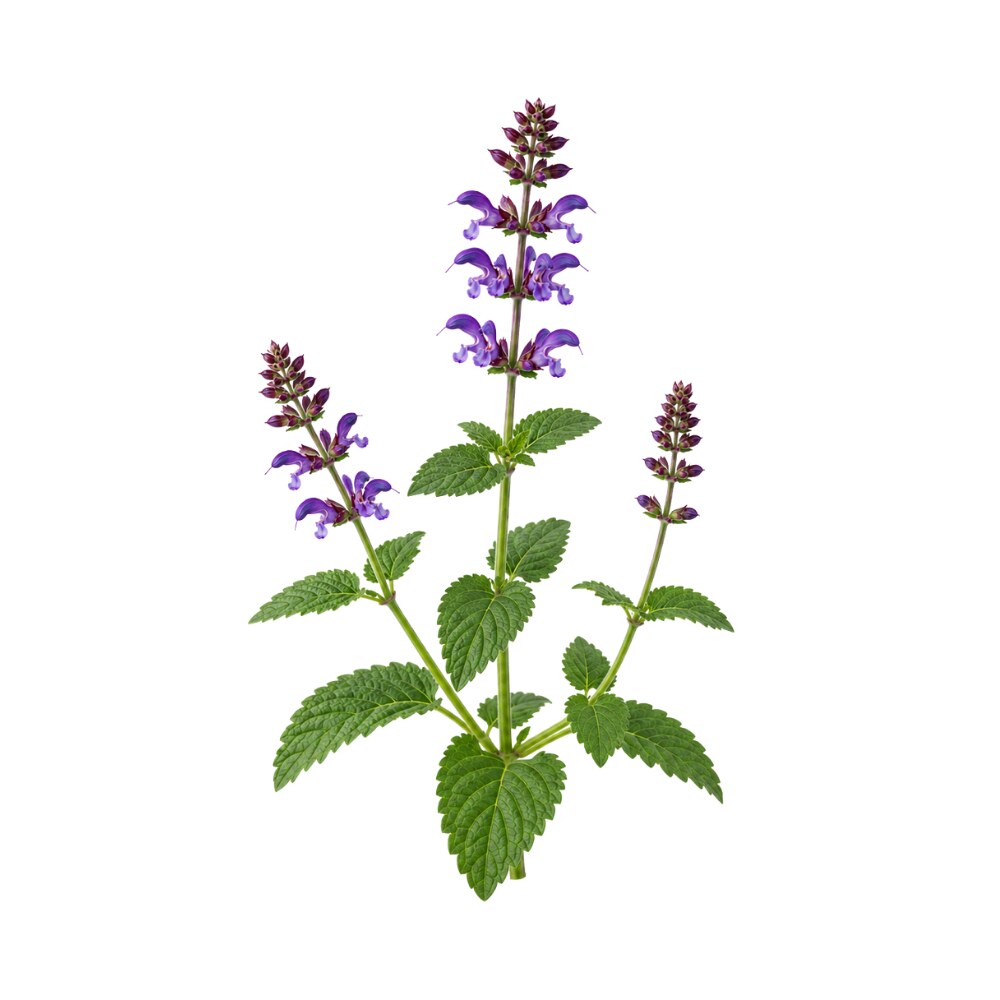
Concentration
Content by Source
Reported concentrations across the plants that contain cryptotanshinone — the bar marks the typical level, the line shows the reported range.
Literature figures for varying plant parts and preparations. Read them as a comparative guide, not exact assays.
Cryptotanshinone at a Glance
Cryptotanshinone is one of the four tanshinones — the orange-red, fat-soluble abietane diterpene quinones that give dan shen root its colour and half its pharmacology. Chemically it is C₁₉H₂₀O₃, 296 Da, an ortho-quinone carrying a dihydrofuran D-ring with a single stereocentre; formally it is 15,16-dihydrotanshinone IIA, two hydrogens away from its more famous sibling. That relationship is not cosmetic. Cryptotanshinone oxidises to tanshinone IIA in solvent, and about a fifth of an oral dose is converted to it in a rat 26,
Its reputation rests on a single claim: that it is a direct inhibitor of STAT3, the transcription factor constitutively active in most solid tumours and one of the most sought-after and least drugged targets in oncology. That claim is real, widely cited, and worth taking apart carefully — which is what the next section does — because STAT3 is also the single most promiscuous target in natural-product pharmacology, and cryptotanshinone is a redox-active quinone.
Underneath the headline there is a genuinely good molecule. It antagonises the androgen receptor at sub-micromolar concentrations with demonstrated selectivity against ERα, GR and PR 10Reference 10In vitroCryptotanshinone suppresses androgen receptor-mediated growth in androgen dependent and castration resistant prostate cancer cells — in vitro and xenograft studyView study →. It is a specific NLRP3 inflammasome inhibitor that spares AIM2 and NLRC4 19Reference 19In vitroCryptotanshinone specifically suppresses NLRP3 inflammasome activation and protects against inflammasome-mediated diseases — in vitro and mouse in vivo studyView study →. It kills Gram-positive bacteria including MRSA 21,
The STAT3 Claim, Examined
Search cryptotanshinone AND STAT3 and PubMed returns 126 records. Almost all of them cite one paper. It is worth knowing exactly what that paper did.
What the Primary Evidence Actually Is
Shin and colleagues at the Korea Research Institute of Bioscience and Biotechnology screened natural compounds in a dual-luciferase STAT3 reporter assay and pulled out cryptotanshinone 3Reference 3In vitroCryptotanshinone inhibits constitutive signal transducer and activator of transcription 3 function through blocking the dimerization in DU145 prostate cancer cells — in vitro studyView study →. In DU145 prostate cancer cells it inhibited STAT3 Tyr705 phosphorylation within 30 minutes and suppressed the downstream proteins cyclin D1, survivin and Bcl-xL. Crucially, JAK2 phosphorylation was only inhibited at 7 µM after 24 hours — far too slow to explain the 30-minute effect — so the authors concluded the mechanism was JAK2-independent, with JAK2 suppression a secondary consequence 3Reference 3In vitroCryptotanshinone inhibits constitutive signal transducer and activator of transcription 3 function through blocking the dimerization in DU145 prostate cancer cells — in vitro studyView study →.
Then comes the part everybody quotes and few read precisely. The paper reports that cryptotanshinone colocalised with STAT3 in the cytoplasm, that it inhibited formation of STAT3 dimers, and that computational modelling showed it could bind the SH2 domain 3Reference 3In vitroCryptotanshinone inhibits constitutive signal transducer and activator of transcription 3 function through blocking the dimerization in DU145 prostate cancer cells — in vitro studyView study →. The authors’ own wording is hedged — the experiments “revealed the possibility that cryptotanshinone might directly bind to STAT3 molecules.”
That is the whole primary basis for “direct STAT3 inhibitor.” A reporter screen, a rapid dephosphorylation, colocalisation, a dimerisation readout, and a docking pose.
What Is Missing
No binding constant for cryptotanshinone and STAT3 has been published. No surface plasmon resonance, no isothermal titration calorimetry, no biolayer interferometry, no measured Kd. A docking pose is a hypothesis about binding, not a measurement of it.
Selectivity against the other STATs was never tested in the primary paper. STAT1 and STAT5 are structurally close and are the standard controls; neither appears in Shin’s experiments 3Reference 3In vitroCryptotanshinone inhibits constitutive signal transducer and activator of transcription 3 function through blocking the dimerization in DU145 prostate cancer cells — in vitro studyView study →.
Both gaps are instructive because the medicinal-chemistry field went on to fill them — for a synthetic derivative, not for the natural product. Wang and colleagues used a structure-based strategy to “remodel the natural compound cryptotanshinone into a more effective STAT3 inhibitor,” produced LYW-6, and then did the work: biolayer interferometry gave a Kd of 6.6 ± 0.7 µM, and Western blotting confirmed the compound hit STAT3 Tyr705 with only slight effects on STAT1 and STAT5 5Reference 5AnimalLYW-6, a novel cryptotanshinone derived STAT3 targeting inhibitor, suppresses colorectal cancer growth and metastasis — medicinal chemistry and in vivo studyView study →. The measured affinity and the selectivity data in this lineage belong to the analogue. The premise of that paper — that the parent needed remodelling to be effective — is itself a verdict on the parent.
The Competing Explanation
A second laboratory reproduced the phenotype and assigned it a different, indirect mechanism. Lu and colleagues found that in glioma cells cryptotanshinone increased the tyrosine phosphatase activity of SHP-2 in a dose-dependent manner, and that an SHP-2 inhibitor or SHP-2 siRNA reversed cryptotanshinone’s inhibition of STAT3 Tyr705 phosphorylation 4Reference 4In vitroCryptotanshinone inhibits human glioma cell proliferation in vitro and in vivo through SHP-2-dependent inhibition of STAT3 activation — in vitro and mouse xenograft studyView study →. If the phosphatase is required for the effect, the effect is not simple occupancy of the SH2 domain.
And STAT3 is not even the only “the” mechanism on offer. In the same literature cryptotanshinone has been reported to work through:
- mTOR/cyclin D1/Rb, with constitutively active mTOR conferring resistance — an explicitly mTOR-dependent account that does not invoke STAT3 at all 6Reference 6In vitroCryptotanshinone inhibits cancer cell proliferation by suppressing mammalian target of rapamycin-mediated cyclin D1 expression and Rb phosphorylation — in vitro studyView study →
- mTORC1–S6K1, by preventing S6K1 from binding the mTOR/Raptor complex 8Reference 8In vitroCryptotanshinone prevents the binding of S6K1 to mTOR/Raptor leading to the suppression of mTORC1-S6K1 signaling activity and neoplastic cell transformation — in vitro studyView study →
- the AMPK–TSC2 axis upstream of mTORC1 9Reference 9In vitroCryptotanshinone activates AMPK-TSC2 axis leading to inhibition of mTORC1 signaling in cancer cells — in vitro studyView study →
- oestrogen receptor α, with ERα-negative breast cancer cells simply insensitive and ERα knockdown abolishing the mTOR effect 7Reference 7In vitroCryptotanshinone inhibition of mammalian target of rapamycin pathway is dependent on oestrogen receptor alpha in breast cancer — in vitro studyView study →
- NQO1, driving a non-enzymatic necrosis through JNK1/2, iron, PARP and calcium 46Reference 46In vitroA small molecule cryptotanshinone induces non-enzymatic NQO1-dependent necrosis in cancer cells through the JNK1/2/iron/PARP/calcium pathway — in vitro and in vivo studyView study →
How to Read It
The honest position is not that the STAT3 story is wrong. Tyr705 dephosphorylation is reproducible across many laboratories and cell types, the downstream consequences are consistent, and the xenograft data are real. The honest position is about what kind of claim it is:
Cryptotanshinone reliably suppresses STAT3 signalling. Whether it does so by binding STAT3 is unresolved, and the evidence offered for direct binding — docking plus colocalisation — is the weakest tier of evidence for that specific proposition. Anyone quoting “direct STAT3 inhibitor” as an established molecular fact is over-reading the source. Anyone dismissing the pharmacology because the binding is unproven is under-reading it.
The Dihydrofuran That Becomes Tanshinone IIA
Cryptotanshinone differs from tanshinone IIA by a single saturated bond. Under oxidising conditions it loses two hydrogens and becomes it — and this happens in three different places, each with a different consequence.
In the assay. Roth and colleagues at the German Sport University and the Max Rubner-Institut ran a purity-and-stability check on all four tanshinones before testing them, and found that cryptotanshinone and dihydrotanshinone I decreased rapidly in DMSO and were converted to tanshinone IIA and tanshinone I respectively; in aqueous solution the concentration of every tanshinone fell over 24 hours 26Reference 26In vitroChemical stability and bioactivity of tanshinone I, tanshinone IIA, cryptotanshinone and dihydrotanshinone in in vitro test systems — analytical and in vitro studyView study →. DMSO is the standard vehicle for these compounds. Their conclusion — that tanshinone I and tanshinone IIA “are the most relevant bioactive tanshinones in Danshen,” and that the instability of the others “is relevant when discussing their potential therapeutic benefits” — is a warning that some published cryptotanshinone activity may belong to the oxidation product it silently became in the stock vial 26Reference 26In vitroChemical stability and bioactivity of tanshinone I, tanshinone IIA, cryptotanshinone and dihydrotanshinone in in vitro test systems — analytical and in vitro studyView study →.
In the animal. This is not merely an artefact. Song and colleagues dosed rats with cryptotanshinone alone and measured tanshinone IIA appearing in plasma, with a fraction metabolised to tanshinone IIA of 21.0 ± 4.1% 27Reference 27AnimalEffects of the coexisting diterpenoid tanshinones on the pharmacokinetics of cryptotanshinone and tanshinone IIA in rat — rat pharmacokinetic studyView study →. A 2012 review notes the same biotransformation in pig and rat 29Reference 29ReviewTanshinones: sources, pharmacokinetics and anti-cancer activities — reviewView study →. So roughly a fifth of an oral cryptotanshinone dose acts as tanshinone IIA in vivo, and formulation changes the split — solid lipid nanoparticles that raised cryptotanshinone’s oral exposure also “markedly changed the metabolism behaviour of CTS to tanshinone IIA” 37Reference 37AnimalPreparation and enhanced oral bioavailability of cryptotanshinone-loaded solid lipid nanoparticles — rat pharmacokinetic studyView study →.
In the plant and the product. Both molecules are present in the root at similar levels (764 vs 895 mg/kg 38Reference 38Cytotoxic diterpenoids from Salvia glutinosa and comparison with the tanshinone profile of danshen (Salvia miltiorrhiza) — UHPLC-DAD-MS quantificationView study →), and both degrade with heat, light and time in the same way carnosic acid does in rosemary — the batch’s other instability story, told on carnosic acid and carnosol.
The practical consequence runs one way only. A cryptotanshinone finding may be partly a tanshinone IIA finding; a tanshinone IIA finding is not a cryptotanshinone finding, because the reaction does not run backwards. Where an activity is reported, it is reported as measured, with the conversion caveat standing over the whole set.
Which Danshen Preparation Delivers It
Dan shen is chemically two herbs sharing a root, and cryptotanshinone sits squarely on one side of the divide.
- The lipophilic tanshinone fraction — tanshinone IIA, cryptotanshinone, tanshinone I, dihydrotanshinone I — is extracted by ethanol or supercritical CO₂ and is essentially insoluble in water.
- The hydrophilic fraction — the salvianolic acids, chiefly salvianolic acid B and salvianolic acid A, and their precursor rosmarinic acid — is what a water decoction pulls out.
The analytical literature is blunt about what this means for traditional use: in the conventional preparation of danshen decocted by water, only a trace of tanshinones could be obtained 39Reference 39ReviewChemical analysis of the herbal medicine Salviae miltiorrhizae Radix et Rhizoma (danshen) — analytical reviewView study →. The Chinese Pharmacopoeia’s marker specification reflects the same split — the dried root must meet a combined floor for tanshinone IIA, cryptotanshinone and tanshinone I on one side and a separate salvianolic acid B floor on the other 39,
So: if you drink dan shen as a tea, you are not meaningfully taking cryptotanshinone. The molecule reaches people through ethanolic extracts, standardised “total tanshinone” products and topical acne preparations. One further discipline belongs here, because it governs how the sibling literature is read: tanshinone IIA sodium sulfonate, the water-soluble injectable used clinically in China, is a semi-synthetic derivative. Its trial data belong to neither tanshinone IIA nor cryptotanshinone.
What It's Used For
Cryptotanshinone has a substantial literature — 898 PubMed records, of which 508 also mention Salvia miltiorrhiza, an unusually clean attribution for a plant molecule. Two general reviews collate it 1,
cryptotanshinone AND clinical trial[pt] returns two records, neither of which is a cryptotanshinone trial. Bioavailability is 2.1% in rats 29Reference 29ReviewTanshinones: sources, pharmacokinetics and anti-cancer activities — reviewView study →, and ~21% of an oral dose becomes tanshinone IIA 27Reference 27AnimalEffects of the coexisting diterpenoid tanshinones on the pharmacokinetics of cryptotanshinone and tanshinone IIA in rat — rat pharmacokinetic studyView study →.Support is an experimental score — weighted by study type (human > animal > in vitro) and volume. A beta, not a validated metric. Every row shares two ceilings: nobody has taken this molecule under study conditions, and part of any dose is tanshinone IIA by the time it acts.
The most self-consistent application, and the one with the best-controlled mechanism. Liu and colleagues showed cryptotanshinone is a specific NLRP3 inflammasome inhibitor: it blocked NLRP3 activation in macrophages but had no effect on AIM2 or NLRC4 inflammasomes, acted upstream by blocking Ca²⁺ signalling and mitochondrial ROS induction, and reduced caspase-1 activation and IL-1β secretion in mouse endotoxemia and diet-induced NASH 19Reference 19In vitroCryptotanshinone specifically suppresses NLRP3 inflammasome activation and protects against inflammasome-mediated diseases — in vitro and mouse in vivo studyView study →.
The negative controls are what make this credible — a redox-active quinone that suppressed all three inflammasomes would be a much weaker result.
Around that sit consistent rodent disease models: dextran sulfate sodium colitis, where cryptotanshinone suppressed STAT3 activation and Th17 differentiation in both acute and chronic disease 48Reference 48AnimalCryptotanshinone ameliorates dextran sulfate sodium-induced murine acute and chronic ulcerative colitis via suppressing STAT3 activation and Th17 cell differentiation — mouse in vivo studyView study →; LPS-and-cigarette-smoke COPD via the Keap1/Nrf2 axis 47Reference 47AnimalCryptotanshinone alleviates lipopolysaccharide and cigarette smoke-induced chronic obstructive pulmonary disease in mice via the Keap1/Nrf2 axis — mouse in vivo studyView study →; and airway remodelling in asthma, through crosstalk between TWEAK and TGF-β1 signalling 52Reference 52AnimalCryptotanshinone attenuates airway remodeling by inhibiting crosstalk between tumor necrosis factor-like weak inducer of apoptosis and transforming growth factor beta 1 signaling pathways in asthma — mouse in vivo studyView study →. The lipophilic danshen fraction containing cryptotanshinone and dihydrotanshinone I is anti-inflammatory in cell and animal models 20Reference 20In vitroSimultaneous purification of dihydrotanshinone, tanshinone I, cryptotanshinone, and tanshinone IIA from Salvia miltiorrhiza and their anti-inflammatory activities investigation — in vitro and animal modelView study →.
Isolate vs. plant: purified molecule in every mechanism study; the fraction study 20Reference 20In vitroSimultaneous purification of dihydrotanshinone, tanshinone I, cryptotanshinone, and tanshinone IIA from Salvia miltiorrhiza and their anti-inflammatory activities investigation — in vitro and animal modelView study → is the closest thing to a preparation-level result.
Gap: no human inflammatory endpoint of any kind, and no dose-ranging. NLRP3 inhibitors are an active clinical class, which makes the absence of translation conspicuous rather than excusable.
This is the application where cryptotanshinone behaves most like a drug. Xu and colleagues noted that its structure resembles dihydrotestosterone, and found that 0.5 µM suppressed the growth of AR-positive prostate cancer cells while barely affecting AR-negative PC-3 cells or non-malignant prostate epithelium 10Reference 10In vitroCryptotanshinone suppresses androgen receptor-mediated growth in androgen dependent and castration resistant prostate cancer cells — in vitro and xenograft studyView study →.
It blocked DHT-induced AR transactivation and the AR target genes PSA, TMPRSS2 and TMEPA1 in both androgen-responsive LNCaP and castration-resistant CWR22Rv1 cells, worked by preventing AR dimerisation and AR–coregulator complex formation, and inhibited CWR22Rv1 xenograft growth in vivo 10Reference 10In vitroCryptotanshinone suppresses androgen receptor-mediated growth in androgen dependent and castration resistant prostate cancer cells — in vitro and xenograft studyView study →.
The selectivity data are the point: cryptotanshinone “selectively inhibits AR without repressing the activities of other nuclear receptors, including ERα, GR and PR” 10Reference 10In vitroCryptotanshinone suppresses androgen receptor-mediated growth in androgen dependent and castration resistant prostate cancer cells — in vitro and xenograft studyView study →. That is the experiment the STAT3 literature never ran.
A second, independent mechanism was found in parallel: Wu and colleagues showed cryptotanshinone disrupts the interaction between AR and lysine-specific demethylase 1 (LSD1), preventing the AR–LSD1 complex from occupying AR target promoters and raising repressive H3K9 methylation, without changing AR degradation or translocation 11Reference 11In vitroCryptotanshinone down-regulates androgen receptor signaling by modulating lysine-specific demethylase 1 function — in vitro studyView study →. In benign prostatic hyperplasia, a rat and cell study reported effects on proliferation, apoptosis and fibrosis through inhibition of AR and the EGFR/STAT3 axis 12Reference 12In vitroCryptotanshinone modulates proliferation, apoptosis, and fibrosis through inhibiting AR and EGFR/STAT3 axis to ameliorate benign prostatic hyperplasia progression — in vitro and rat studyView study →.
Isolate vs. plant: isolate throughout. The one human prostate result in this space belongs to a whole extract — a 12-week randomised pilot in 30 men found a Salvia miltiorrhiza extract (SAGX, 400 mg/day) outperformed saw palmetto on total IPSS, storage symptoms and quality of life 44Reference 44RCTEfficacy and safety of Salvia miltiorrhiza extract (SAGX) compared with saw palmetto in men with lower urinary tract symptoms: a 12-week, randomized, double-blind, parallel-group pilot study — human trial of a whole extractView study →. That is a 30-man sponsor-run pilot of an extract of unstated tanshinone content, and it says nothing about the molecule.
Gap: no isolate has reached a person. The 0.5 µM active concentration is not obviously reachable in plasma at 2% oral bioavailability 29Reference 29ReviewTanshinones: sources, pharmacokinetics and anti-cancer activities — reviewView study →, which makes formulation, not further cell work, the rate-limiting step.
An unusual case: a Chinese and Chinese–Swedish research programme built a coherent, replicated animal literature on one indication and then stopped at the water’s edge.
Yang and colleagues, working with Elisabet Stener-Victorin, treated prenatally androgenised rats — a PCOS model — for two weeks and reported improved oestrous cyclicity and significant reductions in 17-hydroxyprogesterone, androstenedione, testosterone, glucose and insulin, with lower AUC-glucose and HOMA-IR, alongside reversal of altered IRS-1/IRS-2, PI3K p85α, GLUT4, ERK-1 and 17α-hydroxylase expression in the ovary 13Reference 13AnimalCryptotanshinone reverses reproductive and metabolic disturbances in prenatally androgenized rats via regulation of ovarian signaling mechanisms and androgen synthesis — rat in vivo studyView study →. The same effects were reproduced in DHEA-induced and letrozole PCOS models via CYP17 and AR downregulation 14Reference 14AnimalCryptotanshinone reverses reproductive and metabolic disturbances in PCOS model rats via regulating the expression of CYP17 and AR — rat in vivo studyView study →, in ovarian insulin resistance in mice 15Reference 15AnimalCryptotanshinone reverses ovarian insulin resistance in mice through activation of insulin signaling and the regulation of glucose transporters and hormone synthesizing enzymes — mouse in vivo studyView study →, and mechanistically in porcine granulosa cells through an ERK/c-Fos/CYP17 route 16Reference 16In vitroCryptotanshinone regulates androgen synthesis through the ERK/c-Fos/CYP17 pathway in porcine granulosa cells — in vitro studyView study →.
A 2025 systematic review and meta-analysis pooled seven animal studies and found significant improvements in body weight, ovarian weight, testosterone, androstenedione, LH, LH/FSH ratio, oestradiol and SHBG 17Reference 17Meta-analysisEffects of cryptotanshinone in treatment of polycystic ovary syndrome in rats: a systematic review and meta-analysis — animal-model meta-analysis of 7 studiesView study →. It is a well-executed meta-analysis — of rats.
The human trial exists on paper only. NCT01452477, registered by Heilongjiang University of Chinese Medicine in 2011, is a randomised, quadruple-blind, placebo-controlled study of 100 women with PCOS, primary endpoint basal testosterone, with hCG-stimulated androgen response and a hyperinsulinaemic euglycaemic clamp as secondary endpoints 18Reference 18RCTEffect of tanshinone on hormonal and metabolic features in women with polycystic ovary syndrome (PCOS) — randomised, quadruple-blind, placebo-controlled trial; status UNKNOWN since 2013, no results postedView study →. Two things about it matter. First, the intervention is “tanshinone” 1.0 g three times daily — a mixed tanshinone preparation, not cryptotanshinone; the registration explicitly cites the cryptotanshinone rat work as its rationale rather than as its intervention 18Reference 18RCTEffect of tanshinone on hormonal and metabolic features in women with polycystic ovary syndrome (PCOS) — randomised, quadruple-blind, placebo-controlled trial; status UNKNOWN since 2013, no results postedView study →. Second, its status has been UNKNOWN since 2013, last known recruiting, with no results posted and no publication traceable. Fifteen years of preclinical accumulation with a registered but unreported trial at the end of it is the shape of a translation that stalled.
Isolate vs. plant: all animal work is isolate; the only human protocol is a mixture.
Gap: everything after the rat. Note also that reducing androgen synthesis is a plausible reproductive-toxicity signal in its own right — see Toxicity & Safety.
An old finding that has aged better than most. Lee and colleagues reported in 1999 that cryptotanshinone and dihydrotanshinone I are active against a broad range of Gram-positive bacteria, and worked out a mechanism that fits the chemistry: the compounds generated superoxide radicals in Bacillus subtilis lysates, a recombination-deficient mutant was 2- to 8-fold more sensitive than wild type, that hypersensitivity was reduced by the antioxidant dithiothreitol, and DNA, RNA and protein synthesis were inhibited non-selectively 21Reference 21In vitroAntibacterial activities of cryptotanshinone and dihydrotanshinone I from a medicinal herb, Salvia miltiorrhiza Bunge — in vitro studyView study →.
That last word is the honest one — this is oxidative damage, not target inhibition.
Modern work has focused on MRSA. Bioinformatic and phenotypic analysis identified an antibacterial mechanism against methicillin-resistant Staphylococcus aureus 22Reference 22In vitroIdentification of the antibacterial mechanism of cryptotanshinone on methicillin-resistant Staphylococcus aureus using bioinformatics analysis — in vitro studyView study →; a 2025 study reports that cryptotanshinone targets the bacterial membrane 24Reference 24In vitroCryptotanshinone targets the bacterial membrane and inhibits methicillin-resistant Staphylococcus aureus — in vitro studyView study →; and it acts synergistically with conventional antibiotics against methicillin- and vancomycin-resistant S. aureus 23Reference 23In vitroSynergistic effect between cryptotanshinone and antibiotics against clinic methicillin and vancomycin-resistant Staphylococcus aureus — in vitro studyView study → as well as with aminoglycosides 53Reference 53In vitroSynergistic interactions of cryptotanshinone and aminoglycoside antibiotics against Staphylococcus aureus in vitro — in vitro studyView study → and fosfomycin 54Reference 54In vitroSynergistic effects from combination of cryptotanshinone and fosfomycin against fosfomycin-susceptible and fosfomycin-resistant Staphylococcus aureus — in vitro studyView study →. The clinical framing that has attracted most development effort is acne, where a rat model showed reconstruction of the skin microbiome and altered lipid metabolism after cryptotanshinone treatment 25Reference 25AnimalSkin microbiome reconstruction and lipid metabolism profile alteration reveal the treatment mechanism of cryptotanshinone in the acne rat — rat in vivo studyView study →, and where a large formulation literature (ethosomes, niosomal hydrogels, cerasomes, peptide conjugates) exists precisely because the molecule will not dissolve or penetrate on its own.
Isolate vs. plant: isolate for all mechanism and MIC work; danshen has a traditional topical use for sores and boils that this activity plausibly explains.
Gap: no in-vivo systemic infection model, no clinical trial in acne or anywhere else, and a mechanism (radical generation, non-selective macromolecule synthesis inhibition) that predicts poor selectivity between bacterial and host cells. cryptotanshinone AND "selectivity index" returns zero PubMed records.
Large in volume, weak in convergence. Cryptotanshinone inhibits proliferation and induces apoptosis across colorectal, ovarian, glioma, pancreatic, gastric, bladder, breast, oral and osteosarcoma cell lines, with intracranial and subcutaneous xenograft support in several 1,
The problem is not whether it kills cancer cells — it does — but that eight years of mechanistic work have produced at least six mutually independent explanations, catalogued in the STAT3 section above: SH2-domain binding 3Reference 3In vitroCryptotanshinone inhibits constitutive signal transducer and activator of transcription 3 function through blocking the dimerization in DU145 prostate cancer cells — in vitro studyView study →, SHP-2 phosphatase activation 4Reference 4In vitroCryptotanshinone inhibits human glioma cell proliferation in vitro and in vivo through SHP-2-dependent inhibition of STAT3 activation — in vitro and mouse xenograft studyView study →, mTOR–cyclin D1–Rb 6Reference 6In vitroCryptotanshinone inhibits cancer cell proliferation by suppressing mammalian target of rapamycin-mediated cyclin D1 expression and Rb phosphorylation — in vitro studyView study →, mTORC1–S6K1 complex disruption 8Reference 8In vitroCryptotanshinone prevents the binding of S6K1 to mTOR/Raptor leading to the suppression of mTORC1-S6K1 signaling activity and neoplastic cell transformation — in vitro studyView study →, AMPK–TSC2 9Reference 9In vitroCryptotanshinone activates AMPK-TSC2 axis leading to inhibition of mTORC1 signaling in cancer cells — in vitro studyView study →, ERα dependence 7Reference 7In vitroCryptotanshinone inhibition of mammalian target of rapamycin pathway is dependent on oestrogen receptor alpha in breast cancer — in vitro studyView study → and NQO1-driven necrosis 46Reference 46In vitroA small molecule cryptotanshinone induces non-enzymatic NQO1-dependent necrosis in cancer cells through the JNK1/2/iron/PARP/calcium pathway — in vitro and in vivo studyView study →.
A molecule with six proposed primary targets in one cell type is either extraordinarily elegant or nonspecific, and the base rate favours the second reading — particularly for an ortho-quinone that generates superoxide in bacterial lysates 21Reference 21In vitroAntibacterial activities of cryptotanshinone and dihydrotanshinone I from a medicinal herb, Salvia miltiorrhiza Bunge — in vitro studyView study → and triggers calcium-dependent suicidal death in human erythrocytes at 1–10 µM 36Reference 36In vitroStimulation of eryptosis by cryptotanshinone — human erythrocyte in vitro studyView study →.
The strongest counter-argument to pure nonspecificity is the AR work, where the selectivity controls were run and passed 10Reference 10In vitroCryptotanshinone suppresses androgen receptor-mediated growth in androgen dependent and castration resistant prostate cancer cells — in vitro and xenograft studyView study →. The strongest argument for caution is that the field’s own medicinal chemists treated cryptotanshinone as a scaffold to be improved rather than a lead to be developed 5Reference 5AnimalLYW-6, a novel cryptotanshinone derived STAT3 targeting inhibitor, suppresses colorectal cancer growth and metastasis — medicinal chemistry and in vivo studyView study →.
Isolate vs. plant: isolate throughout; danshen’s whole-herb anticancer literature is separate and no better developed.
Gap: no clinical oncology data, no selectivity index against normal cells in the indexed literature, and micromolar potencies that a 2.1% oral bioavailability does not reach 29Reference 29ReviewTanshinones: sources, pharmacokinetics and anti-cancer activities — reviewView study →.
A modest but internally consistent rodent set. Cryptotanshinone activates AMPK, and the downstream consequences track: it activates the AMPK–TSC2 axis to shut down mTORC1 9Reference 9In vitroCryptotanshinone activates AMPK-TSC2 axis leading to inhibition of mTORC1 signaling in cancer cells — in vitro studyView study →, protects against ethanol-induced liver injury through AMPK/SIRT1 and Nrf2 signalling 50Reference 50AnimalCryptotanshinone from the Salvia miltiorrhiza Bunge attenuates ethanol-induced liver injury by activation of AMPK/SIRT1 and Nrf2 signaling pathways — mouse in vivo studyView study →, promotes brown adipocyte commitment and mitochondrial biogenesis in mesenchymal stem cells via AMPK and p38-MAPK 55Reference 55In vitroCryptotanshinone promotes commitment to the brown adipocyte lineage and mitochondrial biogenesis in C3H10T1/2 mesenchymal stem cells via AMPK and p38-MAPK signaling — in vitro studyView study →, and promotes brown fat activity to limit diet-induced obesity in mice 49Reference 49AnimalCryptotanshinone promotes brown fat activity by AMPK activation to inhibit obesity — mouse in vivo studyView study →.
The PCOS work reaches the same metabolic endpoints from a different direction, improving insulin sensitivity and GLUT4 expression 13,
Two related receptor findings sit alongside: tanshinones including cryptotanshinone are selective 11β-hydroxysteroid dehydrogenase 1 inhibitors, a validated metabolic-syndrome target 43Reference 43In vitroDevelopment and structure-activity relationships of tanshinones as selective 11β-hydroxysteroid dehydrogenase 1 inhibitors — in vitro SAR studyView study →, and a 2026 study reports an anti-adipogenic effect in 3T3-L1 preadipocytes attributed to binding of the glucagon-like peptide 1 receptor 56Reference 56In vitroAnti-adipogenic effect of cryptotanshinone in 3T3-L1 preadipocytes via binding to glucagon-like peptide 1 receptor and its signaling — in vitro studyView study →.
Isolate vs. plant: isolate throughout.
Gap: no human metabolic data. AMPK activation is also the least discriminating mechanism in natural-product pharmacology — it is downstream of any mild mitochondrial or energetic stress, which a redox-cycling quinone reliably produces.
The application dan shen is famous for is, for this particular molecule, the thinnest. Cryptotanshinone protects against pulmonary fibrosis by inhibiting Smad and STAT3 signalling 51Reference 51AnimalCryptotanshinone protects against pulmonary fibrosis through inhibiting Smad and STAT3 signaling pathways — mouse in vivo studyView study →, attenuates pathological cardiac remodelling 57Reference 57In vitroCryptotanshinone attenuated pathological cardiac remodeling in vivo and in vitro experiments — mouse and cell studyView study →, protects against cerebral ischaemia–reperfusion injury through PI3K/AKT/Nrf2 and SLC7A11/GPX4 ferroptosis signalling 58Reference 58AnimalCryptotanshinone alleviates cerebral ischemia reperfusion injury by regulating ferroptosis through the PI3K/AKT/Nrf2 and SLC7A11/GPX4 signaling pathway — rodent in vivo studyView study →, and reduces MPP⁺-induced oxidative stress and apoptosis in SH-SY5Y cells 59Reference 59In vitroCryptotanshinone ameliorates MPP⁺-induced oxidative stress and apoptosis of SH-SY5Y neuroblastoma cells: the role of STAT3 in Parkinson’s disease — in vitro studyView study →.
All rodent or cell.
The important attribution point is that dan shen’s cardiovascular reputation is not built on cryptotanshinone. The human trial evidence — hundreds of angina RCTs, meta-analyses, a Cochrane review — tests compound danshen dripping pill (a salvianolic, water-type product built on salvianolic acid B) or tanshinone IIA sodium sulfonate injection (a semi-synthetic derivative). Neither delivers cryptotanshinone, and neither result transfers to it.
Isolate vs. plant: isolate for all of the above; every human cardiovascular result belongs to a preparation this molecule is not in, or is not the main constituent of.
Gap: cryptotanshinone has no cardiovascular human data of any kind, and no rodent-model meta-analysis of the sort that exists for tanshinone IIA.
Minimal but not absent, and it matters because of the interaction section below. Maione and colleagues showed cryptotanshinone inhibits rat platelet aggregation in a concentration-dependent manner; the accompanying assignment of the effect to Gi-coupled P2Y12 receptor antagonism was made by docking, not by a binding or functional receptor assay 35Reference 35AnimalMolecular mechanism of tanshinone IIA and cryptotanshinone in platelet anti-aggregating effects: an integrated study of pharmacology and computational analysis — rat platelet and docking studyView study →.
A 2025 network-pharmacology and metabolomics paper revisits the anti-aggregation mechanism without adding a functional receptor assay 60Reference 60In vitroIntegrating network pharmacology and metabolomics to elucidate the mechanism of cryptotanshinone against platelet aggregation — computational and in vitro studyView study →.
Isolate vs. plant: isolate. Dan shen’s antiplatelet reputation attaches mainly to the salvianolic acids, which inhibit aggregation and promote fibrinolysis.
Gap: one rat platelet study and a docking pose is not a demonstrated antiplatelet mechanism. It is enough to make the anticoagulant caution below prudent, and not enough to make it quantitative.
Mechanisms
| Target / pathway | Effect | Relevant to | Evidence tier |
|---|---|---|---|
| STAT3 Tyr705 phosphorylation | rapidly suppressed (<30 min), JAK2-independent | anticancercolitisfibrosis | replicated across labs 3, |
| STAT3 SH2 domain | proposed direct binding; docking + colocalisation only, no measured Kd | the headline claim | computational 3Reference 3In vitroCryptotanshinone inhibits constitutive signal transducer and activator of transcription 3 function through blocking the dimerization in DU145 prostate cancer cells — in vitro studyView study → |
| SHP-2 tyrosine phosphatase | activity increased; required for the STAT3 effect in glioma | anticancer | competing mechanism 4Reference 4In vitroCryptotanshinone inhibits human glioma cell proliferation in vitro and in vivo through SHP-2-dependent inhibition of STAT3 activation — in vitro and mouse xenograft studyView study → |
| Androgen receptor | dimerisation and coregulator-complex formation blocked; ERα, GR, PR unaffected | prostate cancerBPHPCOS | selectivity-controlled 10Reference 10In vitroCryptotanshinone suppresses androgen receptor-mediated growth in androgen dependent and castration resistant prostate cancer cells — in vitro and xenograft studyView study → |
| AR–LSD1 complex | interaction disrupted; H3K9 me1/me2 raised | prostate cancer | independent mechanism 11Reference 11In vitroCryptotanshinone down-regulates androgen receptor signaling by modulating lysine-specific demethylase 1 function — in vitro studyView study → |
| CYP17 (17α-hydroxylase) | downregulated → reduced ovarian androgen synthesis | PCOShyperandrogenism | rat + porcine granulosa 13, |
| NLRP3 inflammasome | specifically inhibited; AIM2 and NLRC4 unaffected | inflammationNASHendotoxemia | selectivity-controlled 19Reference 19In vitroCryptotanshinone specifically suppresses NLRP3 inflammasome activation and protects against inflammasome-mediated diseases — in vitro and mouse in vivo studyView study → |
| mTORC1 / S6K1 / cyclin D1 | signalling suppressed; S6K1–Raptor binding prevented | anticancer | replicated 6, |
| AMPK (→ TSC2, SIRT1) | activated | metabolicliverbrown fat | replicated 9, |
| Oestrogen receptor α | required for the mTOR effect in breast cells; anti-oestrogenic in reporter assay | breast cancer | single lab 7Reference 7In vitroCryptotanshinone inhibition of mammalian target of rapamycin pathway is dependent on oestrogen receptor alpha in breast cancer — in vitro studyView study → |
| 11β-HSD1 | selectively inhibited | metabolic syndrome | SAR study 43Reference 43In vitroDevelopment and structure-activity relationships of tanshinones as selective 11β-hydroxysteroid dehydrogenase 1 inhibitors — in vitro SAR studyView study → |
| NQO1 | non-enzymatic engagement → JNK1/2/iron/PARP/Ca²⁺ necrosis | anticancer | single lab 46Reference 46In vitroA small molecule cryptotanshinone induces non-enzymatic NQO1-dependent necrosis in cancer cells through the JNK1/2/iron/PARP/calcium pathway — in vitro and in vivo studyView study → |
| Bacterial macromolecule synthesis | superoxide generation; DNA/RNA/protein synthesis inhibited non-selectively | antibacterial | mechanism paper 21Reference 21In vitroAntibacterial activities of cryptotanshinone and dihydrotanshinone I from a medicinal herb, Salvia miltiorrhiza Bunge — in vitro studyView study → |
| P2Y12 receptor | proposed antagonism; docking only | antiplatelet | computational 35Reference 35AnimalMolecular mechanism of tanshinone IIA and cryptotanshinone in platelet anti-aggregating effects: an integrated study of pharmacology and computational analysis — rat platelet and docking studyView study → |
| CYP1A1, CYP2C6, CYP2C11 (rat) | warfarin hydroxylation inhibited | drug interactions | in vitro + in vivo 32Reference 32In vitroInhibition of warfarin hydroxylation by major tanshinones of danshen (Salvia miltiorrhiza) in the rat in vitro and in vivo — rat in vitro and in vivo studyView study → |
| CYP3A (human microsomes) | midazolam 1-hydroxylation activated, substrate-dependent | drug interactions | in vitro 31Reference 31In vitroActivation of CYP3A-mediated testosterone 6β-hydroxylation by tanshinone IIA and midazolam 1-hydroxylation by cryptotanshinone in human liver microsomes — in vitro studyView study → |
| CYP2A6, CYP3A4, CYP2C19, CYP1A2; UGT1A9, UGT2B7, UGT2B4 | metabolise cryptotanshinone | its own clearance | in vitro 30Reference 30In vitroCharactering the metabolism of cryptotanshinone by human P450 enzymes and uridine diphosphate glucuronosyltransferases in vitro — in vitro studyView study → |
Two rows are marked proposed deliberately. Both are the most-cited things about this molecule, and both are docking results.
Pharmacokinetics
Absorption is the constraint that bounds every number here.
- Oral bioavailability in rats is 2.1%, against 10.6% intraperitoneally, at a 100 mg/kg dose 29Reference 29ReviewTanshinones: sources, pharmacokinetics and anti-cancer activities — reviewView study →. Reported plasma concentrations and half-lives across the literature vary by orders of magnitude with route and formulation, which is itself the finding 29Reference 29ReviewTanshinones: sources, pharmacokinetics and anti-cancer activities — reviewView study →.
- About a fifth of an oral dose becomes tanshinone IIA. Fraction metabolised = 21.0 ± 4.1% in rats 27Reference 27AnimalEffects of the coexisting diterpenoid tanshinones on the pharmacokinetics of cryptotanshinone and tanshinone IIA in rat — rat pharmacokinetic studyView study →; the same biotransformation is documented in pig 29Reference 29ReviewTanshinones: sources, pharmacokinetics and anti-cancer activities — reviewView study →.
- The extract is not the isolate, pharmacokinetically. Giving rats the liposoluble danshen extract rather than the equivalent dose of pure compound raised the Cmax of cryptotanshinone roughly 8-fold and of tanshinone IIA roughly 10-fold, with correspondingly larger AUCs 27Reference 27AnimalEffects of the coexisting diterpenoid tanshinones on the pharmacokinetics of cryptotanshinone and tanshinone IIA in rat — rat pharmacokinetic studyView study →. A later study confirmed the effect and extended it to tissue distribution — the coexisting constituents particularly promoted entry into lung, heart, kidney, liver and brain 28Reference 28AnimalComparative pharmacokinetics and tissue distribution of cryptotanshinone, tanshinone IIA, dihydrotanshinone I, and tanshinone I after oral administration of pure tanshinones and liposoluble extract of Salvia miltiorrhiza to rats — rat pharmacokinetic studyView study →. A study on the purified molecule systematically understates what the same dose does inside an extract.
- Clearance is CYP-then-UGT. In human liver microsomes cryptotanshinone is converted to six dehydrogenation and hydroxylation metabolites, with CYP2A6, CYP3A4 and CYP2C19 driving hydroxylation and CYP2C19, CYP1A2 and CYP3A4 the dehydrogenation products; glucuronidation then follows via UGT1A9, UGT2B7 and UGT2B4 30Reference 30In vitroCharactering the metabolism of cryptotanshinone by human P450 enzymes and uridine diphosphate glucuronosyltransferases in vitro — in vitro studyView study →. It is, in the authors’ phrase, extensively metabolised.
- Formulation is the whole development story. Solid lipid nanoparticles, nanocrystals, ethosomes, niosomal hydrogels, cerasomes and self-assembling micelles all exist for this molecule for the same reason — it is a lipophilic solid whose absorption is dissolution-limited, and improving dissolution improves exposure 37Reference 37AnimalPreparation and enhanced oral bioavailability of cryptotanshinone-loaded solid lipid nanoparticles — rat pharmacokinetic studyView study →.
Practically: treat in-vitro results above ~10 µM as unreachable systemically; treat the topical and luminal applications (acne, gut inflammation, antibacterial) as the ones absorption does not disqualify; and treat any figure obtained from an extract as belonging to the extract.
Clinical Trials
No trial has administered cryptotanshinone to a human. A PubMed search for cryptotanshinone AND clinical trial[pt] returns two records, and neither is a cryptotanshinone trial: one is a randomised study of a Sanghuang–danshen combination product on arterial stiffness in healthy smokers 61Reference 61RCTSynergistic effects of Sanghuang–danshen bioactives on arterial stiffness in a randomized clinical trial of healthy smokers — human trial of a combination productView study →, the other a mechanistic prostate-cancer paper indexed in error.
ClinicalTrials.gov returns exactly one registered study, NCT01452477 — “Effect of Tanshinone on Hormonal and Metabolic Features in Women With Polycystic Ovary Syndrome,” 100 participants, randomised, quadruple-blind, placebo-controlled, tanshinone 1.0 g three times daily for 12 weeks. It tests a mixed tanshinone preparation, not cryptotanshinone, and its status has been UNKNOWN since 2013 with no results posted 18Reference 18RCTEffect of tanshinone on hormonal and metabolic features in women with polycystic ovary syndrome (PCOS) — randomised, quadruple-blind, placebo-controlled trial; status UNKNOWN since 2013, no results postedView study →.
| Completed | Planned | Unreported | Preclinical |
|---|---|---|---|
| None of the isolate | None registered | NCT01452477(mixed tanshinone, PCOS) | AR/prostate, NLRP3/inflammation, PCOS, MRSA/acne, oncology, AMPK/metabolic |
Last checked: August 2026.
Isolate vs. Plant Studies
The split here is unusually clean and unusually one-sided.
All of the pharmacology is isolate. Every mechanism, every rodent model, every MIC and every xenograft here used purified cryptotanshinone. That is a genuine strength — this is a page about a molecule, not about a fraction.
All of the human data is plant, and most of it is a different plant fraction. Dan shen’s clinical evidence base is enormous and it belongs almost entirely to water-soluble products (compound danshen dripping pill) or to a semi-synthetic injectable (tanshinone IIA sodium sulfonate). The nearest human study to this molecule’s own pharmacology — the 30-man LUTS pilot of a Salvia miltiorrhiza extract 44Reference 44RCTEfficacy and safety of Salvia miltiorrhiza extract (SAGX) compared with saw palmetto in men with lower urinary tract symptoms: a 12-week, randomized, double-blind, parallel-group pilot study — human trial of a whole extractView study → — did not report its tanshinone content.
And the two halves are not connected by a bridge. Three things stand between them: absorption (2.1% oral 29Reference 29ReviewTanshinones: sources, pharmacokinetics and anti-cancer activities — reviewView study →), identity (21% of the dose is tanshinone IIA 27Reference 27AnimalEffects of the coexisting diterpenoid tanshinones on the pharmacokinetics of cryptotanshinone and tanshinone IIA in rat — rat pharmacokinetic studyView study →, and more of it may have oxidised in the stock solution 26Reference 26In vitroChemical stability and bioactivity of tanshinone I, tanshinone IIA, cryptotanshinone and dihydrotanshinone in in vitro test systems — analytical and in vitro studyView study →), and preparation (a water decoction contains only traces of any tanshinone 39Reference 39ReviewChemical analysis of the herbal medicine Salviae miltiorrhizae Radix et Rhizoma (danshen) — analytical reviewView study →).
Prevalence in Nature
Cryptotanshinone is a narrowly distributed molecule. It is a Lamiaceae compound, effectively a Salvia compound, and within Salvia effectively a section-Eusphace root compound. It is not found in culinary sage (cryptotanshinone AND "Salvia officinalis" returns zero PubMed records) or in rosemary, whose diterpene chemistry runs to the phenolic abietanes — carnosic acid and carnosol — rather than the quinones.
Major Natural Sources
| Source | Part | Cryptotanshinone | Note |
|---|---|---|---|
| Dan shen (Salvia miltiorrhiza) | root & rhizome | 764 ± 71 mg/kg dry wt 38Reference 38Cytotoxic diterpenoids from Salvia glutinosa and comparison with the tanshinone profile of danshen (Salvia miltiorrhiza) — UHPLC-DAD-MS quantificationView study → | The only commercial source; tanshinone IIA measured at 895 mg/kg in the same material |
| Salvia przewalskii, S. yunnanensis, S. trijuga, S. castanea | root | not individually quantified here | Southwest-Chinese danshen substitutes traded in Chinese herbal markets; tanshinones are their main lipophilic components 29, |
| Sticky sage (Salvia glutinosa) | root | 6.6–8.3 mg/kg dry wt 38Reference 38Cytotoxic diterpenoids from Salvia glutinosa and comparison with the tanshinone profile of danshen (Salvia miltiorrhiza) — UHPLC-DAD-MS quantificationView study → | The European relative — about 1% of danshen levels; two wild populations sampled |
| Salvia bowleyana | root | not quantified | Listed among tanshinone-bearing substitute species 29Reference 29ReviewTanshinones: sources, pharmacokinetics and anti-cancer activities — reviewView study → |
Two structural facts about distribution are worth stating plainly. First, tanshinones are a root chemistry: in a survey of S. miltiorrhiza roots, stems, leaves and flowers across growth stages, the aerial parts contained salvianolic acids, flavonoids and triterpenes, and the liposoluble tanshinones were not detected at all 40Reference 40Comparative analysis of the major chemical constituents in Salvia miltiorrhiza roots, stems, leaves and flowers during different growth periods by UPLC-TQ-MS/MS and HPLC-ELSD methods — analytical studyView study →. Second, total tanshinone content in the root varies roughly five-fold with harvest timing, from about 0.17% to 0.86% of dry weight 40Reference 40Comparative analysis of the major chemical constituents in Salvia miltiorrhiza roots, stems, leaves and flowers during different growth periods by UPLC-TQ-MS/MS and HPLC-ELSD methods — analytical studyView study → — so a “standardised” figure is a snapshot of an agronomic decision as much as a botanical fact.
Discovery & Synthesis
The tanshinone story begins in Tokyo. Nakao and Fukushima published on the chemical composition of the Chinese drug tan-shen in Yakugaku Zasshi in 1934, isolating the first members of the series 42Reference 42On the chemical composition of Salvia miltiorrhiza (Chinese drug tan-shen) — the first isolation of the tanshinone seriesView study →. Cryptotanshinone was reported out of the same Japanese natural-products programme in the following decade; that primary paper is not indexed in PubMed or Crossref, so none is assigned it a date it cannot verify. The name follows the pattern — tanshinone from tan-shen, with crypto- for a constituent that had been hiding in the same fraction.
Its structure was settled by total synthesis in 1968, when Kakisawa, Tateishi and Kusumi published routes to tanshinone-II and cryptotanshinone in Tetrahedron Letters and, in the same year, total syntheses of tanshinone-I, tanshinone-II and cryptotanshinone in Chemical Communications 41Reference 41Synthesis of tanshinone-II and cryptotanshinoneView study →; Inouye and colleagues published a parallel set in the Bulletin of the Chemical Society of Japan in 1969.
Manufacture today is entirely extractive — ethanol or supercritical CO₂ from S. miltiorrhiza root — and there is no economic synthetic route. The interesting modern chemistry is in the other direction: cryptotanshinone is used as a scaffold, remodelled into derivatives with better-defined targets. LYW-6 is the clearest example, a structure-based redesign of the parent into a STAT3 binder with a measured Kd 5Reference 5AnimalLYW-6, a novel cryptotanshinone derived STAT3 targeting inhibitor, suppresses colorectal cancer growth and metastasis — medicinal chemistry and in vivo studyView study →; DST-3 is a modified cryptotanshinone developed for pulmonary fibrosis, explicitly to improve on the parent’s bioavailability 62Reference 62DST-3, a novel modified cryptotanshinone, protects against pulmonary fibrosis via inhibiting STAT3/Smad signaling pathway and improves bioavailability — semi-synthetic derivative studyView study →. Plant-side, tanshinone biosynthesis in S. miltiorrhiza hairy roots and its transcriptional regulation is an active engineering field, with CRISPR and transcription-factor approaches used to raise yields.
Patents: not yet researched.
Toxicity & Safety
Cryptotanshinone carries an unknown flag, and the word is doing precise work. There is no toxicology package for this molecule: no repeat-dose study, no NOAEL, no genotoxicity battery, no reproductive-toxicity dataset, and no human safety data of any kind. A low grading would imply a clean record. What exists is an absent record with two specific flags in it.
The eryptosis finding. Bissinger and colleagues at Tübingen exposed human erythrocytes to cryptotanshinone and found that 10 µM triggered eryptosis — suicidal erythrocyte death, with cell shrinkage, phosphatidylserine externalisation and raised cytosolic Ca²⁺ — and that the effect at 1 µM was abolished by removing extracellular calcium 36Reference 36In vitroStimulation of eryptosis by cryptotanshinone — human erythrocyte in vitro studyView study →. Their conclusion was that cryptotanshinone is “a powerful stimulator of suicidal erythrocyte death.” These are concentrations at or below those used in most of the anticancer cell work.
The redox chemistry. Cryptotanshinone is an ortho-quinone that generates superoxide in bacterial lysates and inhibits DNA, RNA and protein synthesis non-selectively 21Reference 21In vitroAntibacterial activities of cryptotanshinone and dihydrotanshinone I from a medicinal herb, Salvia miltiorrhiza Bunge — in vitro studyView study →. That is the same chemistry that makes it antibacterial and the same chemistry that makes indiscriminate cytotoxicity the null hypothesis for its cell-line results.
The genotoxicity gap, partly filled by a sibling study. Roth and colleagues tested tanshinone I and tanshinone IIA for cytotoxicity and genotoxicity and found none — but they could not properly test cryptotanshinone and dihydrotanshinone I because those two decomposed in the assay vehicle 26Reference 26In vitroChemical stability and bioactivity of tanshinone I, tanshinone IIA, cryptotanshinone and dihydrotanshinone in in vitro test systems — analytical and in vitro studyView study →. So the cleanest genotoxicity data in this class are not about this molecule, and the reason is instability.
Interactions
This is where cryptotanshinone attaches most concretely to dan shen’s headline safety issue, and the attribution needs care in both directions.
The herb-level fact is not in doubt. Salvia miltiorrhiza potentiates warfarin. There are human case reports of raised INR, over-anticoagulation and bleeding 33Reference 33Case reportInteraction between warfarin and danshen (Salvia miltiorrhiza) — review of case reportsView study →, and rat pharmacokinetic/pharmacodynamic work showing danshen alters warfarin’s disposition and prolongs prothrombin time 34Reference 34AnimalThe effects of danshen (Salvia miltiorrhiza) on pharmacokinetics and pharmacodynamics of warfarin in rats — rat pharmacokinetic studyView study →. It is one of the best-documented herb–drug interactions in the materia medica. Anyone on warfarin or another anticoagulant should not take dan shen in any form without medical supervision, and should stop it well before surgery. That warning belongs here whether or not the molecule is implicated.
And here, unusually, part of it does trace to the molecule. Wu and Yeung separated the question by fraction. In rat liver microsomes, the ethyl acetate (tanshinone) extract and the individual tanshinones — tanshinone I, tanshinone IIA and cryptotanshinone — all decreased the formation of 4′-, 6- and 7-hydroxywarfarin, mediated by CYP1A1, CYP2C6 and CYP2C11. The aqueous extract had no effect on warfarin hydroxylation at all. In vivo, danshen decreased warfarin Cmax, prolonged Tmax, reduced hydroxywarfarin formation after 3-day dosing, and raised steady-state plasma warfarin by 23% 32Reference 32In vitroInhibition of warfarin hydroxylation by major tanshinones of danshen (Salvia miltiorrhiza) in the rat in vitro and in vivo — rat in vitro and in vivo studyView study →. So the pharmacokinetic arm of the interaction is a lipophilic-fraction, tanshinone-attributable effect, and cryptotanshinone was one of the three tanshinones tested and found active. This is more than a class warning inherited by default.
Two qualifications keep it honest. The rat CYPs involved (2C6, 2C11) are not human CYP2C9, the enzyme that clears S-warfarin in people, so the human relevance is mechanistic rather than quantitative. And the pharmacodynamic arm — danshen’s own antiplatelet and fibrinolytic activity — is carried mainly by the salvianolic acids, with cryptotanshinone contributing one rat platelet-aggregation study and a docking pose 35Reference 35AnimalMolecular mechanism of tanshinone IIA and cryptotanshinone in platelet anti-aggregating effects: an integrated study of pharmacology and computational analysis — rat platelet and docking studyView study →.
Beyond warfarin, three signals sit in the same file:
- CYP3A is affected in an unusual direction. Cryptotanshinone activates CYP3A-mediated midazolam 1-hydroxylation in human liver microsomes in a concentration-dependent manner — heterotropic activation, not inhibition — while tanshinone IIA does the same for testosterone 6β-hydroxylation and cryptotanshinone does not 31Reference 31In vitroActivation of CYP3A-mediated testosterone 6β-hydroxylation by tanshinone IIA and midazolam 1-hydroxylation by cryptotanshinone in human liver microsomes — in vitro studyView study →. Substrate-dependent CYP3A activation is harder to reason about than inhibition and does not permit a simple “avoid CYP3A4 substrates” rule.
- It is itself a CYP and UGT substrate across CYP2A6, 3A4, 2C19, 1A2 and UGT1A9, 2B7, 2B4 30Reference 30In vitroCharactering the metabolism of cryptotanshinone by human P450 enzymes and uridine diphosphate glucuronosyltransferases in vitro — in vitro studyView study →, so inducers and inhibitors of those enzymes will move its own exposure.
- The extract raises its own exposure ~8-fold relative to the pure compound 27Reference 27AnimalEffects of the coexisting diterpenoid tanshinones on the pharmacokinetics of cryptotanshinone and tanshinone IIA in rat — rat pharmacokinetic studyView study → — a herb–constituent interaction that makes dose comparisons across preparations unsafe.
Reproductive & Endocrine
Cryptotanshinone’s best-replicated in-vivo effect is suppression of androgen synthesis and androgen-receptor signalling 10,
- Attribution is clean. 508 of 898 PubMed records name Salvia miltiorrhiza; this is unambiguously a danshen molecule, and effectively only a danshen molecule.
- Anticoagulants. Dan shen potentiates warfarin with human case reports of bleeding, and the pharmacokinetic half of that interaction traces to the tanshinone fraction — cryptotanshinone included — inhibiting warfarin hydroxylation. Do not combine; stop dan shen well before surgery.
- It is an androgen-receptor antagonist and suppresses CYP17. That is the intended effect in the PCOS work and an unstudied liability in anyone else, including in pregnancy.
- No toxicology and no human data. No repeat-dose study, no NOAEL, no genotoxicity battery, no human has taken it under study conditions. Silence is not safety.
- Suicidal erythrocyte death in vitro. 10 µM triggers eryptosis in human red cells via calcium entry, at concentrations at or below those used in the cancer-cell literature.
- Unstable, and it becomes something else. It oxidises to tanshinone IIA in DMSO and in the body (~21% of an oral dose in rats), so neither a research result nor a product label reliably describes what acts.
- CYP3A is activated, not inhibited, and substrate-dependently. An interaction signal that no simple rule covers, and that has never been tested clinically.
Dosage
No human dose of isolated cryptotanshinone exists. Nothing below is a recommendation; these are the exposures research has actually used, given for orientation.
| Setting | Form | Dose |
|---|---|---|
| Prostate cancer cells (AR antagonism) | isolated, in vitro | 0.5 µM effective concentration 10Reference 10In vitroCryptotanshinone suppresses androgen receptor-mediated growth in androgen dependent and castration resistant prostate cancer cells — in vitro and xenograft studyView study → |
| STAT3 pathway work | isolated, in vitro | ~7 µM for JAK2 effects; sub-µM to low-µM for Tyr705 3Reference 3In vitroCryptotanshinone inhibits constitutive signal transducer and activator of transcription 3 function through blocking the dimerization in DU145 prostate cancer cells — in vitro studyView study → |
| Eryptosis (human red cells) | isolated, in vitro | 1–10 µM 36Reference 36In vitroStimulation of eryptosis by cryptotanshinone — human erythrocyte in vitro studyView study → |
| PCOS models (rat) | isolated, oral/i.p. | tens of mg/kg/day, 2–4 weeks 13, |
| Pharmacokinetic reference (rat) | isolated, oral | 100 mg/kg → 2.1% bioavailability 29Reference 29ReviewTanshinones: sources, pharmacokinetics and anti-cancer activities — reviewView study → |
| Extract PK comparison (rat) | danshen liposoluble extract | 23.3 mg/kg extract ≈ 5.7 mg/kg cryptotanshinone 27Reference 27AnimalEffects of the coexisting diterpenoid tanshinones on the pharmacokinetics of cryptotanshinone and tanshinone IIA in rat — rat pharmacokinetic studyView study → |
| PCOS (human, registered only) | mixed tanshinone preparation | 1.0 g three times daily, 12 weeks — never reported 18Reference 18RCTEffect of tanshinone on hormonal and metabolic features in women with polycystic ovary syndrome (PCOS) — randomised, quadruple-blind, placebo-controlled trial; status UNKNOWN since 2013, no results postedView study → |
| LUTS (human, whole extract) | S. miltiorrhiza extract SAGX | 400 mg/day, 12 weeks 44Reference 44RCTEfficacy and safety of Salvia miltiorrhiza extract (SAGX) compared with saw palmetto in men with lower urinary tract symptoms: a 12-week, randomized, double-blind, parallel-group pilot study — human trial of a whole extractView study → |
Rodent-to-human scaling is not meaningful here, and the limiting factor is absorption rather than tolerability 29Reference 29ReviewTanshinones: sources, pharmacokinetics and anti-cancer activities — reviewView study →. Note also that the same nominal dose given as an extract produces roughly eight times the plasma concentration it produces as a pure compound 27Reference 27AnimalEffects of the coexisting diterpenoid tanshinones on the pharmacokinetics of cryptotanshinone and tanshinone IIA in rat — rat pharmacokinetic studyView study →, so even the animal figures are not interchangeable between preparations.
References
- Li H, Gao C, Liu C, et al. (2021). A review of the biological activity and pharmacology of cryptotanshinone, an important active constituent in Danshen — review. Biomedicine & Pharmacotherapy. https://pubmed.ncbi.nlm.nih.gov/33548911/
- Wu YH, Wu YR, Li B, Yan ZY (2020). Cryptotanshinone: a review of its pharmacology activities and molecular mechanisms — review. Fitoterapia. https://pubmed.ncbi.nlm.nih.gov/32445662/
- Shin DS, Kim HN, Shin KD, et al. (2009). Cryptotanshinone inhibits constitutive signal transducer and activator of transcription 3 function through blocking the dimerization in DU145 prostate cancer cells — in vitro study. Cancer Research. https://pubmed.ncbi.nlm.nih.gov/19118003/
- Lu L, Zhang S, Li C, et al. (2017). Cryptotanshinone inhibits human glioma cell proliferation in vitro and in vivo through SHP-2-dependent inhibition of STAT3 activation — in vitro and mouse xenograft study. Cell Death & Disease. https://pubmed.ncbi.nlm.nih.gov/28492557/
- Wang H, Liu Z, Guan L, et al. (2020). LYW-6, a novel cryptotanshinone derived STAT3 targeting inhibitor, suppresses colorectal cancer growth and metastasis — medicinal chemistry and in vivo study. Pharmacological Research. https://pubmed.ncbi.nlm.nih.gov/31982491/
- Chen W, Luo Y, Liu L, et al. (2010). Cryptotanshinone inhibits cancer cell proliferation by suppressing mammalian target of rapamycin-mediated cyclin D1 expression and Rb phosphorylation — in vitro study. Cancer Prevention Research. https://pubmed.ncbi.nlm.nih.gov/20628002/
- Pan Y, Shi J, Ni W, et al. (2017). Cryptotanshinone inhibition of mammalian target of rapamycin pathway is dependent on oestrogen receptor alpha in breast cancer — in vitro study. Journal of Cellular and Molecular Medicine. https://pubmed.ncbi.nlm.nih.gov/28272775/
- Jeoung NH, Jeong JY, Kang BS (2021). Cryptotanshinone prevents the binding of S6K1 to mTOR/Raptor leading to the suppression of mTORC1-S6K1 signaling activity and neoplastic cell transformation — in vitro study. Journal of Cancer Prevention. https://pubmed.ncbi.nlm.nih.gov/34258253/
- Chen W, Pan Y, et al. (2017). Cryptotanshinone activates AMPK-TSC2 axis leading to inhibition of mTORC1 signaling in cancer cells — in vitro study. BMC Cancer. https://pubmed.ncbi.nlm.nih.gov/28061838/
- Xu D, Lin TH, Li S, et al. (2012). Cryptotanshinone suppresses androgen receptor-mediated growth in androgen dependent and castration resistant prostate cancer cells — in vitro and xenograft study. Cancer Letters. https://pubmed.ncbi.nlm.nih.gov/22154085/
- Wu CY, Hsieh CY, Huang KE, Chang C, Kang HY (2012). Cryptotanshinone down-regulates androgen receptor signaling by modulating lysine-specific demethylase 1 function — in vitro study. International Journal of Cancer. https://pubmed.ncbi.nlm.nih.gov/22052438/
- Wei P, Lin D, et al. (2023). Cryptotanshinone modulates proliferation, apoptosis, and fibrosis through inhibiting AR and EGFR/STAT3 axis to ameliorate benign prostatic hyperplasia progression — in vitro and rat study. European Journal of Pharmacology. https://pubmed.ncbi.nlm.nih.gov/36462735/
- Yang X, Zhang Y, Wu X, et al. (2011). Cryptotanshinone reverses reproductive and metabolic disturbances in prenatally androgenized rats via regulation of ovarian signaling mechanisms and androgen synthesis — rat in vivo study. American Journal of Physiology — Regulatory, Integrative and Comparative Physiology. https://pubmed.ncbi.nlm.nih.gov/21228340/
- Yu J, Zhai D, et al. (2014). Cryptotanshinone reverses reproductive and metabolic disturbances in PCOS model rats via regulating the expression of CYP17 and AR — rat in vivo study. Evidence-Based Complementary and Alternative Medicine. https://pubmed.ncbi.nlm.nih.gov/24799941/
- Huang Y, Li W, et al. (2014). Cryptotanshinone reverses ovarian insulin resistance in mice through activation of insulin signaling and the regulation of glucose transporters and hormone synthesizing enzymes — mouse in vivo study. Fertility and Sterility. https://pubmed.ncbi.nlm.nih.gov/24973798/
- Ye D, Li M, et al. (2017). Cryptotanshinone regulates androgen synthesis through the ERK/c-Fos/CYP17 pathway in porcine granulosa cells — in vitro study. Evidence-Based Complementary and Alternative Medicine. https://pubmed.ncbi.nlm.nih.gov/28167972/
- Su P, Wang X, Cai R, Yan C, Sun Y (2025). Effects of cryptotanshinone in treatment of polycystic ovary syndrome in rats: a systematic review and meta-analysis — animal-model meta-analysis of 7 studies. Frontiers in Pharmacology. https://pubmed.ncbi.nlm.nih.gov/40453661/
- Heilongjiang University of Chinese Medicine (2011–). Effect of tanshinone on hormonal and metabolic features in women with polycystic ovary syndrome (PCOS) — randomised, quadruple-blind, placebo-controlled trial; status UNKNOWN since 2013, no results posted. ClinicalTrials.gov. https://clinicaltrials.gov/study/NCT01452477
- Liu H, Zhan X, Xu G, et al. (2021). Cryptotanshinone specifically suppresses NLRP3 inflammasome activation and protects against inflammasome-mediated diseases — in vitro and mouse in vivo study. Pharmacological Research. https://pubmed.ncbi.nlm.nih.gov/33352229/
- Gao H, Huang L, et al. (2018). Simultaneous purification of dihydrotanshinone, tanshinone I, cryptotanshinone, and tanshinone IIA from Salvia miltiorrhiza and their anti-inflammatory activities investigation — in vitro and animal model. Scientific Reports. https://pubmed.ncbi.nlm.nih.gov/29855534/
- Lee DS, Lee SH, Noh JG, Hong SD (1999). Antibacterial activities of cryptotanshinone and dihydrotanshinone I from a medicinal herb, Salvia miltiorrhiza Bunge — in vitro study. Bioscience, Biotechnology, and Biochemistry. https://pubmed.ncbi.nlm.nih.gov/10664860/
- Zhong J, Wang H, et al. (2021). Identification of the antibacterial mechanism of cryptotanshinone on methicillin-resistant Staphylococcus aureus using bioinformatics analysis — in vitro study. Scientific Reports. https://pubmed.ncbi.nlm.nih.gov/34741111/
- Cha JD, Lee JH, et al. (2014). Synergistic effect between cryptotanshinone and antibiotics against clinic methicillin and vancomycin-resistant Staphylococcus aureus — in vitro study. Evidence-Based Complementary and Alternative Medicine. https://pubmed.ncbi.nlm.nih.gov/24782909/
- Liu Q, Tang Y, et al. (2025). Cryptotanshinone targets the bacterial membrane and inhibits methicillin-resistant Staphylococcus aureus — in vitro study. AMB Express. https://pubmed.ncbi.nlm.nih.gov/41249620/
- Zhu Z, Zeng Q, et al. (2022). Skin microbiome reconstruction and lipid metabolism profile alteration reveal the treatment mechanism of cryptotanshinone in the acne rat — rat in vivo study. Phytomedicine. https://pubmed.ncbi.nlm.nih.gov/35472695/
- Roth A, Zhao P, Soukup ST, et al. (2023). Chemical stability and bioactivity of tanshinone I, tanshinone IIA, cryptotanshinone and dihydrotanshinone in in vitro test systems — analytical and in vitro study. Toxicology Letters. https://pubmed.ncbi.nlm.nih.gov/36563867/
- Song M, Hang TJ, Zhang Z, Chen HY (2007). Effects of the coexisting diterpenoid tanshinones on the pharmacokinetics of cryptotanshinone and tanshinone IIA in rat — rat pharmacokinetic study. European Journal of Pharmaceutical Sciences. https://pubmed.ncbi.nlm.nih.gov/17942285/
- Wang D, Yu W, Cao L, et al. (2020). Comparative pharmacokinetics and tissue distribution of cryptotanshinone, tanshinone IIA, dihydrotanshinone I, and tanshinone I after oral administration of pure tanshinones and liposoluble extract of Salvia miltiorrhiza to rats — rat pharmacokinetic study. Biopharmaceutics & Drug Disposition. https://pubmed.ncbi.nlm.nih.gov/31943245/
- Zhang Y, Jiang P, Ye M, Kim SH, Jiang C, Lü J (2012). Tanshinones: sources, pharmacokinetics and anti-cancer activities — review. International Journal of Molecular Sciences. https://pubmed.ncbi.nlm.nih.gov/23202971/
- Zeng J, Fan YJ, Tan B, et al. (2018). Charactering the metabolism of cryptotanshinone by human P450 enzymes and uridine diphosphate glucuronosyltransferases in vitro — in vitro study. Acta Pharmacologica Sinica. https://pubmed.ncbi.nlm.nih.gov/29417949/
- Qiu F, Zhang R, Wang G, et al. (2010). Activation of CYP3A-mediated testosterone 6β-hydroxylation by tanshinone IIA and midazolam 1-hydroxylation by cryptotanshinone in human liver microsomes — in vitro study. Xenobiotica. https://pubmed.ncbi.nlm.nih.gov/20964620/
- Wu WW, Yeung JH (2010). Inhibition of warfarin hydroxylation by major tanshinones of danshen (Salvia miltiorrhiza) in the rat in vitro and in vivo — rat in vitro and in vivo study. Phytomedicine. https://pubmed.ncbi.nlm.nih.gov/19577456/
- Chan TY (2001). Interaction between warfarin and danshen (Salvia miltiorrhiza) — review of case reports. Annals of Pharmacotherapy. https://pubmed.ncbi.nlm.nih.gov/11302416/
- Lo AC, Chan K, et al. (1992). The effects of danshen (Salvia miltiorrhiza) on pharmacokinetics and pharmacodynamics of warfarin in rats — rat pharmacokinetic study. European Journal of Drug Metabolism and Pharmacokinetics. https://pubmed.ncbi.nlm.nih.gov/1301354/
- Maione F, Cantone V, Chini MG, De Feo V, Mascolo N, Bifulco G (2015). Molecular mechanism of tanshinone IIA and cryptotanshinone in platelet anti-aggregating effects: an integrated study of pharmacology and computational analysis — rat platelet and docking study. Fitoterapia. https://pubmed.ncbi.nlm.nih.gov/25497578/
- Bissinger R, Lupescu A, Zelenak C, Jilani K, Lang F (2014). Stimulation of eryptosis by cryptotanshinone — human erythrocyte in vitro study. Cellular Physiology and Biochemistry. https://pubmed.ncbi.nlm.nih.gov/25095724/
- Hu L, Xing Q, Meng J, Shang C (2010). Preparation and enhanced oral bioavailability of cryptotanshinone-loaded solid lipid nanoparticles — rat pharmacokinetic study. AAPS PharmSciTech. https://pubmed.ncbi.nlm.nih.gov/20352534/
- Ayvazyan A, Deutsch L, Zidorn C, Kircher B, Çiçek SS (2023). Cytotoxic diterpenoids from Salvia glutinosa and comparison with the tanshinone profile of danshen (Salvia miltiorrhiza) — UHPLC-DAD-MS quantification. Frontiers in Plant Science. https://pubmed.ncbi.nlm.nih.gov/38116152/
- Pang H, Wu L, et al. (2016). Chemical analysis of the herbal medicine Salviae miltiorrhizae Radix et Rhizoma (danshen) — analytical review. Molecules. https://pubmed.ncbi.nlm.nih.gov/26742026/
- Zeng H, Su S, et al. (2017). Comparative analysis of the major chemical constituents in Salvia miltiorrhiza roots, stems, leaves and flowers during different growth periods by UPLC-TQ-MS/MS and HPLC-ELSD methods — analytical study. Molecules. https://pubmed.ncbi.nlm.nih.gov/28489029/
- Kakisawa H, Tateishi M, Kusumi T (1968). Synthesis of tanshinone-II and cryptotanshinone. Tetrahedron Letters 9:3783–3786. https://doi.org/10.1016/S0040-4039(00)75540-7
- Nakao M, Fukushima T (1934). On the chemical composition of Salvia miltiorrhiza (Chinese drug tan-shen) — the first isolation of the tanshinone series. Yakugaku Zasshi 54(9):844. https://doi.org/10.1248/yakushi1881.54.9_844
- Deng X, Huang SL, Ren J, et al. (2022). Development and structure-activity relationships of tanshinones as selective 11β-hydroxysteroid dehydrogenase 1 inhibitors — in vitro SAR study. Natural Products and Bioprospecting. https://pubmed.ncbi.nlm.nih.gov/36131216/
- Kim EY, Lee EJ, Chang JY, Im SJ, Park YH, Kim HY (2026). Efficacy and safety of Salvia miltiorrhiza extract (SAGX) compared with saw palmetto in men with lower urinary tract symptoms: a 12-week, randomized, double-blind, parallel-group pilot study — human trial of a whole extract. Nutrients. https://pubmed.ncbi.nlm.nih.gov/42280395/
- Su CY, Ming QL, Rahman K, Han T, Qin LP (2015). Salvia miltiorrhiza: traditional medicinal uses, chemistry, and pharmacology — review. Chinese Journal of Natural Medicines. https://pubmed.ncbi.nlm.nih.gov/25835361/
- Hou Y, Zhong B, et al. (2025). A small molecule cryptotanshinone induces non-enzymatic NQO1-dependent necrosis in cancer cells through the JNK1/2/iron/PARP/calcium pathway — in vitro and in vivo study. Acta Pharmaceutica Sinica B. https://pubmed.ncbi.nlm.nih.gov/40177544/
- Song H, et al. (2023). Cryptotanshinone alleviates lipopolysaccharide and cigarette smoke-induced chronic obstructive pulmonary disease in mice via the Keap1/Nrf2 axis — mouse in vivo study. Biomedicine & Pharmacotherapy. https://pubmed.ncbi.nlm.nih.gov/37399718/
- Fan LM, Zhang YQ, et al. (2022). Cryptotanshinone ameliorates dextran sulfate sodium-induced murine acute and chronic ulcerative colitis via suppressing STAT3 activation and Th17 cell differentiation — mouse in vivo study. International Immunopharmacology. https://pubmed.ncbi.nlm.nih.gov/35729830/
- Ni J, Ye A, et al. (2024). Cryptotanshinone promotes brown fat activity by AMPK activation to inhibit obesity — mouse in vivo study. Nutrition Research and Practice. https://pubmed.ncbi.nlm.nih.gov/39109201/
- Nagappan A, Kim JH, et al. (2019). Cryptotanshinone from the Salvia miltiorrhiza Bunge attenuates ethanol-induced liver injury by activation of AMPK/SIRT1 and Nrf2 signaling pathways — mouse in vivo study. International Journal of Molecular Sciences. https://pubmed.ncbi.nlm.nih.gov/31906014/
- Zhang Y, Lu W, et al. (2019). Cryptotanshinone protects against pulmonary fibrosis through inhibiting Smad and STAT3 signaling pathways — mouse in vivo study. Pharmacological Research. https://pubmed.ncbi.nlm.nih.gov/31181334/
- Wang C, Zheng M, et al. (2019). Cryptotanshinone attenuates airway remodeling by inhibiting crosstalk between tumor necrosis factor-like weak inducer of apoptosis and transforming growth factor beta 1 signaling pathways in asthma — mouse in vivo study. Frontiers in Pharmacology. https://pubmed.ncbi.nlm.nih.gov/31780948/
- Teng Z, Li M, et al. (2018). Synergistic interactions of cryptotanshinone and aminoglycoside antibiotics against Staphylococcus aureus in vitro — in vitro study. Journal of Global Antimicrobial Resistance. https://pubmed.ncbi.nlm.nih.gov/29807203/
- Ruan Z, Cui J, et al. (2020). Synergistic effects from combination of cryptotanshinone and fosfomycin against fosfomycin-susceptible and fosfomycin-resistant Staphylococcus aureus — in vitro study. Infection and Drug Resistance. https://pubmed.ncbi.nlm.nih.gov/32884307/
- Imran KM, Rahman N, et al. (2017). Cryptotanshinone promotes commitment to the brown adipocyte lineage and mitochondrial biogenesis in C3H10T1/2 mesenchymal stem cells via AMPK and p38-MAPK signaling — in vitro study. Biochimica et Biophysica Acta — Molecular and Cell Biology of Lipids. https://pubmed.ncbi.nlm.nih.gov/28807877/
- Rakib MA, Kim YS, et al. (2026). Anti-adipogenic effect of cryptotanshinone in 3T3-L1 preadipocytes via binding to glucagon-like peptide 1 receptor and its signaling — in vitro study. Phytomedicine. https://pubmed.ncbi.nlm.nih.gov/41380415/
- Li WJ, Yan H, et al. (2023). Cryptotanshinone attenuated pathological cardiac remodeling in vivo and in vitro experiments — mouse and cell study. Oxidative Medicine and Cellular Longevity. https://pubmed.ncbi.nlm.nih.gov/36743695/
- Gao N, Huang Z, et al. (2025). Cryptotanshinone alleviates cerebral ischemia reperfusion injury by regulating ferroptosis through the PI3K/AKT/Nrf2 and SLC7A11/GPX4 signaling pathway — rodent in vivo study. Journal of Ethnopharmacology. https://pubmed.ncbi.nlm.nih.gov/40222690/
- Wang Q, Liu Y, et al. (2022). Cryptotanshinone ameliorates MPP⁺-induced oxidative stress and apoptosis of SH-SY5Y neuroblastoma cells: the role of STAT3 in Parkinson’s disease — in vitro study. Metabolic Brain Disease. https://pubmed.ncbi.nlm.nih.gov/35396628/
- Huang J, Liu Z, et al. (2025). Integrating network pharmacology and metabolomics to elucidate the mechanism of cryptotanshinone against platelet aggregation — computational and in vitro study. Current Issues in Molecular Biology. https://pubmed.ncbi.nlm.nih.gov/41296457/
- Lim Y, Song TJ, et al. (2019). Synergistic effects of Sanghuang–danshen bioactives on arterial stiffness in a randomized clinical trial of healthy smokers — human trial of a combination product. Nutrients. https://pubmed.ncbi.nlm.nih.gov/30621047/
- Guan R, He X, et al. (2025). DST-3, a novel modified cryptotanshinone, protects against pulmonary fibrosis via inhibiting STAT3/Smad signaling pathway and improves bioavailability — semi-synthetic derivative study. Pharmaceutics. https://pubmed.ncbi.nlm.nih.gov/41155944/



