
Condition
Gonorrhea
Gonorrhea is a sexually transmitted infection caused by the bacterium Neisseria gonorrhoeae.

Overview
Aetiology
Gonorrhea is caused by the bacterium Neisseria gonorrhoeae and is transmitted through unprotected vaginal, anal, or oral sex, as well as from mother to baby during childbirth. In women, this species usually infects the endocervix, urethra, oropharynx, anorectum and Bartholin’s gland. In men it most commonly infects the urethra.
Antibiotic resistance is a concerning and emerging problem with gonorrhea.
Presentation
Symptoms
Many infections, particularly in women, are asymptomatic. When symptoms occur they include a purulent discharge from the urethra, vagina, or rectum, pain or burning on urination, and pelvic pain. In men there may be testicular pain and swelling, while pharyngeal infection is usually silent. Untreated infection can lead to pelvic inflammatory disease, infertility, and disseminated infection.
Assessment
Diagnostic Considerations
- Vaginal pH
- High vaginal swab for gram staining and fungal culture
- Swab or first-catch urine sample for chlamydia or gonorrhea NAAT
- Microscopy (wet preparation) vaginal swab for trichomoniasis
- HSV PCR/culture of any lesions/areas of erythema
- Pregnancy test
- Pap smear
Assessment
Differential Diagnosis
- Chlamydia
- Trichomoniasis
- Non-gonococcal urethritis
- Bacterial vaginosis
- Pelvic inflammatory disease
The Herbs
Materia Medica (4)
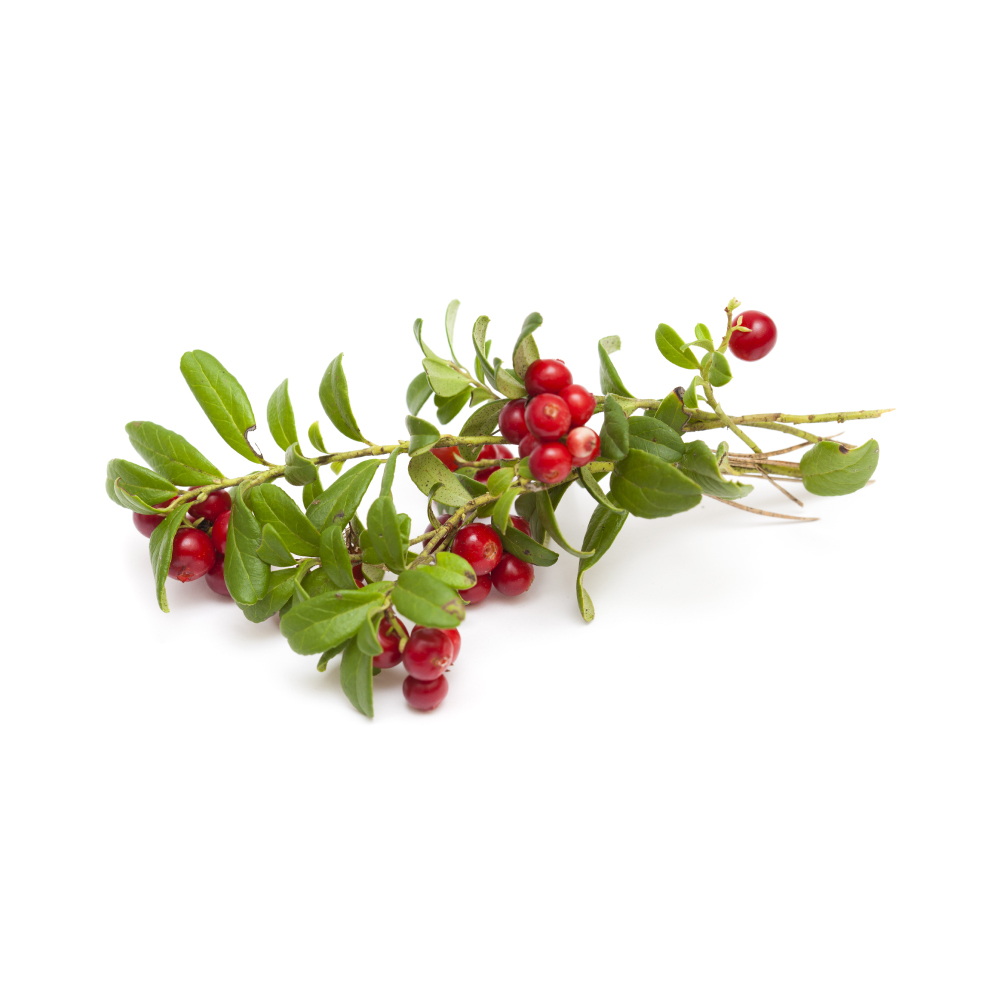
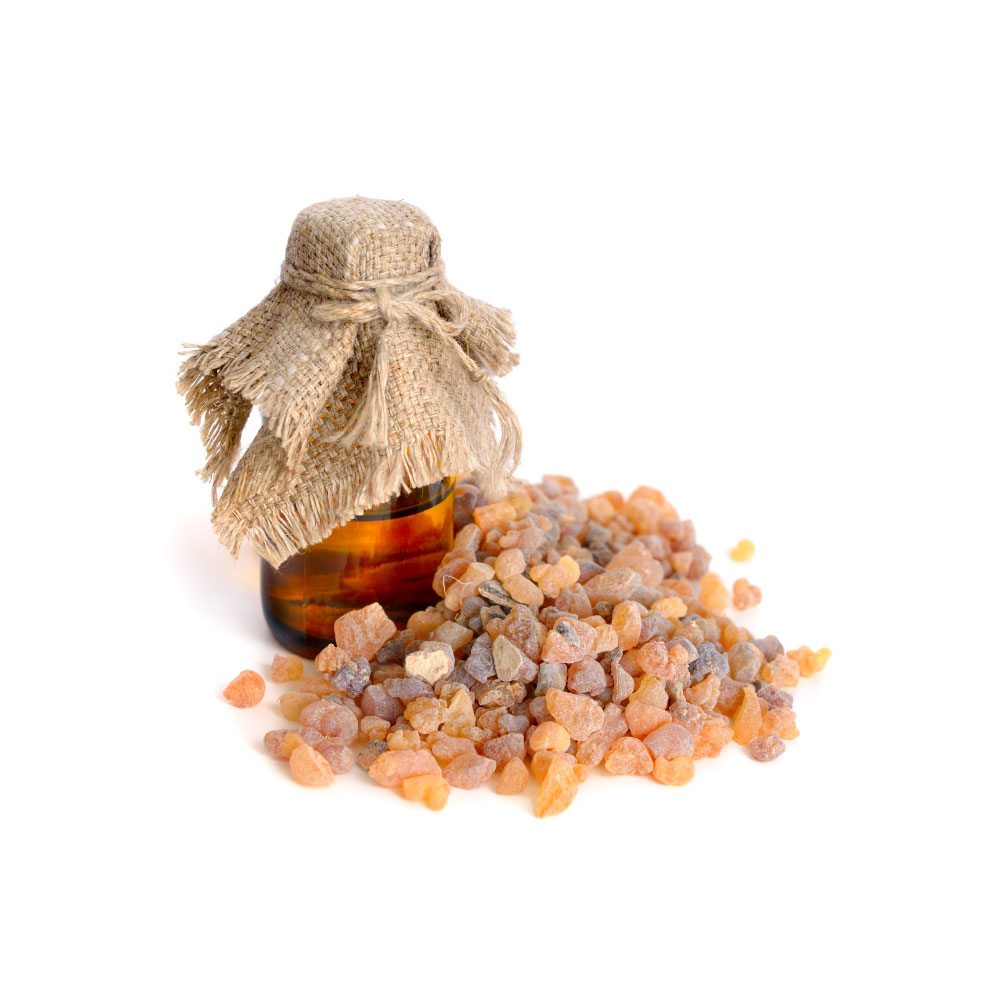
Herbs traditionally or clinically used for gonorrhea.


References:
- Unemo, M., & Nicholas, R. A. (2012). Emergence of multidrug-resistant, extensively drug-resistant and untreatable gonorrhea. Future microbiology, 7(12), 1401-1422. Chicago.