
Condition
Chronic Fatigue Syndrome
Chronic fatigue syndrome is a long-term illness marked by profound fatigue that is not relieved by rest and worsens after exertion.

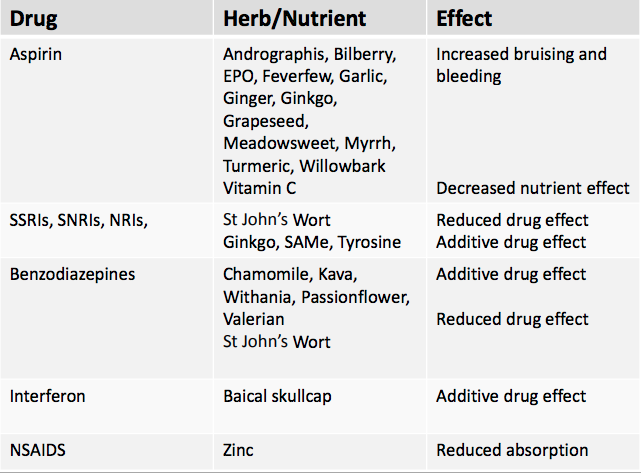
Chronic fatigue syndrome (CFS), also known as myalgic encephalomyelitis, is a long-term illness defined by profound fatigue that is not relieved by rest and characteristically worsens after exertion. It is diagnosed largely by exclusion, once other explanations for the fatigue have been ruled out, and typically brings a cluster of accompanying symptoms — unrefreshing sleep, cognitive difficulty, and widespread aches. Herbal and nutritional support is necessarily supportive rather than curative: it aims at energy and stamina, immune modulation, sleep quality, and the stress and mood disturbances that so often travel with the condition.
Overview
General Pathology
The cause of chronic fatigue syndrome is not fully understood and is almost certainly multifactorial. Several contributing threads have been identified, and they often overlap in a given person.
Infections are a recurring theme, with viral triggers — Epstein–Barr virus, human herpesvirus-6, Coxsackie B, and parvovirus B19 — most often implicated, alongside some bacterial (mycoplasma, Borrelia) and fungal (Candida albicans) associations. Immune dysregulation is commonly seen, with raised inflammatory cytokines such as IL-1, IL-6 and TNF, and reduced natural-killer-cell activity. Endocrine and neurological factors also feature: abnormalities of the pituitary and hypothalamus can disturb the hormonal axes that govern energy and the stress response, and the condition overlaps with circulatory and neurological disease.
The defining feature is persistent, disabling fatigue lasting six months or longer that rest does not improve. It is typically accompanied by post-exertional malaise (a worsening of symptoms after activity), unrefreshing sleep, impaired memory or concentration, muscle and joint pain, headaches, sore throat, and tender lymph nodes. Diagnosis generally requires that these symptoms have persisted or recurred for at least six months and did not predate the fatigue. Because its picture overlaps with adrenal insufficiency, fibromyalgia and other conditions, careful exclusion of alternative causes is central to the diagnosis.
Materia Medica
Materia Medica
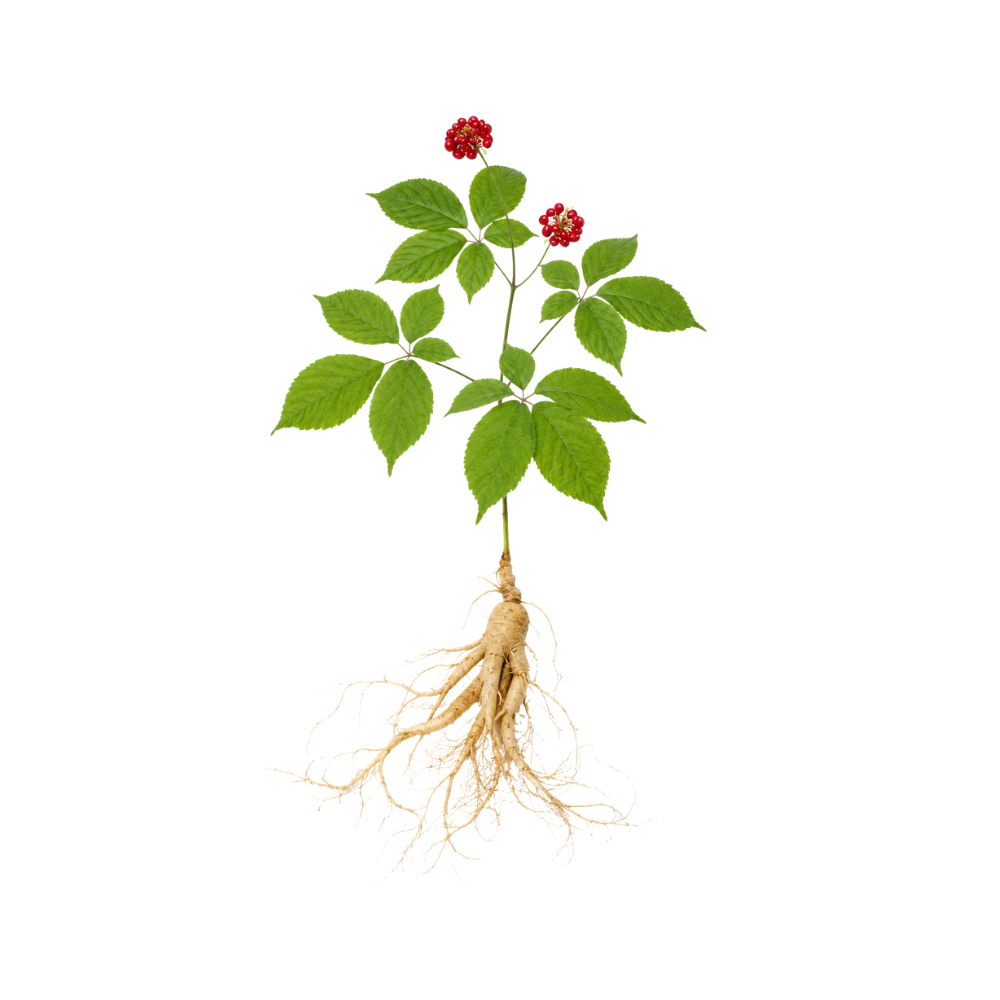 Asian GinsengPanax ginsengModerate
Asian ginseng has no trial in diagnosed CFS, but its effect on general fatigue is consistent: a meta-analysis of 12 RCTs (630 participants) found a significant effect on fatigue (SMD 0.34) with some physical-performance benefit 8Reference 8Meta-analysisEfficacy of ginseng supplements on fatigue and physical performance — meta-analysis of RCTsView study →, and two systematic reviews concluded ginseng may reduce fatigue, particularly in chronic illness 9,
Effect sizes are small-to-moderate, outcome scales heterogeneous, and part of the positive signal comes from American ginseng (P. quinquefolius) rather than Asian ginseng.
Full monograph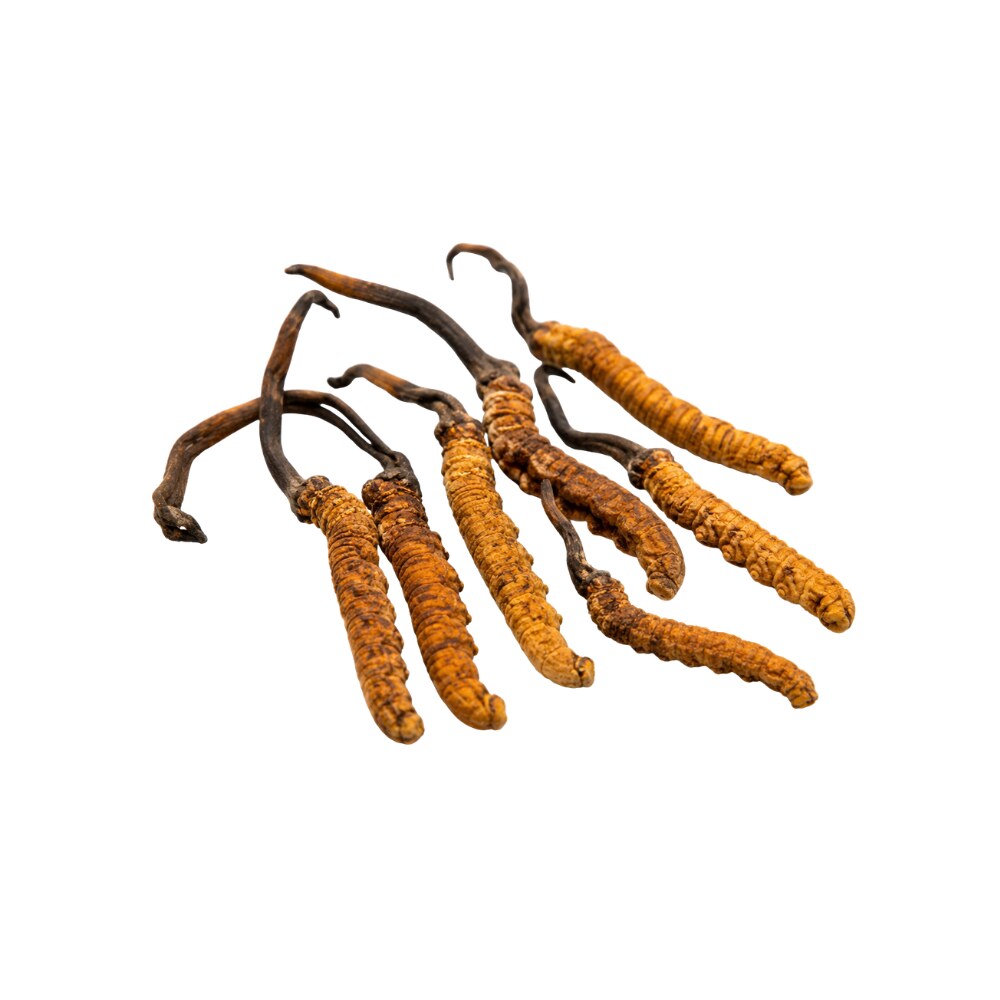 CordycepsCordyceps sinensisModerate
Cordyceps has no CFS-specific trial. The nearest human evidence is the fatigue/endurance literature, which is mixed: a well-controlled RCT found Cs-4 (3 g/day, 5 weeks) did not improve performance in trained cyclists 3Reference 3RCTCordyceps Sinensis (CordyMax Cs-4) supplementation does not improve endurance exercise performance — randomised, placebo-controlled trialView study →, while a double-blind trial in healthy older adults reported ~8–11% gains in metabolic and ventilatory thresholds after 12 weeks of Cs-4 4Reference 4RCTEffect of Cs-4 (Cordyceps sinensis) on exercise performance in healthy older subjects: a double-blind, placebo-controlled trial — randomised, double-blind, placebo-controlled trialView study →.
Combined with the herb’s classical Kidney/Lung-tonic reputation for exhaustion and recovery after illness, the case is an adaptogenic and vitality rationale rather than a fatigue endpoint. Benefit appears mainly in older/less-trained people on mycelial preparations, not the dried fruiting body.
Full monograph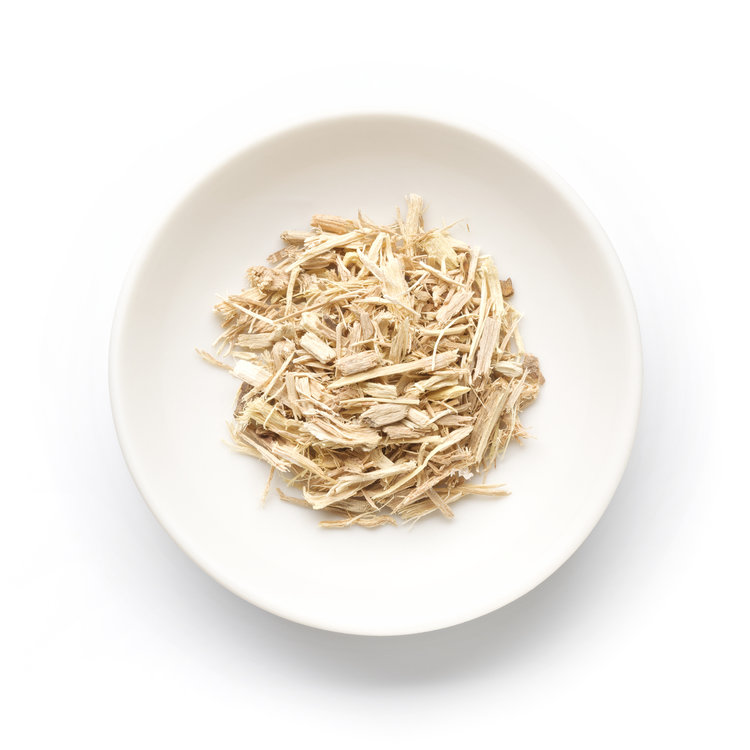 Eleuthero RootEleutherococcus senticosusModerate
A randomised trial of eleuthero in chronic fatigue (n=96) found no overall benefit versus placebo, though a pre-specified subgroup with less severe, longer-duration fatigue did improve 5Reference 5RCTRandomized controlled trial of Siberian ginseng for chronic fatigue — RCTView study →. The EMA’s traditional-use asthenia (fatigue and weakness) approval 6,
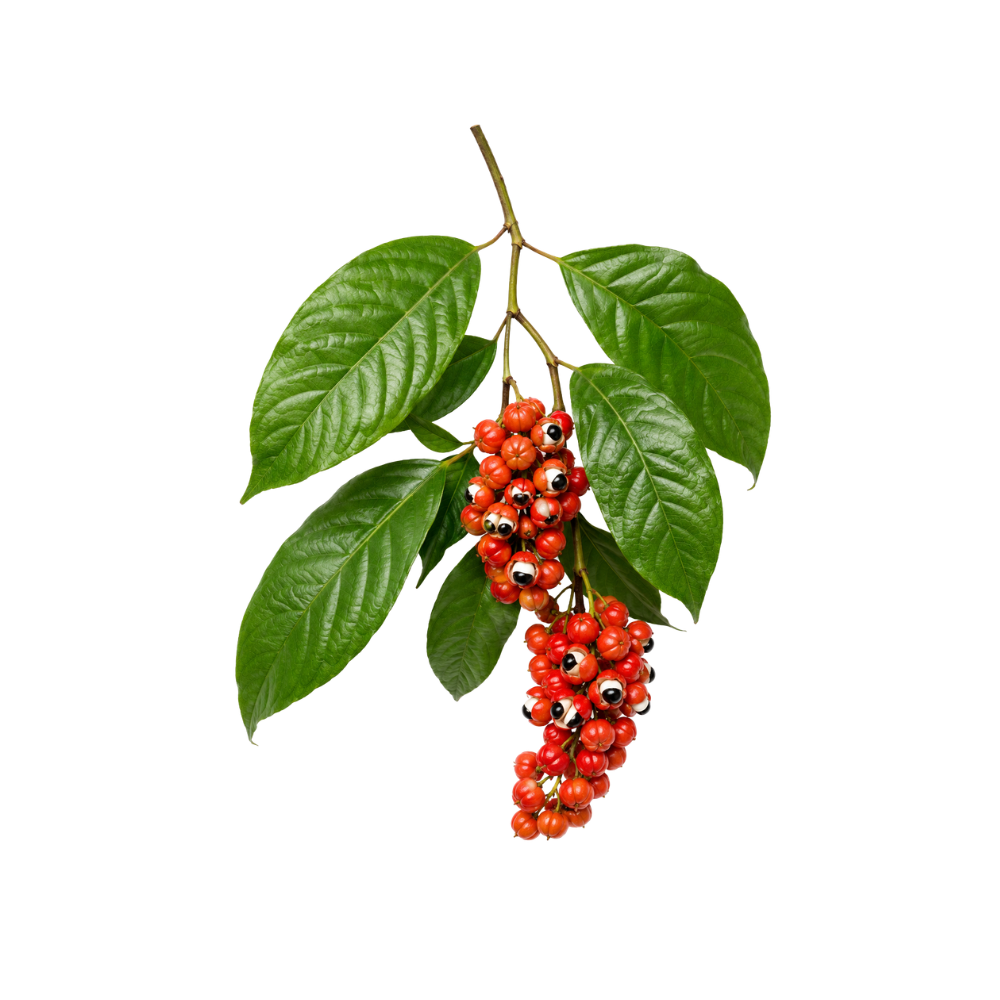 GuaranaPaullinia cupanaModerate
Guarana has no CFS-specific trial. Its use rests on its caffeine-driven acute stimulant effect — a meta-analysis of eight RCTs found faster reaction time (Hedge’s g = 0.20) but no accuracy or dose-response benefit 11,
This is a caffeine/anti-fatigue rationale, not a fatigue-syndrome endpoint, with no evidence guarana beats plain caffeine.
Full monograph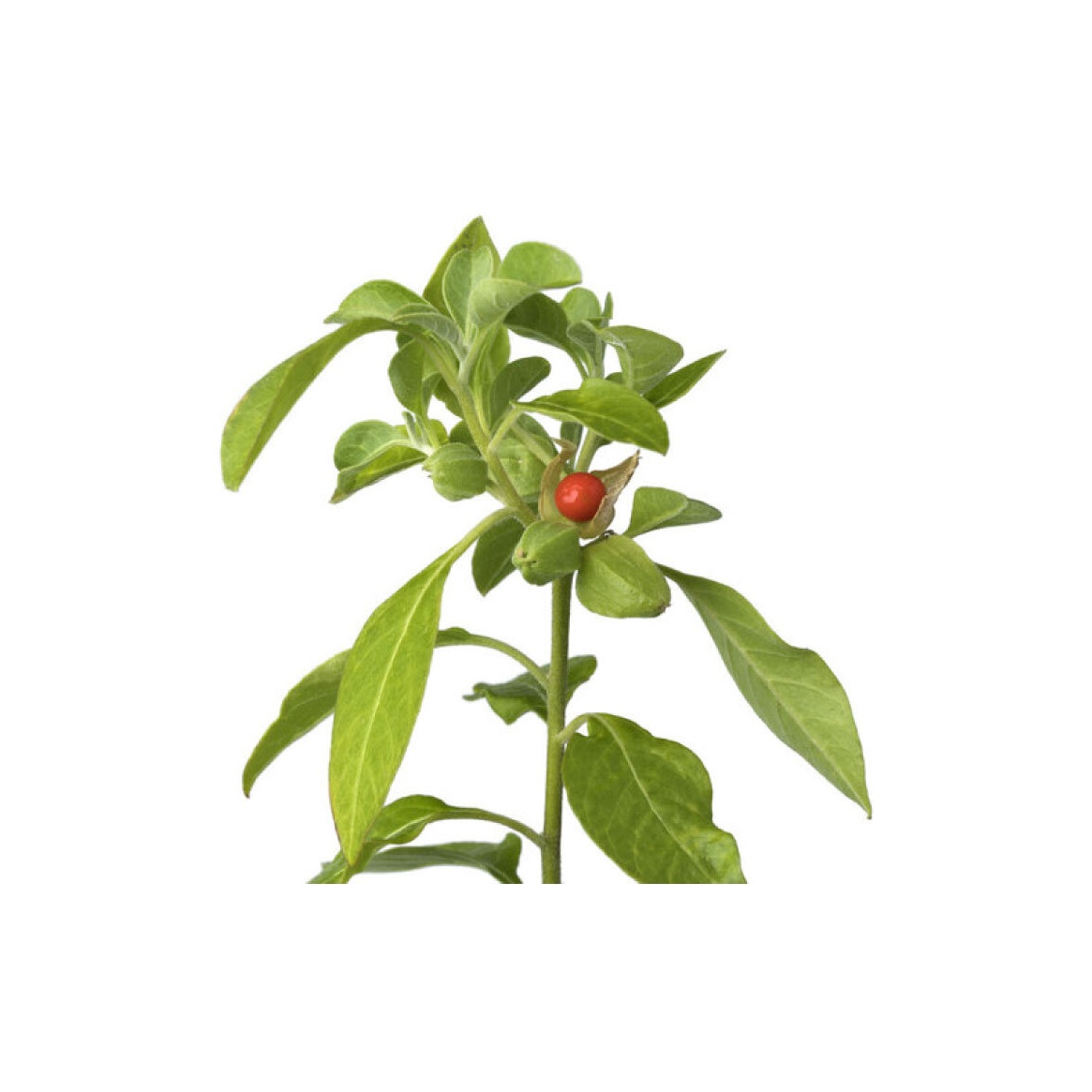 AshwagandhaWithania somniferaTraditional only
Ashwagandha has no CFS-specific trial. Its use for fatigue rests on the herb’s Rasayana (rejuvenative tonic) tradition plus its cortisol/HPA-axis and vitality signals from the stress and exercise-performance trials 1,
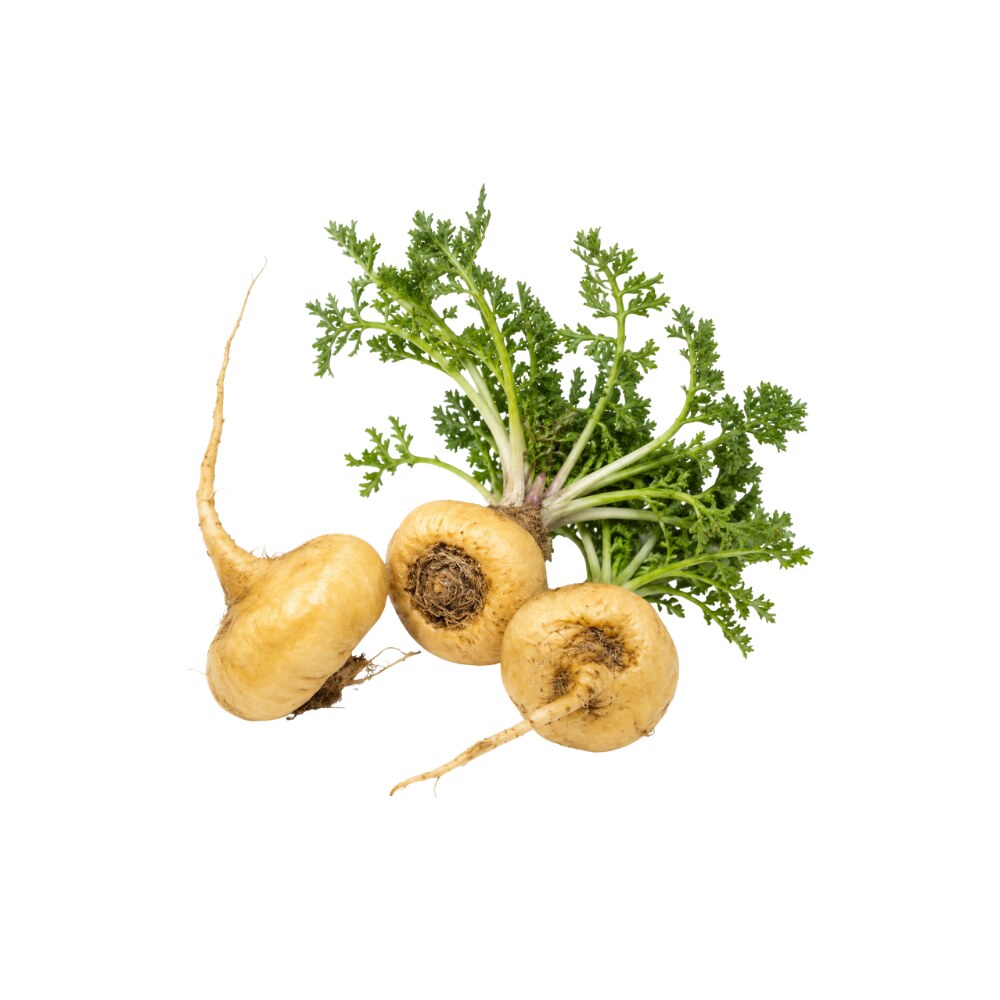 MacaLepidium meyeniiTraditional only
Maca is a traditional Andean vitality/adaptogen tonic used for stamina and fatigue. The physical-performance literature is weak and animal-dominated, and its one placebo-controlled human trial was null. There is no CFS trial.
Full monograph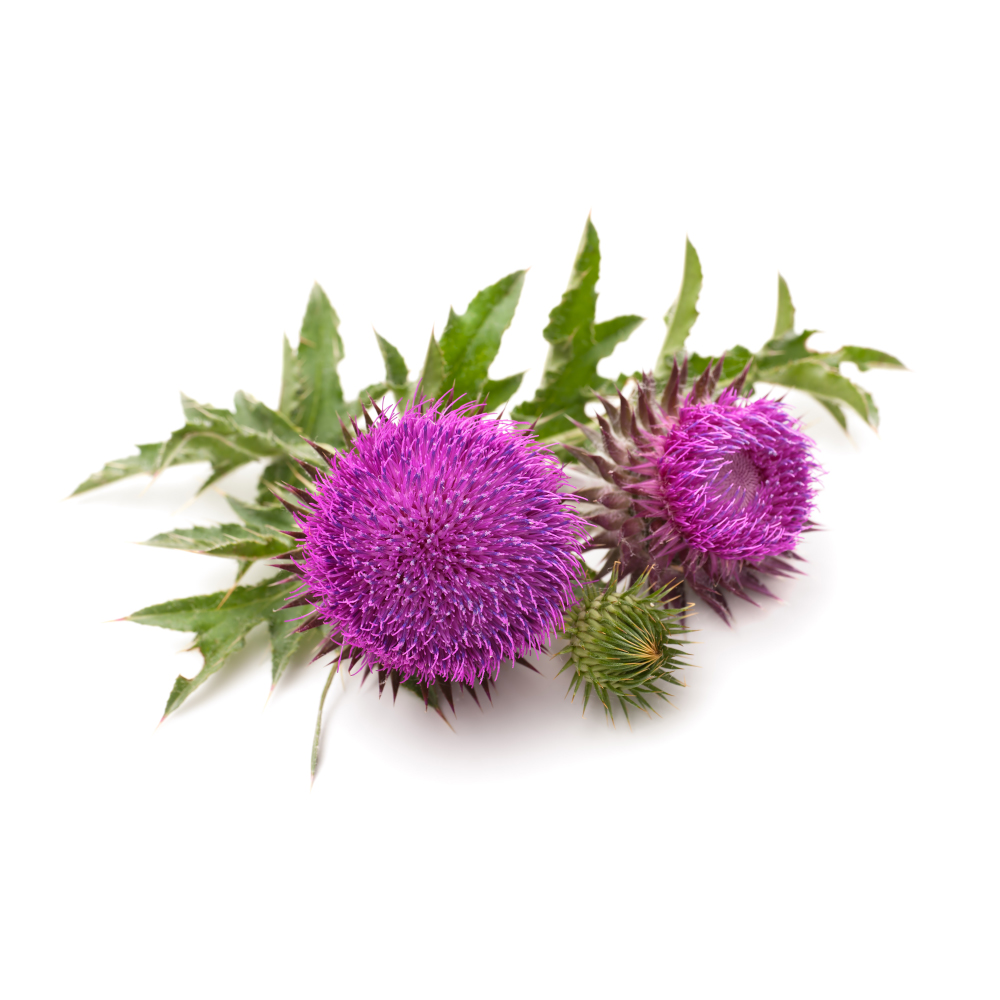 Milk ThistleSilybum marianumTraditional only
Milk thistle’s use for fatigue rests on the traditional liver-tonic / ‘melancholy’ framing. There is no fatigue or CFS trial.
Full monograph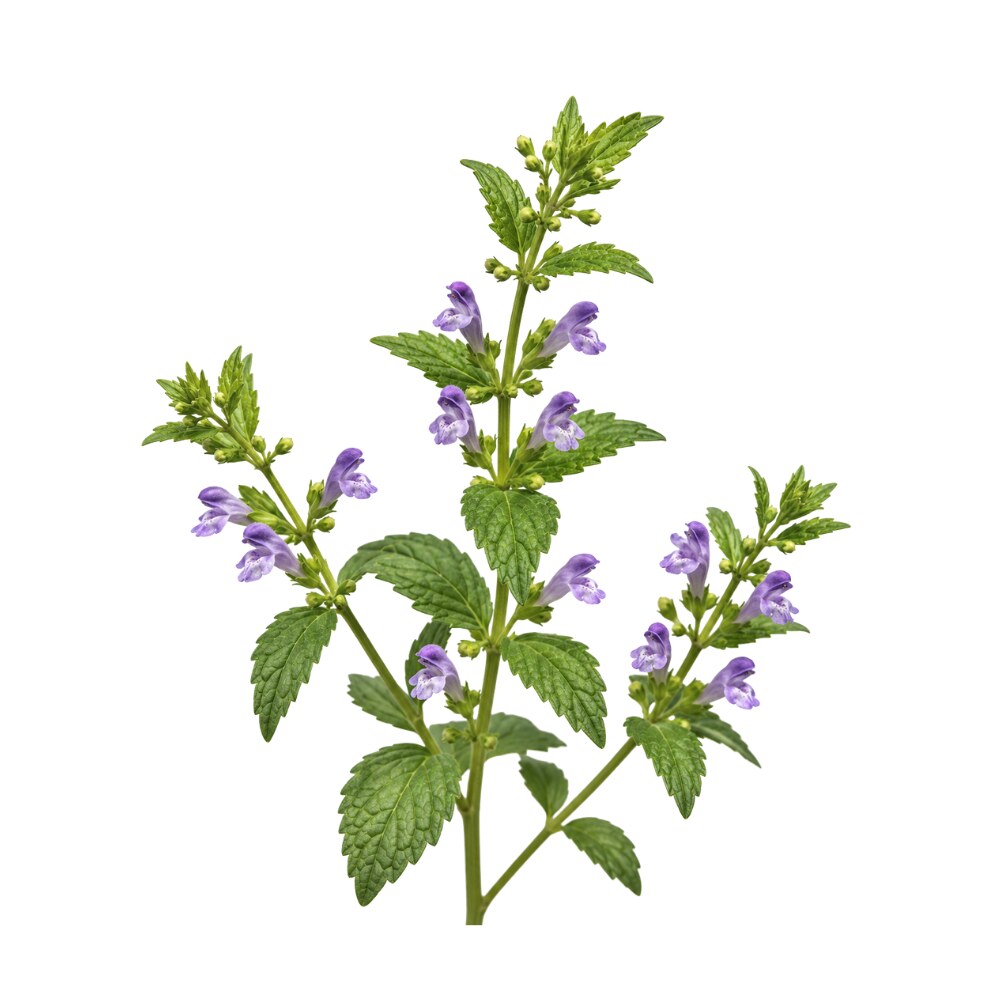 Skullcap (American)Scutellaria laterifloraTraditional only
American skullcap is a traditional trophorestorative nervine for nervous exhaustion and burnout. There is no trial or mechanism for a fatigue endpoint.
Full monograph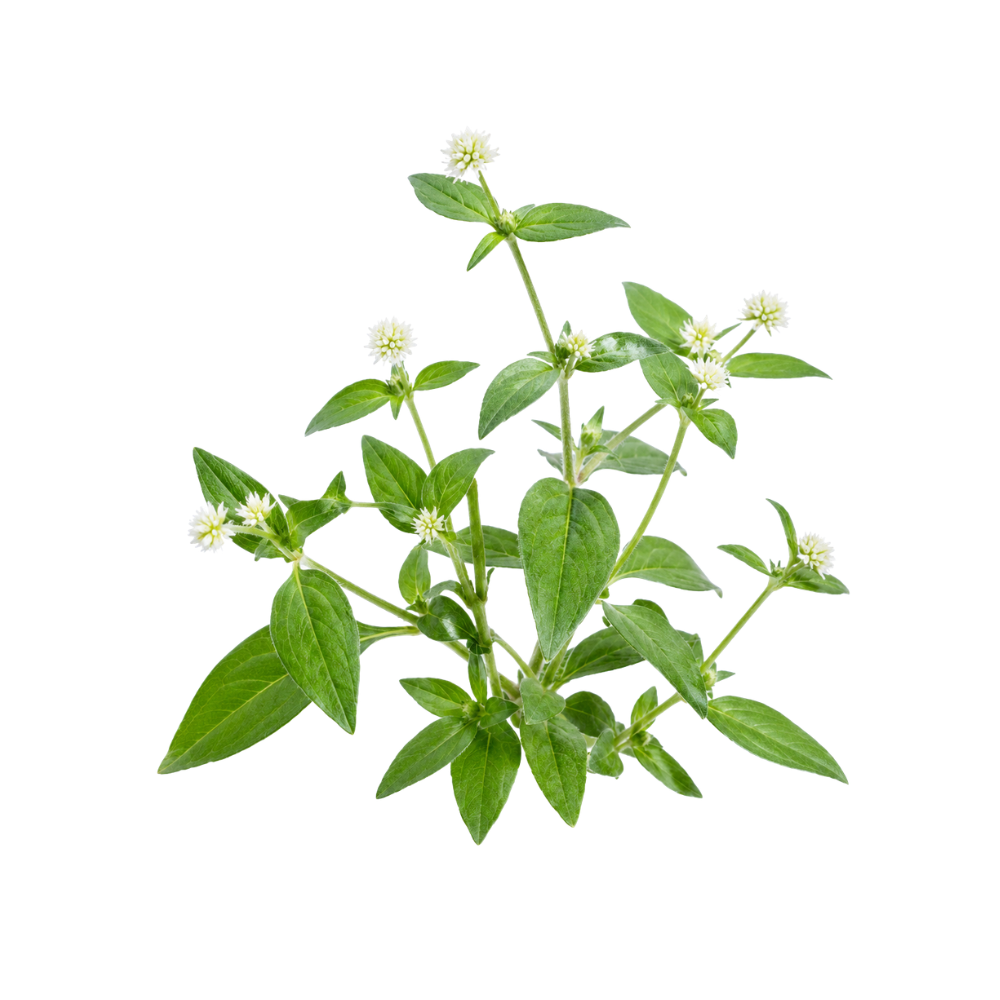 SumaPfaffia paniculataTraditional only
Suma is used as an adaptogenic ‘Brazilian ginseng’ tonic. The concrete anti-stress data belong to a sibling species (P. glomerata), so the CFS use rests on tradition and ecdysteroid read-across.
Full monographSupplementation
Supplementation
Supplements, nutrients and compounds used for chronic fatigue syndrome.
References
- Chandrasekhar K, et al. (2012). A prospective, randomised double-blind, placebo-controlled study of a high-concentration full-spectrum ashwagandha root extract in reducing stress and anxiety — RCT. Indian Journal of Psychological Medicine. https://pubmed.ncbi.nlm.nih.gov/23439798/
- Wankhede S, et al. (2015). Examining the effect of Withania somnifera supplementation on muscle strength and recovery — a randomised controlled trial. Journal of the International Society of Sports Nutrition. https://pubmed.ncbi.nlm.nih.gov/26609282/
- Parcell AC, Smith JM, Schulthies SS, et al. (2004). Cordyceps Sinensis (CordyMax Cs-4) supplementation does not improve endurance exercise performance — randomised, placebo-controlled trial. Int J Sport Nutr Exerc Metab 14(2):236-42. https://pubmed.ncbi.nlm.nih.gov/15118196/
- Chen S, Li Z, Krochmal R, et al. (2010). Effect of Cs-4 (Cordyceps sinensis) on exercise performance in healthy older subjects: a double-blind, placebo-controlled trial — randomised, double-blind, placebo-controlled trial. J Altern Complement Med 16(5):585-90. https://pubmed.ncbi.nlm.nih.gov/20804368/
- Hartz AJ, Bentler S, Noyes R, et al. (2004). Randomized controlled trial of Siberian ginseng for chronic fatigue — RCT. Psychological Medicine. https://pubmed.ncbi.nlm.nih.gov/14971626/
- Patyra A, Kołtun-Jasion M, Kiss AK, et al. (2025). Eleutherococcus root: a comprehensive review of its phytochemistry and pharmacological potential in the context of its adaptogenic effect — review. Frontiers in Pharmacology. https://pubmed.ncbi.nlm.nih.gov/41235111/
- European Medicines Agency, Committee on Herbal Medicinal Products (HMPC). (2006/2014). Community herbal monograph on Eleutherococcus senticosus (Rupr. et Maxim.) Maxim., radix — Doc. EMEA/HMPC/244569/2006 (traditional use for asthenia). https://www.ema.europa.eu/en/medicines/herbal/eleutherococci-radix
- Bach, H. V., et al. (2016). Efficacy of ginseng supplements on fatigue and physical performance — meta-analysis of RCTs. J Korean Med Sci. https://pubmed.ncbi.nlm.nih.gov/27822924/
- Arring, N. M., et al. (2018). Ginseng as a treatment for fatigue — systematic review. J Altern Complement Med. https://pubmed.ncbi.nlm.nih.gov/29624410/
- Li, X., Yang, M., Zhang, Y. L., et al. (2023). Ginseng and ginseng herbal formulas for symptomatic management of fatigue — systematic review and meta-analysis. J Integr Complement Med. https://pubmed.ncbi.nlm.nih.gov/36730693/
- Hack, B., et al. (2023). Effect of guarana (Paullinia cupana) on cognitive performance — systematic review and meta-analysis. Nutrients. https://pubmed.ncbi.nlm.nih.gov/36678305/
- Kennedy, D. O., et al. (2004). Improved cognitive performance following guarana extract — randomised, placebo-controlled trial. Pharmacology Biochemistry and Behavior. https://pubmed.ncbi.nlm.nih.gov/15582012/
- Penna, E. M., et al. (2024). Guarana but not low-dose caffeine improves cycling time-trial performance — randomised controlled trial. International Journal of Sport Nutrition and Exercise Metabolism. https://pubmed.ncbi.nlm.nih.gov/37898479/
- Estrázulas, J. A., et al. (2024). Acute ingestion of guarana on soccer player performance — randomised controlled trial. Journal of the American Nutrition Association. https://pubmed.ncbi.nlm.nih.gov/38958672/
- Basile, A., et al. (2005). Antibacterial and antioxidant activities of ethanol extract from Paullinia cupana — in vitro. Journal of Ethnopharmacology. https://pubmed.ncbi.nlm.nih.gov/16040216/