

Overview
Reproductive at a Glance
The reproductive system is the organs, hormones, and signalling that govern sexual function and fertility.
The shared reproductive system is narrower than the male and female systems on their own.
What belongs here is mainly sexual desire and function, reproductive tonification, phytoestrogen activity, and uterine-active herbs that matter whenever pregnancy is possible.
The rest splits naturally into separate systems.
The female reproductive system covers the menstrual cycle, PMS, period pain, heavy bleeding, PCOS, menopause, pregnancy, birth, and lactation.
The male reproductive system covers erectile function, testosterone, sperm quality, and the prostate.
Within the shared system, several very different mechanisms sit under the same broad reproductive label.
Some herbs influence sexual desire and function without meaningfully changing sex hormones.
Maca is a good example. Its effects on desire don’t depend on raising testosterone or estradiol.
Saffron acts more through serotonergic pathways, especially where sexual dysfunction is related to antidepressant use.
Other herbs act through vascular tone and nitric oxide, which affects genital blood flow in both sexes.
Then there are the phytoestrogens, which bind estrogen receptors weakly and can influence tissues differently depending on hormone status and receptor distribution.
A separate group acts on the uterus itself.
Emmenagogues and oxytocic herbs can increase uterine activity, which makes them especially important from a safety perspective whenever pregnancy is possible.
This is why “reproductive herb” is too broad a category on its own.
A herb used for libido, a phytoestrogen, a uterine stimulant, and a long-term reproductive tonic may all sit on the same page while doing completely different things.
Caution
Uterine-stimulating herbs need particular care in pregnancy or whenever pregnancy is possible. Hormone-sensitive conditions, fertility treatment, and unexplained reproductive symptoms also need a clearer diagnosis before herbs are used.
The Traditional View
How Herbalists Read Reproductive Health
Traditional herbal medicine usually treats reproductive function as an expression of overall vitality, nourishment, and constitutional reserve.
That idea appears in different forms across several traditions.
In Chinese medicine, Kidney essence, or jing, is associated with fertility, sexual function, development, and ageing.
In Ayurveda, shukra dhatu is the final and most refined tissue, produced only when the tissues before it are adequately nourished.
Western herbalism developed a similar idea through the reproductive tonics — herbs used not only for sexual function, but also for exhaustion, convalescence, poor resilience, and states of general depletion.
The practical result is that traditional treatment often starts with tonics rather than stimulants.
Shatavari, ashwagandha, maca, suma, and related herbs are generally used over weeks or months with the aim of improving reproductive function as part of broader recovery and constitutional support.
That’s different from the classic aphrodisiac.
An aphrodisiac implies a more direct effect on desire, arousal, or sexual performance.
A reproductive tonic implies something slower and broader.
The two categories overlap, but they aren’t the same.
This distinction matters because a herb can improve sexual function without changing testosterone, estrogen, or other reproductive hormones.
Stress, mood, vascular function, fatigue, medication effects, and relationship factors can all influence libido and performance without the problem being hormonal in the first place.
A separate traditional branch is the emmenagogue.
These herbs are used to encourage or restore menstrual flow.
Some also stimulate uterine smooth muscle directly, which places them close to the oxytocic category.
That makes them fundamentally different from a tonic or aphrodisiac.
Their action is on the uterus itself, and that becomes a safety issue whenever pregnancy is possible.
Phytoestrogenic herbs form another distinct group.
Red clover, fennel, soy, and other plants contain compounds that interact with estrogen receptors.
They’re best thought of as weak receptor-active compounds rather than general hormone balancers.
The shared herbal framework therefore comes down to a few separate questions:
Is the aim to support reproductive vitality, improve sexual function, influence hormone signalling, improve genital blood flow, or act on the uterus itself?
Key Herbal Actions
What the Herbs Do Here
The actions most often called on here, each linking through to the herbs that carry it:
Aphrodisiac
The traditional category for herbs said to increase sexual desire or capacity; imprecise, heavily marketed, thinly evidenced.
Hormone Modulator
Acts on hormonal signalling without simply raising or lowering a single hormone.
Emmenagogue
Promotes and regularises menstrual flow, and the group requiring most care in anyone who could be pregnant. Its child oxytocic is the narrower action of driving uterine contraction.
Uterine Tonic
Tones and coordinates uterine muscle rather than stimulating it.
Adaptogen
Buffers the stress axis, one of the few well-evidenced routes by which a herb affects libido or fertility at all.
Nervine
Addresses the anxiety and mood component underlying a large share of sexual difficulty.
Female Tonic & Male Tonic
The sex-specific constitutional categories, covered on the two child pages.
Mechanisms
How It Works
The shared mechanisms are fewer than the marketing implies, and the most important one is a negative result. Almost all of them act at one of four points.
01
Serotonin & the sexual side effects of antidepressants
The best-evidenced shared route, and it is neurological rather than hormonal.
SSRIs impair sexual function in a large share of the people taking them, reducing desire and delaying or abolishing orgasm, through serotonergic suppression of dopaminergic and nitrergic signalling. That gives a defined, common, well-characterised target with a homogeneous trial population, which “low libido” never is.
Saffron improved fluoxetine-induced dysfunction in women 5Reference 5RCTSaffron for treatment of fluoxetine-induced sexual dysfunction in women — randomised double-blind placebo-controlled studyView study → and men 6Reference 6RCTEffect of saffron on fluoxetine-induced sexual impairment in men — randomised double-blind placebo-controlled trialView study →, and its crocin and safranal carry its serotonergic activity. Maca improved SSRI-induced dysfunction in women 3Reference 3RCTA double-blind placebo-controlled trial of maca root as treatment for antidepressant-induced sexual dysfunction in women — randomised controlled trialView study → and in a dose-finding study of SSRI-treated patients 4Reference 4RCTA double-blind, randomised, pilot dose-finding study of maca root (L. meyenii) for the management of SSRI-induced sexual dysfunctionView study →, without a hormonal explanation.
Sexual dysfunction is one of the commonest reasons people stop an antidepressant on their own, so the decision to add anything belongs with the prescriber.
02
Nitric oxide & genital blood flow
The vascular route, and it is shared. The same nitric-oxide-driven smooth-muscle relaxation that produces an erection also drives clitoral and vaginal engorgement.
Damiana’s pro-sexual effect in male rats runs specifically through the nitric oxide pathway 13Reference 13AnimalPro-sexual effects of Turnera diffusa in male rats involves the nitric oxide pathway — animal studyView study →, the most mechanistically specific finding in the traditional aphrodisiac group.
This is why the cardiovascular warning generalises. Anything that impairs endothelial function, including diabetes, hypertension, smoking, and atherosclerosis, impairs sexual function in both sexes, and the vascular problem is the more important diagnosis.
Herbs: Damiana
03
Weak estrogen-receptor binding, the phytoestrogens
The shared hormonal route, and the one with real clinical consequences on both child pages.
Isoflavones and related flavonoids are structurally close enough to estradiol to occupy estrogen receptors, binding weakly and preferentially at ERβ rather than ERα. In a low-estrogen state that produces partial agonism, which is the basis of red clover’s use in menopause, though the Cochrane review of the whole class found no consistent benefit 28Reference 28Systematic reviewPhytoestrogens for menopausal vasomotor symptoms — Cochrane systematic reviewView study →. Fennel’s estrogenic activity, carried by anethole and its dimers, has been recognised since at least 1980 30Reference 30ReviewFennel and anise as estrogenic agents — reviewView study →.
The ERβ preference underlies the argument that these compounds behave differently from systemic estrogen in breast tissue. That argument is plausible and incompletely settled, which is why the hormone-sensitive-cancer caution below is stated firmly rather than hedged.
Herbs: FennelRed Clover
Key compounds: GenisteinBiochanin AFormononetinAnethole
04
Uterine smooth muscle
Not a mechanism of benefit but of harm, and the reason this section exists.
A range of common herbs stimulate uterine contraction, confirmed in isolated-uterus work across the traditional emmenagogue group 26Reference 26Uterotonic action of extracts from a group of medicinal plants — isolated-uterus animal studyView study →. Blue cohosh acts differently again: its alkaloids, N-methylcytisine among them, are nicotinic agonists, and nicotinic toxicity has been documented after its use as an abortifacient 25Reference 25Case reportNicotinic toxicity from tincture of blue cohosh (Caulophyllum thalictroides) used as an abortifacient — case reportView study →.
In a non-pregnant person this is at most a menstrual effect. In an early pregnancy, including one nobody knows about yet, it is a different matter, and the traditional literature is explicit that these plants were used to end pregnancies.
Reviews of herbal abortifacient toxicity document what actually happens, which is organ failure rather than reliable termination 17Reference 17ReviewToxicities of herbal abortifacients — reviewView study →.
Herbs: Blue CohoshMugwortRaspberry LeafYarrow
Key compounds: N-methylcytisine
The Herbs
Materia Medica
The herbs whose reproductive use spans both sexes, and the uterine-active herbs that concern anyone who could become pregnant.
Libido & Sexual Function
5 herbsThe group with the most shared evidence, and it has a clear internal hierarchy. Trials in antidepressant-induced sexual dysfunction are well designed because the cause is known; trials in “low libido” mostly are not, because mood, relationships, medication, vascular disease, hormones and fatigue all present the same way. A systematic review of herbs and testosterone in men found very little of the wider category survives scrutiny 11Reference 11Systematic reviewExamining the effects of herbs on testosterone concentrations in men — systematic reviewView study →.
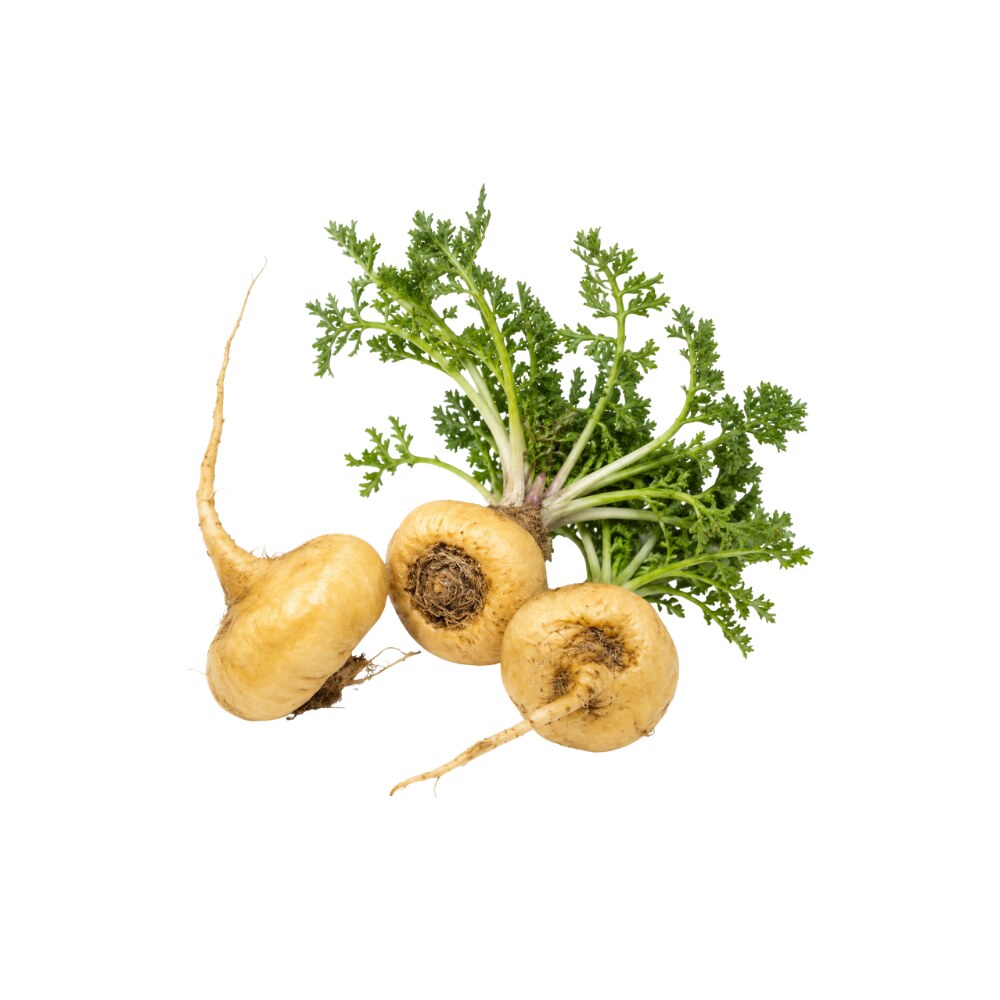 ModerateModerateMacaLepidium meyeniiA randomized placebo-controlled trial found maca increased sexual desire in healthy men while documenting no relationship with serum testosterone 1Reference 1RCTEffect of Lepidium meyenii (maca) on sexual desire and its absent relationship with serum testosterone levels in adult healthy men — randomised placebo-controlled trialView study →, and a systematic review of maca for sexual function found the evidence suggestive but limited 2Reference 2Systematic reviewMaca (L. meyenii) for improving sexual function — systematic reviewView study →.Read the evidenceShow lessMonograph →
Its best-designed work is in a defined population. Double-blind randomized trials found maca improved antidepressant-induced sexual dysfunction in women 3Reference 3RCTA double-blind placebo-controlled trial of maca root as treatment for antidepressant-induced sexual dysfunction in women — randomised controlled trialView study → and in a dose-finding study of SSRI-treated patients 4Reference 4RCTA double-blind, randomised, pilot dose-finding study of maca root (L. meyenii) for the management of SSRI-induced sexual dysfunctionView study →.
The absent hormonal signal is the useful part. Whatever maca is doing, it is not raising testosterone, which rules out the mechanism most often claimed for it.
Maca is a food crop with a long dietary history at altitude in the Peruvian Andes, which gives it an unusually reassuring safety profile for this category. Its erectile and semen-quality evidence sits on the male page.
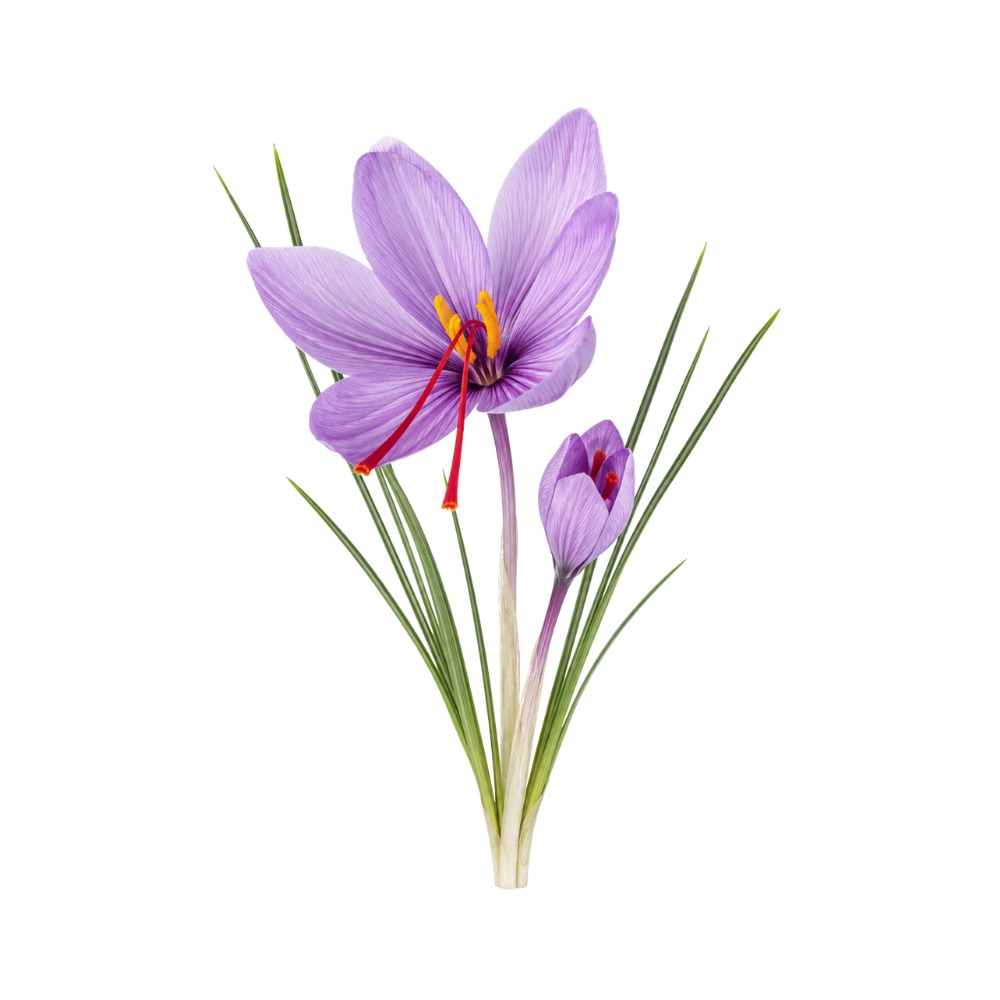 StrongStrongSaffronCrocus sativusThe strongest shared evidence, and it works through mood rather than hormones. Randomized, double-blind, placebo-controlled trials found saffron improved fluoxetine-induced sexual dysfunction in women 5Reference 5RCTSaffron for treatment of fluoxetine-induced sexual dysfunction in women — randomised double-blind placebo-controlled studyView study → and in men 6Reference 6RCTEffect of saffron on fluoxetine-induced sexual impairment in men — randomised double-blind placebo-controlled trialView study →, two properly controlled trials in the same defined population.Read the evidenceShow lessMonograph →
A three-centre, double-blind, randomized, placebo-controlled trial found benefit in female sexual dysfunction more generally 7Reference 7RCTCrocus sativus (saffron) in the treatment of female sexual dysfunction — three-centre, double-blind, randomised, placebo-controlled clinical trialView study →, and a randomized, parallel-group, double-blind trial of a topical saffron gel found improvement in erectile dysfunction in diabetics 8Reference 8RCTEffects of a topical saffron (Crocus sativus L.) gel on erectile dysfunction in diabetics — randomised, parallel-group, double-blind, placebo-controlled trialView study →.
The plausible mechanism is serotonergic, consistent with saffron’s own antidepressant literature on the nervous page.
Saffron is expensive and adulteration is common. Trial doses are around 30 mg a day, which is far above a culinary amount.
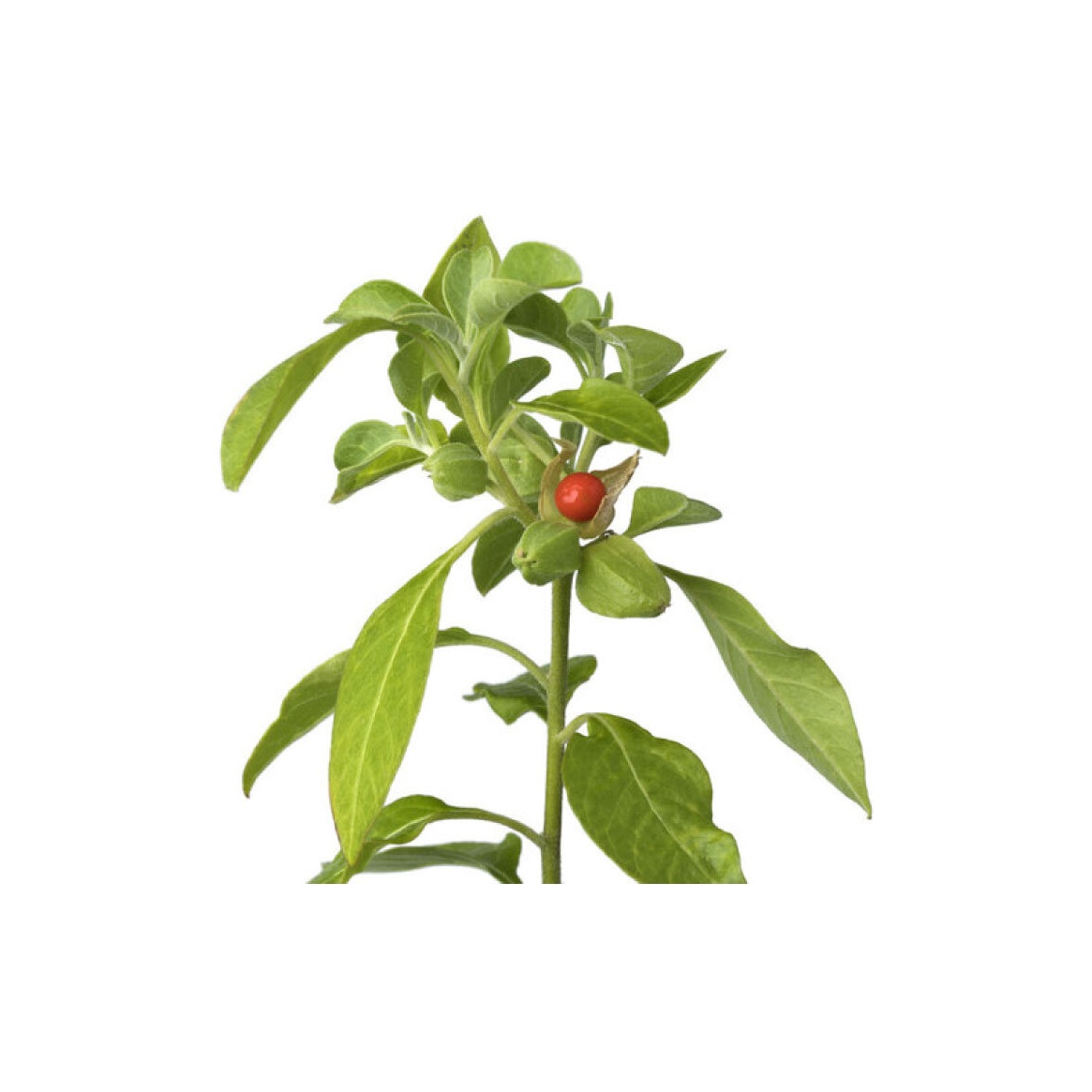 ModerateModerateAshwagandhaWithania somniferaThe principal Ayurvedic reproductive tonic, and the one herb here with pilot trials in both sexes. A pilot randomized controlled trial found root extract improved sexual function in women 9Reference 9RCTEfficacy and safety of ashwagandha root extract in improving sexual function in women — pilot randomised controlled trialView study →, and a pilot randomized study found improved semen parameters in oligospermic men 10Reference 10RCTClinical evaluation of the spermatogenic activity of ashwagandha root extract in oligospermic males — pilot randomised studyView study →.Read the evidenceShow lessMonograph →
The plausible mechanism is neither hormonal nor vascular but the stress axis, where ashwagandha’s best evidence lies. Chronic stress is a real and under-acknowledged cause of low desire and impaired fertility in both sexes, covered on the nervous and endocrine pages.
Both trials are pilots, from Indian centres, in small samples. The male fertility evidence is examined on the male page.
Concentrated extracts carry a thyroid effect and a small number of hepatotoxicity case reports.
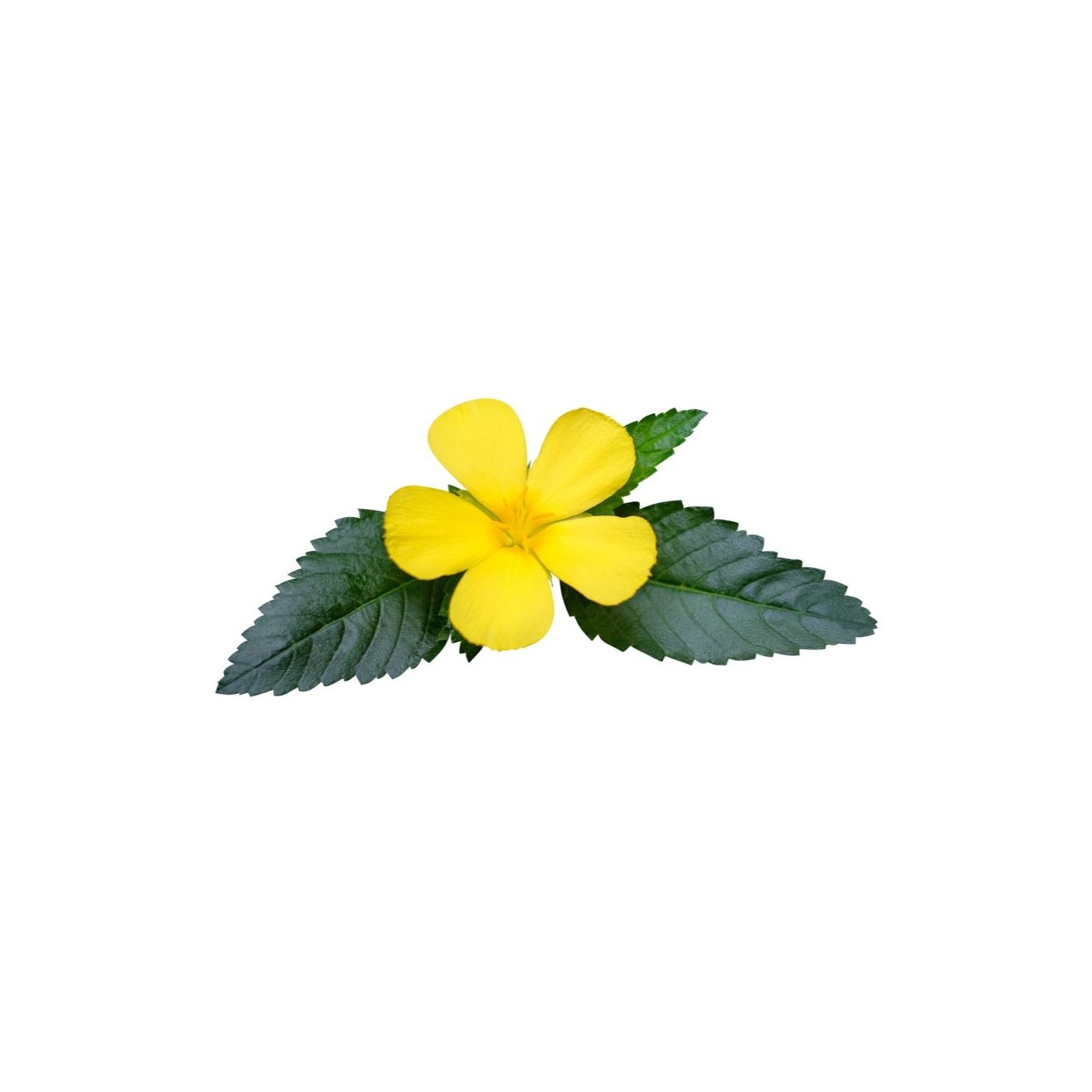 PreclinicalPreclinicalDamianaTurnera diffusaThe classic shared aphrodisiac of Central America, used traditionally by and for both sexes, with a coherent animal literature and no controlled human trial of the herb alone.Read the evidenceShow lessMonograph →
Turnera diffusa stimulates sexual behaviour in male rats 12Reference 12AnimalStimulating property of Turnera diffusa and Pfaffia paniculata extracts on the sexual behavior of male rats — animal studyView study →, and its pro-sexual effect specifically involves the nitric oxide pathway 13Reference 13AnimalPro-sexual effects of Turnera diffusa in male rats involves the nitric oxide pathway — animal studyView study →. That is the mechanism underlying genital blood flow in both sexes, which is what makes damiana the most plausible entry in the traditional aphrodisiac group.
Damiana is also mildly anxiolytic, which may be part of the traditional picture given how much sexual difficulty is anxiety-driven.
It appears in human research only within multi-ingredient products, so nothing in that literature tests damiana itself.
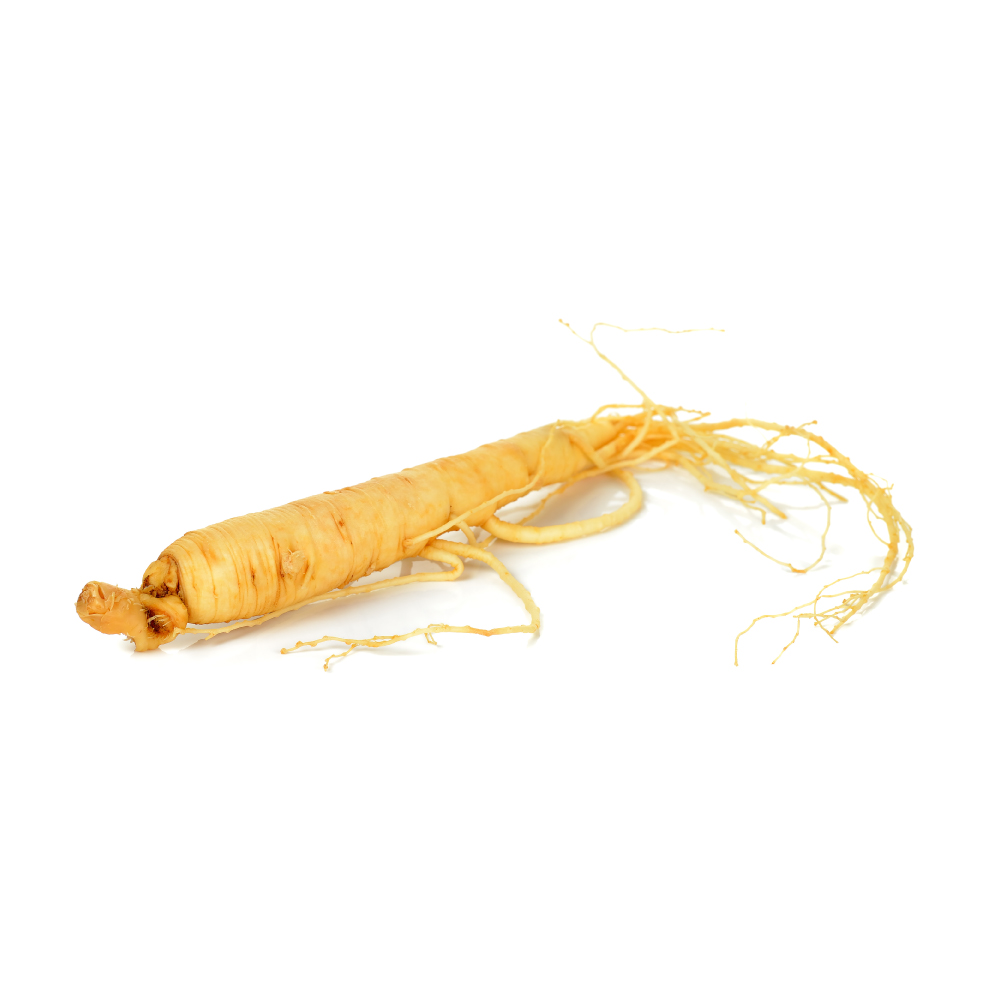 PreclinicalPreclinicalSumaPfaffia paniculata“Brazilian ginseng”, used in Amazonian practice as a general tonic with a reproductive reputation. Pfaffia paniculata extract stimulated sexual behaviour in male rats in the same study that tested damiana 12Reference 12AnimalStimulating property of Turnera diffusa and Pfaffia paniculata extracts on the sexual behavior of male rats — animal studyView study →, and a review of plants used to improve sexual performance places it within the wider ethnobotanical group 14Reference 14ReviewA review on plants used for improvement of sexual performance and virility — reviewView study →.Read the evidenceShow lessMonograph →
There is no human trial of any kind.
One finding argues for caution rather than enthusiasm. A study of Pfaffia glomerata, a closely related species sold under the same trade name, found effects on testis function in mice exposed in utero and during lactation 15Reference 15AnimalEvaluation of the testis function of mice exposed in utero and during lactation to Pfaffia glomerata (Brazilian ginseng) — animal studyView study →, which is a reason to avoid it in pregnancy and breastfeeding specifically.
The review of adverse effects across herbal sexual enhancers is worth reading alongside any product in this group 16Reference 16ReviewPharmacology of herbal sexual enhancers — review of psychiatric and neurological adverse effectsView study →.
Uterine-Active Herbs & the Pregnancy Line
3 herbsNot a therapeutic group but a safety one. These herbs stimulate uterine contraction, which matters to anyone who could be pregnant, including in a pregnancy not yet known about, and it is why the traditional category of “herbs that bring on a delayed period” has always been a euphemism. Blue cohosh, the most dangerous of them, is written up on the female page. Reviews of what happens when these plants are used to end a pregnancy document organ failure rather than reliable termination 17,
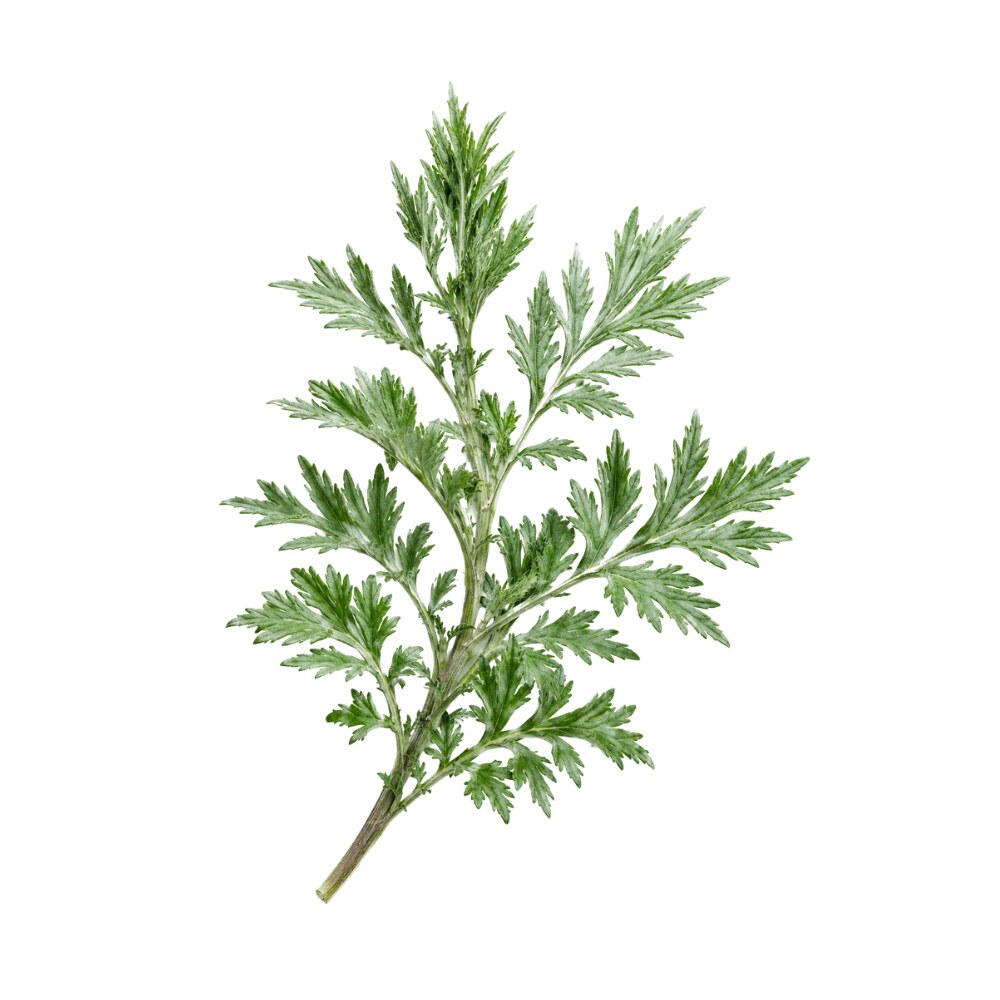 TraditionalTraditionalMugwortArtemisia vulgarisThe archetypal Western emmenagogue, and the plant the whole Artemisia genus takes its reputation from. It was used to bring on a delayed or absent period, and named in the herbals for exactly that purpose for centuries.Read the evidenceShow lessMonograph →
There is no controlled human trial for any reproductive indication. Its modern research concerns moxibustion, allergy and antiparasitic activity instead.
The reputation is strong enough, and specific enough, that mugwort belongs in any account of what a person who might be pregnant should not take. Reviews of herbal abortifacient toxicity cover this class of plant directly 17Reference 17ReviewToxicities of herbal abortifacients — reviewView study →.
Mugwort is also a major cause of pollen allergy, with extensive cross-reactivity to other Asteraceae and to several foods.
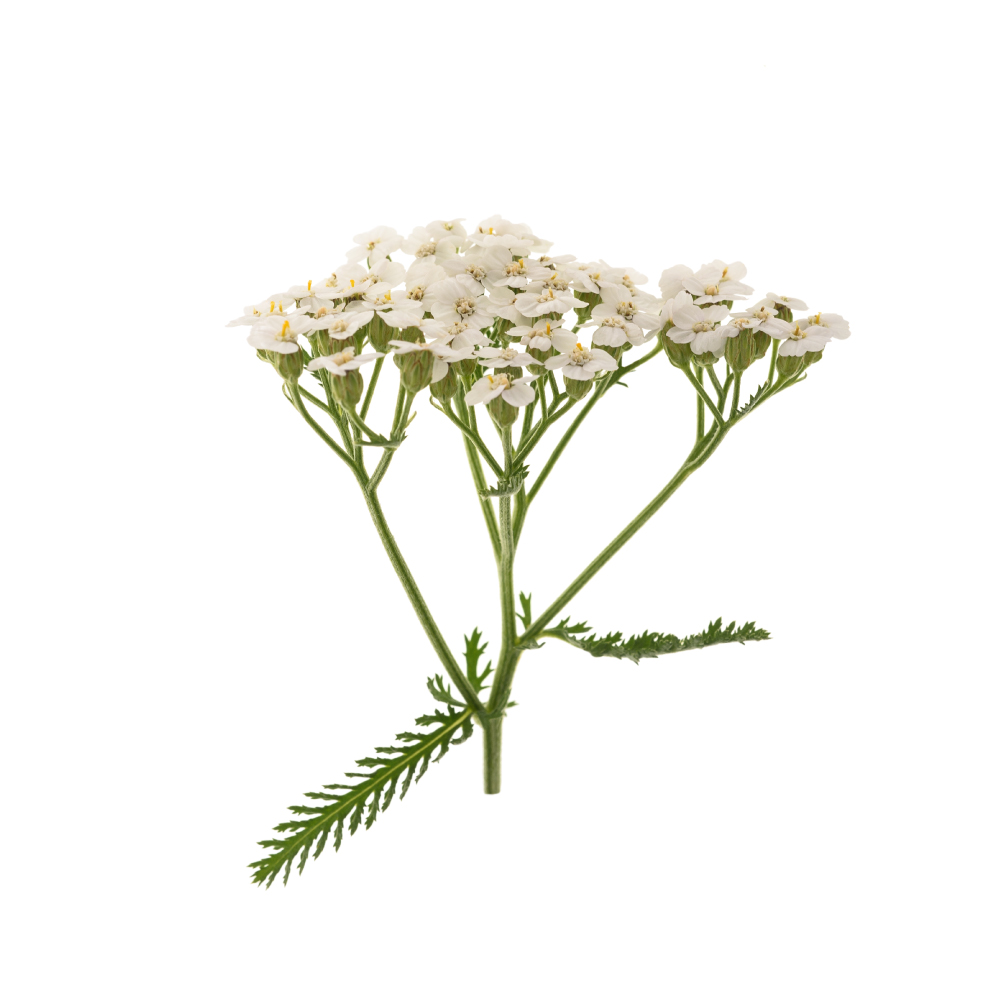 ModerateModerateYarrowAchillea millefoliumAn unusual entry, because it has both a real trial and a firm pregnancy contraindication. A double-blind randomized clinical trial found Achillea millefolium relieved primary dysmenorrhoea 19Reference 19RCTEffect of Achillea millefolium on relief of primary dysmenorrhea — double-blind randomised clinical trialView study →, and it has measurable estrogenic activity in vitro 20Reference 20In vitroIn vitro estrogenic activity of Achillea millefolium L. — in vitroView study →.Read the evidenceShow lessMonograph →
Yarrow occupies an amphoteric position in Western herbalism, being simultaneously a styptic used to stop bleeding and an emmenagogue used to promote menstruation. That sounds contradictory and reflects two different actions on two different tissues.
The emmenagogue reputation is the caution, and it is why yarrow is avoided in pregnancy despite being an otherwise low-risk and widely used plant.
Asteraceae family, so cross-allergy applies.
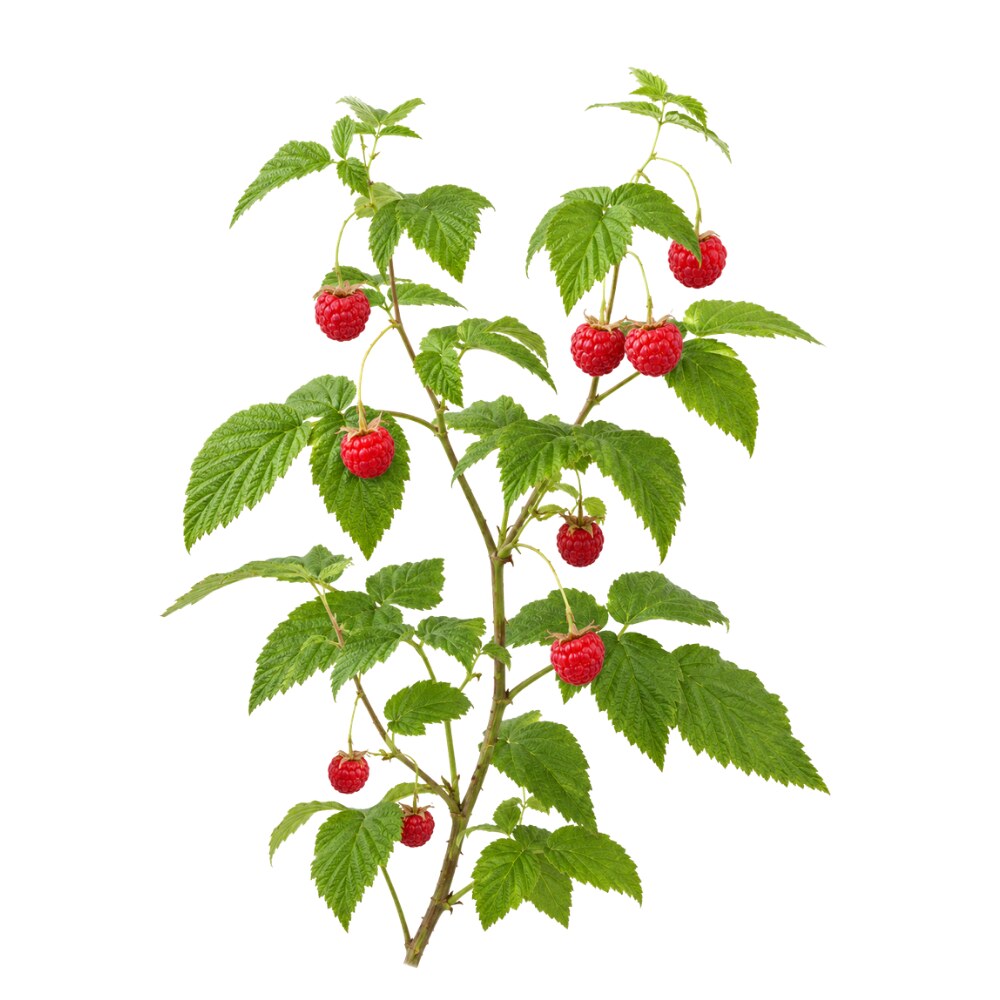 ModerateModerateRaspberry LeafRubus idaeusThe classic uterine tonic rather than stimulant, and the distinction is the whole traditional claim. Raspberry leaf is said not to provoke contractions but to make them more coordinated and effective.Read the evidenceShow lessMonograph →
The evidence is thinner than its ubiquity suggests. A randomized, double-blind, placebo-controlled trial found no significant shortening of the first stage of labour, with a possible small effect on the second 21Reference 21RCTRaspberry leaf in pregnancy — its safety and efficacy in labor, randomised, double-blind, placebo-controlled trialView study →; a systematic integrative review found the evidence limited but no clear safety signal 22Reference 22ReviewBiophysical effects, safety and efficacy of raspberry leaf use in pregnancy — systematic integrative reviewView study →; and a prospective observational study adds real-world data 23Reference 23ObservationalRaspberry leaf (Rubus idaeus) use in pregnancy — prospective observational studyView study →.
Isolated-tissue work has shown both relaxant and stimulant effects, which is why the tonic claim remains unresolved.
Conventionally started around 32 weeks and discussed with a midwife, not early in pregnancy.
Phytoestrogens & Hormone-Sensitive Conditions
2 herbsThe shared hormonal question, and the one that most often needs answering before anything else on either child page. Phytoestrogens are weak, selective estrogen-receptor ligands. The clinical question is not whether they work, which they do modestly for some things, but whether they are safe in someone whose cancer, prostate or endometrium is hormone-responsive. That question is unsettled, which is why the answer below is a referral rather than a reassurance.
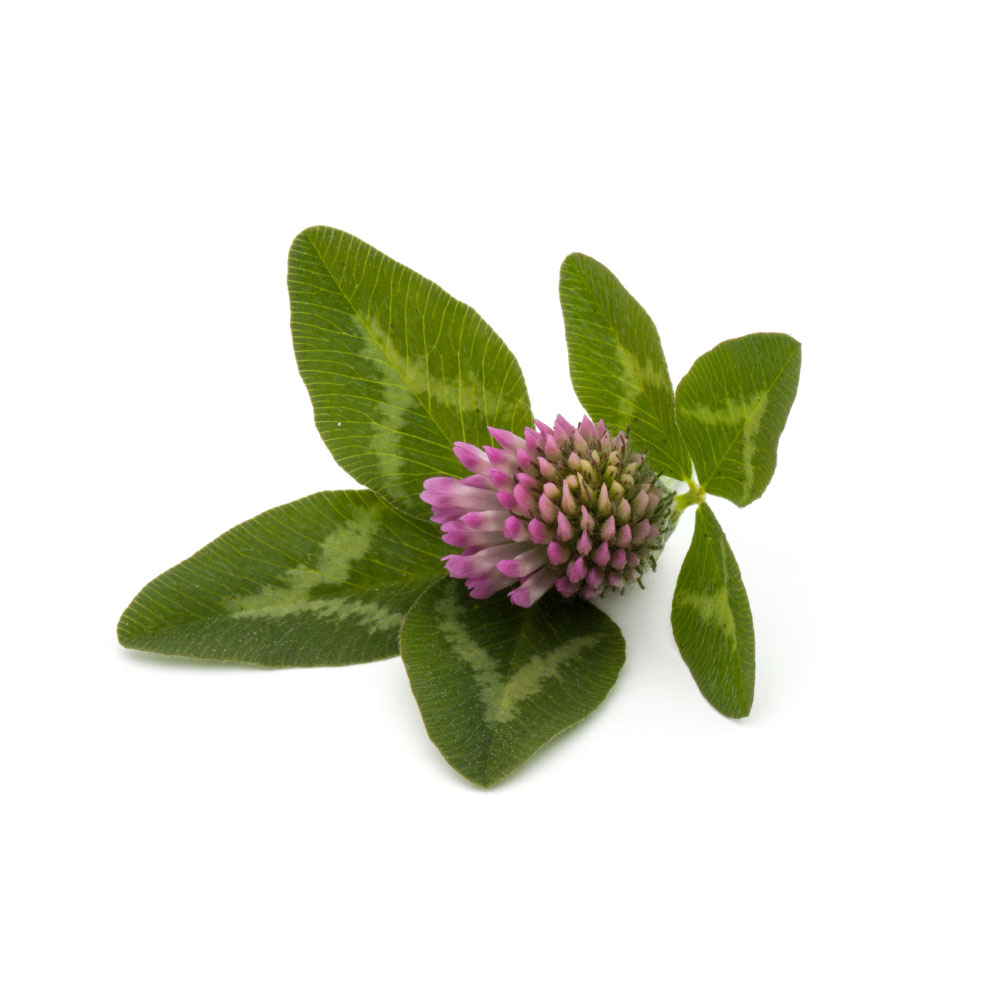 ModerateModerateRed CloverTrifolium pratenseThe archetypal isoflavone phytoestrogen and the reference case for the whole class. Its genistein, biochanin A and formononetin bind estrogen receptors weakly and preferentially at ERβ, which is the pharmacology the rest of the class is judged against.Read the evidenceShow lessMonograph →
The clinical picture is a disagreement about effect size. A GRADE-assessed systematic review and meta-analysis found red clover reduced hot flush frequency 27Reference 27Meta-analysisThe effectiveness of red clover on hot flush in menopausal women — GRADE-assessed systematic review and meta-analysisView study →, while the Cochrane review of phytoestrogens for vasomotor symptoms found no consistent benefit across the class 28Reference 28Systematic reviewPhytoestrogens for menopausal vasomotor symptoms — Cochrane systematic reviewView study →.
Its fuller menopause and bone evidence is on the female page.
Isoflavones have a separate in vitro literature in prostate tissue, which is the reason this molecule class reaches both child pages rather than one.
The caution is inherent to the mechanism rather than to any observed harm. These are estrogen-receptor ligands, and their safety in hormone-sensitive breast, ovarian or endometrial disease is not established.
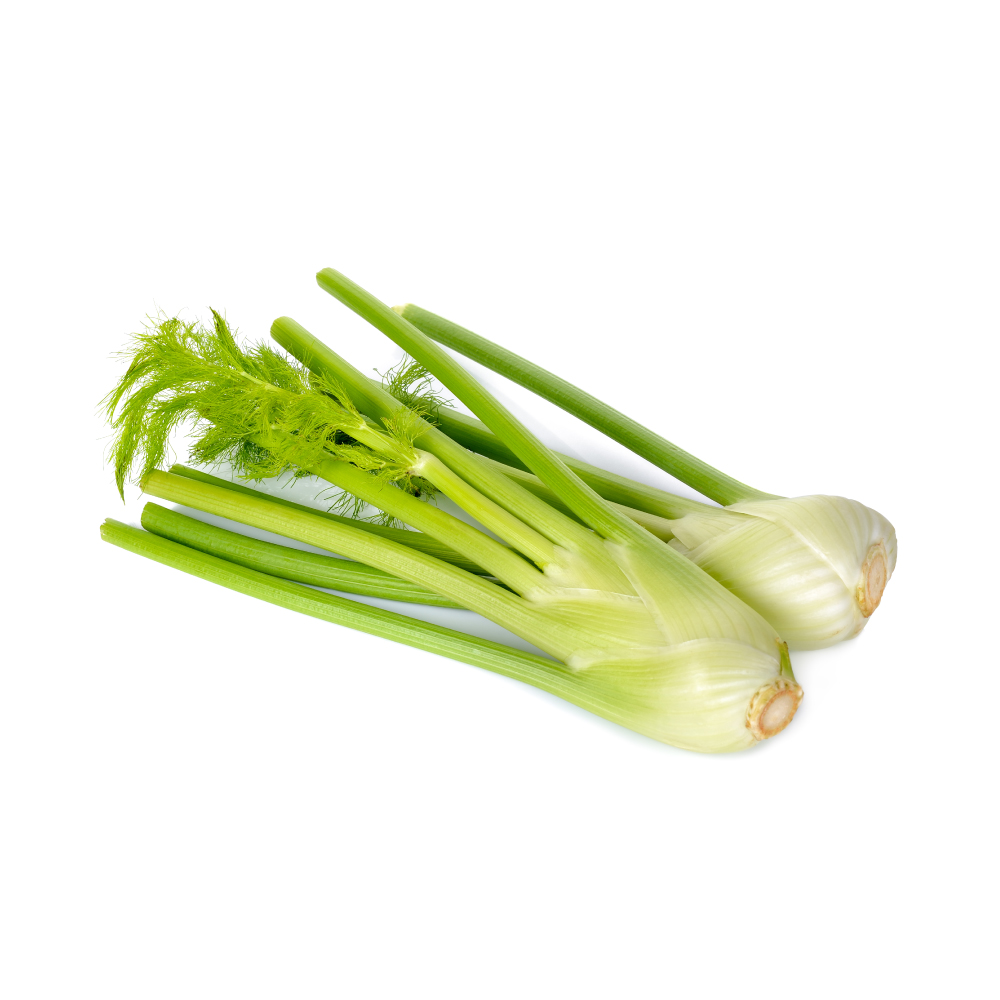 ModerateModerateFennelFoeniculum vulgareThe kitchen spice with a real and under-appreciated hormonal profile. Its estrogenic activity, shared with anise and carried by anethole and its dimers, has been recognised since at least 1980 30Reference 30ReviewFennel and anise as estrogenic agents — reviewView study →, and a systematic review and meta-analysis supports its use for menopausal symptoms 29Reference 29Meta-analysisFennel for the management of menopausal women’s health — systematic review and meta-analysisView study →.Read the evidenceShow lessMonograph →
The more interesting result runs the other way. A randomized controlled trial found fennel added to a hypocaloric diet improved androgenic and anthropometric indices in overweight women with PCOS 31Reference 31RCTHypocaloric high-protein diet supplemented with fennel on androgenic and anthropometric indices in overweight women with PCOS — randomised controlled trialView study →, an androgen-side effect rather than an estrogen-side one.
That points at a more complex hormonal action than the word phytoestrogen captures, and it is why fennel reaches this group rather than sitting only with the menopause herbs. Its dysmenorrhoea and menopause evidence sits on the female page.
The estrogenicity that makes it useful is also the reason for caution in hormone-sensitive conditions.
No herbs match these filters.
Also Tagged
29 more herbs are tagged for this system.
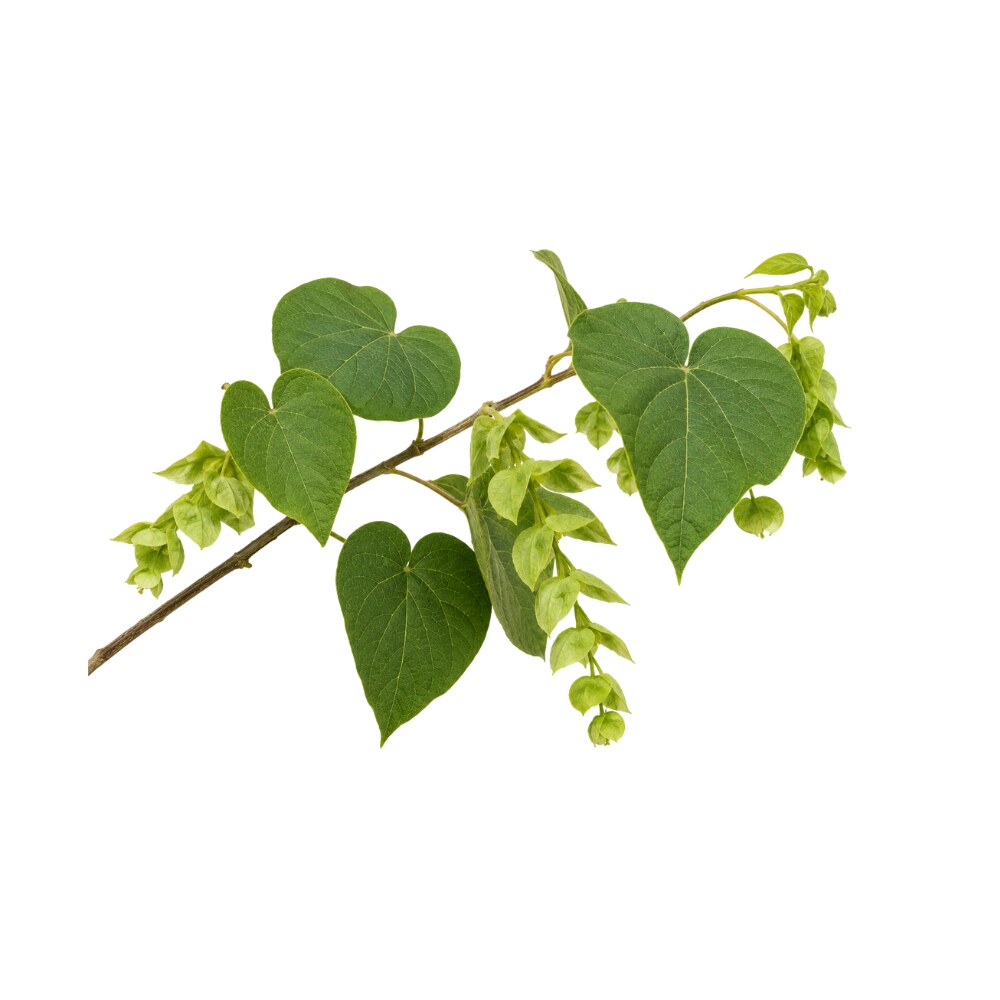
Abuta
Cissampelos pareira
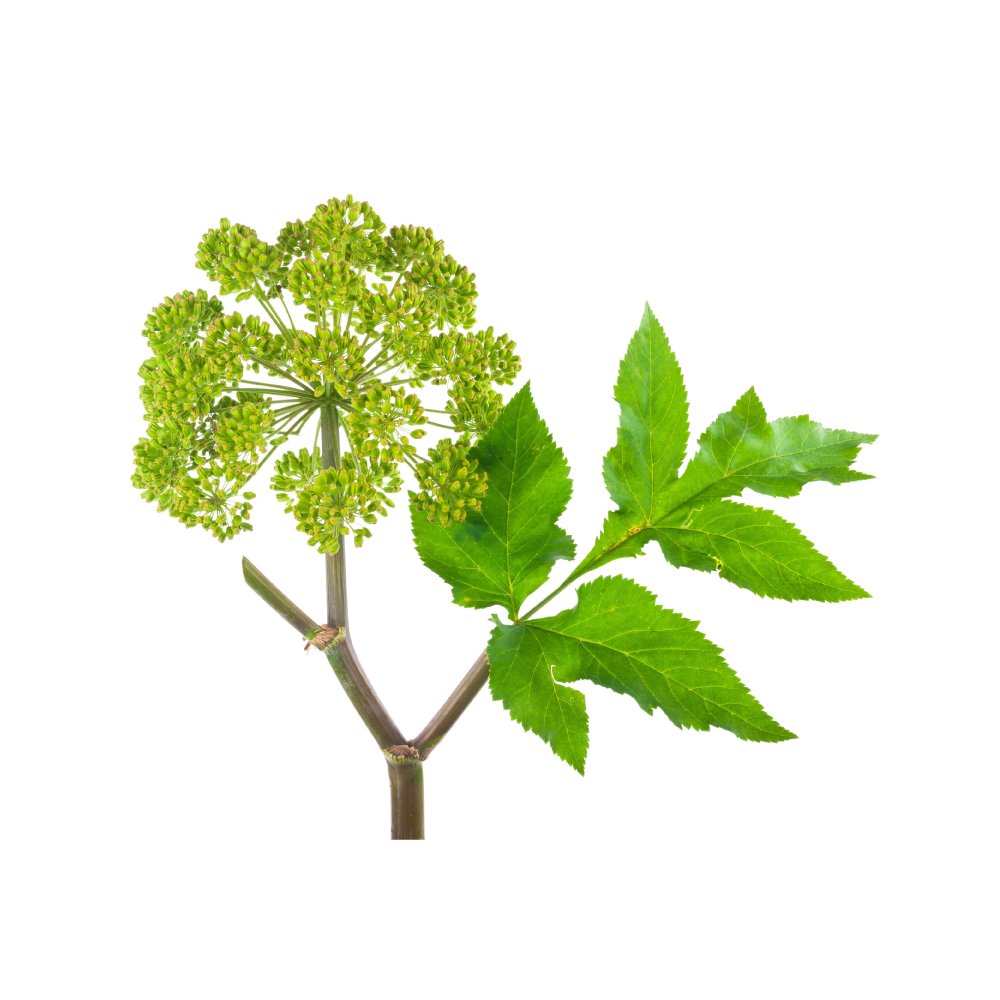
Angelica
Angelica archangelica
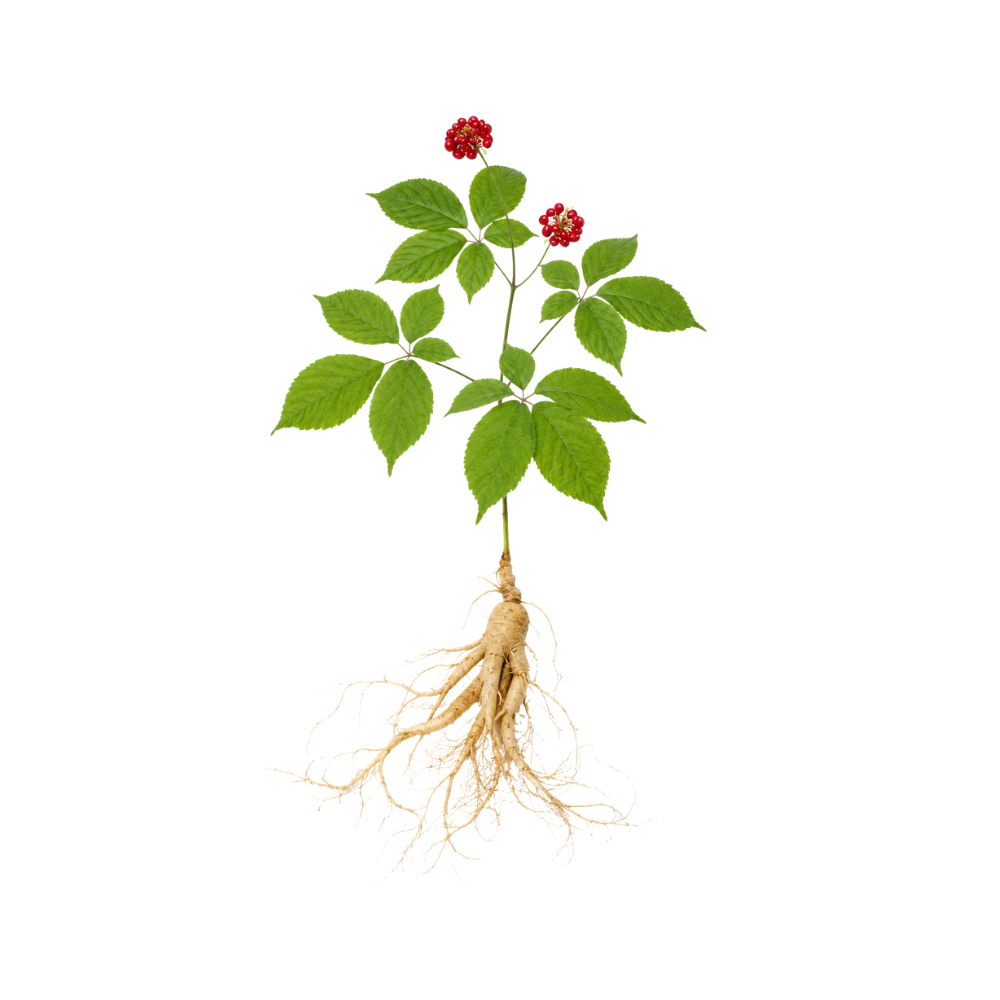
Asian Ginseng
Panax ginseng
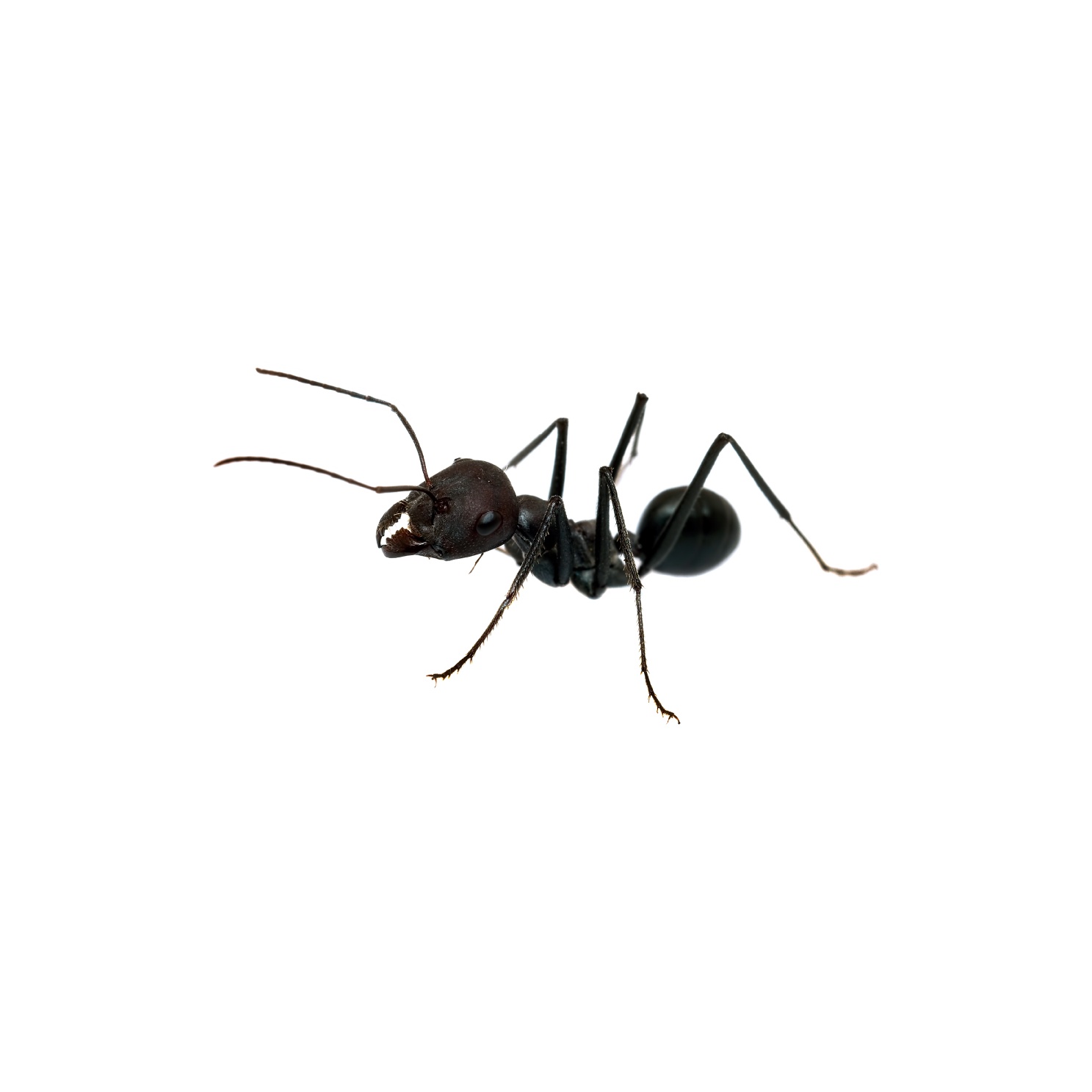
Black Ant
Polyrhachis spp.
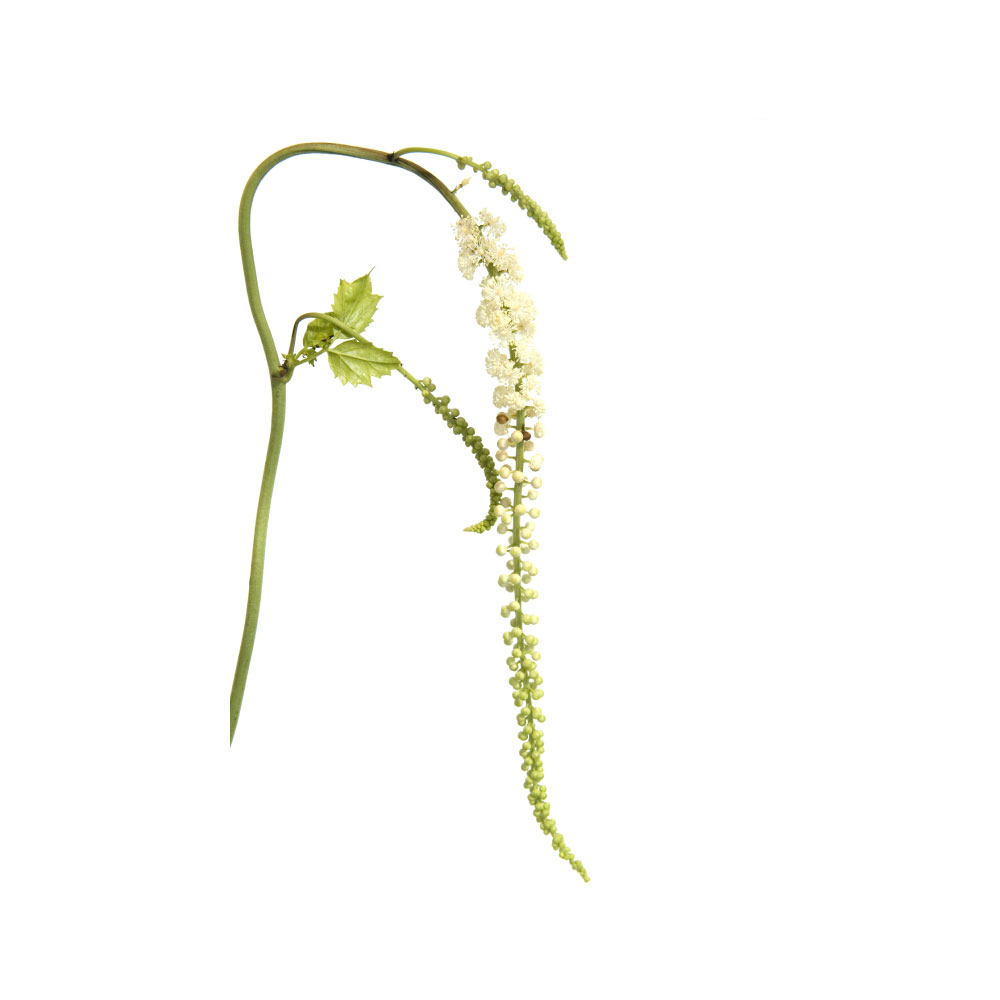
Black Cohosh
Cimicifuga racemosa
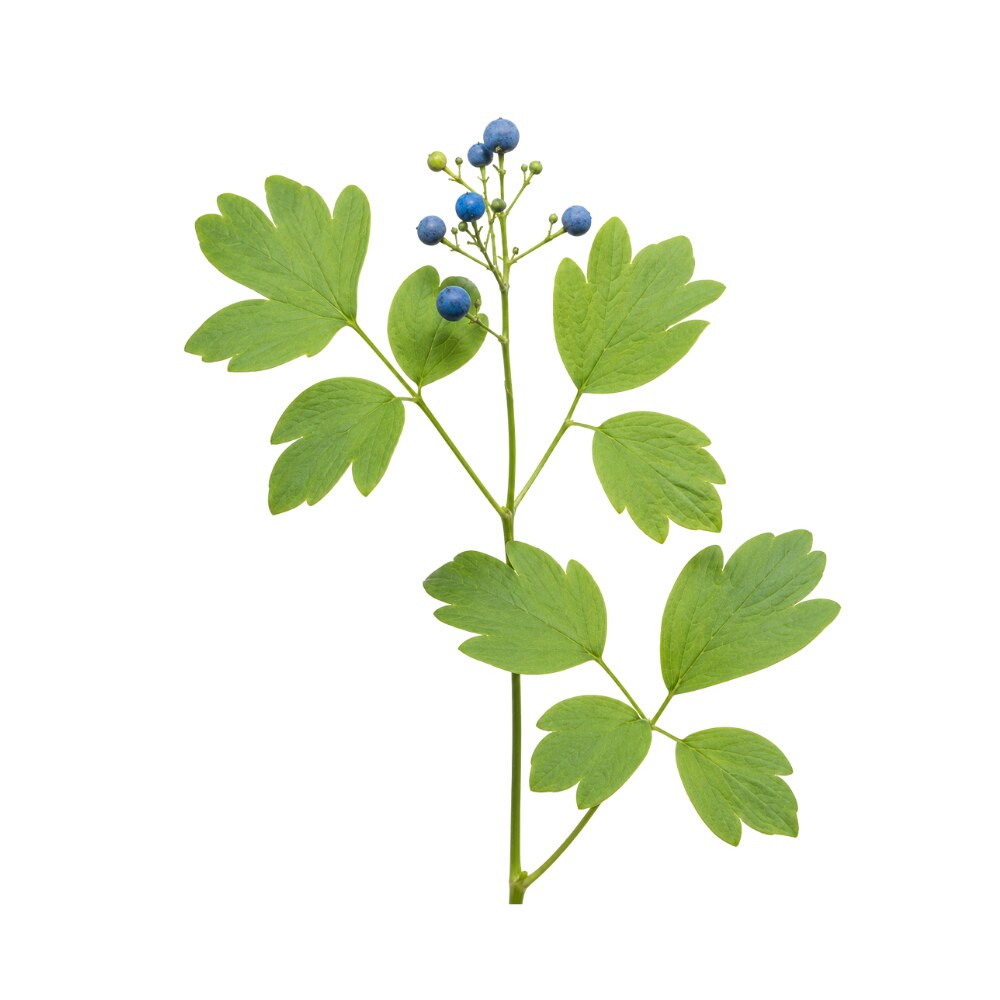
Blue Cohosh
Caulophyllum thalictroides
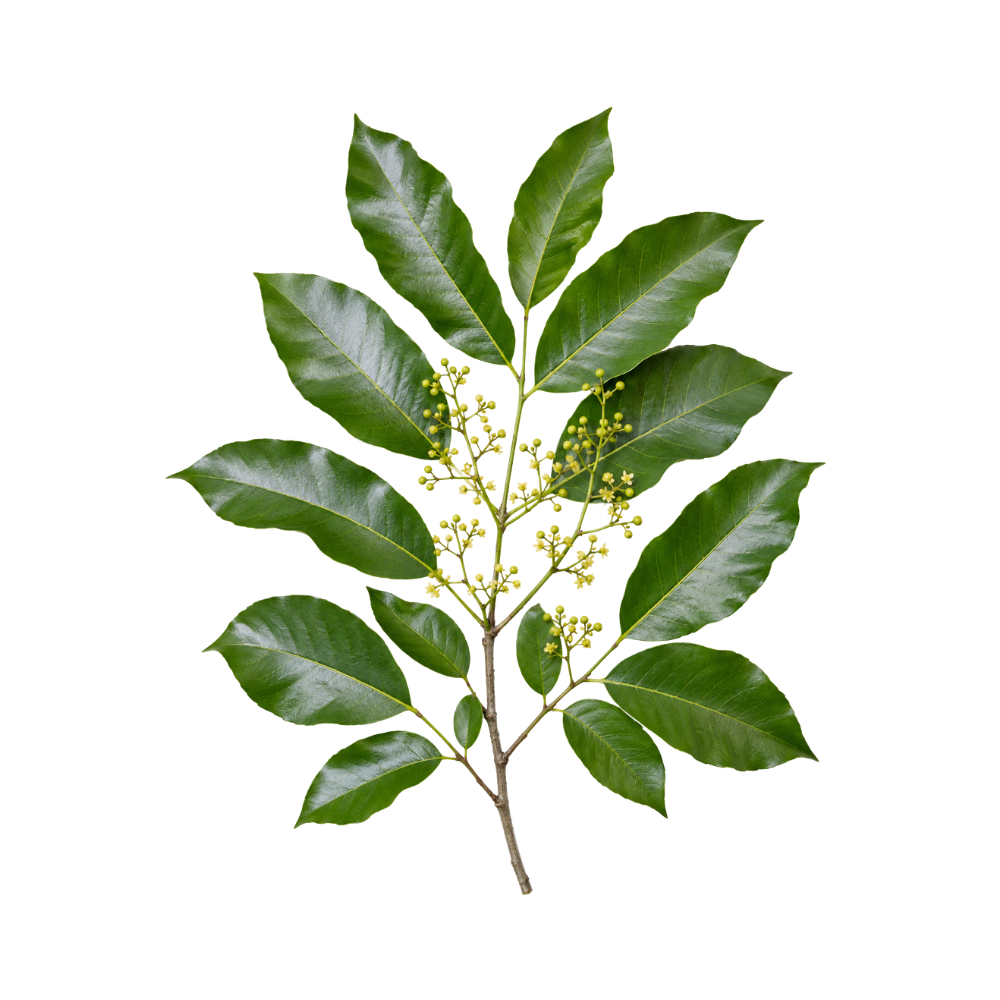
Catuaba
Trichilia catigua
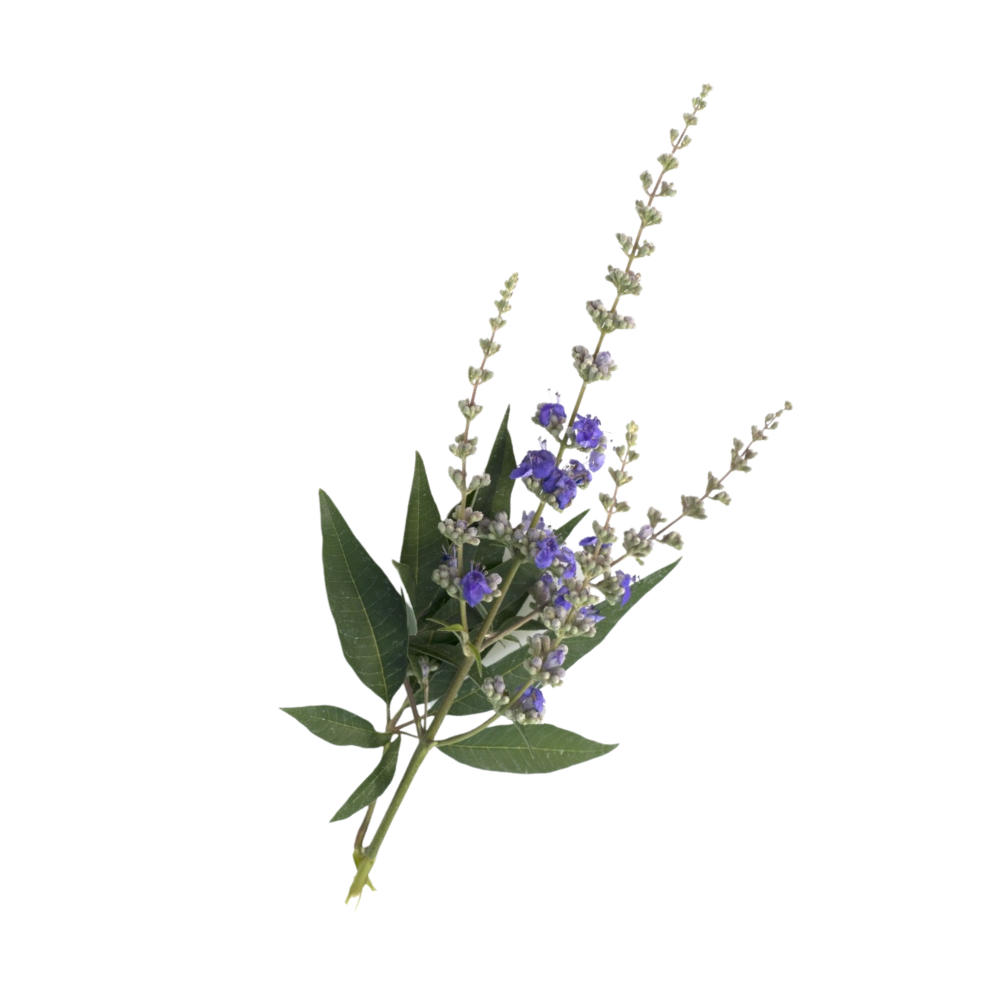
Chaste Tree
Vitex agnus-castus
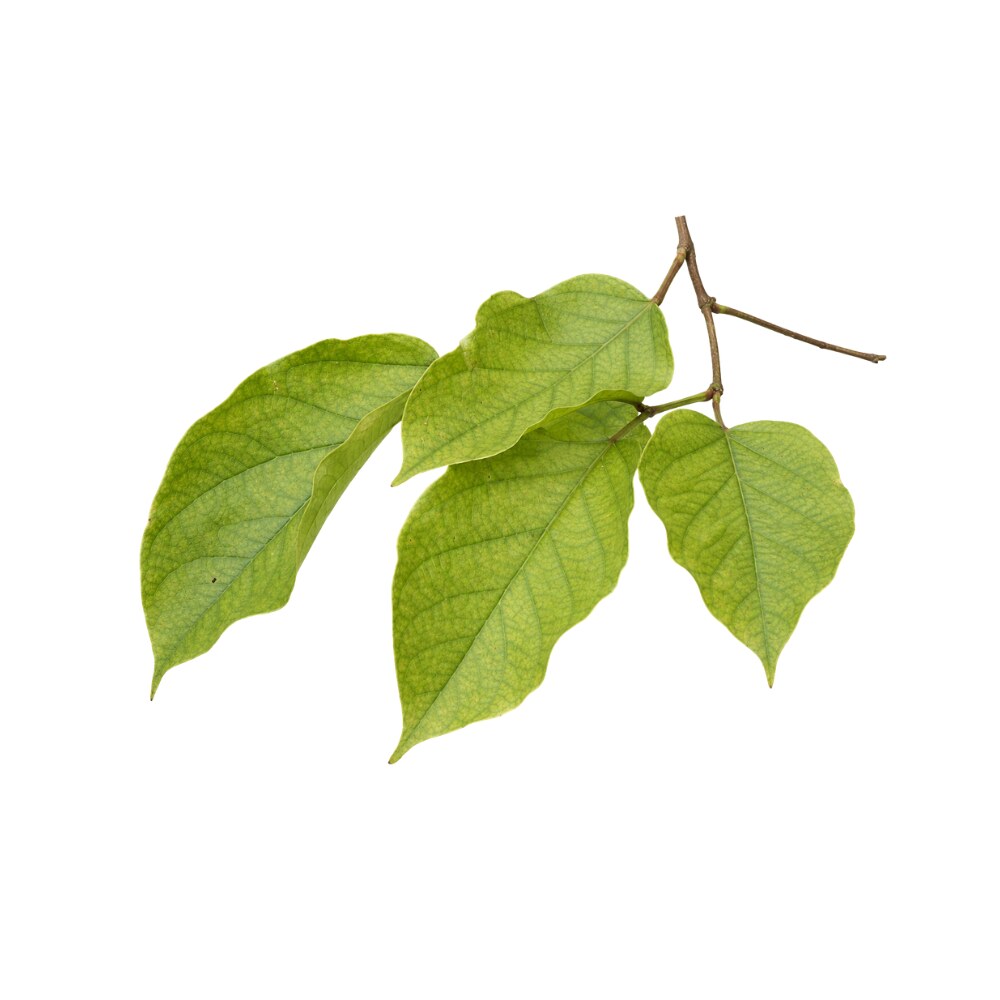
Clavo Huasca
Tynanthus panurensis
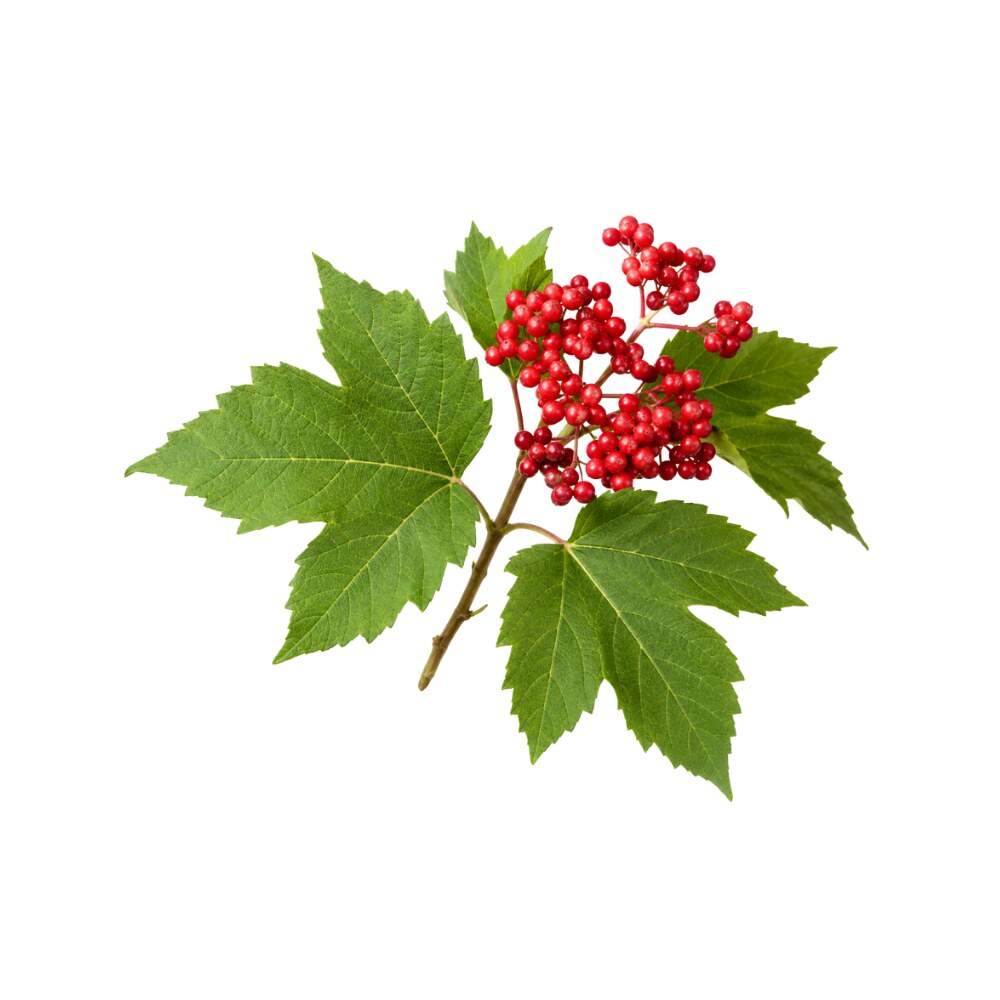
Cramp Bark
Viburnum opulus
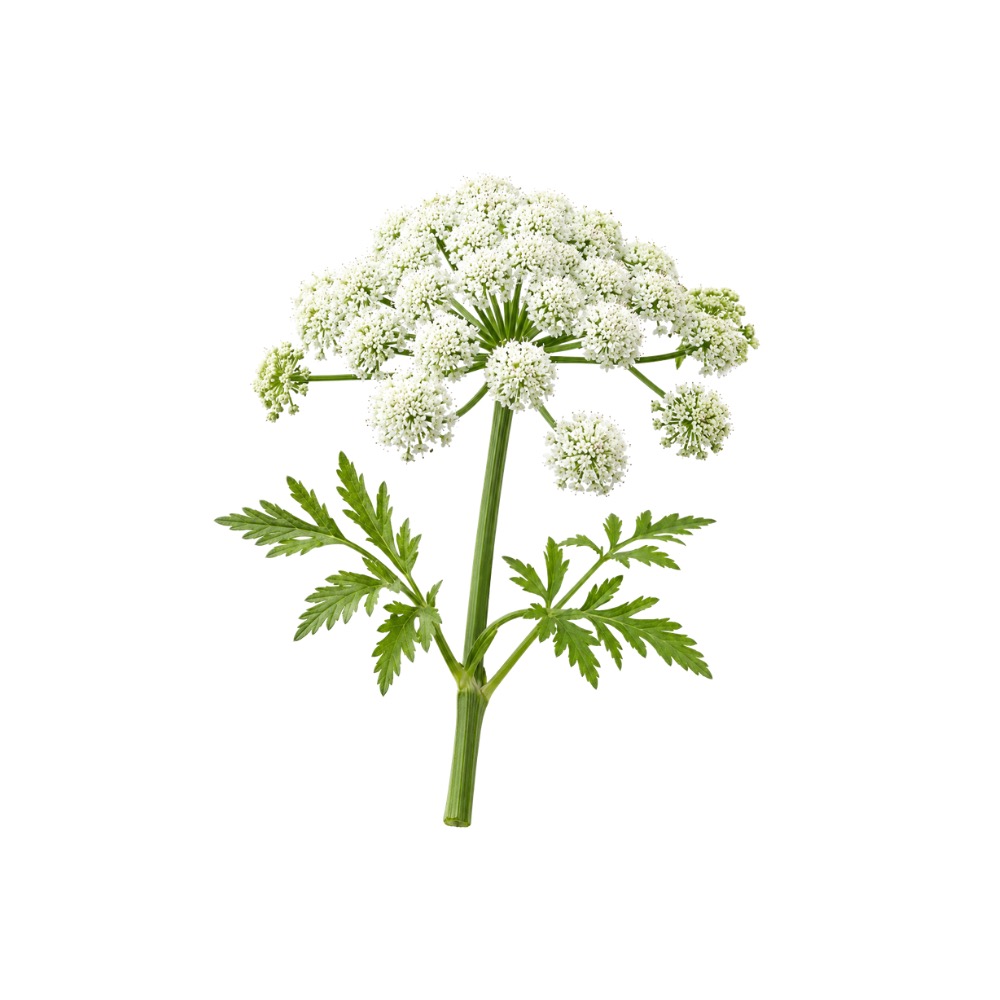
Dong Quai
Angelica sinensis
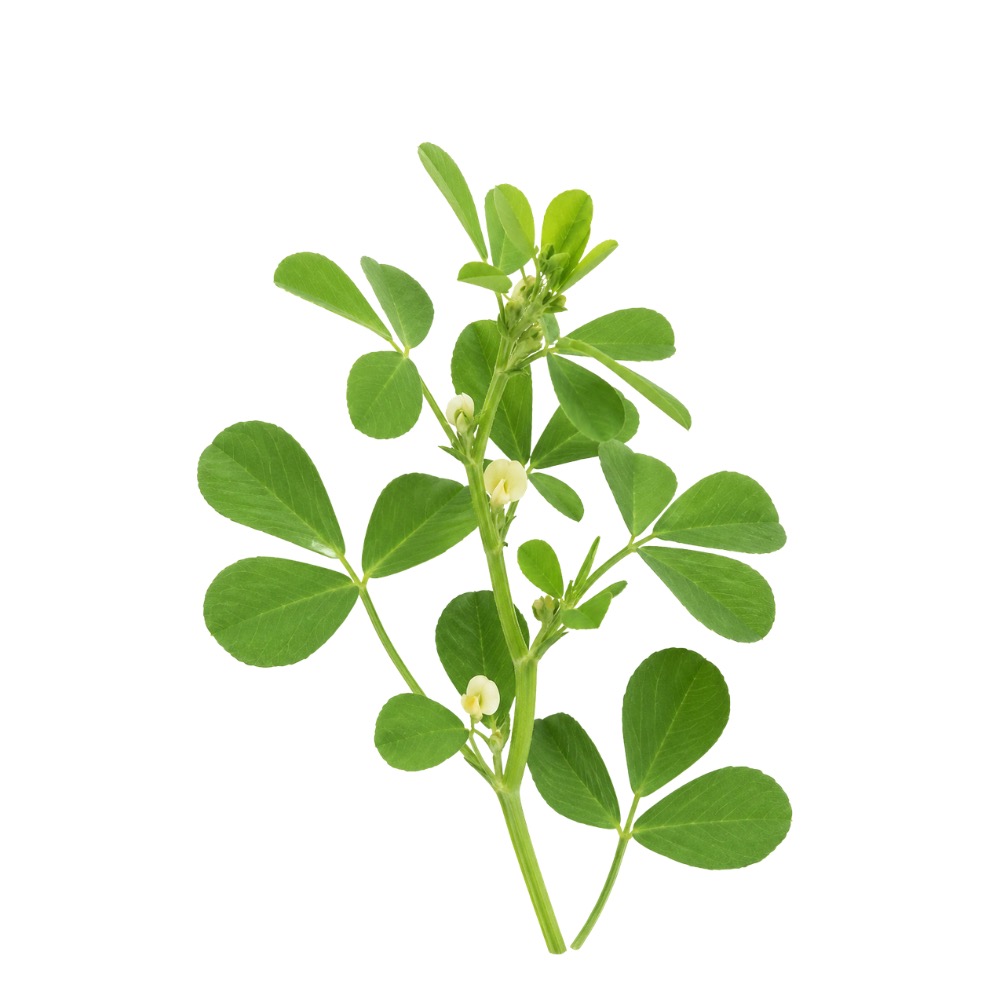
Fenugreek
Trigonella foenum-graecum
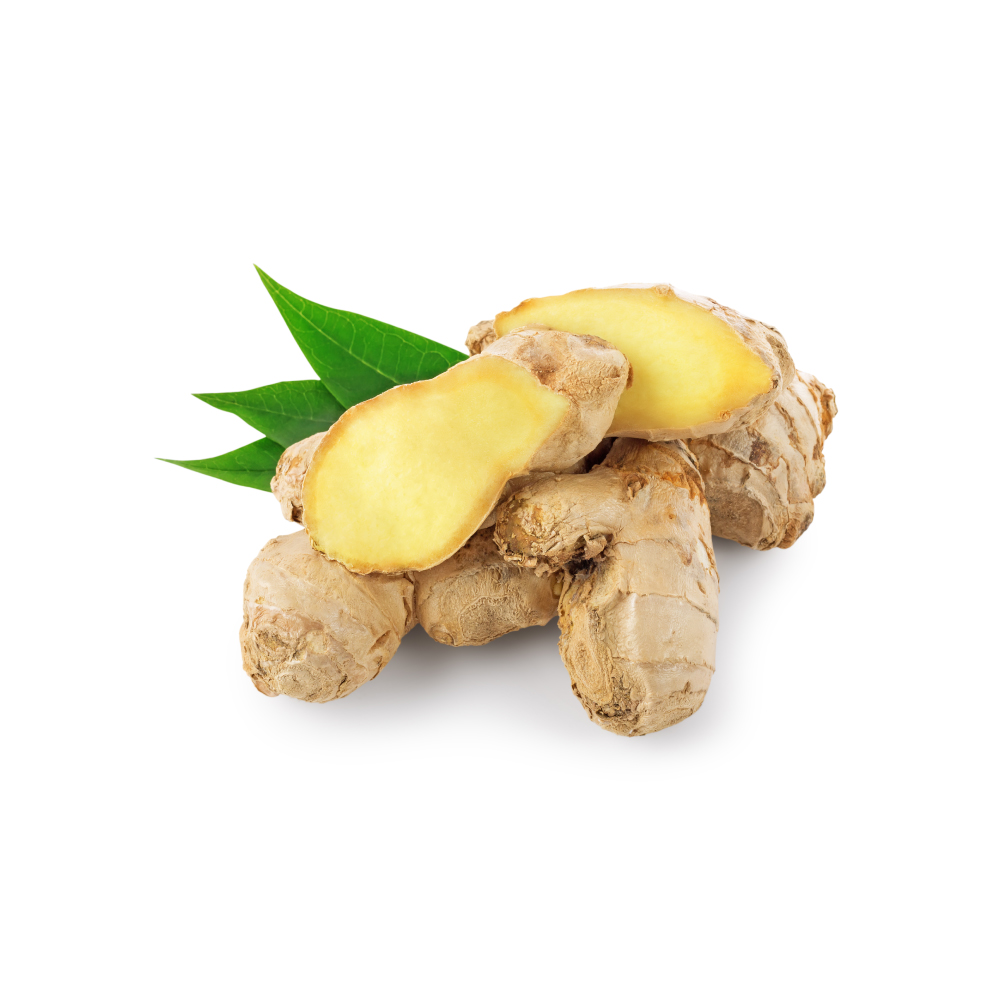
Ginger
Zingiber officinale
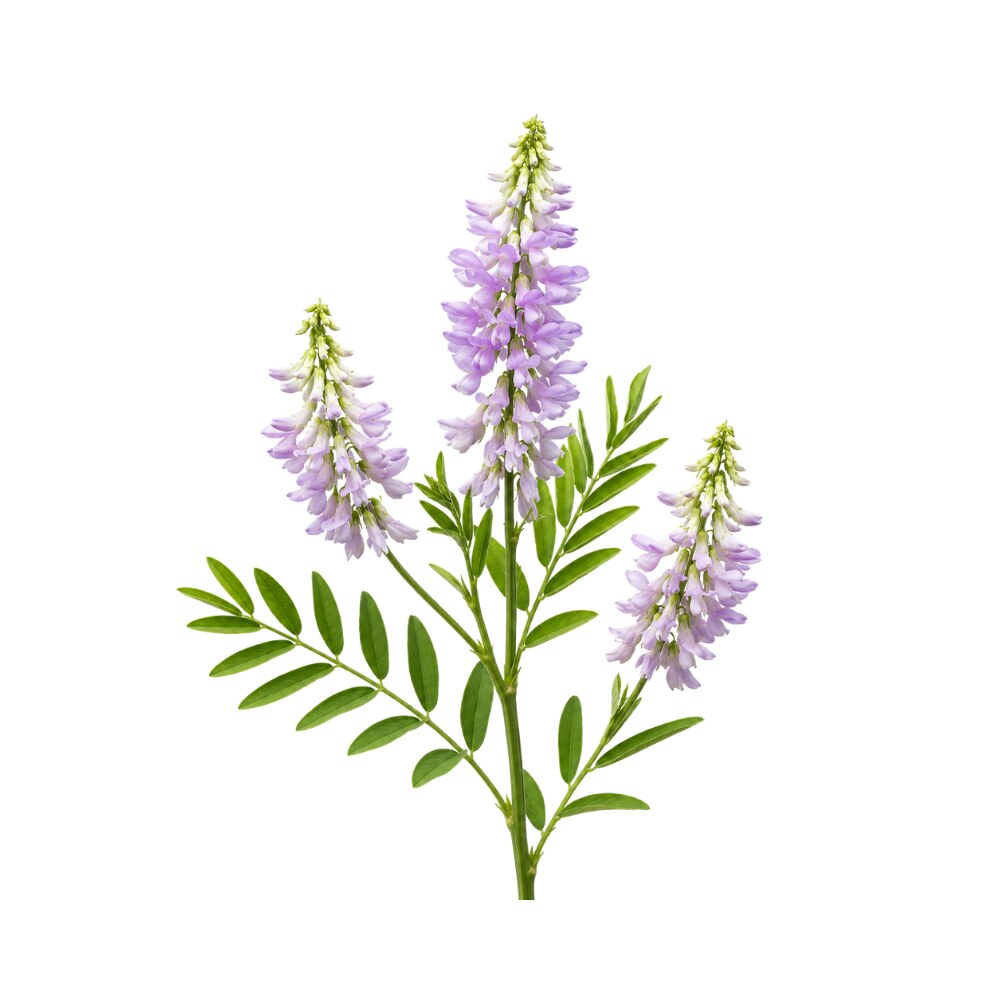
Goat's Rue
Galega officinalis
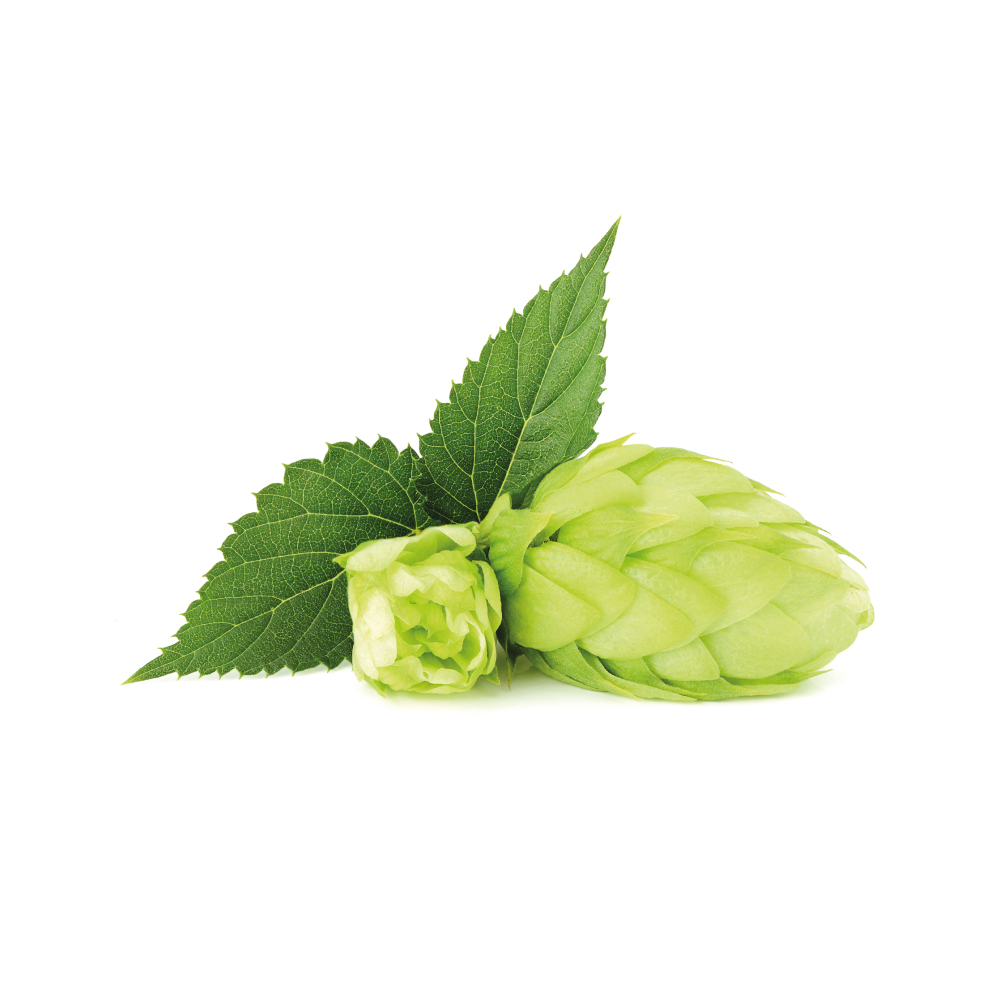
Hops
Humulus lupulus
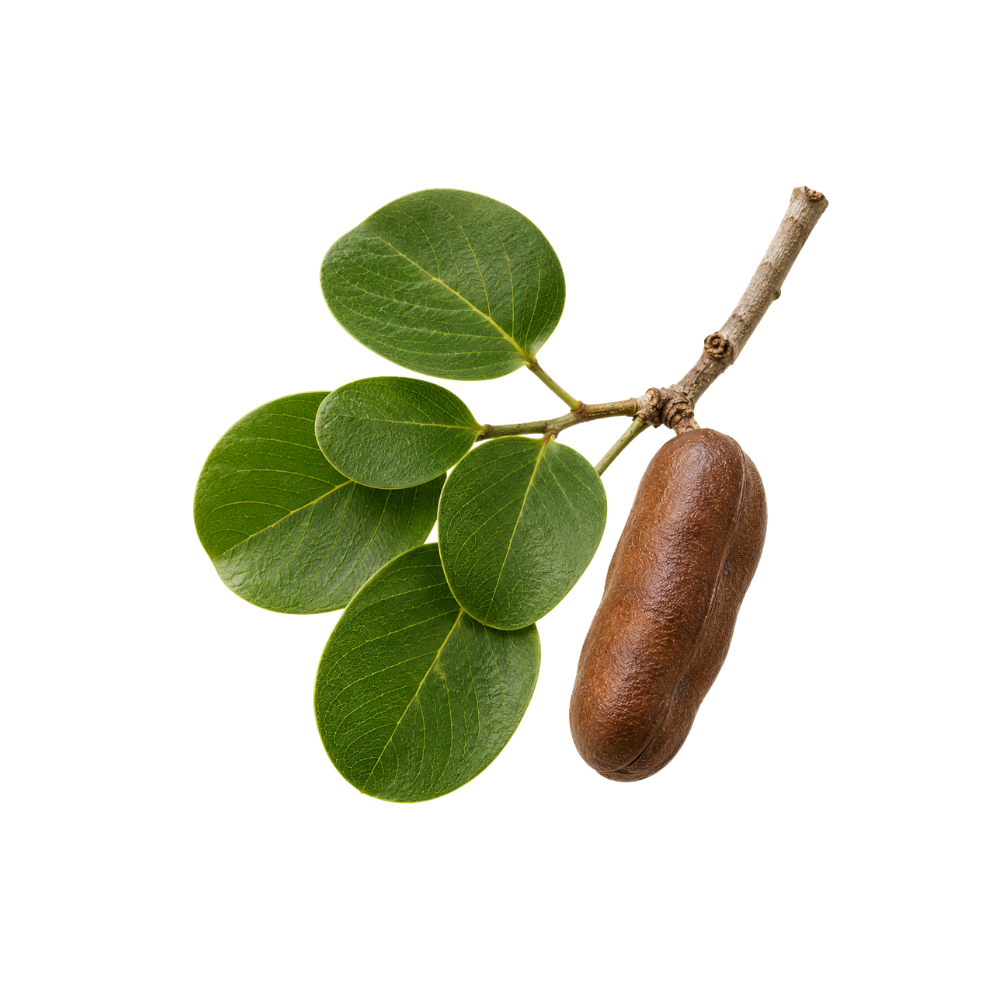
Jatobá
Hymenaea courbaril
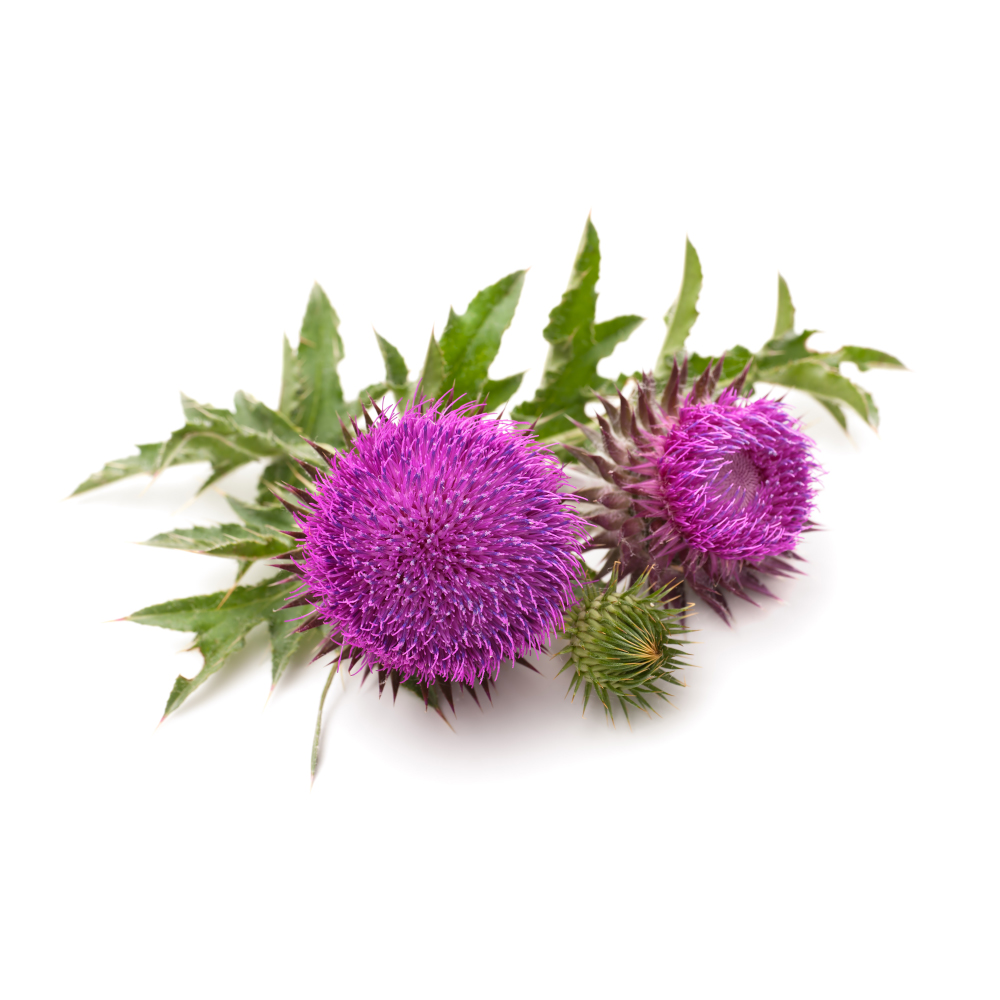
Milk Thistle
Silybum marianum
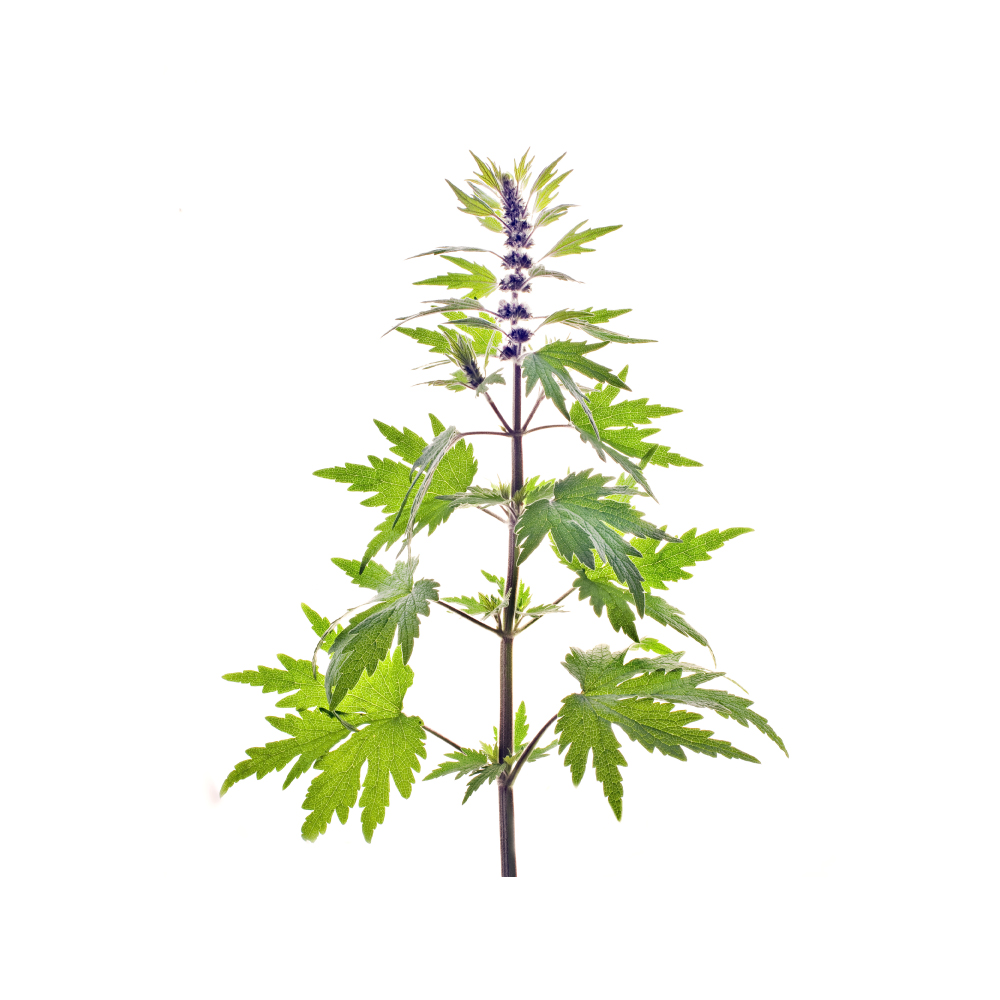
Motherwort
Leonurus cardiaca
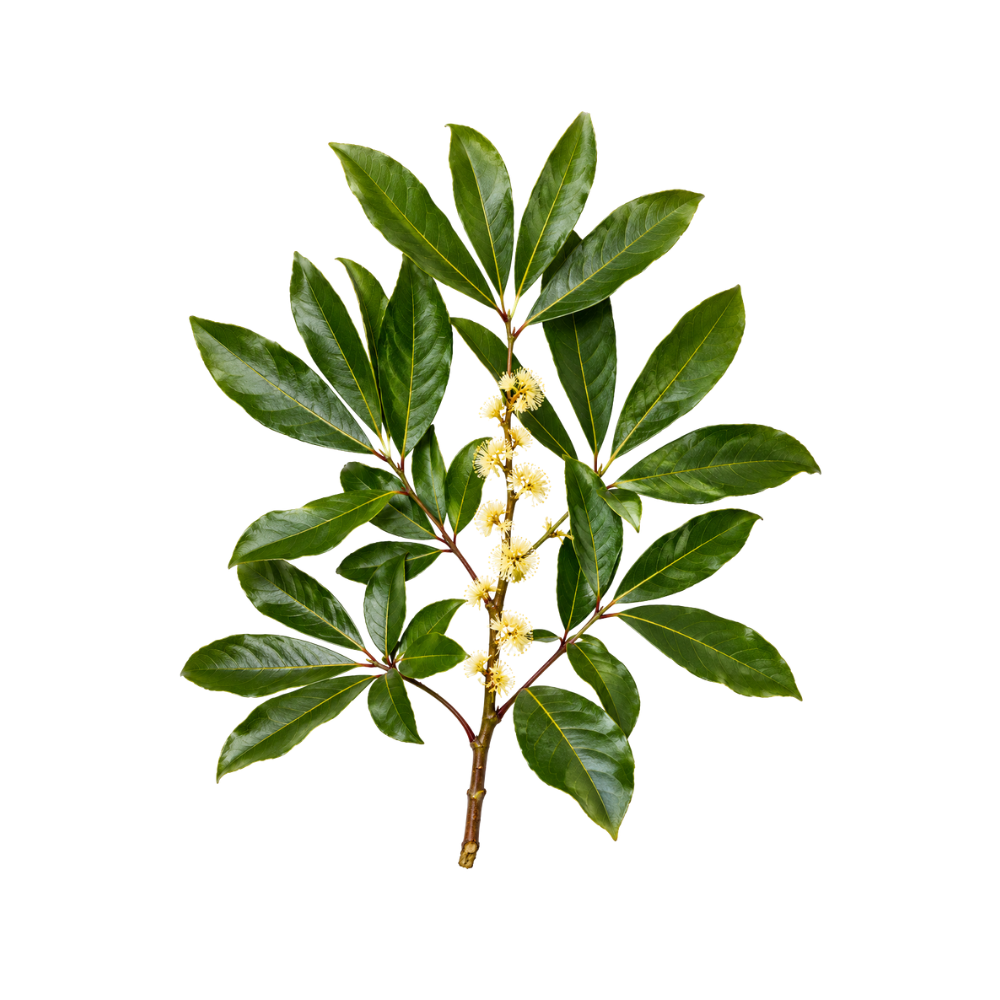
Muira Puama
Ptychopetalum olacoides
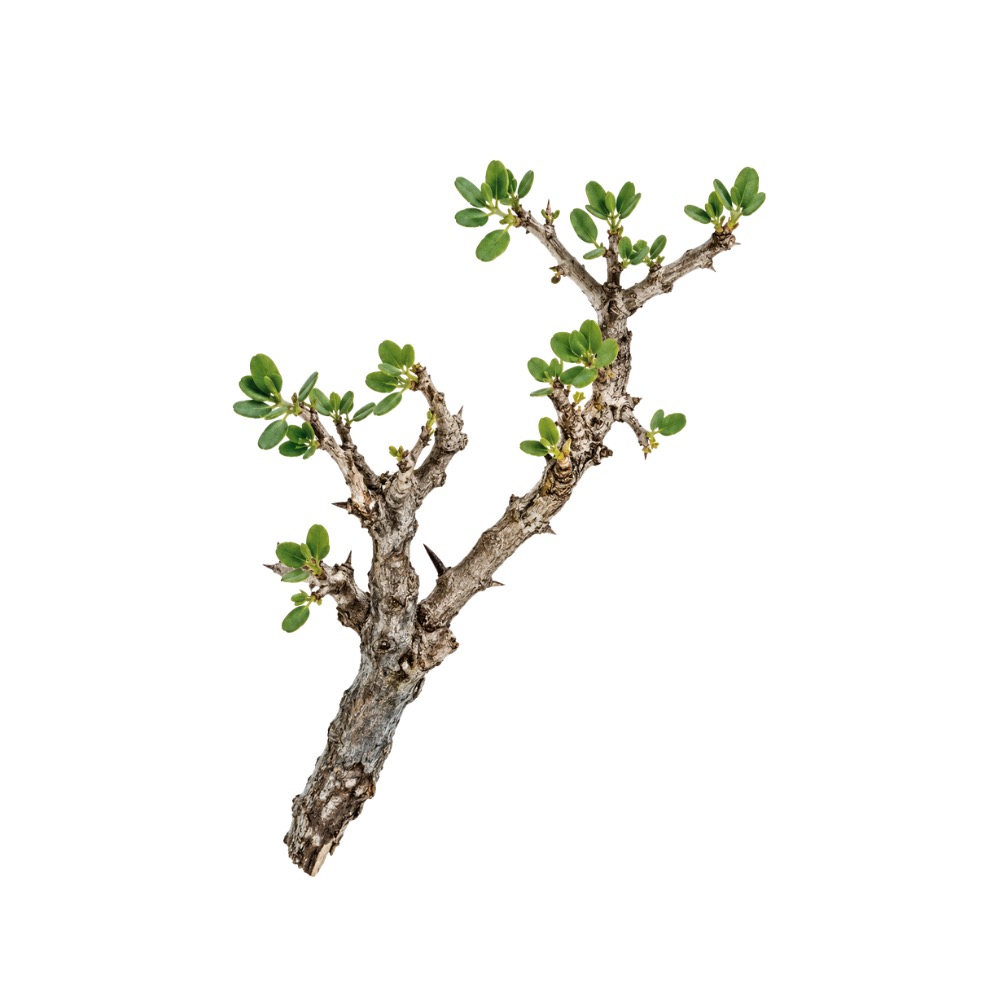
Myrrh
Commiphora myrrha
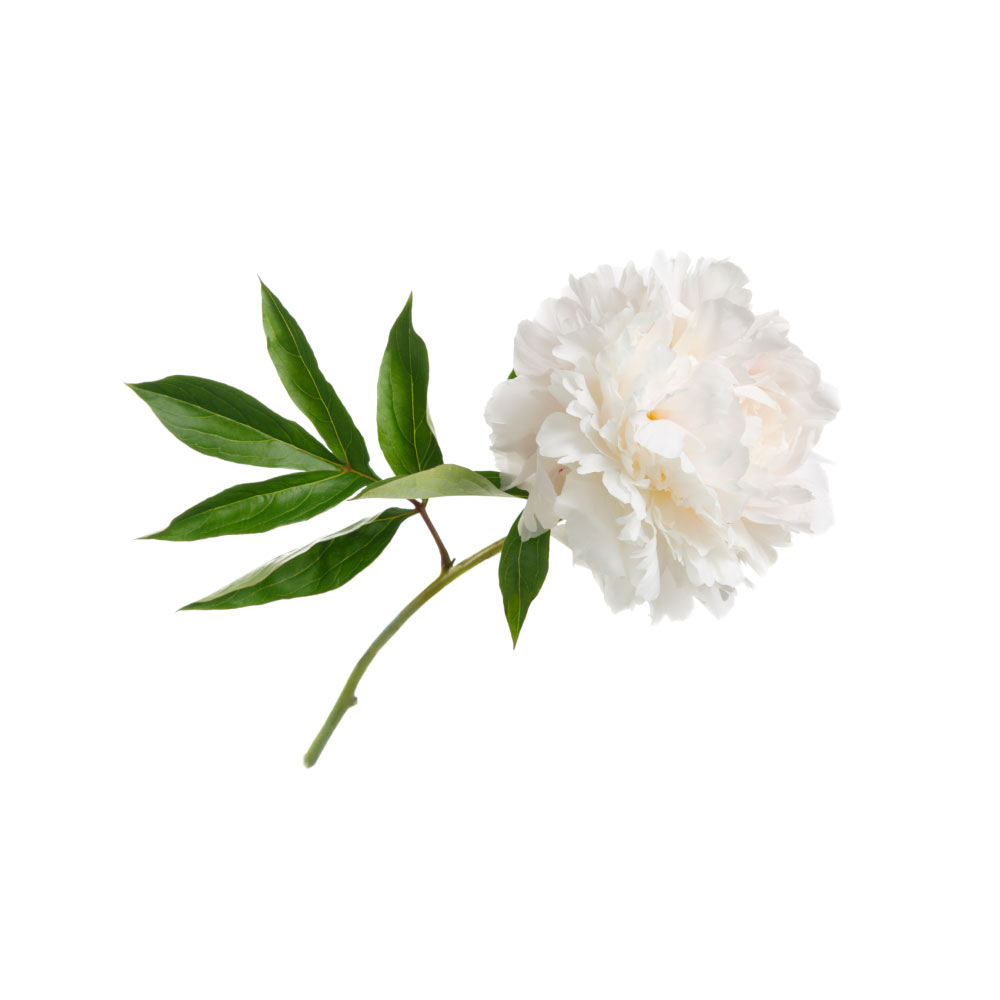
Peony
Paeonia lactiflora
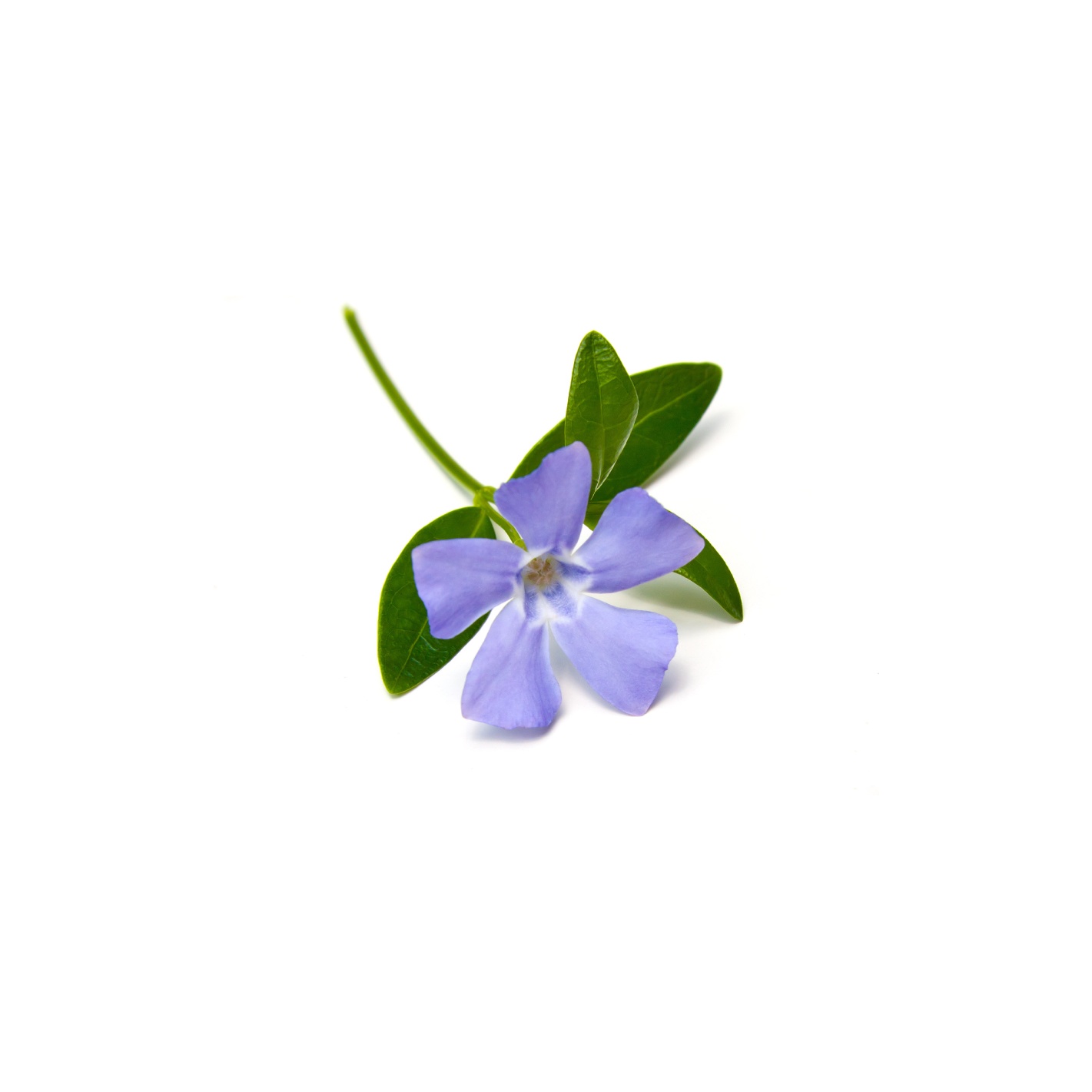
Periwinkle
Vinca major
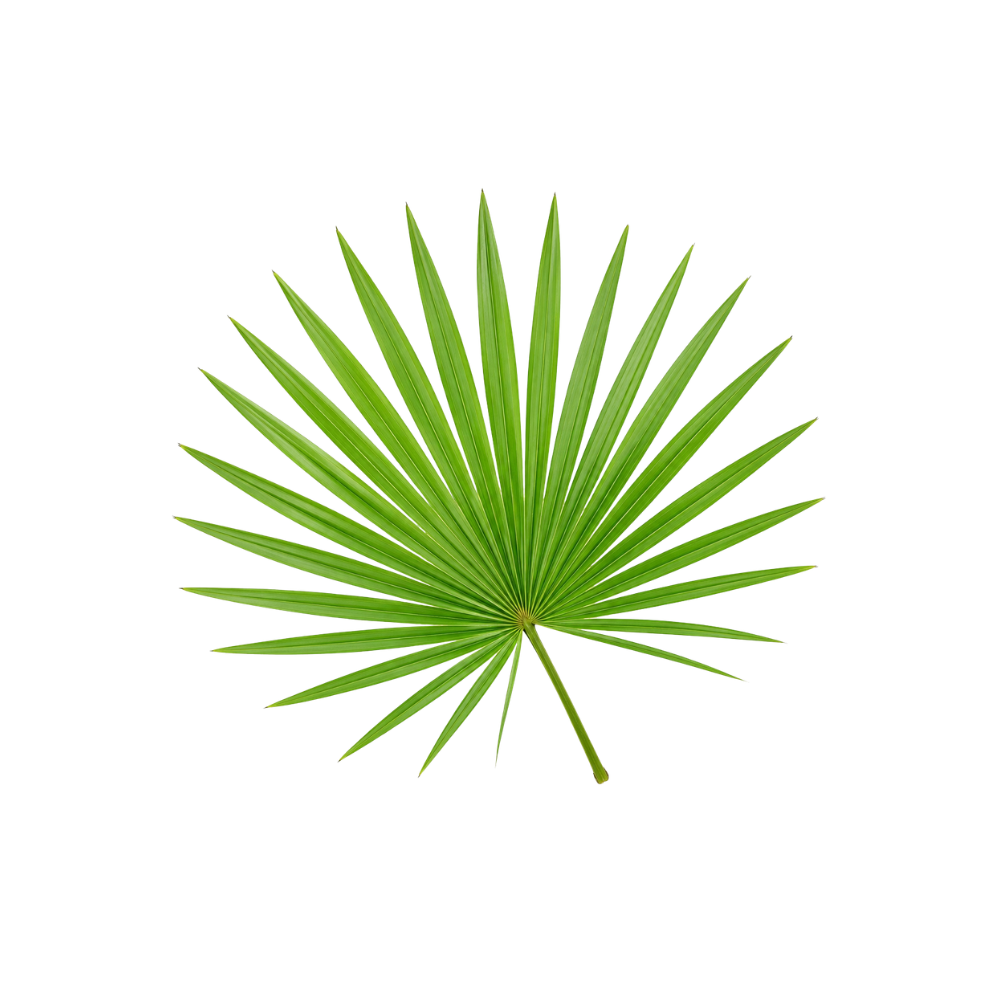
Saw Palmetto
Serenoa repens
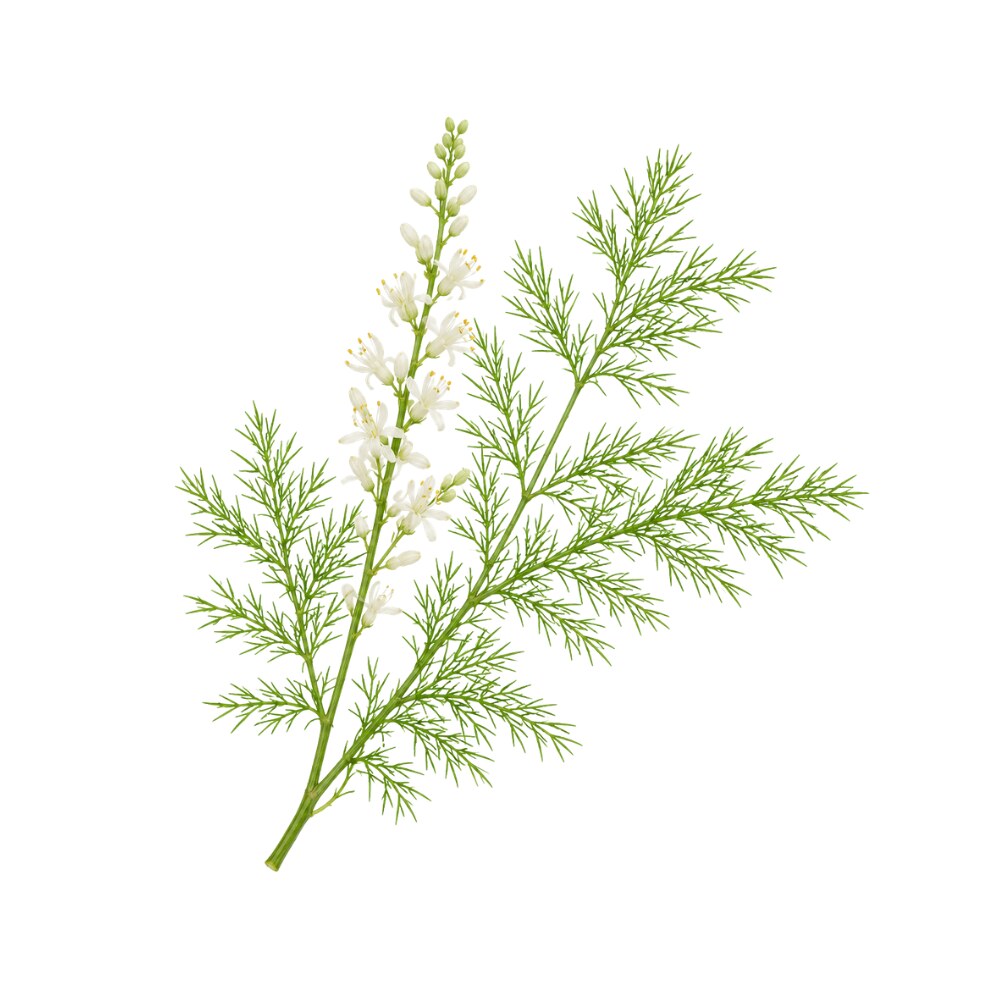
Shatavari
Asparagus racemosus
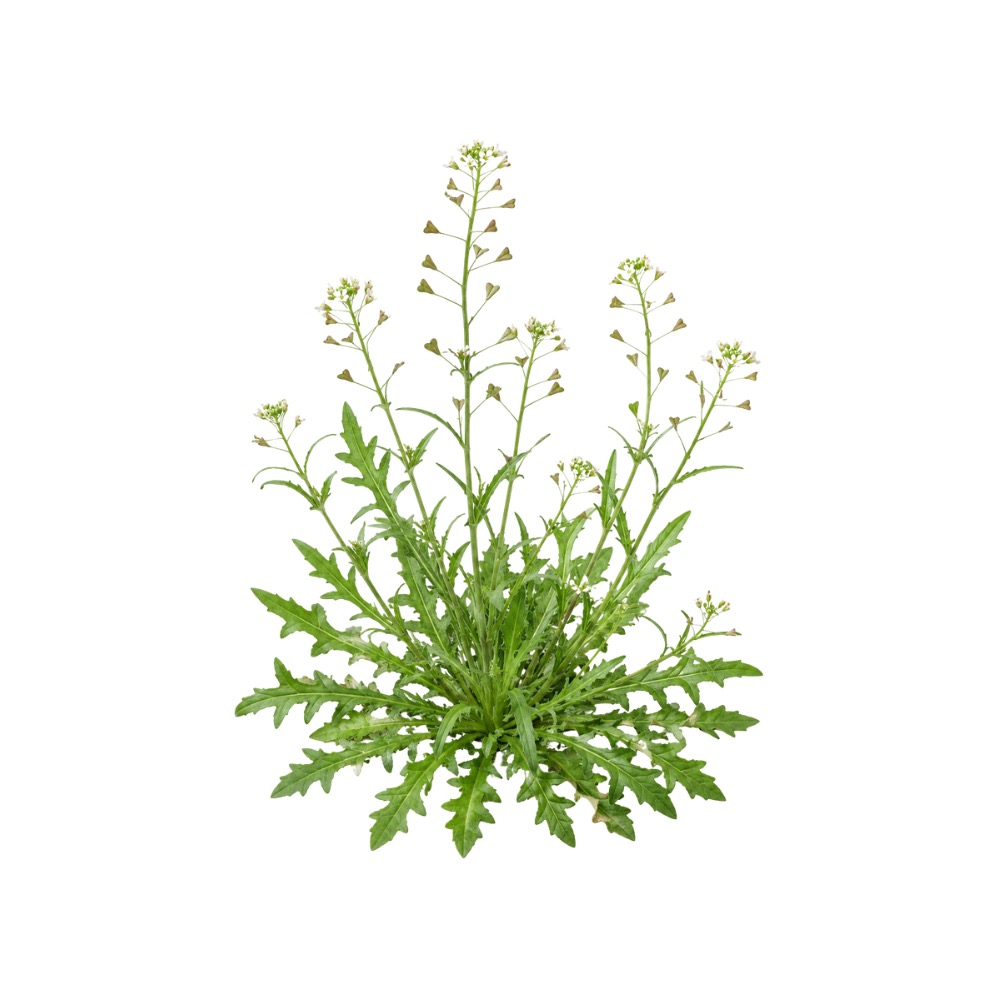
Shepherd's Purse
Capsella bursa-pastoris
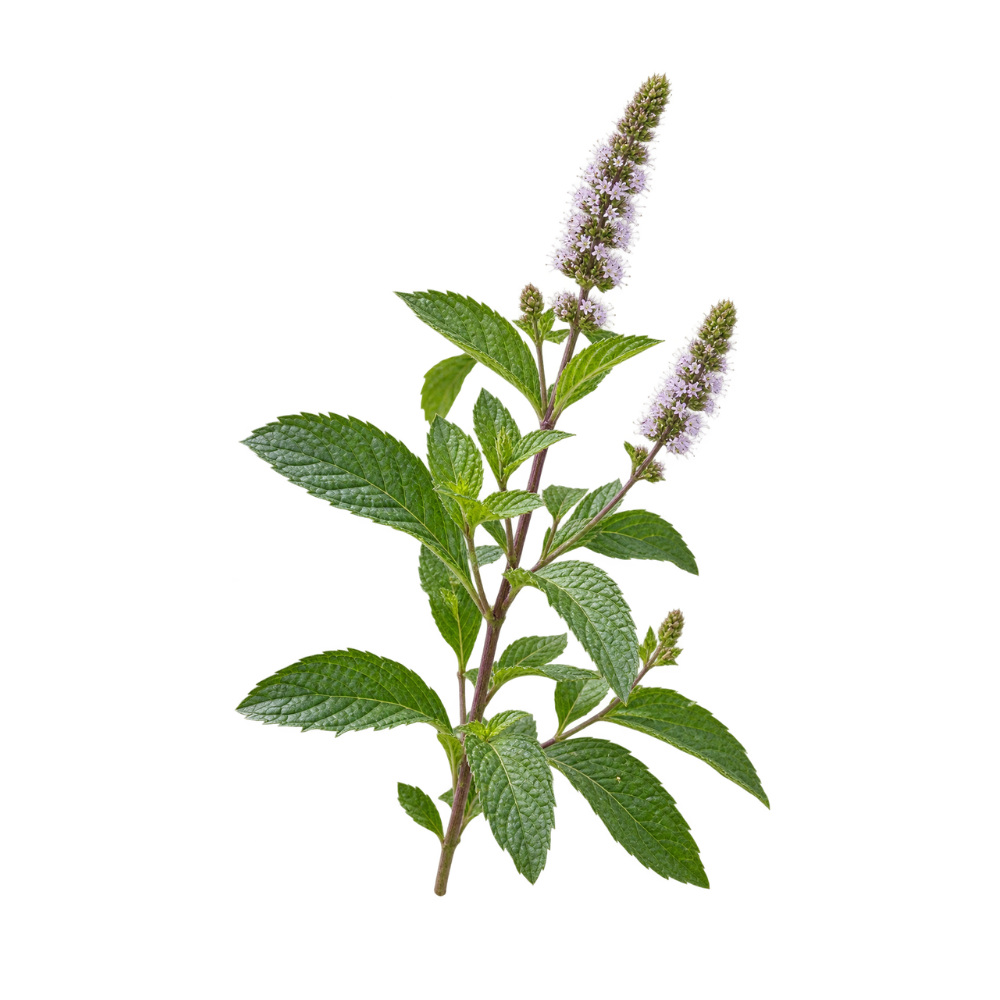
Spearmint
Mentha spicata
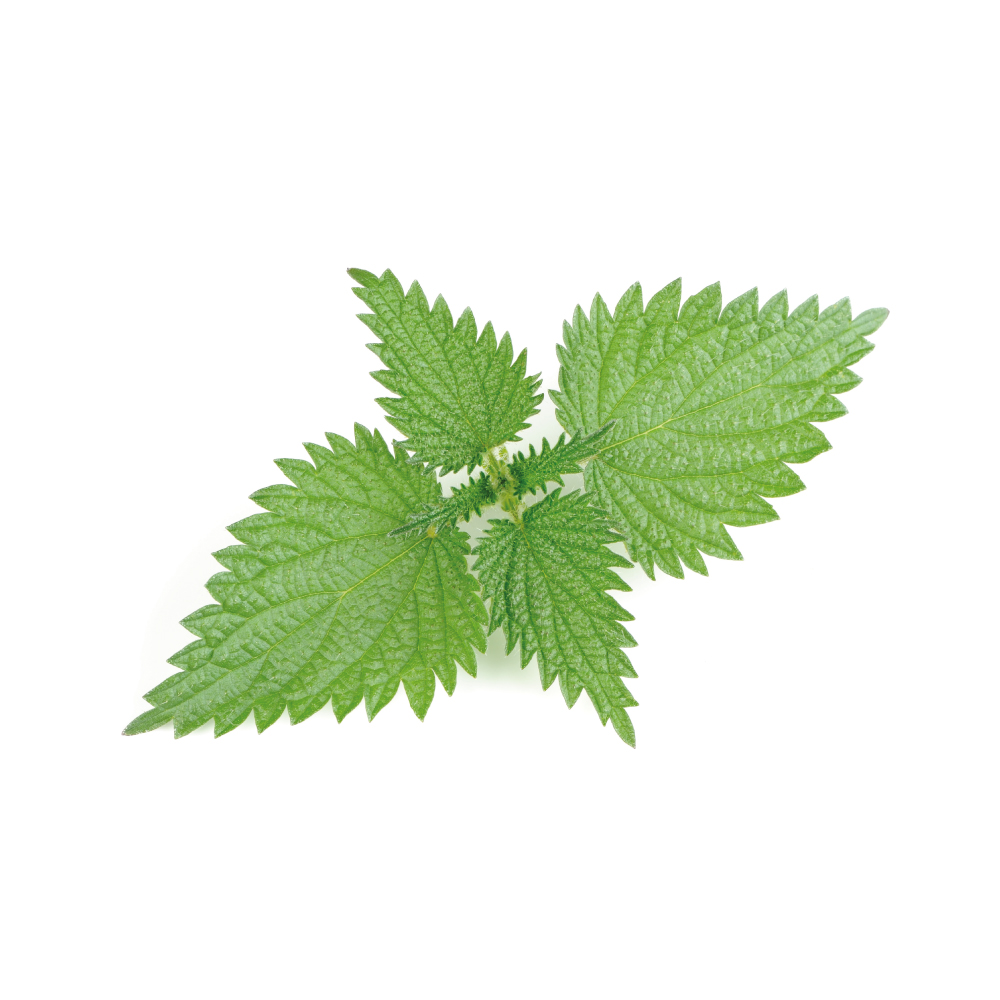
Stinging Nettle
Urtica dioica
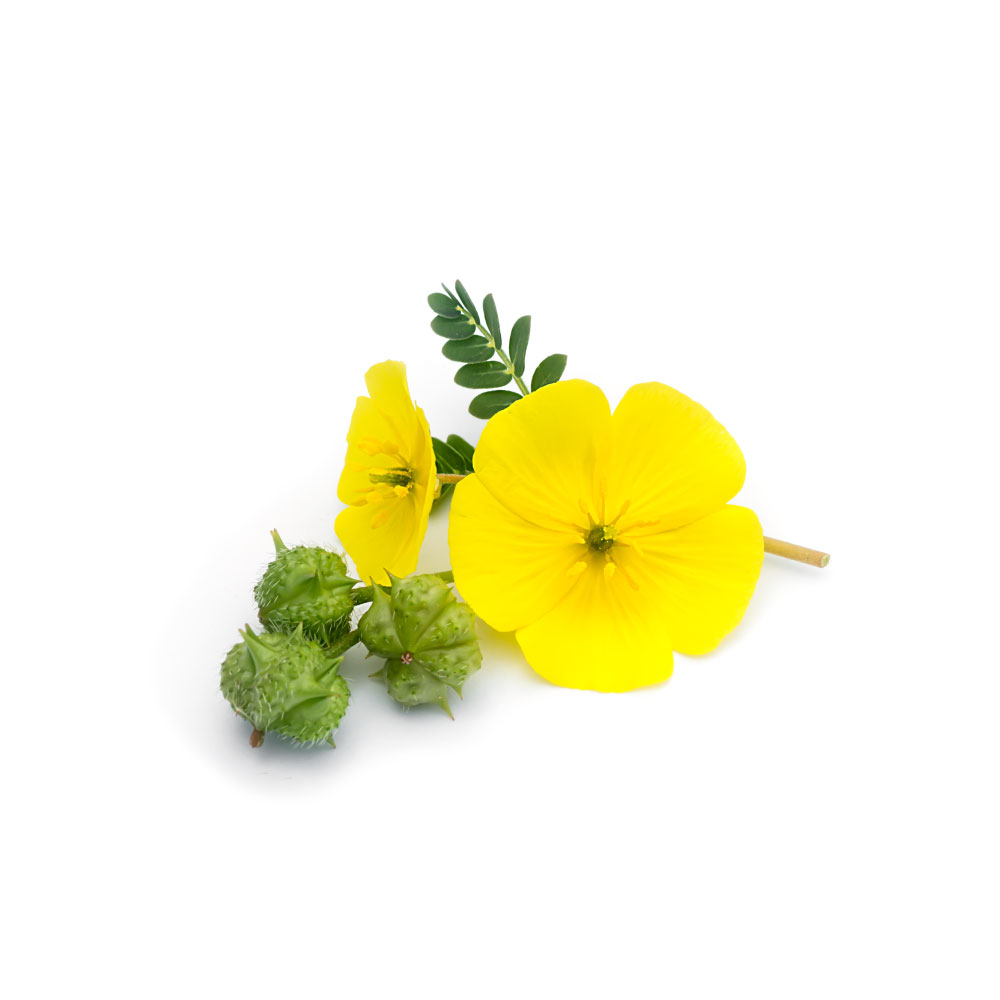
Tribulus
Tribulus terrestris
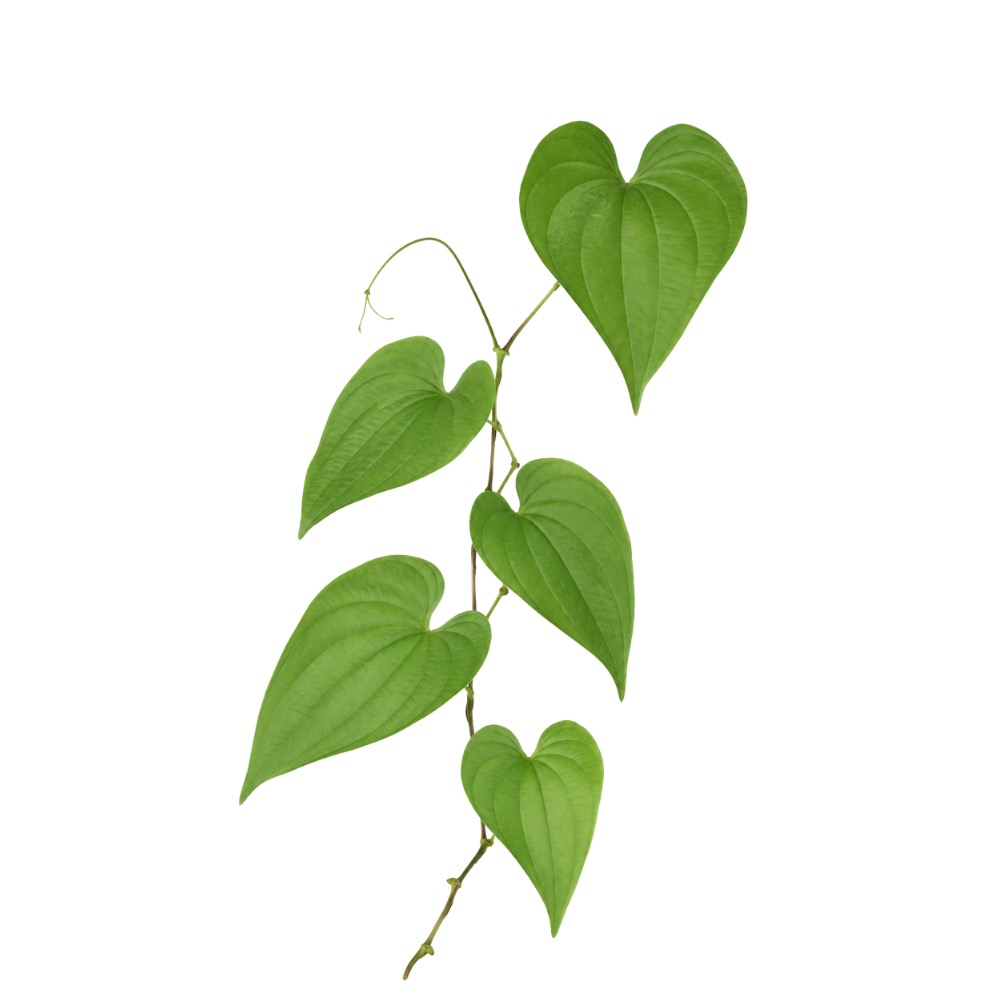
Wild Yam
Dioscorea villosa
Safety
Pregnancy & lactation
- The default across this system is avoid, since little of it has been studied in pregnancy and several members act directly on the uterus.
- Emmenagogues and uterine stimulants are the first concern, and they matter from the earliest weeks rather than the last.
- Phytoestrogens are the second, having no place in an unmonitored pregnancy.
- In lactation, whatever is taken reaches the infant, who clears it less efficiently than an adult.
- Emmenagogues are treated as unsafe when pregnancy is possible, mugwort, yarrow, shepherd’s purse and pennyroyal among them, because the highest-risk window is early and often before anyone knows 26Reference 26Uterotonic action of extracts from a group of medicinal plants — isolated-uterus animal studyView study →.
- Herbs used to end a pregnancy or bring labour on cause organ failure and neonatal harm far more reliably than they do either, so both belong with a clinician 17,
18, .24, 25Reference 17ReviewToxicities of herbal abortifacients — reviewView study →Reference 18ReviewHerbal therapies in pregnancy: what works? — reviewView study →Reference 24Systematic reviewSafety and efficacy of blue cohosh (Caulophyllum thalictroides) during pregnancy and lactation — systematic reviewView study →Reference 25Case reportNicotinic toxicity from tincture of blue cohosh (Caulophyllum thalictroides) used as an abortifacient — case reportView study → - Phytoestrogens are estrogen-receptor ligands. Hormone-sensitive cancer, tamoxifen and aromatase inhibitors make them an oncologist’s conversation rather than a self-directed choice.
- The most adulterated category in the supplement market. Sexual-performance products are repeatedly found to contain undeclared sildenafil or tadalafil, which is dangerous alongside nitrates 16Reference 16ReviewPharmacology of herbal sexual enhancers — review of psychiatric and neurological adverse effectsView study →.
- New erectile dysfunction is a cardiovascular warning sign, and low desire is usually caused by depression, medication or thyroid disease, so masking the symptom postpones the diagnosis.
- Get medical care for bleeding in pregnancy, one-sided pelvic pain with a missed period, postmenopausal bleeding, a testicular lump, or a four-hour erection.
References
- Gonzales, G. F., et al. (2002). Effect of Lepidium meyenii (maca) on sexual desire and its absent relationship with serum testosterone levels in adult healthy men — randomised placebo-controlled trial. Andrologia. https://pubmed.ncbi.nlm.nih.gov/12472620/
- Shin, B. C., et al. (2010). Maca (L. meyenii) for improving sexual function — systematic review. BMC Complementary and Alternative Medicine. https://pubmed.ncbi.nlm.nih.gov/20691074/
- Dording, C. M., et al. (2015). A double-blind placebo-controlled trial of maca root as treatment for antidepressant-induced sexual dysfunction in women — randomised controlled trial. Evidence-Based Complementary and Alternative Medicine. https://pubmed.ncbi.nlm.nih.gov/25954318/
- Dording, C. M., et al. (2008). A double-blind, randomised, pilot dose-finding study of maca root (L. meyenii) for the management of SSRI-induced sexual dysfunction. CNS Neuroscience & Therapeutics. https://pubmed.ncbi.nlm.nih.gov/18801111/
- Kashani, L., et al. (2013). Saffron for treatment of fluoxetine-induced sexual dysfunction in women — randomised double-blind placebo-controlled study. Human Psychopharmacology. https://pubmed.ncbi.nlm.nih.gov/23280545/
- Modabbernia, A., et al. (2012). Effect of saffron on fluoxetine-induced sexual impairment in men — randomised double-blind placebo-controlled trial. Psychopharmacology. https://pubmed.ncbi.nlm.nih.gov/22552758/
- Kashani L, Aslzadeh S, Shokraee K, et al. (2022). Crocus sativus (saffron) in the treatment of female sexual dysfunction — three-centre, double-blind, randomised, placebo-controlled clinical trial. Avicenna Journal of Phytomedicine. https://pubmed.ncbi.nlm.nih.gov/36186931/
- Mohammadzadeh-Moghadam, H., et al. (2015). Effects of a topical saffron (Crocus sativus L.) gel on erectile dysfunction in diabetics — randomised, parallel-group, double-blind, placebo-controlled trial. Journal of Evidence-Based Complementary & Alternative Medicine. https://pubmed.ncbi.nlm.nih.gov/25948674/
- Dongre, S., et al. (2015). Efficacy and safety of ashwagandha root extract in improving sexual function in women — pilot randomised controlled trial. BioMed Research International. https://pubmed.ncbi.nlm.nih.gov/26504795/
- Ambiye, V. R., et al. (2013). Clinical evaluation of the spermatogenic activity of ashwagandha root extract in oligospermic males — pilot randomised study. Evidence-Based Complementary and Alternative Medicine. https://pubmed.ncbi.nlm.nih.gov/24371462/
- Smith, S. J., et al. (2021). Examining the effects of herbs on testosterone concentrations in men — systematic review. Advances in Nutrition. https://pubmed.ncbi.nlm.nih.gov/33150931/
- Arletti, R., Benelli, A., Cavazzuti, E., et al. (1999). Stimulating property of Turnera diffusa and Pfaffia paniculata extracts on the sexual behavior of male rats — animal study. Psychopharmacology. https://pubmed.ncbi.nlm.nih.gov/10227074/
- Estrada-Reyes, R., et al. (2013). Pro-sexual effects of Turnera diffusa in male rats involves the nitric oxide pathway — animal study. Journal of Ethnopharmacology. https://pubmed.ncbi.nlm.nih.gov/23298455/
- Chauhan, N. S., et al. (2014). A review on plants used for improvement of sexual performance and virility — review. BioMed Research International. https://pubmed.ncbi.nlm.nih.gov/25215296/
- Auharek, S. A., et al. (2019). Evaluation of the testis function of mice exposed in utero and during lactation to Pfaffia glomerata (Brazilian ginseng) — animal study. Andrologia. https://pubmed.ncbi.nlm.nih.gov/31145510/
- Brunetti, P., Lo Faro, A. F., Tini, A., et al. (2020). Pharmacology of herbal sexual enhancers — review of psychiatric and neurological adverse effects. Pharmaceuticals (Basel). https://pubmed.ncbi.nlm.nih.gov/33066617/
- Feng, C., Fay, K. E., & Burns, M. M. (2023). Toxicities of herbal abortifacients — review. American Journal of Emergency Medicine. https://pubmed.ncbi.nlm.nih.gov/36924751/
- Dante, G., Bellei, G., Neri, I., & Facchinetti, F. (2014). Herbal therapies in pregnancy: what works? — review. Current Opinion in Obstetrics & Gynecology. https://pubmed.ncbi.nlm.nih.gov/24535321/
- Jenabi, E., & Fereidoony, B. (2015). Effect of Achillea millefolium on relief of primary dysmenorrhea — double-blind randomised clinical trial. Journal of Pediatric and Adolescent Gynecology. https://pubmed.ncbi.nlm.nih.gov/26238568/
- Innocenti, G., et al. (2007). In vitro estrogenic activity of Achillea millefolium L. — in vitro. Phytomedicine. https://pubmed.ncbi.nlm.nih.gov/16860978/
- Simpson, M., Parsons, M., Greenwood, J., & Wade, K. (2001). Raspberry leaf in pregnancy — its safety and efficacy in labor, randomised, double-blind, placebo-controlled trial. Journal of Midwifery & Women’s Health. https://pubmed.ncbi.nlm.nih.gov/11370690/
- Bowman, R., Taylor, J., Muggleton, S., & Davis, D. (2021). Biophysical effects, safety and efficacy of raspberry leaf use in pregnancy — systematic integrative review. BMC Complementary Medicine and Therapies. https://pubmed.ncbi.nlm.nih.gov/33563275/
- Bowman, R. L., Taylor, J., Davis, D. L., et al. (2024). Raspberry leaf (Rubus idaeus) use in pregnancy — prospective observational study. BMC Complementary Medicine and Therapies. https://pubmed.ncbi.nlm.nih.gov/38649906/
- Dugoua, J. J., Perri, D., Seely, D., Mills, E., & Koren, G. (2008). Safety and efficacy of blue cohosh (Caulophyllum thalictroides) during pregnancy and lactation — systematic review. Canadian Journal of Clinical Pharmacology. https://pubmed.ncbi.nlm.nih.gov/18204101/
- Rao, R. B., & Hoffman, R. S. (2002). Nicotinic toxicity from tincture of blue cohosh (Caulophyllum thalictroides) used as an abortifacient — case report. Veterinary and Human Toxicology. https://pubmed.ncbi.nlm.nih.gov/12136970/
- Shipochliev, T. (1981). Uterotonic action of extracts from a group of medicinal plants — isolated-uterus animal study. Veterinarno-Meditsinski Nauki. https://pubmed.ncbi.nlm.nih.gov/7314446/
- Jiang, W., Wu, K., et al. (2026). The effectiveness of red clover on hot flush in menopausal women — GRADE-assessed systematic review and meta-analysis. European Journal of Obstetrics & Gynecology and Reproductive Biology. https://pubmed.ncbi.nlm.nih.gov/42269521/
- Lethaby, A., et al. (2013). Phytoestrogens for menopausal vasomotor symptoms — Cochrane systematic review. Cochrane Database of Systematic Reviews. https://pubmed.ncbi.nlm.nih.gov/24323914/
- Lee, H. W., et al. (2021). Fennel for the management of menopausal women’s health — systematic review and meta-analysis. Complementary Therapies in Clinical Practice. https://pubmed.ncbi.nlm.nih.gov/33725577/
- Albert-Puleo, M. (1980). Fennel and anise as estrogenic agents — review. Journal of Ethnopharmacology. https://pubmed.ncbi.nlm.nih.gov/6999244/
- Nadjarzadeh, A., et al. (2021). Hypocaloric high-protein diet supplemented with fennel on androgenic and anthropometric indices in overweight women with PCOS — randomised controlled trial. Complementary Therapies in Medicine. https://pubmed.ncbi.nlm.nih.gov/33271298/
Keep Exploring