
Condition
Hyperthyroidism
Hyperthyroidism is overactivity of the thyroid gland, producing excess thyroid hormone and an accelerated metabolism.

Overview
Aetiology
Overactive thyroid function can be the result of several key disease processes. It can be the result of autoimmune conditions (Grave’s disease), pituitary tumors, or viral infection.
Most hyperthyroidism causes are primary conditions with the exception of iatrogenic causes or pregnancy.
Other causes include:
- Stress
- Smoking
- Iodine supplementation
Presentation
Symptoms
Hyperthyroidism speeds up the body’s metabolism, producing weight loss despite increased appetite, heat intolerance, sweating, palpitations and a rapid heartbeat, tremor, anxiety, irritability, and difficulty sleeping. There may also be frequent bowel movements and, in Graves’ disease, eye changes such as bulging (exophthalmos) and a visibly enlarged thyroid (goitre).
Diagnostics
Thyroid Scanning
A radioactive dye is swallowed and the thyroid is scanned. This can be used to assess thyroid activity after the uptake of radioactive dye. The darker the scan the more metabolic activity that is taking place.
Assessment
Differential Diagnosis
- Graves Disease
- Toxic multinodular goitre
- Toxic adenoma
- Thyroiditis
- Anxiety disorder
Herbs for Hyperthyroidism
- Lycopus spp.
- Scutellaria baicalensis
Common Drug Therapies for Hyperthyroidism
-
Goitrogens
-
Iodine & radioactive iodine
- High doses depress TRH and TSH release.
-
Carbimazole
-
Propylthiouracil
The Herbs
Materia Medica (1)
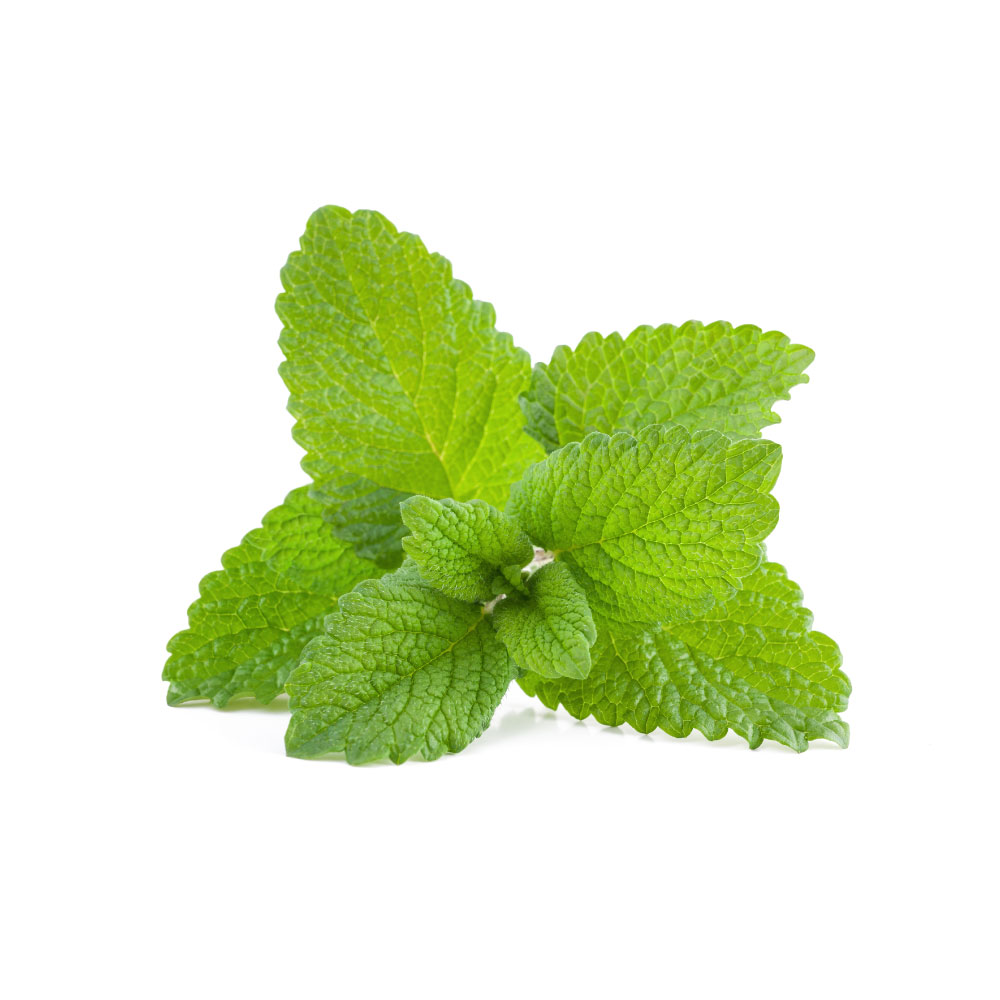
Herbs traditionally or clinically used for hyperthyroidism.
Supplementation
Supplementation (2)
Supplements, nutrients and compounds used for hyperthyroidism.
Iodine
Mineral
Iodine is the essential trace mineral from which thyroid hormone is built — the leading preventable cause of hypothyroidism worldwide when deficient, and a genuine cause of thyroid dysfunction when taken in excess.
Selenium
Mineral
Selenium is an essential trace mineral incorporated into selenoproteins including the glutathione peroxidases and the deiodinases that activate thyroid hormone — which is why it dominates the supplement conversation in Hashimoto's thyroiditis.