
Condition
Diabetes
Diabetes is a metabolic disorder characterized by chronically elevated blood glucose due to deficient insulin secretion, insulin resistance, or both.

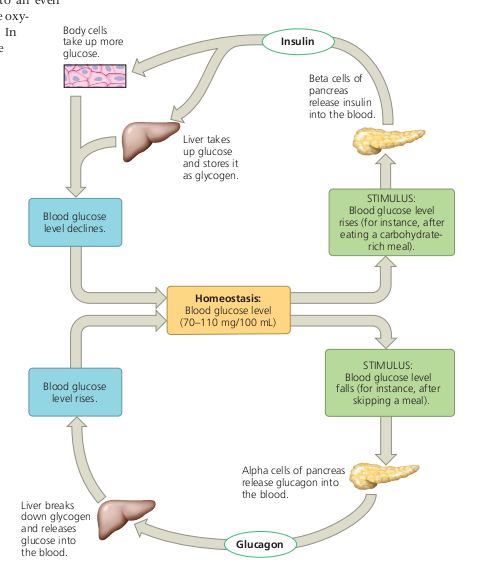
Diabetes mellitus is a group of metabolic disorders in which blood glucose stays chronically elevated because the body either cannot make enough insulin, cannot use it effectively, or both. Sustained high blood sugar gradually damages blood vessels and nerves, which is what drives most of the long-term complications. Herbal and nutritional support aims to improve insulin sensitivity, blunt post-meal glucose spikes, and protect the tissues most vulnerable to hyperglycemia — always alongside, never instead of, proper medical monitoring.
Presentation
Types & Variants
Diabetes is not a single disease but a family of conditions that share the endpoint of high blood glucose:
- Type 1 — an autoimmune destruction of the insulin-producing beta cells of the pancreas. It usually appears early in life, accounts for roughly 10% of cases, and creates an absolute dependence on injected insulin.
- Type 2 — by far the most common form, driven by insulin resistance that slowly progresses toward relative insulin deficiency. It is strongly tied to lifestyle and, caught early, is often manageable with diet and activity before medication becomes necessary.
- LADA (latent autoimmune diabetes in adults) — a slowly developing beta-cell autoimmunity in adulthood, frequently misclassified as type 2 at first because of its gradual onset.
- MODY (maturity-onset diabetes of the young) — a genetically driven form without autoimmune features, clinically close to type 2.
- Gestational diabetes — glucose intolerance that emerges in pregnancy as maternal insulin resistance rises. It usually resolves after delivery but signals a higher lifetime risk of type 2.
- Secondary diabetes — hyperglycemia caused by a separate problem, such as pancreatic disease (pancreatitis, cystic fibrosis), long-term corticosteroid therapy, or hormone-secreting disorders like acromegaly or Cushing’s.
Overview
General Pathology
Blood glucose is normally held within a tight range by insulin, which moves sugar out of the blood and into cells. In type 1 diabetes, immune-mediated loss of the pancreatic beta cells removes that signal almost entirely, so glucose accumulates in the blood while the cells starve. In type 2 diabetes, cells become progressively less responsive to insulin; the pancreas compensates by secreting more of it (hyperinsulinemia), but over years this demand exhausts beta-cell function and glucose control fails.
The harm done by diabetes is largely vascular. Persistent hyperglycemia damages the small vessels — microvascular disease, behind diabetic nephropathy, retinopathy, and peripheral neuropathy — and accelerates large-vessel disease, raising the risk of stroke, coronary artery disease, and peripheral arterial disease.
Presentation differs by type. Type 1 often arrives acutely, with excessive thirst, frequent urination, marked weight loss, hunger, fatigue, and blurred vision, and can escalate to diabetic ketoacidosis if untreated. Type 2 develops quietly and may be asymptomatic for years before thirst, fatigue, blurred vision, slow-healing wounds, recurrent infections, and tingling or numbness in the hands and feet appear. Diagnosis rests on an HbA1c of 6.5% or higher, a fasting blood glucose over 7.0 mmol/L, or a prediabetic range of roughly 5.5–6.9 mmol/L.
Materia Medica
Materia Medica
The herbs used for diabetes range from meta-analysed trials to rodent work and tradition. None of them is a substitute for professional care.
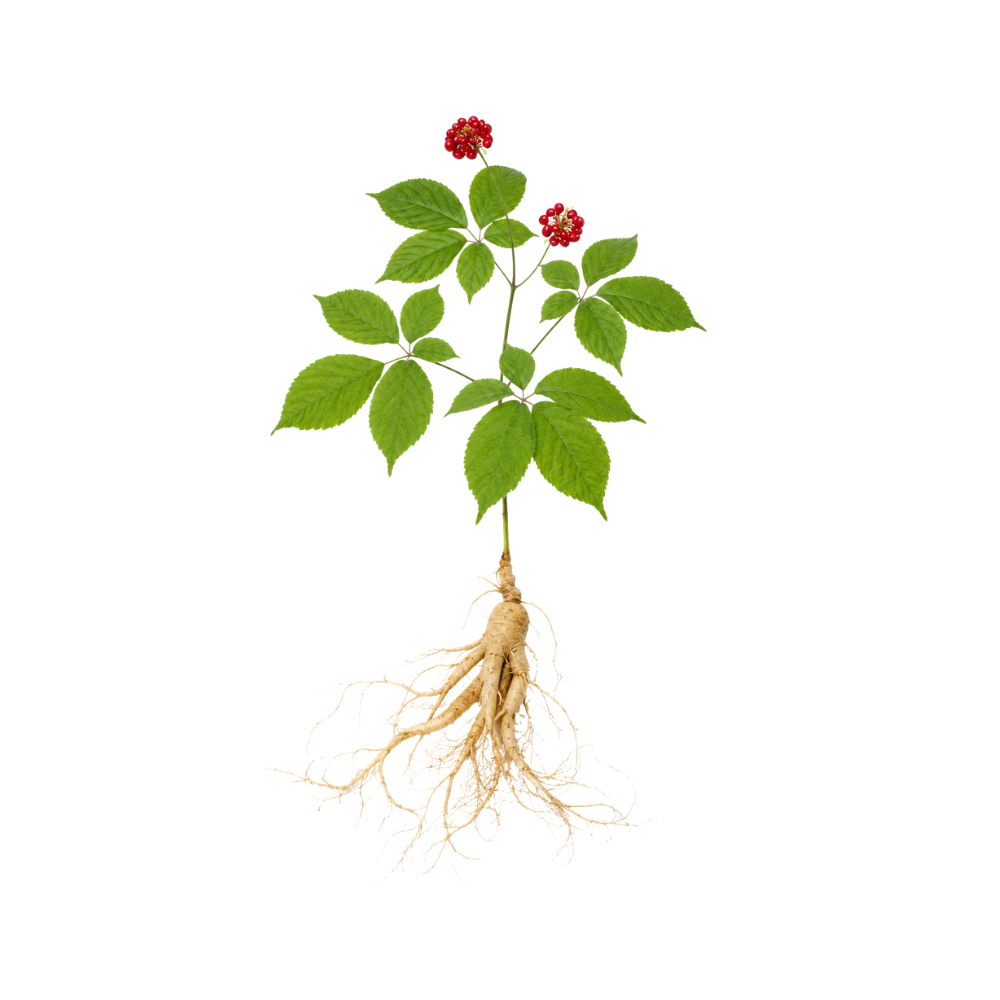 Asian GinsengPanax ginsengStrong
Blood-glucose control is ginseng’s most robust human signal. A meta-analysis of 16 RCTs (n≈770) found ginseng significantly reduced fasting blood glucose (mean difference −0.31 mmol/L), though it did not move fasting insulin, HbA1c or HOMA-IR overall 62Reference 62Meta-analysisThe effect of ginseng (the genus Panax) on glycemic control — systematic review and meta-analysis of randomised controlled trialsView study →; a later meta-analysis of 20 RCTs in prediabetes/type-2 diabetes reported significant drops in fasting glucose, total cholesterol, IL-6 and HOMA-IR, clearer at ≥2 g/day 63Reference 63Meta-analysisThe efficacy of ginseng (Panax) on human prediabetes and type 2 diabetes mellitus — systematic review and meta-analysisView study →, with a single G115 dose lowering glucose acutely 64Reference 64RCTSingle doses of Panax ginseng (G115) reduce blood glucose levels and improve cognitive performance during sustained mental activity — RCTView study →, via enhanced insulin secretion, peripheral glucose uptake and reduced intestinal glucose absorption.
Effects are small, largely on fasting glucose rather than HbA1c, trials are short with heterogeneous/proprietary extracts, and there are no long-term complication outcomes.
Full monograph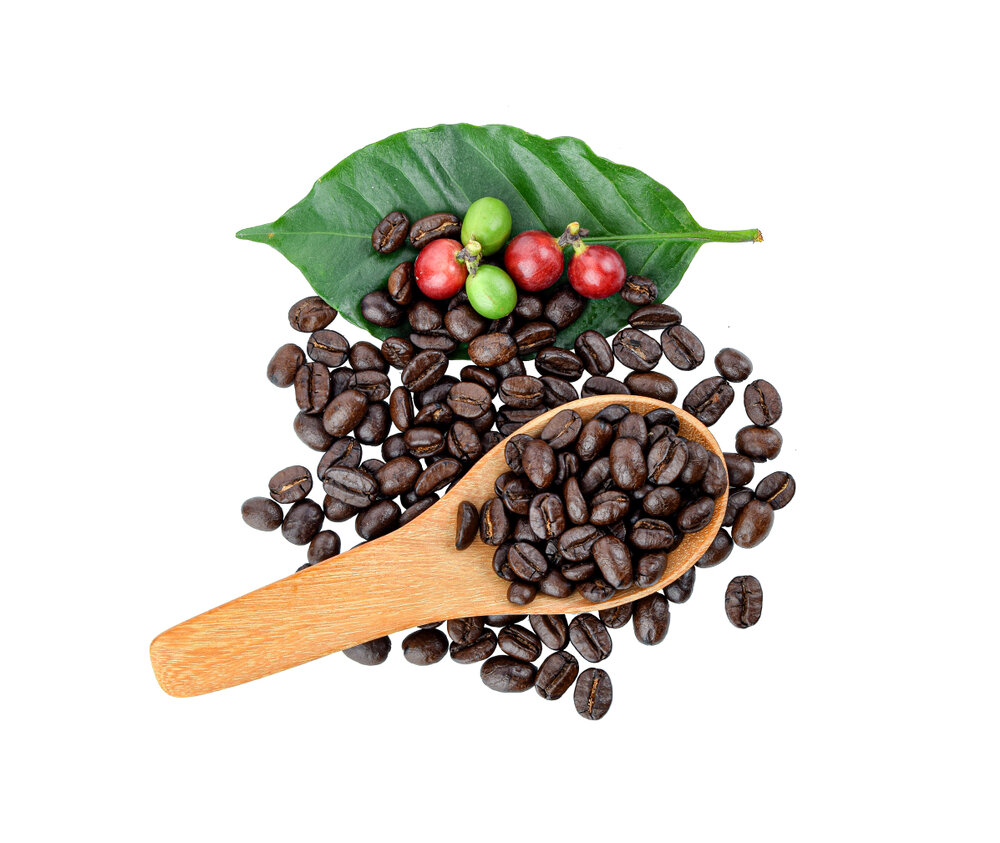 CoffeeCoffea arabicaStrong
Coffee’s most robust, dose-dependent association: a dose-response meta-analysis of 28 prospective cohorts (1,109,272 participants) found type 2 diabetes risk fell stepwise with intake — RR 0.92 → 0.67 across 1–6 cups/day — and the protection held for both caffeinated (RR 0.91/cup) and decaffeinated (RR 0.94/cup), pointing to chlorogenic acid and glucose handling rather than caffeine 38Reference 38Meta-analysisCaffeinated and decaffeinated coffee consumption and risk of type 2 diabetes: a systematic review and dose-response meta-analysisView study →; both 2017 umbrella reviews rank it a top-confidence coffee association 39,
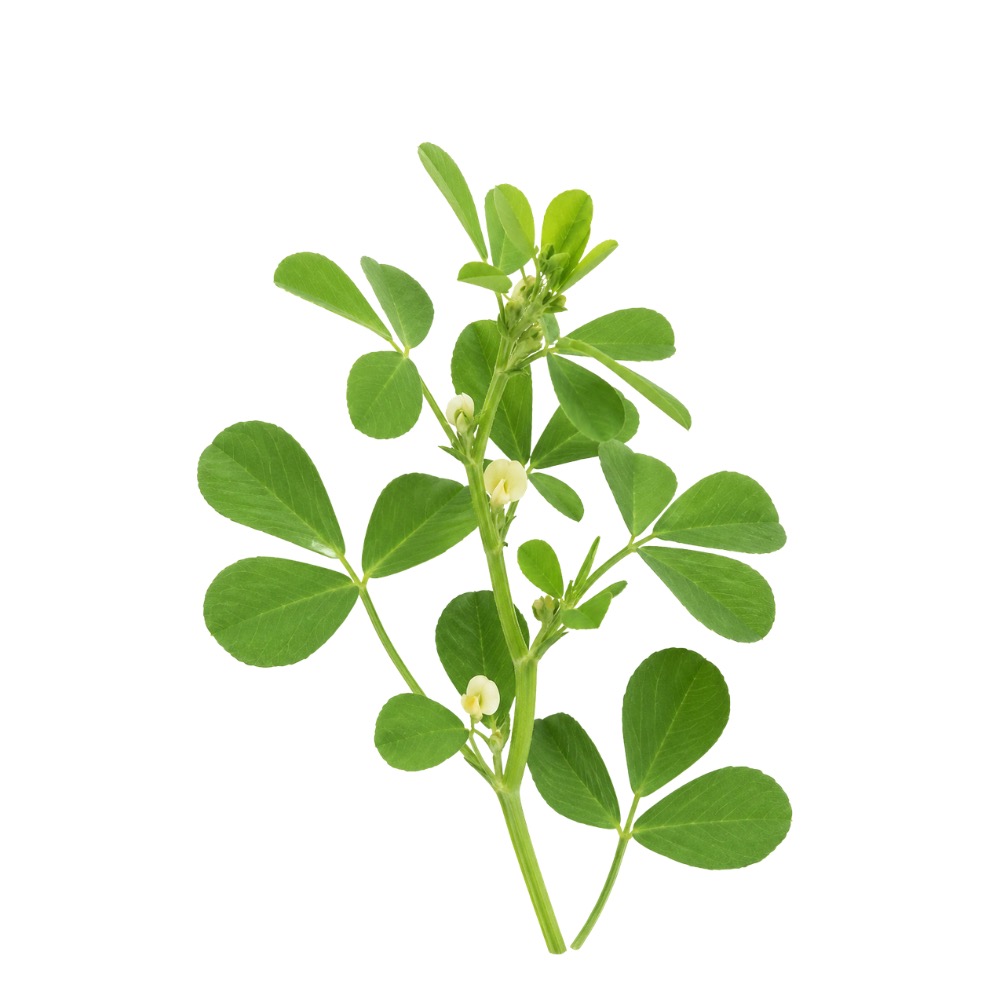 FenugreekTrigonella foenum-graecumStrong
Multiple meta-analyses of RCTs in type 2 diabetes and prediabetes report significant reductions in fasting blood glucose, 2-hour post-load glucose and HbA1c, with a 2023 dose-response pooling of 29 RCTs putting the fasting-glucose fall at roughly 17 mg/dL 55,
 GynostemmaGynostemma pentaphyllumStrong
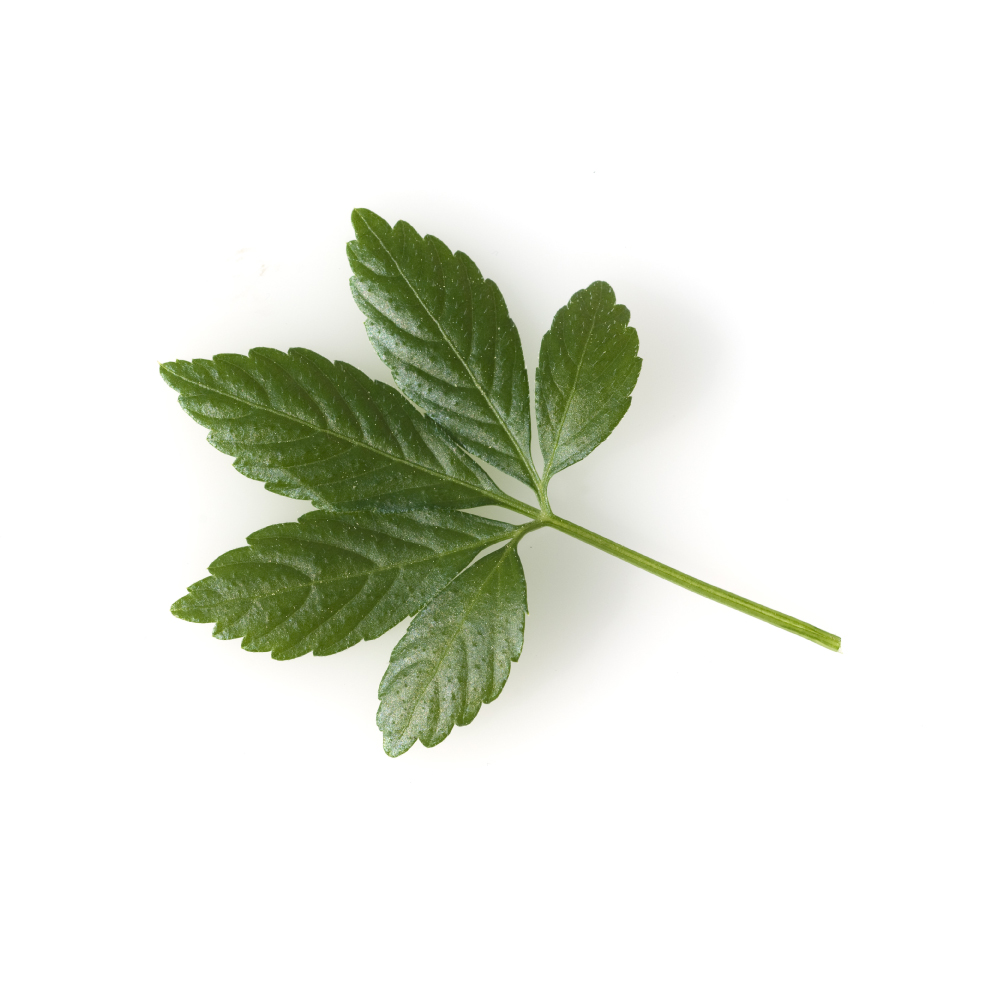
Blood-sugar control is gynostemma’s best-evidenced use. A 12-week RCT in drug-naïve type-2 diabetics drinking 6 g/day authenticated jiaogulan tea cut fasting plasma glucose ~3.0 mmol/L and HbA1c ~2 points versus placebo, with reduced HOMA-IR and no hypoglycaemia 85Reference 85RCTAntidiabetic effect of Gynostemma pentaphyllum tea in randomly assigned type 2 diabetic patients — randomised controlled trialView study →; a 2026 meta-analysis of eight studies (584 patients) pooled −0.79 mmol/L fasting glucose and −1.01% HbA1c, and an independent systematic review matched the ~−1% HbA1c effect 86,
 Milk ThistleSilybum marianumStrong
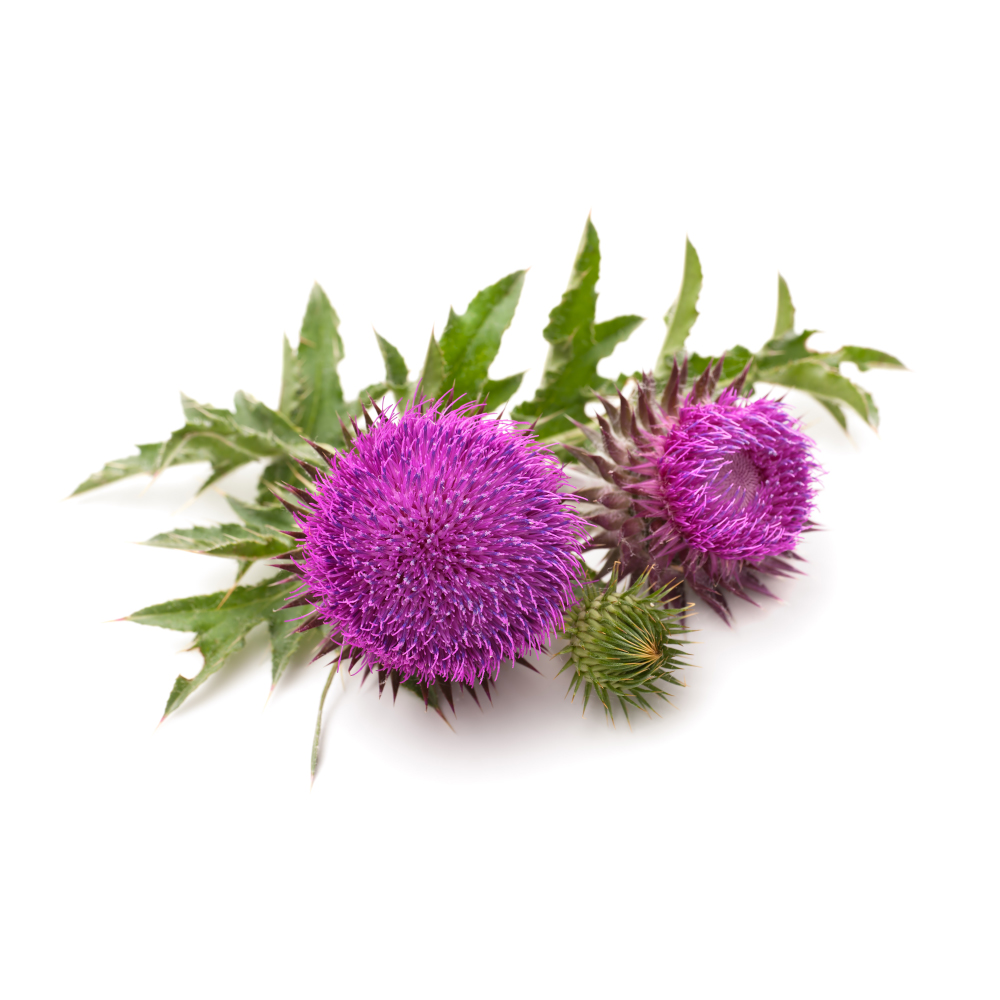
A 2016 systematic review/meta-analysis of five RCTs concluded silymarin significantly lowered fasting glucose and HbA1c in type 2 diabetes, anchored by a 2006 four-month double-blind RCT (n=51, silymarin 200 mg 3×/day) improving HbA1c, glucose and lipids versus placebo 95,
 NigellaNigella sativaStrong
Blood-sugar control is nigella’s strongest indication. A meta-analysis of 17 RCTs found the seed lowered fasting plasma glucose (~9.9 mg/dL), postprandial glucose (~14.8 mg/dL) and HbA1c (~0.57 points), with seed oil outperforming powder; an updated meta-analysis and the 2025 GRADE-assessed synthesis of 82 RCTs confirmed the direction 99,
 PsylliumPlantago ovataStrong
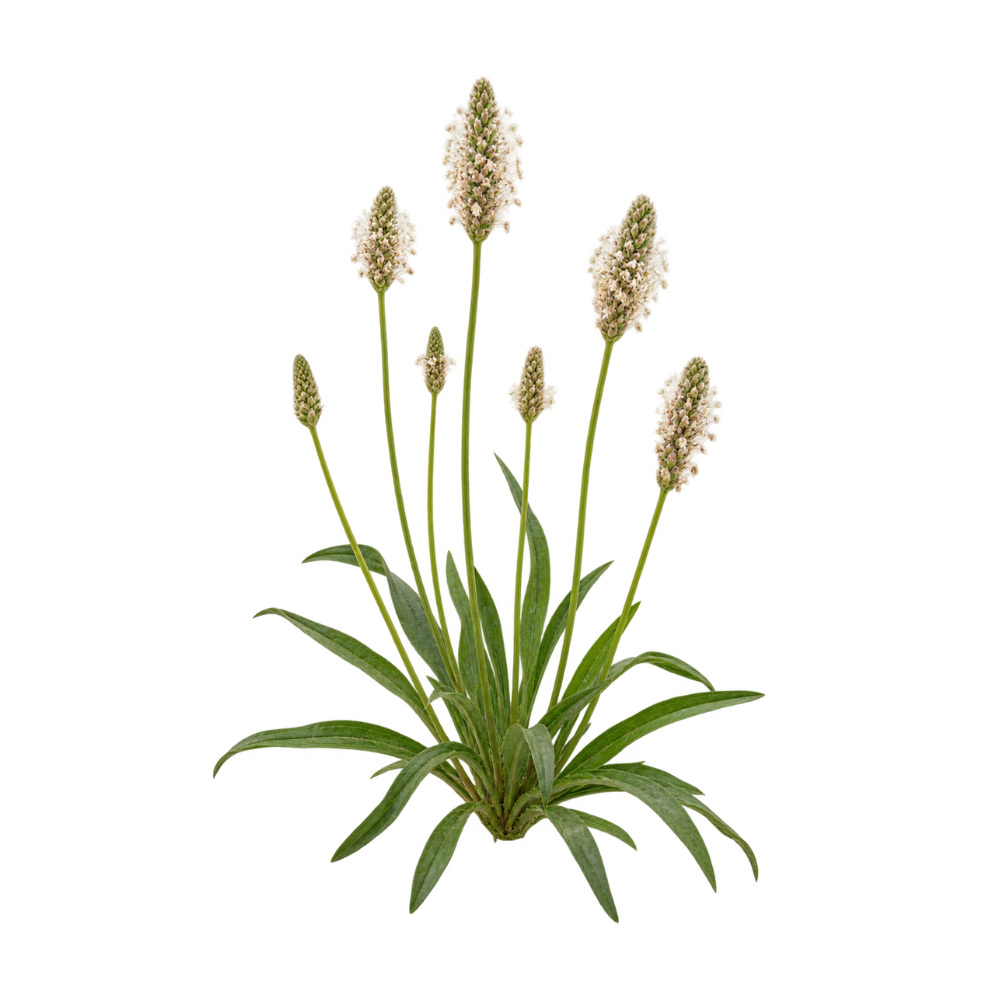
A meta-analysis of 35 RCTs across three decades found that in patients being treated for type 2 diabetes, psyllium taken before meals improved fasting blood glucose by −37 mg/dL and HbA1c by −0.97% — roughly a full percentage point 104Reference 104Meta-analysisPsyllium fiber improves glycemic control proportional to loss of glycemic control: a meta-analysis of data in euglycemic subjects, patients at risk of type 2 diabetes mellitus, and patients being treated for type 2 diabetes mellitus — meta-analysisView study →. Benefit scaled with baseline loss of glycaemic control: no significant effect in healthy euglycaemic subjects, modest in pre-diabetes, largest in established T2DM. The gel slows gastric emptying and glucose diffusion to the gut wall, which is why pre-meal timing matters.
Much of the pooled data derives from a single manufacturer’s records. The effect is negligible in people with normal glucose, so psyllium is an adjunct rather than a therapy, and not a preventive for the euglycaemic.
Full monograph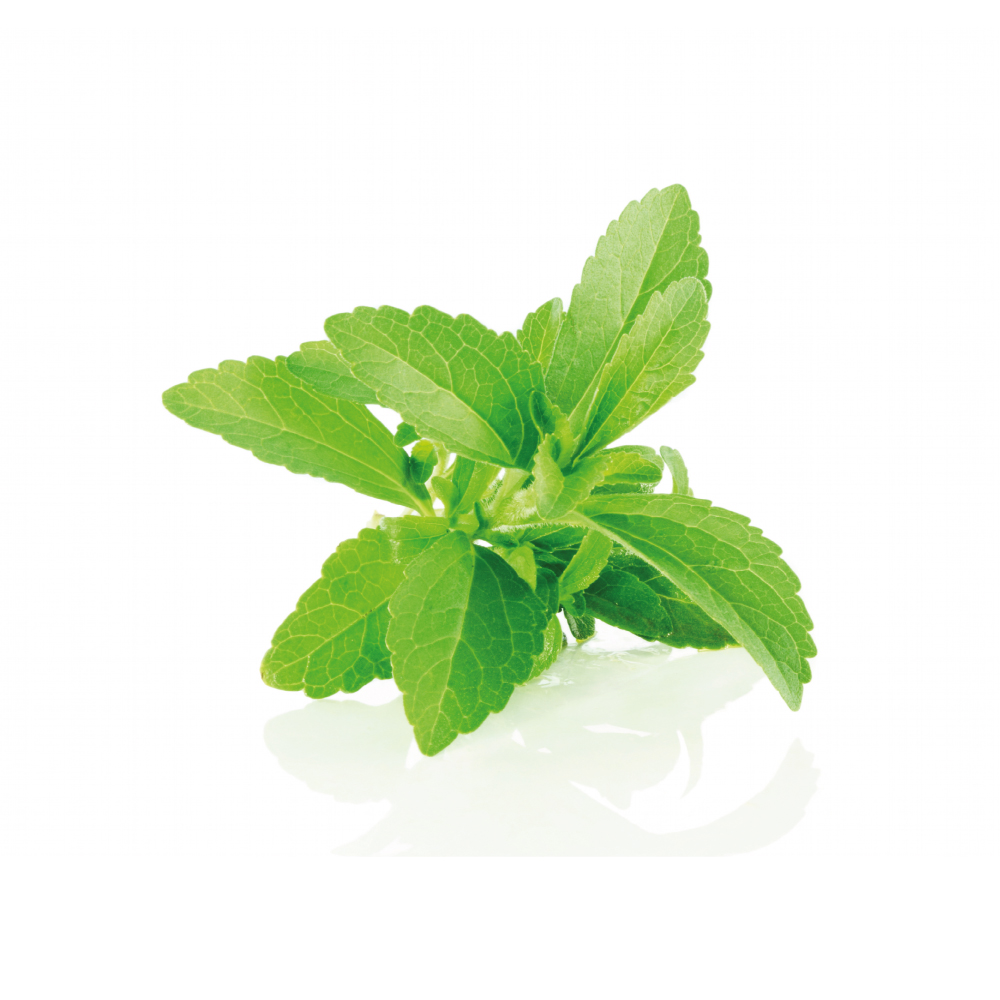 SteviaStevia rebaudianaStrong
Blood-sugar control is stevia’s best-supported indication. A 2024 systematic review/meta-analysis (26 studies, n=1439) found stevia significantly lowered blood glucose (WMD -3.84 mg/dL), with a second 2024 meta-analysis (12 RCTs, n=871) and earlier pooled work concurring 117,
The effect is modest and confined mainly to fasting glucose — HbA1c and insulin are largely unchanged and certainty is graded low, so stevia helps manage, not treat, diabetes.
Full monograph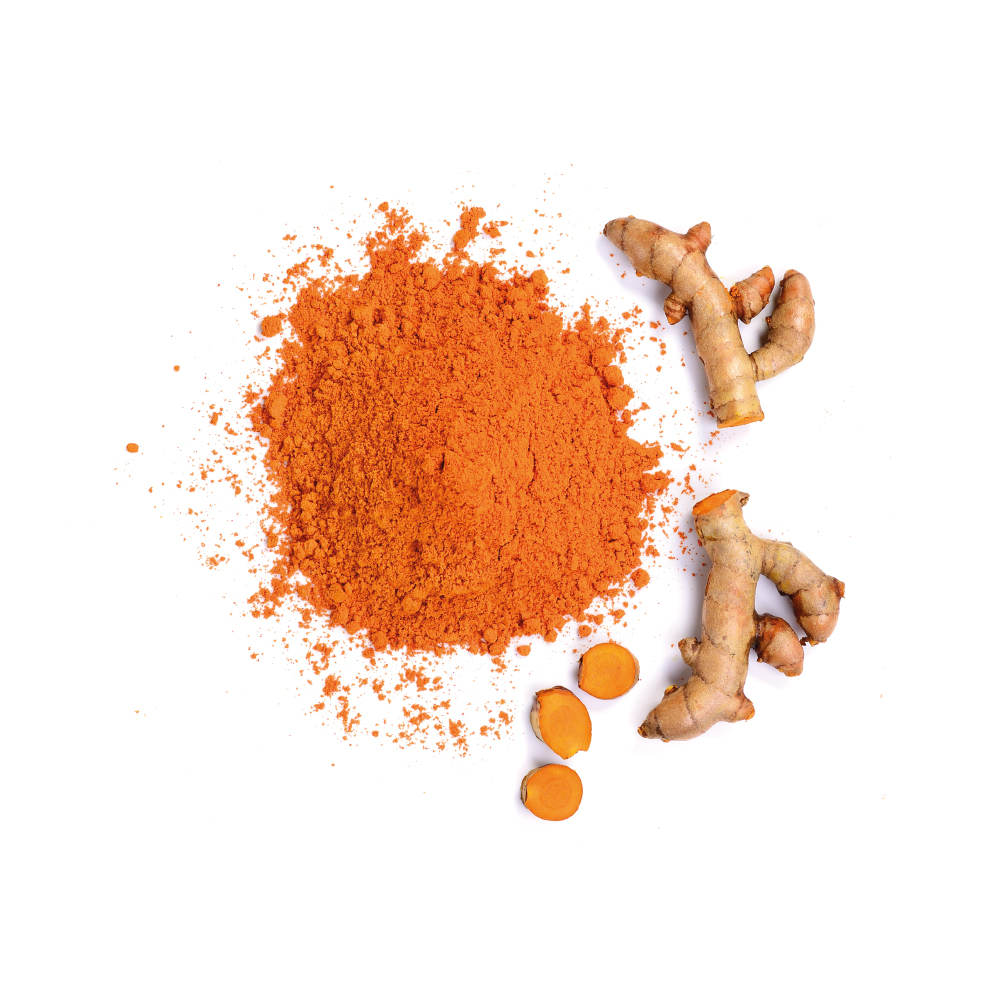 TurmericCurcuma longaStrong
A landmark 9-month RCT in 240 prediabetic adults saw none of the curcumin group progress to type 2 diabetes vs 16.4% on placebo, with improved β-cell function and insulin resistance 129Reference 129RCTCurcumin extract for prevention of type 2 diabetes — randomized, double-blind, placebo-controlled trialView study →; a 2024 meta-analysis of 18 RCTs (n=1,382 T2DM) found curcumin lowered fasting glucose (~11.5 mg/dL) and HbA1c (~0.54%) 130Reference 130RCTCurcumin Attenuates Hyperglycemia and Inflammation in Type 2 Diabetes Mellitus: Quantitative Analysis of Randomized Controlled TrialsView study →, and fasting blood sugar was rated high certainty in a 103-RCT overview 131Reference 131Meta-analysisCurcumin on Human Health: A Comprehensive Systematic Review and Meta-Analysis of 103 Randomized Controlled TrialsView study →. Effect sizes are modest and formulation-dependent — curcumin is an adjunct, not a replacement for glucose-lowering therapy, and prevention rests on a single (large) trial.
Full monograph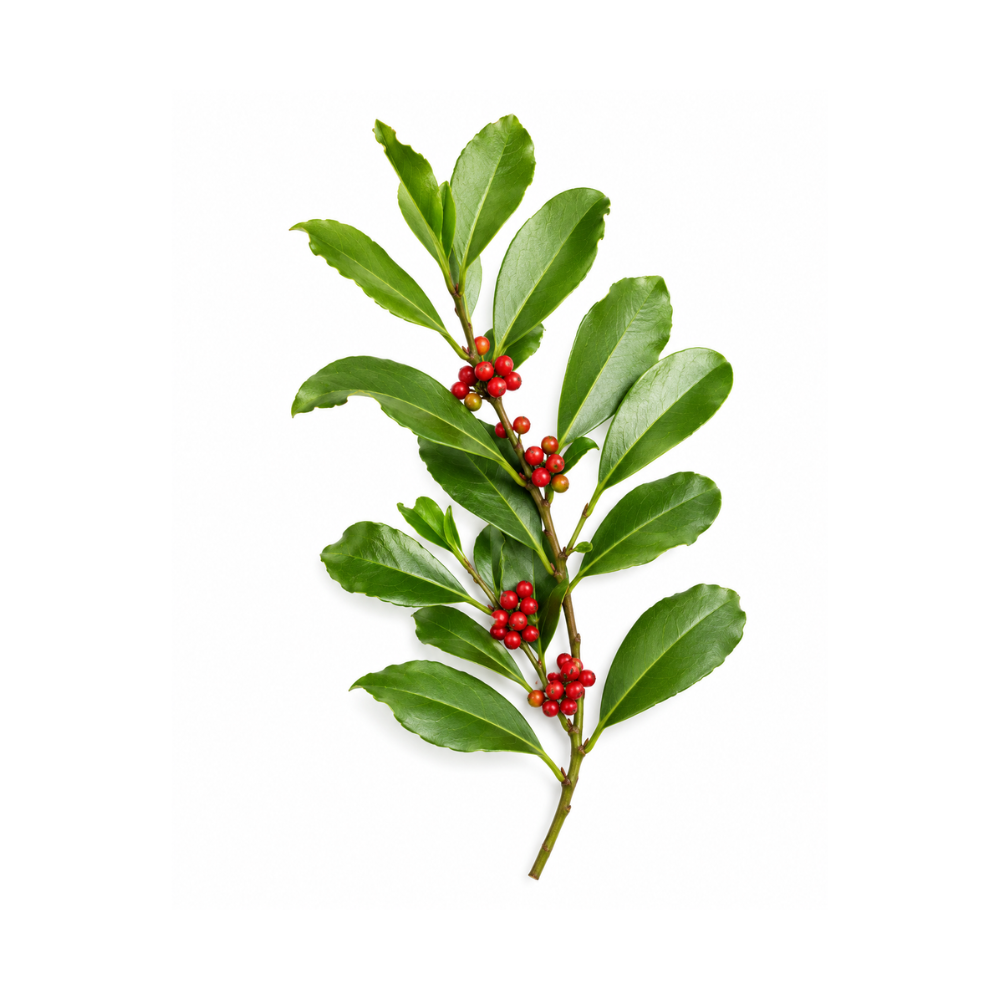 Yerba MatéIlex paraguariensisStrong
Blood-sugar control is yerba maté’s most credible human indication. A 2025 systematic review and meta-analysis of 13 RCTs found maté significantly lowered postprandial glucose (−12.76 mg/dL), HbA1c (−0.37%) and the HOMA-IR index (−0.24) in pre-diabetic subjects 134Reference 134Meta-analysisYerba Maté and its impact on glycemic control and metabolic health: a systematic review and meta-analysis of RCTsView study →, and a 60-day RCT in T2DM/pre-diabetic drinkers reported improved glycaemic control from roasted-leaf infusion, attributed to chlorogenic acid modulating glucose absorption and hepatic G6Pase 135Reference 135RCTMate tea (Ilex paraguariensis) improves glycemic and lipid profiles of type 2 diabetes and pre-diabetes individuals — randomized controlled trialView study →. Benefit concentrates in pre-diabetes/T2DM and postprandial (not fasting) measures — the meta-analysis found no effect on fasting glucose — and roasted vs. green preparation materially changes the result.
Full monograph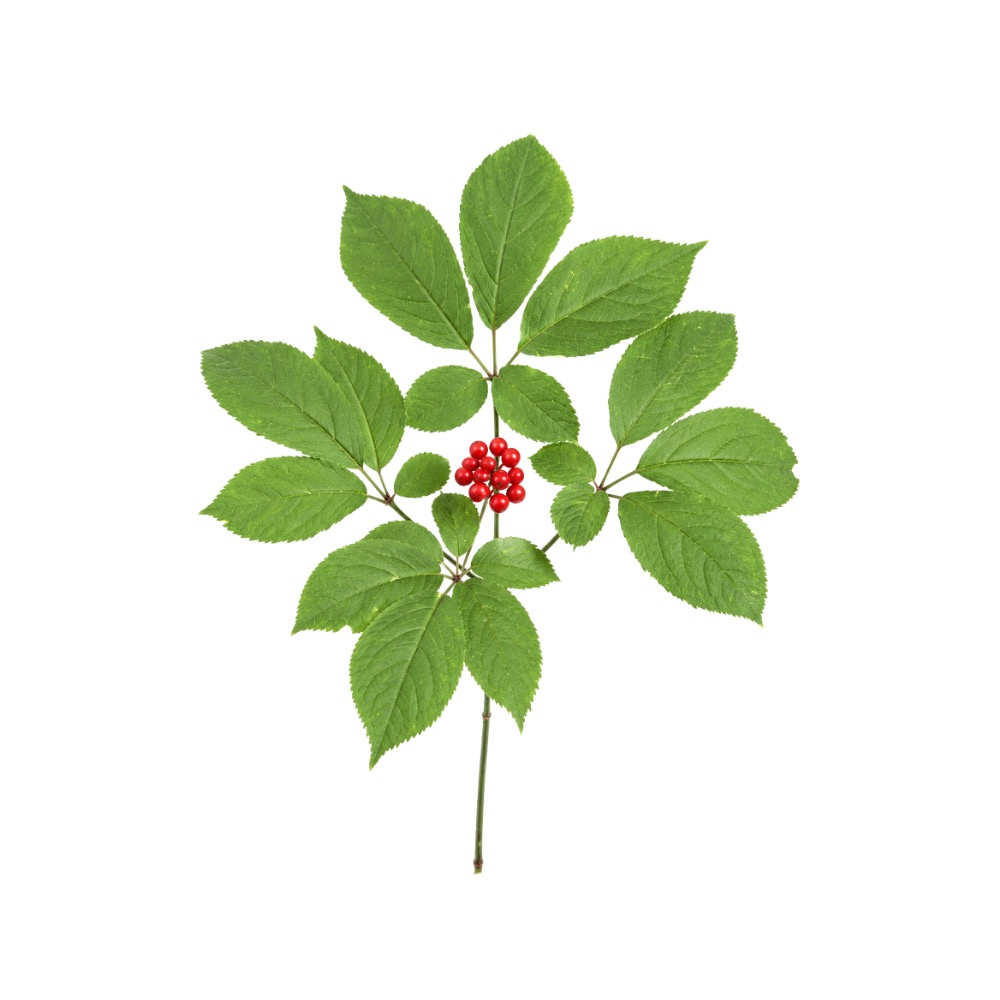 American GinsengPanax quinquefoliusModerate
American ginseng reproducibly blunts postprandial glucose: crossover RCTs showed 3 g taken 40 minutes before a glucose challenge significantly reduced postprandial glycaemia in both non-diabetic and type 2 diabetic subjects 59Reference 59RCTAmerican ginseng (Panax quinquefolius L) reduces postprandial glycemia in nondiabetic subjects and subjects with type 2 diabetes mellitus — randomised controlled trialView study →, with the effect time-dependent (pre-loading required) but not dose-dependent across 1–3 g 60Reference 60RCTAmerican ginseng attenuates postprandial glycemia in a time-dependent but not dose-dependent manner in healthy individuals — randomised controlled trialView study →. A double-blind crossover trial (n=24, type 2 diabetics) using American ginseng as an add-on to standard therapy reported significant reductions in HbA1c (−0.29%) and fasting glucose (−0.71 mmol/L) plus lowered systolic BP and LDL-cholesterol, with an unchanged safety profile 61Reference 61RCTEfficacy and safety of American ginseng extract on glycemic control and cardiovascular risk factors in type 2 diabetes: a double-blind, randomized, cross-over clinical trial — randomised controlled trialView study →.
The effect is replicated, but samples are small, most of the work comes from one research group, and the pre-meal timing requirement complicates practical use. American ginseng adds to the glucose-lowering effect of insulin and oral hypoglycaemics.
Full monograph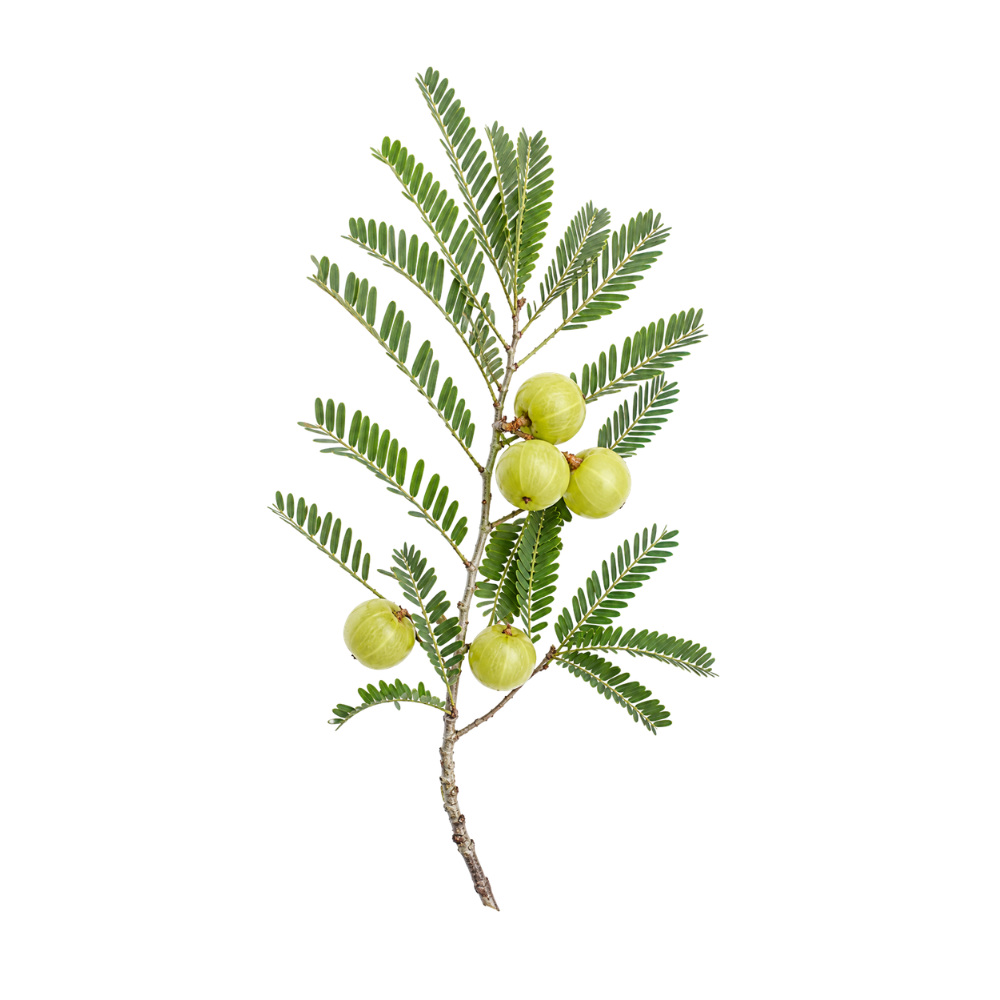 AmlaPhyllanthus emblicaModerate
Amla works more as an antioxidant adjuvant than a glucose-lowering therapy. Amla fruit powder at 1–3 g/day for 21 days significantly reduced fasting and post-prandial glucose in both healthy and type-2 diabetic volunteers, the higher doses also improving lipids 4Reference 4Effect of Amla fruit (Emblica officinalis Gaertn.) on blood glucose and lipid profile of normal subjects and type 2 diabetic patientsView study →, and the 2023 meta-analysis pooling glucose data reported a significant fall in fasting blood glucose alongside CRP 5Reference 5Meta-analysisThe impact of Emblica officinalis (Amla) on lipid profile, glucose, and C-reactive protein: a systematic review and meta-analysis of randomized controlled trialsView study →.
A systematic review maps the mechanisms for diabetic complications — improved insulin signalling, β-cell protection, reduced advanced-glycation-end-product accumulation 6Reference 6Potential effect of the tropical fruit Phyllanthus emblica L. for the prevention and management of type 2 diabetic complicationsView study →. In T2DM specifically, the standardised extract improved salbutamol-challenge endothelial function and oxidative markers over 12 weeks 7Reference 7RCTEffects of Phyllanthus emblica extract on endothelial dysfunction and biomarkers of oxidative stress in patients with type 2 diabetes mellitus: a randomised, double-blind, controlled studyView study →.
The human glycaemic trials are small, short, and mostly use whole-fruit powder rather than the standardised extract, so the glucose and lipid evidence do not rest on the same preparation. Amla’s effect adds to that of antidiabetic medication.
Full monograph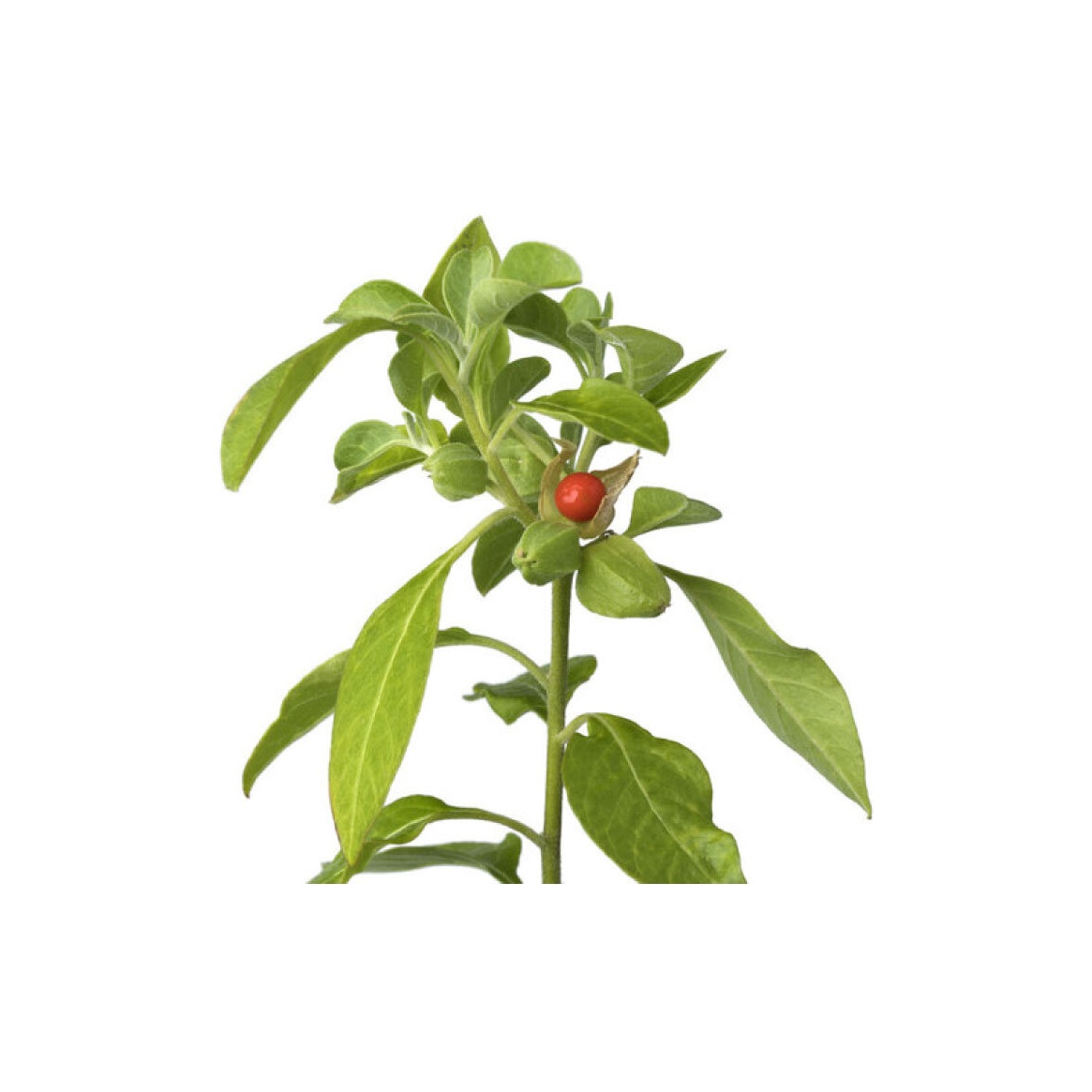 AshwagandhaWithania somniferaModerate
A 2020 meta-analysis reported restored blood glucose, HbA1c, insulin and lipid markers, but the pooled effect is dominated by in-vitro (6) and animal (13) studies against only five clinical ones, and the authors conclude the human data are too weak to support clinical use 10Reference 10Meta-analysisWithania somnifera (Indian ginseng) in diabetes mellitus — a systematic review and meta-analysisView study →. The mechanism is plausible; the human evidence is sparse, old and uncontrolled.
Full monograph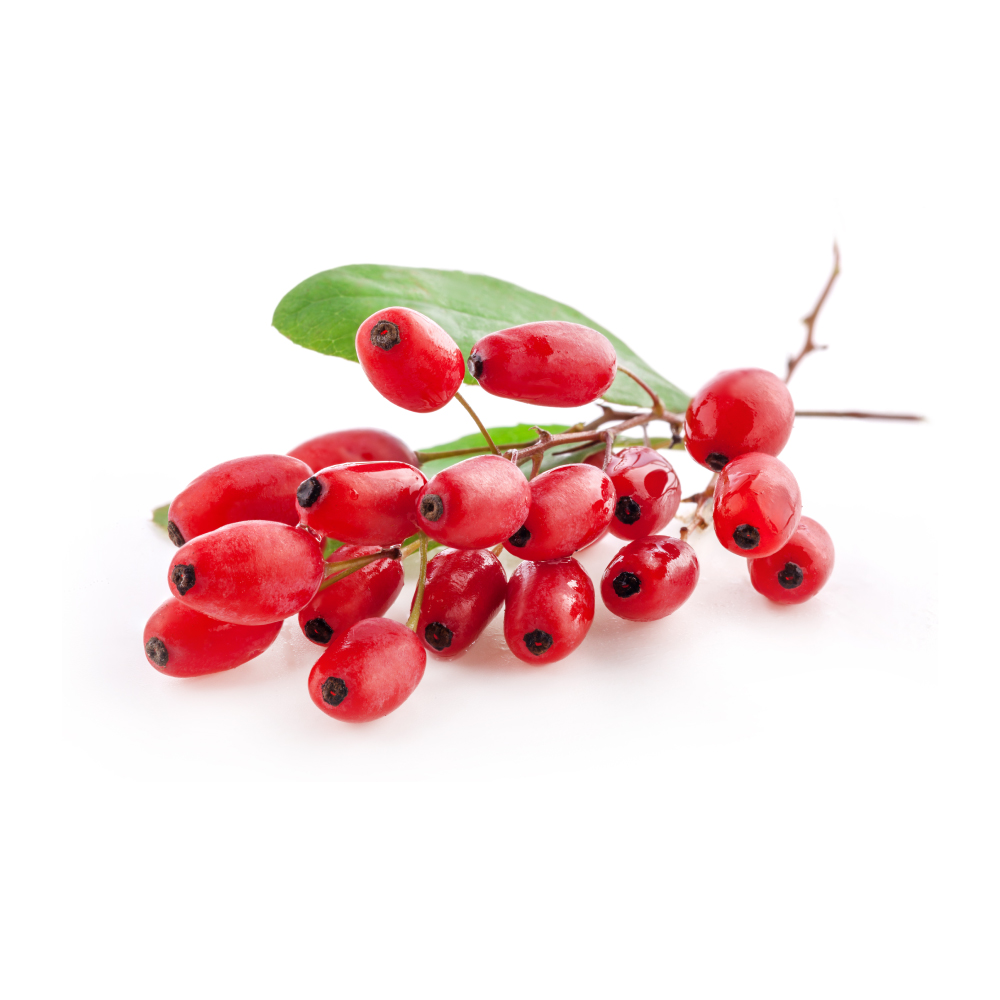 BarberryBerberis spp.Moderate
A meta-analysis of seven barberry RCTs (452 participants) reduced fasting insulin but did not consistently move fasting glucose or HbA1c 14Reference 14Meta-analysisThe effect of barberry (Berberis vulgaris L.) on glycemic indices — systematic review and meta-analysis of randomized controlled trialsView study →; the strong glycaemic results — HbA1c −0.73%, fasting glucose, HOMA-IR — belong to isolated berberine (46-trial meta-analysis 15Reference 15Meta-analysisThe effect of berberine on metabolic profiles in type 2 diabetic patients — systematic review and meta-analysis of randomized controlled trialsView study →, plus 16Reference 16Meta-analysisBerberine in the treatment of type 2 diabetes mellitus — systematic review and meta-analysisView study →) whose absorption differs from a whole-herb preparation.
Full monograph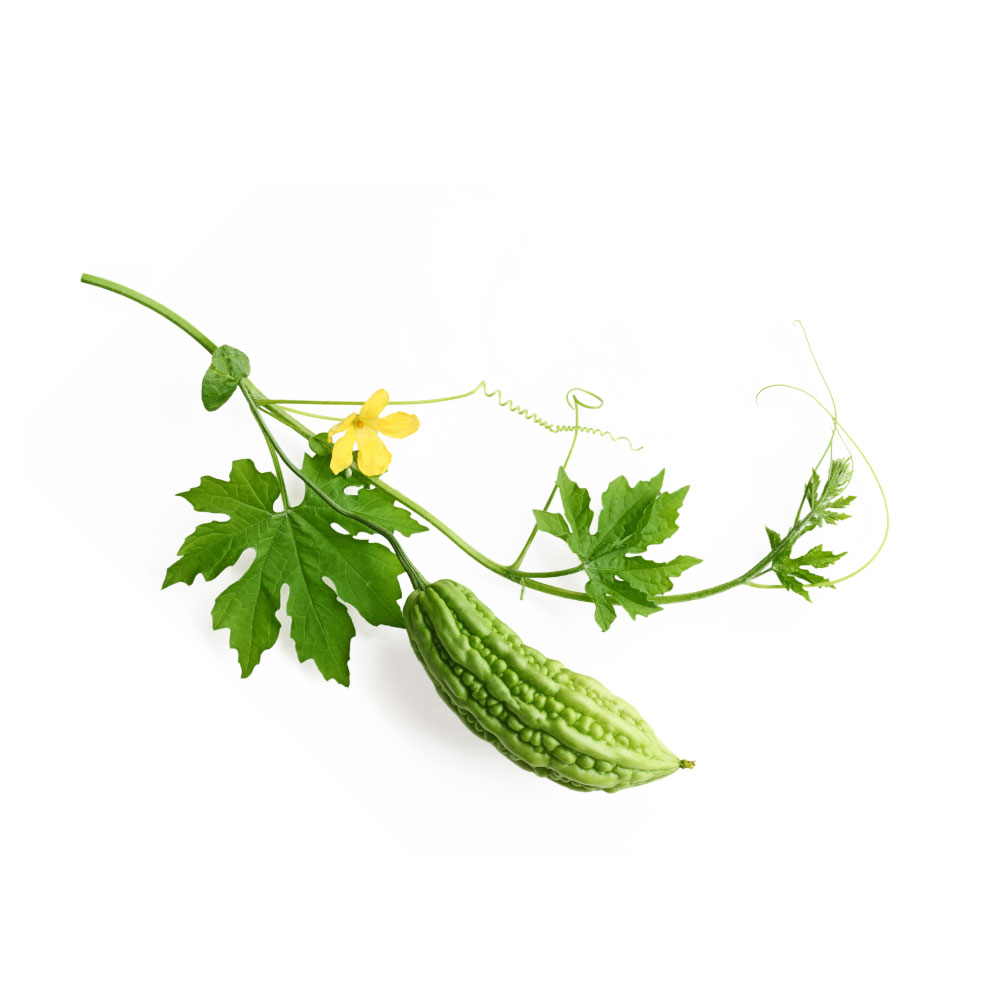 Bitter MelonMomordica charantiaModerate
Diabetes is the one bitter melon indication tested in humans. Several meta-analyses find modest reductions in fasting glucose, post-prandial glucose and HbA1c in T2DM/prediabetes 17,
A Cochrane review and a 2024 GRADE meta-analysis found the evidence too sparse/low-quality to support a firm claim 20,
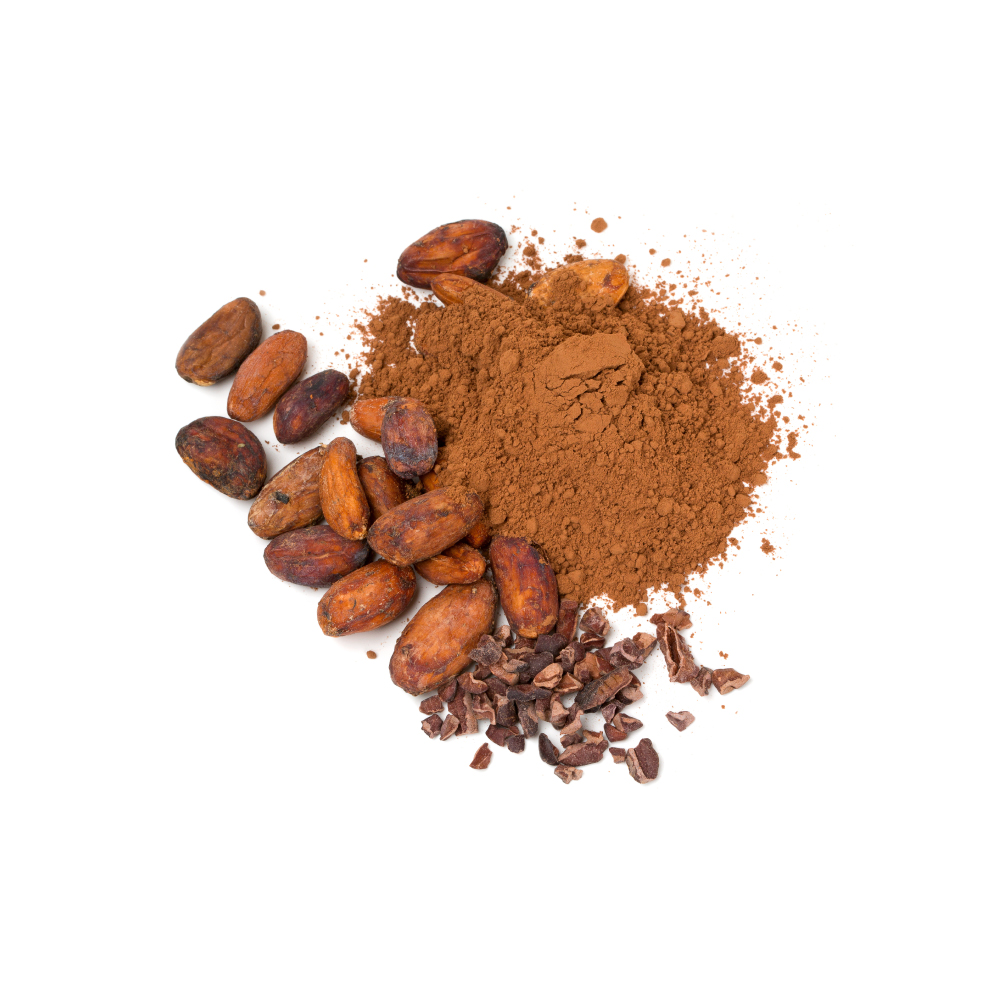 CacaoTheobroma cacaoModerate
Meta-analytic biomarker data suggest cocoa flavanols improve insulin sensitivity and fasting insulin, plausibly via epicatechin effects on nitric oxide plus in-vitro α-amylase/α-glucosidase inhibition 27,
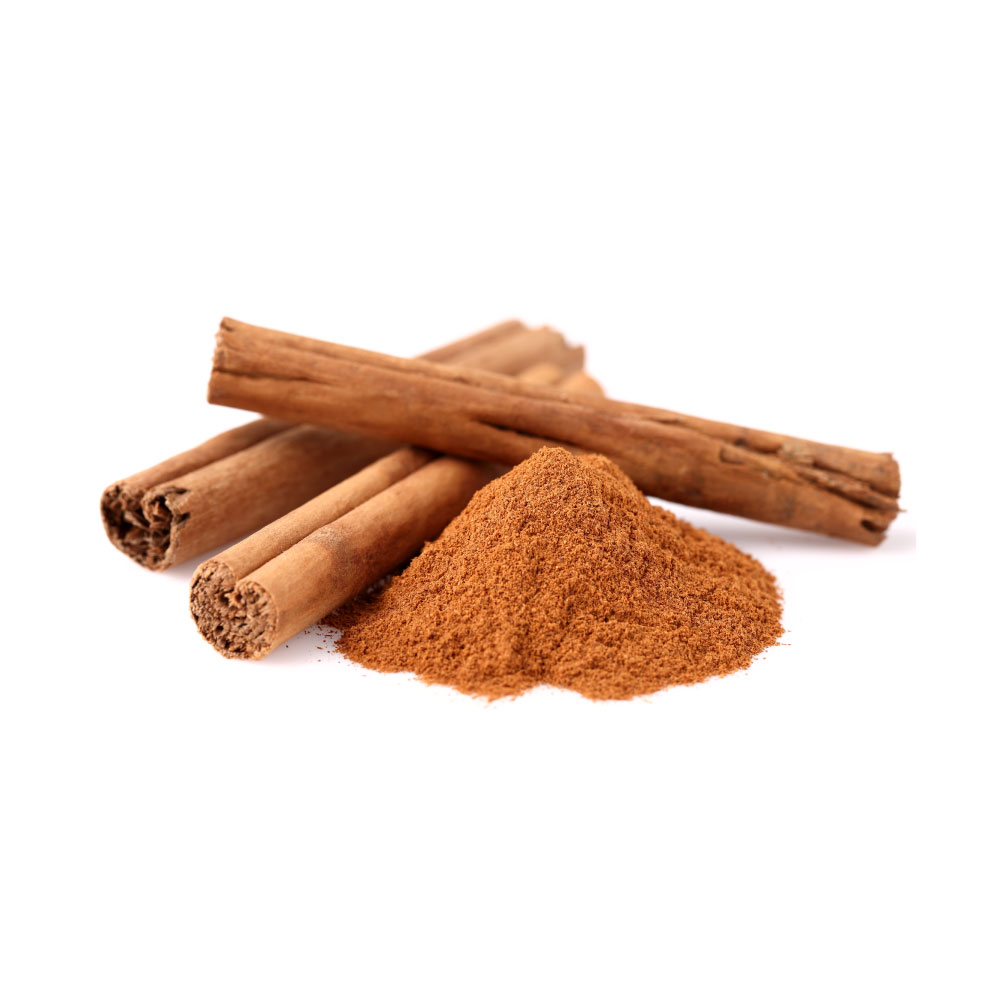 Cassia CinnamonCinnamomum cassiaModerate
Cinnamon’s most-studied effect: a 2024 dose-response meta-analysis of 24 RCTs and a 2025 meta-analysis of 28 RCTs (3,054 patients) found significant falls in fasting blood glucose (~15 mg/dL), HOMA-IR and postprandial glucose in type 2 diabetes, via cinnamaldehyde-driven insulin signalling 33,
HbA1c — the marker that matters for long-term outcomes — does not move reliably, a 2013 meta-analysis found no HbA1c effect with very high heterogeneity (I² up to 95%), and the 2012 Cochrane review judged the evidence insufficient 36,
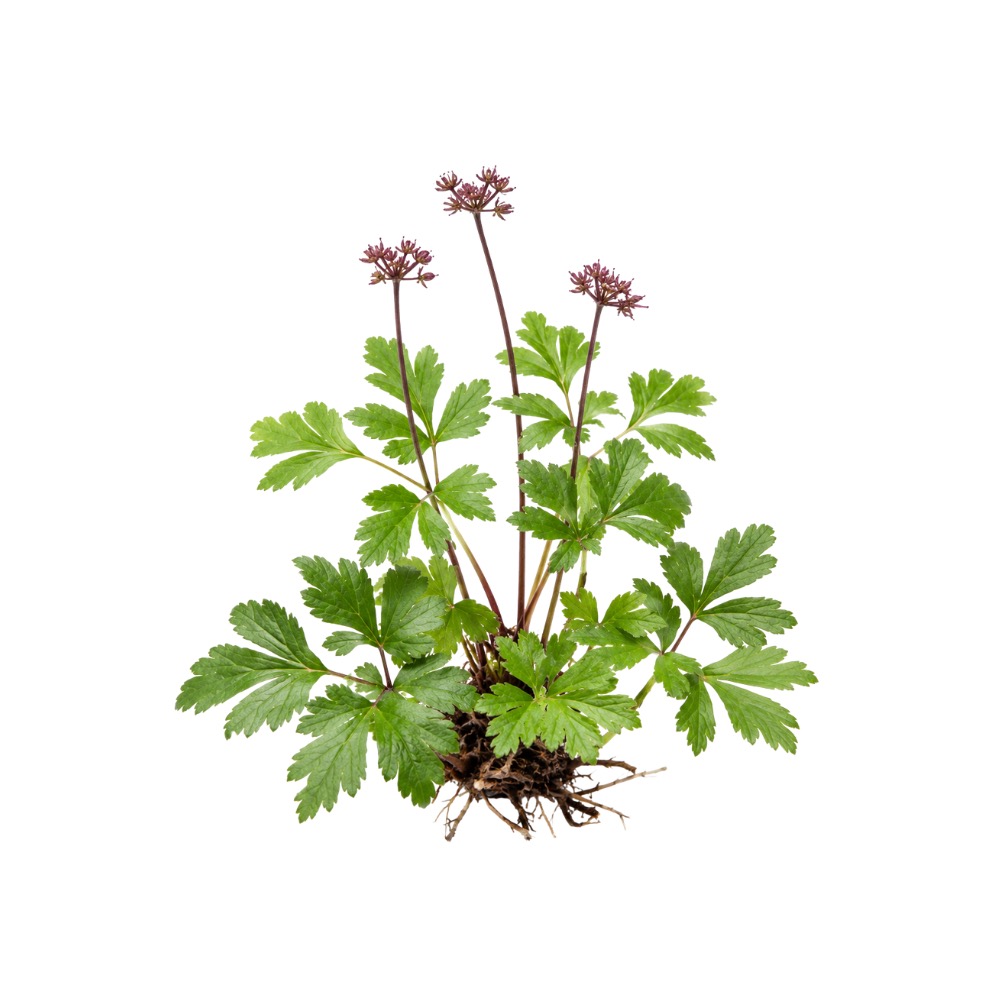 CoptisCoptis chinensisModerate
Meta-analyses of isolated berberine in type 2 diabetes report clinically meaningful reductions in fasting glucose (~0.82 mmol/L) and HbA1c (~0.63%) across 37 RCTs (3,048 patients), scaling with baseline hyperglycaemia and without excess hypoglycaemia 42,
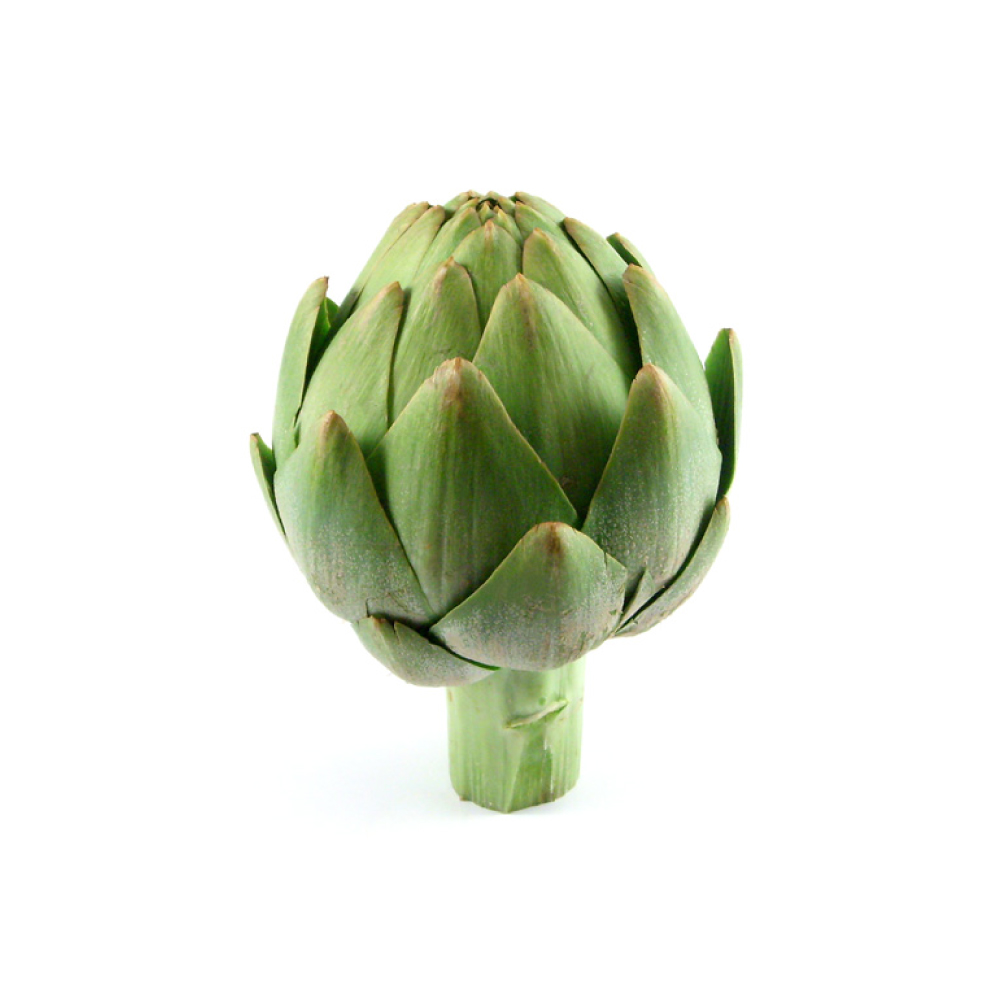 Globe ArtichokeCynara scolymusModerate
The pooled results are mixed. A meta-analysis of 9 RCTs found significantly lower fasting glucose (~5.3 mg/dL) but no change in fasting insulin, HOMA-IR or HbA1c 8Reference 8Meta-analysisEffects of Cynara scolymus L. on glycemic indices — systematic review and meta-analysis of randomised clinical trialsView study →, while the 2025 synthesis reported reduced insulin and HOMA-IR but no fasting-glucose or HbA1c effect — a partly contradictory picture across pooled analyses 9Reference 9Artichoke and cardiometabolic health — systematic and meta-analytic synthesisView study →. The chlorogenic-acid / glucose-6-phosphatase claim is constituent-level inference, not shown for the whole herb in humans. Signal is small and endpoints disagree; no consistent effect on the markers that matter most for diabetes.
Full monograph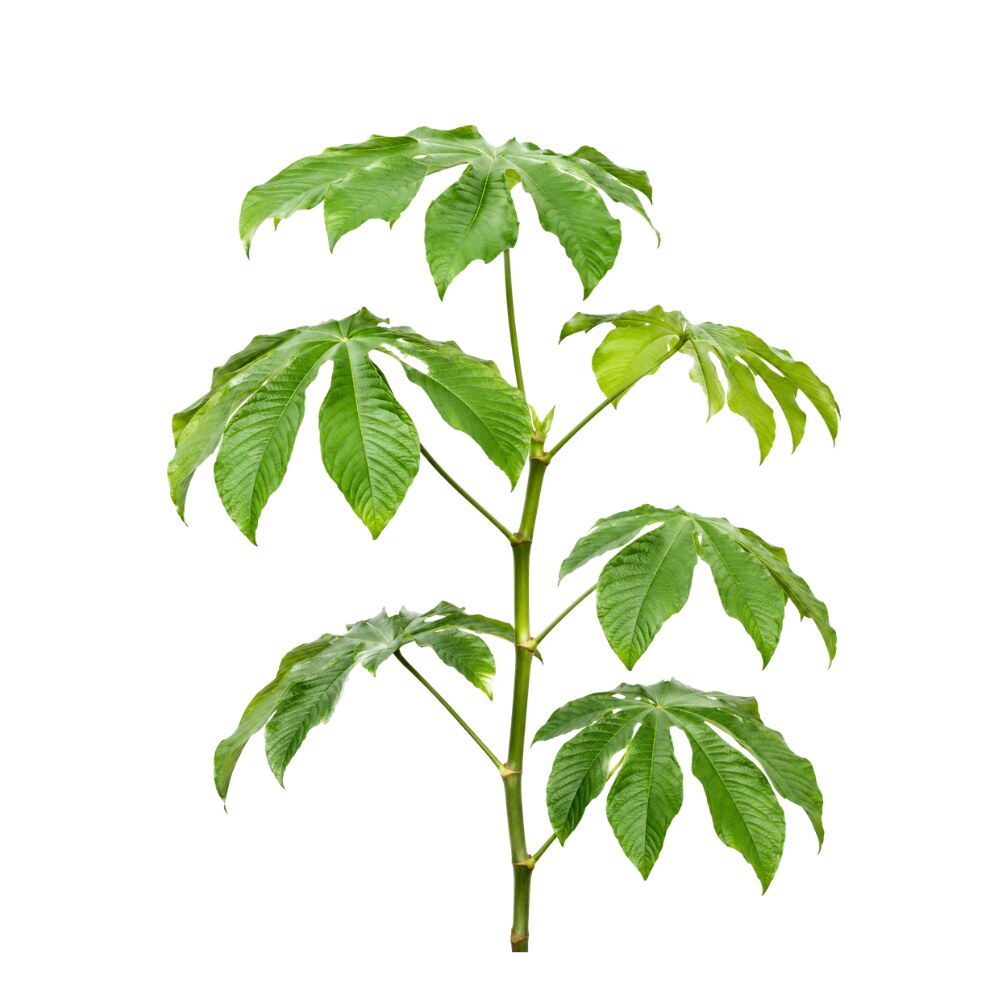 GuamuraCecropia mexicanaModerate
Glucose lowering is the genus’s best-evidenced action, but the evidence comes from C. obtusifolia, not C. mexicana. The single human study was open-label, uncontrolled and small (32 weeks, fasting glucose + HbA1c down) 79Reference 79Clinical trialHypoglycemic effect of Cecropia obtusifolia Bertol aqueous extracts on type 2 diabetic patients — clinical trialView study →. C. mexicana itself is untested, with no RCT and no established dose.
Full monograph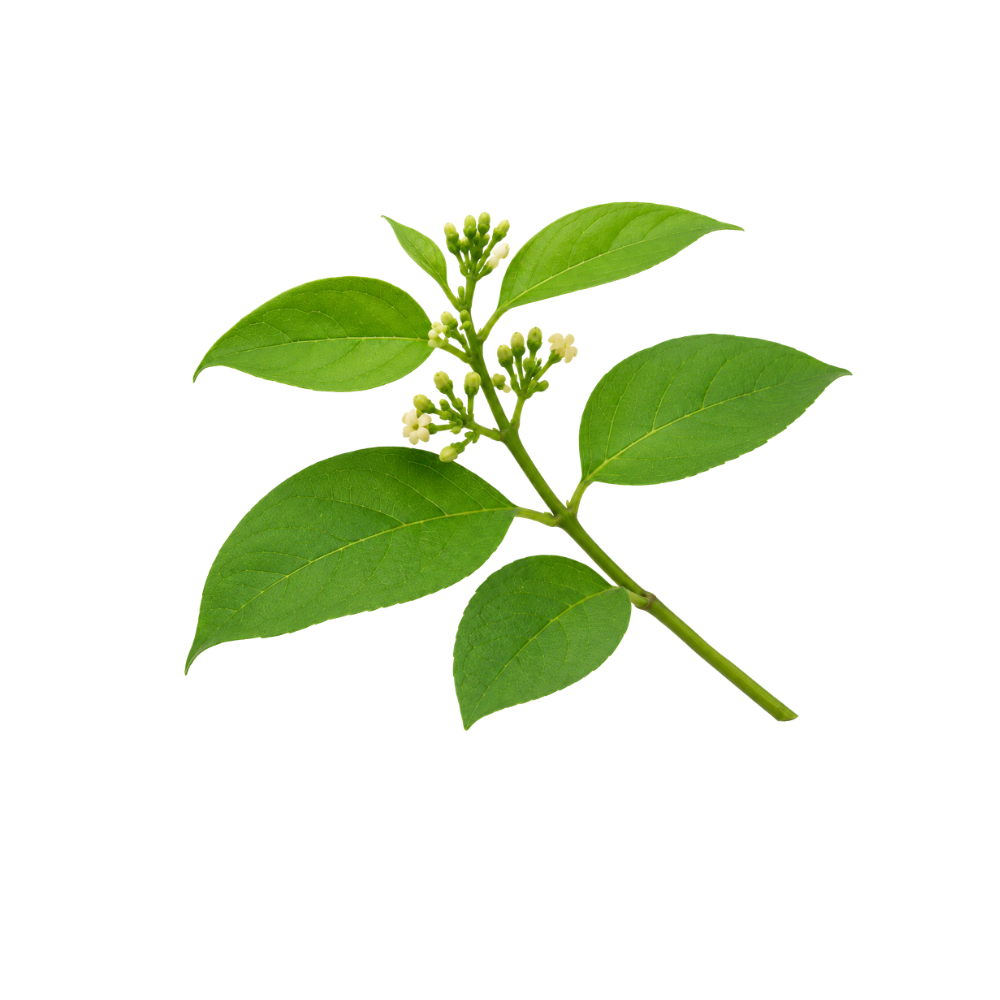 GymnemaGymnema sylvestreModerate
Blood-sugar control is gymnema’s best-evidenced use. A 2021 systematic review/meta-analysis (10 studies, 419 participants) and a 2023 meta-analysis of six RCTs both found significant reductions in fasting blood glucose in type 2 diabetes, and the foundational GS4 water-soluble leaf-extract programme (400 mg/day) cut blood glucose, HbA1c and glycosylated proteins over 18–20 months in both T2DM and insulin-dependent patients 80,
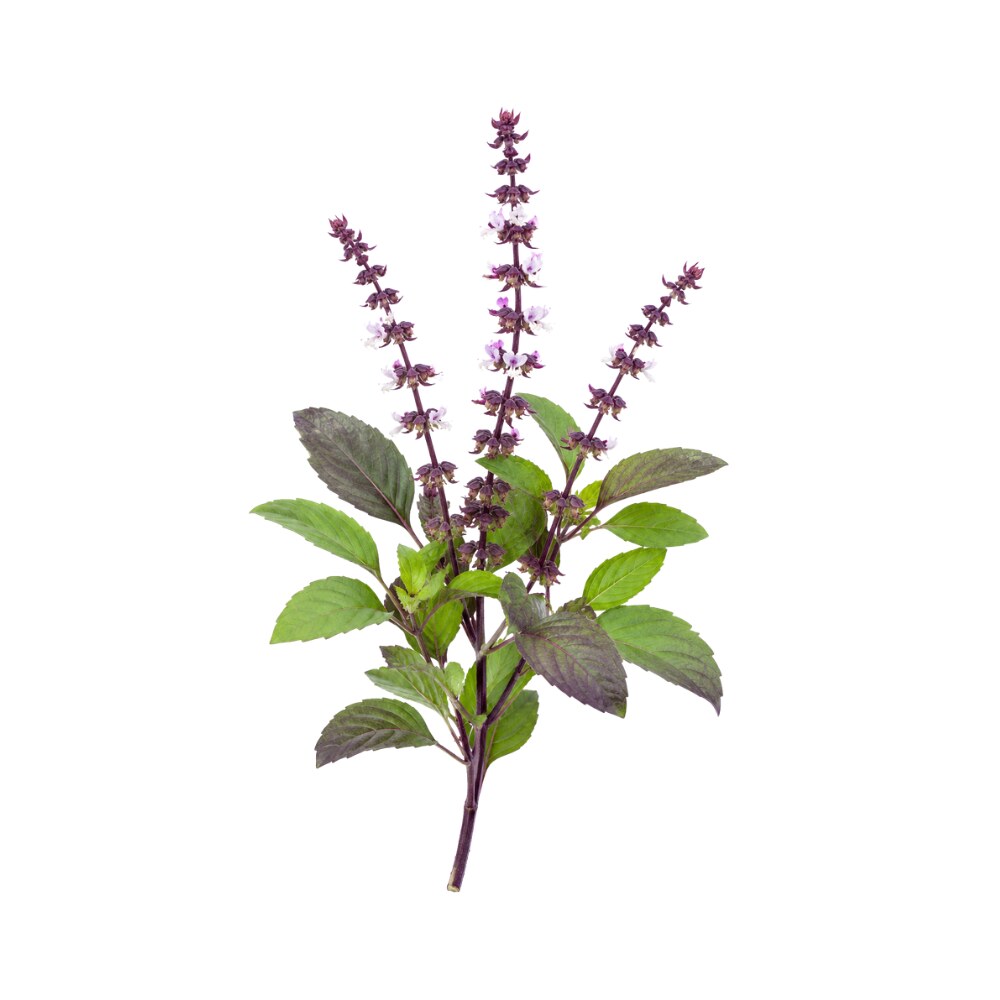 Holy BasilOcimum tenuiflorumModerate
A randomised, placebo-controlled crossover trial in non-insulin-dependent diabetics found holy basil leaf significantly lowered fasting blood glucose (−21 mg/dL, ~17.6%) and postprandial glucose (~7.3%) 89Reference 89RCTRandomised placebo-controlled, single-blind trial of holy basil leaves in patients with non-insulin-dependent diabetes mellitus — randomised controlled trialView study →, set within a wider animal/review body framing tulsi as antidiabetic via insulin-secretion and lipid-handling effects 90Reference 90ReviewOcimum sanctum: a therapeutic role in diabetes and the metabolic syndrome — reviewView study →. The effect is real but modest and rests largely on one small, single-blind, decades-old trial. Tulsi can add to the effect of antidiabetic drugs, but the evidence is too thin to make it a glucose-lowering therapy.
Full monograph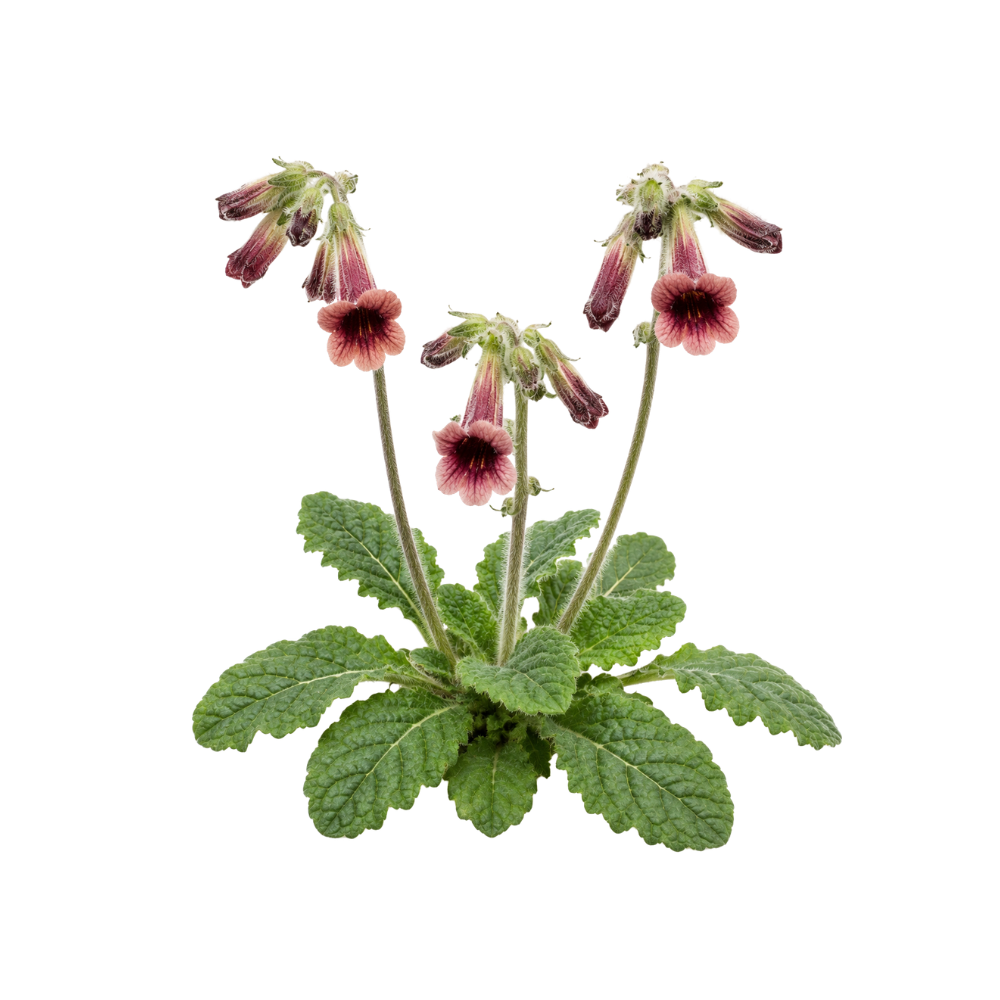 RehmanniaRehmannia glutinosaModerate
Catalpol lowers blood glucose across many rodent models (2.5–200 mg/kg) via AMPK/PI3K-Akt, PPAR and AGE/RAGE signalling 105,
The only human signals are multi-herb formulas — a 48-week Rehmannia-6 formula slowed eGFR decline in type-2 diabetes with kidney disease 109Reference 109RCTAdd-on Rehmannia-6-based Chinese medicine in type-2 diabetes and CKD — multicenter randomised controlled trialView study → and a Liuwei Dihuang + metformin study reported better glycemic indices 110Reference 110Clinical trialLiuwei Dihuang (six-drug Rehmannia bolus) as adjunct to metformin in senile type-2 diabetes — clinical studyView study →. No trial has tested rehmannia root, catalpol or the polysaccharide as a single agent in humans.
Full monograph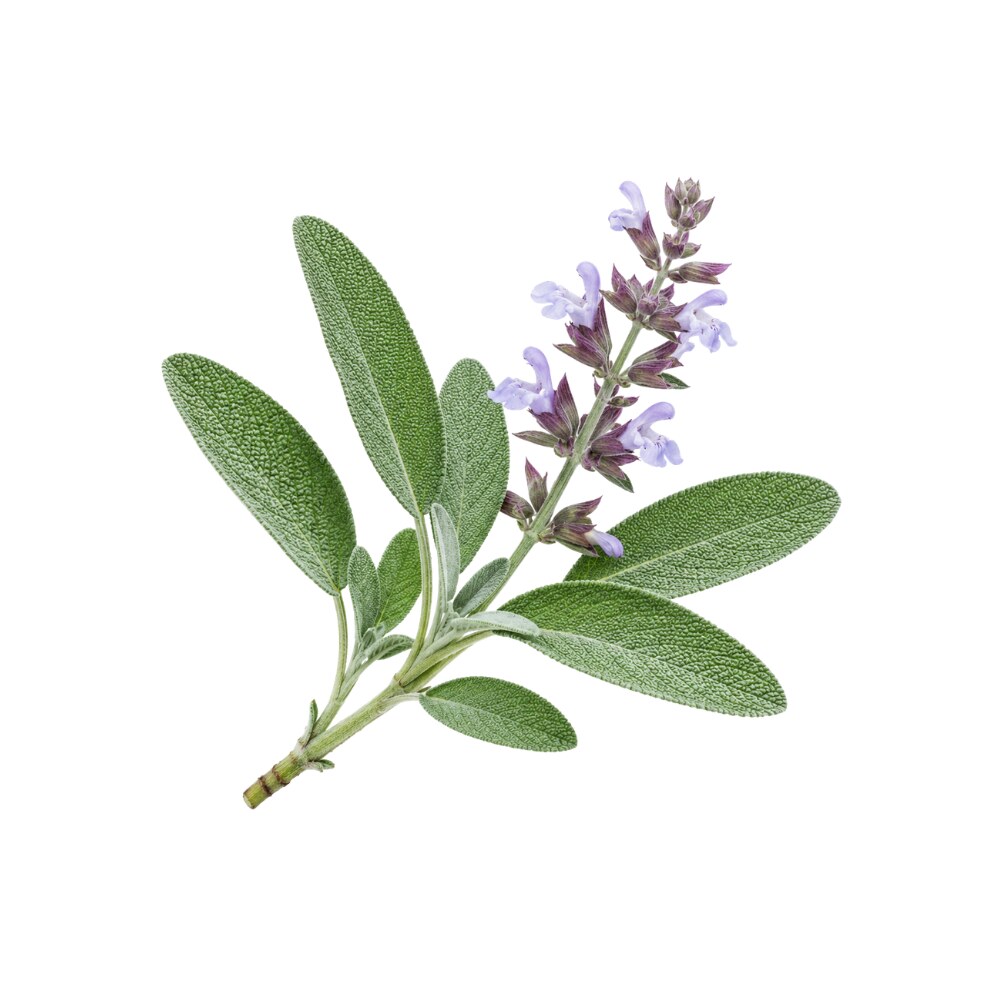 SageSalvia officinalisModerate
In hyperlipidaemic type-2 diabetics (n=80), sage leaf extract 500 mg tds for 3 months lowered fasting glucose and HbA1c (and improved lipids) with no adverse effects 113Reference 113RCTImproved glycemic control and lipid profile in hyperlipidemic type-2 diabetic patients consuming Salvia officinalis L. leaf extract: a randomised placebo-controlled clinical trialView study →; a further trial found it safe and additive to statins in dyslipidaemic diabetics 114Reference 114RCTSalvia officinalis (sage) leaf extract as add-on to statin therapy in hypercholesterolemic type-2 diabetic patients: a randomised clinical trialView study →. The trials are small, come mostly from one Iranian research group, and used a standardised extract, not tea.
Full monograph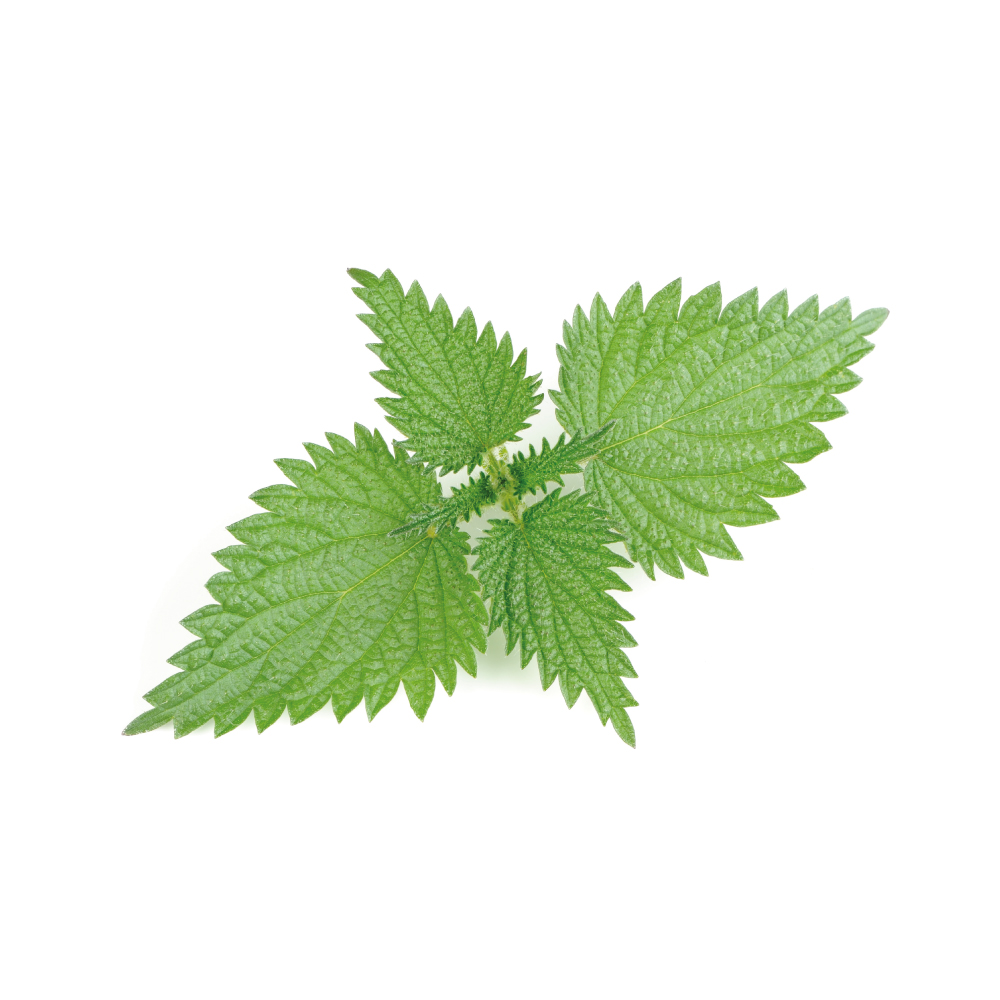 Stinging NettleUrtica dioicaModerate
The fasting-glucose signal is consistent but HbA1c is inconsistent between analyses, trials are small, short, mostly Iranian, and use non-standardised leaf preparations — durable glycaemic benefit is unproven.
Full monograph TeaCamellia sinensisModerate
The evidence is mixed. A 17-RCT meta-analysis found green tea lowered fasting glucose (-0.09 mmol/L) and HbA1c (-0.30%) 126Reference 126Meta-analysisEffect of green tea on glucose control and insulin sensitivity: a meta-analysis of 17 randomised controlled trialsView study →, but a meta-analysis restricted to type-2 diabetics found no significant effect on glucose, insulin, HbA1c or HOMA-IR 127Reference 127Meta-analysisEffect of green tea on glycemic control in patients with type 2 diabetes mellitus: a systematic review and meta-analysisView study →; EGCG, tannins and theaflavins improve insulin sensitivity in vitro/animals 128Reference 128ReviewGreen tea (Camellia sinensis) catechins and vascular function — reviewView study →.
The benefit seen in mixed/healthy populations disappears in the group that matters clinically — established type 2 diabetics — so glycaemic treatment use is not supported.
Full monograph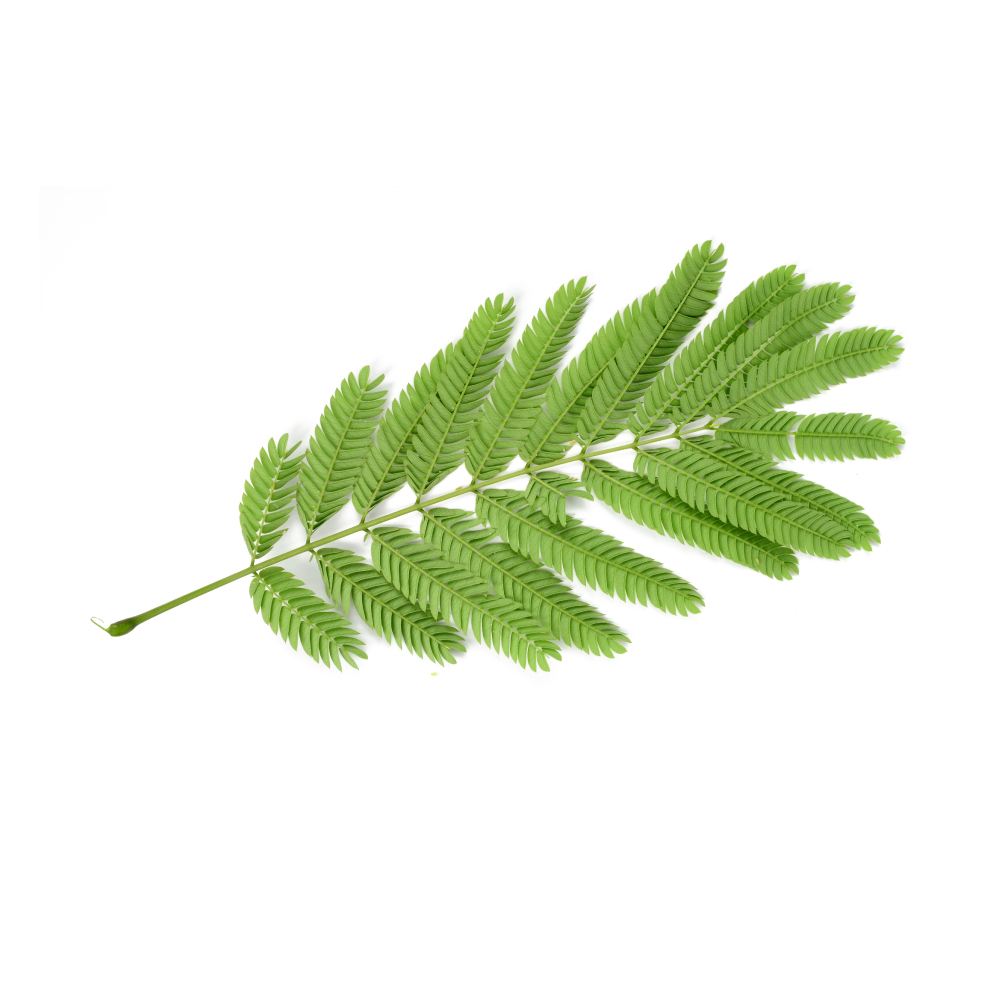 AlbizziaAlbizzia lebbeckPreclinical
Albizia lebbeck stem-bark extract protected pancreatic islet-of-Langerhans cells from oxidative damage in streptozotocin-diabetic rats 1Reference 1AnimalThe analgesic and anti-inflammatory activities of the extract of Albizia lebbeck in animal model — animal modelView study →, consistent with confirmed hypoglycaemic activity of the bark 2Reference 2AnimalCentral analgesic activity of the aqueous and ethanolic extracts of the leaves of Albizia lebbeck: role of the GABAergic and serotonergic pathways — animal modelView study →; a related species (A. odoratissima) was anti-diabetic in alloxan-diabetic mice 3Reference 3AnimalAntihyperglycemic activity of Albizzia lebbeck bark extract in streptozotocin–nicotinamide induced type II diabetes mellitus rats — animal modelView study →. All animal/in-vitro — no human diabetes trial, and part of the rationale leans on a different Albizia species.
Full monograph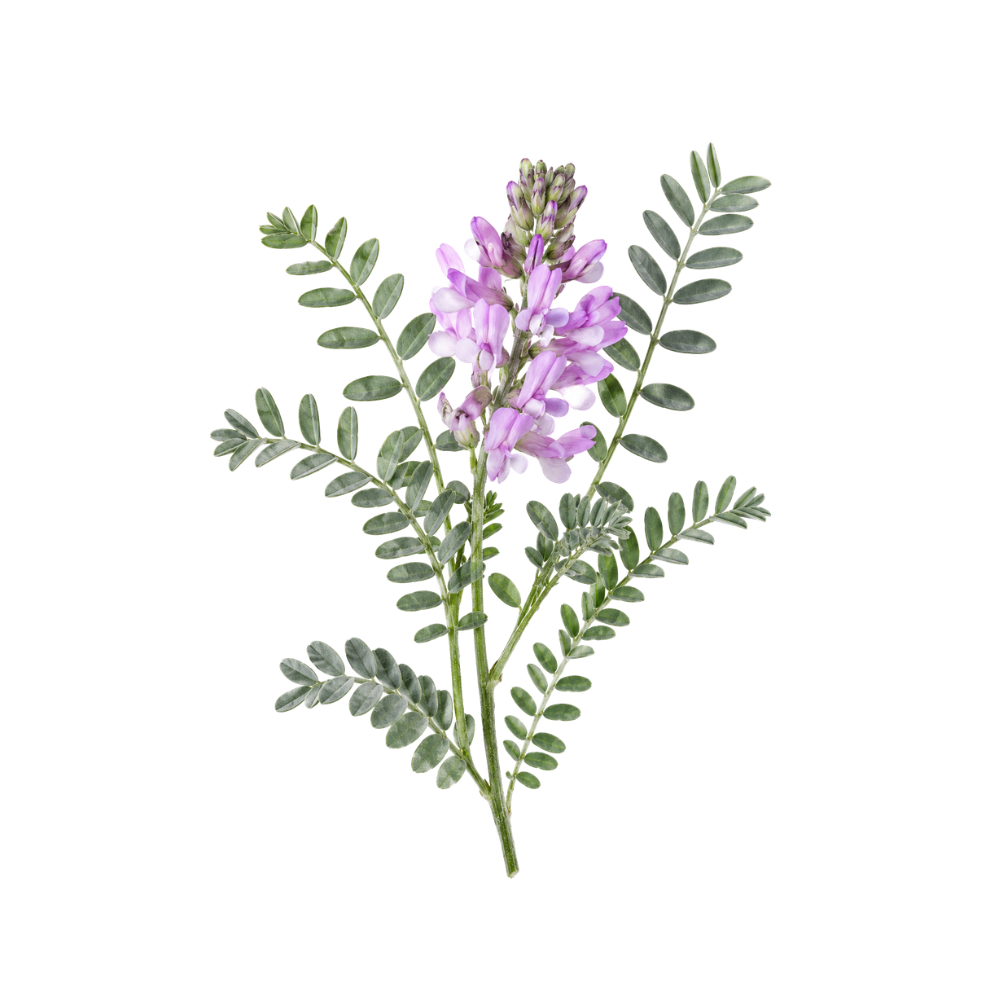 AstragalusAstragalus membranaceusPreclinical
Astragalus polysaccharides, saponins and flavonoids show glucose-lowering and insulin-sensitising activity in preclinical models 11Reference 11Systematic reviewBiological active ingredients of traditional Chinese herb Astragalus membranaceus on treatment of diabetes — a systematic reviewView study →, and it features in many Chinese anti-diabetic formulas. But the human trial evidence concentrates on a diabetic complication — nephropathy 12,
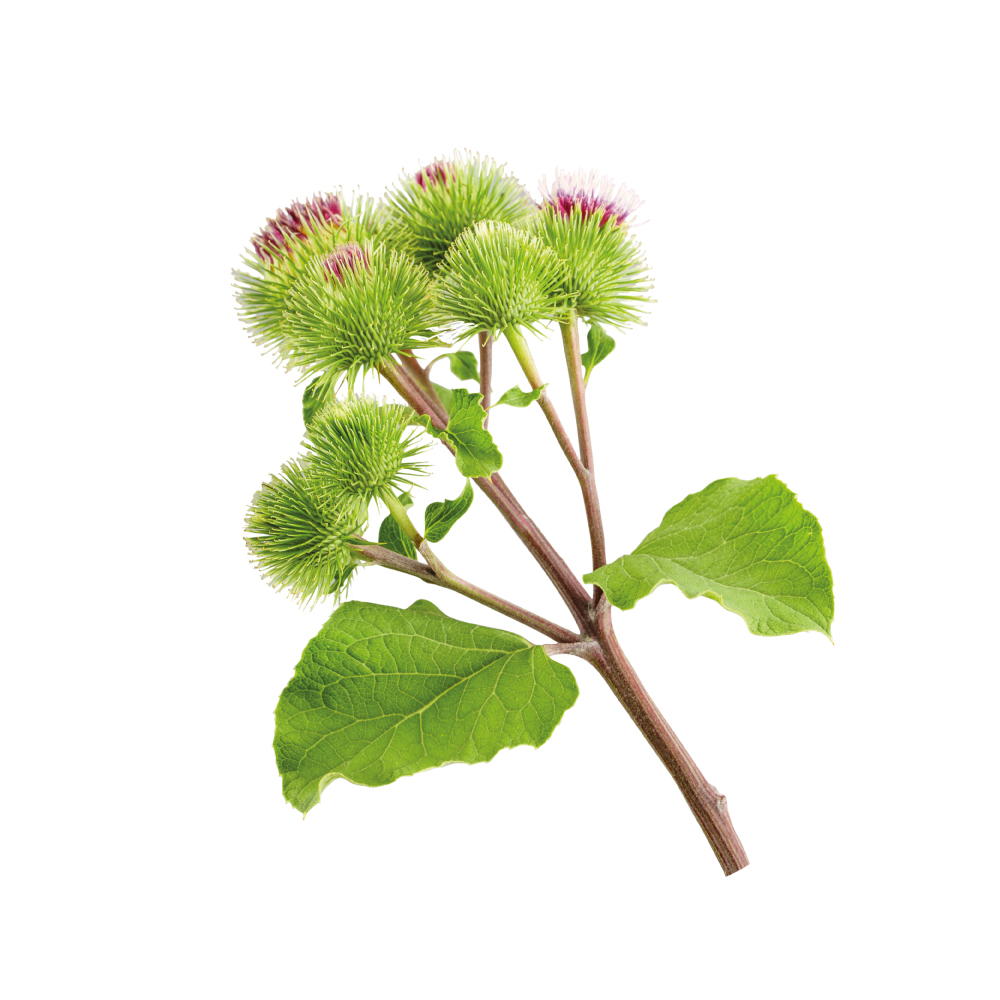 BurdockArctium lappaPreclinical
Rodent-only but consistent: burdock root hydro-alcoholic extract lowered glucose and improved lipids in type-2 diabetic mice 23Reference 23AnimalAntidiabetic, hypolipidemic and hepatoprotective effects of Arctium lappa root extract in type 2 diabetic mice — animal modelView study →, root polysaccharide corrected diabetic lipid metabolism via the PKC/NF-κB pathway 24Reference 24AnimalRegulation of lipid metabolism in diabetic rats by Arctium lappa L. polysaccharide through the PKC/NF-κB pathway — rat in vivoView study →, and arctigenin improved insulin resistance through the IRS2/GLUT4 pathway and reshaped gut microbiota in high-fat-diet mice 25,
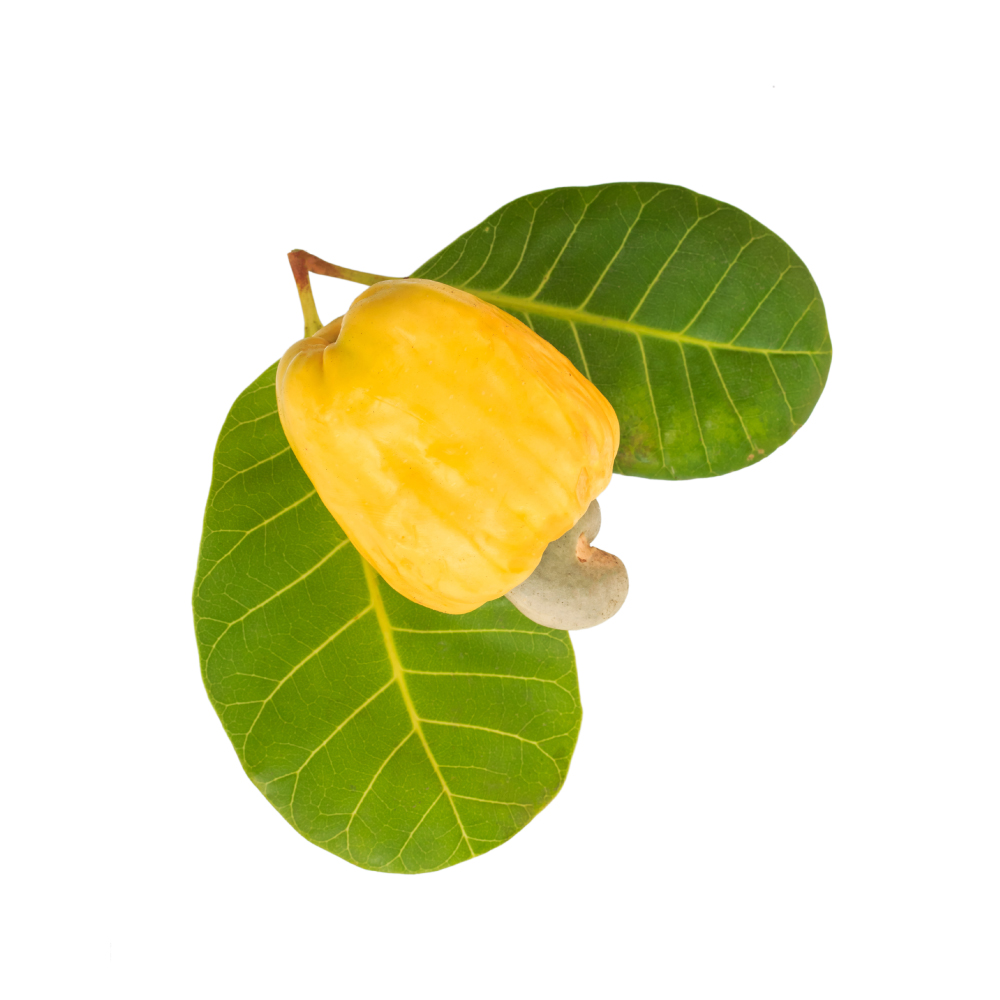 CashewAnacardium occidentalePreclinical
A hexane leaf extract acted as a hypoglycemic agent in diabetic rats on long-term dosing 30Reference 30In vitroUnmasking the antifungal activity of Anacardium occidentale leaf extract against Candida albicans — in vitroView study →, and an ethanol stem-bark extract lowered blood glucose in type-2 diabetic rats only when fed glucose simultaneously — suggesting glucose-dependent insulin stimulation plus possible inhibition of gut glucose absorption 31Reference 31AnimalAntioxidant and anti-inflammatory effects of Anacardium occidentale and A. microcarpum extracts on the liver of IL-10 knockout mice — animal studyView study →. All animal/in-vitro; no human trials, and the strongest data are on a related species (A. humile) 32Reference 32RCTClinical effect of a mouthwash containing Anacardium occidentale on plaque and gingivitis control — randomised controlled trialView study → rather than A. occidentale itself.
Full monograph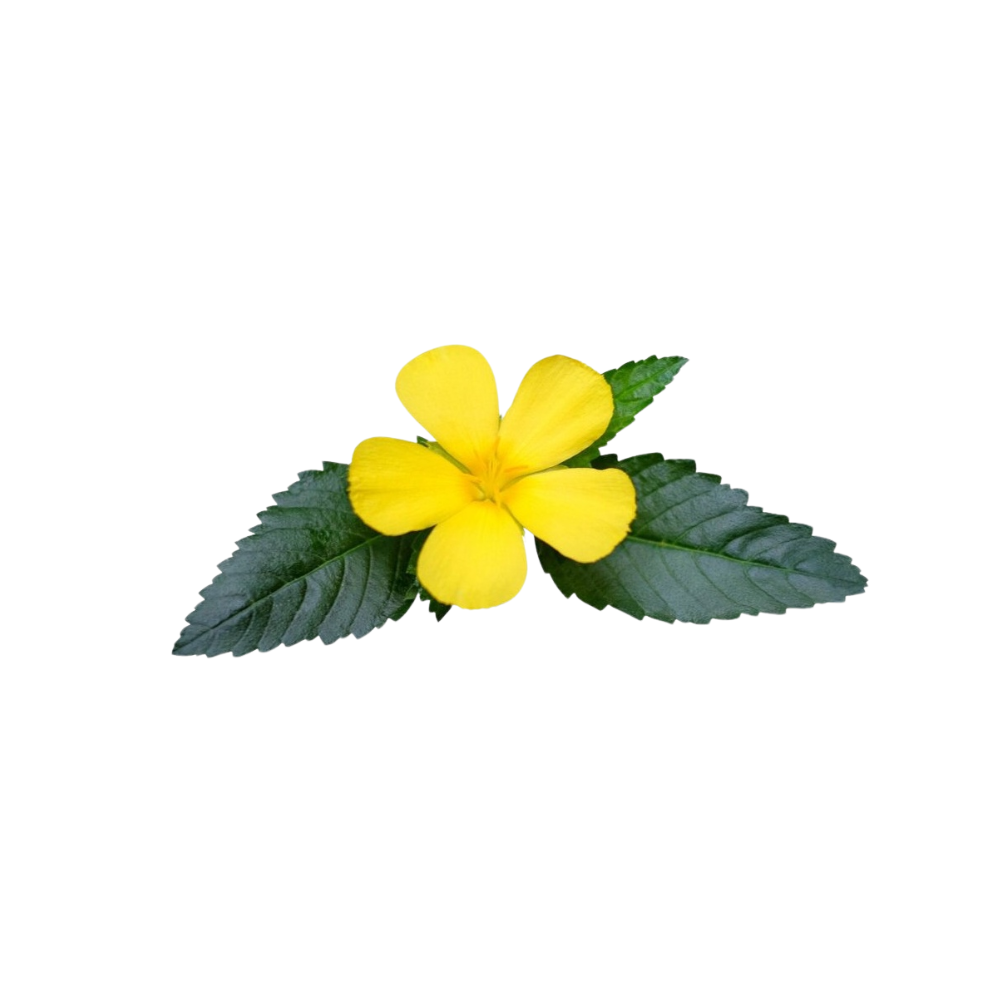 DamianaTurnera diffusaPreclinical
Hypoglycaemic activity recurs but inconsistently: teuhetenone A isolated from T. diffusa gave an acute hypoglycaemic/antidiabetic effect in a rodent model 46Reference 46Acute hypoglycemic and antidiabetic effect of teuhetenone A isolated from Turnera diffusa — animal studyView study →, and in a type-2 diabetes rat model leaf extract (100–200 mg/kg, 28 d) improved testicular steroidogenesis mainly via antioxidant/anti-inflammatory (NF-κB↓) action rather than direct glucose lowering 47Reference 47AnimalOral Turnera diffusa extract ameliorates steroidogenesis and spermatogenesis impairment in the testes of type-2 diabetic rats — animal studyView study →. Older literature says the active fraction is water-soluble (an alcoholic tincture may under-deliver); results are dose-/fraction-dependent, sometimes null on blood glucose itself, and there is no human glycaemic data.
Full monograph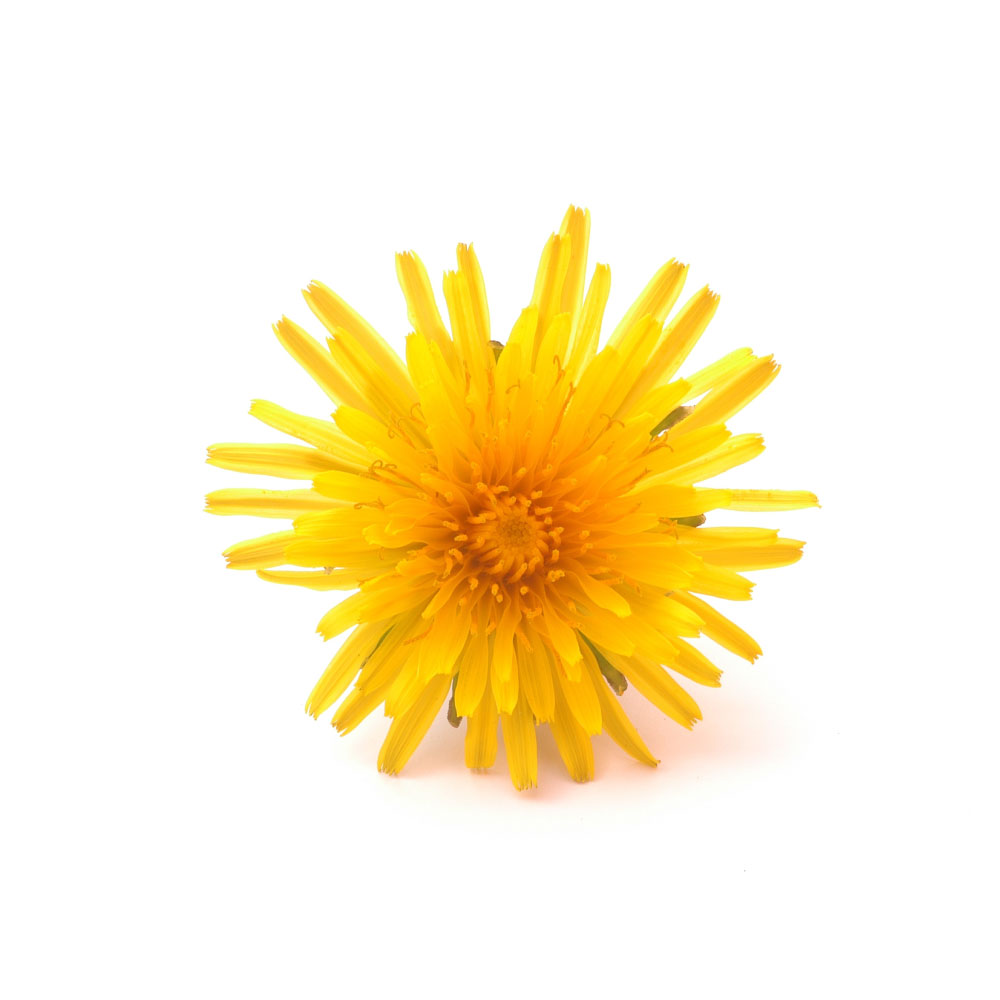 DandelionTaraxacum officinalePreclinical
Constituents isolated from dandelion (novel butyrolactones, phenolics) inhibit α-glucosidase in vitro, an action that would blunt post-meal glucose absorption 48Reference 48In vitroChemical constituents from Taraxacum officinale and their α-glucosidase inhibitory activities — [in vitro]View study →; chicoric/chlorogenic acid and the prebiotic fructan inulin are also invoked in a type-2 diabetes review 49Reference 49ReviewThe Physiological Effects of Dandelion (Taraxacum Officinale) in Type 2 Diabetes — [review]View study →. The one animal efficacy study combined dandelion with Momordica charantia (bitter melon) — a potent hypoglycaemic in its own right — so dandelion’s independent contribution is unclear 50Reference 50AnimalSynergistic antidiabetic activity of Taraxacum officinale (L.) Weber ex F.H.Wigg and Momordica charantia L. polyherbal combination — [in vivo animal]View study →. No monotherapy animal or human glycaemic data.
Full monograph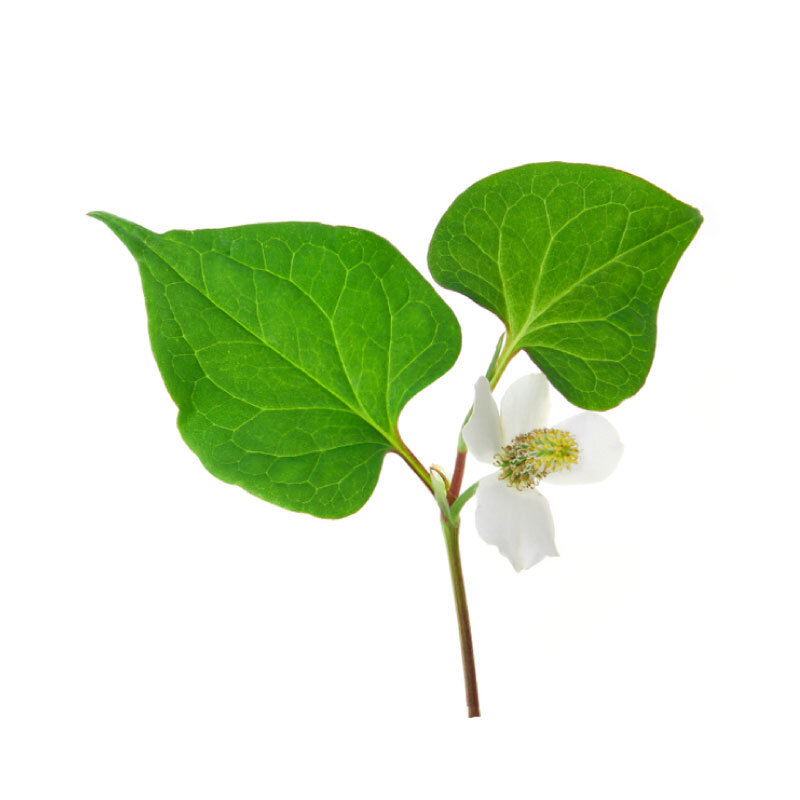 Fish MintHouttuynia cordataPreclinical
Several independent streptozotocin-diabetic-rat studies converge: standardised, ethanolic and fermented extracts lowered fasting glucose and improved insulin/lipids, attributed to β-cell protection, GLUT-4 up-regulation and antioxidant (Nrf2/HO-1) activity 91,
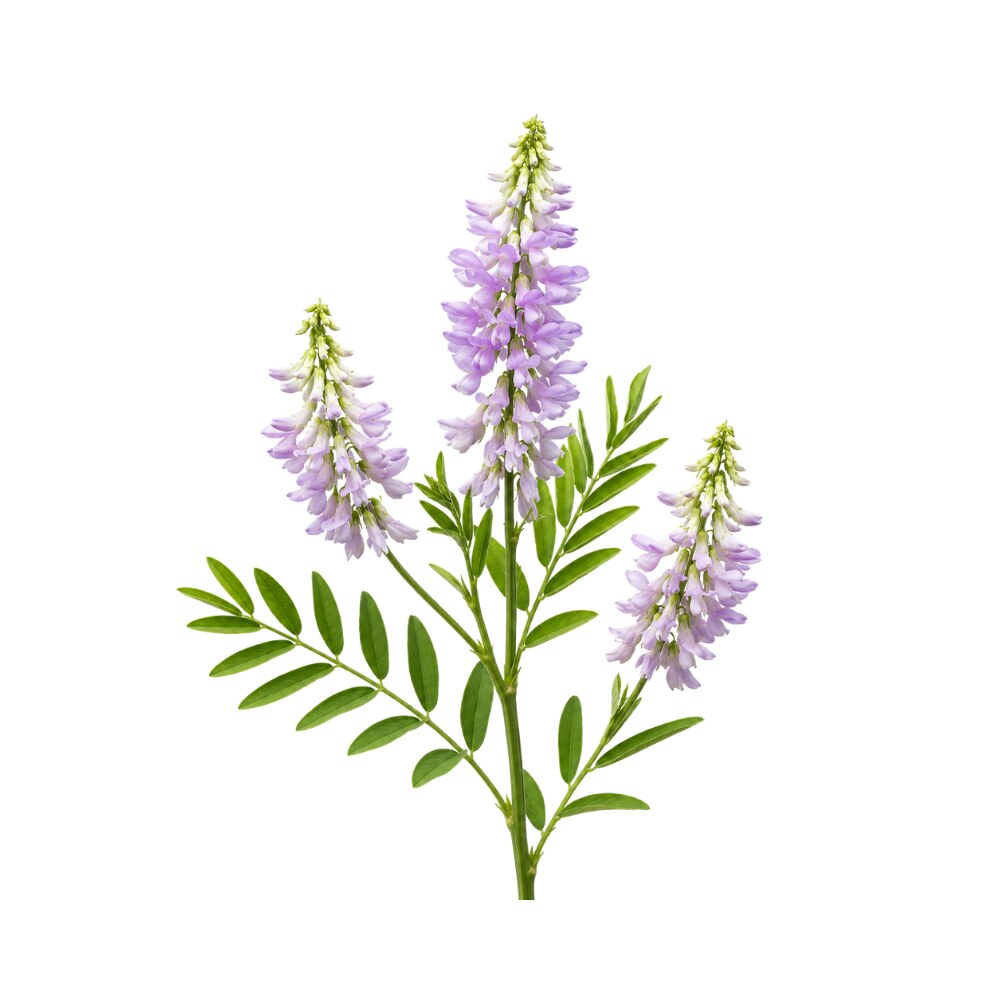 Goat’s RueGalega officinalisPreclinical
Goat’s rue is the ancestral antidiabetic herb — its guanidine alkaloid galegine led directly to the biguanides and metformin 65Reference 65ReviewGoat’s rue — French lilac — Italian fitch — Spanish sainfoin: Galega officinalis and metformin: the Edinburgh connection — historical reviewView study → — and the mechanism is well-resolved at the molecule level: galegine activates AMPK and drives glucose uptake in adipocytes/myotubes 66Reference 66In vitroMechanisms underlying the metabolic actions of galegine that contribute to weight loss in mice — animal model / in vitroView study →, acts via imidazoline I2 receptors 67Reference 67In vitroActivation of imidazoline I2B receptors is linked with AMP kinase pathway to increase glucose uptake in cultured C2C12 cells — in vitroView study →, and inhibits mitochondrial respiratory-chain complex IV to suppress gluconeogenesis 68Reference 68In vitroMetformin, phenformin, and galegine inhibit complex IV activity and reduce glycerol-derived gluconeogenesis — in vitro / in vivoView study →; the herb’s own extracts inhibit α-amylase, α-glucosidase, maltase and sucrase in vitro 69Reference 69In vitroIn vitro antidiabetic and antioxidant activities of Galega officinalis extracts — in vitroView study →. But there is no human trial of goat’s rue for any glycaemic endpoint — the strongest data are for isolated galegine or metformin, not standardised herb — and galegine content varies several-fold by plant part and growth stage 70Reference 70Galegine content in goatsrue (Galega officinalis) varies by plant part and phenological growth stage — analytical / toxicologyView study →, so extract results don’t transfer to a tea, tincture or powder of unknown alkaloid load.
Full monograph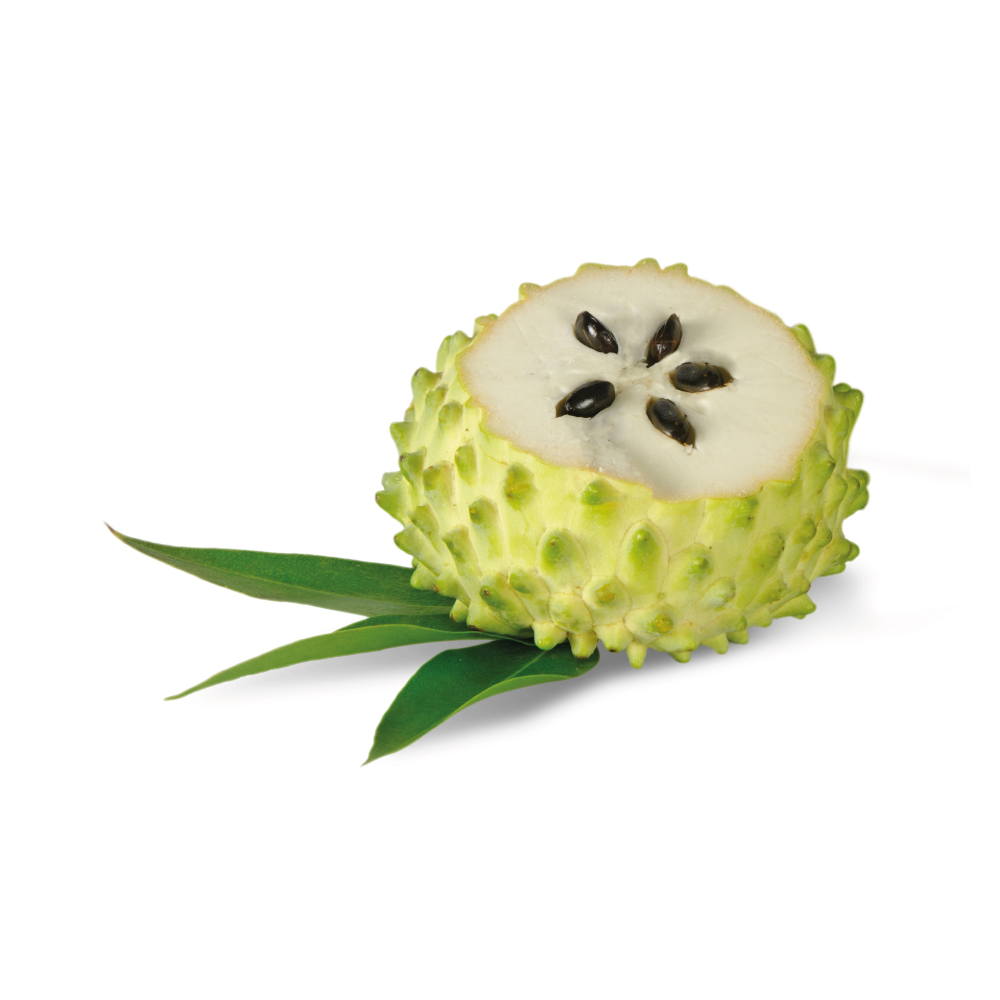 GraviolaAnnona muricataPreclinical
Glucose lowering is graviola’s most consistently reproduced animal effect: leaf extracts improved glycaemic control in alloxan–nicotinamide diabetic rats 71Reference 71AnimalDeciphering the mechanism of Annona muricata leaf extract in alloxan–nicotinamide-induced diabetic rats — animal modelView study →, reduced hyperglycaemia and hepatic damage in STZ-diabetic rats 72Reference 72AnimalAmeliorative effect of Annona muricata (Graviola) extract on hyperglycaemia-induced hepatic damage in STZ diabetic rats — animal modelView study →, prevented high-fat-diet metabolic disorder 73Reference 73AnimalUse of an extract of Annona muricata to prevent high-fat-diet-induced metabolic disorders — animal modelView study → and partially restored pancreatic β-cells 74Reference 74AnimalHistomorphological and morphometric studies of the pancreatic islet cells of diabetic rats treated with Annona muricata — animal modelView study →. The signal is robust across preparations and induction models, but human evidence is limited to a small adjunctive study and ethnobotanical data — no adequately powered trial, no standardised dose. Graviola can add to the glucose-lowering effect of diabetes drugs.
Full monograph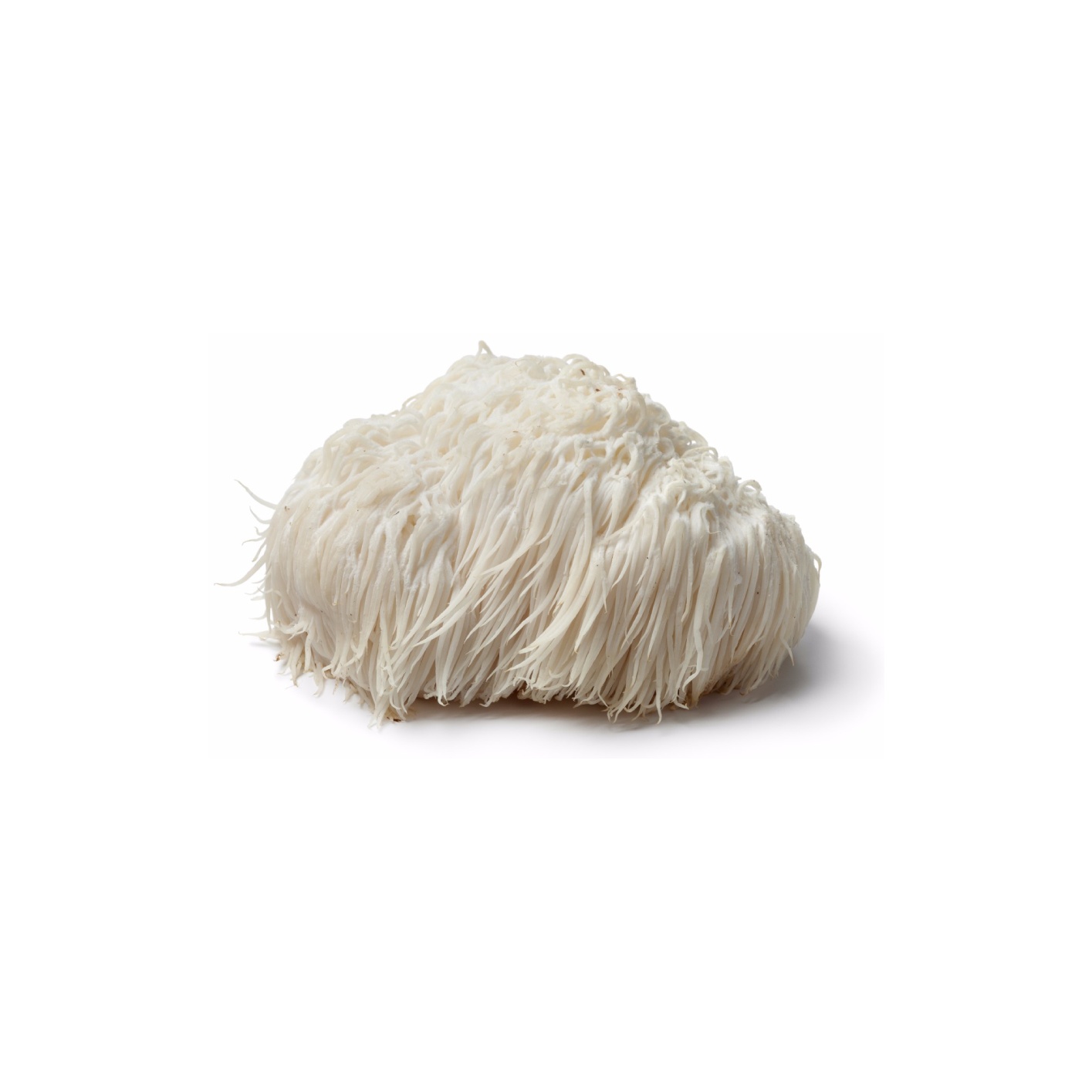 Lion’s ManeHericium erinaceusPreclinical
A single 2013 study in streptozotocin-induced diabetic rats found aqueous fruiting-body extract (100–200 mg/kg, 28 days) lowered blood glucose and improved insulin and lipid profiles 94Reference 94AnimalAntihyperglycemic and antihyperlipidemic activities of aqueous extract of Hericium erinaceus in experimental diabetic rats — animal modelView study →. One rodent model, animal-only, no human confirmation.
Full monograph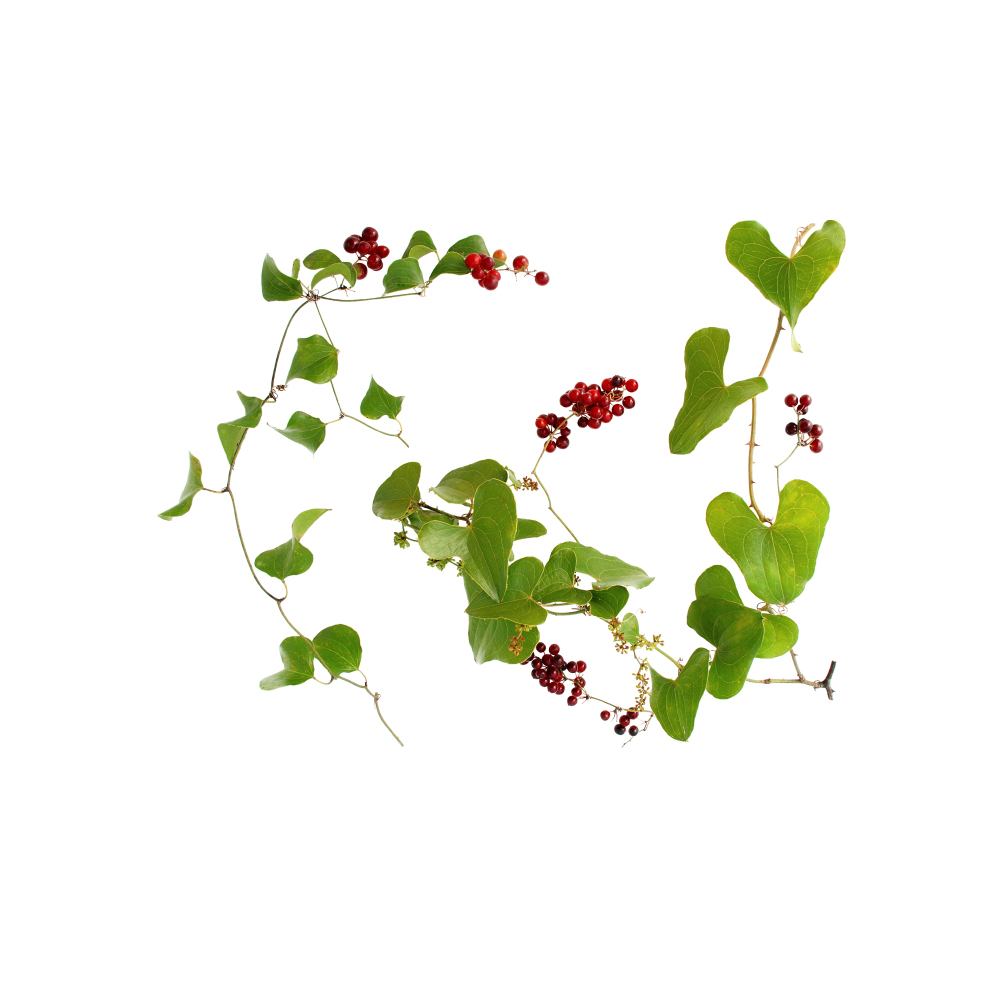 SarsaparillaSmilax spp.Preclinical
S. glabra rhizome extracts lowered blood glucose in normal and diabetic mice 115Reference 115AnimalHypoglycemic effect of the rhizomes of Smilax glabra in normal and diabetic mice — animal modelView study →, and an ethyl-acetate fraction with α-glucosidase/α-amylase inhibition reduced glucose and insulin resistance in a type-2 model 116Reference 116AnimalHypoglycemic activity of the ethyl acetate extract from Smilax glabra Roxb in mice — animal modelView study →. Heterogeneous species and fractions, rodent-only, no human glycaemic data.
Full monograph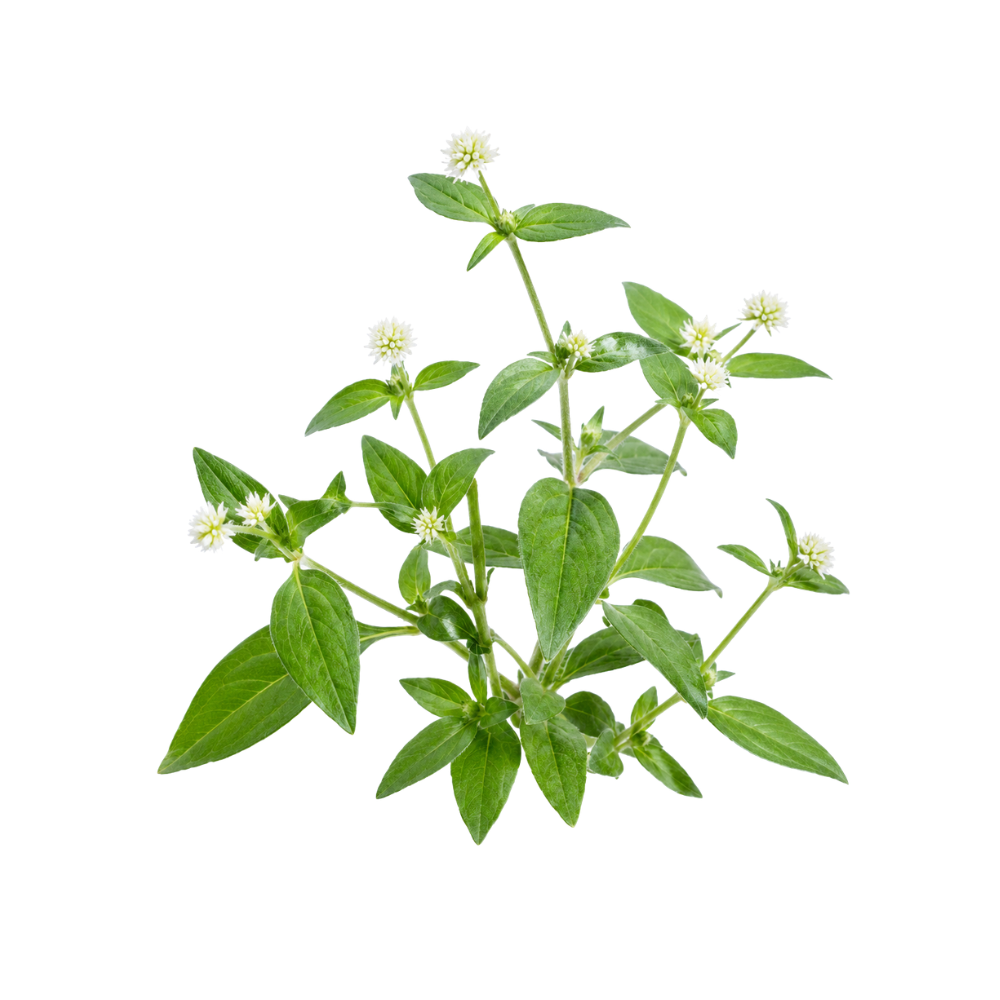 SumaPfaffia paniculataPreclinical
Suma appears on lists of Brazilian “hypoglycemiant” plants and one study characterised its trace-element profile 125Reference 125In vitroCharacterization of hypoglycemiant plants by total reflection X-ray fluorescence spectrometry — in vitro/analytical studyView study →, but no study — animal or human — tests it against a glucose endpoint. The rationale is purely constituent-level (phytosterols, ecdysteroids).
Full monograph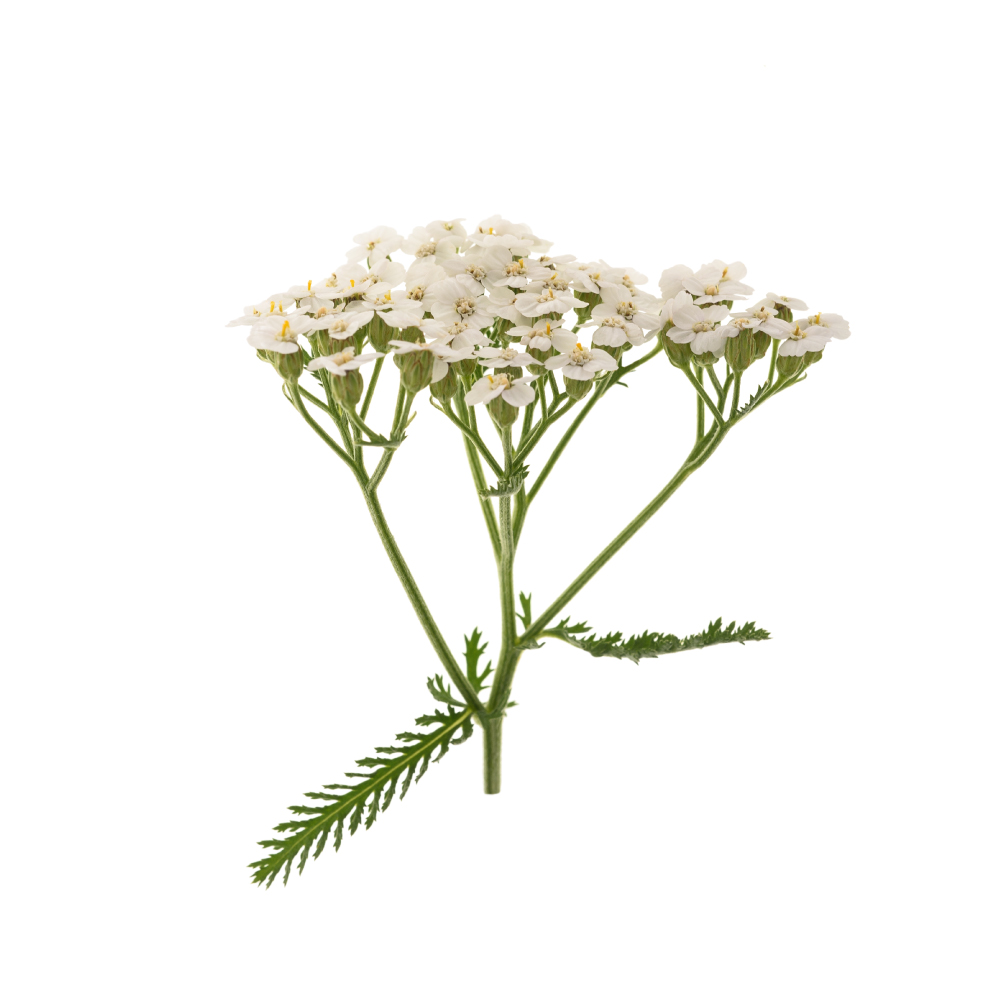 YarrowAchillea millefoliumPreclinical
Rodent-only support: a hydroalcoholic extract protected pancreatic β-cells in diabetic rats by down-regulating IL-1β and iNOS 132Reference 132AnimalAchillea millefolium L. hydro-alcoholic extract protects pancreatic cells by down regulating IL-1β and iNOS gene expression in diabetic rats — [rat in vivo]View study →, and in streptozotocin-diabetic rats the extract lowered blood glucose, triglycerides and LDL while raising HDL, comparable to metformin on several endpoints 133Reference 133AnimalHydroalcoholic extract of Achillea millefolium improved blood glucose, liver enzymes and lipid profile compared to metformin in streptozotocin-induced diabetic rats — [rat in vivo]View study →. No controlled human data for yarrow alone; the one registered human trial is a multi-herb “antidiabetic tea” that cannot isolate yarrow’s contribution.
Full monograph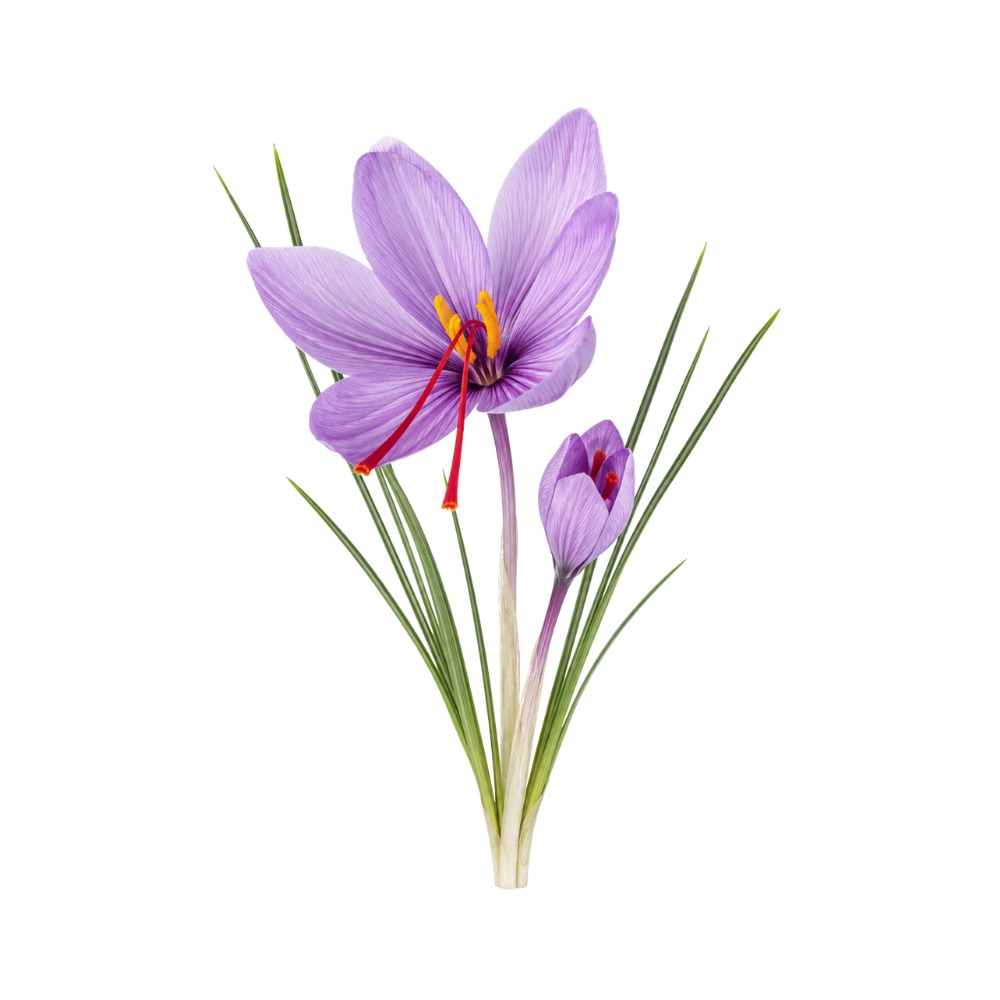 SaffronCrocus sativusTraditional only
A 2024 meta-analysis found saffron/crocin produced modest reductions in fasting blood glucose and metabolic parameters in T2DM 111Reference 111Meta-analysisEffect of Crocus sativus L. (saffron) and crocin in the treatment of patients with type-2 diabetes mellitus: a systematic review and meta-analysisView study →, and a prediabetes RCT (15 mg/day) lowered FBS and HbA1c and raised antioxidant status over 8 weeks 112Reference 112RCTEffect of saffron (Crocus sativus L.) on lipid profile, glycemic indices and antioxidant status among overweight/obese prediabetic individuals: a double-blinded, randomised controlled trialView study →. The effects are small and heterogeneous, which makes saffron an adjunct at best, not a replacement for standard glycaemic management.
Full monograph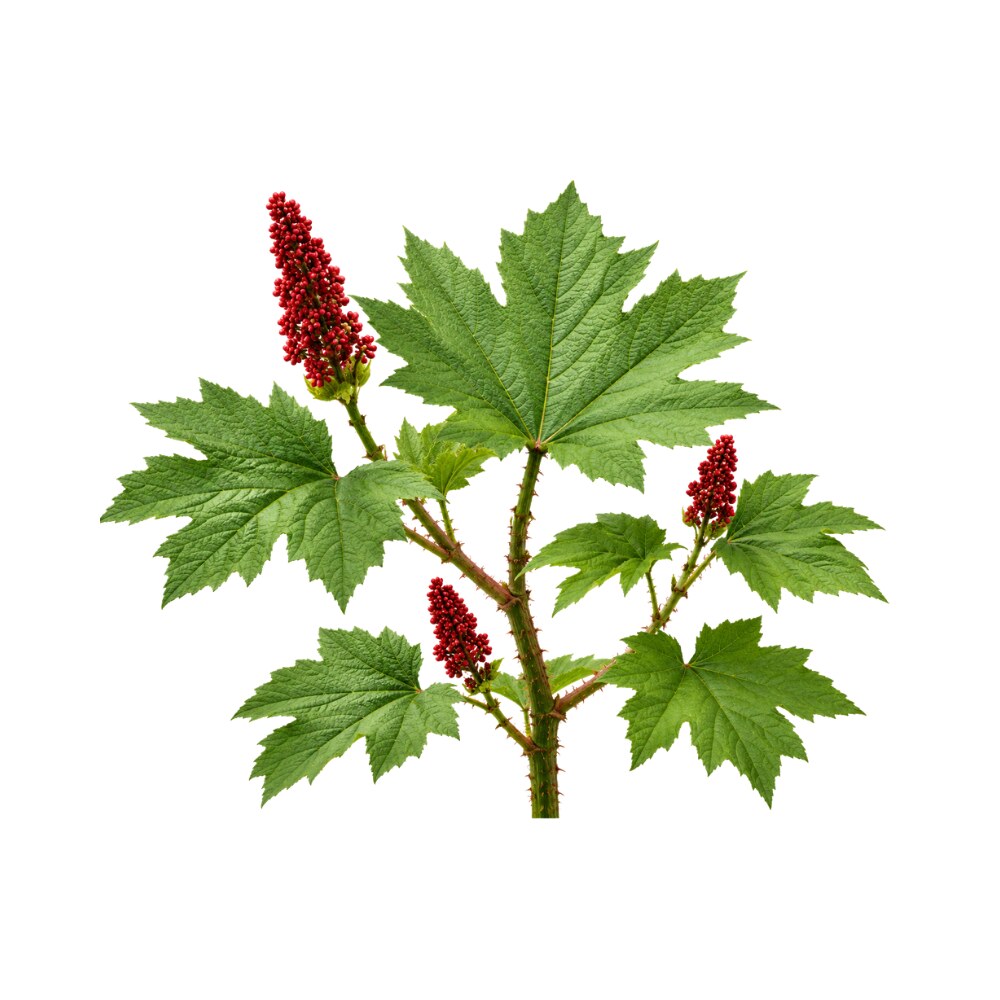 Devils clubOplopanax horridusNo benefit shown
Blood-sugar balance is devil’s club’s most famous traditional use (“Alaskan ginseng”), and the direction of the human evidence is negative: the one human study, a 1990 pilot monitoring blood glucose in an insulin-dependent diabetic, a newly diagnosed type-2 diabetic and two healthy adults drinking devil’s club tea, found no hypoglycaemic effect 51Reference 51Effect of Devil’s Club Tea on Blood Glucose Levels in Diabetes Mellitus — [human pilot study]View study →. Positive claims trace only to early-20th-century animal reports (hypoglycaemia in rabbits) catalogued in ethnopharmacological reviews 52,
Supplementation
Supplementation
Supplements, nutrients and compounds used for diabetes.
References
- Saha, A., Ahmed, M. (2009). The analgesic and anti-inflammatory activities of the extract of Albizia lebbeck in animal model — animal model. Pakistan Journal of Pharmaceutical Sciences. https://pubmed.ncbi.nlm.nih.gov/19168425/
- Meshram, G. G., Kumar, A., Rizvi, W., et al. (2015). Central analgesic activity of the aqueous and ethanolic extracts of the leaves of Albizia lebbeck: role of the GABAergic and serotonergic pathways — animal model. Zeitschrift für Naturforschung C. https://pubmed.ncbi.nlm.nih.gov/25854769/
- Patel, P. A., Parikh, M. P., Johari, S., et al. (2015). Antihyperglycemic activity of Albizzia lebbeck bark extract in streptozotocin–nicotinamide induced type II diabetes mellitus rats — animal model. AYU. https://pubmed.ncbi.nlm.nih.gov/27313423/
- Akhtar, M. S., et al. (2011). Effect of Amla fruit (Emblica officinalis Gaertn.) on blood glucose and lipid profile of normal subjects and type 2 diabetic patients. International Journal of Food Sciences and Nutrition. https://pubmed.ncbi.nlm.nih.gov/21495900/
- Setayesh, L., et al. (2023). The impact of Emblica officinalis (Amla) on lipid profile, glucose, and C-reactive protein: a systematic review and meta-analysis of randomized controlled trials. Diabetes & Metabolic Syndrome. https://pubmed.ncbi.nlm.nih.gov/36934568/
- Huang, H. Z., et al. (2021). Potential effect of the tropical fruit Phyllanthus emblica L. for the prevention and management of type 2 diabetic complications. European Journal of Nutrition. https://pubmed.ncbi.nlm.nih.gov/33439332/
- Usharani, P., et al. (2013). Effects of Phyllanthus emblica extract on endothelial dysfunction and biomarkers of oxidative stress in patients with type 2 diabetes mellitus: a randomised, double-blind, controlled study. Diabetes, Metabolic Syndrome and Obesity. https://pubmed.ncbi.nlm.nih.gov/23935377/
- Jalili C, Moradi S, Babaei A, et al. (2020). Effects of Cynara scolymus L. on glycemic indices — systematic review and meta-analysis of randomised clinical trials. Complementary Therapies in Medicine. https://pubmed.ncbi.nlm.nih.gov/32951745/
- Jafari A, et al. (2025). Artichoke and cardiometabolic health — systematic and meta-analytic synthesis. Diabetes & Metabolic Syndrome. https://pubmed.ncbi.nlm.nih.gov/41270328/
- Durg S, et al. (2020). Withania somnifera (Indian ginseng) in diabetes mellitus — a systematic review and meta-analysis. Phytotherapy Research. https://pubmed.ncbi.nlm.nih.gov/31975514/
- Zhang, K., et al. (2015). Biological active ingredients of traditional Chinese herb Astragalus membranaceus on treatment of diabetes — a systematic review. Mini-Reviews in Medicinal Chemistry. https://pubmed.ncbi.nlm.nih.gov/25723453/
- Li, M., et al. (2011). Meta-analysis of the clinical value of Astragalus membranaceus in diabetic nephropathy — randomized/controlled trials. Journal of Ethnopharmacology. https://pubmed.ncbi.nlm.nih.gov/20951192/
- Lin, Y.Q., et al. (2024). Efficacy of astragalus combined with RAAS blockers in stage III diabetic nephropathy — a systematic review and meta-analysis of randomized controlled trials. Renal Failure. https://pubmed.ncbi.nlm.nih.gov/38836372/
- Safari, Z. et al. (2020). The effect of barberry (Berberis vulgaris L.) on glycemic indices — systematic review and meta-analysis of randomized controlled trials. Complementary Therapies in Medicine. https://pubmed.ncbi.nlm.nih.gov/32507431/
- Guo, J. et al. (2021). The effect of berberine on metabolic profiles in type 2 diabetic patients — systematic review and meta-analysis of randomized controlled trials. Oxidative Medicine and Cellular Longevity. https://pubmed.ncbi.nlm.nih.gov/34956436/
- Dong, H. et al. (2012). Berberine in the treatment of type 2 diabetes mellitus — systematic review and meta-analysis. Evidence-Based Complementary and Alternative Medicine. https://pubmed.ncbi.nlm.nih.gov/23118793/
- Peter, E. L., Kasali, F. M., Deyno, S., et al. (2019). Momordica charantia L. lowers elevated glycaemia in type 2 diabetes mellitus patients — systematic review and meta-analysis. Journal of Ethnopharmacology. https://pubmed.ncbi.nlm.nih.gov/30385422/
- Zhang, X., Zhao, Y., Song, Y., & Miao, M. (2024). Effects of Momordica charantia L. supplementation on glycemic control and lipid profile in type 2 diabetes — meta-analysis of RCTs. Heliyon. https://pubmed.ncbi.nlm.nih.gov/38784554/
- Mkhize, S. A. L., Phoswa, W. N., Ngubane, P. S., & Mokgalaboni, K. (2025). Efficacy of Momordica charantia in glycaemic control and insulin resistance — a GRADE-adherent meta-analysis of RCTs. Metabolism Open. https://pubmed.ncbi.nlm.nih.gov/41280283/
- Ooi, C. P., Yassin, Z., & Hamid, T. A. (2012). Momordica charantia for type 2 diabetes mellitus — systematic review. Cochrane Database of Systematic Reviews. https://pubmed.ncbi.nlm.nih.gov/22895968/
- Laczkó-Zöld, E., Csupor-Löffler, B., Kolcsár, E. B., et al. (2024). The metabolic effect of Momordica charantia cannot be determined based on the available clinical evidence — meta-analysis of RCTs. Frontiers in Nutrition. https://pubmed.ncbi.nlm.nih.gov/38274207/
- Kasbia, G. S., Arnason, J. T., & Imbeault, P. (2009). No effect of acute, single-dose oral Momordica charantia on glycemia, energy expenditure and appetite — randomised pilot study in non-diabetic overweight men. Journal of Ethnopharmacology. https://pubmed.ncbi.nlm.nih.gov/19665538/
- Ahangarpour, A., et al. (2017). Antidiabetic, hypolipidemic and hepatoprotective effects of Arctium lappa root extract in type 2 diabetic mice — animal model. Avicenna Journal of Phytomedicine. https://pubmed.ncbi.nlm.nih.gov/28348972/
- Wang, Y., et al. (2019). Regulation of lipid metabolism in diabetic rats by Arctium lappa L. polysaccharide through the PKC/NF-κB pathway — rat in vivo. International Journal of Biological Macromolecules. https://pubmed.ncbi.nlm.nih.gov/31195041/
- Zhou, Y., Liu, L., Xiang, R., et al. (2023). Arctigenin mitigates insulin resistance by modulating the IRS2/GLUT4 pathway via TLR4 in type 2 diabetes — animal model. International Immunopharmacology. https://pubmed.ncbi.nlm.nih.gov/36481528/
- Wang, N., Li, C., Zhang, Z., et al. (2024). Arctigenin ameliorates high-fat diet-induced metabolic disorders by reshaping gut microbiota — mouse in vivo. Phytomedicine. https://pubmed.ncbi.nlm.nih.gov/39396403/
- Lin X, Zhang I, et al. (2016). Cocoa flavanol intake and biomarkers for cardiometabolic health: a systematic review and meta-analysis of randomised controlled trials. J Nutr. https://pubmed.ncbi.nlm.nih.gov/27683874/
- Oboh G, Ademosun AO, et al. (2014). In vitro studies on the antioxidant property and inhibition of alpha-amylase, alpha-glucosidase, and angiotensin-I-converting enzyme by polyphenol-rich extracts from cocoa (Theobroma cacao) bean. Patholog Res Int. https://pubmed.ncbi.nlm.nih.gov/25295218/
- Li J, Sesso HD, et al. (2023). Cocoa extract supplementation and risk of type 2 diabetes: the Cocoa Supplement and Multivitamin Outcomes Study (COSMOS) randomised controlled trial. Diabetes Care. https://pubmed.ncbi.nlm.nih.gov/37816167/
- Quejada, L. F., et al. (2024). Unmasking the antifungal activity of Anacardium occidentale leaf extract against Candida albicans — in vitro. Journal of Fungi. https://pubmed.ncbi.nlm.nih.gov/39057348/
- Baptista, A. B., et al. (2020). Antioxidant and anti-inflammatory effects of Anacardium occidentale and A. microcarpum extracts on the liver of IL-10 knockout mice — animal study. Evidence-Based Complementary and Alternative Medicine. https://pubmed.ncbi.nlm.nih.gov/33376496/
- Gomes, C. E., et al. (2016). Clinical effect of a mouthwash containing Anacardium occidentale on plaque and gingivitis control — randomised controlled trial. Indian Journal of Dental Research. https://pubmed.ncbi.nlm.nih.gov/27723631/
- Moridpour AH, et al. (2024). The effect of cinnamon supplementation on glycemic control in patients with type 2 diabetes mellitus: an updated systematic review and dose-response meta-analysis of randomized controlled trials — [meta-analysis]. Phytotherapy Research. https://pubmed.ncbi.nlm.nih.gov/37818728/
- Deyno S, et al. (2019). Efficacy and safety of cinnamon in type 2 diabetes mellitus and pre-diabetes patients: a meta-analysis and meta-regression — [meta-analysis]. Diabetes Research and Clinical Practice. https://pubmed.ncbi.nlm.nih.gov/31425768/
- de Moura SL, et al. (2025). Effects of cinnamon supplementation on metabolic biomarkers in individuals with type 2 diabetes: a systematic review and meta-analysis — [meta-analysis]. Nutrition Reviews. https://pubmed.ncbi.nlm.nih.gov/38917435/
- Allen RW, et al. (2013). Cinnamon use in type 2 diabetes: an updated systematic review and meta-analysis — [meta-analysis]. Annals of Family Medicine. https://pubmed.ncbi.nlm.nih.gov/24019277/
- Leach MJ, Kumar S. (2012). Cinnamon for diabetes mellitus — [systematic review]. Cochrane Database of Systematic Reviews. https://pubmed.ncbi.nlm.nih.gov/22972104/
- Ding, M., Bhupathiraju, S. N., Chen, M., et al. (2014). Caffeinated and decaffeinated coffee consumption and risk of type 2 diabetes: a systematic review and dose-response meta-analysis. Diabetes Care. https://pubmed.ncbi.nlm.nih.gov/24459154/
- Poole, R., Kennedy, O. J., Roderick, P., et al. (2017). Coffee consumption and health: umbrella review of meta-analyses of multiple health outcomes — systematic review. BMJ. https://pubmed.ncbi.nlm.nih.gov/29167102/
- Grosso, G., Godos, J., Galvano, F., & Giovannucci, E. L. (2017). Coffee, caffeine, and health outcomes: an umbrella review — systematic review. Annu Rev Nutr. https://pubmed.ncbi.nlm.nih.gov/28826374/
- Pham, K., et al. (2025). Coffee and health outcomes: a systematic review of Mendelian randomisation studies — systematic review. Nutr Res Rev. https://pubmed.ncbi.nlm.nih.gov/41069178/
- Xie, W., Su, F., Wang, G., et al. (2022). Glucose-lowering effect of berberine on type 2 diabetes — systematic review and meta-analysis of randomised controlled trials. Frontiers in Pharmacology. https://pubmed.ncbi.nlm.nih.gov/36467075/
- Lan, J., Zhao, Y., Dong, F., et al. (2015). Meta-analysis of the effect and safety of berberine in the treatment of type 2 diabetes mellitus, hyperlipaemia and hypertension — meta-analysis. Journal of Ethnopharmacology. https://pubmed.ncbi.nlm.nih.gov/25498346/
- Pan, L., Zhai, X., Duan, Z., et al. (2022). Systematic review and meta-analysis of Coptis chinensis Franch.-containing traditional Chinese medicine as an adjunct therapy to metformin in type 2 diabetes — systematic review and meta-analysis. Frontiers in Pharmacology. https://pubmed.ncbi.nlm.nih.gov/36160405/
- Yang, Y., Li, Y., Yin, D., Chen, S., & Gao, X. (2016). Coptis chinensis polysaccharides inhibit advanced-glycation-end-product formation — in vitro and diabetic mouse model. Journal of Medicinal Food. https://pubmed.ncbi.nlm.nih.gov/27093269/
- Parra-Naranjo, A., et al. (2017). Acute hypoglycemic and antidiabetic effect of teuhetenone A isolated from Turnera diffusa — animal study. Molecules. https://pubmed.ncbi.nlm.nih.gov/28397755/
- Kumar, G. G., et al. (2023). Oral Turnera diffusa extract ameliorates steroidogenesis and spermatogenesis impairment in the testes of type-2 diabetic rats — animal study. J Ethnopharmacol. https://pubmed.ncbi.nlm.nih.gov/37187362/
- Choi J, Yoon KD, Kim J (2018). Chemical constituents from Taraxacum officinale and their α-glucosidase inhibitory activities — [in vitro]. Bioorg Med Chem Lett. https://pubmed.ncbi.nlm.nih.gov/29254644/
- Wirngo FE, Lambert MN, Jeppesen PB (2016). The Physiological Effects of Dandelion (Taraxacum Officinale) in Type 2 Diabetes — [review]. Rev Diabet Stud. https://pubmed.ncbi.nlm.nih.gov/28012278/
- Perumal N, Nallappan M, Shohaimi S, Kassim NK, Tee TT, Cheah YH (2022). Synergistic antidiabetic activity of Taraxacum officinale (L.) Weber ex F.H.Wigg and Momordica charantia L. polyherbal combination — [in vivo animal]. Biomed Pharmacother. https://pubmed.ncbi.nlm.nih.gov/34785415/
- Thommasen HV, Wilson RA, McIlwain RG (1990). Effect of Devil’s Club Tea on Blood Glucose Levels in Diabetes Mellitus — [human pilot study]. Can Fam Physician. https://pubmed.ncbi.nlm.nih.gov/21249104/
- Wu K, Wang CZ, Yuan CS, Huang WH (2018). Oplopanax horridus: Phytochemistry and Pharmacological Diversity and Structure-Activity Relationship on Anticancer Effects — [review]. Evid Based Complement Alternat Med. https://pubmed.ncbi.nlm.nih.gov/30302120/
- Calway T, Du GJ, Wang CZ, Huang WH, et al. (2012). Chemical and pharmacological studies of Oplopanax horridus, a North American botanical — [review]. J Nat Med. https://pubmed.ncbi.nlm.nih.gov/22101399/
- Smith GW (1983). Arctic pharmacognosia II. Devil’s Club, Oplopanax horridus — [review]. J Ethnopharmacol. https://pubmed.ncbi.nlm.nih.gov/6876853/
- Shabil, M., et al. (2023). Effect of Fenugreek on Hyperglycemia: A Systematic Review and Meta-Analysis. Medicina (Kaunas). https://pubmed.ncbi.nlm.nih.gov/36837450/
- Kim, J., et al. (2023). The Effect of Fenugreek in Type 2 Diabetes and Prediabetes: A Systematic Review and Meta-Analysis of Randomized Controlled Trials. Int J Mol Sci. https://pubmed.ncbi.nlm.nih.gov/37762302/
- Gong, J., et al. (2016). Effect of fenugreek on hyperglycaemia and hyperlipidemia in diabetes and prediabetes: A meta-analysis. J Ethnopharmacol. https://pubmed.ncbi.nlm.nih.gov/27496582/
- Fakhr, L., et al. (2023). Effects of fenugreek supplementation on the components of metabolic syndrome: A systematic review and dose-response meta-analysis of randomized clinical trials. Pharmacol Res. https://pubmed.ncbi.nlm.nih.gov/36470549/
- Vuksan, V., et al. (2000). American ginseng (Panax quinquefolius L) reduces postprandial glycemia in nondiabetic subjects and subjects with type 2 diabetes mellitus — randomised controlled trial. Archives of Internal Medicine. https://pubmed.ncbi.nlm.nih.gov/10761967/
- Vuksan, V., et al. (2001). American ginseng attenuates postprandial glycemia in a time-dependent but not dose-dependent manner in healthy individuals — randomised controlled trial. American Journal of Clinical Nutrition. https://pubmed.ncbi.nlm.nih.gov/11273850/
- Vuksan, V., et al. (2019). Efficacy and safety of American ginseng extract on glycemic control and cardiovascular risk factors in type 2 diabetes: a double-blind, randomized, cross-over clinical trial — randomised controlled trial. European Journal of Nutrition. https://pubmed.ncbi.nlm.nih.gov/29478187/
- Shishtar, E., Sievenpiper, J. L., Djedovic, V., et al. (2014). The effect of ginseng (the genus Panax) on glycemic control — systematic review and meta-analysis of randomised controlled trials. PLoS One. https://pubmed.ncbi.nlm.nih.gov/25265315/
- Naseri, K., Saadati, S., Sadeghi, A., et al. (2022). The efficacy of ginseng (Panax) on human prediabetes and type 2 diabetes mellitus — systematic review and meta-analysis. Nutrients. https://pubmed.ncbi.nlm.nih.gov/35745129/
- Reay, J. L., Kennedy, D. O., & Scholey, A. B. (2005). Single doses of Panax ginseng (G115) reduce blood glucose levels and improve cognitive performance during sustained mental activity — RCT. J Psychopharmacol. https://pubmed.ncbi.nlm.nih.gov/15982990/
- Hadden, D. R. (2005). Goat’s rue — French lilac — Italian fitch — Spanish sainfoin: Galega officinalis and metformin: the Edinburgh connection — historical review. Journal of the Royal College of Physicians of Edinburgh. https://pubmed.ncbi.nlm.nih.gov/16402501/
- Mooney, M. H., Fogarty, S., Stevenson, C., et al. (2008). Mechanisms underlying the metabolic actions of galegine that contribute to weight loss in mice — animal model / in vitro. British Journal of Pharmacology. https://pubmed.ncbi.nlm.nih.gov/18297106/
- Lui, T. N., et al. (2010). Activation of imidazoline I2B receptors is linked with AMP kinase pathway to increase glucose uptake in cultured C2C12 cells — in vitro. Neuroscience Letters. https://pubmed.ncbi.nlm.nih.gov/20298750/
- LaMoia, T. E., et al. (2022). Metformin, phenformin, and galegine inhibit complex IV activity and reduce glycerol-derived gluconeogenesis — in vitro / in vivo. Proceedings of the National Academy of Sciences USA. https://pubmed.ncbi.nlm.nih.gov/35238637/
- Sukhtezari, S., Sahari, M. A., Barzegar, M., & Azizi, M. H. (2024). In vitro antidiabetic and antioxidant activities of Galega officinalis extracts — in vitro. Food Science & Nutrition. https://pubmed.ncbi.nlm.nih.gov/39479699/
- Oldham, M., Ransom, C. V., Ralphs, M. H., & Gardner, D. R. (2011). Galegine content in goatsrue (Galega officinalis) varies by plant part and phenological growth stage — analytical / toxicology. Weed Science. https://bioone.org/journals/Weed-Science/volume-59/issue-3/WS-D-10-00169.1/Galegine-Content-in-Goatsrue-Galega-officinalis-Varies-by-Plant-Part/10.1614/WS-D-10-00169.1.short
- Zubaidi, S. N., et al. (2025). Deciphering the mechanism of Annona muricata leaf extract in alloxan–nicotinamide-induced diabetic rats — animal model. Journal of Pharmaceutical and Biomedical Analysis, 260. https://pubmed.ncbi.nlm.nih.gov/40106911/
- Son, Y., et al. (2021). Ameliorative effect of Annona muricata (Graviola) extract on hyperglycaemia-induced hepatic damage in STZ diabetic rats — animal model. Antioxidants, 10. https://pubmed.ncbi.nlm.nih.gov/34679681/
- Sasso, S., et al. (2019). Use of an extract of Annona muricata to prevent high-fat-diet-induced metabolic disorders — animal model. Nutrients, 11. https://pubmed.ncbi.nlm.nih.gov/31269728/
- Adeyemi, D. O., Komolafe, O. A., Adewole, O. S., et al. (2010). Histomorphological and morphometric studies of the pancreatic islet cells of diabetic rats treated with Annona muricata — animal model. Folia Morphologica, 69(2), 92–100. https://pubmed.ncbi.nlm.nih.gov/20512759/
- Andrade-Cetto, A., & Wiedenfeld, H. (2001). Hypoglycemic effect of Cecropia obtusifolia on streptozotocin diabetic rats — animal study. J Ethnopharmacol. https://pubmed.ncbi.nlm.nih.gov/11694359/
- Nicasio, P., et al. (2005). Hypoglycemic effect and chlorogenic acid content in two Cecropia species — animal study. Phytother Res. https://pubmed.ncbi.nlm.nih.gov/16177966/
- Alonso-Castro, A. J., & Salazar-Olivo, L. A. (2008). Cecropia obtusifolia Bertol and its active compound, chlorogenic acid, stimulate 2-NBDglucose uptake in insulin-sensitive and insulin-resistant 3T3 adipocytes — in vitro. J Ethnopharmacol. https://pubmed.ncbi.nlm.nih.gov/18948178/
- Sanchez, M. B., et al. (2017). Chlorogenic acid as a multitarget agent: insulin-secretagogue and PPAR α/γ dual agonist — in vitro mechanistic. Biomed Pharmacother. https://pubmed.ncbi.nlm.nih.gov/28759754/
- Revilla-Monsalve, M. C., et al. (2007). Hypoglycemic effect of Cecropia obtusifolia Bertol aqueous extracts on type 2 diabetic patients — clinical trial. J Ethnopharmacol. https://pubmed.ncbi.nlm.nih.gov/17291702/
- Devangan, S., Varghese, B., Johny, E., Gurram, S., & Adela, R. (2021). The effect of Gymnema sylvestre supplementation on glycemic control in type 2 diabetes patients: A systematic review and meta-analysis. Phytotherapy Research. https://pubmed.ncbi.nlm.nih.gov/34467577/
- Zamani, M., et al. (2023). The effects of Gymnema sylvestre supplementation on lipid profile, glycemic control, blood pressure, and anthropometric indices in adults: A systematic review and meta-analysis. Phytotherapy Research. https://pubmed.ncbi.nlm.nih.gov/36580574/
- Baskaran, K., Kizar Ahamath, B., Radha Shanmugasundaram, K., & Shanmugasundaram, E. R. B. (1990). Antidiabetic effect of a leaf extract from Gymnema sylvestre in non-insulin-dependent diabetes mellitus patients — clinical trial. Journal of Ethnopharmacology. https://pubmed.ncbi.nlm.nih.gov/2259217/
- Shanmugasundaram, E. R. B., et al. (1990). Use of Gymnema sylvestre leaf extract in the control of blood glucose in insulin-dependent diabetes mellitus — clinical trial. Journal of Ethnopharmacology. https://pubmed.ncbi.nlm.nih.gov/2259216/
- Al-Romaiyan, A., et al. (2010). A novel Gymnema sylvestre extract stimulates insulin secretion from human islets in vivo and in vitro — clinical trial. Phytotherapy Research. https://pubmed.ncbi.nlm.nih.gov/20812281/
- Huyen, V. T., et al. (2010). Antidiabetic effect of Gynostemma pentaphyllum tea in randomly assigned type 2 diabetic patients — randomised controlled trial. Hormone and Metabolic Research. https://pubmed.ncbi.nlm.nih.gov/20213586/
- Wang, R., et al. (2026). Efficacy and mechanisms of Gynostemma pentaphyllum in glycemic control — meta-analysis with review. Frontiers in Pharmacology. https://pubmed.ncbi.nlm.nih.gov/42064816/
- Chattopadhyay, K., et al. (2022). Effectiveness and safety of Ayurvedic medicines in type 2 diabetes mellitus — systematic review and meta-analysis. Frontiers in Pharmacology. https://pubmed.ncbi.nlm.nih.gov/35754481/
- Nayyar, D., et al. (2023). Gynostemma pentaphyllum increases exercise performance and alters mitochondrial respiration and AMPK in healthy males — randomised controlled trial. Nutrients. https://pubmed.ncbi.nlm.nih.gov/38004115/
- Agrawal, P., et al. (1996). Randomised placebo-controlled, single-blind trial of holy basil leaves in patients with non-insulin-dependent diabetes mellitus — randomised controlled trial. Int J Clin Pharmacol Ther, 34(9), 406–409. https://pubmed.ncbi.nlm.nih.gov/8880292/
- Kapoor, S., et al. (2008). Ocimum sanctum: a therapeutic role in diabetes and the metabolic syndrome — review. Horm Metab Res, 40(5), 296–301. https://pubmed.ncbi.nlm.nih.gov/18425717/
- Kumar, M., Prasad, S. K., Krishnamurthy, S., & Hemalatha, S. (2014). Antihyperglycemic activity of Houttuynia cordata Thunb. in streptozotocin-induced diabetic rats — animal model. Advances in Pharmacological Sciences. https://pubmed.ncbi.nlm.nih.gov/24707284/
- Rahman, S. S., et al. (2024). Impacts of Plu kaow (Houttuynia cordata) ethanolic extract on diabetes and dyslipidemia in STZ-induced diabetic rats — animal model. Antioxidants. https://pubmed.ncbi.nlm.nih.gov/39334723/
- Sakuludomkan, W., et al. (2021). Effects of fermented Houttuynia cordata on diabetic rats and on insulin resistance in 3T3-L1 adipocytes — animal model. Journal of Nutrition and Metabolism. https://pubmed.ncbi.nlm.nih.gov/34394985/
- Liang, B., et al. (2013). Antihyperglycemic and antihyperlipidemic activities of aqueous extract of Hericium erinaceus in experimental diabetic rats — animal model. BMC Complement Altern Med. https://pubmed.ncbi.nlm.nih.gov/24090482/
- Voroneanu L, Nistor I, Dumea R, et al. (2016). Silymarin in type 2 diabetes mellitus: a systematic review and meta-analysis of randomized controlled trials — systematic review and meta-analysis. J Diabetes Res. https://pubmed.ncbi.nlm.nih.gov/27340676/
- Huseini HF, Larijani B, Heshmat R, et al. (2006). The efficacy of Silybum marianum (silymarin) in the treatment of type II diabetes: a randomized, double-blind, placebo-controlled clinical trial — randomised placebo-controlled trial. Phytother Res. https://pubmed.ncbi.nlm.nih.gov/17072885/
- Hadi A, Pourmasoumi M, Mohammadi H, et al. (2018). The effects of silymarin supplementation on metabolic status and oxidative stress in patients with type 2 diabetes mellitus: a systematic review and meta-analysis of clinical trials — systematic review and meta-analysis. Complement Ther Med. https://pubmed.ncbi.nlm.nih.gov/30477860/
- Soleymani S, Ayati MH, Mansourzadeh MJ, et al. (2022). The effects of silymarin on the features of cardiometabolic syndrome in adults: a systematic review and meta-analysis — systematic review and meta-analysis. Phytother Res. https://pubmed.ncbi.nlm.nih.gov/35016260/
- Askari G, Rouhani MH, et al. (2019). Effect of Nigella sativa (black seed) supplementation on glycemic control — systematic review and meta-analysis of clinical trials. Phytother Res. https://pubmed.ncbi.nlm.nih.gov/30873688/
- Shirvani S, Falahatzadeh M, et al. (2024). The effect of Nigella sativa supplementation on glycemic status in adults — updated systematic review and meta-analysis of randomized controlled trials. Prostaglandins Other Lipid Mediat. https://pubmed.ncbi.nlm.nih.gov/39181437/
- Daryabeygi-Khotbehsara R, Golzarand M, et al. (2017). Nigella sativa improves glucose homeostasis and serum lipids in type 2 diabetes — systematic review and meta-analysis. Complement Ther Med. https://pubmed.ncbi.nlm.nih.gov/29154069/
- Jafari A, Mardani H, et al. (2025). Does Nigella sativa supplementation improve cardiovascular disease risk factors? A GRADE-assessed systematic review and dose-response meta-analysis of 82 randomized controlled trials. Pharmacol Res. https://pubmed.ncbi.nlm.nih.gov/40714301/
- Talebi M, Talebi M, et al. (2021). Biological and therapeutic activities of thymoquinone — focus on the Nrf2 signaling pathway — review. Phytother Res. https://pubmed.ncbi.nlm.nih.gov/33051921/
- Gibb, R. D., et al. (2015). Psyllium fiber improves glycemic control proportional to loss of glycemic control: a meta-analysis of data in euglycemic subjects, patients at risk of type 2 diabetes mellitus, and patients being treated for type 2 diabetes mellitus — meta-analysis. American Journal of Clinical Nutrition, 102(6), 1604–1614. https://pubmed.ncbi.nlm.nih.gov/26561625/
- Bhattamisra SK, et al. (2021). Molecular and biochemical pathways of catalpol in alleviating diabetes mellitus and its complications — review. Biomolecules. https://pubmed.ncbi.nlm.nih.gov/33672590/
- Huang WJ, et al. (2010). Antihyperglycemic effect of catalpol in streptozotocin-induced diabetic rats — animal model. J Nat Prod. https://pubmed.ncbi.nlm.nih.gov/20518543/
- Bai Y, et al. (2019). Catalpol in diabetes and its complications: pharmacology, pharmacokinetics and safety — review. Molecules. https://pubmed.ncbi.nlm.nih.gov/31514313/
- Zhou J, et al. (2015). Rehmannia glutinosa polysaccharide ameliorates hyperglycemia, hyperlipemia and vascular inflammation in streptozotocin-induced diabetic mice — animal model. J Ethnopharmacol. https://pubmed.ncbi.nlm.nih.gov/25698243/
- Chan KW, et al. (2023). Add-on Rehmannia-6-based Chinese medicine in type-2 diabetes and CKD — multicenter randomised controlled trial. Clin J Am Soc Nephrol. https://pubmed.ncbi.nlm.nih.gov/37307005/
- Li N, Yao Y, An E. (2023). Liuwei Dihuang (six-drug Rehmannia bolus) as adjunct to metformin in senile type-2 diabetes — clinical study. Pak J Med Sci. https://pubmed.ncbi.nlm.nih.gov/37680806/
- Amatto PPG, Chaves L, Braga GG, et al. (2024). Effect of Crocus sativus L. (saffron) and crocin in the treatment of patients with type-2 diabetes mellitus: a systematic review and meta-analysis. Journal of Ethnopharmacology. https://pubmed.ncbi.nlm.nih.gov/37778521/
- Karimi-Nazari E, Nadjarzadeh A, Masoumi R, et al. (2019). Effect of saffron (Crocus sativus L.) on lipid profile, glycemic indices and antioxidant status among overweight/obese prediabetic individuals: a double-blinded, randomised controlled trial. Clinical Nutrition ESPEN. https://pubmed.ncbi.nlm.nih.gov/31677703/
- Kianbakht, S., & Dabaghian, F. H. (2013). Improved glycemic control and lipid profile in hyperlipidemic type-2 diabetic patients consuming Salvia officinalis L. leaf extract: a randomised placebo-controlled clinical trial. Complement Ther Med, 21(5), 441–446. https://pubmed.ncbi.nlm.nih.gov/24050577/
- Kianbakht, S., et al. (2016). Salvia officinalis (sage) leaf extract as add-on to statin therapy in hypercholesterolemic type-2 diabetic patients: a randomised clinical trial. Int J Mol Cell Med, 5(3), 141–148. https://pubmed.ncbi.nlm.nih.gov/27942500/
- Fukunaga T, et al. (1997). Hypoglycemic effect of the rhizomes of Smilax glabra in normal and diabetic mice — animal model. Biol Pharm Bull. https://pubmed.ncbi.nlm.nih.gov/9013805/
- Nguyen PTM, et al. (2020). Hypoglycemic activity of the ethyl acetate extract from Smilax glabra Roxb in mice — animal model. Iran J Basic Med Sci. https://pubmed.ncbi.nlm.nih.gov/33489029/
- Zare, A. et al. (2024). Effect of stevia on blood glucose and HbA1C: a meta-analysis — systematic review, meta-analysis. Diabetes & Metabolic Syndrome. https://pubmed.ncbi.nlm.nih.gov/39098209/
- Bai, J. et al. (2024). Effect of steviol glycosides as natural sweeteners on glucose metabolism in adult participants — meta-analysis. Food & Function. https://pubmed.ncbi.nlm.nih.gov/38512280/
- Onakpoya, I. J., Heneghan, C. J. (2015). Effect of the natural sweetener steviol glycoside on cardiovascular risk factors: a systematic review and meta-analysis of randomised controlled trials. European Journal of Preventive Cardiology. https://pubmed.ncbi.nlm.nih.gov/25412840/
- Anton, S. D. et al. (2010). Effects of stevia, aspartame, and sucrose on food intake, satiety, and postprandial glucose and insulin levels — randomised controlled trial. Appetite. https://pubmed.ncbi.nlm.nih.gov/20303371/
- Tey, S. L. et al. (2017). Effects of aspartame-, monk fruit-, stevia- and sucrose-sweetened beverages on postprandial glucose, insulin and energy intake — randomised controlled trial. International Journal of Obesity. https://pubmed.ncbi.nlm.nih.gov/27956737/
- Tabrizi R, Sekhavati E, Nowrouzi-Sohrabi P, et al. (2022). Effects of Urtica dioica on metabolic profiles in type 2 diabetes — systematic review and meta-analysis of clinical trials. Mini Rev Med Chem. https://pubmed.ncbi.nlm.nih.gov/34587883/
- Ziaei R, Foshati S, Hadi A, et al. (2020). The effect of nettle (Urtica dioica) supplementation on glycemic control in type 2 diabetes — systematic review and meta-analysis. Phytother Res. https://pubmed.ncbi.nlm.nih.gov/31802554/
- Kianbakht S, Khalighi-Sigaroodi F, Dabaghian FH (2013). Improved glycemic control in patients with advanced type 2 diabetes taking Urtica dioica leaf extract — randomised double-blind placebo-controlled trial. Clin Lab. https://pubmed.ncbi.nlm.nih.gov/24273930/
- Zucchi, O. L., et al. (2005). Characterization of hypoglycemiant plants by total reflection X-ray fluorescence spectrometry — in vitro/analytical study. Biological Trace Element Research. https://pubmed.ncbi.nlm.nih.gov/15784959/
- Liu, K., Zhou, R., Wang, B., et al. (2013). Effect of green tea on glucose control and insulin sensitivity: a meta-analysis of 17 randomised controlled trials. Am J Clin Nutr, 98(2), 340-348. https://pubmed.ncbi.nlm.nih.gov/23803878/
- Asbaghi, O., Fouladvand, F., Gonzalez, M. J., et al. (2021). Effect of green tea on glycemic control in patients with type 2 diabetes mellitus: a systematic review and meta-analysis. Diabetes Metab Syndr, 15(1), 23-31. https://pubmed.ncbi.nlm.nih.gov/33285391/
- Moore, R. J., Jackson, K. G., & Minihane, A. M. (2009). Green tea (Camellia sinensis) catechins and vascular function — review. Br J Nutr, 102(12), 1790-1802. https://pubmed.ncbi.nlm.nih.gov/19751534/
- Chuengsamarn S, Rattanamongkolgul S, Luechapudiporn R, et al. (2012). Curcumin extract for prevention of type 2 diabetes — randomized, double-blind, placebo-controlled trial. Diabetes Care. https://pubmed.ncbi.nlm.nih.gov/22773702/
- Mokgalaboni K, et al. (2024). Curcumin Attenuates Hyperglycemia and Inflammation in Type 2 Diabetes Mellitus: Quantitative Analysis of Randomized Controlled Trials. Nutrients. https://pubmed.ncbi.nlm.nih.gov/39683570/
- Jafari A, Abbastabar M, Alaghi A, et al. (2024). Curcumin on Human Health: A Comprehensive Systematic Review and Meta-Analysis of 103 Randomized Controlled Trials. Phytother Res. https://pubmed.ncbi.nlm.nih.gov/39478418/
- Zolghadri Y, et al. (2014). Achillea millefolium L. hydro-alcoholic extract protects pancreatic cells by down regulating IL-1β and iNOS gene expression in diabetic rats — [rat in vivo]. Int J Mol Cell Med. https://pubmed.ncbi.nlm.nih.gov/25635252/
- Rezaei S, et al. (2020). Hydroalcoholic extract of Achillea millefolium improved blood glucose, liver enzymes and lipid profile compared to metformin in streptozotocin-induced diabetic rats — [rat in vivo]. Lipids Health Dis. https://pubmed.ncbi.nlm.nih.gov/32340610/
- Li, D., et al. (2025). Yerba Maté and its impact on glycemic control and metabolic health: a systematic review and meta-analysis of RCTs. Frontiers in Endocrinology. https://pubmed.ncbi.nlm.nih.gov/41244043/
- Klein, G. A., et al. (2011). Mate tea (Ilex paraguariensis) improves glycemic and lipid profiles of type 2 diabetes and pre-diabetes individuals — randomized controlled trial. Journal of the American College of Nutrition. https://pubmed.ncbi.nlm.nih.gov/22081618/