

Overview
Endocrine at a Glance
The endocrine system is the set of glands that release hormones into the blood: the adrenals, thyroid, pituitary, pancreas, and gonads.
The endocrine system is controlled through feedback loops.
Hormones are released, measured, and adjusted continuously through the hypothalamus, pituitary, thyroid, adrenals, gonads, and other endocrine tissues.
That makes this system very different from something like digestion or circulation.
A herb that genuinely changes hormone signalling can push it in the wrong direction just as easily as the right one.
Ashwagandha, for example, can raise thyroid hormone activity in some people.
Licorice can lower testosterone and alter mineralocorticoid signalling.
Chaste tree suppresses prolactin through dopamine receptors.
These are specific actions, not general “hormone balancing.”
Most endocrine herbs fall into a few broad groups.
Adaptogens act mainly on the stress response, especially the hypothalamic-pituitary-adrenal axis.
Hormonal modulators act more directly on reproductive signalling, prolactin, estrogen, androgen pathways, or thyroid function.
Tonics are used more traditionally to support depleted or under-functioning states over longer periods.
The important distinction is direction.
An herb that increases thyroid activity may be useful in one setting and inappropriate in hyperthyroidism.
An herb that lowers testosterone may be useful where androgen activity is excessive and undesirable where it’s already low.
There isn’t one universal endocrine direction that counts as “better.”
Some endocrine functions are covered more fully elsewhere on the site.
Blood sugar and insulin sit mainly under the metabolic system, while reproductive hormone function overlaps heavily with the reproductive system.
Caution
Hormonal symptoms need a diagnosis before they need a tonic. Unexplained weight change, persistent menstrual disturbance, galactorrhea, marked changes in libido, symptoms of thyroid dysfunction, or suspected adrenal disease all warrant proper investigation.
The Traditional View
How Herbalists Read the Endocrine System
Traditional herbal medicine developed long before hormones were understood, so it tends to read endocrine problems through patterns of reserve, depletion, stimulation, and regulation.
The central herbal category here is the adaptogen.
Ashwagandha, rhodiola, Asian ginseng, eleuthero, and similar herbs are used over weeks or months where prolonged stress, fatigue, poor recovery, and reduced resilience are the main features.
The two ginsengs are not interchangeable here. Asian ginseng is the warming, stimulating one, better suited to a cold or depleted picture, while American ginseng is cooling and yin-tonifying and fits better where the same exhaustion comes with heat and agitation.
Their main modern correlate is the HPA axis.
Rather than acting like a simple stimulant or sedative, adaptogens are used to change how the body responds to repeated demand.
They sit somewhere between the nervous and endocrine systems because stress signalling runs through both.
Alongside them are more specific glandular and hormonal herbs.
Chaste tree is used where prolactin and luteal-phase function are part of the picture.
Licorice affects adrenal steroid metabolism, mineralocorticoid signalling, and androgen pathways.
Phytoestrogenic herbs such as red clover act through estrogen receptors.
Ashwagandha has effects on thyroid signalling as well as stress physiology.
These herbs don’t all belong to one coherent “balancing” category.
They act at different points in the endocrine network and can push those points in different directions.
Traditional tonic language is most useful when it describes a genuine pattern of depletion.
Someone who’s exhausted, sleeping poorly, recovering badly, and struggling with prolonged stress may fit a tonic or adaptogenic approach.
That’s very different from a gland that’s pathologically overactive.
An overactive thyroid, for example, isn’t simply the opposite end of a deficiency pattern that should be “balanced” with a general tonic.
The same caution applies to the popular idea of adrenal fatigue.
The symptoms attached to it — fatigue, low mood, poor sleep, reduced stress tolerance — are real, but “adrenal fatigue” itself isn’t an established medical diagnosis.
True adrenal insufficiency is a specific endocrine disease and requires medical treatment.
So the useful herbal question is more precise:
Is the problem stress regulation, hormone production, receptor activity, glandular function, or a broader state of depletion?
Key Herbal Actions
What the Herbs Do Here
The actions most often called on here, each linking through to the herbs that carry it:
Adaptogen
Buffers the stress response and the HPA axis, and carries the best evidence in this system.
Hormone Modulator
Covers herbs credited with shifting reproductive hormone signalling, specific where the mechanism is known and vague where it is not.
Prolactin Inhibitor
Suppresses prolactin release from the pituitary, which is chaste tree’s mechanism and the reason its trial results hold up.
Thyroid Modulator
Affects thyroid hormone production or peripheral conversion.
Estrogenic
Binds estrogen receptors, usually weakly and preferentially at ERβ.
Testosteromimetic & HPG-Axis Modulator
Are the androgen-side actions.
Galactagogue
Promotes breast milk production, largely through prolactin.
Tonic
Is the traditional restorative category underlying most glandular support claims.
Mechanisms
How It Works
Herbs that move hormones at all reach them by a small number of specific routes. Almost all of them act at one of six points, and one of those points explains most of the harm in this system.
01
The HPA axis & cortisol
Stress activates the hypothalamic–pituitary–adrenal axis: CRH from the hypothalamus drives ACTH from the pituitary, ACTH drives cortisol from the adrenal cortex, and cortisol feeds back to restrain the loop. Chronic activation resets the loop’s sensitivity.
Ashwagandha repeatedly lowers measured serum cortisol alongside perceived-stress scores in randomized trials 3,
This is the rare place in herbal medicine where a subjective outcome arrives with a matching objective biomarker, which is what makes the adaptogen category more than a slogan.
Herbs: AshwagandhaRhodiola
Key compounds: SalidrosideRosavin
02
11β-HSD2 inhibition, and licorice’s mineralocorticoid effect
Cortisol and aldosterone bind the mineralocorticoid receptor with equal affinity, and the kidney keeps them apart with 11β-hydroxysteroid dehydrogenase type 2, the enzyme that converts cortisol to inactive cortisone locally.
Glycyrrhizin inhibits that enzyme 9Reference 9AnimalLicorice inhibits 11β-hydroxysteroid dehydrogenase mRNA levels and potentiates glucocorticoid hormone action — animal modelView study →, so cortisol floods the receptor and acts as aldosterone: sodium retention, potassium loss, rising blood pressure.
This is not a rare idiosyncratic reaction. It is predictable pharmacology, it is dose-dependent, and it is the reason licorice carries a warning wherever it appears.
Herbs: Licorice
Key compounds: Glycyrrhizin
03
Dopaminergic prolactin inhibition
Prolactin release from the anterior pituitary is under tonic inhibition by dopamine, which makes it the one reproductive hormone a plant can reach through a well-characterised receptor.
The diterpenes in Vitex agnus-castus are dopamine D2 receptor agonists, and its extracts inhibit prolactin secretion from rat pituitary cells directly 19Reference 19AnimalAgnus castus extracts inhibit prolactin secretion of rat pituitary cellsView study →. Lowering prolactin lifts its suppression of the reproductive axis and restores luteal-phase progesterone, demonstrated in women with latent hyperprolactinaemia and luteal phase defect 18Reference 18Vitex agnus castus extract in the treatment of luteal phase defects due to latent hyperprolactinaemiaView study →.
The same mechanism predicts the interactions: with dopamine antagonists such as antipsychotics, and with dopamine agonists.
Herbs: Chaste Tree
04
Phytoestrogens & receptor binding
Isoflavones, lignans, and coumestans bind estrogen receptors weakly, with a relative preference for ERβ over ERα. The two receptors have different tissue distributions and partly opposing effects.
In a low-estrogen state a weak agonist adds a little signal. In a high-estrogen state the same weak agonist competes for the receptor and subtracts.
That is what “adaptogenic to hormones” actually means, and it is also why phytoestrogen results are so inconsistent between trials and populations. Damiana’s constituents appear among plausible dietary estrogen mimics in docking work 40Reference 40A molecular docking study of phytochemical estrogen mimics from dietary herbal supplements — in silicoView study →, which is a computational finding rather than a measured one.
Herbs: Damiana
05
Thyroid hormone production & conversion
The thyroid takes up iodine and builds T4, and peripheral deiodinases convert T4 into the active T3. Either step is a possible target, and almost nothing herbal has been shown to hit one.
Ashwagandha raises T4 and T3 and lowers TSH in subclinical hypothyroidism 10Reference 10RCTEfficacy and safety of ashwagandha root extract in subclinical hypothyroid patients — double-blind, randomised placebo-controlled trialView study →, with the same directional signal appearing incidentally in an unrelated trial 11Reference 11RCTSubtle changes in thyroid indices during a placebo-controlled study of an extract of Withania somnifera in persons with bipolar disorderView study →. The likely route is HPA-axis and deiodinase effects rather than direct thyroid stimulation.
The tradition’s other half treats overactivity: bugleweed and lemon balm for a racing thyroid, and bladderwrack as an iodine source. That side has almost no controlled evidence at all.
Herbs: AshwagandhaBugleweed
06
Androgen pathways: synthesis, conversion and binding
The sex-hormone route has several independent points of attack, and two herbs here use it in opposite directions.
Licorice reduces serum testosterone in men and women 35,
The two best-evidenced hormonal herbs in this system therefore act on the same axis in opposite directions, and neither is a general hormone balancer.
Key compounds: GlycyrrhizinDiosgenin
The Herbs
Materia Medica
The herbs with a written-up endocrine indication, grouped by the axis they act on and ordered within each group by the strength of the evidence.
Blood sugar is on the metabolic page.
The Stress Axis & Cortisol
4 herbsThe best-evidenced group in this system, and the one where a subjective outcome comes with a matching biomarker. These herbs are studied in healthy, stressed people rather than in adrenal disease. Real adrenal insufficiency is a serious, testable condition requiring steroid replacement.
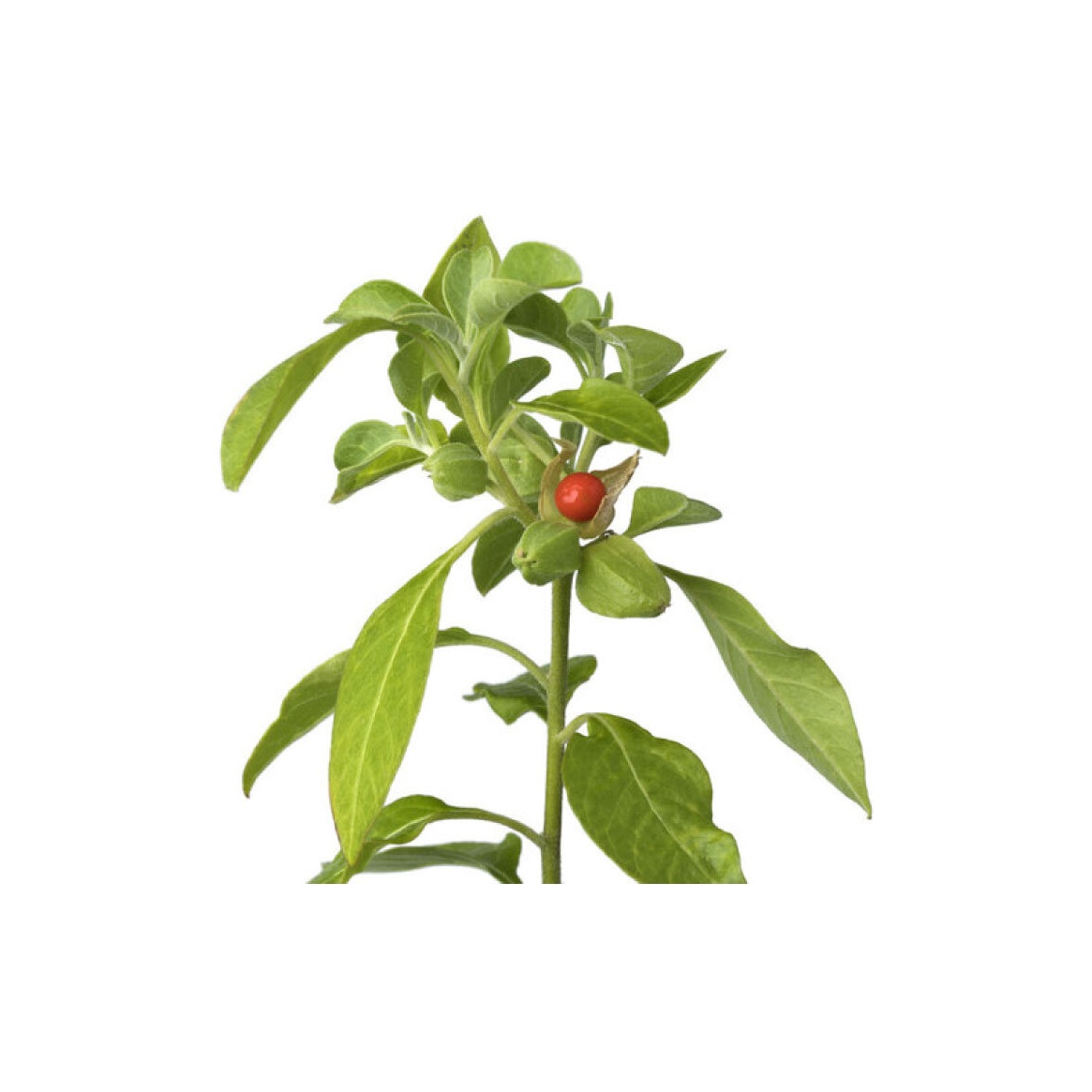 StrongStrongAshwagandhaWithania somniferaA systematic review and meta-analysis of randomized controlled trials found ashwagandha beneficial for anxiety and stress 1Reference 1Meta-analysisDoes ashwagandha supplementation have a beneficial effect on the management of anxiety and stress? — systematic review and meta-analysis of randomised controlled trialsView study →, confirmed by a later meta-analysis 2Reference 2Meta-analysisEffects of ashwagandha (Withania somnifera) on stress and anxiety — systematic review and meta-analysisView study →. The pivotal trial, a prospective randomized double-blind placebo-controlled study of a high-concentration root extract, found reduced stress scores together with a significant fall in serum cortisol 3Reference 3RCTA prospective, randomised double-blind, placebo-controlled study of a high-concentration full-spectrum ashwagandha root extract in reducing stress and anxietyView study →, and a later randomized double-blind placebo-controlled study reproduced the stress effect alongside hormonal measures 4Reference 4RCTStress-relieving and pharmacological actions of an ashwagandha extract — randomised, double-blind, placebo-controlled studyView study →.Also underThyroid ↓Read the evidenceShow lessMonograph →
Pairing a self-report outcome with an objective hormone is what separates it from the rest of the adaptogen category.
Most trials use specific standardized root extracts, KSM-66 and Sensoril, at 300 to 600 mg a day, so the crude powder is not the medicine that was tested.
There is a real hepatotoxicity signal. Case reports of liver injury have accumulated and Denmark has restricted the herb.
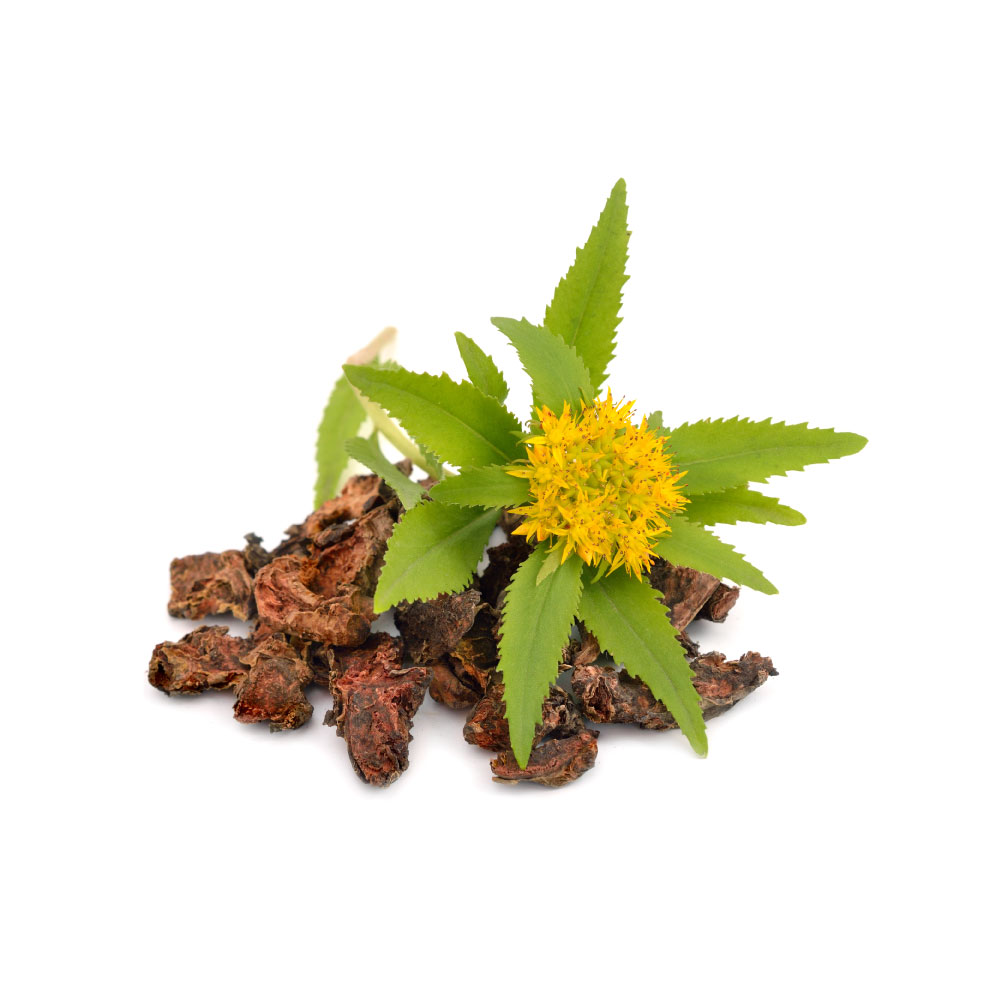 ModerateModerateRhodiolaRhodiola roseaThe Arctic adaptogen, best evidenced for stress-related fatigue rather than for stress itself. A double-blind crossover study of the standardized extract SHR-5 found benefit in stress-induced fatigue in night-duty physicians 5Reference 5RCTRhodiola rosea in stress-induced fatigue — double-blind crossover study of the standardised extract SHR-5View study →, and a randomized, double-blind, placebo-controlled parallel-group study reproduced the effect in burnout-type fatigue with associated cortisol changes 6Reference 6RCTA randomised, double-blind, placebo-controlled, parallel-group study of the standardised extract SHR-5 of Rhodiola rosea in stress-related fatigueView study →.Read the evidenceShow lessMonograph →
A controlled trial found improvement in anxiety, stress, and mood symptoms 7Reference 7The effects of Rhodiola rosea L. extract on anxiety, stress, cognition and other mood symptoms — controlled trialView study →, and an open-label study of the WS 1375 extract supported it in life-stress symptoms 8Reference 8Clinical trialTherapeutic effects and safety of Rhodiola rosea extract WS 1375 in subjects with life-stress symptoms — open-label clinical trialView study →.
The trials are small and come from a narrow set of research groups.
It is mildly stimulating, so it is taken in the morning and can disturb sleep. That is the practical opposite of ashwagandha, which is sedating.
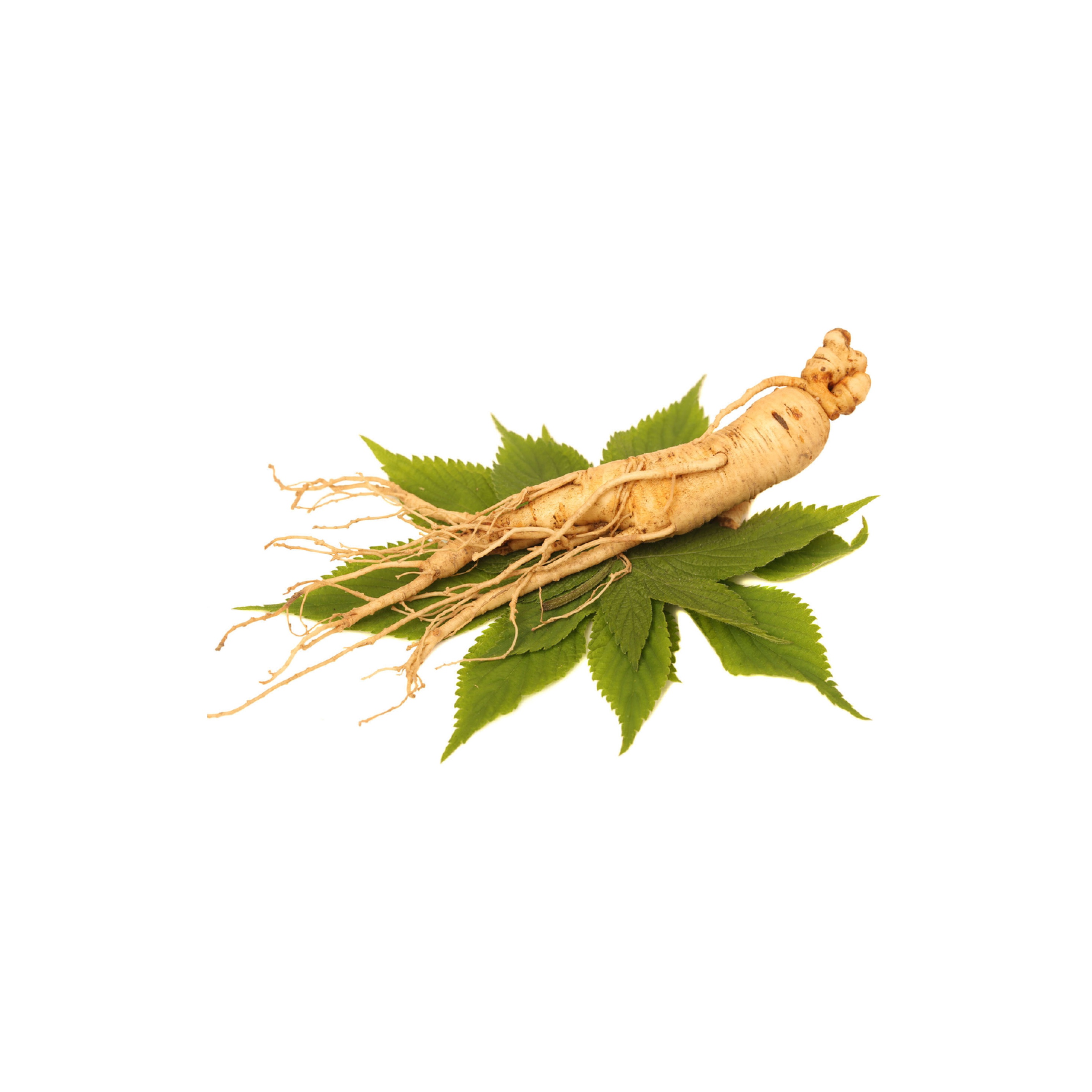 ModerateModerateAsian GinsengPanax ginsengThe original adaptogen and the reference plant for the whole category. Panax means “all-heal”, and the evidence base is correspondingly broad and diffuse.Read the evidenceShow lessMonograph →
Its best-supported endocrine-adjacent effects are on fatigue and cognitive performance rather than on any measured hormone. What it lacks is a clean cortisol result of the kind ashwagandha has.
Traditional practice is specific about who it suits. It is warming and stimulating, classically reserved for depletion rather than given to the already-wired, and a poor fit alongside stimulants or in uncontrolled hypertension.
It also interferes with digoxin immunoassays.
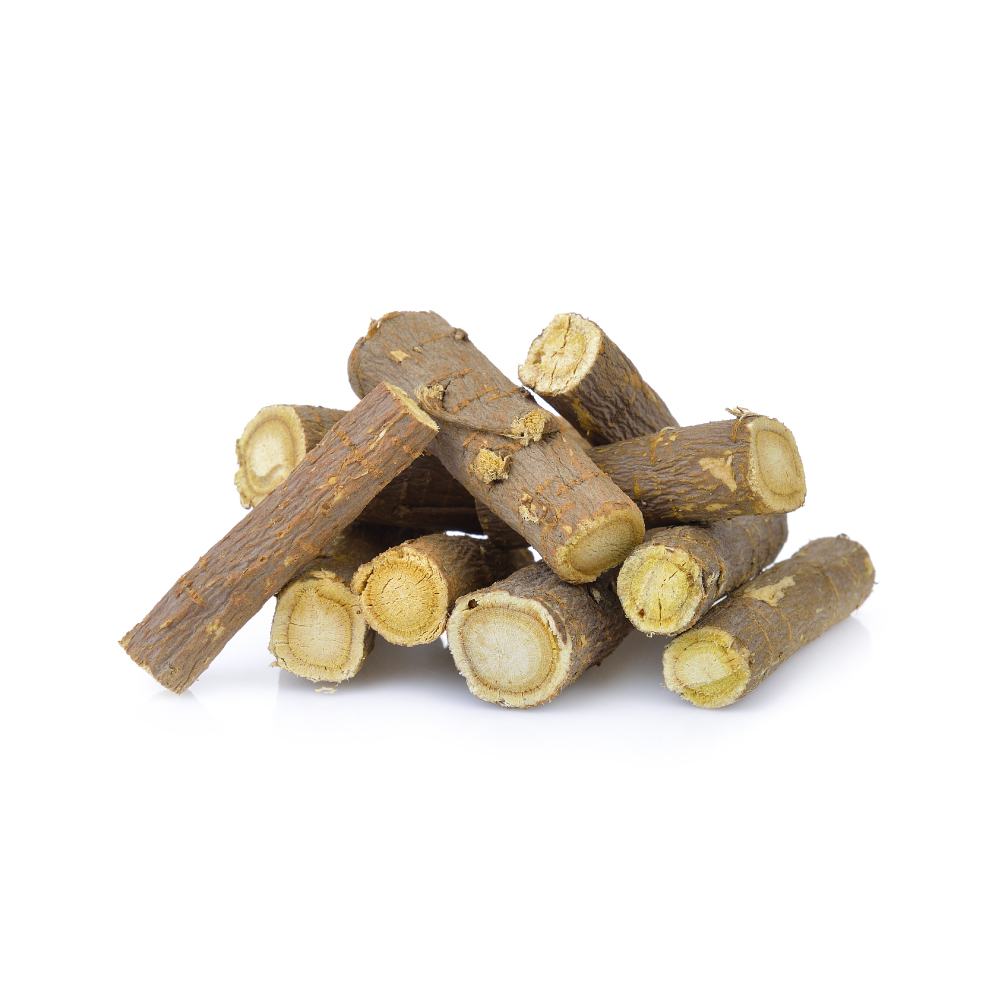 ModerateModerateLicoriceGlycyrrhiza glabraTraditionally the adrenal support herb, and the reasoning behind that use is real pharmacology pointed in a dangerous direction.Also underSex ↓Read the evidenceShow lessMonograph →
Glycyrrhizin inhibits 11β-hydroxysteroid dehydrogenase 9Reference 9AnimalLicorice inhibits 11β-hydroxysteroid dehydrogenase mRNA levels and potentiates glucocorticoid hormone action — animal modelView study →, which prevents the local inactivation of cortisol in the kidney, so cortisol persists longer and acts on the mineralocorticoid receptor. Herbalists have used this to extend endogenous cortisol in exhaustion states.
Endocrinologists call the same effect pseudo-aldosteronism, and at sustained doses it produces sodium retention, potassium loss, and hypertension.
It has one narrow legitimate use, supporting steroid replacement in diagnosed adrenal insufficiency under supervision, and it is not a self-directed tonic. Its anti-androgen action appears below.
Thyroid Function
1 herbThyroid disease is common, easily measured, and effectively treated: levothyroxine replaces what is missing, and antithyroid drugs, radioiodine, or surgery address overactivity. This is not a system to self-manage. Under-treated hypothyroidism affects the heart and, in pregnancy, fetal development, and untreated hyperthyroidism causes atrial fibrillation and bone loss.
ModerateModerateAshwagandhaWithania somniferaA double-blind, randomized, placebo-controlled trial in subclinical hypothyroidism found ashwagandha root extract raised serum T4 and T3 and lowered TSH over eight weeks 10Reference 10RCTEfficacy and safety of ashwagandha root extract in subclinical hypothyroid patients — double-blind, randomised placebo-controlled trialView study →. It is small and single-centre and it measures biochemistry rather than symptoms, but the directional effect is on the hormones themselves.Also underThe ↓Read the evidenceShow lessMonograph →
A placebo-controlled study in an unrelated population noted subtle changes in thyroid indices as an incidental finding 11Reference 11RCTSubtle changes in thyroid indices during a placebo-controlled study of an extract of Withania somnifera in persons with bipolar disorderView study →, which is arguably stronger evidence of a real effect because nobody was looking for it.
The direction is the caution. An agent that raises thyroid hormone is wrong in Graves’ disease or any hyperthyroid state, and it can push a levothyroxine-treated patient off target.
Prolactin, the Cycle and the Pituitary
3 herbsThe strongest group here, resting almost entirely on one herb with an unusually well-mapped mechanism. Premenstrual syndrome affects a large share of menstruating people, has few good conventional options short of SSRIs or hormonal suppression, and is measured with validated symptom instruments.
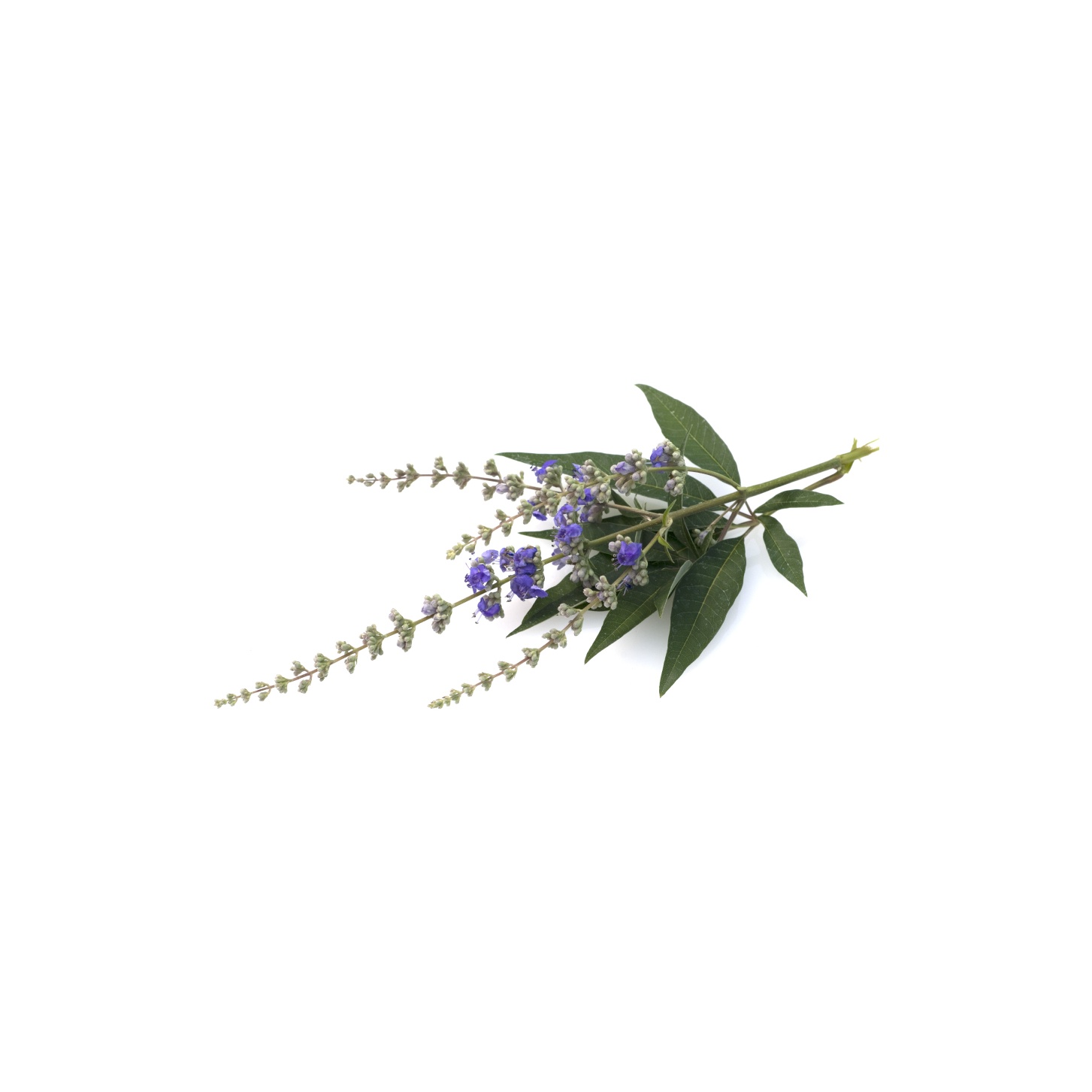 StrongStrongChaste TreeVitex agnus-castusA prospective, randomized, placebo-controlled trial in the BMJ found the Ze 440 extract significantly improved premenstrual symptoms 12Reference 12RCTTreatment for the premenstrual syndrome with agnus castus fruit extract (Ze 440) — prospective, randomised, placebo-controlled studyView study →, a multicentre placebo-controlled study of BNO 1095 in China reproduced it 15Reference 15RCTTreatment for premenstrual syndrome with Vitex agnus castus (BNO 1095) — prospective, randomised, multicentre placebo-controlled study in ChinaView study →, and two independent systematic reviews and meta-analyses of double-blind randomized trials support the effect 13,
14Reference 13Meta-analysisVitex agnus-castus in premenstrual syndrome — meta-analysis of double-blind randomised controlled trialsView study →Reference 14Meta-analysisThe treatment of premenstrual syndrome with preparations of Vitex agnus castus — systematic review and meta-analysisView study → .Read the evidenceShow lessMonograph →
In premenstrual dysphoric disorder a trial found it comparable to fluoxetine on some measures 16Reference 16Fluoxetine versus Vitex agnus castus extract in the treatment of premenstrual dysphoric disorderView study →, and a systematic review and meta-analysis supports it in cyclic mastalgia 17Reference 17Meta-analysisVitex agnus-castus for the treatment of cyclic mastalgia — systematic review and meta-analysisView study →.
The mechanism is dopaminergic prolactin inhibition 19Reference 19AnimalAgnus castus extracts inhibit prolactin secretion of rat pituitary cellsView study →, demonstrated clinically in luteal phase defect due to latent hyperprolactinaemia 18Reference 18Vitex agnus castus extract in the treatment of luteal phase defects due to latent hyperprolactinaemiaView study → and reviewed more recently 20Reference 20Vitex agnus castus effects on hyperprolactinaemiaView study →. A mapped receptor mechanism is why these results hold up where most hormonal claims do not.
Because it acts on dopamine it interacts with dopamine agonists and antagonists, and it should not be combined with hormonal contraception without advice.
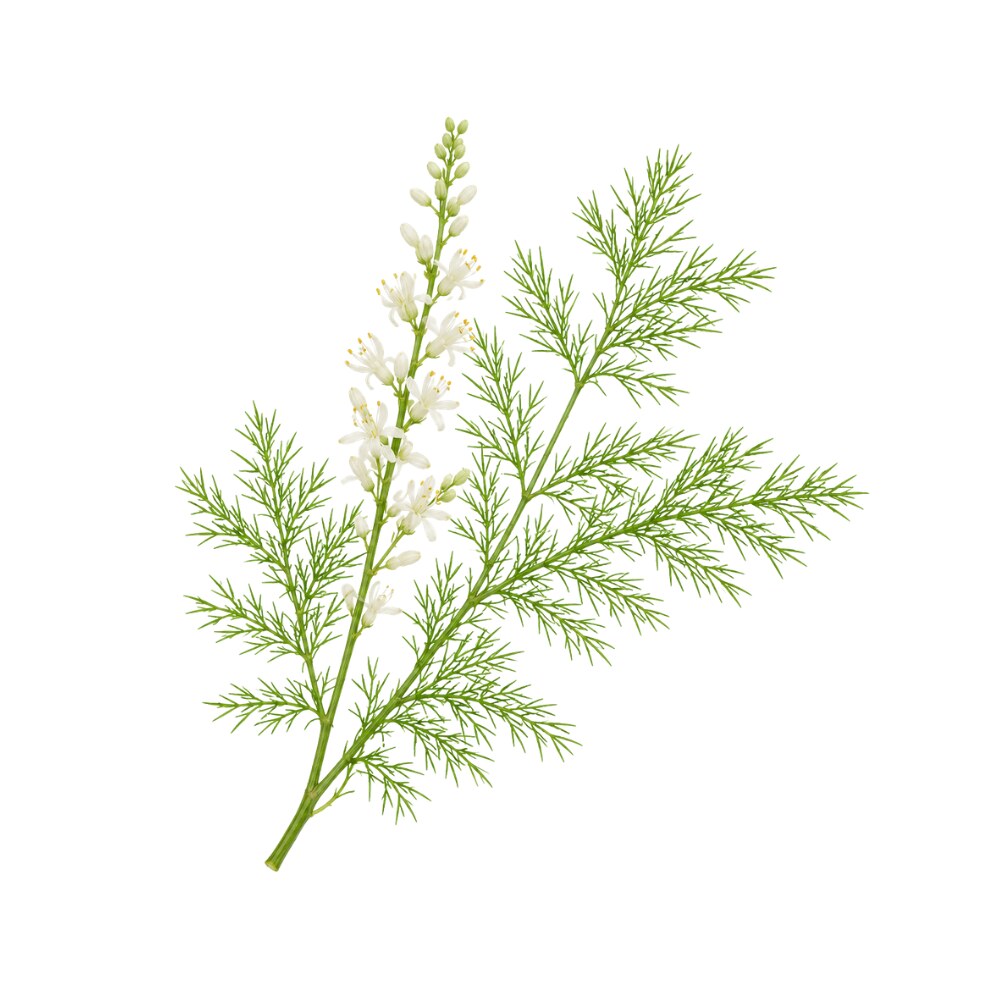 ModerateModerateShatavariAsparagus racemosusThe principal Ayurvedic women’s tonic, its name usually glossed as “she who has a hundred husbands”, with a recent evidence base that keeps improving.Read the evidenceShow lessMonograph →
A randomized placebo-controlled trial found a standardized root extract improved hormonal balance and menstrual health and reduced vasomotor symptoms 21Reference 21RCTA standardized Asparagus racemosus root extract improves hormonal balance and menstrual health and reduces vasomotor symptoms — randomised placebo-controlled trialView study →, a double-blind multicentre randomized controlled trial found benefit for menopausal symptoms 22Reference 22RCTEfficacy and safety of Shatavari root extract for the management of menopausal symptoms — double-blind, multicentre, randomised controlled trialView study →, and a randomized, double-blind, placebo-controlled trial reported effects in polycystic ovary syndrome 23Reference 23RCTEfficacy and safety of Shatavari root extract in women with polycystic ovarian syndrome — randomised, double-blind, placebo-controlled trialView study →.
Its most rigorous work is musculoskeletal rather than hormonal. Randomized trials in postmenopausal women found improved handgrip strength with measurable changes in the muscle proteome.
The trials are recent, mostly Indian, and mostly manufacturer-linked. The direction is promising and not yet settled.
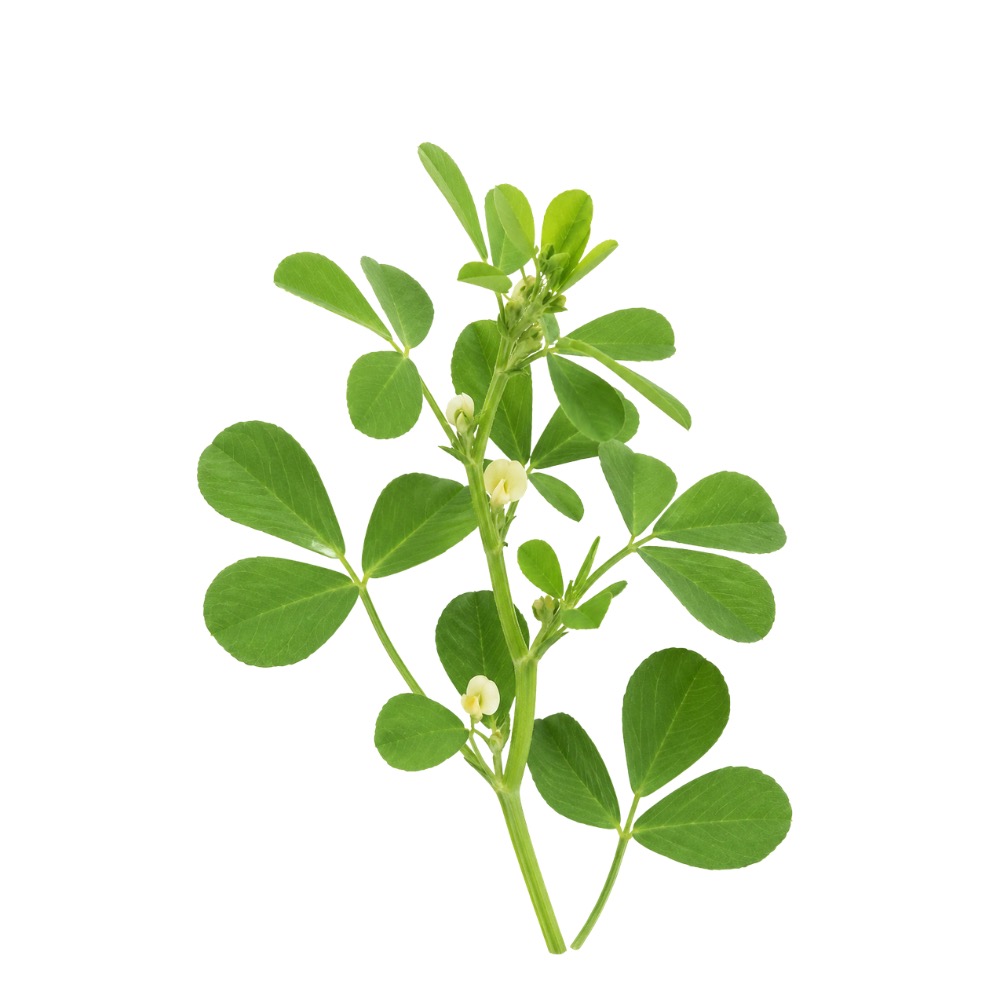 ModerateModerateFenugreekTrigonella foenum-graecumThe most widely used galactagogue in the world, with evidence that is real but modest. A network meta-analysis found fenugreek effective for increasing breast milk production 24Reference 24Meta-analysisEffectiveness of fenugreek as a galactagogue — network meta-analysisView study →, and a randomized controlled trial in mothers of preterm newborns found increased milk volume alongside a rise in prolactin 26Reference 26RCTInvestigating the effectiveness of fenugreek on the quantity of breast milk and the level of prolactin in mothers of preterm newborns — randomised controlled clinical trialView study →.Also underSex ↓Read the evidenceShow lessMonograph →
The counterweight is the Cochrane review of oral galactagogues, which concluded that the evidence for all of them, herbal and pharmaceutical alike, is of low quality and insufficient to recommend any 25Reference 25Systematic reviewOral galactagogues (natural therapies or drugs) for increasing breast milk production — Cochrane systematic reviewView study →.
Two practical points. Fenugreek transfers a maple-syrup odour to sweat, urine, and the infant, and it is a legume, so caution applies in peanut and chickpea allergy.
Its androgen evidence appears below and its glucose evidence on the metabolic page.
Sex Hormones, Libido and Androgens
4 herbsThe group where the marketing is loudest and the results run most contrary to it. Two of these herbs move testosterone in opposite directions, one improves sexual function without touching hormones at all, and the best-evidenced androgen result is a reduction nobody was selling. The wider reproductive picture is on the reproductive page.
StrongStrongLicoriceGlycyrrhiza glabraA clinical study in the New England Journal of Medicine found licorice reduced serum testosterone in men 35Reference 35Clinical trialReduction of serum testosterone in men by licorice — clinical trialView study →, and a further study found the same reduction in healthy women 36Reference 36Clinical trialLicorice reduces serum testosterone in healthy women — clinical trialView study →.Also underThe ↓Read the evidenceShow lessMonograph →
The effect appears dose-dependent. A controlled trial found that liquorice at moderate doses did not affect sex steroids of biological importance 37Reference 37Clinical trialLiquorice in moderate doses does not affect sex steroid hormones of biological importance — clinical trialView study →.
That anti-androgen action has been turned into a therapy in polycystic ovary syndrome, where licorice added to spironolactone reduced the diuretic’s side effects 38Reference 38Clinical trialTreatment of polycystic ovary syndrome with spironolactone plus licorice — clinical trialView study →, and a randomized, double-blind, placebo-controlled trial found licorice extract with a low-calorie diet improved obesity and metabolic indices in PCOS 39Reference 39RCTEffects of licorice extract with a low-calorie diet on obesity, glycemic and lipid indices in overweight/obese women with PCOS — randomised, double-blind, placebo-controlled trialView study →.
The blood-pressure ceiling from mechanism 2 governs all of it.
ModerateModerateFenugreekTrigonella foenum-graecumA meta-analysis of clinical trials found fenugreek extract supplementation increased testosterone levels in men 27Reference 27Meta-analysisEffect of fenugreek extract supplement on testosterone levels in male — meta-analysis of clinical trialsView study →, and a systematic review of herbs affecting testosterone concentrations rates it among the better-supported 28Reference 28Systematic reviewExamining the effects of herbs on testosterone concentrations in men — systematic reviewView study →.Also underProlactin ↓Read the evidenceShow lessMonograph →
Randomized trials of the standardized Testofen extract found reduced symptoms of age-related androgen decline 29Reference 29RCTTestofen, a specialised Trigonella foenum-graecum seed extract, reduces age-related symptoms of androgen decrease — double-blind randomised clinical studyView study →, and a randomized placebo-controlled study of a related extract in healthy menstruating women found changes in testosterone, estradiol, and sexual function 30Reference 30RCTInfluence of a specialised Trigonella foenum-graecum seed extract (Libifem) on testosterone, estradiol and sexual function in healthy menstruating women — randomised placebo-controlled studyView study →.
The effect sizes are modest, and the trials mostly test specific commercial extracts, several of them manufacturer-funded.
The proposed mechanism, saponin inhibition of aromatase and 5α-reductase, is plausible and not firmly established.
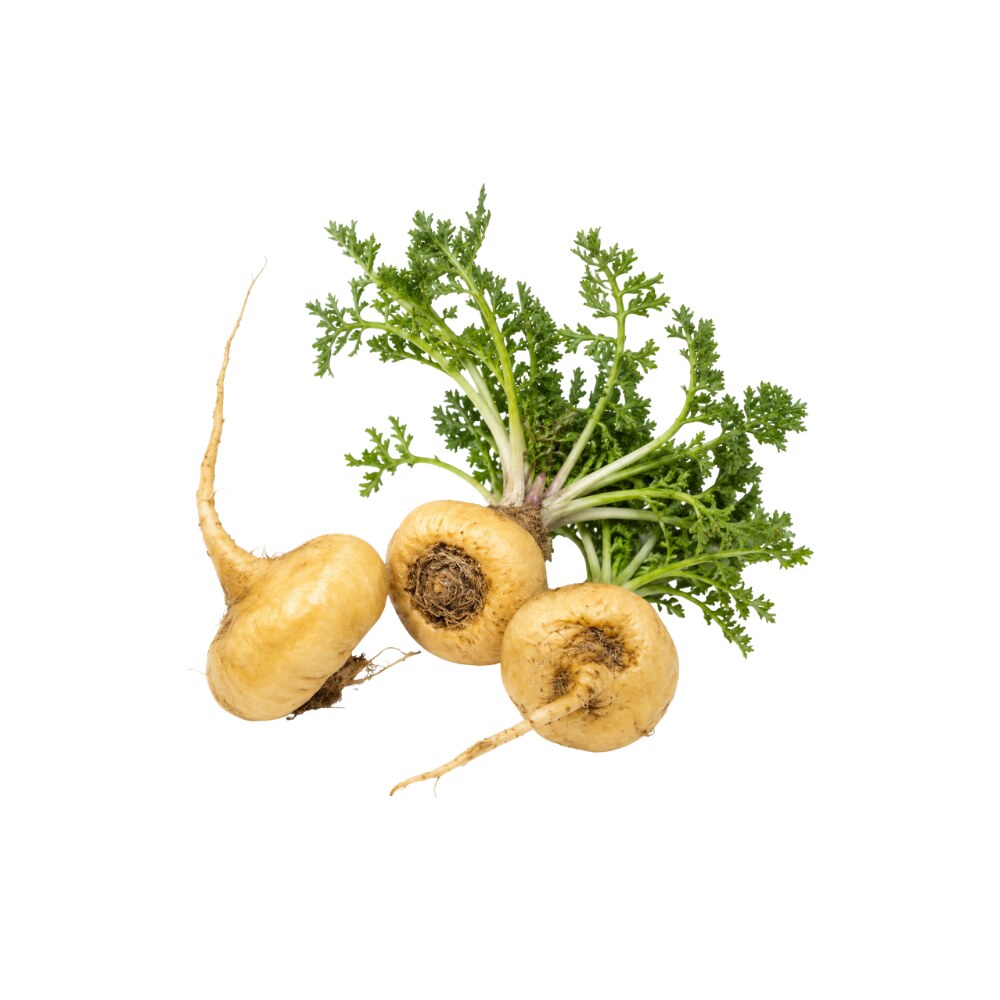 ModerateModerateMacaLepidium meyeniiMaca works, and not by the mechanism everyone assumes. A randomized placebo-controlled trial found it improved sexual desire in healthy men with no change in serum testosterone 31Reference 31RCTEffect of Lepidium meyenii (maca) on sexual desire and its absent relationship with serum testosterone levels in adult healthy men — randomised placebo-controlled trialView study →, and a randomized controlled trial in postmenopausal women found benefit for psychological symptoms and sexual dysfunction explicitly not related to oestrogen or androgen content 32Reference 32RCTBeneficial effects of Lepidium meyenii (maca) on psychological symptoms and measures of sexual dysfunction in postmenopausal women are not related to oestrogen or androgen content — randomised controlled trialView study →.Read the evidenceShow lessMonograph →
A systematic review of maca for menopausal symptoms found limited but suggestive evidence 33Reference 33Systematic reviewMaca (Lepidium meyenii) for treatment of menopausal symptoms — systematic reviewView study →, and a pilot randomized trial reported reductions in blood pressure and depression in postmenopausal women 34Reference 34RCTMaca reduces blood pressure and depression in a pilot study in postmenopausal women — randomised controlled trialView study →.
So it is sold as a hormonal herb, has repeatedly been shown not to act hormonally, and produces an effect anyway. The mechanism is unknown.
Traditional Andean use is as a food, which gives it a good safety record.
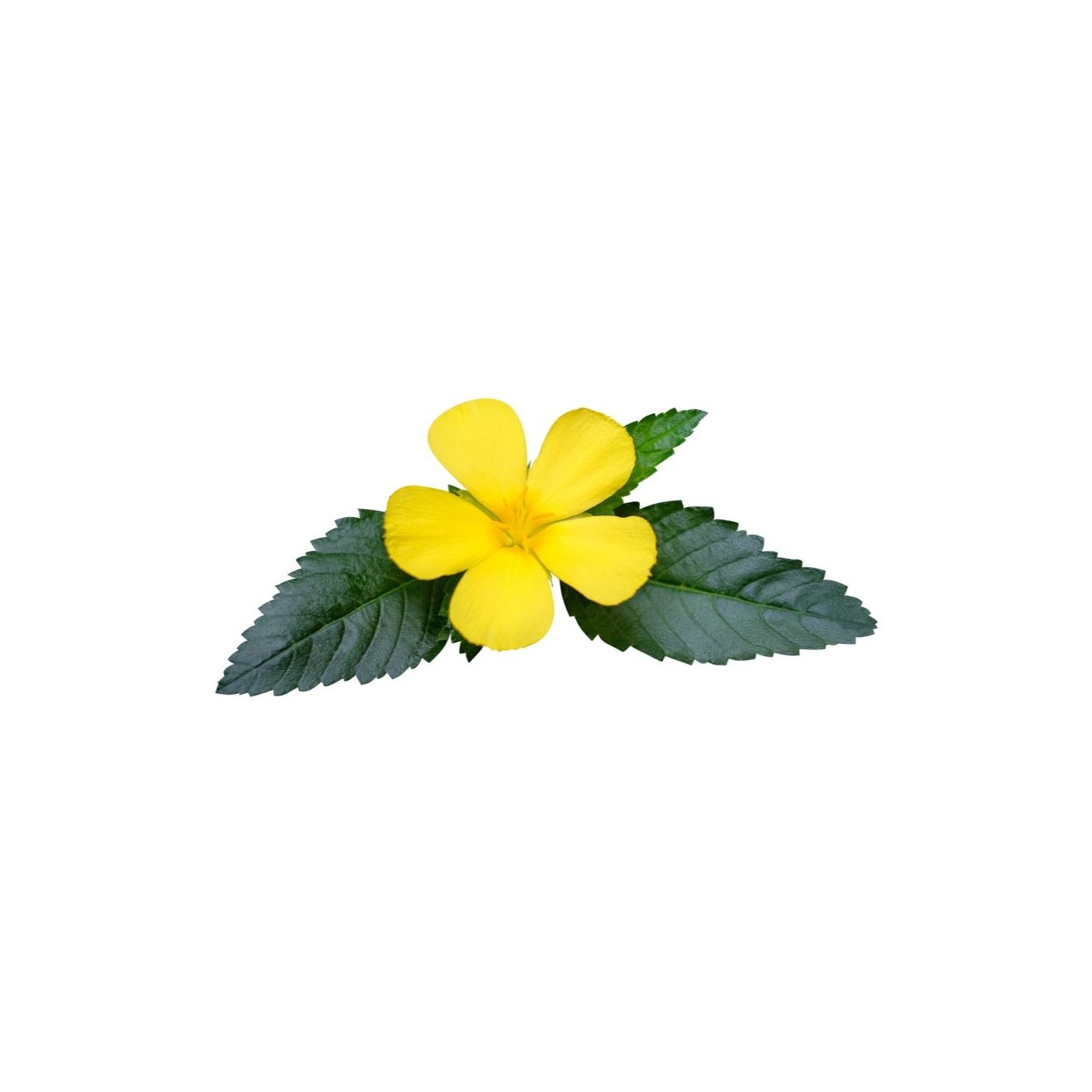 PreclinicalPreclinicalDamianaTurnera diffusaThe Central American aphrodisiac, used traditionally for low libido, nervous exhaustion, and menstrual complaints, and untested in humans for any of them.Read the evidenceShow lessMonograph →
What exists is computational. Molecular docking places several damiana constituents among plausible dietary estrogen mimics 40Reference 40A molecular docking study of phytochemical estrogen mimics from dietary herbal supplements — in silicoView study →, and it appears in reviews of estrogenic plants for post-menopausal neuroprotection.
Its apigenin and pinocembrin content gives it a mild anxiolytic character, which may account for much of the traditional reputation, since sexual function and anxiety are closely linked.
It appears in most commercial libido and female balance formulas, which says nothing about whether it works.
No herbs match these filters.
Also Tagged
51 more herbs are tagged for this system.
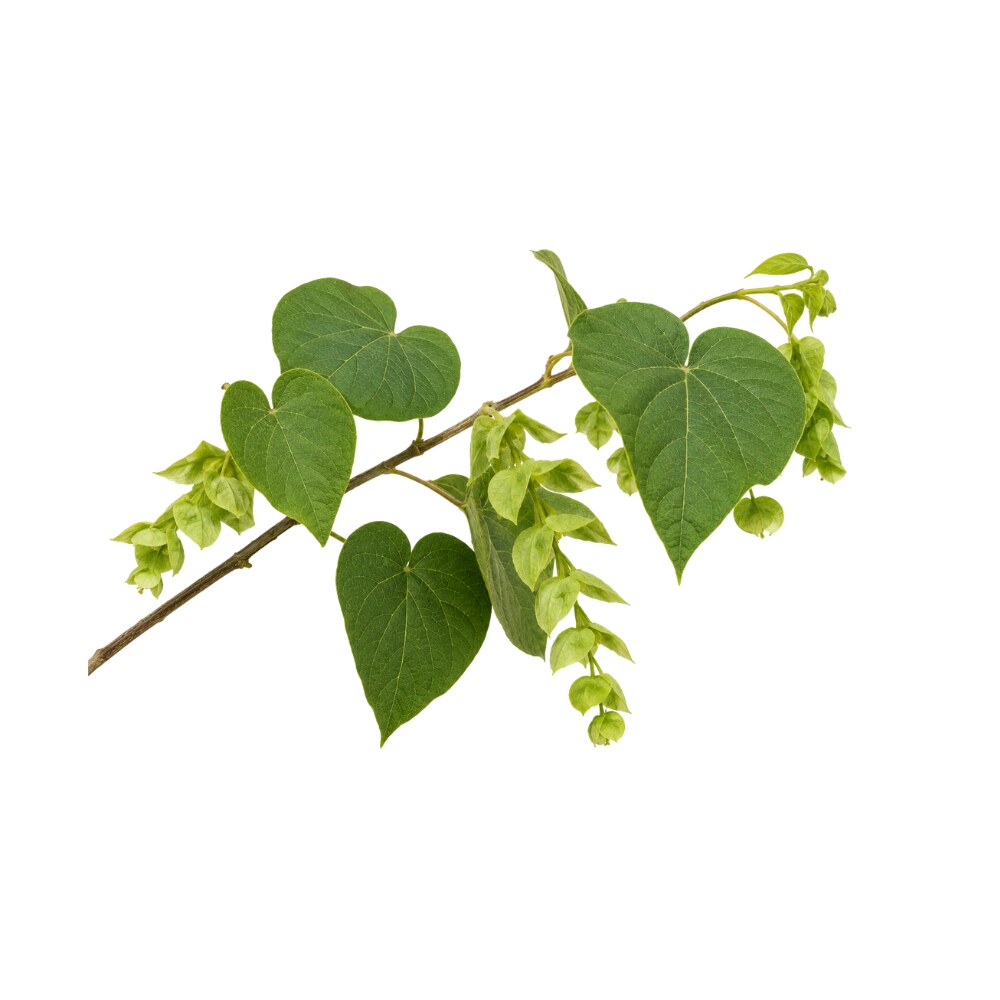
Abuta
Cissampelos pareira
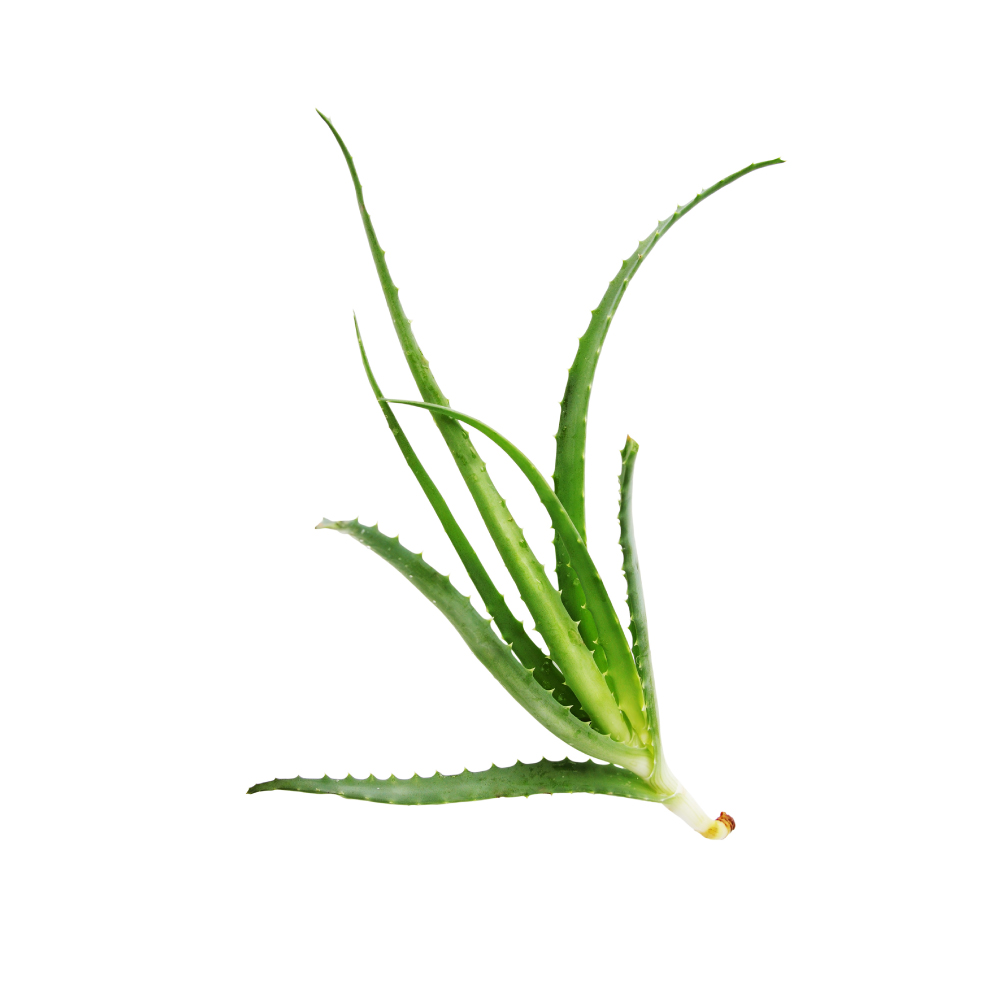
Aloe
Aloe vera
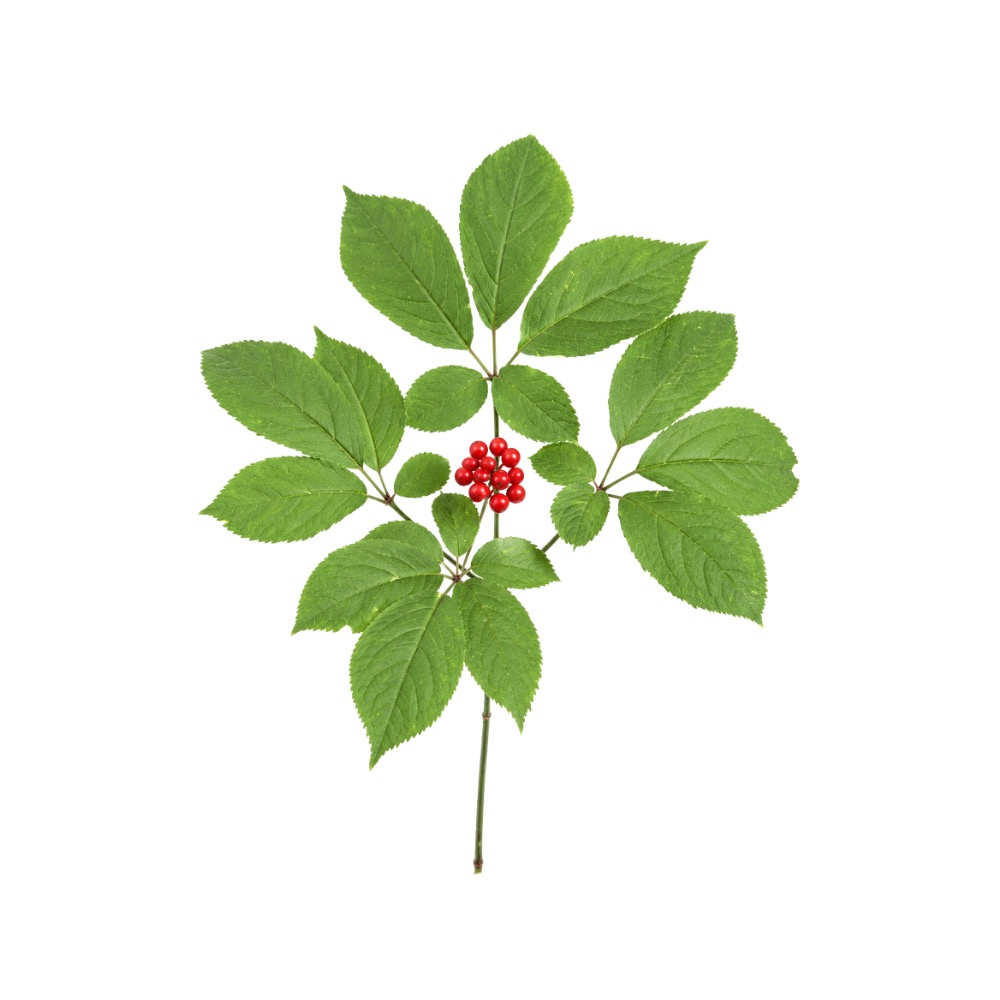
American Ginseng
Panax quinquefolius
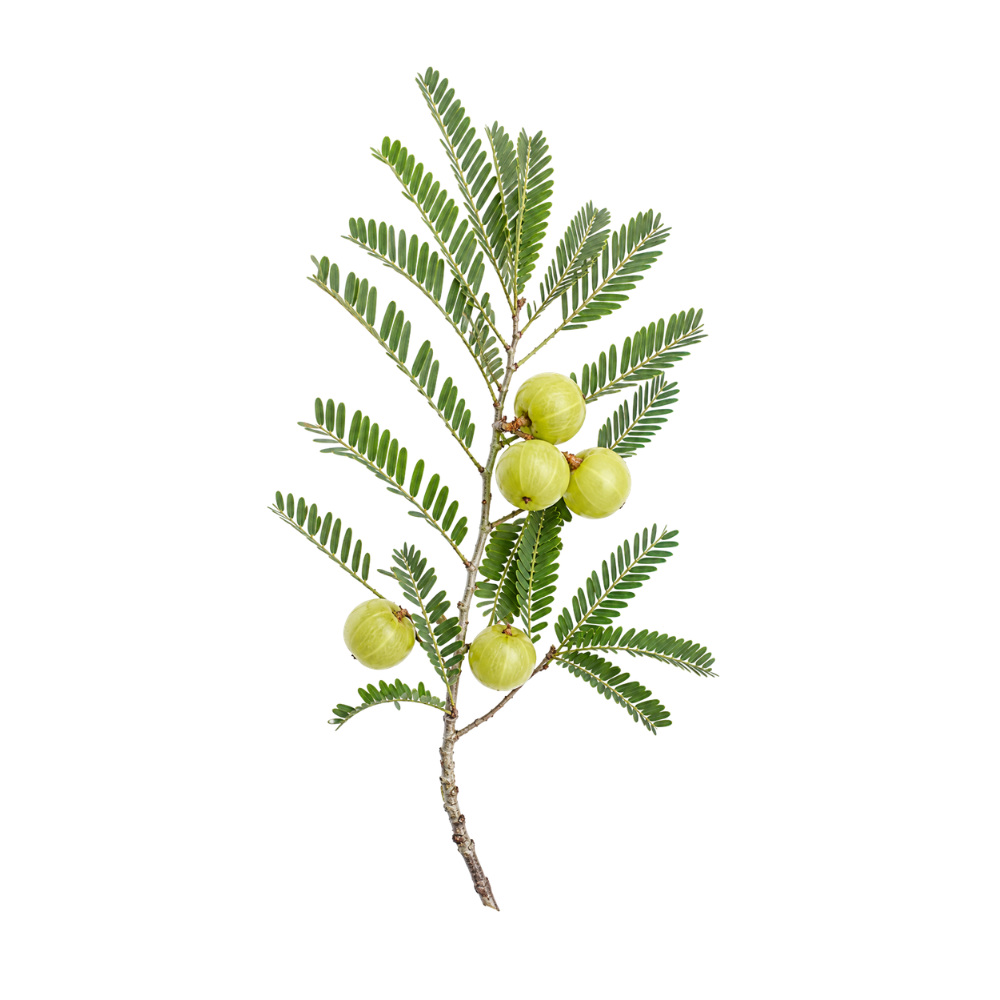
Amla
Phyllanthus emblica
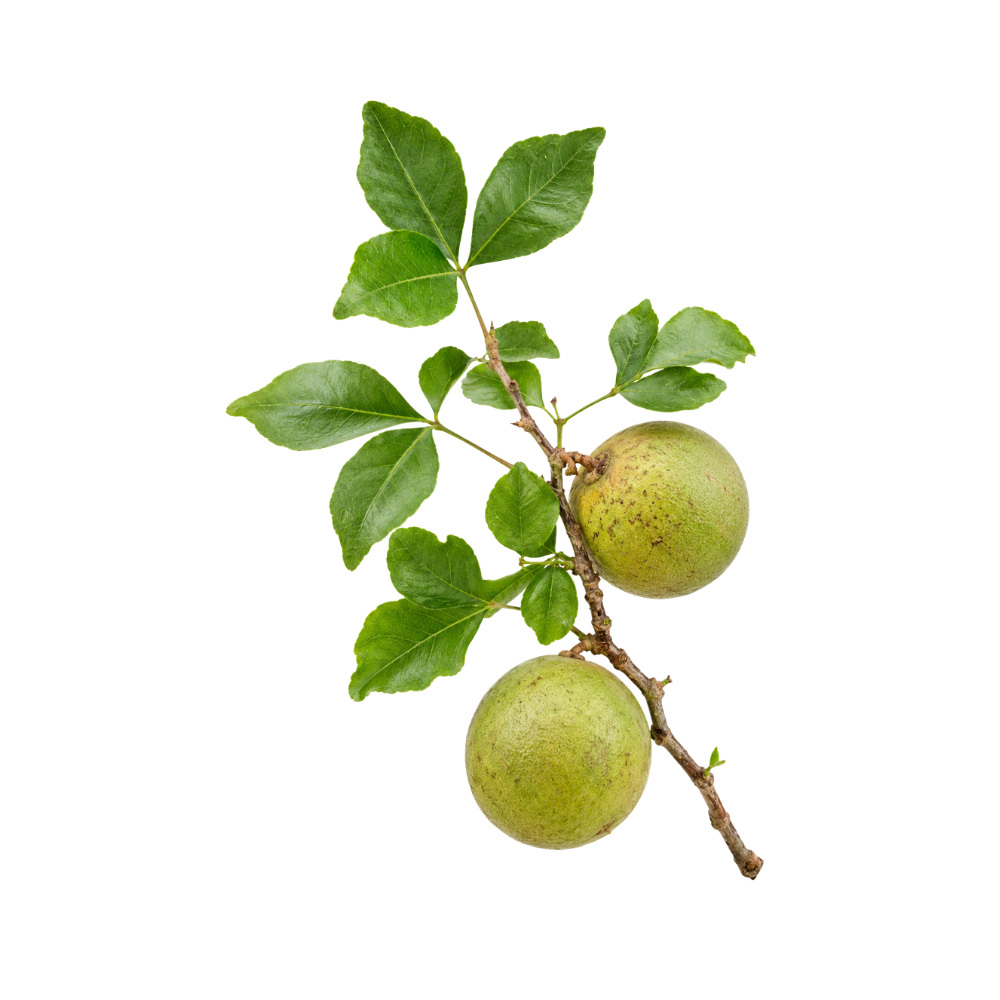
Bael
Aegle marmelos
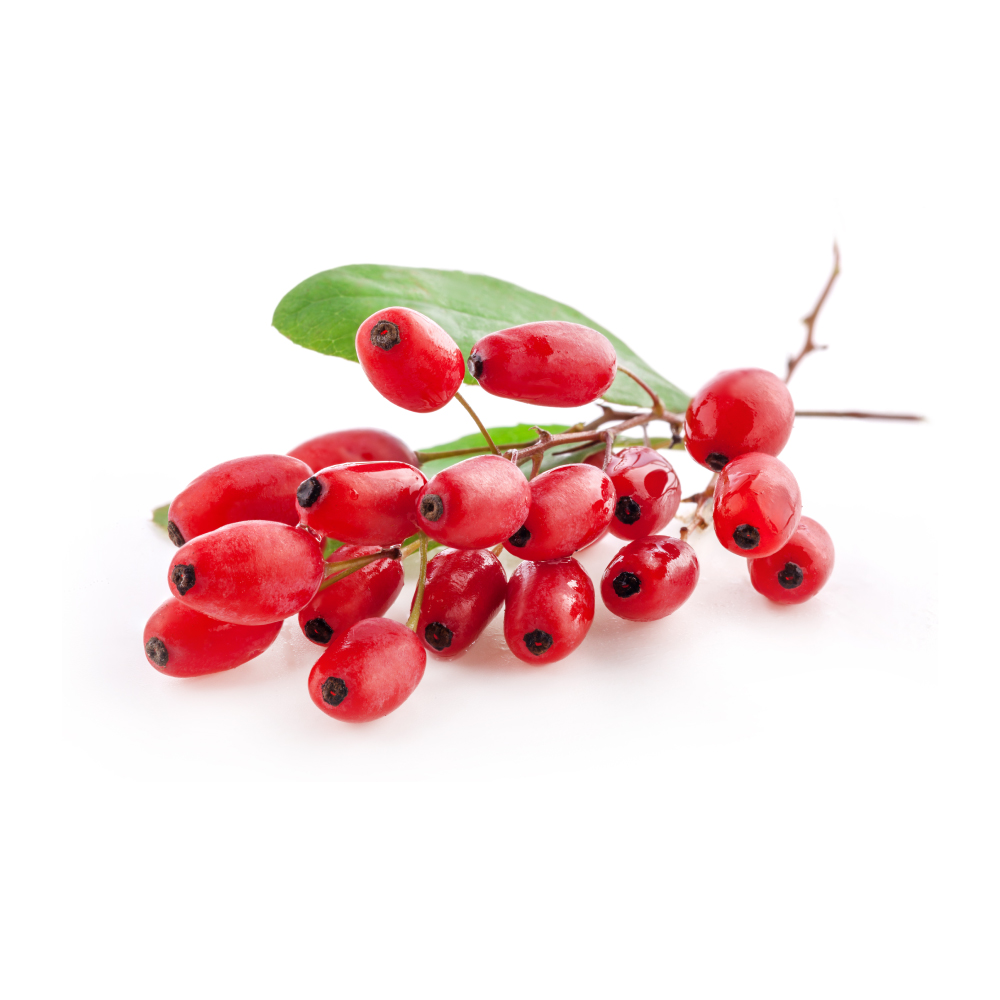
Barberry
Berberis spp.
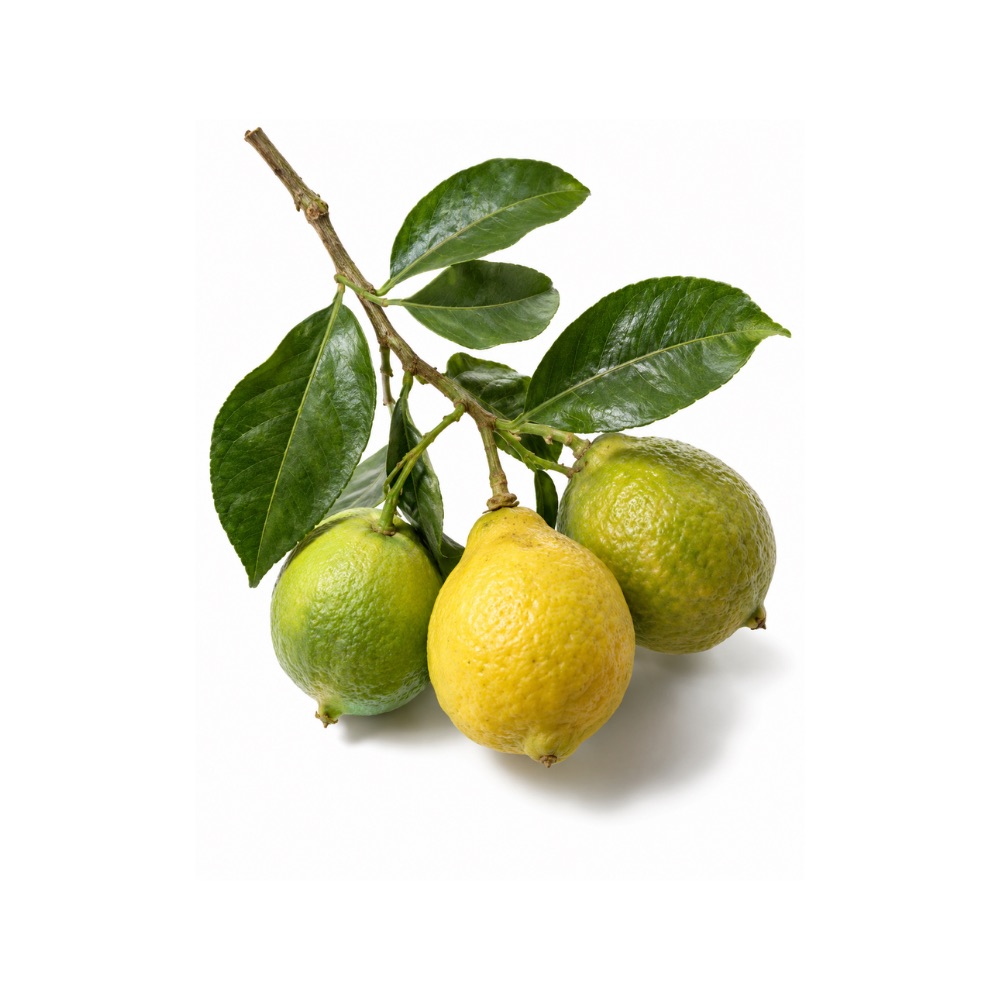
Bergamot
Citrus bergamia
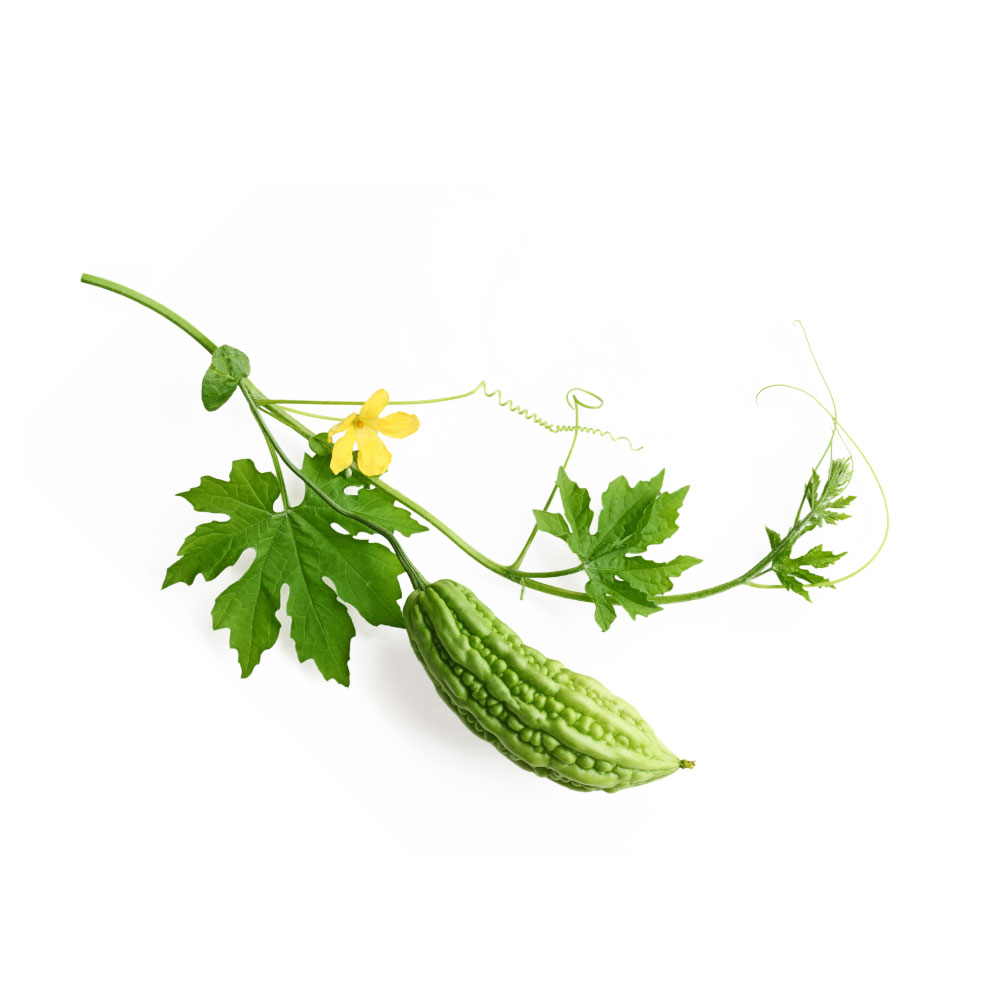
Bitter Melon
Momordica charantia
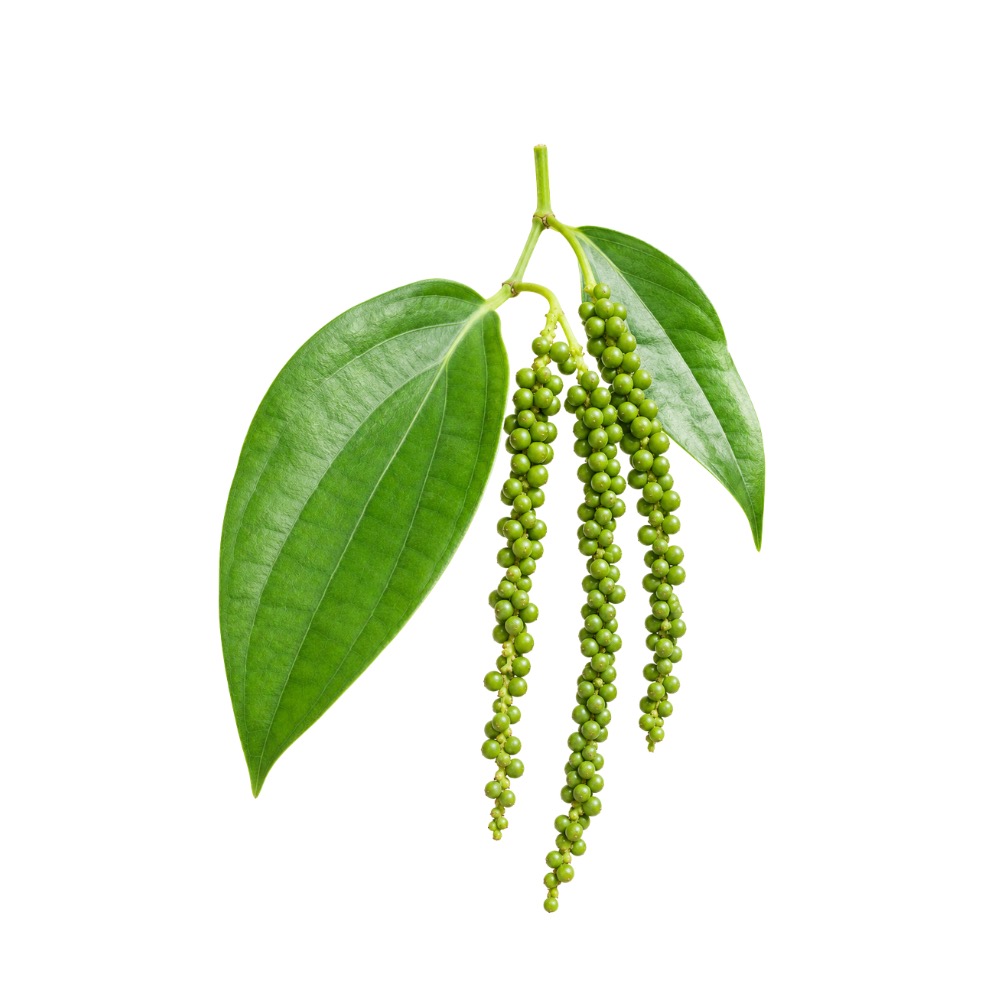
Black Pepper
Piper nigrum
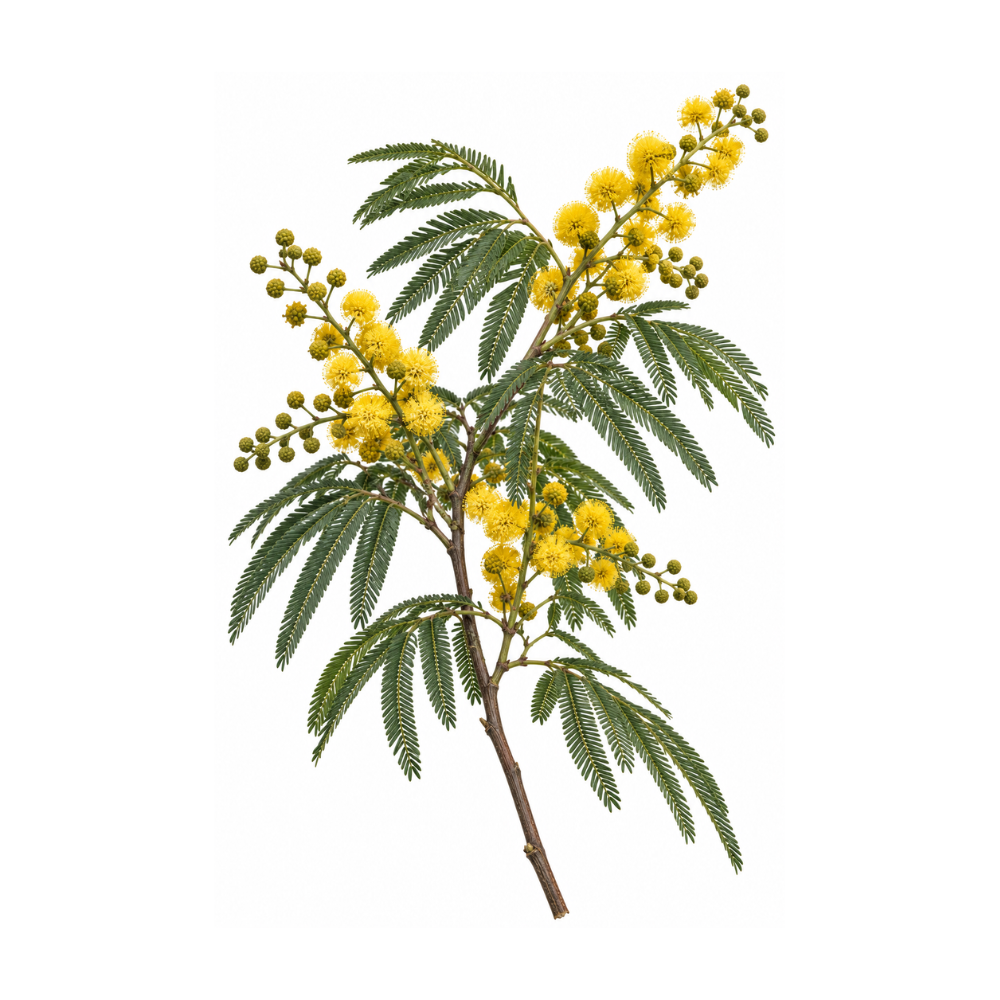
Black Wattle
Acacia mearnsii
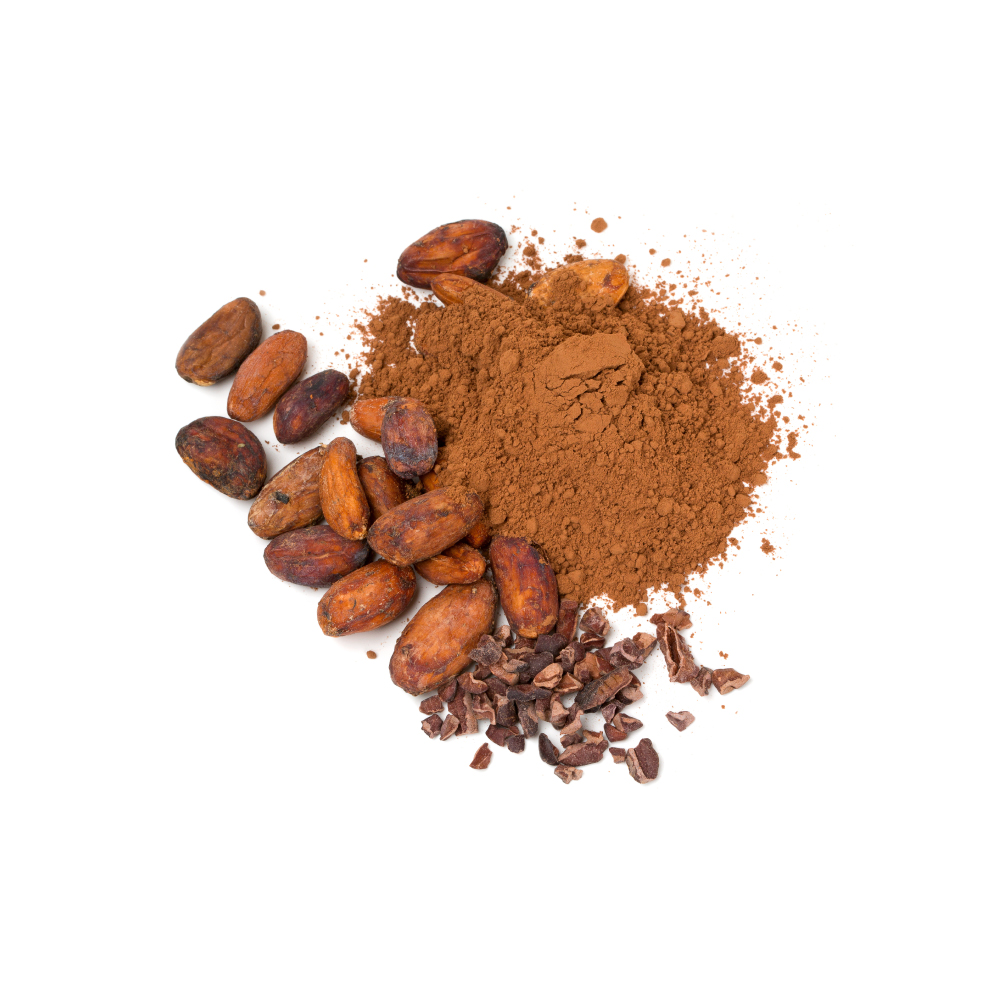
Cacao
Theobroma cacao
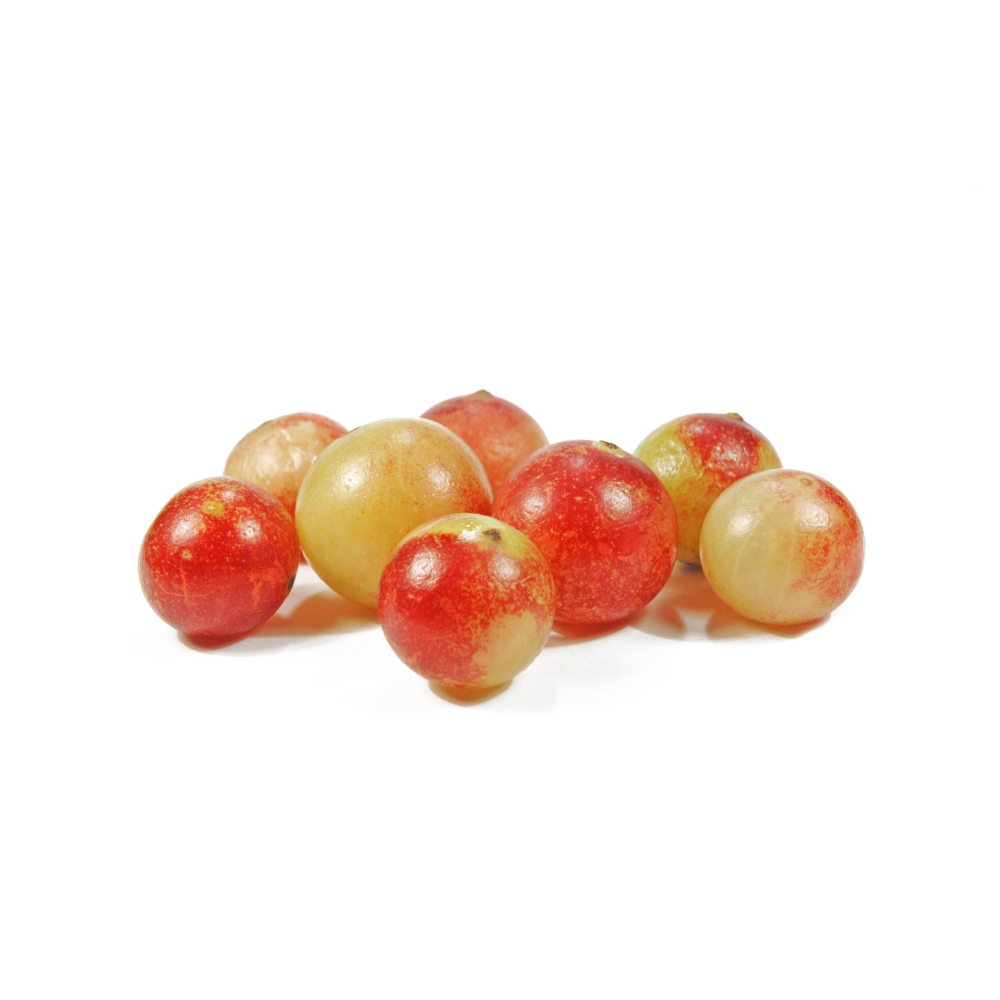
Camu-camu
Myrciaria dubia
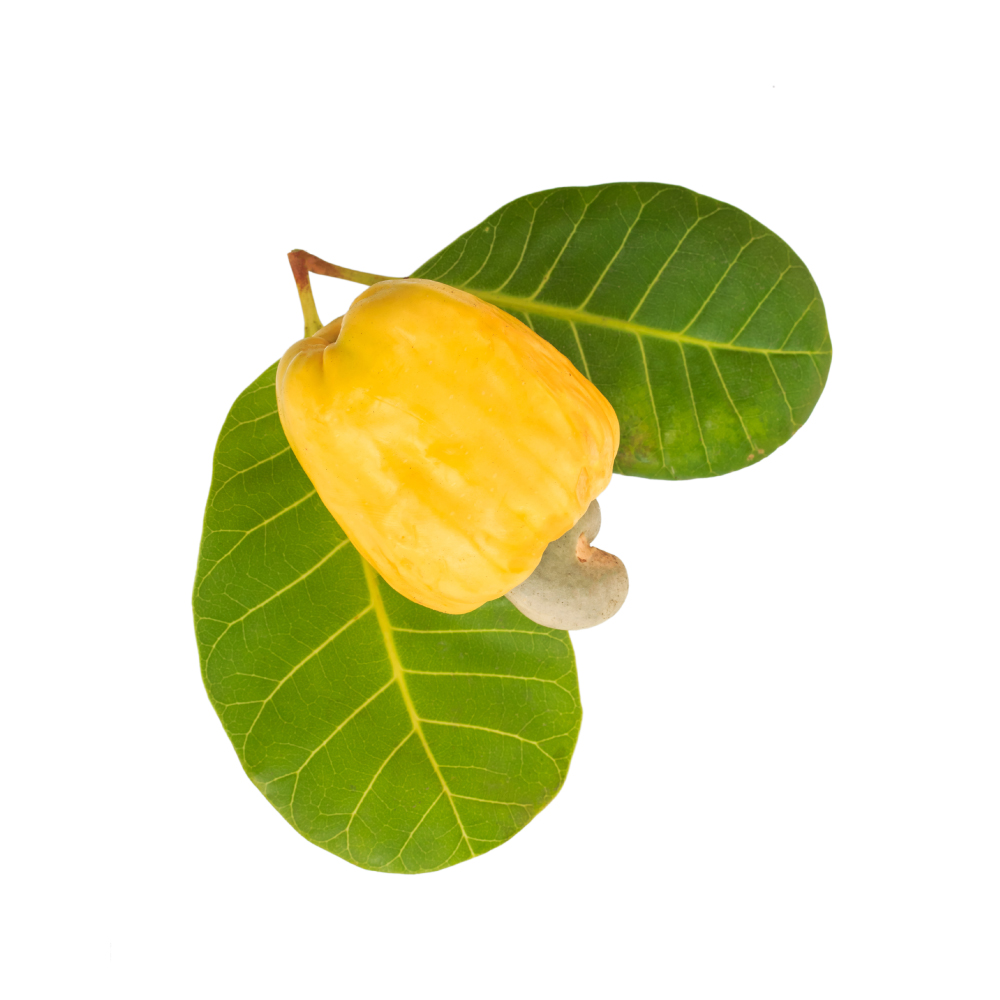
Cashew
Anacardium occidentale
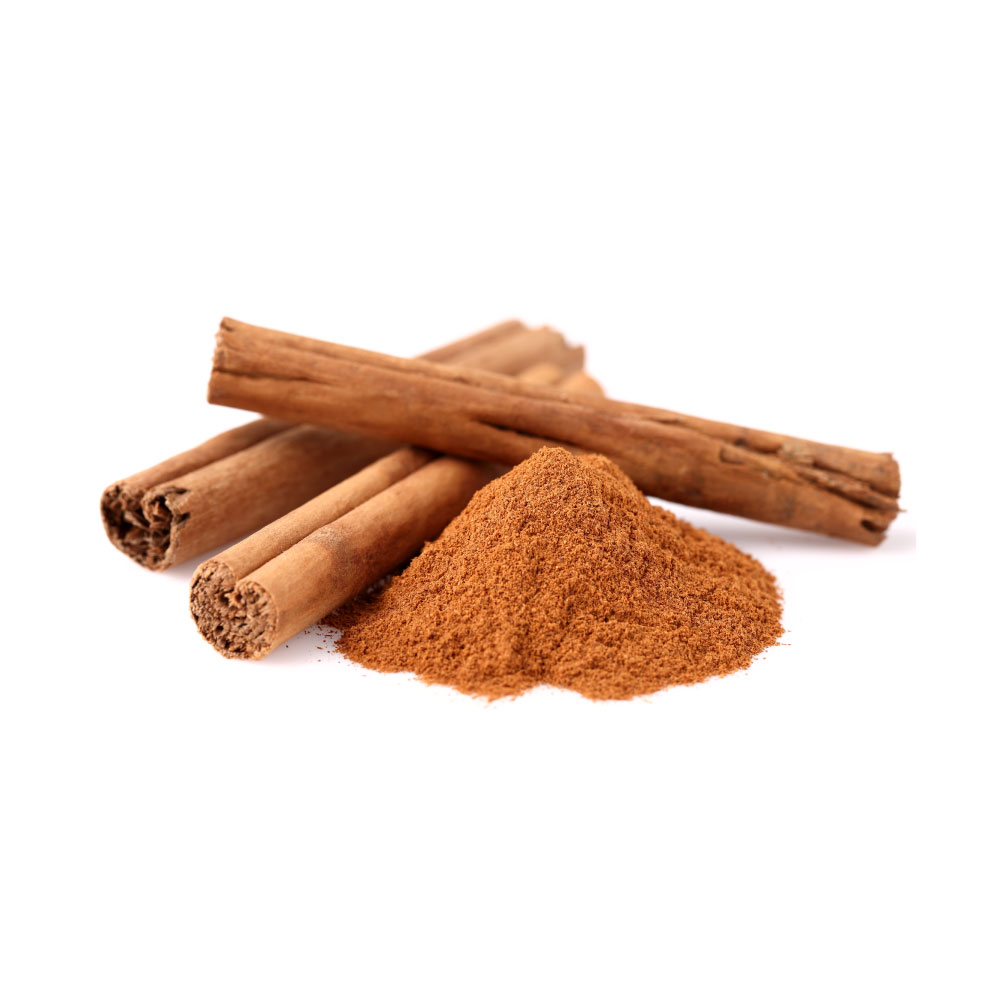
Cassia Cinnamon
Cinnamomum cassia
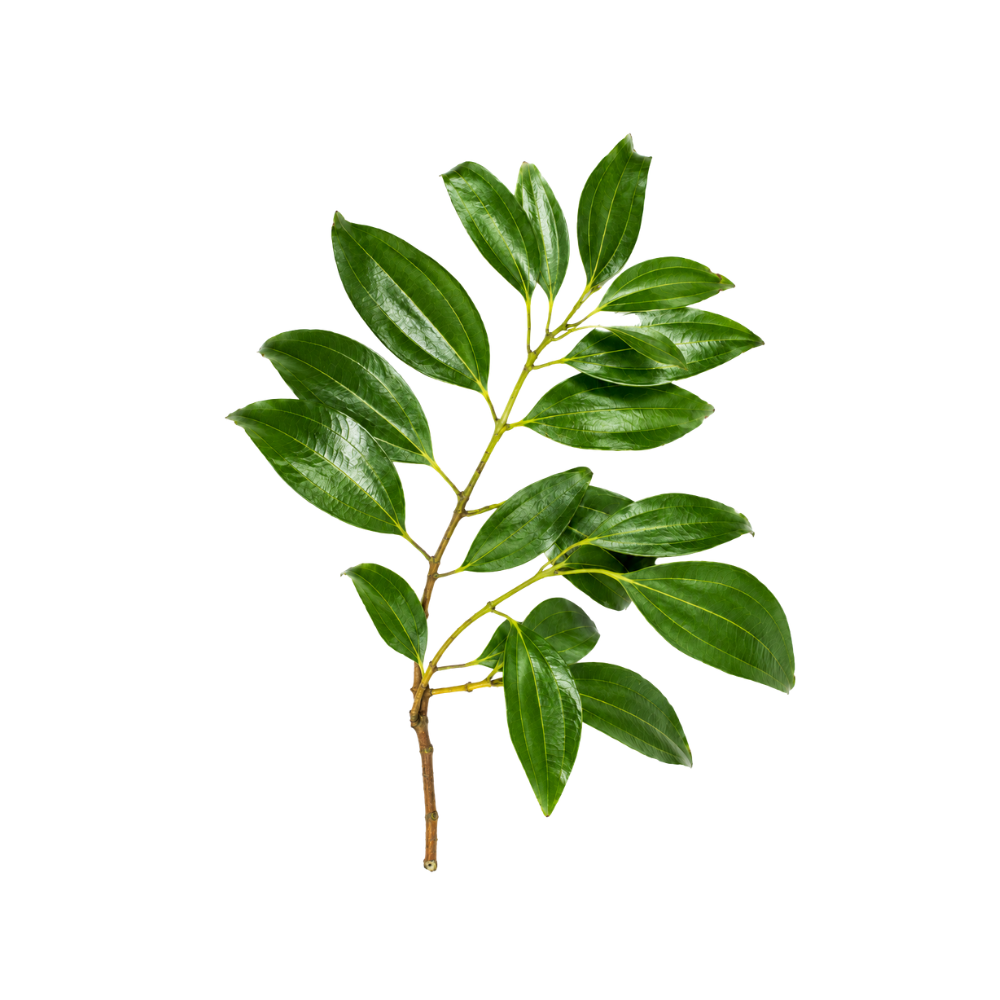
Ceylon Cinnamon
Cinnamomum verum
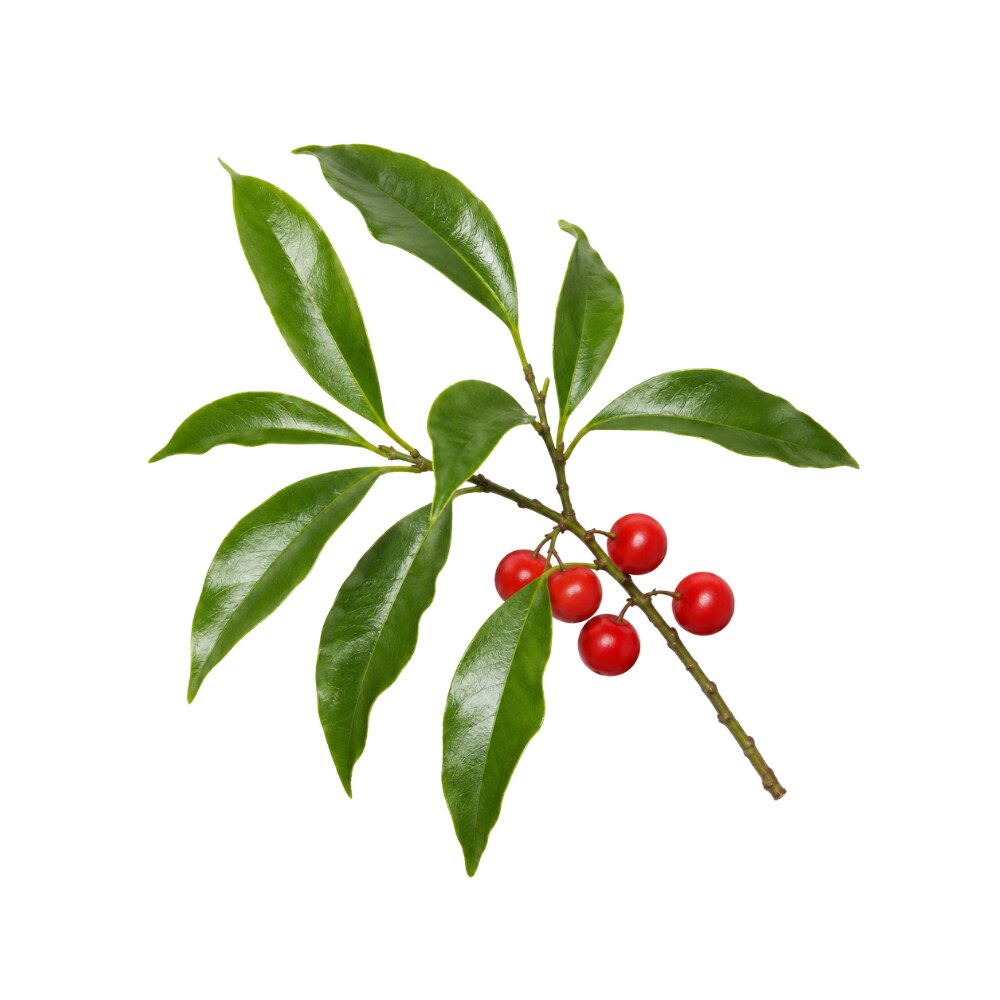
Chá de Bugre
Cordia salicifolia
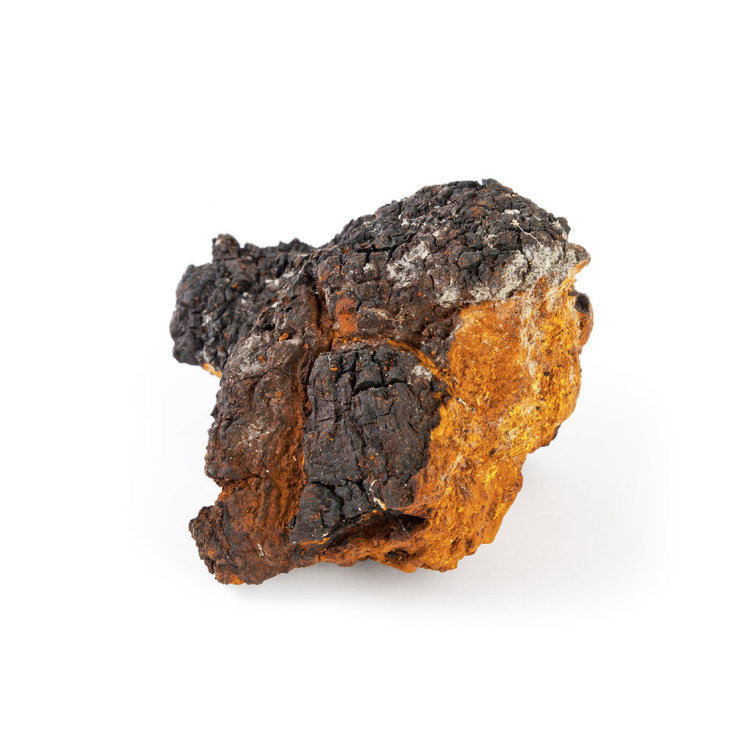
Chaga
Inonotus obliquus
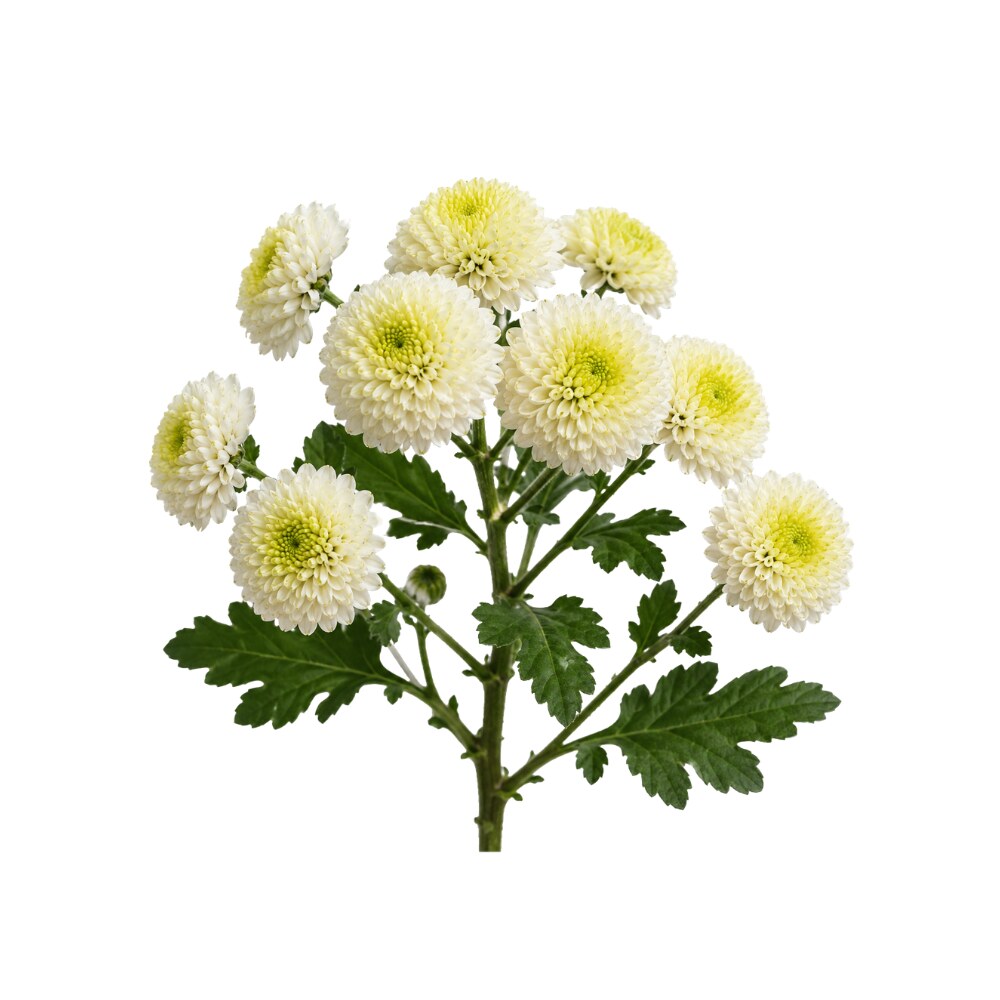
Chrysanthemum
Chrysanthemum morifolium
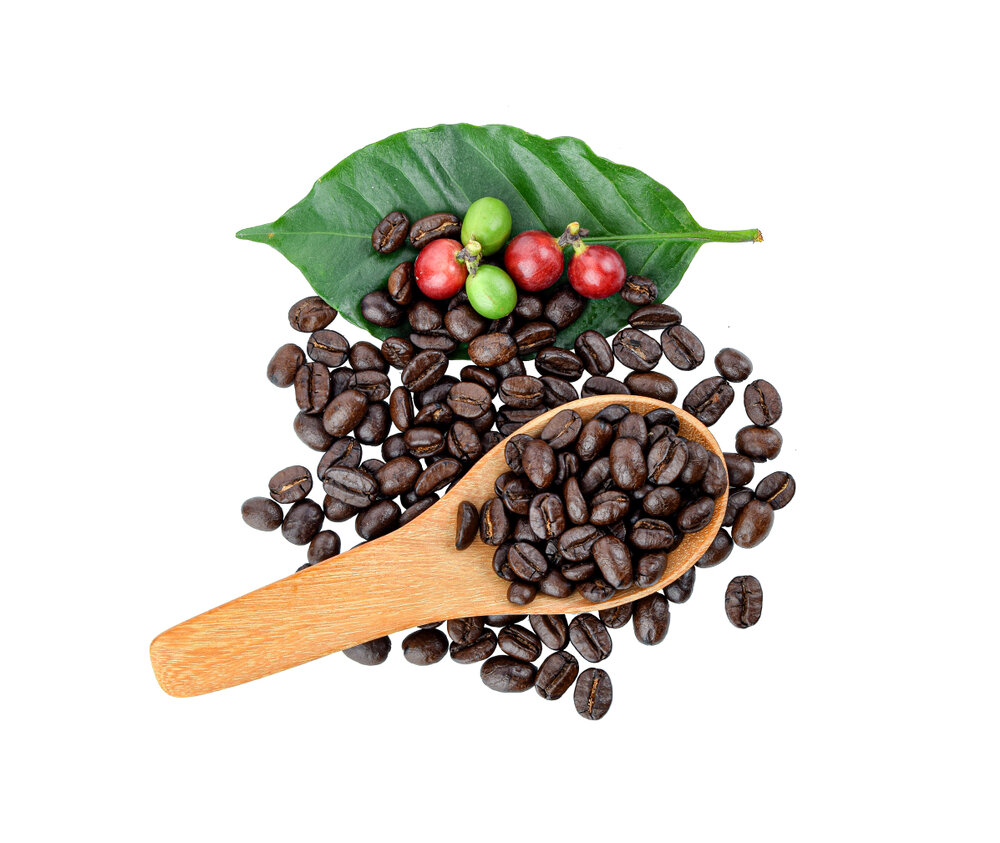
Coffee
Coffea arabica
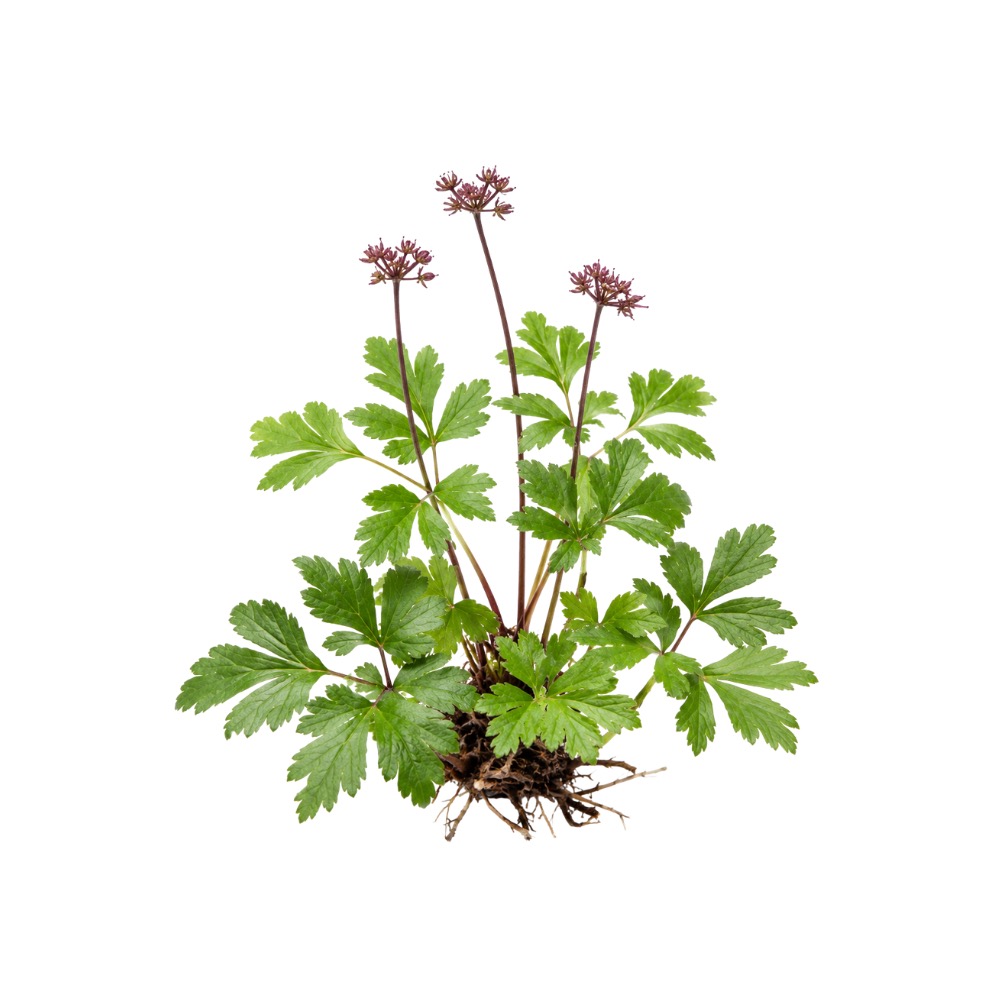
Coptis
Coptis chinensis
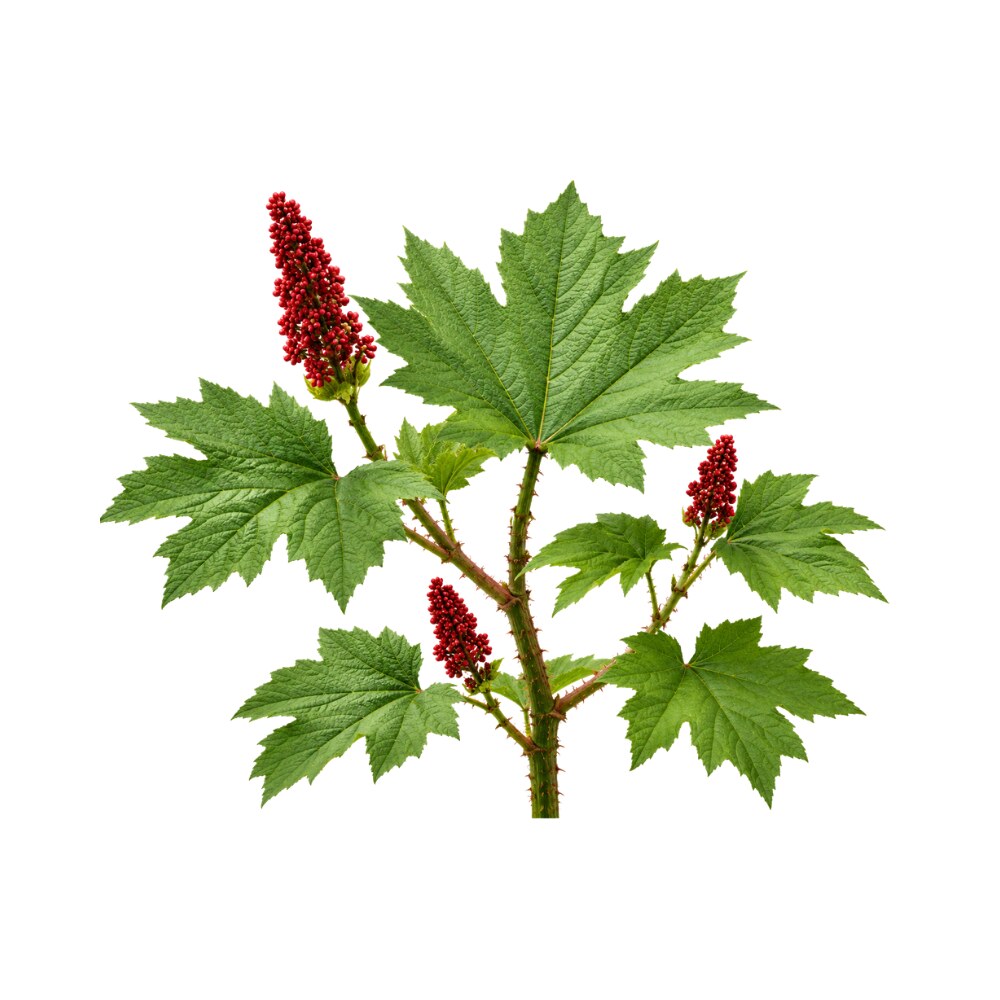
Devil's Club
Oplopanax horridus
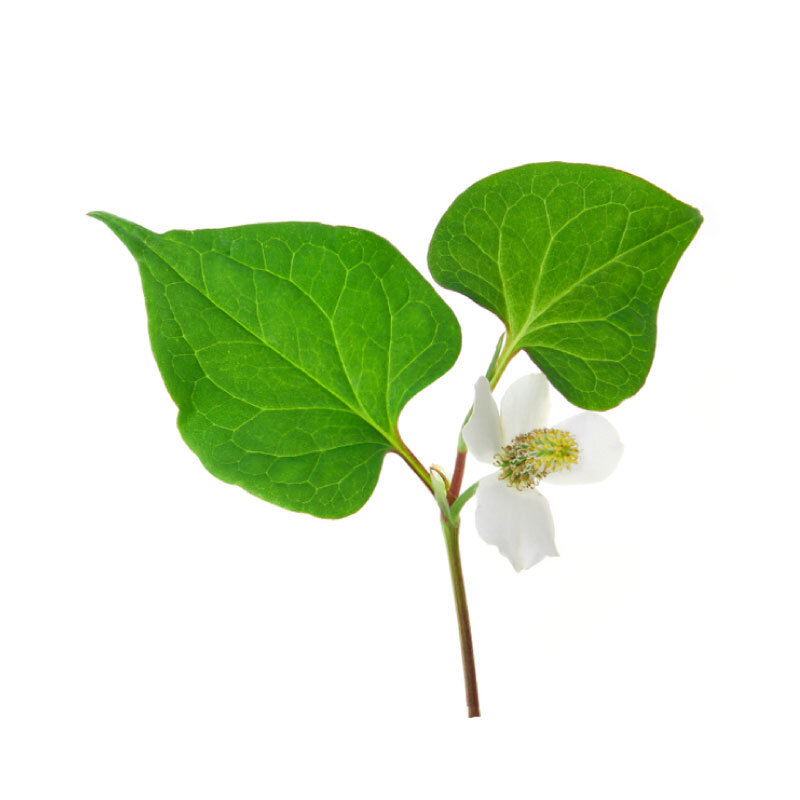
Fish Mint
Houttuynia cordata
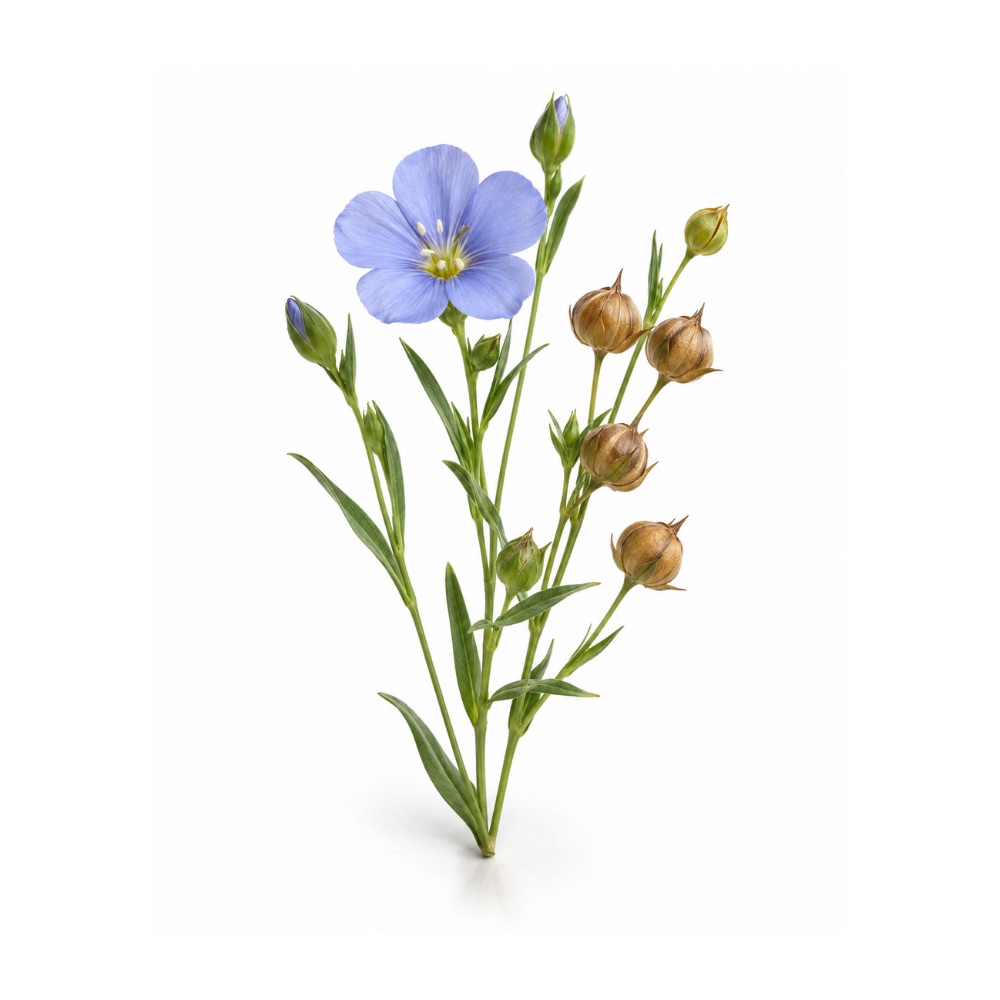
Flaxseed
Linum usitatissimum
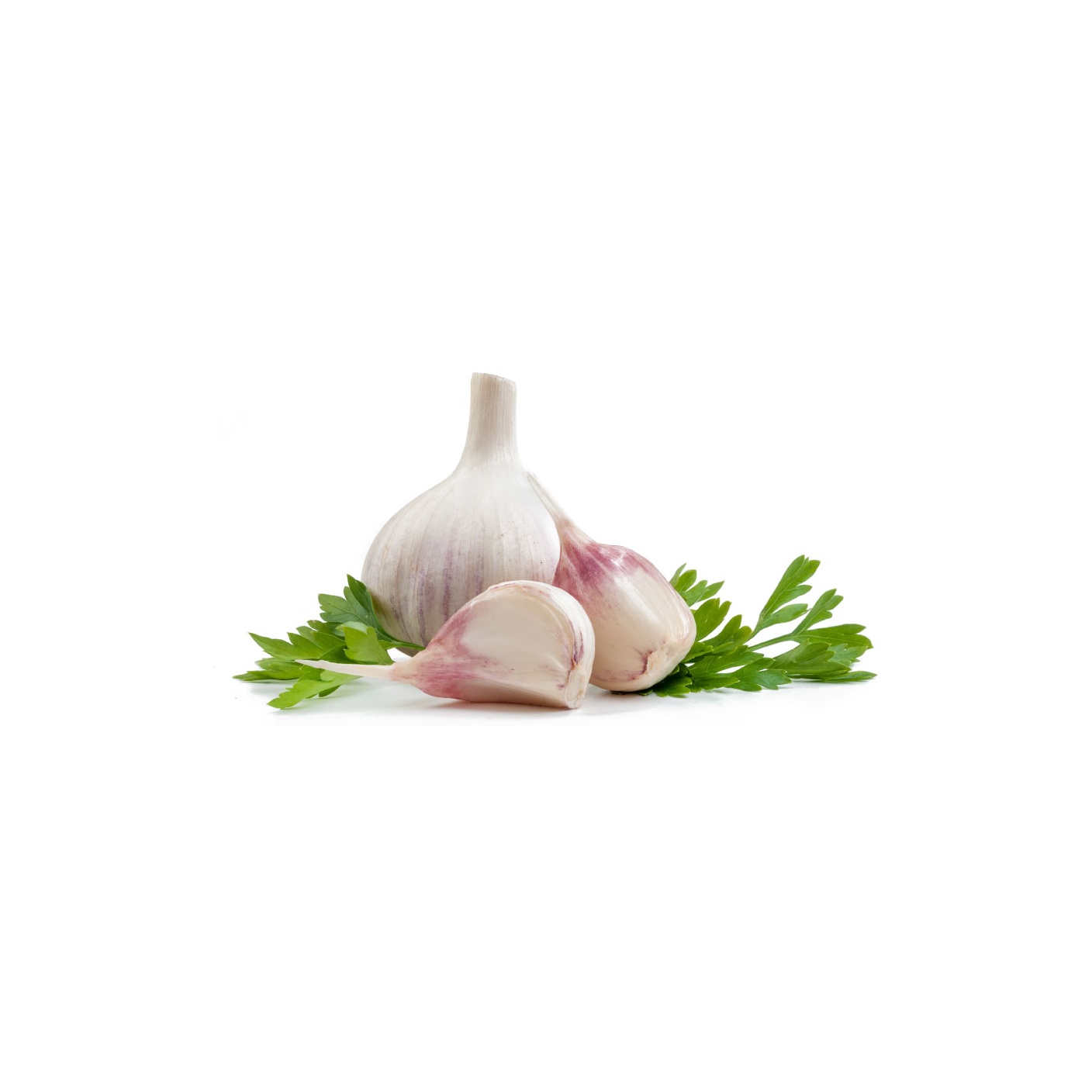
Garlic
Allium sativum
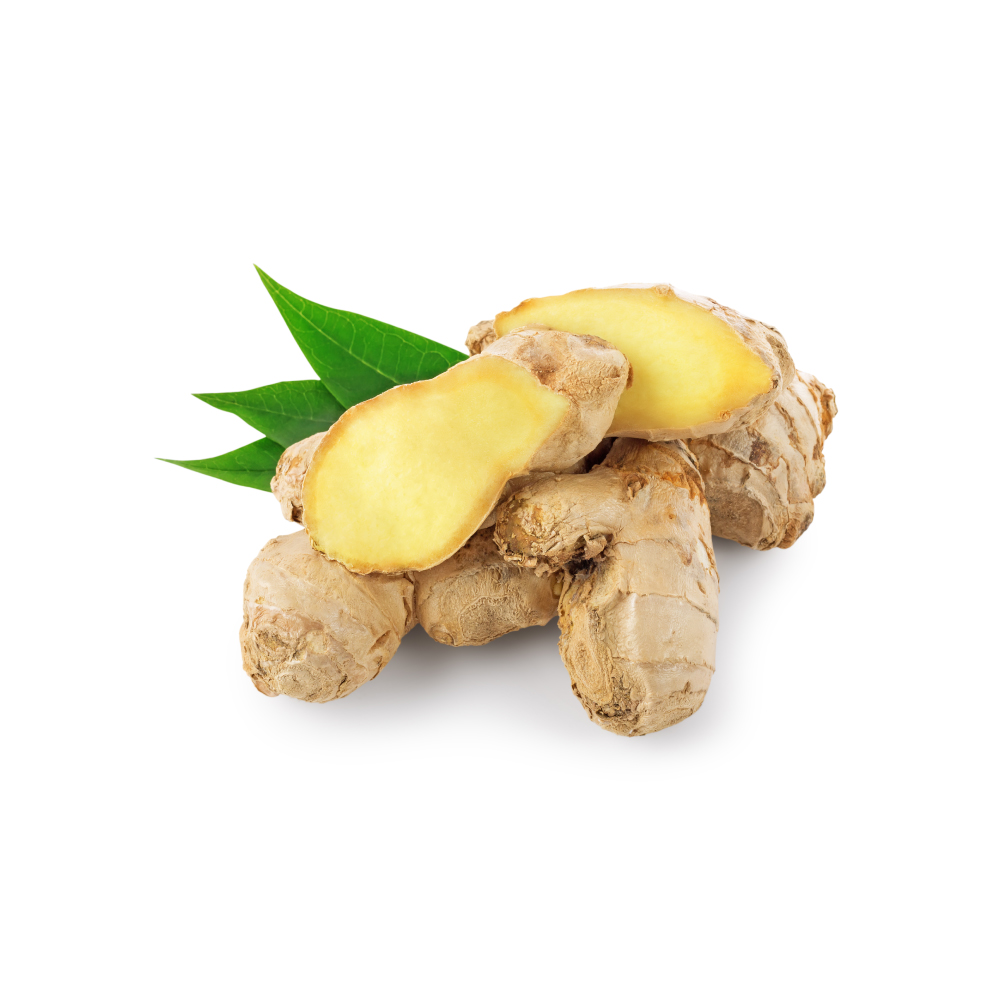
Ginger
Zingiber officinale
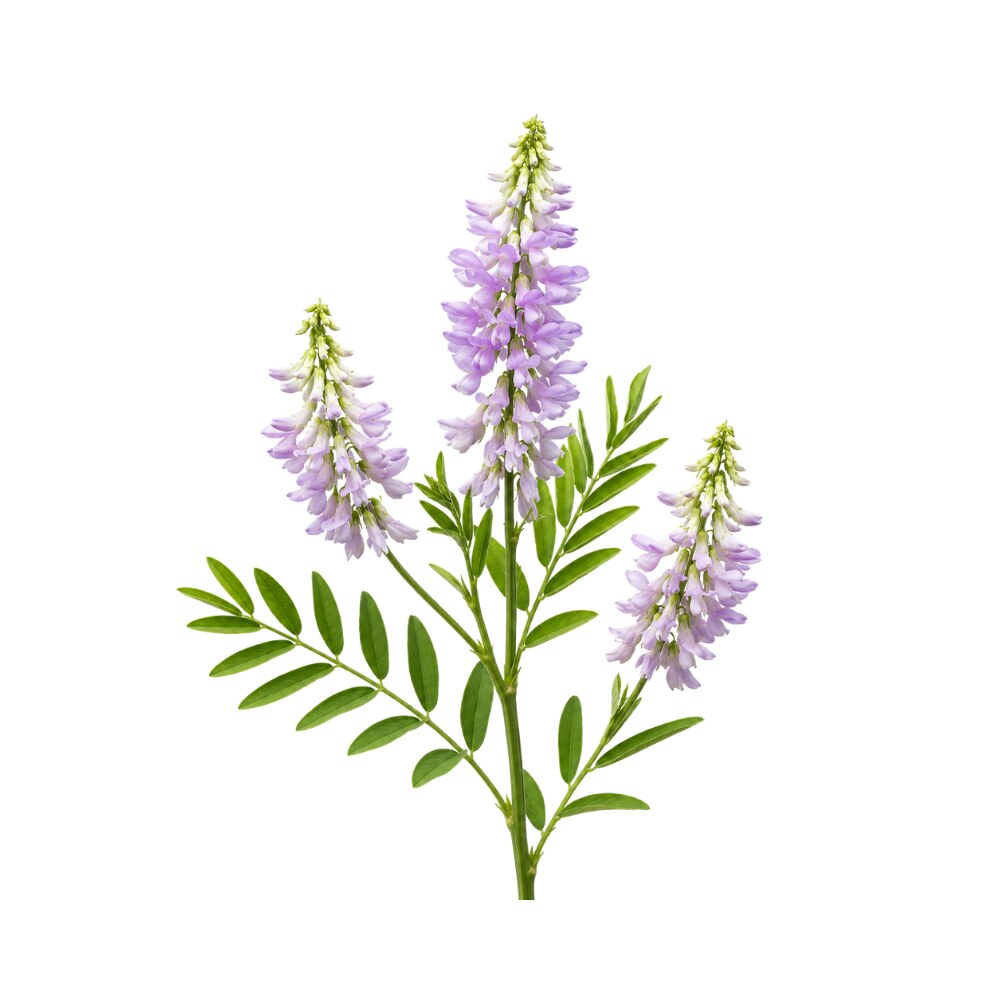
Goat's Rue
Galega officinalis
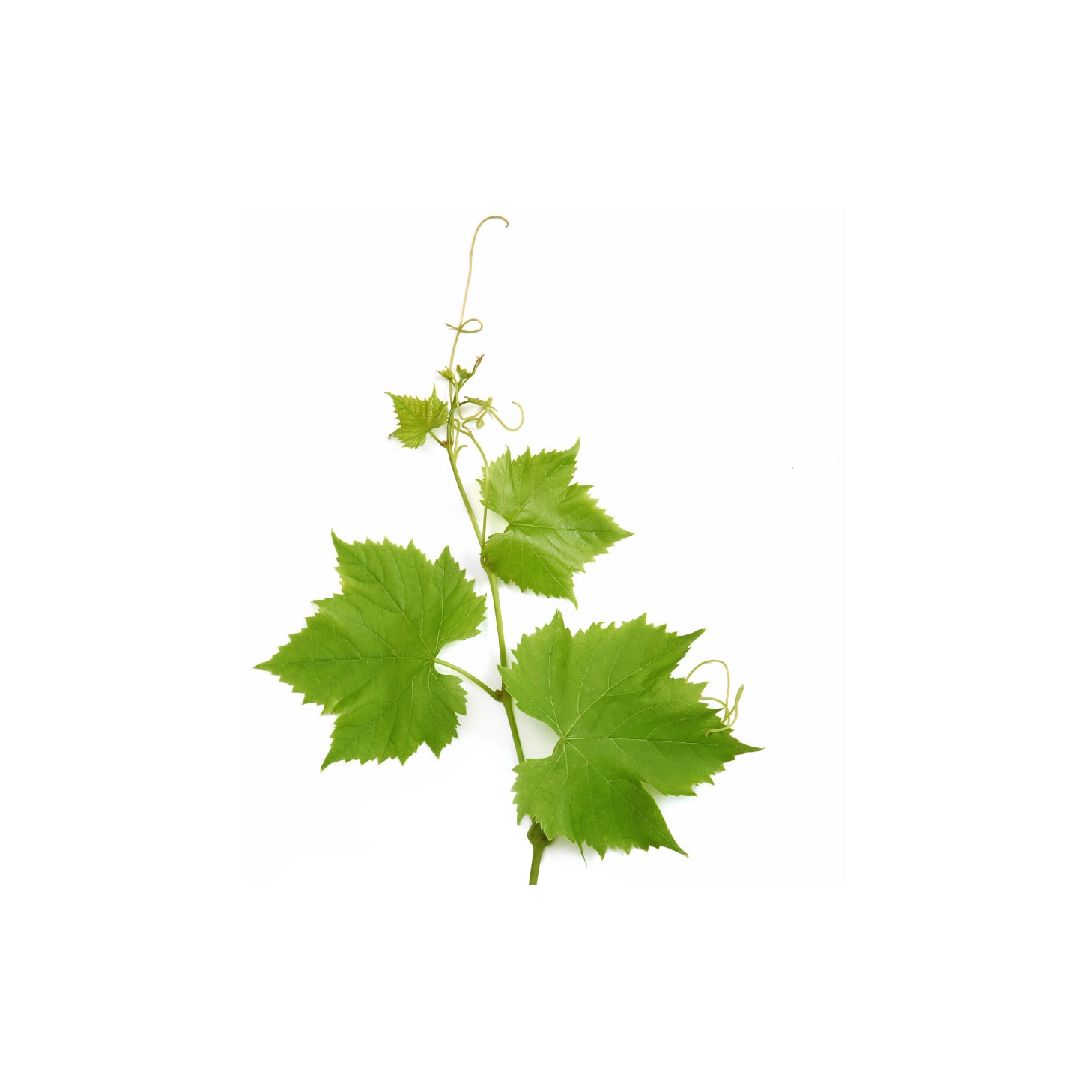
Grape Seed Extract
Vitis vinifera
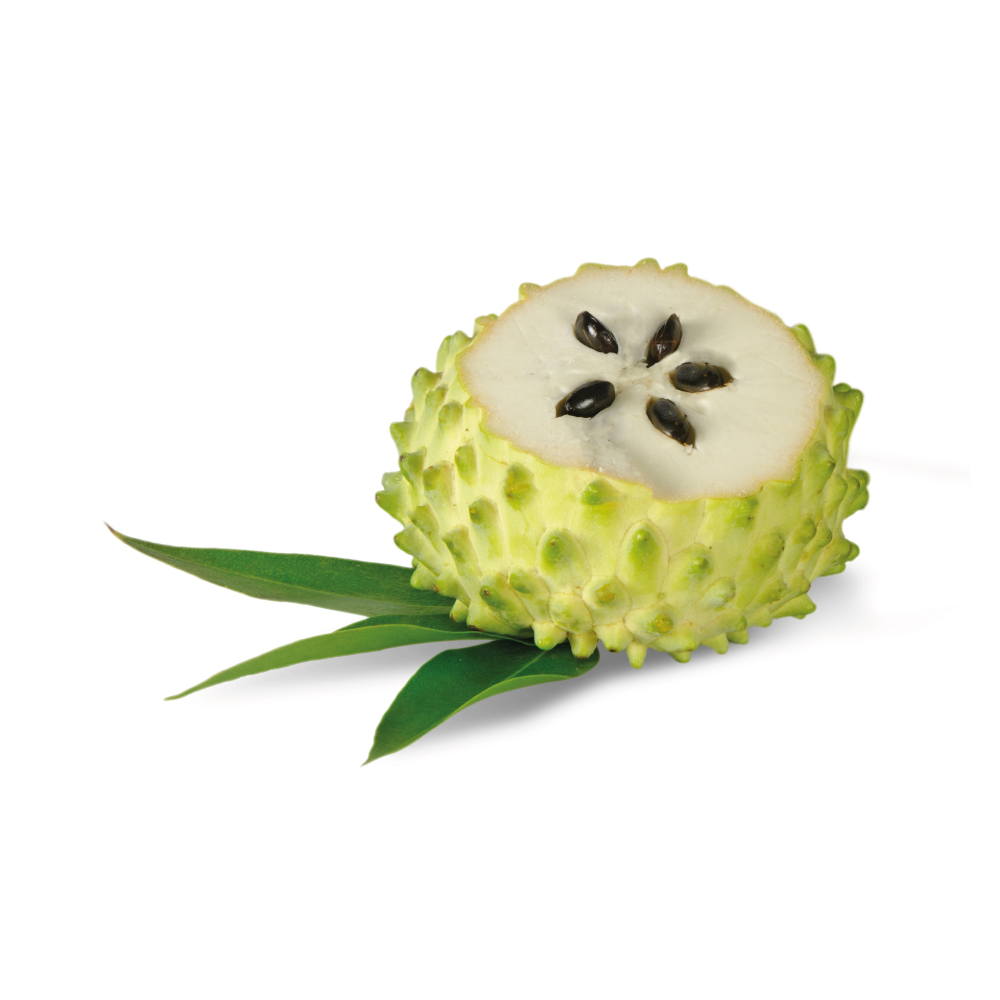
Graviola
Annona muricata
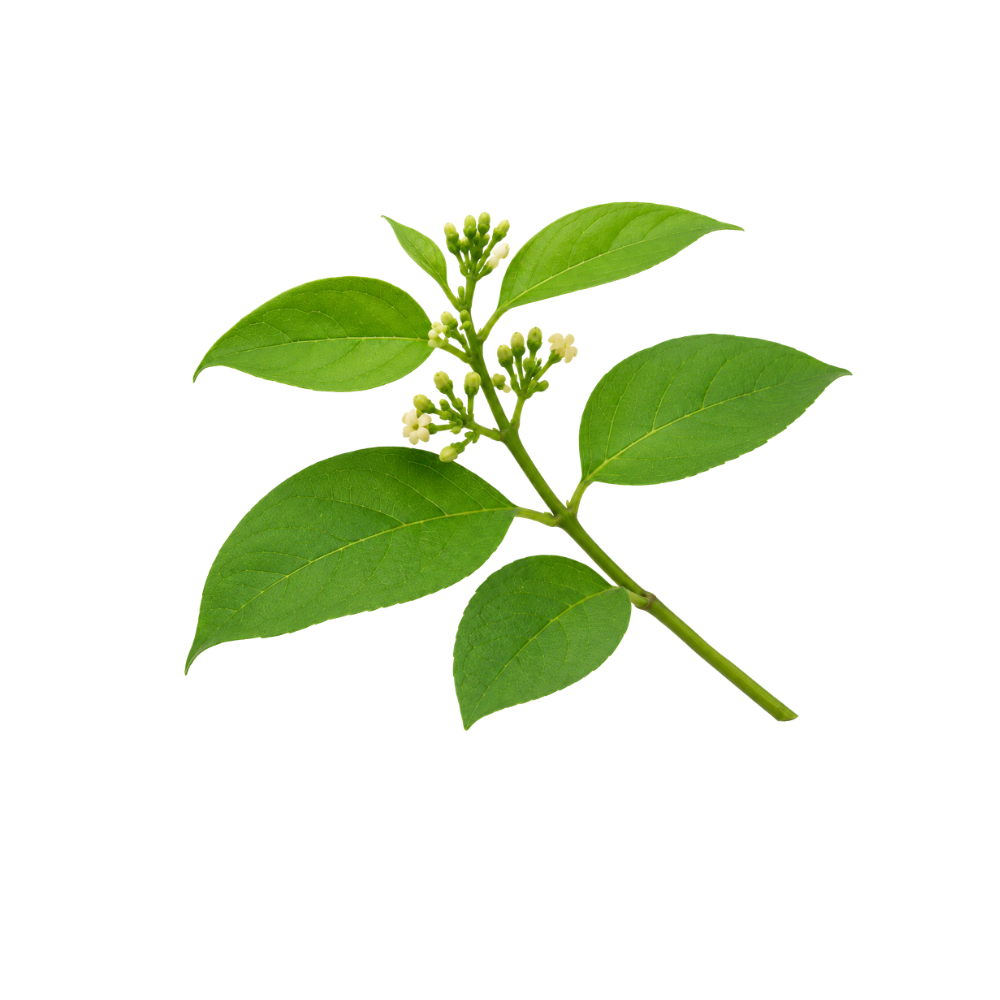
Gymnema
Gymnema sylvestre
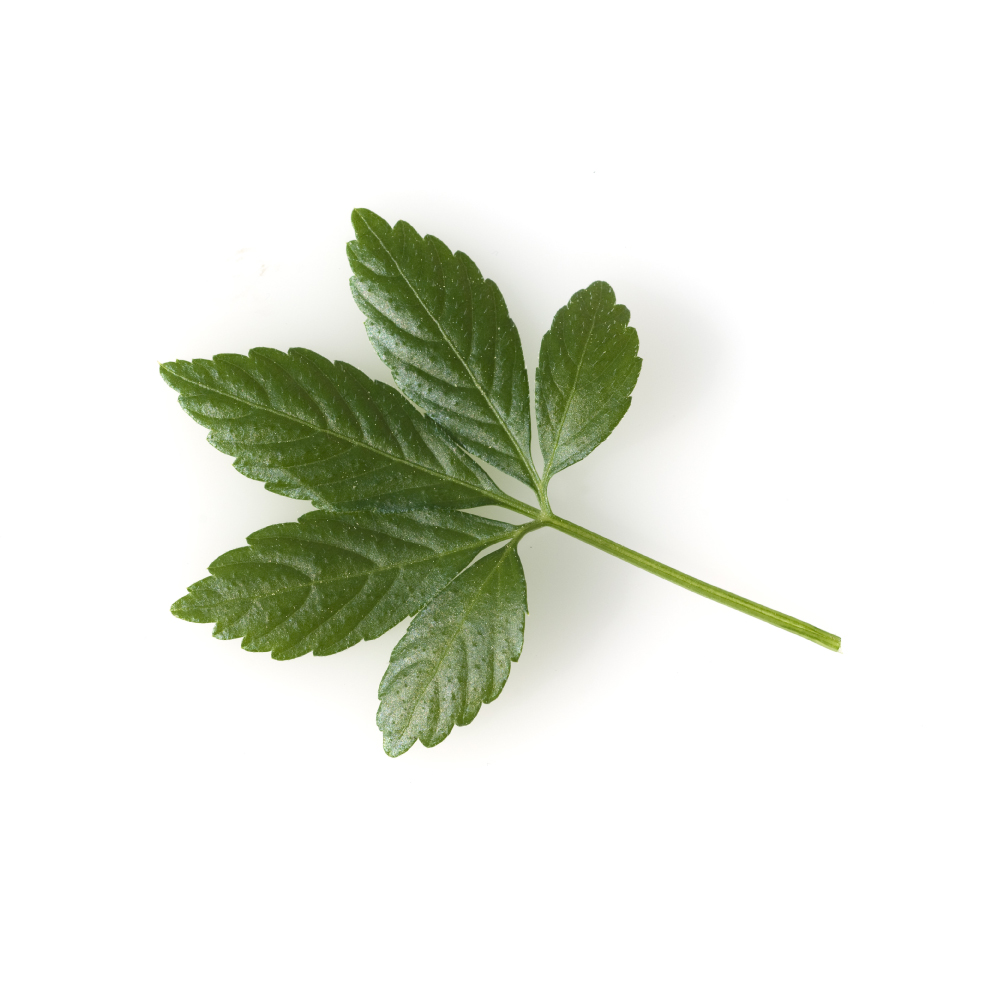
Gynostemma
Gynostemma pentaphyllum
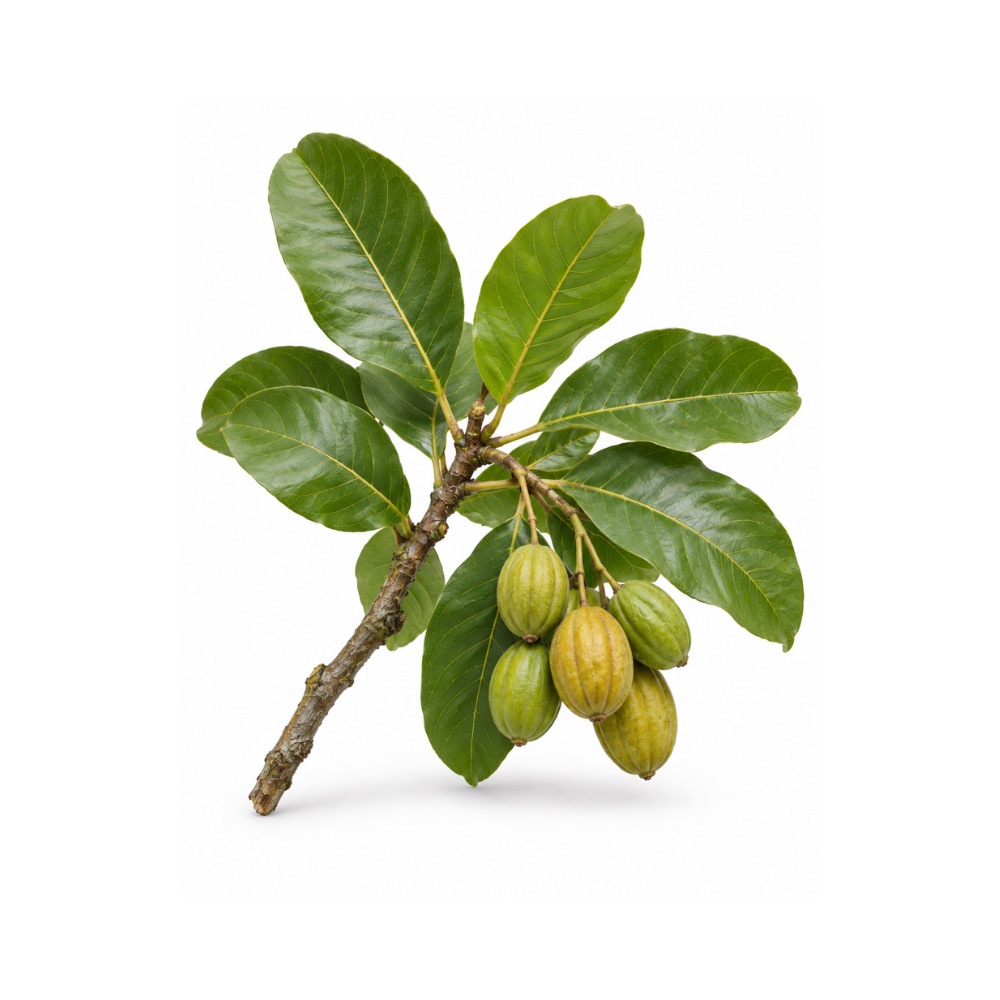
Haritaki
Terminalia chebula
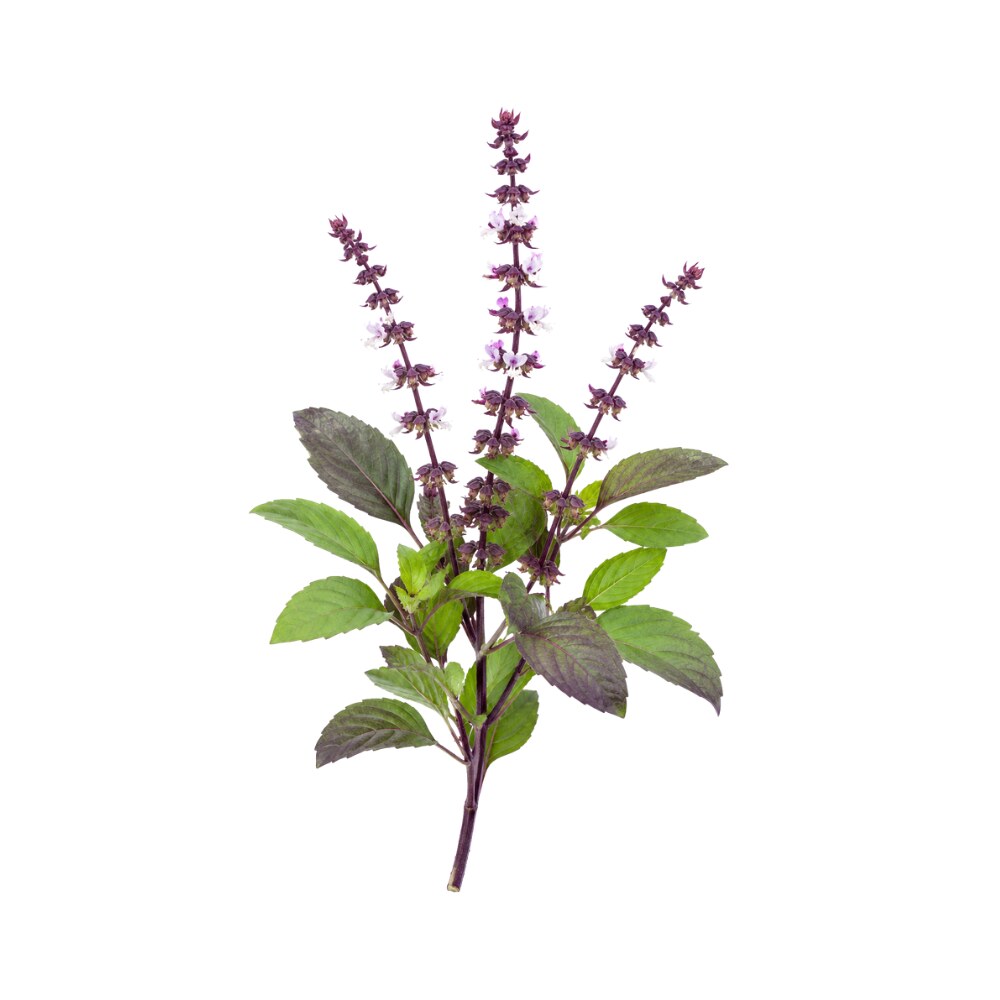
Holy Basil
Ocimum tenuiflorum
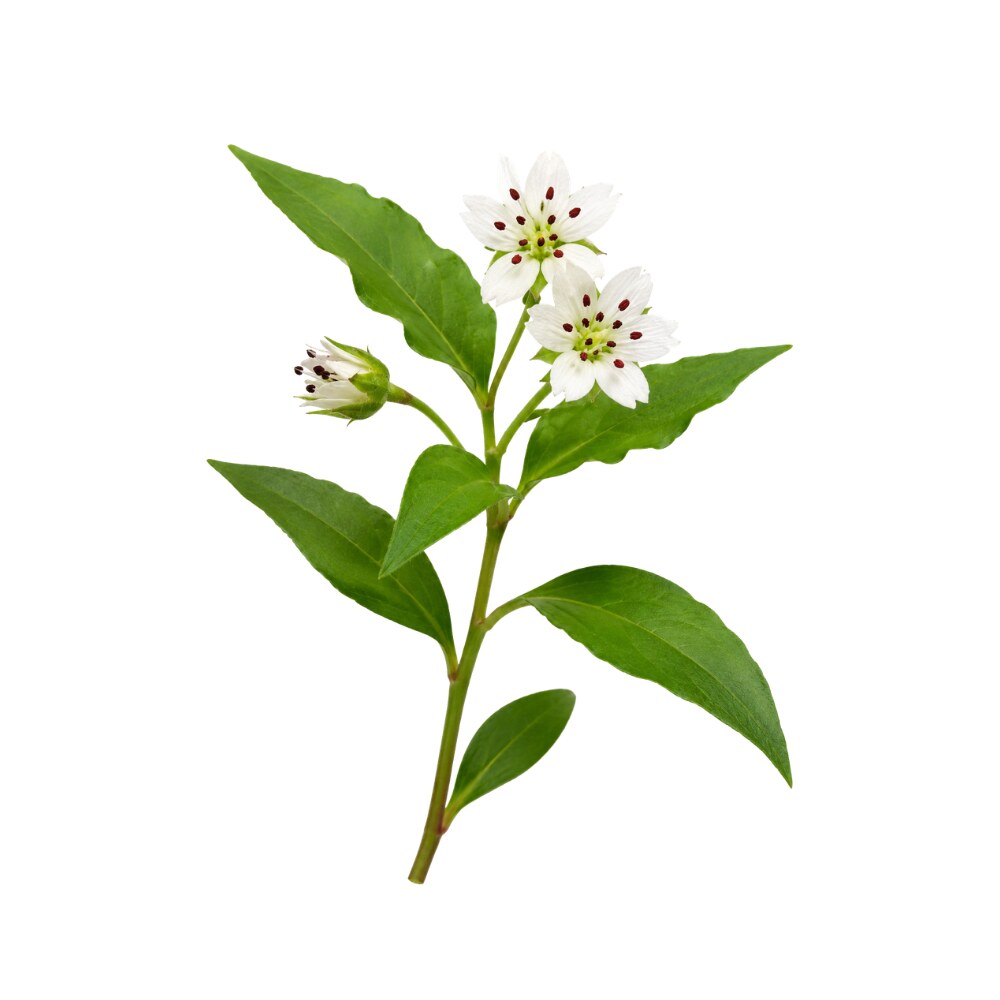
Kid Ginseng
Pseudostellaria heterophylla
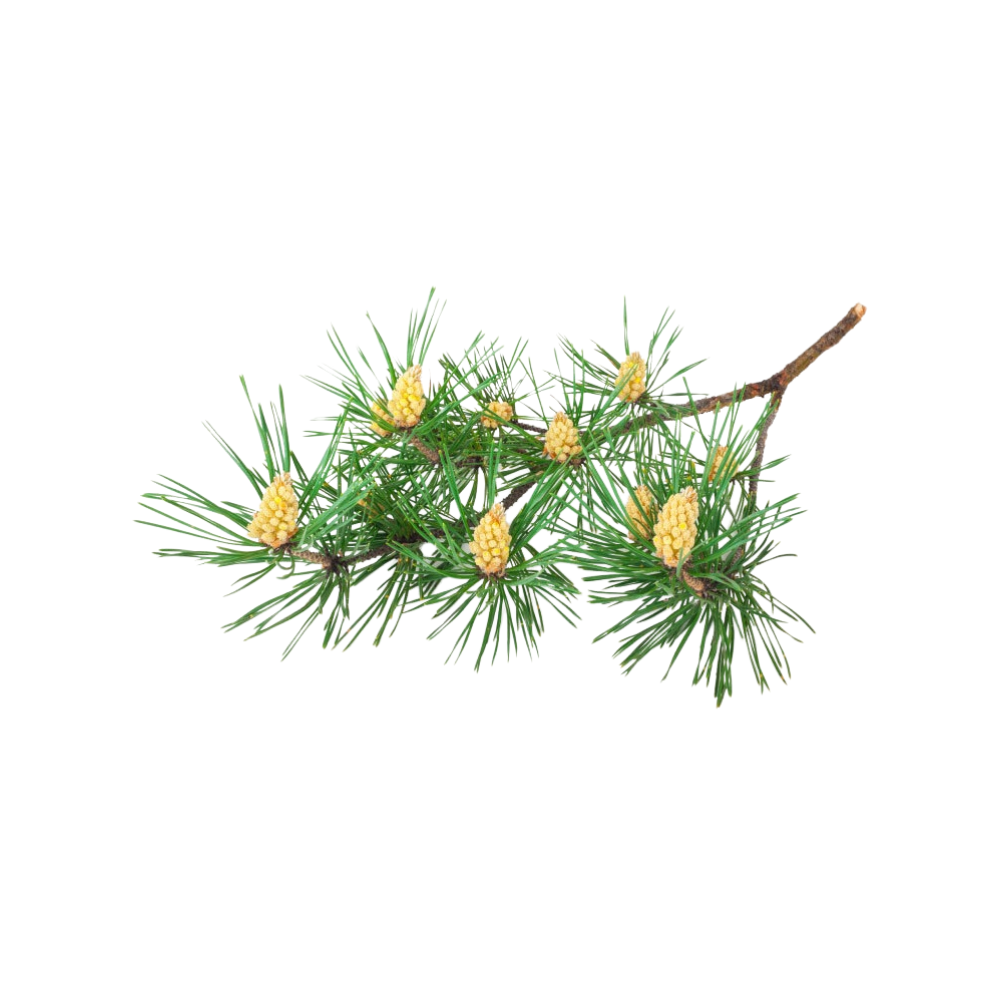
Maritime Pine
Pinus pinaster
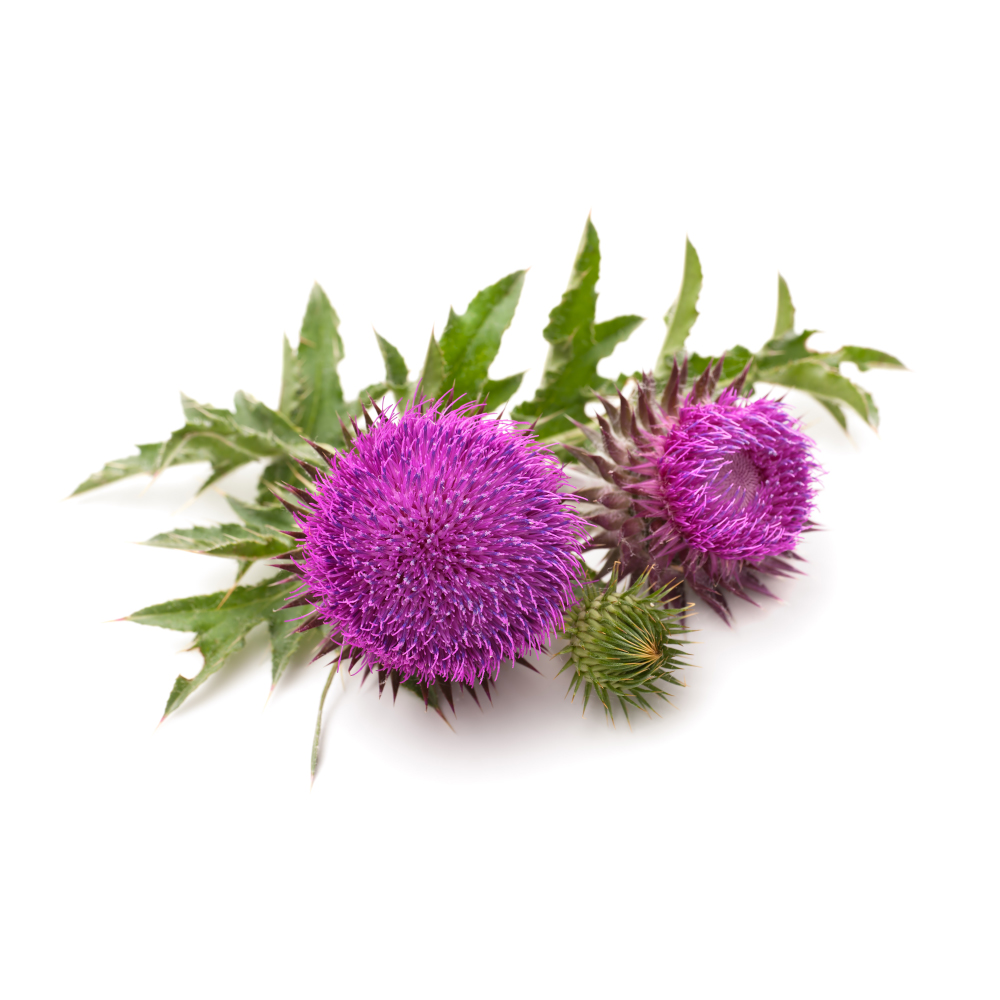
Milk Thistle
Silybum marianum
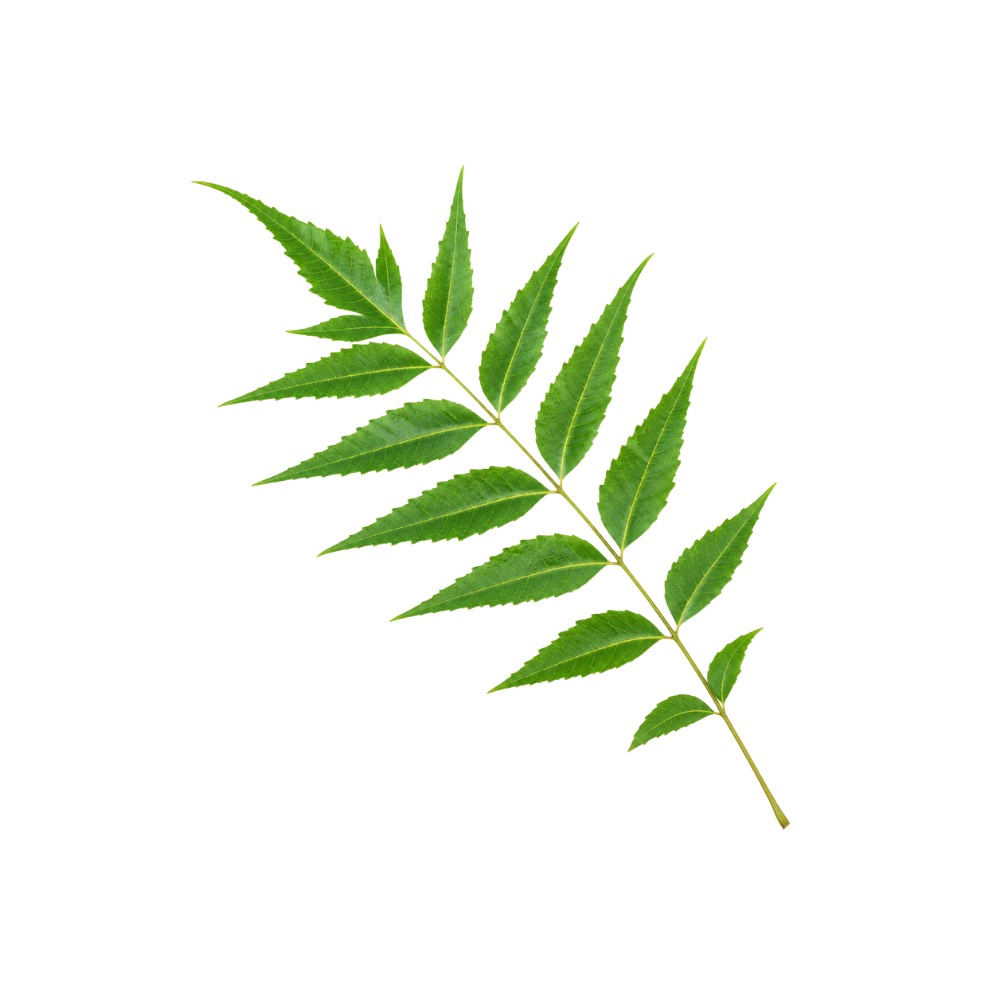
Neem
Azadirachta indica
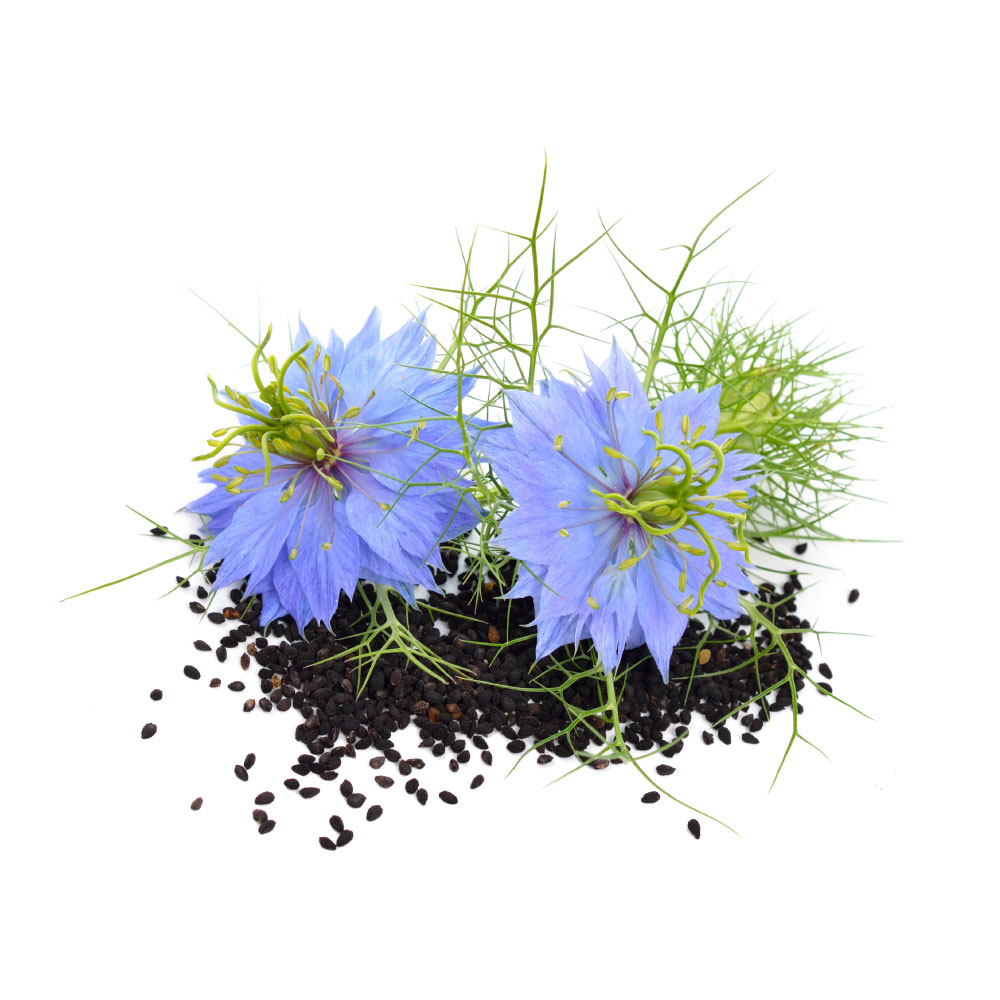
Nigella
Nigella sativa
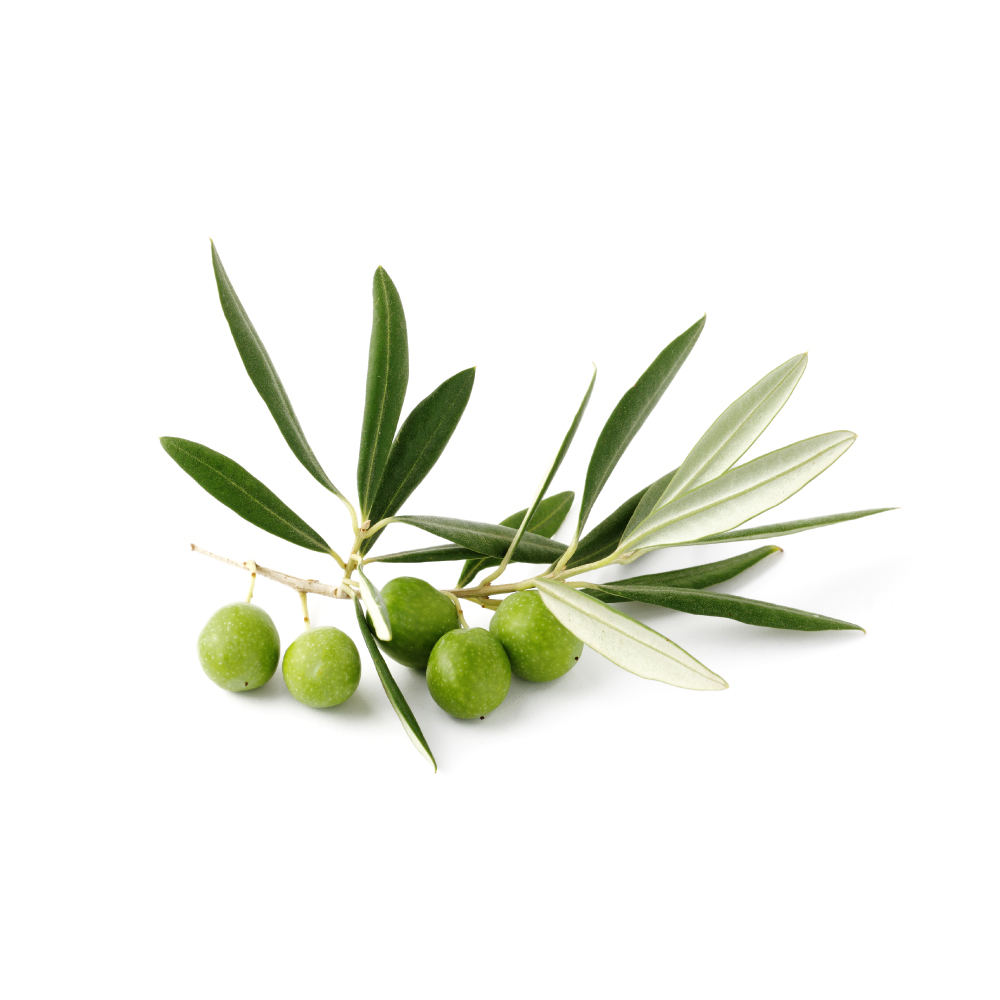
Olive Leaf
Olea europaea
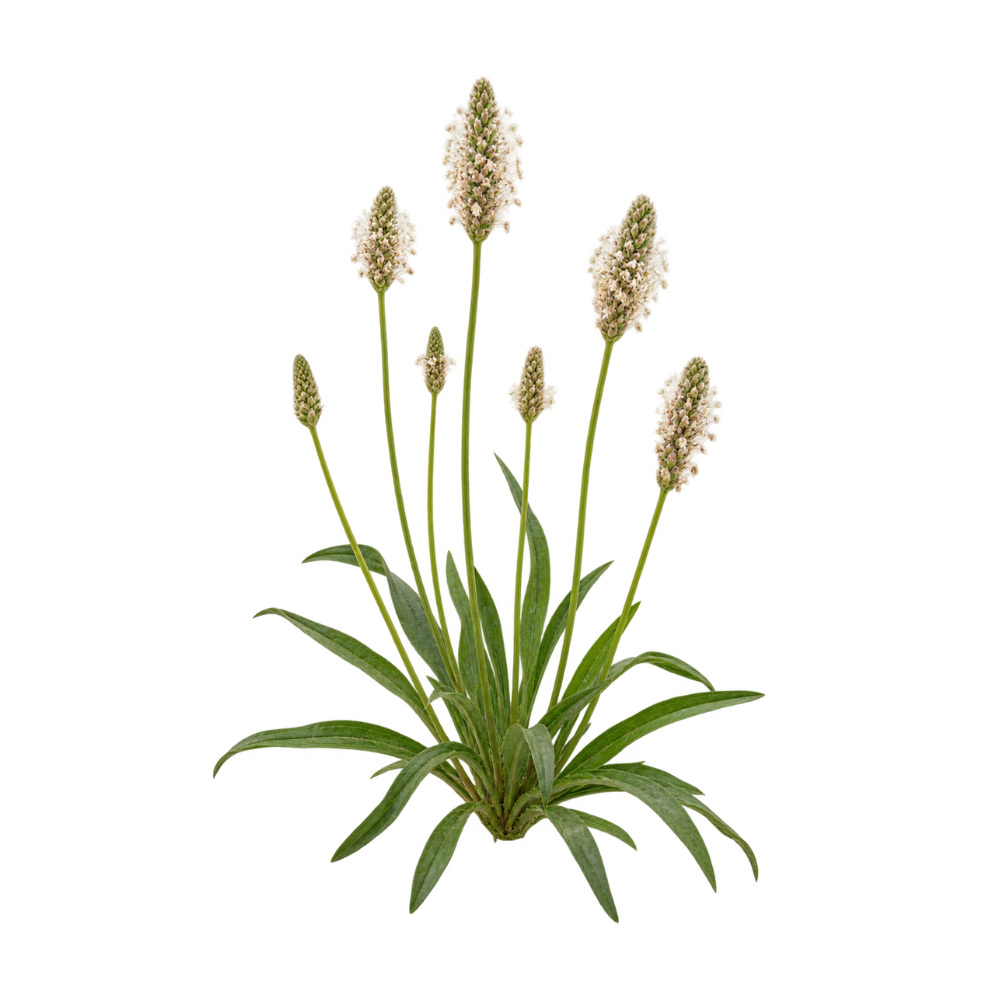
Psyllium
Plantago ovata
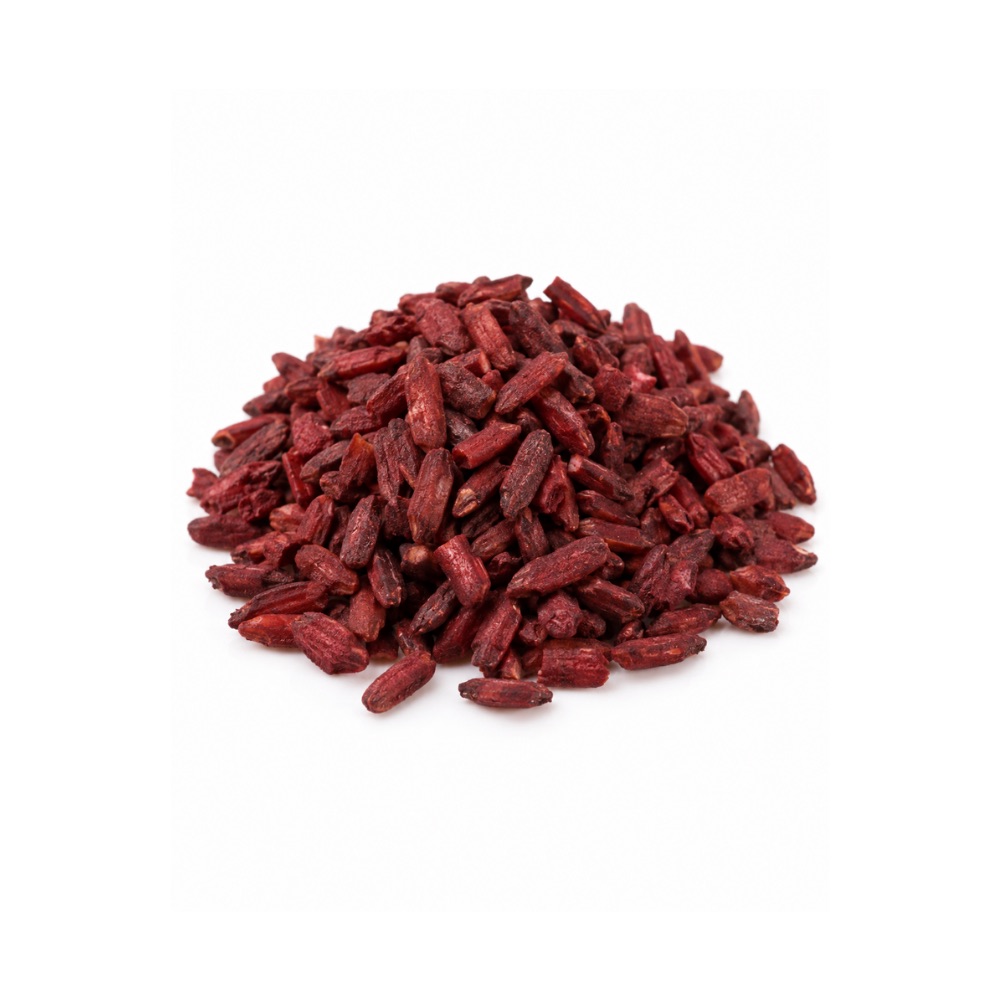
Red Yeast Rice
Monascus purpureus
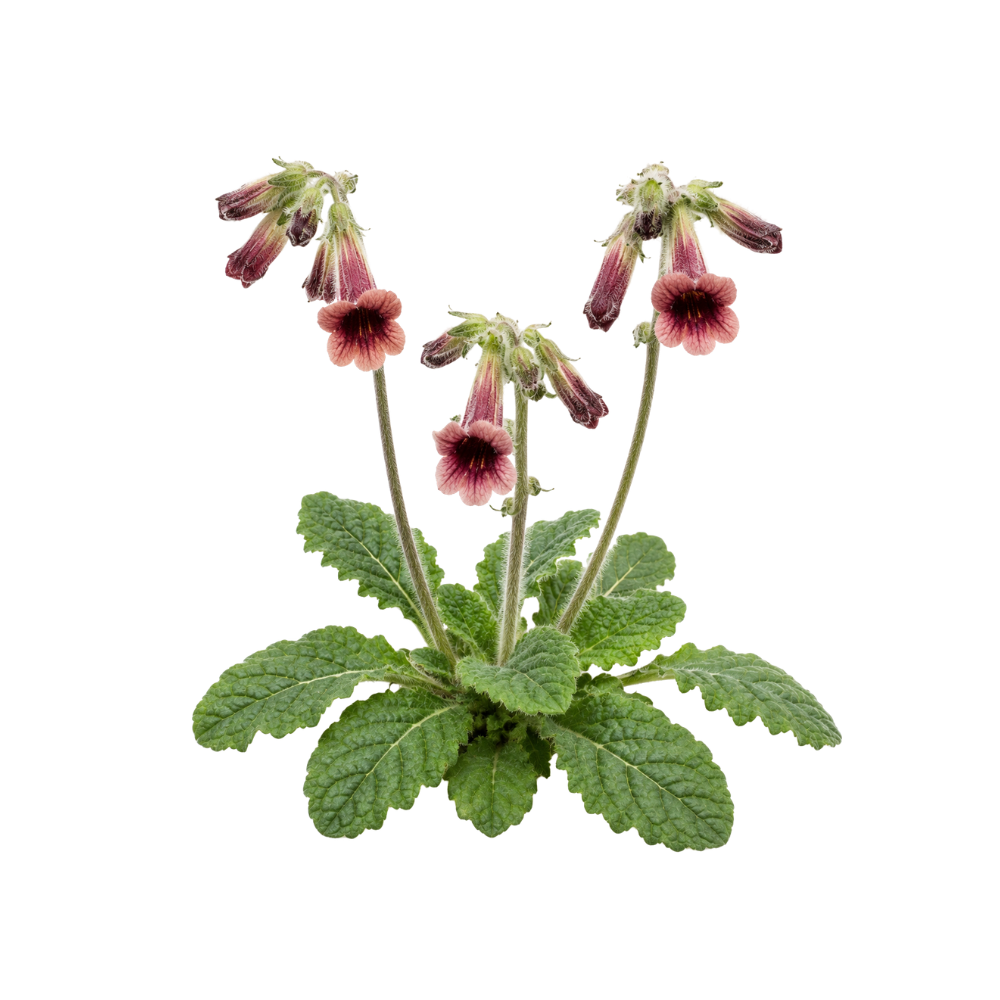
Rehmannia
Rehmannia glutinosa
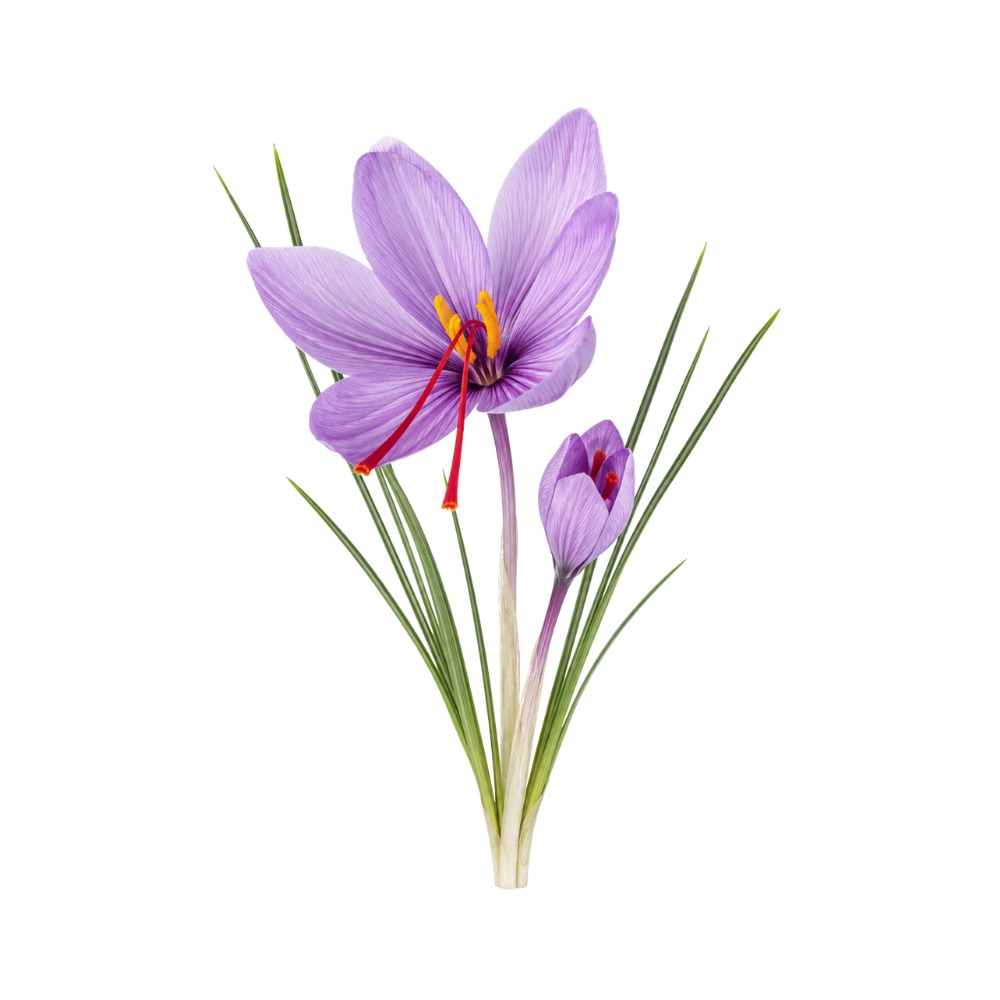
Saffron
Crocus sativus
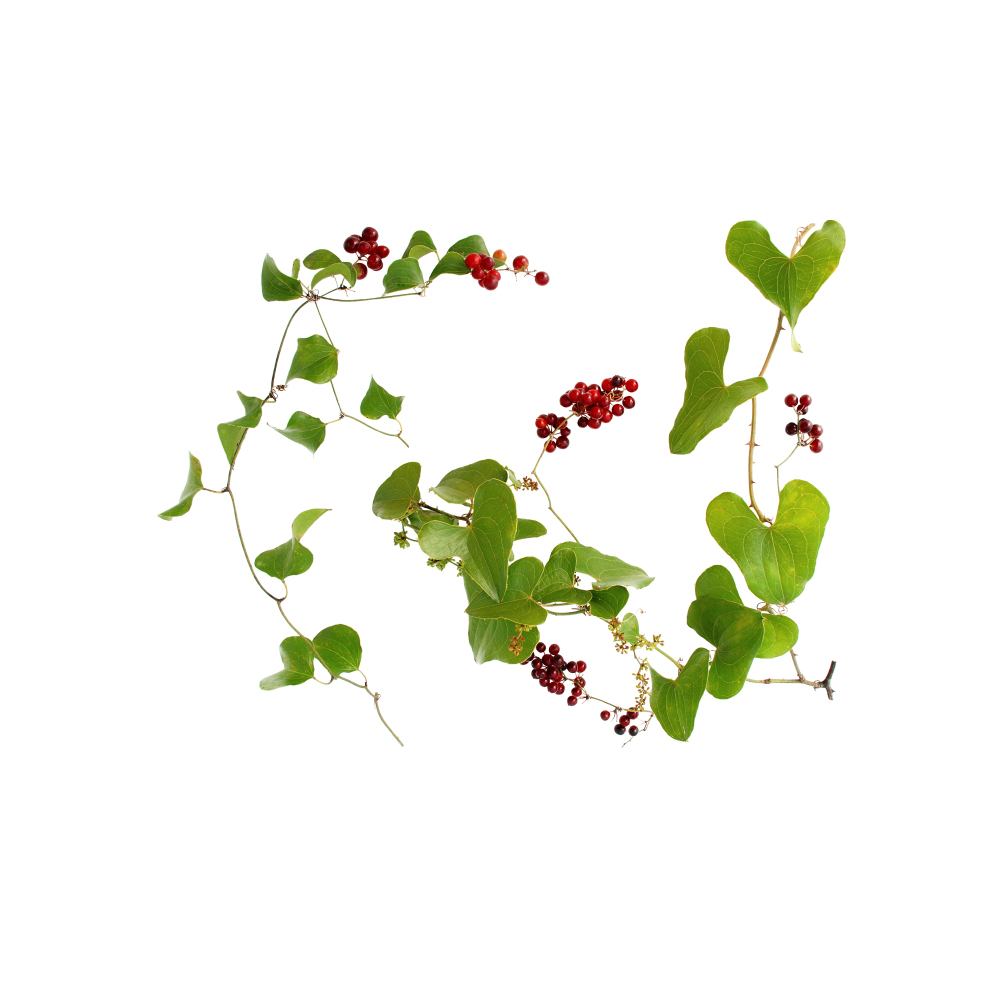
Sarsaparilla
Smilax spp.
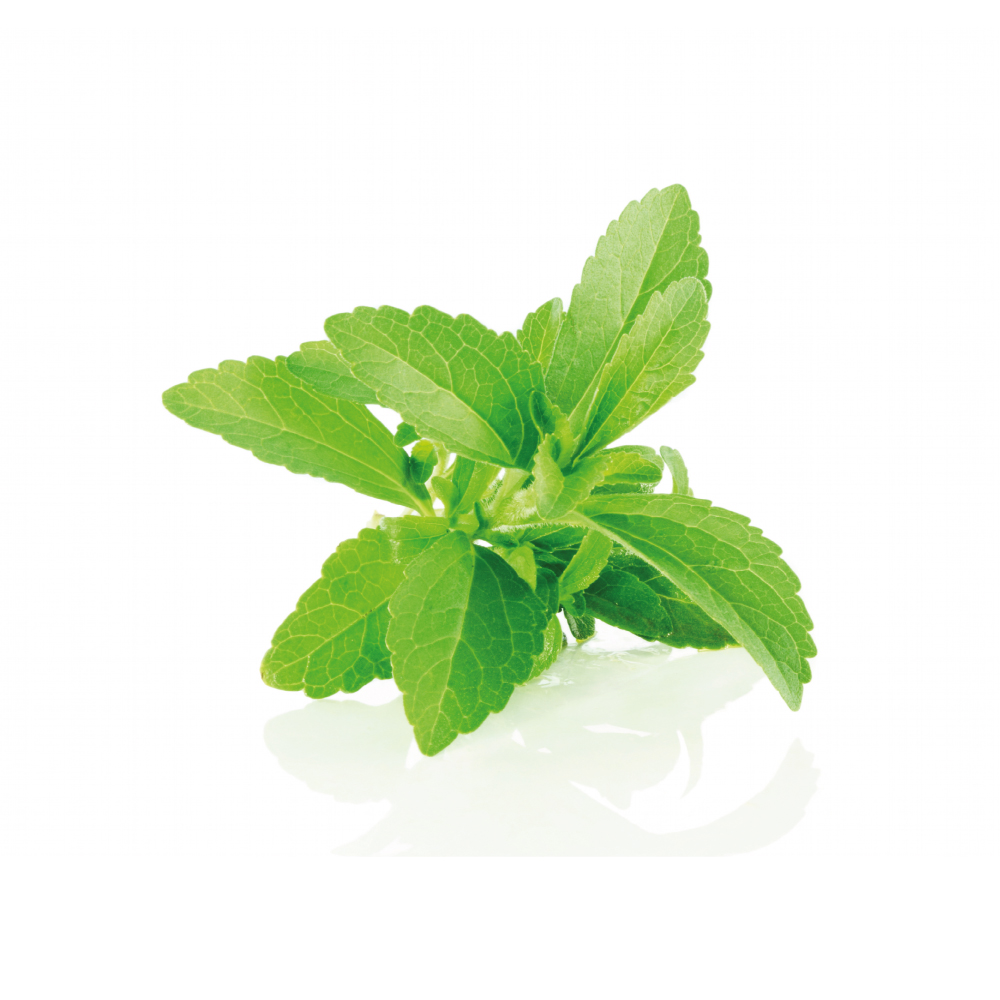
Stevia
Stevia rebaudiana
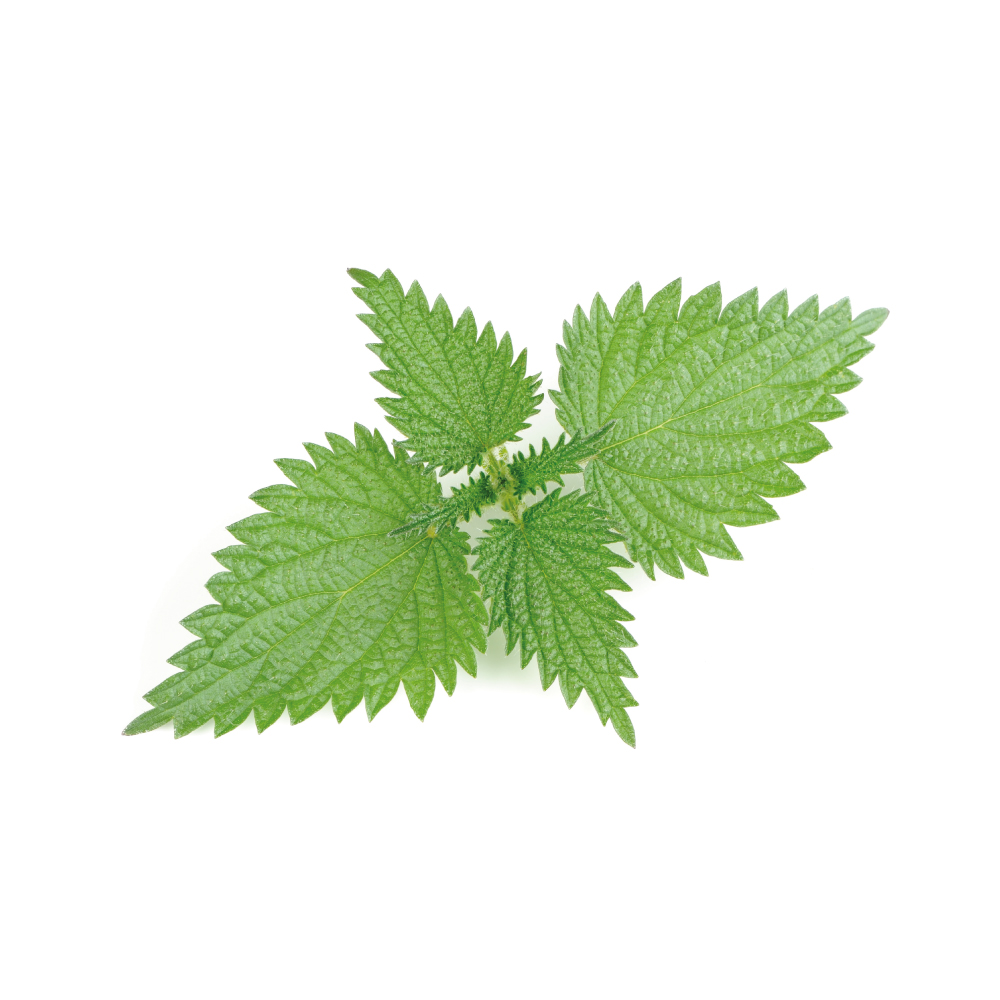
Stinging Nettle
Urtica dioica
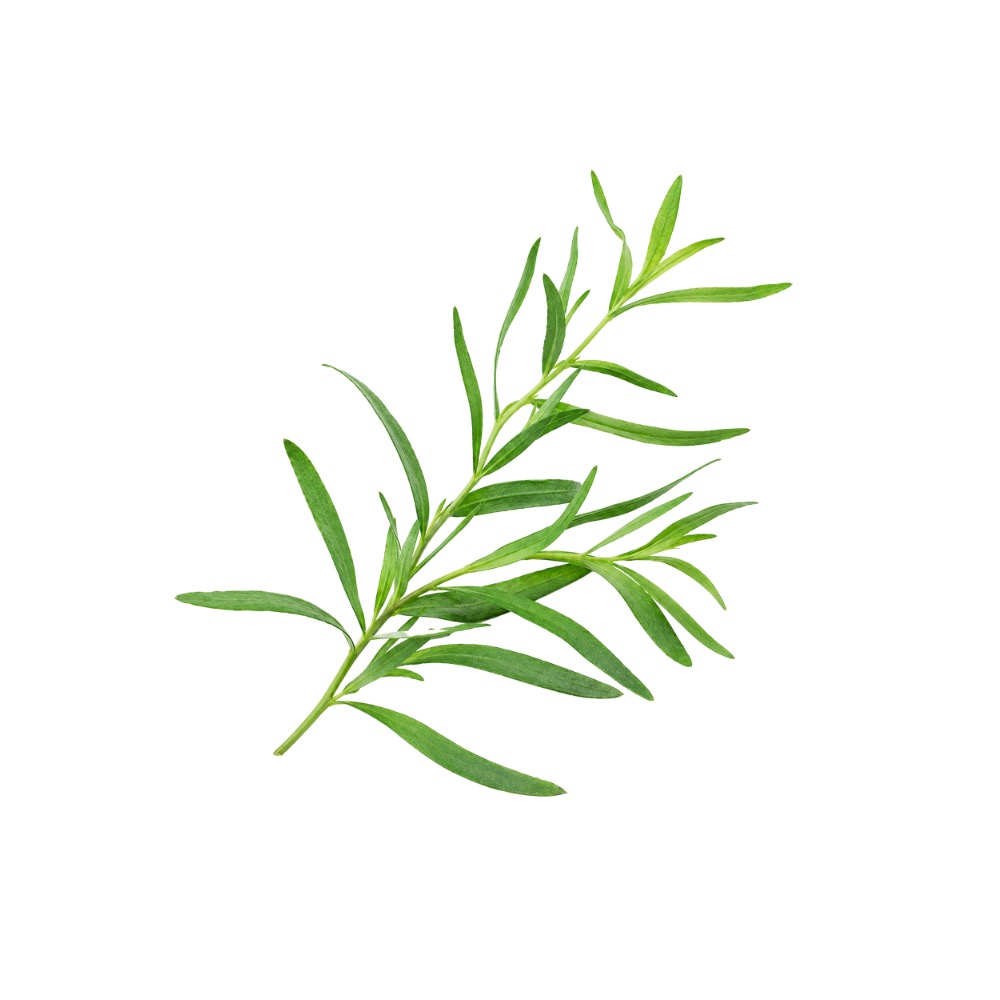
Tarragon
Artemisia dracunculus
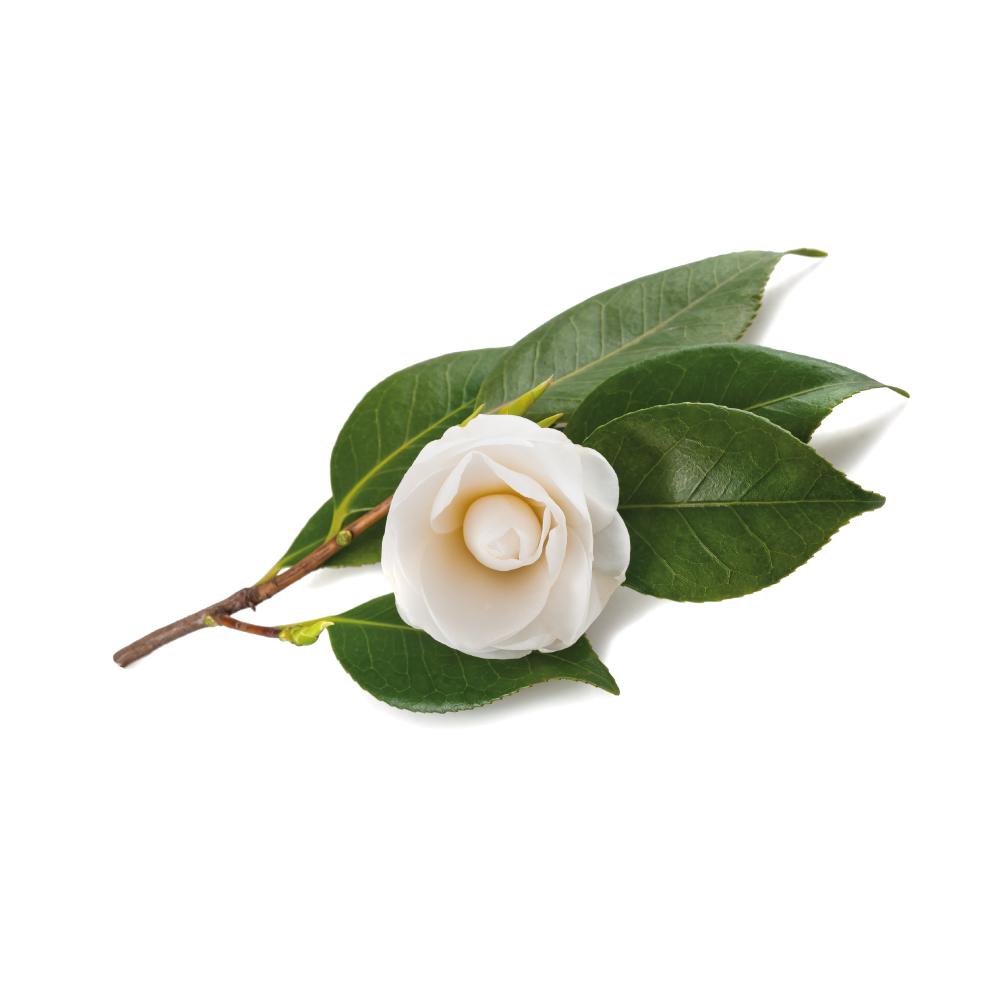
Tea
Camellia sinensis
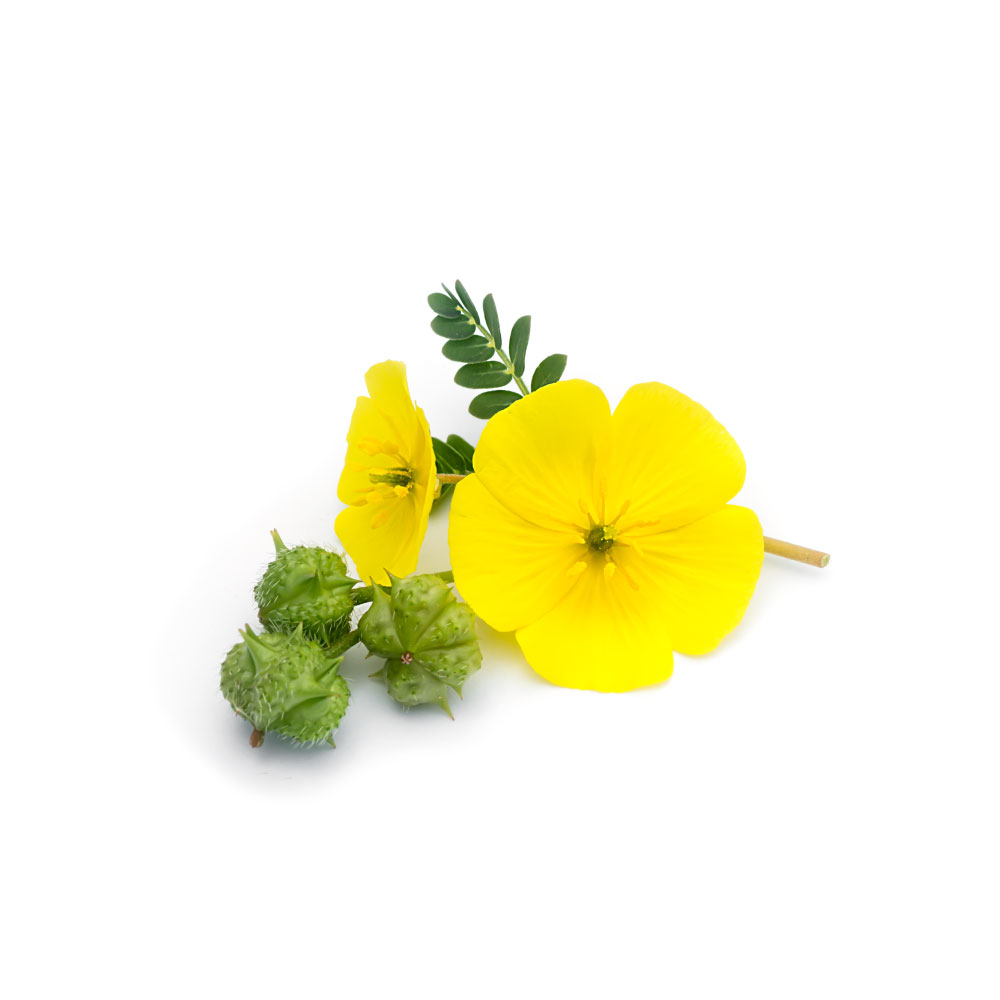
Tribulus
Tribulus terrestris
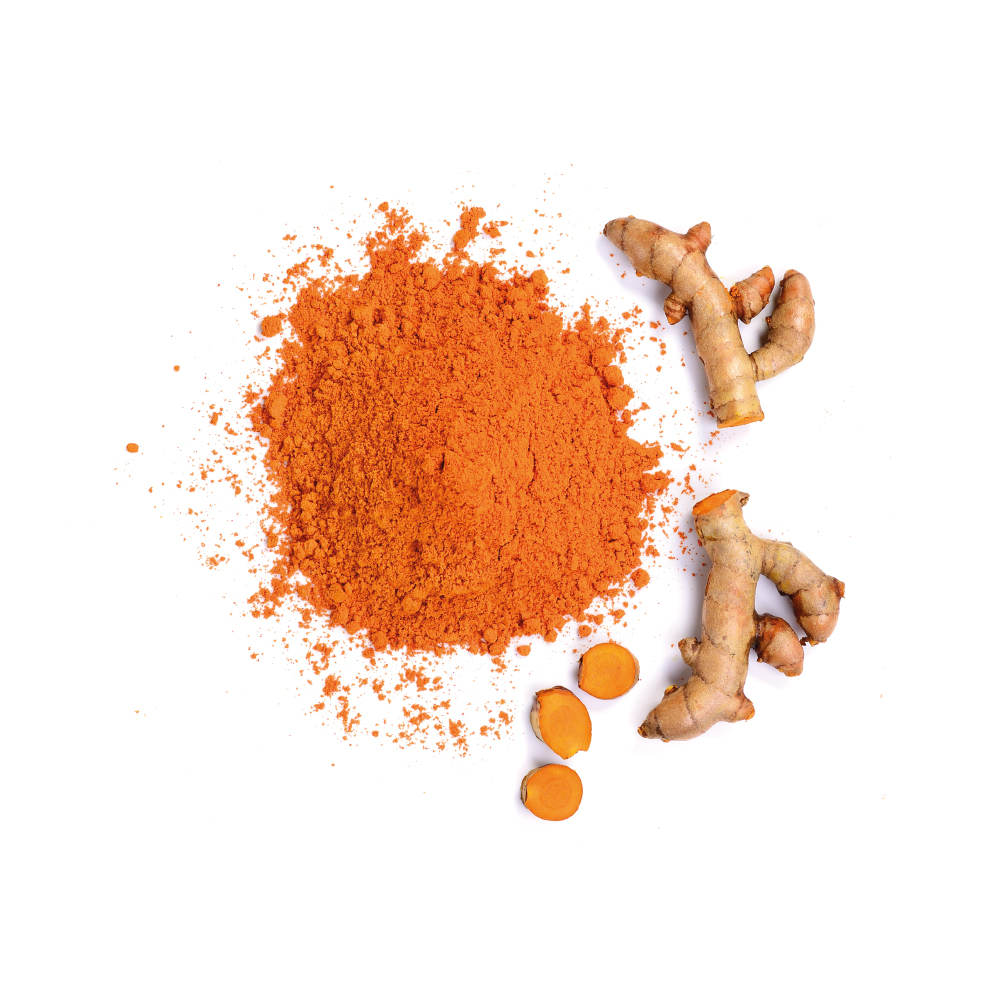
Turmeric
Curcuma longa
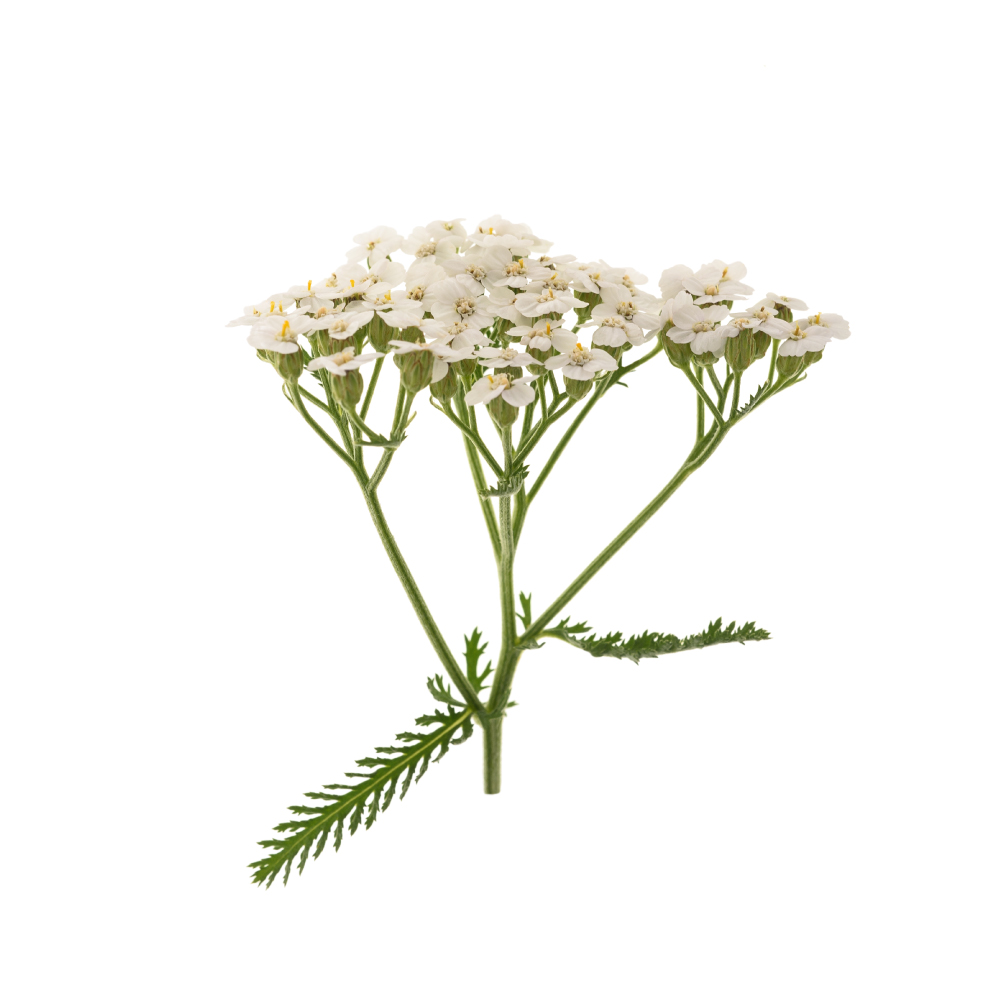
Yarrow
Achillea millefolium
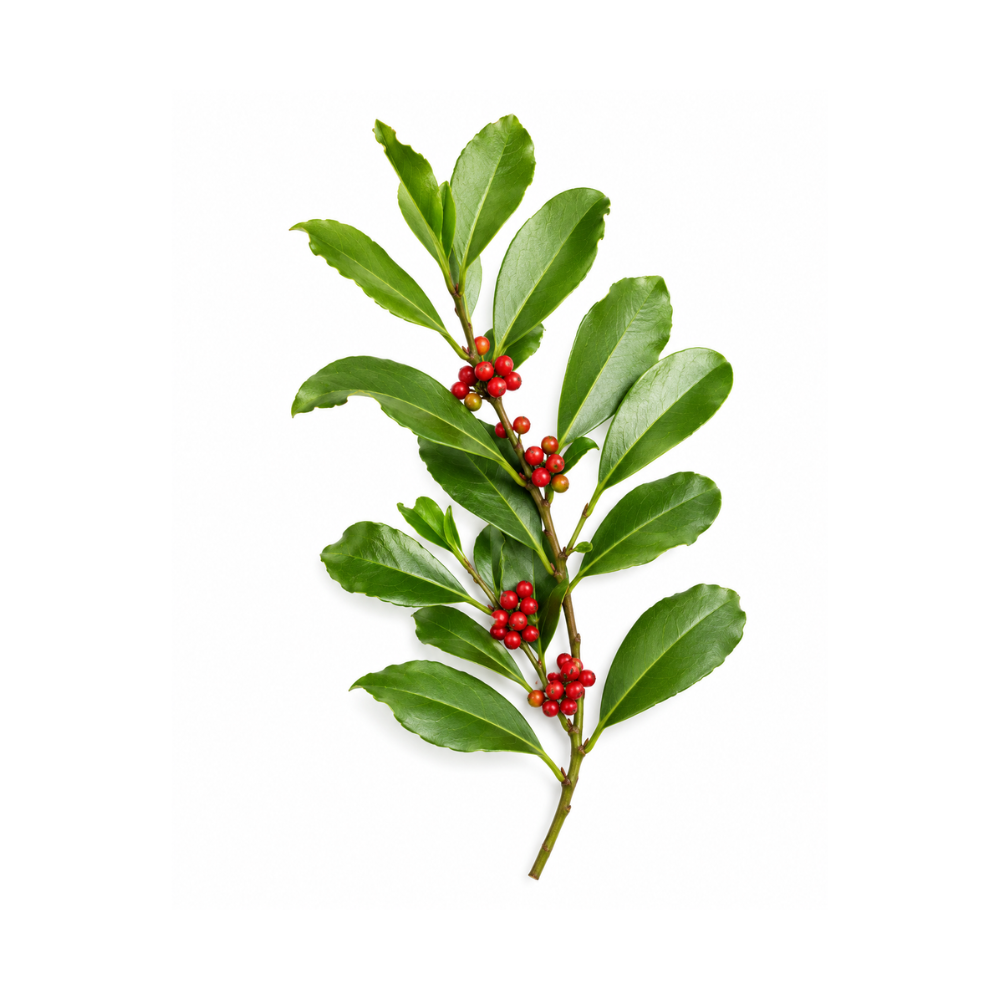
Yerba Maté
Ilex paraguariensis
Safety
Pregnancy & lactation
- Assume avoid unless a clinician who knows the pregnancy says otherwise, since very little here has been studied in pregnancy.
- Anything acting on prolactin or the reproductive axis is stopped as soon as a pregnancy is confirmed.
- Traditional uterine-stimulant and abortifacient reputations are taken seriously, since several of these plants carry one.
- Thyroid disease in pregnancy is managed by the obstetric and endocrine team, because the targets are tighter than usual.
- Test before and after. Thyroid function, prolactin and testosterone are routine blood tests, and they are the only way to know whether a herb moved anything.
- Thyroid disease is not self-treated. A herb that raises thyroid hormone is wrong in Graves’ disease and can push a levothyroxine-treated patient off target.
- Glycyrrhizin-containing licorice raises blood pressure and depletes potassium predictably, so it does not belong alongside antihypertensives, diuretics or digoxin, or in heart or kidney disease.
- Hormone-sensitive history. Estrogenic herbs warrant caution with breast, ovarian or uterine cancer, endometriosis or fibroids, and androgen-active herbs in prostate disease.
- Dopamine-active herbs interact with antipsychotics, Parkinson’s medication and hormonal contraception, so check any such prescription first.
- Persistent exhaustion is investigated, not treated as adrenal fatigue. Anaemia, thyroid disease, sleep apnoea and depression all present this way.
- Get medical care for unexplained weight loss with a racing heart, profound fatigue with cold intolerance, a new neck lump, or milk production when not breastfeeding.
References
- Akhgarjand, C., et al. (2022). Does ashwagandha supplementation have a beneficial effect on the management of anxiety and stress? — systematic review and meta-analysis of randomised controlled trials. Phytotherapy Research. https://pubmed.ncbi.nlm.nih.gov/36017529/
- Arumugam, V., et al. (2024). Effects of ashwagandha (Withania somnifera) on stress and anxiety — systematic review and meta-analysis. Explore (NY). https://pubmed.ncbi.nlm.nih.gov/39348746/
- Chandrasekhar, K., et al. (2012). A prospective, randomised double-blind, placebo-controlled study of a high-concentration full-spectrum ashwagandha root extract in reducing stress and anxiety. Indian Journal of Psychological Medicine. https://pubmed.ncbi.nlm.nih.gov/23439798/
- Lopresti, A. L., et al. (2019). Stress-relieving and pharmacological actions of an ashwagandha extract — randomised, double-blind, placebo-controlled study. Medicine (Baltimore). https://pubmed.ncbi.nlm.nih.gov/31517876/
- Darbinyan, V., Kteyan, A., Panossian, A., et al. (2000). Rhodiola rosea in stress-induced fatigue — double-blind crossover study of the standardised extract SHR-5. Phytomedicine. https://pubmed.ncbi.nlm.nih.gov/11081987/
- Olsson, E. M., von Schéele, B., & Panossian, A. G. (2009). A randomised, double-blind, placebo-controlled, parallel-group study of the standardised extract SHR-5 of Rhodiola rosea in stress-related fatigue. Planta Medica. https://pubmed.ncbi.nlm.nih.gov/19016404/
- Cropley, M., Banks, A. P., & Boyle, J. (2015). The effects of Rhodiola rosea L. extract on anxiety, stress, cognition and other mood symptoms — controlled trial. Phytotherapy Research. https://pubmed.ncbi.nlm.nih.gov/26502953/
- Edwards, D., Heufelder, A., & Zimmermann, A. (2012). Therapeutic effects and safety of Rhodiola rosea extract WS 1375 in subjects with life-stress symptoms — open-label clinical trial. Phytotherapy Research. https://pubmed.ncbi.nlm.nih.gov/22228617/
- Whorwood, C. B., et al. (1993). Licorice inhibits 11β-hydroxysteroid dehydrogenase mRNA levels and potentiates glucocorticoid hormone action — animal model. Endocrinology. https://pubmed.ncbi.nlm.nih.gov/8504732/
- Sharma, A. K., et al. (2018). Efficacy and safety of ashwagandha root extract in subclinical hypothyroid patients — double-blind, randomised placebo-controlled trial. Journal of Alternative and Complementary Medicine. https://pubmed.ncbi.nlm.nih.gov/28829155/
- Gannon, J. M., et al. (2014). Subtle changes in thyroid indices during a placebo-controlled study of an extract of Withania somnifera in persons with bipolar disorder. Journal of Ayurveda and Integrative Medicine. https://pubmed.ncbi.nlm.nih.gov/25624699/
- Schellenberg, R. (2001). Treatment for the premenstrual syndrome with agnus castus fruit extract (Ze 440) — prospective, randomised, placebo-controlled study. BMJ. https://pubmed.ncbi.nlm.nih.gov/11159568/
- Csupor, D., et al. (2019). Vitex agnus-castus in premenstrual syndrome — meta-analysis of double-blind randomised controlled trials. Complementary Therapies in Medicine. https://pubmed.ncbi.nlm.nih.gov/31780016/
- Verkaik, S., et al. (2017). The treatment of premenstrual syndrome with preparations of Vitex agnus castus — systematic review and meta-analysis. American Journal of Obstetrics and Gynecology. https://pubmed.ncbi.nlm.nih.gov/28237870/
- He, Z., et al. (2009). Treatment for premenstrual syndrome with Vitex agnus castus (BNO 1095) — prospective, randomised, multicentre placebo-controlled study in China. Maturitas. https://pubmed.ncbi.nlm.nih.gov/19269753/
- Atmaca, M., et al. (2003). Fluoxetine versus Vitex agnus castus extract in the treatment of premenstrual dysphoric disorder. Human Psychopharmacology. https://pubmed.ncbi.nlm.nih.gov/12672170/
- Ooi, S. L., et al. (2020). Vitex agnus-castus for the treatment of cyclic mastalgia — systematic review and meta-analysis. Journal of Women’s Health. https://pubmed.ncbi.nlm.nih.gov/31464546/
- Milewicz, A., et al. (1993). Vitex agnus castus extract in the treatment of luteal phase defects due to latent hyperprolactinaemia. Arzneimittel-Forschung. https://pubmed.ncbi.nlm.nih.gov/8369008/
- Sliutz, G., et al. (1993). Agnus castus extracts inhibit prolactin secretion of rat pituitary cells. Hormone and Metabolic Research. https://pubmed.ncbi.nlm.nih.gov/8330858/
- Puglia, L. T., et al. (2023). Vitex agnus castus effects on hyperprolactinaemia. Frontiers in Endocrinology. https://pubmed.ncbi.nlm.nih.gov/38075075/
- Yadav P, Yadav S, Vedururu SS, et al. (2025). A standardized Asparagus racemosus root extract improves hormonal balance and menstrual health and reduces vasomotor symptoms — randomised placebo-controlled trial. Journal of the American Nutrition Association. https://pubmed.ncbi.nlm.nih.gov/40434025/
- Gudise VS, Dasari MP, Kuricheti SSK (2024). Efficacy and safety of Shatavari root extract for the management of menopausal symptoms — double-blind, multicentre, randomised controlled trial. Cureus. https://pubmed.ncbi.nlm.nih.gov/38725785/
- Mhatre Y, Jadhav P, Malik A, et al. (2026). Efficacy and safety of Shatavari root extract in women with polycystic ovarian syndrome — randomised, double-blind, placebo-controlled trial. Frontiers in Endocrinology. https://pubmed.ncbi.nlm.nih.gov/41816216/
- Khan, T. M., et al. (2018). Effectiveness of fenugreek as a galactagogue — network meta-analysis. Phytotherapy Research. https://pubmed.ncbi.nlm.nih.gov/29193352/
- Foong, S. C., et al. (2020). Oral galactagogues (natural therapies or drugs) for increasing breast milk production — Cochrane systematic review. Cochrane Database of Systematic Reviews. https://pubmed.ncbi.nlm.nih.gov/32421208/
- Rouhi, M., et al. (2025). Investigating the effectiveness of fenugreek on the quantity of breast milk and the level of prolactin in mothers of preterm newborns — randomised controlled clinical trial. Current Drug Research Reviews. https://pubmed.ncbi.nlm.nih.gov/41239794/
- Mansoori, A., et al. (2020). Effect of fenugreek extract supplement on testosterone levels in male — meta-analysis of clinical trials. Phytotherapy Research. https://pubmed.ncbi.nlm.nih.gov/32048383/
- Smith, S. J., et al. (2021). Examining the effects of herbs on testosterone concentrations in men — systematic review. Advances in Nutrition. https://pubmed.ncbi.nlm.nih.gov/33150931/
- Rao, A., et al. (2016). Testofen, a specialised Trigonella foenum-graecum seed extract, reduces age-related symptoms of androgen decrease — double-blind randomised clinical study. The Aging Male. https://pubmed.ncbi.nlm.nih.gov/26791805/
- Rao, A., et al. (2015). Influence of a specialised Trigonella foenum-graecum seed extract (Libifem) on testosterone, estradiol and sexual function in healthy menstruating women — randomised placebo-controlled study. Phytotherapy Research. https://pubmed.ncbi.nlm.nih.gov/25914334/
- Gonzales, G. F., et al. (2002). Effect of Lepidium meyenii (maca) on sexual desire and its absent relationship with serum testosterone levels in adult healthy men — randomised placebo-controlled trial. Andrologia. https://pubmed.ncbi.nlm.nih.gov/12472620/
- Brooks, N. A., et al. (2008). Beneficial effects of Lepidium meyenii (maca) on psychological symptoms and measures of sexual dysfunction in postmenopausal women are not related to oestrogen or androgen content — randomised controlled trial. Menopause. https://pubmed.ncbi.nlm.nih.gov/18784609/
- Lee, M. S., et al. (2011). Maca (Lepidium meyenii) for treatment of menopausal symptoms — systematic review. Maturitas. https://pubmed.ncbi.nlm.nih.gov/21840656/
- Stojanovska, L., et al. (2015). Maca reduces blood pressure and depression in a pilot study in postmenopausal women — randomised controlled trial. Climacteric. https://pubmed.ncbi.nlm.nih.gov/24931003/
- Armanini, D., et al. (1999). Reduction of serum testosterone in men by licorice — clinical trial. New England Journal of Medicine. https://pubmed.ncbi.nlm.nih.gov/10515764/
- Armanini, D., et al. (2004). Licorice reduces serum testosterone in healthy women — clinical trial. Steroids. https://pubmed.ncbi.nlm.nih.gov/15579328/
- Sigurjonsdottir, H. A., et al. (2006). Liquorice in moderate doses does not affect sex steroid hormones of biological importance — clinical trial. Hormone Research. https://pubmed.ncbi.nlm.nih.gov/16462145/
- Armanini, D., et al. (2007). Treatment of polycystic ovary syndrome with spironolactone plus licorice — clinical trial. European Journal of Obstetrics, Gynecology, and Reproductive Biology. https://pubmed.ncbi.nlm.nih.gov/17113210/
- Hooshmandi, H., et al. (2024). Effects of licorice extract with a low-calorie diet on obesity, glycemic and lipid indices in overweight/obese women with PCOS — randomised, double-blind, placebo-controlled trial. Journal of Ovarian Research. https://pubmed.ncbi.nlm.nih.gov/39080737/
- Powers, C. N., & Setzer, W. N. (2015). A molecular docking study of phytochemical estrogen mimics from dietary herbal supplements — in silico. In Silico Pharmacology. https://pubmed.ncbi.nlm.nih.gov/25878948/
Keep Exploring