Condition
Pelvic Inflammatory Disease (PID)
Pelvic inflammatory disease is an infection of the female upper reproductive organs, usually arising from sexually transmitted bacteria.

Overview
Aetiology
Pelvic inflammatory disease often involves infection by numerous organisms ascending from the lower genital tract to the uterus, fallopian tubes, and ovaries. Some of the common infectious organisms associated with this condition include:
- N. gonorrhoeae
- C. Trachomitis
- Herpes simplex 2
- Mycoplasma spp.
- Actinomycete Spp.
- Mycobacterium tuberculosis
Risk Factors
- Multiple sexual partners
- Previous STI
- Vaginal douching
- Cigarette smoking
- IUD use
Presentation
Symptoms
Common features include lower abdominal or pelvic pain, abnormal or increased vaginal discharge, pain during intercourse, irregular or heavy menstrual bleeding, and fever. Symptoms range from mild to severe, and some women have minimal or no symptoms despite ongoing tubal damage.
Assessment
Diagnostic Considerations
- Lower abdominal tenderness, bilateral adnexal tenderness, cervical motion tenderness.
- Increased ESR and CRP, lab evidence of STI
- Laproscopic confirmation
Assessment
Differential Diagnosis
- Ectopic pregnancy
- Acute appendicitis
- Ovarian cyst rupture or torsion
- Endometriosis
- Urinary tract infection
Context
Comorbidities
- Ectopic pregnancy
- Infertility
- Recurrent infections
The Herbs
Materia Medica (1)
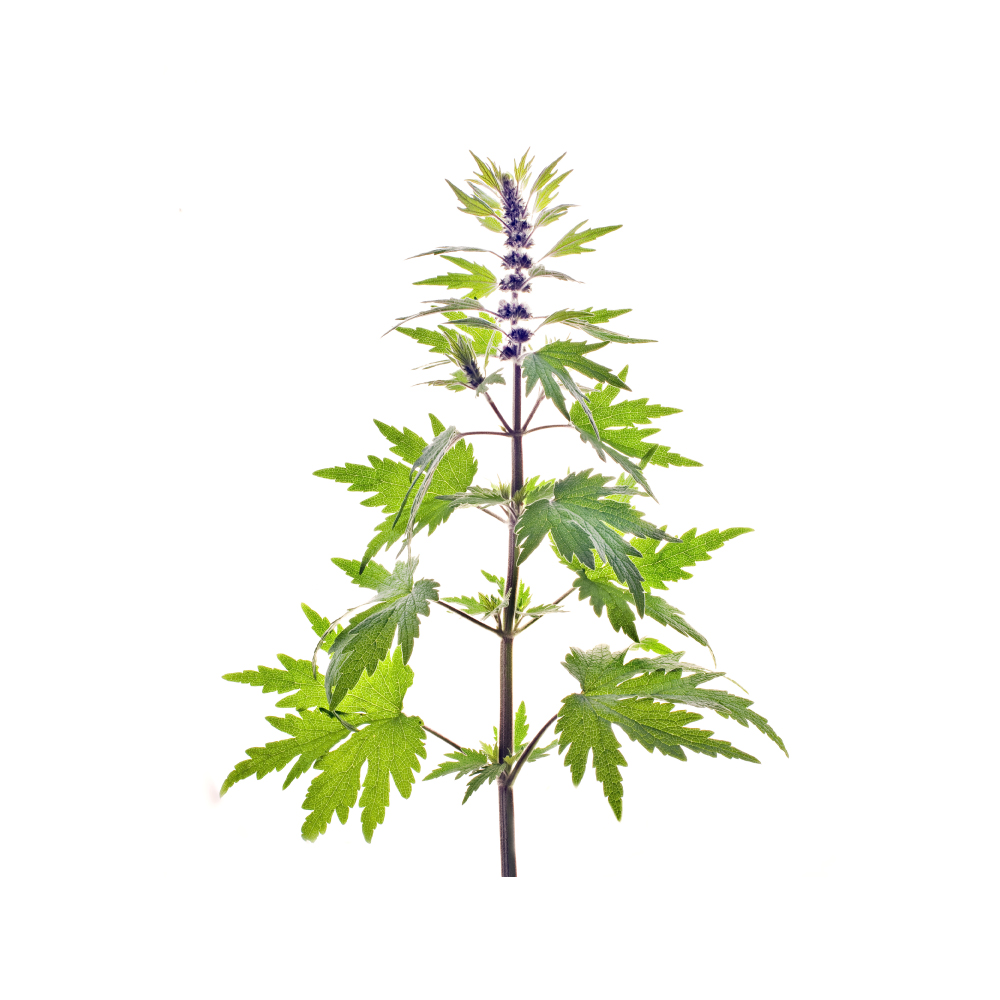
Herbs traditionally or clinically used for pelvic inflammatory disease (pid).