
Condition
Pre Menstrual Syndrome (PMS)
A cyclical pattern of physical and psychological symptoms that occur in the luteal phase before menstruation and resolve once the period begins.

Overview
Aetiology
The aetiology of PMS is very complex, and there are likely to be many different contributing causes.
1. Increased Estrogen to Decreased Progesterone
It may be that one or both of these hormones themselves are out of balance with each other, or it could be the associated receptors. Since adrenaline and noradrenaline block these receptors, it is possible that these hormones could be a contributing cause as well.
In the brain, progesterone is converted to allopregnanolone. If this is low, the activity of the associated neurotransmitter, GABA, will also be impaired.
2. Adrenal Hormone Dysregulation
Imbalances in adrenal hormones such as cortisol and aldosterone can contribute to PMS, influencing fluid retention, stress responses, and mood.
3. Prolactin
Elevated prolactin is associated with breast soreness and swelling in the premenstrual phase.
4. Neurotransmitters
Fluctuations in neurotransmitters such as serotonin and GABA across the menstrual cycle are thought to underlie many of the mood and behavioral symptoms of PMS.
5. Prostaglandins
Prostaglandins promote inflammation, blood vessel constriction, and uterine contraction, contributing to cramping, pain, and other physical symptoms.
6. Dysglycemia
Unstable blood sugar levels can worsen symptoms such as cravings, fatigue, irritability, and mood swings during the premenstrual phase.
Presentation
Symptoms
There are over 150 different signs and symptoms of PMS.
Physical
- Abdominal distension
- Abnormal appetite
- Altered Libido
- Breast swelling
- Change in bowel habits
- Clumsiness
- Cravings
- Cyclic weight gain
- Dizziness and fainting
- Fatigue and weakness
- Fluid retention / bloating
- Headaches
- Joint pains &/or backache
- Palpitations
- Pelvic discomfort or pain
- Premenstrual acne
Psychological
- Aggression
- Angry outbursts
- Anxiety
- Confusion
- Depression
- Forgetfulness
- Fuzzy or Cloudy thinking
- Insomnia or excess sleepiness
- Irritability
- Lack of concentration
- Mood swings
- Nervous tension
- Social Withdrawal
- Tearfulness
Assessment
Diagnostic Considerations
There is no specific laboratory test for PMS, and diagnosis is clinical. It relies on documenting the cyclical nature of symptoms, typically through a symptom diary kept over several menstrual cycles, confirming that symptoms occur in the luteal phase and resolve with the onset of menstruation.
Assessment
Differential Diagnosis
- Premenstrual dysphoric disorder (PMDD)
- Major depressive disorder
- Generalized anxiety disorder
- Hypothyroidism
- Perimenopause
The Herbs
Materia Medica (3)
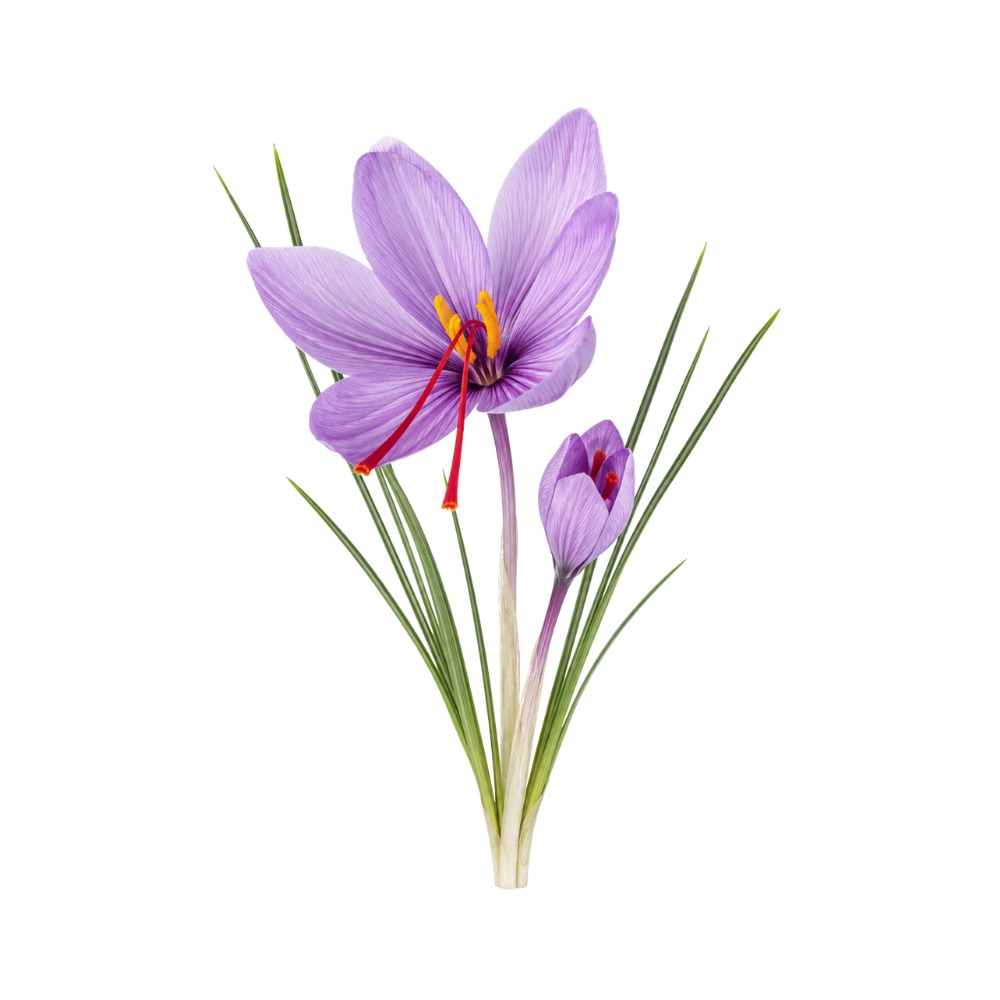
Herbs traditionally or clinically used for pre menstrual syndrome (pms).


Supplementation
Supplementation (1)
Supplements, nutrients and compounds used for pre menstrual syndrome (pms).
Vitamin B6
Vitamin
Pyridoxine — a water-soluble B vitamin whose active PLP form is a cofactor for amino-acid metabolism and the synthesis of serotonin, dopamine and GABA.