
Condition
Sunburn
Sunburn is acute UV injury to the skin. A few botanicals modestly raise the skin's UV threshold or soothe a burn, but none replaces sunscreen and sun avoidance.

Sunburn is an acute inflammatory injury of the skin caused by overexposure to ultraviolet radiation, producing the redness, heat, pain and sometimes blistering of a first- or second-degree burn. A handful of botanicals modestly raise the skin’s UV threshold when taken before exposure (oral photoprotection) or soothe an already-established burn (after-sun care) — two different goals with different evidence — but none replaces sunscreen and sun avoidance.
Presentation
Types & Variants
Sunburn is graded like any thermal burn. First-degree sunburn, by far the most common, involves only the epidermis: skin becomes red, warm, tender and mildly swollen within 2–6 hours of overexposure, peaks around 12–24 hours, and heals over several days, often with peeling. Second-degree (blistering) sunburn extends into the dermis, producing fluid-filled blisters, intense pain and swelling; it carries a real risk of infection and scarring, may accompany systemic “sun poisoning” symptoms (fever, chills, nausea, headache, dehydration), and warrants medical care — especially when blistering is extensive, involves the face, or affects children.
Two distinctions matter for how botanicals are used. The first is prevention versus treatment: oral photoprotectants (samambaia, high-flavanol cocoa, pine-bark extract) aim to raise the skin’s UV threshold before exposure, while after-sun agents (aloe, lavender, witch hazel) soothe an already-established burn. The second is the UVA/UVB distinction: UVB (shorter wavelength) is the primary driver of acute sunburn and DNA damage, while UVA penetrates deeper and contributes more to photoaging; “photoprotection” studies typically report a minimal erythema dose (MED), the UV exposure needed to just redden skin. Sun protection — shade, clothing and broad-spectrum sunscreen — is primary, and no herb substitutes for it.
Some herbs increase photosensitivity, St. John’s Wort most notably, and are best avoided before sun exposure.
Overview
General Pathology
Sunburn is an acute photochemical inflammatory injury. UV radiation, chiefly UVB, is absorbed by DNA and other chromophores in keratinocytes, generating cyclobutane pyrimidine dimers and reactive oxygen species that damage DNA, lipids and proteins. Cells that sustain irreparable damage undergo apoptosis — the characteristic “sunburn cells” seen on histology — while surviving cells release inflammatory mediators (prostaglandins, cytokines and vasoactive substances) that dilate dermal blood vessels and recruit immune cells, producing the visible erythema, heat, oedema and pain that peak roughly half a day after exposure. Repair and the melanin response follow, and peeling reflects the shedding of damaged epidermis.
Most botanical rationales map onto this cascade: antioxidants (polyphenols, proanthocyanidins, phenolic acids) quench UV-generated reactive oxygen and can blunt erythema or raise the MED when taken systemically, while topical anti-inflammatory and vulnerary agents dampen the prostaglandin-driven inflammation of an established burn. These effects are generally modest and adjunctive. Because cumulative UV DNA damage is the principal driver of photoaging and skin cancer, prevention through sun avoidance and sunscreen remains the primary intervention, and severe, blistering or systemically symptomatic burns need medical evaluation.
Materia Medica
Materia Medica
None of the herbs used for sunburn is a substitute for professional care.
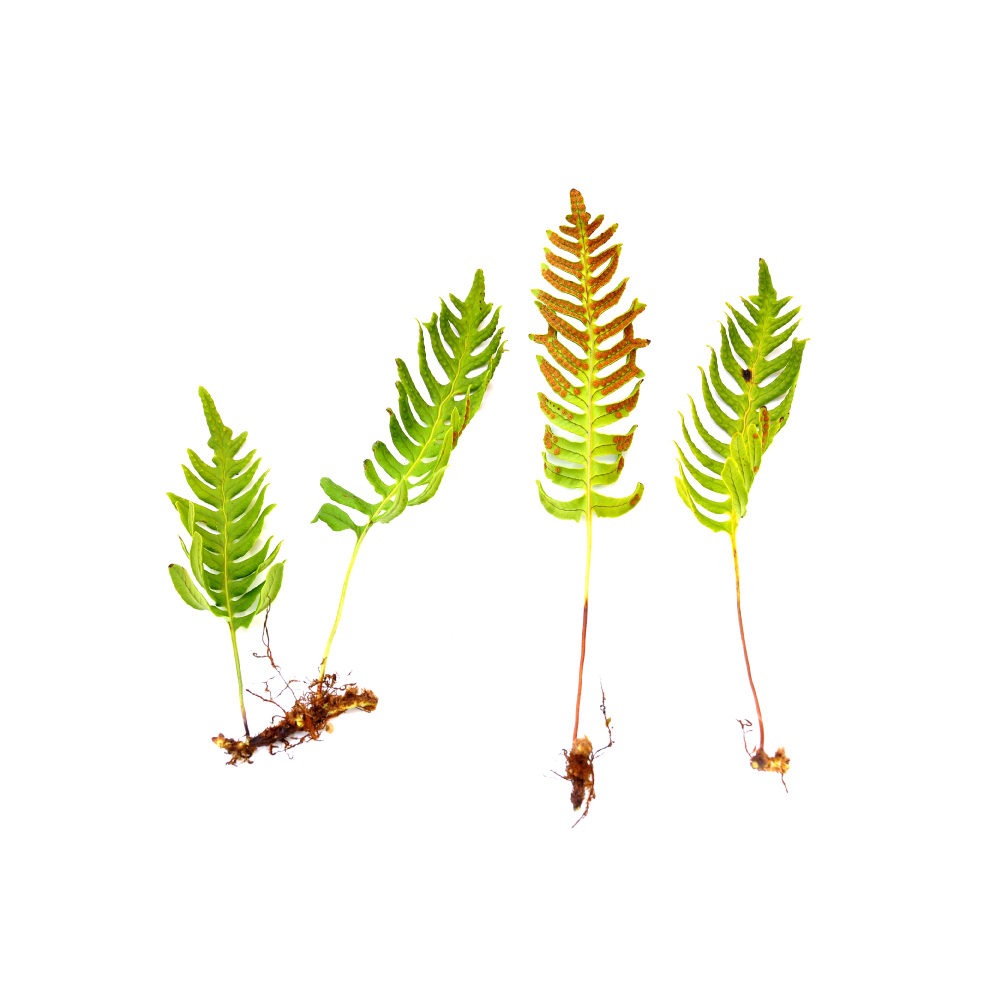 SamambaiaPolypodium leucotomosStrong
Taken orally, standardized Polypodium leucotomos extract (Fernblock/Anapsos) raises the minimal erythema dose and blunts UV-induced erythema, sunburn-cell formation and phototoxic reactions in controlled human studies, with recent randomized placebo-controlled work reporting modest MED gains over 8 weeks 8,
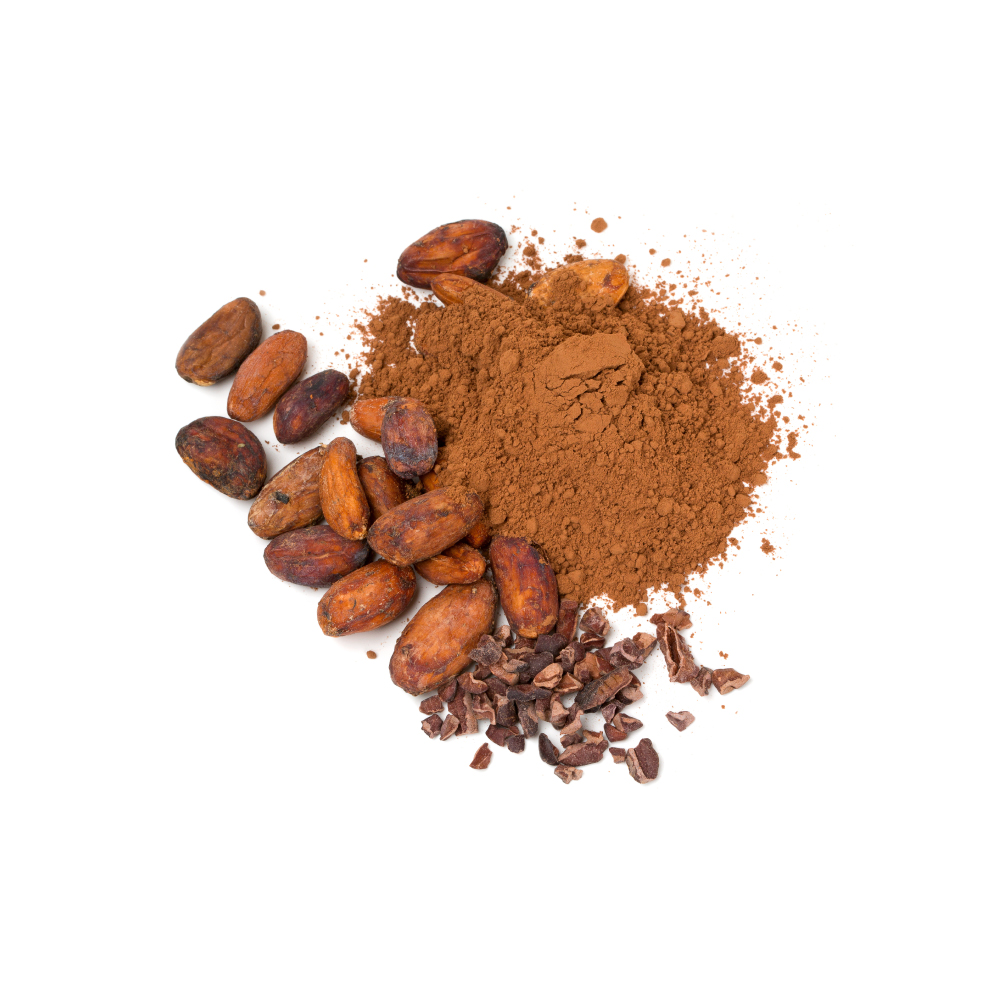 CacaoTheobroma cacaoModerate
Two RCTs found 12 weeks of high-flavanol cocoa raised the minimal erythema dose (more UV needed to redden skin), but a third well-controlled parallel RCT at a comparable flavanol dose found no effect, so the evidence is split 2,
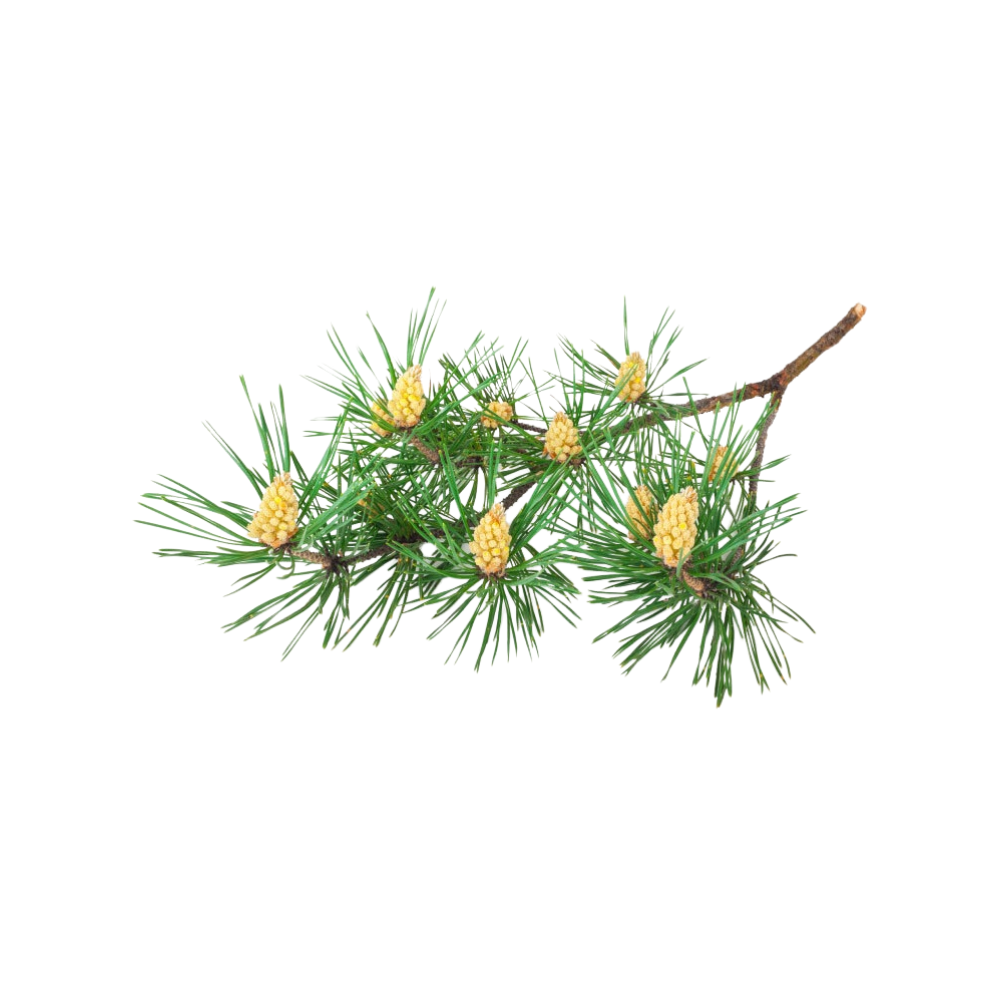 PinePinus spp.Moderate
Standardized maritime-pine bark extract (Pycnogenol) — an oral proanthocyanidin extract — has the genus’s most developed human skin data, including protection against UV-induced damage and improved skin barrier and elasticity 6,
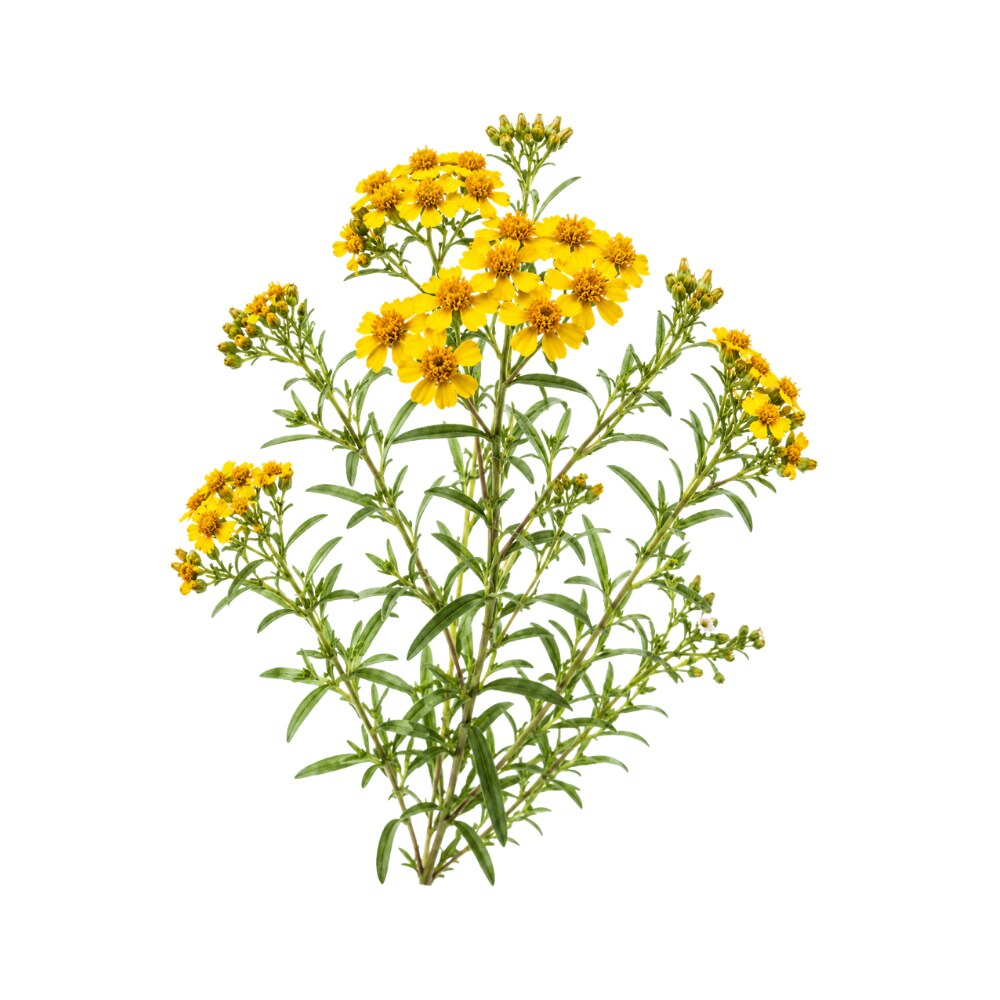 Mexican TarragonTagetes lucidaPreclinical
The essential oil of Tagetes lucida reduced intracellular reactive oxygen and showed modest photoprotection with an in-vitro SPF of about 13–14 5Reference 5In vitroPhotoprotective agents from aromatic plants: antioxidant activity and cytotoxic potential of Tagetes lucida Cav. essential oil — in vitro studyView study →. Topical prevention signal only — a single in-vitro measurement on the essential oil, not tested on human skin.
Full monograph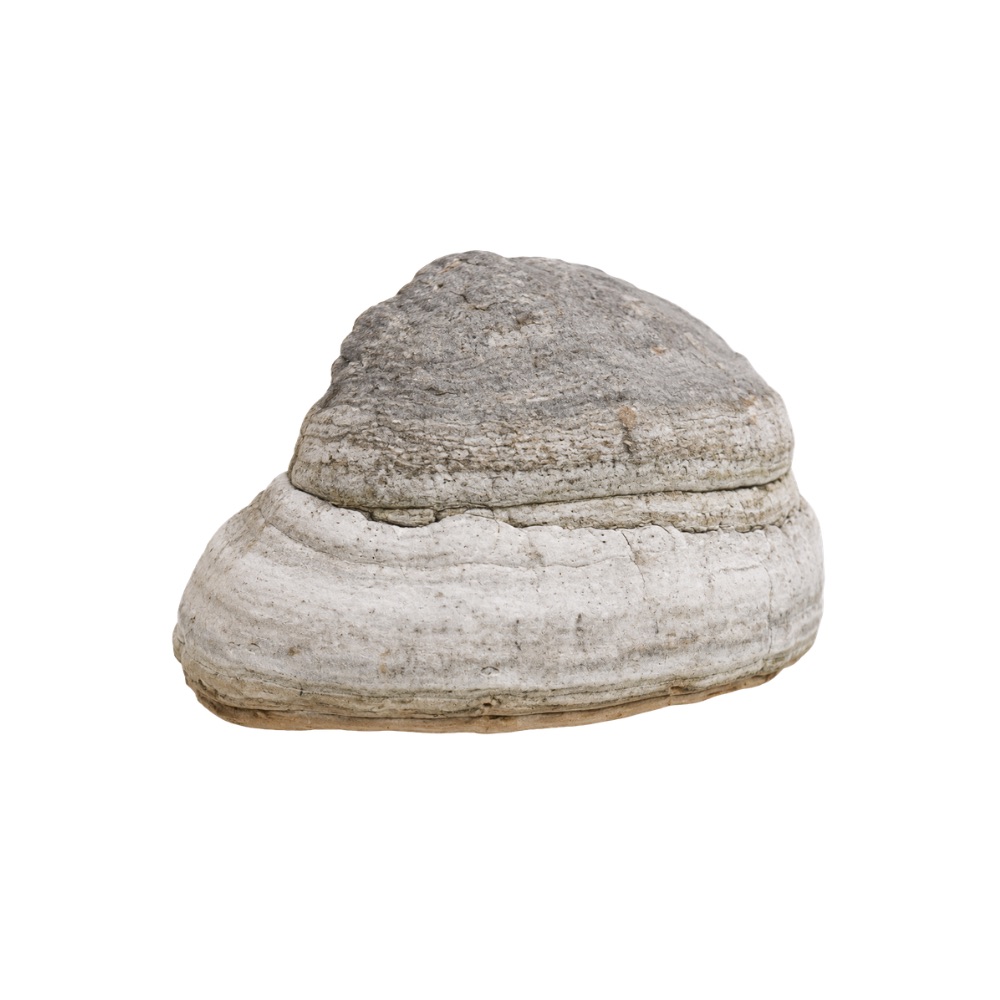 Tinder ConkFomes fomentariusPreclinical
Fomes fomentarius melanin-like pigments carry high radical-scavenging and a moderate UVB-absorbing (physically sun-protective) capacity in aqueous-alkali extracts close to the traditional preparation 11,
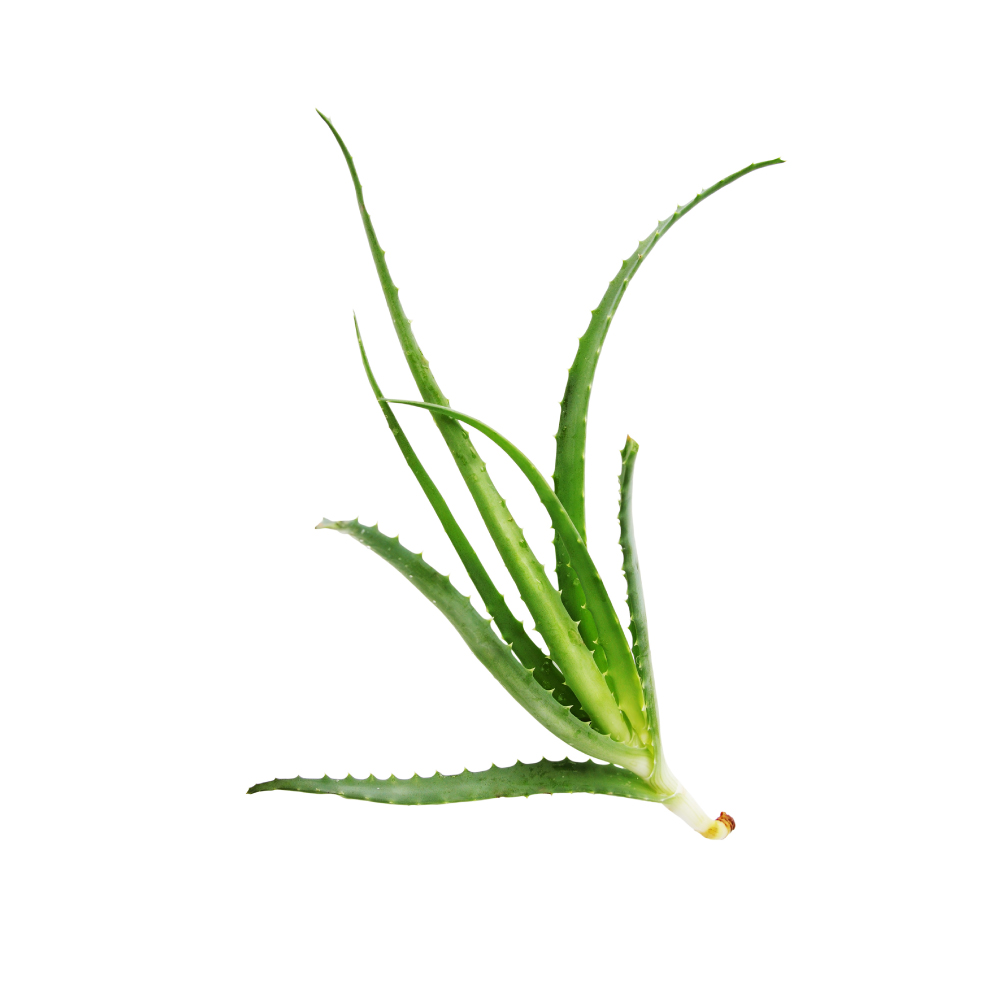 AloeAloe vera/barbadensisTraditional only
Aloe gel is one of the oldest and most widespread topical remedies for burns and skin irritation; mechanistically, topical application is reported to inhibit thromboxane B2 and prostaglandin F-2α, preserving dermal circulation and improving first- and second-degree burn outcomes 1Reference 1A clinical guide to blending liquid herbs: Herbal formulations for the individual patient. A classic after-sun treatment (soothing an established burn); the support is for thermal burns and traditional use rather than a sunburn-specific RCT, and controlled sunburn evidence in the wider literature is mixed.
Full monograph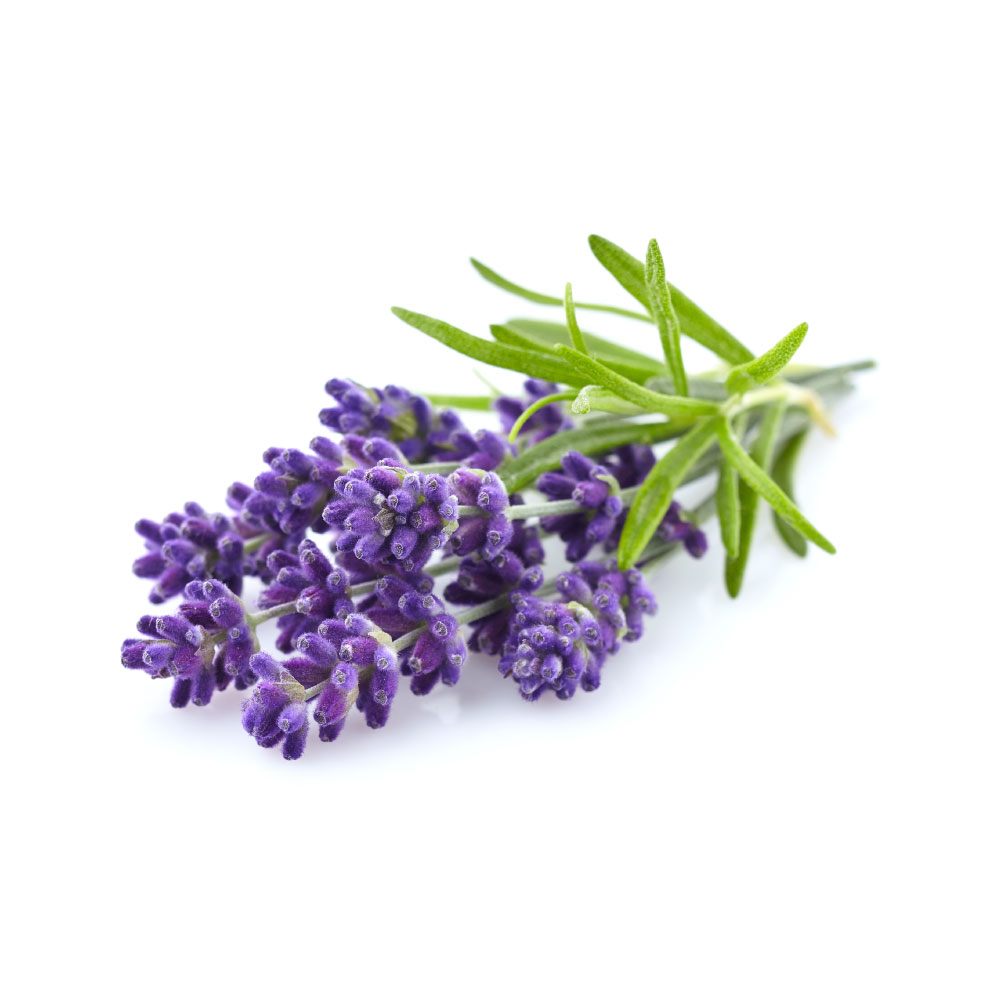 LavenderLavandula angustifoliaTraditional only
Lavender is traditionally applied topically for rashes, skin irritations, sunburn and insect bites. After-sun treatment/soothing only — a well-established traditional use with no clinical trial; not a substitute for sun protection.
Full monograph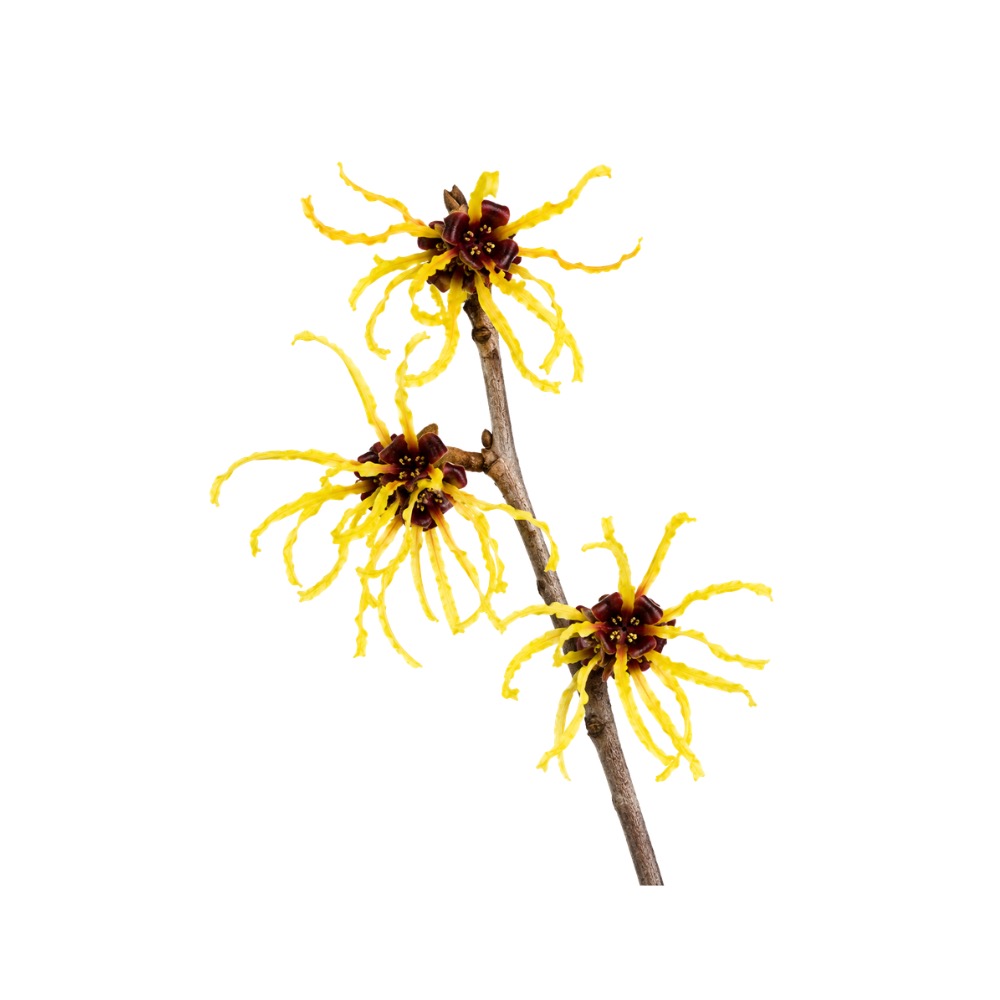 Witch HazelHamamelis virginianaTraditional only
10% hamamelis distillate lotion suppressed UVB-induced erythema by ~20–27% versus vehicle in 30 volunteers 13Reference 13RCTAnti-inflammatory effect of hamamelis lotion in a UVB erythema test — randomised controlled trialView study →; a 40-volunteer follow-up found the effect real but small 14Reference 14RCTAnti-inflammatory efficacy of topical preparations with 10% hamamelis distillate in a UV erythema test — randomised controlled trialView study →; an earlier controlled study found reduction of UV- and tape-stripping-induced erythema but hydrocortisone 1% superior 15Reference 15RCTAnti-inflammatory activity of hamamelis distillate applied topically to the skinView study →. Human metabolites of a Hamamelis extract modulated fibroblast ECM components after UV-A exposure, a plausible route to the after-sun/anti-photoaging use 16Reference 16In vitroHuman metabolites of Hamaforton™ (Hamamelis virginiana L. extract) modulate fibroblast extracellular-matrix components in response to UV-A irradiation — in vitroView study →.
Full monographReferences
- Bone, K. (2003). A clinical guide to blending liquid herbs: Herbal formulations for the individual patient. Edinburgh [u.a.: Churchill Livingstone. (Pg. 61-64).
- Heinrich U, Neukam K, et al. (2006). Long-term ingestion of high-flavanol cocoa provides photoprotection against UV-induced erythema and improves skin condition in women — randomised controlled trial. J Nutr. https://pubmed.ncbi.nlm.nih.gov/16702322/
- Williams S, Tamburic S, et al. (2009). Eating chocolate can significantly protect the skin from UV light — randomised controlled trial. J Cosmet Dermatol. https://pubmed.ncbi.nlm.nih.gov/19735513/
- Mogollon JA, Boivin C, et al. (2014). Chocolate flavanols and skin photoprotection: a parallel, double-blind, randomised clinical trial. Nutr J. https://pubmed.ncbi.nlm.nih.gov/24970388/
- Caballero-Gallardo, K., et al. (2022). Photoprotective agents from aromatic plants: antioxidant activity and cytotoxic potential of Tagetes lucida Cav. essential oil — in vitro study. Plants (Basel). https://pubmed.ncbi.nlm.nih.gov/35807645/
- Robertson NU, Schoonees A, Brand A, Visser J, et al. (2020). Pine bark (Pinus spp.) extract for treating chronic disorders — systematic review. Cochrane Database Syst Rev, 9, CD008294. https://pubmed.ncbi.nlm.nih.gov/32990945/
- Grether-Beck S, Marini A, Jaenicke T, Krutmann J, et al. (2016). French Maritime Pine Bark Extract (Pycnogenol®) Effects on Human Skin: Clinical and Molecular Evidence — review. Skin Pharmacol Physiol, 29, 13-7. https://pubmed.ncbi.nlm.nih.gov/26492562/
- González, S., et al. (1997). Topical or oral administration with an extract of Polypodium leucotomos prevents acute sunburn and psoralen-induced phototoxic reactions — randomised. Photodermatol Photoimmunol Photomed. https://pubmed.ncbi.nlm.nih.gov/9361129/
- Kohli, I., et al. (2017). The impact of oral Polypodium leucotomos extract on ultraviolet B response: a human clinical study. J Am Acad Dermatol. https://doi.org/10.1016/j.jaad.2017.01.044
- Keršmanc, P., et al. (2025). Effects of eight-week supplementation containing red orange and Polypodium leucotomos extracts on UV response — randomised double-blind placebo-controlled. Nutrients. https://doi.org/10.3390/nu17071240
- Kalitukha, L., & Sari, M. (2021). Chemical composition and ultraviolet absorption activity of an aqueous alkali extract from Fomes fomentarius fruiting bodies — in vitro. International Journal of Medicinal Mushrooms. https://pubmed.ncbi.nlm.nih.gov/33822505/
- Darkal, A. K., et al. (2021). Unleashing the biological potential of Fomes fomentarius via dry and wet milling — in vitro. Antioxidants. https://pubmed.ncbi.nlm.nih.gov/33669445/
- Hughes-Formella BJ, Bohnsack K, Rippke F, et al. (1998). Anti-inflammatory effect of hamamelis lotion in a UVB erythema test — randomised controlled trial. Dermatology. https://pubmed.ncbi.nlm.nih.gov/9621139/
- Hughes-Formella BJ, Filbry A, Gassmueller J, Rippke F. (2002). Anti-inflammatory efficacy of topical preparations with 10% hamamelis distillate in a UV erythema test — randomised controlled trial. Skin Pharmacol Appl Skin Physiol. https://pubmed.ncbi.nlm.nih.gov/11867970/
- Korting HC, Schäfer-Korting M, Hart H, et al. (1993). Anti-inflammatory activity of hamamelis distillate applied topically to the skin. Influence of vehicle and dose — randomised controlled trial. Eur J Clin Pharmacol. https://pubmed.ncbi.nlm.nih.gov/8513841/
- Natella F, Guantario B, Ambra R, et al. (2021). Human metabolites of Hamaforton™ (Hamamelis virginiana L. extract) modulate fibroblast extracellular-matrix components in response to UV-A irradiation — in vitro. Front Pharmacol. https://pubmed.ncbi.nlm.nih.gov/34975471/