
Condition
Urinary Incontinence
Urinary incontinence is the involuntary leakage of urine, ranging from occasional minor leaks to a complete inability to hold urine.

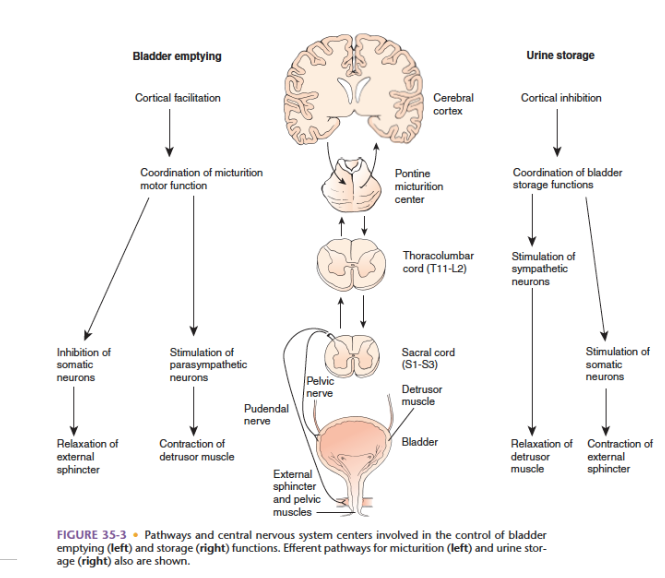
Overview
Aetiology
Urge Incontinence
The involuntary loss of urine due to increased bladder pressures. The bladder may feel fuller than it actually is, as the detrusor muscle contracts prematurely. This is often the cause of urinary frequency and nocturia.
Causes may include stress, prostate enlargement, constipation, stroke, Parkinson’s disease, or multiple sclerosis.
Risk Factors:
- High stress
- Constipation
- Multiple Sclerosis
- Stroke
Red Flags:
- Hematuria
- Other signs of bladder cancer
- Current or frequent UTI’s
- Medication side effects
- History of pelvic trauma
Stress Incontinence
The decreased ability of the vesicourethral sphincter to prevent the escape of urine. This can occur in women after childbirth, surgical procedures, or reduction in pelvic floor muscle tone.
Can also be due to increased abdominal pressure causing leakage.
Risk Factors:
- Women
- Obesity
- Diabetes
Assessment
Diagnostic Considerations
Postvoid residual (PVR) urine volume testing can provide information on bladder emptying. A PVR less than 50 mL can be considered adequate bladder emptying, though many specialists would move this figure up towards 100 mL. A PVR over 300 mL indicates an increased risk for urinary tract dilation and renal insufficiency. 1Reference 1Evaluation of voiding dysfunction and measurement of bladder volume.
Assessment
Differential Diagnosis
- Bladder cancer
- Multiple sclerosis
The Herbs
Materia Medica (2)
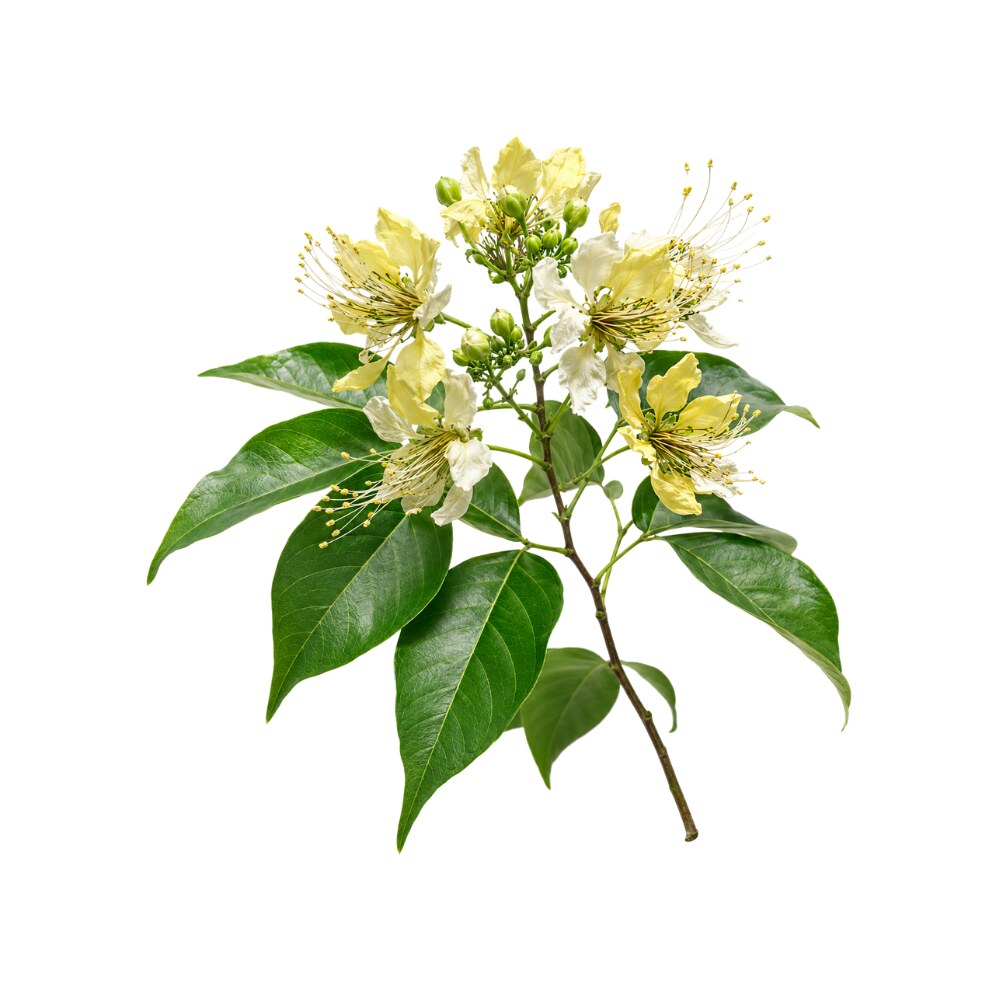
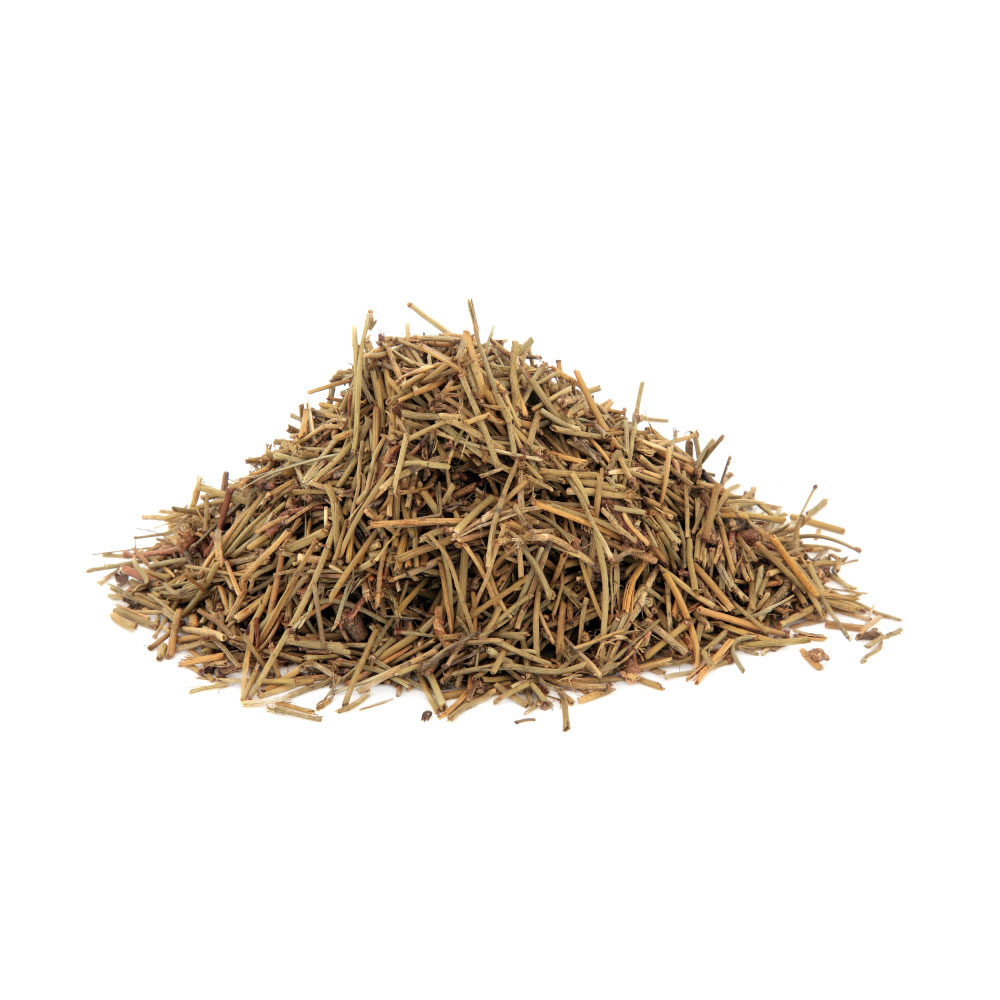
Herbs traditionally or clinically used for urinary incontinence.
References:
- Kelly, C. E. (2004). Evaluation of voiding dysfunction and measurement of bladder volume. Reviews in urology, 6(Suppl 1), S32.