

Overview
Urinary at a Glance
The urinary system is the kidneys, the bladder, and the tubes between them.
Urinary herbs mainly act on urine flow, irritation of the bladder and urethra, urinary infection, stone formation, and prostate-related obstruction.
Some increase urine output.
Others soothe inflamed urinary tissue, deliver antimicrobial compounds into the urine, reduce bladder spasm, or interfere with the formation of urinary crystals.
A separate group acts on the prostate and is used where enlargement is contributing to poor flow, urgency, or incomplete emptying.
These are different problems, even though they often produce overlapping symptoms.
Diuretics such as dandelion leaf, goldenrod, juniper, and cleavers are used to increase urinary flow.
Urinary demulcents such as couchgrass, corn silk, and marshmallow are used more where burning, irritation, or rawness is the main feature.
Bearberry belongs to the urinary antiseptic tradition, where the goal is to deliver antimicrobial activity into the urine itself.
Chanca piedra, crataeva, hydrangea, and gravel root belong to the antilithic group, used around urinary gravel and recurrent stone formation.
Then there are herbs such as saw palmetto and nettle root, which are used mainly for lower urinary tract symptoms associated with benign prostatic enlargement.
One important distinction is that increasing urine flow isn’t the same thing as treating an infection.
Extra fluid and mild diuresis may help dilute irritants and increase urinary clearance, but they won’t reliably treat an established bacterial infection.
The same applies to urinary stones.
An herb may reduce crystal formation or recurrence without being capable of dissolving a stone that’s already formed.
“Diuretic” also needs some qualification.
Many herbal diuretics appear to act more as aquaretics, increasing water excretion without producing the strong sodium loss associated with loop or thiazide diuretics.
That makes them very different from prescribed diuretics used for heart failure, hypertension, or significant oedema.
Caution
Fever, flank pain, vomiting, blood in the urine, urinary retention, severe colicky pain, or symptoms suggesting a kidney infection need medical assessment. Urinary herbs aren’t substitutes for antibiotics in pyelonephritis or for prescribed diuretics in heart or kidney disease.
The Traditional View
How Herbalists Read the Urinary System
Traditional Western herbal medicine tends to approach the urinary tract through three basic aims:
keep it flowing, soothe irritation, and reduce infection or stone formation.
The first group are the diuretics.
Dandelion leaf, juniper, goldenrod, cleavers, horsetail, and similar herbs are used to increase urine volume.
Traditionally, this is used where the goal is to dilute irritating urine, encourage urinary clearance, or reduce the concentration of minerals that contribute to stone formation.
The effect is often fairly gentle and depends heavily on adequate fluid intake.
The second group are the urinary antiseptics.
Bearberry is the classic example, along with buchu and juniper.
These herbs are used where infection or microbial overgrowth is part of the picture.
Bearberry is especially interesting because its arbutin is metabolised and excreted into the urine, where hydroquinone metabolites provide the antimicrobial activity.
This is a much more specific action than simply “flushing the kidneys.”
Then there are the urinary demulcents.
Couchgrass, corn silk, marshmallow, and similar herbs are used where the bladder or urethra feels irritated, burning, or inflamed.
Their role is mainly soothing rather than antimicrobial.
They’re especially useful where discomfort persists after the main infection has settled, or where irritation is present without a clear bacterial cause.
Urinary antispasmodics overlap with this group where urgency, cramping, or bladder spasm is prominent.
The antilithics form another distinct branch.
Chanca piedra, crataeva, hydrangea, and gravel root are traditionally used around urinary stones and gravel.
The old term “stone breaker” is more dramatic than the likely mechanism.
These herbs are better understood as influencing crystal formation, aggregation, urinary chemistry, and recurrence risk rather than physically dissolving a mature stone.
The prostate forms another branch again.
Saw palmetto, nettle root, and related herbs are used where benign prostatic enlargement is contributing to lower urinary tract symptoms such as weak stream, nocturia, frequency, or incomplete emptying.
This isn’t primarily a kidney or bladder problem, even though the symptoms show up there.
One of the most important distinctions in the whole system is lower versus upper urinary tract disease.
A mild bladder irritation and a kidney infection aren’t simply different degrees of the same thing.
Cystitis affects the lower tract.
Pyelonephritis involves the kidney and carries a risk of renal injury and sepsis.
That distinction determines whether a gentle urinary strategy makes sense at all.
So the practical herbal question is:
Does the tract need more flow, less irritation, antimicrobial action, reduced spasm, stone prevention, or relief of obstruction coming from the prostate?
Key Herbal Actions
What the Herbs Do Here
The actions most often called on here, each linking through to the herbs that carry it:
Urinary Antiseptic
Delivers antibacterial compounds into the urine.
Urinary Demulcent
Soothes and protects an irritated bladder and urethral lining.
Urinary Antispasmodic
Eases the spasm, urgency and frequency of an irritable or infected bladder.
Antiprostatic
Addresses prostatic enlargement and the urinary symptoms it causes.
5-Alpha-Reductase Inhibitor
Blocks conversion of testosterone to dihydrotestosterone, the same target as finasteride.
Demulcent & Antimicrobial
The general forms of the two urinary-specific actions above.
Mechanisms
How It Works
Herbs used for the urinary tract act at different points along it, one delivering an antiseptic into the urine, another changing the chemistry of crystal formation in the kidney, a third acting on an enzyme in the prostate. Almost all of them work at one of seven points.
01
Arbutin, Hydroquinone & The pH Problem
The urinary antiseptic mechanism, and one of the most specific in herbal medicine.
Arbutin is an inert glycoside. It is absorbed, conjugated in the liver, excreted into the urine, and hydrolysed there to hydroquinone, which is the antibacterial agent.
Pharmacokinetic studies have tracked the metabolites directly in people 3,
That makes it a prodrug delivered to the site of action by the kidney. The classical teaching adds that hydrolysis needs alkaline urine, hence the traditional pairing with sodium bicarbonate and the advice against acidifying agents.
The pH dependence is frequently overstated in modern sources. The underlying pharmacology is sound, and hydroquinone is also the reason these herbs are short-course medicines.
Key compounds: ArbutinHydroquinone
02
Anti-Adhesion
The mechanism behind the best evidence in this field, and a preventive one rather than a treatment.
Uropathogenic E. coli attach to bladder lining cells using type 1 and P fimbriae. Cranberry’s A-type proanthocyanidins interfere with P-fimbrial adhesion, and D-mannose competitively occupies the type 1 binding site.
Bacteria that cannot stick are washed out.
Stopping colonisation being established is a different job from clearing an infection that already has one, which is exactly the shape of the clinical evidence for cranberry: it reduces recurrence and does not treat an acute episode.
Herbs: CranberryLingonberry
Key compounds: Proanthocyanidins
03
Biofilm Disruption & Catheter Colonisation
A narrower mechanism with a specific clinical target.
Bacteria inside an established biofilm are dramatically less susceptible to antibiotics, which is why catheter-associated and recurrent infections are so hard to clear.
Goldenrod extract inhibits biofilm formation by uropathogenic E. coli and shows synergy with antibiotics in vitro 6Reference 6In vitroIs it worth combining Solidago virgaurea extract and antibiotics against uropathogenic Escherichia coli rods? — in vitro biofilm and antibiotic-synergy studyView study →, with similar activity against ESBL-producing Pseudomonas 7Reference 7In vitroImpact of Solidago virgaurea extract on biofilm formation for ESBL-Pseudomonas aeruginosa — in vitro model studyView study →. A randomised pilot combining goldenrod with other plant extracts reduced microbial colonisation of indwelling urinary catheters 8Reference 8RCTSolidago, orthosiphon, birch and cranberry extracts can decrease microbial colonization and biofilm development in indwelling urinary catheter — randomised controlled pilot trialView study →.
This is the most plausible modern reframing of the urinary antiseptic tradition.
Herbs: Goldenrod
04
Crystallisation Inhibition
The stone mechanism, and the one the traditional name gets wrong. No herb dissolves a formed calcium oxalate stone.
What chanca piedra does is alter the chemistry of stone formation. It inhibits calcium oxalate crystal nucleation, growth and aggregation in vitro 16Reference 16In vitroEffects of an aqueous extract from Phyllanthus niruri on calcium oxalate crystallization — in vitroView study →, reduces crystal deposition in animal models, and normalised elevated urinary calcium in stone-forming patients in a controlled human study 13Reference 13RCTPhyllanthus niruri normalizes elevated urinary calcium levels in calcium stone forming patients — randomised controlled trialView study →.
Crataeva’s lupeol and related triterpenes reach the same problem from the direction of urinary enzymes and oxidative injury 19Reference 19AnimalProtective effect of triterpenes on calcium oxalate crystal-induced peroxidative changes in experimental urolithiasis — animal modelView study →, and couchgrass reduced calcium oxalate urolithiasis risk in rats 24Reference 24AnimalEffect of Herniaria hirsuta and Agropyron repens on calcium oxalate urolithiasis risk in rats — animal modelView study →.
Prevention of recurrence, not dissolution, is the realistic claim.
Herbs: Chanca PiedraCrataevaCouchgrassTribulus
Key compounds: Lupeol
05
Aquaresis Versus True Diuresis
Loop and thiazide diuretics inhibit specific renal sodium transporters, producing natriuresis, and water follows the sodium out.
Most herbal diuretics do something weaker and different. They raise renal blood flow and free-water clearance with comparatively little sodium loss, which is properly called aquaresis.
Horsetail is the exception with direct human evidence, a randomised double-blind trial finding an acute diuretic effect comparable to hydrochlorothiazide over 24 hours 27Reference 27RCTRandomized, double-blind clinical trial to assess the acute diuretic effect of Equisetum arvense (field horsetail) in healthy volunteersView study →. Goldenrod’s flavonoid fractions raise diuresis in rats 41Reference 41AnimalEffect of flavonoid fractions of Solidago virgaurea L. on diuresis and levels of electrolytes — in vivo rat studyView study →, and juniper’s terpinen-4-ol raises glomerular filtration 42Reference 42Diuretic substance from juniper (Juniperus communis L.)View study →.
The practical consequence is that none of these substitutes for a prescribed diuretic in heart failure or kidney disease.
Herbs: HorsetailGoldenrodJuniperDandelion
Key compounds: Terpinen-4-ol
06
5α-Reductase Inhibition & The Prostate
The prostate mechanism, and the one that best explains why the trial results contradict each other.
Benign prostatic hyperplasia is driven partly by dihydrotestosterone, produced from testosterone by 5α-reductase, which is the target of finasteride. Saw palmetto’s lipidosterolic fraction inhibits the enzyme in prostate cell lines without suppressing PSA 35Reference 35In vitroSerenoa repens (Permixon) inhibits the 5α-reductase activity of human prostate cancer cell lines without interfering with PSA expression — in vitroView study →.
Nettle root’s beta-sitosterol is the phytosterol most often credited with the same effect.
The catch is that the activity belongs to the lipophilic fraction. The hexanic extract used in the positive European trials is a different preparation from the ethanolic and CO₂ extracts used in the negative American ones, which is the most credible explanation on offer for a literature that disagrees with itself so completely.
Herbs: Saw PalmettoStinging Nettle
Key compounds: Beta-Sitosterol
07
Renal Protection
The chronic kidney disease mechanism.
Progressive kidney disease runs through glomerular hypertension, podocyte injury and proteinuria, and the drugs that slow it, ACE inhibitors, ARBs and SGLT2 inhibitors, act there.
The herbal work is mostly adjunctive to those same drugs. Astragalus and cordyceps have been trialled alongside ACE inhibitors and ARBs with reductions in proteinuria 48,
The endpoint that matters is whether anything slows the decline in eGFR over years, and none of this has shown that.
Herbs: AstragalusCordycepsErva Tostão
Key compounds: Boeravinone BAstragaloside IV
The Herbs
Materia Medica
The herbs with a written-up urinary indication, grouped by use and ordered within each group by the strength of the evidence.
Crataeva and goldenrod appear twice, where the evidence for two indications is separate.
Urinary Tract Infection
4 herbsThe most common reason anyone reaches for a urinary herb, and the group where the evidence is most disappointing.
Uncomplicated cystitis in an otherwise healthy woman often resolves without antibiotics, which makes uncontrolled success stories easy to generate and controlled trials hard to pass. The clinical line that matters runs between a bladder infection and a kidney infection, and delay is how the first becomes the second.
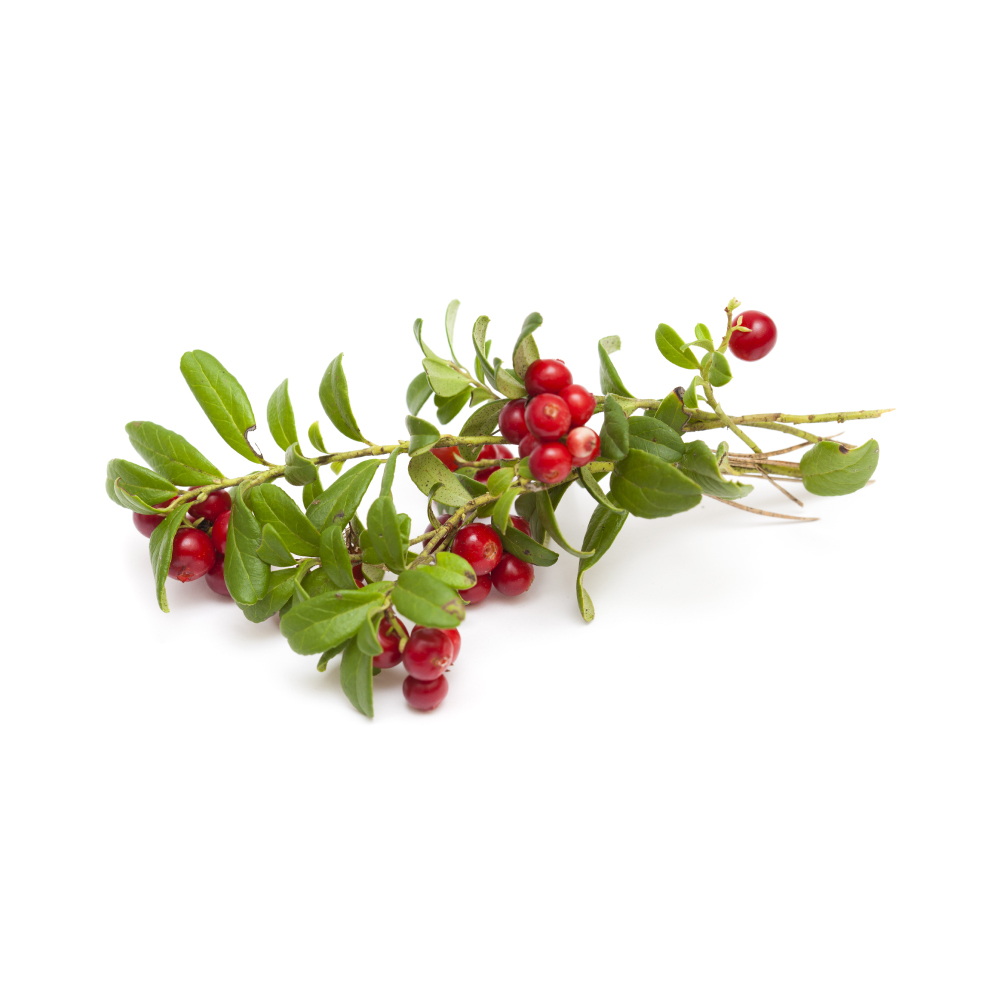 ModerateModerateBearberryArctostaphylos uva-ursiThe classic Western urinary antiseptic, and the herb in this system with the most rigorous trial evidence behind it.Read the evidenceShow lessMonograph →
In a double-blind randomised controlled trial in primary care, uva-ursi extract was compared against fosfomycin in women with uncomplicated urinary tract infection. It did not reduce symptom burden, more women went on to need antibiotics, and the authors concluded it could not be recommended as a first-line alternative 1Reference 1RCTHerbal treatment with uva ursi extract versus fosfomycin in women with uncomplicated urinary tract infection in primary care — double-blind randomised controlled trialView study →.
The earlier ATAFUTI factorial trial found uva-ursi advice reduced overall antibiotic consumption without a clear symptom benefit 2Reference 2RCTUva-ursi extract and ibuprofen as alternative treatments for uncomplicated urinary tract infection in women (ATAFUTI) — factorial randomised trialView study →, which is an antibiotic-stewardship role rather than a cure. A further multicentre randomised double-blind trial is underway 5Reference 5RCTBearberry in the treatment of acute uncomplicated cystitis (BRUMI) — protocol of a multicentre randomised double-blind clinical trialView study →.
The pharmacology is the elegant part. Arbutin is absorbed, conjugated in the liver, excreted into the urine and hydrolysed there to hydroquinone, and the metabolites have been tracked directly in people 3,
Hydroquinone is also the limit. Sustained exposure is a liver and carcinogenicity concern, so use is capped at about one week per course and no more than five courses a year, and it is not for children, pregnancy or kidney disease.
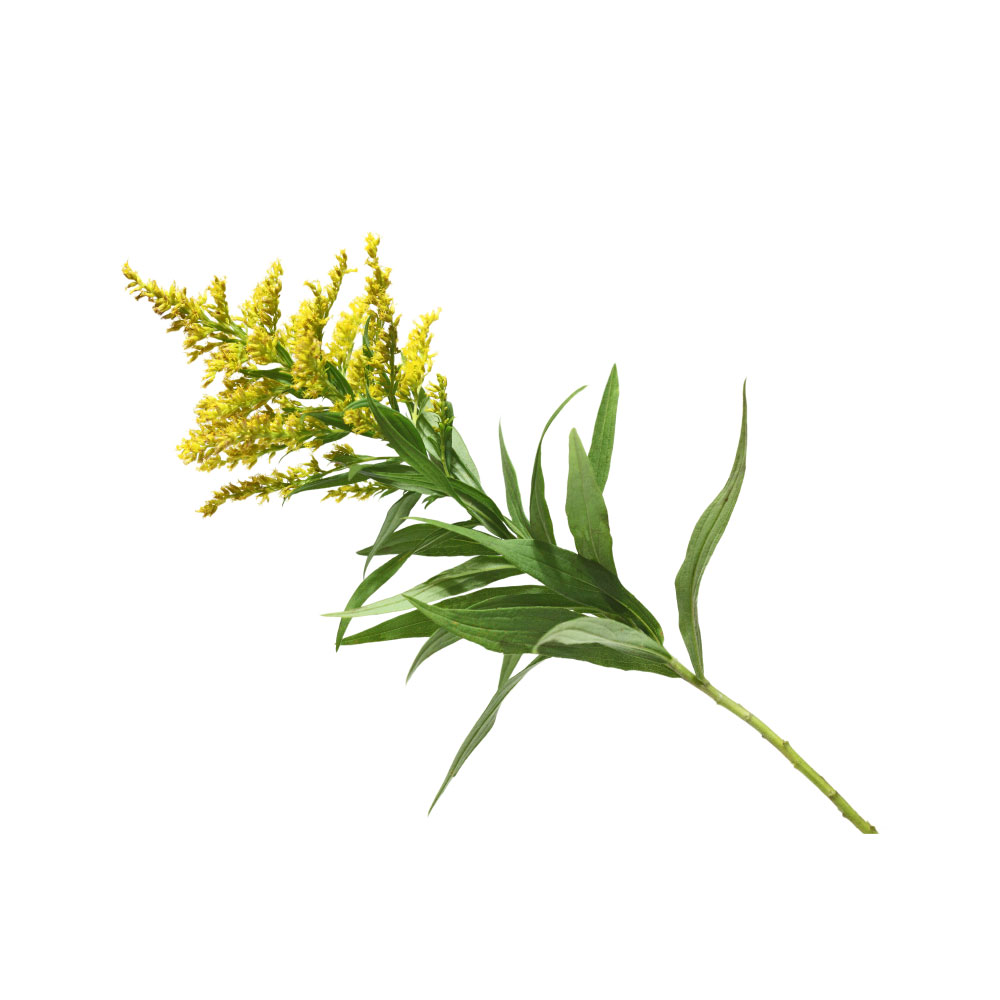 PreclinicalPreclinicalGoldenrodSolidago virgaureaThe principal European irrigation-therapy herb, approved in German phytotherapy for flushing the tract in inflammatory conditions.Also underDiuretics ↓Read the evidenceShow lessMonograph →
Goldenrod extract inhibits biofilm formation by uropathogenic E. coli and shows synergy with antibiotics in vitro 6Reference 6In vitroIs it worth combining Solidago virgaurea extract and antibiotics against uropathogenic Escherichia coli rods? — in vitro biofilm and antibiotic-synergy studyView study →, with comparable activity against ESBL-producing Pseudomonas aeruginosa 7Reference 7In vitroImpact of Solidago virgaurea extract on biofilm formation for ESBL-Pseudomonas aeruginosa — in vitro model studyView study →. A randomised pilot found a goldenrod-containing combination reduced colonisation of indwelling urinary catheters 8Reference 8RCTSolidago, orthosiphon, birch and cranberry extracts can decrease microbial colonization and biofilm development in indwelling urinary catheter — randomised controlled pilot trialView study →.
It also inhibits rat and human bladder contraction in tissue baths 9Reference 9In vitroExtracts from Rhois aromatica and Solidaginis virgaurea inhibit rat and human bladder contraction — in vitro tissue-bath and muscarinic receptor studyView study →, which fits its traditional use for urgency as much as for flushing. Its diuretic evidence is animal 41Reference 41AnimalEffect of flavonoid fractions of Solidago virgaurea L. on diuresis and levels of electrolytes — in vivo rat studyView study →.
No controlled trial of goldenrod alone exists for any urinary indication. It is an Asteraceae plant, so allergy is possible, and the hay-fever reputation is misplaced because goldenrod is insect-pollinated.
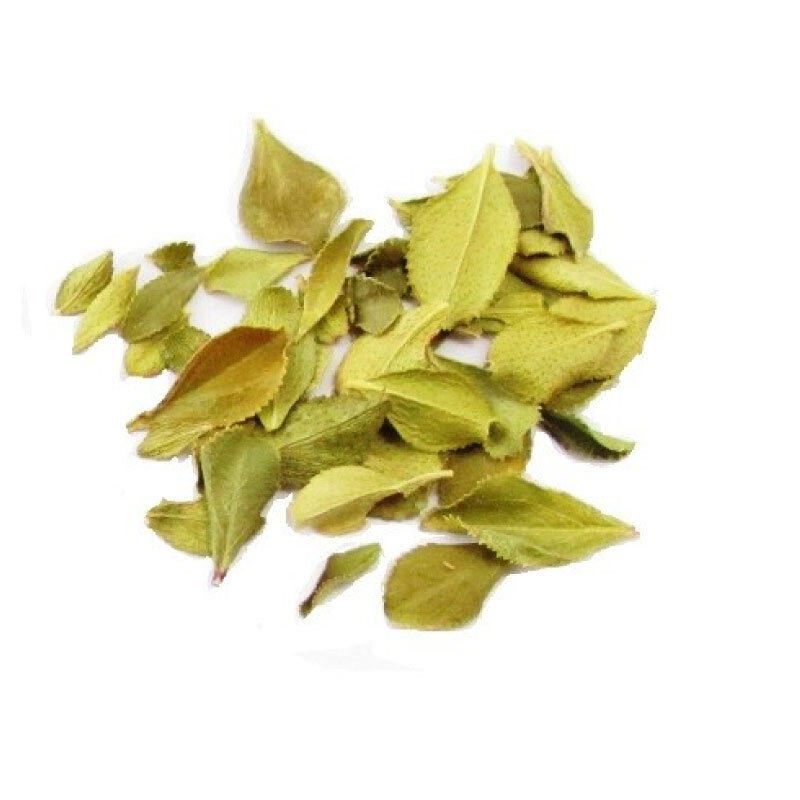 TraditionalTraditionalBuchuAgathosma betulinaThe South African urinary antiseptic and diuretic, used by the Khoisan and adopted into nineteenth-century Western practice as a standard cystitis remedy.Read the evidenceShow lessMonograph →
Almost no clinical work has ever been done on it. A recent review asks directly whether it is rightfully forgotten or underutilised 10Reference 10ReviewBuchu (Agathosma betulina and A. crenulata): rightfully forgotten or underutilized? — reviewView study →, and finds a long tradition sitting on a thin modern record.
The volatile oil contains diosphenol and pulegone. Pulegone is hepatotoxic and is the reason pennyroyal is dangerous, and although buchu’s content is far lower it caps sensible use and rules out the essential oil internally.
Wild Agathosma has been under harvesting pressure, so the source matters.
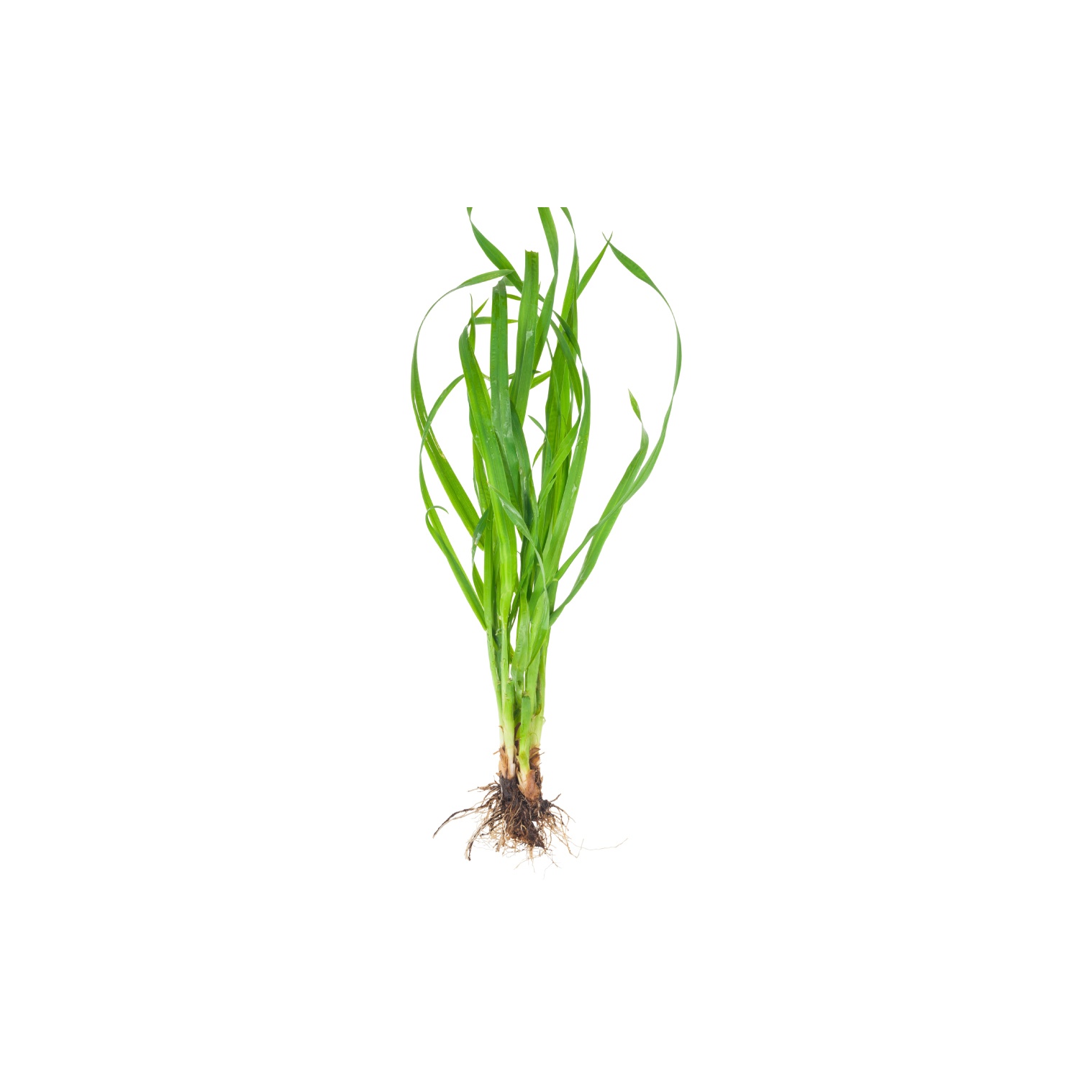 TraditionalTraditionalCouchgrassElymus repensThe gardener’s worst weed and a useful urinary demulcent. The rhizome is mucilaginous and mildly diuretic, and it is the classic European choice for the burning and urgency that outlast an infection.Read the evidenceShow lessMonograph →
A recent systematic review covers its phytochemistry and pharmacological activities 11Reference 11Systematic reviewElymus repens (L.) Gould phytochemistry, pharmacological activities and therapeutic potential — systematic reviewView study →, and animal work suggests an antilithic effect: Agropyron repens reduced calcium oxalate urolithiasis risk in rats 24Reference 24AnimalEffect of Herniaria hirsuta and Agropyron repens on calcium oxalate urolithiasis risk in rats — animal modelView study →, with a related plant mixture doing the same in experimentally induced nephrolithiasis 25Reference 25AnimalAntiurolithiasic effect of a plant mixture in experimentally induced nephrolithiasis in rats — animal modelView study →.
No human trial exists for any indication. The claim is modest and plausible, which is that it soothes and it increases flow.
Kidney & Bladder Stones
4 herbsThe group with the most coherent evidence in this system, and one where the realistic goal is preventing recurrence rather than dissolving what is already there.
Stones recur in roughly half of people within ten years, and the interventions that matter most are unglamorous: high fluid intake, reduced sodium, and appropriate dietary calcium. An acute stone episode is severe pain and a urological matter.
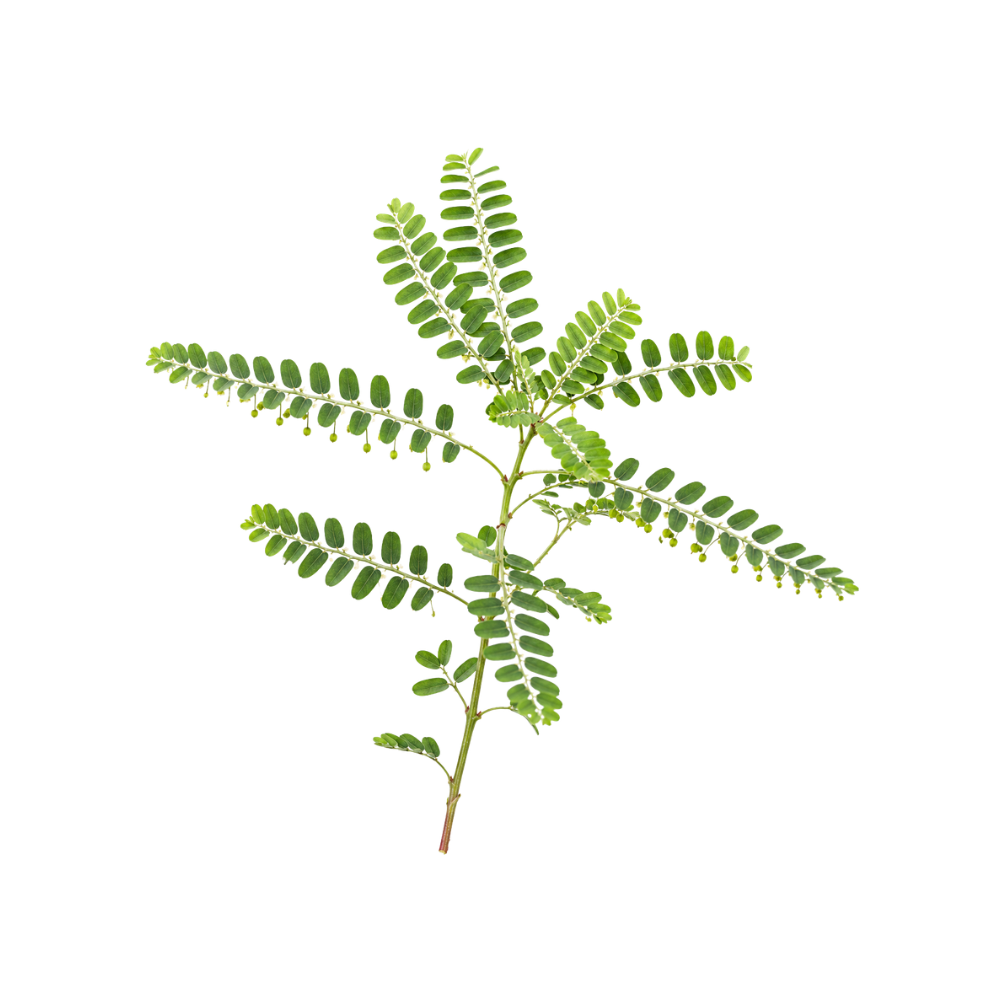 StrongStrongChanca PiedraPhyllanthus niruriThe stone breaker, and the best-evidenced antilithic herb there is.Read the evidenceShow lessMonograph →
A systematic review and meta-analysis of Phyllanthus niruri for kidney stones supports a role 12Reference 12Meta-analysisPhyllanthus niruri herbal therapy for kidney stones — systematic review and meta-analysisView study →, and a randomised controlled trial found it normalised elevated urinary calcium in calcium stone-forming patients 13Reference 13RCTPhyllanthus niruri normalizes elevated urinary calcium levels in calcium stone forming patients — randomised controlled trialView study →, which acts directly on the abnormality that drives recurrence.
A randomised prospective long-term study assessed it as an adjunct to shock wave lithotripsy 14Reference 14RCTCan Phyllanthus niruri affect the efficacy of extracorporeal shock wave lithotripsy for renal stones? — randomised, prospective, long-term studyView study →, and a prospective cohort tracked metabolic parameters in stone patients 15Reference 15ObservationalEffect of Phyllanthus niruri on metabolic parameters of patients with kidney stone — prospective cohortView study →.
The laboratory work is consistent. It inhibits calcium oxalate crystal nucleation, growth and aggregation 16Reference 16In vitroEffects of an aqueous extract from Phyllanthus niruri on calcium oxalate crystallization — in vitroView study →, and reduces crystal deposition in animal models.
The name oversells it, since nothing dissolves a formed stone. Prevention of recurrence is the supported claim.
Its hepatitis B evidence is on the hepatobiliary page.
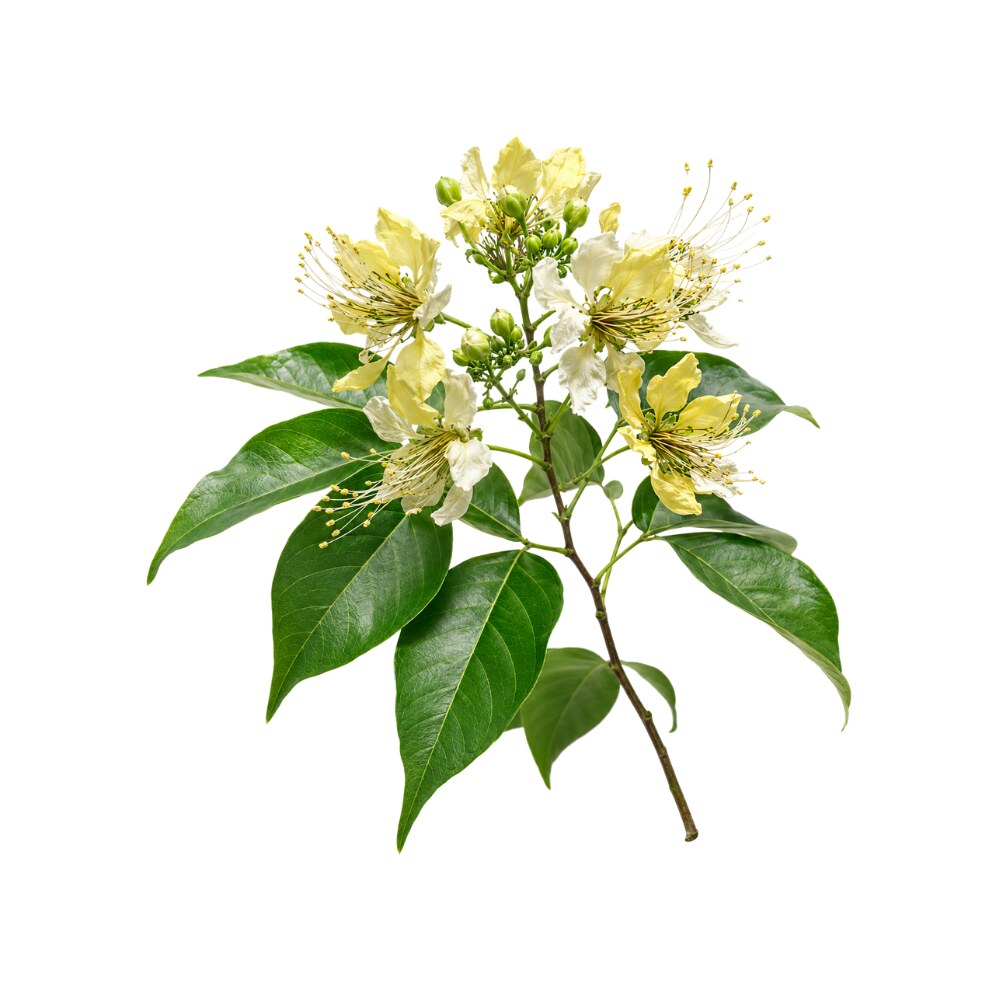 ModerateModerateCrataevaCrataeva nurvalaVaruna, the principal Ayurvedic urinary herb, and one of the few traditional stone remedies with a controlled trial behind it.Also underBladder ↓Read the evidenceShow lessMonograph →
A prospective, randomised, controlled study of the classical varuna and banana stem formulation found benefit in urinary stone disease 17Reference 17RCTA prospective, randomized, controlled study of the Ayurvedic formulation “varuna and banana stem” in urinary stonesView study →.
The animal and mechanistic base is unusually thorough for a traditional herb. Crataeva reduces stone formation in experimental urolithiasis 18Reference 18AnimalEffect of Crataeva nurvala in experimental urolithiasis — animal modelView study →, its triterpene lupeol protects against calcium oxalate crystal-induced peroxidative injury 19Reference 19AnimalProtective effect of triterpenes on calcium oxalate crystal-induced peroxidative changes in experimental urolithiasis — animal modelView study →, and extracts protect against renal ischaemia-reperfusion injury 28Reference 28AnimalProtective action of Crateva nurvala extracts against renal ischaemia-reperfusion injury — animal modelView study →.
Little safety data exists outside traditional use, which is long but not systematically documented. Its overactive-bladder evidence appears in the bladder group below.
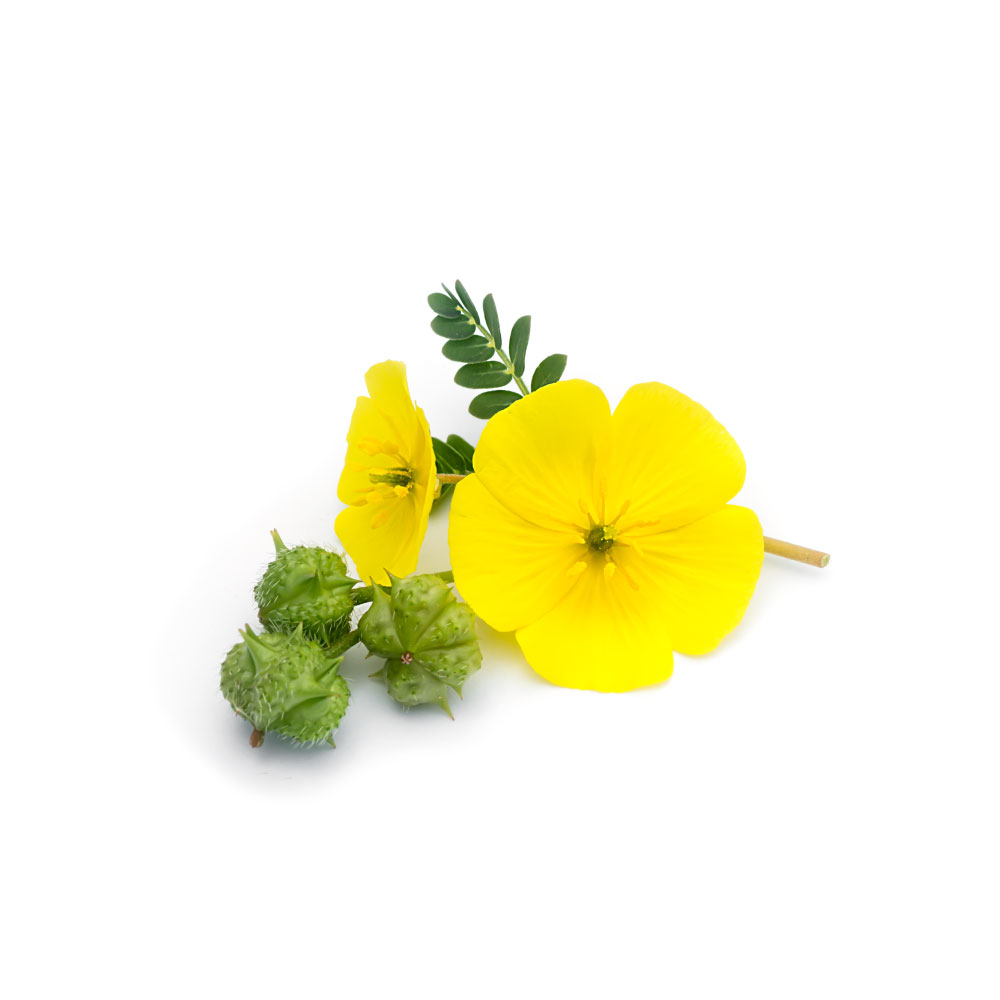 PreclinicalPreclinicalTribulusTribulus terrestrisGokshura, an Ayurvedic urinary herb long before it became a sports supplement.Read the evidenceShow lessMonograph →
In vitro it diminishes oxalate-induced renal tubular cell injury and inhibits calcium oxalate crystallisation 20Reference 20In vitroDiminution of oxalate-induced renal tubular cell injury and inhibition of calcium oxalate crystallisation in vitro by Tribulus terrestrisView study →, and rat work supports a diuretic and smooth-muscle effect 21Reference 21AnimalTribulus terrestris — preliminary study of its diuretic and contractile effects in ratsView study →. A randomised placebo-controlled trial reported effects on lower urinary tract symptoms in late-onset hypogonadism, which was a hormonal trial rather than a urological one.
Against that sit published case reports of acute kidney injury 23Reference 23Case reportAcute kidney injury and hyperbilirubinaemia in a young male after ingestion of Tribulus terrestris — case reportView study → and of severe combined liver and renal injury 22Reference 22Case reportSevere liver and renal injury from Tribulus terrestris — case reportView study → after Tribulus supplementation, with a saponin identified as a plausible hepatorenal toxin in animals.
The safety data are more substantial than the efficacy data, which is worth weighing against a reputation as a kidney herb.
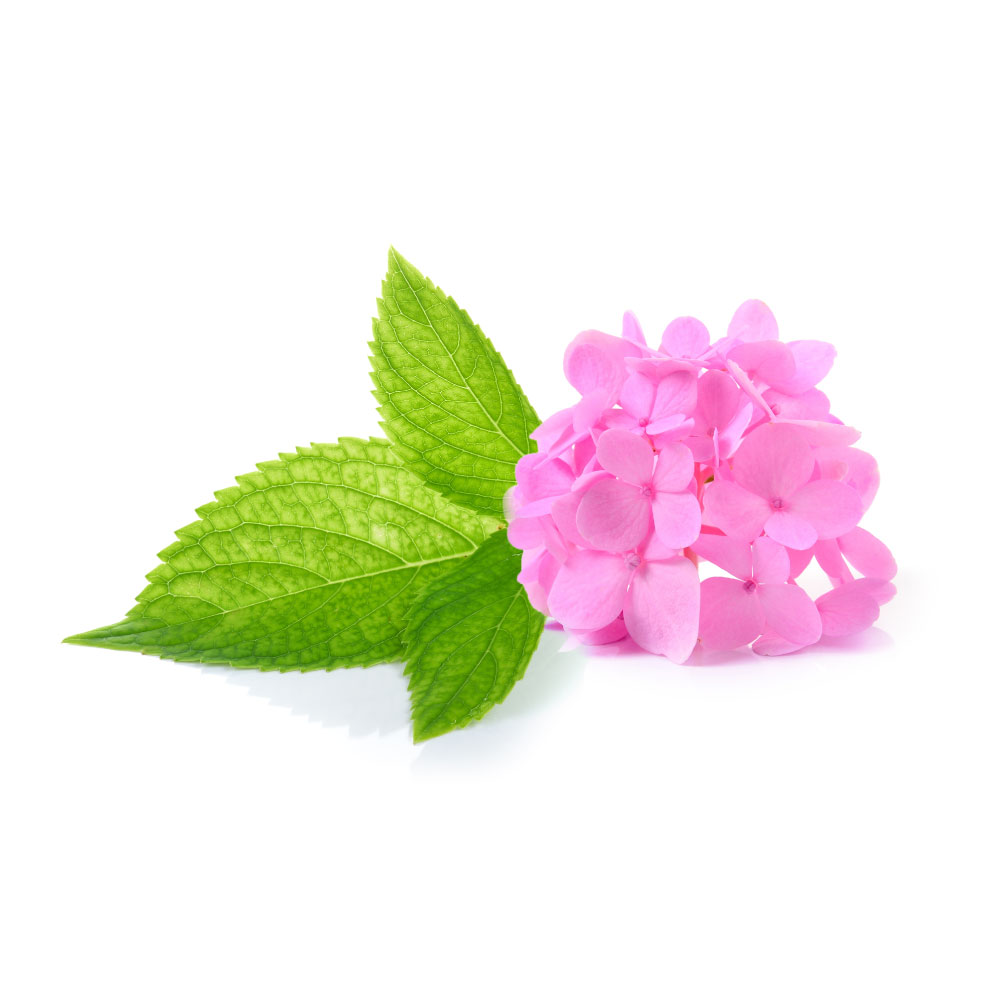 TraditionalTraditionalHydrangeaHydrangea arborescensThe North American seven barks, adopted from Cherokee use and a fixture of nineteenth-century Eclectic practice for gravel and stones. It was traditionally combined with gravel root and corn silk, and credited with easing the passage of stones as much as preventing them.Read the evidenceShow lessMonograph →
There is no clinical evidence for any urinary indication. The modern research on Hydrangea constituents concerns hydrangenol’s antiproliferative activity in bladder cancer cell lines, which is a different question.
The root is the medicinal part. Hydrangea contains cyanogenic glycosides, and the leaves and buds are toxic in quantity.
Bladder Irritation & Overactive Bladder
3 herbsA small group with one properly designed trial in it.
Overactive bladder means urgency, frequency, nocturia and sometimes incontinence. It is common, under-reported and poorly served, since anticholinergic drugs work modestly and carry dry mouth, constipation and a debated long-term dementia signal. That leaves real room here, and the evidence is thinner than the need.
StrongStrongCrataevaCrataeva nurvalaThe strongest evidence for this herb sits in overactive bladder rather than in stones.Also underKidney ↓Read the evidenceShow lessMonograph →
A phase 2 randomised, double-blind, placebo-controlled trial of Urox, a fixed combination of Crataeva nurvala stem bark, Equisetum arvense and Lindera aggregata, found significant improvement in overactive bladder symptoms and urinary incontinence over eight weeks, with a good tolerability profile 26Reference 26RCTUrox (Crataeva nurvala stem bark, Equisetum arvense, Lindera aggregata) for overactive bladder and urinary incontinence — phase 2 randomised, double-blind, placebo-controlled trialView study →.
The result belongs to the three-herb combination rather than to crataeva alone, and it is one trial from one group in a field where placebo response on urinary symptom scores is high.
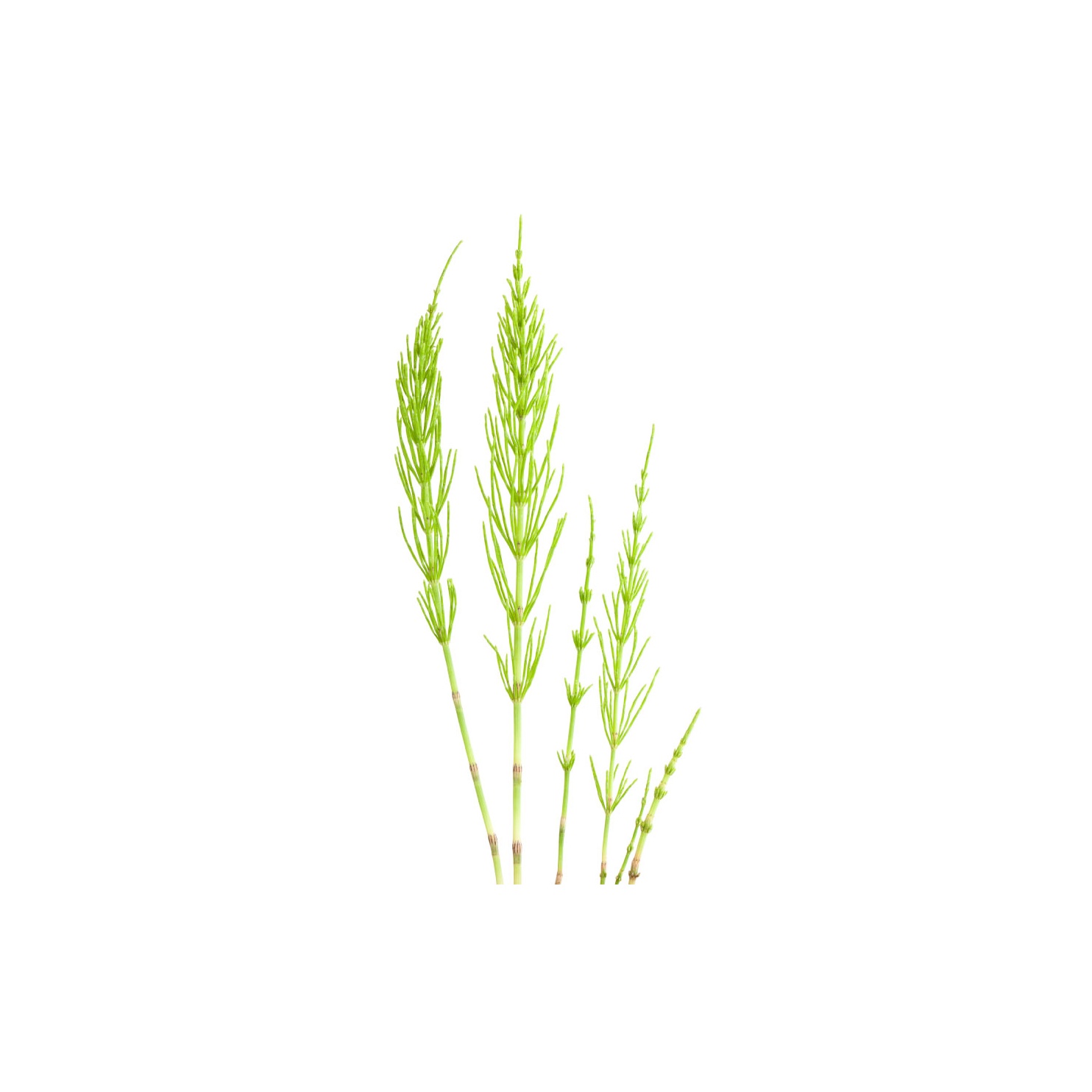 ModerateModerateHorsetailEquisetum arvenseThe most direct human diuretic evidence in this system.Read the evidenceShow lessMonograph →
A randomised, double-blind clinical trial in healthy volunteers found Equisetum arvense produced an acute diuretic effect comparable to hydrochlorothiazide over 24 hours without disturbing electrolytes 27Reference 27RCTRandomized, double-blind clinical trial to assess the acute diuretic effect of Equisetum arvense (field horsetail) in healthy volunteersView study →, which is a measured aquaretic action rather than an inferred one.
It is also the second component of the Urox combination above, and its traditional use for urinary irritation and enuresis is long-standing.
Horsetail contains thiaminase, which degrades vitamin B1 and has caused deficiency with prolonged use, and Equisetum palustre is a toxic look-alike and a real contamination risk in wild-collected material.
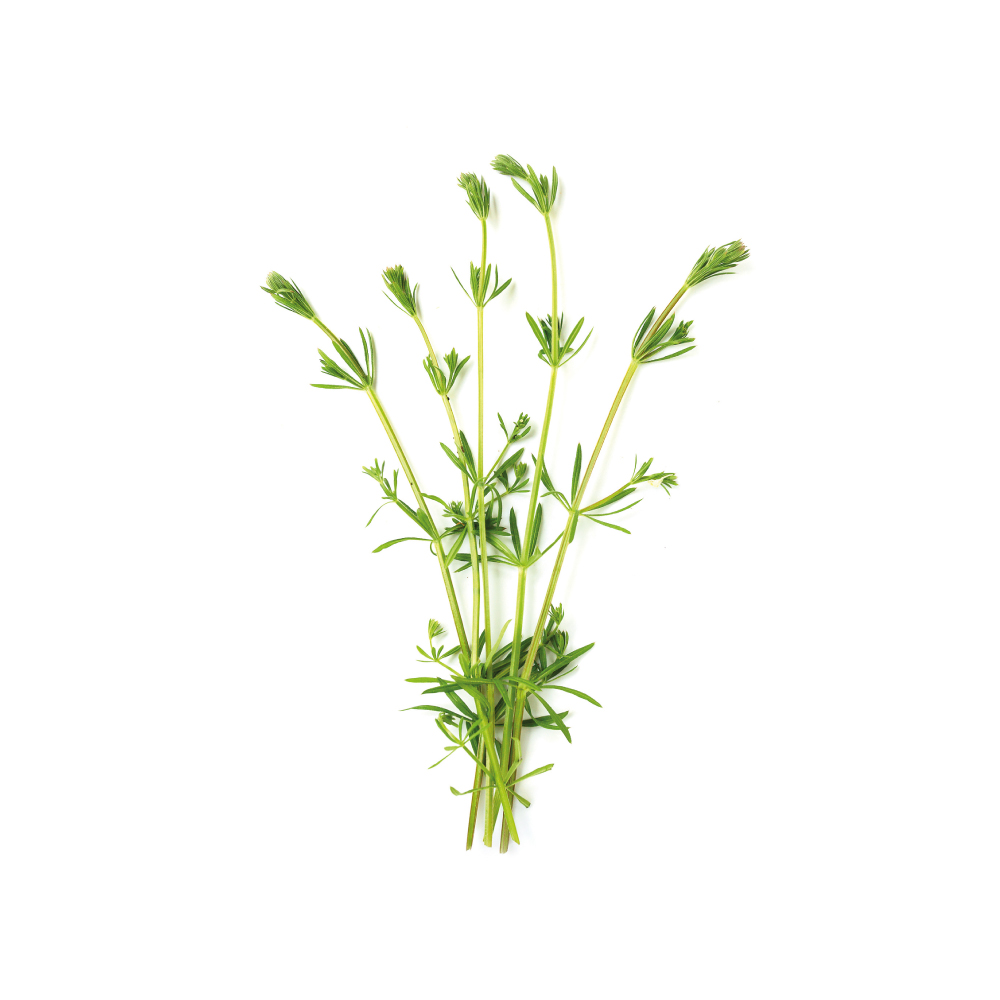 TraditionalTraditionalCleaversGalium aparineThe classic Western lymphatic and urinary herb, given as a fresh-plant juice or cold infusion for irritable bladder, cystitis and as a general cooling diuretic.Read the evidenceShow lessMonograph →
It is one of the most widely prescribed herbs in British practice and one of the least studied. The published work concerns unrelated antiproliferative activity in leukaemia cell lines.
The preparation follows from the chemistry. Cleavers is used fresh or cold-infused, since heat is held to destroy the active constituents, which is why it appears as a juice or succus far more often than as a dried tea.
Very low risk, and no clinical evidence for any urinary indication.
Prostate & Lower Urinary Tract Symptoms
2 herbsThe most commercially significant group in this system and the most instructive.
Benign prostatic hyperplasia causes hesitancy, weak stream, incomplete emptying and nocturia in a large share of men over fifty, and saw palmetto has been the best-selling herbal remedy for it for decades. The trial literature is an unresolved contradiction, and the geography of it is the clue.
Prostate symptoms always warrant assessment first, because the symptoms of benign enlargement and of prostate cancer overlap.
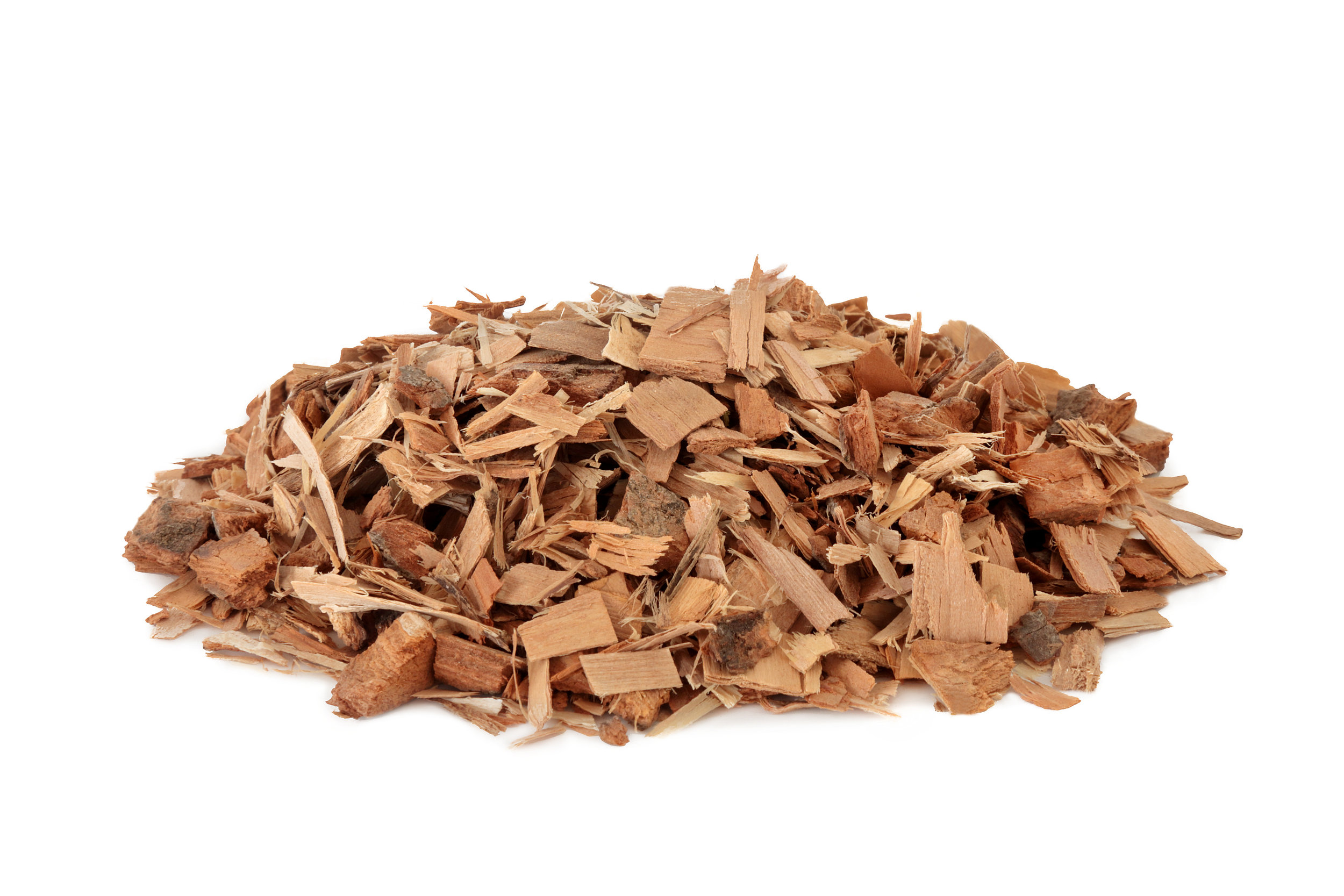 ModerateModerateSaw PalmettoSerenoa repensThe most rigorously tested herb in this system, and the one whose literature disagrees with itself most completely.Read the evidenceShow lessMonograph →
A randomised controlled trial in the New England Journal of Medicine found no improvement over placebo in moderate-to-severe benign prostatic hyperplasia 30Reference 30RCTSaw palmetto for benign prostatic hyperplasia — randomised controlled trialView study →, and a JAMA trial escalating to three times the standard dose found no benefit at any dose 31Reference 31RCTEffect of increasing doses of saw palmetto extract on lower urinary tract symptoms — randomised trialView study →.
The 2023 Cochrane review concluded Serenoa repens provides little or no benefit for lower urinary tract symptoms 29Reference 29Meta-analysisSerenoa repens for the treatment of lower urinary tract symptoms due to benign prostatic enlargement — Cochrane systematic review and meta-analysisView study →.
Meta-analyses restricted to the hexanic lipidosterolic extract report improvement in symptom scores and flow rate 32,
The plausible reconciliation is preparation, since the American trials used non-hexanic extracts. The plausible alternative is that the hexanic literature is smaller and closer to its manufacturer.
It is well tolerated either way, and it does not lower PSA 35Reference 35In vitroSerenoa repens (Permixon) inhibits the 5α-reductase activity of human prostate cancer cell lines without interfering with PSA expression — in vitroView study →, so it will not mask a cancer.
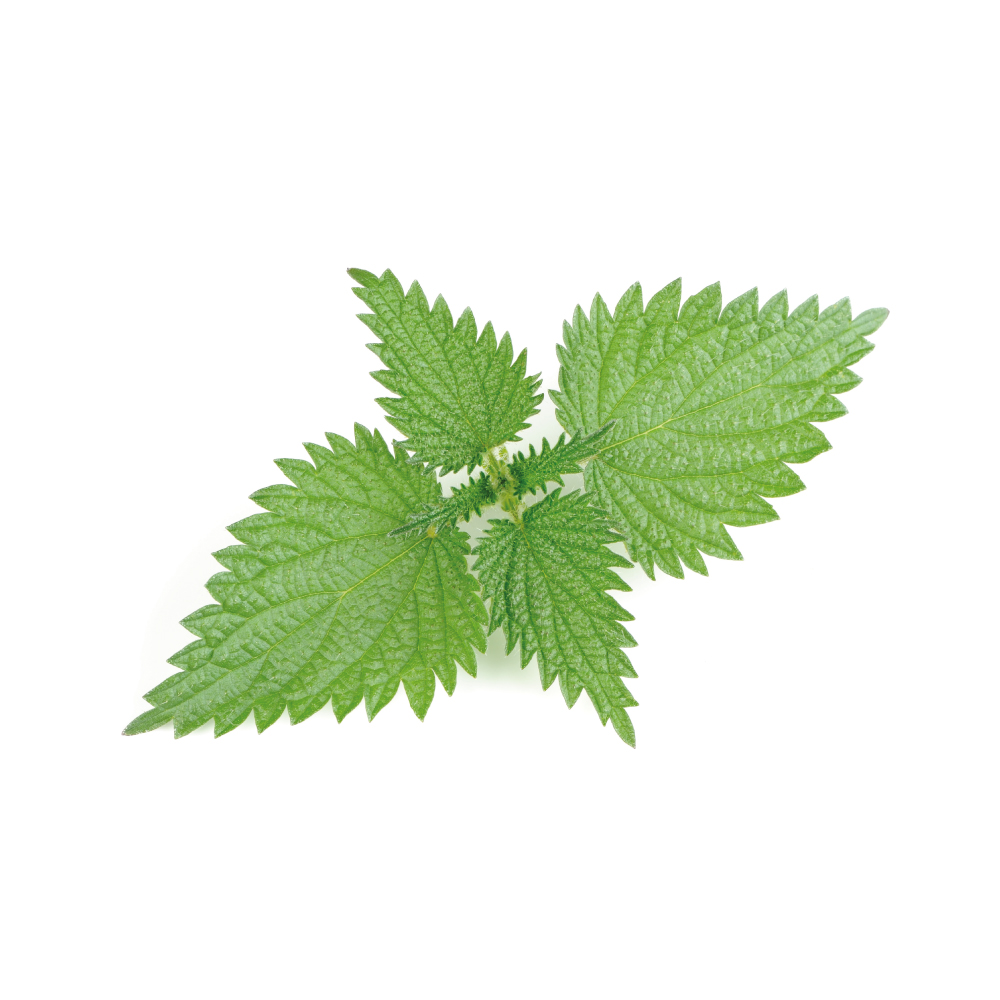 ModerateModerateStinging NettleUrtica dioicaThe root, not the leaf. Nettle leaf is a mineral-rich nutritive with entirely different chemistry, and products routinely fail to say which part they contain.Read the evidenceShow lessMonograph →
A prospective, randomised, double-blind, placebo-controlled crossover study found nettle root improved symptoms in benign prostatic hyperplasia 36Reference 36RCTUrtica dioica for treatment of benign prostatic hyperplasia — prospective, randomised, double-blind, placebo-controlled crossover studyView study →, and a randomised, double-blind, placebo-controlled multicentre study of the Bazoton-uno extract supported long-term use 37Reference 37RCTStinging nettle root extract (Bazoton-uno) in long-term treatment of benign prostatic syndrome — randomised, double-blind, placebo-controlled multicentre studyView study →.
Its best evidence is in combination with saw palmetto. A placebo-controlled double-blind multicentre trial of the Sabal-Urtica fixed combination found benefit in lower urinary tract symptoms 38Reference 38RCTEfficacy and safety of a combination of Sabal and Urtica extract in lower urinary tract symptoms — placebo-controlled, double-blind, multicentre trialView study →, and a randomised trial found the combination comparable to finasteride 39Reference 39RCTCombined sabal and urtica extract compared with finasteride in men with benign prostatic hyperplasia — randomised trialView study →.
A re-evaluation of four randomised controlled trials found specific improvement in nocturia 40Reference 40RCTFixed-dose combination PRO 160/120 of sabal and urtica extracts improves nocturia in men with LUTS suggestive of BPH — re-evaluation of four randomised controlled trialsView study →, the symptom patients most want fixed.
Well tolerated, with the usual combination caveat that the strongest result belongs to the pair.
Diuretics & Fluid Balance
3 herbsThe traditional core of this system and the weakest group for human evidence, since almost all of it is animal work.
The clinical framing needs stating firmly. Fluid retention is a symptom, not a diagnosis, and swelling can mean heart failure, kidney disease, liver disease or venous insufficiency. Reaching for a diuretic herb without knowing which is how serious disease gets delayed.
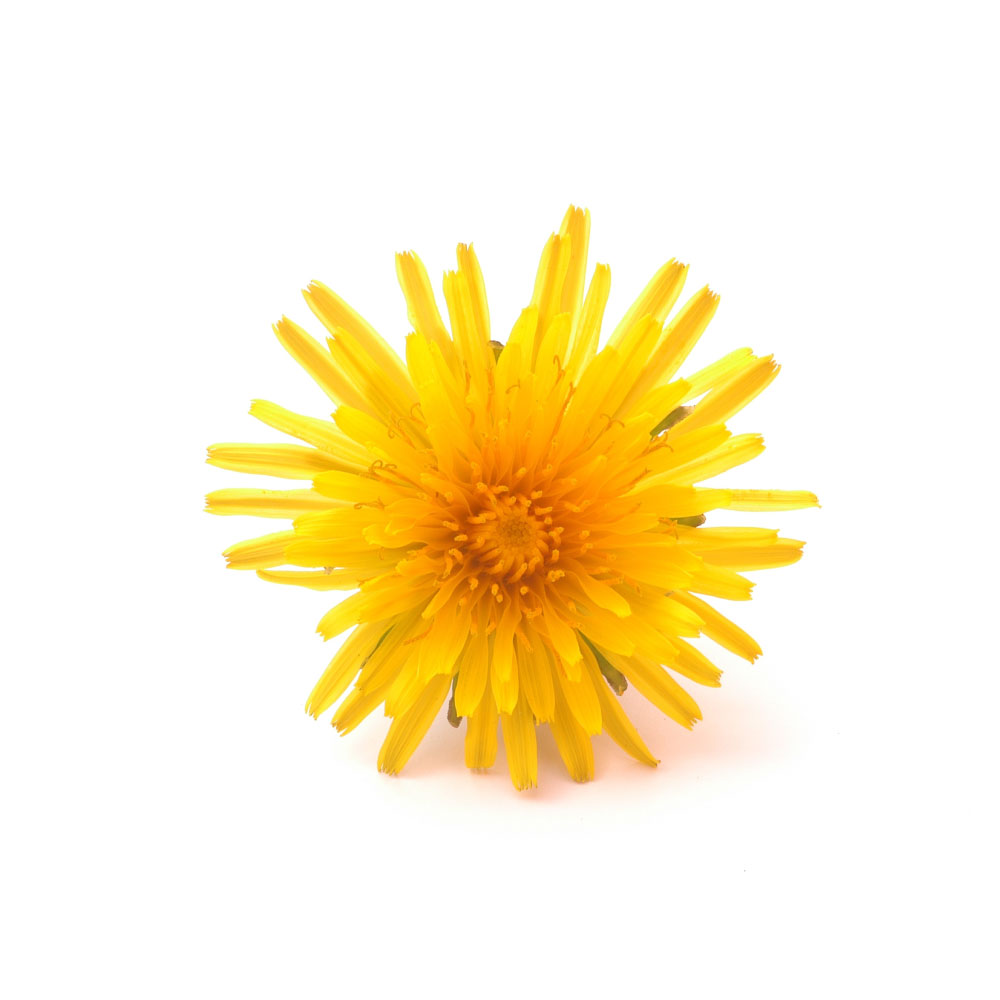 TraditionalTraditionalDandelionTaraxacum officinaleThe best-known Western diuretic, where the traditional teaching is more interesting than the evidence.Read the evidenceShow lessMonograph →
The leaf is the diuretic, and its French name pissenlit records the effect bluntly. It is unusually high in potassium, which is the classic argument for it over a pharmaceutical diuretic that depletes potassium.
That argument is pharmacologically reasonable and untested.
The root is a different medicine, a bitter and choleretic covered on the hepatobiliary page, and labels rarely distinguish the two.
There is no controlled human diuretic trial. It is safe, edible and abundant, and an Asteraceae plant, so allergy is possible.
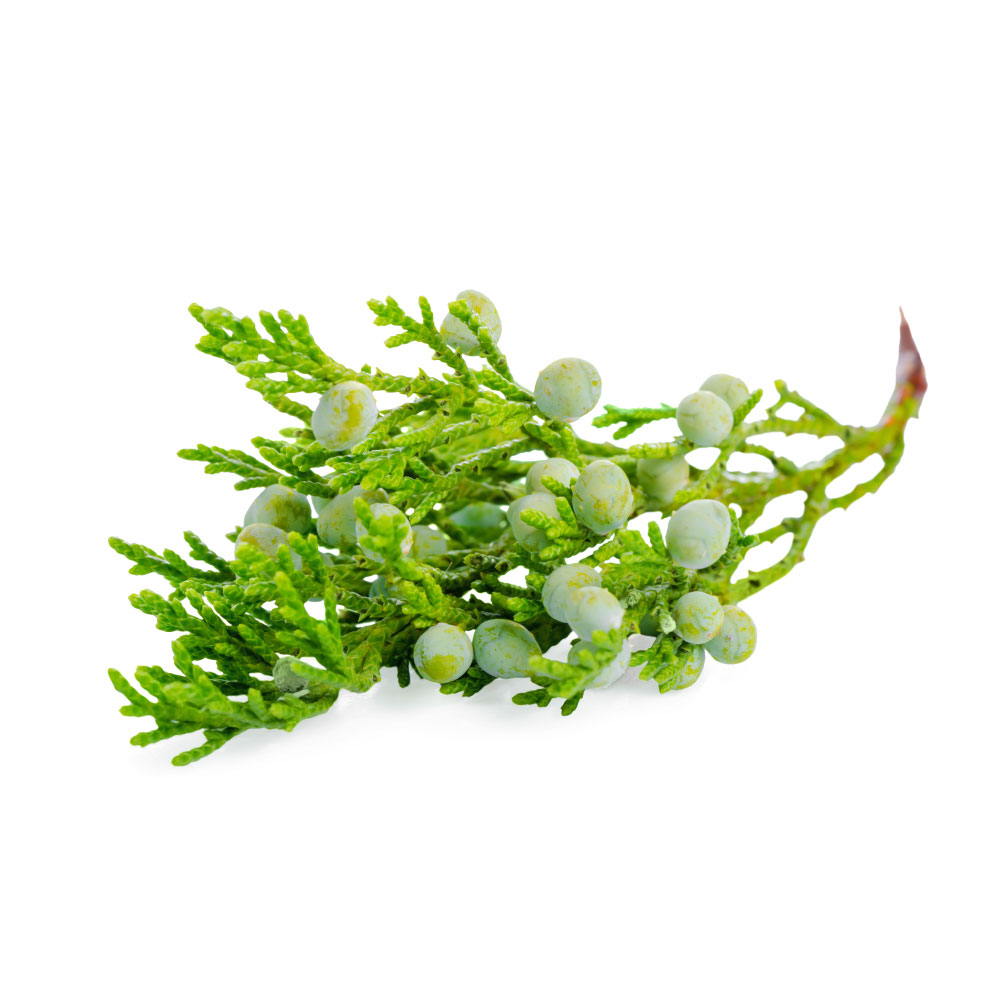 PreclinicalPreclinicalJuniperJuniperus communisThe strongest of the traditional urinary herbs and the one needing the most care.Read the evidenceShow lessMonograph →
Its diuretic principle was investigated as far back as 1957 42Reference 42Diuretic substance from juniper (Juniperus communis L.)View study →, and modern work shows juniper extract ameliorates lipopolysaccharide-induced acute kidney injury through the AMPK pathway in animals 43Reference 43AnimalJuniperus communis extract ameliorates lipopolysaccharide-induced acute kidney injury through the AMPK pathway — animal modelView study →, with a broad review covering its wider pharmacology 44Reference 44ReviewPotential of Juniperus communis L as a nutraceutical in human and veterinary medicine — reviewView study →.
The volatile oil is both the active and the problem. Terpinen-4-ol raises glomerular filtration, and older sources warn that high or prolonged doses irritate the renal parenchyma.
Modern assessments regard the nephrotoxicity claim as overstated for the whole berry, and the sensible position is unchanged: short courses only, never the essential oil internally, and not in kidney disease or pregnancy, where it is a documented uterine stimulant.
PreclinicalPreclinicalGoldenrodSolidago virgaureaThe diuretic half of goldenrod’s European irrigation-therapy role.Also underUrinary ↓Read the evidenceShow lessMonograph →
Flavonoid fractions of Solidago virgaurea increase diuresis in rats with effects on electrolyte handling 41Reference 41AnimalEffect of flavonoid fractions of Solidago virgaurea L. on diuresis and levels of electrolytes — in vivo rat studyView study →, an effect reproduced across Solidago species.
Its bladder-relaxant activity in tissue baths 9Reference 9In vitroExtracts from Rhois aromatica and Solidaginis virgaurea inhibit rat and human bladder contraction — in vitro tissue-bath and muscarinic receptor studyView study → complements the flushing action, which is a coherent combination for the irritable, mildly infected bladder it is traditionally used for.
Unlike juniper it carries no renal-irritation concern, which makes it the more sensible long-course choice of the two, and it is the one European regulators approved for irrigation therapy. There is no human diuretic trial.
Kidney Disease & Renal Protection
3 herbsThe most clinically serious group here, and the most Chinese.
Chronic kidney disease is progressive, common and increasingly driven by diabetes and hypertension, and the drugs that slow it are well established. Every herb here is an adjunct to those drugs, and the trials mostly measure proteinuria and creatinine over months rather than the decline in kidney function over years that actually matters.
Anyone with reduced kidney function clears herbs unpredictably, which makes this the group needing specialist input most.
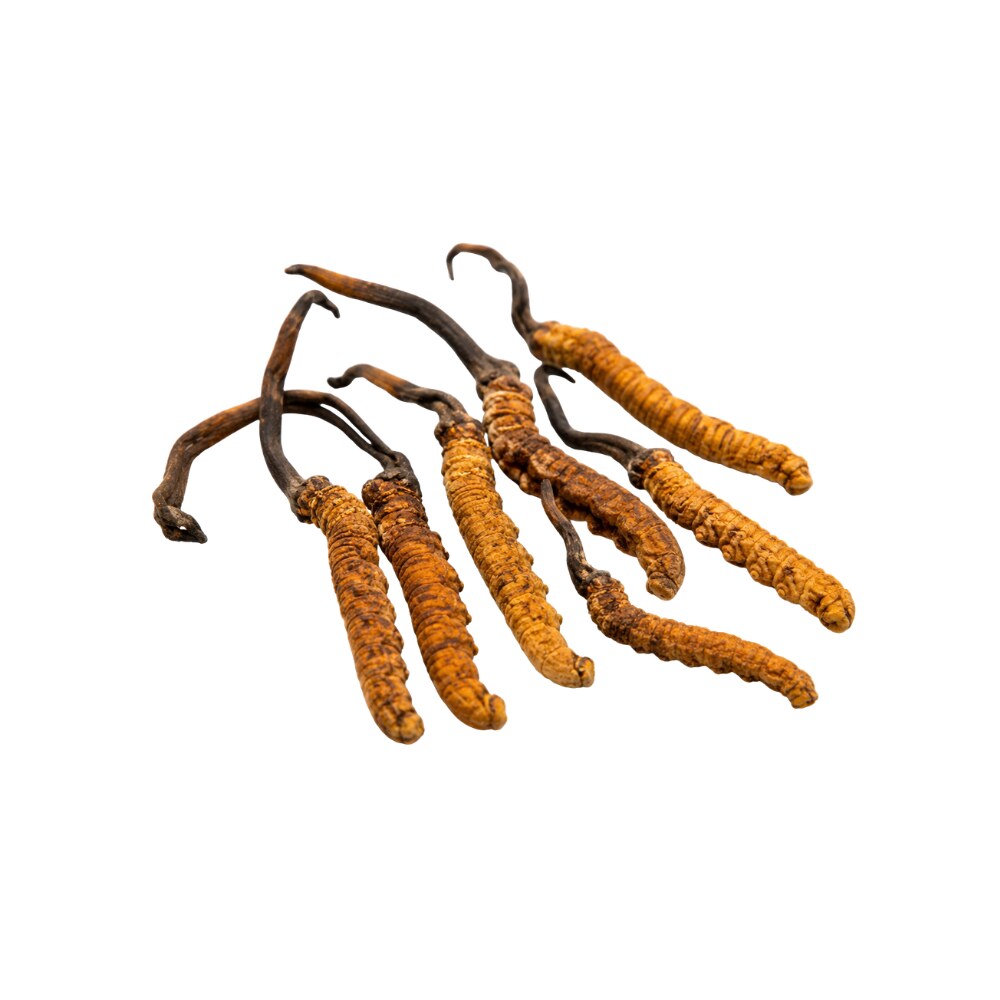 ModerateModerateCordycepsCordyceps sinensisThe best-evidenced kidney herb, with two Cochrane reviews to its name.Read the evidenceShow lessMonograph →
A Cochrane review of Cordyceps sinensis for chronic kidney disease found suggestive benefit on proteinuria and creatinine while judging the contributing trials small and of poor quality 45Reference 45Systematic reviewCordyceps sinensis (a traditional Chinese medicine) for treating chronic kidney disease — Cochrane systematic reviewView study →. A second Cochrane review examined it in kidney transplant recipients 46Reference 46Systematic reviewCordyceps sinensis (a traditional Chinese medicine) for kidney transplant recipients — Cochrane systematic reviewView study →, where a separate systematic review and meta-analysis found it a useful adjunct 47Reference 47Meta-analysisEfficacy of Cordyceps sinensis as an adjunctive treatment in kidney transplant patients — systematic review and meta-analysisView study →.
In diabetic kidney disease, a meta-analysis found Ophiocordyceps sinensis combined with ACE inhibitors or ARBs improved renal measures over the drugs alone 48Reference 48Meta-analysisThe effects of Ophiocordyceps sinensis combined with ACEI/ARB on diabetic kidney disease — systematic review and meta-analysisView study →, which is an add-on design and the right comparison to make.
The trials are Chinese and methodologically weak, and commercial products are cultivated C. militaris or mycelial biomass rather than wild C. sinensis.
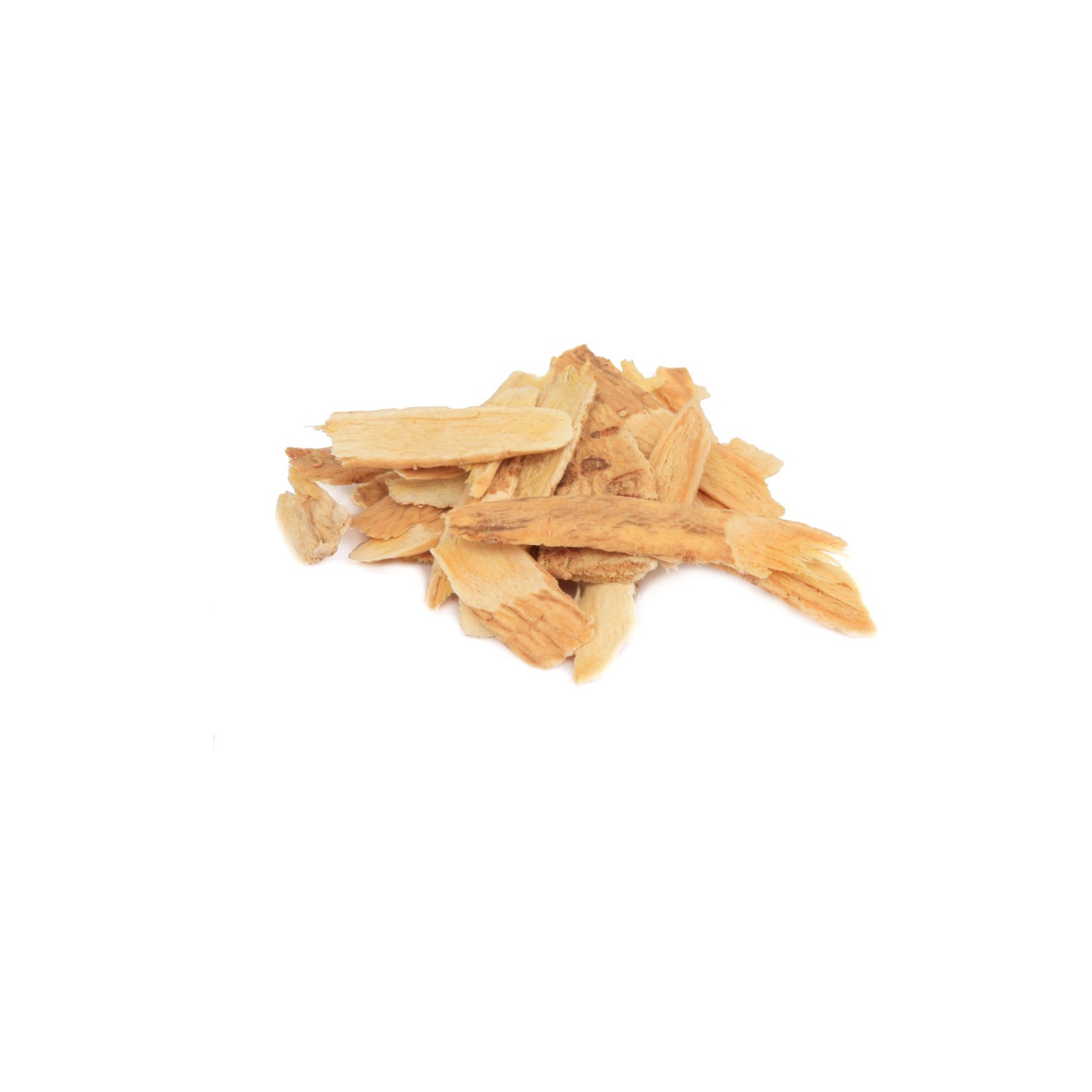 ModerateModerateAstragalusAstragalus membranaceusThe other major Chinese kidney adjunct, with a similar evidence shape.Read the evidenceShow lessMonograph →
A Cochrane review of astragalus for chronic kidney disease found possible benefit on creatinine clearance and proteinuria but concluded the evidence was too weak to support routine use 49Reference 49Systematic reviewAstragalus (a traditional Chinese medicine) for treating chronic kidney disease — Cochrane systematic review of randomised controlled trialsView study →.
In diabetic nephropathy, the commonest cause of kidney failure, a meta-analysis found clinical benefit 50Reference 50Meta-analysisMeta-analysis of the clinical value of Astragalus membranaceus in diabetic nephropathy — randomised and controlled trialsView study →, and a later systematic review and meta-analysis found astragalus combined with RAAS blockers improved outcomes in stage III disease over the blockers alone 51Reference 51Meta-analysisEfficacy of astragalus combined with RAAS blockers in stage III diabetic nephropathy — systematic review and meta-analysis of randomised controlled trialsView study →.
Astragalus is an immunostimulant, which is a real concern in transplant recipients on immunosuppressants, precisely the population cordyceps is studied in. Its immune and oncology evidence is on the immune page.
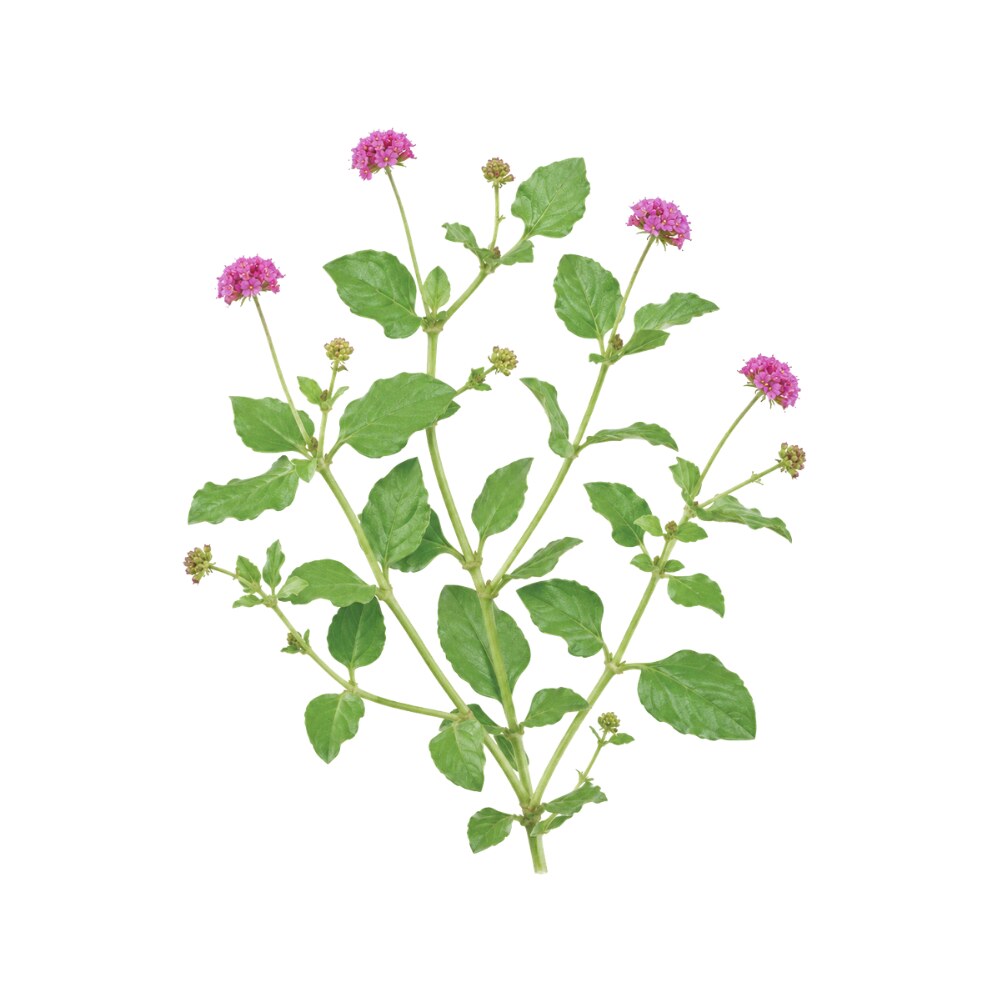 PreclinicalPreclinicalErva TostãoBoerhavia diffusaPunarnava, “that which renews”, the principal Ayurvedic kidney herb, used for oedema, urinary disorders and kidney disease.Read the evidenceShow lessMonograph →
It attenuates gentamicin-induced nephrotoxicity in rats 52Reference 52AnimalEvaluation of the effect of Boerhavia diffusa on gentamicin-induced nephrotoxicity in rats — animal modelView study → and cisplatin-induced nephrotoxicity 53Reference 53AnimalSafety assessment and attenuation of cisplatin-induced nephrotoxicity by tuberous roots of Boerhaavia diffusa — animal modelView study →, both clinically relevant drug injuries, and in adenine-induced chronic kidney disease it attenuates podocyte injury by enhancing nephrin expression 54Reference 54AnimalBoerhavia diffusa attenuates podocyte injury in rats with adenine-induced chronic kidney disease by enhancing nephrin expression — animal modelView study →, which is a mechanistically specific finding rather than a general antioxidant one.
Its boeravinone B and related constituents show renal protective effects in diabetic nephropathy models.
The rodent record is consistent and there is no human trial of any kind.
No herbs match these filters.
Also Tagged
11 more herbs are tagged for this system.
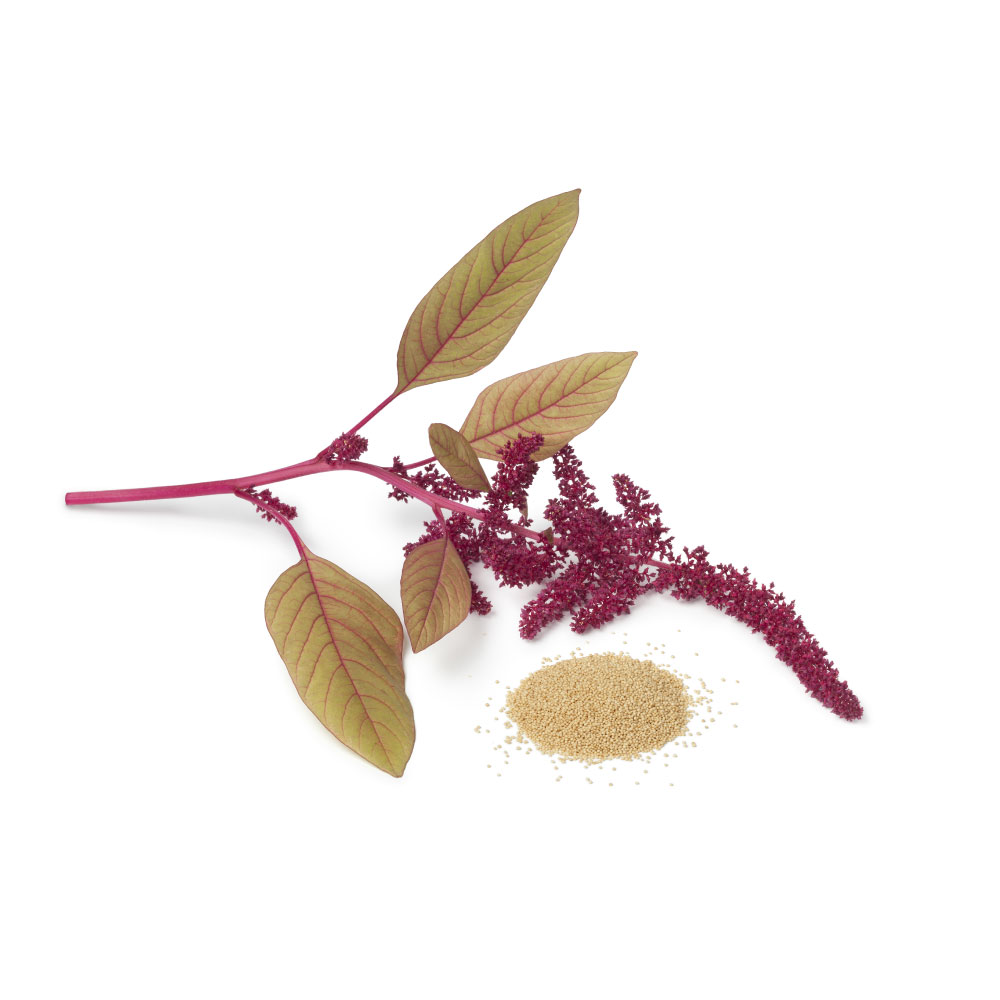
Amaranth
Amaranthus blitum
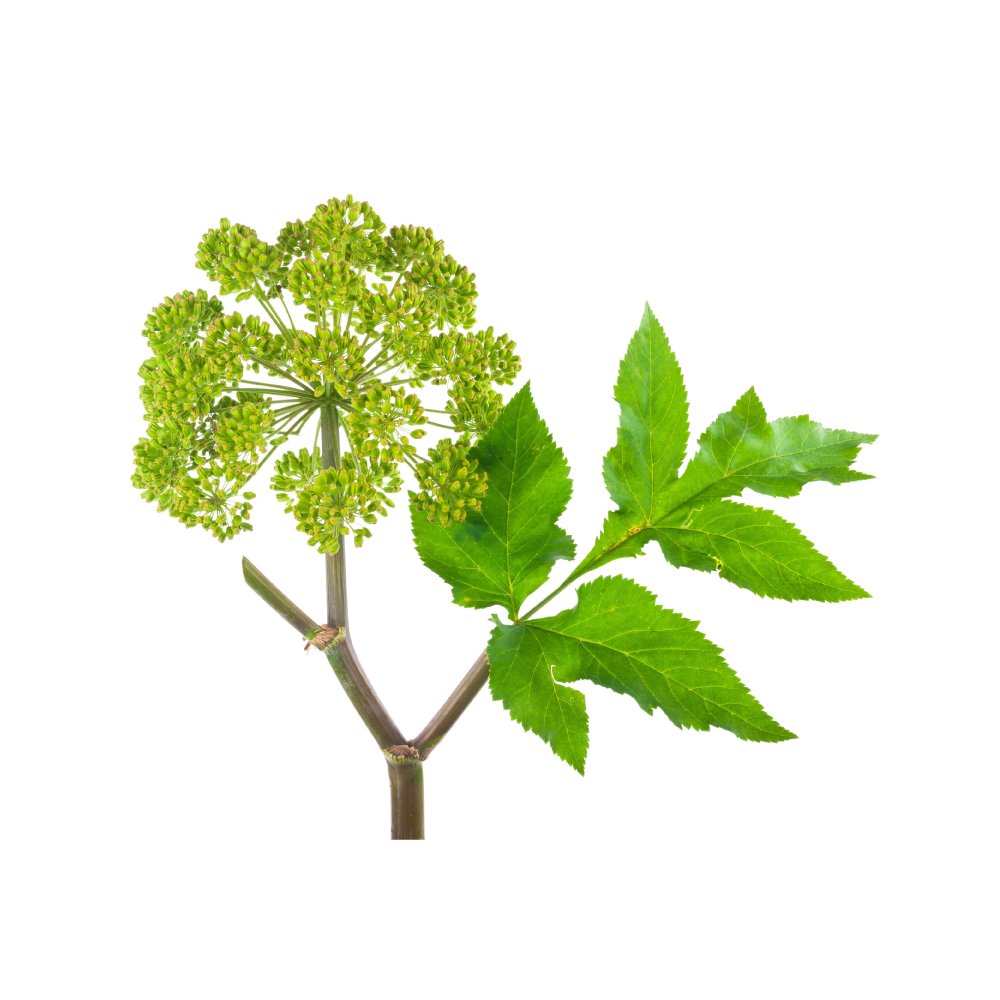
Angelica
Angelica archangelica
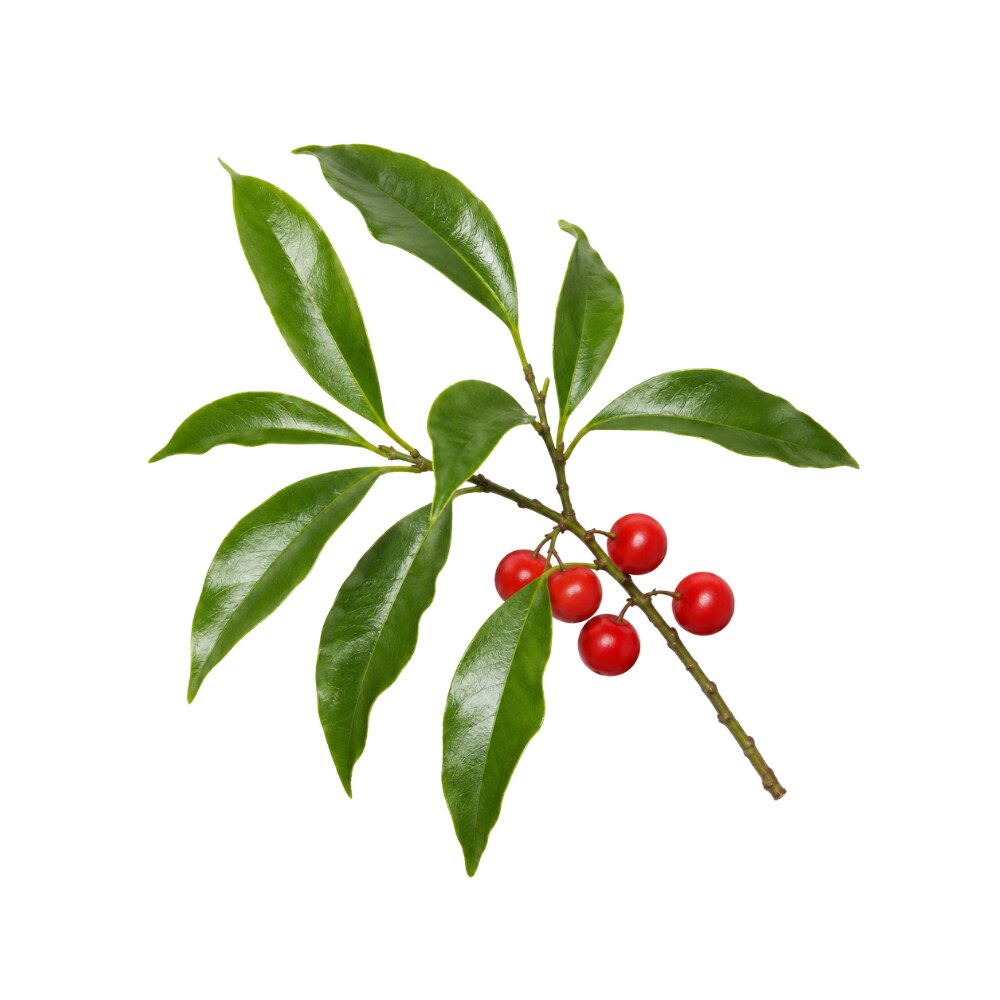
Chá de Bugre
Cordia salicifolia
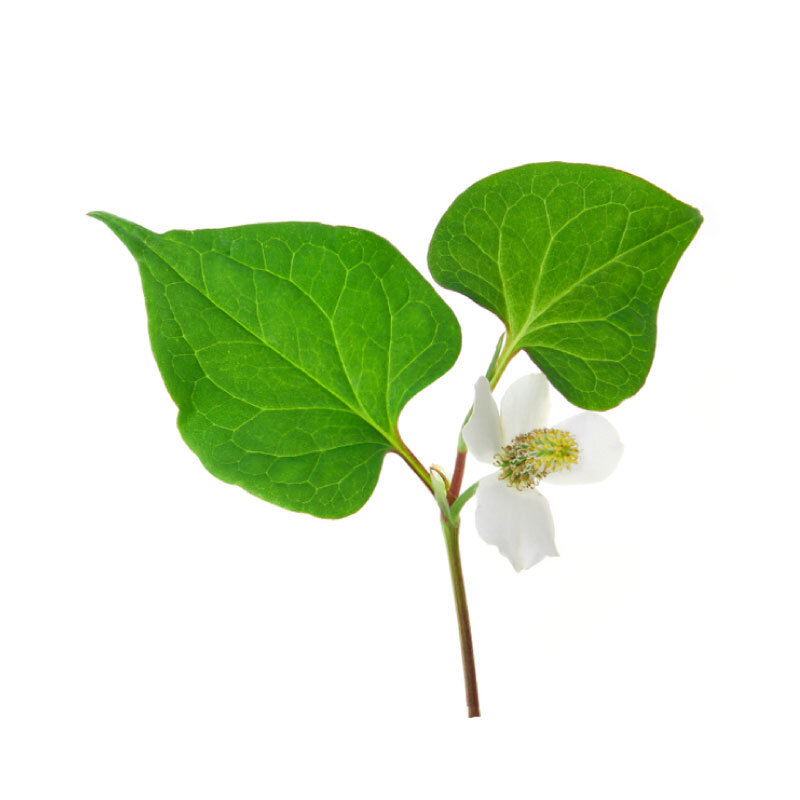
Fish Mint
Houttuynia cordata
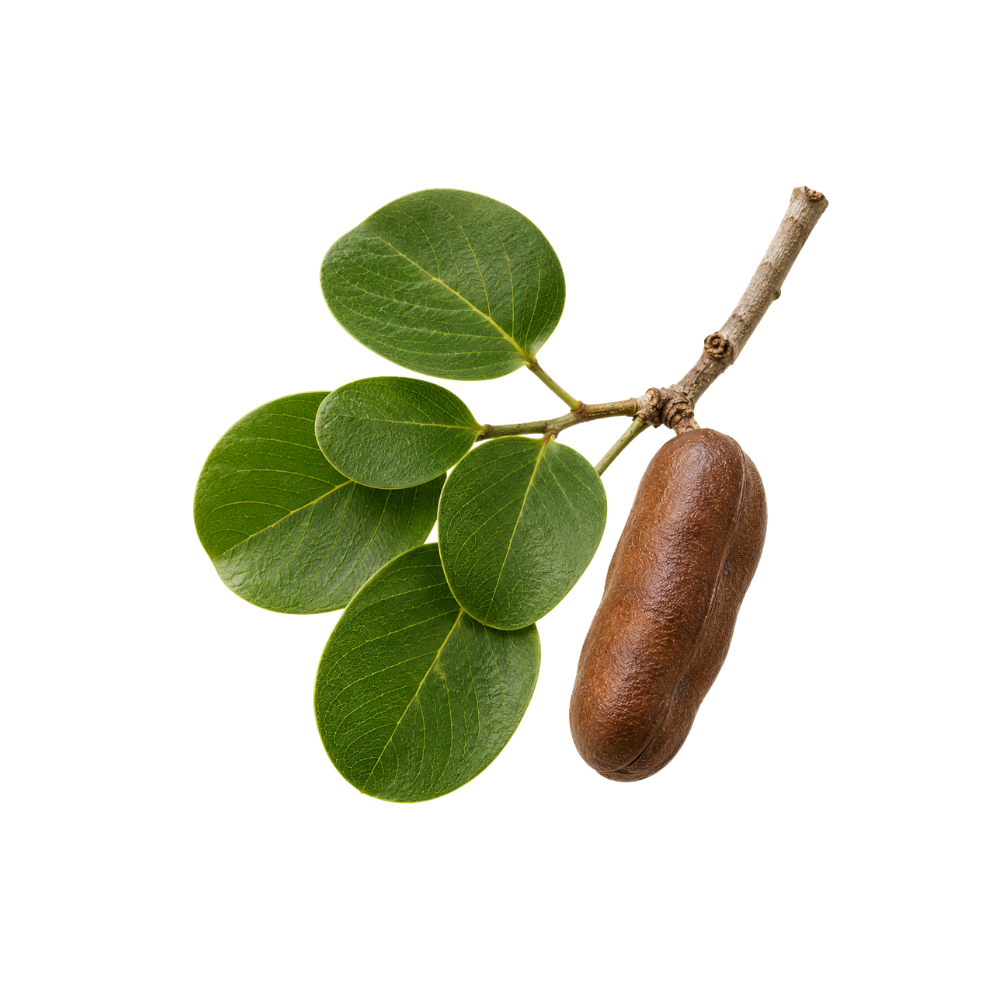
Jatobá
Hymenaea courbaril
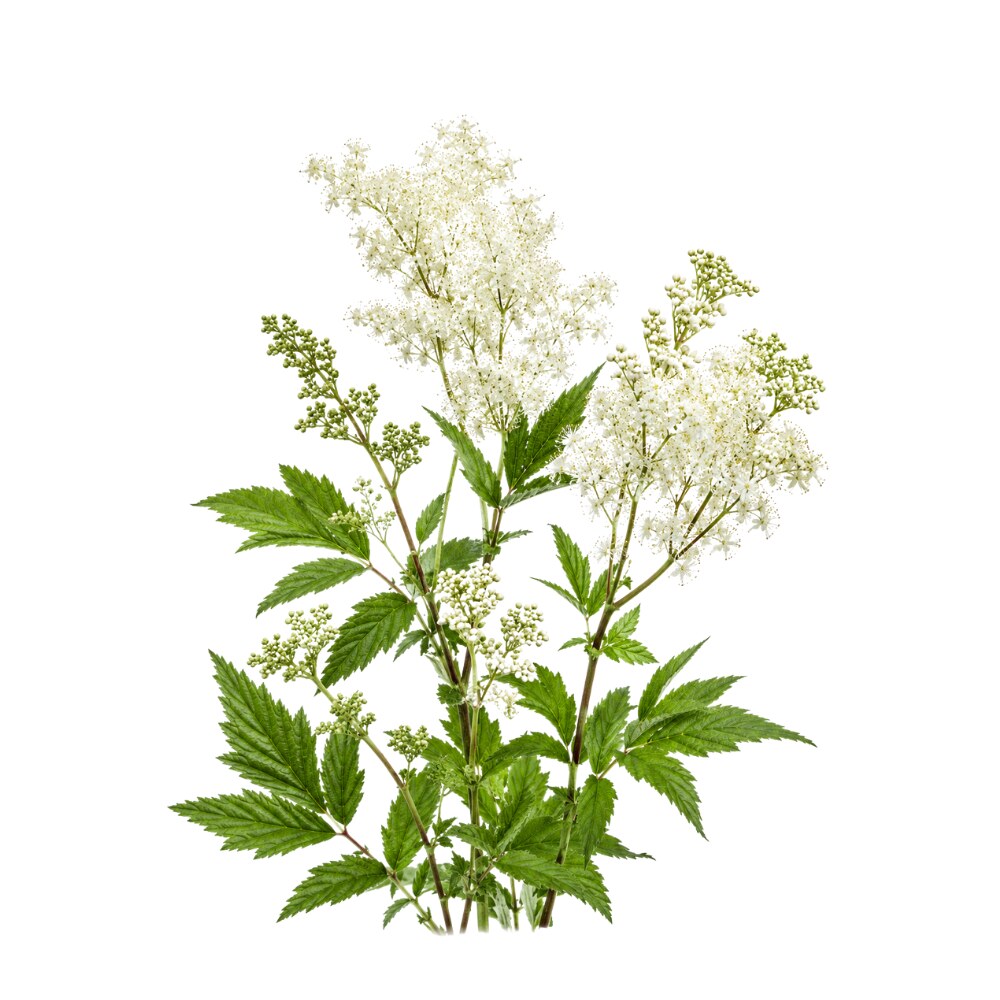
Meadowsweet
Filipendula ulmaria
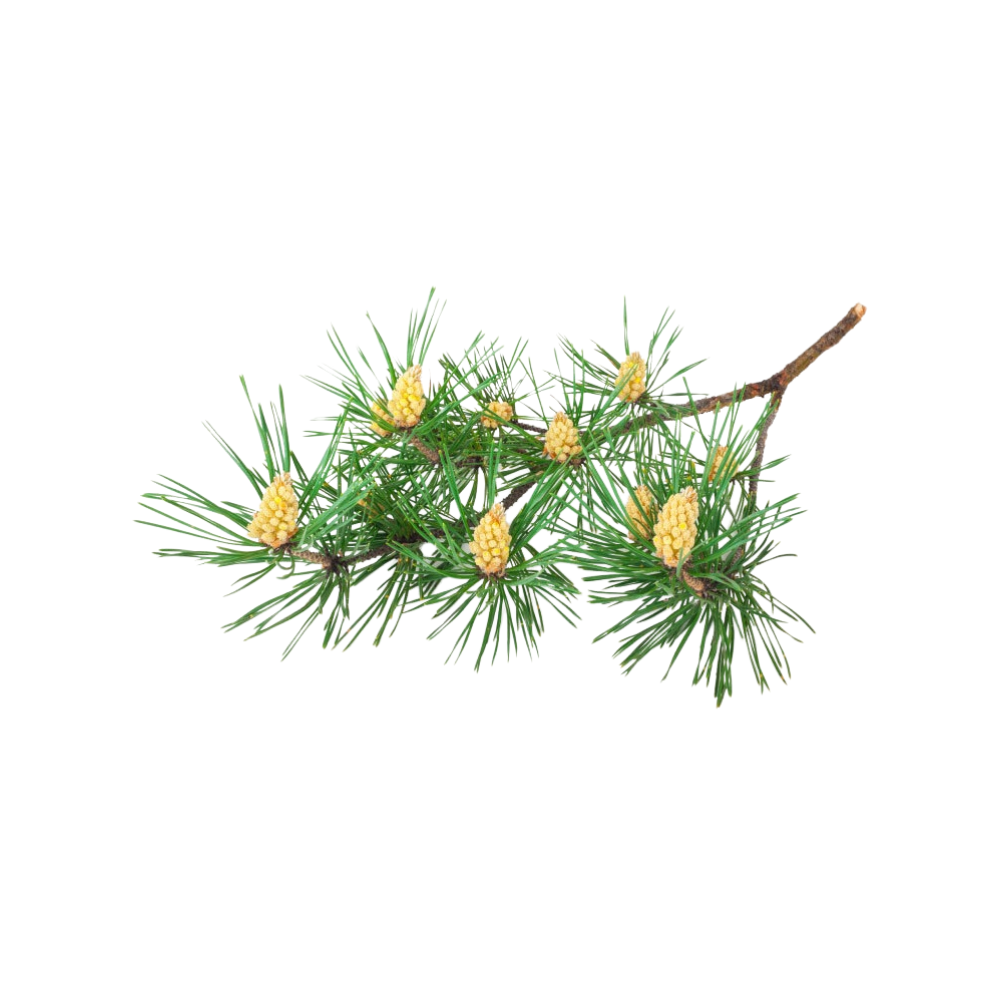
Pine
Pinus sylvestris
Rehmannia
Rehmannia glutinosa
Rhubarb
Rheum palmatum
Shepherd's Purse
Capsella bursa-pastoris
Usnea
Usnea spp.
Safety
- Fever, chills, flank pain or vomiting alongside urinary symptoms means the infection may have reached a kidney, and that needs same-day assessment.
- Reduced kidney function changes everything. A damaged kidney clears compounds unpredictably and handles potassium poorly, which makes every herb here a specialist question.
- Herbal diuretics add to prescribed diuretics, ACE inhibitors and ARBs, and a shift in fluid balance can push lithium to dangerous levels.
- Irrigation therapy depends on drinking large volumes, so it is wrong wherever fluid has to be restricted, including some forms of heart and kidney failure.
- Arbutin-bearing antiseptics are short-course herbs, capped near a week and a few courses a year, because the hydroquinone they release is a liver concern at sustained exposure.
- Prostate symptoms are assessed before they are self-treated, because benign enlargement and prostate cancer produce the same complaints and a herb can relieve one while delaying the other.
- Get medical care for blood in the urine, renal colic, inability to pass urine, or urinary symptoms in pregnancy, men, children, diabetes or a catheter.
Pregnancy & Lactation
Pregnancy · AvoidLactation · Caution
- Assume avoid unless a clinician has advised otherwise, because most urinary herbs have no pregnancy data and several are documented uterine stimulants.
- Urinary infection in pregnancy is the exception to waiting, since bacteriuria is screened for and treated because untreated it progresses to kidney infection and preterm birth.
- The measures that help are fluid, complete bladder emptying, and prompt assessment of any symptom.
References
- Gágyor, I., et al. (2021). Herbal treatment with uva ursi extract versus fosfomycin in women with uncomplicated urinary tract infection in primary care — double-blind randomised controlled trial. Clinical Microbiology and Infection. https://pubmed.ncbi.nlm.nih.gov/34111592/
- Moore, M., et al. (2019). Uva-ursi extract and ibuprofen as alternative treatments for uncomplicated urinary tract infection in women (ATAFUTI) — factorial randomised trial. Clinical Microbiology and Infection. https://pubmed.ncbi.nlm.nih.gov/30685500/
- Schindler, G., et al. (2002). Urinary excretion and metabolism of arbutin after oral administration of Arctostaphylos uvae ursi extract in healthy humans — randomised crossover pharmacokinetic study. Journal of Clinical Pharmacology. https://pubmed.ncbi.nlm.nih.gov/12162475/
- Quintus, J., et al. (2005). Urinary excretion of arbutin metabolites after oral administration of bearberry leaf extracts — pharmacokinetic study. Planta Medica. https://pubmed.ncbi.nlm.nih.gov/15729623/
- Tóth, B., et al. (2022). Bearberry in the treatment of acute uncomplicated cystitis (BRUMI) — protocol of a multicentre randomised double-blind clinical trial. BMJ Open. https://pubmed.ncbi.nlm.nih.gov/35750460/
- Wojnicz, D., et al. (2021). Is it worth combining Solidago virgaurea extract and antibiotics against uropathogenic Escherichia coli rods? — in vitro biofilm and antibiotic-synergy study. Pharmaceutics. https://pubmed.ncbi.nlm.nih.gov/33920649/
- Abdulkareem, A. H., et al. (2023). Impact of Solidago virgaurea extract on biofilm formation for ESBL-Pseudomonas aeruginosa — in vitro model study. Pharmaceuticals (Basel). https://pubmed.ncbi.nlm.nih.gov/37895854/
- Cai, T., et al. (2014). Solidago, orthosiphon, birch and cranberry extracts can decrease microbial colonization and biofilm development in indwelling urinary catheter — randomised controlled pilot trial. World Journal of Urology. https://pubmed.ncbi.nlm.nih.gov/24092275/
- Borchert, V. E., et al. (2004). Extracts from Rhois aromatica and Solidaginis virgaurea inhibit rat and human bladder contraction — in vitro tissue-bath and muscarinic receptor study. Naunyn-Schmiedeberg’s Archives of Pharmacology. https://pubmed.ncbi.nlm.nih.gov/14963639/
- Brendler, T., & Abdel-Tawab, M. (2022). Buchu (Agathosma betulina and A. crenulata): rightfully forgotten or underutilized? — review. Frontiers in Pharmacology. https://pubmed.ncbi.nlm.nih.gov/35197854/
- Zhakipbekov, K. S., Serikbayeva, E. A., Tleubayeva, M. I., et al. (2026). Elymus repens (L.) Gould phytochemistry, pharmacological activities and therapeutic potential — systematic review. International Journal of Molecular Sciences. https://pubmed.ncbi.nlm.nih.gov/42278456/
- Dhawan, S., & Olweny, E. O. (2020). Phyllanthus niruri herbal therapy for kidney stones — systematic review and meta-analysis. Canadian Journal of Urology. https://pubmed.ncbi.nlm.nih.gov/32333735/
- Nishiura, J. L., et al. (2004). Phyllanthus niruri normalizes elevated urinary calcium levels in calcium stone forming patients — randomised controlled trial. Urological Research. https://pubmed.ncbi.nlm.nih.gov/15221244/
- Micali, S., et al. (2006). Can Phyllanthus niruri affect the efficacy of extracorporeal shock wave lithotripsy for renal stones? — randomised, prospective, long-term study. Journal of Urology. https://pubmed.ncbi.nlm.nih.gov/16890682/
- Pucci, N. D., et al. (2018). Effect of Phyllanthus niruri on metabolic parameters of patients with kidney stone — prospective cohort. International Brazilian Journal of Urology. https://pubmed.ncbi.nlm.nih.gov/29617079/
- Barros, M. E., et al. (2003). Effects of an aqueous extract from Phyllanthus niruri on calcium oxalate crystallization — in vitro. Urological Research. https://pubmed.ncbi.nlm.nih.gov/12599017/
- Patankar, S., et al. (2008). A prospective, randomized, controlled study of the Ayurvedic formulation “varuna and banana stem” in urinary stones. Journal of Alternative and Complementary Medicine. https://pubmed.ncbi.nlm.nih.gov/19040391/
- Varalakshmi, P., et al. (1990). Effect of Crataeva nurvala in experimental urolithiasis — animal model. Journal of Ethnopharmacology. https://pubmed.ncbi.nlm.nih.gov/2335959/
- Malini, M. M., et al. (2000). Protective effect of triterpenes on calcium oxalate crystal-induced peroxidative changes in experimental urolithiasis — animal model. Pharmacological Research. https://pubmed.ncbi.nlm.nih.gov/10704264/
- Aggarwal, A., et al. (2010). Diminution of oxalate-induced renal tubular cell injury and inhibition of calcium oxalate crystallisation in vitro by Tribulus terrestris. International Brazilian Journal of Urology. https://pubmed.ncbi.nlm.nih.gov/20815954/
- Al-Ali, M., et al. (2003). Tribulus terrestris — preliminary study of its diuretic and contractile effects in rats. Journal of Ethnopharmacology. https://pubmed.ncbi.nlm.nih.gov/12639749/
- Mohy-Ud-Din, N., et al. (2024). Severe liver and renal injury from Tribulus terrestris — case report. ACG Case Reports Journal. https://pubmed.ncbi.nlm.nih.gov/38328764/
- Ryan, M., et al. (2015). Acute kidney injury and hyperbilirubinaemia in a young male after ingestion of Tribulus terrestris — case report. Clinical Nephrology. https://pubmed.ncbi.nlm.nih.gov/25295577/
- Grases, F., Ramis, M., Costa-Bauzá, A., & March, J. G. (1995). Effect of Herniaria hirsuta and Agropyron repens on calcium oxalate urolithiasis risk in rats — animal model. Journal of Ethnopharmacology. https://pubmed.ncbi.nlm.nih.gov/7623486/
- Crescenti, A., Puiggròs, F., Colomé, A., et al. (2015). Antiurolithiasic effect of a plant mixture in experimentally induced nephrolithiasis in rats — animal model. Archivos Españoles de Urología. https://pubmed.ncbi.nlm.nih.gov/26634575/
- Schoendorfer, N., et al. (2018). Urox (Crataeva nurvala stem bark, Equisetum arvense, Lindera aggregata) for overactive bladder and urinary incontinence — phase 2 randomised, double-blind, placebo-controlled trial. BMC Complementary and Alternative Medicine. https://pubmed.ncbi.nlm.nih.gov/29385990/
- Carneiro, D. M., et al. (2014). Randomized, double-blind clinical trial to assess the acute diuretic effect of Equisetum arvense (field horsetail) in healthy volunteers. Evidence-Based Complementary and Alternative Medicine. https://pubmed.ncbi.nlm.nih.gov/24723963/
- Choucry, M. A., et al. (2018). Protective action of Crateva nurvala extracts against renal ischaemia-reperfusion injury — animal model. Journal of Ethnopharmacology. https://pubmed.ncbi.nlm.nih.gov/29217496/
- Franco, J. V. A., Trivisonno, L., Sgarbossa, N. J., et al. (2023). Serenoa repens for the treatment of lower urinary tract symptoms due to benign prostatic enlargement — Cochrane systematic review and meta-analysis. Cochrane Database of Systematic Reviews. https://pubmed.ncbi.nlm.nih.gov/37345871/
- Bent, S., Kane, C., Shinohara, K., et al. (2006). Saw palmetto for benign prostatic hyperplasia — randomised controlled trial. New England Journal of Medicine. https://pubmed.ncbi.nlm.nih.gov/16467543/
- Barry, M. J., Meleth, S., Lee, J. Y., et al. (2011). Effect of increasing doses of saw palmetto extract on lower urinary tract symptoms — randomised trial. JAMA. https://pubmed.ncbi.nlm.nih.gov/21954478/
- Novara, G., Giannarini, G., Alcaraz, A., et al. (2016). Efficacy and safety of hexanic lipidosterolic extract of Serenoa repens (Permixon) in LUTS due to BPH — systematic review and meta-analysis of randomised controlled trials. European Urology Focus. https://pubmed.ncbi.nlm.nih.gov/28723522/
- Vela-Navarrete, R., Alcaraz, A., Rodríguez-Antolín, A., et al. (2018). Efficacy and safety of a hexanic extract of Serenoa repens (Permixon) for LUTS/BPH — systematic review and meta-analysis. BJU International. https://pubmed.ncbi.nlm.nih.gov/29694707/
- Russo, G. I., Scandura, C., Di Mauro, M., et al. (2021). Clinical efficacy of Serenoa repens versus placebo versus alpha-blockers for LUTS/BPE — systematic review and network meta-analysis. European Urology Focus. https://pubmed.ncbi.nlm.nih.gov/31952967/
- Habib, F. K., Ross, M., Ho, C. K., Lyons, V., & Chapman, K. (2005). Serenoa repens (Permixon) inhibits the 5α-reductase activity of human prostate cancer cell lines without interfering with PSA expression — in vitro. International Journal of Cancer. https://pubmed.ncbi.nlm.nih.gov/15543614/
- Safarinejad, M. R. (2005). Urtica dioica for treatment of benign prostatic hyperplasia — prospective, randomised, double-blind, placebo-controlled crossover study. Journal of Herbal Pharmacotherapy. https://pubmed.ncbi.nlm.nih.gov/16635963/
- Schneider, T., & Rübben, H. (2004). Stinging nettle root extract (Bazoton-uno) in long-term treatment of benign prostatic syndrome — randomised, double-blind, placebo-controlled multicentre study. Der Urologe A. https://pubmed.ncbi.nlm.nih.gov/15045190/
- Lopatkin, N., Sivkov, A., Schläfke, S., et al. (2007). Efficacy and safety of a combination of Sabal and Urtica extract in lower urinary tract symptoms — placebo-controlled, double-blind, multicentre trial. International Urology and Nephrology. https://pubmed.ncbi.nlm.nih.gov/18038253/
- Sökeland, J. (2000). Combined sabal and urtica extract compared with finasteride in men with benign prostatic hyperplasia — randomised trial. BJU International. https://pubmed.ncbi.nlm.nih.gov/10971268/
- Oelke, M., Berges, R., Schläfke, S., & Burkart, M. (2014). Fixed-dose combination PRO 160/120 of sabal and urtica extracts improves nocturia in men with LUTS suggestive of BPH — re-evaluation of four randomised controlled trials. World Journal of Urology. https://pubmed.ncbi.nlm.nih.gov/24938176/
- Chodera, A., et al. (1991). Effect of flavonoid fractions of Solidago virgaurea L. on diuresis and levels of electrolytes — in vivo rat study. Acta Poloniae Pharmaceutica. https://pubmed.ncbi.nlm.nih.gov/1669338/
- Janků, I., Hava, M., & Motl, O. (1957). Diuretic substance from juniper (Juniperus communis L.). Experientia. https://pubmed.ncbi.nlm.nih.gov/13447954/
- Lin, T. C., et al. (2022). Juniperus communis extract ameliorates lipopolysaccharide-induced acute kidney injury through the AMPK pathway — animal model. Food Science & Nutrition. https://pubmed.ncbi.nlm.nih.gov/36249972/
- Raina, R., et al. (2019). Potential of Juniperus communis L as a nutraceutical in human and veterinary medicine — review. Heliyon. https://pubmed.ncbi.nlm.nih.gov/31508527/
- Zhang, H. W., Lin, Z. X., Tung, Y. S., et al. (2014). Cordyceps sinensis (a traditional Chinese medicine) for treating chronic kidney disease — Cochrane systematic review. Cochrane Database of Systematic Reviews. https://pubmed.ncbi.nlm.nih.gov/25519252/
- Hong, T., Zhang, M., & Fan, J. (2015). Cordyceps sinensis (a traditional Chinese medicine) for kidney transplant recipients — Cochrane systematic review. Cochrane Database of Systematic Reviews. https://pubmed.ncbi.nlm.nih.gov/26457607/
- Ong, B. Y., & Aziz, Z. (2017). Efficacy of Cordyceps sinensis as an adjunctive treatment in kidney transplant patients — systematic review and meta-analysis. Complementary Therapies in Medicine. https://pubmed.ncbi.nlm.nih.gov/28137532/
- Yan, G., Chang, T., Zhao, Y., et al. (2023). The effects of Ophiocordyceps sinensis combined with ACEI/ARB on diabetic kidney disease — systematic review and meta-analysis. Phytomedicine. https://pubmed.ncbi.nlm.nih.gov/36375237/
- Zhang, H. W., et al. (2014). Astragalus (a traditional Chinese medicine) for treating chronic kidney disease — Cochrane systematic review of randomised controlled trials. Cochrane Database of Systematic Reviews. https://pubmed.ncbi.nlm.nih.gov/25335553/
- Li, M., et al. (2011). Meta-analysis of the clinical value of Astragalus membranaceus in diabetic nephropathy — randomised and controlled trials. Journal of Ethnopharmacology. https://pubmed.ncbi.nlm.nih.gov/20951192/
- Lin, Y. Q., et al. (2024). Efficacy of astragalus combined with RAAS blockers in stage III diabetic nephropathy — systematic review and meta-analysis of randomised controlled trials. Renal Failure. https://pubmed.ncbi.nlm.nih.gov/38836372/
- Sawardekar, S. B., & Patel, T. C. (2015). Evaluation of the effect of Boerhavia diffusa on gentamicin-induced nephrotoxicity in rats — animal model. Journal of Ayurveda and Integrative Medicine. https://pubmed.ncbi.nlm.nih.gov/26166999/
- Karwasra, R., Kalra, P., Nag, T. C., et al. (2016). Safety assessment and attenuation of cisplatin-induced nephrotoxicity by tuberous roots of Boerhaavia diffusa — animal model. Regulatory Toxicology and Pharmacology. https://pubmed.ncbi.nlm.nih.gov/27667768/
- Sadayan, S., Raghavan, V., Raj Thomson, J. E., et al. (2024). Boerhavia diffusa attenuates podocyte injury in rats with adenine-induced chronic kidney disease by enhancing nephrin expression — animal model. Pakistan Journal of Pharmaceutical Sciences. https://pubmed.ncbi.nlm.nih.gov/38741412/
Keep Exploring