
Andrographis
Andrographis paniculata
Plant Family
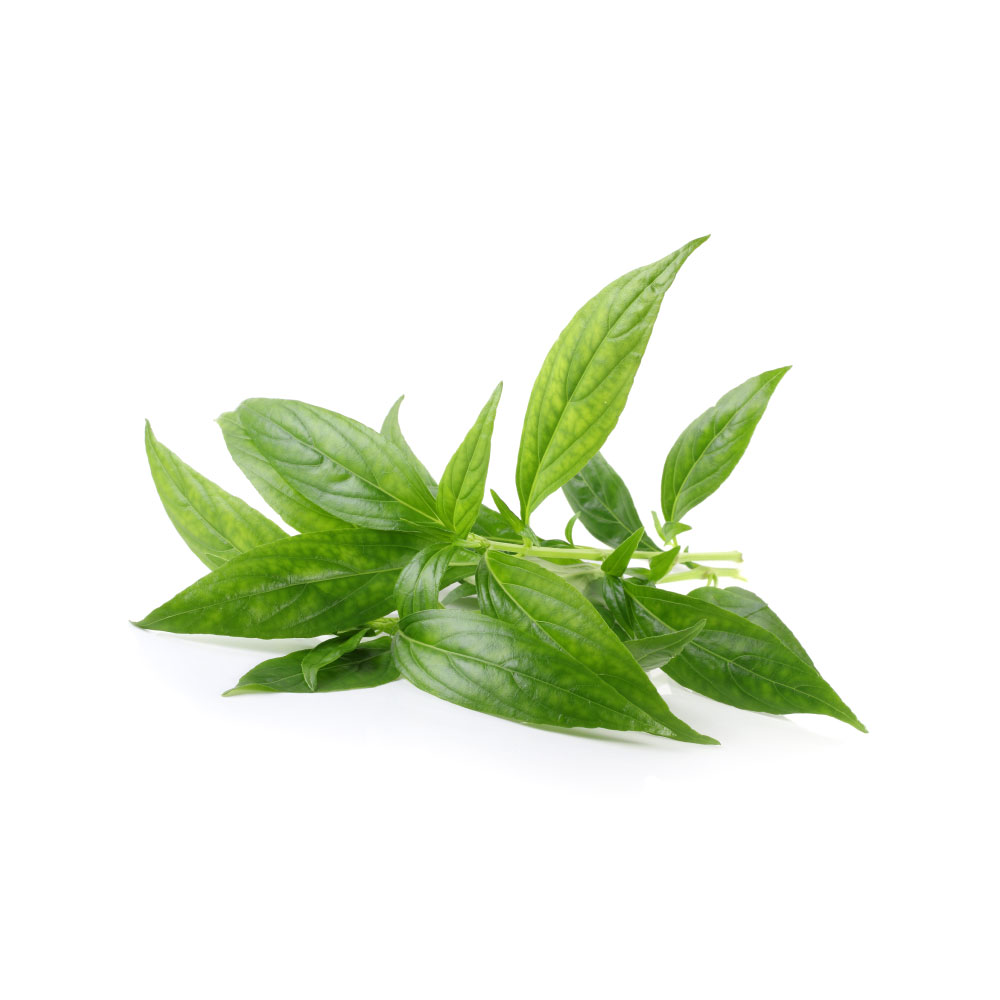
Pictured: Andrographis
Acanthus family
Mostly tropical herbs and shrubs with explosively dehiscent capsules, medicinally dominated by the intensely bitter diterpene lactones of andrographis.
1 Herb // 7 Constituents // 5 Notable Members
Overview
Around 250 genera and 2,500 species, overwhelmingly tropical, ranging from low herbs to shrubs and climbers. Two features are diagnostic: cystoliths — calcium carbonate crystals visible as fine streaks in the leaf — and an explosive capsule that flings its seeds from hook-like stalks when it dries.
Shared Traits
In Practice
The family’s medicinal weight rests almost entirely on andrographis (Andrographis paniculata), known in India as kalmegh, “king of bitters” — a name the plant earns on first taste.
Andrographis is one of the few herbal remedies with a genuinely respectable clinical evidence base for acute upper respiratory infection. Multiple randomised trials and several systematic reviews find shortened duration and reduced symptom severity for colds and sore throat, most often using standardised extract rather than crude herb. The active principle is andrographolide, a labdane diterpene lactone that suppresses NF-κB signalling and modulates several inflammatory and immune pathways — an immunomodulatory rather than directly antimicrobial action, which fits the symptomatic benefit seen.
Traditional use runs wider than that: fever, liver complaints, dysentery and snakebite across Ayurvedic, Siddha and Chinese practice. The hepatoprotective and antiparasitic claims have preclinical support and little human confirmation.
Safety is generally good at studied doses, with gastrointestinal upset and headache the usual complaints. Two cautions matter: the immunostimulant profile makes it questionable in autoimmune disease and with immunosuppressants, and animal work has raised reproductive concerns sufficient to make pregnancy a firm avoid. Rare allergic and anaphylactic reactions are documented.
Materia Medica
The monograph in the database whose Acanthaceae membership is recorded on the herb itself — so this list keeps itself current as new herbs land.
Andrographis paniculata
Phytochemistry
Diterpene lactones are the family marker — andrographolide, neoandrographolide, 14-deoxyandrographolide. Alongside them, flavonoids (particularly methoxylated flavones), quinones in some genera, and the benzylisoquinoline alkaloid vasicine in the Malabar nut line.
The compounds recorded for this family's single member, grouped by class.
Beyond the Database
Notable members without a monograph yet.
Keep Exploring