
Condition
Anxiety
Anxiety disorders involve persistent and excessive worry or fear that is out of proportion to the situation.

Anxiety disorders involve persistent, excessive worry or fear that is out of proportion to the situation and interferes with everyday life. A degree of anxiety is normal and adaptive — it sharpens attention in the face of a genuine threat — but it becomes a disorder when it is chronic, disproportionate and disruptive. Herbal support leans on nervines and anxiolytic, sedative and adaptogenic herbs to calm an overactive nervous system, ease the physical tension that accompanies anxiety, and support sleep and resilience, often as a useful complement to psychological and, where needed, medical care.
Presentation
Types & Variants
Anxiety is an umbrella term covering several distinct disorders:
- Generalized anxiety disorder (GAD) — six months or more of persistent, hard-to-control worry spread across many areas of life.
- Panic disorder — recurrent, sudden surges of intense fear (panic attacks) with strong physical symptoms such as a racing heart and breathlessness.
- Phobias — anxiety tied to a specific feared object or situation. Agoraphobia — fear of places or situations where escape feels difficult — is a common form.
- Social anxiety — an intense fear of judgment or embarrassment in social settings.
- Post-traumatic stress disorder (PTSD) — re-experiencing of past trauma accompanied by heightened arousal and anxiety.
Overview
General Pathology
At its core, anxiety is the body’s threat-response system activating when there is no real threat, or firing at an intensity out of step with the situation. It produces both psychological and physical symptoms. Psychologically it shows as excessive worry, restlessness, irritability and difficulty concentrating; physically it can cause a racing heart, shortness of breath, sweating, trembling, muscle tension, digestive upset and disturbed sleep.
Anxiety rarely occurs in isolation. It frequently co-occurs with depression and other mood disorders, commonly overlaps with substance use, and both feeds and is fed by insomnia and other sleep disturbance. Chronic stress is a major driver — sustained activation of the stress response keeps the nervous system primed — which is why so much herbal support targets the stress axis as well as the anxiety itself.
Materia Medica
Materia Medica
None of the herbs used for anxiety is a substitute for professional care.
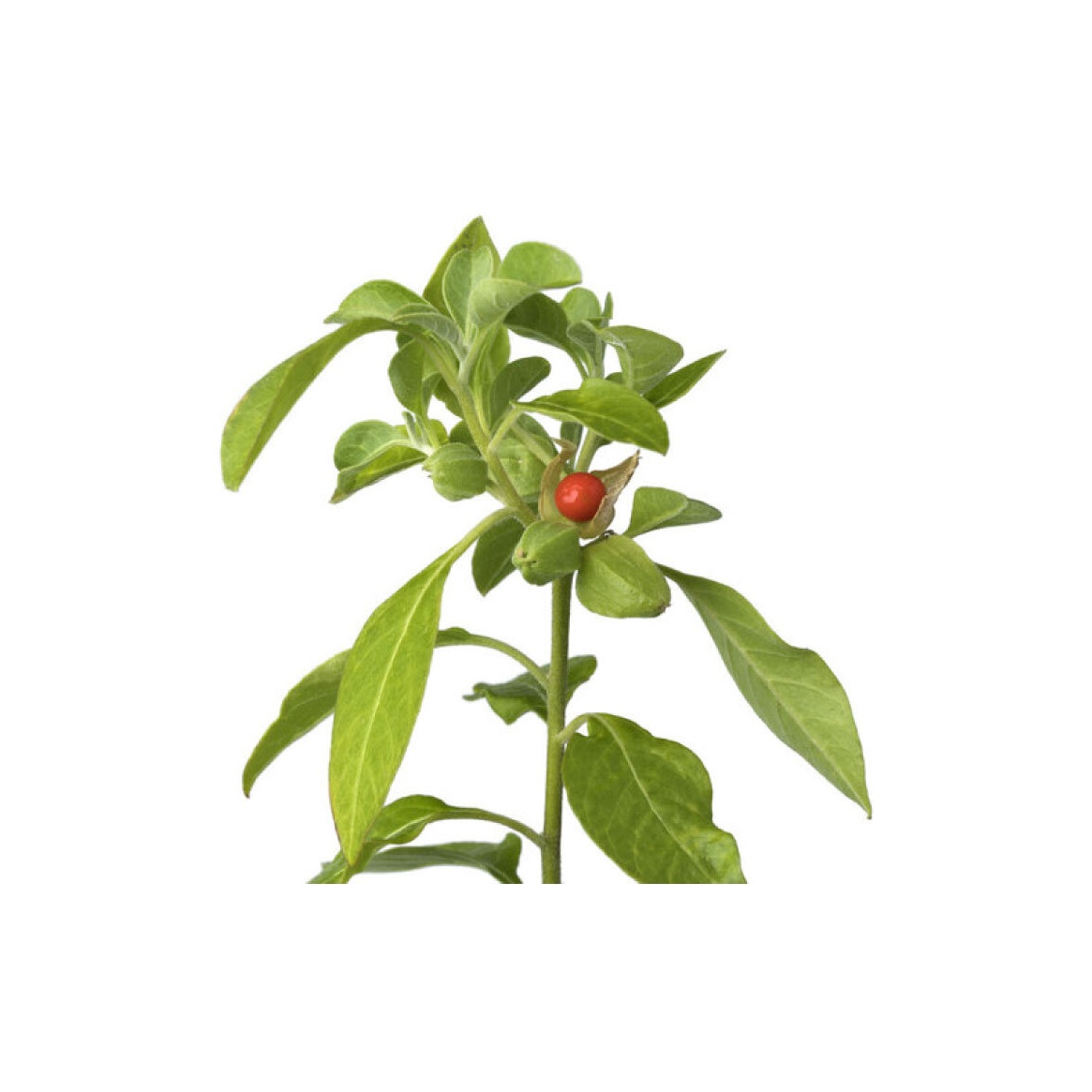 AshwagandhaWithania somniferaStrong
Multiple double-blind, placebo-controlled RCTs and ≥4 meta-analyses show standardised root extract lowers perceived stress, Hamilton-Anxiety scores and serum cortisol in adults, via HPA-axis down-regulation and GABA-A modulation 1,
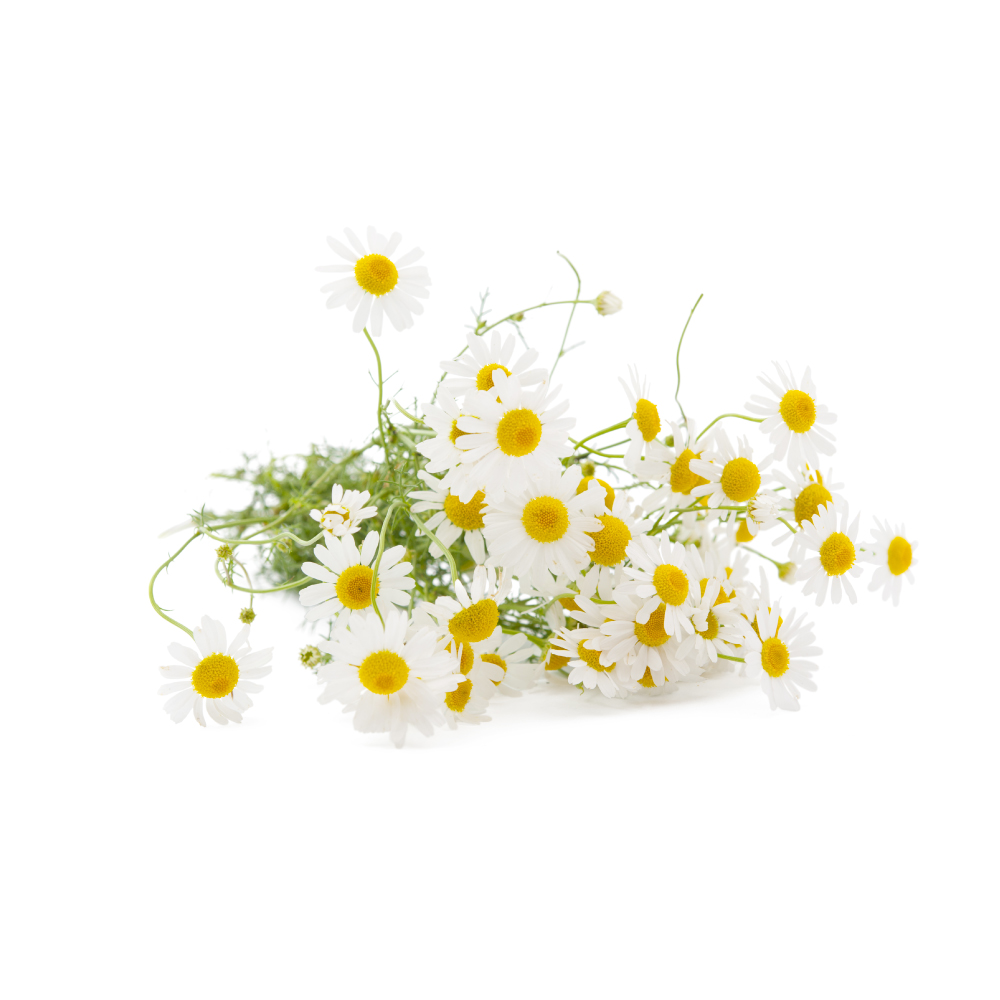 German ChamomileMatricaria chamomillaStrong
Anxiety is chamomile’s strongest human indication. A double-blind placebo-controlled RCT in 57 GAD outpatients found a standardised extract (1.2% apigenin, ~220–1100 mg/day) significantly reduced total Hamilton Anxiety score over 8 weeks (P = 0.047) 28Reference 28RCTA randomized, double-blind, placebo-controlled trial of oral Matricaria recutita (chamomile) extract therapy for generalized anxiety disorder — randomised controlled trialView study →, and it now features in an anxiety network meta-analysis alongside kava and lavender 29Reference 29Meta-analysisMedicinal herbs for the treatment of anxiety: a systematic review and network meta-analysisView study →.
The effect is modest, confined to a specific standardised capsule (not tea), and the larger relapse-prevention trial’s primary endpoint was non-significant 30Reference 30RCTLong-term chamomile (Matricaria chamomilla L.) treatment for generalized anxiety disorder: a randomized clinical trialView study →.
Full monograph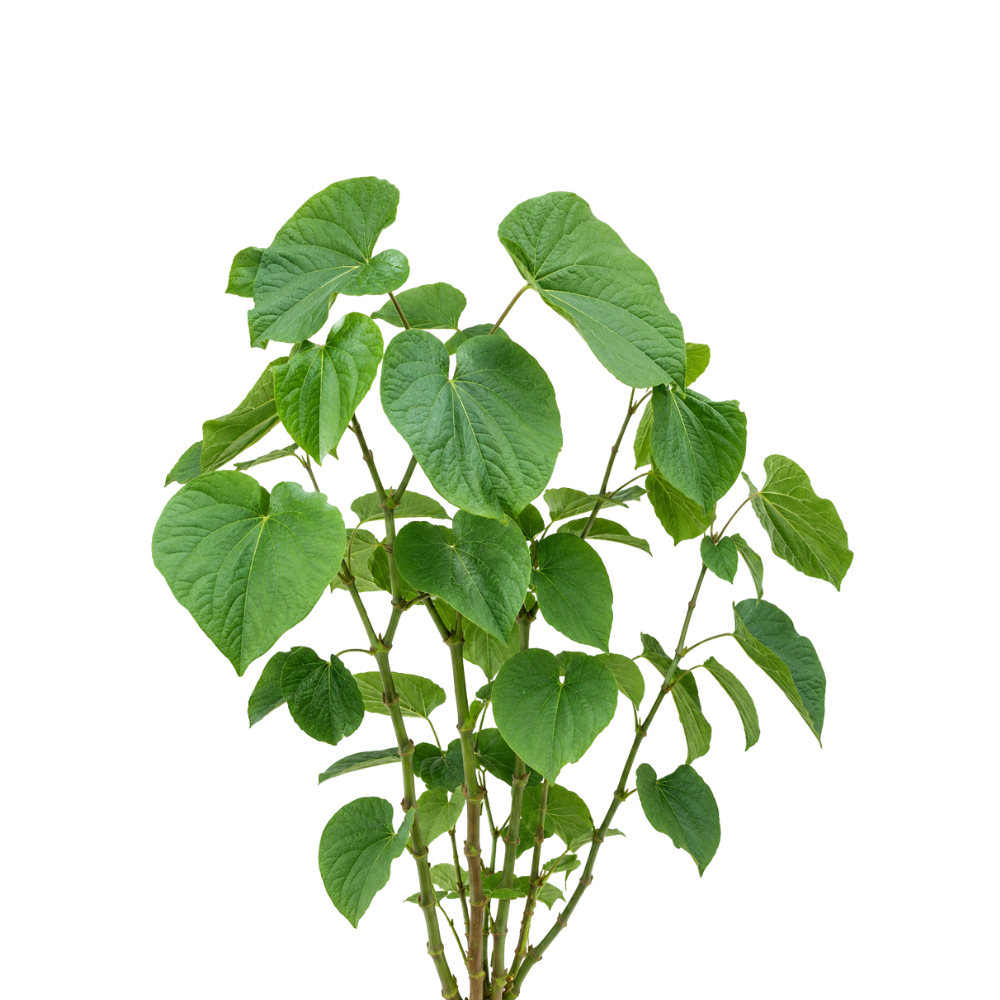 KavaPiper methysticumStrong
Anxiety is kava’s best-evidenced indication. An early meta-analysis of seven double-blind RCTs found extract superior to placebo (~9.7-point drop on the Hamilton Anxiety scale) and a Cochrane review of 11 trials (645 participants) confirmed a smaller but significant benefit, most likely via positive allosteric modulation of GABA-A receptors by kavain plus MAO-B and monoamine-reuptake effects 55,
The signal is strongest for short-term, situational, non-clinical anxiety. The largest, longest and most rigorous trial (16-week phase III, n=171, diagnosed GAD) was null 63Reference 63RCTKava for generalised anxiety disorder — a 16-week double-blind, randomised, placebo-controlled study [phase III RCT]View study →.
Kava carries a rare risk of idiosyncratic hepatotoxicity. Aqueous extracts of peeled noble-cultivar root are the preferred form, and kava is not combined with alcohol 64Reference 64ReviewKava hepatotoxicity — a clinical review [review]View study →.
Full monograph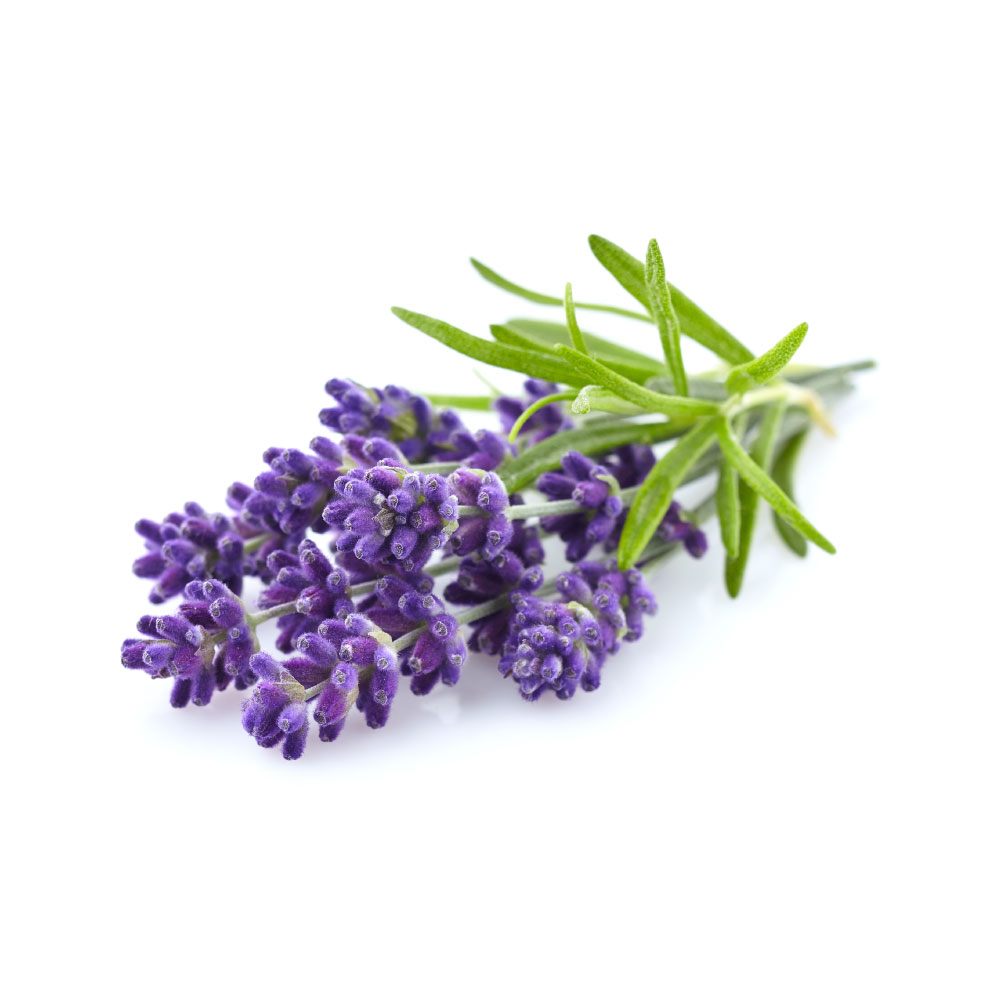 LavenderLavandula angustifoliaStrong
The oral lavender-oil softgel Silexan (standardised L. angustifolia essential oil, 80–160 mg/day) beat placebo on the Hamilton Anxiety scale in subsyndromal anxiety 68Reference 68RCTSilexan, an orally administered Lavandula oil preparation, is effective in the treatment of ‘subsyndromal’ anxiety disorder — randomized, double-blind, placebo-controlled trialView study → and generalised anxiety disorder 69Reference 69RCTLavender oil preparation Silexan is effective in generalized anxiety disorder — a randomized, double-blind comparison to placebo and paroxetineView study →, was non-inferior to 0.5 mg lorazepam 70Reference 70RCTA multi-center, double-blind, randomised study of the Lavender oil preparation Silexan in comparison to Lorazepam for generalized anxiety disorder — randomized controlled trialView study → and comparable to paroxetine, and produced no withdrawal/rebound on abrupt discontinuation 71Reference 71RCTSilexan does not cause withdrawal symptoms even when abruptly discontinued — randomized controlled trialView study →; a network and a pooled meta-analysis confirm a consistent moderate anxiolytic effect 72,
All the positive data are for one manufacturer’s concentrated oral capsule — not the 1:2 tincture, the dried-flower tea, or a diffuser at the same strength.
Full monograph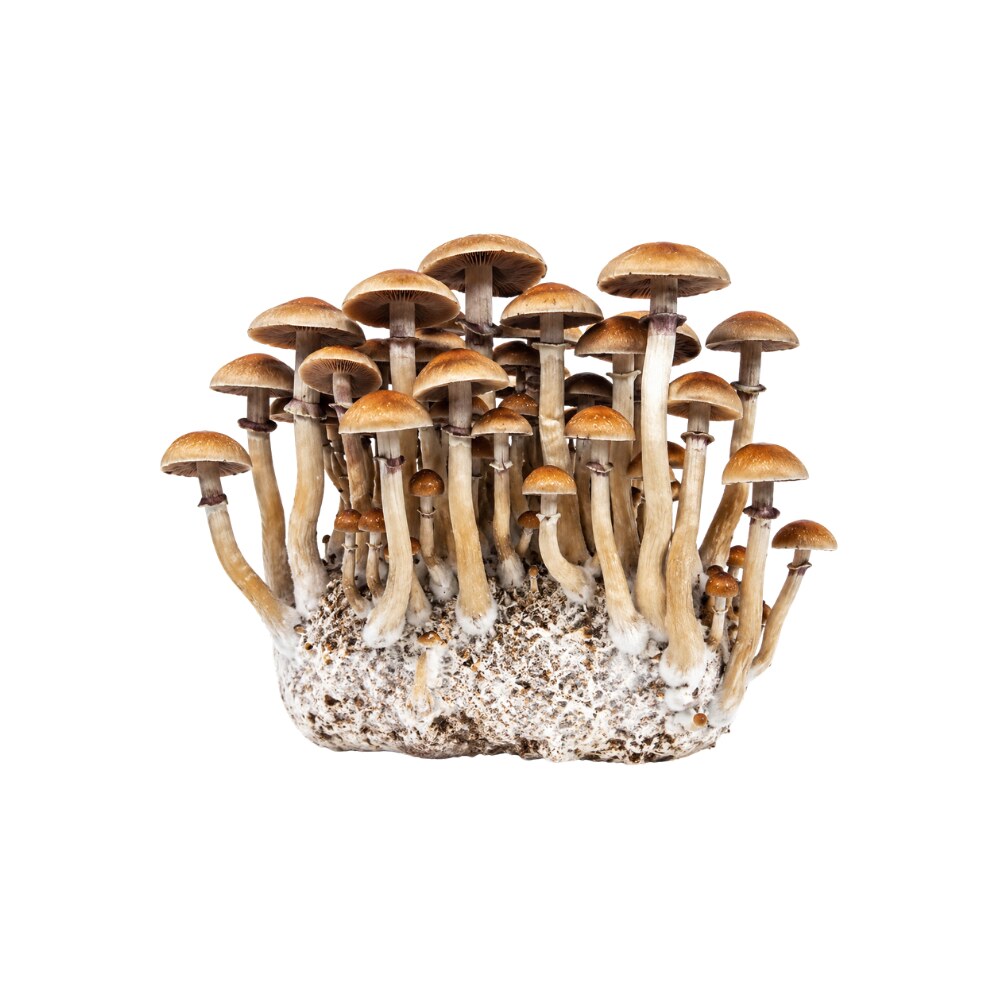 Magic MushroomsPsilocybe cubensisStrong
Two controlled trials in patients with advanced/life-threatening cancer found single-session psilocybin produced substantial, sustained decreases in anxiety and depression 85,
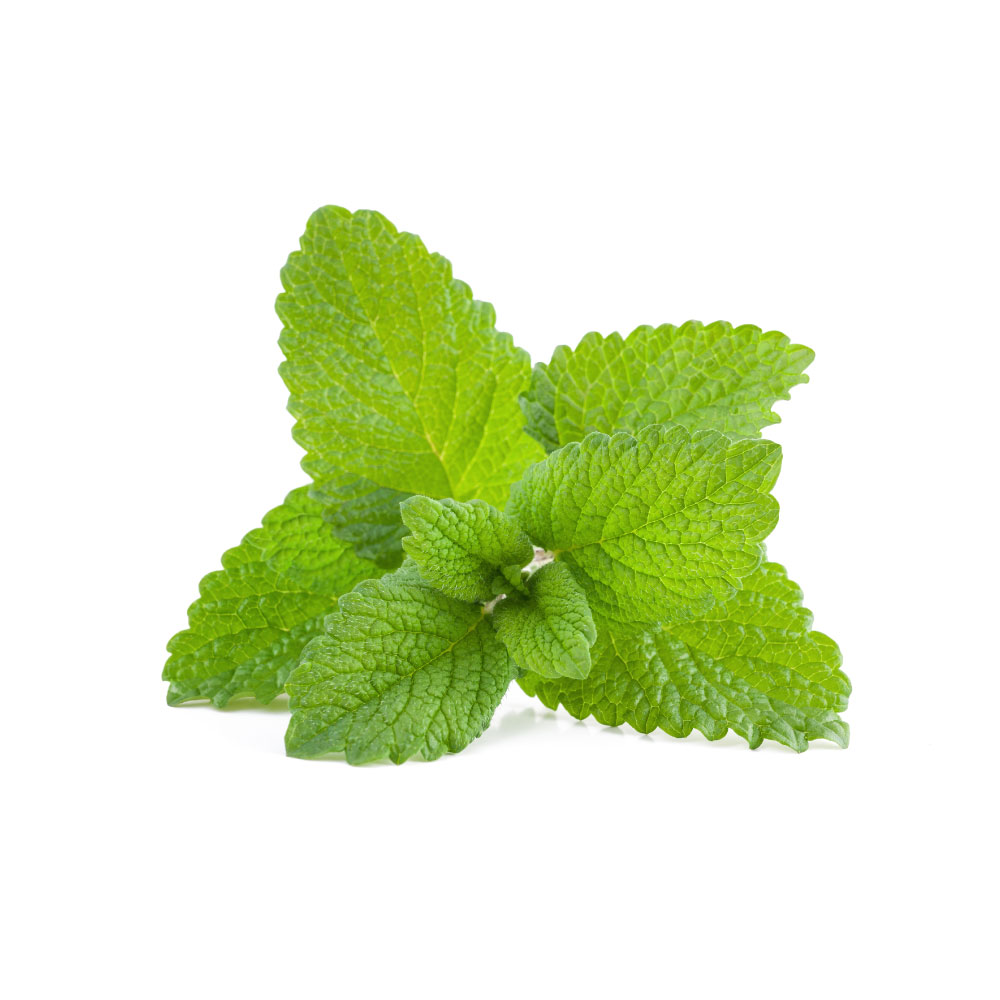 MelissaMelissa officinalisStrong
Anxiety is lemon balm’s best-supported indication. A 2021 systematic review and meta-analysis of clinical trials found lemon balm significantly reduced anxiety scores versus placebo (SMD −0.98), with acute placebo-controlled crossover work showing a single standardised dose raised self-rated calmness, plausibly via GABA-transaminase inhibition by rosmarinic acid and the triterpenes ursolic/oleanolic acid 92,
Trials are small and use different standardised extracts, the dose-response is non-linear (highest doses paradoxically increased anxiety in one session), and few measure physiological stress markers.
Full monograph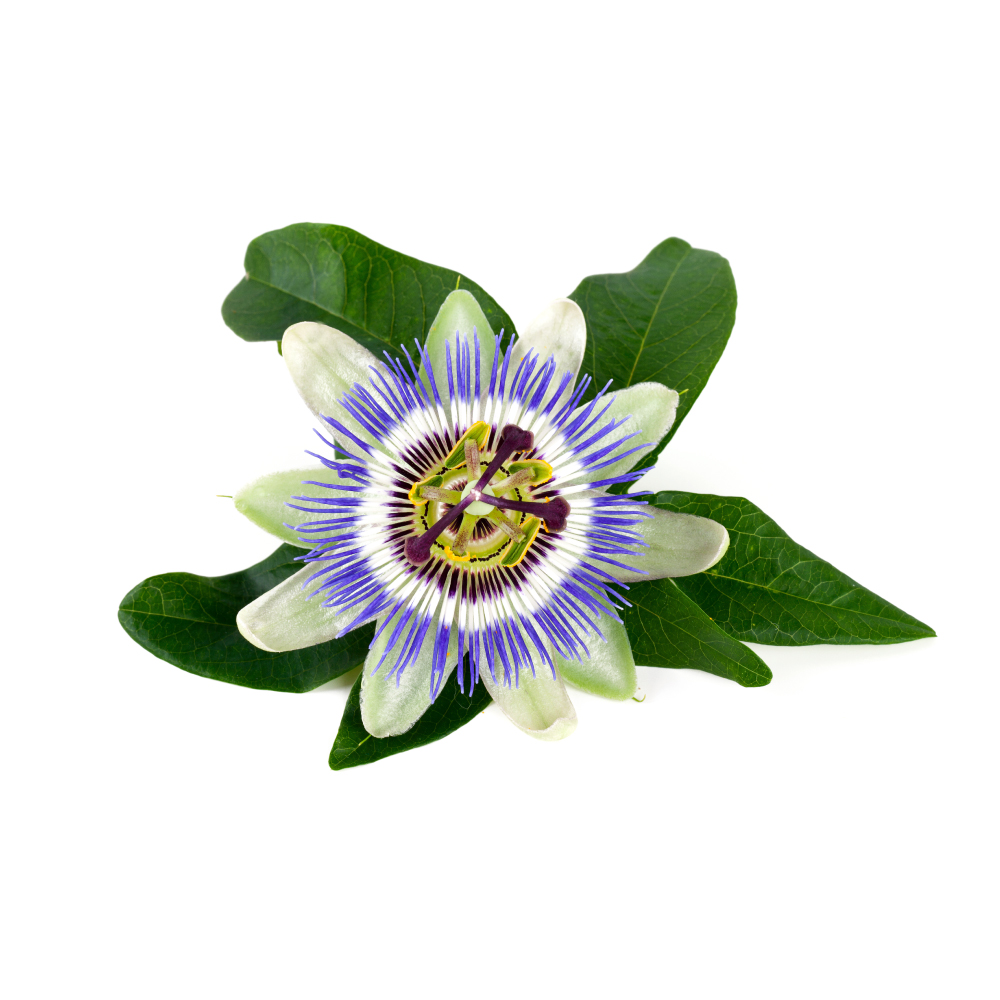 PassionflowerPassiflora incarnataStrong
Multiple small human RCTs support P. incarnata for anxiety: a pilot double-blind trial (n=36) matched oxazepam 30 mg/day for GAD over four weeks with less job-performance impairment 108Reference 108RCTPassionflower in the treatment of generalized anxiety: a pilot double-blind randomized controlled trial with oxazepam — randomisedView study →, and pre-operative and dental-extraction trials find oral extract (500 mg / 260 mg) comparable to midazolam for situational anxiety without added sedation 109,
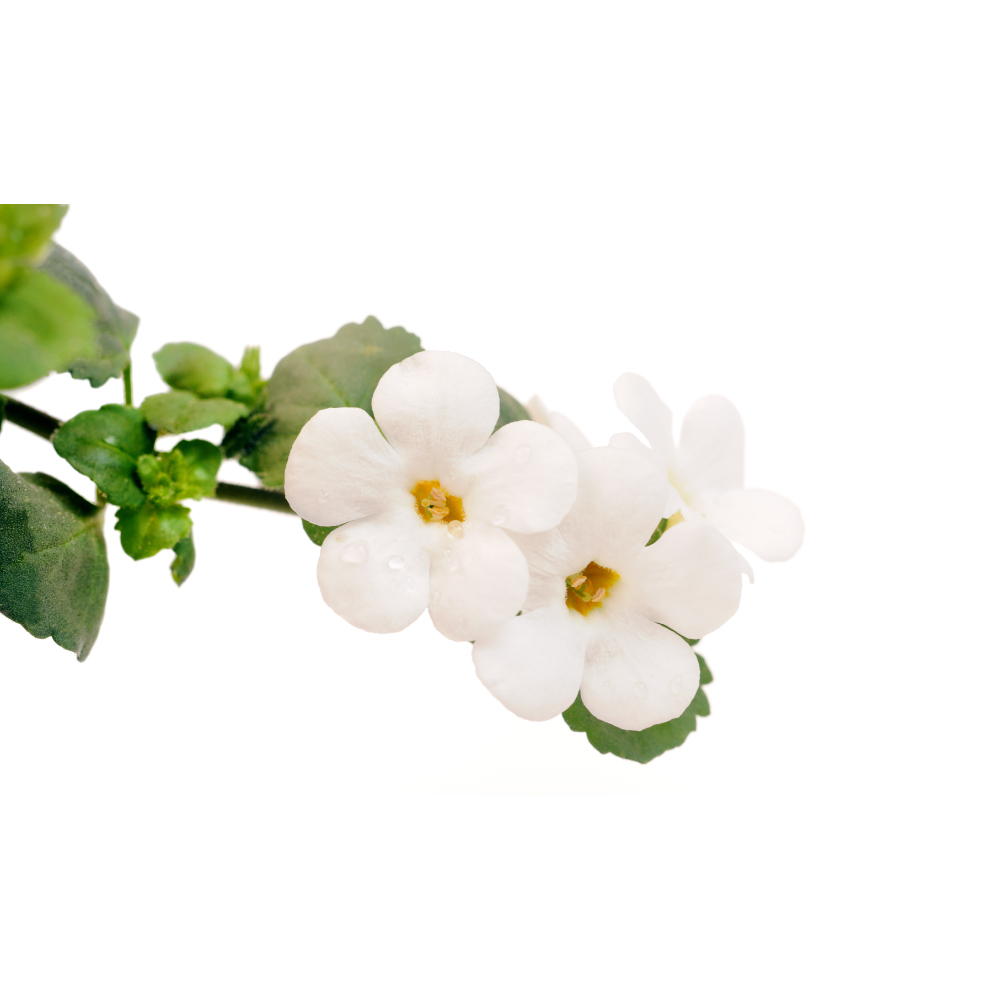 BacopaBacopa monnieriModerate
Human anxiolytic signals exist but come from secondary outcomes, not dedicated trials: in Calabrese’s elderly cognition RCT, combined state+trait anxiety and heart rate fell on Bacopa and rose on placebo 5Reference 5RCTEffects of a standardized Bacopa monnieri extract on cognitive performance, anxiety, and depression in the elderly — randomised, double-blind, placebo-controlled trialView study →, and an acute crossover (n=17) of CDRI 08 lowered salivary cortisol and improved mood during a stress challenge 6Reference 6RCTAn acute, double-blind, placebo-controlled cross-over study of 320 mg and 640 mg doses of Bacopa monnieri (CDRI 08) on multitasking stress reactivity and mood — randomised controlled trialView study →. Preclinically it normalised HPA-axis markers in prenatally stressed rats 7Reference 7AnimalStandardized Bacopa monnieri extract ameliorates learning and memory impairments through synaptic protein, neurogranin, BDNF signaling, and HPA axis in prenatally stressed rat offspring — animal modelView study →. No adequately powered RCT has used anxiety as the primary endpoint. Traditional Ayurvedic use for anxiety predates all of this 8Reference 8Chopra’s Indigenous Drugs of India.
Full monograph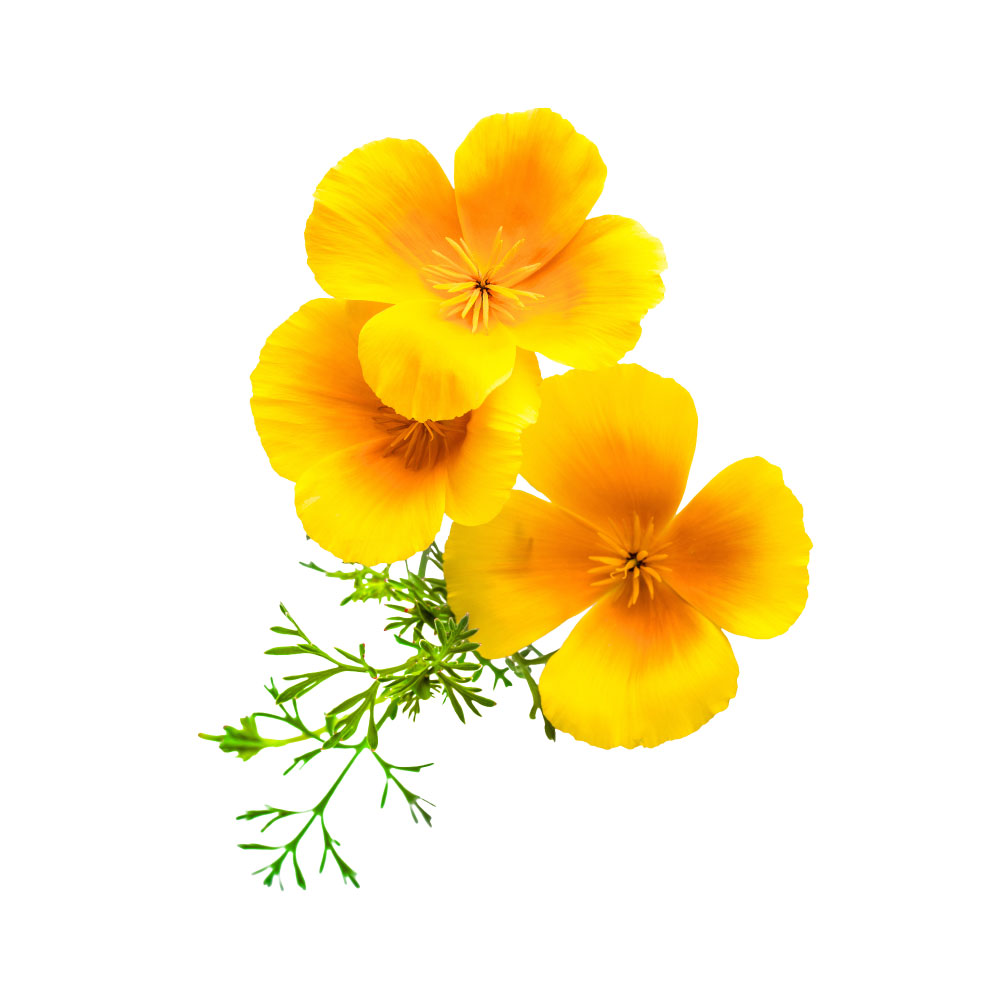 California PoppyEschscholzia californicaModerate
Anxiety is California poppy’s best-supported use. In mice an aqueous extract produced an anticonflict effect at a low dose (25 mg/kg) separable from sedation, and both anxiolytic and sedative effects were abolished by flumazenil — implicating the benzodiazepine site of the GABAA receptor, with (S)-reticuline as a positive allosteric modulator and N-methyllaurotetanine adding 5-HT1A affinity 18,
The only RCT (n=264, 3 months) tested a fixed combination of California poppy, hawthorn and magnesium (Sympathyl) against placebo in mild-to-moderate GAD, finding a modest but significant advantage on the Hamilton anxiety score 22Reference 22RCTDouble-blind, randomised, placebo-controlled study of a fixed combination of Crataegus oxyacantha and Eschscholtzia californica and magnesium in mild-to-moderate anxietyView study →. No published trial has tested the herb alone in humans, so its individual contribution and monotherapy dose are unknown.
Full monograph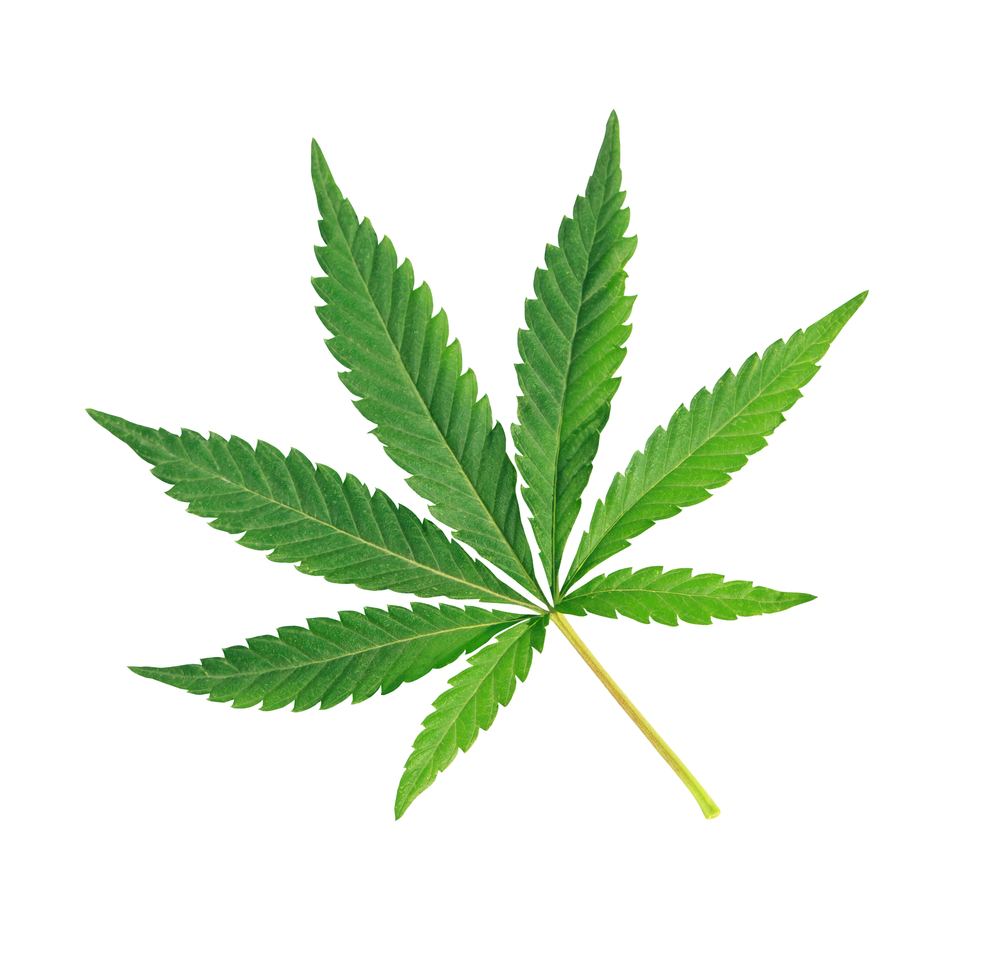 CannabisCannabis sativaModerate
The calming effect belongs to cannabidiol, not the whole plant — in a double-blind RCT a single 600 mg oral CBD dose reduced anxiety during a simulated public-speaking test in social-anxiety patients 23Reference 23RCTCannabidiol reduces the anxiety induced by simulated public speaking in treatment-naive social phobia patients — randomised controlled trialView study →, with smaller acute-dosing studies agreeing. But the effect showed at 300–600 mg CBD (far above the 10–50 mg in retail products), there is no chronic-treatment RCT, and high-THC cannabis can provoke anxiety and paranoia.
Full monograph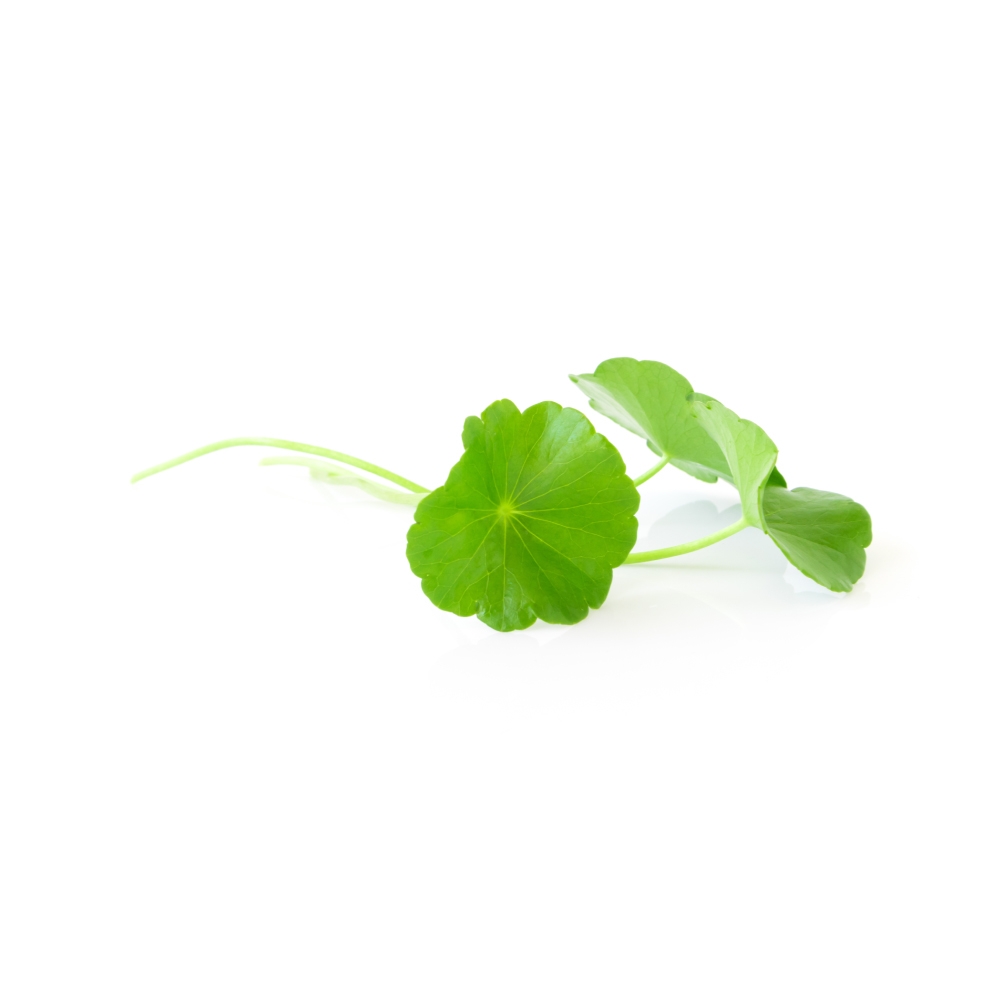 Gotu KolaCentella asiaticaModerate
A double-blind RCT (n=40) found a single 12 g oral dose attenuated the acoustic startle response (a validated anxiety marker) 30–60 min post-dose without affecting mood/HR/BP 36Reference 36RCTA double-blind, placebo-controlled study on the effects of Gotu Kola on acoustic startle response in healthy subjects — randomised trialView study →; a small open-label GAD study (500 mg 2×/day, 60 days) reported reduced anxiety/stress/depression scores 37Reference 37Clinical trialA clinical study on the management of generalized anxiety disorder with Centella asiatica — clinical trialView study →. The data are mostly acute and single-dose, with no adequately powered RCT of sustained treatment of a diagnosed disorder.
Full monograph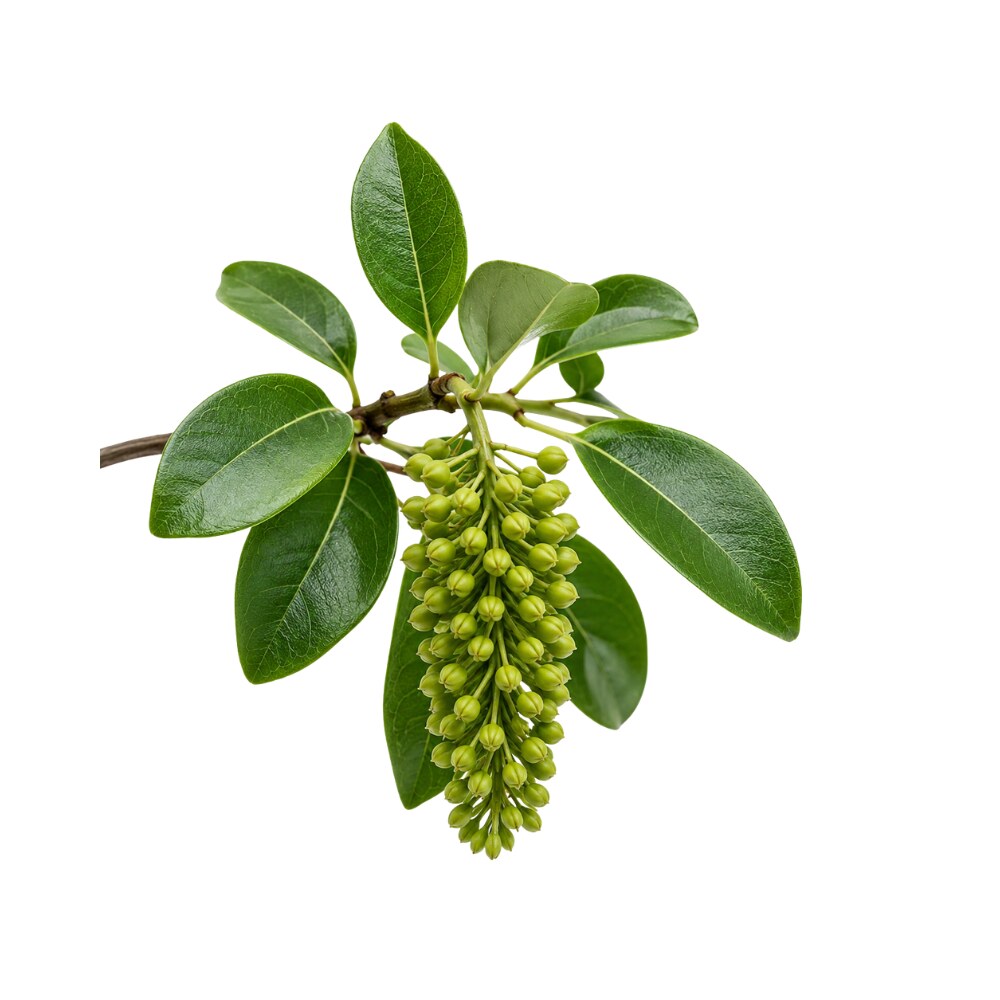 GriffoniaGriffonia simplicifoliaModerate
In a challenge-model RCT, 200 mg L-5-HTP blunted the reaction to a 35% CO₂ panic challenge in panic-disorder patients 38Reference 38RCTAcute L-5-hydroxytryptophan administration inhibits carbon-dioxide-induced panic in panic disorder patients — randomised controlled trialView study →, and Griffonia seed extract itself (10 and 25 mg/kg) also increased time in the light compartment in a rat dark–light test 39Reference 39AnimalAnxiolytic-like effect of Griffonia simplicifolia Baill. seed extract in rats — animal modelView study →.
The human data are a single acute challenge model rather than a treatment trial, and the direct-herb evidence is rodent-only — with a companion rat study flagging reduced sexual behaviour at higher doses 40Reference 40AnimalGriffonia simplicifolia negatively affects sexual behavior in female rats — animal modelView study →.
Full monograph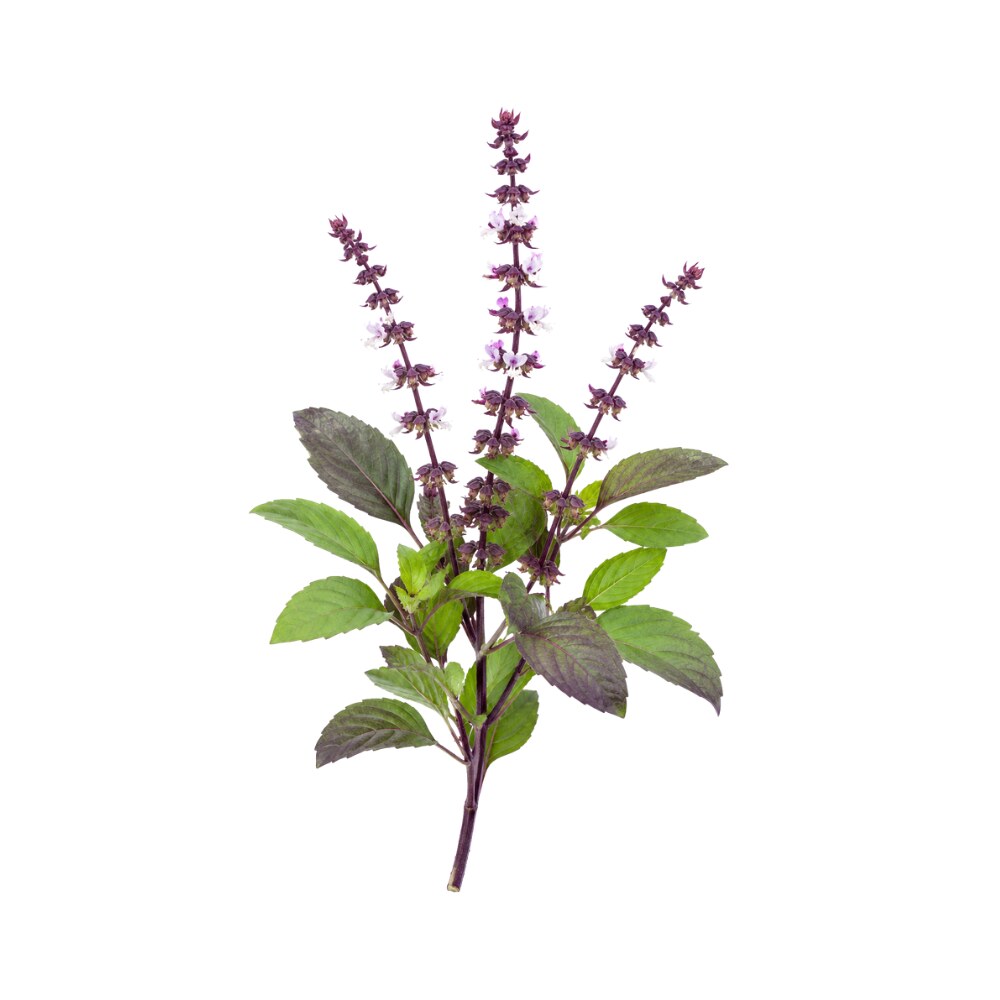 Holy BasilOcimum tenuiflorumModerate
A controlled trial in generalised anxiety disorder (Ocimum sanctum leaf, 500 mg twice daily, 60 days, n=35) reported significant falls in anxiety, stress and depression scores 42Reference 42Clinical trialControlled programmed trial of Ocimum sanctum leaf on generalized anxiety disorders — controlled clinical trialView study →, consistent with RCTs on stress symptoms 43,
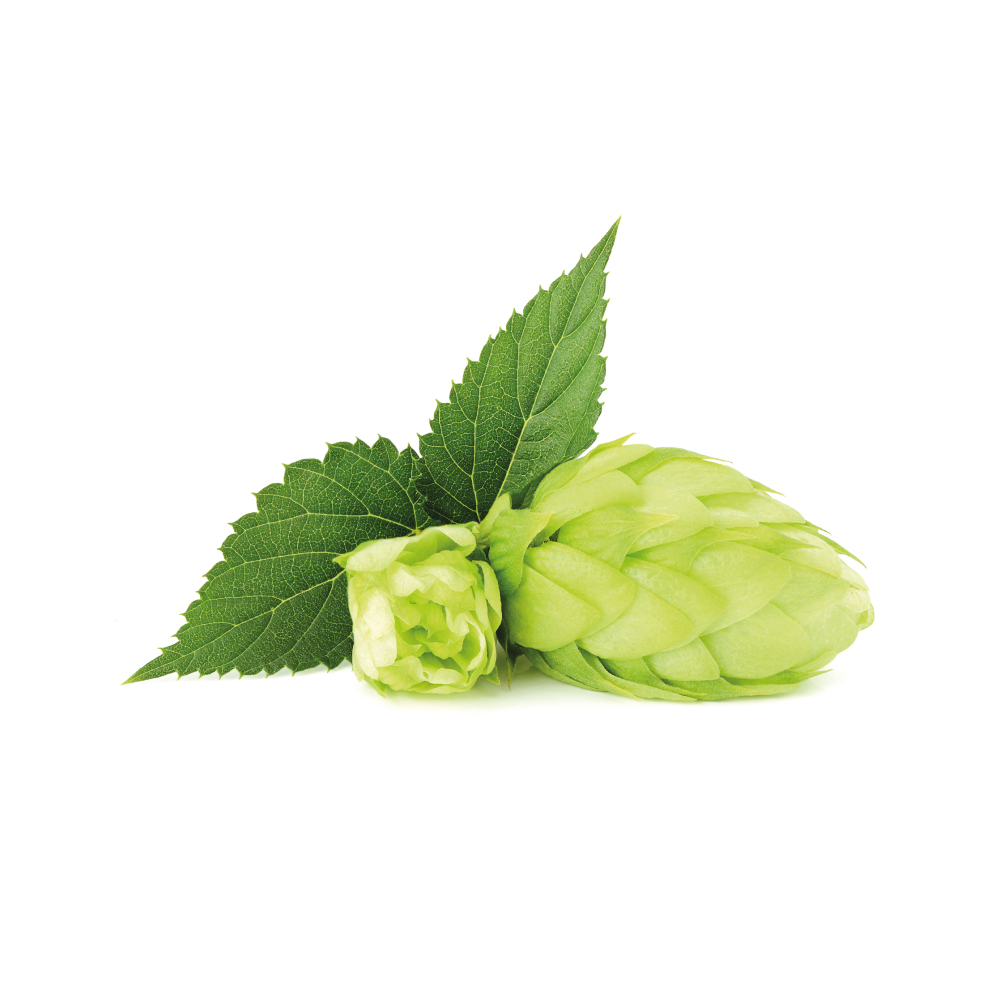 HopsHumulus lupulusModerate
Beyond sedation, one small randomised, placebo-controlled, double-blind crossover pilot (n=36 healthy young adults with at least mild baseline symptoms) found a hops dry-extract supplement over two 4-week periods reduced self-reported depression, anxiety and stress on DASS-21, with morning cortisol measured 45Reference 45RCTEffects of a hops (Humulus lupulus L.) dry extract supplement on self-reported depression, anxiety and stress levels in apparently healthy young adults: a randomized, placebo-controlled, double-blind, crossover pilot study — [randomized]View study →. The trial is unreplicated and small, in a subclinical (non-diagnosed) population, with no dose-finding and no active-comparator arm.
The broader anxiety rationale also leans on hops’ sedative, GABAergic sleep evidence 46,
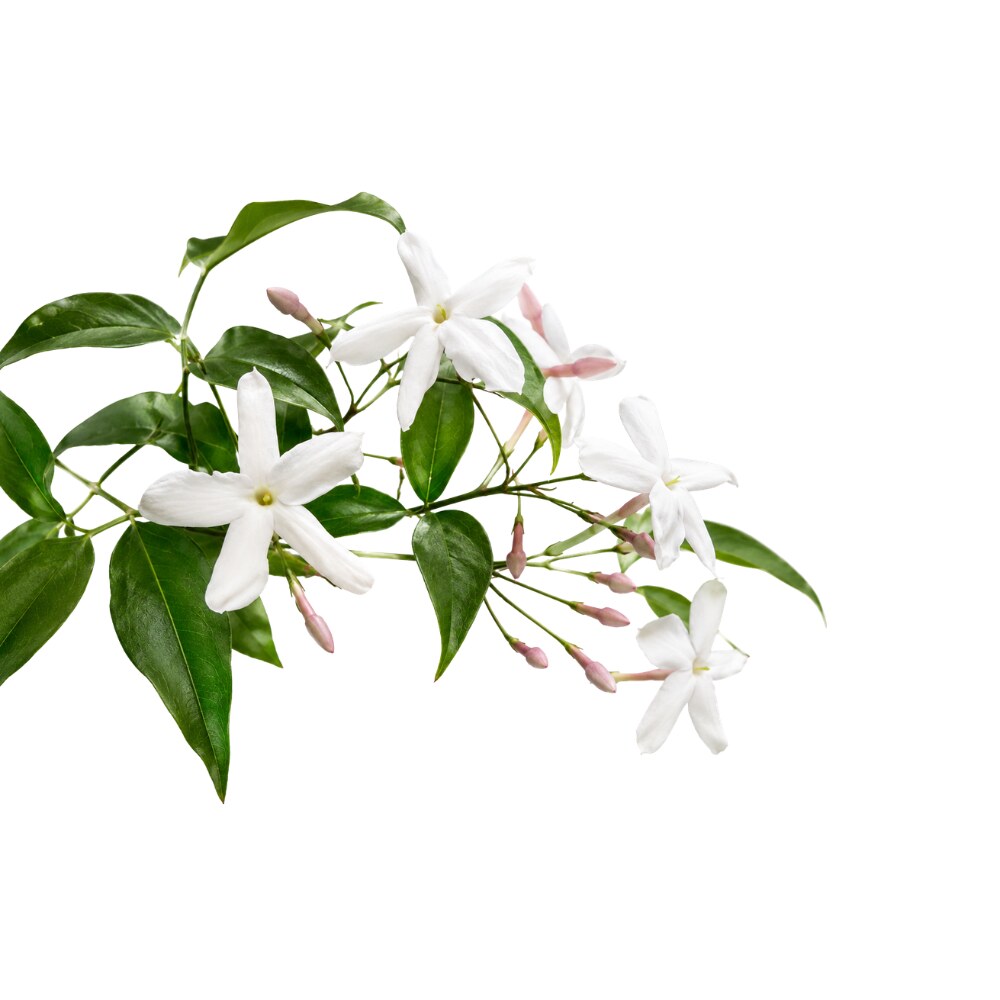 JasmineJasminum officinaleModerate
Jasmine acts most clearly in people as an aroma. Inhaling jasmine odour blunted the stress-induced rise in diastolic blood pressure by ~a quarter 49Reference 49Clinical trialPleasant odors attenuate the blood pressure increase during rhythmic handgrip in humans — [human study]View study →, and jasmine-tea odour / its component linalool at low intensity slowed heart rate, raised parasympathetic HRV and lifted calm-vigorous mood 50,
The effect is bidirectional: topical J. sambac aromatherapy instead raised breathing rate, blood pressure and alertness (a stimulant profile) 53Reference 53Stimulating effect of aromatherapy massage with jasmine oil — [human aromatherapy study]View study → — so it is an aroma effect whose direction depends on dose, preference and context, not a reliably calming ingested anxiolytic.
Full monograph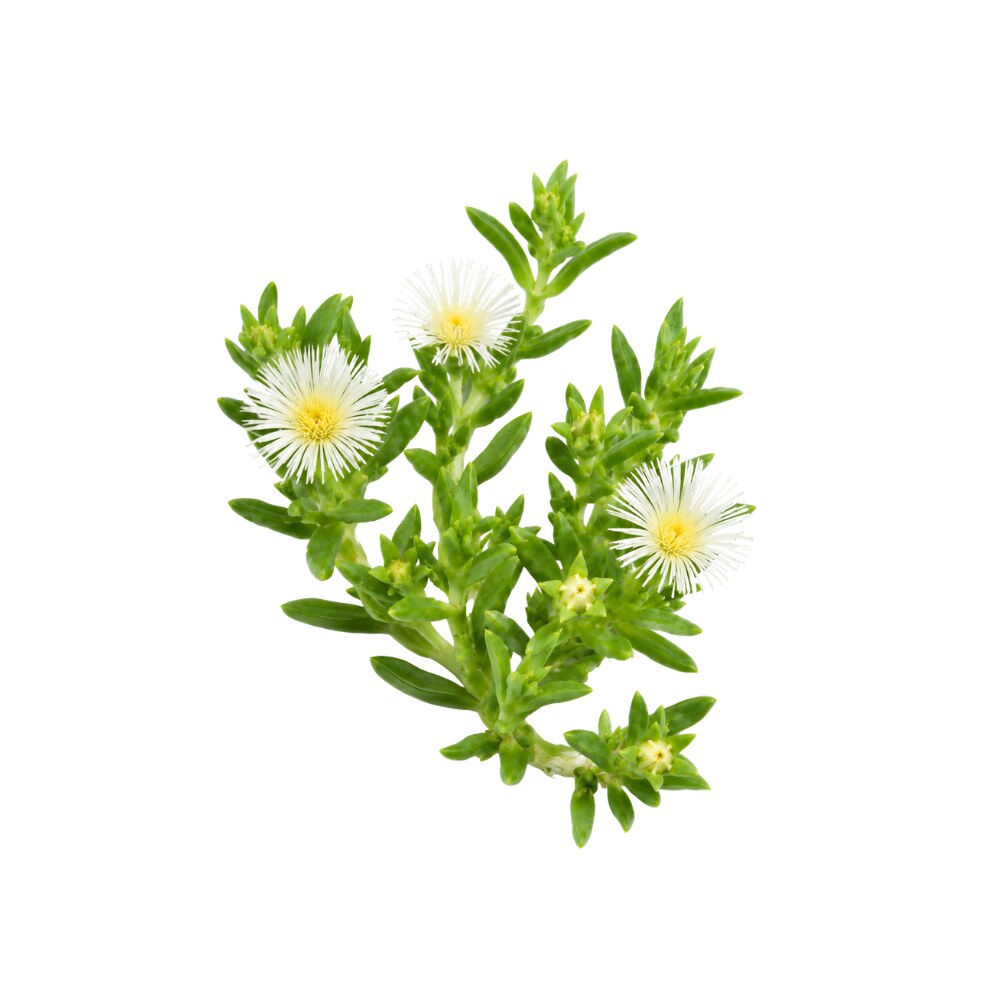 KannaSceletium tortuosumModerate
A single-dose fMRI study found 25 mg Zembrin reduced amygdala reactivity to threat and weakened amygdala–hypothalamus coupling, consistent with a calmer, more regulated stress response 54Reference 54RCTAcute effects of Sceletium tortuosum (Zembrin), a dual 5-HT reuptake and PDE4 inhibitor, in the human amygdala — randomised, placebo-controlled pharmaco-fMRI crossoverView study →. The study was small and single-dose, measured imaging only with no anxiety-scale or clinical outcome, and used the proprietary Zembrin extract rather than the whole herb.
Full monograph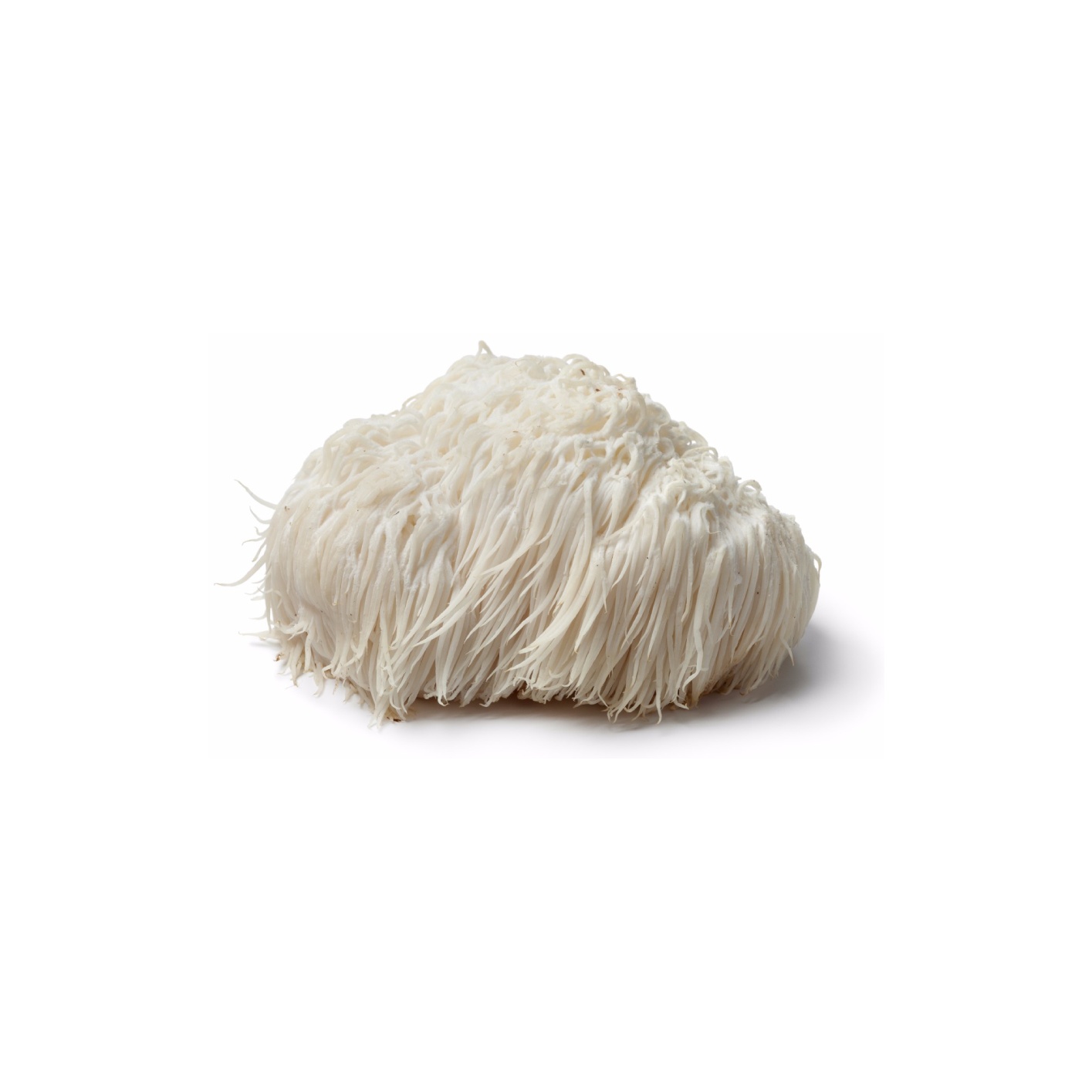 Lion’s ManeHericium erinaceusModerate
In a 2019 study in overweight and obese adults, lion’s mane reduced anxiety and sleep disturbance over 8 weeks 83Reference 83Clinical trialHericium erinaceus improves mood and sleep disorders in patients affected by overweight or obesity — controlled trialView study →, and a mouse model showed reduced anxiety-like behaviour via hippocampal neurogenesis 84Reference 84AnimalHericium erinaceus extract reduces anxiety and depressive behaviors by promoting hippocampal neurogenesis in the adult mouse brain — animal modelView study →. Anxiety was a secondary endpoint in one specific population, not a primary anxiety-disorder trial.
Full monograph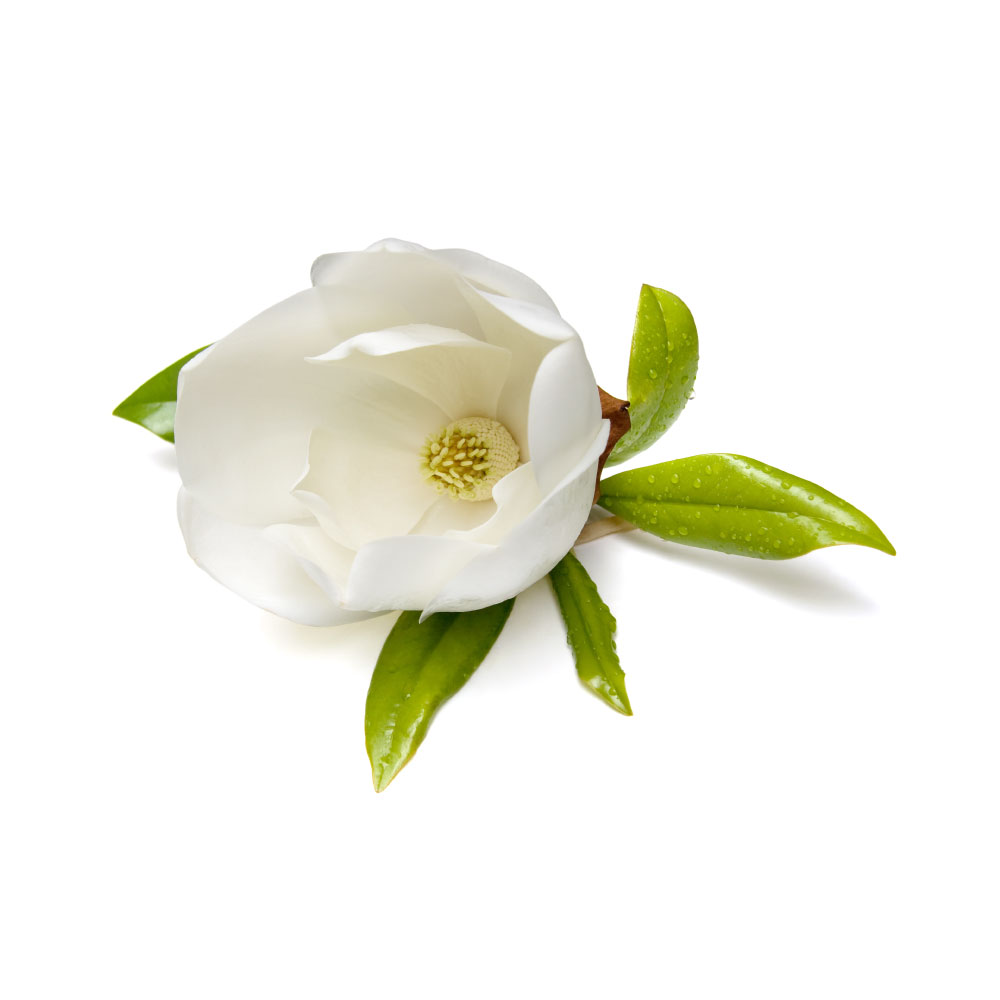 MagnoliaMagnolia officinalisModerate
Anxiety is the only magnolia indication with human trials. A standardised Magnolia officinalis + Phellodendron amurense blend (Relora, ~750 mg/day, 4–6 wk) lowered salivary cortisol ~18% and reduced transient (state) anxiety and stress-related mood indices in small placebo-controlled RCTs 87,
Every trial tested a two-herb proprietary blend in small, mostly female cohorts — no RCT of magnolia bark alone, and trait anxiety was unaffected.
Full monograph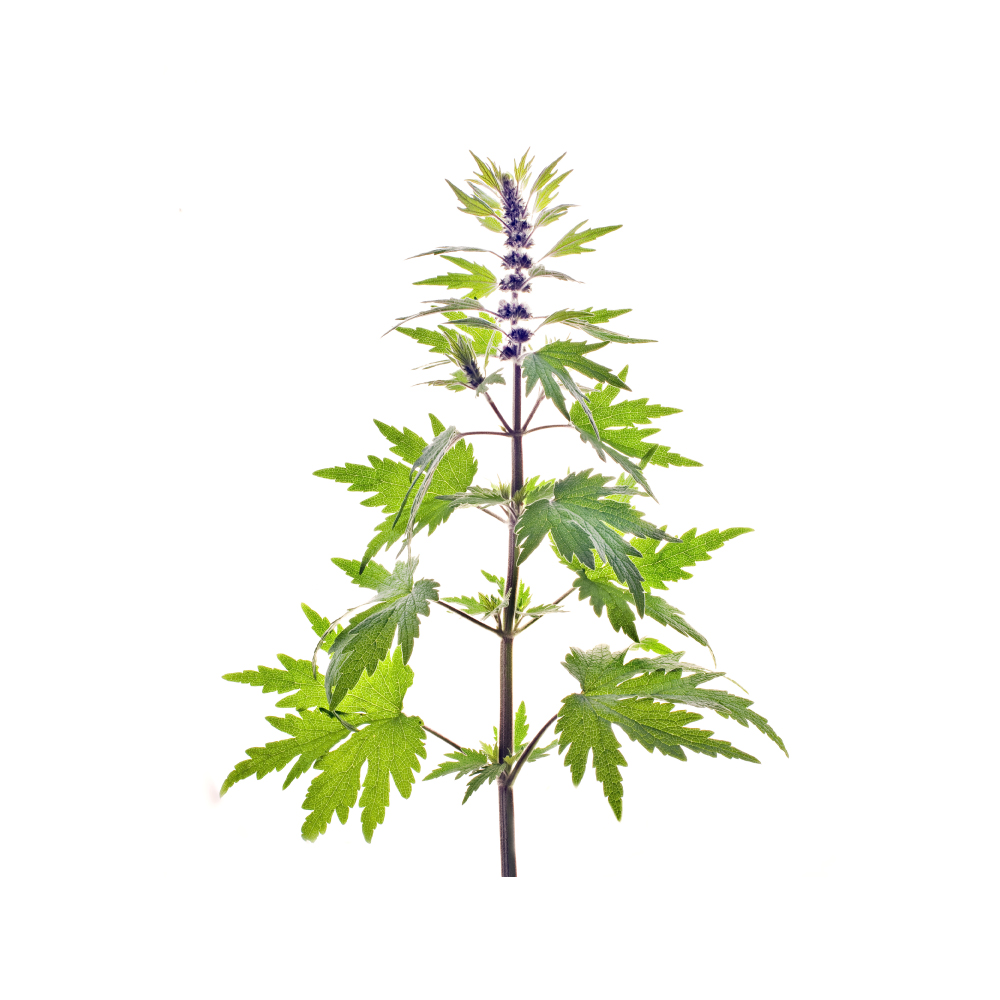 MotherwortLeonurus cardiacaModerate
Standardised L. cardiaca extract bound the GABA site of the rat GABA-A receptor (IC₅₀ ≈ 21 µg/mL) with little benzodiazepine-site activity, giving the traditional sedative use a mechanism 98Reference 98In vitroGABA-A receptor binding assays of standardized Leonurus cardiaca and Leonurus japonicus extracts and their isolated constituents — in vitroView study →; anxiety/depression scores improved in the open-label hypertension trial 99Reference 99Clinical trialEffect of Leonurus cardiaca oil extract in patients with arterial hypertension accompanied by anxiety and sleep disorders — clinical trial (open-label)View study → and a small study found a motherwort tincture improved emotional state in anxious subjects, though less than melatonin 100Reference 100Clinical trialEffects of melatonin and motherwort tincture on the emotional state and visual functions in anxious subjects — clinical trialView study →.
No placebo-controlled RCT exists (a pilot for generalized anxiety, NCT06954038, is registered but not recruiting) and the compound driving GABA-A activity in this species is unidentified — leonurine, which explained the effect in L. japonicus, is absent in L. cardiaca 98,
 NigellaNigella sativaModerate
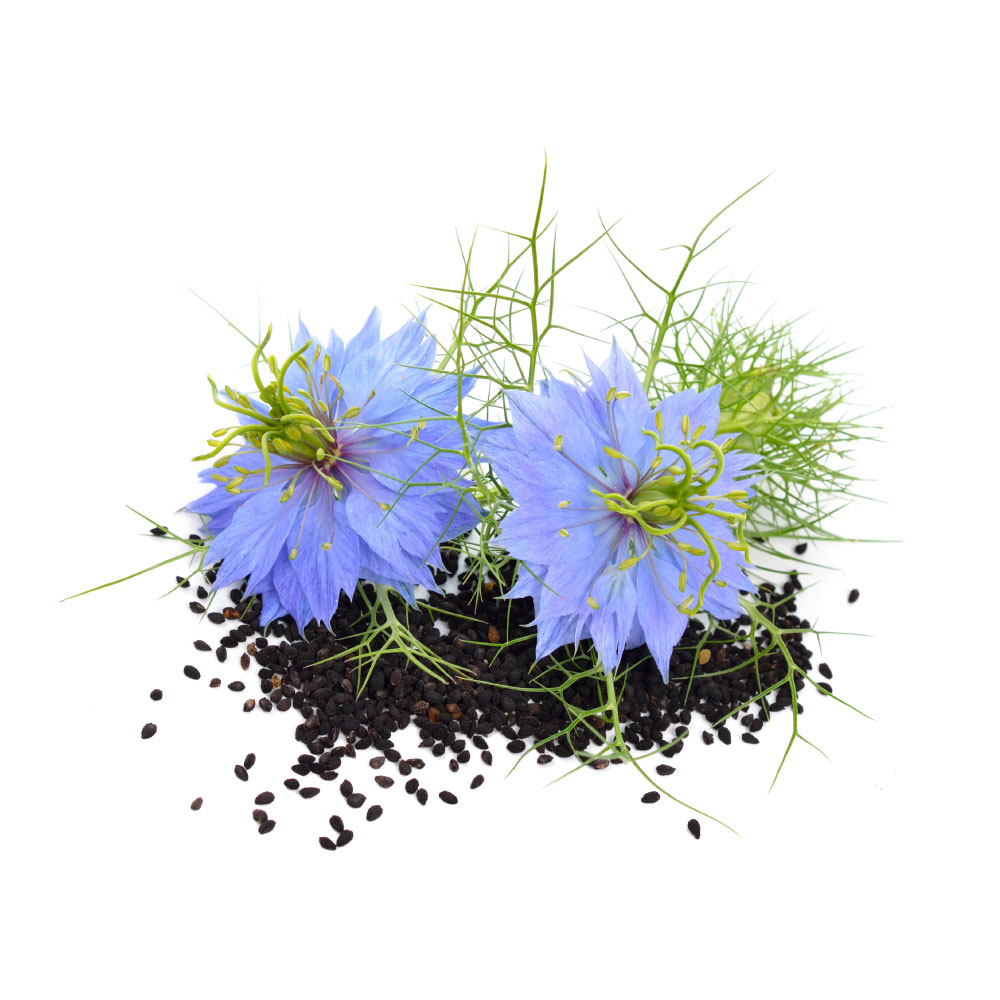
A four-week RCT in healthy adolescent males found nigella seed improved mood, reduced anxiety and enhanced verbal learning, alongside an elderly-cognition RCT 106,
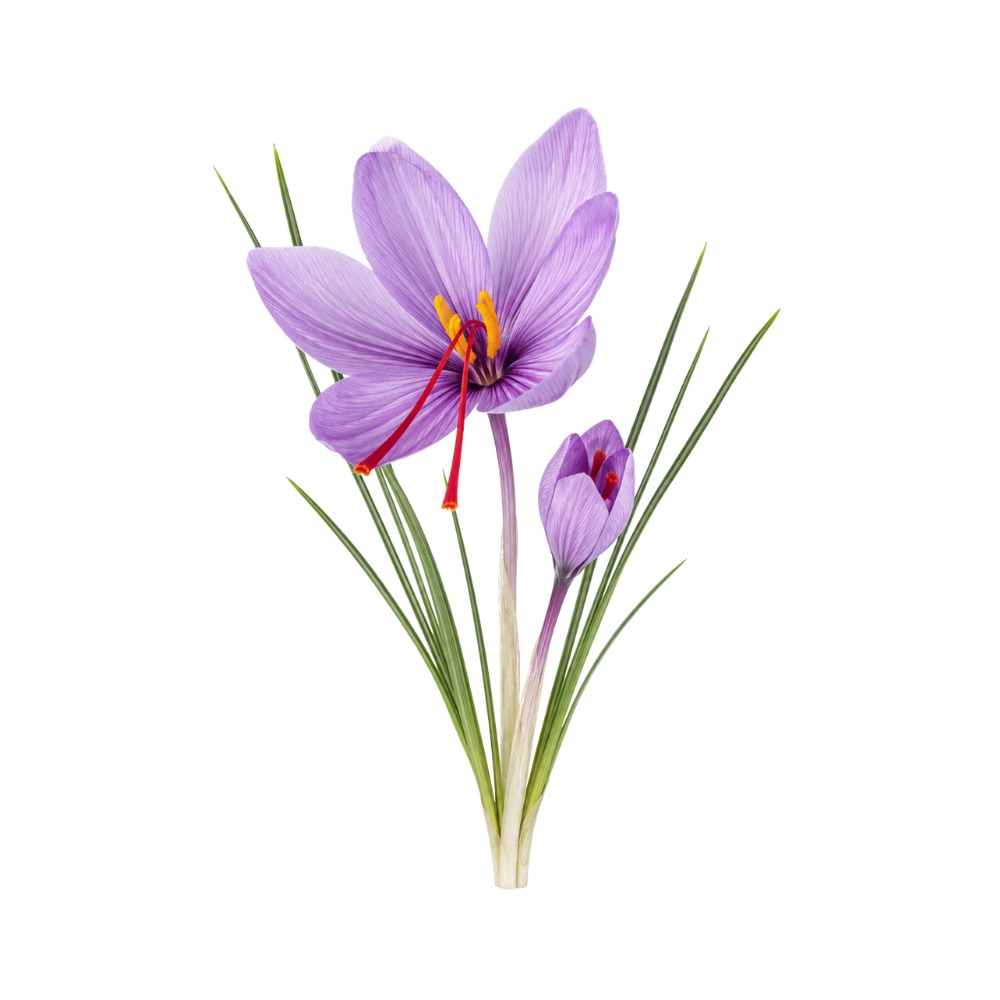 SaffronCrocus sativusModerate
In saffron trials anxiety is usually a secondary outcome alongside depression. A network meta-analysis placed saffron among the better herbal anxiolytics 29Reference 29Meta-analysisMedicinal herbs for the treatment of anxiety: a systematic review and network meta-analysisView study →, the affron® healthy-adult trial cut anxiety symptoms at 28 mg/day 121Reference 121RCTaffron® a novel saffron extract (Crocus sativus L.) improves mood in healthy adults over 4 weeks in a double-blind, parallel, randomised, placebo-controlled clinical trialView study →, and a 2025 meta-analysis found it comparable to SSRIs across anxiety outcomes 122Reference 122Meta-analysisEffect of saffron versus selective serotonin reuptake inhibitors (SSRIs) in treatment of depression and anxiety: a systematic review and meta-analysis. https://pubmed.ncbi.nlm.nih.gov/38913392/View study →. Few trials use anxiety as a primary endpoint or enrol diagnosed anxiety patients; one 2025 subclinical RCT was null 123Reference 123RCTEffect of saffron extract supplementation on mood in healthy adults with subclinical symptoms of depression: a randomised, double-blind placebo-controlled studyView study →.
Full monograph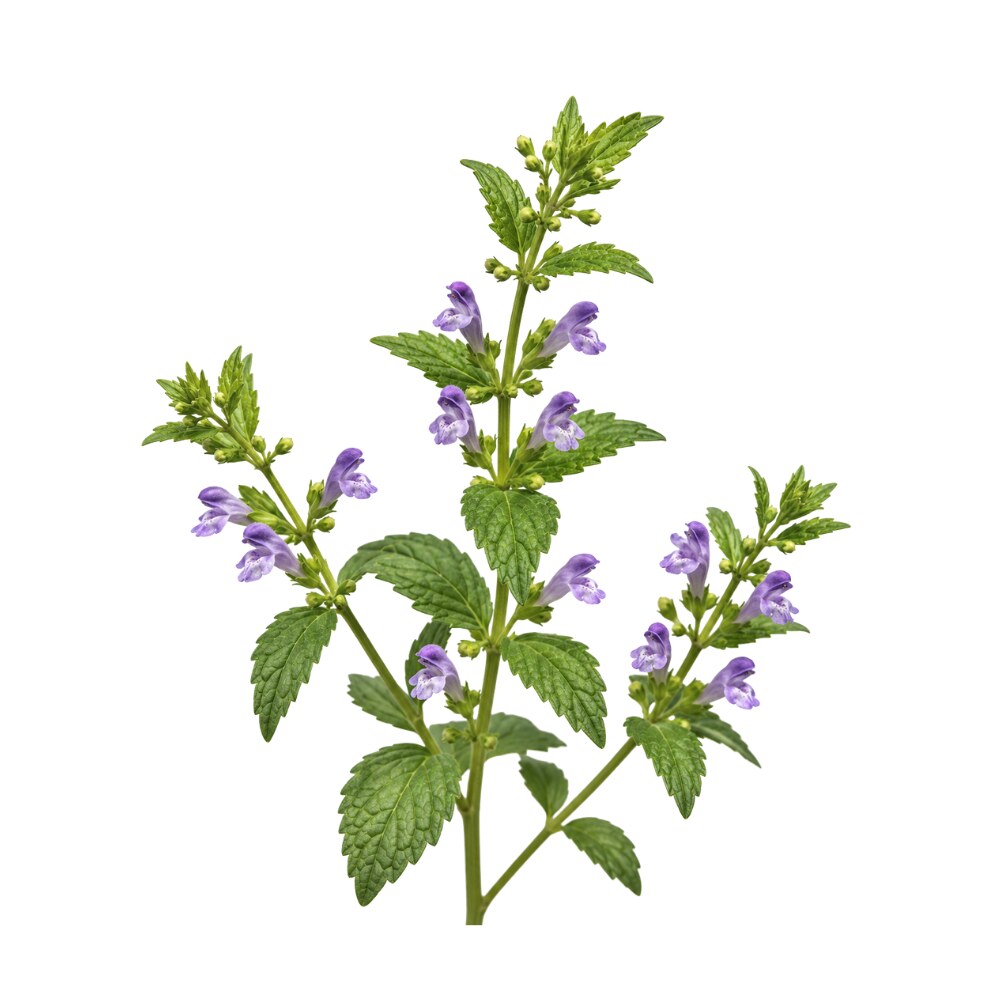 Skullcap (American)Scutellaria laterifloraModerate
Anxiety is American skullcap’s best-evidenced indication, with both a mapped mechanism and human data. An ethanol aerial-parts extract was anxiolytic in the rat elevated-plus-maze/open-field, attributed to baicalin and baicalein binding the benzodiazepine site of GABA-A, plus free GABA 124Reference 124AnimalPhytochemical and biological analysis of skullcap (Scutellaria lateriflora L.): a medicinal plant with anxiolytic properties — animal modelView study →; extracts also bind 5-HT7 125Reference 125In vitroInhibition of [3H]-LSD binding to 5-HT7 receptors by flavonoids from Scutellaria lateriflora — in vitroView study →.
In humans, an early double-blind RCT in healthy volunteers reported anxiolytic effects 126Reference 126RCTAn investigation into the efficacy of Scutellaria lateriflora in healthy volunteers — a double-blind, placebo-controlled randomised trialView study →, but a later crossover RCT (n=43, 350 mg ×3/day, 2 wk) was null on the Beck Anxiety Inventory in a minimally anxious sample while significantly reducing total mood disturbance 127Reference 127RCTAmerican Skullcap (Scutellaria lateriflora): a randomised, double-blind placebo-controlled crossover study of its effects on mood in healthy volunteersView study →. The trials are small and enrolled healthy or minimally anxious subjects, with no diagnosed-anxiety population.
Full monograph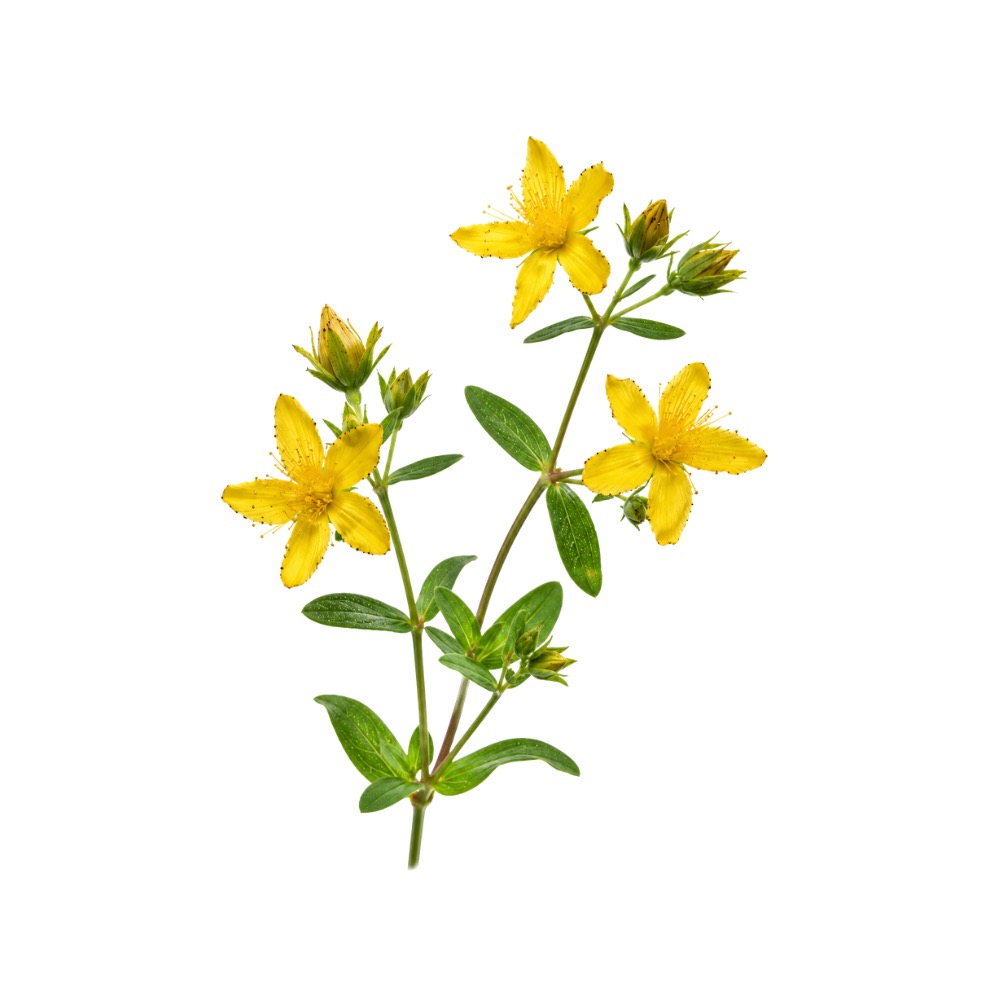 St. John’s WortHypericum perforatumModerate
St John’s wort has no anxiety-specific trial. Two placebo-controlled RCTs of extract LI 160 in somatoform disorders found the herb beat placebo across combined symptom scales 128Reference 128RCTTreatment of somatoform disorders with StView study → and specifically on somatic anxiety 129Reference 129RCTSt John’s wort extract (LI 160) in somatoform disorders: results of a placebo-controlled trialView study →. That is bodily-symptom anxiety without major depression, not generalised anxiety disorder. Both trials are 6 weeks, modest, and use the same extract.
Full monograph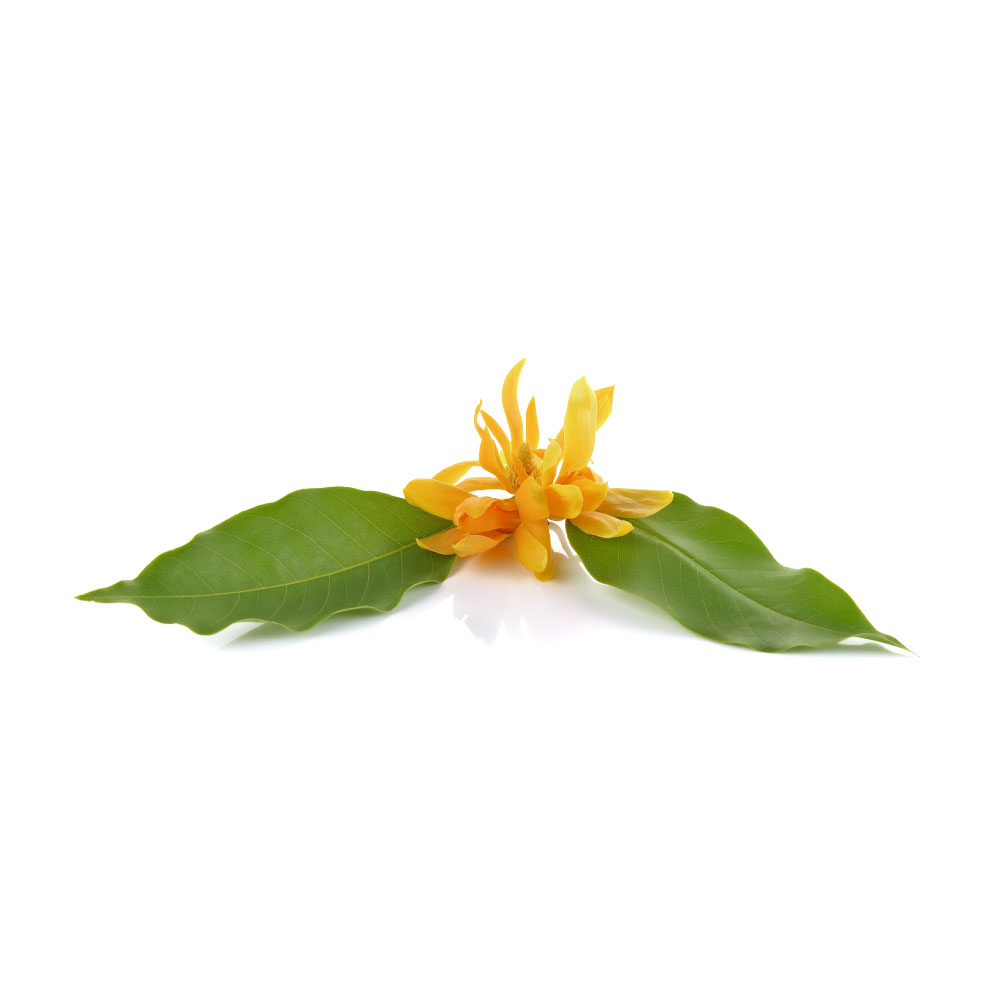 Ylang YlangCananga odorataModerate
A controlled inhalation study (n=24) lowered BP and pulse while raising subjective alertness — described as “harmonisation” rather than sedation 135Reference 135RCTEvaluation of the harmonizing effect of ylang-ylang oil on humans after inhalation — randomized controlled trialView study →; a pilot RCT in nursing staff reduced anxiety scores 136Reference 136RCTAromatherapy with ylang ylang for anxiety and self-esteem: a pilot randomized controlled trialView study →, and single-oil RCTs reduced pre-procedural anxiety in interventional-radiology patients 137Reference 137RCTCananga odorata Aromatherapy Reduces Anxiety in Unexperienced Patients Hospitalized for Interventional Neuroradiology Procedures: A Randomized Control Trial — randomized controlled trialView study → and produced the largest pulse drop among children in a paediatric dental trial 138Reference 138RCTYlang-ylang and lavender aromatherapy for paediatric dental anxiety — randomized controlled trialView study →. Rodent work maps the mechanism onto serotonin/dopamine turnover and the MAPK/ERK–CREB pathway 139,
Direction of effect is inconsistent (one RCT found the aroma impaired memory and slowed reaction time vs peppermint 142Reference 142RCTModulation of cognitive performance and mood by aromas of peppermint and ylang-ylang — randomized controlled trialView study →); several trials use blends and no standardised dose/grade exists.
Full monograph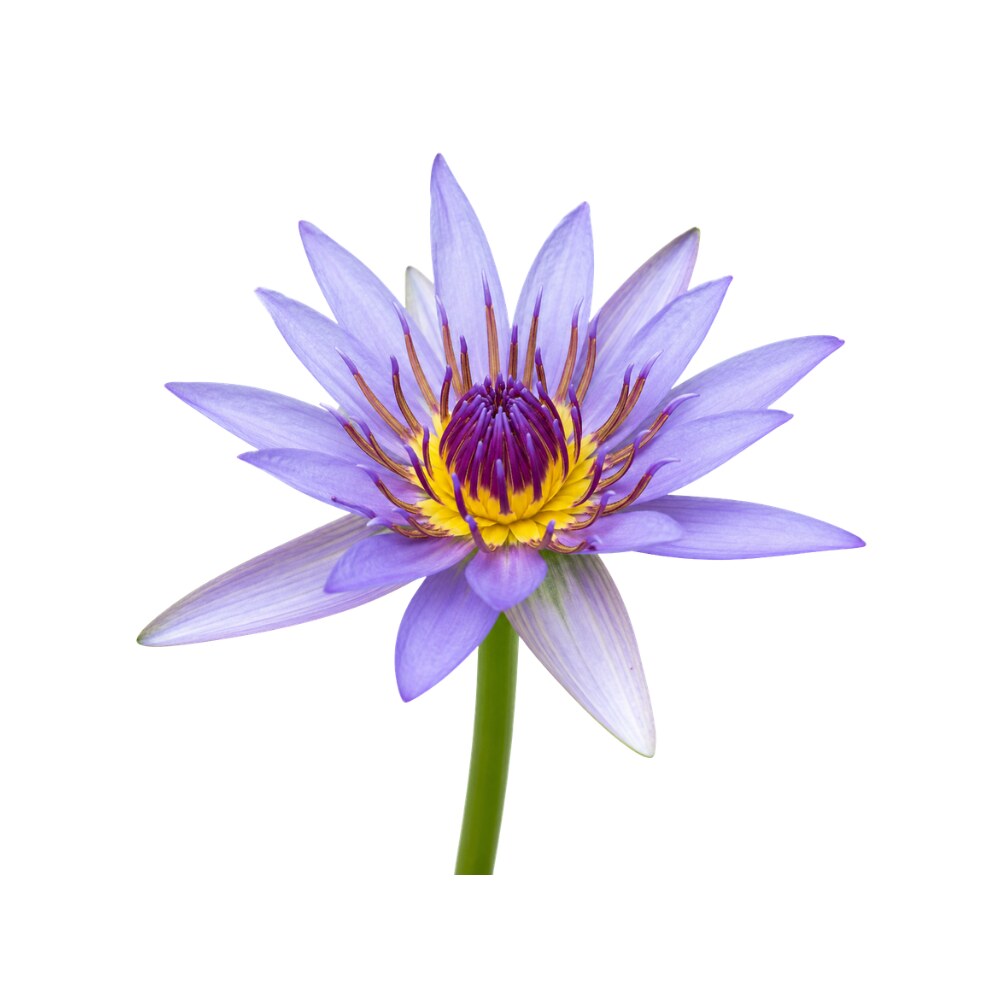 Blue Lotus FlowerNymphaea caeruleaPreclinical
The signature effect is a soft, sedating relaxation, best-characterised through the alkaloid nuciferine, which in NIMH PDSP screening behaves like an aripiprazole-type atypical antipsychotic (5-HT2A/2B/2C antagonist, D2 partial agonist, dopamine-transporter inhibitor) and blocked a serotonergic head-twitch in mice 9Reference 9In vitroIn vitro and in vivo characterization of the alkaloid nuciferine — in vitro and mouseView study →; a five-patient case series documents real sedation after use 10Reference 10Case reportToxicity from blue lotus (Nymphaea caerulea) after ingestion or inhalation: a case seriesView study →, alongside ceremonial use as a relaxant 11,
There is no controlled anxiety trial; the anxiolytic reputation is extrapolated from the calming profile, and the responsible alkaloid is highly variable and sometimes near-absent in authentic flowers 13,
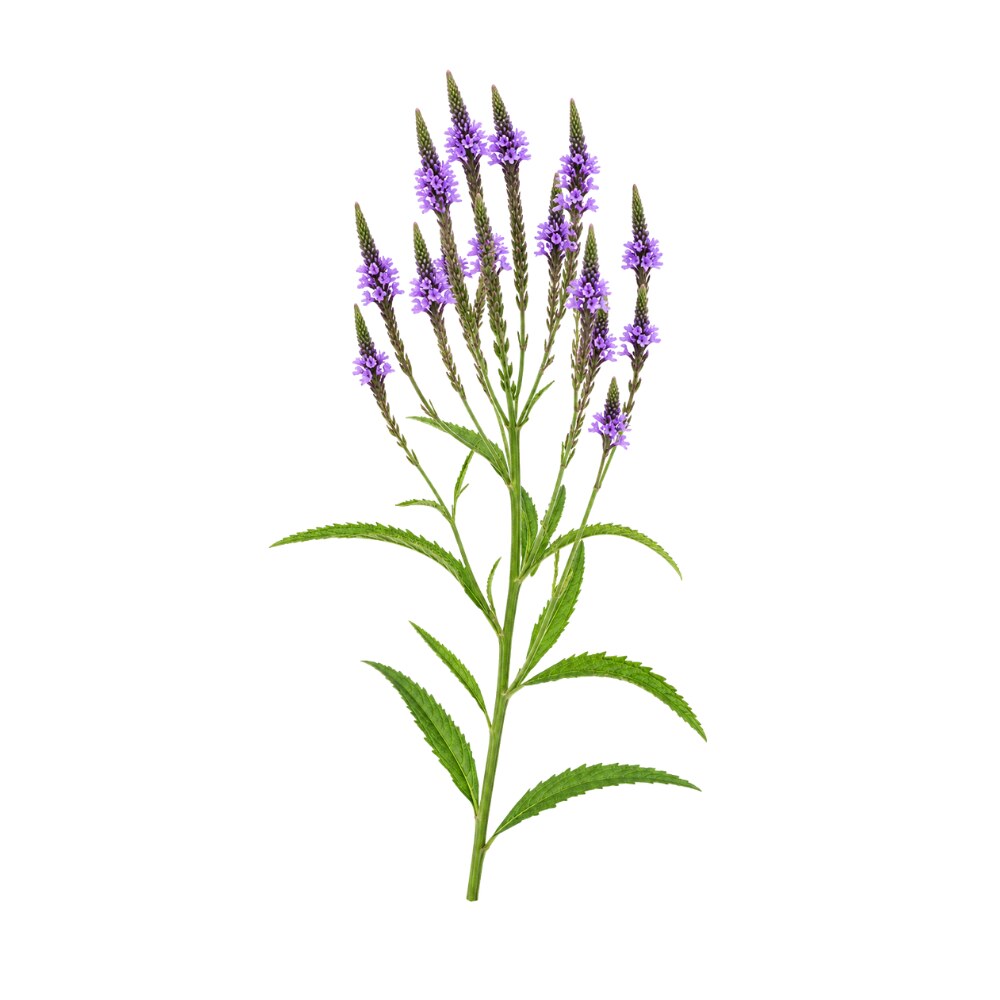 Blue VervainVerbena hastataPreclinical
Blue vervain’s traditional calming action has cross-species and constituent support but no human data. Crude V. officinalis extract was anxiolytic, sedative and anticonvulsant in mice (elevated-plus-maze, light–dark box, thiopental sleep, PTZ seizures) 15Reference 15AnimalAnticonvulsant, Anxiolytic, and Sedative Activities of Verbena officinalis — mouseView study →, and a 2025 study characterised neurotropic effects of standardised V. officinalis extract in behavioural models 16Reference 16AnimalVerbena officinalis LView study →. The mechanism traces to the marker iridoids verbenalin and hastatoside — both confirmed in V. hastata — which are sleep-promoting in animals 17Reference 17AnimalHastatoside and verbenalin are sleep-promoting components in Verbena officinalis — animal modelView study →. No human anxiety trial exists. The extract work used V. officinalis, a related species, and the iridoid work used isolated molecules, so the human use of blue vervain rests on tradition.
Full monograph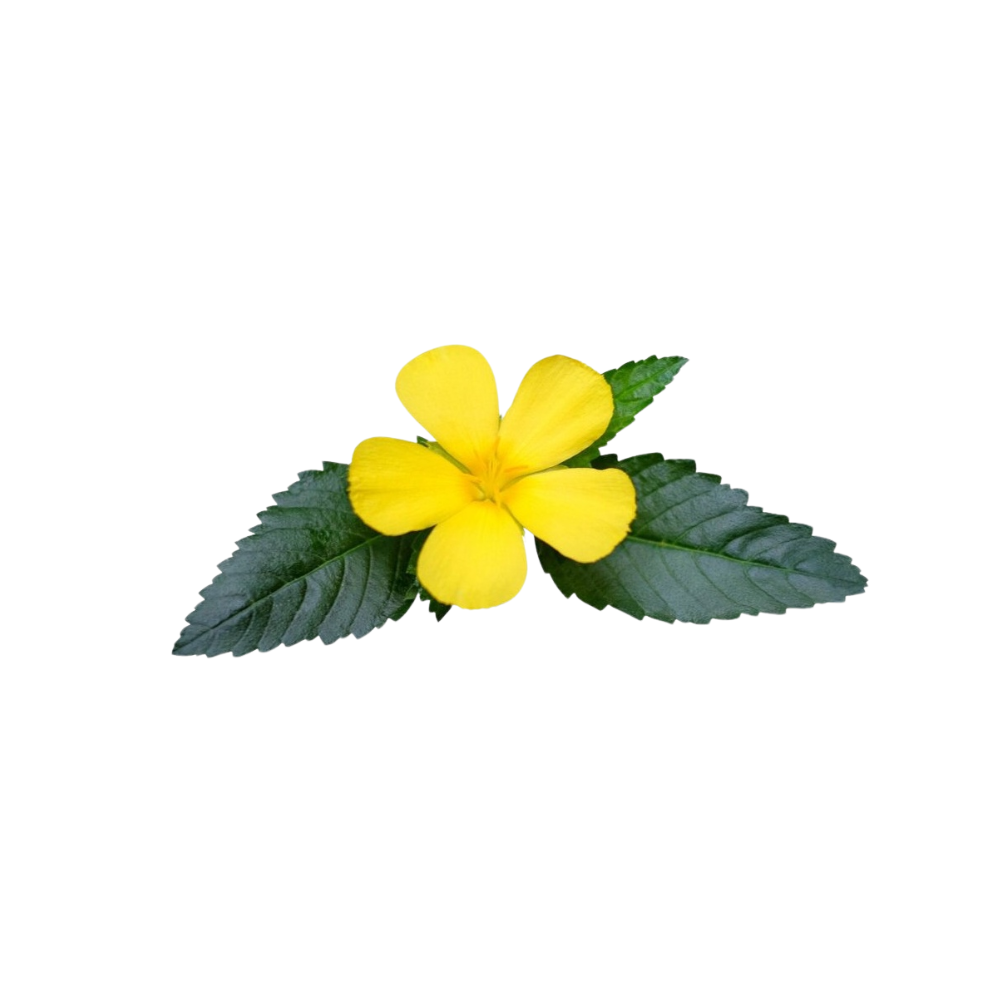 DamianaTurnera diffusaPreclinical
Rodent-only anxiolytic activity: methanol/butanol fractions of T. aphrodisiaca matched low-dose diazepam in the mouse elevated-plus-maze 31Reference 31Anti-anxiety activity studies of various extracts of Turnera aphrodisiaca Ward — animal studyView study →, the flavonoid marker apigenin increased exploratory behaviour across hole-board, light/dark and mirrored-chamber models 32,
The work is entirely in rodents. Apigenin content is low and mostly glycoside-bound, and no human anxiety trial of damiana exists.
Full monograph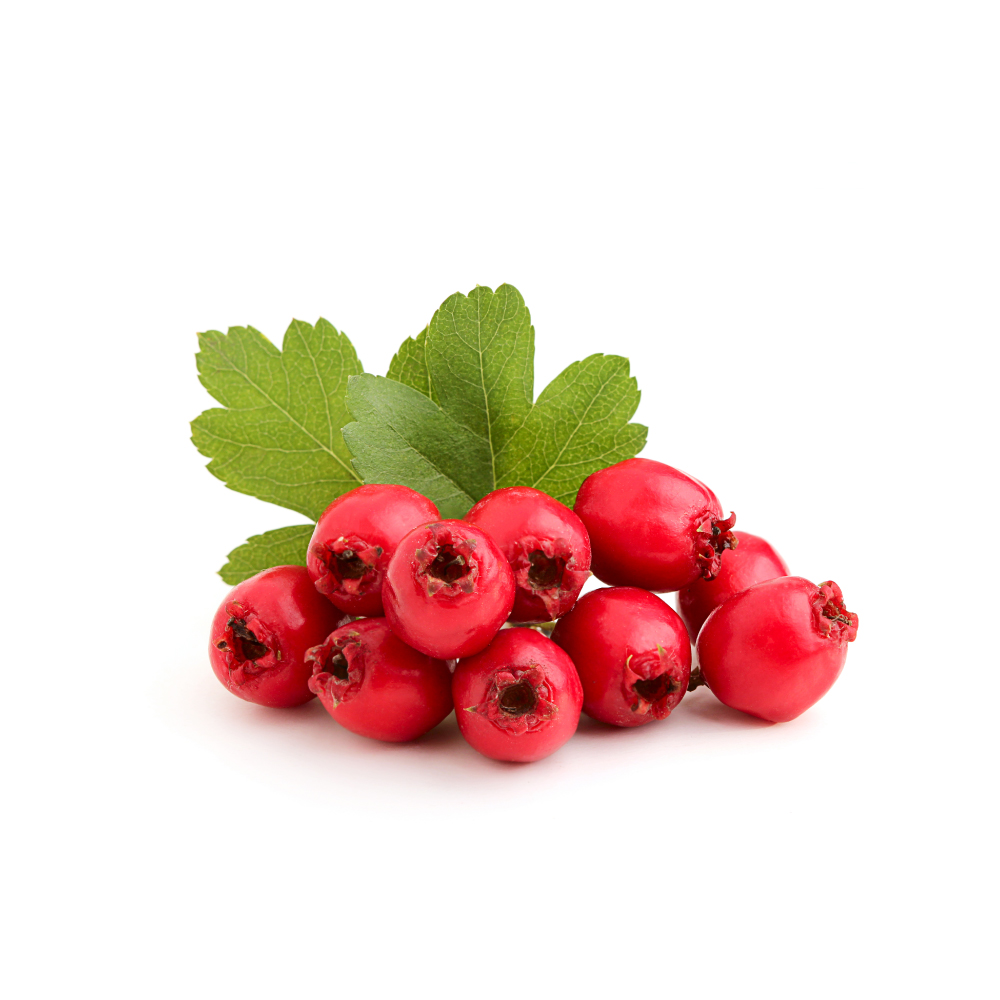 HawthornCrataegus oxyacanthaPreclinical
Hawthorn appears in anxiety trials only inside fixed combinations: a double-blind RCT (n=264, mild-to-moderate GAD) of C. oxyacantha + Eschscholtzia californica + magnesium beat placebo on the Hamilton anxiety scale 22Reference 22RCTDouble-blind, randomised, placebo-controlled study of a fixed combination of Crataegus oxyacantha and Eschscholtzia californica and magnesium in mild-to-moderate anxietyView study →, and the hypertension pilot noted an incidental anxiety trend 41Reference 41RCTPromising hypotensive effect of hawthorn extract: a randomized double-blind pilot study of mild, essential hypertensionView study →. Every positive result is a combination product — the effect cannot be attributed to hawthorn alone.
Full monograph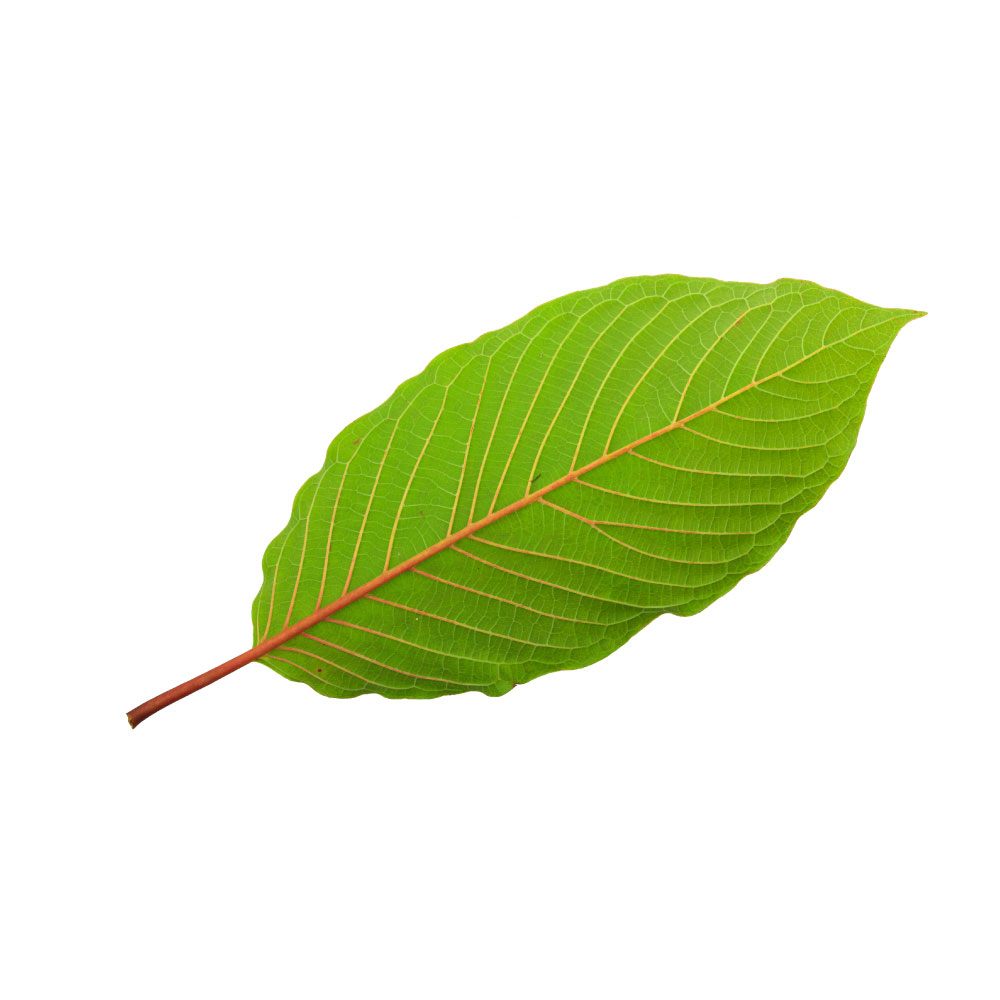 KratomMitragyna speciosaPreclinical
Mood/anxiety improvement is a frequent self-reported reason for use 65Reference 65ObservationalPatterns of Kratom use and health impact in the US — Results from an online survey — observationalView study →, but controlled support is animal-only: a hydro-alcoholic leaf extract reduced anxiety-like behaviour (open-field, elevated-plus-maze) in diabetic rats while lowering brain oxidative stress 66Reference 66AnimalAnxiolytic and Antidepressant-like Effects of Mitragyna speciosa Extract in Diabetic Rats — rat animal modelView study →, consistent with mitragynine’s serotonergic (5-HT2A) activity 67Reference 67In vitroIn vitro and in vivo pharmacology of kratom — reviewView study →.
Anxiety and irritability are also adrenergic side effects of kratom, so the direction is dose- and person-dependent. There is no human anxiety trial, and the animal model is confounded by diabetes.
Full monograph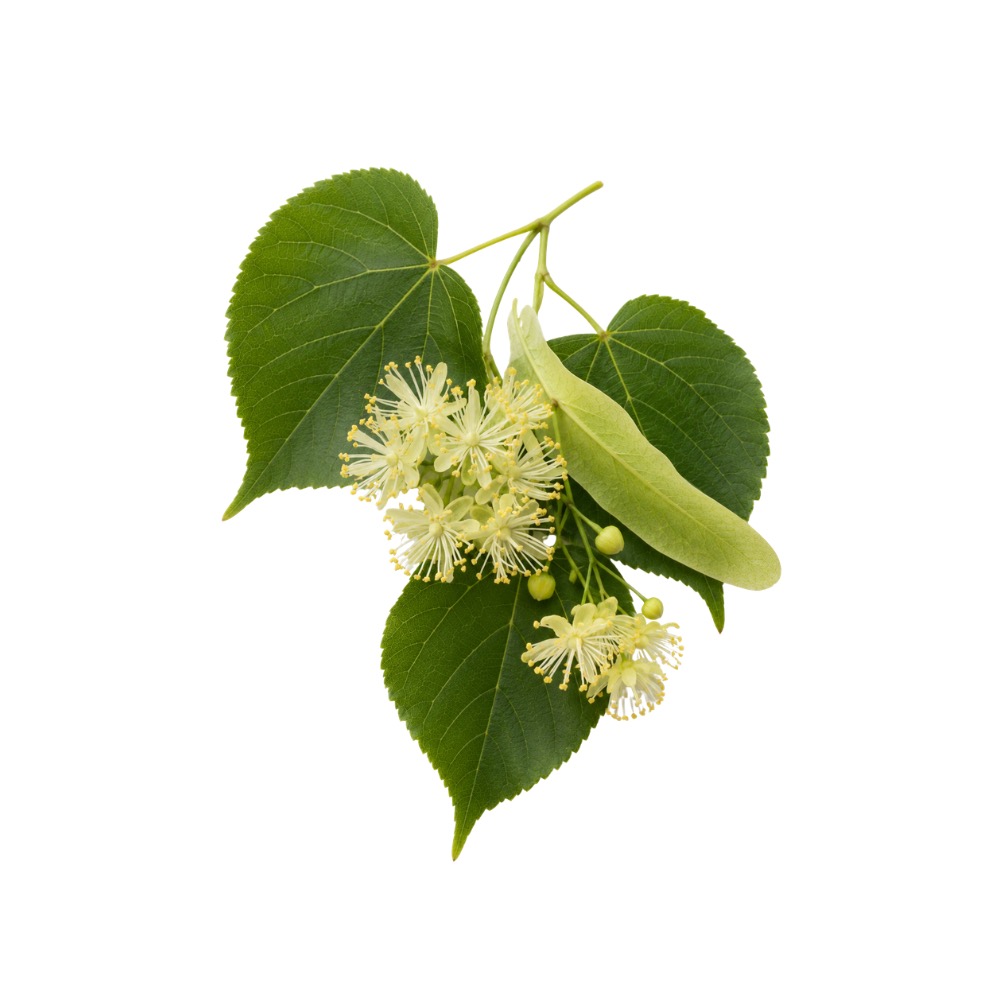 Linden FlowerTilia spp.Preclinical
Anxiety is linden’s most-replicated action, and the tested preparations match how it is used. Water and hydroethanolic Tilia inflorescence/bract extracts produce dose-dependent anxiolytic effects across the elevated-plus-maze, hole-board and open-field, several comparable to diazepam, with no toxicity at high doses 74,
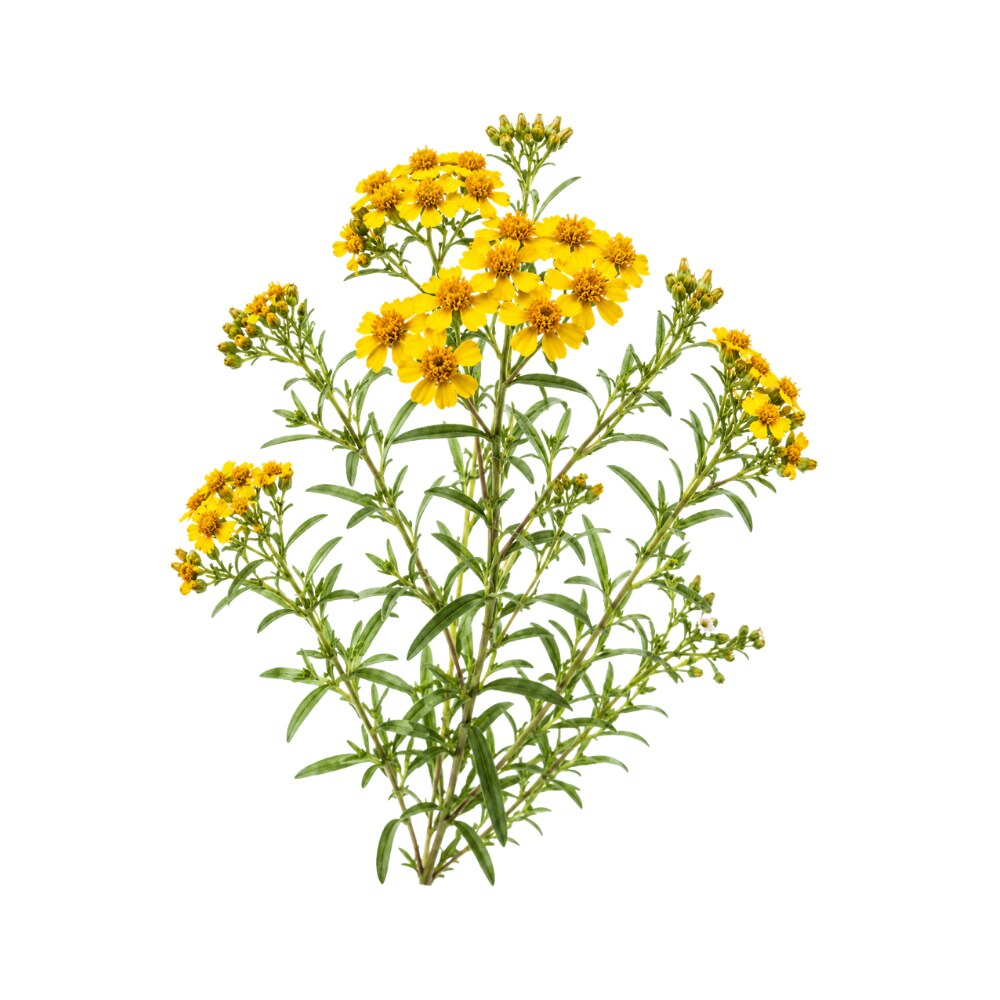 Mexican TarragonTagetes lucidaPreclinical
An ethnobotanically grounded study — healers across ten regions of Morelos take the herb as an infusion/tincture for nervous “culture-bound syndromes” — tested polar extracts in open-field, hole-board, plus-maze and barbiturate-potentiation models and confirmed anxiolytic/sedative effects, blocked by both a 5-HT1A antagonist (WAY-100635) and the GABA/benzodiazepine antagonist flumazenil; herniarin was isolated as a candidate active 97Reference 97Tagetes lucida Cav.: ethnobotany, phytochemistry and pharmacology of its tranquilizing properties — animal studyView study →. The polar extracts match the traditional tea. The work is a single study in mice, with no dose translation and no clinical anxiety endpoint.
Full monograph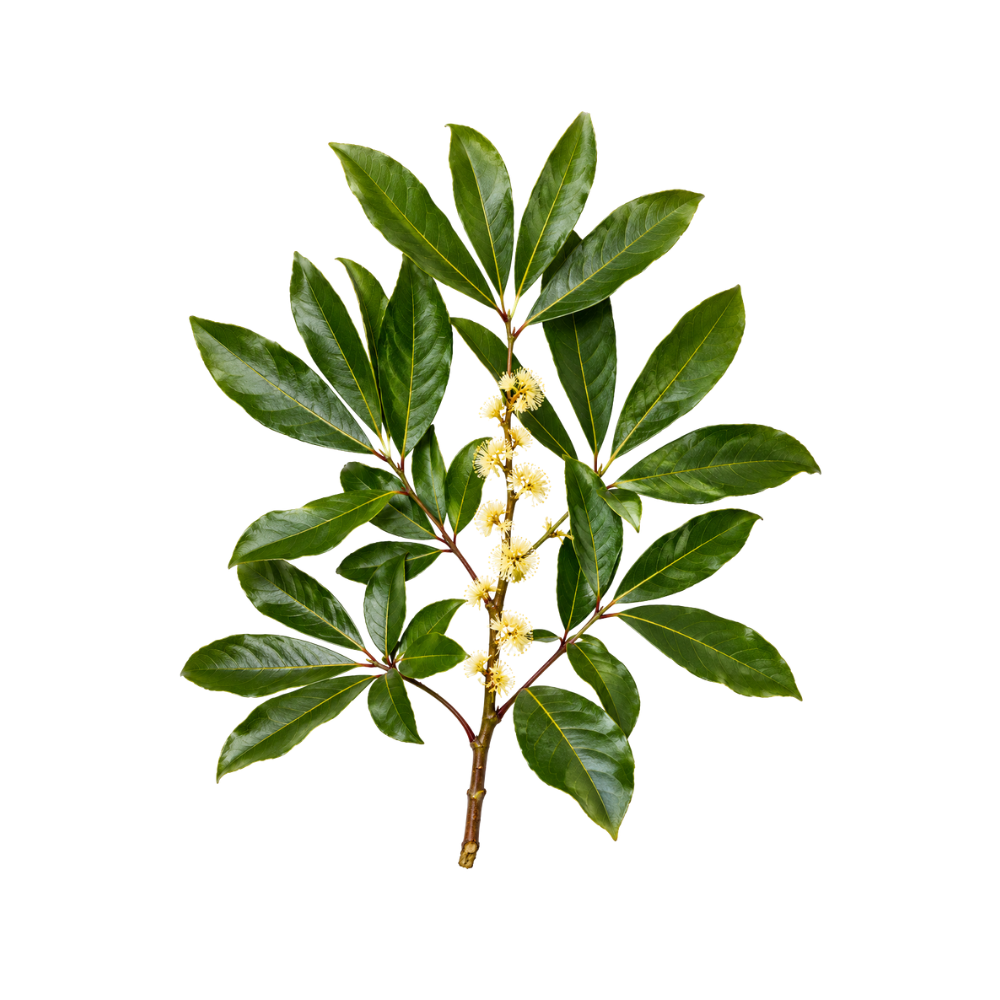 Muira PuamaPtychopetalum olacoidesPreclinical
The anxiety signal is biphasic: POEE showed anti-stress/adaptogen-like effects in several mouse models 103,
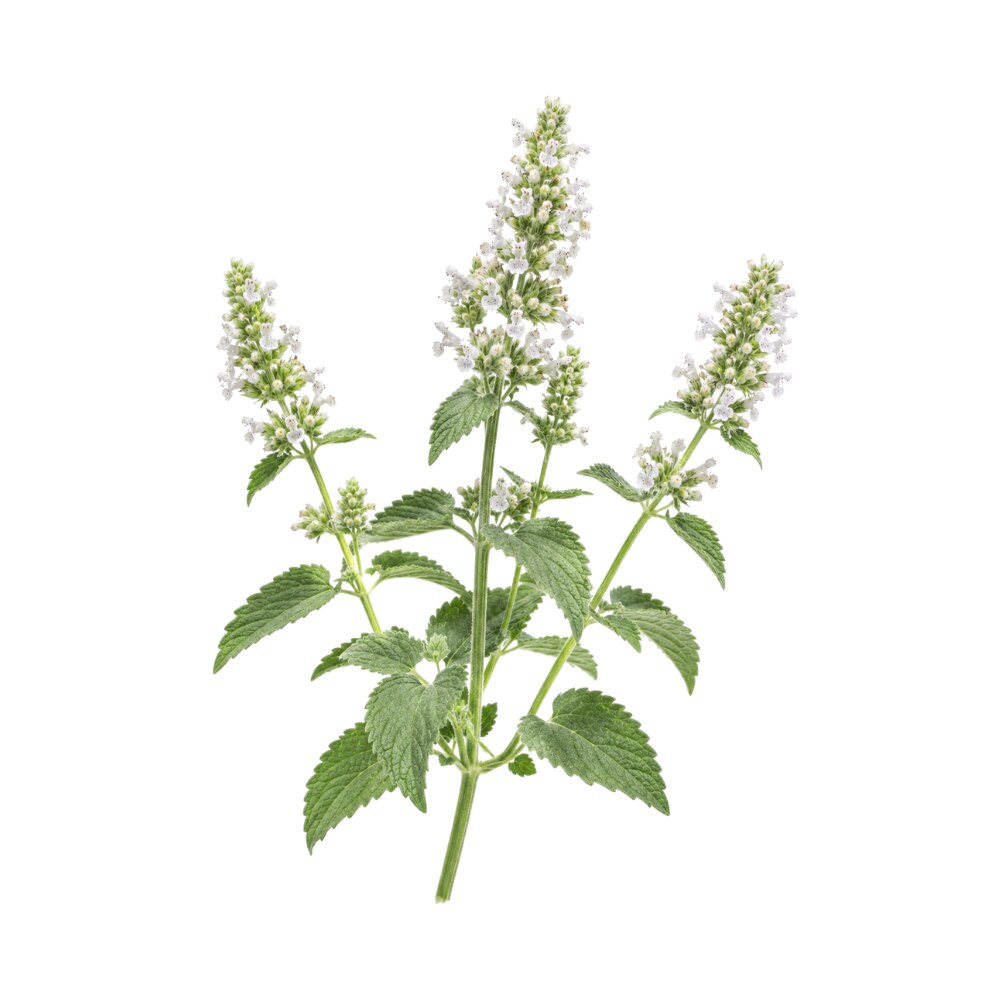 CatnipNepeta catariaTraditional only
Catnip is a traditional remedy for calming and nervous tension. The human anxiety RCT commonly attributed to catnip was conducted on Nepeta menthoides, a different species, not N. cataria 24Reference 24RCTEfficacy of Nepeta menthoides Boiss and Buhse freeze-dried aqueous extract on anxiety of patients with depression: a double-blind randomized controlled clinical trial — [human RCT (different species)]View study →.
Catnip’s own CNS data are contradictory rodent studies 25,
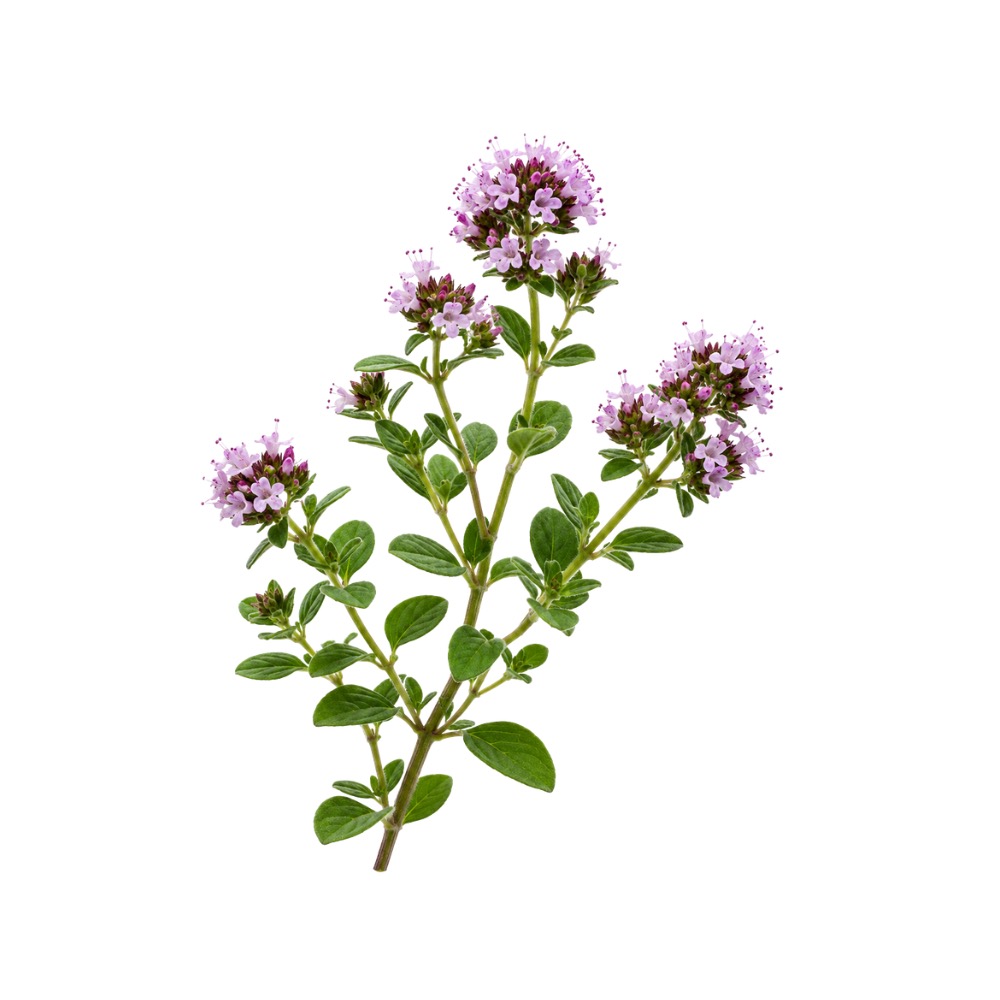 MarjoramOriganum majoranaTraditional only
Marjoram is used traditionally as a mild calming aromatic. There is no anxiety trial.
Full monograph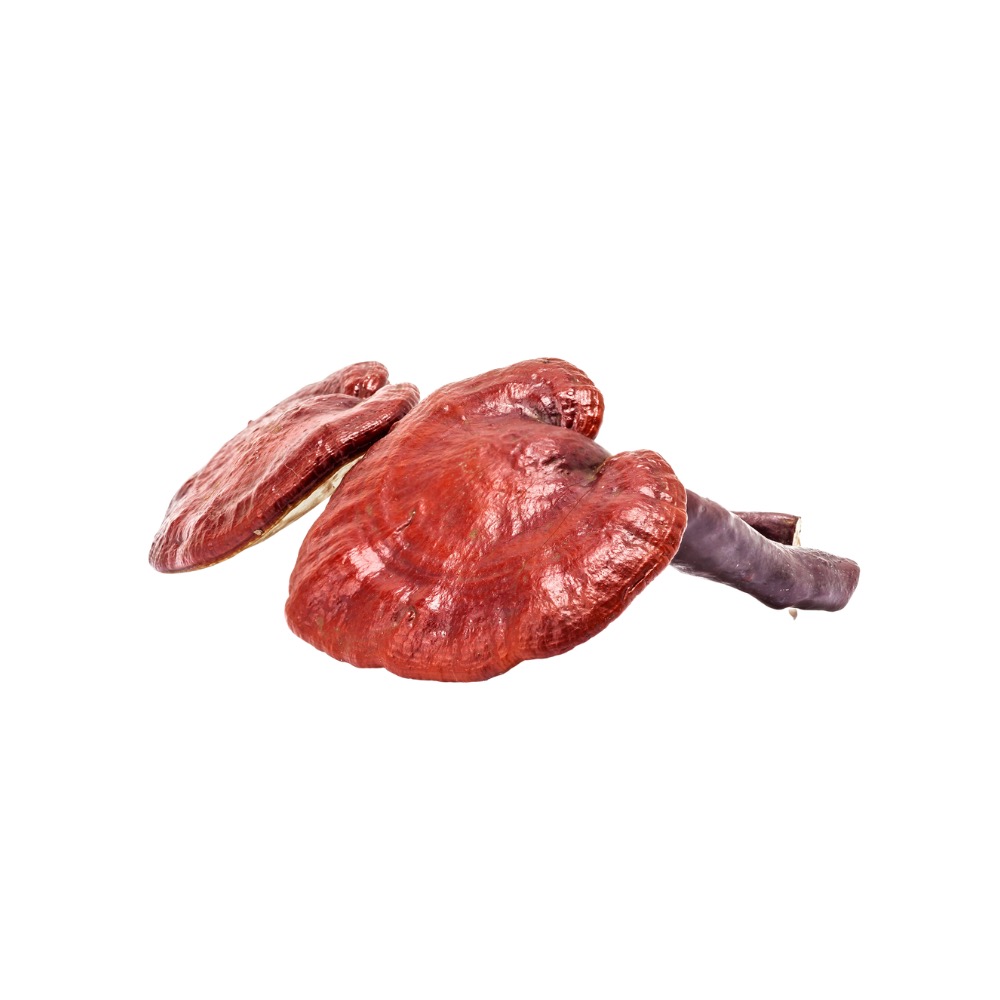 ReishiGanoderma lucidumTraditional only
In TCM reishi is a shen tonic that calms the nerves and eases anxiety without being directly sedative 117,
The closest research is a neurasthenia RCT, in which Ganopoly reduced fatigue and improved wellbeing in 132 patients 119Reference 119RCTA randomised, double-blind and placebo-controlled study of a Ganoderma lucidum polysaccharide extract in neurasthenia — randomised controlled trialView study →, and lucidone D’s sedative activity in mice 120Reference 120In vitroAnti-inflammatory, anti-nociceptive and sedative-hypnotic activities of lucidone D extracted from Ganoderma lucidum — in vitro and mouse studyView study →; neither measured anxiety.
Full monograph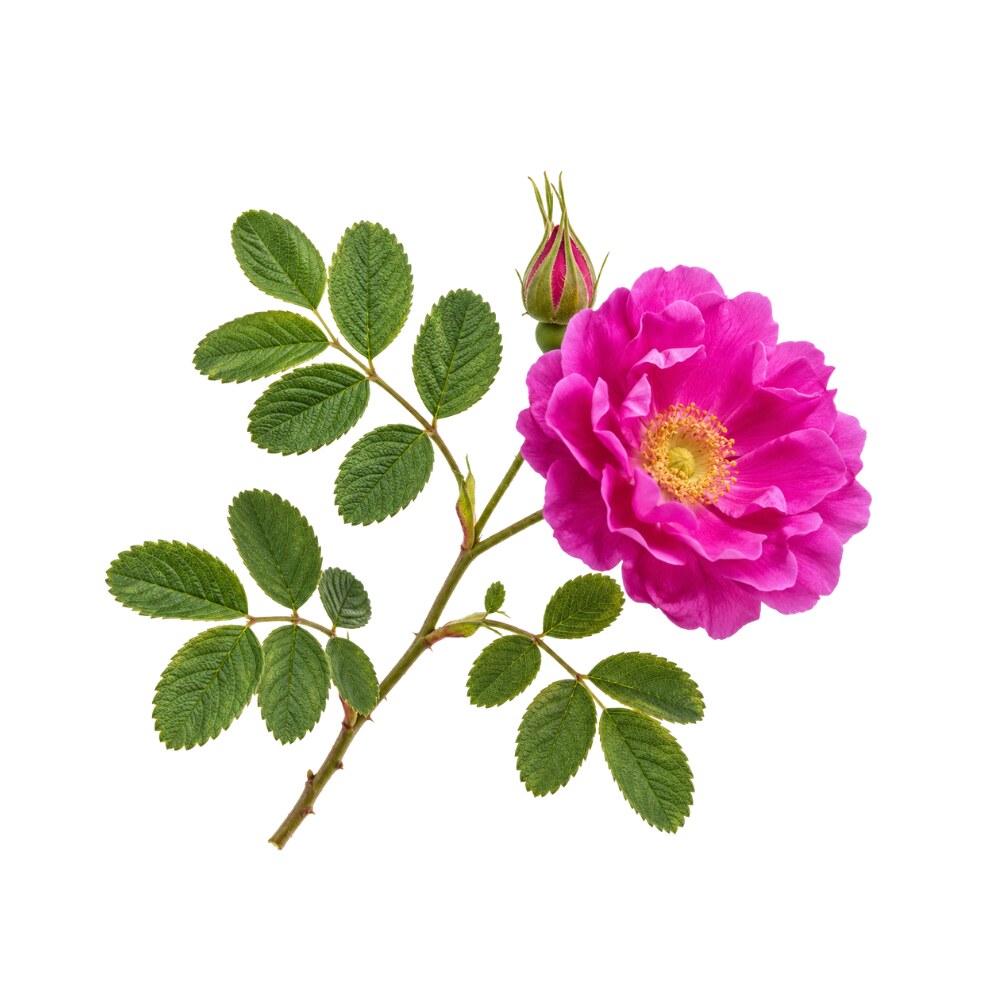 RoseRosa spp.Traditional only
Rose has a long traditional and aromatherapeutic use for soothing and lifting the spirits. There is no clinical anxiety trial of the herb itself.
Full monograph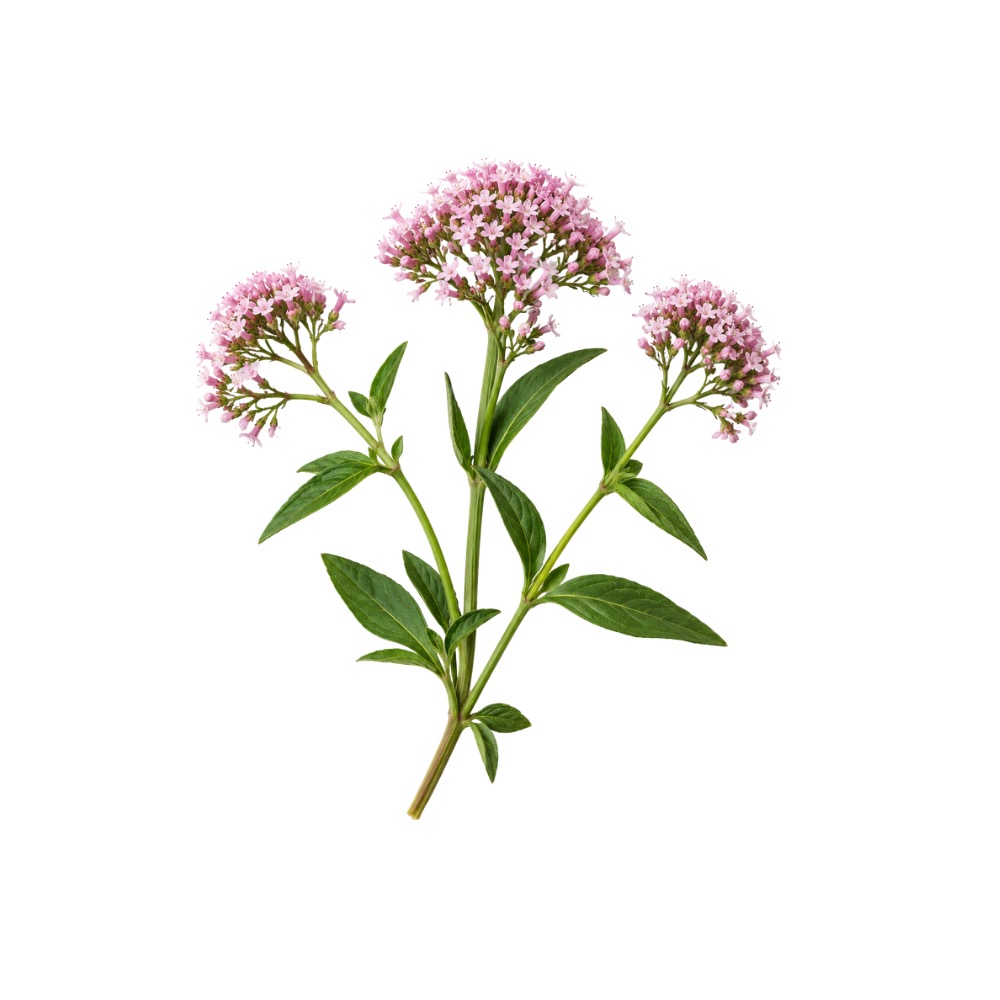 ValerianValeriana officinalisTraditional only
Valerian’s mechanism is well mapped: valerenic acid + valerenol potentiate GABA-A at a β2/β3-dependent site, anxiolytic in mice and abolished in β3(N265M) point-mutant mice — direct in-vivo causal evidence 130,
The human trials are weaker: Cochrane found only one eligible trial and judged the evidence insufficient 133Reference 133Valerian for anxiety disordersView study →, a network meta-analysis did not find valerian effective 29Reference 29Meta-analysisMedicinal herbs for the treatment of anxiety: a systematic review and network meta-analysisView study →, and a GAD pilot was negative 134Reference 134RCTEffect of valepotriates (valerian extract) in generalized anxiety disorder: a randomized placebo-controlled pilot studyView study →.
Full monograph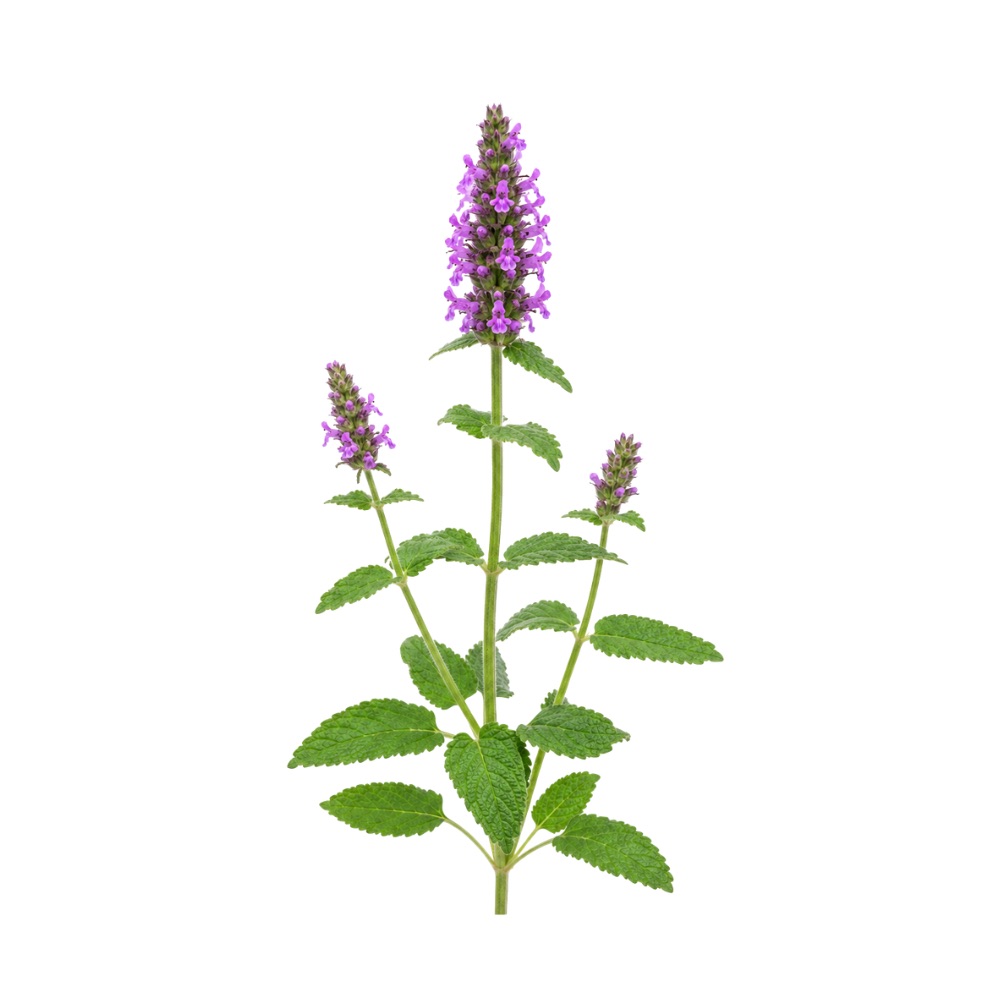 Wood BetonyStachys officinalisTraditional only
Wood betony is a traditional Western nervine for nervous headache and tension. There is no anxiety trial.
Full monographSupplementation
Supplementation
Supplements, nutrients and compounds used for anxiety.
References
- Akhgarjand C, et al. (2022). Does Ashwagandha supplementation have a beneficial effect on the management of anxiety and stress? — systematic review and meta-analysis of randomised controlled trials. Phytotherapy Research. https://pubmed.ncbi.nlm.nih.gov/36017529/
- Arumugam V, et al. (2024). Effects of Ashwagandha (Withania somnifera) on stress and anxiety — systematic review and meta-analysis. Explore (NY). https://pubmed.ncbi.nlm.nih.gov/39348746/
- Lopresti AL, et al. (2019). Stress-relieving and pharmacological actions of an ashwagandha extract — a randomised, double-blind, placebo-controlled study. Medicine (Baltimore). https://pubmed.ncbi.nlm.nih.gov/31517876/
- Chandrasekhar K, et al. (2012). A prospective, randomised double-blind, placebo-controlled study of a high-concentration full-spectrum ashwagandha root extract in reducing stress and anxiety — RCT. Indian Journal of Psychological Medicine. https://pubmed.ncbi.nlm.nih.gov/23439798/
- Calabrese, C., Gregory, W. L., Leo, M., Kraemer, D., Bone, K., & Oken, B. (2008). Effects of a standardized Bacopa monnieri extract on cognitive performance, anxiety, and depression in the elderly — randomised, double-blind, placebo-controlled trial. Journal of Alternative and Complementary Medicine, 14(6), 707–713. https://pubmed.ncbi.nlm.nih.gov/18611150/
- Benson, S., Downey, L. A., Stough, C., Wetherell, M., Zangara, A., & Scholey, A. (2014). An acute, double-blind, placebo-controlled cross-over study of 320 mg and 640 mg doses of Bacopa monnieri (CDRI 08) on multitasking stress reactivity and mood — randomised controlled trial. Phytotherapy Research, 28(4), 551–559. https://pubmed.ncbi.nlm.nih.gov/23788517/
- Sivasangari, K., & Rajan, K. E. (2020). Standardized Bacopa monnieri extract ameliorates learning and memory impairments through synaptic protein, neurogranin, BDNF signaling, and HPA axis in prenatally stressed rat offspring — animal model. Antioxidants, 9(12), 1229. https://pubmed.ncbi.nlm.nih.gov/33291595/
- Chopra, R. N. (1958). Chopra’s Indigenous Drugs of India. UN Dhur & Sons, Calcutta.
- Farrell, M. S., McCorvy, J. D., Huang, X. P., et al. (2016). In vitro and in vivo characterization of the alkaloid nuciferine — in vitro and mouse. PLoS One. https://pubmed.ncbi.nlm.nih.gov/26963248/
- Schimpf, M., Ulmer, T., Hiller, H., & Barbuto, A. F. (2023). Toxicity from blue lotus (Nymphaea caerulea) after ingestion or inhalation: a case series. Military Medicine. https://pubmed.ncbi.nlm.nih.gov/34345890/
- Emboden, W. A. (1981). Transcultural use of narcotic water lilies in ancient Egyptian and Maya drug ritual — review. Journal of Ethnopharmacology. https://pubmed.ncbi.nlm.nih.gov/7007741/
- Bertol, E., Fineschi, V., Karch, S. B., Mari, F., & Riezzo, I. (2004). Nymphaea cults in ancient Egypt and the New World: a lesson in empirical pharmacology — review. Journal of the Royal Society of Medicine. https://pubmed.ncbi.nlm.nih.gov/14749409/
- Dosoky, N. S., Shah, S. A., Dawson, J. T., Banjara, S. S., Poudel, A., Bascoul, C., & Satyal, P. (2023). Chemical composition, market survey, and safety assessment of blue lotus (Nymphaea caerulea Savigny) extracts — analytical market survey. Molecules. https://pubmed.ncbi.nlm.nih.gov/37894493/
- Poklis, J. L., Mulder, H. A., Halquist, M. S., Wolf, C. E., Poklis, A., & Peace, M. R. (2017). The blue lotus flower (Nymphaea caerulea) resin used in a new type of electronic cigarette, the rebuildable dripping atomizer — analytical. Journal of Psychoactive Drugs. https://pubmed.ncbi.nlm.nih.gov/28266899/
- Khan, A. W., et al. (2016). Anticonvulsant, Anxiolytic, and Sedative Activities of Verbena officinalis — mouse. Frontiers in Pharmacology. https://pubmed.ncbi.nlm.nih.gov/28066246/
- Koshovyi, O., et al. (2025). Verbena officinalis L. Herb Extract, Its Amino Acid Preparations and 3D-Printed Dosage Forms: Phytochemical, Technological and Pharmacological Research — animal model. Plants (Basel). https://pubmed.ncbi.nlm.nih.gov/40941816/
- Makino, Y., et al. (2009). Hastatoside and verbenalin are sleep-promoting components in Verbena officinalis — animal model. Sleep and Biological Rhythms. https://doi.org/10.1111/j.1479-8425.2009.00405.x
- Fedurco M, Gregorová J, Šebrlová K, et al. Modulatory effects of Eschscholzia californica alkaloids on recombinant GABAA receptors. Biochemistry Research International. 2015;2015:617620. https://pubmed.ncbi.nlm.nih.gov/26509084/
- Gafner S, Dietz BM, McPhail KL, et al. Alkaloids from Eschscholzia californica and their capacity to inhibit binding of [3H]8-OH-DPAT to 5-HT1A receptors in vitro. Journal of Natural Products. 2006;69(3):432–435. https://pubmed.ncbi.nlm.nih.gov/16562853/
- Rolland A, Fleurentin J, Lanhers MC, et al. Behavioural effects of the American traditional plant Eschscholzia californica: sedative and anxiolytic properties. Planta Medica. 1991;57(3):212–216. https://pubmed.ncbi.nlm.nih.gov/1680240/
- Rolland A, Fleurentin J, Lanhers MC, et al. Neurophysiological effects of an extract of Eschscholzia californica Cham. (Papaveraceae). Phytotherapy Research. 2001;15(5):377–381. https://pubmed.ncbi.nlm.nih.gov/11507727/
- Hanus M, Lafon J, Mathieu M. Double-blind, randomised, placebo-controlled study of a fixed combination of Crataegus oxyacantha and Eschscholtzia californica and magnesium in mild-to-moderate anxiety. Current Medical Research and Opinion. 2004;20(1):63–71. https://pubmed.ncbi.nlm.nih.gov/14741074/
- Bergamaschi, M. M., Queiroz, R. H., Chagas, M. H., et al. (2011). Cannabidiol reduces the anxiety induced by simulated public speaking in treatment-naive social phobia patients — randomised controlled trial. Neuropsychopharmacology. https://pubmed.ncbi.nlm.nih.gov/21307846/
- Firoozabadi A, et al. (2016). Efficacy of Nepeta menthoides Boiss and Buhse freeze-dried aqueous extract on anxiety of patients with depression: a double-blind randomized controlled clinical trial — [human RCT (different species)]. Iranian Journal of Medical Sciences. https://pubmed.ncbi.nlm.nih.gov/27840470/
- Harney JW, et al. (1978). Behavioral and toxicological studies of cyclopentanoid monoterpenes from Nepeta cataria — [animal in vivo]. Lloydia. https://pubmed.ncbi.nlm.nih.gov/672466/
- Massoco CO, et al. (1995). Behavioral effects of acute and long-term administration of catnip (Nepeta cataria) in mice — [animal in vivo]. Veterinary and Human Toxicology. https://pubmed.ncbi.nlm.nih.gov/8588288/
- Melo N, et al. (2021). The irritant receptor TRPA1 mediates the mosquito repellent effect of catnip — [in vitro / in vivo mechanism]. Current Biology. https://pubmed.ncbi.nlm.nih.gov/33667373/
- Amsterdam JD, et al. (2009). A randomized, double-blind, placebo-controlled trial of oral Matricaria recutita (chamomile) extract therapy for generalized anxiety disorder — randomised controlled trial. Journal of Clinical Psychopharmacology. https://pubmed.ncbi.nlm.nih.gov/19593179/
- Zhang W, et al. (2022). Medicinal herbs for the treatment of anxiety: a systematic review and network meta-analysis. Pharmacological Research. https://pubmed.ncbi.nlm.nih.gov/35378276/
- Mao JJ, et al. (2016). Long-term chamomile (Matricaria chamomilla L.) treatment for generalized anxiety disorder: a randomized clinical trial. Phytomedicine. https://pubmed.ncbi.nlm.nih.gov/27912875/
- Kumar, S., & Sharma, A. (2005). Anti-anxiety activity studies of various extracts of Turnera aphrodisiaca Ward — animal study. J Herb Pharmacother. https://pubmed.ncbi.nlm.nih.gov/16635964/
- Kumar, S., Madaan, R., & Sharma, A. (2008). Pharmacological evaluation of bioactive principle of Turnera aphrodisiaca — animal study. Indian J Pharm Sci. https://pubmed.ncbi.nlm.nih.gov/21369434/
- Kumar, S., Madaan, R., & Sharma, A. (2008). Estimation of apigenin, an anxiolytic constituent, in Turnera aphrodisiaca. Indian J Pharm Sci. https://pubmed.ncbi.nlm.nih.gov/21369462/
- Ana María, D. B., et al. (2019). Neurobehavioral and toxicological effects of an aqueous extract of Turnera diffusa in mice — animal study. J Ethnopharmacol. https://pubmed.ncbi.nlm.nih.gov/30818006/
- Lee, S. H., et al. (2015). Eugenol inhibits the GABAA current in trigeminal ganglion neurons — in vitro. PLoS One. https://pubmed.ncbi.nlm.nih.gov/25635877/
- Bradwejn, J., et al. (2000). A double-blind, placebo-controlled study on the effects of Gotu Kola on acoustic startle response in healthy subjects — randomised trial. Journal of Clinical Psychopharmacology. https://pubmed.ncbi.nlm.nih.gov/11106141/
- Jana, U., et al. (2010). A clinical study on the management of generalized anxiety disorder with Centella asiatica — clinical trial. Nepal Medical College Journal. https://pubmed.ncbi.nlm.nih.gov/20677602/
- Schruers K, van Diest R, Overbeek T, Griez E. (2002). Acute L-5-hydroxytryptophan administration inhibits carbon-dioxide-induced panic in panic disorder patients — randomised controlled trial. Psychiatry Research. https://pubmed.ncbi.nlm.nih.gov/12559480/
- Carnevale G, Di Viesti V, Zavatti M, Zanoli P. (2011). Anxiolytic-like effect of Griffonia simplicifolia Baill. seed extract in rats — animal model. Phytomedicine. https://pubmed.ncbi.nlm.nih.gov/21353511/
- Carnevale G, Di Viesti V, Zavatti M, et al. (2010). Griffonia simplicifolia negatively affects sexual behavior in female rats — animal model. Phytomedicine. https://pubmed.ncbi.nlm.nih.gov/20359873/
- Walker, A. F., Marakis, G., Morris, A. P., & Robinson, P. A. (2002). Promising hypotensive effect of hawthorn extract: a randomized double-blind pilot study of mild, essential hypertension. Phytotherapy Research. https://pubmed.ncbi.nlm.nih.gov/11807965/
- Bhattacharyya, D., et al. (2008). Controlled programmed trial of Ocimum sanctum leaf on generalized anxiety disorders — controlled clinical trial. Nepal Med Coll J, 10(3), 176–179. https://pubmed.ncbi.nlm.nih.gov/19253862/
- Saxena, R. C., et al. (2012). Efficacy of an extract of Ocimum tenuiflorum (OciBest) in the management of general stress — randomised placebo-controlled trial. Evid Based Complement Alternat Med, 2012, 894509. https://pubmed.ncbi.nlm.nih.gov/21977056/
- Lopresti, A. L., et al. (2022). A randomised, double-blind, placebo-controlled trial investigating the effects of a standardised Ocimum tenuiflorum extract — randomised controlled trial. Front Nutr, 9, 965130. https://pubmed.ncbi.nlm.nih.gov/36185698/
- Kyrou I, Christou A, Panagiotakos D, Stefanaki C, Skenderi K, Katsana K, et al. (2017). Effects of a hops (Humulus lupulus L.) dry extract supplement on self-reported depression, anxiety and stress levels in apparently healthy young adults: a randomized, placebo-controlled, double-blind, crossover pilot study — [randomized]. Hormones (Athens), 16(2), 171-180. https://pubmed.ncbi.nlm.nih.gov/28742505/
- Morin CM, Koetter U, Bastien C, Ware JC, & Wooten V (2005). Valerian-hops combination and diphenhydramine for treating insomnia: a randomized placebo-controlled clinical trial — [randomized]. Sleep, 28(11), 1465-71. https://pubmed.ncbi.nlm.nih.gov/16335333/
- Schicktanz N, Gerhards C, Schlitt T, Aerni A, Müggler E, de Quervain D, et al. (2025). Effects of a Valerian-Hops Extract Combination (Ze 91019) on Sleep Duration and Daytime Cognitive and Psychological Parameters in Occasional Insomnia: A Randomized Controlled Feasibility Trial — [randomized]. Brain Behav, 15(6), e70600. https://pubmed.ncbi.nlm.nih.gov/40462685/
- Franco L, Sánchez C, Bravo R, Rodriguez A, Barriga C, & Juánez JC (2012). The sedative effects of hops (Humulus lupulus), a component of beer, on the activity/rest rhythm — [animal]. Acta Physiol Hung, 99(2), 133-9. https://pubmed.ncbi.nlm.nih.gov/22849837/
- Nagai M et al. (2000). Pleasant odors attenuate the blood pressure increase during rhythmic handgrip in humans — [human study]. Neurosci Lett. https://pubmed.ncbi.nlm.nih.gov/10961671/
- Inoue N et al. (2003). Autonomic nervous responses according to preference for the odor of jasmine tea — [human autonomic study]. Biosci Biotechnol Biochem. https://pubmed.ncbi.nlm.nih.gov/12843644/
- Kuroda K et al. (2005). Sedative effects of the jasmine tea odor and (R)-(-)-linalool, one of its major odor components, on autonomic nerve activity and mood states — [human study]. Eur J Appl Physiol. https://pubmed.ncbi.nlm.nih.gov/15976995/
- Jafarzadeh Samani M et al. (2024). Anxiolytic Effect of Jasmine Aromatherapy in Pediatric Dental Procedures: A Single-Blinded Randomized Placebo-Controlled Trial — [randomised placebo-controlled trial]. Front Dent. https://pubmed.ncbi.nlm.nih.gov/39588286/
- Hongratanaworakit T (2010). Stimulating effect of aromatherapy massage with jasmine oil — [human aromatherapy study]. Nat Prod Commun. https://pubmed.ncbi.nlm.nih.gov/20184043/
- Terburg, D., Syal, S., Rosenberger, L. A., et al. (2013). Acute effects of Sceletium tortuosum (Zembrin), a dual 5-HT reuptake and PDE4 inhibitor, in the human amygdala — randomised, placebo-controlled pharmaco-fMRI crossover. Neuropsychopharmacology. https://pubmed.ncbi.nlm.nih.gov/23903032/
- Pittler, M. H., & Ernst, E. (2000). Efficacy of kava extract for treating anxiety — systematic review and meta-analysis. J Clin Psychopharmacol. https://pubmed.ncbi.nlm.nih.gov/10653213/
- Pittler, M. H., & Ernst, E. (2003). Kava extract for treating anxiety — systematic review. Cochrane Database Syst Rev. https://pubmed.ncbi.nlm.nih.gov/12535473/
- Sarris, J., Kavanagh, D. J., Byrne, G., et al. (2009). The Kava Anxiety Depression Spectrum Study (KADSS) — a randomised, placebo-controlled crossover trial. Psychopharmacology (Berl). https://pubmed.ncbi.nlm.nih.gov/19430766/
- Boerner, R. J., Sommer, H., Berger, W., et al. (2003). Kava-Kava extract LI 150 is as effective as opipramol and buspirone in generalised anxiety disorder — an 8-week randomised, double-blind multicentre RCT in 129 outpatients. Phytomedicine. https://pubmed.ncbi.nlm.nih.gov/12807341/
- Ooi, S. L., Henderson, P., & Pak, S. C. (2018). Kava for generalized anxiety disorder — a review and meta-analysis of current evidence [systematic review]. J Altern Complement Med. https://pubmed.ncbi.nlm.nih.gov/29641222/
- Sarris, J., LaPorte, E., & Schweitzer, I. (2011). Kava — a comprehensive review of efficacy, safety, and psychopharmacology [review]. Aust N Z J Psychiatry. https://pubmed.ncbi.nlm.nih.gov/21073405/
- Chua, H. C., Christensen, E. T., Hoestgaard-Jensen, K., et al. (2016). Kavain, the major constituent of the anxiolytic kava extract, potentiates GABA-A receptors — functional characteristics and molecular mechanism [in vitro]. PLoS One. https://pubmed.ncbi.nlm.nih.gov/27332705/
- Jussofie, A., Schmiz, A., & Hiemke, C. (1994). Kavapyrone-enriched extract from Piper methysticum as modulator of the GABA binding site in different regions of rat brain [animal]. Psychopharmacology (Berl). https://pubmed.ncbi.nlm.nih.gov/7701051/
- Sarris, J., Byrne, G. J., Bousman, C. A., et al. (2020). Kava for generalised anxiety disorder — a 16-week double-blind, randomised, placebo-controlled study [phase III RCT]. Aust N Z J Psychiatry. https://pubmed.ncbi.nlm.nih.gov/31813230/
- Teschke, R. (2010). Kava hepatotoxicity — a clinical review [review]. Ann Hepatol. https://pubmed.ncbi.nlm.nih.gov/20720265/
- Grundmann, O. (2017). Patterns of Kratom use and health impact in the US — Results from an online survey — observational. Drug Alcohol Depend. https://pubmed.ncbi.nlm.nih.gov/28521200/
- Chen, L., et al. (2022). Anxiolytic and Antidepressant-like Effects of Mitragyna speciosa Extract in Diabetic Rats — rat animal model. Molecules. https://pubmed.ncbi.nlm.nih.gov/35408607/
- Hiranita, T., et al. (2022). In vitro and in vivo pharmacology of kratom — review. Adv Pharmacol. https://pubmed.ncbi.nlm.nih.gov/35341571/
- Kasper, S., et al. (2010). Silexan, an orally administered Lavandula oil preparation, is effective in the treatment of ‘subsyndromal’ anxiety disorder — randomized, double-blind, placebo-controlled trial. International Clinical Psychopharmacology. https://pubmed.ncbi.nlm.nih.gov/20512042/
- Kasper, S., et al. (2014). Lavender oil preparation Silexan is effective in generalized anxiety disorder — a randomized, double-blind comparison to placebo and paroxetine. International Journal of Neuropsychopharmacology. https://pubmed.ncbi.nlm.nih.gov/24456909/
- Woelk, H., & Schläfke, S. (2010). A multi-center, double-blind, randomised study of the Lavender oil preparation Silexan in comparison to Lorazepam for generalized anxiety disorder — randomized controlled trial. Phytomedicine. https://pubmed.ncbi.nlm.nih.gov/19962288/
- Gastpar, M., et al. (2017). Silexan does not cause withdrawal symptoms even when abruptly discontinued — randomized controlled trial. International Journal of Psychiatry in Clinical Practice. https://pubmed.ncbi.nlm.nih.gov/28319423/
- Yap, W. S., et al. (2019). Efficacy and safety of lavender essential oil (Silexan) capsules among patients suffering from anxiety disorders — network meta-analysis. Scientific Reports. https://pubmed.ncbi.nlm.nih.gov/31792285/
- Dold, M., et al. (2023). Efficacy of Silexan in patients with anxiety disorders — a meta-analysis of randomized, placebo-controlled trials. European Archives of Psychiatry and Clinical Neuroscience. https://pubmed.ncbi.nlm.nih.gov/36717399/
- Aguirre-Hernández, E., et al. (2007). Pharmacological evaluation of the anxiolytic and sedative effects of Tilia americana L. var. mexicana in mice — animal in vivo study. J Ethnopharmacol. https://pubmed.ncbi.nlm.nih.gov/16930893/
- Pérez-Ortega, G., et al. (2008). Sedative and anxiolytic efficacy of Tilia americana var. mexicana inflorescences used traditionally by communities of the State of Michoacán, Mexico — animal in vivo study. J Ethnopharmacol. https://pubmed.ncbi.nlm.nih.gov/18242902/
- Aguirre-Hernández, E., et al. (2007). Bioactivity-guided isolation of β-sitosterol and some fatty acids as active compounds in the anxiolytic and sedative effects of Tilia americana var. mexicana — animal in vivo study. Planta Med. https://pubmed.ncbi.nlm.nih.gov/17823876/
- Herrera-Ruiz, M., et al. (2008). Flavonoids from Tilia americana with anxiolytic activity in the plus-maze test — animal in vivo study. J Ethnopharmacol. https://pubmed.ncbi.nlm.nih.gov/18539420/
- Aguirre-Hernández, E., et al. (2010). HPLC/MS analysis and anxiolytic-like effect of quercetin and kaempferol flavonoids from Tilia americana var. mexicana — animal in vivo study. J Ethnopharmacol. https://pubmed.ncbi.nlm.nih.gov/19799990/
- Viola, H., et al. (1994). Isolation of pharmacologically active benzodiazepine receptor ligands from Tilia tomentosa (Tiliaceae) — animal in vivo study. J Ethnopharmacol. https://pubmed.ncbi.nlm.nih.gov/7990504/
- Allio, A., et al. (2015). Bud extracts from Tilia tomentosa Moench inhibit hippocampal neuronal firing through GABAA and benzodiazepine receptor activation — in vitro study. J Ethnopharmacol. https://pubmed.ncbi.nlm.nih.gov/26144285/
- Noguerón-Merino, M. C., et al. (2015). Interactions of a standardized flavonoid fraction from Tilia americana with serotonergic drugs in the elevated plus maze — animal in vivo study. J Ethnopharmacol. https://pubmed.ncbi.nlm.nih.gov/25656001/
- Sarris, J., et al. (2013). Plant-based medicines for anxiety disorders, Part 1: a review of preclinical studies — review. CNS Drugs. https://pubmed.ncbi.nlm.nih.gov/23436255/
- Vigna, L., et al. (2019). Hericium erinaceus improves mood and sleep disorders in patients affected by overweight or obesity — controlled trial. Evid Based Complement Alternat Med. https://pubmed.ncbi.nlm.nih.gov/31118969/
- Ryu, S., et al. (2018). Hericium erinaceus extract reduces anxiety and depressive behaviors by promoting hippocampal neurogenesis in the adult mouse brain — animal model. J Med Food. https://pubmed.ncbi.nlm.nih.gov/29091526/
- Bogenschutz, M. P., Ross, S., Bhatt, S., et al. (2022). Percentage of Heavy Drinking Days Following Psilocybin-Assisted Psychotherapy vs Placebo in Alcohol Use Disorder — randomised controlled trial. JAMA Psychiatry. https://pubmed.ncbi.nlm.nih.gov/36001306/
- Bogenschutz, M. P., Forcehimes, A. A., Pommy, J. A., et al. (2015). Psilocybin-assisted treatment for alcohol dependence: a proof-of-concept study. Journal of Psychopharmacology. https://pubmed.ncbi.nlm.nih.gov/25586396/
- Talbott, S. M., Talbott, J. A., & Pugh, M. (2013). Effect of Magnolia officinalis and Phellodendron amurense (Relora) on cortisol and psychological mood state in moderately stressed subjects — randomised placebo-controlled trial. Journal of the International Society of Sports Nutrition, 10, 37. https://doi.org/10.1186/1550-2783-10-37
- Kalman, D. S., Feldman, S., Feldman, R., Schwartz, H. I., Krieger, D. R., & Garrison, R. (2008). Effect of a proprietary Magnolia and Phellodendron extract on stress levels in healthy women — randomised placebo-controlled trial. Nutrition Journal, 7, 11. https://doi.org/10.1186/1475-2891-7-11
- Garrison, R., & Chambliss, W. G. (2006). Effect of a proprietary Magnolia and Phellodendron extract on weight management — pilot randomised placebo-controlled clinical trial. Alternative Therapies in Health and Medicine, 12(1), 50–54. https://pubmed.ncbi.nlm.nih.gov/16454147/
- Sarrica, A., Kirika, N., Romeo, M., Salmona, M., & Diomede, L. (2018). Safety and toxicology of magnolol and honokiol — review. Planta Medica, 84(16), 1151–1164. https://doi.org/10.1055/a-0642-1966
- Qu, W. M., Yue, X. F., Sun, Y., et al. (2012). Honokiol promotes non-rapid eye movement sleep via the benzodiazepine site of the GABA-A receptor in mice — animal model. British Journal of Pharmacology, 167(3), 587–598. https://doi.org/10.1111/j.1476-5381.2012.02010.x
- Ghazizadeh J, Sadigh-Eteghad S, Marx W, et al. (2021). The effects of lemon balm (Melissa officinalis L.) on depression and anxiety in clinical trials — a systematic review and meta-analysis. Phytotherapy Research. https://pubmed.ncbi.nlm.nih.gov/34449930/
- Kennedy DO, Scholey AB, Tildesley NT, Perry EK, Wesnes KA. (2002). Modulation of mood and cognitive performance following acute administration of Melissa officinalis — randomised placebo-controlled crossover trial. Pharmacology Biochemistry and Behavior. https://pubmed.ncbi.nlm.nih.gov/12062586/
- Kennedy DO, Little W, Haskell CF, Scholey AB. (2006). Anxiolytic effects of a combination of Melissa officinalis and Valeriana officinalis during laboratory-induced stress — randomised placebo-controlled crossover trial. Phytotherapy Research. https://pubmed.ncbi.nlm.nih.gov/16444660/
- Ibarra A, Feuillère N, Roller M, Lesburgère E, Beracochea D. (2010). Effects of chronic administration of Melissa officinalis extract on anxiety-like reactivity in mice — animal model. Phytomedicine. https://pubmed.ncbi.nlm.nih.gov/20171069/
- Awad R, Muhammad A, Durst T, Trudeau VL, Arnason JT. (2009). Bioassay-guided fractionation of lemon balm using an in vitro measure of GABA transaminase activity — in vitro. Phytotherapy Research. https://pubmed.ncbi.nlm.nih.gov/19165747/
- Pérez-Ortega, G., et al. (2016). Tagetes lucida Cav.: ethnobotany, phytochemistry and pharmacology of its tranquilizing properties — animal study. Journal of Ethnopharmacology. https://pubmed.ncbi.nlm.nih.gov/26873624/
- Rauwald, H. W., Savtschenko, A., Merten, A., et al. (2015). GABA-A receptor binding assays of standardized Leonurus cardiaca and Leonurus japonicus extracts and their isolated constituents — in vitro. Planta Medica, 81(12–13), 1103–1110. https://pubmed.ncbi.nlm.nih.gov/26218338/
- Shikov, A. N., Pozharitskaya, O. N., Makarov, V. G., et al. (2011). Effect of Leonurus cardiaca oil extract in patients with arterial hypertension accompanied by anxiety and sleep disorders — clinical trial (open-label). Phytotherapy Research, 25(4), 540–543. https://pubmed.ncbi.nlm.nih.gov/20839214/
- Ovanesov, K. B., Ovanesova, I. M., & Arushanian, E. B. (2006). Effects of melatonin and motherwort tincture on the emotional state and visual functions in anxious subjects — clinical trial. Eksperimental’naia i Klinicheskaia Farmakologiia, 69(6), 17–19. https://pubmed.ncbi.nlm.nih.gov/17209457/
- Kuchta, K., Ortwein, J., & Rauwald, H. W. (2012). Leonurus japonicus, Leonurus cardiaca, Leonotis leonurus: a novel HPLC study on the occurrence and content of the guanidino derivative leonurine — analytical. Die Pharmazie, 67(12), 973–979. https://pubmed.ncbi.nlm.nih.gov/23346757/
- ClinicalTrials.gov. (2025). A randomized, double-dummy, placebo-controlled pilot study of an oral supplement based on Leonurus cardiaca for mood and anxiety — registered RCT (not yet recruiting). NCT06954038. https://clinicaltrials.gov/study/NCT06954038
- Piato, A. L., Detanico, B. C., Jesus, J. F., et al. (2008). Effects of Marapuama in the chronic mild stress model: further indication of antidepressant properties — animal study. Journal of Ethnopharmacology. https://pubmed.ncbi.nlm.nih.gov/18513902/
- Piato, A. L., Detanico, B. C., Linck, V. M., et al. (2010). Anti-stress effects of the “tonic” Ptychopetalum olacoides (Marapuama) in mice — animal study. Phytomedicine. https://pubmed.ncbi.nlm.nih.gov/19682881/
- da Silva, A. L., Bardini, S., Nunes, D. S., & Elisabetsky, E. (2002). Anxiogenic properties of Ptychopetalum olacoides Benth. (Marapuama) — animal study. Phytotherapy Research. https://pubmed.ncbi.nlm.nih.gov/12164265/
- Bin Sayeed MS, Shams T, et al. (2014). Nigella sativa L. seeds modulate mood, anxiety and cognition in healthy adolescent males — a randomized controlled trial. J Ethnopharmacol. https://pubmed.ncbi.nlm.nih.gov/24412554/
- Bin Sayeed MS, Asaduzzaman M, et al. (2013). The effect of Nigella sativa Linn. seed on memory, attention and cognition in healthy human volunteers — a randomized controlled trial. J Ethnopharmacol. https://pubmed.ncbi.nlm.nih.gov/23707331/
- Akhondzadeh, S., Naghavi, H. R., Vazirian, M., et al. (2001). Passionflower in the treatment of generalized anxiety: a pilot double-blind randomized controlled trial with oxazepam — randomised. J Clin Pharm Ther. https://pubmed.ncbi.nlm.nih.gov/11679026/
- Movafegh, A., Alizadeh, R., Hajimohamadi, F., et al. (2008). Preoperative oral Passiflora incarnata reduces anxiety in ambulatory surgery patients: a double-blind, placebo-controlled study — randomised, placebo-controlled. Anesth Analg. https://pubmed.ncbi.nlm.nih.gov/18499602/
- Aslanargun, P., Cuvas, O., Dikmen, B., et al. (2012). Passiflora incarnata Linneaus as an anxiolytic before spinal anesthesia — randomised, placebo-controlled. J Anesth. https://pubmed.ncbi.nlm.nih.gov/22048283/
- Dantas, L. P., de Oliveira-Ribeiro, A., et al. (2017). Effects of passiflora incarnata and midazolam for control of anxiety in patients undergoing dental extraction — randomised, double-blind crossover. Med Oral Patol Oral Cir Bucal. https://pubmed.ncbi.nlm.nih.gov/27918731/
- Lima Neto, T. J., et al. (2025). Effects of Passiflora incarnata on salivary biomarkers and anxiety in patients undergoing third molar extraction surgery — randomised, placebo-controlled. Sci Rep. https://pubmed.ncbi.nlm.nih.gov/41381570/
- Christoffoli, M. T., Bachesk, A. B., Farah, G. J., et al. (2021). Assessment of Passiflora incarnata L for conscious sedation during extraction of mandibular third molars — randomised, double-blind crossover. Quintessence Int. https://pubmed.ncbi.nlm.nih.gov/34076379/
- Elsas, S. M., Rossi, D. J., Raber, J., et al. (2010). Passiflora incarnata L. (Passionflower) extracts elicit GABA currents in hippocampal neurons in vitro, and show anxiogenic and anticonvulsant effects in vivo — in vitro / animal model. Phytomedicine. https://pubmed.ncbi.nlm.nih.gov/20382514/
- Appel, K., Rose, T., Fiebich, B., et al. (2011). Modulation of the γ-aminobutyric acid (GABA) system by Passiflora incarnata L. — in vitro. Phytother Res. https://pubmed.ncbi.nlm.nih.gov/21089181/
- Miyasaka, L. S., Atallah, A. N., Soares, B. G. (2007). Passiflora for anxiety disorder — systematic review (Cochrane). Cochrane Database Syst Rev. https://pubmed.ncbi.nlm.nih.gov/17253512/
- Rogers, R. D. (2011). The fungal pharmacy: The complete guide to medicinal mushrooms and lichens of North America [Adobe Digital Editions version].
- Hempen, C. H., & Fischer, T. (2009). A Materia Medica for Chinese Medicine: Plants, Minerals, and Animal Products. (Pg. 436-437).
- Tang W, Gao Y, Chen G, et al. (2005). A randomised, double-blind and placebo-controlled study of a Ganoderma lucidum polysaccharide extract in neurasthenia — randomised controlled trial. J Med Food. https://pubmed.ncbi.nlm.nih.gov/15857210/
- Feng X, Wang Y (2019). Anti-inflammatory, anti-nociceptive and sedative-hypnotic activities of lucidone D extracted from Ganoderma lucidum — in vitro and mouse study. Cell Mol Biol. https://pubmed.ncbi.nlm.nih.gov/31078150/
- Kell, G., et al. (2017). affron® a novel saffron extract (Crocus sativus L.) improves mood in healthy adults over 4 weeks in a double-blind, parallel, randomised, placebo-controlled clinical trial. Complementary Therapies in Medicine. https://pubmed.ncbi.nlm.nih.gov/28735826/
- Shafiee A, Jafarabady K, Seighali N, et al. (2025). Effect of saffron versus selective serotonin reuptake inhibitors (SSRIs) in treatment of depression and anxiety: a systematic review and meta-analysis. https://pubmed.ncbi.nlm.nih.gov/38913392/
- Amadieu C, Leyrolle Q, Farneti M, et al. (2025). Effect of saffron extract supplementation on mood in healthy adults with subclinical symptoms of depression: a randomised, double-blind placebo-controlled study. American Journal of Clinical Nutrition. https://pubmed.ncbi.nlm.nih.gov/41047129/
- Awad, R., Arnason, J. T., Trudeau, V., et al. (2003). Phytochemical and biological analysis of skullcap (Scutellaria lateriflora L.): a medicinal plant with anxiolytic properties — animal model. Phytomedicine. https://pubmed.ncbi.nlm.nih.gov/14692724/
- Gafner, S., Bergeron, C., Batcha, L. L., et al. (2003). Inhibition of [3H]-LSD binding to 5-HT7 receptors by flavonoids from Scutellaria lateriflora — in vitro. Journal of Natural Products. https://pubmed.ncbi.nlm.nih.gov/12713409/
- Wolfson, P., & Hoffmann, D. L. (2003). An investigation into the efficacy of Scutellaria lateriflora in healthy volunteers — a double-blind, placebo-controlled randomised trial. Alternative Therapies in Health and Medicine. https://pubmed.ncbi.nlm.nih.gov/12652886/
- Brock, C., Whitehouse, J., Tewfik, I., & Towell, T. (2014). American Skullcap (Scutellaria lateriflora): a randomised, double-blind placebo-controlled crossover study of its effects on mood in healthy volunteers. Phytotherapy Research. https://pubmed.ncbi.nlm.nih.gov/23878109/
- Müller, T., Mannel, M., Murck, H., & Rahlfs, V. W. (2004). Treatment of somatoform disorders with St. John’s wort: a randomised, double-blind and placebo-controlled trial. Psychosomatic Medicine. https://pubmed.ncbi.nlm.nih.gov/15272100/
- Volz, H. P., Murck, H., Kasper, S., & Möller, H. J. (2002). St John’s wort extract (LI 160) in somatoform disorders: results of a placebo-controlled trial. Psychopharmacology. https://pubmed.ncbi.nlm.nih.gov/12424553/
- Khom S, Baburin I, Timin E, et al. (2007). Valerenic acid potentiates and inhibits GABA(A) receptors: molecular mechanism and subunit specificity. Neuropharmacology. https://pubmed.ncbi.nlm.nih.gov/17585957/
- Benke D, Barberis A, Kopp S, et al. (2009). GABA-A receptors as in vivo substrate for the anxiolytic action of valerenic acid. Neuropharmacology. https://pubmed.ncbi.nlm.nih.gov/18602406/
- Becker A, Felgentreff F, Schröder H, Meier B, Brattström A. (2014). The anxiolytic effects of a Valerian extract is based on valerenic acid. BMC Complement Altern Med. https://pubmed.ncbi.nlm.nih.gov/25066015/
- Miyasaka LS, Atallah AN, Soares BG. (2006). Valerian for anxiety disorders. Cochrane Database Syst Rev. https://pubmed.ncbi.nlm.nih.gov/17054208/
- Andreatini R, Sartori VA, Seabra ML, Leite JR. (2002). Effect of valepotriates (valerian extract) in generalized anxiety disorder: a randomized placebo-controlled pilot study. Phytother Res. https://pubmed.ncbi.nlm.nih.gov/12410546/
- Hongratanaworakit, T., & Buchbauer, G. (2004). Evaluation of the harmonizing effect of ylang-ylang oil on humans after inhalation — randomized controlled trial. Planta Med, 70(7), 632–636. https://pubmed.ncbi.nlm.nih.gov/15303255/
- Gnatta, J. R., Piason, P. P., Lopes, C. de L. B. C., et al. (2014). Aromatherapy with ylang ylang for anxiety and self-esteem: a pilot randomized controlled trial. Rev Esc Enferm USP, 48(3), 492–499. https://pubmed.ncbi.nlm.nih.gov/25076278/
- Sriboonlert, J., et al. (2023). Cananga odorata Aromatherapy Reduces Anxiety in Unexperienced Patients Hospitalized for Interventional Neuroradiology Procedures: A Randomized Control Trial — randomized controlled trial. J Evid Based Integr Med, 28, 2515690X221150527. https://pubmed.ncbi.nlm.nih.gov/36659818/
- Patil, A. N., et al. (2025). Ylang-ylang and lavender aromatherapy for paediatric dental anxiety — randomized controlled trial. Bioinformation, 21(10), 3686–3691. https://pubmed.ncbi.nlm.nih.gov/41623781/
- Zhang, N., et al. (2016). The anxiolytic effect of essential oil of Cananga odorata exposure on mice and determination of its major active constituents — animal model. Phytomedicine, 23(14), 1727–1734. https://pubmed.ncbi.nlm.nih.gov/27912874/
- Zhang, N., et al. (2018). Cananga odorata essential oil reverses m-CPP-induced anxiety via the MAPK pathway and serotonin system in mice — animal model. J Ethnopharmacol, 219, 23–30. https://pubmed.ncbi.nlm.nih.gov/29545208/
- Zhang, N., et al. (2023). Inhalation of Cananga odorata essential oil relieves anxiety behaviors in autism-like rats via serotonin and dopamine metabolism — animal model. J Integr Med, 21(2), 205–214. https://pubmed.ncbi.nlm.nih.gov/36792414/
- Moss, M., Hewitt, S., Moss, L., & Wesnes, K. (2008). Modulation of cognitive performance and mood by aromas of peppermint and ylang-ylang — randomized controlled trial. Int J Neurosci, 118(1), 59–77. https://pubmed.ncbi.nlm.nih.gov/18041606/