
Compound Monograph
Allocryptopine
Allocryptopine (α-allocryptopine) is a protopine-type isoquinoline alkaloid of California poppy, greater celandine and plume poppy — a close structural analog of protopine best known for a genuine but entirely preclinical antiarrhythmic profile built on multi-channel block of the cardiac hERG, Ito, IKs, sodium and L-type calcium currents. It is also a potent mechanism-based inhibitor of several drug-metabolising CYP enzymes.

Sources · 8
Where Does It Come From?
Allocryptopine is a naturally occurring isoquinoline alkaloid (protopine type), found in California poppy, Greater celandine, Plume poppy and 5 other sources. It is flagged as moderately toxic.
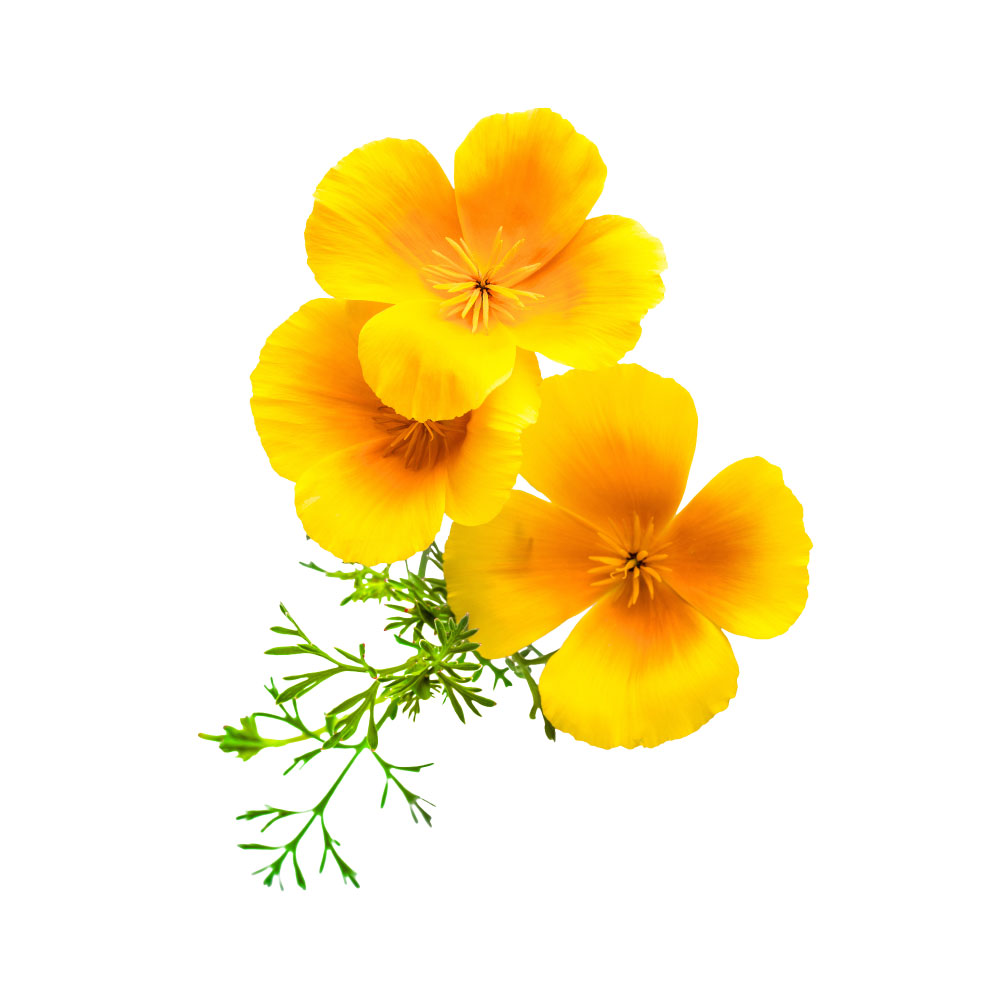 Principal source California Poppy Eschscholzia californica Herb monograph →
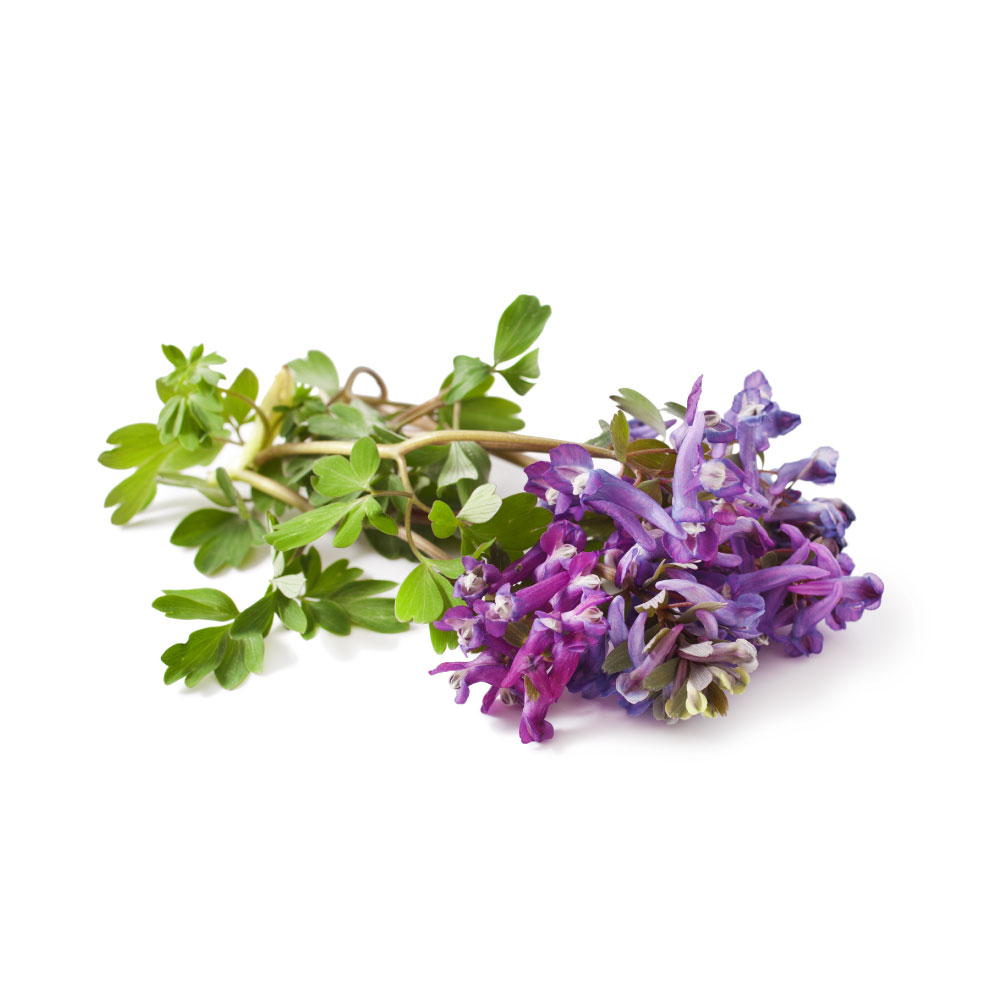 Source Corydalis Corydalis yanhusuo Herb monograph →
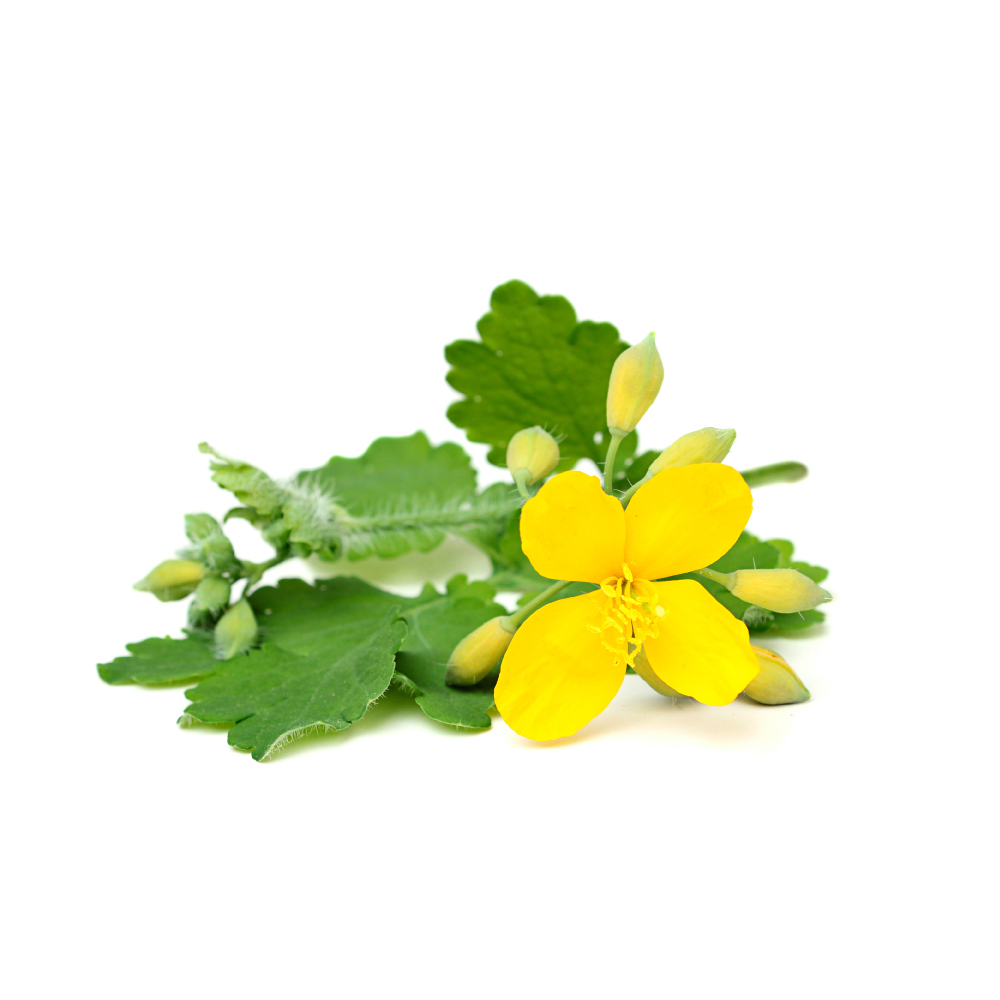 Source Greater Celandine Chelidonium majus Herb monograph →
Concentration
Content by Source
Concentrations not reported. No percent-dry-weight or mg/g figures have been published for this compound in its source plants.
Allocryptopine at a Glance
Allocryptopine, usually written α-allocryptopine, is a protopine-type isoquinoline alkaloid found in California poppy, greater celandine, plume poppy (Macleaya cordata) and other members of the poppy (Papaveraceae) and fumitory families. It is a close structural relative of protopine — the two are the defining members of the small “protopine-type” subgroup, sharing an unusual ten-membered nitrogen-containing ring — and the two almost always occur together in the same plants.
Its distinctive research signal is cardiac. Isolated allocryptopine blocks several of the ion currents that shape the heartbeat — the hERG (rapid delayed-rectifier) potassium current, the transient outward and slow delayed-rectifier potassium currents, the cardiac sodium current and the L-type calcium current — and in animal models this multi-channel action produces an antiarrhythmic effect 1,
The other firmly established fact about this molecule is a drug-interaction one: allocryptopine is a potent inhibitor of several drug-metabolising cytochrome-P450 enzymes 6Reference 6Modulation of CYPs, P-gp, and PXR by Eschscholzia californica (California poppy) and its alkaloidsView study →. That, together with its own ion-channel activity, is the reason it carries a moderate safety flag rather than being treated as an inert minor constituent.
Allocryptopine & Cardiac Ion Channels
This is the section only allocryptopine needs, and the reason it has its own research literature. The compound is a broad-spectrum cardiac ion-channel blocker, and the combination of currents it touches is what gives it an antiarrhythmic — but also potentially proarrhythmic — profile.
Potassium currents (repolarisation).
- hERG / IKr — allocryptopine reversibly suppresses the rapid delayed-rectifier current carried by hERG channels in a concentration- and voltage-dependent way, with an IC50 of ~49.7 µmol/L; unusually for a hERG blocker it does not shift the channel’s steady-state inactivation 3Reference 3Allocryptopine and benzyltetrahydropalmatine block hERG potassium channels expressed in HEK293 cellsView study →. Blocking IKr is the classic mechanism of Class III antiarrhythmics — and also the mechanism behind drug-induced QT prolongation.
- Ito (transient outward K+) — it blocks Ito in rabbit ventricular myocytes with an IC50 of ~37 µmol/L in a frequency-independent manner, and — importantly — flattens the transmural gradient of Ito across the ventricular wall (reducing dispersion from ~11.2 to ~4.7 pA/pF) 1Reference 1Effect of alpha-allocryptopine on transient outward potassium current in rabbit ventricular myocytesView study →. A later study put the Ito IC50 lower still (~18.6 µmol/L) and showed the block reaches all three myocardial layers 2Reference 2Effects of allocryptopine on outward potassium current and slow delayed rectifier potassium current in rabbit myocardiumView study →.
- IKs (slow delayed rectifier K+) — blocked with an IC50 of ~28.8 µmol/L, with slowed channel deactivation 2Reference 2Effects of allocryptopine on outward potassium current and slow delayed rectifier potassium current in rabbit myocardiumView study →.
Depolarising currents (excitation and triggered activity).
- Cardiac sodium current (Nav1.5) — inhibited in HEK-293 cells expressing the channel, a Class I-like action 5Reference 5ReviewAllocryptopine: a review of its properties and mechanism of antiarrhythmic effectView study →.
- L-type calcium current (ICa,L) — blocked with an IC50 of ~16.1 µmol/L; in isoproterenol-stressed mouse myocytes allocryptopine markedly reduced the transient inward current (Iti) and suppressed delayed- and early-afterdepolarisation-related triggered activity 4Reference 4AnimalEffect of α-allocryptopine on delayed afterdepolarizations and triggered activities in mice cardiomyocytes treated with isoproterenolView study →.
The net effect. Across rabbit and mouse hearts, allocryptopine prolongs the action-potential duration but reduces the transmural dispersion of repolarisation 1,
The double-edged caveat is intrinsic to the mechanism: potent hERG block and marked APD prolongation are exactly the properties that, in the wrong context, cause torsadogenic arrhythmia. The review is explicit that toxicology, pharmacokinetics and any clinical efficacy in arrhythmia patients remain uncharacterised 5Reference 5ReviewAllocryptopine: a review of its properties and mechanism of antiarrhythmic effectView study →.
Allocryptopine vs. Protopine
Allocryptopine is best understood as one half of a protopine-type pair with protopine, and the pair is a useful frame because the two travel together and behave similarly.
What they share. Both are protopine-type isoquinoline alkaloids built on the same ten-membered-ring skeleton with an N-methyl group and a bridging ketone — a scaffold distinct from the flat protoberberine cation of berberine or the reduced tetrahydroprotoberberine canadine. Both co-occur as the major protopine-type alkaloids of the same plants (California poppy, greater celandine, plume poppy), both are reversible CYP2D6 inhibitors, and both show smooth-muscle and cardiovascular activity in the laboratory 4,
Where they differ. The structural distinction is in the aromatic substituents — protopine carries two methylenedioxy bridges, whereas allocryptopine has one methylenedioxy ring and two separate methoxy groups. Functionally, the cardiac ion-channel work is concentrated on allocryptopine, which is the more-studied antiarrhythmic of the two; and at the drug-metabolising enzymes the two diverge in strength — allocryptopine is a time-dependent (mechanism-based) inhibitor of CYP3A4, CYP2C9 and CYP2C19 as well as a reversible CYP2D6 inhibitor, a broader CYP profile than protopine’s 6Reference 6Modulation of CYPs, P-gp, and PXR by Eschscholzia californica (California poppy) and its alkaloidsView study →.
The practical read: treat them as a closely-related pair with overlapping activity, not interchangeable molecules — the antiarrhythmic evidence base is specifically allocryptopine’s, and so is the wider mechanism-based CYP inhibition.
What It's Used For
Beyond the cardiac work, allocryptopine’s pharmacology is thin and almost entirely in-vitro on the isolated molecule (or, for the antimicrobial data, as one alkaloid in a plant extract). The evidence splits sharply by application.
Support is an experimental score — weighted by study type (human > animal > in vitro) and volume. A beta, not a validated metric. Every row here is preclinical, so scores stay modest by design; the antiarrhythmic row leads only because it rests on the most (and most mechanistically detailed) studies.
The marquee application and the only one with a substantial isolate literature. In rabbit ventricular myocytes, α-allocryptopine blocks the transient outward K+ current (Ito) frequency-independently (IC50 ~37 µmol/L) and flattens its transmural gradient 1Reference 1Effect of alpha-allocryptopine on transient outward potassium current in rabbit ventricular myocytesView study →; a second rabbit study reports Ito block (IC50 ~18.6 µmol/L) plus slow-delayed-rectifier (IKs) block (IC50 ~28.8 µmol/L), with prolonged action-potential duration and reduced transmural dispersion of repolarisation 2Reference 2Effects of allocryptopine on outward potassium current and slow delayed rectifier potassium current in rabbit myocardiumView study →.
In HEK-293 cells it reversibly blocks the hERG channel (IC50 ~49.7 µmol/L) without altering steady-state inactivation 3Reference 3Allocryptopine and benzyltetrahydropalmatine block hERG potassium channels expressed in HEK293 cellsView study →, and it inhibits the cardiac sodium channel Nav1.5 5Reference 5ReviewAllocryptopine: a review of its properties and mechanism of antiarrhythmic effectView study →.
In isoproterenol-stressed mouse myocytes it blocks L-type calcium current (IC50 ~16.1 µmol/L) and suppresses the transient inward current and delayed-/early-afterdepolarisation-triggered activity 4Reference 4AnimalEffect of α-allocryptopine on delayed afterdepolarizations and triggered activities in mice cardiomyocytes treated with isoproterenolView study →.
A dedicated review synthesises these as a multi-channel, dispersion-lowering antiarrhythmic mechanism 5Reference 5ReviewAllocryptopine: a review of its properties and mechanism of antiarrhythmic effectView study →.
Gap: every result is isolated channels, myocytes or animal hearts — the isolated molecule, never a whole-plant product and never a human. Potent hERG block and APD prolongation are also the signature of proarrhythmic QT-prolonging drugs, and no pharmacokinetic or safety data bound the therapeutic window 5Reference 5ReviewAllocryptopine: a review of its properties and mechanism of antiarrhythmic effectView study →.
The most practically important non-cardiac finding. Screening the alkaloids of California poppy against human drug-metabolising enzymes, allocryptopine was a time-dependent (mechanism-based) inhibitor of CYP3A4, CYP2C9 and CYP2C19 and a reversible inhibitor of CYP2D6 6Reference 6Modulation of CYPs, P-gp, and PXR by Eschscholzia californica (California poppy) and its alkaloidsView study →.
Because these are ethanol-soluble alkaloids, this is the pharmacological reason an ethanol tincture of California poppy carries a different (and larger) interaction risk than the aqueous tea, whose dominant alkaloid (californidine) is inert at these enzymes 6Reference 6Modulation of CYPs, P-gp, and PXR by Eschscholzia californica (California poppy) and its alkaloidsView study →.
Gap: in-vitro enzyme kinetics on the isolate; the real-world magnitude of any interaction depends on how much allocryptopine is absorbed and reaches the liver from a given preparation — which is not established (see Pharmacokinetics). Treated here as a mechanistic caution, not a quantified clinical interaction.
Allocryptopine is one of the isoquinoline alkaloids of plume poppy (Macleaya cordata) and greater celandine (Chelidonium majus) extracts characterised for antimicrobial activity 8,
Gap: the potent, well-characterised antimicrobial punch of these plants belongs chiefly to the benzophenanthridine alkaloids sanguinarine and chelerythrine, not to allocryptopine; allocryptopine is a minor contributor, usually tested only as part of a whole extract rather than as a quantified isolate 8,
Among tertiary Papaveraceae/Fumariaceae alkaloids screened for neuro-enzyme activity, allocryptopine shows mild inhibition of acetylcholinesterase and butyrylcholinesterase 9Reference 9Cholinesterase and prolyl oligopeptidase inhibitory activities of alkaloids from Argemone platyceras (Papaveraceae)View study →. A separate 2025 study found a Glaucium grandiflorum alkaloid extract containing allocryptopine to be neuroprotective in cell-stress models (calcium homeostasis, MAPK and Akt/GSK-3β/tau signalling) 11Reference 11Allocryptopine, tetrahydropalmatine, and tetrahydroberberine N-oxide alkaloids alleviate cellular stress by modulating calcium homeostasis and the MAPK and Akt/GSK-3β/tau signaling pathwaysView study →.
Gap: allocryptopine is weak and not the most active alkaloid in the cholinesterase panels 9Reference 9Cholinesterase and prolyl oligopeptidase inhibitory activities of alkaloids from Argemone platyceras (Papaveraceae)View study →, and the neuroprotective 2025 result is a multi-alkaloid extract, not isolated allocryptopine 11Reference 11Allocryptopine, tetrahydropalmatine, and tetrahydroberberine N-oxide alkaloids alleviate cellular stress by modulating calcium homeostasis and the MAPK and Akt/GSK-3β/tau signaling pathwaysView study → — so no CNS effect can be attributed to this molecule specifically.
Mechanisms
| Target / pathway | Effect | Relevant to |
|---|---|---|
| hERG channel (IKr, rapid delayed rectifier) | reversible, concentration/voltage-dependent block (IC50 ~49.7 µM); no shift in steady-state inactivation | antiarrhythmic (Class III-like) / QT caution |
| Transient outward K+ current (Ito) | frequency-independent block (IC50 ~18.6–37 µM); flattens transmural Ito gradient | antiarrhythmic — reduced repolarisation dispersion |
| Slow delayed-rectifier K+ current (IKs) | block (IC50 ~28.8 µM), slowed deactivation | action-potential prolongation |
| Cardiac sodium channel (Nav1.5) | inhibition in HEK-293 | antiarrhythmic (Class I-like) |
| L-type calcium current (ICa,L) / transient inward current | block (IC50 ~16.1 µM); suppresses Iti and DAD/EAD-triggered activity | anti-triggered-activity |
| CYP3A4 / CYP2C9 / CYP2C19 | time-dependent (mechanism-based) inhibition | herb–drug interaction |
| CYP2D6 | reversible inhibition | herb–drug interaction |
| Acetyl- / butyrylcholinesterase | mild inhibition | minor CNS-enzyme activity |
The load-bearing point is that the same multi-channel block that lowers repolarisation dispersion (anti-arrhythmic) is also, in the hERG/APD-prolongation direction, the textbook mechanism of drug-induced arrhythmia — the therapeutic-vs-toxic line depends on exposure, which is unmeasured 5Reference 5ReviewAllocryptopine: a review of its properties and mechanism of antiarrhythmic effectView study →.
Pharmacokinetics
Allocryptopine’s human pharmacokinetics are not established — a gap the antiarrhythmic review names explicitly 5Reference 5ReviewAllocryptopine: a review of its properties and mechanism of antiarrhythmic effectView study →. It is a lipophilic tertiary-amine alkaloid soluble in ethanol (hence its presence in tinctures rather than aqueous teas 6Reference 6Modulation of CYPs, P-gp, and PXR by Eschscholzia californica (California poppy) and its alkaloidsView study →), which implies reasonable membrane permeability, and its close relative protopine is highly Caco-2 permeable. But no Cmax, oral bioavailability, half-life, metabolism or tissue-distribution data exist for the isolate in humans or animals. This matters directly: the ion-channel IC50 values sit in the 16–50 µmol/L range 1,
Clinical Trials
There are no clinical trials of isolated allocryptopine for any indication. The entire evidence base is isolated-channel, cell and animal electrophysiology, plus in-vitro enzyme and antimicrobial assays.
| Completed | Planned | Terminated | Preclinical |
|---|---|---|---|
| — | — | — | Antiarrhythmic(hERG/Ito/IKs/Nav1.5/ICa,L) 1, |
Last checked: July 2026.
Isolate vs. Plant Studies
The split is unusually clean for a minor alkaloid. The cardiac pharmacology is all the isolate — the rabbit-myocyte Ito/IKs studies 1,
Prevalence in Nature
Allocryptopine occurs across the poppy (Papaveraceae) and fumitory (Fumariaceae) families, almost always alongside its partner protopine. It is a major leaf alkaloid of plume poppy (Macleaya cordata) 8Reference 8Phytochemical and antimicrobial characterization of Macleaya cordata herbView study →, one of the ethanol-soluble alkaloids of California poppy (Eschscholzia californica) 6Reference 6Modulation of CYPs, P-gp, and PXR by Eschscholzia californica (California poppy) and its alkaloidsView study →, a constituent of greater celandine (Chelidonium majus) 10Reference 10ReviewChelidonium majus — an integrative review: traditional knowledge versus modern findingsView study →, and the isolated-material source for most of the cardiac studies is corydalis (Corydalis decumbens) 3,
Absolute concentrations vary several-fold with species, plant part (roots and latex are richer than aerial parts), chemotype and season, and — for commercial California-poppy products — with preparation type; allocryptopine-specific quantitative figures are sparse, which is logged in this compound’s gaps tracker rather than guessed at here.
Discovery & Synthesis
Allocryptopine is an early-characterised member of the protopine alkaloid group (molecular formula C21H23NO5, CAS 485-91-6). Its tangle of historical synonyms — α-fagarine (from Fagara/Zanthoxylum), β-homochelidonine (from Chelidonium) and thalictrimine (from Thalictrum) — reflects its repeated independent isolation from different plants before the structures were reconciled as one compound; a single first-isolation date is not reliably established here. Biosynthetically it arises, like protopine, from the benzylisoquinoline → protoberberine pathway, where oxidative rearrangement of the protoberberine skeleton opens the characteristic protopine-type ten-membered ring.
Manufacture today is by extraction from alkaloid-rich Papaveraceae (plume poppy, corydalis, greater celandine) rather than by total synthesis — research and reference material is isolated from plant biomass, and there is no commercial synthetic route in routine use for this molecule.
Patents: not yet researched.
Toxicity & Safety
Allocryptopine carries a moderate flag — higher than an inert minor phenolic — for two specific, evidence-based reasons rather than any documented poisoning: it is a cardiac multi-channel blocker and a mechanism-based inhibitor of major CYP enzymes. Neither is a reason for alarm at ordinary herbal exposure, but both are reasons not to treat concentrated or isolated allocryptopine as harmless.
Cardiac / proarrhythmic caution. The very hERG block and action-potential prolongation that make allocryptopine antiarrhythmic in the lab are, in excess, the mechanism of QT prolongation and torsadogenic arrhythmia 3,
Herb–drug interactions. As a time-dependent inhibitor of CYP3A4/2C9/2C19 and a reversible CYP2D6 inhibitor 6Reference 6Modulation of CYPs, P-gp, and PXR by Eschscholzia californica (California poppy) and its alkaloidsView study →, allocryptopine can in principle raise levels of drugs cleared by those enzymes. This is the mechanistic basis for the caution around ethanol tinctures of allocryptopine-containing herbs, which extract these alkaloids far more than aqueous teas do 6Reference 6Modulation of CYPs, P-gp, and PXR by Eschscholzia californica (California poppy) and its alkaloidsView study →.
Context of exposure. In practice allocryptopine is encountered as a minor constituent of whole-plant preparations, not on its own; the reproductive, genotoxic and repeat-dose toxicology of the isolated molecule is not characterised, and pregnancy/lactation decisions belong to the herb or product page where intake is decided, not to this molecule page.
- Ordinarily a minor whole-plant constituent. Human exposure is small and indirect, as one alkaloid of California poppy, greater celandine or corydalis preparations.
- Cardiac multi-channel blocker. Potent hERG block and action-potential prolongation are anti-arrhythmic in the lab but are also the mechanism of drug-induced QT prolongation — no safe isolated dose is defined 3,
5Reference 3Allocryptopine and benzyltetrahydropalmatine block hERG potassium channels expressed in HEK293 cellsView study →Reference 5ReviewAllocryptopine: a review of its properties and mechanism of antiarrhythmic effectView study → . - Mechanism-based CYP inhibitor. Time-dependent inhibition of CYP3A4/2C9/2C19 plus reversible CYP2D6 inhibition — a plausible herb–drug-interaction route, strongest for ethanol tinctures 6Reference 6Modulation of CYPs, P-gp, and PXR by Eschscholzia californica (California poppy) and its alkaloidsView study →.
- Isolate toxicology is uncharacterised. No pharmacokinetic, reproductive or repeat-dose safety data exist for pure allocryptopine 5Reference 5ReviewAllocryptopine: a review of its properties and mechanism of antiarrhythmic effectView study →.
Dosage
There is no established or recommended human dose for isolated allocryptopine — it has never been used as a stand-alone medicine. The figures in the research are laboratory concentrations, not doses: the cardiac ion-channel effects appear at ~16–50 µmol/L in isolated channels and myocytes 1,
References
- Li Y, Wang S, Liu Y, et al. (2008). Effect of alpha-allocryptopine on transient outward potassium current in rabbit ventricular myocytes. Cardiology. https://pubmed.ncbi.nlm.nih.gov/18434730/
- Fu YC, Zhang Y, Tian LY, et al. (2016). Effects of allocryptopine on outward potassium current and slow delayed rectifier potassium current in rabbit myocardium. Journal of Geriatric Cardiology. https://pubmed.ncbi.nlm.nih.gov/27403141/
- Lin K, Liu YQ, Xu B, et al. (2013). Allocryptopine and benzyltetrahydropalmatine block hERG potassium channels expressed in HEK293 cells. Acta Pharmacologica Sinica. https://pubmed.ncbi.nlm.nih.gov/23524574/
- Xu B, Fu Y, Liu L, et al. (2015). Effect of α-allocryptopine on delayed afterdepolarizations and triggered activities in mice cardiomyocytes treated with isoproterenol. Evidence-Based Complementary and Alternative Medicine. https://pubmed.ncbi.nlm.nih.gov/26557861/
- Li J, Li B, Huang H, et al. (2019). Allocryptopine: a review of its properties and mechanism of antiarrhythmic effect. Current Protein & Peptide Science. https://pubmed.ncbi.nlm.nih.gov/31389311/
- Manda VK, Ibrahim MA, Dale OR, et al. (2016). Modulation of CYPs, P-gp, and PXR by Eschscholzia californica (California poppy) and its alkaloids. Planta Medica. https://pubmed.ncbi.nlm.nih.gov/27054913/
- Fedurco M, Gregorová J, Šebrlová K, et al. (2015). Modulatory effects of Eschscholzia californica alkaloids on recombinant GABAA receptors. Biochemistry Research International. https://pubmed.ncbi.nlm.nih.gov/26509084/
- Kosina P, Gregorová J, Gruz J, et al. (2010). Phytochemical and antimicrobial characterization of Macleaya cordata herb. Fitoterapia. https://pubmed.ncbi.nlm.nih.gov/20600683/
- Siatka T, Adamcová M, Opletal L, et al. (2017). Cholinesterase and prolyl oligopeptidase inhibitory activities of alkaloids from Argemone platyceras (Papaveraceae). Molecules. https://pubmed.ncbi.nlm.nih.gov/28708094/
- Gilca M, Gaman L, Panait E, et al. (2010). Chelidonium majus — an integrative review: traditional knowledge versus modern findings. Forschende Komplementärmedizin. https://pubmed.ncbi.nlm.nih.gov/20980763/
- Nigdelioglu Dolanbay S, et al. (2025). Allocryptopine, tetrahydropalmatine, and tetrahydroberberine N-oxide alkaloids alleviate cellular stress by modulating calcium homeostasis and the MAPK and Akt/GSK-3β/tau signaling pathways. Frontiers in Pharmacology. https://pubmed.ncbi.nlm.nih.gov/41378220/



