
Compound Monograph
Casuarinin
Casuarinin is a C-glycosidic ellagitannin — the open-chain-glucose branch of the hydrolysable tannins, and the single most abundant polyphenol measured in raspberry leaf. Unlike most molecules in its class it has real in-vivo evidence of its own: dose-dependent gastroprotection in rats, an antiviral selectivity index against HSV-2, and two placebo-controlled human trials of an extract standardised to it.

Sources · 12
Where Does It Come From?
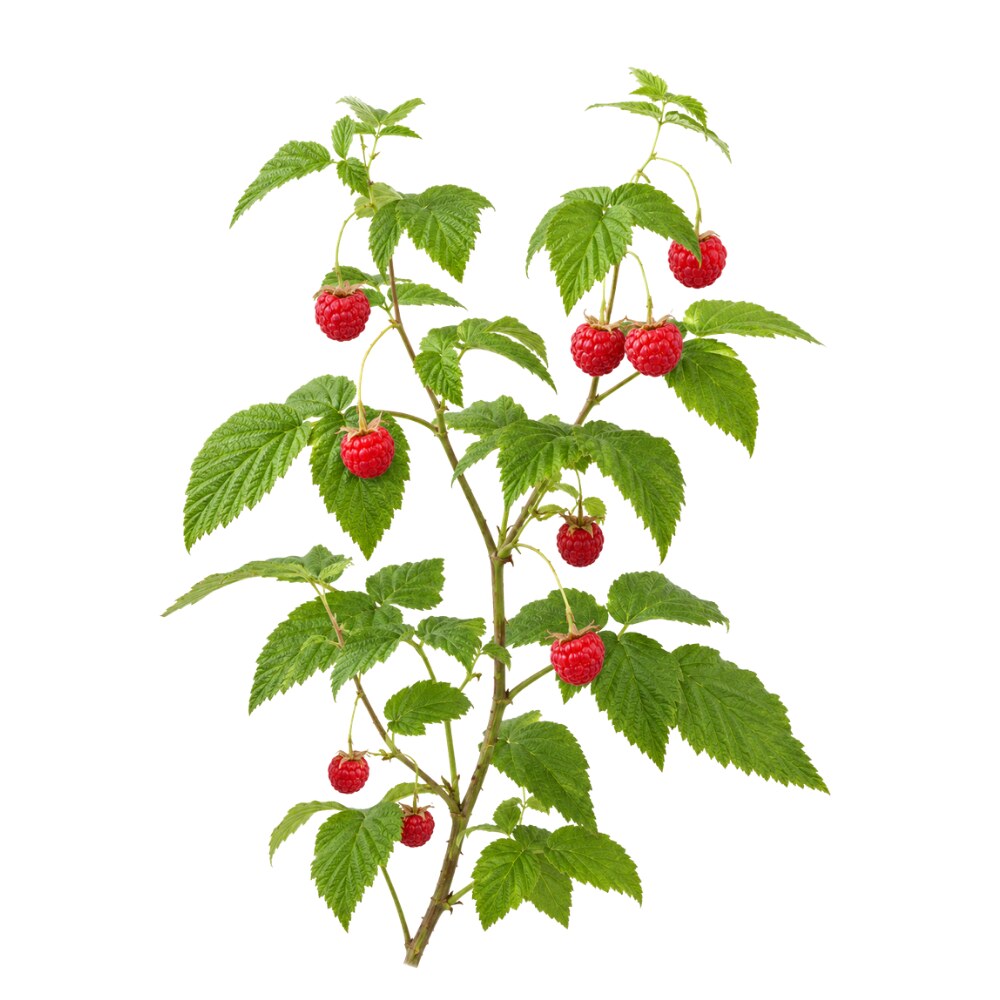
Casuarinin is a naturally occurring ellagitannin (hydrolysable tannin; c-glycosidic, open-chain glucose), found in Raspberry leaf, Wild blackberry leaf, Sea buckthorn leaf and 9 other sources. It is well tolerated orally (low toxicity).
Concentration
Content by Source
Reported concentrations across the plants that contain casuarinin — the bar marks the typical level, the line shows the reported range.
Literature figures for varying plant parts and preparations. Read them as a comparative guide, not exact assays.
Casuarinin at a Glance
Casuarinin is a C-glycosidic ellagitannin — a hydrolysable tannin in which the glucose core has been prised open from its usual ring form and bolted directly to a polyphenol ring by a carbon–carbon bond 1,
Two things make it worth a page. The first is where it sits in raspberry. Our source herb is raspberry leaf, not fruit, and the ellagitannin the site has been describing — sanguiin H-6, the dimer that dominates the berry — has never been given a published figure in raspberry leaf. The one quantitative analysis of a raspberry-leaf polyphenol extract found casuarinin, not sanguiin H-6 and not lambertianin C, as the single largest component, at about 83% of all identified phenolics 5Reference 5Protection of erythrocytes and microvascular endothelial cells against oxidative damage by Fragaria vesca L. and Rubus idaeus L. leaves extracts — the mechanism of actionView study →. If that assignment holds, the compound doing the astringent work in a cup of raspberry-leaf tea is this one.
The second is that casuarinin has more of its own pharmacology than any other molecule in this family. Where the Rubus oligomers offer cell-culture assays and hopeful attribution, casuarinin has a dose-dependent rat gastroprotection study using the purified compound 10Reference 10AnimalProtective role of casuarinin from Melaleuca leucadendra against ethanol-induced gastric ulcer in ratsView study →, a mouse chemotherapy-mucositis study using the purified compound 11Reference 11AnimalProtective role of casuarinin from Melastoma malabathricum against a mouse model of 5-fluorouracil-induced intestinal mucositis — impact on inflammation and gut microbiota dysbiosisView study →, a genuine antiviral selectivity index 7Reference 7Antiherpes simplex virus type 2 activity of casuarinin from the bark of Terminalia arjuna LinnView study →, an acetylcholinesterase IC50 in the nanomolar range 15Reference 15Structural determination and anticholinesterase assay of C-glycosidic ellagitannins from Lawsonia inermis leaves — a study supported by DFT calculations and molecular dockingView study →, and — most unusually for anything in this chemical class — two placebo-controlled human trials of an extract standardised to its content 13,
Casuarinin Is Not Casuarictin
This has to come first, because the two names are one letter apart, the two molecules have the same molecular formula and the same molecular weight, and they were named in the same 1983 paper, from the same plant, by the same four chemists 1Reference 1Tannins of Casuarina and Stachyurus speciesView study →.
| Casuarinin | Casuarictin | |
|---|---|---|
| Formula / mass | C41H28O26, 936.6 Da | C41H28O26, 936.6 Da |
| Glucose core | open-chain | pyranose ring (β-D-glucopyranose) |
| Linkage to glucose | one C-glycosidic (C–C) bond, plus ester bonds | ester bonds only |
| Groups carried | two (S)-HHDP + one galloyl | two (S)-HHDP + one galloyl |
| Family it belongs to | C-glycosidic ellagitannins — with castalagin, vescalagin, stachyurin, casuariin | simple monomeric ellagitannins — with pedunculagin, tellimagrandin II |
| What it leads to | castalagin and vescalagin (oxidative closure); the salicarinin dimers | sanguiin H-6 → lambertianin C (oligomerisation) |
They are structural isomers with the same atoms arranged differently, and biogenetically they are parent and daughter: casuarictin’s glucose ring opens and forms the C-glycosidic bond, producing casuarinin and its C-1 epimer stachyurin 4,
The practical consequence is an analytical one, and it matters for every concentration figure here. Casuarinin and casuarictin are indistinguishable by mass. An LC-MS peak at m/z 935 in a plant extract, assigned by mass and retention time without an authentic standard, cannot tell them apart — and neither can it separate casuarinin from stachyurin, which is a true stereoisomer. Where you see a large casuarinin figure below, check what the study actually calibrated against.
The Raspberry-Leaf Question
Two pages here — sanguiin H-6 and lambertianin C — had to close with the same admission: Rubus idaeus leaf has no published figure for either compound. The fruit is well characterised, the young shoots have been quantified, but the leaf, which is the part actually made into tea, has not. Casuarinin partly closes that gap, and the way it closes it is worth setting out precisely, because the numbers are easy to misuse.
What was measured. A 2022 Polish study prepared purified polyphenol extracts from raspberry leaf and wild-strawberry leaf — water with 200 ppm SO2, adsorbed onto Purolite AP400 resin, eluted with 80% ethanol, freeze-dried — and profiled them by HPLC-DAD and UPLC-ESI-MS. In the raspberry-leaf extract, the compound listed as “ellagitannins hex (casuarinin)” came in at 483.33 mg/g, against a total identified phenolic content of 581.88 mg/g. The authors state plainly that casuarinin is “the main component in both extracts”, making up approximately 83% of raspberry’s and 64% of wild strawberry’s identified phenolics 5Reference 5Protection of erythrocytes and microvascular endothelial cells against oxidative damage by Fragaria vesca L. and Rubus idaeus L. leaves extracts — the mechanism of actionView study →. Lambertianin C was recorded at zero in raspberry leaf and 267.98 mg/g in wild strawberry leaf; sanguiin H-6 was not among the targets at all 5Reference 5Protection of erythrocytes and microvascular endothelial cells against oxidative damage by Fragaria vesca L. and Rubus idaeus L. leaves extracts — the mechanism of actionView study →.
Three caveats, all load-bearing.
- This is milligrams per gram of extract, not of leaf. The material was concentrated on resin and stripped of everything that did not bind. Nothing in the paper converts it back to a leaf-content figure, and it must not be read as “raspberry leaf is 48% casuarinin”. The gap our other pages flagged is narrowed, not closed.
- The compound label is a mass assignment, not a standard. The row is headed “ellagitannins hex”, the identification method is the same laboratory’s earlier LC-MS protocol, and no calibration against authentic casuarinin is described 5Reference 5Protection of erythrocytes and microvascular endothelial cells against oxidative damage by Fragaria vesca L. and Rubus idaeus L. leaves extracts — the mechanism of actionView study →. Given the isomer problem above, that is a real limit.
- The one dedicated raspberry-leaf polyphenol survey does not find it. A 2025 LC-MS/MS study of six raspberry-leaf samples quantified the ellagitannin fraction as ellagic acid after hydrolysis (155–394 mg/100 g) and does not report casuarinin among its targets 16Reference 16Determination of the polyphenol composition of raspberry leaf using LC-MS/MSView study →.
What corroborates it. The same laboratory’s earlier survey of 26 wild Rubus (blackberry) leaf samples quantified casuarinin directly in dried plant material at 34.8–117.9 mg/g of dry matter, mean around 77 mg/g — alongside lambertianin C (5.7–123.4 mg/g) and sanguiin H-6 (not detected to 73.9 mg/g) 6Reference 6Determination of phenolic compounds and antioxidant activity in leaves from wild Rubus L. speciesView study →. On those numbers casuarinin has the highest average of the three across wild Rubus leaf, even though the paper’s prose lists sanguiin H-6 first. Independently, in sea-buckthorn leaf — an unrelated genus in an unrelated family — stachyurin and casuarinin are the two most abundant ellagitannins 18,
The honest summary: in Rubus, the fruit is a sanguiin H-6 / lambertianin C material and the leaf appears to be a casuarinin material. That distinction has been reported by one laboratory, twice, using one analytical method, without an authentic standard — which is enough to change what we say about raspberry leaf, and not enough to state as settled.
What It's Used For
Unusually for a large polyphenol, the strongest evidence here is in vivo and uses the purified compound. Three separate rodent studies dosed isolated casuarinin orally; two of them are gut-surface models where a non-absorbed molecule can plausibly act.
Support is an experimental score — weighted by study type (human > animal > in vitro) and volume, and capped where the finding belongs to an extract rather than the pure molecule. A beta, not a validated metric. Note that the top two rows are held up by in-vivo work on the purified compound, which is unusual for a hydrolysable tannin and is the reason it scores higher than its oligomeric relatives.
The strongest thing here, and mechanistically the most coherent — a molecule that stays in the gut lumen acting on the gut lumen. Casuarinin isolated from Melaleuca leucadendra was given orally to rats at 25, 50 and 100 mg/kg before ethanol challenge and reduced ulcer area by 45%, 78% and 99%. At the top dose it raised gastric mucin 1.8-fold, cut acidity 42%, restored prostaglandin E2 to normal, raised reduced glutathione 194% and catalase 586%, lowered malondialdehyde 56%, TNF-α 58% and caspase-3 87%, suppressed immunoexpression of NF-κB, COX-2 and iNOS, and induced heat-shock protein 70 up to 4.9-fold 10Reference 10AnimalProtective role of casuarinin from Melaleuca leucadendra against ethanol-induced gastric ulcer in ratsView study →.
A second, independent laboratory took the compound into a chemotherapy-injury model. Casuarinin was isolated by bioactivity-guided fractionation from Melastoma malabathricum root as the most potent selective neutrophil elastase inhibitor in the plant (IC50 2.79 ± 0.07 µM), then given to male C57BL/6 mice at 50 and 100 mg/kg/day orally alongside 5-fluorouracil. At 100 mg/kg/day it significantly reduced body-weight loss, restored intestinal crypt proliferative activity, suppressed inflammation and barrier dysfunction, and reversed 5-FU-driven microbiota dysbiosis — including the Firmicutes-to-Bacteroidetes ratio and Lactobacillus murinus abundance 11Reference 11AnimalProtective role of casuarinin from Melastoma malabathricum against a mouse model of 5-fluorouracil-induced intestinal mucositis — impact on inflammation and gut microbiota dysbiosisView study →.
Casuarinin also reduced IL-8 production in HT-29 colon epithelial cells 21Reference 21Chemical constituents from Melastoma dodecandrum and their inhibitory activity on interleukin-8 production in HT-29 cellsView study →.
Gap: two studies, two laboratories, two models — but both acute, both rodent, neither replicated, and no human gastric or intestinal trial of any kind. The ethanol-ulcer model is a strong-irritant challenge that many polyphenols pass. What makes this section credible is not any single result but the fact that both used the purified compound by the oral route at doses a gut lumen can plausibly reach.
The most surprising application, and the one requiring the most care. A Japanese group screened lemon myrtle (Backhousia citriodora, Myrtaceae) leaf extract for skeletal-muscle satellite-cell activation — the step exercise triggers and ageing loses — and identified casuarinin as the active ellagitannin, noting that activity depended on the whole molecular architecture rather than any single functional group, and that activation was accompanied by IL-6 mRNA upregulation. Both the extract and purified casuarinin activated satellite cells in primary culture and after oral administration to rats 12Reference 12In vitroLemon myrtle (Backhousia citriodora) extract and its active compound, casuarinin, activate skeletal muscle satellite cells in vitro and in vivoView study →.
That mechanism was then taken into humans, but as an extract. Two randomised, double-blind, placebo-controlled trials (n = 47 and n = 41, Japanese adults 65+) paired 12 weeks of twice-weekly low-load bodyweight resistance training with lemon-myrtle extract at 2.5 mg/day casuarinin. Anterior thigh muscle thickness rose 14.9% vs. 9.7% in the first trial (between-group difference 1.29 mm, 95% CI −0.17 to 2.75, p = 0.082 — not significant) and 11.5% vs. 5.4% in the second (1.59 mm, 95% CI 0.19–2.98, p < 0.05). Walking speed and chair-stand performance did not improve in either 13Reference 13RCTLemon myrtle extract enhances muscle hypertrophy induced by low-load bodyweight resistance training in older adults — findings from two independent randomized controlled trialsView study →.
A third trial (n = 60) at half the dose — 125 mg/day extract, 1.25 mg/day casuarinin — found a significantly greater increase in thigh muscle thickness than placebo over 12 weeks, though the advantage did not survive a 6-week detraining period 14Reference 14RCTLow-dose lemon myrtle supplementation enhances muscle hypertrophy in older adults undergoing low-load resistance training — a randomized controlled trialView study →.
Gap, stated plainly. The intervention is an extract, not casuarinin; casuarinin content was “determined according to the manufacturer’s specifications” and was never measured in a participant 13Reference 13RCTLemon myrtle extract enhances muscle hypertrophy induced by low-load bodyweight resistance training in older adults — findings from two independent randomized controlled trialsView study →. All three arms come from one sponsor — Kaneka Corporation funded the trials and supplied the product, with three co-authors as employees 13,
Broad, consistent and mostly cellular. In LPS/IFN-γ-activated RAW264.7 macrophages, casuarinin was among four hydrolysable tannins from Melastoma dodecandrum that strongly inhibited nitric oxide production, with ID50 values of 2.0–5.1 µM — genuinely potent for a natural product 24Reference 24AnimalInhibitory effects of hydrolyzable tannins from Melastoma dodecandrum Lour. on nitric oxide production by a murine macrophage-like cell line, RAW264.7, activated with lipopolysaccharide and interferon-γView study →.
In human HaCaT keratinocytes, casuarinin from sea-buckthorn leaf suppressed TNF-α-induced ICAM-1 protein and mRNA and the resulting monocyte adhesion, blocking NF-κB activation and lowering IL-1β, IL-6, IL-8 and MCP-1 19Reference 19Casuarinin suppresses TNF-α-induced ICAM-1 expression via blockade of NF-κB activation in HaCaT cellsView study →; the same group showed it suppressed the atopic-dermatitis chemokines TARC/CCL17 and MDC/CCL22 under TNF-α/IFN-γ stimulation by blocking NF-κB and STAT1 via p38 MAPK 20Reference 20Casuarinin suppresses TARC/CCL17 and MDC/CCL22 production via blockade of NF-κB and STAT1 activation in HaCaT cellsView study →.
It inhibited β-hexosaminidase release from RBL-2H3 mast cells — a degranulation model for type-I allergy — among the most potent of thirteen tannins tested, with no cytotoxicity at 24 hours 25Reference 25Inhibitory effect of tannins from galls of Carpinus tschonoskii on the degranulation of RBL-2H3 cellsView study →.
It showed the strongest DPPH scavenging and NO inhibition of the phenolics isolated from Quercus acutissima bark in an anti-acne screen 28Reference 28Antiacne and anti-inflammatory effects of phenolic compounds from Quercus acutissimaView study →, and dose-dependent lipoxygenase inhibition (IC50 33.9 ± 0.6 µg/mL) with antineuroinflammatory activity in microglia from Osbeckia octandra 29Reference 29In vitroInvestigating the antioxidant, pro-inflammatory enzyme inhibitory, neuroprotective, and antineuroinflammatory bioactives of Osbeckia octandra using in vitro and in silico approachesView study →.
The in-vivo gastric study contributes matching markers — NF-κB, COX-2, iNOS and TNF-α all suppressed in rat gastric tissue 10Reference 10AnimalProtective role of casuarinin from Melaleuca leucadendra against ethanol-induced gastric ulcer in ratsView study →.
Gap: almost entirely cell culture, and spread thinly across many source plants and many laboratories rather than replicated in any one system. The keratinocyte work is the most developed line and is two papers from one group. No inflammatory-disease animal model has been run on the isolate outside the gut.
One study, but a well-built one, and the only place here where a selectivity index was actually measured. Casuarinin isolated from Terminalia arjuna bark inhibited herpes simplex virus type 2 with an IC50 of 3.6 ± 0.9 µM by XTT assay and 1.5 ± 0.2 µM by plaque reduction, against a CC50 of 89 ± 1 µM in Vero cells — selectivity indices of 25 and 59 7Reference 7Antiherpes simplex virus type 2 activity of casuarinin from the bark of Terminalia arjuna LinnView study →. It was virucidal at 25 µM, reducing viral titres up to 100,000-fold, prevented viral attachment and penetration, and retained activity when added 12 hours after infection, which is unusual for an entry inhibitor and implies more than one point of action 7Reference 7Antiherpes simplex virus type 2 activity of casuarinin from the bark of Terminalia arjuna LinnView study →.
Gap: a single 2002 paper, never taken into an animal, never followed up in twenty-four years. The mechanism — blocking a virus binding to a cell surface — is the mechanism large polyphenols generically have, and closely related hydrolysable tannins (chebulagic acid, punicalagin) inhibit HSV-1 entry the same way by targeting glycoprotein–glycosaminoglycan interactions. The selectivity index is genuine and should be reported at full strength; it is also the only one in this molecule’s literature.
A scattered but occasionally striking set of cell-free results. The headline is acetylcholinesterase: among C-glycosidic ellagitannins isolated from henna (Lawsonia inermis) leaves, casuarinin gave an IC50 of 34 ± 2 nM, marginally more potent than the reference drug donepezil at 44 ± 3 nM 15Reference 15Structural determination and anticholinesterase assay of C-glycosidic ellagitannins from Lawsonia inermis leaves — a study supported by DFT calculations and molecular dockingView study →.
Elsewhere it is the most potent selective neutrophil elastase inhibitor of its source plant (IC50 2.79 µM) 11Reference 11AnimalProtective role of casuarinin from Melastoma malabathricum against a mouse model of 5-fluorouracil-induced intestinal mucositis — impact on inflammation and gut microbiota dysbiosisView study →; an α-glucosidase inhibitor identified by high-resolution bioactivity profiling of Myrcia palustris 27Reference 27High-resolution bioactivity profiling combined with HPLC-HRMS-SPE-NMR — α-glucosidase inhibitors and acetylated ellagic acid rhamnosides from Myrcia palustris DCView study →; one of seven “highly active” carbonic anhydrase inhibitors isolated from pomegranate pericarp 22Reference 22Carbonic anhydrase inhibitors from the pericarps of Punica granatum LView study →; a fatty acid synthase inhibitor from Geum japonicum, in a set spanning IC50 0.21–41.4 µM 26Reference 26Fatty acid synthase inhibitors from Geum japonicum Thunb. var. chinenseView study →; and an inhibitor of adipocyte differentiation with glucose-uptake-stimulating activity from Lagerstroemia speciosa 30Reference 30Active compounds from Lagerstroemia speciosa, insulin-like glucose uptake-stimulatory/inhibitory and adipocyte differentiation-inhibitory activities in 3T3-L1 cellsView study →.
Gap, and it is a general one. Large polyphenols with dozens of hydroxyls inhibit isolated enzymes promiscuously — by binding protein, not by fitting an active site. A nanomolar AChE figure from a single paper, obtained cell-free, on a molecule that does not cross the gut wall let alone the blood–brain barrier, should be read as a chemistry result rather than a pharmacological one until someone reproduces it and shows target engagement in a cell.
Real, mechanistically detailed, and missing the one control that would make it interpretable. Casuarinin from Terminalia arjuna bark inhibited proliferation of human non-small-cell lung A549 cells by arresting the cell cycle in G0/G1 — via p53-dependent induction of p21/WAF1 — and inducing apoptosis through enhanced Fas/APO-1 and membrane-bound and soluble Fas ligand 8Reference 8Induction of cell cycle arrest and apoptosis in human non-small cell lung cancer A549 cells by casuarinin from the bark of Terminalia arjuna LinnView study →.
The same group reported the same pattern in human breast adenocarcinoma MCF-7 cells 9Reference 9Casuarinin from the bark of Terminalia arjuna induces apoptosis and cell cycle arrest in human breast adenocarcinoma MCF-7 cellsView study →.
Hydrolysable tannins from Eugenia jambos including casuarinin induced apoptosis in HL-60 leukaemia cells with IC50 values of 10.8 and 12.5 µM 23Reference 23Induction of apoptosis by hydrolyzable tannins from Eugenia jambos L. on human leukemia cellsView study →.
An older 57-tannin screen placed casuarinin among compounds with selective cytotoxicity toward RPMI-7951 melanoma while inactive against lung, colorectal, nasopharyngeal and brain lines 31Reference 31Antitumor agents, 129View study →.
Gap — and per this site’s standing rule on tannins, this is the finding. Neither Kuo paper reports a selectivity index against non-transformed cells. Hydrolysable tannins are surfactant-like protein binders that kill most cells in culture at tens of micromolar, and the only casuarinin study that addressed the question directly did so in a fungal context, reporting merely that “the cytotoxic concentration was higher than the antifungal one” 32Reference 32In vitroAnti-Candida targets and cytotoxicity of casuarinin isolated from Plinia cauliflora leaves in an in vitro studyView study →. There is no xenograft, no in-vivo tumour model and no clinical work on this molecule. Read the A549/MCF-7 results as mechanism, not as anticancer evidence.
Mechanisms
| Target / pathway | Effect | Relevant to |
|---|---|---|
| NF-κB activation; COX-2, iNOS, TNF-α, IL-1β, IL-6, IL-8, MCP-1 | suppressed in gastric mucosa, keratinocytes, macrophages and colon epithelium | gastroprotectionanti-inflammatory |
| Gastric mucin, prostaglandin E2, HSP-70 | mucin ↑1.8-fold, PGE2 restored, HSP-70 induced up to 4.9-fold | gastroprotection |
| Neutrophil elastase | selective inhibition, IC50 2.79 µM | mucosal protectionanti-inflammatory |
| Gut microbiota composition | reversal of 5-FU-driven dysbiosis (Firmicutes:Bacteroidetes, L. murinus, Candidatus Arthromitus) | gut barrier |
| HSV-2 attachment and penetration; direct virion inactivation | IC50 1.5–3.6 µM, CC50 89 µM, SI 25–59; virucidal at 25 µM | antiviral |
| Acetylcholinesterase | cell-free IC50 34 nM (donepezil 44 nM) | enzyme inhibition — unreplicated |
| Carbonic anhydrase; α-glucosidase; fatty acid synthase; lipoxygenase | cell-free inhibition across four unrelated enzymes | generic large-polyphenol protein binding |
| Skeletal-muscle satellite cells; IL-6 mRNA | activation in primary culture and after oral dosing in rats | muscle |
| p53 → p21/WAF1; Fas/APO-1 and Fas ligand → apoptosis | G0/G1 arrest and extrinsic apoptosis in A549 and MCF-7 | anticancerin vitro only |
| TGF-β/SMAD signalling | attenuation in hepatic stellate cells (LX-2) | antifibroticin vitro |
| Radical scavenging; ROS and MAPK phosphorylation | protection of MDCK and HT22 cells from H2O2 and glutamate injury | antioxidantneuroprotective |
| Non-specific protein binding and precipitation | astringency; anti-adhesion against Candida albicans; cell-wall porosity changes | astringentantimicrobial |
| Gut hydrolysis → ellagic acid → microbial urolithins | the presumed systemic route; never traced for casuarinin specifically | pharmacokinetics — the ceiling on every row above |
The last row is the one to hold onto. Casuarinin’s two most convincing in-vivo results are both luminal — stomach lining and intestinal crypt — where a non-absorbed molecule reaches high local concentration by definition. The systemic results (rat myocardium, skeletal muscle) require an absorbed species that nobody has identified.
Pharmacokinetics
There is no pharmacokinetic study of casuarinin. No plasma concentration, no half-life, no oral bioavailability figure, and no identification of the compound or a conjugate in human blood or urine. What can be said is structural and inferential.
At 936 Da with 26 oxygens it is well outside the range for passive intestinal absorption — smaller than sanguiin H-6 (1,871 Da) and lambertianin C (2,806 Da), but not smaller in any way that changes the conclusion. Its C-glycosidic bond makes it more chemically robust than its ester-linked relatives: that carbon–carbon link cannot be hydrolysed, so the glucose stays attached, and only the ester-linked HHDP group can be released as ellagic acid. Casuarinin is therefore a partial ellagic acid donor, not a full one.
The downstream route is the class route. Ex-vivo culture of fifteen ellagitannins with human gut microbiota showed that those carrying HHDP groups are metabolised to urolithins, with the rate depending on the individual donor’s microbiota 37Reference 37Differences in metabolism of ellagitannins by human gut microbiota ex vivo culturesView study →; the closest structural analogues to casuarinin — castalagin and vescalagin, also C-glycosidic — are converted to urolithins A and C in the same system 38Reference 38Lythrum salicaria ellagitannins stimulate IPEC-J2 cells monolayer formation and inhibit enteropathogenic Escherichia coli growth and adhesionView study →; and a raspberry-leaf infusion incubated with human faecal microbiota yields urolithins A, B and C 40Reference 40Role of human gut microbiota metabolism in the anti-inflammatory effect of traditionally used ellagitannin-rich plant materialsView study →. Humans sort into urolithin metabotypes A, B and 0, so the same herbal dose produces very different systemic exposure in different people 41Reference 41Ellagic acid metabolism by human gut microbiota — consistent observation of three urolithin phenotypes in intervention trials, independent of food source, age and health statusView study →. Nobody has fed casuarinin, alone, to anything and looked for what came out.
The practical reading: casuarinin’s demonstrated actions in the stomach and intestine are pharmacologically reachable at herbal doses. Its demonstrated actions anywhere else are not — unless a metabolite is doing the work, and no one has shown which.
Clinical Trials
No trial has administered isolated casuarinin to a human being. Three published randomised, placebo-controlled, double-blind arms have administered a lemon-myrtle leaf extract standardised to casuarinin content to Japanese adults aged 65 and over, paired with low-load bodyweight resistance training 13,
| Trial | n | Dose | Duration | Primary result |
|---|---|---|---|---|
| Sawada 2025, study 1 | 47 | 2.5 mg/day casuarinin (extract) | 12 wk | Thigh thickness +14.9% vs +9.7%; p = 0.082, null |
| Sawada 2025, study 2 | 41 | 2.5 mg/day casuarinin (extract) | 12 wk | +11.5% vs +5.4%; difference 1.59 mm, p < 0.05 |
| Mitsuhashi 2026 | 60 | 1.25 mg/day casuarinin (extract) | 12 wk + 6 wk detraining | Significantly greater thigh thickness gain; benefit lost during detraining |
All three were funded by Kaneka Corporation, which supplied the product and employed three co-authors 13,
| Completed | Planned | Terminated | Preclinical |
|---|---|---|---|
| Three RCT arms of a casuarinin-standardised extract (muscle thickness) 13, | — | — | Rat gastroprotection and cardioprotection; mouse mucositis; rat satellite-cell activation; in-vitro antiviral, anticancer, enzyme and anti-inflammatory assays |
Last checked: August 2026.
Isolate vs. Plant Studies
Casuarinin sits on the better side of this divide than most of its family, and the reason is that several groups isolated it in order to test it, not merely to measure it.
The purified-compound work is substantial: the ethanol-ulcer dose–response in rats 10Reference 10AnimalProtective role of casuarinin from Melaleuca leucadendra against ethanol-induced gastric ulcer in ratsView study →, the 5-FU mucositis mouse study with a bioactivity-guided isolation behind it 11Reference 11AnimalProtective role of casuarinin from Melastoma malabathricum against a mouse model of 5-fluorouracil-induced intestinal mucositis — impact on inflammation and gut microbiota dysbiosisView study →, the HSV-2 study with full cytotoxicity and time-of-addition controls 7Reference 7Antiherpes simplex virus type 2 activity of casuarinin from the bark of Terminalia arjuna LinnView study →, the A549 and MCF-7 mechanism papers 8,
Three things pull the other way. First, the human evidence is entirely extract-level — three trial arms of a standardised lemon-myrtle preparation whose casuarinin content came from a manufacturer’s spec sheet 13,
Its Role in Plants
Casuarinin is a defence tannin, and specifically a leaf one. Its biosynthesis follows the standard hydrolysable-tannin route — gallic acid esterified onto glucose to give β-pentagalloylglucose, then oxidative coupling of adjacent galloyl groups to form HHDP units, giving tellimagrandin II and then casuarictin 4Reference 4ReviewStructural features and biological properties of ellagitannins in some plant families of the order Myrtales — reviewView study →. What happens next is the branch point of the whole class: casuarictin’s glucopyranose ring opens and one HHDP unit forms a carbon–carbon bond to C-1, producing casuarinin and its epimer stachyurin 4,
Functionally the point is protein precipitation. Casuarinin binds and cross-links proteins — this is what astringency is, what deters herbivores, and what shows up in the laboratory as anti-adhesion against Candida albicans and as changes in fungal cell-wall porosity and mannan density rather than as clean growth inhibition 32,
Prevalence in Nature
Casuarinin is a Myrtales molecule that also turns up strongly in Rosaceae leaf, and it is far more widely distributed than its Casuarina name suggests.
In Myrtales, the order it was reviewed under, it has been reported from Combretaceae, Lythraceae, Melastomataceae, Myrtaceae, Punicaceae and Trapaceae 4Reference 4ReviewStructural features and biological properties of ellagitannins in some plant families of the order Myrtales — reviewView study →. Named sources include arjuna bark (Terminalia arjuna) 7,
In Rosaceae it is a leaf and root compound. It was quantified across 26 wild Rubus (blackberry) leaf samples at 34.8–117.9 mg/g dry matter 6Reference 6Determination of phenolic compounds and antioxidant activity in leaves from wild Rubus L. speciesView study →, reported as the dominant phenolic of raspberry-leaf and wild-strawberry-leaf polyphenol extracts 5Reference 5Protection of erythrocytes and microvascular endothelial cells against oxidative damage by Fragaria vesca L. and Rubus idaeus L. leaves extracts — the mechanism of actionView study →, and identified in avens root (Geum urbanum) alongside stenophyllanin, stachyurin and pedunculagin 44Reference 44Avens root (Geum urbanum L.) extract discovered by target-based screening exhibits antidiabetic activity in the hen’s egg test model and Drosophila melanogasterView study → and in Geum japonicum 26Reference 26Fatty acid synthase inhibitors from Geum japonicum Thunb. var. chinenseView study →.
Elsewhere: sea-buckthorn leaf (Hippophae rhamnoides, Elaeagnaceae), where it and stachyurin are the most abundant ellagitannins in both fresh leaf and tea-type infusions 18,
A caveat that applies to this whole section. Most of these are LC-MS identifications. Given that casuarinin, casuarictin and stachyurin share a mass and casuarinin and stachyurin share a formula and a connectivity, a report of “casuarinin” in a plant extract is only as good as the standard it was matched against.
Major Natural Sources
| Source | Part | Reported level | Basis |
|---|---|---|---|
| Wild blackberry (Rubus spp., 26 species) | leaf | 34.8–117.9 mg/g 6Reference 6Determination of phenolic compounds and antioxidant activity in leaves from wild Rubus L. speciesView study → | dry plant matter — the cleanest quantitation available |
| Wild strawberry (Fragaria vesca) | leaf | 592.6 mg/g 5Reference 5Protection of erythrocytes and microvascular endothelial cells against oxidative damage by Fragaria vesca L. and Rubus idaeus L. leaves extracts — the mechanism of actionView study → | purified polyphenol extract, not leaf |
| Raspberry leaf (Rubus idaeus) | leaf | 483.3 mg/g 5Reference 5Protection of erythrocytes and microvascular endothelial cells against oxidative damage by Fragaria vesca L. and Rubus idaeus L. leaves extracts — the mechanism of actionView study → | purified polyphenol extract, not leaf; ~83% of identified phenolics |
| Sea buckthorn (Hippophae rhamnoides) | leaf | among the 3 most abundant of 42.5–109.1 mg/g total ellagitannins 18Reference 18Variability in foliar ellagitannins of Hippophaë rhamnoides L. and identification of a new ellagitannin, hippophaenin CView study → | dry weight; casuarinin not resolved separately |
| Lemon myrtle (Backhousia citriodora) | leaf extract | 1.25 mg per 125 mg tablet — 1% w/w 14Reference 14RCTLow-dose lemon myrtle supplementation enhances muscle hypertrophy in older adults undergoing low-load resistance training — a randomized controlled trialView study → | commercial supplement specification |
| Arjuna (Terminalia arjuna) | bark | qualitative 7, | isolated for study; no content figure |
| Pomegranate (Punica granatum) | pericarp | qualitative 22Reference 22Carbonic anhydrase inhibitors from the pericarps of Punica granatum LView study → | isolated as one of seven active tannins |
| Chebulic myrobalan (Terminalia chebula) | fruit | qualitative 42Reference 42Determination of hydrolyzable tannins in the fruit of Terminalia chebula Retz. by high-performance liquid chromatography and capillary electrophoresisView study → | one of fourteen tannins in an HPLC/CE method |
| Raspberry leaf (Rubus idaeus) | leaf, as dried plant material | no published figure | see gaps note |
Discovery & Synthesis
Casuarinin was first isolated in 1983 by Takuo Okuda, Takashi Yoshida, Masashi Ashida and Kunio Yazaki at Okayama University, from the leaves of Casuarina stricta — the Australian she-oak — in Part 1 of their Tannins of Casuarina and Stachyurus Species series 1Reference 1Tannins of Casuarina and Stachyurus speciesView study →. The paper reported seven ellagitannins at once and named four of them for the first time: the three C-glucosidic compounds casuarinin, casuariin and stachyurin, and the ester-linked monomer casuarictin, plus strictinin. All seven were subsequently found in Stachyurus praecox as well 1Reference 1Tannins of Casuarina and Stachyurus speciesView study →. The name is botanical: it commemorates the genus, not a person or a property — and it is shared with casuarictin, which is precisely why the two get mixed up.
Unlike its oligomeric cousins, casuarinin has been made in a laboratory. Shinnosuke Wakamori, Shintaro Matsumoto, Reina Kusuki, Kazutada Ikeuchi and Hidetoshi Yamada at Kwansei Gakuin University published the first total synthesis in 2020 2Reference 2Total synthesis of casuarininView study →. The hard part was the C-glycosidic bond, which they built with complete stereoselectivity using a benzyl oxime group to open the glucopyranose ring and serve as the scaffold for C-glycoside formation 2Reference 2Total synthesis of casuarininView study →. A 2023 follow-up developed a divergent route to both stachyurin and casuarinin, using α-selective C-glycosylation and β-selective oxygen functionalisation to reach either epimer at will and confirming that the two stereoisomers behave differently at that bond 17Reference 17Divergent synthesis of stachyurin and casuarinin focusing on C-glycosidic bond reactivityView study →. Synthetic access has since been used to make non-natural casuarinin analogues for structure–activity work.
For research use, casuarinin is nonetheless still an extraction product — pulled from arjuna bark, Melaleuca leaf, sea-buckthorn leaf or Melastoma root by resin adsorption and preparative HPLC — and sold as an expensive reagent rather than an article of commerce. The only casuarinin most people will ever buy is the fraction of a milligram inside a lemon-myrtle tablet.
Patents: not yet researched.
Toxicity & Safety
Casuarinin carries a low flag, and unusually for this family the flag rests on something more than dietary history. It is a normal constituent of teas, fruits and barks in long human use; it has been given orally to rats and mice at 25–100 mg/kg/day in three separate studies with protective rather than harmful outcomes 10,
- Real dietary and herbal exposure with no signal of harm. Present in pomegranate peel, raspberry- and sea-buckthorn-leaf tea, arjuna bark and Myrtaceae leaf; at 936 Da it is not meaningfully absorbed, which caps systemic risk.
- Repeat oral dosing in rodents was protective. 25–100 mg/kg/day in three models produced gastroprotection, mucosal repair and cardioprotection, not toxicity.
- Casuarinin is one of the C-glucosidic tannins of plants that poison cattle. It was isolated with vescalagin, castalagin and stachyurin from Thiloa glaucocarpa, a Brazilian plant associated with cattle poisoning whose symptomatology parallels oak (Quercus) toxicosis — a syndrome attributed to hydrolysable tannin content.
- Tannin-class effects at the gut surface. Non-specific protein binding is its mechanism of action as well as its astringency: expect the usual class cautions about concentrated tannin preparations, non-haem iron and mineral absorption, and digestive-enzyme inhibition.
- No toxicology, no interaction data, no reproductive data on the isolate. The human tolerability evidence covers 1.25–2.5 mg/day of a standardised extract, which is not a test of the molecule at any pharmacological dose.
Full Safety & Interactions Detail
The ruminant tannin question. In 1987 Itakura, Habermehl and Mebs isolated four ellagic C-glucosyl tannins — vescalagin, castalagin, stachyurin and casuarinin — from the dried leaves of Thiloa glaucocarpa, a Brazilian plant associated with cattle poisoning. Their point was comparative: vescalagin and castalagin are also the principal tannins of oak (Quercus spp.), whose toxicity in cattle is attributed to tannin content, and the shared chemistry explains the shared symptomatology 47Reference 47Tannins occurring in the toxic Brazilian plant Thiloa glaucocarpaView study →. This is worth recording and worth not over-reading. Nothing in that paper attributes toxicity to casuarinin specifically; hydrolysable-tannin toxicosis in ruminants is a high-dose, whole-forage, species-specific phenomenon (rumen microbiology converts tannins to gallic-acid derivatives that are nephrotoxic in cattle in a way they are not in monogastrics), and there is no analogous human syndrome from tannin-containing foods or teas. It is a warn, not a caution against use — but it is the only positive toxicity association this molecule has, and pretending otherwise would be dishonest.
What the rodent record shows. Three oral studies used the purified compound. Rats given 25, 50 and 100 mg/kg showed dose-dependent gastroprotection with improved antioxidant and anti-apoptotic markers and no reported adverse effects 10Reference 10AnimalProtective role of casuarinin from Melaleuca leucadendra against ethanol-induced gastric ulcer in ratsView study →. Mice given 50 and 100 mg/kg/day for five days alongside 5-fluorouracil had less weight loss and better intestinal integrity than 5-FU controls 11Reference 11AnimalProtective role of casuarinin from Melastoma malabathricum against a mouse model of 5-fluorouracil-induced intestinal mucositis — impact on inflammation and gut microbiota dysbiosisView study →. Rats given casuarinin 25 mg/kg alongside ephedrine were protected against myocardial oxidative, inflammatory and apoptotic damage; the study also ran a casuarinin-alone arm, which is the closest thing to a toxicity control in the literature 46Reference 46AnimalCasuarinin modulates renin-angiotensin-aldosterone system to counter ephedrine-induced myocardial damage in ratsView study →. None of these is a toxicology study — none used a maximum tolerated dose design, histopathology across organ systems, or repeat dosing beyond days — but their direction is consistent.
Human tolerability. Three RCT arms (n = 47, 41, 60) in Japanese adults aged 65+ gave a lemon-myrtle extract standardised to 1.25–2.5 mg/day casuarinin for 12 weeks with no adverse events reported 13,
Tannin-class cautions. Casuarinin binds and precipitates proteins — the property behind its astringency, its anti-adhesion activity against Candida and, arguably, several of its enzyme IC50 values 32,
Interactions. No drug-interaction study of casuarinin exists — nothing on CYP isoforms, P-glycoprotein or any transporter. Because it is not absorbed, a systemic interaction is mechanistically implausible; a luminal one — binding a co-ingested drug or mineral in the gut — is plausible and untested. Two theoretical notes without overstating them: a cell-free acetylcholinesterase IC50 of 34 nM 15Reference 15Structural determination and anticholinesterase assay of C-glycosidic ellagitannins from Lawsonia inermis leaves — a study supported by DFT calculations and molecular dockingView study → would matter enormously if the compound reached a synapse, which it does not; and because the systemically active species in this class are microbial urolithins, anything that reshapes the colonic microbiota (antibiotics above all) will change real exposure more than any pharmacokinetic interaction 37,
Reproductive note. No reproductive or developmental toxicity study has been performed on isolated casuarinin. Raspberry-leaf preparations have their own pregnancy literature; that discussion belongs to the raspberry leaf monograph, where intake is actually decided, not to a molecule page.
Dosage
There is no dose for isolated casuarinin. It has never been given to a human as a purified compound, and at 936 Da a systemic dose is not a coherent concept for it. What exists is one standardised-extract exposure and a set of research figures.
| Exposure route | What it actually delivers |
|---|---|
| Lemon-myrtle extract (the only human-trialled form) | 1.25–2.5 mg/day casuarinin, as 125–250 mg/day of a ~1% standardised leaf extract 13, |
| Raspberry-leaf tea infusion | an ellagitannin fraction in which casuarinin is plausibly the largest single component — no milligram figure has ever been published 5, |
| Sea-buckthorn leaf tea | one of the two most abundant ellagitannins in tea-type infusions; total leaf ellagitannins 42.5–109.1 mg/g dry weight 18, |
| Pomegranate peel, arjuna bark, chebulic myrobalan | present and isolated, never quantified 22, |
| Rodent studies, oral isolate | 25–100 mg/kg/day 10, |
| Cell culture | typically 1.5–100 µM — luminal, not plasma, concentrations 7, |
The gap between the human column and the rodent column is the story: a 70 kg human would need roughly 1.75–7 g/day to match the rodent gastroprotection doses, against the 1.25–2.5 mg/day that has actually been given to people. Nothing here has been tested in a human at a dose where its rodent pharmacology would be expected to appear. These are figures from research and product specifications, not a personal recommendation.
References
- Okuda T, Yoshida T, Ashida M, Yazaki K (1983). Tannins of Casuarina and Stachyurus species. Part 1. Structures of pedunculagin, casuarictin, strictinin, casuarinin, casuariin, and stachyurin. Journal of the Chemical Society, Perkin Transactions 1, 1765-1772. https://doi.org/10.1039/P19830001765
- Wakamori S, Matsumoto S, Kusuki R, Ikeuchi K, Yamada H (2020). Total synthesis of casuarinin. Organic Letters, 22(9), 3392-3396. https://pubmed.ncbi.nlm.nih.gov/32275157/
- National Center for Biotechnology Information. PubChem Compound Summary for CID 13834145, Casuarinin. https://pubchem.ncbi.nlm.nih.gov/compound/13834145
- Yoshida T, Amakura Y, Yoshimura M (2010). Structural features and biological properties of ellagitannins in some plant families of the order Myrtales — review. International Journal of Molecular Sciences, 11(1), 79-106. https://pubmed.ncbi.nlm.nih.gov/20162003/
- Cyboran-Mikołajczyk S, Męczarska K, Solarska-Ściuk K, Ratajczak-Wielgomas K, Oszmiański J, Jencova V, Bonarska-Kujawa D (2022). Protection of erythrocytes and microvascular endothelial cells against oxidative damage by Fragaria vesca L. and Rubus idaeus L. leaves extracts — the mechanism of action. Molecules, 27(18), 5865. https://pubmed.ncbi.nlm.nih.gov/36144602/
- Oszmiański J, Wojdyło A, Nowicka P, Teleszko M, Cebulak T, Wolanin M (2015). Determination of phenolic compounds and antioxidant activity in leaves from wild Rubus L. species. Molecules, 20(3), 4951-4966. https://pubmed.ncbi.nlm.nih.gov/25793543/
- Cheng HY, Lin CC, Lin TC (2002). Antiherpes simplex virus type 2 activity of casuarinin from the bark of Terminalia arjuna Linn. Antiviral Research, 55(3), 447-455. https://pubmed.ncbi.nlm.nih.gov/12206882/
- Kuo PL, Hsu YL, Lin TC, Chang JK, Lin CC (2005). Induction of cell cycle arrest and apoptosis in human non-small cell lung cancer A549 cells by casuarinin from the bark of Terminalia arjuna Linn. Anti-Cancer Drugs, 16(4), 409-415. https://pubmed.ncbi.nlm.nih.gov/15746577/
- Kuo PL, Hsu YL, Lin TC, Lin LT, Chang JK, Lin CC (2005). Casuarinin from the bark of Terminalia arjuna induces apoptosis and cell cycle arrest in human breast adenocarcinoma MCF-7 cells. Planta Medica, 71(3), 237-243. https://pubmed.ncbi.nlm.nih.gov/15770544/
- Al-Sayed E, Michel HE, Khattab MA, El-Shazly M, Singab AN (2020). Protective role of casuarinin from Melaleuca leucadendra against ethanol-induced gastric ulcer in rats. Planta Medica, 86(1), 32-44. https://pubmed.ncbi.nlm.nih.gov/31689719/
- Chen KJ, Huang YL, Kuo LM, Chen YT, Hung CF, Hsieh PW (2022). Protective role of casuarinin from Melastoma malabathricum against a mouse model of 5-fluorouracil-induced intestinal mucositis — impact on inflammation and gut microbiota dysbiosis. Phytomedicine, 101, 154092. https://pubmed.ncbi.nlm.nih.gov/35430483/
- Yamamoto A, Honda S, Ogura M, Kato M, Tanigawa R, Fujino H, Kawamoto S (2022). Lemon myrtle (Backhousia citriodora) extract and its active compound, casuarinin, activate skeletal muscle satellite cells in vitro and in vivo. Nutrients, 14(5), 1078. https://pubmed.ncbi.nlm.nih.gov/35268053/
- Sawada S, Nishino A, Honda S, Tominaga Y, Makio S, Ozaki H, Machida S (2025). Lemon myrtle extract enhances muscle hypertrophy induced by low-load bodyweight resistance training in older adults — findings from two independent randomized controlled trials. The Journal of Nutrition, Health & Aging, 29(12), 100706. https://pubmed.ncbi.nlm.nih.gov/41076797/
- Mitsuhashi R, Sawada S, Nishino A, Honda S, Tominaga Y, Makio S, Ozaki H, Machida S (2026). Low-dose lemon myrtle supplementation enhances muscle hypertrophy in older adults undergoing low-load resistance training — a randomized controlled trial. Journal of Aging Research, 2026, 8887586. https://pubmed.ncbi.nlm.nih.gov/41635673/
- Orabi MAA, Orabi EA, Abdel-Sattar ES, English AM, Hatano T, Elimam H (2023). Structural determination and anticholinesterase assay of C-glycosidic ellagitannins from Lawsonia inermis leaves — a study supported by DFT calculations and molecular docking. Fitoterapia, 164, 105360. https://pubmed.ncbi.nlm.nih.gov/36423882/
- Alkhudaydi HMS, Muriuki EN, Spencer JPE (2025). Determination of the polyphenol composition of raspberry leaf using LC-MS/MS. Molecules, 30(4), 970. https://pubmed.ncbi.nlm.nih.gov/40005280/
- Kusuki R, Murakami K, Katsuta R, Ishigami K, Wakamori S (2023). Divergent synthesis of stachyurin and casuarinin focusing on C-glycosidic bond reactivity. Chemistry — A European Journal, 29, e202301096. https://pubmed.ncbi.nlm.nih.gov/37162021/
- Suvanto J, Tähtinen P, Valkamaa S, Engström MT, Karonen M, Salminen JP (2018). Variability in foliar ellagitannins of Hippophaë rhamnoides L. and identification of a new ellagitannin, hippophaenin C. Journal of Agricultural and Food Chemistry, 66(3), 613-620. https://pubmed.ncbi.nlm.nih.gov/29262676/
- Kwon DJ, Bae YS, Ju SM, Goh AR, Choi SY, Park J (2011). Casuarinin suppresses TNF-α-induced ICAM-1 expression via blockade of NF-κB activation in HaCaT cells. Biochemical and Biophysical Research Communications, 409(4), 780-785. https://pubmed.ncbi.nlm.nih.gov/21621513/
- Kwon DJ, Bae YS, Ju SM, Goh AR, Youn GS, Choi SY, Park J (2012). Casuarinin suppresses TARC/CCL17 and MDC/CCL22 production via blockade of NF-κB and STAT1 activation in HaCaT cells. Biochemical and Biophysical Research Communications, 417(4), 1254-1259. https://pubmed.ncbi.nlm.nih.gov/22227193/
- Yang GX, Zhang RZ, Lou B, Cheng KJ, Xiong J, Hu JF (2014). Chemical constituents from Melastoma dodecandrum and their inhibitory activity on interleukin-8 production in HT-29 cells. Natural Product Research, 28(17), 1383-1387. https://pubmed.ncbi.nlm.nih.gov/24697659/
- Satomi H, Umemura K, Ueno A, Hatano T, Okuda T, Noro T (1993). Carbonic anhydrase inhibitors from the pericarps of Punica granatum L. Biological & Pharmaceutical Bulletin, 16(8), 787-790. https://pubmed.ncbi.nlm.nih.gov/8220326/
- Yang LL, Lee CY, Yen KY (2000). Induction of apoptosis by hydrolyzable tannins from Eugenia jambos L. on human leukemia cells. Cancer Letters, 157(1), 65-75. https://pubmed.ncbi.nlm.nih.gov/10893444/
- Ishii R, Saito K, Horie M, Shibano T, Kitanaka S, Amano F (1999). Inhibitory effects of hydrolyzable tannins from Melastoma dodecandrum Lour. on nitric oxide production by a murine macrophage-like cell line, RAW264.7, activated with lipopolysaccharide and interferon-γ. Biological & Pharmaceutical Bulletin, 22(6), 647-653. https://pubmed.ncbi.nlm.nih.gov/10408242/
- Yamada P, Ono T, Shigemori H, Han J, Isoda H (2012). Inhibitory effect of tannins from galls of Carpinus tschonoskii on the degranulation of RBL-2H3 cells. Cytotechnology, 64(3), 349-356. https://pubmed.ncbi.nlm.nih.gov/22669603/
- Liu H, Li J, Zhao W, Bao L, Song X, Xia Y, Wang X, Zhang C, Wang X, Yao X, Li M (2009). Fatty acid synthase inhibitors from Geum japonicum Thunb. var. chinense. Chemistry & Biodiversity, 6(3), 402-410. https://pubmed.ncbi.nlm.nih.gov/19319862/
- Wubshet SG, Moresco HH, Tahtah Y, Brighente IMC, Staerk D (2015). High-resolution bioactivity profiling combined with HPLC-HRMS-SPE-NMR — α-glucosidase inhibitors and acetylated ellagic acid rhamnosides from Myrcia palustris DC. Phytochemistry, 116, 246-252. https://pubmed.ncbi.nlm.nih.gov/25935545/
- Kim EB, Lee EK, Son SY, et al. (2022). Antiacne and anti-inflammatory effects of phenolic compounds from Quercus acutissima. Evidence-Based Complementary and Alternative Medicine, 2022, 9078475. https://pubmed.ncbi.nlm.nih.gov/36624865/
- Perera HDSM, Perera AS, Samarasekera JKRR, et al. (2025). Investigating the antioxidant, pro-inflammatory enzyme inhibitory, neuroprotective, and antineuroinflammatory bioactives of Osbeckia octandra using in vitro and in silico approaches. ACS Omega, 10(45), 53775-53790. https://pubmed.ncbi.nlm.nih.gov/41280792/
- Bai N, He K, Roller M, Zheng B, Chen X, Shao Z, Peng T, Zheng Q (2008). Active compounds from Lagerstroemia speciosa, insulin-like glucose uptake-stimulatory/inhibitory and adipocyte differentiation-inhibitory activities in 3T3-L1 cells. Journal of Agricultural and Food Chemistry, 56(24), 11668-11674. https://pubmed.ncbi.nlm.nih.gov/19053366/
- Kashiwada Y, Nonaka G, Nishioka I, Chang JJ, Lee KH (1992). Antitumor agents, 129. Tannins and related compounds as selective cytotoxic agents. Journal of Natural Products, 55(8), 1033-1043. https://pubmed.ncbi.nlm.nih.gov/1431932/
- Souza-Moreira TM, Severi JA, Lee K, Preechasuth K, Santos E, Gow NA, Munro CA, Vilegas W, Pietro RC (2013). Anti-Candida targets and cytotoxicity of casuarinin isolated from Plinia cauliflora leaves in an in vitro study. Molecules, 18(7), 8095-8108. https://pubmed.ncbi.nlm.nih.gov/23839114/
- Bogahawaththa S, Kawamura T, Bandaranayake U, et al. (2023). Identification and mechanistic investigation of ellagitannins from Osbeckia octandra that attenuate liver fibrosis via the TGF-β/SMAD signaling pathway. Bioscience, Biotechnology, and Biochemistry, 87(11), 1295-1309. https://pubmed.ncbi.nlm.nih.gov/37580142/
- Chen CH, Liu TZ, Kuo TC, Lu FJ, Chen YC, Chang-Chien YW, Lin CC (2004). Casuarinin protects cultured MDCK cells from hydrogen peroxide-induced oxidative stress and DNA oxidative damage. Planta Medica, 70(11), 1022-1026. https://pubmed.ncbi.nlm.nih.gov/15549656/
- Song JH, Kang KS, Choi YK (2017). Protective effect of casuarinin against glutamate-induced apoptosis in HT22 cells through inhibition of oxidative stress-mediated MAPK phosphorylation. Bioorganic & Medicinal Chemistry Letters, 27(23), 5109-5113. https://pubmed.ncbi.nlm.nih.gov/29122481/
- Glasenapp Y, Lucas C, Wöltje T, Fohrer J, Papenbrock J (2019). Anti-adhesion activity of tannins isolated from the mangrove Laguncularia racemosa. Chemistry & Biodiversity, 16(5), e1800632. https://pubmed.ncbi.nlm.nih.gov/30835942/
- Piwowarski JP, Granica S, Stefańska J, Kiss AK (2016). Differences in metabolism of ellagitannins by human gut microbiota ex vivo cultures. Journal of Natural Products, 79(12), 3022-3030. https://pubmed.ncbi.nlm.nih.gov/28006907/
- Granica S, Vahjen W, Zentek J, Melzig MF, Pawłowska KA, Piwowarski JP (2020). Lythrum salicaria ellagitannins stimulate IPEC-J2 cells monolayer formation and inhibit enteropathogenic Escherichia coli growth and adhesion. Journal of Natural Products, 83(12), 3614-3622. https://pubmed.ncbi.nlm.nih.gov/33270444/
- Ma X, Moilanen J, Laaksonen O, Yang W, Tenhu E, Yang B (2019). Phenolic compounds and antioxidant activities of tea-type infusions processed from sea buckthorn (Hippophaë rhamnoides) leaves. Food Chemistry, 272, 1-11. https://pubmed.ncbi.nlm.nih.gov/30309518/
- Piwowarski JP, Granica S, Zwierzyńska M, Stefańska J, Schopohl P, Melzig MF, Kiss AK (2014). Role of human gut microbiota metabolism in the anti-inflammatory effect of traditionally used ellagitannin-rich plant materials. Journal of Ethnopharmacology, 155(1), 801-809. https://pubmed.ncbi.nlm.nih.gov/24969824/
- Tomás-Barberán FA, García-Villalba R, González-Sarrías A, Selma MV, Espín JC (2014). Ellagic acid metabolism by human gut microbiota — consistent observation of three urolithin phenotypes in intervention trials, independent of food source, age and health status. Journal of Agricultural and Food Chemistry, 62(28), 6535-6538. https://pubmed.ncbi.nlm.nih.gov/24976365/
- Juang LJ, Sheu SJ, Lin TC (2004). Determination of hydrolyzable tannins in the fruit of Terminalia chebula Retz. by high-performance liquid chromatography and capillary electrophoresis. Journal of Separation Science, 27(9), 718-724. https://pubmed.ncbi.nlm.nih.gov/15387468/
- Piwowarski JP, Kiss AK (2013). C-glucosidic ellagitannins from Lythri herba (European Pharmacopoeia) — chromatographic profile and structure determination. Phytochemical Analysis, 24(4), 336-348. https://pubmed.ncbi.nlm.nih.gov/23280650/
- Günther I, Rimbach G, Nevermann S, et al. (2021). Avens root (Geum urbanum L.) extract discovered by target-based screening exhibits antidiabetic activity in the hen’s egg test model and Drosophila melanogaster. Frontiers in Pharmacology, 12, 794404. https://pubmed.ncbi.nlm.nih.gov/34975489/
- Liu C, Geng M, Yin J, et al. (2026). Classification and metabolomic profiling of walnut pellicle polyphenols using pseudotargeted metabolomics. Food Chemistry X, 34, 103610. https://pubmed.ncbi.nlm.nih.gov/41685209/
- Hassan HM, Hayat MF, Akbar A, Zafar A, Alzahrani KJ, Alzahrani FM, Aljohani A (2025). Casuarinin modulates renin-angiotensin-aldosterone system to counter ephedrine-induced myocardial damage in rats. Toxicon, 266, 108522. https://pubmed.ncbi.nlm.nih.gov/40780307/
- Itakura Y, Habermehl G, Mebs D (1987). Tannins occurring in the toxic Brazilian plant Thiloa glaucocarpa. Toxicon, 25(12), 1291-1300. https://pubmed.ncbi.nlm.nih.gov/3438919/



