
Compound Monograph
Cirsimaritin
Cirsimaritin (4',5-dihydroxy-6,7-dimethoxyflavone) is a methylated flavone from sage, thyme, rosemary and thistles — the 6,7-dimethyl ether of scutellarein, studied preclinically for antidiabetic, anti-inflammatory and anxiolytic effects, with no human data yet.

Sources · 8
Where Does It Come From?
Cirsimaritin is a naturally occurring flavone (methylated), found in Sage, Thyme, Rosemary and 5 other sources. It is well tolerated orally (low toxicity).
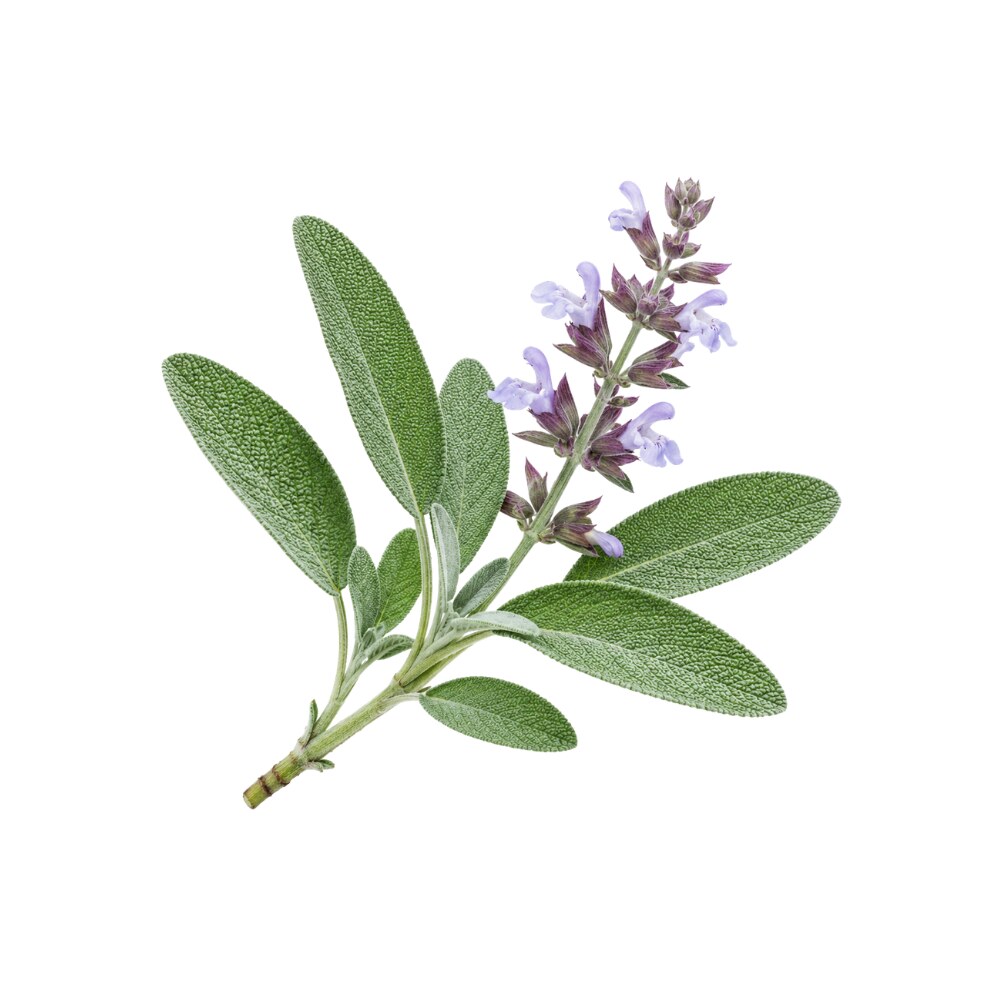 Principal source Sage Salvia officinalis Herb monograph →
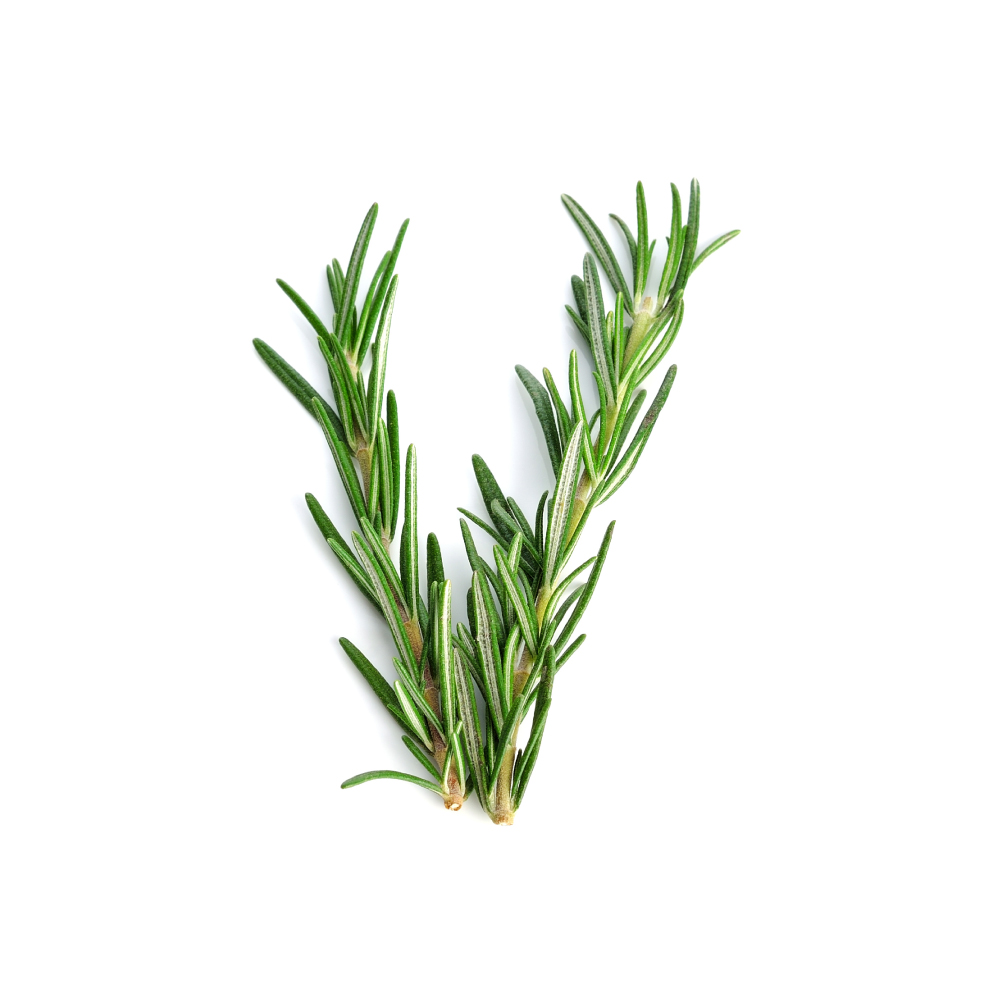 Source Rosemary Rosmarinus officinalis Herb monograph →
Photo coming soon
Source Thyme Thymus vulgaris Herb monograph →
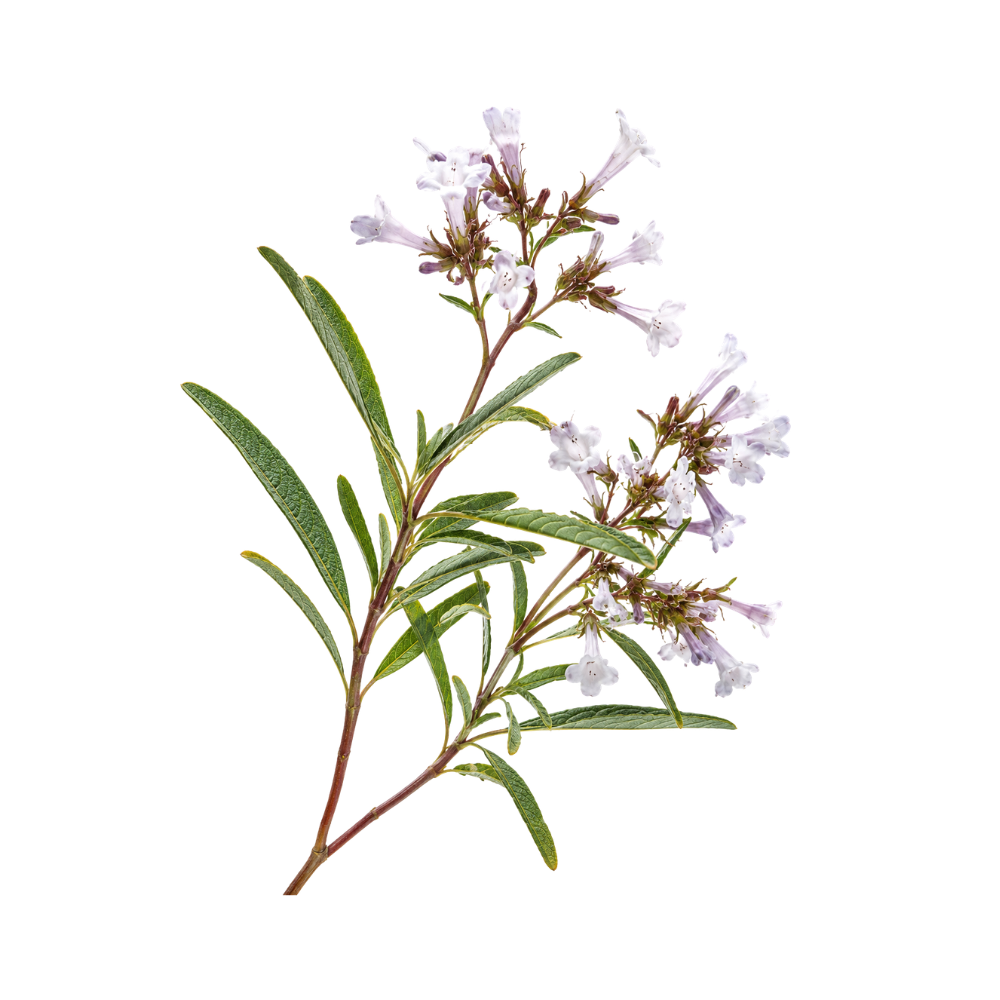 Source Yerba Santa Eriodictyon californicum Herb monograph →
Concentration
Content by Source
Concentrations not reported. No percent-dry-weight or mg/g figures have been published for this compound in its source plants.
Cirsimaritin at a Glance
Cirsimaritin is a methylated flavone — chemically 4’,5-dihydroxy-6,7-dimethoxyflavone. Structurally it is the 6,7-dimethyl ether of scutellarein, which in turn is a hydroxylated relative of the common flavone apigenin. The two methoxy groups make it more lipophilic and less water-soluble than an unmethylated flavone, a fact that colours everything below.
It occurs as a minor constituent of several aromatic herbs — sage, thyme and rosemary among the mints, and thistles (Cirsium) among the daisies — as well as Teucrium, Artemisia and the oak-relative Lithocarpus 1Reference 1The Current State of Knowledge in Biological Properties of CirsimaritinView study →. It has never been a headline compound in any of them, but it recurs often enough to have attracted a modest research literature of its own.
That literature is entirely preclinical. The most developed thread is antidiabetic — a genuinely multi-target signal spanning DPP-4 inhibition, AMPK/GLUT4 activation and improved hepatic insulin sensitivity — alongside anti-inflammatory, anxiolytic, anticancer and antimicrobial work. No human study has been performed, and there is no pharmacokinetic data, so every potency figure below is an in-vitro or animal result of unknown clinical relevance.
Cirsimaritin, Scutellarein & Apigenin
Cirsimaritin belongs to a small family of closely related flavones, and its behaviour is easier to read against them:
- Apigenin — 4’,5,7-trihydroxyflavone, the widespread parent flavone.
- Scutellarein — apigenin with an extra hydroxyl at C-6 (6-hydroxyapigenin).
- Cirsimaritin — scutellarein with the 6- and 7-hydroxyls both capped as methyl ethers (hence “scutellarein 6,7-dimethyl ether”).
That methylation is the whole story of what makes cirsimaritin distinct. Capping two hydroxyls with methyl groups increases lipophilicity and membrane permeability but removes two of the sites that a phenolic uses for direct radical-scavenging, which is why cirsimaritin’s antioxidant results are weak and inconsistent while its cell-signalling and enzyme-binding effects are comparatively stronger 1Reference 1The Current State of Knowledge in Biological Properties of CirsimaritinView study →. It sits in the same methylated-flavone niche as its batch-mates chrysoeriol, diosmetin and acacetin.
What It's Used For
Cirsimaritin’s evidence is a spread of in-vitro and rodent findings across metabolic, inflammatory, neurological and oncology models. The through-line is that it modulates several signalling and enzyme targets at micromolar concentrations in cells — but with no absorption data to say whether those concentrations are reachable in a living animal, let alone a person.
Support is an experimental score — weighted by study type (human > animal > in vitro) and volume. A beta, not a validated metric. Every row here is preclinical, so scores are capped low and read the per-row basis.
The most coherent story on the page, and unusually multi-mechanistic for a single flavone. In a screen of culinary-herb compounds, cirsimaritin showed good affinity for inhibiting dipeptidyl peptidase-4 (DPP-4) — the same incretin-degrading enzyme blocked by the “gliptin” diabetes drugs, which raises insulin secretion 3Reference 3Bioactive compounds from culinary herbs inhibit a molecular target for type 2 diabetes management, dipeptidyl peptidase IVView study →.
Separately, it improved glucose uptake in TNF-α-treated (insulin-resistant) mouse hepatocytes 4Reference 4AnimalIdentification of Bioactive Components from Ruellia tuberosa L. on Improving Glucose Uptake in TNF-α-Induced Insulin-Resistant Mouse FL83B HepatocytesView study →, and flavonoid fractions of Teucrium polium containing cirsimaritin were insulinotropic and improved carbohydrate/lipid metabolism in rats 10Reference 10AnimalEffects of Teucrium polium spp. capitatum flavonoids on the lipid and carbohydrate metabolism in ratsView study →.
Most concretely, in a high-fat-diet/streptozotocin rat model of type 2 diabetes, oral cirsimaritin (50 mg/kg) significantly lowered serum glucose, insulin and HOMA-IR and reduced LDL/triglycerides/cholesterol, while upregulating phosphorylated AMPK-α1 and GLUT4 in skeletal muscle and adipose tissue and GLUT2 in liver 2Reference 2The Emerging Importance of Cirsimaritin in Type 2 Diabetes TreatmentView study →.
Gap: the isolate performs across DPP-4, AMPK/GLUT4 and hepatic-insulin-resistance axes — but only in cells and one rodent model, with no dose-response into humans and no pharmacokinetics to confirm the 50 mg/kg exposure is orally achievable 2Reference 2The Emerging Importance of Cirsimaritin in Type 2 Diabetes TreatmentView study →.
Cirsimaritin extracted from Cirsium japonicum dose-dependently inhibited nitric oxide, IL-6 and TNF-α production in LPS-stimulated RAW264.7 macrophages, and suppressed phosphorylation/degradation of IκBα (the NF-κB brake), phosphorylation of Akt, and activation of the transcription factors c-fos and STAT3 5Reference 5Anti-inflammatory effects and corresponding mechanisms of cirsimaritin extracted from Cirsium japonicum var. maackii MaximView study →. This is a clean, mechanistically-detailed in-vitro anti-inflammatory result, and the NF-κB/STAT3 targets overlap with its anticancer and antiviral findings.
Gap: the data are cell-culture only; a previously-published rodent colitis paper on cirsimaritin has since been retracted, so it is deliberately excluded here, leaving no reliable in-vivo inflammation model 5Reference 5Anti-inflammatory effects and corresponding mechanisms of cirsimaritin extracted from Cirsium japonicum var. maackii MaximView study →.
Cirsimaritin was one of three flavones isolated from rosemary that, given to mice at 50–200 mg/kg, produced anxiolytic (elevated-plus-maze, light/dark box), antidepressant (forced-swim, tail-suspension) and antinociceptive (hot-plate, tail-immersion) effects with no acute toxicity 6Reference 6Antidepressant, Anxiolytic and Antinociceptive Activities of Constituents from Rosmarinus officinalisView study →. Mechanistically the anxiolytic effect was not reversed by flumazenil but was blocked by pentylenetetrazol — i.e. it acts through GABA-A receptors at a site other than the classic benzodiazepine binding site 6Reference 6Antidepressant, Anxiolytic and Antinociceptive Activities of Constituents from Rosmarinus officinalisView study →.
Gap: a genuine in-vivo behavioural signal, but at high per-kg doses in mice, tested as an isolate alongside two other rosemary flavones — no human CNS data, and no evidence that dietary or herbal exposure reaches active brain concentrations 6Reference 6Antidepressant, Anxiolytic and Antinociceptive Activities of Constituents from Rosmarinus officinalisView study →.
Isolated from Betula (birch) buds, cirsimaritin (with the related flavone santin) induced apoptosis in human digestive-system cancer cell lines via the mitochondrial pathway — caspase activation, reactive-oxygen generation and shifts in Bcl-2-family proteins 7Reference 7Santin and cirsimaritin from Betula pubescens and Betula pendula buds induce apoptosis in human digestive system cancer cellsView study →. Reviews collate additional in-vitro cytotoxicity against gastric, hepatoma and other lines with IC50 values in the low-micromolar-to-microgram range 1Reference 1The Current State of Knowledge in Biological Properties of CirsimaritinView study →.
Gap: all activity is in cultured cell lines at micromolar concentrations; there is no animal tumour model and no selectivity or exposure data, so this is an early screening signal, not a demonstrated anticancer effect 1,
Cirsimaritin appears repeatedly in antimicrobial screens of the plants that contain it, with reported MICs against Gram-positive and Gram-negative bacteria and some fungi spanning a wide range depending on organism and assay 1,
Gap: these are in-vitro potencies against isolated organisms, frequently as one component of a crude extract; none has been carried into an infection model, and the antibacterial MICs are generally too weak to suggest a therapeutic role 1,
Mechanisms
| Target / pathway | Effect | Relevant to |
|---|---|---|
| Dipeptidyl peptidase-4 (DPP-4) | binding & inhibition → less incretin degradation, ↑ insulin secretion | antidiabetic |
| AMPK-α1 / GLUT4 & GLUT2 | ↑ phosphorylation and glucose-transporter expression in muscle, fat, liver | antidiabetic |
| Hepatic insulin resistance | ↑ glucose uptake in TNF-α-treated hepatocytes | antidiabetic |
| NF-κB (IκBα), STAT3, c-fos, Akt | ↓ phosphorylation/activation → ↓ iNOS/NO, IL-6, TNF-α | anti-inflammatory |
| GABA-A receptor (non-benzodiazepine site) | positive modulation → anxiolytic / antinociceptive | CNS |
| Mitochondrial apoptosis (caspases, ROS, Bcl-2 family) | pro-apoptotic in cancer cell lines | anticancer |
| NF-κB / p65 (viral) | ↓ influenza A virus replication | antimicrobial / antiviral |
The DPP-4 plus AMPK/GLUT4 combination is the load-bearing point — it is what makes the antidiabetic thread more than a single in-vitro hit. The recurring NF-κB target ties the anti-inflammatory, anticancer and antiviral results together mechanistically.
Pharmacokinetics
This is the page’s biggest hole, and it is not a small one. No pharmacokinetic study of cirsimaritin has been published — absorption, oral bioavailability, distribution, metabolism, active metabolites and half-life are all uncharacterised, and reviews of the compound explicitly call for this work to be done 1Reference 1The Current State of Knowledge in Biological Properties of CirsimaritinView study →. What can be said structurally is that cirsimaritin is a dimethoxy flavone with low water solubility, a chemotype that typically shows poor oral bioavailability. Until absorption is measured, the micromolar potencies in the sections above cannot be assumed to be reachable in vivo, and this caveat sits under every claim on the page.
Clinical Trials
There are no clinical trials of cirsimaritin — no completed, ongoing or terminated human studies. The entire evidence base is cell-culture and rodent work.
| Completed | Planned | Terminated | Preclinical |
|---|---|---|---|
| 0 | 0 | 0 | Antidiabetic, anti-inflammatory, CNS, anticancer, antimicrobial (all in vitro / rodent) |
Last checked: July 2026.
Isolate vs. Plant Studies
Cirsimaritin’s literature is a mix of true isolate studies and whole-extract screens, and the distinction matters. The antidiabetic rat model 2Reference 2The Emerging Importance of Cirsimaritin in Type 2 Diabetes TreatmentView study → and the mouse CNS study 6Reference 6Antidepressant, Anxiolytic and Antinociceptive Activities of Constituents from Rosmarinus officinalisView study → used the purified compound, which is a strength — they show the molecule itself carries activity. The anti-inflammatory 5Reference 5Anti-inflammatory effects and corresponding mechanisms of cirsimaritin extracted from Cirsium japonicum var. maackii MaximView study → and anticancer 7Reference 7Santin and cirsimaritin from Betula pubescens and Betula pendula buds induce apoptosis in human digestive system cancer cellsView study → work also used isolated cirsimaritin (from Cirsium and Betula respectively). By contrast, several metabolic and antimicrobial findings come from crude Teucrium, Salvia or Artemisia extracts in which cirsimaritin is one flavone among many 9,
Prevalence in Nature
Cirsimaritin is a widely-but-thinly distributed flavone, reported from more than fifty species across the mint (Lamiaceae) and daisy (Asteraceae) families and beyond 1Reference 1The Current State of Knowledge in Biological Properties of CirsimaritinView study →. Among culinary and medicinal herbs it occurs in sage (Salvia officinalis), thyme (Thymus vulgaris) and rosemary (Rosmarinus officinalis); among the daisies it is a marker of thistles (Cirsium spp.) — the genus it was first isolated from and the source of its name (Cirsium + the “-maritin” of the source species). It is also documented in yerba santa (Eriodictyon), Teucrium polium, several Artemisia species (A. judaica, A. annua, A. capillaris), Ocimum sanctum (holy basil), birch (Betula) buds, and the oak-relative Lithocarpus dealbatus 1Reference 1The Current State of Knowledge in Biological Properties of CirsimaritinView study →.
Across these sources the concentrations are rarely quantified — cirsimaritin is almost always reported qualitatively as “present” in a flavonoid profile rather than measured as a percentage of dry weight. That absence of quantified occurrence data is itself a notable gap for a compound with this breadth of distribution.
Discovery & Synthesis
Cirsimaritin was first isolated in 1963 by the Japanese chemists Morita and Shimizu from a Cirsium (thistle) species, which supplies the compound’s name 1Reference 1The Current State of Knowledge in Biological Properties of CirsimaritinView study →. Its structure — the 6,7-dimethyl ether of scutellarein — places it firmly in the methylated-flavone series, and it can be prepared synthetically by methylating scutellarein or by building the flavone skeleton and installing the two methoxy groups.
Manufacture today is overwhelmingly by extraction and isolation from plant material (sage, thyme, rosemary, Cirsium and Artemisia are common sources) for research and reference-standard supply, rather than by industrial total synthesis — there is no bulk commercial demand for the pure compound. No large-scale production or sustainability story attaches to it.
Patents: not yet researched.
Toxicity & Safety
Cirsimaritin carries a low toxicity flag. It is a dietary flavone of common culinary herbs (sage, thyme, rosemary), so ordinary food and tea exposure is unremarkable, and the mouse behavioural study reported no signs of acute toxicity at oral doses up to 200 mg/kg 6Reference 6Antidepressant, Anxiolytic and Antinociceptive Activities of Constituents from Rosmarinus officinalisView study →. That said, “low toxicity” here rests largely on absence of evidence of harm, not on a completed safety package — there are no repeat-dose, genotoxicity or reproductive-toxicity studies of the isolate, and no human safety data at all.
- Dietary flavone of common herbs. Present in sage, thyme and rosemary; ordinary culinary and tea exposure is not a concern.
- No acute toxicity in animals. Oral doses up to 200 mg/kg produced no acute toxicity signs in mice 6Reference 6Antidepressant, Anxiolytic and Antinociceptive Activities of Constituents from Rosmarinus officinalisView study →.
- Preclinical only — no human data. Every efficacy and safety finding is from cells or rodents; nothing has been tested in people.
- Interactions not studied. Given the DPP-4/AMPK antidiabetic signal, a theoretical additive effect with glucose-lowering drugs is plausible but unstudied; no CYP/transporter interaction work exists.
Reproductive and developmental toxicity of isolated cirsimaritin has not been characterised. Any pregnancy or lactation decision belongs to the specific herb or product a person is actually taking (where sage, for instance, carries its own thujone-related cautions), not to this molecule-level page.
Dosage
There is no established human dose for cirsimaritin, and none should be inferred from the preclinical figures. For orientation only, the doses used in animal research were roughly 50 mg/kg orally in the diabetic-rat model 2Reference 2The Emerging Importance of Cirsimaritin in Type 2 Diabetes TreatmentView study → and 50–200 mg/kg in the mouse CNS study 6Reference 6Antidepressant, Anxiolytic and Antinociceptive Activities of Constituents from Rosmarinus officinalisView study →; these per-kilogram animal doses do not convert directly into a human dose. Dietary intake from herbs and teas is small and unquantified. These are research figures, not a personal recommendation.
References
- Benali T, Jaouadi I, Ghchime R, et al. (2022). The Current State of Knowledge in Biological Properties of Cirsimaritin. Antioxidants. https://pubmed.ncbi.nlm.nih.gov/36139916/
- Alqudah A, et al. (2023). The Emerging Importance of Cirsimaritin in Type 2 Diabetes Treatment. International Journal of Molecular Sciences. https://pubmed.ncbi.nlm.nih.gov/36982822/
- Bower AM, et al. (2014). Bioactive compounds from culinary herbs inhibit a molecular target for type 2 diabetes management, dipeptidyl peptidase IV. Journal of Agricultural and Food Chemistry. https://pubmed.ncbi.nlm.nih.gov/24881464/
- Xu JH, et al. (2020). Identification of Bioactive Components from Ruellia tuberosa L. on Improving Glucose Uptake in TNF-α-Induced Insulin-Resistant Mouse FL83B Hepatocytes. Evidence-Based Complementary and Alternative Medicine. https://pubmed.ncbi.nlm.nih.gov/33335557/
- Shin MS, et al. (2017). Anti-inflammatory effects and corresponding mechanisms of cirsimaritin extracted from Cirsium japonicum var. maackii Maxim. Bioorganic & Medicinal Chemistry Letters. https://pubmed.ncbi.nlm.nih.gov/28554870/
- Abdelhalim A, et al. (2015). Antidepressant, Anxiolytic and Antinociceptive Activities of Constituents from Rosmarinus officinalis. Journal of Pharmacy & Pharmaceutical Sciences. https://pubmed.ncbi.nlm.nih.gov/26626245/
- Szoka L, et al. (2021). Santin and cirsimaritin from Betula pubescens and Betula pendula buds induce apoptosis in human digestive system cancer cells. Journal of Cellular and Molecular Medicine. https://pubmed.ncbi.nlm.nih.gov/34755444/
- Tasdemir D, et al. (2006). Antitrypanosomal and antileishmanial activities of flavonoids and their analogues: in vitro, in vivo, structure-activity relationship, and QSAR studies. Antimicrobial Agents and Chemotherapy. https://pubmed.ncbi.nlm.nih.gov/16569852/
- Ngolo LM, et al. (2025). Phytochemical screening, UPLC analysis, evaluation of synergistic antioxidant and antibacterial efficacy of three medicinal plants used in Kinshasa, D.R. Congo. Scientific Reports. https://pubmed.ncbi.nlm.nih.gov/40128309/
- Stefkov G, et al. (2011). Effects of Teucrium polium spp. capitatum flavonoids on the lipid and carbohydrate metabolism in rats. Pharmaceutical Biology. https://pubmed.ncbi.nlm.nih.gov/21619454/
- Yan H, et al. (2018). Cirsimaritin inhibits influenza A virus replication by downregulating the NF-κB signal transduction pathway. Virology Journal. https://pubmed.ncbi.nlm.nih.gov/29783993/



