
Compound Monograph
Curine
Curine (l-bebeerine) is a bisbenzylisoquinoline alkaloid of the Menispermaceae — chemically curare-adjacent but pharmacologically a calcium blocker, not a muscle relaxant: it blocks L-type Ca²⁺ channels, relaxes blood vessels and airways, stabilises mast cells and damps macrophage activation in rodent asthma, inflammation and antiparasitic models, all preclinical.

Sources · 6
Where Does It Come From?
Curine is a naturally occurring bisbenzylisoquinoline alkaloid (curine/tubocurine series), found in Abuta and 5 other sources. It is flagged as moderately toxic.
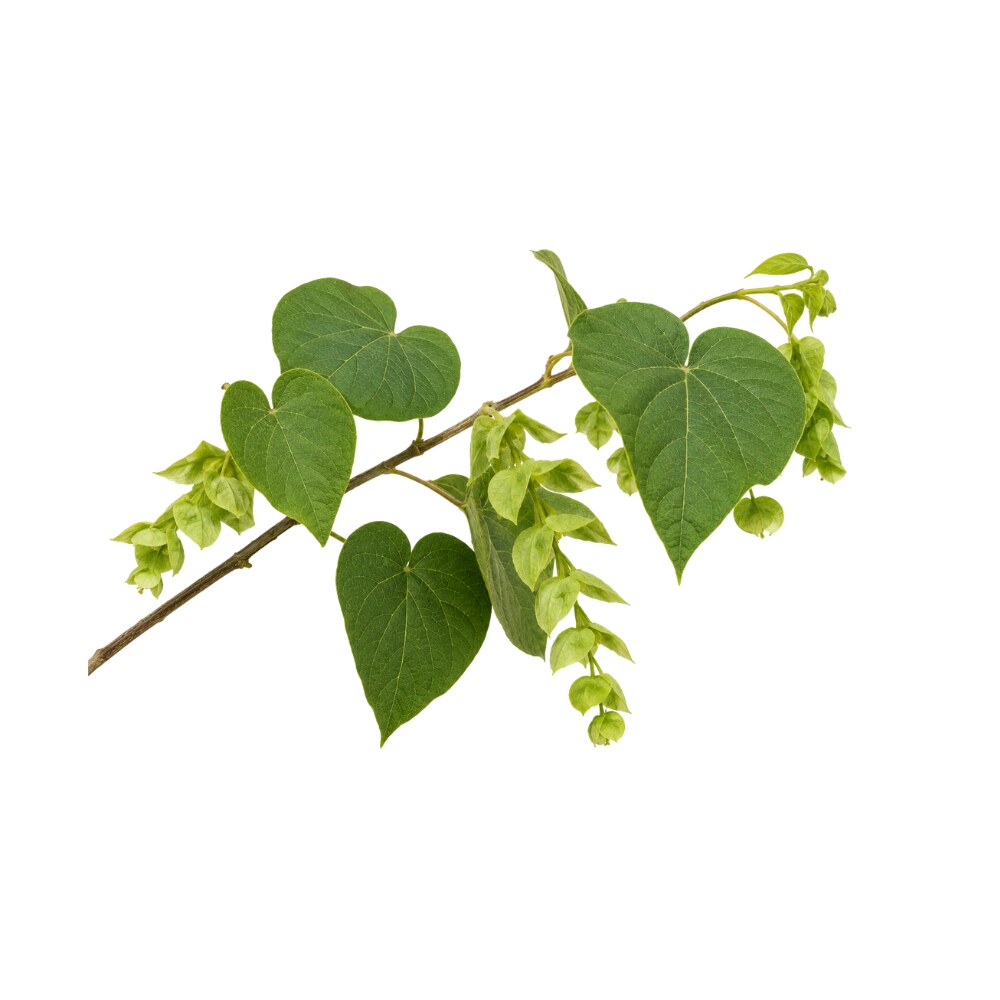 Principal source Abuta Cissampelos pareira Herb monograph →
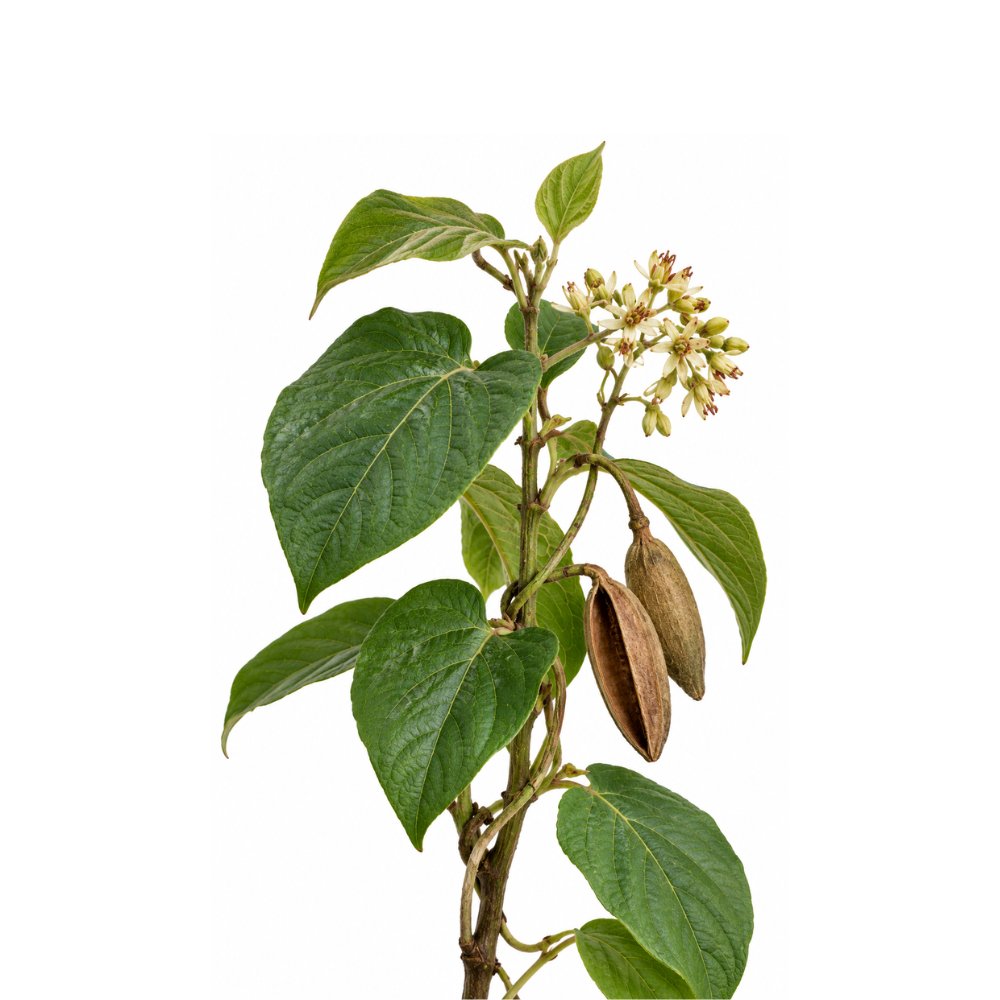 Source Curare ☠️ Chondrodendron tomentosum Herb monograph →
Concentration
Content by Source
Concentrations not reported. No percent-dry-weight or mg/g figures have been published for this compound in its source plants.
Curine at a Glance
Curine — also written (−)-bebeerine or l-curine — is a bisbenzylisoquinoline (bisBIQ) alkaloid: two benzylisoquinoline halves fused through ether bridges into a single large molecule, C₃₆H₃₈N₂O₆, CAS 436-05-5 32Reference 32Curine, CID 253793 — compound record (C₃₆H₃₈N₂O₆; CAS 436-05-5; synonyms (−)-bebeerine, l-curine)View study →. It is the major alkaloid of Chondrodendron platyphyllum and one of the characterised alkaloids of abuta (Cissampelos pareira) — both Menispermaceae, the family that supplied the South American arrow poison curare 2,
That family resemblance is the first thing to get right and the easiest thing to get wrong. Curine is chemically adjacent to tubocurarine, but curine is not curare and curine is not tubocurarine — and what has actually been measured for the molecule is not a neuromuscular blocker’s pharmacology. The next section deals with that directly, because the confusion is the single most common error made about this compound.
What curine has been shown to do, largely by Brazilian groups working with the purified alkaloid, is a calcium story. It blocks L-type voltage-gated Ca²⁺ channels in vascular smooth muscle, relaxes resistance arteries, stabilises mast cells, and damps eosinophil, neutrophil and macrophage activation — giving it a coherent antiallergic, anti-asthmatic and anti-inflammatory profile in mice at low oral doses 1,
Curine, Curare & Tubocurarine
Three things get run together here, and they are three different kinds of thing.
Curare is a preparation, not a molecule. It is a crude plant arrow-poison — a mixture of many alkaloids from Menispermaceae and other families — and no single compound “is” curare. The famous molecule extracted from it is tubocurarine 22Reference 22A modular access to (±)-tubocurine and (±)-curine — formal total synthesis of tubocurarineView study →.
Curine is not tubocurarine. Curine and tubocurine are close chemical relatives that share the molecular formula C₃₆H₃₈N₂O₆ 32Reference 32Curine, CID 253793 — compound record (C₃₆H₃₈N₂O₆; CAS 436-05-5; synonyms (−)-bebeerine, l-curine)View study →, and the 2017 synthetic route to the curare alkaloids reached (±)-tubocurine and (±)-curine through the same sequence — which is why making tubocurine constituted a formal total synthesis of tubocurarine 22Reference 22A modular access to (±)-tubocurine and (±)-curine — formal total synthesis of tubocurarineView study →. But tubocurarine itself is a different substance: the quaternary N-methylated cation, C₃₇H₄₁N₂O₆⁺, carrying a permanent positive charge 33Reference 33Tubocurarine, CID 6000 — compound record (C₃₇H₄₁N₂O₆⁺)View study →. Curine is a tertiary base. That charge difference is not cosmetic — it is most of the reason tubocurarine is a potent nicotinic blocker.
What has actually been measured for curine at the neuromuscular junction. One study did look, under the synonym l-bebeerine, in rat diaphragm and toad sartorius muscle 8Reference 8AnimalNatural probes for cholinergic sites: L-bebeerine actions on the neuromuscular transmission, the nicotinic receptor/ionic channel complex, and contraction of skeletal muscles — ratsView study →. It found real activity — and it is worth reading the numbers rather than the headline. Injected intraperitoneally at 0.05–1 g/kg, curine caused dose-related flaccid paralysis in rats, with respiratory arrest at the top of that range. In isolated muscle it depressed indirectly elicited twitches with an IC50 of 228 µM in rat diaphragm (5.4 µM in toad sartorius), reduced α-bungarotoxin binding to the junctional ACh receptor (IC50 47.7 µM), and blocked transmission non-competitively — the block was not reversed by neostigmine, which is not the competitive, anticholinesterase-reversible mechanism the classic curare blocker is named for. At 170–340 µM it also produced a muscle contracture unrelated to junctional block 8Reference 8AnimalNatural probes for cholinergic sites: L-bebeerine actions on the neuromuscular transmission, the nicotinic receptor/ionic channel complex, and contraction of skeletal muscles — ratsView study →.
So: curine can paralyse, at gram-per-kilogram injected doses. Its anti-allergic effects appear orally at around 0.8 mg/kg 3Reference 3ReviewAnti-allergic properties of curine, a bisbenzylisoquinoline alkaloid — reviewView study → — three orders of magnitude lower. The neuromuscular finding is a safety ceiling, not a therapeutic mechanism, and it should not be cited as evidence that curine “works like curare.”
The curarizing chemistry lives in curine’s derivatives, not in curine. Quaternise the nitrogens and you get compounds that genuinely are neuromuscular blockers: dimethyl-l-curine dimethochloride was developed in China and studied as an alternative to d-tubocurarine chloride, with its own mode-of-action work on neuromuscular transmission 23,
What It's Used For
The research base is modest in volume but unusually coherent: almost all of it uses the isolated alkaloid, and almost all of it converges on calcium handling.
Support is an experimental score — weighted by study type (human > animal > in vitro) and volume. A beta, not a validated metric. There is no human evidence for any row, so every score is capped low by design.
Curine’s strongest and best-replicated signal, and all of it is the isolated alkaloid in mice. In an ovalbumin-sensitised asthma model, oral curine inhibited eosinophil recruitment into bronchoalveolar lavage, eosinophil lipid-body formation and airway hyper-responsiveness, and reduced OVA-driven eotaxin and IL-13 production; verapamil produced comparable anti-allergic effects and curine blocked calcium-induced tracheal contraction ex vivo, which is what implicates a Ca²⁺-dependent mechanism rather than a receptor-antagonist one 1Reference 1AnimalCurine inhibits eosinophil activation and airway hyper-responsiveness in a mouse model of allergic asthma — animal modelView study →.
The reported median effective dose for the eosinophil endpoint was about 0.8 mg/kg orally 3Reference 3ReviewAnti-allergic properties of curine, a bisbenzylisoquinoline alkaloid — reviewView study →.
In mast-cell-dependent models curine inhibited scratching behaviour and paw oedema from compound 48/80 or allergen, cut pleural protein extravasation and PGD₂ / cysteinyl-leukotriene production, and blocked anaphylactic shock; in the RBL-2H3 mast-cell line it inhibited IgE-driven degranulation. Notably it was a weak inhibitor of histamine-induced oedema — which promethazine abolished — so the profile is mast-cell stabilisation, not antihistamine action 2Reference 2AnimalCurine inhibits mast cell-dependent responses in mice — animal modelView study →.
Gap: rodent and cell work only, from one collaborating group; no human data, no comparison against an inhaled corticosteroid or any standard controller, and no chronic-dosing or remodelling endpoint.
Also isolate-only, also oral, also mouse. Curine inhibited paw oedema and vascular permeability, the acetic-acid writhing response, the inflammatory but not the neurogenic phase of the formalin test, and carrageenan-induced hyperalgesia; in vitro it inhibited PGE₂ production without changing COX-2 expression. The authors read the pattern as indomethacin-like rather than morphine-like — i.e. analgesia secondary to anti-inflammatory action, not direct neuronal inhibition 4Reference 4AnimalCurine, an alkaloid isolated from Chondrodendron platyphyllum, inhibits prostaglandin E2 in experimental models of inflammation and pain — miceView study →.
In LPS-induced pleurisy, curine reduced neutrophil recruitment together with TNF-α, IL-1β, IL-6, CCL2/MCP-1 and leukotriene B₄, and in LPS-stimulated macrophages it lowered cytokine output and iNOS expression; a calcium-channel blocker reproduced the effect, again tying the anti-inflammatory action to Ca²⁺-dependent macrophage activation 5Reference 5AnimalCurine inhibits macrophage activation and neutrophil recruitment in a mouse model of lipopolysaccharide-induced inflammation — animal modelView study →.
Gap: the PGE₂ result is an activity effect with COX-2 expression untouched, so the upstream target is unresolved; all endpoints are acute rodent models from a single group, with no chronic inflammation model and no human data.
The mechanistic core of the page, and the most directly measured pharmacology curine has. In rat small mesenteric (resistance) arteries, curine relaxed rings pre-contracted with noradrenaline or KCl with IC50 values around 4.8 µM and 6.0 µM, and did so in both endothelium-intact and endothelium-denuded vessels — so the effect is on the smooth muscle, not on endothelial NO. It inhibited Ca²⁺-influx-dependent contraction and noradrenaline-triggered contraction in calcium-free medium, implicating both voltage-operated and non-selective channels and intracellular store release 7Reference 7AnimalMechanisms involved in the vasodilator effect of curine in rat resistance arteries — ratsView study →.
Whole-cell patch clamp in A7r5 vascular smooth-muscle cells then showed concentration-dependent inhibition of L-type Ca²⁺ current with a hyperpolarising shift in steady-state inactivation and reduced intracellular Ca²⁺ transients — unaffected by IBMX, dibutyryl-cAMP or 8-Br-cGMP, so not routed through PKA or PKG 6Reference 6In vitroCurine, a bisbenzylisoquinoline alkaloid, blocks L-type Ca²⁺ channels and decreases intracellular Ca²⁺ transients in A7r5 cells — in vitroView study →.
Separately, an isoquinoline-alkaloid screen identified curine (as bebeerine) as the first bisBIQ reported to block voltage-gated Na⁺ channels, inhibiting hNav1.2 and hNav1.6 currents with IC50 values below 10 µM 9Reference 9In vitroScreening an in-house isoquinoline alkaloids library for new blockers of voltage-gated Na⁺ channels using voltage sensor fluorescent probes: hits and biases — in vitroView study →.
Gap: ex-vivo tissue and patch clamp only. There is no in-vivo blood-pressure, haemodynamic or antiarrhythmic study of curine, so “vasodilator” is a tissue-level finding, not a demonstrated antihypertensive effect; the Nav result rests on a single screening paper.
The one place curine has produced a whole-animal cure-like outcome. Oral curine at 10 mg/kg/day for 10 days rendered parasitaemia negative in C3H/He mice infected with the Y or CL strain of Trypanosoma cruzi and significantly extended survival — outperforming the reference drug benznidazole against the Y strain, which benznidazole failed to control 12Reference 12AnimalThe effect of bisbenzylisoquinoline alkaloids on Trypanosoma cruzi infections in mice — animal modelView study →.
In vitro it killed T. cruzi trypomastigotes with an LC50 of 10 µM and acted as a mixed inhibitor of trypanothione reductase, a validated Chagas target 13Reference 13In vitroTrypanocidal bisbenzylisoquinoline alkaloids are inhibitors of trypanothione reductase — in vitroView study →.
Against T. brucei, curine isolated from Berberis brevissima roots showed an MIC of 3.8 µM 16Reference 16In vitroEffect of temperature on ¹H NMR spectra, antitrypanosomal activity, conformational analysis, and molecular docking of curine derivatives from Berberis brevissima — in vitroView study →.
On the malaria side, (−)-curine from Isolona ghesquiereina showed strong in-vitro antiplasmodial activity, with in-vivo activity also observed 14Reference 14In vitroSpectral characterisation and antiplasmodial activity of bisbenzylisoquinolines from Isolona ghesquiereina — in vitro and in vivoView study →; a later docking and molecular-dynamics study placed curine on Plasmodium dihydrofolate reductase, cGMP-dependent protein kinase and prolyl-tRNA synthetase, with the tRNA-synthetase complex the most stable 15Reference 15Bisbenzylisoquinolines from Cissampelos pareira L. as antimalarial agents: molecular docking, pharmacokinetics analysis, and molecular dynamic simulation studies — in silicoView study →.
Gap: no human antiparasitic data. The Plasmodium target assignment is in silico only — modelling, not binding — and the in-vivo antiplasmodial result is reported without dosing detail. The proposed mechanism for the trypanosomal effect (Ca²⁺-channel blockade affecting host-cell invasion, or immunosuppression) is a hypothesis in the source, not a demonstrated pathway 12Reference 12AnimalThe effect of bisbenzylisoquinoline alkaloids on Trypanosoma cruzi infections in mice — animal modelView study →.
The thinnest row, and the one most likely to be over-read. Curine at 3–15 µM for 24–48 h was cytotoxic to the leukaemia lines HL-60 and K562, arresting HL-60 in G1 (43% → 57% of cells), inducing about 57% apoptosis at 15 µM with phosphatidylserine externalisation, and depolarising mitochondrial membranes in about 20% of cells; HT-29 colon cells and normal peripheral blood mononuclear cells were less affected 10Reference 10In vitroEffects of curine in HL-60 leukemic cells: cell cycle arrest and apoptosis induction — in vitroView study →.
(−)-Curine from Cyclea wattii roots induced G1 arrest and death in hepatocellular carcinoma cells independently of p53 status — active in wild-type HepG2 and mutant Huh-7 alike, and unchanged by p53 knockdown, which is the interesting part given how often p53 mutation drives chemoresistance 11Reference 11In vitroGong S, et al. (2017). (−)-Curine induces cell cycle arrest and cell death in hepatocellular carcinoma cells in a p53-independent way — in vitro. Biomedicine & Pharmacotherapy. https://pubmed.ncbi.nlm.nih.gov/28292017/View study →.
Structurally related curine-type alkaloids from the same root are cytotoxic in the low-µM range 20Reference 20In vitroTwo new curine-type bisbenzylisoquinoline alkaloids from the roots of Cyclea wattii with cytotoxic activities — in vitroView study →.
Gap: cell lines only — no animal tumour model, no xenograft, no human data. Selectivity over normal cells is described qualitatively but never quantified as a therapeutic index, and nothing establishes that these concentrations are reachable in vivo.
Mechanisms
| Target / pathway | Effect | Relevant to |
|---|---|---|
| L-type voltage-gated Ca²⁺ channel (A7r5 smooth muscle) | concentration-dependent block; hyperpolarising shift of steady-state inactivation; ↓ intracellular Ca²⁺ transients | vasorelaxationairway/smooth-muscle relaxation |
| Noradrenaline-sensitive intracellular Ca²⁺ stores + non-selective cation influx | inhibition of contraction in Ca²⁺-free medium — activity beyond the L-type channel | vasorelaxation |
| Mast-cell activation / degranulation | stabilisation; ↓ IgE-driven degranulation, PGD₂ and cysteinyl leukotrienes (not antihistamine) | antiallergicanaphylaxis |
| Eosinophil recruitment; eotaxin, IL-13 | ↓ recruitment and lipid-body formation; ↓ airway hyper-responsiveness | allergic asthma |
| Macrophage activation (TNF-α, IL-1β, IL-6, CCL2, LTB₄, iNOS) | suppression; reproduced by a Ca²⁺-channel blocker | anti-inflammatory |
| PGE₂ production | inhibited without change in COX-2 expression | analgesia / inflammation |
| Voltage-gated Na⁺ channels hNav1.2 / hNav1.6 | block, IC50 < 10 µM (reported under the name bebeerine) | excitability — a safety signalnot a claimed use |
| Nicotinic ACh receptor / ion-channel complex (skeletal muscle) | non-competitive block, not neostigmine-reversible; ↓ α-bungarotoxin binding (IC50 47.7 µM) | neuromuscular liability at extreme exposure only |
| Trypanothione reductase | mixed inhibition | antitrypanosomal |
| ABCB1 / P-glycoprotein | weak inhibitor of rhodamine efflux; competes with verapamil at the pump | transporter-level drug-interaction potential |
The load-bearing point: everything above the neuromuscular row is Ca²⁺-handling pharmacology measured on the isolate. The nicotinic row exists, is real, and belongs to a dose range three orders of magnitude above the effective one — read it under Toxicity, not as a mechanism of benefit.
Pharmacokinetics
There is no measured human pharmacokinetic dataset for curine — and no measured animal one either. The bisBIQ review that includes curine among thirteen representative alkaloids derives its ADME picture for these compounds from software prediction (ACD/Percepta), reporting the class as strongly P-glycoprotein-interacting, poorly absorbed orally, and strongly plasma-protein-bound, with a metabolic concern around quinone-methide formation linked to renal and hepatic toxicity 17Reference 17ReviewThirteen bisbenzylisoquinoline alkaloids in five Chinese medicinal plants: botany, traditional uses, phytochemistry, pharmacokinetic and toxicity studies — reviewView study →. Those are class-level predictions, not curine measurements, and should be labelled as such.
The one directly measured transporter datum runs slightly against the prediction: curine is a weak inhibitor of rat Abcb1b-mediated rhodamine efflux, though it competes with verapamil at the pump 18Reference 18In vitroEffects of two natural bisbenzylisoquinolines, curine and guattegaumerine, extracted from Isolona hexaloba, on rhodamine efflux by Abcb1b from rat glycocholic-acid-resistant hepatocarcinoma cells — in vitroView study →. And the prediction of poor oral absorption sits awkwardly with the fact that curine is repeatedly orally active in rodents at low mg/kg — an ED50 near 0.8 mg/kg in the asthma model 3Reference 3ReviewAnti-allergic properties of curine, a bisbenzylisoquinoline alkaloid — reviewView study → and 10 mg/kg/day clearing T. cruzi parasitaemia 12Reference 12AnimalThe effect of bisbenzylisoquinoline alkaloids on Trypanosoma cruzi infections in mice — animal modelView study →. Whatever the absolute bioavailability, enough of it reaches the target.
No half-life, Cmax, volume of distribution, metabolite identity or route of excretion has been reported for curine in any species. This is the single largest hole in the molecule’s file.
Clinical Trials
None. Curine has never been administered to a human being in a published study, in any indication, at any dose. Every finding here is cell-culture, isolated-tissue or rodent work. The nearest thing to human exposure in this chemical lineage is not curine at all but its quaternised derivatives, used as neuromuscular blockers in anaesthesia 23,
| Completed | Planned | Terminated | Preclinical |
|---|---|---|---|
| None | — | — | Mouse asthma/mast cell, mouse inflammation & pain, rat artery + patch clamp, mouse T. cruzi, in-vitro Plasmodium / T. brucei, cell-line cytotoxicity 1, |
Last checked: July 2026.
Isolate vs. Plant Studies
This molecule is unusually clean on this axis: nearly every result here is for the purified alkaloid, not an extract 1,
The transferability problem runs in the opposite direction to the usual one. Because the human-facing herb here is abuta, and abuta root contains curine only as one member of a bisbenzylisoquinoline mixture alongside hayatinine, cycleanine, tetrandrine, magnocurarine and the aporphine magnoflorine 19Reference 19In vitroBioactive isoquinoline alkaloids from Cissampelos pareira — in vitroView study →, a curine result cannot be read as an abuta result — and abuta’s traditional uses cannot be credited to curine. In the same alkaloid screen, curine was not the most cytotoxic member of the group; hayatinine and cycleanine were 19Reference 19In vitroBioactive isoquinoline alkaloids from Cissampelos pareira — in vitroView study →.
Prevalence in Nature
Curine is a Menispermaceae alkaloid first and foremost, but it is not confined to that family.
Menispermaceae. It is described as the major constituent isolated from Chondrodendron platyphyllum, a northeastern-Brazilian vine known locally as “abútua” 2,
Beyond Menispermaceae. Curine has been isolated from the Annonaceae — the stem bark of Isolona ghesquiereina 14Reference 14In vitroSpectral characterisation and antiplasmodial activity of bisbenzylisoquinolines from Isolona ghesquiereina — in vitro and in vivoView study → and the roots of Isolona hexaloba 18Reference 18In vitroEffects of two natural bisbenzylisoquinolines, curine and guattegaumerine, extracted from Isolona hexaloba, on rhodamine efflux by Abcb1b from rat glycocholic-acid-resistant hepatocarcinoma cells — in vitroView study → — and from the Berberidaceae, in the ethanolic root extract of Berberis brevissima 16Reference 16In vitroEffect of temperature on ¹H NMR spectra, antitrypanosomal activity, conformational analysis, and molecular docking of curine derivatives from Berberis brevissima — in vitroView study →. Some relatives make close analogues rather than curine itself: the stem bark and wood of Abuta grandifolia yielded O-methyl and O-demethyl curine derivatives (new compounds at the time), not the parent alkaloid 21Reference 21In vitroNew cholinesterase inhibiting bisbenzylisoquinoline alkaloids from Abuta grandifolia — in vitroView study →.
The historical outlier. The name bebeerine comes from the bark and wood of the greenheart tree (Nectandra rodiaei, Lauraceae) of British Guiana, whose alkaloids were worked on through the nineteenth century 27,
No quantified figure exists. Despite the seasonal-variation study, no published % dry weight for curine in any source plant was located. That is a hole, not an absence of the compound.
Discovery & Synthesis
Curine reached medicine long before it was properly identified, and under a different name. From the 1840s, British physicians working in British Guiana reported the sulphate of bebeerine — from greenheart bark — as an antiperiodic and a substitute for quinine in fevers, and its medicinal properties, antiperiodic powers and use in other conditions were argued over in the Edinburgh and American medical press across the following decade 27,
The identity stayed unstable for over a century. “Bebeerine” as sold was a variably-defined alkaloid preparation rather than a pure compound, and the composition of commercial bebeerine hydrochlorate was still being re-examined by Japanese alkaloid chemists as late as 1963 31Reference 31Tomita M, Fujitani K, Kishimoto T (1963). [Studies on the alkaloids of menispermaceous plants. 194. On the “bebeerine hydrochlorate” (E. Merck)]. Yakugaku Zasshi. https://pubmed.ncbi.nlm.nih.gov/13985430/View study →. Modern chemistry resolves it: curine is specifically the levorotatory isomer, (−)-bebeerine, C₃₆H₃₈N₂O₆, CAS 436-05-5 32Reference 32Curine, CID 253793 — compound record (C₃₆H₃₈N₂O₆; CAS 436-05-5; synonyms (−)-bebeerine, l-curine)View study →. Where an old source says “bebeerine” without specifying rotation, it is not safe to assume it means this molecule.
First total synthesis: 2017. Otto, Ferenc and Opatz reported the first successful synthetic entry to the curare alkaloids (±)-tubocurine and (±)-curine, built on two consecutive copper-catalysed Ullmann-type C–O couplings — 15 linear steps and 24 transformations from vanillin. Because tubocurine is one methylation from tubocurarine, that work also constituted a formal total synthesis of tubocurarine 22Reference 22A modular access to (±)-tubocurine and (±)-curine — formal total synthesis of tubocurarineView study →.
Manufacture today: none at scale. There is no commercial curine product. Every study cited here prepared the compound by research-scale isolation from plant roots, bark or wood; the 2017 synthesis is a laboratory route, not a production one.
Patents: not yet researched.
Toxicity & Safety
Curine carries a moderate flag. The reasoning is specific: at the doses where it works, the studies that looked for toxicity found none — but the molecule demonstrably blocks skeletal-muscle neuromuscular transmission, cardiac-relevant L-type calcium current and neuronal sodium channels, and it belongs to an alkaloid class with recognised renal and hepatic concerns. That is a real liability profile with a wide margin, not a benign phytochemical.
- No toxicity signal at effective doses. Seven days of oral curine at up to ten times the effective dose caused no haematological, biochemical, behavioural or physical changes in mice, and no gastric ulceration.
- It does block neuromuscular transmission — at enormous doses. Injected at 0.05–1 g/kg in rats it produced flaccid paralysis and, at the top of the range, respiratory arrest. The block is non-competitive and not reversed by neostigmine
- Real ion-channel activity. L-type Ca²⁺ block plus hNav1.2/hNav1.6 block below 10 µM — additive effects with calcium-channel blockers, antihypertensives, antiarrhythmics or sodium-channel-active drugs are plausible and unstudied.
- Class-level metabolic concern. Bisbenzylisoquinoline alkaloids are associated with quinone-methide formation and consequent renal and hepatic toxicity; no curine-specific organ-toxicity study exists.
- P-glycoprotein interaction. Curine competes with verapamil at ABCB1, a plausible transporter-level interaction route — weak in the one assay that measured it, unquantified in humans.
- Zero human exposure data. Nothing about tolerability, dose-limiting effects or interactions in people is known.
Full Safety & Interactions Detail
Why moderate and not low. The reassuring data are real: in the asthma study, a formal toxicological evaluation found that orally administered curine did not significantly alter biochemical, haematological, behavioural or physical parameters versus saline controls, and repeat oral dosing for seven consecutive days at up to ten times the ED50 produced no haematological or biochemical change and no gastric ulcers 1,
Interactions (all theoretical — none studied). The named transporter is P-glycoprotein / ABCB1: curine competes with verapamil at the efflux pump, weakly in the one direct assay 18Reference 18In vitroEffects of two natural bisbenzylisoquinolines, curine and guattegaumerine, extracted from Isolona hexaloba, on rhodamine efflux by Abcb1b from rat glycocholic-acid-resistant hepatocarcinoma cells — in vitroView study →, and the class is predicted to interact strongly with P-gp 17Reference 17ReviewThirteen bisbenzylisoquinoline alkaloids in five Chinese medicinal plants: botany, traditional uses, phytochemistry, pharmacokinetic and toxicity studies — reviewView study → — the plausible route to raised exposure of P-gp substrates. No CYP450 isoform data exist for curine at all, so hepatic-enzyme interactions are simply uncharacterised rather than absent. Pharmacodynamically, additive hypotension with calcium-channel blockers or antihypertensives, and additive effects with neuromuscular-blocking agents, sedatives or sodium-channel-active drugs, follow directly from the mechanisms above and should be treated as live possibilities.
Reproductive note (prose only). No reproductive or developmental-toxicity study of isolated curine was located. Abuta, one of its source plants, carries antifertility associations at the whole-plant level, which say nothing about the isolate. Pregnancy and lactation decisions belong on the herb or product page where intake is actually decided, not on a molecule page — and for curine there is no human intake to decide about.
What is not known. Genotoxicity, carcinogenicity, repeat-dose toxicology beyond seven days, and any human safety assessment have not been performed for this compound.
Dosage
There is no human dose for curine, and no basis for one. It is not a supplement, not a drug, and not sold as an isolate for consumption. The figures below are the doses and concentrations studied in research, listed so the numbers here can be read in proportion — particularly the three-orders-of-magnitude gap between the effective dose and the paralytic one.
| Setting | Route / preparation | Dose or concentration studied |
|---|---|---|
| Allergic asthma (mouse, OVA model) | oral, isolated curine | ED50 ≈ 0.8 mg/kg for the eosinophil endpoint 3Reference 3ReviewAnti-allergic properties of curine, a bisbenzylisoquinoline alkaloid — reviewView study → |
| Repeat-dose tolerance (mouse) | oral, 7 consecutive days | up to ~10× the ED50, no measured change 3Reference 3ReviewAnti-allergic properties of curine, a bisbenzylisoquinoline alkaloid — reviewView study → |
| Chagas disease (mouse, T. cruzi) | oral, daily for 10 days | 10 mg/kg/day 12Reference 12AnimalThe effect of bisbenzylisoquinoline alkaloids on Trypanosoma cruzi infections in mice — animal modelView study → |
| Neuromuscular paralysis (rat) | intraperitoneal | 0.05–1 g/kg — flaccid paralysis; respiratory arrest at the top 8Reference 8AnimalNatural probes for cholinergic sites: L-bebeerine actions on the neuromuscular transmission, the nicotinic receptor/ionic channel complex, and contraction of skeletal muscles — ratsView study → |
| Vasorelaxation (rat mesenteric artery, ex vivo) | organ-bath concentration | IC50 ≈ 4.8–6.0 µM 7Reference 7AnimalMechanisms involved in the vasodilator effect of curine in rat resistance arteries — ratsView study → |
| Antiprotozoal (in vitro) | culture | LC50 10 µM (T. cruzi); MIC 3.8 µM (T. brucei) 13, |
| Leukaemia / carcinoma lines (in vitro) | culture | 3–15 µM 10, |
These are doses studied in research animals and cell cultures. They are not a personal recommendation, and none of them has ever been tested in a person.
References
- Ribeiro-Filho J, et al. (2013). Curine inhibits eosinophil activation and airway hyper-responsiveness in a mouse model of allergic asthma — animal model. Toxicology and Applied Pharmacology. https://pubmed.ncbi.nlm.nih.gov/23994558/
- Ribeiro-Filho J, et al. (2014). Curine inhibits mast cell-dependent responses in mice — animal model. Journal of Ethnopharmacology. https://pubmed.ncbi.nlm.nih.gov/24969825/
- Ribeiro-Filho J, Piuvezam MR, Bozza PT (2015). Anti-allergic properties of curine, a bisbenzylisoquinoline alkaloid — review. Molecules. https://pubmed.ncbi.nlm.nih.gov/25781071/
- Leite FC, et al. (2014). Curine, an alkaloid isolated from Chondrodendron platyphyllum, inhibits prostaglandin E2 in experimental models of inflammation and pain — mice. Planta Medica. https://pubmed.ncbi.nlm.nih.gov/25197953/
- Ribeiro-Filho J, et al. (2019). Curine inhibits macrophage activation and neutrophil recruitment in a mouse model of lipopolysaccharide-induced inflammation — animal model. Toxins. https://pubmed.ncbi.nlm.nih.gov/31816942/
- Medeiros MA, et al. (2011). Curine, a bisbenzylisoquinoline alkaloid, blocks L-type Ca²⁺ channels and decreases intracellular Ca²⁺ transients in A7r5 cells — in vitro. European Journal of Pharmacology. https://pubmed.ncbi.nlm.nih.gov/21872583/
- Dias CS, et al. (2002). Mechanisms involved in the vasodilator effect of curine in rat resistance arteries — rats. Planta Medica. https://pubmed.ncbi.nlm.nih.gov/12451503/
- Souccar C, et al. (1999). Natural probes for cholinergic sites: L-bebeerine actions on the neuromuscular transmission, the nicotinic receptor/ionic channel complex, and contraction of skeletal muscles — rats. Acta Physiologica, Pharmacologica et Therapeutica Latinoamericana. https://pubmed.ncbi.nlm.nih.gov/10797870/
- Coquerel Q, et al. (2022). Screening an in-house isoquinoline alkaloids library for new blockers of voltage-gated Na⁺ channels using voltage sensor fluorescent probes: hits and biases — in vitro. Molecules. https://pubmed.ncbi.nlm.nih.gov/35807390/
- Dantas BB, et al. (2015). Effects of curine in HL-60 leukemic cells: cell cycle arrest and apoptosis induction — in vitro. Journal of Natural Medicines. https://pubmed.ncbi.nlm.nih.gov/25616501/
- Gong S, et al. (2017). (−)-Curine induces cell cycle arrest and cell death in hepatocellular carcinoma cells in a p53-independent way — in vitro. Biomedicine & Pharmacotherapy. https://pubmed.ncbi.nlm.nih.gov/28292017/
- Fournet A, et al. (1997). The effect of bisbenzylisoquinoline alkaloids on Trypanosoma cruzi infections in mice — animal model. International Journal of Antimicrobial Agents. https://pubmed.ncbi.nlm.nih.gov/18611797/
- Fournet A, et al. (1998). Trypanocidal bisbenzylisoquinoline alkaloids are inhibitors of trypanothione reductase — in vitro. Journal of Enzyme Inhibition. https://pubmed.ncbi.nlm.nih.gov/9879510/
- Mambu L, et al. (2000). Spectral characterisation and antiplasmodial activity of bisbenzylisoquinolines from Isolona ghesquiereina — in vitro and in vivo. Planta Medica. https://pubmed.ncbi.nlm.nih.gov/10985080/
- Suresh PS, et al. (2023). Bisbenzylisoquinolines from Cissampelos pareira L. as antimalarial agents: molecular docking, pharmacokinetics analysis, and molecular dynamic simulation studies — in silico. Computational Biology and Chemistry. https://pubmed.ncbi.nlm.nih.gov/36848855/
- Ali S, et al. (2020). Effect of temperature on ¹H NMR spectra, antitrypanosomal activity, conformational analysis, and molecular docking of curine derivatives from Berberis brevissima — in vitro. Journal of Natural Products. https://pubmed.ncbi.nlm.nih.gov/32364734/
- Zhang H, et al. (2021). Thirteen bisbenzylisoquinoline alkaloids in five Chinese medicinal plants: botany, traditional uses, phytochemistry, pharmacokinetic and toxicity studies — review. Journal of Ethnopharmacology. https://pubmed.ncbi.nlm.nih.gov/33166629/
- Sergent JA, et al. (2022). Effects of two natural bisbenzylisoquinolines, curine and guattegaumerine, extracted from Isolona hexaloba, on rhodamine efflux by Abcb1b from rat glycocholic-acid-resistant hepatocarcinoma cells — in vitro. Molecules. https://pubmed.ncbi.nlm.nih.gov/35566380/
- Bala M, et al. (2019). Bioactive isoquinoline alkaloids from Cissampelos pareira — in vitro. Natural Product Research. https://pubmed.ncbi.nlm.nih.gov/29126362/
- Wang JZ, Liu XY, Wang FP (2010). Two new curine-type bisbenzylisoquinoline alkaloids from the roots of Cyclea wattii with cytotoxic activities — in vitro. Chemical & Pharmaceutical Bulletin. https://pubmed.ncbi.nlm.nih.gov/20606353/
- Cometa MF, et al. (2012). New cholinesterase inhibiting bisbenzylisoquinoline alkaloids from Abuta grandifolia — in vitro. Fitoterapia. https://pubmed.ncbi.nlm.nih.gov/22230193/
- Otto N, Ferenc D, Opatz T (2017). A modular access to (±)-tubocurine and (±)-curine — formal total synthesis of tubocurarine. The Journal of Organic Chemistry. https://pubmed.ncbi.nlm.nih.gov/27997804/
- Wu J, Xie FS (1987). Dimethyl-l-curine dimethochloride — an alternative for d-tubocurarine chloride. Chinese Medical Journal. https://pubmed.ncbi.nlm.nih.gov/2957178/
- Yang QZ, Lin LR (1981). [Mode of action of dimethyl l-curine dimethochloride on neuromuscular transmission]. Acta Pharmacologica Sinica. https://pubmed.ncbi.nlm.nih.gov/6278828/
- Zanini AC, Ramos AO (1963). [On the curarizing activity of alkylated derivatives of bebeerine]. Revista Brasileira de Biologia. https://pubmed.ncbi.nlm.nih.gov/14060694/
- Soares Bairão G, Cromberg S (1952). [O-methyl-N-methyl bebeerine (kondrocurare); its use in anesthesia] — clinical use report. Anesthésie et Analgésie. https://pubmed.ncbi.nlm.nih.gov/14952850/
- Maclagan D (1845). On the medicinal properties of bebeerine — historical report. Edinburgh Medical and Surgical Journal. https://pubmed.ncbi.nlm.nih.gov/30331043/
- Blair D (1847). Facts and observations on the antiperiodic powers of bebeerine, in a report addressed to the Government Secretary of British Guiana — historical report. Edinburgh Medical and Surgical Journal. https://pubmed.ncbi.nlm.nih.gov/30331251/
- Dailey ED (1853). On the use of sulphate of bebeerine as a substitute for sulphate of quinia — historical report. Medical Examiner (Philadelphia). https://pubmed.ncbi.nlm.nih.gov/38121652/
- Maclagan D, Gamgee A (1869). On the alkaloids contained in the wood of the bebeeru or greenheart tree (Nectandra rodiœi, Schomb.). Transactions of the Royal Society of Edinburgh. https://doi.org/10.1017/s008045680003533x
- Tomita M, Fujitani K, Kishimoto T (1963). [Studies on the alkaloids of menispermaceous plants. 194. On the “bebeerine hydrochlorate” (E. Merck)]. Yakugaku Zasshi. https://pubmed.ncbi.nlm.nih.gov/13985430/
- PubChem (2026). Curine, CID 253793 — compound record (C₃₆H₃₈N₂O₆; CAS 436-05-5; synonyms (−)-bebeerine, l-curine). National Library of Medicine. https://pubchem.ncbi.nlm.nih.gov/compound/253793
- PubChem (2026). Tubocurarine, CID 6000 — compound record (C₃₇H₄₁N₂O₆⁺). National Library of Medicine. https://pubchem.ncbi.nlm.nih.gov/compound/6000



