
Compound Monograph
Delphinidin
Delphinidin is the blue-purple anthocyanidin with three free hydroxyls on its B-ring — the most reactive member of the family and, in a head-to-head comparison of purified bilberry pigments, the strongest scavenger of both superoxide and peroxynitrite. The same three hydroxyls make it the least stable of the six, so it is eaten as glycosides, absorbed barely at all, and studied almost entirely in vitro.

Sources · 11
Where Does It Come From?
Delphinidin is a naturally occurring anthocyanidin (flavonoid aglycone), found in Bilberry, Pomegranate, Roselle and 8 other sources. It is well tolerated orally (low toxicity).
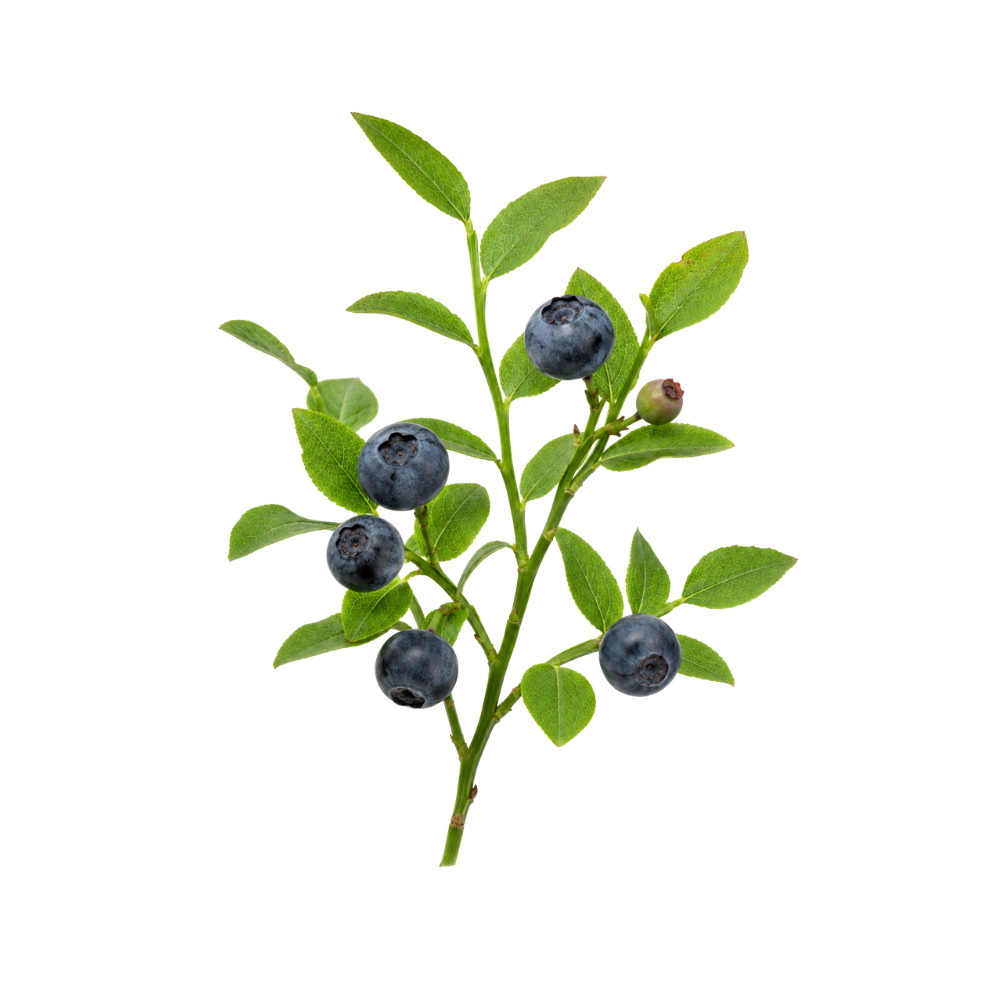 Principal source Bilberry Vaccinium myrtillus Herb monograph →
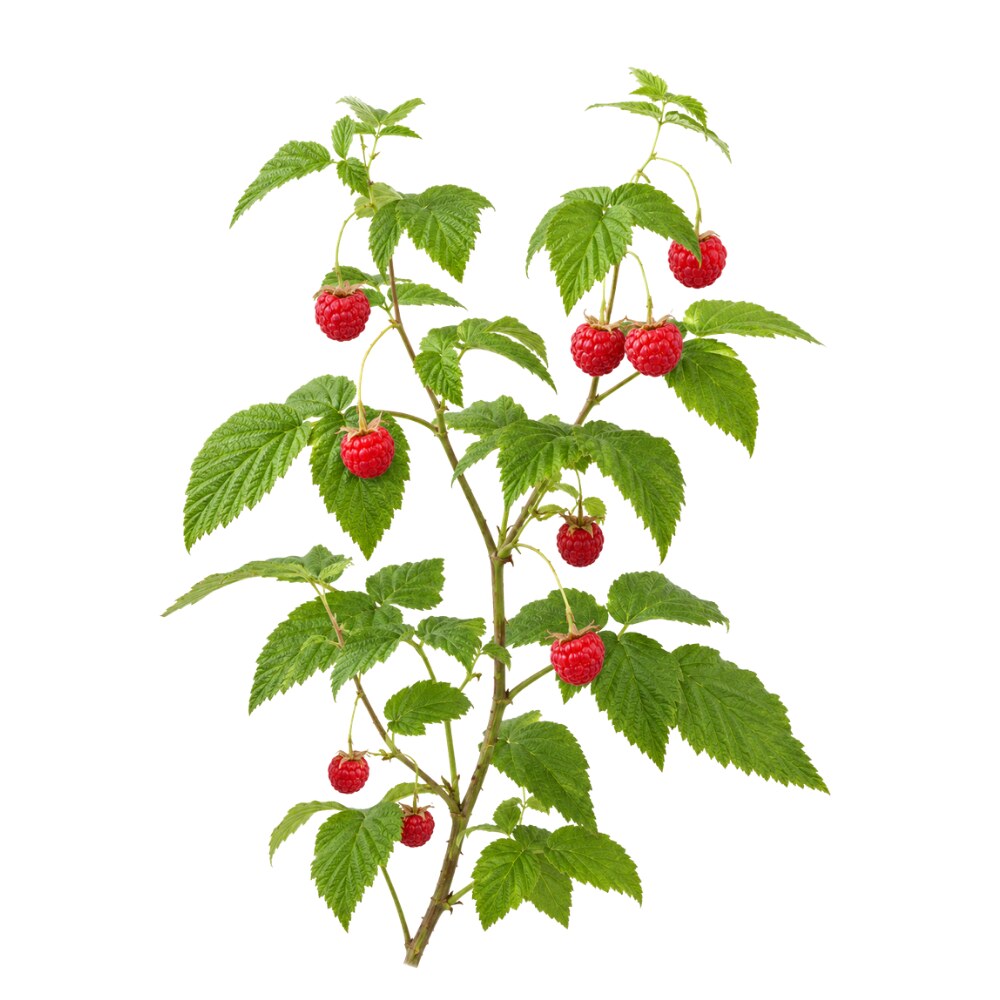 Source Raspberry Leaf Rubus idaeus Herb monograph →
Concentration
Content by Source
Concentrations not reported. No percent-dry-weight or mg/g figures have been published for this compound in its source plants.
Delphinidin at a Glance
Delphinidin is a blue-purple anthocyanidin — one of the six common aglycone pigments behind the colours of berries, flowers and dark vegetables. It is the member of the family whose B-ring carries three free hydroxyl groups (3’, 4’ and 5’), a pyrogallol arrangement that no other common anthocyanidin has 1Reference 1In vitroSuperoxide radical- and peroxynitrite-scavenging activity of anthocyanins; structure-activity relationship and their synergism — in vitroView study →. Every other pigment in the series is either less hydroxylated (cyanidin, pelargonidin) or is delphinidin with one or both of those hydroxyls capped as methyl ethers (petunidin, malvidin).
That single structural fact drives everything else. Those three hydroxyls make delphinidin the strongest radical scavenger in the family — in the one study that purified and ranked all of them side by side, it topped the order against both superoxide and peroxynitrite 1Reference 1In vitroSuperoxide radical- and peroxynitrite-scavenging activity of anthocyanins; structure-activity relationship and their synergism — in vitroView study →. They also make it the least chemically durable, which is why grapes and wine rely on the methylated malvidin for colour that survives storage 10Reference 10ReviewAnthocyanins: factors affecting their stability and degradation — reviewView study →.
In plants and in food, delphinidin is present almost entirely as 3-O-glycosides, not as the free aglycone. It is barely absorbed, unstable at gut and blood pH, and has no human trial of its own — so the pharmacology below is in-vitro and animal work, with the honest human exposure being a few nanomolar of intact pigment and a large amount of downstream phenolic acid 6,
The Most Potent Scavenger in the Series
The comparison worth knowing comes from a study that purified 15 bilberry anthocyanins plus two reference compounds and ranked them against two distinct oxidants — superoxide (O₂⁻) and peroxynitrite (ONOO⁻) — under identical conditions 1Reference 1In vitroSuperoxide radical- and peroxynitrite-scavenging activity of anthocyanins; structure-activity relationship and their synergism — in vitroView study →. Two orders came out of it, and they are not quite the same:
| Radical | Potency order (most → least) |
|---|---|
| Superoxide (O₂⁻) | delphinidin > petunidin > malvidin ≈ cyanidin > (+)-catechin > peonidin > pelargonidin |
| Peroxynitrite (ONOO⁻) | delphinidin > cyanidin ≈ petunidin > malvidin ≈ (+)-catechin > peonidin > pelargonidin |
Delphinidin leads both. Below it the order shuffles — malvidin, for instance, sits level with cyanidin against superoxide but falls behind it against peroxynitrite — so “more free hydroxyls means more antioxidant activity” is a good rule of thumb rather than a strict ladder 1Reference 1In vitroSuperoxide radical- and peroxynitrite-scavenging activity of anthocyanins; structure-activity relationship and their synergism — in vitroView study →.
Two further findings from the same work matter more than the ranking itself:
- The aglycone decides, not the sugar. Both the aglycone structure and the attached sugar affected scavenging, but the sugar’s contribution was the smaller of the two 1Reference 1In vitroSuperoxide radical- and peroxynitrite-scavenging activity of anthocyanins; structure-activity relationship and their synergism — in vitroView study →. A delphinidin glycoside is, for these purposes, mostly delphinidin — which is why the aglycone is a meaningful unit to talk about even though it is never what you eat.
- It is the 4’-hydroxyl that counts. Methylating the 4’-OH markedly reduced activity 1Reference 1In vitroSuperoxide radical- and peroxynitrite-scavenging activity of anthocyanins; structure-activity relationship and their synergism — in vitroView study →. That explains why petunidin (3’-O-methyl, 4’-OH intact) stays near the top of the order while pelargonidin, which has only the 4’-hydroxyl and nothing else, sits at the bottom of it.
The corollary is the same trade-off that runs through the whole family: the free hydroxyls that make delphinidin the best scavenger are also the reactive handles that drive its degradation, so it is simultaneously the most active and the least stable of the six 10Reference 10ReviewAnthocyanins: factors affecting their stability and degradation — reviewView study →.
Why the Mixture Beats the Molecule
The same study tested the anthocyanins as a mixture as well as individually, and found synergism in both superoxide and peroxynitrite scavenging — the combined pigments did more than their separate activities predicted 1Reference 1In vitroSuperoxide radical- and peroxynitrite-scavenging activity of anthocyanins; structure-activity relationship and their synergism — in vitroView study →. Berries do not contain one anthocyanin; bilberry alone carries delphinidin, cyanidin, petunidin, peonidin and malvidin, each as several glycosides. On this evidence the natural assortment is not a dilution of the best pigment but part of why the fraction works at all.
A related result points the same way. The 4’-O-methyl delphinidin 3-glucoside that forms as the major metabolite of the delphinidin glycoside was tested alongside the parents and retained scavenging activity 1Reference 1In vitroSuperoxide radical- and peroxynitrite-scavenging activity of anthocyanins; structure-activity relationship and their synergism — in vitroView study → — so the conversion the body performs does not simply switch the molecule off.
Neither finding is a human outcome. Both are cell-free chemistry, and they say something narrower than the marketing does: they explain why isolating “the most potent anthocyanidin” out of a berry is not obviously an improvement on the berry.
What It's Used For
Delphinidin has more isolated-molecule pharmacology than most anthocyanidins — kinase inhibition and anti-angiogenic work used the pure aglycone at micromolar concentrations — and none of it has been carried into a human trial. Read every row below as mechanism, and note the concentrations against the nanomolar exposures the Pharmacokinetics section describes.
Delphinidin’s pyrogallol B-ring — three adjacent free hydroxyls — makes it the most willing hydrogen-atom and electron donor of the common anthocyanidins. Against purified bilberry pigments assayed side by side it ranked first against both superoxide and peroxynitrite, ahead of petunidin, cyanidin, malvidin, (+)-catechin, peonidin and pelargonidin 1Reference 1In vitroSuperoxide radical- and peroxynitrite-scavenging activity of anthocyanins; structure-activity relationship and their synergism — in vitroView study →.
An independent comparison of anthocyanins and their aglycones found the same direction — antioxidant activity rising with the number of free B-ring hydroxyls, and aglycones out-scavenging their own glycosides 2Reference 2In vitroAntioxidant activity of anthocyanins and their aglycons — in vitroView study →.
Gap: cell-free assays. No antioxidant benefit has been shown in humans for isolated delphinidin, and the molecule barely reaches tissue intact 6,
Delphinidin potently inhibited VEGF-stimulated proliferation and migration of human umbilical vein endothelial cells, and flow cytometry located the block at the G₀/G₁ checkpoint: it reversed the VEGF-driven fall in the cyclin-dependent-kinase inhibitor p27^kip1^ and the rise in cyclins D1 and A that the G₁→S transition requires. It also suppressed new vessel formation in the chick chorioallantoic membrane 4Reference 4In vitroInvolvement of cyclin-dependent pathway in the inhibitory effect of delphinidin on angiogenesis — in vitro and chick chorioallantoic membraneView study →.
Gap: isolated aglycone at experimental concentrations in cells and an avian embryo model — a coherent mechanism, not evidence of an anti-angiogenic effect from eating berries 4Reference 4In vitroInvolvement of cyclin-dependent pathway in the inhibitory effect of delphinidin on angiogenesis — in vitro and chick chorioallantoic membraneView study →.
In non-small-cell lung-cancer lines overexpressing both receptors, delphinidin at 5–60 µM inhibited EGFR and VEGFR2, blocked PI3K activation and AKT/MAPK phosphorylation, and produced the standard apoptotic signature — PARP cleavage, caspase-3 and -9 activation, Bcl-2/Bcl-xL/Mcl-1 down and Bax/Bak up. Growth of normal human bronchial epithelial cells was not significantly affected. In nude mice implanted with the same cells, treatment reduced proliferation and angiogenesis markers and induced apoptosis 5Reference 5In vitroDelphinidin reduces cell proliferation and induces apoptosis of non-small-cell lung cancer cells by targeting EGFR/VEGFR2 signaling pathways — in vitro and mouse xenograftView study →.
Gap: cell and xenograft work at concentrations far above achievable plasma levels; no human oncology data exist for delphinidin, alone or as an adjuvant 5,
Anthocyanins and anthocyanin-rich extracts show anti-carcinogenic activity across cell and animal tumour models, in a literature that itself notes the poor translation to human epidemiology 13Reference 13ReviewAnthocyanins and their role in cancer prevention — reviewView study →. Delphinidin is one pigment inside those mixtures.
Gap: mixtures and extracts, not the isolate, with no confirmed human efficacy attributable to this pigment 13Reference 13ReviewAnthocyanins and their role in cancer prevention — reviewView study →.
Mechanisms
| Target / pathway | Effect | Relevant to |
|---|---|---|
| Pyrogallol B-ring (3’,4’,5’-OH) — H-atom/electron donation | direct scavenging of superoxide and peroxynitrite; first in the series on both 1Reference 1In vitroSuperoxide radical- and peroxynitrite-scavenging activity of anthocyanins; structure-activity relationship and their synergism — in vitroView study → | antioxidant |
| 4’-hydroxyl specifically | its methylation markedly lowers scavenging activity 1Reference 1In vitroSuperoxide radical- and peroxynitrite-scavenging activity of anthocyanins; structure-activity relationship and their synergism — in vitroView study → | structure–activity |
| VEGF → p27^kip1^ / cyclin D1 / cyclin A | endothelial cell cycle arrested in G₀/G₁; neovascularisation suppressed 4Reference 4In vitroInvolvement of cyclin-dependent pathway in the inhibitory effect of delphinidin on angiogenesis — in vitro and chick chorioallantoic membraneView study → | angiogenesis |
| EGFR and VEGFR2 kinase activity | dual inhibition → PI3K/AKT and MAPK signalling shut down 5Reference 5In vitroDelphinidin reduces cell proliferation and induces apoptosis of non-small-cell lung cancer cells by targeting EGFR/VEGFR2 signaling pathways — in vitro and mouse xenograftView study → | anticancer |
| Intrinsic apoptosis (caspase-3/-9, Bcl-2 family) | pro-apoptotic shift in tumour cells 5Reference 5In vitroDelphinidin reduces cell proliferation and induces apoptosis of non-small-cell lung cancer cells by targeting EGFR/VEGFR2 signaling pathways — in vitro and mouse xenograftView study → | anticancer |
Every row is the isolated aglycone in vitro or in a rodent/avian model; none has been tested in a person.
Pharmacokinetics
Delphinidin carries the family’s defining liability in its most acute form, because the same three hydroxyls that make it the best scavenger make it the least stable pigment of the six 10Reference 10ReviewAnthocyanins: factors affecting their stability and degradation — reviewView study →. Intact anthocyanins circulate at nanomolar concentrations in humans, with exposure dominated by downstream phenolic acids rather than the parent pigments 8,
The bilberry-specific human work fills in where the losses happen. Feeding bilberry anthocyanins to healthy volunteers and to ileostomists — people without a colon — showed that about 30% of ingested anthocyanins survived the 8-hour passage through the upper intestine, only ~20% degradants formed there, and mostly intact anthocyanins were absorbed from the small intestine. Circulating anthocyanins appeared chiefly as glucuronides, and subjects with an intact gut carried substantially more anthocyanins and degradants than the ileostomists — making the colon a significant absorption site, not merely a place where pigments are destroyed 6Reference 6Clinical trialHuman intervention study to investigate the intestinal accessibility and bioavailability of anthocyanins from bilberries — human volunteersView study →. A follow-up in the same groups found that whey-protein encapsulation modulated short-term bioavailability while citrus-pectin encapsulation raised small-intestinal accessibility and altered plasma formation of the degradant phloroglucinol aldehyde 7Reference 7Clinical trialEncapsulation of anthocyanins from bilberries — effects on bioavailability and intestinal accessibility in humans — clinical trialView study →.
The free delphinidin aglycone barely exists as such in plasma: above about pH 4 the coloured flavylium cation opens to colourless carbinol and chalcone forms 10Reference 10ReviewAnthocyanins: factors affecting their stability and degradation — reviewView study →. Its trihydroxylated B-ring degrades to gallic acid-type fragments, the pyrogallol counterpart of the protocatechuic acid that cyanidin yields and the syringic acid that malvidin yields 9Reference 9Clinical trialMetabolism of berry anthocyanins to phenolic acids in humans — human studyView study →. Much of what is attributed to “delphinidin” in a living body may belong to those acids.
Clinical Trials
There are no clinical trials of isolated delphinidin; its instability makes one impractical. The human data that touch it are anthocyanin pharmacokinetic studies 6,
| Completed | Planned | Terminated | Preclinical |
|---|---|---|---|
| —(isolate); mixture/PK only | — | — | Moderate |
Last checked: September 2026.
Isolate vs. Plant Studies
The split here is unusually clean, and it runs the wrong way for the molecule. All of delphinidin’s own pharmacology is isolate work — purified aglycone in endothelial and tumour cells, and in a chick membrane and a mouse xenograft 4,
Delphinidin is a named constituent of bilberry and raspberry leaf, and of pomegranate, roselle, saskatoon berry, black huckleberry and salal — in every case as its glycosides, inside a mixed pigment fraction, and usually alongside cyanidin. A herb’s “delphinidin content” is a statement about that fraction, not about a molecule anyone has dosed.
Prevalence in Nature
Delphinidin is one of the most widespread of the six common anthocyanidins, occurring across berries, dark vegetables, flowers and wine — always as 3-O-glycosides ranging from glucosides to galactosides and arabinosides, rather than as the free aglycone 3Reference 3ReviewChemistry and Pharmacological Actions of Delphinidin, a Dietary Purple Pigment in Anthocyanidin and Anthocyanin Forms — reviewView study →. It is the pigment that makes flowers blue, and it takes its name from the larkspur genus Delphinium.
In Vaccinium myrtillus (bilberry) the major anthocyanins are malvidin and delphinidin glycoside derivatives 12Reference 12Extracts from Vaccinium myrtillus L. fruits as a source of natural colorants: chemical characterization and incorporation in yogurtsView study →. A study tracking wild bilberry and cultivated highbush blueberry (V. corymbosum) along a 650-metre altitudinal gradient in the Alps found bilberry’s anthocyanin accumulation rising with altitude, and that the rise was driven specifically by delphinidin and malvidin glycosides — cyanidin and peonidin glycosides did not respond, while the cultivated blueberry tracked seasonal temperature instead 11Reference 11Anthocyanin profile in berries of wild and cultivated Vaccinium spp. along altitudinal gradients in the AlpsView study →. Two practical points follow: a bilberry pigment profile is not interchangeable with a cultivated-blueberry one, and delphinidin is the fraction that moves most with where the fruit grew.
Major Natural Sources
| Source (botanical) | Part | Form present | Notes |
|---|---|---|---|
| Bilberry (Vaccinium myrtillus) | Fruit | Delphinidin-3-glucoside, -galactoside, -arabinoside | One of the two dominant pigment groups; responds strongly to growing altitude 11, |
| Blackcurrant (Ribes nigrum) | Fruit | Delphinidin-3-rutinoside / -3-glucoside | A classic delphinidin-led berry 3Reference 3ReviewChemistry and Pharmacological Actions of Delphinidin, a Dietary Purple Pigment in Anthocyanidin and Anthocyanin Forms — reviewView study → |
| Pomegranate (Punica granatum) | Aril / juice | Delphinidin-3-glucoside, -3,5-diglucoside | Contributes the deeper red-purple tones 3Reference 3ReviewChemistry and Pharmacological Actions of Delphinidin, a Dietary Purple Pigment in Anthocyanidin and Anthocyanin Forms — reviewView study → |
| Roselle (Hibiscus sabdariffa) | Calyx | Delphinidin-3-sambubioside | The pigment of hibiscus infusions 3Reference 3ReviewChemistry and Pharmacological Actions of Delphinidin, a Dietary Purple Pigment in Anthocyanidin and Anthocyanin Forms — reviewView study → |
| Eggplant (Solanum melongena) | Skin | Nasunin (delphinidin-3-(p-coumaroylrutinoside)-5-glucoside) | The acylated delphinidin behind aubergine purple 3Reference 3ReviewChemistry and Pharmacological Actions of Delphinidin, a Dietary Purple Pigment in Anthocyanidin and Anthocyanin Forms — reviewView study → |
| Delphinium / larkspur, violets | Flower | Delphinidin-based anthocyanins | Namesake source; the family’s blue pigments 3Reference 3ReviewChemistry and Pharmacological Actions of Delphinidin, a Dietary Purple Pigment in Anthocyanidin and Anthocyanin Forms — reviewView study → |
Same-unit quantitative figures for delphinidin across these sources are not consistently reported, so no comparative chart is drawn; the holes are tracked in this compound’s gaps note.
Discovery & Synthesis
Delphinidin is one of the six long-recognised common anthocyanidins established by the classical plant-pigment chemistry of the early twentieth century, and it is named for Delphinium, the larkspur genus whose blue flowers it colours. A precise first isolation — worker and date — is not cleanly documented in the accessible literature. It is handled and sold for research as the stable delphinidin chloride salt.
There is no commercial manufacture of the free aglycone. Delphinidin reaches people entirely as its glycosides inside foods and berry extracts; the aglycone’s instability rules it out as a standalone ingredient, and the reviewed chemistry of the molecule treats extraction, isolation and characterisation as analytical problems rather than production routes 3Reference 3ReviewChemistry and Pharmacological Actions of Delphinidin, a Dietary Purple Pigment in Anthocyanidin and Anthocyanin Forms — reviewView study →. Where a pure sample is needed, it is prepared by acid hydrolysis of a delphinidin glycoside rather than built from scratch.
Patents: not yet researched (future patent-loop pass).
Toxicity & Safety
Delphinidin and its glycosides are ordinary dietary pigments, eaten routinely in berries, pomegranate, eggplant skin, hibiscus infusions and red wine, with no significant toxicity at food levels. Anthocyanin and berry-extract supplements are well tolerated in trials at intakes well above dietary levels, and the delphinidin-specific preclinical work is notable for sparing normal cells: at concentrations that killed lung-tumour cells, normal human bronchial epithelial cells were not significantly affected 5Reference 5In vitroDelphinidin reduces cell proliferation and induces apoptosis of non-small-cell lung cancer cells by targeting EGFR/VEGFR2 signaling pathways — in vitro and mouse xenograftView study →.
- A routine food pigment. Present across common fruits and vegetables with no toxicity signal at dietary intake; berry and anthocyanin supplements are well tolerated above that.
- Not a characterised standalone supplement. The free aglycone is the least stable of the six anthocyanidins and is not sold or dosed on its own — safety data are class-level, not delphinidin-specific.
- No isolate human dataset. Drug interactions and reproductive or developmental effects of the pure molecule have not been assessed; poor systemic bioavailability limits, but does not establish, systemic safety.
There are no established drug interactions for isolated delphinidin. The anti-angiogenic and kinase-inhibitory activity seen in cell culture 4,
Dosage
There is no established dose for isolated delphinidin — it is not used as a standalone supplement and is chemically unstable. For research context only, and not a recommendation: human exposure is dietary, as delphinidin glycosides within anthocyanin-rich foods, against a typical Western intake on the order of ~200 mg/day of total anthocyanins 13Reference 13ReviewAnthocyanins and their role in cancer prevention — reviewView study →; the preclinical work that defines its pharmacology used 5–60 µM in cell culture 5Reference 5In vitroDelphinidin reduces cell proliferation and induces apoptosis of non-small-cell lung cancer cells by targeting EGFR/VEGFR2 signaling pathways — in vitro and mouse xenograftView study →, concentrations far above the nanomolar plasma levels intact anthocyanins reach in people 8,
References
- Rahman MM, Ichiyanagi T, Komiyama T, et al. (2006). Superoxide radical- and peroxynitrite-scavenging activity of anthocyanins; structure-activity relationship and their synergism — in vitro. Free Radic Res. https://pubmed.ncbi.nlm.nih.gov/17015281/
- Kähkönen MP, Heinonen M (2003). Antioxidant activity of anthocyanins and their aglycons — in vitro. J Agric Food Chem. https://pubmed.ncbi.nlm.nih.gov/12537433/
- Husain A, Chanana H, Khan SA, et al. (2022). Chemistry and Pharmacological Actions of Delphinidin, a Dietary Purple Pigment in Anthocyanidin and Anthocyanin Forms — review. Front Nutr. https://pubmed.ncbi.nlm.nih.gov/35369062/
- Favot L, Martin S, Keravis T, et al. (2003). Involvement of cyclin-dependent pathway in the inhibitory effect of delphinidin on angiogenesis — in vitro and chick chorioallantoic membrane. Cardiovasc Res. https://pubmed.ncbi.nlm.nih.gov/12909331/
- Pal HC, Sharma S, Strickland LR, et al. (2013). Delphinidin reduces cell proliferation and induces apoptosis of non-small-cell lung cancer cells by targeting EGFR/VEGFR2 signaling pathways — in vitro and mouse xenograft. PLoS One. https://pubmed.ncbi.nlm.nih.gov/24124611/
- Mueller D, Jung K, Winter M, et al. (2017). Human intervention study to investigate the intestinal accessibility and bioavailability of anthocyanins from bilberries — human volunteers. Food Chem. https://pubmed.ncbi.nlm.nih.gov/28450007/
- Mueller D, Jung K, Winter M, et al. (2018). Encapsulation of anthocyanins from bilberries — effects on bioavailability and intestinal accessibility in humans — clinical trial. Food Chem. https://pubmed.ncbi.nlm.nih.gov/29329847/
- de Ferrars RM, Czank C, Zhang Q, et al. (2014). The pharmacokinetics of anthocyanins and their metabolites in humans — clinical trial. Br J Pharmacol. https://pubmed.ncbi.nlm.nih.gov/24602005/
- Nurmi T, Mursu J, Heinonen M, et al. (2009). Metabolism of berry anthocyanins to phenolic acids in humans — human study. J Agric Food Chem. https://pubmed.ncbi.nlm.nih.gov/19231863/
- Enaru B, Drețcanu G, Pop TD, et al. (2021). Anthocyanins: factors affecting their stability and degradation — review. Antioxidants (Basel). https://pubmed.ncbi.nlm.nih.gov/34943070/
- Zoratti L, Jaakola L, Häggman H, et al. (2015). Anthocyanin profile in berries of wild and cultivated Vaccinium spp. along altitudinal gradients in the Alps. J Agric Food Chem. https://pubmed.ncbi.nlm.nih.gov/26373665/
- Pires TCSP, Dias MI, Carocho M, et al. (2020). Extracts from Vaccinium myrtillus L. fruits as a source of natural colorants: chemical characterization and incorporation in yogurts. Food Funct. https://pubmed.ncbi.nlm.nih.gov/32215405/
- Wang LS, Stoner GD (2008). Anthocyanins and their role in cancer prevention — review. Cancer Lett. https://pubmed.ncbi.nlm.nih.gov/18571839/
- Czank C, Cassidy A, Zhang Q, et al. (2013). Human metabolism and elimination of the anthocyanin cyanidin-3-glucoside: a ¹³C-tracer study — human study. Am J Clin Nutr. https://pubmed.ncbi.nlm.nih.gov/23604435/



