
Materia Medica
Bilberry
Vaccinium myrtillus
Bilberry is a dwarf shrub of northern heaths and forests whose blue-black berries are rich in anthocyanins. The dried fruit is a traditional remedy for diarrhoea, and fruit extracts are used for eye fatigue and leg circulation.
What Is Bilberry?
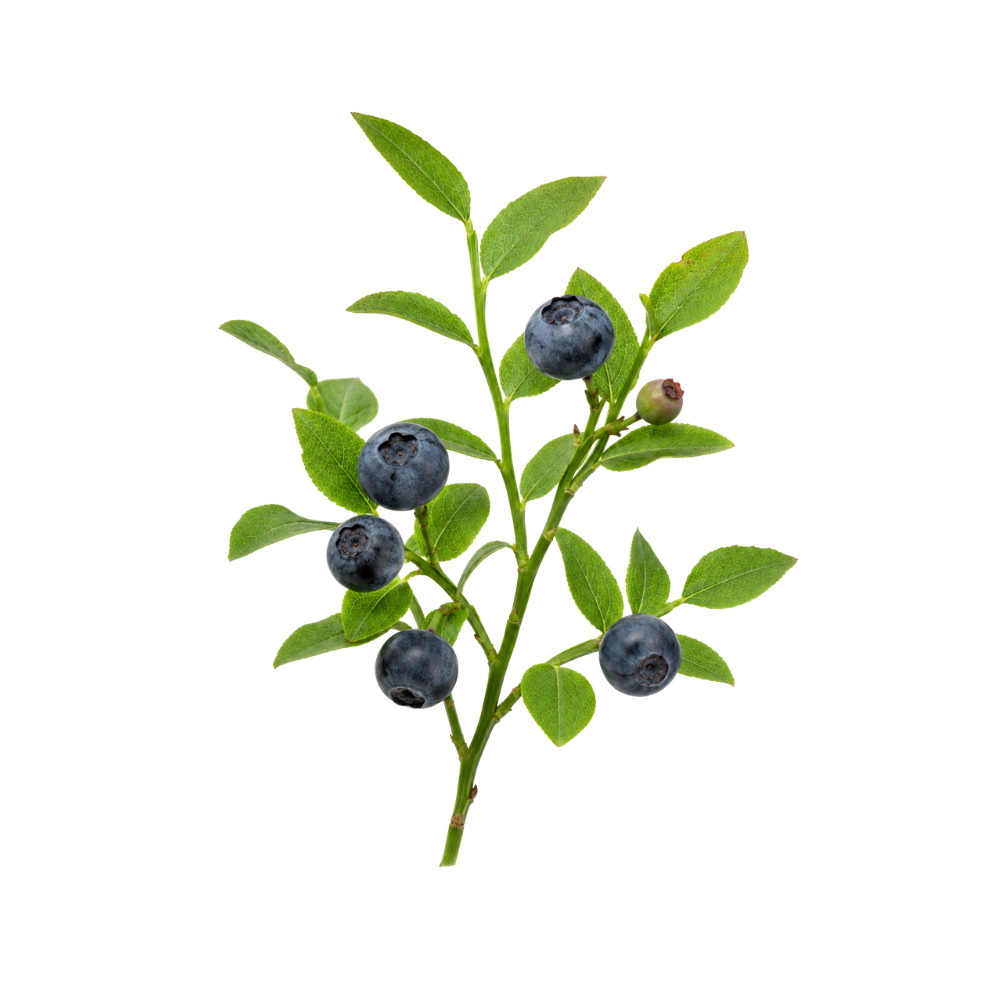
Bilberry (Vaccinium myrtillus) is a dwarf shrub of northern heaths and conifer forests, valued for its small blue-black berries. It is a close relative of the cultivated blueberry, and the berries are eaten in quantity across northern Europe.
The plant grows across Europe and northern Asia, with outlying populations in Greenland and western North America 39,
The berries are rich in anthocyanins, the blue-red pigments behind most of their studied activity. In bilberry these are mainly delphinidin and cyanidin glycosides, while cultivated blueberry is dominated by malvidin glycosides 38Reference 38ReviewAssessment report on Vaccinium myrtillus L., fructus recens and Vaccinium myrtillus L., fructus siccus — regulatory reviewView study →. Human trials have looked at eye fatigue, blood sugar, blood lipids and ulcerative colitis, with mixed results 2,
A Second World War story holds that British pilots ate bilberry jam before night flights to improve their night vision 38Reference 38ReviewAssessment report on Vaccinium myrtillus L., fructus recens and Vaccinium myrtillus L., fructus siccus — regulatory reviewView study →. Placebo-controlled trials have not supported the claim 1Reference 1Systematic reviewAnthocyanosides of Vaccinium myrtillus (bilberry) for night vision — a systematic review of placebo-controlled trials — systematic reviewView study →.
How Is Bilberry Used?
- Fresh fruit — eaten as food, and made into a dry extract standardised to 36% anthocyanosides (25% anthocyanidins). This extract is the form used in most research and in European traditional-use products for the legs and capillaries 36Reference 36ReviewEuropean Union herbal monograph on Vaccinium myrtillus L., fructus recens (fresh bilberry fruit) — regulatory monographView study →.
- Dried fruit — simmered as a decoction and drunk for mild diarrhoea, or used as a rinse for minor inflammation of the mouth 37Reference 37ReviewEuropean Union herbal monograph on Vaccinium myrtillus L., fructus siccus (dried bilberry fruit) — regulatory monographView study →.
- Leaf — taken as an infusion in European folk medicine for diabetes 28,
33Reference 28AnimalNovel lipid-lowering properties of Vaccinium myrtillus L. leaves, a traditional antidiabetic treatment, in rat dyslipidaemia — animal modelView study →Reference 33Systematic reviewAn updated systematic review of Vaccinium myrtillus leaves: phytochemistry and pharmacology — systematic reviewView study → .
Traditional Uses
European Folk Medicine
The dried, ripe fruit is the traditional remedy. It is taken as a decoction for diarrhoea and used as a gargle and mouthwash for mild inflammation of the mouth and throat 38Reference 38ReviewAssessment report on Vaccinium myrtillus L., fructus recens and Vaccinium myrtillus L., fructus siccus — regulatory reviewView study →.
The dried fruit contains at least 1% tannins. Their astringent action is the accepted basis for both uses, which the European Medicines Agency recognises as traditional herbal medicine 37,
Fresh-fruit preparations are used for heavy, uncomfortable legs caused by minor venous circulation problems and for fragile skin capillaries 36Reference 36ReviewEuropean Union herbal monograph on Vaccinium myrtillus L., fructus recens (fresh bilberry fruit) — regulatory monographView study →.
Older herbal handbooks also list the dried fruit for dysentery, haemorrhoids, gastrointestinal inflammation, mouth infections, scurvy and urinary complaints 38Reference 38ReviewAssessment report on Vaccinium myrtillus L., fructus recens and Vaccinium myrtillus L., fructus siccus — regulatory reviewView study →.
Across its range the berry is a food first. It is gathered in quantity for preserves, pies and cordials.
European Folk Medicine: the Leaf
Bilberry leaf has its own tradition. Infusions of the leaf have been used for centuries in several European countries as a folk treatment for diabetes 28,
In the same tradition, the leaf’s value for diabetes has been linked to its chromium content 33Reference 33Systematic reviewAn updated systematic review of Vaccinium myrtillus leaves: phytochemistry and pharmacology — systematic reviewView study →.
Indications
- Mild diarrhoea [dried fruit; EU traditional use]
- Minor inflammation of the mouth and throat [dried fruit, as a rinse; EU traditional use]
- Heavy, uncomfortable legs from minor venous circulation problems [fresh-fruit extract; EU traditional use]
- Fragile skin capillaries [fresh-fruit extract; EU traditional use]
- Dysentery and gastrointestinal inflammation [dried fruit; traditional European use]
- Haemorrhoids [dried fruit; traditional European use]
- Urinary complaints [dried fruit; traditional European use]
- Diabetes [leaf; traditional European folk use]
- Eye fatigue from screen work [fruit extract]
- Night vision [fruit extract] Caution: The four most recent placebo-controlled trials in people with normal eyesight were all negative 1.
- Ulcerative colitis [fruit anthocyanin extract] Caution: The one placebo-controlled trial stopped early and missed its main endpoint, although faecal calprotectin fell on the extract 6.
- Blood sugar control [fruit extract] Caution: A 2025 meta-analysis found no significant fall in fasting glucose and only a borderline fall in HbA1c 2.
Botany
Bilberry is a deciduous dwarf shrub in the heath family (Ericaceae) 39,
Its twigs are green and sharply three-angled 39,
The flowers hang singly from the leaf axils 40Reference 40Fang, M. Y., et al. (n.d.). Vaccinium myrtillus Linnaeus — species description and distribution — flora. In Flora of China, Vol. 14 (Ericaceae). http://www.efloras.org/florataxon.aspx?flora_id=2&taxon_id=200016692View study →. Each is a small, rounded urn 3–6 mm long, pink, cream or greenish white 39,
The berries are blue-black with a waxy bloom and measure 6–10 mm across 39,
The genus Vaccinium also contains the cultivated blueberries, lingonberry and cranberry, and common names cross between them freely. Anthocyanin profiles differ between species: bilberry is dominated by delphinidin and cyanidin glycosides, and highbush blueberry (V. corymbosum) by malvidin glycosides 38Reference 38ReviewAssessment report on Vaccinium myrtillus L., fructus recens and Vaccinium myrtillus L., fructus siccus — regulatory reviewView study →.
Distribution
Bilberry grows across the temperate and arctic regions of Europe and northern Asia, from lowlands to above the tree line 38Reference 38ReviewAssessment report on Vaccinium myrtillus L., fructus recens and Vaccinium myrtillus L., fructus siccus — regulatory reviewView study →. It reaches Xinjiang, Mongolia and Russia in Asia, and Japan in the east 39,
It grows on strongly acidic soil in heaths, moors and boggy ground, and in pine, spruce, larch, beech, birch and oak woods 38,
The berries sold in Europe are extensively wild-harvested from natural stands 39Reference 39Vander Kloet, S. P. (n.d.). Vaccinium myrtillus Linnaeus — species description, habitat and distribution — flora. In Flora of North America Editorial Committee (eds.), Flora of North America North of Mexico, Vol. 8 (Ericaceae). http://www.efloras.org/florataxon.aspx?flora_id=1&taxon_id=200016692View study →. In North America, the small plant and small fruit have made commercial production difficult 39Reference 39Vander Kloet, S. P. (n.d.). Vaccinium myrtillus Linnaeus — species description, habitat and distribution — flora. In Flora of North America Editorial Committee (eds.), Flora of North America North of Mexico, Vol. 8 (Ericaceae). http://www.efloras.org/florataxon.aspx?flora_id=1&taxon_id=200016692View study →.
Bilberry extract is also a frequently adulterated ingredient. In one Italian survey, about half of 14 commercial extracts differed from genuine bilberry, mainly through added mulberry and chokeberry extracts 41Reference 41Bilberry adulteration: identification and chemical profiling of anthocyanins by different analytical methods — analyticalView study →. Another extract met its claimed 25% anthocyanin content only because it contained amaranth, a synthetic red food dye 42Reference 42Bilberry adulteration using the food dye amaranth — analyticalView study →.
When buying extracts, it is worth choosing a supplier that confirms identity by HPLC fingerprinting rather than by a single pigment measurement 41,
Growing Conditions
Cultivation snapshot for Bilberry
Soilacid and infertile — peaty and podzolic soils at pH 4–5.5, on heath, moorland, bog margin and in the understorey of pine, spruce and birch forest.
- Cool summers and part shade suit it; it will not perform on limy or fertile soil.
- Spreads slowly into extensive low mats from a creeping underground rhizome.
Grow it yourself
Farm Wiki is our cultivation-focused sister site, also run by Justin Cooke.
Phytochemistry
The ripe fruit is rich in anthocyanins: glycosides of delphinidin, cyanidin, petunidin, malvidin and peonidin 15,
The dried fruit also carries proanthocyanidins and other tannins, at a pharmacopoeial minimum of 1.0% 38Reference 38ReviewAssessment report on Vaccinium myrtillus L., fructus recens and Vaccinium myrtillus L., fructus siccus — regulatory reviewView study →. Proanthocyanidin content falls as the fruit ripens 38Reference 38ReviewAssessment report on Vaccinium myrtillus L., fructus recens and Vaccinium myrtillus L., fructus siccus — regulatory reviewView study →. Quercetin, catechin and trace resveratrol are minor constituents.
In a study of 15 purified bilberry anthocyanins, the aglycone set their antioxidant strength. Delphinidin glycosides were the most potent and peonidin glycosides among the weakest, and methylation of the 4′-hydroxyl markedly reduced activity 15Reference 15In vitroSuperoxide radical- and peroxynitrite-scavenging activity of anthocyanins; structure-activity relationship and their synergism — in vitroView study →.
The leaf has a different chemistry. It is low in anthocyanins and dominated by caffeic acid derivatives such as chlorogenic acid, and its phenolic content changes markedly with season 33,
Constituent Summary
Figures are for the fruit unless stated; † marks glycosides listed by their aglycone.
Anthocyanin6 compounds3 with data
Flavanol2 compounds1 with data
Flavonoid1 compoundno data
Phenolic Acid1 compound1 with data
Stilbene1 compound1 with data
Pharmacology & Research
The bilberry literature is large and mostly preclinical. Most of it is cell and animal work on the fruit anthocyanins, with a smaller set of human trials and one recent meta-analysis 2,
The longest-running line of work is the anthocyanoside pharmacology of capillaries and small blood vessels 8,
Human trials have tested eye fatigue, cardiometabolic markers and ulcerative colitis 2,
-
Best-supported: anthocyanin free-radical and peroxynitrite scavenging 15Reference 15In vitroSuperoxide radical- and peroxynitrite-scavenging activity of anthocyanins; structure-activity relationship and their synergism — in vitroView study →; reduced capillary permeability in animals 8,
9Reference 8AnimalStudies on Vaccinium myrtillus anthocyanosidesView study →Reference 9AnimalStudies on vascular permeability in hypertension: action of anthocyanosides — rat modelView study → ; anti-inflammatory signalling in cell and animal models 7,14Reference 7AnimalBilberries and their anthocyanins ameliorate experimental colitis — mouse modelView study →Reference 14ReviewAnti-inflammatory activity of bilberry (Vaccinium myrtillus L.) — reviewView study → . -
Emerging, worth watching: eye fatigue in screen workers 16,
17Reference 16RCTBilberry extract supplementation for preventing eye fatigue in video display terminal workers — randomised controlled trialView study →Reference 17RCTA 12-week intake of standardised bilberry extract improved objective ciliary-muscle contraction — randomised controlled trialView study → ; a borderline HbA1c fall in a 2025 meta-analysis 2Reference 2Meta-analysisInvestigating the effects of Vaccinium myrtillus supplementation on cardiometabolic indices — systematic review and meta-analysis of randomised controlled trialsView study →; fatty-liver disease via gut-microbiome changes in rodents 22,23Reference 22AnimalBilberry anthocyanins ameliorate NAFLD by improving dyslipidemia and gut-microbiome dysbiosis — mouse modelView study →Reference 23AnimalEuropean bilberry extract ameliorates dietary AGE-induced non-alcoholic steatohepatitis in rats via gut microbiota and its metabolites — rat modelView study → . -
Mechanistically thin: neuroprotection and anticancer activity rest on cell-line and animal work 24,
26Reference 24Systematic reviewAnticancer effects of lingonberry and bilberry on digestive-tract cancers — systematic reviewView study →Reference 26AnimalNeuroprotective effects of Vaccinium myrtillus on damage-related brain injury — rat modelView study → ; the night-vision claim is not supported by rigorous trials 1Reference 1Systematic reviewAnthocyanosides of Vaccinium myrtillus (bilberry) for night vision — a systematic review of placebo-controlled trials — systematic reviewView study →. - The caveat: nearly all clinical data come from standardised 36%-anthocyanoside extracts, not tea or whole fruit, and the fruit and the leaf have different chemistry.
The studied material is almost always a standardised high-anthocyanin extract, not the tea, jam or whole berry. Most clinical work uses a dry fresh-fruit extract standardised to 36% anthocyanosides, the preparation named in the European traditional-use monograph 36Reference 36ReviewEuropean Union herbal monograph on Vaccinium myrtillus L., fructus recens (fresh bilberry fruit) — regulatory monographView study →.
1. Antioxidant
In a structure–activity study of 15 purified bilberry anthocyanins, superoxide scavenging ran in the order delphinidin > petunidin > malvidin ≈ cyanidin > peonidin. The mixture showed synergy between its anthocyanins 15Reference 15In vitroSuperoxide radical- and peroxynitrite-scavenging activity of anthocyanins; structure-activity relationship and their synergism — in vitroView study →.
Total phenolic content and antioxidant activity vary with season and plant part 34Reference 34Seasonal variations of the phenolic constituents in bilberry (Vaccinium myrtillus L.) leaves, stems and fruits, and their antioxidant activity — analytical studyView study →.
In people, anthocyanin bioavailability is low. They reach the circulation mainly as glucuronides, and more degradation products than intact anthocyanins appear in the blood 29Reference 29Clinical trialHuman intervention study to investigate the intestinal accessibility and bioavailability of anthocyanins from bilberries — clinical studyView study →. About 30% of the ingested anthocyanins survived passage through the small intestine, and the colon is a significant site of absorption 29Reference 29Clinical trialHuman intervention study to investigate the intestinal accessibility and bioavailability of anthocyanins from bilberries — clinical studyView study →.
Encapsulating bilberry extract in whey protein changed short-term bioavailability, and citrus-pectin encapsulation raised the amount reaching the end of the small intestine 30Reference 30Clinical trialEncapsulation of anthocyanins from bilberries — effects on bioavailability and intestinal accessibility in humans — clinical studyView study →.
Gap: The measured antioxidant potency belongs to isolated anthocyanins at concentrations the whole fruit does not reach in blood 15,
2. Vasoprotective & Microcirculatory
A standardised anthocyanoside preparation (25% anthocyanidins) reduced chemically induced skin-capillary permeability in rabbits and rats, by mouth and by injection. It was about twice as active as rutin and inhibited carrageenan paw oedema in a dose-dependent way 8Reference 8AnimalStudies on Vaccinium myrtillus anthocyanosidesView study →.
In rats given 12 days of treatment before hypertension was induced, the anthocyanosides kept the blood–brain barrier normal and limited permeability rises in the skin and aortic wall. The authors linked this to interaction with vascular-wall collagen 9Reference 9AnimalStudies on vascular permeability in hypertension: action of anthocyanosides — rat modelView study →.
Injected anthocyanosides promoted arteriolar vasomotion in hamsters 10Reference 10AnimalEffects of Vaccinium myrtillus anthocyanosides on arterial vasomotion — hamster in vivoView study →. An extract added to the diet protected hamster pial microcirculation during hypoperfusion and reperfusion 11Reference 11AnimalThe effects of Vaccinium myrtillus extract on hamster pial microcirculation during hypoperfusion-reperfusion injury — in vivo animal modelView study →.
Human data come from multi-ingredient products. A venotonic formula containing bilberry improved chronic venous insufficiency signs against compression stockings 12Reference 12Clinical trialLinfavenix: improvement of signs and symptoms of chronic venous insufficiency and microangiopathy — controlled clinical studyView study →, and a diosmin, hesperidin, Centella, grape and bilberry compound was studied retrospectively in grade II–III haemorrhoids 13Reference 13Efficacy and safety of a compound of micronized flavonoids with vitamin C and extracts of Centella asiatica, Vaccinium myrtillus and Vitis vinifera in hemorrhoidal disease — retrospective studyView study →.
The European Medicines Agency accepts fresh-fruit extract for minor venous circulatory problems and capillary fragility on the basis of long-standing use 36Reference 36ReviewEuropean Union herbal monograph on Vaccinium myrtillus L., fructus recens (fresh bilberry fruit) — regulatory monographView study →.
Gap: The human venous and capillary data test bilberry only inside combination products, so its standalone effect in people is not measured 12,
3. Anti-Inflammatory
Bilberry anthocyanins suppress inflammatory signalling in cell and animal models, lowering TNF-α, IL-6 and IL-1β and modulating NF-κB and COX 14Reference 14ReviewAnti-inflammatory activity of bilberry (Vaccinium myrtillus L.) — reviewView study →. A review of clinical studies in metabolic disorders reported lower inflammatory markers with bilberry in most of them 14Reference 14ReviewAnti-inflammatory activity of bilberry (Vaccinium myrtillus L.) — reviewView study →.
In dextran-sulfate colitis in mice, dried bilberries and their anthocyanins reduced disease severity and IFN-γ and TNF secretion 7Reference 7AnimalBilberries and their anthocyanins ameliorate experimental colitis — mouse modelView study →. In people, a 2025 meta-analysis found no significant change in hs-CRP or IL-6 2Reference 2Meta-analysisInvestigating the effects of Vaccinium myrtillus supplementation on cardiometabolic indices — systematic review and meta-analysis of randomised controlled trialsView study →.
Gap: The clearest anti-inflammatory results are local to the gut, where anthocyanin concentrations are high. A systemic effect in people has not been shown 2,
4. Glycemic & Lipid
A 2025 meta-analysis of randomised trials (11 trials with 409 participants, 8 of them pooled) found a non-significant fall in fasting glucose. HbA1c fell by a borderline amount across three trials (WMD −1.63%, 95% CI −3.36 to +0.11, p = 0.06) 2Reference 2Meta-analysisInvestigating the effects of Vaccinium myrtillus supplementation on cardiometabolic indices — systematic review and meta-analysis of randomised controlled trialsView study →.
Total cholesterol and triglycerides did not change significantly overall, though triglycerides fell in crossover trials and trials of four weeks or less. LDL cholesterol rose slightly (WMD +0.07 mmol/L) 2Reference 2Meta-analysisInvestigating the effects of Vaccinium myrtillus supplementation on cardiometabolic indices — systematic review and meta-analysis of randomised controlled trialsView study →.
An earlier review of four bilberry-and-blackcurrant trials reported lower HbA1c, at least in Chinese participants, and lower total and LDL cholesterol after four weeks 3Reference 3Systematic reviewEfficacy of bilberry and grape seed extract supplement interventions to improve glucose and cholesterol metabolism and blood pressure in different populations — systematic reviewView study →.
A single 0.47 g dose of extract (36% anthocyanins, about 50 g of fresh berries) lowered the post-load glucose and insulin response in eight men with diet-controlled type 2 diabetes. Incretin hormones did not change, and the authors attributed the effect to slower carbohydrate digestion or absorption 4Reference 4RCTA single supplement of a standardised bilberry (Vaccinium myrtillus L.) extract (36% wet-weight anthocyanins) modifies glycaemic response in individuals with type 2 diabetes — randomised crossover trialView study →.
In people with features of the metabolic syndrome, a bilberry-rich diet raised fasting hippuric acid 3.5-fold, and the rise tracked better fasting glucose 5Reference 5RCTFasting serum hippuric acid is elevated after bilberry consumption and associates with improvement of fasting glucose and insulin secretion in persons at high risk of type 2 diabetes — randomised controlled trialView study →.
The traditional antidiabetic preparation is the leaf. A leaf extract lowered plasma glucose by about 26% and triglycerides by 39% in diabetic rats 28Reference 28AnimalNovel lipid-lowering properties of Vaccinium myrtillus L. leaves, a traditional antidiabetic treatment, in rat dyslipidaemia — animal modelView study →.
Gap: The pooled effect on glucose is not significant, the HbA1c signal is borderline, and the LDL result in the 2025 meta-analysis runs the wrong way 2,
5. Ulcerative Colitis & IBD
A multicentre, randomised, double-blind, placebo-controlled trial tested an anthocyanin-rich bilberry extract in moderate-to-severe ulcerative colitis. It stopped early during the COVID-19 pandemic, randomising 34 of a planned 100 patients 6Reference 6RCTEfficacy and safety of anthocyanin-rich extract in patients with ulcerative colitis — randomised controlled trialView study →.
⚠ The primary endpoint was missed. Clinical response at week 8 was 9 of 18 on the extract and 3 of 8 on placebo (p = 0.278), and the authors reported an unusually high placebo response 6Reference 6RCTEfficacy and safety of anthocyanin-rich extract in patients with ulcerative colitis — randomised controlled trialView study →.
Faecal calprotectin fell on the extract (from 1,049 to 557 μg/g) but not on placebo (p = 0.035). Serious adverse events were rare 6Reference 6RCTEfficacy and safety of anthocyanin-rich extract in patients with ulcerative colitis — randomised controlled trialView study →.
This builds on work in mice, where dried bilberries and their anthocyanins improved acute and chronic DSS colitis 7Reference 7AnimalBilberries and their anthocyanins ameliorate experimental colitis — mouse modelView study →.
Gap: The one controlled trial was underpowered and did not show clinical superiority over placebo, so the effect in ulcerative colitis is not established 6Reference 6RCTEfficacy and safety of anthocyanin-rich extract in patients with ulcerative colitis — randomised controlled trialView study →.
6. Ocular & Retinal
The night-vision claim has been tested directly. A systematic review found 12 placebo-controlled trials; the four most recent were randomised and all negative in people with normal or above-average eyesight 1Reference 1Systematic reviewAnthocyanosides of Vaccinium myrtillus (bilberry) for night vision — a systematic review of placebo-controlled trials — systematic reviewView study →. The same review found no rigorous research in people whose night vision is impaired by eye disease 1Reference 1Systematic reviewAnthocyanosides of Vaccinium myrtillus (bilberry) for night vision — a systematic review of placebo-controlled trials — systematic reviewView study →.
The positive human data address a different outcome, eye fatigue. Extract at 480 mg/day for 8 weeks reduced screen-induced fatigue symptoms and one objective measure in office workers 16Reference 16RCTBilberry extract supplementation for preventing eye fatigue in video display terminal workers — randomised controlled trialView study →. Extract at 240 mg/day for 12 weeks improved ciliary-muscle accommodation after screen work 17Reference 17RCTA 12-week intake of standardised bilberry extract improved objective ciliary-muscle contraction — randomised controlled trialView study →.
Retinal-protection data are preclinical. Extract preserved photoreceptor function in endotoxin-induced uveitis in mice 21Reference 21AnimalVision preservation during retinal inflammation by anthocyanin-rich bilberry extract: cellular and molecular mechanism — mouse modelView study →, and reduced blood–retinal-barrier breakdown and VEGF in diabetic rats 20Reference 20AnimalVaccinium myrtillus extract prevents or delays the onset of diabetes-induced blood-retinal barrier breakdown — rat modelView study →.
Trials in age-related macular degeneration 19Reference 19RCTEffects of Macuprev supplementation in age-related macular degeneration — double-blind randomised studyView study → and presbyopia 18Reference 18RCTStandardised berry extract improves selected visual-function outcomes in presbyopia — randomised controlled crossover trialView study → used multi-ingredient formulas, so they cannot attribute benefit to bilberry.
Gap: Night vision is not supported by rigorous trials 1Reference 1Systematic reviewAnthocyanosides of Vaccinium myrtillus (bilberry) for night vision — a systematic review of placebo-controlled trials — systematic reviewView study →, and the AMD and presbyopia trials test combination products 18,
7. Hepatoprotective
In a Western-diet mouse model of non-alcoholic fatty liver disease, bilberry anthocyanins lowered ALT, AST, LDL cholesterol and liver fat. They also reduced the Firmicutes/Bacteroidetes ratio and increased Akkermansia 22Reference 22AnimalBilberry anthocyanins ameliorate NAFLD by improving dyslipidemia and gut-microbiome dysbiosis — mouse modelView study →.
In rats fed a high-AGE diet for 80 weeks, European bilberry extract reduced steatohepatitis, with more short-chain-fatty-acid-producing bacteria and suppression of the HMGB1/RAGE/NF-κB pathway 23Reference 23AnimalEuropean bilberry extract ameliorates dietary AGE-induced non-alcoholic steatohepatitis in rats via gut microbiota and its metabolites — rat modelView study →.
Gap: No human data exist for any liver endpoint 22,
8. Colorectal Anticancer
A systematic review of Vaccinium berries and digestive-tract cancers found that 21 of 26 studies concerned bilberry and colorectal cancer. Experimental data showed inhibition of intestinal tumour formation and cancer-cell growth, and one uncontrolled human pilot suggested reduced colorectal cell proliferation 24Reference 24Systematic reviewAnticancer effects of lingonberry and bilberry on digestive-tract cancers — systematic reviewView study →.
In azoxymethane-treated rats, an anthocyanin-rich bilberry extract reduced aberrant crypt foci, colonic cell proliferation and COX-2 expression 25Reference 25AnimalAnthocyanin-rich extracts inhibit multiple biomarkers of colon cancer in rats — animal modelView study →.
Anthocyanins and their degradation products persist through the gut, so the colon is exposed to far higher concentrations than the blood 29Reference 29Clinical trialHuman intervention study to investigate the intestinal accessibility and bioavailability of anthocyanins from bilberries — clinical studyView study →.
Gap: Human evidence is limited to one small uncontrolled pilot 24Reference 24Systematic reviewAnticancer effects of lingonberry and bilberry on digestive-tract cancers — systematic reviewView study →.
9. Neuroprotective
In a rat traumatic-brain-injury model, Vaccinium myrtillus anthocyanin lowered brain malondialdehyde and cleaved caspase-3, although tissue damage looked similar to untreated animals 26Reference 26AnimalNeuroprotective effects of Vaccinium myrtillus on damage-related brain injury — rat modelView study →.
In Alzheimer’s-disease mice, a diet with 1% bilberry anthocyanoside prevented cognitive decline. It did not reduce amyloid deposits, which increased, apparently in a less toxic form 27Reference 27In vitroAnthocyanin suppresses the toxicity of Aβ deposits in in vitro and in vivo models of Alzheimer’s disease — animal and cell modelView study →.
Gap: No human data; the effect rests on isolated rodent and cell models 26,
Mechanisms
Bilberry’s anthocyanins are delphinidin- and cyanidin-type glycosides. They scavenge reactive oxygen and nitrogen species, dampen NF-κB-driven cytokine signalling, and have been studied for effects on capillary permeability and vessel-wall collagen 8,
Much of the vascular and retinal work used concentrated anthocyanosides in animals, often by injection. Oral bioavailability is low, and several of the metabolic and colonic effects may act within the gut 29Reference 29Clinical trialHuman intervention study to investigate the intestinal accessibility and bioavailability of anthocyanins from bilberries — clinical studyView study →. The tannins of the dried fruit have a separate, astringent action 38Reference 38ReviewAssessment report on Vaccinium myrtillus L., fructus recens and Vaccinium myrtillus L., fructus siccus — regulatory reviewView study →.
| Mechanism | Drives | Key compounds |
|---|---|---|
| Superoxide and peroxynitrite scavenging | antioxidanthepatoprotectiveretinal protection | delphinidin, cyanidin, petunidin |
| Capillary permeability ↓, vascular-collagen interaction | vasoprotectivemicrocirculatory | anthocyanosides |
| NF-κB ↓, TNF-α / IL-6 / IL-1β ↓, COX modulation | anti-inflammatorycolitishepatoprotective | delphinidin, cyanidin |
| Slower carbohydrate digestion or absorption | post-meal glucose | anthocyanins |
| Gut-microbiome remodelling, short-chain-fatty-acid signalling | hepatoprotective | anthocyanins |
| Mucosal astringency through protein binding | antidiarrhoealmouth rinse | proanthocyanidins |
Clinical Trials
Registered trials cluster around metabolic disease, eye comfort and inflammatory bowel disease. Most are small, several test combination products, and the ulcerative colitis trial stopped early.
| Completed | Planned | Terminated | Preclinical |
|---|---|---|---|
| ~16 | 6 | 2 | ~100+ |
Last checked: August 2026.
Dosage
Research uses standardised fruit extracts, most often at 36% anthocyanosides.
| Indication | Preparation | Dose | Est. dried-herb equivalent | Source |
|---|---|---|---|---|
| Eye fatigue (asthenopia) | Standardised fruit extract | 480 mg/day, 8 weeks | — | 16Reference 16RCTBilberry extract supplementation for preventing eye fatigue in video display terminal workers — randomised controlled trialView study → |
| Ciliary-muscle accommodation | Standardised fruit extract | 240 mg/day, 12 weeks | — | 17Reference 17RCTA 12-week intake of standardised bilberry extract improved objective ciliary-muscle contraction — randomised controlled trialView study → |
| Postprandial glycaemia (type 2 diabetes) | Standardised extract, 36% anthocyanins | 0.47 g, single dose | ≈50 g fresh fruit (author-stated) | 4Reference 4RCTA single supplement of a standardised bilberry (Vaccinium myrtillus L.) extract (36% wet-weight anthocyanins) modifies glycaemic response in individuals with type 2 diabetes — randomised crossover trialView study → |
| Ulcerative colitis | Anthocyanin-rich extract | Per trial protocol, 8 weeks | — | 6Reference 6RCTEfficacy and safety of anthocyanin-rich extract in patients with ulcerative colitis — randomised controlled trialView study → |
| Chronic venous insufficiency | Combination venotonic containing bilberry | Per product | — (not attributable) | 12Reference 12Clinical trialLinfavenix: improvement of signs and symptoms of chronic venous insufficiency and microangiopathy — controlled clinical studyView study → |
Traditional Dosage
| System | Preparation | Dose |
|---|---|---|
| EU traditional use | Dried fruit decoction, oral (mild diarrhoea) | 5–15 g in 250 mL water, 3–4 times daily (15–60 g/day) 37Reference 37ReviewEuropean Union herbal monograph on Vaccinium myrtillus L., fructus siccus (dried bilberry fruit) — regulatory monographView study → |
| EU traditional use | Dried fruit decoction, mouth rinse | 20 g in 200 mL water; rinse several times daily 37Reference 37ReviewEuropean Union herbal monograph on Vaccinium myrtillus L., fructus siccus (dried bilberry fruit) — regulatory monographView study → |
| EU traditional use | Fresh-fruit dry extract, 36% anthocyanosides (legs, capillaries) | 80–180 mg per dose, up to 160–540 mg/day, for 4 weeks 36Reference 36ReviewEuropean Union herbal monograph on Vaccinium myrtillus L., fructus recens (fresh bilberry fruit) — regulatory monographView study → |
| Western herbal | Fresh fruit liquid extract (1:2) | 20–40 mL per week |
Safety & Pregnancy
Ripe bilberry fruit is a food, and both the fruit and its standardised extracts are well tolerated.
- The fruit is a food. The European Medicines Agency lists no known side effects and no reported interactions for dried-fruit or fresh-fruit-extract products 36,
37Reference 36ReviewEuropean Union herbal monograph on Vaccinium myrtillus L., fructus recens (fresh bilberry fruit) — regulatory monographView study →Reference 37ReviewEuropean Union herbal monograph on Vaccinium myrtillus L., fructus siccus (dried bilberry fruit) — regulatory monographView study → . - Dried fruit in pregnancy. The EMA states that dried bilberry fruit can be used during pregnancy and breastfeeding 37Reference 37ReviewEuropean Union herbal monograph on Vaccinium myrtillus L., fructus siccus (dried bilberry fruit) — regulatory monographView study →.
- Well tolerated in trials. Eye-fatigue and colitis trials reported no severe or few serious adverse events 6,
16Reference 6RCTEfficacy and safety of anthocyanin-rich extract in patients with ulcerative colitis — randomised controlled trialView study →Reference 16RCTBilberry extract supplementation for preventing eye fatigue in video display terminal workers — randomised controlled trialView study → . - Antiplatelet drugs. Chronic high doses of concentrated extract with antiplatelet drugs call for monitoring for bleeding 32Reference 32ReviewEffects of bilberry supplementation on metabolic and cardiovascular disease risk — reviewView study →.
- Diabetes medication. Extracts lower post-meal glucose, so combining them with glucose-lowering drugs warrants monitoring 4Reference 4RCTA single supplement of a standardised bilberry (Vaccinium myrtillus L.) extract (36% wet-weight anthocyanins) modifies glycaemic response in individuals with type 2 diabetes — randomised crossover trialView study →.
- Fresh-fruit extract in pregnancy. Not recommended in pregnancy, breastfeeding or under 18, for lack of data 36Reference 36ReviewEuropean Union herbal monograph on Vaccinium myrtillus L., fructus recens (fresh bilberry fruit) — regulatory monographView study →.
- The leaf is not the fruit. Long-term leaf use brings a high tannin intake, and leaves from polluted ground carry more metals than the berries 33,
35Reference 33Systematic reviewAn updated systematic review of Vaccinium myrtillus leaves: phytochemistry and pharmacology — systematic reviewView study →Reference 35Leaves, berries and herbivorous larvae of bilberry Vaccinium myrtillus as sources of metals in food chains at a Cu-Ni smelter site — field studyView study → .
Full Safety Detail
The fruit. Bilberries are eaten in quantity across northern Europe. The European Medicines Agency lists no known undesirable effects and no reported interactions for either the dried fruit or the fresh-fruit extract 36,
Age limits. The EMA does not recommend dried-fruit products under 12 years, or the fresh-fruit extract under 18, for lack of data 36,
When to see a doctor. For leg symptoms, the EMA advises seeing a doctor if there is skin inflammation, thrombophlebitis, hardening under the skin, severe pain, ulcers, sudden swelling of one or both legs, or heart or kidney failure 36Reference 36ReviewEuropean Union herbal monograph on Vaccinium myrtillus L., fructus recens (fresh bilberry fruit) — regulatory monographView study →. Diarrhoea lasting longer than 3 days also needs medical advice 37Reference 37ReviewEuropean Union herbal monograph on Vaccinium myrtillus L., fructus siccus (dried bilberry fruit) — regulatory monographView study →.
Blood thinners and glucose-lowering drugs. Bilberry anthocyanins have antiplatelet activity, so chronic high doses of concentrated extract taken with antiplatelet drugs call for monitoring for bleeding 32Reference 32ReviewEffects of bilberry supplementation on metabolic and cardiovascular disease risk — reviewView study →. Extracts also lower post-meal glucose, which may add to glucose-lowering medication 4Reference 4RCTA single supplement of a standardised bilberry (Vaccinium myrtillus L.) extract (36% wet-weight anthocyanins) modifies glycaemic response in individuals with type 2 diabetes — randomised crossover trialView study →. Neither interaction has been tested directly.
The leaf. Bilberry leaves contain no toxic compounds as such. Their tannins can cause constipation and, with long-term use, reduce the absorption of iron and other nutrients, which matters most for children, the elderly and pregnant women 33Reference 33Systematic reviewAn updated systematic review of Vaccinium myrtillus leaves: phytochemistry and pharmacology — systematic reviewView study →. A leaf extract showed weak mutagenic activity in the Ames test 38Reference 38ReviewAssessment report on Vaccinium myrtillus L., fructus recens and Vaccinium myrtillus L., fructus siccus — regulatory reviewView study →. Near a copper-nickel smelter, bilberry leaves carried higher levels of toxic metals than the berries did 35Reference 35Leaves, berries and herbivorous larvae of bilberry Vaccinium myrtillus as sources of metals in food chains at a Cu-Ni smelter site — field studyView study →.
Quality. Commercial extracts are frequently adulterated with other anthocyanin sources or synthetic dye, so a stated anthocyanin percentage does not confirm the plant 41,
Dried bilberry fruit can be used in pregnancy and breastfeeding, according to the European Medicines Agency. No concern about malformations has arisen from its use 37Reference 37ReviewEuropean Union herbal monograph on Vaccinium myrtillus L., fructus siccus (dried bilberry fruit) — regulatory monographView study →.
The standardised fresh-fruit extract is not recommended in pregnancy or breastfeeding, because its safety has not been established 36Reference 36ReviewEuropean Union herbal monograph on Vaccinium myrtillus L., fructus recens (fresh bilberry fruit) — regulatory monographView study →.
The leaf is best avoided in pregnancy and breastfeeding. Its tannins can reduce iron absorption with long-term use, and it has not been studied in pregnancy 33Reference 33Systematic reviewAn updated systematic review of Vaccinium myrtillus leaves: phytochemistry and pharmacology — systematic reviewView study →.
References
- Canter PH & Ernst E (2004). Anthocyanosides of Vaccinium myrtillus (bilberry) for night vision — a systematic review of placebo-controlled trials — systematic review. Survey of Ophthalmology. https://pubmed.ncbi.nlm.nih.gov/14711439/
- Talebi S et al. (2025). Investigating the effects of Vaccinium myrtillus supplementation on cardiometabolic indices — systematic review and meta-analysis of randomised controlled trials. Phytotherapy Research. https://pubmed.ncbi.nlm.nih.gov/40751398/
- Grohmann T et al. (2021). Efficacy of bilberry and grape seed extract supplement interventions to improve glucose and cholesterol metabolism and blood pressure in different populations — systematic review. Nutrients. https://pubmed.ncbi.nlm.nih.gov/34067538/
- Hoggard N et al. (2013). A single supplement of a standardised bilberry (Vaccinium myrtillus L.) extract (36% wet-weight anthocyanins) modifies glycaemic response in individuals with type 2 diabetes — randomised crossover trial. Journal of Nutritional Science. https://pubmed.ncbi.nlm.nih.gov/25191571/
- de Mello VD et al. (2017). Fasting serum hippuric acid is elevated after bilberry consumption and associates with improvement of fasting glucose and insulin secretion in persons at high risk of type 2 diabetes — randomised controlled trial. Molecular Nutrition & Food Research. https://pubmed.ncbi.nlm.nih.gov/28556578/
- Biedermann L et al. (2024). Efficacy and safety of anthocyanin-rich extract in patients with ulcerative colitis — randomised controlled trial. Nutrients. https://pubmed.ncbi.nlm.nih.gov/39683589/
- Piberger H et al. (2011). Bilberries and their anthocyanins ameliorate experimental colitis — mouse model. Molecular Nutrition & Food Research. https://pubmed.ncbi.nlm.nih.gov/21957076/
- Lietti A, Cristoni A & Picci M (1976). Studies on Vaccinium myrtillus anthocyanosides. I. Vasoprotective and antiinflammatory activity — animal model. Arzneimittel-Forschung. https://pubmed.ncbi.nlm.nih.gov/9100/
- Detre Z et al. (1986). Studies on vascular permeability in hypertension: action of anthocyanosides — rat model. Clinical Physiology and Biochemistry. https://pubmed.ncbi.nlm.nih.gov/3698472/
- Colantuoni A et al. (1991). Effects of Vaccinium myrtillus anthocyanosides on arterial vasomotion — hamster in vivo. Arzneimittel-Forschung. https://pubmed.ncbi.nlm.nih.gov/1796918/
- Mastantuono T et al. (2016). The effects of Vaccinium myrtillus extract on hamster pial microcirculation during hypoperfusion-reperfusion injury — in vivo animal model. PLoS One. https://pubmed.ncbi.nlm.nih.gov/27070318/
- Cesarone MR et al. (2008). Linfavenix: improvement of signs and symptoms of chronic venous insufficiency and microangiopathy — controlled clinical study. Minerva Cardioangiologica. https://pubmed.ncbi.nlm.nih.gov/19597413/
- Gravina AG et al. (2021). Efficacy and safety of a compound of micronized flavonoids with vitamin C and extracts of Centella asiatica, Vaccinium myrtillus and Vitis vinifera in hemorrhoidal disease — retrospective study. Frontiers in Pharmacology. https://pubmed.ncbi.nlm.nih.gov/34970145/
- Sharma A & Lee HJ (2022). Anti-inflammatory activity of bilberry (Vaccinium myrtillus L.) — review. Current Issues in Molecular Biology. https://pubmed.ncbi.nlm.nih.gov/36286028/
- Rahman MM et al. (2006). Superoxide radical- and peroxynitrite-scavenging activity of anthocyanins; structure-activity relationship and their synergism — in vitro. Free Radical Research. https://pubmed.ncbi.nlm.nih.gov/17015281/
- Ozawa Y et al. (2015). Bilberry extract supplementation for preventing eye fatigue in video display terminal workers — randomised controlled trial. Journal of Nutrition, Health & Aging. https://pubmed.ncbi.nlm.nih.gov/25923485/
- Kosehira M, Machida N & Kitaichi N (2020). A 12-week intake of standardised bilberry extract improved objective ciliary-muscle contraction — randomised controlled trial. Nutrients. https://pubmed.ncbi.nlm.nih.gov/32106548/
- Szumny D et al. (2026). Standardised berry extract improves selected visual-function outcomes in presbyopia — randomised controlled crossover trial. Nutrients. https://pubmed.ncbi.nlm.nih.gov/41901190/
- Parravano M et al. (2019). Effects of Macuprev supplementation in age-related macular degeneration — double-blind randomised study. Advances in Therapy. https://pubmed.ncbi.nlm.nih.gov/31243641/
- Kim J et al. (2015). Vaccinium myrtillus extract prevents or delays the onset of diabetes-induced blood-retinal barrier breakdown — rat model. International Journal of Food Sciences and Nutrition. https://pubmed.ncbi.nlm.nih.gov/25582181/
- Miyake S et al. (2012). Vision preservation during retinal inflammation by anthocyanin-rich bilberry extract: cellular and molecular mechanism — mouse model. Laboratory Investigation. https://pubmed.ncbi.nlm.nih.gov/21894150/
- Nakano H et al. (2020). Bilberry anthocyanins ameliorate NAFLD by improving dyslipidemia and gut-microbiome dysbiosis — mouse model. Nutrients. https://pubmed.ncbi.nlm.nih.gov/33114130/
- Shen L et al. (2025). European bilberry extract ameliorates dietary AGE-induced non-alcoholic steatohepatitis in rats via gut microbiota and its metabolites — rat model. Nutrients. https://pubmed.ncbi.nlm.nih.gov/41470863/
- Onali T et al. (2021). Anticancer effects of lingonberry and bilberry on digestive-tract cancers — systematic review. Antioxidants. https://pubmed.ncbi.nlm.nih.gov/34073356/
- Lala G et al. (2006). Anthocyanin-rich extracts inhibit multiple biomarkers of colon cancer in rats — animal model. Nutrition and Cancer. https://pubmed.ncbi.nlm.nih.gov/16800776/
- Ozdemir A et al. (2023). Neuroprotective effects of Vaccinium myrtillus on damage-related brain injury — rat model. Journal of Chemical Neuroanatomy. https://pubmed.ncbi.nlm.nih.gov/36414183/
- Yamakawa MY et al. (2016). Anthocyanin suppresses the toxicity of Aβ deposits in in vitro and in vivo models of Alzheimer’s disease — animal and cell model. Nutritional Neuroscience. https://pubmed.ncbi.nlm.nih.gov/26304685/
- Cignarella A et al. (1996). Novel lipid-lowering properties of Vaccinium myrtillus L. leaves, a traditional antidiabetic treatment, in rat dyslipidaemia — animal model. Thrombosis Research. https://pubmed.ncbi.nlm.nih.gov/8948058/
- Mueller D et al. (2017). Human intervention study to investigate the intestinal accessibility and bioavailability of anthocyanins from bilberries — clinical study. Food Chemistry. https://pubmed.ncbi.nlm.nih.gov/28450007/
- Mueller D et al. (2018). Encapsulation of anthocyanins from bilberries — effects on bioavailability and intestinal accessibility in humans — clinical study. Food Chemistry. https://pubmed.ncbi.nlm.nih.gov/29329847/
- Vaneková Z & Rollinger JM (2022). Bilberries: curative and miraculous — a review on bioactive constituents and clinical research — review. Frontiers in Pharmacology. https://pubmed.ncbi.nlm.nih.gov/35847049/
- Chan SW & Tomlinson B (2020). Effects of bilberry supplementation on metabolic and cardiovascular disease risk — review. Molecules. https://pubmed.ncbi.nlm.nih.gov/32260262/
- Ștefănescu R et al. (2022). An updated systematic review of Vaccinium myrtillus leaves: phytochemistry and pharmacology — systematic review. Pharmaceutics. https://pubmed.ncbi.nlm.nih.gov/36678645/
- Bujor OC et al. (2016). Seasonal variations of the phenolic constituents in bilberry (Vaccinium myrtillus L.) leaves, stems and fruits, and their antioxidant activity — analytical study. Food Chemistry. https://pubmed.ncbi.nlm.nih.gov/27451155/
- Eeva T et al. (2018). Leaves, berries and herbivorous larvae of bilberry Vaccinium myrtillus as sources of metals in food chains at a Cu-Ni smelter site — field study. Chemosphere. https://pubmed.ncbi.nlm.nih.gov/30048938/
- Committee on Herbal Medicinal Products (2015). European Union herbal monograph on Vaccinium myrtillus L., fructus recens (fresh bilberry fruit) — regulatory monograph. European Medicines Agency, EMA/HMPC/375808/2014. https://www.ema.europa.eu/en/medicines/herbal/myrtilli-fructus-recens
- Committee on Herbal Medicinal Products (2015). European Union herbal monograph on Vaccinium myrtillus L., fructus siccus (dried bilberry fruit) — regulatory monograph. European Medicines Agency, EMA/HMPC/678995/2013. https://www.ema.europa.eu/en/medicines/herbal/myrtilli-fructus-siccus
- Committee on Herbal Medicinal Products (2015). Assessment report on Vaccinium myrtillus L., fructus recens and Vaccinium myrtillus L., fructus siccus — regulatory review. European Medicines Agency, EMA/HMPC/555161/2013. https://www.ema.europa.eu/en/documents/herbal-report/final-assessment-report-vaccinium-myrtillus-l-fructus-recens-and-vaccinium-myrtillus-l-fructus-siccus_en.pdf
- Vander Kloet, S. P. (n.d.). Vaccinium myrtillus Linnaeus — species description, habitat and distribution — flora. In Flora of North America Editorial Committee (eds.), Flora of North America North of Mexico, Vol. 8 (Ericaceae). http://www.efloras.org/florataxon.aspx?flora_id=1&taxon_id=200016692
- Fang, M. Y., et al. (n.d.). Vaccinium myrtillus Linnaeus — species description and distribution — flora. In Flora of China, Vol. 14 (Ericaceae). http://www.efloras.org/florataxon.aspx?flora_id=2&taxon_id=200016692
- Gardana, C., Ciappellano, S., Marinoni, L., Fachechi, C., & Simonetti, P. (2014). Bilberry adulteration: identification and chemical profiling of anthocyanins by different analytical methods — analytical. Journal of Agricultural and Food Chemistry, 62(45), 10998–11004. https://pubmed.ncbi.nlm.nih.gov/25365784/
- Penman, K. G., Halstead, C. W., Matthias, A., De Voss, J. J., Stuthe, J. M., Bone, K. M., & Lehmann, R. P. (2006). Bilberry adulteration using the food dye amaranth — analytical. Journal of Agricultural and Food Chemistry, 54(19), 7378–7382. https://pubmed.ncbi.nlm.nih.gov/16968108/



