
Subclass of Phenolics
Anthocyanins
Red-to-blue flavonoid pigments with strong antioxidant and capillary-protective effects.
Overview
About Anthocyanins
Anthocyanins are the flavonoid subclass responsible for nearly every red, purple and blue you see in a plant — berries, red cabbage, black rice, autumn leaves, the blue of a cornflower. The name is literally "flower blue".
They are unusual among flavonoids in carrying a positive charge on the central ring, and that charge is why they behave the way they do. It makes them water-soluble, stores them in the cell vacuole, and leaves their colour at the mercy of pH.
Aglycones, Glycosides and Colour
Only six anthocyanidin aglycones account for the great majority of what occurs in nature; the thousands of named anthocyanins are these six wearing different sugars:
- Cyanidin
- the most widespread; red-magenta
- Delphinidin
- blue-purple, and the pigment behind true-blue flowers
- Pelargonidin
- orange-red, as in strawberry and radish
- Peonidin, petunidin and malvidin
- the methylated members; malvidin dominates red grape
The colour shifts with acidity — red in acid, purple near neutral, blue-green in alkali — which is why red cabbage changes colour in a pan and why the same pigment paints both a strawberry and a cornflower.
The Metabolism Problem
Anthocyanins are the textbook case of a compound whose measured bioavailability makes no sense against its measured effects. Recovery of intact anthocyanins in plasma and urine is famously poor — often well under one percent of the dose.
The resolution is that the parent pigment is mostly not what acts. Gut bacteria degrade anthocyanins to smaller phenolic acids, protocatechuic acid chief among them, and those metabolites circulate at far higher concentrations and for far longer. Any account of anthocyanin pharmacology that stops at the intact pigment is missing most of the story.
Pharmacological Importance
The best-supported effects are vascular. Anthocyanin-rich extracts improve endothelial function and capillary integrity, which is the basis of bilberry and blackcurrant preparations in venous insufficiency and capillary fragility.
The wartime story that bilberry sharpened RAF night vision was disinformation, and controlled trials have not supported an acute night-vision effect — worth knowing, because the claim is still repeated. What bilberry does have is reasonable evidence in diabetic retinopathy and microvascular protection. Elsewhere, tart cherry anthocyanins have small trials in exercise recovery and sleep, and cranberry's are incidental to its proanthocyanidin activity.
Toxicity & Safety
Anthocyanins are among the safest compounds in the materia medica — heavily consumed dietary pigments, approved as food colourants, with no meaningful toxicity signal even at high supplemental intake.
The practical caveats are cosmetic and analytical rather than clinical: they are unstable to heat, light and prolonged storage, so an old or badly processed extract may have lost much of what the label claims, and high intake can tint urine and stool in a way that alarms people unnecessarily.
Constituents
All Anthocyanins
13 totalC
Chrysanthemin Cyanidin Cyanidin-3-glucoside Cyanidin-3-sambubioside Cyanidin-3-sambubioside-5-glucoside Cyanidin-3-sophoroside Cyanidin-3,5-diglucosideD
DelphinidinM
MalvidinP
Paeonidin-3-cinnamyl-sophoroside Pelargonidin Peonidin PetunidinNo anthocyanins match.
Source Plants
Herbs Containing Anthocyanins
12 herbsPlants in the materia medica documented to carry anthocyanins, with the compounds each one is listed for. The bar counts how many DISTINCT anthocyanins are on record for a plant, relative to the best-documented — it measures breadth of record, not potency, so a plant with one well-studied compound can outrank a richer source that has simply been analysed less. Where a measured concentration is on record it is quoted inline; most entries have none yet.
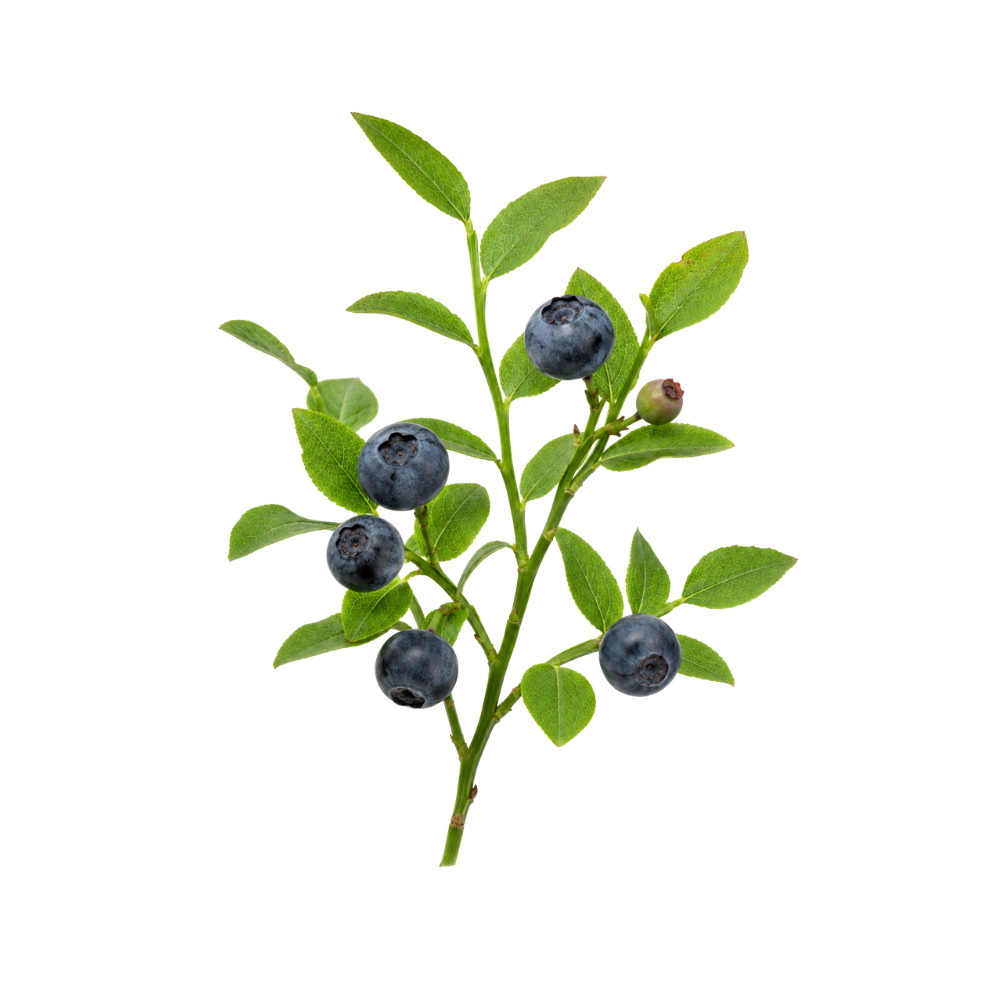 Bilberry Vaccinium myrtillus Documented for anthocyanins, cyanidin, delphinidin and 3 more anthocyanins.
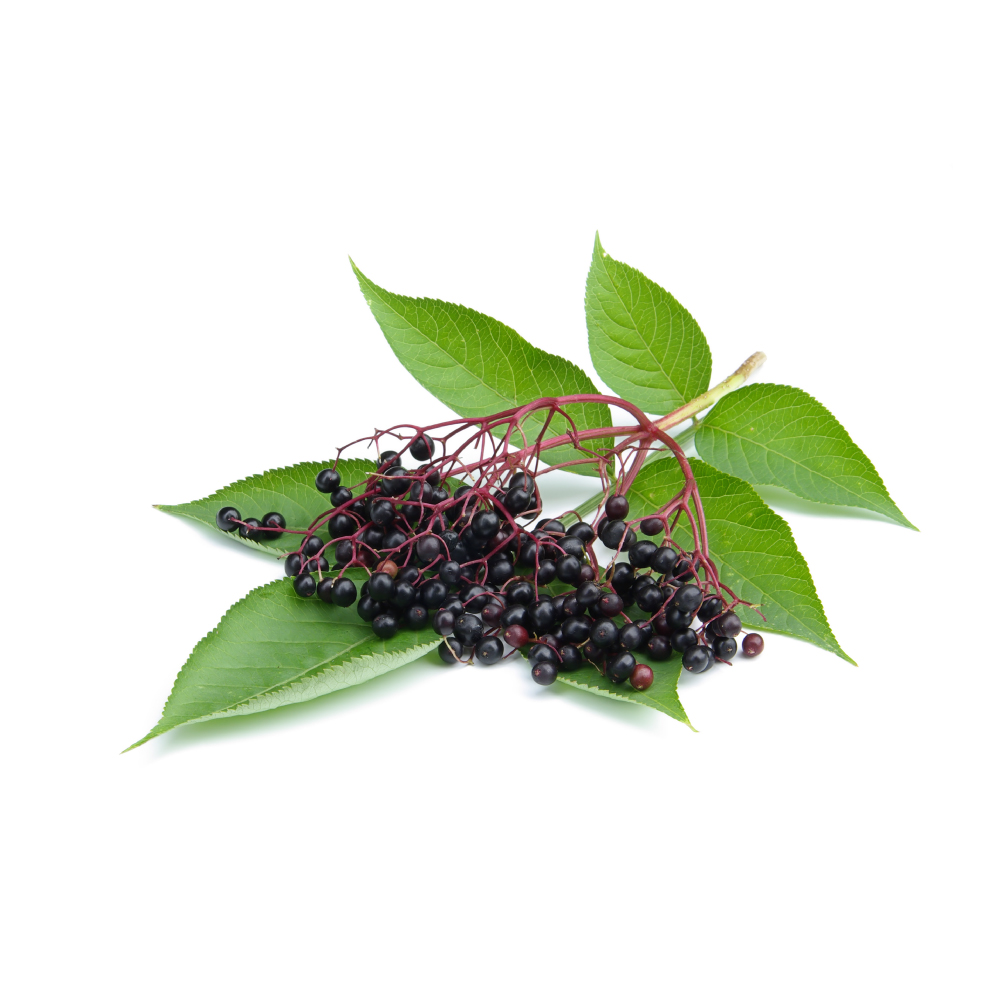 Elderberry Sambucus nigra Documented for cyanidin-3-glucoside (205–481 mg/100 g fresh), cyanidin-3-sambubioside (122–269 mg/100 g FW), anthocyanins and 2 more anthocyanins.
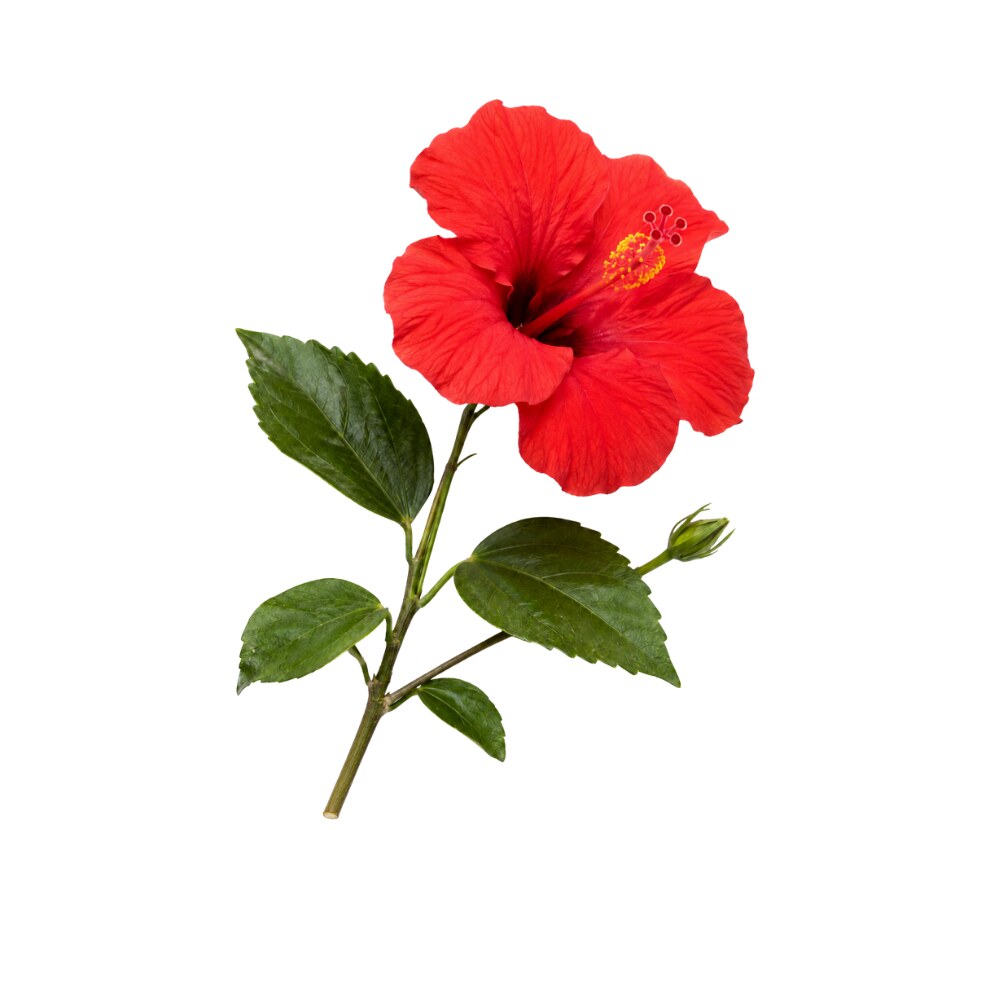 Chinese Hibiscus Hibiscus rosa-sinensis Documented for anthocyanins, cyanidin, cyanidin-3-sophoroside.
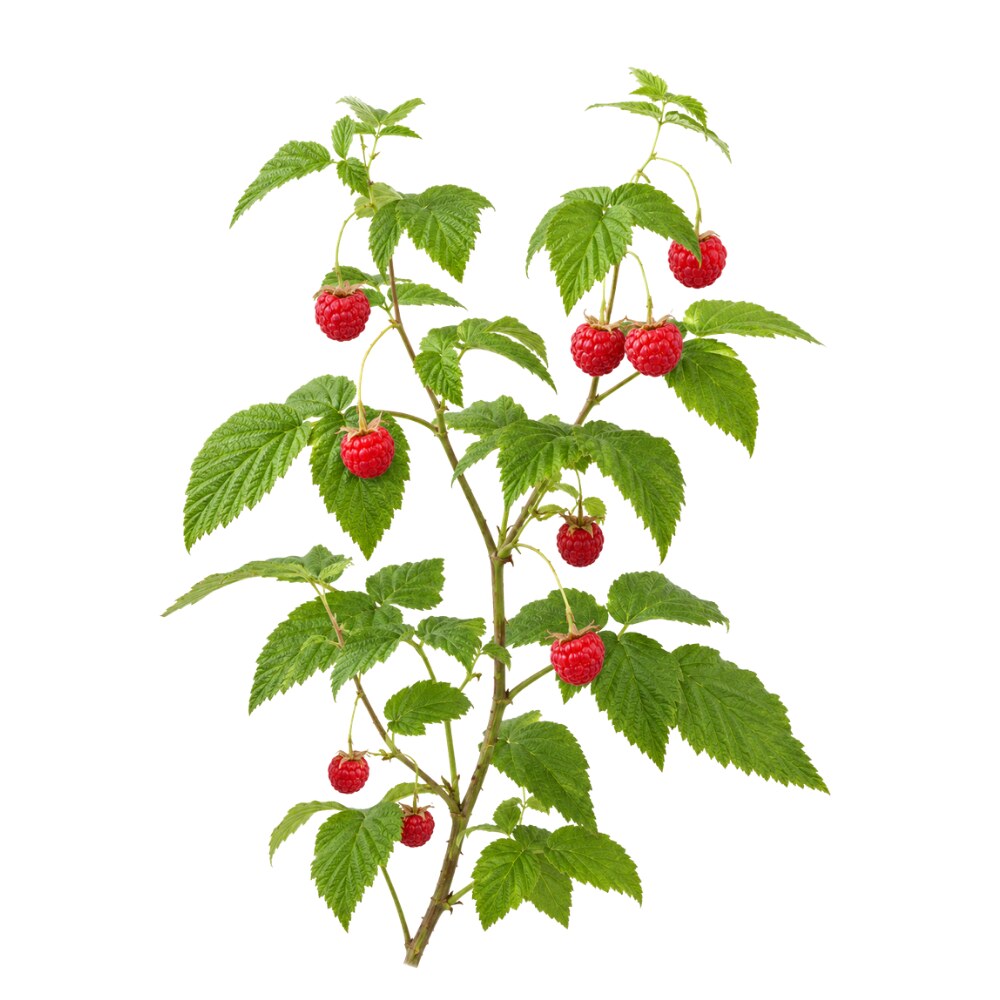 Raspberry Leaf Rubus idaeus Documented for cyanidin, delphinidin, pelargonidin.
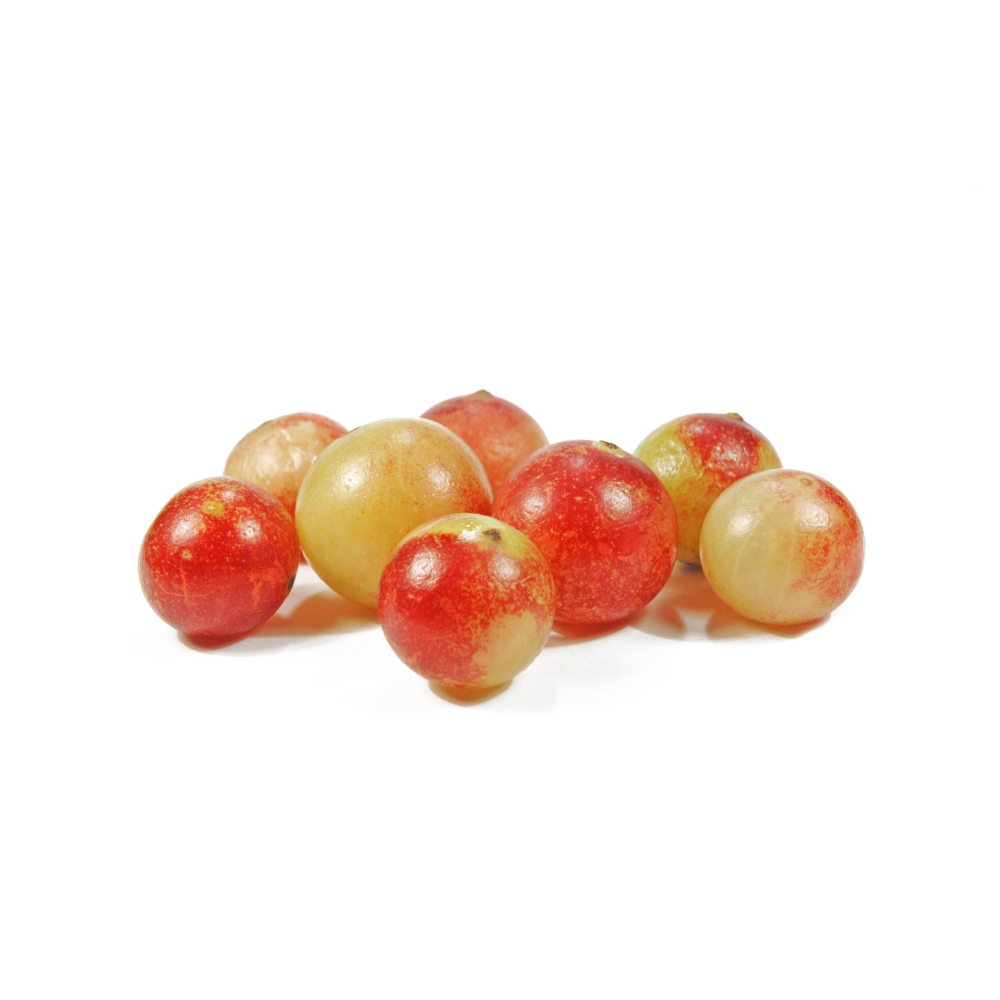 Camu-camu Myrciaria dubia Documented for cyanidin-3-glucoside (26–49 mg/100 g fresh), anthocyanins.
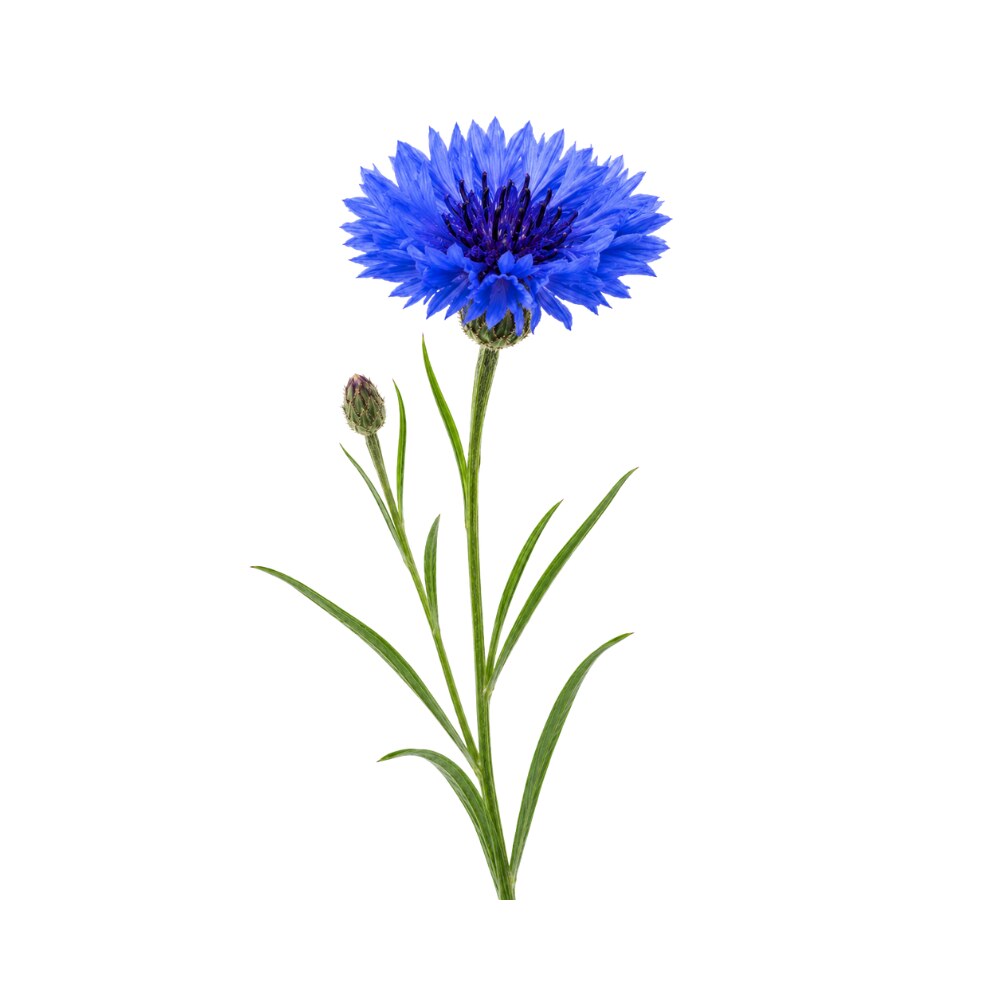 Cornflower Centaurea cyanus Documented for anthocyanins, cyanidin.
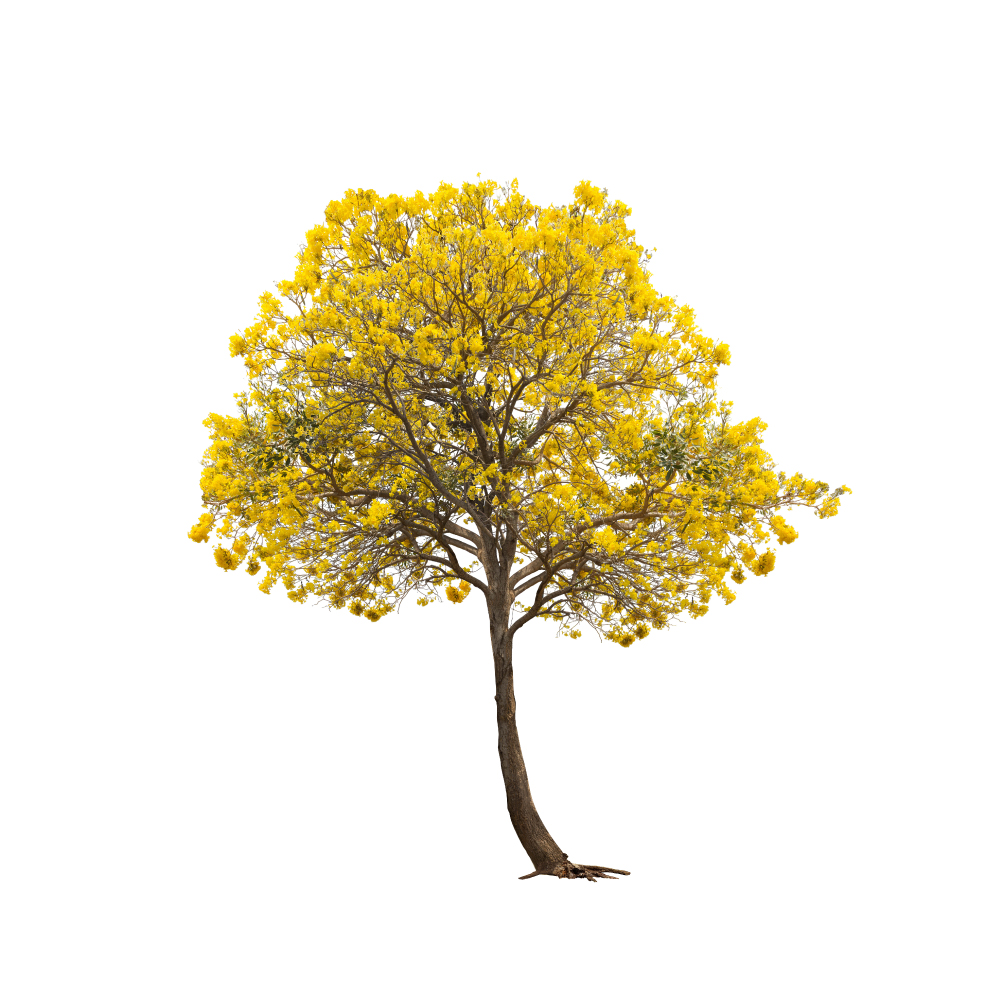 Pau D'Arco Tabebuia impetiginosa Documented for chrysanthemin, paeonidin-3-cinnamyl-sophoroside.
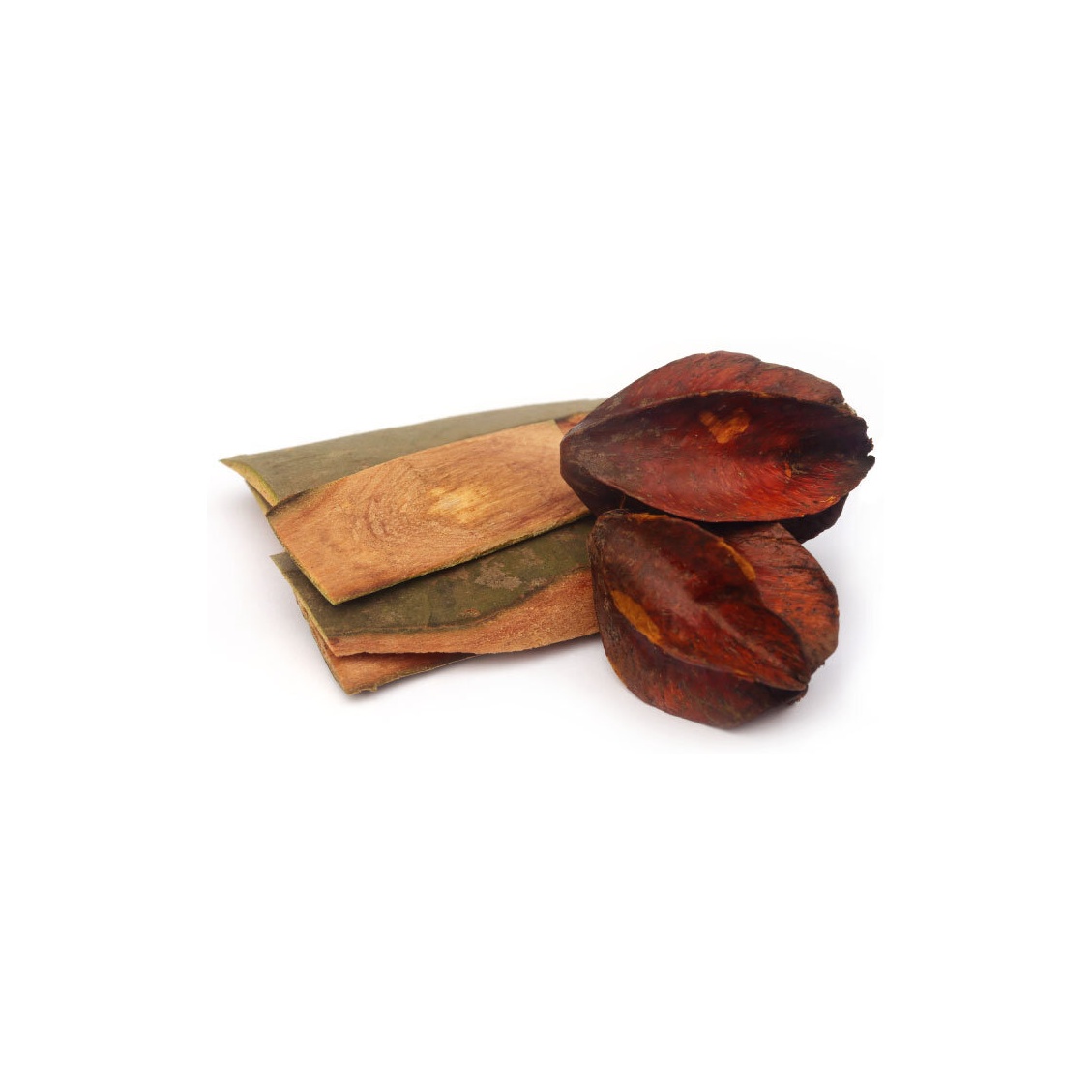 Arjuna Terminalia arjuna Documented for pelargonidin.
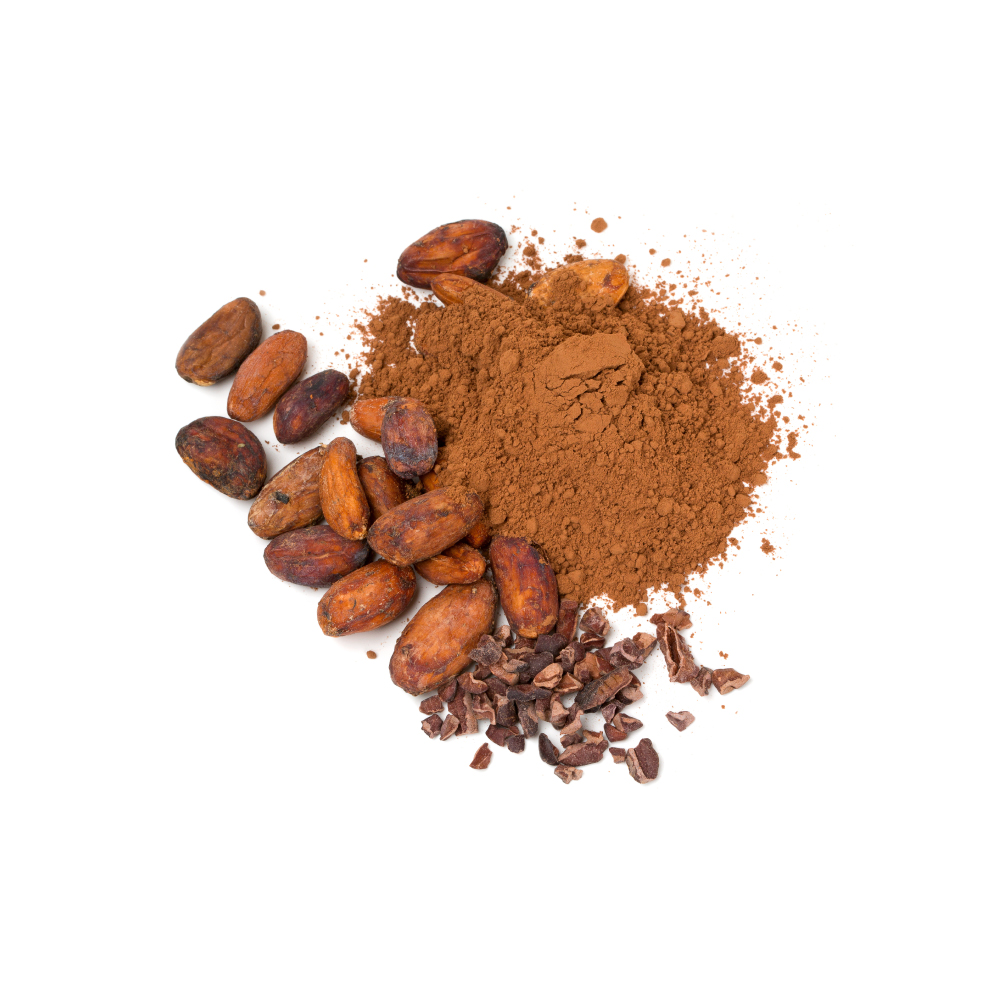 Cacao Theobroma cacao Documented for anthocyanins.
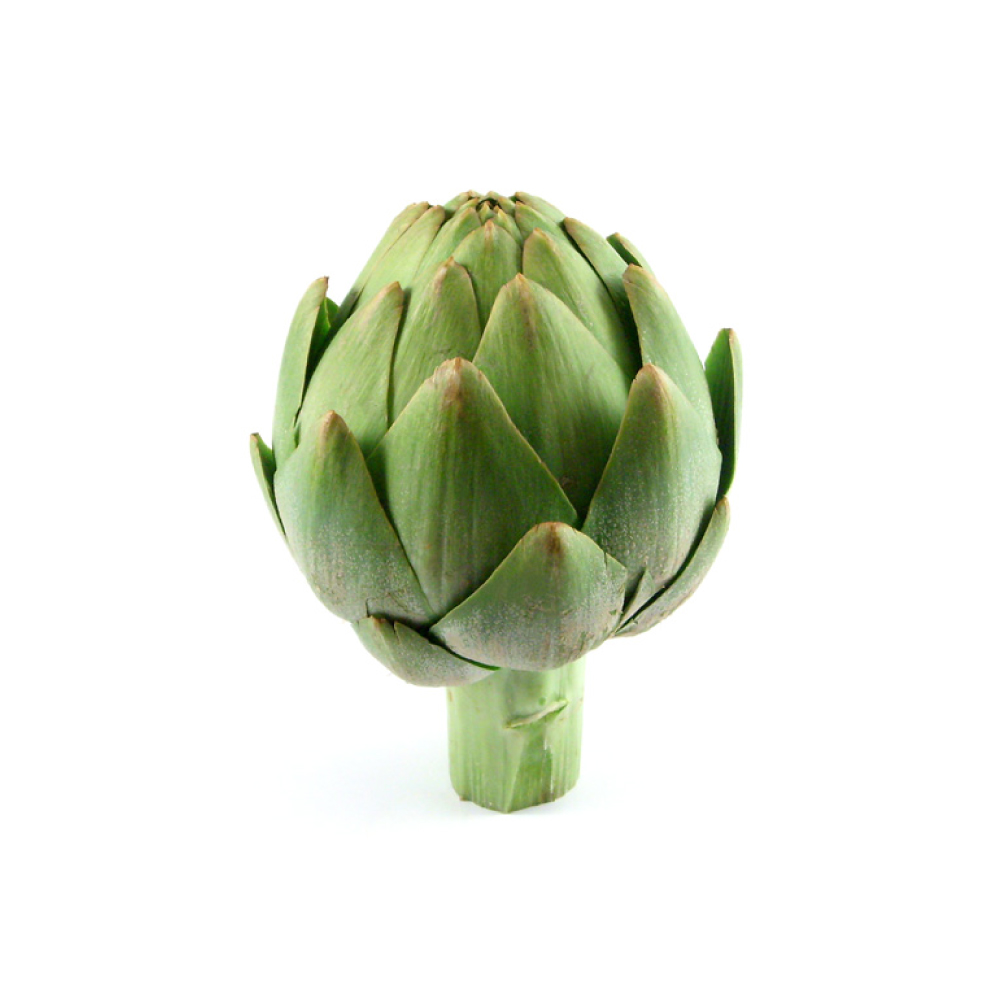 Globe Artichoke Cynara scolymus Documented for cyanidin.
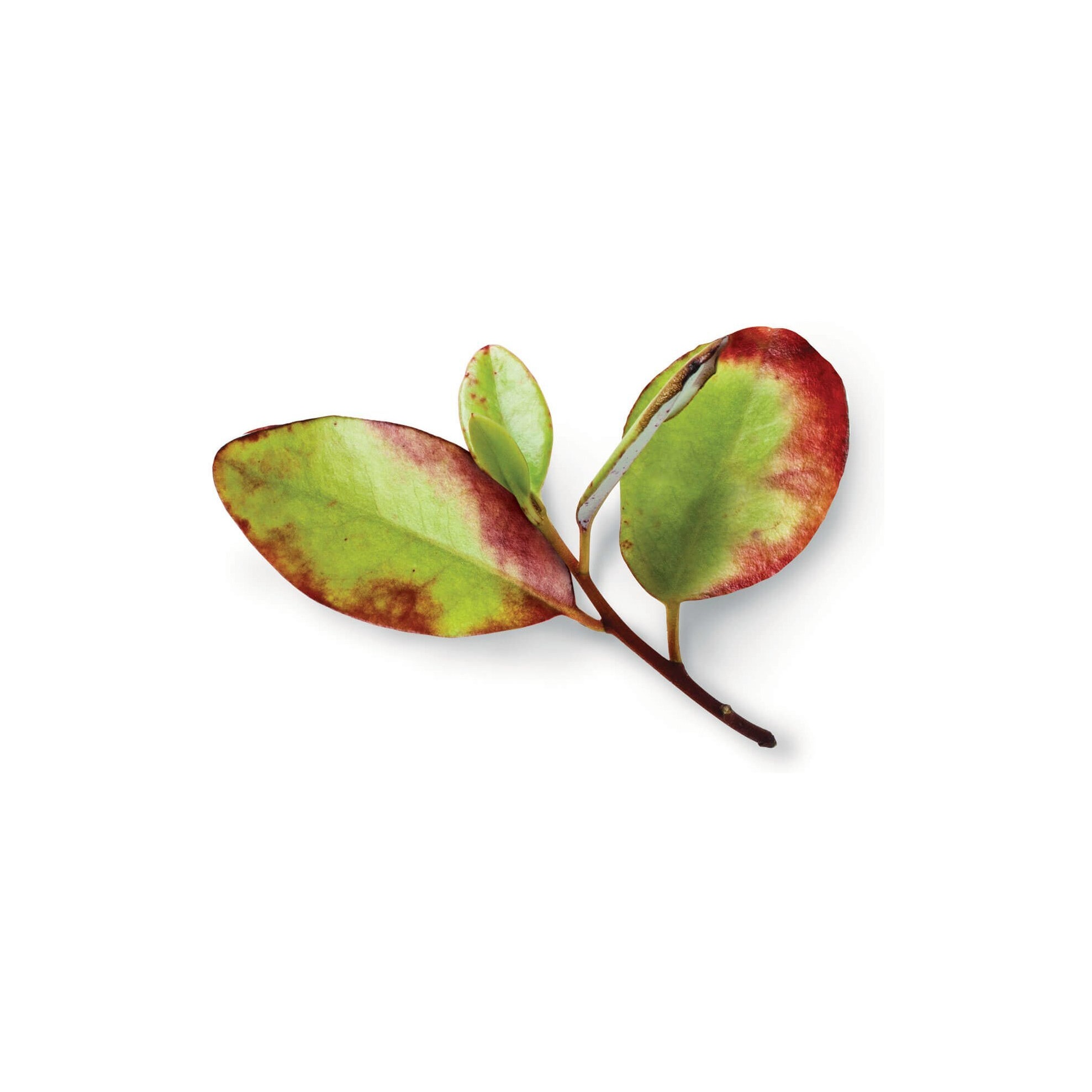 Horopito Pseudowintera colorata Documented for anthocyanins.
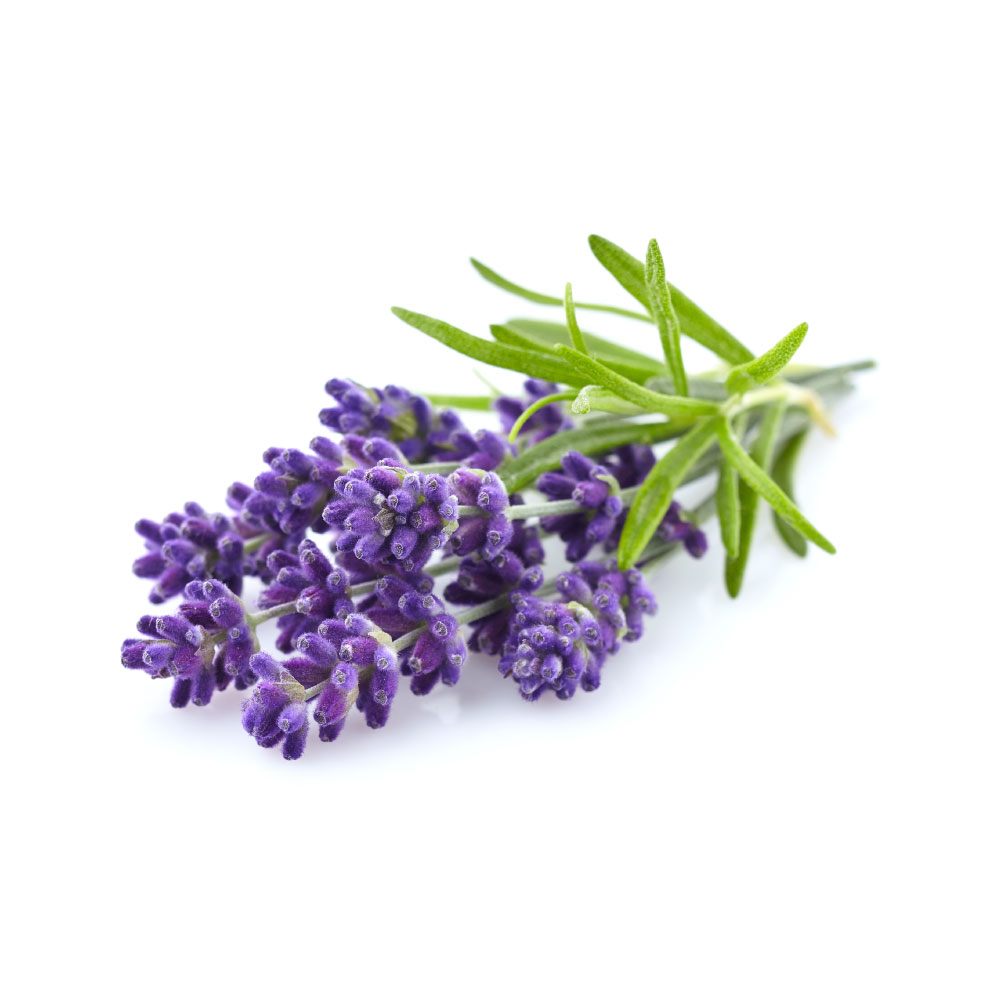 Lavender Lavandula angustifolia Documented for anthocyanins.
Keep Exploring
Other Compound Classes
Keep Reading
 GuidesThe Best Kava: A Buyer's GuideHow to buy good kava: noble vs two-day cultivars, which part of the root, chemotype codes, origin, form, and the batch tests a seller should show you.
Read more
 GuidesThe Amazon's Endangered Medicinal PlantsThe Amazon gives us some of our most important medicines — but which healing plants are actually endangered?
Read more
 NutritionThe Best Yerba Maté Brands [Reviewed]A drinker's guide to buying yerba maté — what actually changes the taste, and ten brands worth your money.
Read more
 GuidesHow to Prepare Yerba Maté — The Five Best MethodsHow to brew yerba maté properly — the traditional gourd method, plus tereré, french press and cold brew.
Read more