
Compound Monograph
Protocatechuic Acid
Protocatechuic acid (3,4-dihydroxybenzoic acid) is a widespread dietary phenolic acid and a principal gut-microbial metabolite of anthocyanins — so much of the benefit credited to berries and anthocyanins may in fact be its. Its antioxidant, anti-inflammatory, anti-atherosclerotic, antidiabetic and neuroprotective profile is real but almost entirely preclinical, and at high doses it can turn pro-oxidant.

Sources · 13
Where Does It Come From?
Protocatechuic Acid is a naturally occurring phenolic acid (dihydroxybenzoic acid), found in Hibiscus / Roselle, Tea, Samambaia and 10 other sources. It is well tolerated orally (low toxicity).
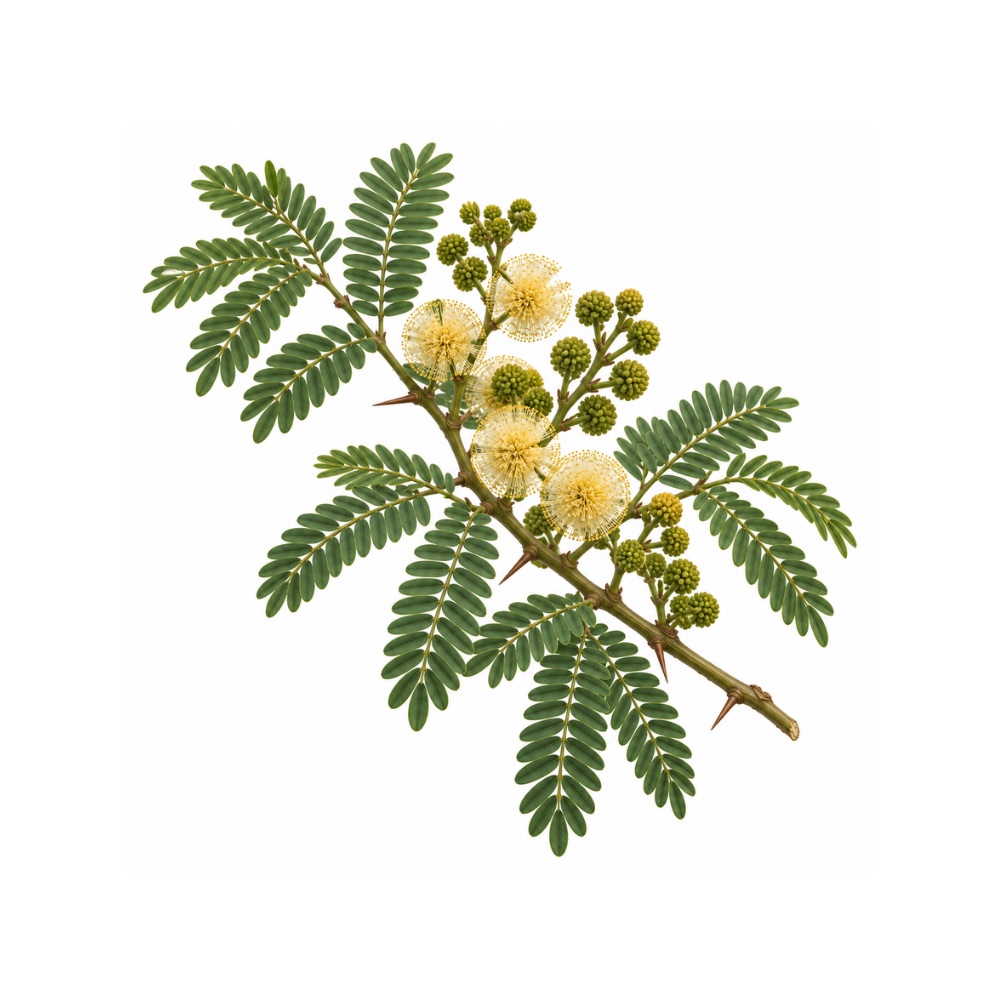 Source Catechu Senegalia catechu Herb monograph →
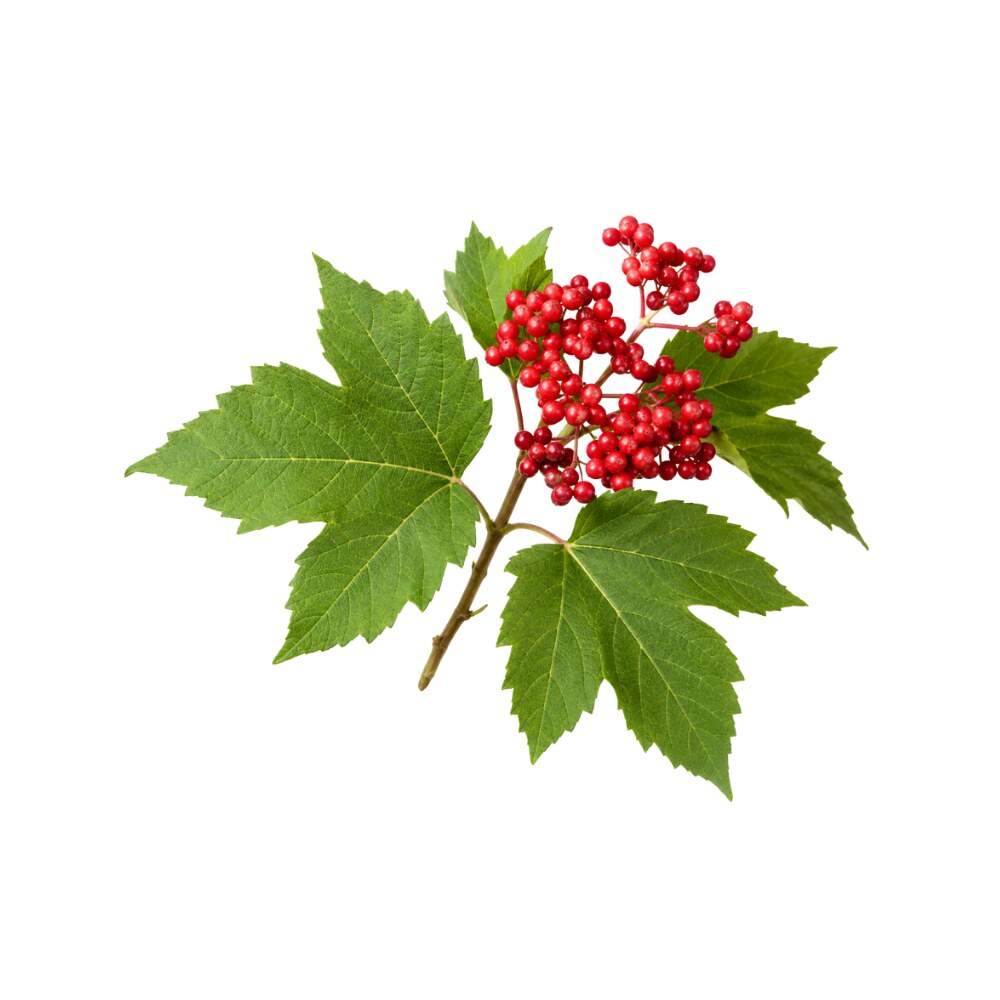 Source Cramp Bark Viburnum opulus Herb monograph →
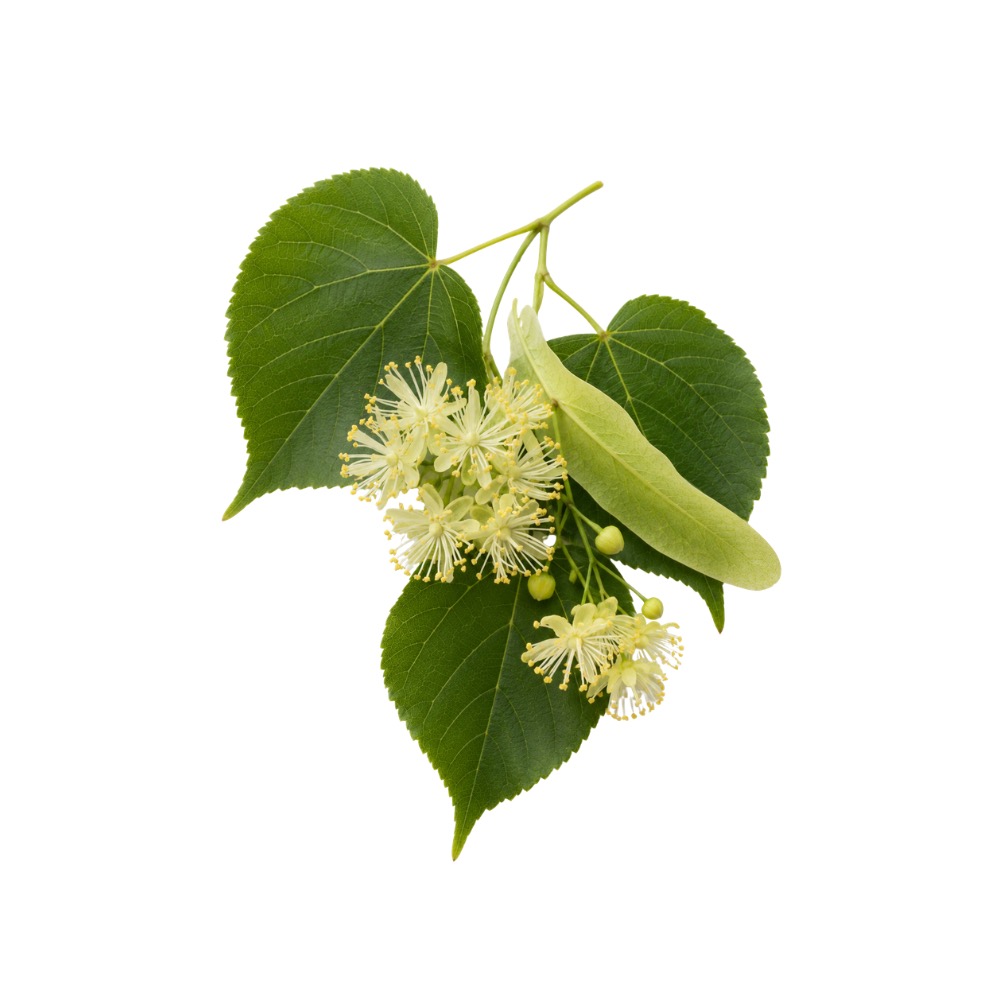 Source Linden Flower Tilia spp. Herb monograph →
Photo coming soon
Source Maritime Pine Pinus pinaster Herb monograph →
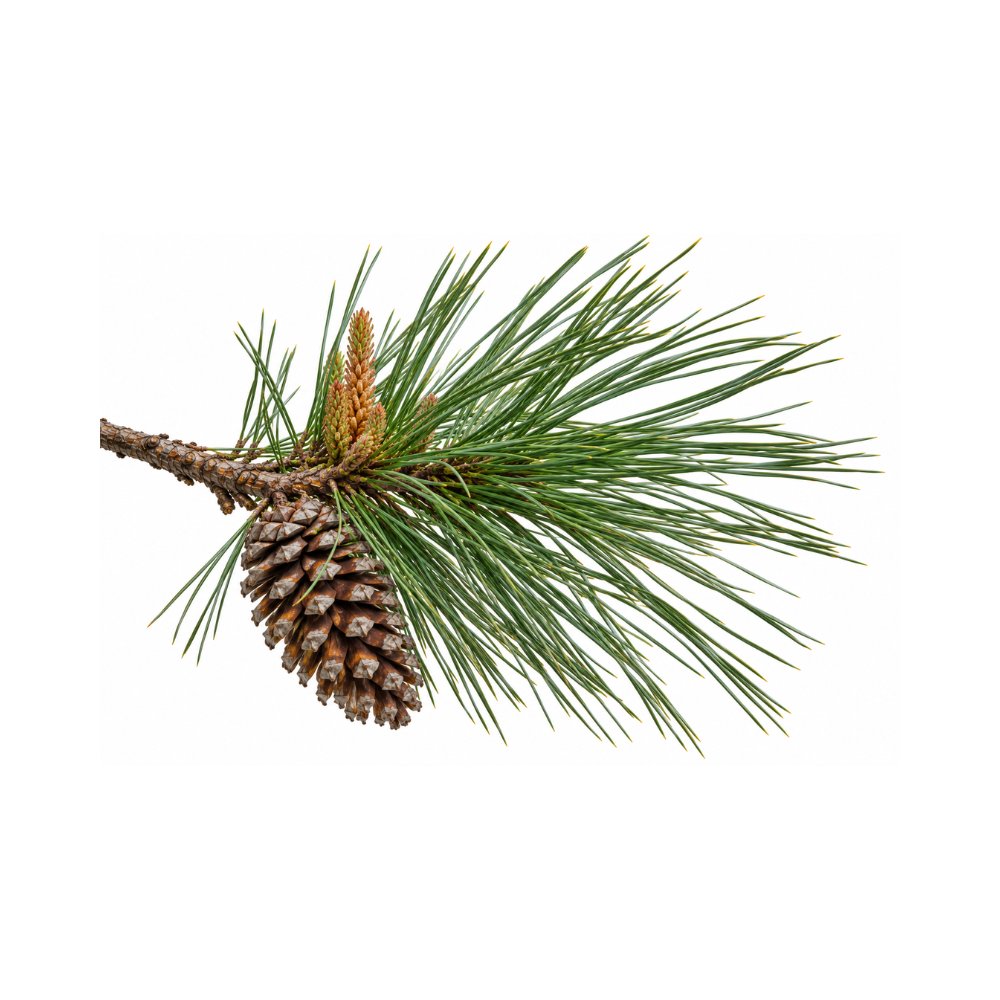 Source Monterey Pine Pinus radiata Herb monograph →
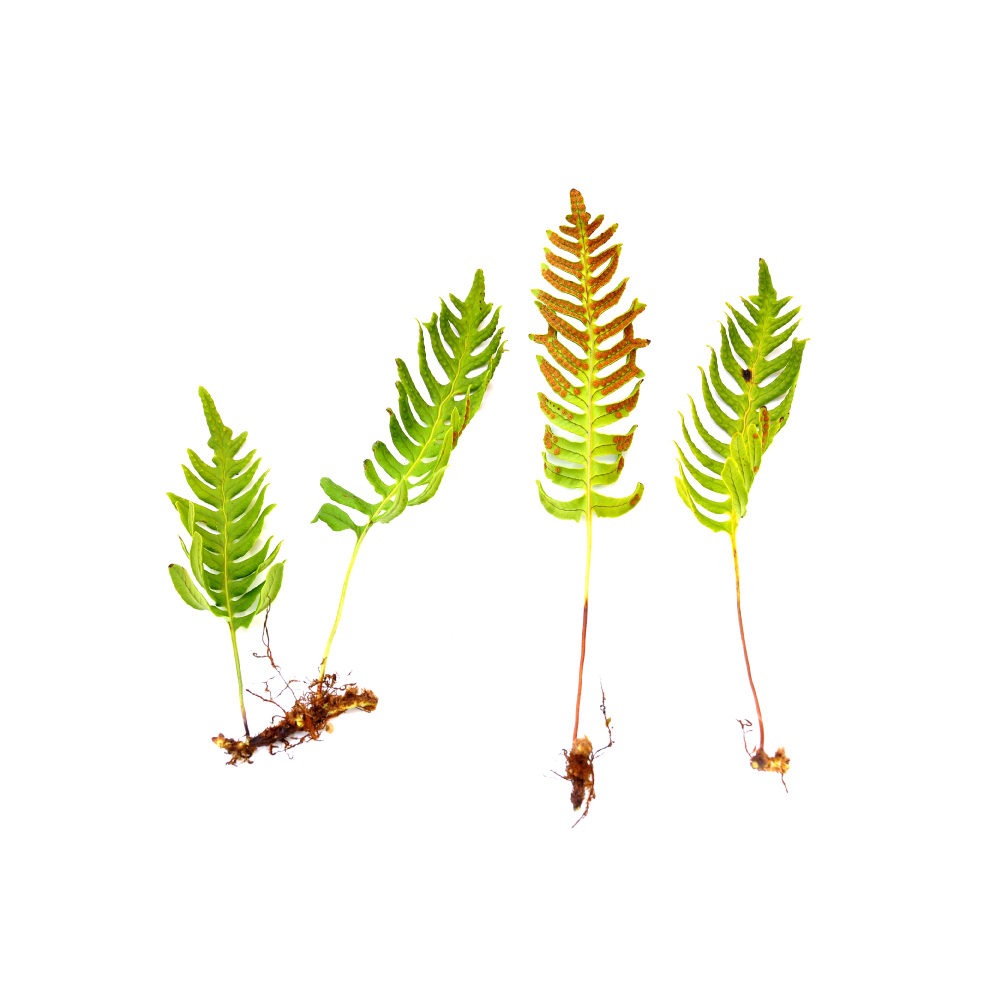 Source Samambaia Polypodium leucotomos Herb monograph →
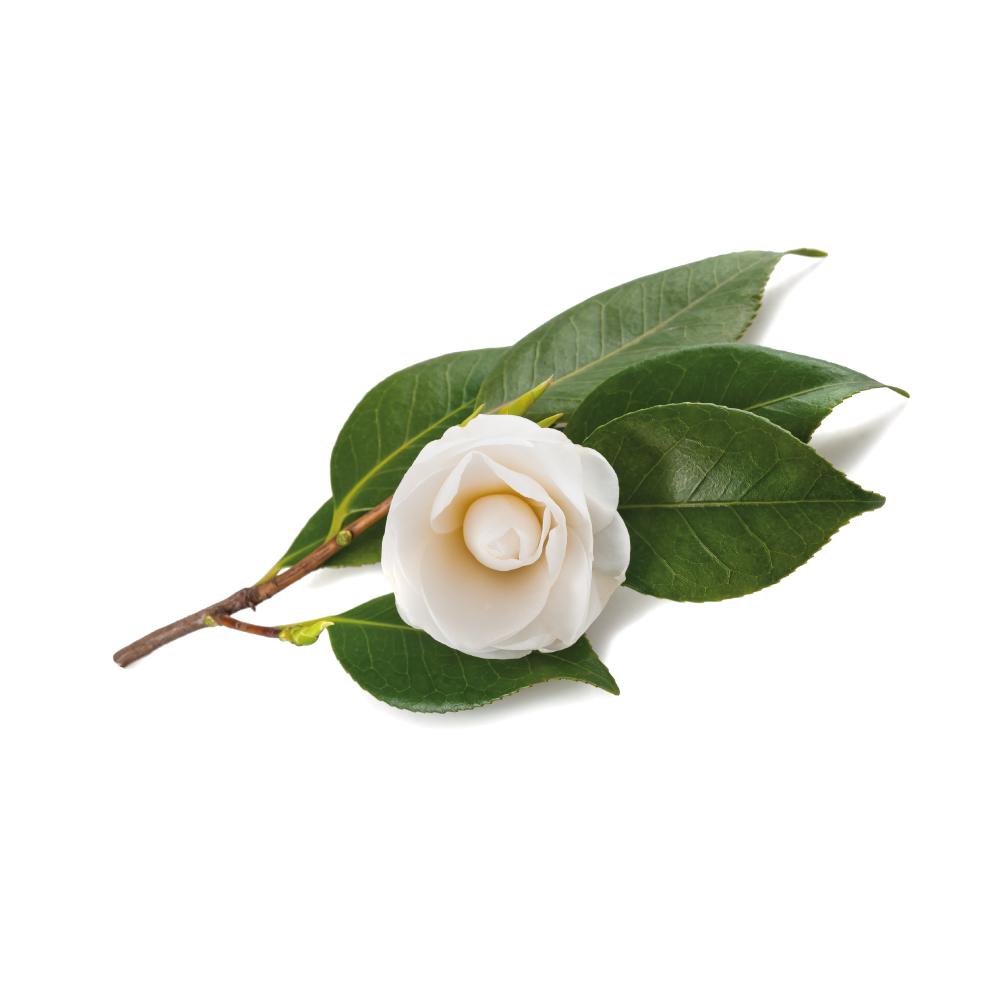 Source Tea Camellia sinensis Herb monograph →
Concentration
Content by Source
Reported concentrations across the plants that contain protocatechuic acid — the bar marks the typical level, the line shows the reported range.
Literature figures for varying plant parts and preparations. Read them as a comparative guide, not exact assays.
Protocatechuic Acid at a Glance
Protocatechuic acid, or 3,4-dihydroxybenzoic acid (PCA), is one of the simplest and most widely distributed dihydroxybenzoic phenolic acids — a small catechol-ring acid reported across hundreds of plants and common foods, from roselle (Hibiscus sabdariffa) and açaí to green tea, onions, whole grains and many fruits 4,
Its single most important feature for a phytochemistry page is that PCA is a principal gut-microbial metabolite of anthocyanins — the red-purple pigments of berries. Because parent anthocyanins are poorly absorbed while PCA circulates at far higher levels, a substantial share of the health signal historically credited to “anthocyanins” may in fact belong to protocatechuic acid 1Reference 1Protocatechuic acid is the major human metabolite of cyanidin-glucosidesView study →. This makes PCA a plausible effector molecule sitting downstream of a whole class of famous dietary polyphenols.
The researched pharmacology is broad and coherent — antioxidant, anti-inflammatory, anti-atherosclerotic, antidiabetic and neuroprotective signals — but almost entirely preclinical (cell and rodent work on the isolate), with no controlled human efficacy trials 4,
A Major Metabolite of Anthocyanins
The defining fact about protocatechuic acid is that most of the body’s exposure to it does not come from eating PCA directly. It is a downstream catabolite produced when the gut microbiota break apart larger dietary polyphenols — above all the anthocyanins.
When cyanidin-3-glucoside (C3G, the commonest dietary anthocyanin) is eaten, colonic bacteria cleave the sugar, the unstable flavylium aglycone opens, and the B-ring is released as simple phenolic acids — chiefly protocatechuic acid. In the pivotal human study, PCA accounted for roughly 73% of ingested cyanidin-glucosides, and serum PCA (~490 nmol/L) vastly exceeded intact C3G (~2 nmol/L) 1Reference 1Protocatechuic acid is the major human metabolite of cyanidin-glucosidesView study →. In other words, after a berry meal you circulate far more PCA than parent pigment.
This reframes a large literature. Anthocyanins are notoriously poorly bioavailable (intact pigment sits at nanomolar levels in blood), so where an “anthocyanin” benefit is real, the molecule actually present in tissue at meaningful concentration is often PCA. The point is not hypothetical: in apolipoprotein-E-deficient mice, cyanidin-3-glucoside’s anti-atherogenic, anti-monocyte-infiltration effect was shown to operate “with the aid of its metabolite protocatechuic acid,” and isolated PCA reproduced much of the vascular benefit on its own 2,
PCA is not only an anthocyanin metabolite. It is also a recognised colonic product of green-tea catechins (a metabolite of compounds such as EGCG) and of the quinic-acid / chlorogenic-acid pool 4Reference 4ReviewA review on protocatechuic acid and its pharmacological potentialView study →, so several unrelated dietary polyphenols converge on the same small acid.
Protocatechuic Acid & the Phenolic Acids
Protocatechuic acid sits in the hydroxybenzoic-acid branch of the phenolic acids — the C6–C1 acids built on a benzene ring with a single carboxyl group — distinguished only by how many and where its ring hydroxyls sit. That small structural grammar defines a family this site covers page by page:
- Protocatechuic acid — 3,4-dihydroxybenzoic acid. Two adjacent (catechol) hydroxyls, which is what makes it a strong radical scavenger and metal chelator (and, at high dose, a potential pro-oxidant).
- Gallic acid — 3,4,5-trihydroxybenzoic acid. One extra hydroxyl; the monomer of the hydrolysable gallotannins, and an even more potent but faster-cleared antioxidant.
- Vanillic acid — 4-hydroxy-3-methoxybenzoic acid. PCA with one hydroxyl methylated (methylation of PCA in the body yields vanillic acid and its isomer isovanillic acid).
It is close kin — but not identical — to the C6–C3 hydroxycinnamic acids such as caffeic acid (3,4-dihydroxycinnamic acid): caffeic acid is essentially PCA’s catechol ring carrying a three-carbon acrylic side chain instead of a bare carboxyl, and the two share the same catechol antioxidant motif.
The practical upshot is that PCA rarely acts alone. In the plants it comes from it is one phenolic acid among many — sitting beside gallic, vanillic, caffeic, chlorogenic and p-coumaric acids in the same antioxidant fraction 13Reference 13Phenolic components and antioxidant activity of Fernblock, an aqueous extract of the aerial parts of the fern Polypodium leucotomosView study → — and in the body the family interconverts, PCA being methylated to vanillic/isovanillic acid and glucuronidated or sulfated before excretion 7Reference 7Protocatechuic acid from chicory is bioavailable and undergoes partial glucuronidation and sulfation in healthy humansView study →.
A Double-Edged Antioxidant
Most of what follows describes protective effects, but honesty requires flagging the opposite signal up front, because it is unusually well documented for PCA. The same catechol chemistry that makes protocatechuic acid a good radical scavenger also lets it be oxidised to a reactive ortho-quinone, and under the right conditions that turns it pro-oxidant.
The clearest example is a mouse-skin study in which topical PCA, applied at high dose before a tumour promoter, enhanced — rather than suppressed — tumour promotion, leukocyte-driven oxidative stress and hydrogen-peroxide generation, with the effect traced to bioactivation by tyrosinase (the same catechol-oxidising enzyme of pigment metabolism) 8Reference 8AnimalA simple phenolic antioxidant protocatechuic acid enhances tumor promotion and oxidative stress in female ICR mouse skin: dose- and timing-dependent enhancement and involvement of bioactivation by tyrosinaseView study →. Against this, dietary PCA has repeatedly acted as a chemopreventive agent in other rodent cancer models — for example inhibiting the progression of chemically induced rat tongue carcinogenesis 9Reference 9AnimalDietary protocatechuic acid during the progression phase exerts chemopreventive effects on chemically induced rat tongue carcinogenesisView study →.
So PCA is genuinely bidirectional: antioxidant and anti-carcinogenic at low, dietary-relevant exposures in most tissues; potentially pro-oxidant and tumour-promoting at high concentrations, in the presence of catechol-oxidising enzymes, or in specific tissues 8,
What It's Used For
Beyond its role as a dietary phenolic and anthocyanin metabolite, PCA’s pharmacology is a preclinical mechanism story — cell and rodent studies of the isolate, most turning on antioxidant defence and NF-κB suppression, with no human efficacy trials to anchor them.
Support is an experimental score — weighted by study type (human > animal > in vitro) and volume. A beta, not a validated metric. Every row rests on isolate cell/animal work with no human efficacy trials, so scores stay modest by design; read the per-row basis.
The best-developed animal signal, and the one most tightly linked to the metabolite story. Isolated PCA inhibited monocyte adhesion to TNF-α-activated endothelium and reduced atherosclerosis in apolipoprotein-E-deficient mice, lowering aortic VCAM-1 and ICAM-1, NF-κB activity and circulating soluble adhesion molecules 2Reference 2AnimalProtocatechuic acid, a metabolite of anthocyanins, inhibits monocyte adhesion and reduces atherosclerosis in apolipoprotein E-deficient miceView study →.
A companion study showed the parent anthocyanin cyanidin-3-glucoside achieves its anti-monocyte-infiltration effect “with the aid of its metabolite protocatechuic acid,” PCA being the higher-exposure species 3Reference 3AnimalCyanidin-3-O-β-glucoside with the aid of its metabolite protocatechuic acid, reduces monocyte infiltration in apolipoprotein E-deficient miceView study →.
Gap: rodent isolate/metabolite models only, with no human cardiovascular endpoint; the benefit has also been reported to follow a biphasic (inverted-U) dose-response, so the effect is not simply dose-additive 2,
PCA’s catechol ring makes it a potent direct radical scavenger and transition-metal chelator; across standard assays its relative antioxidant activity has been reported at roughly 1–6× Trolox depending on the assay, and reviews class it among the stronger simple phenolic-acid antioxidants 4,
Gap: this is a mechanism, not a clinical outcome — the data are in-vitro/animal, no human antioxidant outcome rests on the isolate, and the very same catechol chemistry underlies its pro-oxidant behaviour at high dose 4,
A consistent isolate signal across models. PCA suppresses NF-κB (and MAPK) signalling, cutting production of TNF-α, IL-1β, iNOS and COX-2 in stimulated cells and injured rodent tissues — the mechanistic thread reviews carry through to its vascular, metabolic and neural effects 4,
Gap: isolated-molecule cell/animal work; no human anti-inflammatory data, and the concentrations used are often above those plausibly reached in plasma from diet 4,
In streptozotocin-induced diabetic rats, PCA lowered blood glucose and improved the antioxidant/lipid picture — reducing lipid-peroxidation markers (TBARS, hydroperoxides), restoring endogenous antioxidants, and improving the serum lipid profile 10Reference 10AnimalAntioxidant and antihyperlipidaemic activity of protocatechuic acid on streptozotocin-diabetic ratsView study →. Reviews compile parallel antihyperglycaemic and antiapoptotic findings across diabetic models, including improved insulin levels and pancreatic-islet histology 5Reference 5Pharmacological properties of protocatechuic acid and its potential roles as complementary medicineView study →.
Gap: chemically-induced diabetic rodent models of the isolate; no human glycaemic data, and doses do not translate directly to people 5,
PCA is attractive here partly because, unlike its bulky polyphenol parents, it is small and crosses the blood–brain barrier, persisting in circulation longer than the compounds it derives from 6Reference 6In vitroPharmacological effects of protocatechuic acid and its therapeutic potential in neurodegenerative diseases: review on the basis of in vitro and in vivo studies in rodents and humansView study →. In Parkinson’s-disease models it protected dopaminergic neurons: in combination with chrysin it raised Nrf2 expression and antioxidant-enzyme activity and reduced neuroinflammation in cellular and animal PD models 11Reference 11In vitroExamining the neuroprotective effects of protocatechuic acid and chrysin on in vitro and in vivo models of Parkinson diseaseView study →, and PCA has protected neuronal cells against oxidative and mitochondrial insults in related work 6Reference 6In vitroPharmacological effects of protocatechuic acid and its therapeutic potential in neurodegenerative diseases: review on the basis of in vitro and in vivo studies in rodents and humansView study →.
Gap: rodent/cell neurodegeneration models — models, not disease — with no human neuroprotection data; the strongest PD result used PCA with chrysin, complicating attribution to PCA alone 6,
A food-/veterinary-relevant activity rather than a systemic-drug one. Against bacteria isolated from canine endometritis, PCA was bactericidal with MICs of ~2–4 mg/mL (S. canis, S. aureus, E. coli), acting by membrane disruption — depolarising membrane potential, depleting intracellular ATP, driving ROS accumulation and compromising membrane integrity 12Reference 12Antibacterial activity and mechanism of protocatechuic acid against pathogens isolated from canine endometritisView study →.
Gap: in-vitro activity at high (mg/mL) concentrations via non-specific membrane damage — a preservative/topical rationale, not evidence of a systemic antibiotic effect 12Reference 12Antibacterial activity and mechanism of protocatechuic acid against pathogens isolated from canine endometritisView study →.
The most honestly mixed application. Dietary PCA has shown chemopreventive effects in several rodent models — e.g. inhibiting the progression of 4-NQO-induced rat tongue carcinogenesis and lowering tissue polyamines 9Reference 9AnimalDietary protocatechuic acid during the progression phase exerts chemopreventive effects on chemically induced rat tongue carcinogenesisView study → — and in vitro it can induce apoptosis in cancer cells via ROS/HO-1/p21 routes. But the same molecule enhanced tumour promotion and oxidative stress in mouse skin at high topical dose, through tyrosinase bioactivation to a reactive quinone 8Reference 8AnimalA simple phenolic antioxidant protocatechuic acid enhances tumor promotion and oxidative stress in female ICR mouse skin: dose- and timing-dependent enhancement and involvement of bioactivation by tyrosinaseView study →.
Gap: entirely in-vitro/animal and bidirectional — protective in some tissues/doses, promoting in others; this is emphatically not evidence for PCA as a cancer therapy 8,
Mechanisms
| Target / pathway | Effect | Relevant to |
|---|---|---|
| Direct radical scavenging + Fe/Cu chelation | catechol ring neutralises ROS, blocks Fenton chemistry | antioxidant (all uses) |
| NF-κB / MAPK | suppresses activation → ↓ TNF-α, IL-1β, iNOS, COX-2 | anti-inflammatory (and vascular/metabolic/neural) |
| VCAM-1 / ICAM-1 on endothelium | ↓ adhesion-molecule expression → ↓ monocyte adhesion & infiltration | cardiovascular / anti-atherosclerotic |
| Nrf2 / antioxidant-enzyme induction | ↑ endogenous SOD, catalase, glutathione defence | neuroprotectiveantioxidant |
| Bacterial cell membrane | depolarisation, ATP depletion, ROS, loss of integrity | antimicrobial |
| Catechol → ortho-quinone (tyrosinase bioactivation) | pro-oxidant reactive metabolite at high dose | the double-edged tumour-promotion signal |
The load-bearing point is that most protective effects fold back to one theme — radical scavenging plus NF-κB suppression — while the same catechol that scavenges radicals is what can be oxidised to a pro-oxidant quinone. Benefit and harm share a mechanism, which is why dose and tissue matter so much 4,
Pharmacokinetics
PCA is a small, moderately polar dihydroxybenzoic acid, and it reaches the body by two routes. Directly, it is well absorbed and rapidly cleared: in a controlled human study, a chicory meal delivering ~248 µmol PCA produced a free-PCA peak of ~3,270 nmol/L at 1 hour with a half-life of ~1.7 h, and glucuronide/sulfate conjugates peaking later (~4–6 h); overall recovery in blood was ~24%, with glucuronidation and sulfation the dominant phase-II routes 7Reference 7Protocatechuic acid from chicory is bioavailable and undergoes partial glucuronidation and sulfation in healthy humansView study →. It is also methylated to vanillic/isovanillic acid, tying it back into the phenolic-acid family 4Reference 4ReviewA review on protocatechuic acid and its pharmacological potentialView study →.
Indirectly — and quantitatively more important for most diets — PCA is generated in the colon from anthocyanins, catechins and chlorogenic/quinic acids, then absorbed and conjugated. This is why serum PCA after a berry meal so exceeds the parent pigment 1Reference 1Protocatechuic acid is the major human metabolite of cyanidin-glucosidesView study →. Two features stand out for a compound page: PCA crosses the blood–brain barrier (unusual for a polyphenol-derived acid, and the basis for its neuro studies) 6Reference 6In vitroPharmacological effects of protocatechuic acid and its therapeutic potential in neurodegenerative diseases: review on the basis of in vitro and in vivo studies in rodents and humansView study →; and its in-vitro potencies often use concentrations above the low-micromolar plasma range plausibly reached from food, tempering the read-across from dish to person 4,
Clinical Trials
There are no controlled human efficacy trials of isolated protocatechuic acid. The human data are pharmacokinetic and dietary-exposure studies (chicory PK 7Reference 7Protocatechuic acid from chicory is bioavailable and undergoes partial glucuronidation and sulfation in healthy humansView study →; the cyanidin-metabolite tracer work 1Reference 1Protocatechuic acid is the major human metabolite of cyanidin-glucosidesView study →); everything mechanistic and disease-relevant is cell or rodent.
| Completed | Planned | Terminated | Preclinical |
|---|---|---|---|
| —(human PK/exposure only) | — | — | Antioxidant, anti-inflammatory, cardiovascular, antidiabetic, neuroprotective, antimicrobial, anticancer (bidirectional) |
Last checked: July 2026.
Isolate vs. Plant Studies
The evidence splits cleanly. The mechanistic and organ-protection work is the isolated molecule in cells and rodents — the ApoE-mouse atherosclerosis studies 2,
In its source plants, by contrast, PCA is almost always one phenolic acid among many in whole-extract assays — sitting with gallic, vanillic, caffeic and chlorogenic acids in the antioxidant fraction of samambaia and others 13Reference 13Phenolic components and antioxidant activity of Fernblock, an aqueous extract of the aerial parts of the fern Polypodium leucotomosView study →, and one of several active phenolics in hibiscus calyx. The unusual twist is the metabolite axis: much of the isolate work is effectively studying the effector of anthocyanin- and catechin-rich foods, so “isolate PCA” and “plant polyphenol” are less cleanly separable here than for most constituents 1,
Its Role in Plants
In plants, protocatechuic acid is an intermediate of phenolic (shikimate/phenylpropanoid) metabolism and a building block of the plant’s defensive and structural phenolic pool. It arises on the hydroxybenzoic-acid branch — related to the pathways that also produce gallic and vanillic acids — and contributes to the antioxidant and antimicrobial phenolic fraction that helps plants resist oxidative, UV and microbial stress. It is found both free and bound (esterified or glycosylated, e.g. as protocatechuic acid hexoside in açaí), and in some tissues it accumulates in skins and outer layers — onion skin being a classically concentrated example.
PCA is also a hub of microbial aromatic metabolism more broadly: it is a central intermediate in the bacterial β-ketoadipate pathway by which soil microbes funnel diverse aromatic compounds (including lignin fragments) into central metabolism — which is part of why it turns up as a convergent product of so many polyphenols in the gut. These are plant- and microbial-biochemistry roles and should not be read as human pharmacology.
Prevalence in Nature
Protocatechuic acid is widely distributed but usually present as a minor free phenolic acid, chiefly in the phenolic fraction of foods and herbs. Among database herbs it is identified in roselle (Hibiscus sabdariffa) calyx (one of its characteristic active phenolics), in green tea (both as a constituent and as a catechin metabolite), and in the antioxidant phenolic fraction of samambaia alongside vanillic, caffeic, p-coumaric and chlorogenic acids 13Reference 13Phenolic components and antioxidant activity of Fernblock, an aqueous extract of the aerial parts of the fern Polypodium leucotomosView study →.
Beyond these it is reported across many fruits (notably açaí, where it appears free and as its hexoside), onion (concentrated in the dry skin), chicory root 7Reference 7Protocatechuic acid from chicory is bioavailable and undergoes partial glucuronidation and sulfation in healthy humansView study →, whole grains, and numerous other plants — reviews cite occurrence in 500+ species 4Reference 4ReviewA review on protocatechuic acid and its pharmacological potentialView study →. Layered on top of this dietary content is its defining role as a microbial metabolite of anthocyanins, catechins and chlorogenic acids, which broadens real human exposure far beyond the foods carrying the pre-formed acid 1Reference 1Protocatechuic acid is the major human metabolite of cyanidin-glucosidesView study →.
Major Natural Sources
| Source | Plant part | Reported protocatechuic-acid basis |
|---|---|---|
| Hibiscus / Roselle (Hibiscus sabdariffa) | dried calyx | characteristic active phenolic; content varies with drying/processing 4Reference 4ReviewA review on protocatechuic acid and its pharmacological potentialView study → |
| Chicory (Cichorium intybus) | root | ~248 µmol (~38 mg) per 150 g serving 7Reference 7Protocatechuic acid from chicory is bioavailable and undergoes partial glucuronidation and sulfation in healthy humansView study → |
| Açaí (Euterpe oleracea) | fruit/pulp | present free and as protocatechuic-acid hexoside 4Reference 4ReviewA review on protocatechuic acid and its pharmacological potentialView study → |
| Onion (Allium cepa) | dry skin | concentrated in the outer scales 4Reference 4ReviewA review on protocatechuic acid and its pharmacological potentialView study → |
| Green tea (Camellia sinensis) | leaf / infusion | constituent and major catechin metabolite 4Reference 4ReviewA review on protocatechuic acid and its pharmacological potentialView study → |
| Samambaia (Polypodium leucotomos) | aerial parts | identified in the antioxidant phenolic fraction 13Reference 13Phenolic components and antioxidant activity of Fernblock, an aqueous extract of the aerial parts of the fern Polypodium leucotomosView study → |
Only the chicory figure is cleanly quantified per serving in the sources reviewed here; the remaining occurrences are qualitative or vary widely with cultivar and processing, and the missing numbers are tracked for a later pass.
Discovery & Synthesis
Protocatechuic acid entered chemistry through catechu/catechin work, and its name records that origin: it is the “proto-catechu” acid — the dihydroxybenzoic acid tied to catechu (the astringent extract from which catechol, “pyrocatechol,” was itself first obtained by dry distillation), and to the flavan-3-ol catechin, which yields protocatechuic acid on alkaline degradation. Like several nineteenth-century phenolic acids named from their botanical/chemical source rather than a single headline isolation, an exact “first isolated in year X by Y” date is not well documented; PCA emerged from the broader catechu/catechin chemistry of the era.
Manufacture today is essentially all synthetic or biotechnological: PCA is a cheap, off-the-shelf research and food-industry chemical (CAS 99-50-3; C₇H₆O₄; ~154 g/mol; m.p. ~200 °C), made by chemical routes and, increasingly, by microbial/engineered-strain fermentation — PCA being a natural node of bacterial aromatic metabolism (the β-ketoadipate pathway) that metabolic engineers exploit to produce it from sugars or lignin-derived aromatics. There is no meaningful plant-extraction industry for the isolated acid.
Patents: not yet researched.
Toxicity & Safety
Protocatechuic acid carries a low flag. It is an ordinary dietary phenolic acid — a natural constituent of hibiscus, green tea, açaí, onions, whole grains and many fruits, consumed at low levels for as long as those foods have been eaten — and, importantly, an endogenous metabolite the body already generates in quantity from anthocyanins and other polyphenols 1Reference 1Protocatechuic acid is the major human metabolite of cyanidin-glucosidesView study →. Across the preclinical literature it is overwhelmingly used as a protective agent (against vascular, metabolic and neural injury) rather than reported as a toxin 2,
The honest limits are twofold. First, the usual caveat for a molecule with no human trials: dedicated repeat-dose and genotoxicity packages for the pure isolate are not characterised here, and there are no human drug-interaction studies — though its antioxidant, NF-κB-suppressing and mild glucose-/lipid-lowering activities are theoretical, unquantified considerations alongside antidiabetic or anti-inflammatory regimens at medicinal (not dietary) quantities. Second, and distinctively for this molecule, the dose-dependent pro-oxidant/tumour-promoting signal: at high concentrations, and via tyrosinase bioactivation to a reactive quinone, PCA has enhanced oxidative stress and tumour promotion in mouse skin 8Reference 8AnimalA simple phenolic antioxidant protocatechuic acid enhances tumor promotion and oxidative stress in female ICR mouse skin: dose- and timing-dependent enhancement and involvement of bioactivation by tyrosinaseView study → — a caution that applies to high-dose or topical supraphysiologic exposure, not to eating PCA-containing foods.
- An ordinary dietary phenolic — and an endogenous one. Present in hibiscus, tea, açaí, onions and fruit, and made in the gut from anthocyanins; eaten at low levels for as long as those foods have 1,
4Reference 1Protocatechuic acid is the major human metabolite of cyanidin-glucosidesView study →Reference 4ReviewA review on protocatechuic acid and its pharmacological potentialView study → . - Preclinical studies use it as a protectant. Anti-atherosclerotic, antidiabetic and neuroprotective effects, not toxicity, dominate the rodent literature 2,
10, .11Reference 2AnimalProtocatechuic acid, a metabolite of anthocyanins, inhibits monocyte adhesion and reduces atherosclerosis in apolipoprotein E-deficient miceView study →Reference 10AnimalAntioxidant and antihyperlipidaemic activity of protocatechuic acid on streptozotocin-diabetic ratsView study →Reference 11In vitroExamining the neuroprotective effects of protocatechuic acid and chrysin on in vitro and in vivo models of Parkinson diseaseView study → - Double-edged at high dose. The catechol ring that scavenges radicals can be oxidised (via tyrosinase) to a pro-oxidant quinone; high-dose/topical PCA enhanced tumour promotion in mice 8Reference 8AnimalA simple phenolic antioxidant protocatechuic acid enhances tumor promotion and oxidative stress in female ICR mouse skin: dose- and timing-dependent enhancement and involvement of bioactivation by tyrosinaseView study →.
- Safety rests on preclinical and dietary data. No human efficacy or interaction trials; no characterised repeat-dose/genotoxicity package for the pure isolate. Theoretical additive effect with antidiabetic/anti-inflammatory regimens at medicinal quantities.
Dosage
There is no established or recommended human dose for isolated protocatechuic acid. Efficacy figures in the literature are preclinical rodent research doses — commonly tens of mg/kg in the diabetic, vascular and neural models cited above 5,
Human exposure is dietary and indirect, not by supplementation:
- As a minor food phenolic — hibiscus/roselle, green tea, açaí, onions, whole grains and many fruits 4Reference 4ReviewA review on protocatechuic acid and its pharmacological potentialView study →.
- As a colonic metabolite of anthocyanins, catechins and chlorogenic acids, so a berry-, tea- and produce-rich diet raises systemic PCA without any PCA supplement 1,
7Reference 1Protocatechuic acid is the major human metabolite of cyanidin-glucosidesView study →Reference 7Protocatechuic acid from chicory is bioavailable and undergoes partial glucuronidation and sulfation in healthy humansView study → .
Given rapid clearance of the free acid (half-life ~1.7 h) 7Reference 7Protocatechuic acid from chicory is bioavailable and undergoes partial glucuronidation and sulfation in healthy humansView study →, any sustained exposure depends on repeated dietary intake rather than a single dose. These are doses studied in research and dietary-exposure figures, not a personal recommendation.
References
- Vitaglione P, et al. (2007). Protocatechuic acid is the major human metabolite of cyanidin-glucosides. The Journal of Nutrition. https://pubmed.ncbi.nlm.nih.gov/17709440/
- Wang D, Wei X, Yan X, Jin T, Ling W (2010). Protocatechuic acid, a metabolite of anthocyanins, inhibits monocyte adhesion and reduces atherosclerosis in apolipoprotein E-deficient mice. Journal of Agricultural and Food Chemistry. https://pubmed.ncbi.nlm.nih.gov/21090717/
- Wang D, Zou T, Yang Y, Yan X, Ling W (2011). Cyanidin-3-O-β-glucoside with the aid of its metabolite protocatechuic acid, reduces monocyte infiltration in apolipoprotein E-deficient mice. Biochemical Pharmacology. https://pubmed.ncbi.nlm.nih.gov/21569764/
- Kakkar S, Bais S (2014). A review on protocatechuic acid and its pharmacological potential. ISRN Pharmacology. https://pubmed.ncbi.nlm.nih.gov/25006494/
- Semaming Y, Pannengpetch P, Chattipakorn SC, Chattipakorn N (2015). Pharmacological properties of protocatechuic acid and its potential roles as complementary medicine. Evidence-Based Complementary and Alternative Medicine. https://pubmed.ncbi.nlm.nih.gov/25737736/
- Krzysztoforska K, Mirowska-Guzel D, Widy-Tyszkiewicz E (2019). Pharmacological effects of protocatechuic acid and its therapeutic potential in neurodegenerative diseases: review on the basis of in vitro and in vivo studies in rodents and humans. Nutritional Neuroscience. https://pubmed.ncbi.nlm.nih.gov/28745142/
- Zheng J, Xiong H, Li Q, He L, Weng H, Ling W, Wang D (2019). Protocatechuic acid from chicory is bioavailable and undergoes partial glucuronidation and sulfation in healthy humans. Food Science & Nutrition. https://pubmed.ncbi.nlm.nih.gov/31572600/
- Nakamura Y, Torikai K, Ohto Y, Murakami A, Tanaka T, Ohigashi H (2000). A simple phenolic antioxidant protocatechuic acid enhances tumor promotion and oxidative stress in female ICR mouse skin: dose- and timing-dependent enhancement and involvement of bioactivation by tyrosinase. Carcinogenesis. https://pubmed.ncbi.nlm.nih.gov/11023549/
- Suzuki R, Kohno H, Sugie S, Tanaka T (2003). Dietary protocatechuic acid during the progression phase exerts chemopreventive effects on chemically induced rat tongue carcinogenesis. Asian Pacific Journal of Cancer Prevention. https://pubmed.ncbi.nlm.nih.gov/14728590/
- Harini R, Pugalendi KV (2010). Antioxidant and antihyperlipidaemic activity of protocatechuic acid on streptozotocin-diabetic rats. Redox Report. https://pubmed.ncbi.nlm.nih.gov/20500988/
- Zhang Z, Li G, Szeto SSW, Chong CM, Quan Q, Huang C, Cui W, Guo B, Wang Y, Han Y, Siu KWM, Lee SMY, Chu IK (2015). Examining the neuroprotective effects of protocatechuic acid and chrysin on in vitro and in vivo models of Parkinson disease. Free Radical Biology and Medicine. https://pubmed.ncbi.nlm.nih.gov/25769424/
- Sun X, Bi J, Shi D, Xu H, Liang Y, Dong W, Zhao X, Zhang Y (2026). Antibacterial activity and mechanism of protocatechuic acid against pathogens isolated from canine endometritis. Animals (Basel). https://pubmed.ncbi.nlm.nih.gov/41975997/
- García F, Pivel JP, Guerrero A, et al. (2006). Phenolic components and antioxidant activity of Fernblock, an aqueous extract of the aerial parts of the fern Polypodium leucotomos. Methods and Findings in Experimental and Clinical Pharmacology. https://pubmed.ncbi.nlm.nih.gov/16810341/



