
Compound Monograph
Isosecotanapartholide
Isosecotanapartholide is a ring-cleaved (seco) guaianolide sesquiterpene lactone of mugwort, Chinese mugwort and yarrow. It is a genuine cysteine-alkylating electrophile — and one of the very few sesquiterpene lactones to have been put through a mammalian oral toxicity study, which found no adverse effect in mice at 1600 mg/kg acutely.

Sources · 11
Where Does It Come From?
Isosecotanapartholide is a naturally occurring sesquiterpene lactone (seco-guaianolide; bears an α-methylene-γ-lactone), found in Mugwort, Chinese mugwort, Korean mugwort and 8 other sources. It is well tolerated orally (low toxicity).
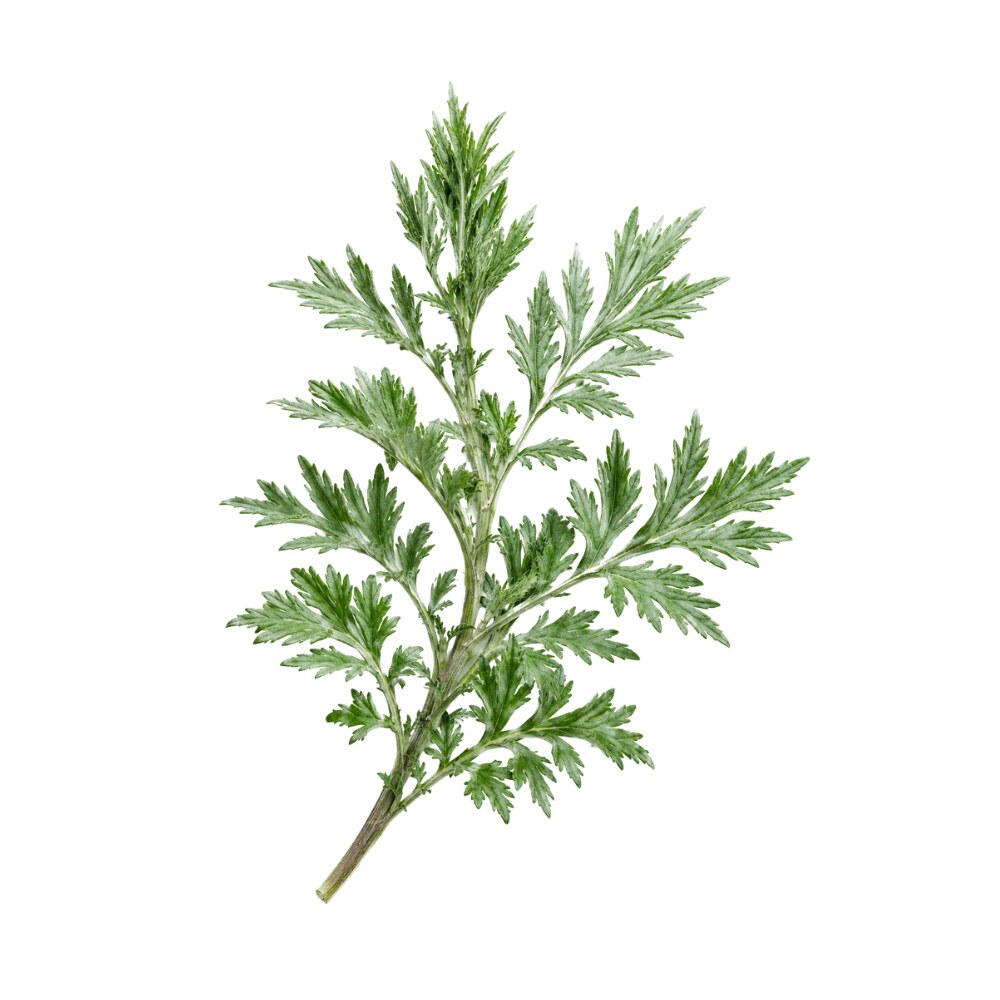 Principal source Mugwort Artemisia vulgaris Herb monograph →
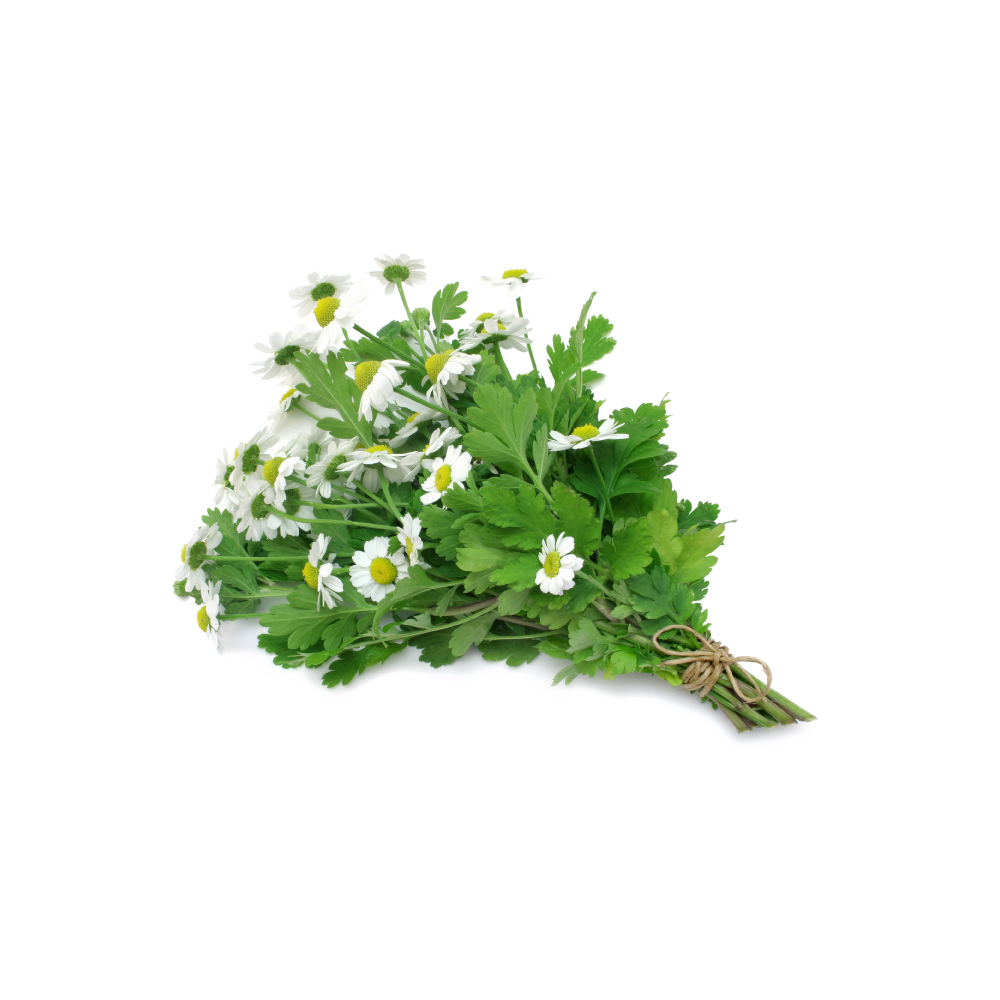 Source Feverfew Tanacetum parthenium Herb monograph →
 Source Yarrow Achillea millefolium Herb monograph →
Concentration
Content by Source
Concentrations not reported. No percent-dry-weight or mg/g figures have been published for this compound in its source plants.
Isosecotanapartholide at a Glance
Isosecotanapartholide — usually written iso-seco-tanapartholide, and abbreviated ISTP or IST in the literature — is a sesquiterpene lactone of the daisy family, found in mugwort (Artemisia vulgaris), Chinese mugwort (A. argyi), yarrow and several relatives 1,
Structurally it is a ring-cleaved guaianolide. Where a normal guaianolide such as canin or artecanin has three fused rings, isosecotanapartholide has had the seven-membered middle ring oxidatively broken open — the “seco” of the name — leaving a hydroxylated cyclopentenone joined to an α-methylene-γ-lactone with a short ketone-bearing side chain 3,
Two things make it worth a page. First, it is one of the very few plant sesquiterpene lactones anyone has bothered to put through a mammalian oral toxicity study — mice showed no organ toxicity or mortality at 1600 mg/kg in an acute assay 1Reference 1AnimalToxicological evaluation of isosecotanapartholide from Artemisia vulgaris L.: oral acute and sub-acute toxicity in BALB/c mice — mouse, in vivoView study →. Second, it is not a benign molecule chemically: it demonstrably alkylates cysteine residues on Keap1 and p62, and its anti-inflammatory activity disappears when the reactive group is removed 3,
Isosecotanapartholide vs. Secotanapartholide A
These are two different molecules with almost the same name, they co-occur in the same plants, and the literature is not always careful about which is which. They are structural isomers — same molecular formula (C₁₅H₁₈O₅), same molecular weight (278.30), same α-methylene-γ-lactone, same 3-oxobutyl side chain. The whole difference sits in the five-membered ring 20,
| Isosecotanapartholide | Secotanapartholide A | |
|---|---|---|
| PubChem CID | 13918473 | 10356188 |
| InChIKey | XXYRTFCLQHKIDU-MJVIPROJSA-N | RTOGTHJTQOMSQZ-GZCFXPHUSA-N |
| Ring alkene | between the methyl-bearing carbon and the carbon carrying the lactone (fully substituted) | on the far side of the ring, β-carbon bearing a hydrogen |
| Ring hydroxyl | secondary, allylic | tertiary, on a quaternary methyl-bearing carbon |
| Accessible Michael acceptors | one (the exocyclic methylene) | two (the exocyclic methylene and the ring enone) |
That last row is a structural reading of the two published structures, not something anyone has tested side by side — but it is the sort of difference that would matter, because a soft electrophile with two accessible acceptor sites is a different proposition from one with a single sterically-buried second site. The one paper that maps a covalent target for the “seco” branch of the family bears that out in kind if not in detail: seco-tanapartholide B (the C-5 epimer of seco-tanapartholide A) binds Cys424 of PKM2 through its α-methylene-γ-lactone 18,
Practically: treat findings for secotanapartholide A or B as related but not transferable, and be suspicious of any source that uses the two names interchangeably. Related names in the same cluster you will encounter — 3-O-methyl-isosecotanapartholide, tanaphillin (also spelled tanaphallin), 8-hydroxy-3-methoxy-isosecotanapartholide, seco-tanapartholide C — are all distinct compounds with their own data 7,
It Carries The Warhead, And Mice Tolerated 1600 mg/kg Anyway
The default assumption about a sesquiterpene lactone is that it is a thiol-reactive electrophile: the exocyclic methylene on the γ-lactone is a Michael acceptor that alkylates cysteine residues, which is why so many members of the class hit NF-κB, Keap1 and other cysteine-dependent targets, and why so many of them are cytotoxic. It is worth checking whether a given lactone actually has that group before crediting it with class behaviour — a fair number do not.
This one does. PubChem’s structure for isosecotanapartholide is explicit about it: the lactone ring is a 3-methylidene-oxolan-2-one, i.e. an α-methylene-γ-butyrolactone 20Reference 20Database entryView study →. And unusually for a molecule this obscure, three independent lines of evidence show the group is not just present but load-bearing:
- Remove it and the activity goes. In the synthesis paper, an analogue in which the exocyclic α-methylene was replaced by a plain methyl group did not inhibit TNF-α activation of NF-κB at all 3Reference 3In vitroIso-seco-tanapartholides: isolation, synthesis and biological evaluation — in vitroView study →.
- Add a competing thiol and the activity goes. Isosecotanapartholide blocked NF-κB–DNA binding only when a thiol-based reducing agent was absent from the assay 3Reference 3In vitroIso-seco-tanapartholides: isolation, synthesis and biological evaluation — in vitroView study →.
- The alkylated residues have been identified. In macrophages, it modifies Keap1 at Cys151, Cys273 and Cys288, and separately modifies cysteines on p62/SQSTM1 4,
6Reference 4AnimalIso-seco-tanapartholide activates Nrf2 signaling pathway through Keap1 modification and oligomerization to exert anti-inflammatory effects — mice, in vivoView study →Reference 6AnimalIso-seco-tanapartholide induces p62 covalent oligomerization to activate KEAP1-NRF2 redox pathway in rheumatoid arthritis — mice, in vivoView study → .
So the tolerability finding cannot be explained away by “it lacks the warhead.” Mice given 1600 mg/kg of a confirmed cysteine alkylator by mouth showed no mortality and no adverse histopathology in heart, kidney, uterus or testis 1Reference 1AnimalToxicological evaluation of isosecotanapartholide from Artemisia vulgaris L.: oral acute and sub-acute toxicity in BALB/c mice — mouse, in vivoView study →. That is a real result and it deserves to be stated plainly — but so do its limits, and they are substantial:
- 1600 mg/kg is the acute figure, not a repeat-dose NOAEL. The acute arm ran 200, 800 and 1600 mg/kg; the sub-acute (14-day) arm topped out at 500 mg/kg 1Reference 1AnimalToxicological evaluation of isosecotanapartholide from Artemisia vulgaris L.: oral acute and sub-acute toxicity in BALB/c mice — mouse, in vivoView study →. There is no 90-day study, and no dose above 500 mg/kg has ever been given more than acutely.
- The endpoints were general, not electrophile-specific. Appearance, behaviour, weight, intake, relative organ weight, haematology, histopathology and biochemical markers 1Reference 1AnimalToxicological evaluation of isosecotanapartholide from Artemisia vulgaris L.: oral acute and sub-acute toxicity in BALB/c mice — mouse, in vivoView study → — no genotoxicity assay, no reproductive or developmental study, no immunotoxicity or skin-sensitisation testing, which are exactly the endpoints a Michael acceptor should be screened against.
- One study, one laboratory, published 2025. Nothing independent replicates it.
What might reconcile the chemistry with the tolerance? Two plausible, untested explanations. The molecule is strikingly polar for a sesquiterpene lactone (XLogP −0.5, one hydrogen-bond donor 20Reference 20Database entryView study →), and the one structure–activity study in this family found that potency against cells tracked lipophilicity — with plain isosecotanapartholide the least lipophilic and least potent member, and its methoxylated relatives markedly stronger 9Reference 9In vitroStructure-activity relationship of seco-tanapartholides isolated from Achillea falcata for inhibition of HaCaT cell growth — in vitroView study →. A poorly lipophilic soft electrophile taken orally has a long run of gut and hepatic glutathione to get past before it reaches anything. That would predict low oral bioavailability. Nobody has measured it — see Pharmacokinetics. Until someone does, the honest summary is: chemically reactive, orally well tolerated in one acute mouse study, mechanism of that tolerance unknown.
What It's Used For
The literature here is small but not empty, and it is unusually mechanistic for a molecule this obscure. Everything is preclinical.
Support is an experimental score — weighted by study type (human > animal > in vitro) and volume. A beta, not a validated metric. Note that nothing here has a human study behind it, so the ceiling for every row is low by construction; the ranking is between preclinical strands, not between clinical ones.
The best-developed strand, and all of it uses the isolated molecule. In LPS-stimulated RAW 264.7 macrophages, isosecotanapartholide inhibits nitric-oxide production by downregulating iNOS expression (IC₅₀ 2.81 µg/mL in the original 2003 report from Artemisia iwayomogi; 8.30 µM in a 2025 re-isolation from Patrinia rupestris) 7,
Mechanistically it works at two connected nodes: it alkylates Keap1 at Cys151/273/288, triggering a disulfide-linked Keap1 dimer that releases Nrf2 to the nucleus 4Reference 4AnimalIso-seco-tanapartholide activates Nrf2 signaling pathway through Keap1 modification and oligomerization to exert anti-inflammatory effects — mice, in vivoView study →, and it covalently oligomerises p62/SQSTM1, which recruits Keap1 for autophagic degradation and reinforces the same NRF2 output 6Reference 6AnimalIso-seco-tanapartholide induces p62 covalent oligomerization to activate KEAP1-NRF2 redox pathway in rheumatoid arthritis — mice, in vivoView study →.
A separate, third target has been reported — suppression of PFKFB3, the glycolytic regulator, with downstream loss of p-STAT3 and p-p65 5Reference 5AnimalIso-seco-tanapartholide from Artemisia argyi inhibits the PFKFB3-mediated glycolytic pathway to attenuate airway inflammation in lipopolysaccharide-induced acute lung injury mice — in vivoView study →.
In vivo, it reduced pulmonary oedema and inflammatory cytokines in LPS-induced acute lung injury in mice 5Reference 5AnimalIso-seco-tanapartholide from Artemisia argyi inhibits the PFKFB3-mediated glycolytic pathway to attenuate airway inflammation in lipopolysaccharide-induced acute lung injury mice — in vivoView study → and reduced oxidative and inflammatory damage in a rheumatoid-arthritis model 6Reference 6AnimalIso-seco-tanapartholide induces p62 covalent oligomerization to activate KEAP1-NRF2 redox pathway in rheumatoid arthritis — mice, in vivoView study →.
Its NF-κB action is late in the pathway — it does not prevent IκBα degradation, it blocks NF-κB’s transcriptional activity and DNA binding, with IC₅₀ 7.7 µM in a reporter assay 3Reference 3In vitroIso-seco-tanapartholides: isolation, synthesis and biological evaluation — in vitroView study →.
Gap: all isolate, all rodent or cell-based. Three labs propose three different primary targets (Keap1, p62, PFKFB3) and none has been reconciled against the others; with a promiscuous cysteine alkylator that is a live concern, not a footnote. No human study exists, and no plasma concentration has ever been measured to show any of these micromolar effects are reachable in vivo.
This is the applied use the molecule was actually isolated for, and it is isolate work. Bioassay-guided fractionation of A. vulgaris identified isosecotanapartholide as the volatile fumigant principle, highly toxic to adults of the rice weevil Sitophilus oryzae, the red flour beetle Tribolium castaneum and the rice moth Corcyra cephalonica, with LC₅₀ values of 1.82, 2.19 and 1.83 µg/L of air respectively; the paper reports acetylcholinesterase inhibition in vitro and in vivo and supports it with molecular docking against S. oryzae AChE 2Reference 2Isolation of isosecotanapartholide from Artemisia vulgaris L. as potential insecticide against stored grain insect pests and its in silico studiesView study →.
The 2025 mouse toxicology study was explicitly the safety follow-up to this application — the argument being that a fumigant tolerated at 1600 mg/kg orally in mammals could substitute for a synthetic grain protectant 1Reference 1AnimalToxicological evaluation of isosecotanapartholide from Artemisia vulgaris L.: oral acute and sub-acute toxicity in BALB/c mice — mouse, in vivoView study →.
Gap: one laboratory, one paper, and the AChE mechanism rests partly on in-silico docking rather than kinetics. A thiol-alkylating electrophile has many ways to kill an insect, so AChE inhibition is a plausible but not an isolated explanation. No field trial, no residue data, and no comparison against an existing commercial fumigant under storage conditions.
Consistent but modest, and entirely in vitro on the isolate. Isosecotanapartholide and its close relatives were isolated by bioassay-guided fractionation against HCT-116 colorectal cancer cells from Achillea falcata, where the authors tied activity to the skeleton, lipophilicity, and the groups neighbouring “the main alkylating centre of the molecule” 10Reference 10In vitroDifferential growth inhibitory effects of highly oxygenated guaianolides isolated from the Middle Eastern indigenous plant Achillea falcata in HCT-116 colorectal cancer cells — in vitroView study →.
Combined with salograviolide A it produced an 80% drop in HCT-116 and DLD-1 viability versus ~25% for either alone, through ROS-dependent, caspase-independent apoptosis and MAPK signalling 11Reference 11In vitroSynergistic anticancer activities of the plant-derived sesquiterpene lactones salograviolide A and iso-seco-tanapartholide — in vitroView study →.
Its 3-O-methyl ether — a different compound — was the member tested in HL-60 leukaemia cells (IC₅₀ within a 3.6–13.5 µM four-lactone range, with caspase-3/9 activation) and against a four-line solid-tumour panel 12,
In Achillea millefolium it was one of three degraded lactones screened against A549 lung-cancer cells, where the dimeric millifolide A rather than isosecotanapartholide carried the activity 14Reference 14In vitroMillifolide A, a dimeric ether of degraded sesquiterpene lactones, inhibited the proliferation of human lung cancer cell line A549 — in vitroView study →.
It also inhibits HaCaT keratinocyte growth, where potency across the family tracked lipophilicity and isosecotanapartholide itself was among the weaker members 9Reference 9In vitroStructure-activity relationship of seco-tanapartholides isolated from Achillea falcata for inhibition of HaCaT cell growth — in vitroView study →.
Gap: no animal tumour model and no selectivity data against normal cells for the parent molecule. Several of the most-cited potency figures belong to the 3-O-methyl ether or other family members, not to isosecotanapartholide, and are routinely quoted as if they were interchangeable. Low-micromolar cytotoxicity in a cysteine alkylator is close to a class default.
A single isolate study, in vitro. Isosecotanapartholide purified from Artemisia princeps extract reduced IL-33 production and TARC/CCL17 mRNA in human keratinocytes stimulated with TNF-α and IFN-γ, and dose-dependently suppressed ICAM-1 expression and STAT-1 phosphorylation 8Reference 8In vitroEffect of isosecotanapartholide isolated from Artemisia princeps Pampanini on IL-33 production and STAT-1 activation in HaCaT keratinocytes — in vitroView study →. The authors position it as the active component of the whole extract for inflammatory skin conditions.
Gap: one paper, one cell line, no animal dermatitis model and no topical formulation study. It is also the application most exposed to the class trap — STAT-1 and NF-κB are both cysteine-sensitive, and a comparable finding could be produced by most α-methylene lactones.
Mechanisms
| Target / pathway | Effect | Relevant to |
|---|---|---|
| α-Methylene-γ-lactone → protein cysteines | covalent Michael addition; required for activity (des-methylene analogue is inactive; activity abolished by free thiol) | the root mechanism behind every row below |
| Keap1 (Cys151, Cys273, Cys288) | alkylation → disulfide-linked Keap1 dimer → Nrf2 released and translocated | anti-inflammatory / cytoprotective |
| p62 / SQSTM1 cysteines | covalent, non-disulfide oligomerisation → autophagic degradation of KEAP1 → NRF2 output | anti-inflammatory (rheumatoid-arthritis model) |
| iNOS expression → NO production | downregulation in LPS-stimulated macrophages, low micromolar | anti-inflammatory |
| NF-κB (late — DNA binding / transcriptional activity, not IκBα degradation) | inhibition, IC₅₀ 7.7 µM; thiol-dependent | anti-inflammatory |
| PFKFB3 → glycolysis, p-STAT3, p-p65 | suppression; reduced ECAR and lactate, raised OCR | anti-inflammatory (acute lung injury) |
| Acetylcholinesterase (insect) | inhibition in vitro and in vivo; supported by docking against S. oryzae AChE | insecticidal / fumigant |
| ROS generation, mitochondrial membrane potential, MAPK (ERK/JNK/p38) | caspase-independent apoptosis, synergistic with salograviolide A | antiproliferative |
The first row is the point. Every downstream target listed is cysteine-dependent, and the evidence that the exocyclic methylene is doing the work is direct rather than inferred 3Reference 3In vitroIso-seco-tanapartholides: isolation, synthesis and biological evaluation — in vitroView study →. That makes the mechanism unusually well established for a molecule this obscure — and, equally, means none of these targets is likely to be uniquely “its” target.
Pharmacokinetics
Nothing has been published. A PubMed search for isosecotanapartholide combined with pharmacokinetic, bioavailability or half-life terms in title or abstract returns zero records (checked July 2026). There is no absorption figure, no oral bioavailability number, no distribution, metabolism or elimination data, no half-life, and no identified metabolites — in any species.
This is the page’s largest hole, and it is load-bearing rather than cosmetic. The in-vitro pharmacology sits at roughly 3–10 µM; whether oral dosing puts anything near that concentration in tissue is unknown. Two structural features argue it might not: the molecule is a soft electrophile that will be scavenged by glutathione in gut wall and liver, and it is unusually polar for a sesquiterpene lactone (XLogP −0.5 20Reference 20Database entryView study →) in a family whose cell potency tracks lipophilicity 9Reference 9In vitroStructure-activity relationship of seco-tanapartholides isolated from Achillea falcata for inhibition of HaCaT cell growth — in vitroView study →. That combination is also the most plausible explanation for the acute tolerability — but it remains a hypothesis, not a measurement.
Clinical Trials
There are none, and there never have been. No registered trial, no completed study, no human volunteer has knowingly received this molecule. The five records that PubMed returns for isosecotanapartholide alongside human-related search terms are all studies of human cell lines — HaCaT, HCT-116, DLD-1, A549, HL-60 — not of human subjects 8,
| Completed | Planned | Terminated | Preclinical |
|---|---|---|---|
| 0 | 0 | 0 | ~15(the entire PubMed literature) |
Last checked: July 2026.
Isolate vs. Plant Studies
This molecule sits at the unusual end of the isolate/plant spectrum: essentially all of its evidence is isolate evidence. Every pharmacology result above used purified compound, most of it obtained by bioassay-guided fractionation in which the isolation was driven by the activity being measured 2,
The transferability caveat therefore runs the other way from most compound pages. The isolate data are clean; what is missing is the plant half. Nobody has shown that a person drinking mugwort tea, or handling stored grain treated with Artemisia material, receives a meaningful dose of this molecule — no source has ever been quantified for it (see below), and no herbal preparation is standardised to it. Mugwort’s own preclinical anti-inflammatory record is credited mainly to its flavonoids and to other guaiane lactones such as artecanin and its relatives, not specifically to this one.
One provenance caveat sits underneath all of this. When the St Andrews group re-isolated “iso-seco-tanapartholide” from feverfew and from an Achillea species and compared it against authentic synthetic samples, the natural material turned out to be a mixture of two C-3 epimers, with the epimer — not isosecotanapartholide itself — as the major component in both plants 3Reference 3In vitroIso-seco-tanapartholides: isolation, synthesis and biological evaluation — in vitroView study →. Older isolation reports that predate that comparison should be read as identifying the epimeric pair rather than the single compound.
Prevalence in Nature
Isosecotanapartholide is a tribe Anthemideae molecule: it is reported across Artemisia and Achillea, the two genera that dominate its literature, plus Tanacetum. Confirmed occurrences, each from a named isolation:
| Source | Family | Reported as |
|---|---|---|
| Mugwort (Artemisia vulgaris) | Asteraceae | the fumigant principle of the leaf, isolated by bioassay-guided fractionation 2Reference 2Isolation of isosecotanapartholide from Artemisia vulgaris L. as potential insecticide against stored grain insect pests and its in silico studiesView study → |
| Chinese mugwort (A. argyi) | Asteraceae | the anti-inflammatory sesquiterpene of this traditional medicine 4, |
| Korean mugwort (A. princeps) | Asteraceae | active component of the extract in keratinocytes 8Reference 8In vitroEffect of isosecotanapartholide isolated from Artemisia princeps Pampanini on IL-33 production and STAT-1 activation in HaCaT keratinocytes — in vitroView study → |
| A. iwayomogi | Asteraceae | iNOS inhibitor, alongside its 3-O-methyl derivative 7Reference 7In vitroInhibitors of inducible nitric oxide synthase expression from Artemisia iwayomogi — in vitroView study → |
| A. asiatica | Asteraceae | as the 3-O-methyl ether, from the antiproliferative fraction 12, |
| A. myriantha | Asteraceae | as 3-O-methyl-iso-secotanapartholide, from aerial parts 17Reference 17In vitroGuaianolides from aerial parts of Artemisia myriantha — in vitroView study → |
| Achillea falcata | Asteraceae | with three related seco-tanapartholides, from bioassay-guided fractionation 9, |
| Yarrow (A. millefolium) | Asteraceae | one of three degraded lactones from the aerial parts 14Reference 14In vitroMillifolide A, a dimeric ether of degraded sesquiterpene lactones, inhibited the proliferation of human lung cancer cell line A549 — in vitroView study → |
| Achillea ligustica | Asteraceae | from the dichloromethane fraction, Aeolian Islands population 15Reference 15Phytochemical analysis of Achillea ligustica All. from Lipari Island (Aeolian Islands)View study → |
| Feverfew (Tanacetum parthenium) | Asteraceae | as an epimeric pair, from an NF-κB-guided fractionation 3Reference 3In vitroIso-seco-tanapartholides: isolation, synthesis and biological evaluation — in vitroView study → |
| Patrinia rupestris | Caprifoliaceae | compound 24 of 43 from the aerial parts 16Reference 16In vitroIridoids and other constituents from the aerial parts of Patrinia rupestris and their inhibitory effects on nitric oxide production — in vitroView study → |
The Patrinia record is the interesting one — it puts a characteristically Asteraceae lactone in a completely different family, which either means the biosynthesis is more widespread than the genus list suggests or that the molecule arises non-enzymatically from a commoner precursor 16Reference 16In vitroIridoids and other constituents from the aerial parts of Patrinia rupestris and their inhibitory effects on nitric oxide production — in vitroView study →.
That second possibility has a proposal behind it. The seco and iso-seco skeletons are thought to form by Diels–Alder addition of oxygen to a sesquiterpene-lactone-derived diene, followed by fragmentation of the resulting cyclic peroxide 3Reference 3In vitroIso-seco-tanapartholides: isolation, synthesis and biological evaluation — in vitroView study → — a degradation route rather than a dedicated pathway. If that is right, isosecotanapartholide may be partly a product of oxidative breakdown of a conventional guaianolide, which would explain its scattered taxonomic distribution and would raise the obvious question of how much of it is present in living tissue versus generated during drying and extraction. No one has tested that.
No quantified abundance figure exists for this molecule in any plant — not a percent dry weight, not mg/g, not a relative-abundance ranking. Every source above is a qualitative isolation or an identification in a compound list, so there is no Content-by-Source comparison to draw.
Discovery & Synthesis
The molecule was first assigned its structure by Huneck, Zdero and Bohlmann in Phytochemistry in 1986, with the assignment revisited by Marco and co-workers in 1993 — both accounts recorded in the later synthesis paper’s own history of the family 3Reference 3In vitroIso-seco-tanapartholides: isolation, synthesis and biological evaluation — in vitroView study →; its CAS registry number, 102926-01-2, is consistent with that date 20Reference 20Database entryView study →. The name is a compound of its origins: tanapartholide from Tanacetum parthenium, seco for the cleaved ring, iso for the isomer.
The first total synthesis was completed by Makiyi and co-workers in Nicholas Westwood’s group at the University of St Andrews, published in 2009 3Reference 3In vitroIso-seco-tanapartholides: isolation, synthesis and biological evaluation — in vitroView study →. The route is elegant and worth a sentence: it starts from the eudesmanolide (−)-α-santonin, uses a photochemical rearrangement to build the 5,7,5 guaianolide system, installs the exocyclic α-methylene by selenoxide elimination, and finishes with a late-stage oxidative cleavage of a C1,C10 syn-diol using lead tetraacetate — carried out with no protecting groups, giving the natural product directly in 86% yield 3Reference 3In vitroIso-seco-tanapartholides: isolation, synthesis and biological evaluation — in vitroView study →. Sodium periodate failed on the same substrate; the diol geometry is too rigid to form the cyclic ester intermediate that periodate needs.
That synthesis did more than confirm a structure. Because the group made both C-3 epimers, they could compare authentic material against plant isolates — and discovered that the “iso-seco-tanapartholide” purified from feverfew and from Achillea was in fact the epimeric mixture, with the epimer predominating 3Reference 3In vitroIso-seco-tanapartholides: isolation, synthesis and biological evaluation — in vitroView study →. The synthetic material also reproduced the NF-κB inhibition (IC₅₀ 7.7 µM for isosecotanapartholide, 4.7 µM for the epimer), which is why the mechanistic claims here rest on unusually firm ground for so small a literature 3Reference 3In vitroIso-seco-tanapartholides: isolation, synthesis and biological evaluation — in vitroView study →.
Manufacture today is extraction only, at research scale. No commercial production, no semi-synthetic route, and no supplier standardisation exists; the compound is sold, when at all, as a milligram-scale reference standard.
Patents: not yet researched.
Toxicity & Safety
Isosecotanapartholide is flagged low — a lighter badge than this site gives most sesquiterpene lactones (parthenolide, vulgarin and canin all carry moderate). That is not because it lacks the reactive group; it demonstrably has it. It is because, uniquely in this batch, an actual mammalian oral toxicity study exists and was negative 1Reference 1AnimalToxicological evaluation of isosecotanapartholide from Artemisia vulgaris L.: oral acute and sub-acute toxicity in BALB/c mice — mouse, in vivoView study →. Read the badge as “measured and reassuring so far, on a narrow set of endpoints,” not as “chemically benign.”
- No mortality or organ toxicity in mice at 1600 mg/kg orally (acute). Heart, kidney, uterus and testis histopathology, haematology, biochemistry, weight and intake all unremarkable across acute (200/800/1600 mg/kg) and 14-day sub-acute (50/500 mg/kg) arms 1Reference 1AnimalToxicological evaluation of isosecotanapartholide from Artemisia vulgaris L.: oral acute and sub-acute toxicity in BALB/c mice — mouse, in vivoView study →.
- It is a confirmed cysteine alkylator. It covalently modifies Keap1 and p62 cysteines, and its activity is abolished by removing the exocyclic methylene or by adding a competing thiol 3,
4, . Reactive-electrophile risks — sensitisation, off-target adduction, genotoxicity — were not among the endpoints tested.6Reference 3In vitroIso-seco-tanapartholides: isolation, synthesis and biological evaluation — in vitroView study →Reference 4AnimalIso-seco-tanapartholide activates Nrf2 signaling pathway through Keap1 modification and oligomerization to exert anti-inflammatory effects — mice, in vivoView study →Reference 6AnimalIso-seco-tanapartholide induces p62 covalent oligomerization to activate KEAP1-NRF2 redox pathway in rheumatoid arthritis — mice, in vivoView study → - The 1600 mg/kg figure is acute only. The highest repeat-dose level ever administered is 500 mg/kg for 14 days. No 90-day, reproductive, developmental or genotoxicity study exists, and no second laboratory has replicated the 2025 result 1Reference 1AnimalToxicological evaluation of isosecotanapartholide from Artemisia vulgaris L.: oral acute and sub-acute toxicity in BALB/c mice — mouse, in vivoView study →.
- Cytotoxic to human cells in the low micromolar range in several independent studies, with no selectivity data against normal cells for the parent molecule 9,
10, .11Reference 9In vitroStructure-activity relationship of seco-tanapartholides isolated from Achillea falcata for inhibition of HaCaT cell growth — in vitroView study →Reference 10In vitroDifferential growth inhibitory effects of highly oxygenated guaianolides isolated from the Middle Eastern indigenous plant Achillea falcata in HCT-116 colorectal cancer cells — in vitroView study →Reference 11In vitroSynergistic anticancer activities of the plant-derived sesquiterpene lactones salograviolide A and iso-seco-tanapartholide — in vitroView study → - Asteraceae sensitisation is a class risk. α-Methylene-γ-lactones are the chemical basis of sesquiterpene-lactone contact allergy. This molecule has never been patch-tested individually, but it carries the responsible group and occurs in mugwort, yarrow and feverfew — all recognised Asteraceae allergens.
- No interaction data of any kind. No CYP, transporter or protein-binding study has been done, so drug interactions are unassessed rather than absent.
Full Safety Detail
What was actually tested. Singh and colleagues gave male and female BALB/c mice isosecotanapartholide orally at 200, 800 and 1600 mg/kg for the acute assessment over seven days, and at 50 and 500 mg/kg for fourteen days for the sub-acute assessment. Endpoints were general appearance, behaviour, weight gain, water and feed intake, relative organ weight, haematological indices, histopathology and biochemical markers. No adverse effects and no mortality were recorded at any dose tested; the authors concluded the molecule is “safe in mammalian system” and suitable as a natural substitute for synthetic insecticides 1Reference 1AnimalToxicological evaluation of isosecotanapartholide from Artemisia vulgaris L.: oral acute and sub-acute toxicity in BALB/c mice — mouse, in vivoView study →. The study was ethics-approved (Institute of Life Sciences, Bhubaneswar) and is the only mammalian toxicology on this compound in existence.
What was not tested, and why it matters. No genotoxicity battery (Ames, micronucleus, comet), no reproductive or developmental study, no immunotoxicity or skin-sensitisation assay, no chronic or 90-day repeat dosing, and no toxicokinetics. For a molecule whose entire pharmacology depends on covalently modifying protein cysteines, those are the specific endpoints one would want, and their absence should not be read as a clean result. Absence of findings is absence of study.
Reproductive note (prose only). The acute and sub-acute study examined uterus and testis histology and reported no adverse effect at the doses tested 1Reference 1AnimalToxicological evaluation of isosecotanapartholide from Artemisia vulgaris L.: oral acute and sub-acute toxicity in BALB/c mice — mouse, in vivoView study →; that is an organ-weight and histopathology observation in a short study, not a reproductive-toxicity dataset. No fertility, mating, gestational or developmental study has been conducted. Pregnancy and lactation decisions belong on the herb or product page where intake is actually decided, not on a molecule page.
Route context. The application driving this research is a grain fumigant — an inhalational and residue exposure in humans, not an oral one — and inhalational toxicology for this compound has not been performed at all. The oral study answers a question adjacent to, but not the same as, the occupational exposure the use case would create.
Dosage
No human dose exists. Nothing here is a recommendation, and none of it is translatable to a person.
| Setting | Preparation | Dose / concentration | Source |
|---|---|---|---|
| Acute oral toxicity (mice, 7 days) | Isolated compound | 200, 800, 1600 mg/kg — no adverse effect at any level | 1Reference 1AnimalToxicological evaluation of isosecotanapartholide from Artemisia vulgaris L.: oral acute and sub-acute toxicity in BALB/c mice — mouse, in vivoView study → |
| Sub-acute oral toxicity (mice, 14 days) | Isolated compound | 50 and 500 mg/kg — no adverse effect | 1Reference 1AnimalToxicological evaluation of isosecotanapartholide from Artemisia vulgaris L.: oral acute and sub-acute toxicity in BALB/c mice — mouse, in vivoView study → |
| Grain fumigant (stored-product pests) | Isolated compound, vapour phase | LC₅₀ 1.82 µg/L (S. oryzae), 2.19 µg/L (T. castaneum), 1.83 µg/L (C. cephalonica) | 2Reference 2Isolation of isosecotanapartholide from Artemisia vulgaris L. as potential insecticide against stored grain insect pests and its in silico studiesView study → |
| NF-κB inhibition (reporter assay) | Synthetic compound | IC₅₀ 7.7 µM | 3Reference 3In vitroIso-seco-tanapartholides: isolation, synthesis and biological evaluation — in vitroView study → |
| iNOS / NO inhibition (macrophages) | Isolated compound | IC₅₀ 2.81 µg/mL; 8.30 µM in a later re-isolation | 7, |
| Cytotoxicity (cancer cell lines) | Isolated compound and relatives | low micromolar (family range 3.6–13.5 µM) | 10, |
Human exposure is indirect and entirely unquantified — via mugwort, Chinese mugwort, Korean mugwort, yarrow and feverfew, none of which is standardised to this molecule and none of which has ever been assayed for its content. These are doses and concentrations studied in research and are not a personal recommendation.
References
- Singh NB, Singh KD, Koijam AS, Chakravorty J, Jena S, Chawla S, Mukherjee PK, Rajashekar Y (2025). Toxicological evaluation of isosecotanapartholide from Artemisia vulgaris L.: oral acute and sub-acute toxicity in BALB/c mice — mouse, in vivo. Naunyn-Schmiedeberg’s Archives of Pharmacology. https://pubmed.ncbi.nlm.nih.gov/40208317/
- Singh NB, Patil S, Singh KD, Chakravorty J, Katragadda SB, Siva B, Mukherjee PK, Rajashekar Y (2024). Isolation of isosecotanapartholide from Artemisia vulgaris L. as potential insecticide against stored grain insect pests and its in silico studies. Annals of Agricultural Sciences 69:78–87. https://doi.org/10.1016/j.aoas.2024.08.001
- Makiyi EF, Frade RFM, Lebl T, Jaffray EG, Cobb SE, Harvey AL, Slawin AMZ, Hay RT, Westwood NJ (2009). Iso-seco-tanapartholides: isolation, synthesis and biological evaluation — in vitro. European Journal of Organic Chemistry. https://pubmed.ncbi.nlm.nih.gov/23606807/
- Zhu D, Xia Y, Li S, Kong M, Chen C, Xue G, Kong L, Luo J (2022). Iso-seco-tanapartholide activates Nrf2 signaling pathway through Keap1 modification and oligomerization to exert anti-inflammatory effects — mice, in vivo. Free Radical Biology and Medicine. https://pubmed.ncbi.nlm.nih.gov/34923099/
- Kong M, Zhu D, Dong J, Kong L, Luo J (2023). Iso-seco-tanapartholide from Artemisia argyi inhibits the PFKFB3-mediated glycolytic pathway to attenuate airway inflammation in lipopolysaccharide-induced acute lung injury mice — in vivo. Journal of Ethnopharmacology. https://pubmed.ncbi.nlm.nih.gov/36195302/
- Zhu D, Kong M, Chen C, Luo J, Kong L (2023). Iso-seco-tanapartholide induces p62 covalent oligomerization to activate KEAP1-NRF2 redox pathway in rheumatoid arthritis — mice, in vivo. International Immunopharmacology. https://pubmed.ncbi.nlm.nih.gov/36621330/
- Ahn H, Kim JY, Lee HJ, Kim YK, Ryu JH (2003). Inhibitors of inducible nitric oxide synthase expression from Artemisia iwayomogi — in vitro. Archives of Pharmacal Research. https://pubmed.ncbi.nlm.nih.gov/12735688/
- Oh CT, Jang YJ, Kwon TR, Im S, Kim SR, Seok J, Kim GY, Kim YH, Mun SK, Kim BJ (2017). Effect of isosecotanapartholide isolated from Artemisia princeps Pampanini on IL-33 production and STAT-1 activation in HaCaT keratinocytes — in vitro. Molecular Medicine Reports. https://pubmed.ncbi.nlm.nih.gov/28447741/
- Ghantous A, Nasser N, Saab I, Darwiche N, Saliba NA (2009). Structure-activity relationship of seco-tanapartholides isolated from Achillea falcata for inhibition of HaCaT cell growth — in vitro. European Journal of Medicinal Chemistry. https://pubmed.ncbi.nlm.nih.gov/19464086/
- Tohme R, Al Aaraj L, Ghaddar T, Gali-Muhtasib H, Saliba NA, Darwiche N (2013). Differential growth inhibitory effects of highly oxygenated guaianolides isolated from the Middle Eastern indigenous plant Achillea falcata in HCT-116 colorectal cancer cells — in vitro. Molecules. https://pubmed.ncbi.nlm.nih.gov/23860275/
- Salla M, Fakhoury I, Saliba N, Darwiche N, Gali-Muhtasib H (2013). Synergistic anticancer activities of the plant-derived sesquiterpene lactones salograviolide A and iso-seco-tanapartholide — in vitro. Journal of Natural Medicines. https://pubmed.ncbi.nlm.nih.gov/22976170/
- Molnár J, Szebeni GJ, Csupor-Löffler B, Hajdú Z, Szekeres T, Saiko P, Ocsovszki I, Puskás LG, Hohmann J, Zupkó I (2016). Investigation of the antiproliferative properties of natural sesquiterpenes from Artemisia asiatica and Onopordum acanthium on HL-60 cells — in vitro. International Journal of Molecular Sciences. https://pubmed.ncbi.nlm.nih.gov/26901188/
- Hajdú Z, Hohmann J, Forgo P, Máthé I, Molnár J, Zupkó I (2014). Antiproliferative activity of Artemisia asiatica extract and its constituents on human tumor cell lines — in vitro. Planta Medica. https://pubmed.ncbi.nlm.nih.gov/25295671/
- Yu PP, Yu F, Li WZ, Wang SM, Wang C, Dong M, Ni ZY, Li Y, Kiyota H (2022). Millifolide A, a dimeric ether of degraded sesquiterpene lactones, inhibited the proliferation of human lung cancer cell line A549 — in vitro. Natural Product Research. https://pubmed.ncbi.nlm.nih.gov/33980087/
- Venditti A, Guarcini L, Bianco A, Rosselli S, Bruno M, Senatore F (2016). Phytochemical analysis of Achillea ligustica All. from Lipari Island (Aeolian Islands). Natural Product Research. https://pubmed.ncbi.nlm.nih.gov/26327332/
- Liu ZY, Guo SR, Tang JX, Zhao CY, Pu L, Wang LZ, Liu D, Li RT, Li HM (2025). Iridoids and other constituents from the aerial parts of Patrinia rupestris and their inhibitory effects on nitric oxide production — in vitro. Phytochemistry. https://pubmed.ncbi.nlm.nih.gov/40609848/
- Zan K, Chen XQ, Tu PF (2018). Guaianolides from aerial parts of Artemisia myriantha — in vitro. Zhongguo Zhong Yao Za Zhi (China Journal of Chinese Materia Medica). https://pubmed.ncbi.nlm.nih.gov/29945382/
- Zhu D, Zhao L, Li Y, Du L, Xu D, Wang P, Liu S, Liu L (2026). Seco-tanapartholide B ameliorates acute lung injury by covalently activating PKM2 and reprogramming glycolytic metabolism — mice, in vivo. Bioorganic Chemistry. https://pubmed.ncbi.nlm.nih.gov/42208465/
- Kim NY, Kim S, Lee HJ, Ryu JH (2023). Sesquiterpenes from Artemisia princeps regulate inflammatory responses in RAW 264.7 macrophages — in vitro. Natural Product Research. https://pubmed.ncbi.nlm.nih.gov/35724377/
- PubChem CID 13918473 — Isosecotanapartholide (C₁₅H₁₈O₅, MW 278.30, CAS 102926-01-2, ChEBI:66089, XLogP −0.5). Database entry. https://pubchem.ncbi.nlm.nih.gov/compound/13918473
- PubChem CID 10356188 — Secotanapartholide A (C₁₅H₁₈O₅, MW 278.30). Database entry. https://pubchem.ncbi.nlm.nih.gov/compound/10356188
- Okamoto T, Sugimoto S, Noda M, Yokooji T, Danshiitsoodol N, Higashikawa F, Sugiyama M (2020). Interleukin-8 release inhibitors generated by fermentation of Artemisia princeps Pampanini herb extract with Lactobacillus plantarum SN13T — in vitro. Frontiers in Microbiology. https://pubmed.ncbi.nlm.nih.gov/32582099/



