
Compound Monograph
Lambertine (Dihydroberberine)
Lambertine is not a molecule of its own — it is the old botanical name for dihydroberberine, the reduced form of berberine first isolated from Berberis lambertii. The same compound is what gut bacteria make from swallowed berberine, and what is sold today as a bioavailability-enhanced berberine ingredient. Its own pharmacology is almost entirely preclinical.

Sources · 4
Where Does It Come From?
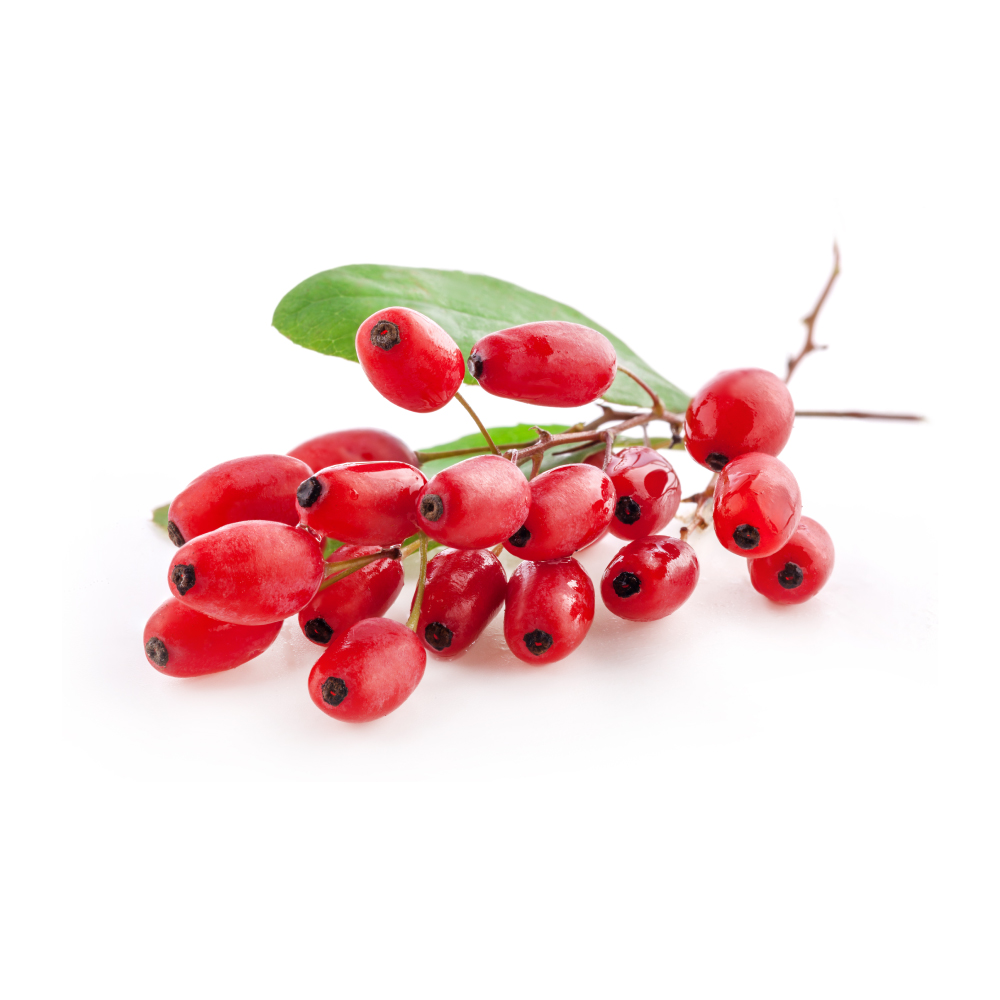
Lambertine (Dihydroberberine) is a semi-synthetic isoquinoline alkaloid (protoberberine group — the 7,8-dihydro form of berberine), found in Barberry, Berberis lambertii and 2 other sources. It is well tolerated orally (low toxicity).
Concentration
Content by Source
Concentrations not reported. No percent-dry-weight or mg/g figures have been published for this compound in its source plants.
Lambertine (Dihydroberberine) at a Glance
Lambertine is a synonym, not a separate molecule. The name comes from Berberis lambertii, an Asian barberry from which a minor alkaloid was isolated and christened “lambertine”; the compound was subsequently shown to be dihydroberberine — berberine with its charged iminium bond reduced 1,
That resolution changes the subject here. Under “lambertine” there is almost nothing: a handful of mid-century isolation notes and a single qualitative line in a Berberis phytochemistry review placing it among the root alkaloids of barberry, with no concentration figure attached 3Reference 3Phytochemistry and pharmacology of Berberis speciesView study →. Under dihydroberberine there is a real, if small, modern literature — because the same molecule is what gut bacteria make out of swallowed berberine, and the form sold as a bioavailability-enhanced berberine supplement 4,
The honest framing: dihydroberberine behaves less like a drug in its own right than like a delivery form of berberine. It absorbs several times better, then oxidises back to berberine in the body 4,
Lambertine Is Dihydroberberine
The synonymy is well documented, and worth stating plainly because “lambertine” still appears in constituent lists as though it were an uncharacterised mystery alkaloid.
The chemical records agree. PubChem files lambertine (and the variants lambertin and dihydroumbellatine) as synonyms of dihydroberberine, CAS 483-15-8, C₂₀H₁₉NO₄, molecular weight 337.4 1Reference 1Dihydroberberine, CID 10217 (CAS 483-15-8; synonyms include lambertine, lambertin, dihydroumbellatine)View study →. The classic review of the protoberberine alkaloids records the two Berberis lambertii alkaloids berlambine and lambertine as identical to oxyberberine and dihydroberberine respectively — and notes that, at the time of writing, dihydroberberine had been reported only from that one species 2Reference 2The Protoberberine AlkaloidsView study →.
Structurally it is berberine, reduced. Berberine is a quaternary protoberberine: a positively charged, bright-yellow cation with a C=N⁺ iminium bond. In dihydroberberine that bond is reduced — the nitrogen becomes a neutral tertiary amine and the adjacent carbon a CH₂ — so the molecule loses its permanent positive charge and its characteristic yellow colour. It is one hydrogen pair away from berberine in each direction, which is exactly why gut bacteria can make it and why the body can turn it back 4Reference 4Transforming berberine into its intestine-absorbable form by the gut microbiotaView study →.
Where the botanical claim comes from. Barberry’s constituent list carries lambertine on the strength of a single line in a Berberis review, which names it among “other important alkaloids” of Berberis vulgaris alongside oxyberberine, columbamine, isocorydine, magnoflorine and oxyacanthine — qualitatively, with no quantity given 3Reference 3Phytochemistry and pharmacology of Berberis speciesView study →. Independently, a 2019 pharmacology paper reported dihydroberberine from Phellodendron chinense bark, describing it as newly identified in that herb 9Reference 9Dihydroberberine, a hydrogenated derivative of berberine firstly identified in Phellodendri Chinese Cortex, exerts anti-inflammatory effect via dual modulation of NF-κB and MAPK signaling pathwaysView study →. Both are real reports; neither pins down how much is present.
Berberine’s Absorbable Form
The reason dihydroberberine matters is a pharmacokinetic accident.
Gut bacteria make it. Berberine is notoriously badly absorbed. Work published in 2015 showed that intestinal bacteria carrying nitroreductases reduce berberine to dihydroberberine in the gut lumen, and that dihydroberberine is absorbed at roughly five times berberine’s rate. Once through the intestinal wall it is non-enzymatically oxidised back to berberine in the tissue, so what circulates is berberine again. Antibiotic-treated mice converted less berberine and got less of its glucose- and lipid-lowering effect 4Reference 4Transforming berberine into its intestine-absorbable form by the gut microbiotaView study →.
So it functions as a prodrug. Giving dihydroberberine directly skips the microbial step. In high-fat-fed rodents it produced better in-vivo results than berberine at equivalent doses — less adiposity and tissue triglyceride accumulation — while acting through the same mechanism, inhibition of mitochondrial respiratory complex I and consequent AMPK activation 5Reference 5Berberine and its more biologically available derivative, dihydroberberine, inhibit mitochondrial respiratory complex IView study →.
Two small human studies confirm the exposure advantage. In a randomised crossover pilot in five men, 100 mg dihydroberberine produced a peak plasma berberine concentration of 3.76 ± 1.4 ng/mL against 0.4 ± 0.17 ng/mL from 500 mg of berberine — roughly an order of magnitude more from a fifth of the dose. Glucose and insulin did not change, which the authors attributed to the short protocol and healthy participants 6Reference 6RCTAbsorption kinetics of berberine and dihydroberberine and their impact on glycemia: a randomized, controlled, crossover pilot trialView study →. A second pilot in nine volunteers found dihydroberberine gave higher blood concentrations of berberine metabolites than a micellar berberine formulation, though a lower proportion of unmetabolised berberine 7Reference 7Differences in metabolite profiles of dihydroberberine and micellar berberine in Caco-2 cells and humans — a pilot studyView study →.
The practical consequence: dihydroberberine’s systemic pharmacology is largely berberine’s pharmacology at a higher plasma concentration. Where the compound has been studied on its own terms, that work is below.
What It's Used For
The dihydroberberine literature is small, recent and almost entirely preclinical — mouse and cell models plus two human pharmacokinetic pilots. It is also scattered: single studies reach into premature ovarian insufficiency 17Reference 17AnimalDihydroberberine alleviates Th17/Treg imbalance in premature ovarian insufficiency mice via inhibiting Rheb/mTOR signalingView study → and colorectal cancer 18Reference 18Dihydroberberine regulates the ferroptosis-autophagy positive feedback loop in colorectal cancer by targeting PANX2View study → without follow-up. No efficacy outcome has been tested in humans.
Support is an experimental score — weighted by study type (human > animal > in vitro) and volume. A beta, not a validated metric. Note that the top row scores a pharmacokinetic endpoint measured in humans, not a clinical benefit; every therapeutic row below it is animal-only.
The best-supported application, and the reason the molecule is commercially interesting. Isolated compound throughout. Gut bacterial nitroreductases convert berberine to dihydroberberine, which is absorbed at about five times berberine’s intestinal rate before reverting to berberine in tissue 4Reference 4Transforming berberine into its intestine-absorbable form by the gut microbiotaView study →.
Given directly to humans, 100 mg dihydroberberine produced a plasma berberine peak of 3.76 ± 1.4 ng/mL versus 0.4 ± 0.17 ng/mL from 500 mg berberine in a randomised crossover pilot of five men 6Reference 6RCTAbsorption kinetics of berberine and dihydroberberine and their impact on glycemia: a randomized, controlled, crossover pilot trialView study →.
A nine-volunteer pilot found higher berberine-metabolite exposure than from micellar berberine 7Reference 7Differences in metabolite profiles of dihydroberberine and micellar berberine in Caco-2 cells and humans — a pilot studyView study →.
In Sprague-Dawley rats a transdermal dihydroberberine formulation reached an AUC of 187.3 ng·h/mL against 26.5 ng·h/mL for oral berberine, roughly seven-fold, with no change in liver or kidney markers or CYP3A4 expression over 14 days 8Reference 8Comparative pharmacokinetics and safety assessment of transdermal berberine and dihydroberberineView study →.
Gap: every human study is a pharmacokinetic pilot with fewer than ten participants and no clinical endpoint. Higher plasma berberine is an assumption of benefit, not a demonstration — and no trial has compared dihydroberberine against berberine for any outcome that matters to a patient.
Isolated compound, animal and cell models. Dihydroberberine and berberine both inhibit mitochondrial respiratory complex I, raising the AMP:ATP ratio and activating AMPK — the same broad mechanism as metformin; in high-fat-fed rodents dihydroberberine showed the better in-vivo result, counteracting adiposity and tissue triglyceride accumulation, which the authors attributed to its superior availability rather than greater intrinsic potency 5Reference 5Berberine and its more biologically available derivative, dihydroberberine, inhibit mitochondrial respiratory complex IView study →. A separate line implicates glucokinase: dihydroberberine promoted glucose-stimulated insulin secretion in INS-1 and MIN6 β-cell lines, improved oral glucose tolerance in mice, bound glucokinase in docking and thermal-shift assays, and lost its effect when glucokinase was knocked down 15Reference 15Dihydroberberine normalizes insulin secretion by regulating glucokinaseView study →.
Gap: the human pilot that could have shown a glycaemic effect did not — glucose and insulin were unchanged over the measurement window in healthy, insulin-sensitive men on a single dose 6Reference 6RCTAbsorption kinetics of berberine and dihydroberberine and their impact on glycemia: a randomized, controlled, crossover pilot trialView study →. Whether the extra plasma berberine translates into metabolic benefit in people who need it is untested.
Isolated compound, mouse models. Dihydroberberine reduced inflammatory-cell infiltration and lowered IL-6, IL-1β and TNF-α production and mRNA across three mouse inflammation models, acting through dual suppression of NF-κB and MAPK signalling — though the paper reports the effect as weaker than berberine’s in the same assays 9Reference 9Dihydroberberine, a hydrogenated derivative of berberine firstly identified in Phellodendri Chinese Cortex, exerts anti-inflammatory effect via dual modulation of NF-κB and MAPK signaling pathwaysView study →. In dextran-sulfate-sodium colitis, dihydroberberine improved disease-activity scores, restored tight-junction protein expression and suppressed the TLR4/MyD88/NF-κB axis, with the authors reporting it as comparable to azathioprine and better than berberine in that model 10Reference 10AnimalDihydroberberine, an isoquinoline alkaloid, exhibits protective effect against dextran sulfate sodium-induced ulcerative colitis in miceView study →.
Gap: two studies, both in mice, reaching opposite conclusions about whether dihydroberberine is stronger or weaker than berberine. Neither used a plant extract, and neither has been replicated or extended to humans.
Isolated compound, one mouse study. In potassium-oxonate- and hypoxanthine-induced hyperuricaemic mice, dihydroberberine at 25 and 50 mg/kg lowered serum uric acid and creatinine and reduced TNF-α, IL-1β, IL-6 and IL-18, apparently by inhibiting xanthine oxidase (in-vitro IC₅₀ ≈ 34.4 µM) and suppressing NLRP3 inflammasome activation 11Reference 11AnimalAnti-hyperuricemic and nephroprotective effects of dihydroberberine in potassium oxonate- and hypoxanthine-induced hyperuricemic miceView study →.
Gap: a single unreplicated study in a chemically induced model, with a xanthine-oxidase IC₅₀ in the tens of micromolar — far above the low-nanogram plasma berberine concentrations measured in humans 6Reference 6RCTAbsorption kinetics of berberine and dihydroberberine and their impact on glycemia: a randomized, controlled, crossover pilot trialView study →. Treat as mechanism, not as a demonstrated effect.
Isolated compound, cell lines. Dihydroberberine showed synergy with sunitinib against NSCLC NCI-H460 cells by repressing MAP-kinase pathways and inflammatory mediators 16Reference 16Dihydroberberine exhibits synergistic effects with sunitinib on NSCLC NCI-H460 cells by repressing MAP kinase pathways and inflammatory mediatorsView study →, and a 2026 study reports it acting on a ferroptosis–autophagy feedback loop in colorectal cancer via PANX2 18Reference 18Dihydroberberine regulates the ferroptosis-autophagy positive feedback loop in colorectal cancer by targeting PANX2View study →. Synthetic dihydroberberine and tetrahydroberberine analogues have also been screened for antiproliferative activity, which is analogue chemistry rather than evidence for the natural compound.
Gap: unconnected single studies in different cancers with different proposed mechanisms, no in-vivo replication, and no accounting for whether the concentrations used are reachable in blood. This is the weakest row on the page.
Mechanisms
| Target / pathway | Effect | Relevant to |
|---|---|---|
| Gut bacterial nitroreductases | reduce berberine → dihydroberberine in the intestinal lumen; ~5× the absorption rate 4Reference 4Transforming berberine into its intestine-absorbable form by the gut microbiotaView study → | pharmacokinetics — the whole point of the molecule |
| Non-enzymatic oxidation in intestinal tissue | dihydroberberine converts back to berberine after absorption, so circulating drug is berberine 4Reference 4Transforming berberine into its intestine-absorbable form by the gut microbiotaView study → | pharmacokinetics |
| Mitochondrial respiratory complex I | inhibition → raised AMP:ATP → AMPK activation (the metformin-class route) 5Reference 5Berberine and its more biologically available derivative, dihydroberberine, inhibit mitochondrial respiratory complex IView study → | glycaemic / metabolic |
| Glucokinase | direct binding; required for dihydroberberine’s glucose-stimulated insulin secretion in β-cells and mice 15Reference 15Dihydroberberine normalizes insulin secretion by regulating glucokinaseView study → | glycaemic |
| NF-κB and MAPK signalling | dual suppression → lower IL-6, IL-1β, TNF-α in mouse models (weaker than berberine) 9Reference 9Dihydroberberine, a hydrogenated derivative of berberine firstly identified in Phellodendri Chinese Cortex, exerts anti-inflammatory effect via dual modulation of NF-κB and MAPK signaling pathwaysView study → | anti-inflammatory |
| TLR4 / MyD88 / NF-κB + tight-junction proteins | reduced colitis severity, restored intestinal barrier proteins 10Reference 10AnimalDihydroberberine, an isoquinoline alkaloid, exhibits protective effect against dextran sulfate sodium-induced ulcerative colitis in miceView study → | gut inflammation |
| Xanthine oxidase / NLRP3 inflammasome | XO inhibition (IC₅₀ ≈ 34 µM) + inflammasome suppression → lower serum urate 11Reference 11AnimalAnti-hyperuricemic and nephroprotective effects of dihydroberberine in potassium oxonate- and hypoxanthine-induced hyperuricemic miceView study → | hyperuricaemia |
| hERG (IKr) potassium channel | concentration-dependent block plus disrupted channel trafficking in HEK293 cells 13Reference 13Inhibitory effects and mechanism of dihydroberberine on hERG channels expressed in HEK293 cellsView study → | toxicitynot therapy |
The first two rows are the ones that define this molecule. Dihydroberberine is a chemical intermediate on berberine’s own absorption route, and its therapeutic targets are berberine’s targets reached more efficiently — which is why the interesting questions here are pharmacokinetic rather than pharmacodynamic.
Pharmacokinetics
This is the compound’s entire reason for existing in the literature. Berberine’s oral bioavailability is famously poor — well under 1% — and dihydroberberine is nature’s workaround: gut nitroreductases reduce it, the reduced form crosses the intestinal wall about five times faster, and non-enzymatic oxidation converts it back to berberine on the other side 4Reference 4Transforming berberine into its intestine-absorbable form by the gut microbiotaView study →. Because of that reversion, plasma assays after a dihydroberberine dose measure berberine, and there is no published half-life or clearance figure for dihydroberberine as a circulating species in humans.
The human numbers are limited to two pilots. A randomised crossover in five men gave a peak plasma berberine of 3.76 ± 1.4 ng/mL after 100 mg dihydroberberine versus 0.4 ± 0.17 ng/mL after 500 mg berberine 6Reference 6RCTAbsorption kinetics of berberine and dihydroberberine and their impact on glycemia: a randomized, controlled, crossover pilot trialView study →. A nine-volunteer study comparing dihydroberberine with micellar berberine found higher metabolite exposure from dihydroberberine but a lower fraction of unmetabolised berberine, with distinct handling of the berberrubine and thalifendine metabolites 7Reference 7Differences in metabolite profiles of dihydroberberine and micellar berberine in Caco-2 cells and humans — a pilot studyView study →. In rats, transdermal dihydroberberine gave an AUC of 187.3 ng·h/mL against 26.5 ng·h/mL for oral berberine, sustained over 14 days of dosing 8Reference 8Comparative pharmacokinetics and safety assessment of transdermal berberine and dihydroberberineView study →.
The caveat that matters: even the “high” human figure is a few nanograms per millilitre, which is orders of magnitude below the micromolar concentrations used in the cell studies above. Better than berberine is not the same as enough.
Clinical Trials
Two small pharmacokinetic pilots, no efficacy trials. Neither human study was powered for, or found, a clinical effect: glucose and insulin were unchanged in the crossover trial 6Reference 6RCTAbsorption kinetics of berberine and dihydroberberine and their impact on glycemia: a randomized, controlled, crossover pilot trialView study →, and the second study measured metabolite profiles only 7Reference 7Differences in metabolite profiles of dihydroberberine and micellar berberine in Caco-2 cells and humans — a pilot studyView study →. Everything therapeutic is preclinical.
| Completed | Planned | Terminated | Preclinical |
|---|---|---|---|
| 2pharmacokinetic pilots (n = 5; n = 9) — no efficacy endpoints | — | — | Metabolic/glycaemic, colitis, hyperuricaemia, oncology, ovarian insufficiency |
Last checked: July 2026.
Isolate vs. Plant Studies
Unusually for a plant constituent, there is no whole-plant literature to weigh against the isolate. Every study cited here used pure dihydroberberine — synthesised or purified — and none used a Berberis extract standardised to it. That is partly a strength (nothing here is confounded by co-occurring alkaloids) and partly a symptom: the compound’s occurrence in barberry root is documented only qualitatively 3Reference 3Phytochemistry and pharmacology of Berberis speciesView study →, so no one has ever produced an extract with a known dihydroberberine content to test.
It also means the herbal inference runs the wrong way. Someone taking a barberry or goldenseal preparation is not getting a meaningful dose of dihydroberberine from the plant; they are getting berberine, some of which their gut bacteria convert into dihydroberberine before absorption 4Reference 4Transforming berberine into its intestine-absorbable form by the gut microbiotaView study →. The molecule is more accurately described as a step in the metabolism of a herbal alkaloid than as a herbal active in its own right — which is also why the microbiome-dependence finding matters: mice with depleted gut flora absorbed less and responded less 4Reference 4Transforming berberine into its intestine-absorbable form by the gut microbiotaView study →.
Prevalence in Nature
Dihydroberberine is a trace constituent with no published concentration data anywhere. The 1967 protoberberine review recorded it from Berberis lambertii only, under the name lambertine, noting that its co-alkaloid oxyberberine (berlambine) occurred more widely 2Reference 2The Protoberberine AlkaloidsView study →. A 2014 review of Berberis phytochemistry lists lambertine among the alkaloids reported from barberry (Berberis vulgaris) root, in a single qualitative sentence with no quantity 3Reference 3Phytochemistry and pharmacology of Berberis speciesView study →. In 2019 it was reported from Phellodendron chinense bark, described there as newly identified in that herb 9Reference 9Dihydroberberine, a hydrogenated derivative of berberine firstly identified in Phellodendri Chinese Cortex, exerts anti-inflammatory effect via dual modulation of NF-κB and MAPK signaling pathwaysView study →. No source has been assigned a percentage of dry weight.
Its natural context is the standard protoberberine suite — it travels with berberine, palmatine, jatrorrhizine, columbamine and magnoflorine, and with the bisbenzylisoquinolines berbamine and oxyacanthine in the same roots and barks, all of them dwarfed by berberine itself 3Reference 3Phytochemistry and pharmacology of Berberis speciesView study →.
The larger share of dihydroberberine that exists in the world is not in plants at all. It is generated in the intestine of anyone taking berberine, by bacterial nitroreductases 4Reference 4Transforming berberine into its intestine-absorbable form by the gut microbiotaView study →, and it is manufactured as a supplement ingredient by chemical reduction of berberine.
Discovery & Synthesis
The name lambertine was given to an alkaloid isolated from Berberis lambertii, alongside a second alkaloid named berlambine for the same species. Both names were later retired as identities: berlambine proved to be oxyberberine, and lambertine to be dihydroberberine — a conclusion already recorded in the standard review of the protoberberine alkaloids by 1967 2Reference 2The Protoberberine AlkaloidsView study →. As a chemical entity, dihydroberberine long predated its botanical isolation; it is the straightforward two-electron reduction product of berberine, and was already familiar to alkaloid chemists as a berberine derivative and a reference point in protoberberine reaction chemistry 2Reference 2The Protoberberine AlkaloidsView study →.
Manufacture today is entirely semi-synthetic. No one extracts dihydroberberine from plants — the natural abundance is too low to be worth it. Commercial material is made by reducing berberine, which is itself extracted cheaply from Berberis, Coptis or Phellodendron roots and bark, or produced synthetically. Because dihydroberberine oxidises back to berberine readily, formulation and storage stability are practical concerns for the finished ingredient. Synthetic dihydroberberine and tetrahydroberberine analogues have also been prepared for anticancer screening, a separate medicinal-chemistry thread from the natural product 16Reference 16Dihydroberberine exhibits synergistic effects with sunitinib on NSCLC NCI-H460 cells by repressing MAP kinase pathways and inflammatory mediatorsView study →.
Patents: not yet researched.
Toxicity & Safety
Dihydroberberine carries a low flag on the strength of a dedicated toxicology package — but that package is short, and the compound converts to berberine in the body, so berberine’s cautions should be assumed to apply until shown otherwise.
- A real toxicology dataset exists. Non-genotoxic in bacterial and mammalian assays; acute oral LD₅₀ above 2,000 mg/kg in rats; 90-day rat NOAEL of 100 mg/kg body weight per day — the highest dose tested 12Reference 12Toxicological assessment of dihydroberberineView study →.
- No liver or kidney signal in the rodent PK work. ALT, ALP, creatinine and BUN unchanged over 14 days of dosing, with no change in CYP3A4 expression 8Reference 8Comparative pharmacokinetics and safety assessment of transdermal berberine and dihydroberberineView study →.
- An unresolved cardiac-channel signal. Dihydroberberine blocks the hERG potassium channel concentration-dependently in HEK293 cells and disrupts its trafficking to the membrane — a QT-prolongation flag that has not been followed up in animals or people 13Reference 13Inhibitory effects and mechanism of dihydroberberine on hERG channels expressed in HEK293 cellsView study →.
- Inherit berberine’s interaction profile. Since absorbed dihydroberberine becomes berberine, the known berberine cautions — CYP3A4/P-glycoprotein interactions, and displacement of bilirubin from albumin — should be treated as applying, though none has been tested for dihydroberberine itself 14Reference 14Dihydroberberine in metabolic disorders: bioavailability, molecular mechanisms, toxicology, and future perspectivesView study →.
- Effectively no human safety data. Total human exposure in the published literature is fourteen people across two single-dose pilot studies 6,
7Reference 6RCTAbsorption kinetics of berberine and dihydroberberine and their impact on glycemia: a randomized, controlled, crossover pilot trialView study →Reference 7Differences in metabolite profiles of dihydroberberine and micellar berberine in Caco-2 cells and humans — a pilot studyView study → .
Full Safety & Interactions Detail
The dedicated toxicology package. A 2022 assessment found dihydroberberine non-genotoxic in bacterial reverse-mutation and mammalian assays, established an acute oral LD₅₀ above 2,000 mg/kg in female rats, and set a 90-day no-observed-adverse-effect level of 100 mg/kg body weight per day in Sprague-Dawley rats — noting that this was the highest dose tested, so the true NOAEL may be higher 12Reference 12Toxicological assessment of dihydroberberineView study →. This is more toxicological groundwork than most minor plant alkaloids ever receive, and it is the main reason for the low grading.
The hERG question. Against that, dihydroberberine inhibited hERG (IKr) potassium channels expressed in HEK293 cells in a concentration-dependent manner, binding aromatic residues in the channel pore and additionally reducing the mature 155-kDa form while increasing the immature 135-kDa form — i.e. both a direct block and a trafficking defect 13Reference 13Inhibitory effects and mechanism of dihydroberberine on hERG channels expressed in HEK293 cellsView study →. hERG block is the standard in-vitro predictor of QT prolongation. No in-vivo cardiac study, ECG data or human cardiac observation exists for dihydroberberine, and a 2026 review names this as the outstanding safety item 14Reference 14Dihydroberberine in metabolic disorders: bioavailability, molecular mechanisms, toxicology, and future perspectivesView study →. Anyone with a QT-prolonging medication list or a known arrhythmia should treat this as unresolved rather than reassuring.
Interactions are un-tested but inheritable. No drug-interaction study has been run on dihydroberberine. The rat transdermal work found no effect on simvastatin pharmacokinetics and no change in hepatic CYP3A4 expression over 14 days 8Reference 8Comparative pharmacokinetics and safety assessment of transdermal berberine and dihydroberberineView study →, which is mildly reassuring but is one drug in one species. The more important point is structural: dihydroberberine is oxidised back to berberine after absorption 4Reference 4Transforming berberine into its intestine-absorbable form by the gut microbiotaView study →, so berberine’s documented interactions — raised cyclosporine levels via CYP3A4 and P-glycoprotein, and potent displacement of bilirubin from albumin — are the realistic risk model here, and the higher plasma berberine that dihydroberberine delivers could in principle make them more likely, not less 14Reference 14Dihydroberberine in metabolic disorders: bioavailability, molecular mechanisms, toxicology, and future perspectivesView study →. See berberine for that interaction profile in full.
Reproductive and developmental (prose only). No reproductive-toxicity study of dihydroberberine exists. One 2024 mouse study used it therapeutically in a premature-ovarian-insufficiency model, reporting an improved Th17/Treg balance via Rheb/mTOR signalling 17Reference 17AnimalDihydroberberine alleviates Th17/Treg imbalance in premature ovarian insufficiency mice via inhibiting Rheb/mTOR signalingView study → — a treatment finding, not a safety one, and not evidence of reproductive safety either way. Berberine’s own contraindication in pregnancy and breastfeeding rests on bilirubin displacement and kernicterus risk; nothing about the reduced form removes that concern. Pregnancy and lactation decisions belong to the herb or product page where intake is decided, not to this molecule page.
What is not known. There is no repeat-dose human data, no long-term data of any kind, no carcinogenicity study, and no assessment in children, older adults or people with liver or kidney impairment.
Dosage
There is no established human dose for dihydroberberine, and none at all for “lambertine” as a botanical constituent. The figures below are research and product doses, listed for reference only.
| Context | Form | Dose |
|---|---|---|
| Human pharmacokinetic pilot | Oral dihydroberberine | 100 mg or 200 mg, single doses (compared against 500 mg berberine) 6Reference 6RCTAbsorption kinetics of berberine and dihydroberberine and their impact on glycemia: a randomized, controlled, crossover pilot trialView study → |
| Human metabolite-profiling pilot | Oral dihydroberberine | Single dose, 9 volunteers 7Reference 7Differences in metabolite profiles of dihydroberberine and micellar berberine in Caco-2 cells and humans — a pilot studyView study → |
| Rodent efficacy (hyperuricaemia) | Oral dihydroberberine | 25–50 mg/kg 11Reference 11AnimalAnti-hyperuricemic and nephroprotective effects of dihydroberberine in potassium oxonate- and hypoxanthine-induced hyperuricemic miceView study → |
| Rat 90-day toxicology | Oral dihydroberberine | NOAEL 100 mg/kg/day (highest dose tested) 12Reference 12Toxicological assessment of dihydroberberineView study → |
| Botanical (barberry root) | Whole herb | Trace, unquantified — not a meaningful source 3Reference 3Phytochemistry and pharmacology of Berberis speciesView study → |
The commercial logic of the ingredient is that a 100–200 mg dose is intended to substitute for a much larger berberine dose, on the basis of the plasma-concentration comparison alone 6Reference 6RCTAbsorption kinetics of berberine and dihydroberberine and their impact on glycemia: a randomized, controlled, crossover pilot trialView study →. No trial has confirmed that the substitution produces an equivalent clinical effect, and no dose-ranging or repeat-dose human study has been published. These are doses studied in research and are not a personal recommendation.
References
- PubChem. Dihydroberberine, CID 10217 (CAS 483-15-8; synonyms include lambertine, lambertin, dihydroumbellatine). National Library of Medicine. https://pubchem.ncbi.nlm.nih.gov/compound/10217
- Jeffs PW (1967). The Protoberberine Alkaloids. In: The Alkaloids: Chemistry and Physiology, pp. 41–115. https://doi.org/10.1016/S1876-0813(08)60198-0
- Mokhber-Dezfuli N, Saeidnia S, Gohari AR, Kurepaz-Mahmoodabadi M (2014). Phytochemistry and pharmacology of Berberis species. Pharmacognosy Reviews. https://pubmed.ncbi.nlm.nih.gov/24600191/
- Feng R, Shou JW, Zhao ZX, et al. (2015). Transforming berberine into its intestine-absorbable form by the gut microbiota. Scientific Reports. https://pubmed.ncbi.nlm.nih.gov/26174047/
- Turner N, Li JY, Gosby A, et al. (2008). Berberine and its more biologically available derivative, dihydroberberine, inhibit mitochondrial respiratory complex I. Diabetes. https://pubmed.ncbi.nlm.nih.gov/18285556/
- Moon JM, Ratliff KM, Hagele AM, et al. (2021). Absorption kinetics of berberine and dihydroberberine and their impact on glycemia: a randomized, controlled, crossover pilot trial. Nutrients. https://pubmed.ncbi.nlm.nih.gov/35010998/
- Chang C, Roh YS, Du M, et al. (2024). Differences in metabolite profiles of dihydroberberine and micellar berberine in Caco-2 cells and humans — a pilot study. International Journal of Molecular Sciences. https://pubmed.ncbi.nlm.nih.gov/38891813/
- Buchanan B, Meng Q, Poulin MM, et al. (2018). Comparative pharmacokinetics and safety assessment of transdermal berberine and dihydroberberine. PLoS One. https://pubmed.ncbi.nlm.nih.gov/29579096/
- Tan L, Wang Y, Ai G, et al. (2019). Dihydroberberine, a hydrogenated derivative of berberine firstly identified in Phellodendri Chinese Cortex, exerts anti-inflammatory effect via dual modulation of NF-κB and MAPK signaling pathways. International Immunopharmacology. https://pubmed.ncbi.nlm.nih.gov/31401380/
- Li C, Dong N, Wu B, et al. (2021). Dihydroberberine, an isoquinoline alkaloid, exhibits protective effect against dextran sulfate sodium-induced ulcerative colitis in mice. Phytomedicine. https://pubmed.ncbi.nlm.nih.gov/34253428/
- Xu L, Lin G, Yu Q, et al. (2021). Anti-hyperuricemic and nephroprotective effects of dihydroberberine in potassium oxonate- and hypoxanthine-induced hyperuricemic mice. Frontiers in Pharmacology. https://pubmed.ncbi.nlm.nih.gov/33959014/
- Lewis KD, Falk M (2022). Toxicological assessment of dihydroberberine. Food and Chemical Toxicology. https://pubmed.ncbi.nlm.nih.gov/35868606/
- Yu D, Lv L, Fang L, et al. (2017). Inhibitory effects and mechanism of dihydroberberine on hERG channels expressed in HEK293 cells. PLoS One. https://pubmed.ncbi.nlm.nih.gov/28763460/
- Wang D, Tang Y (2026). Dihydroberberine in metabolic disorders: bioavailability, molecular mechanisms, toxicology, and future perspectives. Food and Chemical Toxicology. https://pubmed.ncbi.nlm.nih.gov/42398618/
- Zhang C, Zhang X, Zhang Q, et al. (2026). Dihydroberberine normalizes insulin secretion by regulating glucokinase. Diabetes, Obesity and Metabolism. https://pubmed.ncbi.nlm.nih.gov/41077968/
- Dai B, et al. (2017). Dihydroberberine exhibits synergistic effects with sunitinib on NSCLC NCI-H460 cells by repressing MAP kinase pathways and inflammatory mediators. Journal of Cellular and Molecular Medicine. https://pubmed.ncbi.nlm.nih.gov/28444871/
- Deng D, et al. (2024). Dihydroberberine alleviates Th17/Treg imbalance in premature ovarian insufficiency mice via inhibiting Rheb/mTOR signaling. Molecular Medicine. https://pubmed.ncbi.nlm.nih.gov/39472803/
- Xu L, et al. (2026). Dihydroberberine regulates the ferroptosis-autophagy positive feedback loop in colorectal cancer by targeting PANX2. Phytomedicine. https://pubmed.ncbi.nlm.nih.gov/42401068/



