
Compound Monograph
Leucosceptoside A
Leucosceptoside A is a feruloyl phenylethanoid glycoside — the 3-O-methyl (feruloyl) analogue of verbascoside/acteoside. It occurs widely but at low levels across ~11 plant families, and its biological data are almost entirely in-vitro and extract-level: modest antioxidant activity, one isolated-molecule anti-inflammatory study, and thin neuroprotective/anticancer signals.

Sources · 8
Where Does It Come From?
Leucosceptoside A is a naturally occurring phenylethanoid glycoside (feruloyl / acteoside family), found in Devil's claw, Blue vervain, Mullein and 5 other sources. It is well tolerated orally (low toxicity).
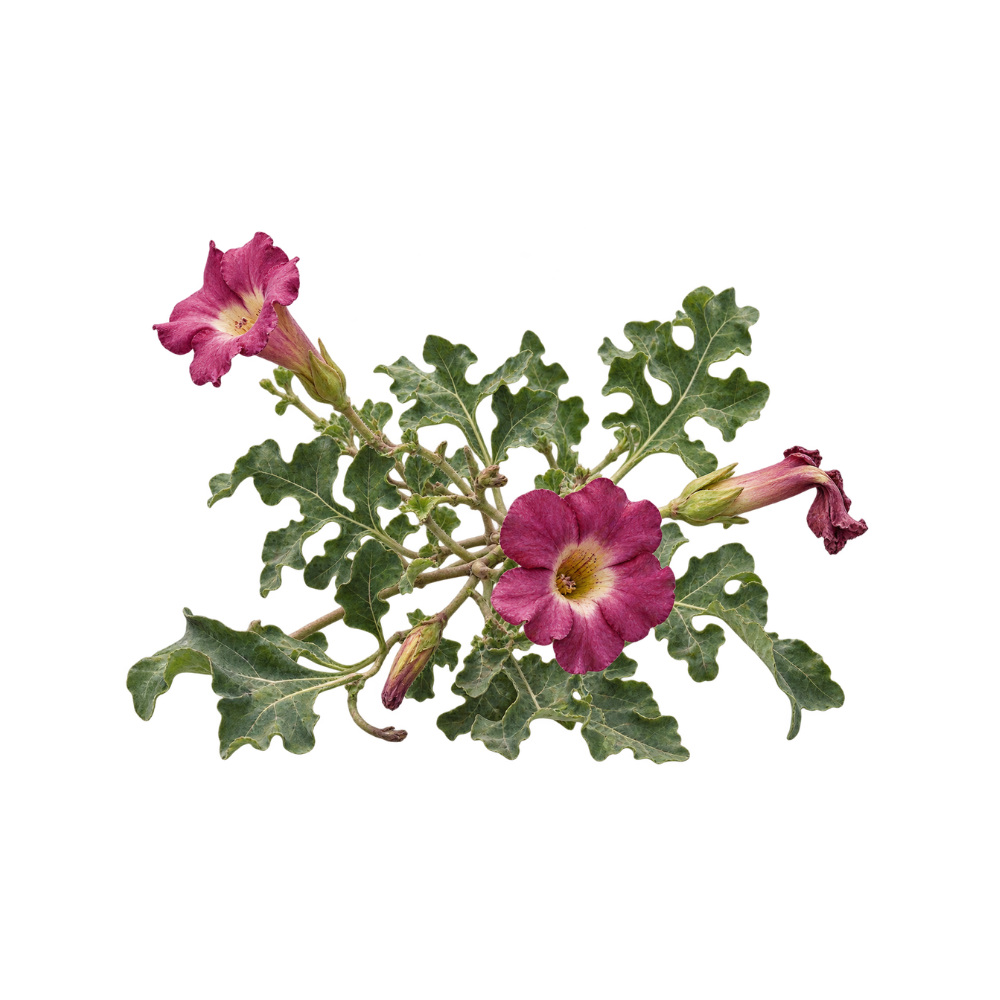 Principal source Devil's Claw Harpagophytum procumbens Herb monograph →
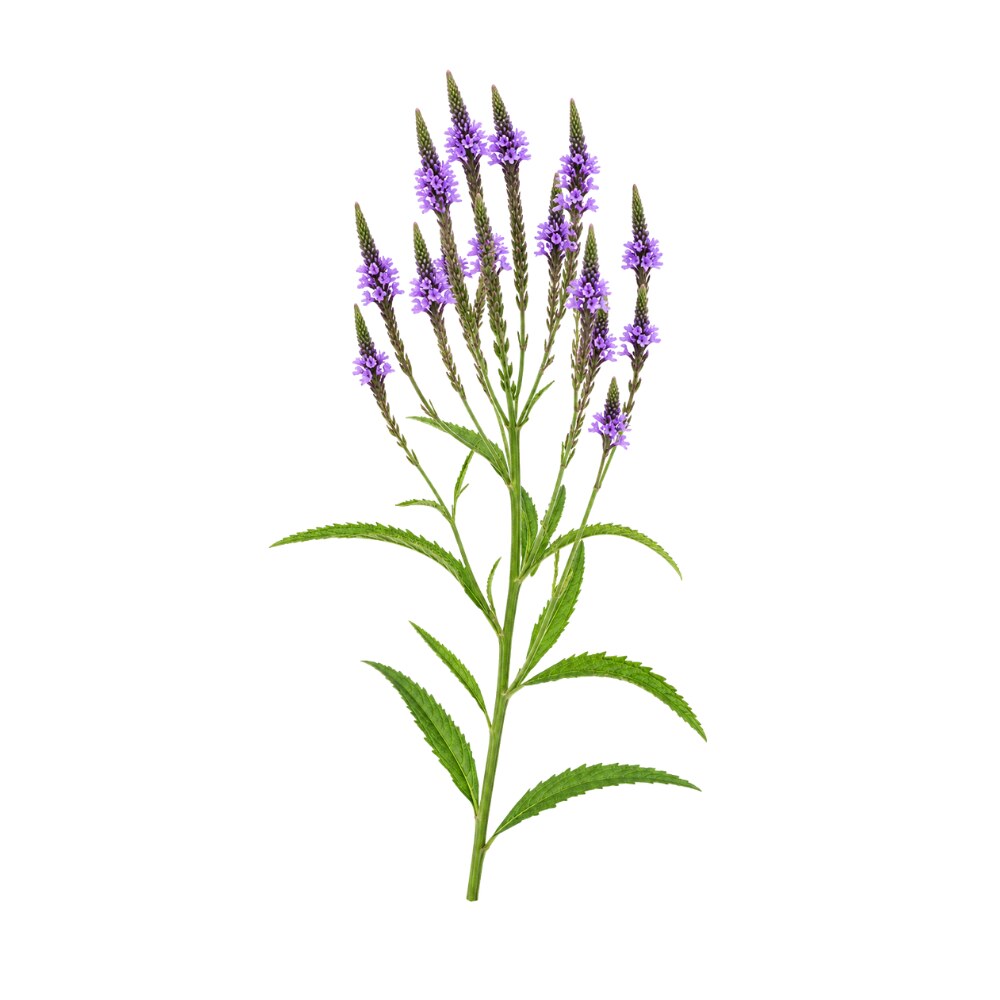 Source Blue Vervain Verbena hastata Herb monograph →
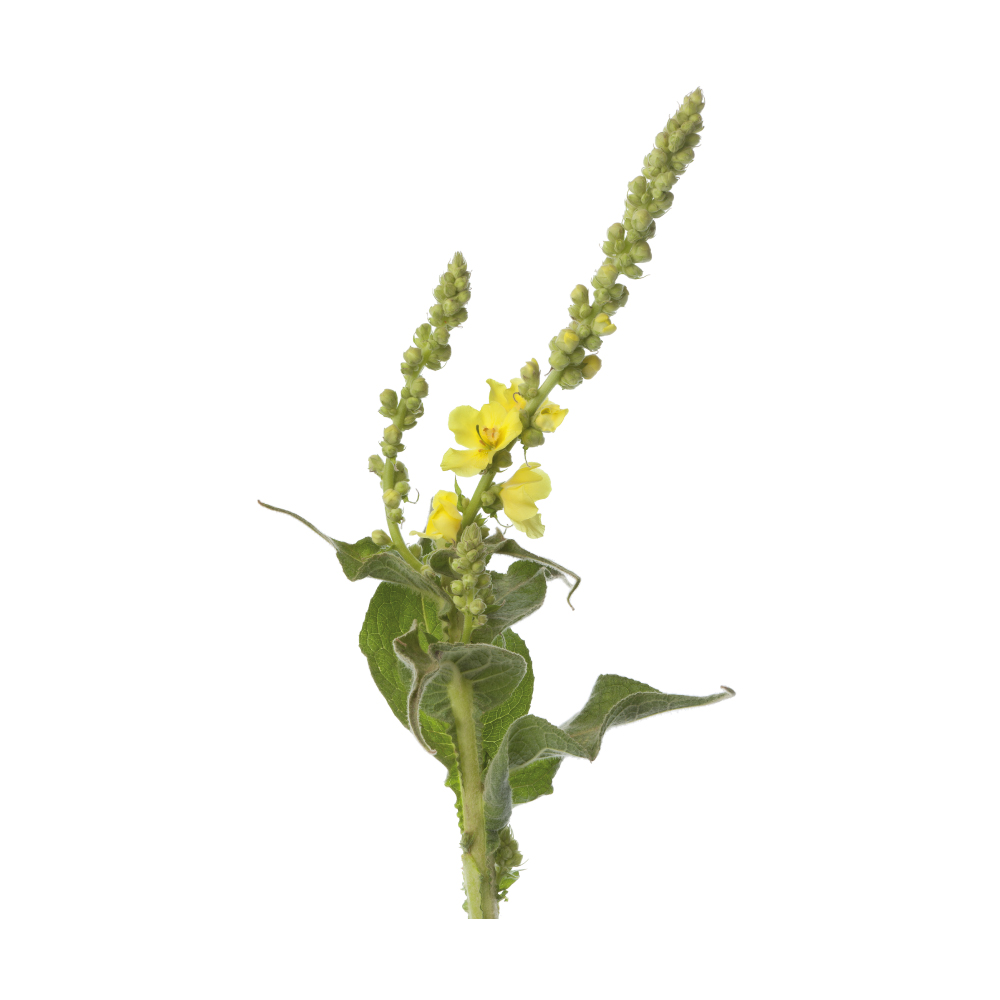 Source Mullein Verbascum thapsus Herb monograph →
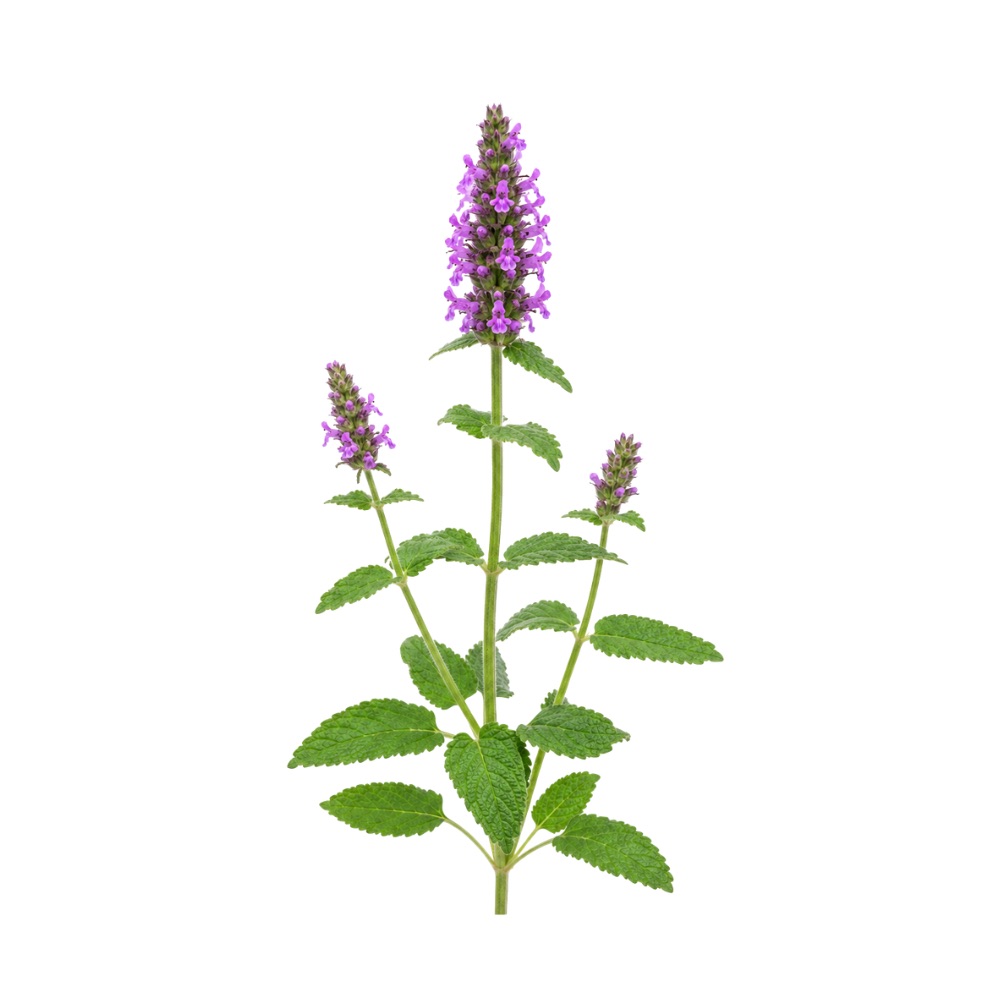 Source Wood Betony Stachys officinalis Herb monograph →
Concentration
Content by Source
Concentrations not reported. No percent-dry-weight or mg/g figures have been published for this compound in its source plants.
Leucosceptoside A at a Glance
Leucosceptoside A is a phenylethanoid glycoside (PhG) — the same structural family as verbascoside (acteoside), echinacoside and isoverbascoside. Structurally it is essentially verbascoside with one extra methyl group: the caffeoyl ester that defines verbascoside is replaced by a feruloyl ester, making leucosceptoside A the 3-O-methyl (feruloyl) analogue of acteoside 1,
It was first isolated in 1982 from the Japanese mint-family shrub Leucosceptrum japonicum, which gave it its name 3Reference 3Studies on the acyl glycosides from Leucosceptrum japonicum (Miq.) Kitamura et MurataView study →. Since then it has turned up as a minor PhG across roughly eleven plant families — including several here, where it accompanies verbascoside rather than replacing it 1Reference 1Leucosceptosides A and B: Two Phenyl-Ethanoid Glycosides with Important Occurrence and Biological ActivitiesView study →.
Its evidence base is thin and mixture-heavy. Most reports are in-vitro assays of whole extracts in which leucosceptoside A is one phenolic among many; the isolated molecule has been tested cleanly in only a handful of studies. Treat this as a parked stub — the honest state of the literature is antioxidant and anti-inflammatory activity at the extract level, one isolated-molecule anti-inflammatory study, and preliminary neuroprotective/anticancer signals, with no human data 1Reference 1Leucosceptosides A and B: Two Phenyl-Ethanoid Glycosides with Important Occurrence and Biological ActivitiesView study →.
Leucosceptoside A vs. Verbascoside
The distinction between this molecule and its far better-studied relative is one methyl group, and it is the point of the page.
Verbascoside (acteoside) carries a caffeoyl ester — caffeic acid, with a free catechol (two adjacent phenolic hydroxyls) 1Reference 1Leucosceptosides A and B: Two Phenyl-Ethanoid Glycosides with Important Occurrence and Biological ActivitiesView study →. That catechol is the engine of verbascoside’s potent radical-scavenging and metal-chelating chemistry.
Leucosceptoside A carries a feruloyl ester instead: the caffeoyl 3-hydroxyl is methylated to a 3-methoxy group, converting caffeic acid into ferulic acid 1,
The same one-methyl logic separates it from its sibling martynoside, which adds a second methyl (on the phenylethanoid ring), and from isoverbascoside, a positional (4′→6′ acyl-migration) isomer of verbascoside. All belong to the caffeoyl/caffeic-acid-derived PhG series that this database also covers through rosmarinic acid and echinacoside.
What It's Used For
Leucosceptoside A’s pharmacology is preliminary and largely in-vitro. It is best read through its dedicated 2022 review 1Reference 1Leucosceptosides A and B: Two Phenyl-Ethanoid Glycosides with Important Occurrence and Biological ActivitiesView study →, which pooled the scattered activity data, plus a small number of primary studies.
Support is an experimental score — weighted by study type (human > animal > in vitro) and volume. A beta, not a validated metric. Every row here rests on in-vitro or cell data; there is no human evidence, so scores are low by construction.
The strongest signal, and the only application tested as the isolated molecule with a resolved mechanism. Leucosceptoside A purified from devil’s claw (Harpagophytum procumbens) reduced inflammatory markers in human HaCaT keratinocytes stimulated with an IFN-γ/IL-17A/IL-22 psoriasis cocktail, acting through suppression of the PI3K/AKT signalling cascade; notably, related compounds in the same extract did not show the effect 2Reference 2Leucosceptoside A from Devil’s Claw Modulates Psoriasis-like Inflammation via Suppression of the PI3K/AKT Signaling Pathway in KeratinocytesView study →.
At the class level the review records nitric-oxide-synthase inhibition in LPS-stimulated RAW 264.7 macrophages (IC₅₀ ≈ 9 µM) 1Reference 1Leucosceptosides A and B: Two Phenyl-Ethanoid Glycosides with Important Occurrence and Biological ActivitiesView study →.
Gap: the psoriasis work is a single in-vitro keratinocyte model, not an animal or human study; the anti-inflammatory PhG literature is dominated by verbascoside, and leucosceptoside A’s independent contribution inside multi-PhG extracts (devil’s claw, mullein) is rarely isolated 1,
Leucosceptoside A is a genuine but modest radical scavenger. In the pooled assay data it scavenges DPPH (IC₅₀ ~18–125 µM across studies) and superoxide anion (SC₅₀ ≈ 0.294 mM), but it is consistently weaker than verbascoside — the feruloyl (methylated) ester sacrifices one of the catechol hydroxyls that drive verbascoside’s chemistry 1Reference 1Leucosceptosides A and B: Two Phenyl-Ethanoid Glycosides with Important Occurrence and Biological ActivitiesView study →.
In blue vervain (Verbena hastata) it is one of the constituents recovered when screening the whole plant for inhibition of advanced glycation end-product (AGE) formation, again as a member of a phenolic mixture 4Reference 4Chemical Constituents of the Whole Plant of Verbena hastata and Their Inhibitory Activity Against the Production of AGEsView study →.
Gap: almost all antioxidant readouts are cell-free chemical assays of whole extracts, where leucosceptoside A is a minor phenolic alongside verbascoside and caffeoyl derivatives; no antioxidant outcome rests on the isolate in vivo 1,
The thinnest signals, carried only at review level. Leucosceptoside A gives modest protection against MPP⁺-induced cell death (a Parkinson’s-relevant neurotoxicity model) and modest cytotoxicity against tumour cell lines (IC₅₀ roughly 80–200 µM) 1Reference 1Leucosceptosides A and B: Two Phenyl-Ethanoid Glycosides with Important Occurrence and Biological ActivitiesView study →. Both sit well below the potency thresholds that would make an oral phytochemical interesting on its own.
Gap: no mechanism resolved, no animal confirmation, and the micromolar-to-sub-millimolar potencies are unremarkable for a polyphenol; these are flagged for a future pass rather than treated as established activities 1Reference 1Leucosceptosides A and B: Two Phenyl-Ethanoid Glycosides with Important Occurrence and Biological ActivitiesView study →.
Mechanisms
| Target / pathway | Effect | Relevant to |
|---|---|---|
| PI3K/AKT signalling (keratinocytes) | suppression → reduced psoriasis-like inflammatory markers | anti-inflammatory |
| Inducible nitric-oxide synthase (macrophages) | inhibition of NO production (IC₅₀ ≈ 9 µM) | anti-inflammatory |
| Free radicals (DPPH, superoxide) | scavenging — modest; weaker than verbascoside (one catechol -OH is methyl-capped) | antioxidant |
| Advanced glycation end-product (AGE) formation | inhibition as a whole-plant constituent | antioxidant / anti-glycation |
The one methyl group that turns caffeoyl into feruloyl is the load-bearing structural fact: it plausibly explains the weaker antioxidant potency relative to verbascoside, while the anti-inflammatory PI3K/AKT signal is the molecule’s most specific finding.
Pharmacokinetics
No pharmacokinetic data are characterised for leucosceptoside A. By close analogy to verbascoside — whose absolute oral bioavailability is only ~0.12% in rats because gut bacteria hydrolyse the glycoside before absorption — an intact PhG of this size and polarity would be expected to have poor oral bioavailability, which undercuts any in-vitro potency as a predictor of oral effect. This is an inference from the class, not a measured value for this molecule.
Clinical Trials
There are no clinical trials of leucosceptoside A, and no human data of any kind. All evidence is in-vitro or cell-based, most of it inside whole-extract screens.
| Completed | Planned | Terminated | Preclinical |
|---|---|---|---|
| — | — | — | Anti-inflammatory (PI3K/AKT, NO), antioxidant, neuroprotective/cytotoxic — all in vitro |
Last checked: July 2026.
Isolate vs. Plant Studies
This molecule sits firmly on the whole-plant side of the divide. Its one clean isolated-molecule result is the psoriasis-keratinocyte study, where leucosceptoside A was purified from devil’s claw and tested on its own 2Reference 2Leucosceptoside A from Devil’s Claw Modulates Psoriasis-like Inflammation via Suppression of the PI3K/AKT Signaling Pathway in KeratinocytesView study →. Almost everything else — the antioxidant, anti-glycation and neuroprotective readouts — comes from extract screens (blue vervain, mullein, devil’s claw, Cistanche and other PhG-rich plants) in which leucosceptoside A is a minor phenolic overshadowed by verbascoside 1,
Prevalence in Nature
Leucosceptoside A is taxonomically widespread but chemically minor. The dedicated review documents it across about eleven plant families — Acanthaceae, Asteraceae, Bignoniaceae, Lamiaceae (by far the richest, with the genera Phlomis, Stachys, Clerodendrum and Scutellaria), Linderniaceae, Malvaceae, Oleaceae, Orobanchaceae, Plantaginaceae, Scrophulariaceae and Verbenaceae 1Reference 1Leucosceptosides A and B: Two Phenyl-Ethanoid Glycosides with Important Occurrence and Biological ActivitiesView study →. In this database it appears in devil’s claw, blue vervain, mullein and wood betony, and beyond it in Cistanche, Paulownia and Markhamia species 1,
Two caveats define its occurrence. First, it is almost never quantified as the isolate — it is reported qualitatively, as one PhG among several, so no reliable concentration figures exist and no “Content by Source” chart can be built yet. Second, the review concludes it cannot serve as a chemotaxonomic marker at any level, precisely because it is so unspecifically distributed 1Reference 1Leucosceptosides A and B: Two Phenyl-Ethanoid Glycosides with Important Occurrence and Biological ActivitiesView study →.
Discovery & Synthesis
Leucosceptoside A was first isolated in 1982 by Miyase and co-workers from the aerial parts of Leucosceptrum japonicum (Lamiaceae), reported together with acteoside (verbascoside) and martynoside; the compound is named for the source genus, Leucosceptrum 3Reference 3Studies on the acyl glycosides from Leucosceptrum japonicum (Miq.) Kitamura et MurataView study →. As with other phenylethanoid glycosides, there is no established total synthesis of practical relevance — the molecule is obtained by extraction and chromatographic purification from PhG-rich plants (devil’s claw, Cistanche, mullein and related species), and any material used in research is plant-derived rather than manufactured 1,
Patents: not yet researched.
Toxicity & Safety
Leucosceptoside A carries a low toxicity flag — consistent with the phenylethanoid glycoside class generally and with its poorly absorbed, plant-food-derived nature. No specific toxicity, genotoxicity, reproductive or interaction data exist for the isolated molecule; the flag reflects the benign class profile and the absence of any reported adverse signal, not a dedicated safety dataset.
- Benign phenylethanoid-glycoside class. No reported toxicity for the isolate; related PhGs (verbascoside, echinacoside) are well tolerated in animal work.
- No isolate safety dataset. No genotoxicity, repeat-dose, interaction or reproductive-toxicity studies exist for leucosceptoside A specifically — safety is inferred from the class, not demonstrated.
- Human exposure is dietary/herbal only. It reaches people as a minor constituent of PhG-rich botanicals (devil’s claw, mullein), not as an isolated supplement; intake decisions belong to the herb or product page.
Dosage
There is no established human dose for leucosceptoside A, and it is not sold or used as an isolated supplement. Reported figures are laboratory concentrations from in-vitro work — for example nitric-oxide inhibition at an IC₅₀ near 9 µM and radical-scavenging in the micromolar-to-millimolar range 1Reference 1Leucosceptosides A and B: Two Phenyl-Ethanoid Glycosides with Important Occurrence and Biological ActivitiesView study → — not doses that have been taken by people. Human exposure is indirect, as a minor phenylethanoid glycoside within whole botanicals such as devil’s claw and mullein. These are research concentrations and are not a personal recommendation.
References
- Frezza C, De Vita D, Toniolo C, et al. (2022). Leucosceptosides A and B: Two Phenyl-Ethanoid Glycosides with Important Occurrence and Biological Activities. Biomolecules. https://pubmed.ncbi.nlm.nih.gov/36551235/
- Koycheva IK, Mihaylova LV, Todorova MN, Balcheva-Sivenova ZP, Alipieva K, Ferrante C, Orlando G, Georgiev MI (2021). Leucosceptoside A from Devil’s Claw Modulates Psoriasis-like Inflammation via Suppression of the PI3K/AKT Signaling Pathway in Keratinocytes. Molecules. https://pubmed.ncbi.nlm.nih.gov/34834106/
- Miyase T, Koizumi A, Ueno A, Noro T, Kuroyanagi M, Fukushima S, Akiyama Y, Takemoto T (1982). Studies on the acyl glycosides from Leucosceptrum japonicum (Miq.) Kitamura et Murata. Chemical and Pharmaceutical Bulletin. https://doi.org/10.1248/cpb.30.2732
- Yokosuka A, Honda M, Kondo H, Mimaki Y (2021). Chemical Constituents of the Whole Plant of Verbena hastata and Their Inhibitory Activity Against the Production of AGEs. Natural Product Communications. https://doi.org/10.1177/1934578X211009727



