Materia Medica
Devil's Claw
Harpagophytum procumbens
Devil's claw is a trailing plant of the Kalahari whose fleshy secondary root tubers are used for joint pain, back pain and poor digestion. Its iridoid glycoside harpagoside is the marker compound in the standardised extracts studied for low back pain and osteoarthritis.
What Is Devil’s Claw?
Devil’s claw is a trailing plant of the Kalahari, Harpagophytum procumbens, whose fleshy secondary root tubers are used for joint pain, back pain and poor digestion. It is named for its woody fruit, which is armed with rows of curved, hooked spines 33Reference 33Pedaliaceae: Harpagophytum procumbens — species description and native range — floraView study →.
The plant grows in the dry country of southern Africa, where the root has long been a traditional medicine. More recently it has become widely used in the West 34Reference 34Harpagophytum procumbens — habit, range, habitat, harvest and uses — species databaseView study →.
The root’s key constituent is the iridoid glycoside harpagoside, the marker to which most extracts are standardised. Placebo-controlled trials and a Cochrane review have studied standardised extracts for low back pain, and several trials have studied them for osteoarthritis of the knee and hip 2,
Devil’s claw is also a strong bitter, used before meals for poor appetite and indigestion.
It is a different plant from devil’s club (Oplopanax horridus), an unrelated North American shrub.
How Is Devil’s Claw Used?
- Standardised extract — aqueous or hydroalcoholic dry extract in tablets or capsules, standardised to harpagoside. The proprietary extracts used in trials (WS 1531, Doloteffin, Harpadol) are not interchangeable with each other or with a home decoction 3,
4, .5Reference 3RCTEffectiveness of Harpagophytum extract WS 1531 in exacerbation of low back pain — a randomised, placebo-controlled, double-blind studyView study →Reference 4RCTA randomised double-blind pilot study comparing Doloteffin and Vioxx (rofecoxib) in low back painView study →Reference 5RCTEfficacy and tolerance of Harpagophytum procumbens versus diacerhein in osteoarthritis — a double-blind, randomised, multicentre trialView study → - Powdered root — capsules or tablets of the dried, powdered secondary tuber.
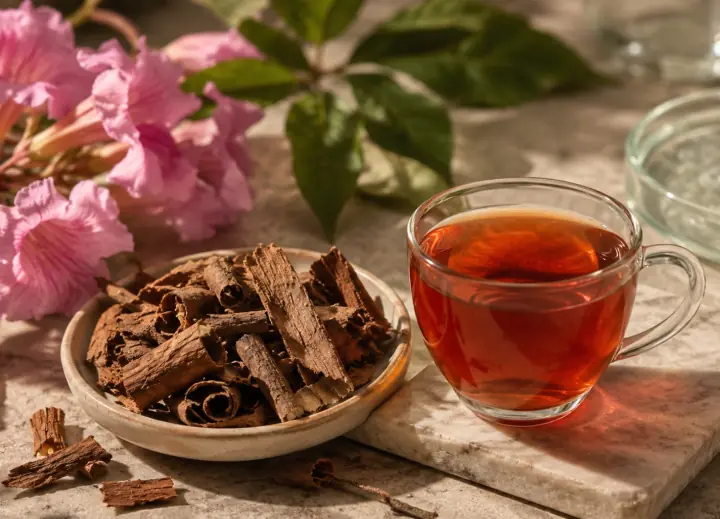
- Decoction — the sliced, dried tuber simmered in water, the traditional African form.
- Tincture or liquid extract — taken through the day for pain, or in small doses before meals as a bitter.
Traditional Uses
Southern African Traditional Medicine
In its native Kalahari range, the tuber has long been used by San and Tswana peoples and their neighbours for pain, fever, digestive complaints and joint problems. It is taken most often as a decoction of the sliced, dried secondary root.
The root is also used to stimulate the appetite and for diabetes, high blood pressure, gout, fever, tuberculosis and other infections, menstrual cramps and muscle aches 34Reference 34Harpagophytum procumbens — habit, range, habitat, harvest and uses — species databaseView study →.
Some traditional practitioners use the secondary root in childbirth, to induce or speed up labour and to help expel a retained placenta 31Reference 31AnimalUterotonic effect of Harpagophytum procumbens secondary-root aqueous extract on rat isolated uterine hornsView study →.
Western Herbal Medicine
Devil’s claw reached European practice in the twentieth century and became an antirheumatic, analgesic and anti-inflammatory herb with a strong bitter character.
Its Western uses centre on osteoarthritis, rheumatic joint pain, low back pain and inflammatory musculoskeletal complaints. It also serves as an appetite-stimulating bitter for indigestion and sluggish digestion 34Reference 34Harpagophytum procumbens — habit, range, habitat, harvest and uses — species databaseView study →.
Indications
- Low back pain [standardised root extract]
- Osteoarthritis of the knee and hip [standardised root extract, powdered root] Caution: The largest osteoarthritis trial compared devil’s claw with the drug diacerhein rather than with a placebo, and the other supporting studies had no control group 5,
6, .7 - Rheumatic joint pain and stiffness [root; Western herbal medicine]
- General inflammatory pain, fever and muscle aches [root; southern African use]
- Poor appetite [root, as a bitter]
- Indigestion and sluggish digestion [root, as a bitter]
Botany
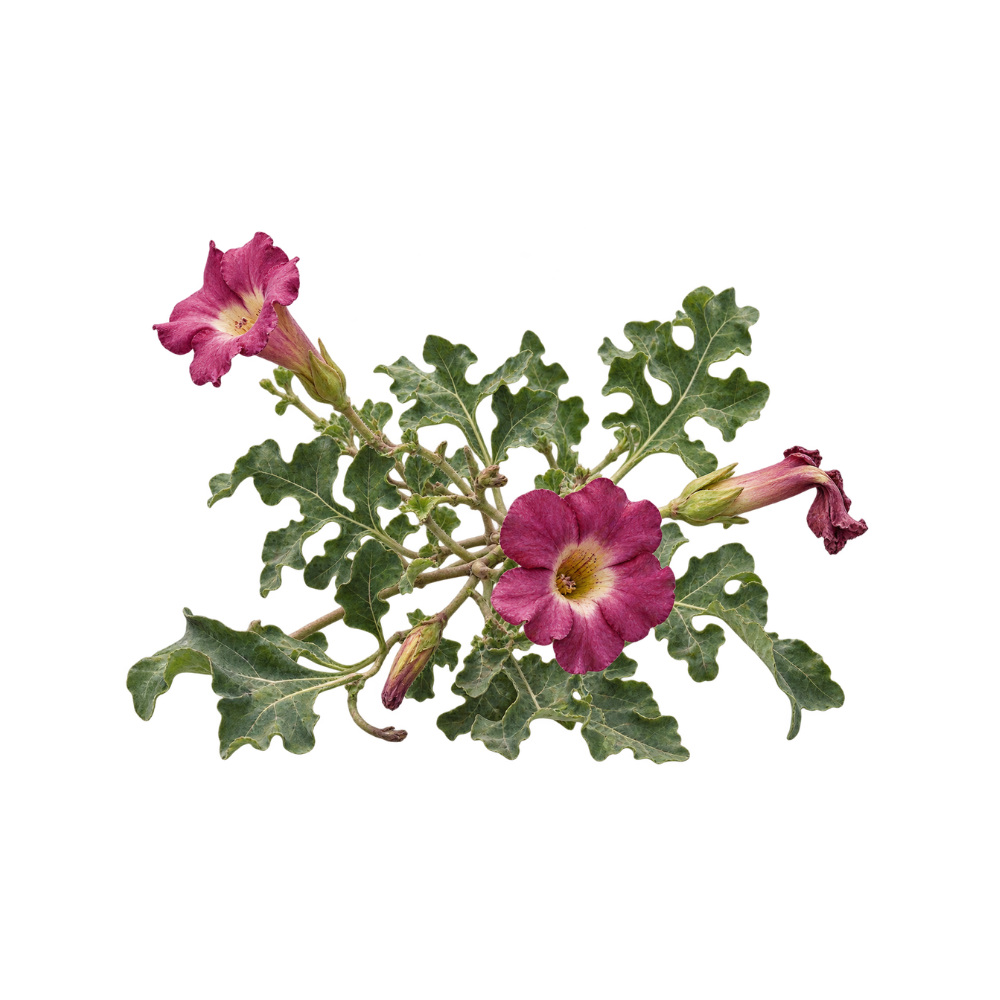
Devil’s claw is a perennial herb in the sesame family (Pedaliaceae). Each rainy season it sends out annual creeping stems, up to 2 m long, from a succulent taproot 33Reference 33Pedaliaceae: Harpagophytum procumbens — species description and native range — floraView study →. Additional fleshy storage tubers, the secondary roots, grow on the lateral roots, and these are the part used in medicine 33,
The leaves are ovate, up to 6.5 cm long, on long stalks. They are usually pinnately lobed, with three or five main lobes 33Reference 33Pedaliaceae: Harpagophytum procumbens — species description and native range — floraView study →.
The flowers are trumpet-shaped. The tube is 5–6 cm long, light purple or pink outside and yellowish inside, and it opens to a purple or mauve limb 2.5–4 cm across 33Reference 33Pedaliaceae: Harpagophytum procumbens — species description and native range — floraView study →. In Zimbabwe, where the subspecies transvaalense grows, it flowers from December to February 35Reference 35Harpagophytum procumbens subsp. transvaalense — habitat, altitude and flowering in Zimbabwe — flora databaseView study →.
The woody fruit carries four rows of curved arms tipped with recurved spines, and it can reach 15 cm across 33Reference 33Pedaliaceae: Harpagophytum procumbens — species description and native range — floraView study →.
A second species, H. zeyheri, is also sold as devil’s claw 32Reference 32The commercial harvest of devil’s claw (Harpagophytum spp.) in southern Africa — the devil’s in the detailsView study →. Some of the published antioxidant and anti-inflammatory laboratory work was done on H. zeyheri rather than H. procumbens 25Reference 25In vitroIn vitro antioxidant, anti-inflammatory and cytotoxic activity of Harpagophytum zeyheri crude extracts compared with diclofenacView study →.
Distribution
Devil’s claw grows in southern Africa, in South Africa, Namibia, Botswana, Angola, Zambia, Zimbabwe and Mozambique 33Reference 33Pedaliaceae: Harpagophytum procumbens — species description and native range — floraView study →. It grows on sandy and clay soils in arid and semi-arid country with 200–600 mm of rain a year. It favours roadsides and waste ground where the natural vegetation has been cleared 34Reference 34Harpagophytum procumbens — habit, range, habitat, harvest and uses — species databaseView study →. In Zimbabwe it grows in deep sand in open woodland at 500–1,000 m 35Reference 35Harpagophytum procumbens subsp. transvaalense — habitat, altitude and flowering in Zimbabwe — flora databaseView study →.
Most of the world’s supply comes from Namibia, with smaller amounts from South Africa and Botswana. In the peak export year of 2002, 1,018 tonnes of dried tubers were exported, representing the harvest of millions of plants 32Reference 32The commercial harvest of devil’s claw (Harpagophytum spp.) in southern Africa — the devil’s in the detailsView study →. Nearly all of it is wild-harvested, and efforts to bring the plant into cultivation have had limited success 34Reference 34Harpagophytum procumbens — habit, range, habitat, harvest and uses — species databaseView study →.
The harvest raised enough concern about sustainability that devil’s claw was proposed for CITES Appendix II in 2000. The proposal was withdrawn in 2004 after the range states took steps to manage the harvest 32Reference 32The commercial harvest of devil’s claw (Harpagophytum spp.) in southern Africa — the devil’s in the detailsView study →. The plant is legally protected throughout its range and can only be collected with a permit 34Reference 34Harpagophytum procumbens — habit, range, habitat, harvest and uses — species databaseView study →.
Only the secondary tubers are used, but the whole plant is often destroyed when they are dug 36Reference 36ReviewDevil’s claw — a review of the ethnobotany, phytochemistry and biological activity of Harpagophytum procumbens — reviewView study →. Taking just the secondary tubers and leaving the rest of the plant in the ground lets it recover. In a four-year study in the South African Kalahari, plants whose secondary tubers had been removed survived and grew at the same rate as unharvested plants 37Reference 37Effects of secondary tuber harvest on populations of devil’s claw (Harpagophytum procumbens) in the Kalahari savannas of South Africa — four-year field studyView study →.
Harvesting also supports the incomes of rural communities 32Reference 32The commercial harvest of devil’s claw (Harpagophytum spp.) in southern Africa — the devil’s in the detailsView study →. When buying devil’s claw, it is worth looking for a supplier who documents a sustainable, permitted harvest.
Growing Conditions
Cultivation snapshot for Devil's Claw
Lifeperennial rootstock that dies back each dry season.
Watervery low; semi-arid, summer rainfall of 200–600 mm 34Reference 34Harpagophytum procumbens — habit, range, habitat, harvest and uses — species databaseView study →.
Soildeep, poor, well-drained sand, or clay 34Reference 34Harpagophytum procumbens — habit, range, habitat, harvest and uses — species databaseView study →.
Grow it yourself
Farm Wiki is our cultivation-focused sister site, also run by Justin Cooke.
Pharmacology & Research
Devil’s claw has been tested in randomised, placebo-controlled trials and assessed in a Cochrane systematic review. The clinical evidence centres on two overlapping indications: non-specific low back pain, and osteoarthritis of the knee and hip.
In those trials, standardised extracts delivering 50–100 mg of harpagoside a day reduced pain more than placebo, and performed about as well as diacerhein and low-dose rofecoxib in short comparisons 2,
The trials are small, short (4–16 weeks) and varied in design. Harpagoside content varies with the species (H. procumbens or H. zeyheri), the plant part and the extraction, and harpagoside is not the only active compound 10,
-
Best-supported: symptomatic relief of non-specific low back pain and knee/hip osteoarthritis with standardized extracts (≥50 mg harpagoside/day), backed by RCTs and a Cochrane review 2,
3, .4, 5Reference 2Meta-analysisHerbal medicine for low-back pain — a Cochrane systematic review and meta-analysisView study →Reference 3RCTEffectiveness of Harpagophytum extract WS 1531 in exacerbation of low back pain — a randomised, placebo-controlled, double-blind studyView study →Reference 4RCTA randomised double-blind pilot study comparing Doloteffin and Vioxx (rofecoxib) in low back painView study →Reference 5RCTEfficacy and tolerance of Harpagophytum procumbens versus diacerhein in osteoarthritis — a double-blind, randomised, multicentre trialView study → -
Emerging, worth watching: harpagoside’s inhibition of RANKL-driven osteoclastogenesis and bone erosion in inflammatory-arthritis animal models 26,
27Reference 26AnimalHarpagoside inhibits RANKL-induced osteoclastogenesis via the Syk-Btk-PLCγ2-Ca²⁺ pathway and prevents inflammation-mediated bone loss — mouse modelView study →Reference 27AnimalHarpagoside attenuates local bone erosion and systemic osteoporosis in collagen-induced arthritis in miceView study → . -
Mechanistically thin: antioxidant and general analgesic claims rest on cell-line and rodent work, much of it on the sister species H. zeyheri 23,
25Reference 23In vitroHarpagophytum procumbens prevents oxidative stress and loss of cell viability in vitroView study →Reference 25In vitroIn vitro antioxidant, anti-inflammatory and cytotoxic activity of Harpagophytum zeyheri crude extracts compared with diclofenacView study → . - The caveat: preparations are not interchangeable — harpagoside is a marker, not the whole story, and monographs standardized to it alone may under-describe activity 14Reference 14In vitroEffect of the major glycosides of Harpagophytum procumbens on epidermal COX-2 — in vitroView study →.
The trial results belong to specific standardised extracts. WS 1531, Doloteffin and Harpadol differ in form and harpagoside content, and a result for one does not carry over to another, or to a home decoction 3,
1. Low Back Pain
A randomised, double-blind, placebo-controlled trial of the aqueous extract WS 1531 enrolled 197 patients with acute flare-ups of chronic low back pain for 4 weeks. The main outcome was being pain-free without the rescue painkiller tramadol. That was reached by 10 patients on 1,200 mg a day (100 mg harpagoside), 6 on 600 mg (50 mg harpagoside) and 3 on placebo 3Reference 3RCTEffectiveness of Harpagophytum extract WS 1531 in exacerbation of low back pain — a randomised, placebo-controlled, double-blind studyView study →.
A double-blind pilot trial compared the proprietary extract Doloteffin (60 mg harpagoside a day) with 12.5 mg a day of rofecoxib in 88 patients for 6 weeks. Pain fell in both groups with no significant difference between them, but the pilot was not large enough to show the two were equivalent 4Reference 4RCTA randomised double-blind pilot study comparing Doloteffin and Vioxx (rofecoxib) in low back painView study →.
The 2014 Cochrane review of herbal medicine for low back pain found that devil’s claw at 50 or 100 mg harpagoside a day may be better than placebo for short-term pain relief and may reduce rescue medication. It rated that evidence as low quality, and the rofecoxib comparison as very low quality 2Reference 2Meta-analysisHerbal medicine for low-back pain — a Cochrane systematic review and meta-analysisView study →.
No trial runs longer than a few weeks, the effects are modest, and the benefit belongs to specific standardised extracts rather than a home decoction or tincture.
2. Osteoarthritis
Osteoarthritis of the knee and hip is the herb’s other main indication. A multicentre double-blind trial in 122 patients compared cryoground powdered root (six 435 mg capsules a day, 2,610 mg) with the slow-acting drug diacerhein at 100 mg a day for 4 months. Pain and Lequesne function scores improved equally in both groups. The devil’s claw group used significantly fewer NSAIDs and painkillers and had fewer adverse events, with diarrhoea in 8.1% against 26.7% on diacerhein 5Reference 5RCTEfficacy and tolerance of Harpagophytum procumbens versus diacerhein in osteoarthritis — a double-blind, randomised, multicentre trialView study →.
An 8-week post-marketing study of Doloteffin at 60 mg harpagoside a day, in 250 patients with back, knee or hip pain, found improvement on all pain and disability measures by week 4 and further by week 8 6Reference 6ObservationalComparison of outcome measures during treatment with the proprietary Harpagophytum extract Doloteffin — an observational surveillanceView study →. An open study of devil’s claw tablets in 259 patients with rheumatic disorders found significant gains in pain, stiffness and function over 8 weeks, and 60% of patients reduced or stopped their other pain medicines 7Reference 7Clinical trialEffectiveness and safety of Devil’s Claw tablets in patients with general rheumatic disorders — an open clinical trialView study →.
Independent reviews of the osteoarthritis trials judge the evidence positive but limited by methodological quality 1,
The main osteoarthritis trials were active-comparator (diacerhein) or uncontrolled rather than placebo-controlled, and follow-up reaches only four months. A registered osteoarthritis trial (NCT00295490) was terminated when its funding ran out.
3. Anti-Inflammatory
The anti-inflammatory action has been studied in detail at the molecular level. Harpagoside suppresses iNOS and COX-2 expression by blocking NF-κB activation in liver and macrophage cell lines 11Reference 11In vitroHarpagoside suppresses lipopolysaccharide-induced iNOS and COX-2 expression through inhibition of NF-κB activation — in vitroView study →.
A standardised ethanol extract inhibits TNF-α, IL-6, IL-1β and PGE₂ in human monocytes by preventing AP-1 activation rather than NF-κB activation. Harpagoside lowers IL-6 in human osteoarthritis cartilage cells 12,
An aqueous extract suppresses COX-2 and iNOS in fibroblasts. In a human whole-blood assay, a harpagoside-rich fraction inhibited COX-1, COX-2 and nitric-oxide production 13,
In male volunteers, the oral extract reduced leukotriene formation in blood samples by 28–58%, the one human mechanistic dataset 17Reference 17In vitroPharmacokinetic properties of Harpagophytum extracts and their effects on eicosanoid biosynthesis in vitro and ex vivoView study →.
In THP-1 monocytes, harpagoside and harpagide lowered TNF-α in differentiated cells but briefly increased TNF-α and adhesion-molecule gene expression in undifferentiated cells, which suggests an immune-modulating role 21Reference 21In vitroThe influence of harpagoside and harpagide on TNF-α secretion and cell-adhesion-molecule mRNA expression in stimulated THP-1 cells — in vitroView study →.
The glycosides do not act alike. Harpagoside and 8-coumaroylharpagide reduce COX-2 in skin cells, whereas harpagide increases it, so a whole extract’s activity depends on the ratio of its constituents 14Reference 14In vitroEffect of the major glycosides of Harpagophytum procumbens on epidermal COX-2 — in vitroView study →.
Nearly all of this is in cells or blood samples, and the AP-1 and NF-κB findings from different studies have not been reconciled.
4. Analgesic (Neuropathic & General Pain)
Animal studies point to a pain-relieving action in pain that is not driven by inflammation. In rats, an extract at 300 mg/kg reduced sensitivity to touch after surgery and after nerve injury 18Reference 18AnimalAnalgesic effect of Harpagophytum procumbens on postoperative and neuropathic pain in ratsView study →.
A low dose of extract, too small to relieve pain on its own, enhanced a similarly small dose of morphine against nerve pain in rats 19Reference 19AnimalHarpagophytum procumbens extract potentiates morphine antinociception in neuropathic ratsView study →. Its effect against inflammatory pain in rats depended on the heme-oxygenase/carbon-monoxide pathway 20Reference 20AnimalInvolvement of the heme-oxygenase pathway in the antiallodynic and antihyperalgesic activity of Harpagophytum procumbens in ratsView study →.
Harpagoside is the presumed active compound.
Gap: the neuropathic and post-operative analgesia signal is entirely rodent; no human trial has tested devil’s claw for pain outside the osteoarthritis/low-back-pain setting.
5. Antioxidant
Devil’s claw extracts show antioxidant activity in the laboratory. Extracts, and especially a phenolic-rich ethyl acetate fraction, inhibited lipid peroxidation and restored catalase and thiol levels in brain tissue preparations 23Reference 23In vitroHarpagophytum procumbens prevents oxidative stress and loss of cell viability in vitroView study →.
Phenylethanoid fractions and the main phenylethanoid glycoside from root cultures bound iron and scavenged free radicals 24Reference 24In vitroCholinesterase-inhibitory and antioxidant activities of Harpagophytum procumbens from in vitro systemsView study →.
In a rat model of spinal-cord injury, an extract reduced the oxidative-stress marker 4-hydroxynonenal and acted on the antioxidant HO-1 pathway, alongside functional recovery 22Reference 22AnimalHarpagophytum procumbens extract ameliorates allodynia and modulates oxidative and antioxidant stress pathways in a rat model of spinal cord injuryView study →.
Much of the comparative antioxidant work was done on the sister species H. zeyheri rather than H. procumbens 25Reference 25In vitroIn vitro antioxidant, anti-inflammatory and cytotoxic activity of Harpagophytum zeyheri crude extracts compared with diclofenacView study →.
Gap: no human antioxidant data, and the species substitution means some of the cited activity may not belong to the plant actually sold as devil’s claw.
6. Bone-Protective
Harpagoside inhibited the formation of bone-resorbing osteoclasts through the Syk-Btk-PLCγ2-Ca²⁺ pathway and reduced inflammation-driven bone loss in mice. It did not prevent bone loss after removal of the ovaries, so the effect is specific to inflammation 26Reference 26AnimalHarpagoside inhibits RANKL-induced osteoclastogenesis via the Syk-Btk-PLCγ2-Ca²⁺ pathway and prevents inflammation-mediated bone loss — mouse modelView study →.
In mice with collagen-induced arthritis, harpagoside lowered arthritis scores, protected bone and cartilage, reduced TNF-α, IL-6 and IL-1β, and shifted the RANKL/osteoprotegerin balance toward bone preservation 27Reference 27AnimalHarpagoside attenuates local bone erosion and systemic osteoporosis in collagen-induced arthritis in miceView study →.
Gap: these are isolated-harpagoside studies in mice; there is no evidence that oral devil’s claw at human doses achieves bone-protective harpagoside exposure, and no human bone or radiographic-progression endpoint has been tested.
Mechanisms
Harpagoside has been studied for suppressing NF-κB-driven COX-2, iNOS and inflammatory cytokines, for reducing leukotriene formation, and, in mice, for blocking osteoclast formation. Almost all of this work is in cells, blood samples and animals.
The related glycoside harpagide acts in the opposite direction on COX-2, so an extract’s effect depends on the balance of its iridoids. The phenylethanoid verbascoside carries much of the antioxidant activity.
| Mechanism | Drives | Key compounds |
|---|---|---|
| NF-κB ↓, COX-2 ↓, iNOS ↓ | anti-inflammatoryanalgesic | harpagoside |
| AP-1 ↓, TNF-α ↓, IL-6 ↓, PGE₂ ↓ | anti-inflammatory | harpagoside, harpagide, 8-coumaroylharpagide |
| Cysteinyl-leukotriene / thromboxane (eicosanoid) ↓ | anti-inflammatory | harpagoside |
| RANKL-osteoclastogenesis ↓ (Syk-Btk-PLCγ2) | bone-protective | harpagoside |
| Nrf2/HO-1 ↑, lipid peroxidation ↓ | antioxidantanalgesic | verbascoside, harpagoside |
Clinical Trials
ClinicalTrials.gov lists 8 records mentioning devil’s claw (July 2026): 5 completed, 1 terminated, 1 withdrawn and 1 of unknown status. The completed entries are all combination products, with boswellia, curcumin or several herbs. The dedicated osteoarthritis trial (NCT00295490) was terminated when its funding ran out, and a pharmacokinetic study (NCT03641248) was withdrawn. The single-herb trials above predate trial registration.
| Completed | Planned | Terminated | Other (withdrawn/unknown) | Preclinical |
|---|---|---|---|---|
| 5 (combination products) | 0 | 1 | 2 | ~40 (approx.) |
Last checked: July 2026.
Phytochemistry
The secondary storage tuber contains a group of iridoid glycosides. Harpagoside is the marker compound to which commercial extracts are standardised, usually at about 2% of the dried root.
The other iridoids include harpagide, 8-coumaroylharpagide and procumbide. In laboratory tests, harpagoside and 8-coumaroylharpagide reduced COX-2 in skin cells while harpagide increased it 14Reference 14In vitroEffect of the major glycosides of Harpagophytum procumbens on epidermal COX-2 — in vitroView study →.
The root also contains phenylethanoid glycosides, led by verbascoside, which carry much of its iron-binding and radical-scavenging activity 24Reference 24In vitroCholinesterase-inhibitory and antioxidant activities of Harpagophytum procumbens from in vitro systemsView study →. Its close relative leucosceptoside A differs by a single methyl group. Sugars, phytosterols, flavonoids and harpagoquinone have also been reported 34Reference 34Harpagophytum procumbens — habit, range, habitat, harvest and uses — species databaseView study →.
Harpagoside content varies with the species, the plant part and the extraction method 10,
Constituent Summary
Figures refer to the dried secondary root; harpagoside (†) is given as the usual standardisation target.
Iridoid4 compounds1 with data
Phenylpropanoid1 compoundno data
Dosage
Research on devil’s claw uses standardised aqueous or hydroalcoholic extracts, or cryoground powdered root, at a set daily dose of harpagoside, usually 50–100 mg a day. The doses below belong to the specific products tested.
Research Doses
| Indication | Preparation | Dose | Est. dried-herb equivalent | Source |
|---|---|---|---|---|
| Low back pain (acute exacerbation) | Aqueous extract WS 1531 | 600–1,200 mg/day (50–100 mg harpagoside) | ~2.5–5 g dried root | 3Reference 3RCTEffectiveness of Harpagophytum extract WS 1531 in exacerbation of low back pain — a randomised, placebo-controlled, double-blind studyView study → |
| Low back pain (chronic, non-specific) | Proprietary extract (Doloteffin) | 60 mg harpagoside/day | ~3 g dried root | 4Reference 4RCTA randomised double-blind pilot study comparing Doloteffin and Vioxx (rofecoxib) in low back painView study → |
| Osteoarthritis (knee/hip) | Cryoground powdered root (Harpadol) | 2,610 mg/day (~60 mg harpagoside) | 2.6 g (as given, powdered root) | 5Reference 5RCTEfficacy and tolerance of Harpagophytum procumbens versus diacerhein in osteoarthritis — a double-blind, randomised, multicentre trialView study → |
| Osteoarthritis / rheumatic (mixed) | Proprietary extract | 60 mg harpagoside/day | ~3 g dried root | 6, |
Dried-herb equivalents are rough estimates, assuming dried secondary root carries about 2% harpagoside. Powdered-root rows give the actual weight used.
Traditional Dosage
| System | Preparation | Dose |
|---|---|---|
| Western herbal medicine | Dried secondary root, decoction/infusion | 1.5–4.5 g/day |
| Western herbal medicine | Tincture 1:5 (25% ethanol) | 1–3 mL, three times daily |
| Western herbal medicine | Liquid extract 1:2 | 40–80 mL/week |
Smaller doses taken shortly before meals are used as a bitter for appetite. The larger anti-inflammatory doses are spread through the day.
Safety & Pregnancy
Devil’s claw is generally well tolerated, with mostly minor digestive side effects. The main cautions are peptic ulcer disease, because it stimulates stomach secretion, and pregnancy, because the root contracts the uterus in laboratory tests.
- Peptic ulcer disease. A bitter that stimulates gastric secretion — traditionally contraindicated in active gastric and duodenal ulcers, with case reports of upper-GI disorders including bleeding 29Reference 29Systematic reviewDevil’s claw root — ulcers and gastrointestinal bleeding? (systematic review of adverse effects)View study →.
- Pregnancy. Uterotonic (oxytocin-like) activity in isolated rat uterus plus a traditional labor-inducing use — avoid 31Reference 31AnimalUterotonic effect of Harpagophytum procumbens secondary-root aqueous extract on rat isolated uterine hornsView study →.
- Theoretical interactions. No confirmed human interactions, but additive effects with anticoagulants, antidiabetics and antihypertensives are plausible and untested. Effects on drug-metabolising enzymes in laboratory tests were weak 38Reference 38In vitroThe interaction potential of herbal medicinal products: a luminescence-based screening platform assessing effects on cytochrome P450 and its use with devil’s claw (Harpagophyti radix) preparations — in vitroView study →.
- Good short-term tolerability. Minor GI events in roughly 3% of patients across ~28 trials, with no excess over placebo in the blinded trials 28Reference 28Systematic reviewSystematic review on the safety of Harpagophytum preparations for osteoarthritic and low back painView study →.
Full Safety & Interactions Detail
Tolerability. A review of 28 clinical trials found minor adverse events, mostly digestive, in about 3% of patients. In none of the double-blind trials were adverse events more common than on placebo 28Reference 28Systematic reviewSystematic review on the safety of Harpagophytum preparations for osteoarthritic and low back painView study →. A broad review of herbal adverse effects classed devil’s claw among the herbs with only minor effects 30Reference 30Systematic reviewAdverse effects of herbal medicines — an overview of systematic reviewsView study →.
Peptic ulcer. As a bitter that stimulates gastric secretion, devil’s claw is traditionally avoided in active gastric or duodenal ulcers. Several cases of gastrointestinal bleeding have been reported with the root, so people with peptic ulcer disease are best to avoid it 29Reference 29Systematic reviewDevil’s claw root — ulcers and gastrointestinal bleeding? (systematic review of adverse effects)View study →.
Long-term use. Most trials ran for four months or less, so safety data for continuous use beyond that are limited 28Reference 28Systematic reviewSystematic review on the safety of Harpagophytum preparations for osteoarthritic and low back painView study →.
Interactions. No drug interaction has been confirmed in people, and no animal or human interaction study has been done. Caution is reasonable alongside anticoagulants, diabetes medicines and blood-pressure medicines.
Drug metabolism. In laboratory tests, half of ten commercial preparations weakly inhibited CYP3A4 and weakly activated its regulator PXR, at concentrations the authors judged unlikely to matter clinically. Harpagoside and harpagide did not inhibit CYP3A4 38Reference 38In vitroThe interaction potential of herbal medicinal products: a luminescence-based screening platform assessing effects on cytochrome P450 and its use with devil’s claw (Harpagophyti radix) preparations — in vitroView study →. In kidney cells, commercial preparations blocked the P-glycoprotein drug transporter, while three days of exposure increased the amount of it 39Reference 39In vitroEffects of Devil’s Claw (Harpagophytum procumbens) on the multidrug transporter ABCB1/P-glycoprotein — in vitro (human kidney cells)View study →.
Avoid in pregnancy. An aqueous extract of the secondary root caused strong, dose-dependent contractions of uterine muscle from pregnant and non-pregnant rats. Some southern African traditional practitioners use the root to induce or speed up labour and to expel a retained placenta 31Reference 31AnimalUterotonic effect of Harpagophytum procumbens secondary-root aqueous extract on rat isolated uterine hornsView study →.
Breastfeeding has not been assessed. Human pregnancy safety has not been studied either.
References
- Gagnier, J. J., Chrubasik, S., & Manheimer, E. (2004). Harpagophytum procumbens for osteoarthritis and low back pain — a systematic review. BMC Complementary and Alternative Medicine. https://pubmed.ncbi.nlm.nih.gov/15369596/
- Oltean, H., Robbins, C., van Tulder, M. W., et al. (2014). Herbal medicine for low-back pain — a Cochrane systematic review and meta-analysis. Cochrane Database of Systematic Reviews. https://pubmed.ncbi.nlm.nih.gov/25536022/
- Chrubasik, S., Junck, H., Breitschwerdt, H., et al. (1999). Effectiveness of Harpagophytum extract WS 1531 in exacerbation of low back pain — a randomised, placebo-controlled, double-blind study. European Journal of Anaesthesiology. https://pubmed.ncbi.nlm.nih.gov/10101629/
- Chrubasik, S., Model, A., Black, A., & Pollak, S. (2003). A randomised double-blind pilot study comparing Doloteffin and Vioxx (rofecoxib) in low back pain. Rheumatology (Oxford). https://pubmed.ncbi.nlm.nih.gov/12509627/
- Chantre, P., Cappelaere, A., Leblan, D., et al. (2000). Efficacy and tolerance of Harpagophytum procumbens versus diacerhein in osteoarthritis — a double-blind, randomised, multicentre trial. Phytomedicine. https://pubmed.ncbi.nlm.nih.gov/11185727/
- Chrubasik, S., Thanner, J., Künzel, O., et al. (2002). Comparison of outcome measures during treatment with the proprietary Harpagophytum extract Doloteffin — an observational surveillance. Phytomedicine. https://pubmed.ncbi.nlm.nih.gov/12046857/
- Warnock, M., McBean, D., Suter, A., et al. (2007). Effectiveness and safety of Devil’s Claw tablets in patients with general rheumatic disorders — an open clinical trial. Phytotherapy Research. https://pubmed.ncbi.nlm.nih.gov/17886223/
- Brien, S., Lewith, G. T., & McGregor, G. (2006). Devil’s Claw (Harpagophytum procumbens) for osteoarthritis — a review of efficacy and safety. Journal of Alternative and Complementary Medicine. https://pubmed.ncbi.nlm.nih.gov/17212570/
- Brendler, T., Gruenwald, J., Ulbricht, C., & Basch, E. (2006). Devil’s Claw (Harpagophytum procumbens DC) — an evidence-based systematic review by the Natural Standard Research Collaboration. Journal of Herbal Pharmacotherapy. https://pubmed.ncbi.nlm.nih.gov/17135164/
- Chrubasik, S., Conradt, C., & Black, A. (2003). The quality of clinical trials with Harpagophytum procumbens — a review. Phytomedicine. https://pubmed.ncbi.nlm.nih.gov/13678253/
- Huang, T. H., Tran, V. H., Duke, R. K., et al. (2006). Harpagoside suppresses lipopolysaccharide-induced iNOS and COX-2 expression through inhibition of NF-κB activation — in vitro. Journal of Ethnopharmacology. https://pubmed.ncbi.nlm.nih.gov/16203115/
- Fiebich, B. L., Muñoz, E., Rose, T., et al. (2012). Molecular targets of Harpagophytum procumbens — inhibition of TNF-α and COX-2 gene expression by preventing AP-1 activation, in vitro. Phytotherapy Research. https://pubmed.ncbi.nlm.nih.gov/22072539/
- Jang, M. H., Lim, S., Han, S. M., et al. (2003). Harpagophytum procumbens suppresses LPS-stimulated COX-2 and iNOS expression in fibroblast L929 cells — in vitro. Journal of Pharmacological Sciences. https://pubmed.ncbi.nlm.nih.gov/14646256/
- Abdelouahab, N., & Heard, C. (2008). Effect of the major glycosides of Harpagophytum procumbens on epidermal COX-2 — in vitro. Journal of Natural Products. https://pubmed.ncbi.nlm.nih.gov/18412394/
- Anauate, M. C., Torres, L. M., & de Mello, S. B. (2010). Effect of isolated fractions of Harpagophytum procumbens on COX-1, COX-2 and nitric-oxide production in a whole-blood assay — in vitro. Phytotherapy Research. https://pubmed.ncbi.nlm.nih.gov/20812280/
- Haseeb, A., Ansari, M. Y., & Haqqi, T. M. (2017). Harpagoside suppresses IL-6 expression in primary human osteoarthritis chondrocytes — in vitro. Journal of Orthopaedic Research. https://pubmed.ncbi.nlm.nih.gov/27082319/
- Loew, D., Möllerfeld, J., Schrödter, A., et al. (2001). Pharmacokinetic properties of Harpagophytum extracts and their effects on eicosanoid biosynthesis in vitro and ex vivo. Clinical Pharmacology and Therapeutics. https://pubmed.ncbi.nlm.nih.gov/11372004/
- Lim, D. W., Kim, J. G., Han, D., & Kim, Y. T. (2014). Analgesic effect of Harpagophytum procumbens on postoperative and neuropathic pain in rats. Molecules. https://pubmed.ncbi.nlm.nih.gov/24441655/
- Parenti, C., Aricò, G., Pennisi, M., et al. (2016). Harpagophytum procumbens extract potentiates morphine antinociception in neuropathic rats. Natural Product Research. https://pubmed.ncbi.nlm.nih.gov/26189616/
- Parenti, C., Aricò, G., Chiechio, S., Di Benedetto, G., et al. (2015). Involvement of the heme-oxygenase pathway in the antiallodynic and antihyperalgesic activity of Harpagophytum procumbens in rats. Molecules. https://pubmed.ncbi.nlm.nih.gov/26389871/
- Schopohl, P., Grüneberg, P., & Melzig, M. F. (2016). The influence of harpagoside and harpagide on TNF-α secretion and cell-adhesion-molecule mRNA expression in stimulated THP-1 cells — in vitro. Fitoterapia. https://pubmed.ncbi.nlm.nih.gov/26979254/
- Ungerer, G., Cui, J., Ndam, T., et al. (2020). Harpagophytum procumbens extract ameliorates allodynia and modulates oxidative and antioxidant stress pathways in a rat model of spinal cord injury. Neuromolecular Medicine. https://pubmed.ncbi.nlm.nih.gov/31900786/
- Schaffer, L. F., Peroza, L. R., Boligon, A. A., et al. (2013). Harpagophytum procumbens prevents oxidative stress and loss of cell viability in vitro. Neurochemical Research. https://pubmed.ncbi.nlm.nih.gov/23982320/
- Georgiev, M. I., Alipieva, K., Orhan, I., et al. (2012). Cholinesterase-inhibitory and antioxidant activities of Harpagophytum procumbens from in vitro systems. Phytotherapy Research. https://pubmed.ncbi.nlm.nih.gov/21721061/
- Ncube, S. F., McGaw, L. J., Njoya, E. M., Ndagurwa, H. G. T., et al. (2021). In vitro antioxidant, anti-inflammatory and cytotoxic activity of Harpagophytum zeyheri crude extracts compared with diclofenac. BMC Complementary Medicine and Therapies. https://pubmed.ncbi.nlm.nih.gov/34556115/
- Kim, J. Y., Park, S. H., Baek, J. M., et al. (2015). Harpagoside inhibits RANKL-induced osteoclastogenesis via the Syk-Btk-PLCγ2-Ca²⁺ pathway and prevents inflammation-mediated bone loss — mouse model. Journal of Natural Products. https://pubmed.ncbi.nlm.nih.gov/26308264/
- Kim, J. Y., Lee, J. Y., & Kim, D. (2022). Harpagoside attenuates local bone erosion and systemic osteoporosis in collagen-induced arthritis in mice. BMC Complementary Medicine and Therapies. https://pubmed.ncbi.nlm.nih.gov/35948905/
- Vlachojannis, J., Roufogalis, B. D., & Chrubasik, S. (2008). Systematic review on the safety of Harpagophytum preparations for osteoarthritic and low back pain. Phytotherapy Research. https://pubmed.ncbi.nlm.nih.gov/18236448/
- Prescrire International. (2013). Devil’s claw root — ulcers and gastrointestinal bleeding? (systematic review of adverse effects). Prescrire International. https://pubmed.ncbi.nlm.nih.gov/24600731/
- Posadzki, P., Watson, L. K., & Ernst, E. (2013). Adverse effects of herbal medicines — an overview of systematic reviews. Clinical Medicine. https://pubmed.ncbi.nlm.nih.gov/23472485/
- Mahomed, I. M., & Ojewole, J. A. O. (2009). Uterotonic effect of Harpagophytum procumbens secondary-root aqueous extract on rat isolated uterine horns. Journal of Smooth Muscle Research. https://pubmed.ncbi.nlm.nih.gov/19907121/
- Stewart, K. M., & Cole, D. (2005). The commercial harvest of devil’s claw (Harpagophytum spp.) in southern Africa — the devil’s in the details. Journal of Ethnopharmacology. https://pubmed.ncbi.nlm.nih.gov/16112533/
- Ihlenfeldt, H.-D. (1988). Pedaliaceae: Harpagophytum procumbens — species description and native range — flora. In Launert, E. (ed.), Flora Zambesiaca, 8(3), 111–113. Royal Botanic Gardens, Kew; via Plants of the World Online. https://powo.science.kew.org/taxon/urn:lsid:ipni.org:names:675824-1
- Fern, K. (2026). Harpagophytum procumbens — habit, range, habitat, harvest and uses — species database. Useful Tropical Plants Database. https://tropical.theferns.info/viewtropical.php?id=Harpagophytum+procumbens
- Hyde, M. A., Wursten, B. T., Ballings, P., & Coates Palgrave, M. (2026). Harpagophytum procumbens subsp. transvaalense — habitat, altitude and flowering in Zimbabwe — flora database. Flora of Zimbabwe. https://www.zimbabweflora.co.zw/speciesdata/species.php?species_id=152480
- Mncwangi, N., Chen, W., Vermaak, I., Viljoen, A. M., & Gericke, N. (2012). Devil’s claw — a review of the ethnobotany, phytochemistry and biological activity of Harpagophytum procumbens — review. Journal of Ethnopharmacology. https://pubmed.ncbi.nlm.nih.gov/22940241/
- Stewart, K. M. (2010). Effects of secondary tuber harvest on populations of devil’s claw (Harpagophytum procumbens) in the Kalahari savannas of South Africa — four-year field study. African Journal of Ecology, 48, 146–154. https://doi.org/10.1111/j.1365-2028.2009.01093.x
- Modarai, M., Suter, A., Kortenkamp, A., et al. (2011). The interaction potential of herbal medicinal products: a luminescence-based screening platform assessing effects on cytochrome P450 and its use with devil’s claw (Harpagophyti radix) preparations — in vitro. The Journal of Pharmacy and Pharmacology. https://pubmed.ncbi.nlm.nih.gov/21749392/
- Romiti, N., Tramonti, G., Corti, A., et al. (2009). Effects of Devil’s Claw (Harpagophytum procumbens) on the multidrug transporter ABCB1/P-glycoprotein — in vitro (human kidney cells). Phytomedicine. https://pubmed.ncbi.nlm.nih.gov/19577448/